Glycoscience
Glycoscience is the study of carbohydrates and their derivatives, as well as the interactions and biological functions they participate in. This field of research is crucial for understanding a wide variety of biological processes, including cell recognition, signaling, immune response, and disease development. Glycoscience has important applications in biotechnology, medicine, and the development of new drugs and therapies. At CymitQuimica, we offer a wide selection of high-quality, high-purity products for glycoscience research. Our catalog includes monosaccharides, oligosaccharides, polysaccharides, glycoconjugates, and specific reagents, designed to support researchers in their studies on the structure, function, and applications of carbohydrates in biological systems. These resources are intended to facilitate scientific discoveries and practical applications in various areas of bioscience and medicine.
Subcategories of "Glycoscience"
- Aminosugars(108 products)
- Glyco-Related Antibodies(282 products)
- Glycolipids(46 products)
- Glycosaminoglycans (GAGs)(55 products)
- Glycosides(419 products)
- Monosaccharides(6,621 products)
- Oligosaccharides(3,681 products)
- Polysaccharides(503 products)
Found 11041 products of "Glycoscience"
Sort by
Purity (%)
0
100
|
0
|
50
|
90
|
95
|
100
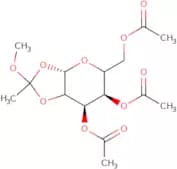
3,4,6-Tri-O-acetyl-b-D-mannopyranose 1,2-(methyl orthoacetate)
CAS:<p>3,4,6-Tri-O-acetyl-b-D-mannopyranose 1,2-(methyl orthoacetate) is a glycosylation product that is used in the synthesis of oligosaccharides. 3,4,6-Tri-O-acetyl-b-D-mannopyranose 1,2-(methyl orthoacetate) is synthesized by the reaction of 3,4,6-triacetyl b D mannopyranose with methyl orthoacetate in aqueous solution containing an acid catalyst. This compound can be used to modify saccharides and complex carbohydrates. It is also used in click chemistry to create modified sugars. The molecular weight of this compound ranges from 200 to 600 grams per mole and it has a CAS number of 4435 05 6.</p>Formula:C15H22O10Purity:Min. 95%Color and Shape:PowderMolecular weight:362.33 g/molMaltohexaose eicosaacetate
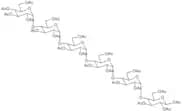
CAS:<p>CO2-philic compound; used in pharmaceuticals and CO2-based processes</p>Formula:C76H102O51Purity:Min. 90.0 Area-%Color and Shape:White PowderMolecular weight:1,831.59 g/molRutinose
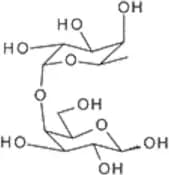
CAS:<p>Rutinose is a naturally occurring polyphenol found in many plants, including the leaves and bark of rue plants. It is a glycoside derivative that has been shown to inhibit human colorectal adenocarcinoma cells (HL-60) by binding to DNA and inhibiting RNA synthesis. Rutinose also has been shown to have anti-inflammatory effects and has been used in the treatment of metabolic disorders such as diabetes mellitus. Rutinose is a bioactive compound with antioxidant properties that may be related to its ability to bind metal ions, including calcium ions at physiological pH levels. Rutinose also has been shown to have a signal peptide sequence that targets it for secretion into the blood stream, where it may act on brain functions.</p>Formula:C12H22O10Purity:Min. 90%Color and Shape:White PowderMolecular weight:326.3 g/mol1-Cyano-2-deoxy-3,5-di-O-toluoyl-α-D-ribofuranose
<p>1-Cyano-2-deoxy-3,5-di-O-toluoyl-a-D-ribofuranose is a fluorinated monosaccharide that is synthesized by the glycosylation of 1,2:3,4:6,7:8,9-hexahydrobenzo[e]pyrrolo[1,2a]pyrazinone with 2,6:3',5'-dioxo-[1]benzothiophene. This compound has been shown to be an effective inhibitor of the enzyme glycogen synthase kinase 3β (GSK3β) and may have potential as a therapeutic agent for type II diabetes.</p>Formula:C22H21NO5Purity:Min. 95%Molecular weight:379.41 g/mola,a-D-Trehalose dihydrate - high purity
CAS:<p>Non-reducing disaccharide; mildly sweet energy source; protein stabilizer</p>Formula:C12H22O11·2H2OPurity:Min. 99 Area-%Color and Shape:PowderMolecular weight:378.33 g/molHesperetin-d3 7-O-β-D-glucuronide
<p>Hesperetin-d3 7-O-beta-D-glucuronide is a novel glycosylated hesperetin derivative that has been synthesized for the first time. It is a synthetic sugar with an Oligosaccharide structure, which is a saccharide composed of three to nine monosaccharides. Hesperetin-d3 7-O-beta-D-glucuronide has been fluorinated and methylated on the sugar moiety. It has been prepared in high purity and it is available at CAS No. 1407813-41-5. This product can be custom synthesized according to your specifications and needs.</p>Purity:Min. 95%3-C-Methyl- 5, 6- O- isopropylidene-D- gluconic acid g- lactone
<p>3-C-Methyl- 5, 6- O- isopropylidene-D- gluconic acid g- lactone is an oligosaccharide that was synthesized by the reaction of 3,4-dihydroxybenzoic acid and methyl acrylate. The molecular weight of this sugar is 459. Its CAS number is 72854-10-7. This sugar has a purity level of >95%. It has been modified with methylation and click chemistry to afford various derivatives. This carbohydrate can be used in glycosylation reactions or as a building block for polysaccharides.</p>Purity:Min. 95%(3R, 4R) -3, 4- Difluoro- 1- (phenylmethyl) -L- proline methyl ester
CAS:<p>(3R, 4R) -3, 4- Difluoro- 1- (phenylmethyl) -L- proline methyl ester is a synthetic sugar that can be modified by glycosylation and fluorination. It has applications in the synthesis of complex carbohydrates and oligosaccharides.</p>Purity:Min. 95%Isomaltooligosaccharide, average mw 550-700Da, 90%
<p>Mixture of isomaltoses, commercially available in food products such as protein/fiber bars, shakes, and other dietary supplements. Claimed as "prebiotic soluble fiber,” and/or as a “lowâcalorie, low glycemic sweetener".</p>Purity:Min. 95%Color and Shape:PowderDimethyl (2S)-2-((4R)-3-O-benzyl-1,2-O-isopropylidene-D-threos-4-yl)succinate
<p>Dimethyl 2-((4R)-3-O-benzyl-1,2-O-isopropylidene-D-threos--4-yl)succinate is a glycosylate compound that is used in the synthesis of saccharides and oligosaccharides. This product can be custom synthesized to order as a monosaccharide or oligosaccharide and can be fluorinated or methylated. Dimethyl (2S)-2-(4R)-3-O-benzyl-1,2--O--isopropylidene D--threo--4--yl)succinate has CAS number 49627–08–0 and molecular weight of 334.24 g/mol. This product is not intended for therapeutic use.</p>Purity:Min. 95%1,6-Anhydro-2-O-acetyl-3,4-dideoxy-b-D-erythro-hex-3-enopyranose
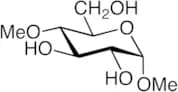
CAS:<p>The 1,6-anhydro-2-O-acetyl-3,4-dideoxy-b-D-erythrohexopyranose is a modified monosaccharide that has been fluorinated and methylated at the C1 position. This modification has shown to affect the susceptibility of bacteria to antibiotics. Fluorination and methylation at the C1 position of the sugar molecule can alter antibiotic binding affinity, which may be used as an alternative strategy for treating drug resistant bacterial infections.</p>Formula:C8H10O4Purity:Min. 95%Molecular weight:170.16 g/molMethyl 4-O-methyl-α-D-glucopyranoside
CAS:<p>Methyl 4-O-methyl-α-D-glucopyranoside is a methyl glucoside analogue</p>Formula:C8H16O6Purity:Min. 95%Color and Shape:PowderMolecular weight:208.21 g/molN, N- Bis(2, 2- Dimethyl- 1, 3- dioxan- 5- yl) - 4- nitro-benzamide
CAS:<p>N,N-Bis(2,2-dimethyl-1,3-dioxan-5-yl)-4-nitrobenzamide is a synthetic compound that has been modified with Click chemistry. It contains a 2,2'-dithiodiethanol moiety and is glycosylated with glucose. This compound has been used in the synthesis of complex carbohydrates such as oligosaccharides and monosaccharides.</p>Purity:Min. 95%Blood group A trisaccharide-APE-[biotin]-HSA
<p>ABO trisaccharide conjugated to HSA via Biotin & an aminophenyl ethyl spacer</p>Purity:Min. 95%Methyl 2-acetamido-2-deoxy-3-O-(a-L-fucopyranosyl)-b-D-glucopyranoside
CAS:<p>Methyl 2-acetamido-2-deoxy-3-O-(a-L-fucopyranosyl)-b-D-glucopyranoside is a glycosylation product of the natural sugar, galactose. It is a synthetic compound that has been modified with methyl groups and fluorine to form an active pharmaceutical ingredient. Methyl 2-acetamido-2-deoxy-3-O-(a-L-fucopyranosyl)-b-D-glucopyranoside can be used as a monosaccharide or oligosaccharide in the synthesis of complex carbohydrates.</p>Formula:C15H27NO10Purity:Min. 95%Color and Shape:PowderMolecular weight:381.38 g/mol2-Acetylamino-3,4-O-benzylidene-2-deoxy-D-arabino-1,4-lactone
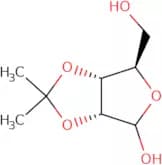
<p>2-Acetylamino-3,4-O-benzylidene-2-deoxy-D-arabino-1,4-lactone is a synthetic compound that is used to modify the carbohydrate chains in Glycopeptides. This modification can be done by either fluorination or methylation. The click modification has been shown to be effective for complex carbohydrates such as oligosaccharides and polysaccharides.</p>Purity:Min. 95%2,3-O-Isopropylidene-D-ribofuranose
CAS:<p>Pharmaceutical intermediate</p>Formula:C8H14O5Purity:Min. 95%Color and Shape:PowderMolecular weight:190.19 g/molMethyl 2-deoxy-a-D-ribopyranoside
CAS:<p>Methyl 2-deoxy-a-D-ribopyranoside is a sugar molecule that is used in the synthesis of glycosides, saccharides, oligosaccharides, and polysaccharides. It has been shown to be an effective reagent for the fluorination of saccharides and sugars. Methyl 2-deoxy-a-D-ribopyranoside is also used for modification of complex carbohydrates and other organic molecules.</p>Formula:C6H12O4Purity:Min. 95%Molecular weight:148.16 g/molUDP-N-acetyl-D-mannosaminuronic acid
CAS:<p>UDP-N-acetyl-D-mannosaminuronic acid is a monosaccharide that is synthesized from UDP and N-acetyl-D-mannosamine. It is an important precursor for the synthesis of glycoproteins, lipopolysaccharides, and proteoglycans in bacteria. Mutants have been identified in Escherichia coli and Staphylococcus aureus that lack the enzyme UDP-N-acetylglucosamine 2’:3’ phosphotransferase, which is required for the biosynthesis of UDP-N-acetylglucosamine. The enzyme responsible for this reaction is acetamidase/uridine diphosphate mannosyltransferase. This enzyme catalyzes the transfer of mannose from uridine diphosphate (UDP) to N acetylglucosamine to form UDP N acetyl D mannosaminuronic acid</p>Formula:C17H25N3O18P2Purity:Min. 95%Molecular weight:621.3 g/molPhenyl-β-D-thioglucuronic acid
CAS:<p>Phenyl-beta-D-thioglucuronic acid is a drug that is used to treat inflammatory diseases and autoimmune diseases. It is a basic structure that has been shown to have anti-estrogenic effects in vitro, although the mechanism of action is not well understood. Phenyl-beta-D-thioglucuronic acid can be crosslinked with proteins to form a matrix for wound healing. This drug has also been shown to be a potent inhibitor of proteases, and may inhibit other enzymes such as matrix metalloproteinases and serine proteases.</p>Formula:C12H14O6SMolecular weight:286.31 g/molRef: 3D-P-4300
1gTo inquire5gTo inquire10gTo inquire500mgTo inquire2500mgTo inquire-Unit-ggTo inquire7-Deoxy-D-glycero-L-ido-heptitol
<p>7-Deoxy-D-glycero-L-ido-heptitol is a synthetic carbohydrate that is a methylated, saccharide and polysaccharide. It is a custom synthesis and can be modified with Click chemistry. This product has CAS number 90319-73-6 and can be modified with fluorination. 7DGHLH is a high purity product that has been synthesized from carbon dioxide and hydrogen gas. It is an oligosaccharide that has been glycosylated and is available in the form of a powder or liquid.</p>Purity:Min. 95%Ginsenoside F1
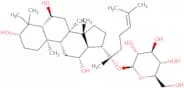
CAS:<p>Ginsenoside F1 is a natural compound found in ginseng. It is believed to have anti-cancer properties. Ginsenoside F1 has been shown to inhibit the proliferation of HL-60 cells and have an apoptotic effect by regulating mitochondrial membrane potential and activating the apoptotic pathway. The mechanism of action for the anti-cancer activity of Ginsenoside F1 may be due to its ability to inhibit angiogenesis, which is needed for cancer cell proliferation. Ginsenoside F1 also inhibits the growth of skin cancer cells in mice by regulating microvessel density. This compound has been found in foods such as soybeans, rice, peanuts, and kiwifruit.</p>Formula:C36H62O9Purity:Min. 95%Color and Shape:PowderMolecular weight:638.87 g/molD-Mannose
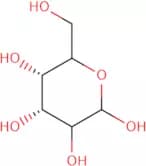
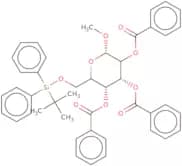
CAS:<p>Mannose (Man) is the C2 epimer of glucose with one hydroxyl group axial which by Hudsons rules makes it slightly less stable than glucose (Hudson, 1948). However, mannose is very common in plants and animals, and occurs in many polysaccharides, such as, galactomannans (e.g. Guar, Locust Bean Gum), mananns (e.g. Ivory Nut Mannan), Spruce Galactoglucomannan, Gum Ghatti (Whistler, 1993) and bakerâs yeast (Saccharomyces cerevisiae) (Manners, 1973). Mannose is one of the key mammalian monosaccharides (Glucose, Galactose, Mannose, Fucose, N-Acetyl Glucosamine, N-Acetyl galactosamine and Sialic acid) and occurs in N-linked glycans where it is a core oligosaccharide (Gabius, 2009).</p>Formula:C6H12O6Purity:Min. 98 Area-%Color and Shape:White PowderMolecular weight:180.16 g/molMethyl 2,3,4-tri-O-benzoyl-6-O-tert-butyldiphenylsilyl-a-D-mannopyranoside
<p>Methyl 2,3,4-tri-O-benzoyl-6-O-tert-butyldiphenylsilyl-a-D-mannopyranoside (MTBDPS) is a synthetic glycoside that is modified by fluorination, methylation and silylation. It is used as a monosaccharide or polysaccharide in the synthesis of complex carbohydrates. The product has a CAS number and can be custom synthesized to customer specifications. MTBDPS is available in high purity and can be used for click modification.</p>Formula:C44H44O9SiPurity:Min. 95%Molecular weight:744.92 g/mol(3R,5R)-5-(Dimethoxymethyl)tetrahydrofuran-3-ol
CAS:<p>(3R,5R)-5-(Dimethoxymethyl)tetrahydrofuran-3-ol is a methylated sugar that can be used as a building block for the synthesis of saccharides and polysaccharides. It has been used in Click chemistry to modify oligosaccharides and glycosylations. This chemical is soluble in water and has high purity. It is also available from CAS No. 127682-76-2. It has been fluorinated to form 2,6-difluoro-3,4,5,6-tetrafluorotetrahydrofuran (CAS No. 317321-67-8).</p>Formula:C7H14O4Purity:Min. 95%Molecular weight:162.18 g/mol(3R,4R)-2-Methyl-2,3,4,5-tetrahydroxypentane
<p>(3R,4R)-2-Methyl-2,3,4,5-tetrahydroxypentane is a synthetic compound. It is a glycosylation reagent that can be used to modify the sugar moiety in oligosaccharides and complex carbohydrates. (3R,4R)-2-Methyl-2,3,4,5-tetrahydroxypentane is also used for fluorination reactions and click chemistry modifications. This product has been shown to have high purity and can be custom synthesized. The CAS number for this compound is 36610-02-6.</p>Purity:Min. 95%L-Rhamnose monohydrate
CAS:<p>Used to differentiate microorganisms based on their metabolic properties.</p>Formula:C6H14O6Purity:Min. 98.0 Area-%Molecular weight:182.17 g/molRef: 3D-R-3000
1kgTo inquire5kgTo inquire10kgTo inquire500gTo inquire2500gTo inquire-Unit-kgkgTo inquire2-Deoxy-2-fluoro-L-fucose
CAS:<p>2-Deoxy-2-fluoro-L-fucose (2FF) is a fluorinated analogue of fucose that can be converted to GDP (Guanosine Diphosphate)-2FF in vitro, a competitive inhibitor of alpha-1,3-fucosyltransferase V. It can also be metabolised inside the cell to a substrate-based inhibitor of fucosyltransferases. 2FF reduces fucosylation of IgG in antibodies, which increases therapeutic efficacies of antibodies that cause antibody-dependent cellular cytotoxicity.</p>Formula:C6H11FO4Purity:Min. 98.0 Area-%Color and Shape:White PowderMolecular weight:166.15 g/molUDP-N-Lev-galactosamine
CAS:<p>UDP-N-Lev-galactosamine is a glycosylation agent that is used in the synthesis of complex carbohydrates, such as methylated and fluorinated saccharides. It can be used to modify saccharides, oligosaccharides, and sugars. This compound can also be used for the synthesis of monosaccharides. UDP-N-Lev-galactosamine is a custom synthesis that has been shown to have a high purity.</p>Purity:Min. 95%4'-O-(2-Acetamido-2-deoxy-3-O-(b-D-galactopyranosyl)-b-D-galactopyanosyl)-b-D-lactose
<p>4'-O-(2-Acetamido-2-deoxy-3-O-(b-D-galactopyranosyl)-b-D-galactopyanosyl) -b-D-lactose is a modified saccharide that belongs to the group of polysaccharides. It has a CAS number and can be custom synthesized by our company. This product is classified as a carbohydrate, sugar, or synthetic. It can be used in click modification, modification, or glycosylation reactions. 4'-O-(2-Acetamido-2-deoxy-3-O-(b-D-galactopyranosyl)-b -D -galactopyanosyl) -b -D -lactose is also fluorinated with trifluoromethanesulfonic acid and can be used for complex carbohydrate synthesis.</p>Formula:C26H45NO21Purity:Min. 95%Color and Shape:White PowderMolecular weight:707.63 g/mol2-Azidomethyl-2-deoxy-D-ribono-1.5-lactone
<p>2-Azidomethyl-2-deoxy-D-ribono-1.5-lactone is a custom synthesis of an oligosaccharide with a carbohydrate chain that has been modified by methylation and glycosylation. It is a high purity product that can be used in the synthesis of complex carbohydrates, such as polysaccharides, and has been fluorinated to create a click modification. This compound has an CAS number and can be used in the synthesis of saccharides or sugars. It can also be used for the preparation of complex carbohydrates, such as polysaccharides, and has been fluorinated to create a click modification.</p>Purity:Min. 95%Sodium stibogluconate
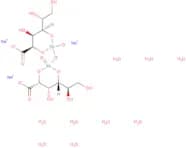
CAS:<p>Sodium stibogluconate is a drug that has been widely used in the treatment of leishmaniasis. It is administered as an intramuscular injection or intravenous infusion, depending on the severity of the infection. The drug targets the parasite by inhibiting its DNA topoisomerase, which disrupts DNA replication and transcription. Clinical data have shown that this drug is effective against infantum and other strains of leishmania.</p>Formula:C12H20O17Sb2•(Na)3•(H2O)9Purity:Min. 95%Color and Shape:PowderMolecular weight:910.9 g/mol(1S) -1- [(2R, 3R,4S) -4-Hydroxymethyl-3- hydroxy- 1- azetidinyl] -1, 2- ethanediol hydrochloride
<p>(1S) -1- [(2R, 3R,4S) -4-Hydroxymethyl-3- hydroxy- 1- azetidinyl] -1, 2- ethanediol hydrochloride is a synthetic sugar that can be used in the synthesis of complex carbohydrates. The sugar is not naturally occurring and must be custom synthesized. It has been modified using fluorination, monosaccharides, and oligosaccharides to produce a glycosylation product. This modification is important for the production of polysaccharides with high purity.</p>Purity:Min. 95%(2R, 3S, 4S) -3- Fluoro- 4- (hydroxymethyl) - N- methyl- 1- (phenylmethyl) -2- azetidinecarboxamide
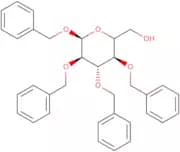
CAS:<p>(2R, 3S, 4S) -3- Fluoro- 4- (hydroxymethyl) - N- methyl- 1- (phenylmethyl) -2- azetidinecarboxamide is an oligosaccharide that can be synthesized by glycosylation and fluorination. It is a high purity chemical with a custom synthesis and sugar modification. This product is synthesized by Click modification and methylation. The synthesis of this product starts with glycogen which is modified to produce monosaccharides and saccharides. These sugars are then further modified to produce the desired product. As an oligosaccharide, it has many applications including as a sugar for complex carbohydrate research.</p>Purity:Min. 95%1,2,3,4-Tetra-O-benzyl-α-D-mannopyranoside
CAS:<p>1,2,3,4-Tetra-O-benzyl-a-D-mannopyranoside is an active drug that belongs to the group of thyromimetics. It is a prodrug that is hydrolyzed in vivo to 1,2,3,4-tetra-O-acetyl-a-D-mannopyranose. This drug has been shown to be effective in treating nervous system diseases such as sclerosis and endogenous disease. The acetylation of the benzyl group on this molecule prevents it from being metabolized by enzymes that are found in the liver. The unmodified form of this drug is rapidly absorbed into the blood and reaches high concentrations quickly.</p>Formula:C34H36O6Purity:Min. 95%Color and Shape:Clear LiquidMolecular weight:540.65 g/mol1,2,3,4-Tetra-O-benzoyl-6-O-tert-butyldiphenylsilyl-b-D-glucopyranose
<p>1,2,3,4-Tetra-O-benzoyl-6-O-tert-butyldiphenylsilyl-b-D-glucopyranose is a synthetic sugar that is used as an intermediate in the synthesis of a variety of saccharides. It is prepared by the benzoylation of glucose with 1,2,3,4 tetra O benzoyl chloride in the presence of tert butyldiphenylsilyl chloride. The product is then treated with hydrochloric acid to form the corresponding methyl ester. This compound has been shown to have high purity and excellent solubility in organic solvents.</p>Formula:C50H46O10SiPurity:Min. 95%Molecular weight:835 g/mol2,3,4,6-Tetra-O-acetyl-D-mannopyranose
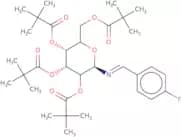
CAS:<p>2,3,4,6-Tetra-O-acetyl-D-mannopyranose is a glycosylated polysaccharide. It is a complex carbohydrate with a methylated D-mannopyranose backbone and an acetylated 2,3,4,6-tetraose sidechain. This product can be fluorinated or saccharified to make it more reactive for click chemistry. 2,3,4,6-Tetra-O-acetyl-D-mannopyranose has been custom synthesized in a high purity form that is suitable for use in various applications including polymeric materials and pharmaceuticals.</p>Formula:C14H20O10Purity:Min. 95%Molecular weight:348.3 g/molN-(4-Fluorobenzyliden)imino-2,3,4,6-tetra-O-pivaloyl-b-D-glucopyranoside
<p>N-(4-Fluorobenzyliden)imino-2,3,4,6-tetra-O-pivaloyl-b-D-glucopyranoside is a custom synthesis of an oligosaccharide that has been modified with fluorination and methylation. This synthetic compound has the CAS number 108879-94-5. It is a polysaccharide that contains saccharides and glycosylation. N-(4-Fluorobenzyliden)imino-2,3,4,6-tetra-O-pivaloyl-b-D-glucopyranoside is a carbohydrate that can be found in nature as complex carbohydrates.</p>Formula:C33H48FNO9Purity:Min. 95%Molecular weight:621.73 g/mol1-Deoxy-1-fluoro-D-tagatose
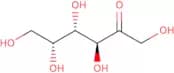
<p>1-Deoxy-1-fluoro-D-tagatose is a sugar with the chemical formula C6H12O6. It has a high purity and can be custom synthesized. The modification of this sugar includes fluorination, glycosylation, and methylation. 1-Deoxy-1-fluoro-D-tagatose is also an oligosaccharide that consists of one monosaccharide and one saccharide. This compound belongs to the group of complex carbohydrates because it is made up of many different sugars that are linked together in chains.</p>Purity:Min. 95%6-Deoxy-L-glucitol
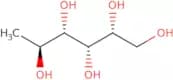
CAS:<p>6-Deoxy-L-glucitol is a sugar alcohol that is found in the body and has been used as a substitute for sucrose. 6-Deoxy-L-glucitol is metabolized by deamination and reduction to produce lactobionic acid. This reaction can be catalyzed by either an enzyme or by chemical means. 6-Deoxy-L-glucitol can also be partially reduced to form 6-phospho--erythritol, which can be further reduced to form erythritol. Muscle cells contain hexokinases and phosphofructokinase, which are required for the final step in glucose metabolism. These enzymes are important in the regulation of blood sugar levels and energy production. In addition, these enzymes play a role in the metabolism of other sugars such as fructose and galactose.</p>Formula:C6H14O5Purity:Min. 95%Molecular weight:166.17 g/molL-Glucose
CAS:<p>L-Glucose is a monosaccharide that belongs to the group of carbohydrates. L-Glucose is an important energy source for living organisms and plays a role in many metabolic pathways, including glycolysis and gluconeogenesis, as well as cell signaling. It is also an essential component of DNA and RNA. L-Glucose has been shown to have effects on brain functions such as memory and learning ability, which may be due to its ability to signal neurons. L-Glucose can be used in model systems to study the effects of diabetes on cells and has been shown to have pluripotent effects on cells. In addition, this molecule has been shown to inhibit the growth of bacteria by binding to the enzyme polysaccharide kinase and reducing its activity. This inhibition leads to decreased synthesis of polysaccharides (e.g., glycogen) that are necessary for cell division.</p>Formula:C6H12O6Purity:Min. 99.5 Area-%Molecular weight:180.16 g/mol3,4-O-Isopropylidene-2,3-di-C-mehtyl-6-O-tert.butyldimethylsilyl-D-allopyranose
<p>3,4-O-Isopropylidene-2,3-di-C-methyl-6-O-tert.butyldimethylsilyl-D-allopyranose is a fluorinated sugar that is synthesized by the reaction of 3,4-O-isopropylidene D-glucal with tert.butyldimethylsilyl chloride and allyl bromide in the presence of tetrapropylammonium perruthenate. This compound has been shown to be useful for glycosylation reactions and as an intermediate for the synthesis of oligosaccharides. It has also been used to introduce click modifications to sugars for applications such as immunoassays and molecular electronics. The compound is available to order from Sigma Aldrich in a custom synthesis or in stock form.</p>Purity:Min. 95%Allyl D-glucuronate
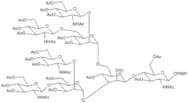
CAS:<p>Used for the synthesis of 1β-O-acyl glucuronides</p>Formula:C9H14O7Purity:Min. 95 Area-%Color and Shape:White PowderMolecular weight:234.2 g/mol4-Methoxyphenyl 2-acetamido-3,6-di-O-acetyl-4-O-{2,4-di-O-acetyl-3-O-[3,6-di-O-acetyl-2,4-di-O-(3,4,6-tri-O-acetyl-2-acetamido-2-deo xy-b-D-glucopyranosyl)-a-D-mannopyranosyl]-6-O-[3,4-di-O-acetyl-2,6-di-O-(3,4,6-tri-O-acetyl-2-acetamido-2-deoxy-b-D-g
<p>4-Methoxyphenyl 2-acetamido-3,6-di-O-acetyl-4-O-[2,4-di-O-(3,6,9)-triacetyldi-O-(3,4,6)-triacetyldiacetamido]-bDglucopyranoside (MPPA) is a modification of the natural oligosaccharide 3,6,-di-O-(2,4-di-O-(3,6,9)-triacetyldiacyl)-bDmannopyranosyl. MPPA is synthesized by methylation and glycosylation of glucose residues in the backbone of the natural oligosaccharide. The methylated glycosidic linkages are substituted for acetamido groups in order to confer water solubility to the molecule. MPPA has been shown to be an effective inhibitor of influenza virus replication in vitro.</p>Formula:C105H143N5O62Purity:Min. 95%Molecular weight:2,467.26 g/molDeoxygalactonojirimycin acetonide
<p>Deoxygalactonojirimycin acetonide is a custom-synthesized, complex carbohydrate that belongs to the group of Oligosaccharides. It is a modified saccharide with methylation and glycosylation. Deoxygalactonojirimycin acetonide is an active ingredient that has been synthesized for use in cancer research. This compound is a high-purity, fluorinated sugar with Click modification that can be used to study the structure-activity relationships of carbohydrate-based drugs.</p>Purity:Min. 95%Propargyl a-D-glucopyranoside
CAS:<p>Propargyl a-D-glucopyranoside is a high purity custom synthesis sugar. It is synthesized by Click modification, fluorination, and glycosylation followed by methylation. Propargyl a-D-glucopyranoside can be used for the modification of oligosaccharides and monosaccharides to produce complex carbohydrates.</p>Formula:C9H14O6Purity:Min. 95%Color and Shape:PowderMolecular weight:218.2 g/mol2,3:4,5-Di-O-isopropylidene-6-oxo-D-talonic acid methyl ester
<p>2,3:4,5-Di-O-isopropylidene-6-oxo-D-talonic acid methyl ester is a modification of an oligosaccharide. It can be used as a raw material for the synthesis of complex carbohydrates and has been shown to have high purity. 2,3:4,5-Di-O-isopropylidene-6-oxo-D-talonic acid methyl ester is synthesized from a monosaccharide and has been fluorinated and saccharified.</p>Purity:Min. 95%Raloxifene-6-D-glucuronide lithium salt
CAS:<p>Raloxifene-6-D-glucuronide lithium salt is a custom synthesis of a complex carbohydrate. It is an oligosaccharide that has been modified by methylation and glycosylation. The modification of the saccharide with click chemistry has provided a high purity product. This compound has been fluorinated to provide an organic molecule with a pharmaceutical grade purity.</p>Formula:C34H34NO10S·LiPurity:Min. 95%Molecular weight:655.64 g/mol2,3:4,5-Di-O-Isopropylidene-D-idonic acid methyl ester
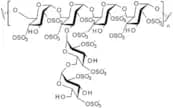
<p>2,3:4,5-Di-O-Isopropylidene-D-idonic acid methyl ester is a synthetic chemical that is used in the modification of carbohydrates. It has been used in the synthesis of oligosaccharides and polysaccharides. The compound has also been used to synthesize saccharides and to fluorinate complex carbohydrates. 2,3:4,5-Di-O-Isopropylidene-D-idonic acid methyl ester is an expensive chemical because it is only available through custom synthesis. It can be used for the modification of monosaccharides or sugars.</p>Purity:Min. 95%Dextran sulfate sodium salt - MW 4500-5500
CAS:<p>Dextran sulphate is a dextran derivative whose ulcer (colitis) -causing properties were first reported in hamsters and extrapolated a few years later to mice and rats. The exact mechanisms through which dextran sulphate induces intestinal inflammation are unclear but may be the result of direct damage of the monolayer of epithelial cells in the colon, leading to the crossing of intestinal contents (for e.g. commensal bacteria and their products) into underlying tissue and therefore induction of inflammation. The dextran sulphate sodium induced ulceration model in laboratory animals has some advantages when compared to other animal models of colitisdue to its simplicity and similarities to human inflammatory bowel disease.</p>Purity:Min. 95%Color and Shape:PowderBlood group A type 4 linear trisaccharide-NGL
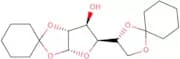
<p>Useful oligosaccharide-lipid conjugate for raising antibodies.</p>Purity:Min. 95%1,2:5,6-Di-O-cyclohexylidene-α-D-glucofuranose
CAS:<p>1,2:5,6-Di-O-cyclohexylidene-a-D-glucofuranose is a synthetic sugar which is used as a starting material for the synthesis of oligosaccharides and polysaccharides. This chemical is also used in the modification of glycosylation and carbohydrate. It can be used to synthesize high purity sugars, including monosaccharides and oligosaccharides. 1,2:5,6-Di-O-cyclohexylidene-a-D-glucofuranose is not fluorescent under UV light.</p>Formula:C18H28O6Purity:Min. 95%Color and Shape:White PowderMolecular weight:340.41 g/mol1,2-Di-O-acetyl-3,5-di-O-benzoyl-D-ribofuranose
CAS:<p>1,2-Di-O-acetyl-3,5-di-O-benzoyl-D-ribofuranose is a fluorinated carbohydrate that is synthesized through a glycosylation reaction. It has been shown to be stable in the presence of strong acid and base. The molecular weight of 1,2-Di-O-acetyl-3,5-di-O-benzoyl-D -ribofuranose is 694.49 g/mol. The purity of this compound is >99%.</p>Purity:Min. 95%α-D-Mannopyranosyl azide
CAS:<p>a-D-Mannopyranosyl azide is a custom synthesis, modification, fluorination, methylation, monosaccharide, synthetic and glycosylation agent. It can be used as a monosaccharide or oligosaccharide for the synthesis of complex carbohydrates.</p>Formula:C6H11N3O5Purity:Min. 95%Color and Shape:White PowderMolecular weight:205.17 g/molDisialyl-TF
CAS:<p>Disialyl-TF is a monoclonal antibody that binds to the CD33 antigen on the surface of all types of cancer cells, including breast cancer cells. Disialyl-TF has been shown to reduce the growth and spread of prostate cancer cells in mice, reducing tumor size and weight. Disialyl-TF is also active against infectious diseases such as HIV, which may be due to its ability to inhibit the expression of glycan receptors. The mechanism by which it works is not yet known. Disialyl-TF has been shown to bind with high affinity to erythrocytes bearing A or B blood group antigens, making it an excellent diagnostic tool for detecting these antigens in patients with acute myeloid leukemia or other cancers.</p>Formula:C36H59N3O27Purity:Min. 95%Molecular weight:965.86 g/molHuman milk neutral tetrasaccharides
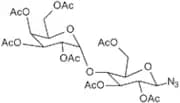
<p>Mainly a mixture of Lacto-N-tetraose, Lacto-N-neo-tetraose, Lactodifucotetraose</p>Purity:Min. 95%Color and Shape:Powder2,3,6,2',3',4',6'-Hepta-O-acetyl-b-lactosyl azide
CAS:<p>2,3,6,2',3',4',6'-Hepta-O-acetyl-b-lactosyl azide is a custom synthesis of a carbohydrate that has been modified by the addition of acetyl groups to one end and the attachment of an azide group to the other. The synthesis of this compound has been completed in high purity and is available for purchase. This compound is a complex carbohydrate that is a sugar that can be modified by fluorination. It is also an oligosaccharide or polysaccharide with saccharide units.</p>Formula:C26H35N3O17Purity:Min. 95%Color and Shape:PowderMolecular weight:661.57 g/mol1,3,5-Tri-O-benzoyl-2-deoxy-2-fluoro-a-D-arabinofuranose
CAS:<p>Resource for the synthesis of Clofarabine and other bioactive arabinosides</p>Formula:C26H21FO7Purity:Min. 98 Area-%Color and Shape:White Off-White PowderMolecular weight:464.44 g/mol1,2-Di-O-acetyl-3-O-benzyl-4-C-(methanesulfonyloxymethyl)-5-O-methanesulfonyl-D-ribofuranose
<p>1,2-Di-O-acetyl-3-O-benzyl-4-C-(methanesulfonyloxymethyl)-5-O-methanesulfonyl-D-ribofuranose is an oligosaccharide with a complex carbohydrate structure. The methylation of the sugar at position 1 and position 2 on the ribose sugar produces 1,2-di (O acetyl)-3,4 C (methylsulfanyloxymethyl) -5 O methanesulfonyl D ribofuranose. This modification creates a reactive site for click chemistry or other chemical reactions. The carbons in the sugar are fluorinated to produce 1,1′ F 2 COC 6 H 4 CH 2 OH.</p>Purity:Min. 95%4-O-(α-L-Fucopyranosyl)-D-galactopyranose
CAS:<p>4-O-(a-L-Fucopyranosyl)-D-galactopyranose is a glycosidic sugar that has an alpha-1,3 linkage and a galactose residue. The sequence of this sugar is the same as that of D-galactose. 4-O-(a-L-Fucopyranosyl)-D-galactopyranose belongs to the group of carbohydrates. It is found in plants, animals, or fungi and can be used as a precursor for the synthesis of many other compounds.</p>Formula:C12H22O10Purity:Min. 95%Color and Shape:PowderMolecular weight:326.3 g/mol2-Acetamido-4-O-{2-acetamido-4-O-[[3-O-[2-O-(2-acetamido-2-deoxy-b-D-glucopyranosyl)-a-D-mannopyranosyl]-6-O-[2-O-(2-acetamido-2-deo xy-b-D-glucopyranosyl)-a-D-mannopyranosyl]-b-D-mannopyranosyl]]-2-deoxy-b-D-glucopyranosyl}-2-deoxy-b-D-thioglucopyran
<p>2-Acetamido-4-O-{2-acetamido-4-O-[3-O-[2-O-(2-acetamido-2,6-dideoxygalactopyranosyl)-a,D]-mannopyranosyl]-6 -O-[2 - O-(2 - acetamido - 2, 6 - dideoxygalactopyranosyl) - a, D] - mannopyranosyl} - 2 - deoxy - b, D]glucopyranosyl} - 2 - deoxyglucose is a synthetic carbohydrate that belongs to the group of oligosaccharides. It is a complex carbohydrate consisting of six glucose molecules linked by alpha (1→4) glycosidic bonds. The chemical name for this molecule is Custom synthesis and it has CAS No. 91471-04-8. This product can be modified through methylation, glycos</p>Formula:C50H84N4O35SPurity:Min. 95%Molecular weight:1,333.27 g/mol2,3,4,6-Tetra-O-allyl-D-glucopyranose
CAS:<p>2,3,4,6-Tetra-O-allyl-D-glucopyranose is a synthetic oligosaccharide that is used in the synthesis of glycoproteins and other complex carbohydrates. The sugar has been fluorinated to produce 2,3,4,6-Tetra-O-fluoro-D-glucopyranose. This sugar can be custom synthesized with methylation or click modification. It is a high purity product with no impurities detected.</p>Purity:Min. 95%D-Glucose 3-sulfate sodium salt
CAS:<p>D-Glucose 3-sulfate sodium salt is a fluorinated, monosaccharide that can be used as a synthetic, oligosaccharide or complex carbohydrate. It is custom synthesized with glycosylation and polysaccharides and has been shown to be useful in click modification. D-Glucose 3-sulfate sodium salt is also methylated and sugar modified. The CAS number for this product is 89830-83-1. It has high purity and can be purchased at any lab supply store.</p>Formula:C6H11NaO9SPurity:Min. 98 Area-%Color and Shape:PowderMolecular weight:282.2 g/molMethyl 2,3-di-O-acetyl-4,6-O-(4-methoxybenzylidene)-a-D-galactopyranoside
<p>Methyl 2,3-di-O-acetyl-4,6-O-(4-methoxybenzylidene)-a-D-galactopyranoside is a custom synthesis. It is an oligosaccharide and polysaccharide. It has been modified with fluorination and click chemistry. Methyl 2,3-di-O-acetyl-4,6-O-(4 methoxybenzylidene)-a D galactopyranoside is a synthetic sugar.</p>Formula:C19H24O9Purity:Min. 95%Molecular weight:396.4 g/molN,N',N'',N''',N'''',N''''',N''''''-Heptaacetylchitoheptaose
CAS:<p>Chitinases are enzymes that hydrolyze chitin, a polysaccharide found in the exoskeleton of insects, fungi and other invertebrates. Chitohexaose is a sugar that has been shown to have anti-inflammatory properties. It is a carbohydrate with six acetyl groups attached to it. When this sugar reacts with ammonium bicarbonate (NH4HCO3) in an acidic environment, it produces N,N',N'',N''',N'''',N''''',N''''''-heptaacetylchitoheptaose. This reaction system can be used as a chitinase preparation for investigating the biological effects of chitohexaose. The magnetic resonance spectroscopy was used to study the reaction system and revealed that the product is a hexamer with six acetyl groups on each monomer.</p>Formula:C56H93N7O36Purity:Min. 95%Color and Shape:PowderMolecular weight:1,440.36 g/mol6-Deoxy-L-piscose
<p>6-Deoxy-L-piscose is a synthetic monosaccharide that has been fluorinated to 6-fluoro-D-piscose. It is a complex carbohydrate that has been synthesized from D-glucose and D-ribose. The glycosylation reaction was conducted with N,N'-diacetylchitobioglycine and the methylation reaction with sodium methoxide. Click modification was performed by reacting 6-deoxy L-piscose with 2-(2′,4′,5′,7′,8′)-octamethyltrigonal bipyramid (OMeTBP) in dry DMF at 120°C for 10 minutes. The chemical structure of this sugar is shown below:</p>Purity:Min. 95%1,2:5,6-Di-O-isopropylidene-D-mannitol
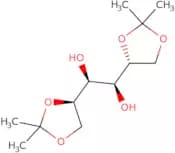
CAS:<p>1,2:5,6-Di-O-isopropylidene-D-mannitol (IDM) is a chemical compound that has been shown to have physiological activities. It has been studied for its potential use as an antimicrobial agent against bacteria and fungi. IDM is structurally similar to 2,3:5,6-Tri-O-methylenetetrahydrofolate (THF), which can be used in the synthesis of polysaccharides and DNA bases. IDM also has properties that may be beneficial in treating congenital heart disease.</p>Formula:C12H22O6Purity:Min. 98 Area-%Color and Shape:White PowderMolecular weight:262.3 g/molAllosamizoline
CAS:<p>Allosamizoline is a potent inhibitor of bacterial enzyme that is produced by the bacteria. It inhibits viral replication and has been shown to inhibit the biosynthesis of other bioactive molecules, such as cyclohexane ring, nitrogen atoms, and growth regulators. Allosamizoline is a bicyclic compound with an acetylation at the carbon atom and a cyclohexane ring. This compound also has two nitrogen atoms in its structure that are important for inhibiting bacterial enzymes. In addition, allosamizoline can be conjugated to fluorescein via an ester linkage. The fluorescein-allosamizoline conjugate can be used as a fluorescent probe for the detection of bacterial enzymes in live cells and tissues.</p>Formula:C9H16N2O4Purity:Min. 95%Molecular weight:216.23 g/mol2-Azidomethyl-2-deoxy-3,4-O-isopropylidene-D-altrono-1.5-lactone
<p>2-Azidomethyl-2-deoxy-3,4-O-isopropylidene-D-altrono-1.5-lactone is a synthetic carbohydrate with the molecular formula C14H22N2O7. It is used in research as a building block for glycosylation and methylation of saccharides.</p>Purity:Min. 95%D-Tagatose
CAS:<p>Low-calorie sweetener; additive in detergents, cosmetics, and pharmaceuticals</p>Formula:C6H12O6Purity:Min. 99 Area-%Color and Shape:PowderMolecular weight:180.16 g/mol2-Chloro-4-nitrophenyl 2-azido-2-deoxy-b-D-galactopyranoside
CAS:<p>2-Chloro-4-nitrophenyl 2-azido-2-deoxy-b-D-galactopyranoside is a synthetic compound. It has been shown to be an inhibitor of glycosylation by blocking the terminal step of glycosylation, which is the formation of a covalent bond between a sugar and an amino acid. The compound has been used in click chemistry to methylate saccharides.</p>Formula:C12H13ClN4O7Purity:Min. 95%Molecular weight:360.71 g/molFA2B Glycan, 2-AB labelled
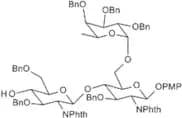
<p>This is a monosaccharide with 2-AB labelled. It is a modification of the oligosaccharide, carbohydrate, complex carbohydrate, and custom synthesis. This product has high purity and CAS No. It is methylated and glycosylated. The product is fluorinated and saccharide.</p>Purity:Min. 95%4-Methoxyphenyl 4-O-(3,6-di-O-benzyl-2-deoxy-2-phthalimido-β-D-glucopyranosyl)-3-O-benzyl-6-O-(2,3,4-tri-O-benzyl-α-L-fucopyranosyl) -2-deoxy-2-phthalimido-β-D-glucopyranoside
<p>4-Methoxyphenyl 4-O-(3,6-di-O-benzyl-2-deoxy-2-phthalimido-b-D-glucopyranosyl)-3-O-benzyl-6-O-(2,3,4,triO -benzyl--aLfucopyranosyl) -2 deoxy 2 phthalimido b D glucopyranoside is a complex carbohydrate with a molecular weight of 1807. It has been synthesized by the methylation of 4 methoxyphenol and 3 benzaldehyde followed by the click modification of a glycoside. The CAS No. is 123624–72–0. This product has been made in order to be used as an intermediate for the synthesis of oligosaccharides and polysaccharides. The purity level is high and the modification is customized according to customer requirements. This product contains sacchar</p>Formula:C83H80N2O18Purity:Min. 95%Molecular weight:1,393.53 g/mol2-C-Hydroxymethyl-2,3-O-isopropylidene-3-C-methyl-L-erythrofuranose
<p>2-C-Hydroxymethyl-2,3-O-isopropylidene-3-C-methyl-L-erythrofuranose is a carbohydrate that can be used as a synthetic intermediate in the production of other carbohydrates. It has been modified with fluorination, methylation, glycosylation, and click modification. This product is custom synthesized to order for high purity and quality.</p>Purity:Min. 95%N6-Benzyladenine-7-glucoside
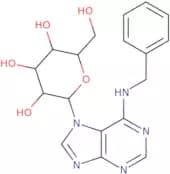
CAS:<p>N6-Benzyladenine-7-glucoside is a benzyladenine derivative that is the major precursor of dihydrozeatin, an important plant growth regulator. N6-Benzyladenine-7-glucoside has been shown to be a potent inhibitor of the uptake of radioactive n6-benzyladenine in tobacco leaves. It also inhibits the uptake of radioactive adenine and guanine in tabacum l. explants and tissues. The compound can inhibit cell division by interfering with hormonal treatments that promote growth and development. The inhibition of cell division may be due to interference with the auxin transport system in plants, which leads to decreased levels of endogenous auxins and growth regulators, such as cytokinins, gibberellins, abscisic acid, and ethylene.</p>Formula:C18H21N5O5Purity:Min. 95%Color and Shape:PowderMolecular weight:387.39 g/molMaltotriitol
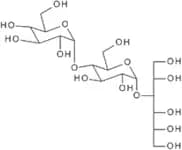
CAS:<p>Bulk sweetener; viscosity/bodying agent; humectant; cryoprotectant</p>Formula:C18H34O16Purity:(%) Min. 95%Color and Shape:White PowderMolecular weight:506.45 g/molChondroitin sulphate octasaccharide ammonium salt
<p>Chondroitin sulphate octasaccharide ammonium salt is a synthetic, fluorinated glycosaminoglycan. It is a synthetic, fluorinated glycosaminoglycan that has been synthesized from chondroitin sulfate and 2-amino-2-deoxy-D-glucose. Chondroitin sulphate octasaccharide ammonium salt has the CAS number 93860-92-7. It can be modified to make it more complex, such as methylation or click modification to give it different properties. This product is offered in high purity with a custom synthesis service available on request.</p>Purity:Min. 95%6-Deoxy-6-fluoro-D-lactose
<p>Used for studies of the D-lactose pathway by non-invasive techniques using ¹â¹F-NMR spectroscopy or positron emission from the ¹âžF-labeled compound.</p>Formula:C12H21O10FPurity:Min. 95%Color and Shape:PowderMolecular weight:344.29 g/mol(2S,3R,4S)-3,4-Dihydroxy-3,4-O-isopropylidene-2,4-di-methyl-pentanal
<p>(2S,3R,4S)-3,4-Dihydroxy-3,4-O-isopropylidene-2,4-di-methyl-pentanal is a custom synthesis of a complex carbohydrate. It has CAS No. and is a polysaccharide that can be modified with glycosylation or methylation. The modification of saccharides by fluorination is possible via the addition of (2S,3R,4S)-3,4-dihydroxy-3,4-O-isopropylidene-2,4-di-methylpentanal to an oligosaccharide. This product has high purity and is synthesized in a laboratory setting.</p>Purity:Min. 95%D-myo-Inositol-2,4,5-triphosphate sodium salt
<p>D-myo-Inositol-2,4,5-triphosphate sodium salt is a phosphoinositide that is involved in the process of cell signaling. It mediates the release of intracellular calcium ions from the endoplasmic reticulum and is involved in a number of processes including protein synthesis and efflux. D-myo-Inositol-2,4,5-triphosphate sodium salt can be found in many cells and tissues, including the brain and gastrointestinal tract. The concentration of calcium ions affects the activity of this compound by enhancing or terminating its effects. In cells that are not stimulated by an agonist such as ionomycin, divalent cations can enhance the activity of this compound. When stimulated by an agonist like ionomycin, divalent cations will terminate its effects by binding to it more strongly than to guanosine residues. This dual effect on divalent cations enhances the specificity for D</p>Formula:C6H12O15P3·xNaPurity:Min. 95%Molecular weight:417.07 g/molmuco-Inositol
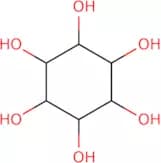
CAS:<p>Muco-Inositol is a compound that is involved in the metabolism of glucose, lipid and protein. It can be synthesized from myo-inositol and plays an important role in the synthesis of phosphatidylinositols. Muco-Inositol has been shown to inhibit enzyme activities in a wild type strain of E. coli. This inhibition may be due to its ability to bind to the active site of these enzymes, thereby inhibiting their activity. Muco-Inositol also inhibits the growth of ovarian cancer cells, as well as myo-inositol levels in maternal blood.</p>Formula:C6H12O6Purity:Min. 95%Color and Shape:PowderMolecular weight:180.16 g/mol1,3-O-Benzylidene-4-O-trityl-D-threitol
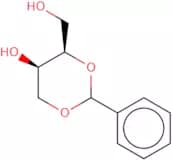
CAS:<p>1,3-O-Benzylidene-4-O-trityl-D-threitol is a carbohydrate that is modified with fluorine and contains a trityl group. It is used as a reagent in oligosaccharide synthesis, sugar modification, and glycosylation reactions. The compound can be custom synthesized to meet the desired specifications, such as high purity and low cost. The compound can also be methylated or glycosylated for custom synthesis.</p>Formula:C30H28O4Purity:Min. 95%Molecular weight:452.54 g/molCyclohexyl b-D-glucopyranoside
<p>Cyclohexyl b-D-glucopyranoside is a synthetic sugar that is modified with fluorine. Cyclohexyl b-D-glucopyranoside can be custom synthesized to meet your specific needs. This product has a high purity and is methylated and glycosylated. Cyclohexyl b-D-glucopyranoside's CAS number is 113488-25-8.</p>Purity:Min. 95%3'-N-Glycolylneuraminyl-D-lactose sodium salt
<p>3'-N-Glycolylneuraminyl-D-lactose sodium salt is a carbohydrate that has been modified by the addition of glycosylation, methylation and fluorination. It belongs to the group of complex carbohydrates and is a monosaccharide. 3'-N-Glycolylneuraminyl-D-lactose sodium salt can be used for the synthesis of oligosaccharides and polysaccharides, such as cellulose, chitin and glycogen. This product is high purity, custom synthesis and synthetic.</p>Purity:Min. 95%Benzyl 3-O-benzyl-4,6-O-benzylidene-2-deoxy-2-N-phthalamido-a-D-glucopyranoside
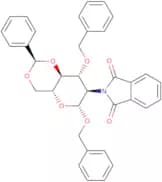
CAS:<p>Benzyl 3-O-benzyl-4,6-O-benzylidene-2-deoxy-2-N-phthalamido-a-D-glucopyranoside is a sugar that is used as a building block for the synthesis of glycosaminoglycans. This sugar can be fluorinated, glycosylated, or methylated and is a synthetically modified oligosaccharide with an average molecular weight of about 880 Da. The monomer unit consists of two glucose residues linked by an α(1→4) glycosidic bond. It has been shown to have antihypertensive properties in vitro and in vivo.</p>Formula:C35H31NO7Purity:Min. 95%Color and Shape:White to off-white solid.Molecular weight:577.62 g/molBenzyl β-D-glucopyranosiduronic acid
CAS:<p>Benzyl b-D-glucopyranosiduronic acid is a synthetic monosaccharide that is used for the synthesis of oligosaccharides, polysaccharides, and saccharides. It has been shown to be a substrate for methylation reactions and can be modified with fluorination or click chemistry. The CAS number for this compound is 5285-02-9.</p>Formula:C13H16O7Purity:Min. 95%Color and Shape:Off-White PowderMolecular weight:284.26 g/molHyaluronic acid sodium salt - MW 120,000
CAS:<p>Please enquire for more information about Hyaluronic acid sodium salt - MW 120,000 including the price, delivery time and more detailed product information at the technical inquiry form on this page</p>Formula:(C14H20NO11Na)n1,3,4,6-Tetra-O-acetyl-2-deoxy-2-fluoro-D-glucopyranose
CAS:<p>1,3,4,6-Tetra-O-acetyl-2-deoxy-2-fluoro-D-glucopyranose is a sugar that can be used as a starting material for the synthesis of other sugars. It has been shown to crystallize in a number of different forms, including monoclinic and hexagonal crystals. Crystals are grown from solvents such as silver nitrate or chloride. The molecule has three stereoisomers, which are mirror images of each other. These isomers have different chemical properties and react differently with various substances. This property can be utilized to synthesize desired compounds with desired functionalities.</p>Formula:C14H19FO9Purity:Min. 95 Area-%Color and Shape:PowderMolecular weight:350.29 g/mol1,2,3,4-Tetra-O-acetyl-6-O-triisopropylsilyl-b-D-galactopyranose
<p>1,2,3,4-Tetra-O-acetyl-6-O-triisopropylsilyl-b-D-galactopyranose is a carbohydrate modified with fluorine and is a member of the saccharide family. It is a synthetic sugar that can be custom synthesized to produce high purity and high quality products. This product has been used in glycosylation reactions and click chemistry modifications.</p>Formula:C23H40O10SiPurity:Min. 95%Molecular weight:504.66 g/molPenta-mannuronic acid sodium
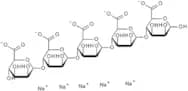
<p>b1-4 penta mannuronosaccharide-from alginate by enzyme or acid hydrolysis</p>Formula:C30H37O31Na5Purity:Min. 95%Color and Shape:White PowderMolecular weight:1,008.55 g/mol3,5-Dideoxy-3,5-imino-1,2-O-isopropylidene-N-allyl-6-O-tert.butyldimethylsilyl-b-D-mannofuranose
<p>3,5-Dideoxy-3,5-imino-1,2-O-isopropylidene-N-allyl-6-O-tert.butyldimethylsilyl-b-D-mannofuranose is a custom synthesis of a monosaccharide. It is fluorinated and methylated with tert.butyldimethylsilyl groups on the 3' and 5' hydroxyl groups. The sugar has been modified with a click modification to the hydroxyl group at C4 position on the mannose ring. Modification of the sugar with an oligosaccharide assists in glycosylation reactions by providing reactive sites for glycosidic bonds. The CAS number for this compound is 512580-11-8.</p>Purity:Min. 95%4-Methoxyphenyl 4-O-[2-O-acetyl-3-O-(2,3,4,6-tetra-O-acetyl-α-D-mannopyranosyl)-4-O-benzyl-b-D-mannopyranosyl]-3,6-di-O-benzyl-2-deo xy-2-phthalimido-β-D-glucopyranoside
<p>This product is a complex carbohydrate that has been modified with fluorination, saccharide modification, and Oligosaccharide synthesis. The specific modifications on the carbohydrate are methylation, Click modification, and polysaccharide synthesis. This product has a CAS No. of _______ and is custom synthesized for _______. It is available in high purity and has an _____ monosaccharide composition.</p>Formula:C64H69NO23Purity:Min. 95%Molecular weight:1,220.23 g/mol2-Acetamido-2-deoxy-3-O-(a-D-galactopyranosyl)-D-galactopyranose
CAS:<p>2-Acetamido-2-deoxy-3-O-(a-D-galactopyranosyl)-D-galactopyranose is a high purity synthetic oligosaccharide. It is an off white to light yellow powder with a molecular weight of 514.06 and a melting point of >200 degrees Celsius. The chemical formula for this product is C12H24O11N2. This product has been fluorinated, methylated, glycosylated, and click modified to create a complex carbohydrate that can be used in the synthesis of other molecules.</p>Formula:C14H25NO11Purity:Min. 90.0 Area-%Molecular weight:383.35 g/mol2,3,4,6-Tetra-O-acetyl-β-D-glucopyranosyl fluoride
CAS:<p>2,3,4,6-Tetra-O-acetyl-b-D-glucopyranosyl fluoride is a fluorinated carbohydrate. It is a complex carbohydrate that consists of the sugar galactose. The glycosylation and polysaccharide modifications are used to synthesize this compound. These modifications are done by chemical reactions that include methylation, click chemistry, and glycosylation. This chemical has not been evaluated for safety in humans or animals, but it has been shown to be safe in rats when administered at doses up to 500 mg/kg. 2,3,4,6-Tetra-O-acetyl-b-D-glucopyranosyl fluoride can be found under CAS No. 2823-46-3 and is soluble in water at 25 °C with a solubility of 1 g/L.</p>Formula:C14H19FO9Purity:Min. 95%Color and Shape:PowderMolecular weight:350.29 g/mol3,4,6-Tri-O-acetyl-2-deoxy-2-phthalimido-D-glucopyranose
CAS:<p>3,4,6-Tri-O-acetyl-2-deoxy-2-phthalimido-D-glucopyranose is a modified sugar that belongs to the group of carbohydrates. It is a monosaccharide that has been synthesized by the modification of 2,3,4,6-tetraacetyl glucose with 3,4,6-trihydroxybenzaldehyde. The compound is an off white powder and can be used in glycosylation reactions. This product has been shown to have high purity and can be custom synthesized to meet your needs.</p>Formula:C20H21NO10Purity:Min. 95%Molecular weight:435.38 g/molTetra-O-acetyl-L-rhamnopyranose
CAS:<p>Tetra-O-acetyl-L-rhamnopyranose is a custom synthesis, complex carbohydrate. It is an Oligosaccharide, Polysaccharide, Modification, saccharide with Methylation, Glycosylation, Carbohydrate that has CAS No. 7404-35-5. Tetra-O-acetyl-L-rhamnopyranose has High purity and Fluorination properties. This product can be Synthetic or Custom synthesis for industrial applications.</p>Formula:C14H20O9Purity:Min. 95%Molecular weight:332.3 g/molMethyl 4-O-(a-D-galactopyranosyl)-a-D-galactopyranoside
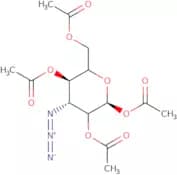
CAS:<p>Methyl 4-O-(a-D-galactopyranosyl)-a-D-galactopyranoside (M4G) is a disaccharide that is a residue of the plant indigo dye. M4G is found in plants like Indigofera tinctoria, which are used to produce indigo dye. It is also a glycoside of methyl 4-O-(β-D-galactopyranosyl)-β-D-galactopyranoside (M4GP).</p>Formula:C13H24O11Purity:Min. 98%Color and Shape:White PowderMolecular weight:356.32 g/mol1,2,4,6-Tetra-O-acetyl-3-azido-3-deoxy-D-galactopyranose
CAS:<p>Building block for galectin-3 inhibitors based on 3â-modified LacNAc</p>Formula:C14H19N3O9Purity:Min. 98 Area-%Color and Shape:White PowderMolecular weight:373.32 g/mol4-Aminobutyl 2- acetamido - 2- deoxy-b- D- galactopyranoside
<p>4-Aminobutyl 2-acetamido-2-deoxy-b-D-galactopyranoside is a modification of the carbohydrate, which is an Oligosaccharide. It is synthesized by the chemical process of Methylation and Glycosylation. The functional groups on this modification are Carbohydrate and Fluorination. CAS No. for this product is 51310-59-3, and Monosaccharide is the sugar type.</p>Formula:C12H24N2O6Purity:Min. 95%Molecular weight:292.33 g/molLaminaran - from Thallus laminariae
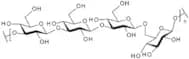
CAS:<p>Laminaran is a polysaccharide that co-occurs with fucoidan and alginate in brown seaweeds such as Laminaria digitata, Laminaria cloustoni, Eisenia bicyclis and Thallus laminariae. It is a β-1,3-linked glucan which it is claimed stimulates the immune system in mammals and fish.<br>The image was kindly provided by Prof Mike Guiry from Cork who runs ‘The Seaweed Site’.</p>Color and Shape:Powder





![Blood group A trisaccharide-APE-[biotin]-HSA](/_next/image/?url=https%3A%2Fstatic.cymitquimica.com%2Fproducts%2F3D%2Fthumb-webp%2FOB01687.webp&w=3840&q=75)





![(1S) -1- [(2R, 3R,4S) -4-Hydroxymethyl-3- hydroxy- 1- azetidinyl] -1, 2- ethanediol hydrochloride](/_next/image/?url=https%3A%2Fstatic.cymitquimica.com%2Fproducts%2F3D%2Fthumb-webp%2FMH163376.webp&w=3840&q=75)