Glycoscience
Glycoscience is the study of carbohydrates and their derivatives, as well as the interactions and biological functions they participate in. This field of research is crucial for understanding a wide variety of biological processes, including cell recognition, signaling, immune response, and disease development. Glycoscience has important applications in biotechnology, medicine, and the development of new drugs and therapies. At CymitQuimica, we offer a wide selection of high-quality, high-purity products for glycoscience research. Our catalog includes monosaccharides, oligosaccharides, polysaccharides, glycoconjugates, and specific reagents, designed to support researchers in their studies on the structure, function, and applications of carbohydrates in biological systems. These resources are intended to facilitate scientific discoveries and practical applications in various areas of bioscience and medicine.
Subcategories of "Glycoscience"
- Aminosugars(108 products)
- Glyco-Related Antibodies(282 products)
- Glycolipids(46 products)
- Glycosaminoglycans (GAGs)(55 products)
- Glycosides(419 products)
- Monosaccharides(6,621 products)
- Oligosaccharides(3,681 products)
- Polysaccharides(503 products)
Found 11041 products of "Glycoscience"
Sort by
Purity (%)
0
100
|
0
|
50
|
90
|
95
|
100
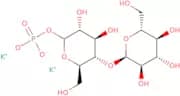
D-Maltose 1-phosphate dipotassium salt
CAS:<p>D-Maltose 1-phosphate dipotassium salt is a disaccharide that can be used in the synthesis of oligosaccharides and polysaccharides. It is also an excellent candidate for further modification.</p>Formula:C12H21O14PK2Purity:Min. 95%Molecular weight:498.46 g/mol1-O-Acetyl-2,3,4,6-tetra-O-benzyl-b-D-galactopyranose
CAS:<p>Synthetic building block</p>Formula:C36H38O7Purity:Min. 98 Area-%Color and Shape:White PowderMolecular weight:582.68 g/mol2-Azido-2-deoxy-(S)-3,4-O-phenylmethylene-D-Arabinonic acid 1,5-lactone
<p>2-Azido-2-deoxy-(S)-3,4-O-phenylmethylene-D-arabinonic acid 1,5-lactone is a custom synthesis. It is a modification of the natural sugar arabinose. The chemical structure has been modified by fluorination and methylation. This product can be used in the synthesis of monosaccharide and saccharide oligosaccharides. 2-Azido-2-deoxy-(S)-3,4-O-phenylmethylene-D-arabinonic acid 1,5 -lactone is an organic compound that belongs to the group of carbohydrates and polysaccharides.</p>Purity:Min. 95%5-O-tert-Butyldimethylsilyl-1,N-dehydro-1,4-dideoxy-1,4-imino-2,3-O-isopropylidene-D-ribitol
CAS:<p>5-O-tert-Butyldimethylsilyl-1,N-dehydro-1,4-dideoxy-1,4-imino-2,3-O-isopropylidene-D-ribitol is a modified carbohydrate that is synthesized from D ribitol. It has been used in the preparation of oligosaccharides and polysaccharides with methylation and glycosylation. 5BDSR can be fluorinated to give 5BDSF. This product is a white crystalline solid that melts at 120°C.</p>Formula:C14H27NO3SiPurity:Min. 95%Molecular weight:285.45 g/molUDP-N-acetyl-D-mannosaminuronic acid
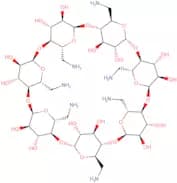
CAS:<p>UDP-N-acetyl-D-mannosaminuronic acid is a monosaccharide that is synthesized from UDP and N-acetyl-D-mannosamine. It is an important precursor for the synthesis of glycoproteins, lipopolysaccharides, and proteoglycans in bacteria. Mutants have been identified in Escherichia coli and Staphylococcus aureus that lack the enzyme UDP-N-acetylglucosamine 2’:3’ phosphotransferase, which is required for the biosynthesis of UDP-N-acetylglucosamine. The enzyme responsible for this reaction is acetamidase/uridine diphosphate mannosyltransferase. This enzyme catalyzes the transfer of mannose from uridine diphosphate (UDP) to N acetylglucosamine to form UDP N acetyl D mannosaminuronic acid</p>Formula:C17H25N3O18P2Purity:Min. 95%Molecular weight:621.3 g/mol6-Amino-6-deoxy-b-cyclodextrin hydrochloride
CAS:<p>This beta-cyclodextrin (β-CD) derivative is a functionalized cyclic oligosaccharide composed of seven glucose units, characterized by a hydrophilic exterior and a lipophilic cavity (bigger than α-CD and smaller than γ-CDs), which allows it to encapsulate various guest molecules. This structural feature facilitates its use in multiple applications, including pharmaceuticals, food enhancement, and cosmetics. In the pharmaceutical industry, it enhances the solubility and stability of poorly water-soluble drugs, improving their bioavailability and efficacy while also masking unpleasant tastes. The food sector utilizes it as a stabilizer for flavors, colors, and nutrients, extending shelf life by protecting sensitive ingredients from degradation. In cosmetics, it serves as a complexing agent for fragrances and active components, ensuring their stability and controlled release. Its use expands to many other fields, including nanotechnology for drug delivery systems, environmental remediation for extracting organic pollutants, textiles for slow-release fragrances, and analytical chemistry for chiral separation.</p>Formula:C42H77N7O28·7HClPurity:Min. 95%Color and Shape:White Slightly Yellow PowderMolecular weight:1,383.32 g/molN-Acetyl-D-glucosamine
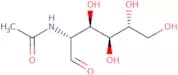
CAS:<p>N-acetyl D-glucosamine (GlcNAc) is an aldohexose (2-acetamido-2-deoxyglucose) in which the hydroxyl group at position 2 is replaced by NHAc (Collins, 2006). N-acetyl D-glucosamine forms the exoskeletons of molluscs and insects as the building block of the polysaccharide chitin (Rudrapatnam, 2003). N-acetyl D-glucosamine is a key component of N- and O-linked glycans, present in glycolipids and the glycosaminoglycan hyaluronic acid (Fallacara, 2018). A recent study has suggested that N-acetyl D-glucosamine may have therapeutic potential for COVID-19 as it affects the spike protein-ACE2 receptor interaction during the infection with SARS-CoV-2 virus (Baysal, 2021).</p>Formula:C8H15NO6Purity:Min. 98 Area-%Color and Shape:PowderMolecular weight:221.21 g/molPoly-D-galacturonic acid methyl ester
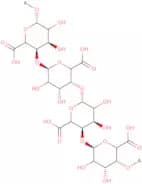
CAS:<p>Poly-D-galacturonic acid methyl ester (PDGME) is a natural compound that has been shown to possess anti-inflammatory and anti-diabetic properties. PDGME has been shown to increase the expression of pro-apoptotic proteins in mouse macrophages, as well as inhibit the activity of toll-like receptor 4, which may be due to its ability to induce caspase-independent cell death. PDGME also inhibits the growth of Clostridium difficile and other bacteria by inhibiting their enzyme activities. PDGME is water soluble and can be used as a reagent for biochemical studies.</p>Purity:Min. 98 Area-%Color and Shape:White Off-White Powder5'-Hydroxypropranolol-b-D-glucuronoside
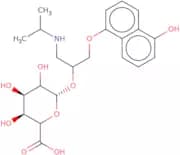
<p>5'-Hydroxypropranolol-b-D-glucuronoside is a synthetic glycosylate of 5'-hydroxypropranolol. It can be modified with fluorine, methyl or click chemistry. The chemical name is O-(2,3,4,5-tetrafluorobenzoyl)glycine and the CAS number is 878183-10-6. This compound has a molecular weight of 471.8 g/mol and an empirical formula of C14H9F5NO5. It can be used in the synthesis of oligosaccharides and polysaccharides.</p>Formula:C22H29NO9Purity:Min. 95%Molecular weight:451.47 g/molHeptakis-(6-azido-6-deoxy)-b-cyclodextrin
CAS:<p>This beta-cyclodextrin (β-CD) derivative is an azido-functionalized cyclic oligosaccharide composed of seven glucose units, characterized by a hydrophilic exterior and a lipophilic cavity (bigger than α-CD and smaller than γ-CDs), which allows it to encapsulate various guest molecules. This structural feature facilitates its use in multiple applications, including pharmaceuticals, food enhancement, and cosmetics. In the pharmaceutical industry, it enhances the solubility and stability of poorly water-soluble drugs, improving their bioavailability and efficacy while also masking unpleasant tastes. The food sector utilizes it as a stabilizer for flavors, colors, and nutrients, extending shelf life by protecting sensitive ingredients from degradation. In cosmetics, it serves as a complexing agent for fragrances and active components, ensuring their stability and controlled release. Its use expands to many other fields, including nanotechnology for drug delivery systems, environmental remediation for extracting organic pollutants, textiles for slow-release fragrances, and analytical chemistry for chiral separation.</p>Formula:C42H63N21O28Purity:Min. 95%Color and Shape:White PowderMolecular weight:1,310.07 g/mol(+)-pinoresinol-b-D-glucoside
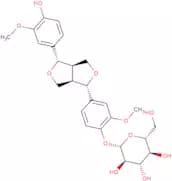
CAS:<p>(+)-Pinoresinol-b-D-glucoside is a fluorinated, monosaccharide that is synthetically produced by glycosylation. It can also be modified using methylation and click chemistry. The chemical formula for (+)-pinoresinol-b-D-glucoside is C10H14O8. It has a molecular weight of 288.24 g/mol and an empirical formula of (C10H14O8)2. The CAS number for this compound is 69251-963. This product is in the Carbohydrate family and has a purity level of >99%.</p>Formula:C26H32O11Purity:Min. 95%Color and Shape:PowderMolecular weight:520.53 g/molGlucotropaeolin potassium
CAS:<p>Glucotropaeolin potassium is a dietary compound that is found in plants. It contains the flavonoids progoitrin, glucosinolates, and isothiocyanates. Glucotropaeolin potassium can be extracted from plant tissue using a stable isotope to increase the quantity of extract. This extract can then be analyzed by high-performance liquid chromatography (HPLC) and colorimetric methods for its content of glucoraphanin and gluconapin. The profile of this extract can also be determined using silver ions.</p>Formula:C14H18NO9S2·KPurity:Min. 98 Area-%Color and Shape:PowderMolecular weight:447.52 g/mol1,4-Anhydro-D-glucitol
CAS:<p>Intermediate in the synthesis of prostaglandins</p>Formula:C6H12O5Purity:Min. 97 Area-%Color and Shape:White Off-White PowderMolecular weight:164.16 g/mol4-Isothiocyanatophenyl-a-D-mannopyranoside
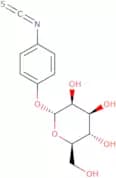
CAS:<p>4-Isothiocyanatophenyl-a-D-mannopyranoside is a synthetic molecule that is used for the modification of saccharides and polysaccharides. It is used in glycosylation reactions to introduce an alpha-N-acetylgalactosamine residue with a methyl group at position 6 of the pyranose ring to produce N,O-linked glycans. This product can be custom synthesized to meet specific customer requirements. It has high purity, excellent solubility in water, and does not contain any toxic impurities.</p>Formula:C13H15NO6SPurity:Min. 95 Area-%Color and Shape:Off-White PowderMolecular weight:313.33 g/mol3,4-Di-O-acetyl-D-arabinal
CAS:<p>3,4-Di-O-acetyl-D-arabinal is a spiroketal monofluoride that is known to be an efficient method for the synthesis of β-unsaturated aldehydes. It can be prepared by the hydration of enantiopure allyl chloroformate followed by reductive elimination with triflic acid and acidic hydrolysis. 3,4-Di-O-acetyl-D-arabinal has been used in the synthesis of biologically active molecules such as polyketides, peptides and natural products.</p>Formula:C9H12O5Purity:Min. 97 Area-%Color and Shape:Colorless Clear LiquidMolecular weight:200.19 g/molN-(Succinyl)-O-b-D-lactosylhydroxylamine
<p>N-(Succinyl)-O-b-D-lactosylhydroxylamine is a methylation product of b-D-lactosylhydroxylamine. It has a CAS number and can be modified with Click chemistry, which is a method of chemical modification using copper (II) ions. N-(Succinyl)-O-b-D-lactosylhydroxylamine can also be modified with other chemicals, such as an amine or carboxylic acid, to create an oligosaccharide. This product is synthesized in high purity and has a high glycosylation yield. It is used for research purposes and can be custom synthesized for any desired sugar.</p>Purity:Min. 95%5-Thio-D-glucose-6-phosphate diammonium salt
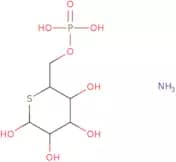
CAS:<p>Glucose 6-phosphatase substrate</p>Formula:C6H11O8PS·N2H8Purity:Min. 95%Color and Shape:PowderMolecular weight:310.26 g/mol6-Azido-6-deoxy-D-fructose
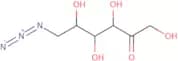
CAS:<p>6-Azido-6-deoxy-D-fructose is a piperidine that condenses with glyceraldehyde in the presence of aldolase and produces D-glyceraldehyde. This reaction is stereospecifically catalyzed by aldolase, which converts the product to D-glyceraldehyde 3-phosphate. 6Azido-6deoxy-D-fructose has been shown to exhibit polyhydroxylated properties.</p>Formula:C6H11N3O5Purity:Min. 95%Color and Shape:Clear LiquidMolecular weight:205.17 g/mol5-Azido-5-deoxy-2,3-O-isopropylidene-L-lyxono-1.4-lactone
<p>5-Azido-5-deoxy-2,3-O-isopropylidene-L-lyxono-1.4-lactone is a carbohydrate that is a modification of the saccharide, oligosaccharide, sugar, and fluorinated complex carbohydrate group. It is synthesized from 5-(azidomethyl)-5'-deoxyfuranose by methylation and glycosylation followed by click modification. 5-(Azidomethyl)-5'-deoxyfuranose can be synthesized from L-(+)-glyceraldehyde and methyl azide in the presence of sodium hydride via a sequence of reactions involving hydrolysis, reduction, and hydrogenation.</p>Purity:Min. 95%N-Amyl β-D-glucopyranoside
CAS:<p>N-Amyl b-D-glucopyranoside is a monosaccharide with a glucose residue at the 1 position and an amyl group at the 2 position. It is a synthetic sugar that can be used as a starting material in glycosylation reactions to modify oligosaccharides, saccharides, and complex carbohydrates. N-Amyl b-D-glucopyranoside can also be fluorinated, methylated, or modified by click chemistry to produce novel compounds. N-Amyl b-D-glucopyranoside is typically obtained by the glycosylation of amylamine with dibenzoyl glucose in the presence of an acid catalyst. This reaction produces a mixture of mono-, di-, tri-, tetra-, penta-, hexa-, hepta-, octa-, nona-, deca-, undeca-, dodeca-, and tetradecasaccharides, which</p>Formula:C11H22O6Purity:Min. 95%Color and Shape:White to off-white solid.Molecular weight:250.29 g/mol(5S, 8S, 9S) -8- [(4S) - 2, 2-Dimethyl- 1, 3- dioxolan- 4- yl] - 9- hydroxy- 2, 2- dimethyl- 1, 3, 7- trioxaspiro[4.4] nonan- 6- one
<p>(5S, 8S, 9S) -8- [(4S) - 2, 2-Dimethyl- 1, 3- dioxolan- 4- yl] - 9- hydroxy- 2, 2- dimethyl- 1, 3, 7- trioxaspiro[4.4] nonan- 6- one is a synthetic molecule that has been modified to include fluorine atoms at the C3 and C4 positions. It is a sugar that is found in many plants and animals. This sugar can be methylated or modified with other molecules to form complex carbohydrates. The ability of this sugar to form oligosaccharides and polysaccharides makes it an important part of carbohydrate metabolism.</p>Purity:Min. 95%Ethyl β-D-thioglucopyranoside
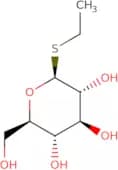
CAS:<p>Ethyl β-D-thioglucopyranoside is a custom synthesis that has been modified with fluorination and methylation, which has made it a monosaccharide. This product is synthetic and can be used for click modification. It is also an oligosaccharide, saccharide, and polysaccharide. Ethyl β-D-thioglucopyranoside is a sugar that belongs to the complex carbohydrate group. It is highly pure and has no impurities.</p>Formula:C8H16O5SPurity:Min. 95%Color and Shape:White PowderMolecular weight:224.28 g/mol2, 5- Anhydro- 3- azido- 3- deoxy- D- altronic acid methyl ester
CAS:<p>2, 5-Anhydro-3-azido-3-deoxy-D-altronic acid methyl ester is a Carbohydrate that belongs to the saccharide class. It is an Oligosaccharide containing 2 Monosaccharides and 1 Disaccharide. This product is custom synthesized, high purity, and has been Fluorinated and Methylated. The modification of this product includes Click chemistry.</p>Formula:C7H11N3O5Purity:Min. 95%Molecular weight:217.18 g/mol[2R- (2a, 3a, 4b, 5a) ] -3,4,5-Trihydroxy-2- piperidinecarboxylic acid methyl ester
CAS:<p>2R-(2a, 3a, 4b, 5a) -3,4,5-Trihydroxy-2-piperidinecarboxylic acid methyl ester is a custom synthesis that is available only in high purity. It has the CAS No. 116366-70-2 and can be used as an artificial sweetener. The chemical structure contains a sugar that is modified by fluorination and methylation. This product is also glycosylated and saccharide substituted with click chemistry. 2R-(2a, 3a, 4b, 5a) -3,4,5-Trihydroxy-2-piperidinecarboxylic acid methyl ester can be used as both a monosaccharide or polysaccharide in complex carbohydrates.</p>Formula:C7H13NO5Purity:Min. 95%Molecular weight:191.18 g/molSimvastatin acyl-b-D-glucuronide
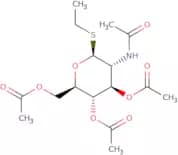
CAS:<p>Simvastatin acyl-b-D-glucuronide is a modification of simvastatin that has been synthesized and modified to provide high purity. It is a white, crystalline solid with a melting point of about 200°C. This compound can be used as an intermediate in the synthesis of oligosaccharides, polysaccharides, or other carbohydrate derivatives.</p>Formula:C31H48O12Purity:Min. 97 Area-%Color and Shape:White Off-White PowderMolecular weight:612.71 g/molEthyl 2-acetamido-3,4,6-tri-O-acetyl-2-deoxy-b-D-thioglucopyranoside
CAS:<p>Ethyl 2-acetamido-3,4,6-tri-O-acetyl-2-deoxy-b-D-thioglucopyranoside is a modified carbohydrate that has been synthesized by the click modification of an acetylated triose. This chemical was synthesized by reacting ethyl 2-(2'-deoxy-(1->4)-beta--D--glucopyranoside) with trimethylsilylacetamide and copper(I) chloride in dry tetrahydrofuran. This product has high purity and is used as a research tool for glycobiology.</p>Formula:C16H25NO8SPurity:Min. 95%Color and Shape:White PowderMolecular weight:391.44 g/molPyridoxine galactoside
CAS:<p>Pyridoxine galactoside is an oligosaccharide that is used as a methyl donor in the synthesis of other compounds. Pyridoxine galactoside is a synthetic compound that has been modified by fluorination and has a saccharide chain consisting of a monosaccharide, sugar, or carbohydrate. It is synthesized from pyridoxine and galactose.</p>Formula:C14H21NO8Purity:Min. 95%Color and Shape:PowderMolecular weight:331.3 g/mol3,5-((R)-Benzylidene)-6-deoxy-L-glucono-1,4-lactone
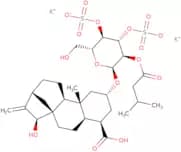
<p>3,5-((R)-Benzylidene)-6-deoxy-L-glucono-1,4-lactone is a synthesized sugar that can be modified to include fluorination, glycosylation, methylation and other modifications. It is an oligosaccharide with a saccharide backbone made up of glucose units. The monosaccharides are galactose and glucuronic acid. 3,5-(R) Benzylidene)-6-deoxy-L-glucono-1,4-lactone is used in the synthesis of complex carbohydrates for research purposes.</p>Purity:Min. 95%Atractyloside dipotassium salt
CAS:<p>Atractyloside is a natural compound that can be extracted from plants. It has been shown to have pluripotent activity, which means it can differentiate into different types of cells. Atractyloside also exhibits antioxidant and anti-apoptotic properties, which are believed to be due to its ability to increase mitochondrial membrane potential and reduce reactive oxygen species production. Atractyloside has also been shown to protect against neuronal death in vitro and in vivo by inhibiting the activation of caspase-dependent cell death pathways. Atractyloside has been shown to have a cardioprotective effect in animal models of myocardial infarcts, although it is unclear if this effect is due to the drug or due to the atractyloside contained in traditional Chinese medicine.</p>Formula:C30H44K2O16S2Purity:Min. 90 Area-%Color and Shape:White/Off-White SolidMolecular weight:802.99 g/molGlycyl-disialyllacto-N-tetraose
<p>Glycyl-disialyllacto-N-tetraose is a complex carbohydrate that contains a glycosidic bond between two monosaccharides. It has the molecular formula C9H18O4N2O8 and CAS number 327977-92-3. This compound can be modified with methylation, glycosylation, or fluorination to increase solubility and stability. Glycyl-disialyllacto-N-tetraose is also known as Oligosaccharide, CAS No., Polysaccharide, Modification, saccharide, Methylation, Glycosylation, Click modification and Carbohydrate.</p>Formula:C50H83N5O37Purity:Min. 95%Molecular weight:1,346.21 g/mol1-O-Acetyl-a-D-galactopyranose - min 90% α
CAS:<p>1-O-Acetyl-a-D-galactopyranose is a carbohydrate that is synthesized from D-galactose and acetyl chloride. It's an Oligosaccharide, Polysaccharide, or Modification to saccharides that are found in nature. This product can be modified with methylation, glycosylation, or carbocationic reactions. 1-O-acetyl-a-D-galactopyranose is used for click chemistry reactions and has a CAS number of 496924551.</p>Formula:C8H14O7Purity:Min. 95%Molecular weight:222.19 g/mol7-Deoxy-3,4:5,6-di-O-isopropylidene-D-glycero-L-ido-heptitol
<p>7-Deoxy-3,4:5,6-di-O-isopropylidene-D-glycero-L-ido-heptitol is an oligosaccharide that can be custom synthesized. It has a number of applications in the chemical and pharmaceutical industries. 7DGILH is a modified sugar used as a building block for complex carbohydrate synthesis. This sugar can be fluorinated to form a variety of products with different properties. 7DGILH can also be used as a monomer to produce saccharides with modifications such as methylation or click modification.</p>Purity:Min. 95%Benzyl 4,6-O-benzylidene-2-deoxy-2-phthalimido-b-D-glucopyranoside
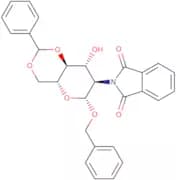
CAS:<p>Benzyl 4,6-O-benzylidene-2-deoxy-2-phthalimido-b-D-glucopyranoside is a modified glycosylated deoxyhexose. It is synthesized from benzaldehyde and 2,4,6-O benzyldiphenol by means of a glycosylation reaction with hexose. This product has been fluorinated to give it the desired properties. Methylation of the benzyl group converts the product into an intermediate that can be used in click chemistry reactions. Monosaccharides are then added to produce oligosaccharides. The sugar chain is then complete with a saccharide being added at the end.</p>Formula:C28H25NO7Purity:Min. 95%Color and Shape:White PowderMolecular weight:487.51 g/molMethyl 6-chloro-6-deoxy-a-D-glucopyranoside
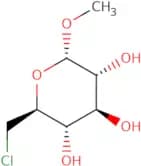
CAS:<p>Methyl 6-chloro-6-deoxy-a-D-glucopyranoside is a custom chemical synthesis that can be modified, fluorinated, methylated, monosaccharide and polysaccharide. It is an oligosaccharide sugar with CAS No. 4144-87-0. This chemical is synthesized by glycosylation of the saccharide.</p>Formula:C7H13ClO5Purity:Min. 95%Molecular weight:212.63 g/molMannotetraose squarate
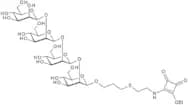
CAS:<p>Mannotetraose squarate is a modified oligosaccharide that is synthesized from mannose and tetraose. It has high purity, which is an advantage over natural oligosaccharides, and can be used in the synthesis of other carbohydrates. Mannotetraose squarate has a CAS number of 385842-90-0, which can be found on the ChemSpider database.</p>Formula:C35H57NO24SPurity:Min. 95%Molecular weight:907.89 g/mola-D-Glucopyranosyl fluoride
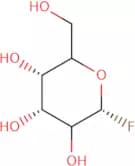
CAS:<p>a-D-Glucopyranosyl fluoride is an irreversible inhibitor of the enzyme glycosidase. This product has been used to study the kinetic and mechanism of human serum alpha-glucosidase, which is a key enzyme in the digestion of carbohydrates. Kinetic studies have shown that 4-hydroxycinnamic acid and glucose are competitive inhibitors of the enzyme. The reaction mechanism for this product involves hydrogen fluoride cleavage of the glycosidic bond. The optimum pH for this product is 7.</p>Formula:C6H11FO5Purity:Min. 95%Color and Shape:White PowderMolecular weight:182.15 g/mol3-O-Benzyl-1,2,4-tri-O-acetyl-D-xylopyranoside
<p>3-O-Benzyl-1,2,4-tri-O-acetyl-D-xylopyranoside is a methylated saccharide that has been modified with the click chemistry. This product can be used for the synthesis of complex carbohydrates and glycosylations. This product is available in high purity and custom synthesis. It is soluble in water or aqueous solutions, making it ideal for use in biological applications. 3-O-Benzyl-1,2,4-tri-O-acetyl-D-xylopyranoside can be used as an intermediate for the synthesis of oligosaccharides and glycoconjugates. It has CAS number 69936–76–5.</p>Purity:Min. 95%5-Chloro-8-hydroxyquinoline b-D-glucuronide
CAS:<p>Chromogenic substrate targeting beta-glucuronidase</p>Formula:C15H14ClNO7Purity:Min. 98 Area-%Color and Shape:White PowderMolecular weight:355.73 g/molD-Galactose-4-O-sulphate sodium
CAS:<p>D-Galactose-4-O-sulphate sodium salt is a white crystalline powder. It is soluble in water and ethanol, but insoluble in ether. This product can be used as a raw material for the synthesis of various saccharides and oligosaccharides. D-Galactose-4-O-sulphate sodium salt has an average purity of 99%. It is custom synthesized to meet customer requirements.</p>Formula:C6H12O9S•NaPurity:(%) Min. 95%Color and Shape:PowderMolecular weight:283.21 g/molMethyl 3,6-di-O-benzyl-2-deoxy-a-D-glucopyranoside
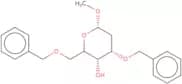
<p>Methyl 3,6-di-O-benzyl-2-deoxy-a-D-glucopyranoside is a sugar derived from the natural carbohydrate sucrose. It is custom synthesized and glycosylated with an oligosaccharide. Methyl 3,6-di-O-benzyl-2-deoxy-a-D-glucopyranoside can be used in the synthesis of polysaccharides and other carbohydrates. This product has been modified using click chemistry to attach a methyl group at the C3 position of the glucose moiety. This modification is useful for glycosylation reactions that require a specific location on the sugar for attachment of an amino acid or peptide. Methyl 3,6-, di-, O-, benzyl--2, deoxy--A--D--glucopyranoside has CAS number 51139–03–5 and is available in high purity.</p>Formula:C21H26O5Purity:Min. 95%Molecular weight:358.43 g/mol2-Deoxy-L-ribose
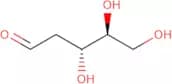
CAS:<p>Suppresses tumor angiogenesis; pro-apoptotic</p>Formula:C5H10O4Purity:Min. 98 Area-%Color and Shape:White PowderMolecular weight:134.13 g/mol2-Acetamido-6-O-(α-2-N-acetylneuraminyl)-2-deoxy-α-D-galactopyranosyl N-acetylserine
CAS:<p>2-Acetamido-6-O-(a-2-N-acetylneuraminyl)-2-deoxy-a-D-galactopyranosyl N-acetylserine is a synthetic glycosyl amino acid.</p>Formula:C24H39N3O17Purity:Min. 95%Color and Shape:PowderMolecular weight:641.58 g/molSucrose stearate - 25-33% monostearate
CAS:<p>The "tallowate" esters are probably the best known derivatives of sucrose and many attempts have been made to commercialise them in order to exploit their excellent surfactant functionalities. The most functional products are the mono- and diesters of the tallow acids (stearic, palmitic, oleic) with hydrophile-lipophile balance (HLB) values that lend themselves to surfactant applications in foods and cosmetics. They also have other uses, for example in coating fruits with a semipermeable membrane that acts as a preservative. Manufacturing economics have prevented these products from mass production and they remain in niche applications.</p>Formula:C30H56O12Color and Shape:White PowderMolecular weight:608.77 g/molBenzyl 2-O-benzyl-b-D-arabinopyranoside
<p>Benzyl 2-O-benzyl-b-D-arabinopyranoside is a custom synthesis that is a complex carbohydrate. It is an oligosaccharide with CAS No. and has the molecular weight of 947. It is modified by methylation, glycosylation, and click modification. This product is made using sugar as a raw material and has high purity. The product has been fluorinated to increase its stability. The product is synthetic and can be used in research applications such as the modification of saccharides, methylation, glycosylation, or click chemistry.</p>Purity:Min. 95%Ethyl 2,4-di-O-acetyl-6-azido-6-deoxy-a-D-thiomannopyranoside
<p>Ethyl 2,4-di-O-acetyl-6-azido-6-deoxy-a-D-thiomannopyranoside is a synthetic compound derived from the sugar thiomalan. It is not naturally occurring or found in any living organism and has been synthesized for research purposes. The molecular weight of this compound is 693.92 g/mol and the chemical formula is C14H24N2O8. This compound has been shown to have various glycosylation modifications and can be used for custom synthesis by request.</p>Formula:C12H19N3O6SPurity:Min. 95%Molecular weight:333.36 g/mol2-Deoxy- 4-C-methyl-2- methylene- 3, 4- O- isopropylidene -L- erythro- pentonic acid d- lactone
<p>2-Deoxy-4-C-methyl-2-methylene-3,4-O-isopropylidene -L-erythro pentonic acid d-lactone is a methylated sugar with a degree of substitution of 1.0, which can be used for the synthesis of various saccharides and polysaccharides. This product has been modified with click chemistry. It is available in custom synthesis and high purity. The CAS number for this compound is 121592-71-8, and it can be used to synthesize glycans or oligosaccharides. This product can be fluorinated or complexed with other sugars.</p>Purity:Min. 95%Dextran 2000 - MW: 1,500,000 to 3,500,000
CAS:<p>Dextran 2000 is a high molecular weight biocompatible polymer with transport properties. It is used in a variety of medical applications, such as red blood cell transfusions and the prevention of post-surgical adhesions. Dextran 2000 has been shown to be a safe and effective means of preventing hemolysis during red blood cell transfusion. This agent binds to amine groups on the surface of erythrocytes, which prevents complement activation and subsequent lysis. Additionally, dextran 2000 has been shown to exhibit low cytotoxicity against neuronal cells in vitro.</p>Purity:Min. 95%Color and Shape:White Off-White PowderD-Sedoheptulose 7-phosphate lithium
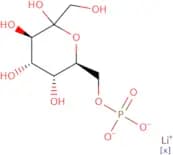
CAS:<p>D-Sedoheptulose 7-phosphate lithium (DSDP) is a substance that is used in the synthesis of ribulose. It provides the carbonyl group for the synthesis of acetyl-CoA and plays an important role in energy metabolism. DSDP has been shown to be effective against streptococcus faecalis, which may be due to its ability to inhibit protein synthesis by binding to ribulose phosphates, thereby preventing the production of ATP. DSDP also inhibits cellular transformation, which may be due to its ability to bind with DNA and block RNA synthesis. In vitro studies have shown that DSDP can inhibit both Streptococcus faecalis and Escherichia coli at concentrations below 10 mM. These effects are likely mediated by enzymatic activities that are involved in bacterial cell physiology.</p>Formula:C7H15O10P•(Li)xPurity:Min. 95%Color and Shape:PowderMolecular weight:290.16 g/mol2-Azido-2-deoxy-3,5-O-benzylidene-L-xylono-1,4-lactone
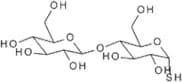
<p>2-Azido-2-deoxy-3,5-O-benzylidene-L-xylono-1,4-lactone is a sugar compound that can be custom synthesized. It has been shown to be a methylation product of 2,3,4,6-tetraacetylgalactose and is an oligosaccharide with a saccharide chain that includes glucose and xylose. The chemical formula for this compound is C11H13NO7. This compound has a CAS Number of 73028-81-2 and can be purchased from various vendors at high purity levels. 2Azido2deoxy3,5ObenzylideneLxylono1,4lactone is used as a reagent in the synthesis of complex carbohydrates. It can also be used to modify monosaccharides and sugar compounds with fluorination or modification reactions.</p>Purity:Min. 95%4-O-(β-D-Glucopyranosyl)-α-D-thioglucopyranose
<p>4-O-(b-D-Glucopyranosyl)-a-D-thioglucopyranose is a synthetic sugar that is used in the synthesis of glycosides and carbohydrates. This product is available as a custom synthesis, but can also be found in the form of an oligosaccharide or monosaccharide. It has a high purity and can be used to produce fluorinated sugars.</p>Formula:C12H22O10SPurity:Min. 95%Molecular weight:358.36 g/mol(5R, 6R, 7R, 8S) -8- (HydroxymHthyl) - 1- azabicyclo[4.2.0] octane- 5, 7- diol
CAS:<p>(5R, 6R, 7R, 8S) -8- (Hydroxymethyl) - 1- azabicyclo[4.2.0] octane- 5,7-diol is a synthetic compound that belongs to the group of sugar derivatives and is used in the synthesis of oligosaccharides. It is a white solid with an mp of 153°C and a molecular weight of 226.3 g/mol. This compound is soluble in water and ethanol but insoluble in ether or hexane. It has been shown to have high purity and can be modified with fluorination, glycosylation, methylation, or saccharide modification.</p>Purity:Min. 95%L-Arabinose
CAS:<p>The aldopentose L-arabinose (Ara) is, after xylose, the second most abundant pentose in nature. It is found in plant cell walls as a component of polysaccharides, including: hemicelluloses, pectin, arabinogalactan-protein complexes and in exudate plant gums, such as: Gum Arabic (Fehér, 2018). L-arabinose is an important component of the mycobacterial cell wall and is involved in the synthesis of arabinogalactan and lipoarabinomannan, which suggests that it can modulate cell wall permeability and drug resistance. Mycobacterium smegmatis is a useful tool for research into Mycobacteria due to it being a "fast grower" and non-pathogenic (Zhou, 2019).</p>Formula:C5H10O5Purity:Min. 99 Area-%Molecular weight:150.13 g/molRef: 3D-A-8240
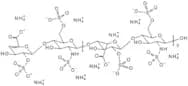
1kgTo inquire25gTo inquire250gTo inquire500gTo inquire2500gTo inquire-Unit-kgkgTo inquireHeparin derived dp8 saccharide ammonium salt
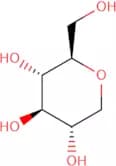
<p>Heparin is a glycosaminoglycan which is a complex carbohydrate that contains repeating disaccharide units of glucosamine and N-acetylglucosamine. Heparin has been shown to inhibit the activity of bacterial enzymes involved in fibrinolysis, such as plasminogen activator inhibitor 1 (PAI-1), and may act as an anticoagulant. Heparin is often used as an anticoagulant in patients with thrombotic disorders, including deep vein thrombosis, pulmonary embolism, or heart attack. Heparin also acts as a cofactor for the activation of clotting factors II (thrombin), VII, IX, X, XI and XII. In addition, it inhibits the activation of factor XIII by preventing its conversion from its inactive form into active factor XIIIa. The molecular weight of heparin is approximately 10 kilodaltons (kDa) and it has a molecular formula</p>Purity:Min. 95%Color and Shape:PowderMolecular weight:~2400 (Average)1,5-Anhydro-D-glucitol
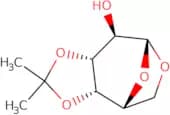
CAS:<p>Short-term marker of glycemic control</p>Formula:C6H12O5Purity:Min. 95%Color and Shape:White Off-White PowderMolecular weight:164.16 g/mol1,6-Anhydro-3,4-O-isopropylidene-b-D-galactopyranose
CAS:<p>1,6-Anhydro-3,4-O-isopropylidene-b-D-galactopyranose is a custom synthesis of a complex carbohydrate that has been modified with methylation and glycosylation. It is a saccharide with the CAS number 52579-97-2. This product is highly pure and can be fluorinated for synthesizing other sugars or carbohydrates. The purity of this product is greater than 98%.</p>Formula:C9H14O5Purity:Min. 95%Color and Shape:White PowderMolecular weight:202.2 g/mol6- Deoxy- 3, 5- O- [(R) - benzylidene] - L- mannonic acid g- lactone
CAS:<p>6-Deoxy-3,5-O-[(R)-benzylidene]-L-mannonic acid g-lactone is a complex carbohydrate that belongs to the group of polysaccharides. It can be modified by methylation and fluorination. 6-Deoxy-3,5-O-[(R)-benzylidene]-L-mannonic acid g-lactone is an active ingredient in a custom synthesis. Its purity is high and it has been synthesized with a Click modification. 6DMAgL has a CAS number of 322726-60-3 and can be manufactured in any form.</p>Purity:Min. 95%Galacturonan DP3 sodium salt
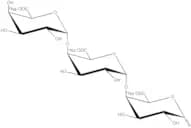
<p>Sodium Trigalacturonate (α-1,4 sodium galacturonotriose) is derived from pectin or pectic acid, by enzymatic or partial acid hydrolysis (Combo, 2012). It is used inâ¯galacturonic acidâ¯metabolism research as a substrate to identify, differentiate, and characterize endo- and exopolygalacturonase(s), and gluconase(s) (Jayani, 2005). The addition of very short fragments of homogalacturonan, tri-galacturonate, and tetra-galacturonate oligosaccharides, restore development in dark-grown, de-etiolated seedling mutants, suggesting that they are unable to generate de-methylesterified pectin fragments. A model of spatiotemporally separated photoreceptive and signal-responsive cell types has been proposed, that contains overlapping subsets of the regulatory network of light-dependent seedling development (Sinclair, 2017).</p>Purity:Min. 75 Area-%Color and Shape:Powder2, 3:6, 7- Bis- O- (1- methylethylidene) -D- glycero- L- talo- heptitol
<p>2, 3:6, 7- Bis- O- (1- methylethylidene) -D- glycero- L- talo- heptitol is a high purity oligosaccharide. It is a complex carbohydrate that has been modified with fluorination. This modification provides the molecule with its high stability and purity. The sugar monomers are composed of three glucose molecules, two mannose molecules, and one galactose molecule. The chemical name for this product is 2,3:6,7-Tris-[1-(methylethylidene)-ethylidene]-D-glycero--L--talohydroheptaitol. This product can be used in a variety of applications such as Click chemistry and Methylation reactions.</p>Purity:Min. 95%Ducheside A pentaacetate
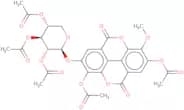
<p>Ducheside A pentaacetate is a fluorescent sugar that can be used as a fluorescent probe to study the glycosylation of proteins. This compound has been shown to be effective in inhibiting the growth of Gram-positive bacteria such as Mycobacterium tuberculosis, Clostridium perfringens, and Streptococcus pyogenes. Ducheside A pentaacetate is synthesized from duchesidin I and an acetyl group, which is then fluorinated with N-fluorobenzenesulfonamide. The product can be modified through methylation or click chemistry reactions. Ducheside A pentaacetate is soluble in water and has a molecular weight of 585.5 g/mol. It has CAS number 314965-07-8 and purity greater than 99%.</p>Purity:Min. 95%Phenyl 3-O-Allyl-2,4,6-tri-O-benzyl-b-D-thiogalactopyranoside
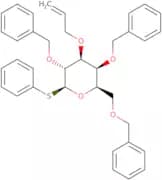
CAS:<p>Phenyl 3-O-Allyl-2,4,6-tri-O-benzyl-b-D-thiogalactopyranoside (PTAG) is a modified glycosylated monosaccharide which has been synthesized by the Click Reaction. The synthesis of PTAG was achieved by the reaction between 2,3,4,6-tetra O-benzyl bD thiogalactopyranose and benzylic alcohol. PTAG is an oligosaccharide with a molecular weight of 1,000 Da and consists of six glucopyranose units. It can be used as a building block in the synthesis of complex carbohydrates.</p>Formula:C36H38O5SPurity:Min. 95%Color and Shape:White Off-White PowderMolecular weight:582.75 g/mol3-O-(2-Acetamido-2-deoxy-a-D-galactopyranosyl)-D-galactopyranose
CAS:<p>3-O-(2-Acetamido-2-deoxy-a-D-galactopyranosyl)-D-galactopyranose is an endothelial cell growth factor that is generated by the enzymatic activity of galactosyltransferase. It binds to lectin, glycan, and monoclonal antibodies. This molecule has been shown to have biological properties that are related to cancer and immunology. 3-O-(2-Acetamido-2-deoxy-a-D-galactopyranosyl)-D-galactopyranose may be used as a glycolipid marker in blood group typing and in the detection of cervical cancer cells.</p>Formula:C14H25NO11Purity:Min. 95%Color and Shape:White PowderMolecular weight:383.33 g/mol1-Deoxy-3,4-O-isopropylidene-L-tagatose
<p>1-Deoxy-3,4-O-isopropylidene-L-tagatose is a synthetic sugar that is modified by the addition of a fluorine atom at the 1 position. This modification prevents the enzyme glycosidase from cleaving this sugar and releasing glucose. 1DILT can be used to produce glycans with different structures, including complex carbohydrates. The CAS number for this product is 7062-93-5.</p>Purity:Min. 95%2,3,4,5,6-Penta-O-acetyl-D-galactononitrile
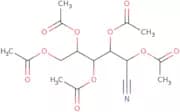
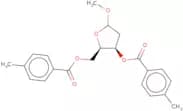
CAS:<p>2,3,4,5,6-Penta-O-acetyl-D-galactononitrile is a synthetic chemical compound that can be used in glycosylation reactions. It has been synthesized by the click modification of 2,3,4,5-tetra-O-acetyl-D-galactose with pentaerythritol tri(nitrile) followed by fluorination. The saccharide was then converted to the methyl ester and acetylated using acetic anhydride. This product is highly pure and can be custom synthesized according to your needs.<br>2,3,4,5,6-Penta-O-acetyl-D-galactononitrile has a molecular weight of 434.2 g/mol and its CAS number is 35439-42-0.</p>Formula:C16H21NO10Purity:Min. 95%Molecular weight:387.34 g/molMethyl 2-deoxy-3,5-di-O-toluoyl-D-ribofuranoside
CAS:<p>Methyl 2-deoxy-3,5-di-O-toluoyl-D-ribofuranoside is a carbohydrate compound that is a modification of the saccharide and oligosaccharide. It is fluorinated at the 3' position. The monosaccharide is synthesized from D-ribose and methylated at the 2' and 5' positions. Methyl 2-deoxy-3,5-di-O-toluoyl-D-ribofuranoside is a synthetic sugar that has been modified with glycosylation and Click chemistry.</p>Formula:C22H24O6Purity:Min. 95%Color and Shape:PowderMolecular weight:384.42 g/mol6-Deoxy-3,5-O-benzylidene-D-gulonolactone
<p>6-Deoxy-3,5-O-benzylidene-D-gulonolactone is a Methylated Oligosaccharide that is custom synthesized for your needs. It has CAS No. and is available in high purity with a Click modification to the sugar as well as Fluorination. This product is also a Carbohydrate, which is a Polysaccharide and Saccharide that can be used in many applications such as medical research, food production, or industrial processes. 6-Deoxy-3,5-O-benzylidene-D-gulonolactone is made from Monosaccharides and Sugars and can be modified to meet your needs.</p>Purity:Min. 95%N-Hexanoyl-D-glucosamine
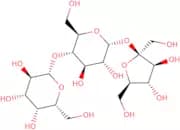
CAS:<p>N-Hexanoyl-D-glucosamine is a hexose sugar that is a component of the glycosaminoglycan heparin. It is structurally related to acetylglucosamine and n-acetylglucosamine, which are also components of heparin. N-Hexanoyl-D-glucosamine can be synthesized by the injection of propionylated D-glucose into animal tissues. The biosynthesis of this compound is impaired in animals with diabetes mellitus.</p>Formula:C12H23NO6Purity:(%) Min. 98%Color and Shape:White PowderMolecular weight:277.31 g/mol4-O-β-D-Galactosylsucrose
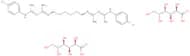
CAS:<p>Similar to Raffinose but with the galactose residue attached 1,4 to the glucose</p>Formula:C18H32O16Purity:Min. 95 Area-%Color and Shape:White PowderMolecular weight:504.44 g/molChlorhexidine digluconate - 20% aqueous solution
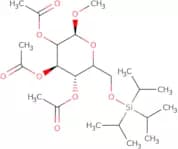
CAS:<p>Bisbiguanide antiseptic and disinfectant used in topical antibacterial products</p>Formula:C34H54Cl2N10O14Purity:190 To 210 G/LColor and Shape:Clear LiquidMolecular weight:897.76 g/molMethyl 2,3,4-tri-O-acetyl-6-O-triisopropylsilyl-a-D-galactopyranoside
CAS:<p>Methyl 2,3,4-tri-O-acetyl-6-O-triisopropylsilyl-a-D-galactopyranoside is a synthetic glycoside. It is used as a building block for the synthesis of complex carbohydrates. This compound has been shown to have high purity with a purity of 99% by mass. It has not been evaluated by the Food and Drug Administration (FDA) and therefore cannot be sold in the United States.</p>Formula:C22H40O9SiPurity:Min. 95%Molecular weight:476.64 g/molMethyl 4,6-O-benzylidene-β-D-glucopyranoside
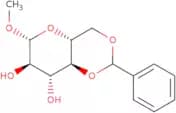
CAS:<p>Methyl 4,6-O-benzylidene-b-D-glucopyranoside is a nitro derivative of methyl b-D-glucopyranoside. The anomeric proton and the nitro group are in the same plane and on opposite sides of the molecule. This compound has been shown to be both a receptor binding agent and a gelation agent. It is used to study biological membranes because it binds to phospholipids in the cell membrane, which alters its physical properties. Methyl 4,6-O-benzylidene-b-D-glucopyranoside is also known for its ability to form hydrogen bonds with water molecules. This is due to its cavity that can accommodate one water molecule per monomer unit. The crystal structure of this compound has been determined by x ray crystallography and shows that it forms dimers through hydrogen bonding between two molecules in each dimer. These interactions are</p>Formula:C14H18O6Purity:Min. 95%Color and Shape:PowderMolecular weight:282.29 g/molLaminaritriose hendecaacetate
<p>Fully acetylated laminaritriose</p>Formula:C40H54O27Purity:Min. 95%Molecular weight:966.84 g/molN-[2-(3'-Nitrophenylacetonitrile)]-2,3,4,6-tetra-O-pivaloyl-D-glucopyranoside
<p>N-[2-(3'-Nitrophenylacetonitrile)]-2,3,4,6-tetra-O-pivaloyl-D-glucopyranoside is a high purity custom synthesis sugar. It is synthesized through Click modification and fluorination. This chemical has been used as a building block for glycosylation and methylation. The CAS number is 95825-78-8.</p>Formula:C34H49N3O11Purity:Min. 95%Molecular weight:675.77 g/mol7-Deoxy-1,2:4,5-di-O-isopropylidene-L-glycero-D-gluco-heptitol
<p>7-Deoxy-1,2:4,5-di-O-isopropylidene-L-glycero-D-glucoheptitol is a high purity synthetic compound that can be custom synthesized to order. It is a white powder with a molecular weight of 264.27 grams per mole and is soluble in water and DMSO. The CAS No. for this compound is 2206188-76-3. It has been fluorinated at the C2 position and has been modified with a click chemistry reaction to create an oligosaccharide or polysaccharide. This product is available for purchase from our store at www.sigmaaldrichchemicals.com/7deoxy1,2:4,5diOisopropylideneLglyceroDglucoheptitol</p>Purity:Min. 95%Tridecyl β-D-maltopyranoside
CAS:<p>Tridecyl beta-D-maltopyranoside is a synthetic saccharide that has been modified with fluorination and methylation. The carbohydrate can be used in the synthesis of glycosylated proteins. The product is available for custom synthesis, and it is offered in high purity form.</p>Formula:C25H48O11Purity:Min. 97 Area-%Molecular weight:524.64 g/mol2,3-O-Isopropylidene-L-ribonic acid-1,4-lactone
CAS:<p>2,3-O-Isopropylidene-L-ribonic acid-1,4-lactone is a fluorinated glycoside that can be used as a monosaccharide or modified to form an oligosaccharide. It is synthesized by the addition of fluorine to an alpha position of D-ribose, followed by lactonization. This product has been shown to have high purity and can be used as a sugar substitute in foods. This compound has been used for the synthesis of saccharides with click modification and oligosaccharides with polymerization.</p>Formula:C8H12O5Purity:Min. 95%Color and Shape:PowderMolecular weight:188.18 g/molEthyl 2,3,4,6-tetra-O-benzyl-β-D-thioglucopyranoside
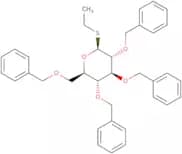
CAS:<p>Ethyl 2,3,4,6-tetra-O-benzyl-b-D-thioglucopyranoside is a sugar alcohol that is selective for the formation of disaccharides. It has a constant yield and can be synthesized from phenyl glycosides or acetonitrile.</p>Formula:C36H40O5SPurity:Min. 95%Color and Shape:PowderMolecular weight:584.77 g/molLaminaran, from laminaria digitata
CAS:<p>Laminaran is a polysaccharide that co-occurs with fucoidan and alginate in brown seaweeds such as Laminaria digitata, Laminaria cloustoni, Eisenia bicyclis and Thallus laminariae. It is a β-1,3-linked glucan which it is claimed stimulates the immune system in mammals and fish.<br>The image was kindly provided by Prof Mike Guiry from Cork who runs ‘The Seaweed Site’.</p>Purity:Min. 95%Color and Shape:Off-White Powder2-Acetamido- 2- deoxy- 3, 6- di- O- methyl-D- glucose
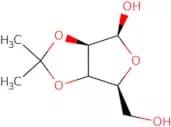
CAS:<p>2-Acetamido- 2- deoxy- 3, 6- di- O- methyl-D- glucose is a carbohydrate that has been modified with fluorine. The molecular weight of the compound is 348.14 g/mol. This product was synthesized by custom synthesis and has high purity. It can be used in glycosylation and click chemistry to modify saccharides, oligosaccharides, monosaccharides, or polysaccharides. Methylation of this product can also be done using reductive amination. Click modification is a reaction between an azide group on one molecule and an alkyne group on another molecule, which produces a 1,3,5 triazole ring containing two new chemical bonds. Polysaccharide refers to carbohydrates that are long chains of monosaccharides linked together by glycosidic bonds.</p>Formula:C10H19NO6Purity:Min. 95%Molecular weight:249.26 g/mol1,2:5,6-Di-O-isopropylidene-a-D-gulofuranose
CAS:<p>Synthetic building block</p>Formula:C12H20O6Purity:Min. 98 Area-%Color and Shape:White PowderMolecular weight:260.28 g/molMethyl 2,3,4-tri-O-acetyl-6-O-tert-butyldimethylsilyl-a-D-galactopyranoside
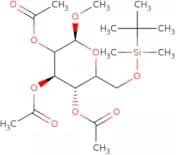
CAS:<p>Methyl 2,3,4-tri-O-acetyl-6-O-tert-butyldimethylsilyl-a-D-galactopyranoside is a synthetic glycosylated peptide that contains a 6FAM reactive group for labeling. It is a high purity product with no impurities and can be used for the fluorination of saccharides. It has a CAS number of 594841-23-3 and can be custom synthesized to meet your needs. This product is typically used as an intermediate in the synthesis of polysaccharides and oligosaccharides.</p>Formula:C19H34O9SiPurity:Min. 95%Molecular weight:434.56 g/mol2,3-O-Isopropylidene-L-ribofuranose
CAS:<p>2,3-O-Isopropylidene-L-ribofuranose is a chiral building block for the synthesis of α-amino acids. This compound can be obtained from l-arabinose and l-rhamnose by kinetic resolution reactions with reagents such as (R)-1,2,3,4,5,6-hexahydrobenzo[b]thiophene or (S)-1,2,3,4,5,6-hexahydrobenzo[b]thiophene. The product is an enantiospecifically pure mixture of 2,3-O-isopropylidene L-ribofuranose and its antipode. The use of acid catalysts such as sulfuric acid or hydrochloric acid will yield a higher yield of the desired product.</p>Formula:C8H14O5Purity:Min. 95 Area-%Color and Shape:PowderMolecular weight:190.19 g/mol6-Azido- 6- deoxy- D- glycero- L- gulo- heptitol
CAS:<p>6-Azido-6-deoxy-D-glycero-L-gulo-heptitol is a methylated, saccharide, polysaccharide, click modification, and modification of oligosaccharides. The chemical name for the compound is 6-[(1S)-1-(2-aminoethyl)propyl]-2,4 -dioxopentanedioic acid. It has CAS No. 1458063-96-1 and has a molecular weight of 374.5 g/mol. This product can be custom synthesized with high purity and it is a carbohydrate sugar that is synthetic.</p>Formula:C7H15N3O6Purity:Min. 95%Molecular weight:237.21 g/mol1,2,3,5,6-Penta-O-acetyl-D-galactofuranose
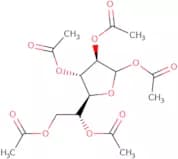
CAS:<p>1,2,3,5,6-Penta-O-acetyl-D-galactofuranose is a condensation product of a 4-methylumbelliferone with the anomeric form of D-galactose. It is a white crystalline solid that can be obtained in yields up to 200 g per multigram of reactants. This compound has been shown to react with chloride ion and zinc chloride at elevated temperatures to yield the corresponding chloride or zinc salt. The crystal structure of this compound has been studied by x-ray diffraction and found to have an anomeric configuration and a space group P2(1)22(1). Carbohydrates are polyhydroxyaldehydes or polyhydroxyketones containing at least one hemiacetal or hemiketal group in their structure. The general formula for carbohydrates is (Cx(H2O)y)z where x is usually 2 or 3, y is</p>Formula:C16H22O11Purity:Min. 95%Color and Shape:PowderMolecular weight:390.4 g/molPullulan
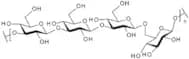
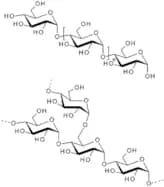
CAS:<p>Pullulan is a glucan elaborated by the fungus Aureobasidium pullulans. The chemical structure is essentially repeating units of maltotriose joined by α-1,6 linkages. Pullulan dissolves readily in water to form stable, viscous solutions that do not gel. The polysaccharide can be moulded, made into fibres and forms clear soluble films. Applications are in foods as a low calorie ingredient and the polysaccharide forms water soluble films that have been used as seed coatings and to coat fruit. Pullulan can also be used in industrial applications as a binder, film former and in pharmaceutical applications. Average MW is typically 100-200kDa. Viscosity is ca 120 mm2/s.<br>The image was kindly provided by Dr. Chris Lawson.</p>Color and Shape:White Powder2-Acetamido-3-O-(2,3,4,6-tetra-O-acetyl-b-D-galactopyranosyl)-4,6-di-O-acetyl-2-deoxy-a-D-galactopyranosyl-Fmoc-L-serine tert-butyl ester
CAS:<p>The 2-acetamido-3-O-(2,3,4,6-tetra-O-acetyl-b-D-galactopyranosyl)-4,6-di-O-acetyl-2 deoxy -a D galactopyranosyl Fmoc L serine tert butyl ester is a custom synthesis of an oligosaccharide. It is a saccharide with a polysaccharide that is glycosylated and has a sugar at the end. This carbohydrate can be used for Modification, Fluorination, Methylation, Monosaccharide, Synthetic purposes.</p>Formula:C48H60N2O21Purity:Min. 95%Molecular weight:1,000.99 g/mol1,6-Anhydro-3-O-b-D-glucopyranosyl-b-D-glucopyranose
<p>1,6-Anhydro-3-O-b-D-glucopyranosyl-b-D-glucopyranose is a glycosylation agent that is used in the synthesis of complex carbohydrates. It has been modified by methylation, click modification, and fluorination to produce 1,6 anhydro-3-[2-(N′-[1-(4-chlorophenyl)ethylidene]amino)-2-(N′-[1-(4-chlorophenyl)ethylidene]amino)]ethylidene]-b -D glucopyranoside. This product is CAS No. 60932-82-7 and can be custom synthesized to produce high purity and low impurities.</p>Purity:Min. 95%Corn starch
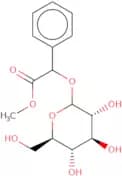
CAS:<p>Starch is a two component polysaccharide mixture of amylose and amylopectin. Amylose is a linear polysaccharide of α (1,4)-linked glucose residues and averages 20 to 30% of the total in most native starches. Amylopectin is a highly branced glucan containing both a (1,4) and a (1,6) linkages. The number of glucose residues in a single starch molecule can vary from five hundred to several hundred thousand, depending on the type of starch. Starch is the major storage form of energy in plants, just as glycogen is the storage form of energy for animals. The plant directs the starch molecules to the amyloplasts, where they are deposited to form granules. Thus, both in plants and in the extracted concentrate, starch exists as granules varying in diameter from 2 to 130 μm.</p>Purity:Min. 95%Color and Shape:PowderMethyl mandelate glucoside
<p>Methyl mandelate glucoside is a glycosylation product that is custom synthesized for its fluorination and methylation. The molecule has a complex structure, consisting of monosaccharides and polysaccharides. Methyl mandelate glucoside is a high-purity compound with a CAS number. This chemical is also modified by click chemistry to create an oligosaccharide.</p>Formula:C15H20O8Purity:Min. 95%Molecular weight:328.31 g/molTrimethyl (2S)-2-((4R)-3-O-benzyl-1,2-O-isopropylidene-D-threos-4-yl)ethanetricarboxylate
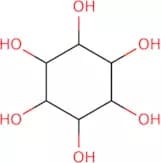
<p>Trimethyl (2S)-2-((4R)-3-O-benzyl-1,2-O-isopropylidene-D-threos-4-yl)ethanetricarboxylate is a synthetic precursor to the sugar 2,6'-dithia-D-(+)-fucopyranose. It has been shown to be an effective glycosylation agent for the synthesis of sugars with an intact threose ring. Trimethyl (2S)-2-((4R)-3-O-benzyl-1,2-O-isopropylidene--D--threos-)ethanetricarboxylate is not available in pure form and cannot be found in nature.</p>Purity:Min. 95%myo-Inositol
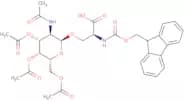
CAS:<p>Vitamin added to plant cell culture medium to promote growth. Used to differentiate microorganisms based on their metabolic properties.</p>Formula:C6H12O6Purity:Min. 99.0 Area-%Molecular weight:180.16 g/mol2-Acetamido-3,4,6-tri-O-acetyl-2-deoxy-α-D-galactopyranosyl-Fmoc serine
CAS:<p>2-Acetamido-3,4,6-tri-O-acetyl-2-deoxy-α-D-galactopyranosyl-Fmoc serine is an amino sugar that has been shown to be a supplement for soybean cultivars. It is a basic compound that is obtained from the condensation of glycine and acetamidodeoxygalactose. This amino sugar can be used as a matrix in genetic engineering and tissue culture experiments with soybean plants. Transgenic soybeans have been created using 2AAGFS as the source of galactose for glycoprotein synthesis. Soybean plants with transgenes are also able to synthesize high levels of seed protein, which may increase the quality of soybean products.</p>Formula:C32H36N2O13Purity:Min. 95 Area-%Color and Shape:White PowderMolecular weight:656.63 g/molUDP-GlcNAc disodium salt
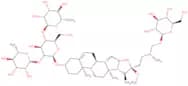
CAS:<p>Substrate for N-acetylglucosaminyltransferases</p>Formula:C17H25N3O17P2Na2Purity:Min. 98 Area-%Color and Shape:White PowderMolecular weight:651.32 g/molMethyl protodioscin
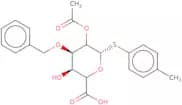
CAS:<p>Methyl protodioscin is a natural compound that has been shown to have a promising therapeutic effect on autoimmune diseases. Methyl protodioscin is derived from soybean extract and it is known to inhibit the translocation of bacteria across the gut wall, which could be due to its ability to regulate mucin gene expression. In vitro assays show that methyl protodioscin has an effect on mitochondrial membrane potential, which may be related to its anti-inflammatory properties. The effects of methyl protodioscin on mitochondrial functions were studied in C. glabrata, and it was shown that this compound can be used as a therapeutic agent for balloon injury.<br>Methyl protodioscin also inhibits the growth of Candida albicans and other fungi in vivo, suggesting that this compound might have antifungal activity.</p>Formula:C52H86O22Purity:Min. 95%Molecular weight:1,063.23 g/mol4-Methylphenyl 2-O-acetyl-3-O-benzyl-b-D-thioglucuronide
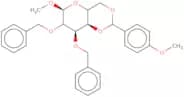
<p>4-Methylphenyl 2-O-acetyl-3-O-benzyl-β-D-thioglucuronide is a modification of the oligosaccharide, carbohydrate complex carbohydrate. It is synthesized by custom synthesis. This product has CAS No. and is a monosaccharide, methylation and glycosylation. The molecular weight of this product is 676.4 Da and it contains no other functional groups except for a fluorine atom in its structure.</p>Formula:C22H24O7SPurity:Min. 95%Molecular weight:432.49 g/molMethyl 2,3-di-O-benzyl-4,6-O-(4-methoxybenzylidene)-a-D-mannopyranoside
CAS:<p>Methyl 2,3-di-O-benzyl-4,6-O-(4-methoxybenzylidene)-a-D-mannopyranoside is a custom synthesis of a complex carbohydrate. It has been modified to include an Oligosaccharide and Polysaccharide, which are saccharides. This product can be used for the synthesis of glycosylation and carbonylation reactions. Methyl 2,3-di-O-benzyl-4,6-O-(4-methoxybenzylidene)-a-D-mannopyranoside is high purity with a fluorination process that ensures the highest quality.</p>Formula:C29H32O7Purity:Min. 95%Molecular weight:492.57 g/mol(3S, 4R) -3, 4- Dihydroxy- 2- methyl-D- proline
<p>(3S, 4R) -3, 4-Dihydroxy-2-methyl-D-proline is a synthetic monosaccharide. It is an intermediate in the synthesis of (3S, 4R)-3,4-dihydroxy-2-methyl-D-proline and can be used for the production of glycosylated products. This carbohydrate has been synthesized by fluorination followed by methylation and glycosylation. This is a high purity product that can be custom synthesized to meet your needs.</p>Purity:Min. 95%2-Acetamido-2,4-dideoxy-4-fluoro-D-glucopyranose
CAS:<p>2-Acetamido-2,4-dideoxy-4-fluoro-D-glucopyranose (2ADFG) is a glycosaminoglycan that inhibits the biosynthesis of glycosaminoglycans by binding to the enzyme UDP-N-acetylglucosamine 2-epimerase. It is used in cellular control experiments to determine if cells are hepatocytes or not. This compound binds to glycosaminoglycans and prevents them from being synthesized, which leads to cell death. The binding of 2ADFG also results in a decrease in cellular protein synthesis and an increase in cellular lysosomal activity.</p>Formula:C8H14FNO5Purity:Min. 95%Molecular weight:223.2 g/molHeparin disaccharide III-A disodium salt
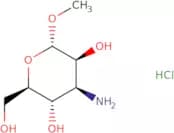
CAS:<p>Heparin disaccharide III-A is a synthetic heparin that is modified with the addition of a sugar molecule. Heparin disaccharide III-A disodium salt (HDS) is a high purity, custom synthesized product and has been fluorinated to improve its stability. HDS has been shown to be an effective inhibitor of glycosylation in bacteria cells, leading to decreased production of bacterial enzymes and proteins. It also inhibits protein synthesis by preventing the methylation of ribosomes and reducing the number of saccharides available for glycosylation. The HDS molecule is composed of two sugars: N-acetylglucosamine and D-glucuronic acid. This compound also has anti-inflammatory properties due to its ability to inhibit prostaglandin synthesis.</p>Formula:C14H19NO14SNa2Purity:Min. 95%Color and Shape:White PowderMolecular weight:503.34 g/molMethyl 3-amino-3-deoxy-α-D-mannopyranoside hydrochloride
CAS:<p>Methyl 3-amino-3-deoxy-a-D-mannopyranoside HCl is a potent antioxidant that has been shown to protect cells from lipid peroxidation and protein oxidation. It also inhibits the formation of toxic reactive oxygen species, such as hydroxyl radicals. This compound has been shown to have protection against oxidative stress in cell culture studies. Methyl 3-amino-3-deoxy-a-D-mannopyranoside HCl is an inhibitor of the enzyme catalase, which may be responsible for its antioxidant activity. This compound also inhibits population growth in an aerobic environment, as well as catalase and dismutase activity in a population of bacteria. Methyl 3-amino-3-deoxy-a-D-mannopyranoside HCl is resistant to solanum tuberosum and solanum tuberosum extract and is oxidized by peroxidases found in plants.</p>Formula:C7H15NO5•HClPurity:Min. 95%Color and Shape:PowderMolecular weight:229.66 g/molGA2-Ganglioside
CAS:<p>GA2-ganglioside is a ganglioside that is found in the membranes of cells. GA2-Ganglioside has been shown to inhibit the growth of tumors by binding to macrophages and T cells, which are two types of white blood cells. It has also been shown that GA2-Ganglioside can be used as a target for an antibody response against human HL-60 tumor cells. The antibody response induces cell lysis and reduces the size of the tumor. GA2-Ganglioside has also been shown to have anti-inflammatory properties, which may be due to its ability to bind to α subunits on bowel disease and infectious diseases, such as murine sarcoma virus, causing an antibody response that causes cell lysis and prevents replication of these viruses.</p>Formula:C56H104N2O18Purity:Min. 95%Color and Shape:PowderMolecular weight:1,093.43 g/mol









![(5S, 8S, 9S) -8- [(4S) - 2, 2-Dimethyl- 1, 3- dioxolan- 4- yl] - 9- hydroxy- 2, 2- dimethyl- 1, 3,…](/_next/image/?url=https%3A%2Fstatic.cymitquimica.com%2Fproducts%2F3D%2Fthumb-webp%2FMD170667.webp&w=3840&q=75)
![[2R- (2a, 3a, 4b, 5a) ] -3,4,5-Trihydroxy-2- piperidinecarboxylic acid methyl ester](/_next/image/?url=https%3A%2Fstatic.cymitquimica.com%2Fproducts%2F3D%2Fthumb-webp%2FMT163497.webp&w=3840&q=75)









![(5R, 6R, 7R, 8S) -8- (HydroxymHthyl) - 1- azabicyclo[4.2.0] octane- 5, 7- diol](/_next/image/?url=https%3A%2Fstatic.cymitquimica.com%2Fproducts%2F3D%2Fthumb-webp%2FMH163378.webp&w=3840&q=75)

![6- Deoxy- 3, 5- O- [(R) - benzylidene] - L- mannonic acid g- lactone](/_next/image/?url=https%3A%2Fstatic.cymitquimica.com%2Fproducts%2F3D%2Fthumb-webp%2FMD163972.webp&w=3840&q=75)





![N-[2-(3'-Nitrophenylacetonitrile)]-2,3,4,6-tetra-O-pivaloyl-D-glucopyranoside](/_next/image/?url=https%3A%2Fstatic.cymitquimica.com%2Fproducts%2F3D%2Fthumb-webp%2FMN08451.webp&w=3840&q=75)