Glycoscience
Glycoscience is the study of carbohydrates and their derivatives, as well as the interactions and biological functions they participate in. This field of research is crucial for understanding a wide variety of biological processes, including cell recognition, signaling, immune response, and disease development. Glycoscience has important applications in biotechnology, medicine, and the development of new drugs and therapies. At CymitQuimica, we offer a wide selection of high-quality, high-purity products for glycoscience research. Our catalog includes monosaccharides, oligosaccharides, polysaccharides, glycoconjugates, and specific reagents, designed to support researchers in their studies on the structure, function, and applications of carbohydrates in biological systems. These resources are intended to facilitate scientific discoveries and practical applications in various areas of bioscience and medicine.
Subcategories of "Glycoscience"
- Aminosugars(108 products)
- Glyco-Related Antibodies(282 products)
- Glycolipids(46 products)
- Glycosaminoglycans (GAGs)(55 products)
- Glycosides(419 products)
- Monosaccharides(6,624 products)
- Oligosaccharides(3,682 products)
- Polysaccharides(503 products)
Found 11046 products of "Glycoscience"
Sort by
Purity (%)
0
100
|
0
|
50
|
90
|
95
|
100
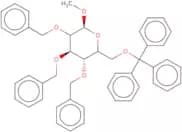
Methyl 2,3,4-tri-O-benzyl-6-O-trityl-a-D-galactopyranoside
CAS:<p>Methyl 2,3,4-tri-O-benzyl-6-O-trityl-a-D-galactopyranoside is a synthetic modified oligosaccharide. It has been shown to have potent antiplaque activity in animal models of dental caries and has been demonstrated to be an effective inhibitor of the glycosylation reaction. Methyl 2,3,4-tri-O-benzyl-6-O-trityl galactopyranoside is soluble in water and can be used as a fluorinated monosaccharide. The compound can also be used as a click modification with other sugars or saccharides.</p>Formula:C47H46O6Purity:Min. 95%Molecular weight:706.89 g/mol(2S,3S,4S)-N-Ethyl-2-hydroxymethyl-3,4-pyrrolidinediol
<p>(2S,3S,4S)-N-Ethyl-2-hydroxymethyl-3,4-pyrrolidinediol is a synthetic sugar that is commonly used in the synthesis of polysaccharides. It can also be used as a reagent for methylation and glycosylation reactions. This compound is available as a pure white powder with a melting point of 130°C to 135°C. (2S,3S,4S)-N-Ethyl-2-hydroxymethyl-3,4-pyrrolidinediol has been shown to be reactive with saccharide and polysaccharide substrates. Click modification can be performed on this product to make it reactive with other molecules or compounds. The purity of this compound exceeds 99%.</p>Purity:Min. 95%a-Homonojirimycin
CAS:<p>a-Homonojirimycin is a chaperone that is effective in inhibiting HIV infection. It has been shown to inhibit the activity of chymotrypsin, carboxypeptidase A, and aminopeptidase B. The model system used for this compound was the human liver, which showed that a-homonojirimycin had a potent inhibitory activity against these enzymes. This drug also has a dry weight of 1,520 g/mol and an effective dose of 0.01 mg/mL. In vitro studies have shown that a-homonojirimycin inhibits influenza virus by binding to the hemagglutinin protein on the surface of the virus and preventing its attachment to host cells.</p>Formula:C7H15NO5Purity:Min. 98 Area-%Color and Shape:White PowderMolecular weight:193.2 g/molCroscarmellose sodium
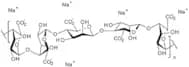
CAS:<p>Superdisintegrant used in pharmaceutical formulations</p>Color and Shape:White PowderMolecular weight:982.44a-D-Arabinopyranosyl azide
CAS:<p>a-D-Arabinopyranosyl azide is a new modified sugar that has been synthesized by the Click chemistry method. It is a complex carbohydrate with different substituents at the C2, C4, and C6 positions. This compound can be used for methylation, saccharide, polysaccharide, glycosylation or other custom synthesis. The CAS No. for this product is 138892-04-3, and it has a purity of >99%.</p>Formula:C5H9N3O4Purity:Min. 95%Molecular weight:175.14 g/molGQ3-Oligosaccharide
<p>GQ3 oligosaccharide is the carbohydrate moiety in the GQ3 ganglioside. Breast cancer cells MCF-7 were found to express a complex pattern of neutral and sialylated glycosphingolipids from the globo- and ganglio-series, including unusual tetrasialylated and pentasialylated lactosylceramide derivatives, and GQ3 (II3Neu5Ac4-Gg2Cer) (Steenackers, 2012).</p>Formula:C56H86N4O43Na4Purity:Min. 95%Molecular weight:1,595.24 g/mol4-O-(β-D-Galactopyranosyl)-D-galactopyranose
CAS:<p>Used as enzyme substrates, analytical standards and for in vitro diagnostics</p>Formula:C12H22O11Purity:Min. 95%Color and Shape:White Off-White PowderMolecular weight:342.29 g/mol3-O-Benzyl-1,2-O-isopropylidene-a-D-xylofuranose
<p>3-O-Benzyl-1,2-O-isopropylidene-a-D-xylofuranose is a monosaccharide that is synthesized by methylation of the corresponding aldose. It has been used in the synthesis of oligosaccharides and polysaccharides. 3-O-Benzyl-1,2-O-isopropylidene-a-D-xylofuranose has also been shown to be useful in the fluorination of saccharide chains.</p>Purity:Min. 95%(2R, 3R, 3aS, 9aR) -2, 3, 3a, 9a-Tetrahydro- 3- hydroxy- 2- (hydroxymethyl) - 3a- methyl- 6H- Furo[2', 3':4, 5] oxazolo[3, 2- a] pyr imidin- 6- one,
<p>This compound is a custom synthesis. It is an oligosaccharide that has a CAS number. The molecular weight of this compound is 5,871. This product is a sugar that contains glycosylation and methylation modifications, as well as click chemistry modifications. The purity of this product is high, with a purity level of 99%. This product also contains fluorination on the alpha-carbon atom in the 2 position.</p>Purity:Min. 95%Methyl 2,3,4-tri-O-benzoyl-6-O-triisopropylsilyl-a-D-glucopyranoside
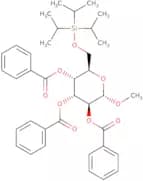
CAS:Methyl 2,3,4-tri-O-benzoyl-6-O-triisopropylsilyl-a-D-glucopyranoside is a Custom synthesis that is a complex carbohydrate. It is an Oligosaccharide with a Polysaccharide that is modified by Methylation and Glycosylation. This saccharide has CAS No. 356060-80-5 and can be found in Click modification and Synthetic. Methyl 2,3,4-tri-O-benzoyl-6-O-triisopropylsilyl-a-D -glucopyranoside has a high purity and fluorination level.Formula:C37H46O9SiPurity:Min. 95%Molecular weight:662.86 g/molTetra-mannuronic acid sodium
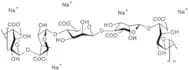
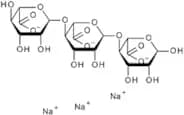
<p>Tetra-mannuronic acid sodium salt (β-1,4-linked sodium mannuronotetraose) is one of a number of oligosaccharides obtained from alginate which is a polysaccharide in brown seaweeds containing: blocks of repeating mannuronic acid sequences (M-M-M-M etc), repeating guluronic acid sequences (G-G-G-G etc), and alternating M-G-M-G sequences. Oligosaccharides can be released using several methods (Lua, 2015; Yanga, 2004) and claims have been published that mannuronic acid oligosaccharides for example, can be effective in the prophylaxis and treatment of Alzheimer's disease, or for the prophylaxis and treatment of diabetes (USP 8835403B2, 2014).</p>Formula:C24H30O25Na4Purity:Min. 97 Area-%Color and Shape:Off-White PowderMolecular weight:810.44 g/mol1-D-3-Deoxy-myo-inositol
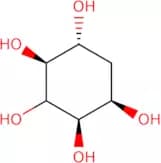
CAS:<p>Myoinositol is a cyclitol and a member of the group of hexahydroxycyclohexanes. It is found in many plants and animals, especially in brain tissue, and plays an important role as a component of cell membranes. Myoinositol has been shown to inhibit cellular glycosidases, which are enzymes that break down complex sugars. In addition, myoinositol has been shown to have anti-cancer properties. Myoinositol is used as an analytical reagent in phase chromatography to separate molecules based on their hydrophobicities. 1-D-3-Deoxy-myo-inositol also has corrosion inhibition properties and can be used as a pesticide or agrochemical.</p>Formula:C6H12O5Purity:Min. 95 Area-%Color and Shape:White PowderMolecular weight:164.16 g/molIsorhamnetin 3-O-galactoside
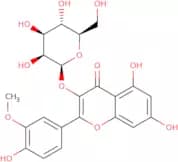
CAS:<p>Isorhamnetin 3-O-galactoside is a flavonoid derivative that is found in plant tissue. It has antioxidant properties and has been shown to inhibit leucaena seed germination, growth, and the production of reactive oxygen species (ROS). Isorhamnetin 3-O-galactoside can be extracted from fruit by using an aqueous solution of potassium hydroxide. It is also used as a dietary supplement for its potent inhibitory activity on ROS. Isorhamnetin 3-O-galactoside is found in plants with other flavonoids such as quercetin and kaempferol. The chemical structure of this compound consists of a hydroxyl group at the C3 position and an O-glycosidic linkage to galactose at the C2 position. This compound can be detected by mass spectrometric methods such as electron ionization or electrospray ionization because it</p>Formula:C22H22O12Purity:Min. 95%Molecular weight:478.4 g/mol3-(2,3,5-Tri-O-benzyl-1-b-D-ribofuranosyl)benzamide
CAS:<p>3-(2,3,5-Tri-O-benzyl-1-b-D-ribofuranosyl)benzamide is a sugar derivative with the chemical formula C14H19N5O6. This compound belongs to the group of saccharides and is a synthetic glycoside. 3-(2,3,5-Tri-O-benzyl-1-b-D-ribofuranosyl)benzamide is used in the synthesis of oligosaccharides and polysaccharides for use in medical applications. It can be custom synthesized and has a purity level of >99%.</p>Formula:C33H33NO5Purity:Min. 95%Molecular weight:523.62 g/molSodium alginate, low viscosity
CAS:Sodium salt of a polysaccharide obtained from the brown seaweeds (e.g. Laminaria hyperborea, Fucus vesiculosus, Ascophyllum nodosum). The chemical structure consists of blocks of (1,4) linked-β-D-polymannuronic acid (poly M), (1,4) linked-α-L-polyguluronic acid (poly G) and alternating blocks of the two uronic acids (poly MG). Alginates form strong gels with divalent metal cations and the egg box model has been used to describe this form of gelation. The main use for alginate is in textile printing as a thickener in the printing of cottons with reactive dyes. In the food industry it is used as a thickener and gelling agent. Recently, it has been shown that ternary mixtures of Konjac glucomannan, Xanthan gum and Sodium alginate can form a non-covalently linked complex which exhibits enhanced rheological properties of value in, for example, functional foods. The image was kindly provided by Prof Mike Guiry from Cork who runs ‘The Seaweed Site’.Viscosity: min 50 mPa.sColor and Shape:White Powder6-Deoxy-2,3:4,5-di-O-isopropylidene-D-gulonic acid methyl ester
<p>6-Deoxy-2,3:4,5-di-O-isopropylidene-D-gulonic acid methyl ester is a monosaccharide that can be used as a glycosylation and methylation reagent. It's also an important building block in the synthesis of complex carbohydrate polymers. This product is custom synthesized to meet your requirements.</p>Purity:Min. 95%Tri-O-benzyl-isofagomine hydrochloride
<p>Tri-O-benzyl-isofagomine hydrochloride is a modification of an oligosaccharide and a carbohydrate. It is synthesized by the methylation and glycosylation of isofagomine. Tri-O-benzyl-isofagomine hydrochloride has been shown to have high purity and can be used in the treatment of cancer, as well as being a potential drug for diabetes mellitus. This drug also prevents the formation of glycosaminoglycan polymers, which are responsible for cartilage rigidity. The CAS number for this drug is 569287-73-2.</p>Purity:Min. 95%D-Lyxosylamine
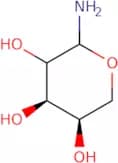
CAS:D-Lyxosylamine is a drug that has been shown to have anticancer activity against leishmania species. It inhibits the growth of the parasite by binding to the lectin, sialic, and glycoconjugates on the surface of cells. This inhibition leads to a blockage in the transport of glucose and amino acids, which are essential for cell growth and replication. D-Lyxosylamine has also been shown to have anti-leukemic effects, which may be due to its ability to kill lymphocytic leukemia cells. The drug was administered orally in a clinical trial with human volunteers in order to test its effectiveness against Leishmania major infections. D-Lyxosylamine administered at 50mg/kg/day for 28 days had no significant effect on Leishmania major infection rates.Formula:C5H11NO4Purity:Min. 95%Color and Shape:White PowderMolecular weight:149.1 g/mol5-O-(5-Amino-5-deoxy-a-D-ribofuranosyl)-1-N-[(S)-4-amino-2-hydroxy-butanoyl]paromamine
<p>5-O-(5-Amino-5-deoxy-a-D-ribofuranosyl)-1-N-[(S)-4-amino-2-hydroxybutanoyl]paromamine is a high purity, custom synthesis, sugar modified, fluorinated, glycosylated, synthetic and methylated carbohydrate with CAS No. This product is an oligosaccharide composed of monosaccharides and saccharides with a complex carbohydrate structure. It has a molecular weight of 597.21 g/mol with the formula C12H24N8O14P3F6. The chemical structure contains six carbons, seven hydrogens, four oxygens, one nitrogen and three phosphates. This product is soluble in water and ethanol. It has a melting point of 205°C and can be used as an intermediate for pharmaceuticals or other chemicals.</p>Purity:Min. 95%Thiodiglucoside
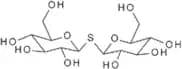
CAS:<p>Thiodiglucoside is a plant glycoside that is used as a preparative agent for the isolation of active substances from lymphocytes. It can be used in chromatographic and inhibition studies to determine the binding sites on lymphocytes. Thiodiglucoside has been shown to bind to lectins and inhibit protein synthesis in activated lymphocytes. This glycoside also inhibits the constriction of smooth muscle cells, which may be due to its inhibition of protein synthesis. The physiological function of thiodiglucoside is not yet fully understood; however, it is known that this compound binds to macropores and affects subunits within the cell membrane.</p>Formula:C12H22O10SPurity:Min. 95%Color and Shape:PowderMolecular weight:358.36 g/mol2-Deoxystreptamine dihydrobromide
CAS:<p>Streptamine derivative; antibiotic agent</p>Formula:C6H14N2O3·2HBrPurity:Min. 95%Color and Shape:PowderMolecular weight:324.01 g/molD-Cellotetraose
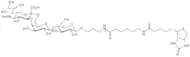
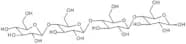
CAS:Substrate for cellulasesFormula:C24H42O21Purity:Min. 95 Area-%Color and Shape:White Off-White PowderMolecular weight:666.58 g/molBlood Group H type III trisaccharide-PAA-biotin
<p>Blood group antigen conjugated to spacer and biotin</p>Purity:Min. 95%Color and Shape:White Off-White PowderMolecular weight:586.6 g/molUrsodeoxycholic acid acyl-β-D-glucuronide
CAS:<p>Ursodeoxycholic acid acyl-b-D-glucuronide (UDCA) is a synthetic bile acid that is used to treat liver diseases such as cirrhosis, primary biliary cirrhosis and cholelithiasis. UDCA inhibits the enzyme 7α-hydroxylase in the liver, which converts cholesterol into bile acids. This prevents the formation of lithocholic acid from cholesterol and the accumulation of lipids in the liver. UDCA also suppresses inflammatory cytokines and oxidative stress by inhibiting NF-κB activation.Supplied as the sodium salt</p>Formula:C30H48O10Purity:Min. 95%Color and Shape:PowderMolecular weight:568.7 g/molPhenyl 2-acetamido-2-deoxy-β-D-glucopyranoside
CAS:<p>Phenyl 2-acetamido-2-deoxy-b-D-glucopyranoside is a chemical compound that is a member of the class of phenyl 2-acetamido-2-deoxy-b-D-glucopyranosides. This compound has been shown to be anomeric, substituent and phenyl.</p>Formula:C14H19NO6Purity:Min. 90%Color and Shape:PowderMolecular weight:297.3 g/molGlycyl-lacto-N-neodifucohexaose I
<p>Glycyl-lacto-N-neodifucohexaose I is a synthetic carbohydrate that has been modified to include a fluorine atom. Glycyl-lacto-N-neodifucohexaose I is an oligosaccharide that belongs to the class of carbohydrates and is composed of glycosylated and methylated monosaccharides. This product can be custom synthesized for your specific needs.</p>Formula:C40H69N3O29Purity:Min. 95%Molecular weight:1,055.98 g/mol(1S) -1- [(2R, 3S) -N-(4-Methoxyphenyl)methyl-3-hydroxy- 1- azetidinyl] -1, 2- ethanediol
Our company has the capability to synthesize custom complex carbohydrates. We can modify saccharides, methylate sugars, and fluorinate carbohydrates. We have a high-purity product that is synthesized in our lab. Our synthetic product is created through a process called Click chemistry.Purity:Min. 95%4-Methoxyphenyl 3,6-di-O-benzyl-4-O-{2-O-acetyl-3-O-[3,6-di-O-benzyl-2,4-di-O-(3,4,6-tri-O-acetyl-2-deoxy-2-phthalimido-β-D-glucopyr anosyl)-α-D-mannopyranosyl]-6-O-[3,4-di-O-acetyl-2,6-di-O-(3,4,6-tri-O-acetyl-2-deoxy-2-phthalimido-β-D-glucopyranosyl
<p>This product is a custom synthesis of an oligosaccharide. It is a complex carbohydrate that has been modified with methylation, glycosylation, and fluorination. It is synthesized from monosaccharides and saccharides. The CAS number for this product is _________________.</p>Formula:C153H157N5O62Purity:Min. 95%Molecular weight:3,057.88 g/mol3-Azido-3-deoxy-1,2:5,6-di-O-isopropylidene-a-D-glucofuranose
CAS:<p>3-Azido-3-deoxy-1,2:5,6-di-O-isopropylidene-a-D-glucofuranose is a synthetic sugar that has been modified by Fluorination, Monosaccharide, Synthetic, Oligosaccharide, complex carbohydrate, CAS No. 13964-23-3 and Glycosylation. It is also a Polysaccharide with modifications of Click modification and Methylation. 3A3DG can be used to modify the sugar content of glycoproteins and glycolipids in order to study their role in cellular processes such as transcriptional regulation and apoptosis. This product is available for custom synthesis in quantities from milligrams to kilograms.</p>Formula:C12H19N3O5Purity:Min. 95%Color and Shape:Yellow PowderMolecular weight:285.3 g/mol(1S) -1- [(2S, 3R) - 3-Hydroxy- 1- ((4-methoxyphenyl)methyl) - 2- azetidinyl] -1, 2- ethanediol
CAS:<p>Ai Product Descriptions 50 Creative</p>Formula:C13H19NO4Purity:Min. 95%Molecular weight:253.29 g/molStreptozocin
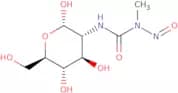
CAS:<p>A toxic glucosamine derivative, widely used for the induction of diabetes in experimental animals. The compound enters the pancreatic β cells in Langerhans islets via glucose transporter GLUT2. It has the ability to alkylate DNA and trigger the production of ROS and nitric oxide, which contribute to DNA and mitochondrial damage. Moreover, streptozocin inhibits N-acetyl-β-D-glucosaminidase and disrupts O-GlcNAc cycling. This molecule has also been used as antimicrobial compound and chemotherapeutic agent for some types of pancreatic cancer.</p>Formula:C8H15N3O7Purity:Min. 98 Area-%Color and Shape:Off-White PowderMolecular weight:265.2 g/mol1,2,3,4-Tetra-O-acetyl-D-galacturonic acid
CAS:<p>1,2,3,4-Tetra-O-acetyl-D-galacturonic acid is a carbohydrate that belongs to the group of oligosaccharides and sugars. It is used as a synthetic intermediate in the production of complex carbohydrates and glycosylations. 1,2,3,4-Tetra-O-acetyl-D-galacturonic acid is also used as an active ingredient in some topical medications. The fluorination of this product leads to increased solubility and stability. It has been shown to be resistant to degradation by enzymes such as alpha amylase or beta amylase. This product can be customized for customers requirements with high purity and custom synthesis services.</p>Formula:C14H18O11Purity:Min. 95%Color and Shape:PowderMolecular weight:362.29 g/mol3,5-Di-O-benzoyl-2-deoxy-2-fluoro-2C-methyl-D-ribono-1,4-lactone
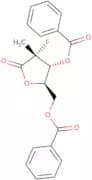
CAS:3,5-Di-O-benzoyl-2-deoxy-2-fluoro-2C-methyl-D-ribono-1,4-lactone is a synthetic compound with the molecular formula C6H12F6O8. It has a molecular weight of 536.14 and an empirical formula of C24H32F6O8. 3,5-Di-O-benzoyl -2,3,4,5,-tetra-, 2C-, methyl -D-, ribo-, 1,4-, lactone is soluble in water and it can be synthesized from D-(+)-glucose and methyl 4-(trifluoromethyl)benzoate in three steps. The structure of 3,5 Di O benzoic acid was first determined by XRD analysis. The compound is a white crystalline solid with melting point at 180°C to 181°C and boilingFormula:C20H17FO6Purity:Min. 97 Area-%Color and Shape:White Off-White PowderMolecular weight:372.34 g/mol(1S) -1- [(2S, 3R) - N-Butyl-3- hydroxy- 1- azetidinyl] -1, 2- ethanediol
<p>(1S) -1- [(2S, 3R) - N-Butyl-3- hydroxy- 1- azetidinyl] -1, 2- ethanediol is a synthetic carbamate which is a modification of the sugar D-glucose. It has been fluorinated at the C4 position and glycosylated at the C2 position. This compound is also methylated at the C3 position. (1S) -1- [(2S, 3R) - N-Butyl-3- hydroxy- 1- azetidinyl] -1, 2- ethanediol has CAS number 7145636 and has been custom synthesized to be high purity and with custom synthesis modifications.</p>Purity:Min. 95%Kephir gum
CAS:<p>‘Water kefir’ is a home-made beverage, which was thought to contain significant amounts of bacterial exopolysaccharides. It has now been reported that the exopolysaccharide fraction of this material contains dextrans with similar structures, having a number of (1,3) linkages, branched at positions O3 and position O2 and with a wide range of molecular weights. In addition, it was shown that a small amount of levan is also present.</p>Purity:Min. 95%Color and Shape:Powder3-(b-D-Glucopyranosyl)-D-mannose
<p>3-(b-D-Glucopyranosyl)-D-mannose is a sugar that is a component of the complex carbohydrate called glycosaminoglycan. It can be used in the synthesis of oligosaccharides and monosaccharides or as a modification to saccharides. 3-(b-D-Glucopyranosyl)-D-mannose is synthesized through Click modification with fluorination, glycosylation, and methylation. This sugar has CAS No. 27212-79-4 and molecular weight of 360.3 g/mol.</p>Purity:Min. 95%2,3-O-Isopropylidene-L-lyxonic acid-1,4-lactone
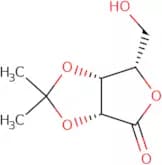
CAS:<p>2,3-O-Isopropylidene-L-lyxonic acid-1,4-lactone is an enantiopure compound that is a member of the glycoside family. It has been shown to inhibit the activity of glycosidases, which are enzymes that hydrolyze glycosides. 2,3-O-Isopropylidene-L-lyxonic acid-1,4-lactone has an ambiguous stereochemistry due to its carbon chains and catalytic groups. The conformational analysis of this compound reveals that it can be classified as a chiral molecule because it lacks a plane of symmetry. Crystallographic analysis has shown that 2,3-O-Isopropylidene-L-lyxonic acid-1,4-lactone adopts a dimeric form and crystallizes in an asymmetric unit cell with space group P2(1)22(1).</p>Formula:C8H12O5Purity:Min. 97 Area-%Color and Shape:White PowderMolecular weight:188.18 g/molHydroxyethyl cellulose, viscosity 1500 ~ 2500
CAS:<p>Hydroxyethyl cellulose (EHEC) is a non-ionic, water-soluble cellulose derivative produced by introduction of ethylene oxide groups to the hydroxyl groups of the cellulose backbone. Hydroxyethyl cellulose is useful as a water thickener, rheological control additive, protective colloid, binder, stabilizer, suspending agent and film former. It is used in many industrial applications including latex paints, emulsion polymerization, petroleum, paper, pharmaceuticals, cosmetics and many other applications.</p>Purity:Min. 95%Color and Shape:PowderXylitol
CAS:<p>Xylitol is a sugar alcohol that has been shown to have antimicrobial properties. It is also used as a sweetener in chewing gum and toothpaste. Xylitol inhibits the growth of bacteria by binding to the enzyme adenosine triphosphate (ATP) synthase, which is required for energy metabolism. The binding of xylitol to ATP synthase prevents the formation of ATP and blocks bacterial growth, leading to cell death. Xylitol can be produced from xylose, a sugar found in plants and animals, through biochemical reactions that are catalyzed by enzymes such as xylitol dehydrogenase and xylulokinase. This process is anaerobic and does not require oxygen or organic nutrients. Xylitol has been shown to have physiological effects on wild-type strain bacteria such as Aerobacter aerogenes.</p>Formula:C5H12O5Purity:Min. 95%Color and Shape:White PowderMolecular weight:152.15 g/molN-Acetyl-5-bromo-3-indoxyl-2,3,4-tri-O-acetyl-β-D-glucuronic acid methyl ester
CAS:<p>N-Acetyl-5-bromo-3-indoxyl-2,3,4-tri-O-acetyl-b-D-glucuronic acid methyl ester is a custom synthesis of an acetylated bromoglycoside. This compound is a synthetic modification of the natural product and has been shown to be effective against various bacteria. The synthesis of this compound can be achieved by the click reaction with methyl 2,2'-dithiopropionate and 5,5'-dimethoxytrityl chloride in the presence of trimethylsulfonium iodide. N—Acetyl—5—bromo—3—indoxyl—2,3,4—tri—O—acetyl--b--D--glucuronic acid methyl ester is also a monosaccharide sugar that is a carbohydrate with a high purity and modifies proteins at their active site. It also has</p>Formula:C23H24BrNO11Purity:Min. 95%Molecular weight:570.34 g/mol4,6-Di-O-methyl-D-glucose
CAS:<p>A partially methylated glucose with the anomeric position free</p>Formula:C8H16O6Purity:Min. 95%Color and Shape:PowderMolecular weight:208.21 g/mol2,5-Di-O-acetyl-3-deoxy-D-threo-pentono-1,4-lactone
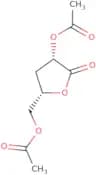
CAS:2,5-Di-O-acetyl-3-deoxy-D-threo-pentono-1,4-lactone is a monosaccharide with the molecular formula C5H8O4. It is a carbohydrate that can be found in natural products such as honey and sugar cane. 2,5-Di-O-acetyl-3,6,-dideoxyhexose can be custom synthesized to order. Carbohydrates are polymers of glycosidic bonds between monosaccharides. Glycosylation refers to the attachment of a sugar molecule (glycosyl donor) to another molecule (glycosyl acceptor). This process is often catalyzed by enzymes called glycosyltransferases. The modification of carbohydrates can be achieved through glycosylation, which results in the formation of an oligosaccharide or a complex carbohydrate. 2,5 Di-O acetyl 3,6 -Formula:C9H12O6Purity:Min. 95%Molecular weight:216.19 g/molBenzyl 2-acetamido-2-deoxy-3-O-(b-D-galactopyranosyl)-a-D-glucopyranoside
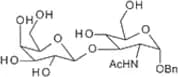
CAS:<p>Benzyl 2-acetamido-2-deoxy-3-O-(b-D-galactopyranosyl)-a-D-glucopyranoside is a synthetic substrate that is used in the synthesis of disaccharides. It is catalytic and has an efficient method for the preparation of acetonitrile, which can be eluted with acetic acid. It is a reagent that reacts with halides to form equimolar acetates. Acetylated benzyl 2-acetamido-2 deoxy 3 O-(b D galactopyranosyl) a D glucopyranoside can be obtained by reacting benzyl 2 acetamido 2 deoxy 3 O-(b D galactopyranosyl) a D glucopyranoside with acetic anhydride.</p>Formula:C21H31NO11Purity:Min. 95%Color and Shape:PowderMolecular weight:473.47 g/mol2,7-Anhydro-D-sedoheptulose-2,3,4,5,6,7-13C6
<p>2,7-Anhydro-D-sedoheptulose-2,3,4,5,6,7-13C6 is a custom synthesis of a complex carbohydrate. It is an oligosaccharide that is modified with methylation and glycosylation. This compound has been synthesized by Click modification and fluorination. 2,7-Anhydro-D-sedoheptulose-2,3,4,5,6,7-13C6 is water soluble and has a high purity. It is used as a research tool in the field of saccharides and carbohydrates.</p>Purity:Min. 95%Disialyllacto-N-tetraose
CAS:Disialyllacto-N-tetraose is a medicinal compound that has shown promising anticancer properties. It is an analog of a human urinary glycoprotein and has been found to induce apoptosis in cancer cells. Disialyllacto-N-tetraose acts as a tumor inhibitor by blocking the activity of certain protein kinases, which are enzymes that play a role in cell growth and division. This compound has been studied extensively in Chinese medicine and has shown potential as an effective anticancer agent. Its unique structure and mechanism of action make it a promising candidate for further research into cancer treatment.Formula:C48H79N3O37Purity:Min. 85%Molecular weight:1,290.16 g/mol2-Amino-2-deoxy-3,4-O-isopropylidene-L-idonic acid methyl ester
<p>2-Amino-2-deoxy-3,4-O-isopropylidene-L-idonic acid methyl ester is a glycosylation agent that has been used in the synthesis of complex carbohydrates. It has also been used as a monosaccharide to produce Oligosaccharides and polysaccharides. The compound is fluorinated and saccharified with acetic anhydride and sulfuric acid to produce 2-Amino-2,3,4,5,6,-pentafluorohexylidene-(D) -L -idonic acid methyl ester. This product is custom synthesized by our company.</p>Purity:Min. 95%2-Acetamido-2-deoxy-N-[N-(benzyloxycarbonyl)-ε-aminocaproyl]-β-D-glucopyranosylamine
CAS:Controlled Product<p>Applications 2-Acetamido-2-deoxy-N-[N-(benzyloxycarbonyl)-ε-aminocaproyl]-β-D-glucopyranosylamine (cas# 56146-89-5) is a compound useful in organic synthesis.<br></p>Formula:C22H33N3O8Color and Shape:NeatMolecular weight:467.51Propylene Glycol β-D-Glucopyranosiduronic Acid Benzyl Ester 2,3,4-Triacetate-d6
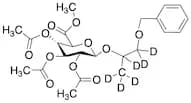
Controlled Product<p>Applications Propylene Glycol β-D-Glucopyranosiduronic Acid Benzyl Ester 2,3,4-Triacetate-d6 s an intermediate in the synthesis of Isotope labelled Propylene Glycol 2-Glucuronide which is a metabolite of propylene glycol, used in the synthesis of N-terminal kinase inhibitors with cellular activity. Acts as a solvent for various pharmaceutical compounds.<br>References Szczepankiewicz, B. et al.: J. Med. Chem., 49, 3563 (2006); Mateus, R. et al.: Int. J. Pharm., 444, 106 (2013);<br></p>Formula:C23H24D6O11Color and Shape:NeatMolecular weight:488.512-Acetamido-2-deoxy-D-gluconhydroximo-1,5-lactone 1,3,4,6-tetraacetate
CAS:Controlled Product<p>Stability Temperature Sensitive, Hygroscopic - Store Refridgerated<br>Applications An intermediate in the synthesis of PugNAc (Cat. No. A15725), an inhibitor of glucosamidase.<br>References Beer, D., et al.: Helv. Chim. Acta., 73, 1918 (1990), Horsch, M., et al.: Eur. J. Biochem., 197, 815 (1991), Horsch, M., et al.: J. Enzyme Inhib., 7, 47 (1993),Horsch, M., et al.: Eur. J. Biochem., 237, 476 (1996),<br></p>Formula:C16H22N2O10Color and Shape:NeatMolecular weight:402.35Trigalacturonic Acid (>90%)
CAS:Controlled Product<p>Applications Trigalacturonic Acid, is the product of polygalacturonic acid degradation. The mixture of Oligogalacturonic Acids has shown to have shoot growth in cockscomb (Celosia argentea L.) seedlings.<br>References Suzuki, T., et al.: J. Plant Growth Reg., 21, 209 (2003);<br></p>Formula:C18H26O19Purity:>90%Color and Shape:NeatMolecular weight:546.39D-Fucose
CAS:Controlled Product<p>Applications D-Fucose is a hexose deoxy sugar found on N-linked glycans that appears on the cell surface of mammalian and plant cells. D-Fucose is also the building block of fucoidan polysaccharide, an sulfated polysaccharide found in various species of brown algae.<br>References Becker, D.J., et al.: Glycobiol., 13, 41 (2003); Denkova, R., et al.: Food. Environ. Safe., 11, 5 (2012); Janathan, M.C., et al.: Carb. Poly., 93, 232 (2013);<br></p>Formula:C6H12O5Color and Shape:NeatMolecular weight:164.163-O-(a-D-Galactopyranosyl)-D-galactose
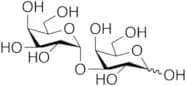
CAS:<p>Stability Hygroscopic<br>Applications 3-O-(α-D-Galactopyranosyl)-D-galactose (cas# 13168-24-6) is a compound useful in organic synthesis.<br>References Abramenko, I.V., et al.: Tsitologiya, 35 (5), 91 (1993), Kelly, R.F., et al.: Mol. Microbiol., 10 (3), 615 (1993), Stortz, C.A., et al.: J. Carbohydr. Chem., 13 (2), 235 (1994), Neethling, F.A., et al.: Transplantation, 57 (6), 959 (1994)<br></p>Formula:C12H22O11Color and Shape:NeatMolecular weight:342.30N,N’,N’’-Triacetyl Chitotriose
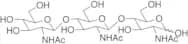
CAS:Controlled Product<p>Applications N,N’,N’’-Triacetyl Chitotriose is a multivalent glycosides with strong crosslinking activity for lectin as a specific coagulant.<br>References Bhattacharyya, L., et al.: Biochemistry, 29, 7523 (1990), Sacchettini, J., et al.: Biochemistry, 40, 3009 (2001), Maierhofer, C., et al.: Bioorg. Med. Chem., 15, 7661 (2007),<br></p>Formula:C24H41N3O16Color and Shape:NeatMolecular weight:627.60Spiramycin Embonate
CAS:Controlled Product<p>Applications Spiramycin Embonate is an antibiotic that is used in biological studies in the role of multidrug resistance of Strenotrophomonas maltophilia.<br>References Huang, Y., et al.: J. Antimicrob. Chemother., 68, 1987 (2013); Poole, K., et al.: Mol. Microbiol., 21, 713 (1996)<br></p>Formula:C66H90N2O20Color and Shape:NeatMolecular weight:1231.42β-D-Glucopyranuronic Acid Methyl Ester 2,3,4-Triacetate 1-(4-Nitrophenyl Carbonate)
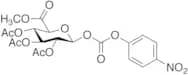
CAS:Controlled Product<p>Applications Intermediate used in the addition of protected Glucopyranuronic Acid.<br></p>Formula:C20H21NO14Color and Shape:NeatMolecular weight:499.384,6-O-Benzylidene-N-acetyl-D-galactosamine
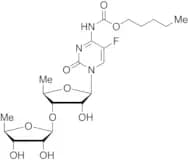
CAS:Controlled Product<p>Applications 4,6-O-Benzylidene-N-acetyl-D-galactosamine (cas# 420118-03-2) is a compound useful in organic synthesis.<br></p>Formula:C15H19NO6Color and Shape:NeatMolecular weight:309.313’-O-(5’-Deoxy-β-D-ribofuranosyl) Capecitabine
CAS:Controlled Product<p>Impurity Capecitabine 3-O-BDR Impurity (USP)<br>Applications Capecitabine (C175650) impurity. Capecitabine 3-O-BDR Impurity (USP).<br></p>Formula:C20H30FN3O9Color and Shape:NeatMolecular weight:475.47Monofucosyl-para-lacto-N-hexaose IV
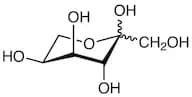
CAS:<p>Monofucosyl-para-lacto-N-hexaose IV is a trisaccharide that belongs to the group of blood group antigens. It is found in human milk and can be used as an indicator for infant nutrition. Monofucosyl-para-lacto-N-hexaose IV is found in the cells of streptococcus, lactobacillus, and clostridium. It has been shown to be a potential biomarker for inflammatory bowel disease (IBD). This molecule has been used as an antigen in immunological assays. The sequences of monofucosyl-para-lacto-N-hexaose IV have been determined using chromatograms and profiles.</p>Formula:C46H78N2O35Purity:Min. 95%Color and Shape:PowderMolecular weight:1,219.11 g/molL-(+)-Fructose
CAS:Formula:C6H12O6Purity:>95.0%(HPLC)Color and Shape:White to Almost white powder to crystalMolecular weight:180.16N-Glycolylneuraminic acid-spacer-BSA
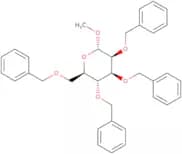
<p>N-Glycolylneuraminic acid-spacer-BSA is a synthetic, monosaccharide oligosaccharide, complex carbohydrate. The glycosylation of BSA with N-glycolylneuraminic acid has been shown to be an effective method for the protection of biomolecules against fluoroquinolones. Glycosylation with N-glycolylneuraminic acid can be used as a method for the protection of biomolecules from fluoroquinolone antibiotics and other chemical reagents that are known to react with sugars.</p>Purity:Min. 95%Color and Shape:PowderMethyl 2,3,4,6-tetra-O-benzyl-a-D-mannopyranoside
CAS:Methyl 2,3,4,6-tetra-O-benzyl-a-D-mannopyranoside is a glycosylation product that can be used in chemical synthesis. This compound is an example of a complex carbohydrate and can be modified with methyl or fluorine groups. Methyl 2,3,4,6-tetra-O-benzyl-a-D-mannopyranoside is also a sugar and an oligosaccharide. This compound has been custom synthesized to meet customer specifications and is available in high purity.Formula:C35H38O6Purity:Min. 95%Color and Shape:Clear Viscous LiquidMolecular weight:554.67 g/molSugammadex
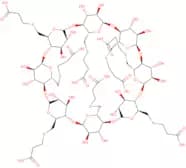
CAS:<p>Sugammadex is a modified gamma-cyclodextrin specifically designed to reverse the effects of steroidal non-depolarizing neuromuscular blocking drugs, particularly rocuronium and vecuronium. In anesthesiology, it offers a novel approach to neuromuscular blockade reversal by directly encapsulating and inactivating these muscle relaxants. Sugammadex forms tight 1:1 complexes with free plasma rocuronium or vecuronium molecules, rapidly reducing their concentration at the neuromuscular junction. This mechanism allows for fast and predictable reversal of neuromuscular blockade, even from deep levels, without the need for anticholinesterases or antimuscarinic agents. Sugammadex has also shown promise in special populations, including pregnancy, pediatrics, and patients with renal or hepatic impairment.</p>Formula:C72H112O48S8Purity:Min. 95%Molecular weight:2,002.16 g/molHeptakis(2,3-di-O-acetyl-6-O-tert-butyldimethylsilyl)cyclomaltoheptaose
CAS:<p>This beta-cyclodextrin (β-CD) derivative is a functionalized cyclic oligosaccharide composed of seven glucose units, characterized by a hydrophilic exterior and a lipophilic cavity (bigger than α-CD and smaller than γ-CDs), which allows it to encapsulate various guest molecules. This structural feature facilitates its use in multiple applications, including pharmaceuticals, food enhancement, and cosmetics. In the pharmaceutical industry, it enhances the solubility and stability of poorly water-soluble drugs, improving their bioavailability and efficacy while also masking unpleasant tastes. The food sector utilizes it as a stabilizer for flavors, colors, and nutrients, extending shelf life by protecting sensitive ingredients from degradation. In cosmetics, it serves as a complexing agent for fragrances and active components, ensuring their stability and controlled release. Its use expands to many other fields, including nanotechnology for drug delivery systems, environmental remediation for extracting organic pollutants, textiles for slow-release fragrances, and analytical chemistry for chiral separation.</p>Formula:C112H196O49Si7Purity:Min. 95%Molecular weight:2,523.32 g/molGD1b-Oligosaccharide
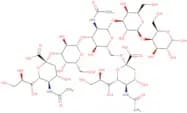
<p>GD1b oligosaccharide (shown as ammonium salt) is the carbohydrate moiety in one of the major gangliosides in neuronal and glial membranes; it has a core tetrasaccharide structure (Galβ1,3GalNAcβ1,4Galβ1,4Glc) with its two sialic acids linked α2,3/α2,8 to the inner galactose residue (Ledeen, 2009). GD1b ganglioside acts as a receptor for BK virus as well as for heat-labile LTII-a toxin, produced by enteropathogenicâ¯E. coli. GD1b ganglioside also interacts with tetanus neurotoxin (TeNT) and is crucial for its entry into cells (Kolter, 2012). The functional significance of ammonia in the brain is not yet fully understood. However, NH4 + stimulates Na+, K+ activated ATPase causing stabilization of the neuronal membranes of which gangliosides are major structural components. Further, ammonia is known to inhibit lysosomal enzymes which include enzymes degrading gangliosides (Modi, 1994).</p>Formula:C48H77N3O37Na2Purity:Min. 90%Color and Shape:White PowderMolecular weight:1,334.1 g/molMannide monooleate
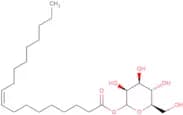
CAS:Mannide monooleate is a naturally occurring fatty acid that is found in the lipid bilayer of cell membranes. It has shown to be effective in the treatment of a number of chronic inflammatory diseases, such as arthritis and inflammatory bowel disease. Mannide monooleate is also being explored as an adjuvant for vaccines, and has shown efficacy against leishmania infection.Formula:C24H44O6Purity:Min. 95%Color and Shape:PowderMolecular weight:428.61 g/molDifucosyllacto-N-hexaose (b)
CAS:<p>Neutral octasasaccharide naturally present in human breast milk.</p>Formula:C52H88N2O39Purity:Min. 90 Area-%Color and Shape:PowderMolecular weight:1,365.25 g/molInulin lauryl carbamate - 25% in glycerol
CAS:Emulsifier used in the cosmetic industryColor and Shape:PowderCellulose - Arbocel
CAS:<p>Cellulose is a linear polysaccharide of β 1-4 linked glucose residues. The polysaccharide chains are bundled as microfibrils in cell walls and provide the essential structural components within growing plants. Each microfibril exhibits a high degree of three-dimensional internal bonding resulting in a crystalline structure that is insoluble in water, resistant to reagents and very strong.</p>Color and Shape:Powder2,3-Dimethyl-6-tert-butyldimethylsilyl-b-cyclodextrin
CAS:<p>This beta-cyclodextrin (β-CD) derivative is a functionalized cyclic oligosaccharide composed of seven glucose units, characterized by a hydrophilic exterior and a lipophilic cavity (bigger than α-CD and smaller than γ-CDs), which allows it to encapsulate various guest molecules. This structural feature facilitates its use in multiple applications, including pharmaceuticals, food enhancement, and cosmetics. In the pharmaceutical industry, it enhances the solubility and stability of poorly water-soluble drugs, improving their bioavailability and efficacy while also masking unpleasant tastes. The food sector utilizes it as a stabilizer for flavors, colors, and nutrients, extending shelf life by protecting sensitive ingredients from degradation. In cosmetics, it serves as a complexing agent for fragrances and active components, ensuring their stability and controlled release. Its use expands to many other fields, including nanotechnology for drug delivery systems, environmental remediation for extracting organic pollutants, textiles for slow-release fragrances, and analytical chemistry for chiral separation.</p>Formula:C98H196O35Si7Purity:Min. 95 Area-%Color and Shape:White Off-White PowderMolecular weight:2,131.18 g/molDextran 150 - MW: 135,000 to 165,000
CAS:<p>Complex glucan (a 1-6) from Leuconostoc spp.; extender in blood transfusions</p>Color and Shape:PowderGM4-Ganglioside
CAS:<p>GM4-ganglioside (sodium salt) is a disaccharide of sialic acid linked α2,4 to galactose and ceramide linked β to position 1 on the galactose (Ledeen, 2009). Demyelinated plaques in multiple sclerosis have decreased amounts of GM4-ganglioside, localized in myelin and oligodendroglia of the central nervous system. It has been found that the myelin basic protein is capable of releasing large quantities of entrapped [14C]glucose from multilamellar liposomes containing GM4. If the conformation of GM4 ganglioside in liposomal membranes resembles that of GM4 ganglioside in its natural environment, basic protein and GM4 may be associated within the myelin sheath of the central nervous system and their interactions are altered in demyelinating diseases, such as, multiple sclerosis (Mullin, 1981).</p>Formula:C57H106N2O17·xNaPurity:Min. 95%Molecular weight:1,091.45 g/mol1-(3-Dimethylaminopropyl)-3-ethylcarbodiimide
CAS:Formula:C8H17N3Purity:>98.0%(GC)(T)Color and Shape:Colorless to Yellow clear liquidMolecular weight:155.25α-D-Lactose 1-phosphate barium salt
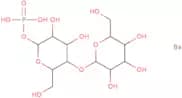
CAS:<p>a-D-Lactose 1-phosphate barium salt is a modification of a D-lactose monosaccharide. It is a complex carbohydrate that has been synthesized using the polyol method. The CAS number for this product is 103404-65-5. This product is available in high purity and the molecular weight of this compound is 576. a-D-Lactose 1-phosphate barium salt can be used as an ingredient in pharmaceuticals, food products, and cosmetics. It has been shown to have anticariogenic activities and may be used as a substitute for sucrose in food products.</p>Formula:C12H21O14P·BaPurity:Min. 95%Color and Shape:PowderMolecular weight:557.59 g/molD-Erythrono-1,4-lactone
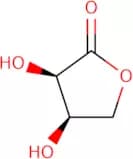
CAS:<p>Chiral synthon; used to synthesise analgoues of natural products</p>Formula:C4H6O4Purity:Min. 98 Area-%Color and Shape:White PowderMolecular weight:118.09 g/mol2-Hydroxypropyl-b-cyclodextrin - Endotoxin level below 20 EU/g
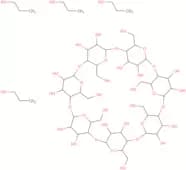
CAS:<p>2-Hydroxypropyl-b-cyclodextrin is a water-soluble drug that is chemically stable in aqueous media. It has been shown to be safe for use in the eye, with no significant side effects. 2-Hydroxypropyl-b-cyclodextrin has been shown to have anti-inflammatory properties and will not cause hemolytic activity. 2-Hydroxypropyl-b-cyclodextrin binds to retinoic acid receptors, which are found on cells of the corneal surface and in human spermatozoa. The binding of retinoic acid inhibits the production of enzymes that break down retinoids and prevents cell proliferation. This agent also interacts with other cellular components such as proteins, lipids, carbohydrates, nucleic acids, and hormones.</p>Formula:C42•(H)70n•O35•(C3H7)nPurity:Min. 95%4-Methoxyphenyl 2-Amino-3,6-di-O-benzyl-2-deoxy-β-D-glucopyranoside
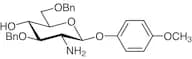
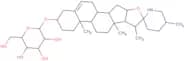
CAS:Formula:C27H31NO6Color and Shape:White to Almost white powder to crystalMolecular weight:465.55Solasodine 3-glucoside
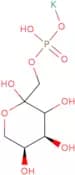
CAS:<p>Solasodine 3-glucoside is a sugar that belongs to the group of oligosaccharides. It has been synthetically modified by fluorination, methylation, and click chemistry. Solasodine 3-glucoside is synthesized from sucrose in a glycosylation reaction with glucuronic acid and an aminoglycoside antibiotic. The sugar analogs are then converted to the desired saccharide structure by monosaccharide synthesis or polysaccharide synthesis. This product is custom synthesized to order for customers and can be modified to suit their needs with click chemistry and other modifications.</p>Formula:C33H53NO7Purity:Min. 95%Molecular weight:575.8 g/molL-Sorbose-1-phosphate potassium salt
CAS:<p>L-Sorbose-1-phosphate potassium salt is a sugar phosphate</p>Formula:C6H12KO9PPurity:Min. 95%Molecular weight:298.23 g/molL-Threonic acid
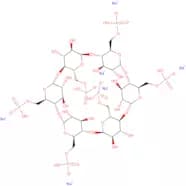
CAS:<p>L-Threonic acid is a metabolite of plants that is involved in the synthesis of other molecules. It can be found in the injection solution and magnesium salts that are used for treating osteoporosis and magnesium deficiency. L-Threonic acid can also be found in caffeic acids, which are plant polyphenols that have antioxidant properties. L-Threonic acid has been shown to have structural similarity to calcium and has been shown to have a role in mitochondrial membrane potential, cellular physiology, and oxidative injury. L-Threonic acid may also play a role in energy metabolism. The toxicity of L-Threonic acid has been studied extensively with mixed results.</p>Formula:C4H8O5Purity:Min. 95%Molecular weight:136.1 g/mola-Cyclodextrin dihydrogen phosphate sodium salt
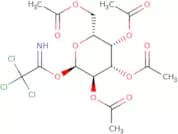
CAS:<p>Alpha-cyclodextrin (α-CD) derivative with a hydrophilic exterior and lipophilic cavity (smaller than β-CDs and γ-CDs) to allocate certain guest molecules. This structural characteristic enables applications in molecular encapsulation, solubility enhancement, and stabilization across multiple industries. In pharmaceuticals, it serves as a drug delivery vehicle, enhancing the bioavailability and stability of active ingredients. The food industry utilizes it as a stabilizer for flavors, colors, and nutrients, as well as a functional ingredient for its effects on lipid metabolism. In cosmetics, it acts as a complex agent for fragrances and active components. Its applications extend to analytical chemistry for chiral separation and to materials science for developing smart materials and nanosystems.</p>Formula:C36H60O30Purity:Min. 95%Molecular weight:972.84 g/mol2,3,4,6-Tetra-O-acetyl-a-D-galactopyranosyl trichloroacetimidate
CAS:<p>2,3,4,6-Tetra-O-acetyl-a-D-galactopyranosyl trichloroacetimidate is a disaccharide that is an activated glycoprotein. It is used as a hapten for the production of monoclonal antibodies and as an immunogen in stepwise immunization with bovine serum albumin. This compound has been shown to be specific for the EGF receptor on neoglycoproteins and can be used to detect this receptor. The glycosidic residue of 2,3,4,6-tetra-O-acetyl-a-D-galactopyranosyl trichloroacetimidate allows it to bind to proteins such as albumin and act as a carrier for other molecules.</p>Formula:C16H20Cl3NO10Purity:Min. 95%Color and Shape:White PowderMolecular weight:492.69 g/molLewis Y tetrasaccharide
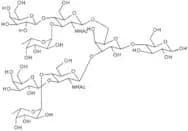
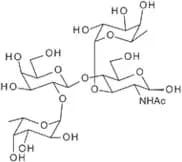
CAS:Lewis Y tetrasaccharide is a type of antigen that is used as a pharmacological agent. It has been shown to be effective in treating carcinoma cell lines and primary sclerosing cholangitis. Lewis Y tetrasaccharide has also been shown to be an antigen for the mouse monoclonal antibody, which is used in cancer research. The Lewis Y tetrasaccharide stimulates the immune system by interacting with certain cells called dendritic cells and macrophages, which are responsible for activating T-cells. This interaction promotes the production of chemoattractant proteins, which are proteins that attract white blood cells to fight infection and promote healing. Lewis Y tetrasaccharide has also been shown to cause cancer cell death by lysing cells through apoptosis or necrosis depending on the tissue type.Formula:C26H45NO19Purity:(%) Min. 95%Color and Shape:PowderMolecular weight:675.64 g/molEthyl a-D-glucopyranoside
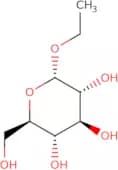
CAS:<p>Ethyl a-D-glucopyranoside is an organic acid that has been extracted from the seeds of the plant Reticulata. It contains a mixture of fatty acids and compounds that are collectively known as retinoids. Ethyl a-D-glucopyranoside inhibits beta-glucosidase, aminotransferase activity, and intestinal glucosidases and has been shown to have antioxidant properties. This product may be used for the treatment of musculoskeletal disorders, such as osteoarthritis, which is characterized by degeneration and inflammation of joints. Ethyl a-D-glucopyranoside may also be used as an agent to help prevent skin aging caused by exposure to ultraviolet (UV) radiation and other factors.</p>Formula:C8H16O6Purity:Min. 95%Color and Shape:White PowderMolecular weight:208.21 g/mol1,6-Dichloro-1,6-dideoxy-D-fructose
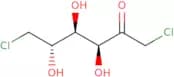
CAS:<p>1,6-Dichloro-1,6-dideoxy-D-fructose (1,6DD) is a synthetic spermicide that prevents the fusion of the egg and sperm. It has been shown to be effective in reducing fertility in male rats. The pharmacological effects of 1,6DD are due to its benzalkonium chloride content. 1,6DD is a reactive chemical that can damage cellular membranes and lead to cell death. Benzalkonium chloride is toxic to human cells and can cause necrosis or apoptosis. The toxicity of 1,6DD on the brain has been demonstrated using human liver cells as well as human brain cells. This agent also has an effect on mineralization and causes an increase in calcium influx into cells by activating calcium channels.</p>Purity:Min. 95%N,N',N'',N'''-Tetraacetylchitotetraose
CAS:<p>Tetraose composed of four N-acetylglucosamine residues.</p>Formula:C32H54N4O21Purity:Min. 95 Area-%Color and Shape:White PowderMolecular weight:830.79 g/molN-Nonyldeoxygalactonojirimycin
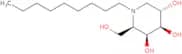
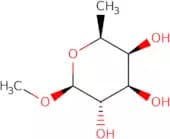
CAS:<p>N-Nonyldeoxygalactonojirimycin (NDGJ) is a novel antiviral agent that inhibits the activity of viral enzymes, such as polymerase chain reaction and reverse transcriptase. NDGJ has been shown to inhibit the replication of hepatitis viruses in primary cells and human macrophages. The drug also inhibits the replication of human pathogens, such as HIV-1, herpes simplex virus type 1, and cytomegalovirus in cell culture. NDGJ has an effect on hydrophobic amino acids in protein synthesis by binding to them and preventing their attachment to the ribosomal surface. This leads to cell lysis through a process called osmotic shock.</p>Formula:C15H31NO4Purity:Min. 95 Area-%Color and Shape:White Off-White PowderMolecular weight:289.41 g/molMethyl b-L-fucopyranoside
CAS:Methyl b-L-fucopyranoside is a glycosylating agent that is used to modify saccharides and oligosaccharides. It can be used for the synthesis of complex carbohydrates, such as polysaccharides and glycoconjugates. Methyl b-L-fucopyranoside is also useful for the synthesis of glycosylated proteins, which are proteins with sugar chains attached to them. The product is a white solid that is soluble in water.Formula:C7H14O5Purity:Min. 95%Color and Shape:White PowderMolecular weight:178.18 g/molD-Glycero-D-talo-heptitol
CAS:<p>D-Glycero-D-talo-heptitol is a natural product that is found in plants and bacteria. It is an alditol, which is created by the glycosidic bond of a carbohydrate and a hydroxyl group. D-Glycero-D-talo-heptitol has shown to inhibit the activity of enzymes involved in fatty acid synthesis, such as 3-hydroxyacyl coenzyme A dehydrogenase, and carbohydrate synthesis, such as fructose 1,6 bisphosphatase. This compound also inhibits the borohydride reduction of glycan precursors. This may be due to its hydrophilic interactions with water molecules and its hydrophobic interactions with other lipid molecules.</p>Formula:C7H16O7Purity:Min. 95%Color and Shape:White Off-White PowderMolecular weight:212.2 g/molBacterial alginate - from fermentation of Azotobacter vinelandii or Pseudomonas mendocina
An alginate-like polysaccharide produced by the fermentation of Azotobacter vinelandii or Pseudomonas mendocina. The chemical structure consists of blocks of (1,4) linked-β-D-polymannuronic acid (poly M), (1,4) linked-α-L-polyguluronic acid (poly G) and alternating blocks of the two uronic acids (poly MG). Unlike the alginate from seaweed, this polysaccharide is partially acetylated.Color and Shape:PowderMolecular weight:~100KDa6'-Sialyllactose-sp-biotin
CAS:<p>6'-Sialyllactose-sp-biotin is a custom synthesis of a 6'-sialyllactose with a biotin moiety attached to the reducing end. The modification was done through fluorination, methylation, and monosaccharide synthesis. This product has CAS No. 1384441-62-6 and is an oligosaccharide saccharide that is polysaccharide containing glycosylated sugar. It is also a complex carbohydrate that contains many sugars in one molecule.</p>Formula:C42H71N5O22SPurity:Min. 95%Color and Shape:White PowderMolecular weight:1,030.1 g/molFerrous gluconate dihydrate
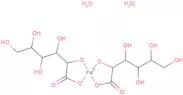
CAS:Ferrous gluconate dihydrate is a fine chemical that has many applications in research and development. It is a versatile building block that can be used as a starting material for the synthesis of complex compounds, such as drugs, pesticides, and perfumes. Ferrous gluconate dihydrate can also be used as a reaction component to produce speciality chemicals, such as benzyl alcohols. In addition to its usefulness in research, ferrous gluconate dihydrate is an important reagent for the production of high-quality pharmaceuticals.Formula:C12H22FeO14·2H2OPurity:Min. 95%Color and Shape:PowderMolecular weight:482.17 g/molGD1b-Ganglioside ammonium
CAS:<p>GD1b ganglioside (shown as ammonium salt) is one of the major gangliosides in neuronal and glial membranes. It has a core tetrasaccharide structure (Galβ1,3GalNAcβ1,4Galβ1,4Glc) with its two sialic acids linked α2,3/α2,8 to the inner galactose residue, and ceramide linked β to position 1 on the reducing terminal glucose residue (Ledeen, 2009). GD1b ganglioside acts as a receptor for BK virus, as well as for heat-labile LTII-a toxin, produced by enteropathogenicâ¯E. coli. GD1b ganglioside also interacts with tetanus neurotoxin (TeNT) and is crucial for its entry into cells (Kolter, 2012). The functional significance of ammonia in the brain is not yet fully understood: see (Modi 1994).</p>Purity:Min. 95%1,2-O-Isopropylideneglycerol
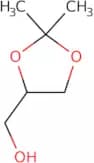
CAS:1,2-O-Isopropylideneglycerol is an inhibitor of glycerin and glycerol dehydrogenase. It is a colorless liquid that has been shown to have a kinetic inhibitory effect on the enzyme activities of glycerin and glycerol dehydrogenase in vitro. 1,2-O-Isopropylideneglycerol has also been shown to react with light at wavelengths of 250 nm or less. This reaction produces reactive oxygen species that may lead to the degradation of the enzyme's active site. In vivo, 1,2-O-isopropylideneglycerol is converted into an acidic metabolite that can accumulate in cells. This metabolite can react with other molecules such as proteins and nucleic acids, which may result in structural changes and/or modification of their function.Formula:C6H12O3Purity:Min. 95%Color and Shape:Clear LiquidMolecular weight:132.16 g/molHyaluronic acid octasaccharide ammonium salt
<p>Hyaluronic acid is a polysaccharide containing repeating disaccharide units of β-1,3-N-acetyl glucosamine and β-1, 4-glucuronicâ¯acid. A series of unsaturated oligosaccharides (oligouronic acids) are released from hyaluronic acid by the action of hyaluronidase on the umbilical cord (Weissman, 1954). This octasaccharide ammonium salt and other enzymatically produced polymer homologs have been of value in the study of hyaluronic acid metabolism in both healthy and diseased tissues (Hascall, 2019).</p>Formula:C56H86N4O45Purity:Min. 95 Area-%Color and Shape:White Yellow PowderMolecular weight:1,535.3 g/molMonoammonium Glycyrrhizinate
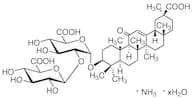
CAS:Formula:C42H65NO16Purity:>75.0%(HPLC)Color and Shape:White to Light yellow powder to crystalMolecular weight:839.973,4,6-Tri-O-benzyl-D-glucal
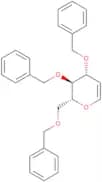
CAS:<p>3,4,6-Tri-O-benzyl-D-glucal is a benzyl protected, 2,3 unsaturated glucal used as a chiral intermediate. The C2-C3 double bond of the pyranose ring can be modified via a variety of reactions including: hydrogenation, oxidation, hydroxylation, and aminohydroxylation, to generate structural complexity. 3,4,6-Tri-O-benzyl-D-glucal also minimizes tedious protecting-group strategies required for fully oxygenated sugars. The products of 2,3 unsaturated glycosides as chiral intermediates have played a role in the synthesis of many biologically active compounds, such as, nucleosides and modified sugar derivatives.</p>Formula:C27H28O4Purity:Min. 98 Area-%Color and Shape:White PowderMolecular weight:416.51 g/molCarboxymethyl-a-cyclodextrin sodium salt
<p>Alpha-cyclodextrin (α-CD) derivative with a hydrophilic exterior and lipophilic cavity (smaller than β-CDs and γ-CDs) to allocate certain guest molecules. This structural characteristic enables applications in molecular encapsulation, solubility enhancement, and stabilization across multiple industries. In pharmaceuticals, it serves as a drug delivery vehicle, enhancing the bioavailability and stability of active ingredients. The food industry utilizes it as a stabilizer for flavors, colors, and nutrients, as well as a functional ingredient for its effects on lipid metabolism. In cosmetics, it acts as a complex agent for fragrances and active components. Its applications extend to analytical chemistry for chiral separation and to materials science for developing smart materials and nanosystems.</p>Formula:C43H64O37·xNaPurity:Min. 95%Molecular weight:1,172.95 g/molTri-guluronic acid sodium salt
CAS:<p>Tri-guluronic acid sodium salt (1,4-linked α-L-sodium guluronotriose) is one of a number of oligosaccharides obtained from alginate which is a polysaccharide in brown seaweeds containing: blocks of repeating mannuronic acid sequences (M-M-M-M etc), repeating guluronic acid sequences (G-G-G-G etc), and alternating M-G-M-G sequences. This oligosaccharide can be released by acid hydrolysis (Shimokawa, 1996) and a number of biological activities have been discussed in a recent review (Xing, 2020).</p>Formula:C18H23O19Na3Purity:Min. 98 Area-%Color and Shape:White PowderMolecular weight:612.33 g/mol6-Tert-butyldimethylsilyl-b-cyclodextrin
CAS:<p>This beta-cyclodextrin (β-CD) derivative is a functionalized cyclic oligosaccharide composed of seven glucose units, characterized by a hydrophilic exterior and a lipophilic cavity (bigger than α-CD and smaller than γ-CDs), which allows it to encapsulate various guest molecules. This structural feature facilitates its use in multiple applications, including pharmaceuticals, food enhancement, and cosmetics. In the pharmaceutical industry, it enhances the solubility and stability of poorly water-soluble drugs, improving their bioavailability and efficacy while also masking unpleasant tastes. The food sector utilizes it as a stabilizer for flavors, colors, and nutrients, extending shelf life by protecting sensitive ingredients from degradation. In cosmetics, it serves as a complexing agent for fragrances and active components, ensuring their stability and controlled release. Its use expands to many other fields, including nanotechnology for drug delivery systems, environmental remediation for extracting organic pollutants, textiles for slow-release fragrances, and analytical chemistry for chiral separation.</p>Formula:C84H168O35Si7Purity:Min. 95%Molecular weight:1,934.81 g/mol2,3-Di-O-acetyl-b-cyclodextrin
<p>This beta-cyclodextrin (β-CD) derivative is a functionalized cyclic oligosaccharide composed of seven glucose units, characterized by a hydrophilic exterior and a lipophilic cavity (bigger than α-CD and smaller than γ-CDs), which allows it to encapsulate various guest molecules. This structural feature facilitates its use in multiple applications, including pharmaceuticals, food enhancement, and cosmetics. In the pharmaceutical industry, it enhances the solubility and stability of poorly water-soluble drugs, improving their bioavailability and efficacy while also masking unpleasant tastes. The food sector utilizes it as a stabilizer for flavors, colors, and nutrients, extending shelf life by protecting sensitive ingredients from degradation. In cosmetics, it serves as a complexing agent for fragrances and active components, ensuring their stability and controlled release. Its use expands to many other fields, including nanotechnology for drug delivery systems, environmental remediation for extracting organic pollutants, textiles for slow-release fragrances, and analytical chemistry for chiral separation.</p>Formula:C70H98O49Purity:Min. 95%Molecular weight:1,723.5 g/mol





![5-O-(5-Amino-5-deoxy-a-D-ribofuranosyl)-1-N-[(S)-4-amino-2-hydroxy-butanoyl]paromamine](/_next/image/?url=https%3A%2Fstatic.cymitquimica.com%2Fproducts%2F3D%2Fthumb-webp%2FOA31194.webp&w=3840&q=75)



![(1S) -1- [(2R, 3S) -N-(4-Methoxyphenyl)methyl-3-hydroxy- 1- azetidinyl] -1, 2- ethanediol](/_next/image/?url=https%3A%2Fstatic.cymitquimica.com%2Fproducts%2F3D%2Fthumb-webp%2FMM163374.webp&w=3840&q=75)


![(1S) -1- [(2S, 3R) - 3-Hydroxy- 1- ((4-methoxyphenyl)methyl) - 2- azetidinyl] -1, 2- ethanediol](/_next/image/?url=https%3A%2Fstatic.cymitquimica.com%2Fproducts%2F3D%2Fthumb-webp%2FMH163553.webp&w=3840&q=75)

![(1S) -1- [(2S, 3R) - N-Butyl-3- hydroxy- 1- azetidinyl] -1, 2- ethanediol](/_next/image/?url=https%3A%2Fstatic.cymitquimica.com%2Fproducts%2F3D%2Fthumb-webp%2FMB163416.webp&w=3840&q=75)




![2-Acetamido-2-deoxy-N-[N-(benzyloxycarbonyl)-ε-aminocaproyl]-β-D-glucopyranosylamine](/_next/image/?url=https%3A%2Fstatic.cymitquimica.com%2Fproducts%2FTR%2Fthumb-webp%2FA151050.webp&w=3840&q=75)