Glycoscience
Glycoscience is the study of carbohydrates and their derivatives, as well as the interactions and biological functions they participate in. This field of research is crucial for understanding a wide variety of biological processes, including cell recognition, signaling, immune response, and disease development. Glycoscience has important applications in biotechnology, medicine, and the development of new drugs and therapies. At CymitQuimica, we offer a wide selection of high-quality, high-purity products for glycoscience research. Our catalog includes monosaccharides, oligosaccharides, polysaccharides, glycoconjugates, and specific reagents, designed to support researchers in their studies on the structure, function, and applications of carbohydrates in biological systems. These resources are intended to facilitate scientific discoveries and practical applications in various areas of bioscience and medicine.
Subcategories of "Glycoscience"
- Aminosugars(108 products)
- Glyco-Related Antibodies(282 products)
- Glycolipids(46 products)
- Glycosaminoglycans (GAGs)(55 products)
- Glycosides(419 products)
- Monosaccharides(6,622 products)
- Oligosaccharides(3,682 products)
- Polysaccharides(503 products)
Found 11041 products of "Glycoscience"
Sort by
Purity (%)
0
100
|
0
|
50
|
90
|
95
|
100
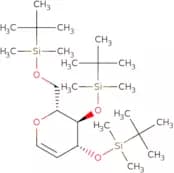
3,4,6-Tri-O-(tert-butyldimethylsilyl)-D-glucal
CAS:<p>3,4,6-Tri-O-(tert-butyldimethylsilyl)-D-glucal is a spiroketal that has been synthesized for the first time. It is an antifungal agent that inhibits the growth of fungi by inhibiting the synthesis of glucose in the cell wall. 3,4,6-Tri-O-(tert-butyldimethylsilyl)-D-glucal binds to carbanions and alcohols in the cell membrane by π–π interactions and prevents them from forming new cross links between polysaccharides and proteins. This compound also prevents glucose from being transported into the cell wall. The antifungal properties of 3,4,6-tri-O-(tert-butyldimethylsilyl)-D-glucal are due to its ability to inhibit carbohydrate metabolism in fungi.</p>Formula:C24H52O4Si3Purity:Min. 95%Molecular weight:488.92 g/molAstragaloside II
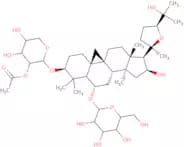
CAS:<p>Astragaloside II is a natural compound that has been shown to have anti-inflammatory effects in vitro and in vivo. Astragaloside II inhibits the production of inflammatory mediators by inhibiting phosphodiesterase and cyclooxygenase pathways. It also has a matrix effect on the cells, which may be due to its ability to activate protein kinase C. This compound also has an analytical method, which consists of HPLC with UV detection at 210 nm.</p>Formula:C43H70O15Purity:Min. 95%Color and Shape:White To Off-White SolidMolecular weight:827.01 g/molIkshusterol 3-O-glucoside
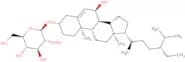
CAS:<p>Ikshusterol 3-O-glucoside is a glycosylation of the monosaccharide ikeshinolin. It is a synthetic, fluorinated, methylated, and modified oligosaccharide with a high purity. Ikshusterol 3-O-glucoside is used in various fields including as an additive to food products, pharmaceuticals, cosmetics and other chemical manufacturing. It has been used as a sugar substitute in low calorie foods and beverages. The modification of ikeshinolin to ikeshusterol 3-O-glucoside can be achieved by click chemistry.</p>Purity:Min. 95%6-Deoxy-L-glucose
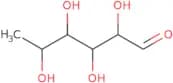
CAS:<p>6-Deoxy-L-glucose (6DG) is a glucose analogue that has been extensively studied for its effect on the metabolism of other sugars. It is an inhibitor of glycolysis and the pentose phosphate pathway in both wild-type and mutant strains of yeast, as well as in mammalian cells. 6DG inhibits the activity of enzymes such as gamma-aminobutyric acid (GABA) transaminase and phosphoglycerate kinase, which are involved in the synthesis of GABA and glycogen respectively. 6DG also inhibits the transport of sugar molecules into cells. The hydrochloric acid (HCl) concentration required to activate 6DG varies with pH, with a pKa near 7.5 at physiological pH. 6DG is activated by HCl when the pH falls below this value. The hydroxyl group on 6DG can react with HCl to form a chlorohydrin intermediate, which reacts further to yield</p>Formula:C6H12O5Purity:Min. 95%Molecular weight:164.16 g/mol1,2,3,6-Tetra-O-benzoyl-b-D-mannopyranose
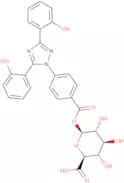
CAS:<p>1,2,3,6-Tetra-O-benzoyl-b-D-mannopyranose is an oligosaccharide of the type b-D-mannopyranose. It is a synthetic compound that has been modified with a fluorine atom at the 1 position and with a benzoyl group at the 2 position. The compound is soluble in water and has an average molecular weight of 619.</p>Formula:C34H28O10Purity:Min. 95%Molecular weight:596.58 g/molDeferasirox acyl-b-D-glucuronide
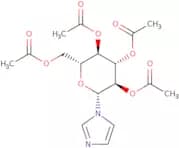
CAS:<p>This compound is a high purity, synthetic, complex carbohydrate. It is made of saccharides and polysaccharides. This product can be used as a methylation reagent for oligosaccharide synthesis or click modification. The molecular weight is about 1140 g/mol. This product has been shown to have an inhibitory effect on bacterial growth and may be effective against Mycobacterium tuberculosis or Mycobacterium avium.</p>Formula:C27H23N3O10Purity:Min. 95%Molecular weight:549.49 g/mol1-(2,3,4,6-Tetra-O-acetyl-b-D-glucopyranosyl)imidazole
CAS:<p>1-(2,3,4,6-Tetra-O-acetyl-b-D-glucopyranosyl)imidazole (1A2G) is an acidic sugar that is found in plants from the genus Desmodium. It is a component of the biomass and has been shown to have anti-inflammatory properties. 1A2G can be extracted from plants such as Centrosema, Pueraria and Phaseolus edulis, which are commonly grown in tropical regions. This sugar can be used as a nutrient or as a treatment for diseases such as diabetes mellitus or cancer.</p>Purity:Min. 95%Palatinose monohydrate
CAS:<p>Palatinose monohydrate is a hydrogenated form of the natural disaccharide palatinose. It is often used as a solid catalyst in pharmaceutical preparations and has been shown to have a lower molecular weight than sucrose. Palatinose monohydrate may have beneficial effects on postprandial plasma glucose, protein data, and lipid metabolism. The hydrogenation process also produces fatty acids that are less reactive than those found in other sugars. Amine groups are also reduced in palatinose monohydrate, which may improve its taste. Palatinose monohydrate is not toxic at high doses and has been shown to be safe for use in toxicity studies. Surface methodology has been used to characterize the surface properties of palatinose monohydrate crystals, which can be used as a model for other sugar crystals.</p>Formula:C12H24O12Purity:Min. 95%Molecular weight:360.31 g/molGala1-3Galb1-4GlcNAca1-HDPE
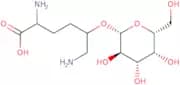
<p>Gala1-3Galb1-4GlcNAca1-HDPE is a high purity, custom synthesis sugar. The monosaccharide Gala is modified by Click chemistry to form the glycosylation and then fluorinated to create the fluorination modification. The glycosylation is then methylated and finally modified with a saccharide. This product has CAS No.</p>Formula:C60H116N3PO22Purity:Min. 95%Molecular weight:1,262.54 g/mol5-(β-D-Galactopyranosyloxy)-DL-lysine
CAS:<p>5-(β-D-Galactopyranosyloxy)-DL-lysine is a custom synthesized compound that has been modified with 5-(β-D-galactopyranosyloxy) groups. It is an oligosaccharide, polysaccharide, and saccharide that belongs to the category of carbohydrates. This product is available for purchase in high purity and has been fluorinated. The CAS number for this product is 35910-05-5.</p>Formula:C12H24N2O8Purity:Min. 95%Color and Shape:PowderMolecular weight:324.33 g/mol1,2,3,4,6-Penta-O-benzoyl-b-D-galactopyranose
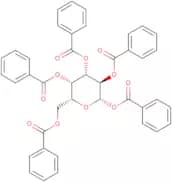
CAS:<p>Penta-O-benzoyl-b-D-galactopyranose is a pentasaccharide that has been shown to have an inhibitory effect on the growth of corynebacterium, which may be due to its ability to modulate fatty acid synthesis. Penta-O-benzoyl-b-D-galactopyranose is a disaccharide that is used as a diagnostic agent for corynebacteria. It is also used as a growth factor in the production of Corynebacterium glutamicum. The safety profile of this drug has not been evaluated in humans.</p>Formula:C41H32O11Purity:Min. 95%Molecular weight:700.71 g/molUDP-a-D-Xylose disodium
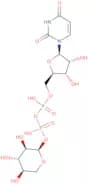
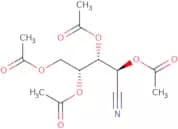
CAS:<p>UDP-a-D-xylose disodium is a high purity custom synthesis of sugar. It is also a Click modification and has been fluorinated, glycosylated, and methylated. This product contains CAS No. 108320-89-4 and has the following properties: Methylation, Modification, Oligosaccharide, Monosaccharide, saccharide, Carbohydrate, complex carbohydrate.</p>Formula:C14H22N2Na2O16P2Molecular weight:582.26 g/mol2,3,4-Tri-O-acetyl-a-D-arabinopyranosyl cyanide
<p>2,3,4-Tri-O-acetyl-a-D-arabinopyranosyl cyanide is a synthetic compound that is used to synthesize complex carbohydrates. This product can be customized for customers' needs and has high purity.</p>Purity:Min. 95%Glcnacβ(1-2)man-α-ethylazide
CAS:<p>Glcnacβ(1-2)man-α-ethylazide is a modified oligosaccharide that has been synthesized from the sugar GlcNAcβ(1-2)mannose. It is a complex carbohydrate with a high purity, which can be used as a custom synthesis. The synthesis of this product involves fluorination and saccharide methylation. The CAS number for this product is 1858224-15-3.</p>Formula:C16H28N4O11Purity:Min. 95%Molecular weight:452.41 g/mol2,3,4-Tri-O-acetyl-b-D-glucuronide methyl ester trichloroacetimidate
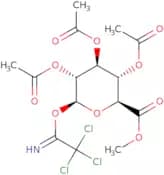
CAS:<p>2,3,4-Tri-O-acetyl-b-D-glucuronide methyl ester trichloroacetimidate is a custom synthesis that contains a fluorinated sugar. It is synthesized by the modification of an oligosaccharide with a polysaccharide. The modification includes the addition of methyl groups to the sugar and the introduction of chlorine atoms in place of hydroxyl groups. This compound has been shown to be effective at inhibiting bacterial growth and at reducing inflammation.</p>Formula:C15H18Cl3NO10Purity:Min. 95%Molecular weight:478.66 g/molD-Altrose-1-13C
CAS:<p>Please enquire for more information about D-Altrose-1-13C including the price, delivery time and more detailed product information at the technical inquiry form on this page</p>Formula:C6H12O6Purity:Min. 95%Molecular weight:181.15 g/mol2,3,4,6-Tetra-O-benzoyl-a-D-glucopyranosyl p-trifluoromethylbenzylthio-N-(trifluoromethylphenyl)formimidate
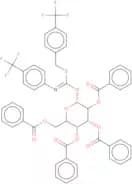
CAS:<p>2,3,4,6-Tetra-O-benzoyl-a-D-glucopyranosyl p-trifluoromethylbenzylthio-N-(trifluoromethylphenyl)formimidate is a carbohydrate that has been synthesized from an oligosaccharide and a monosaccharide. It has been modified by fluorination, methylation, glycosylation and click chemistry. This product has been custom synthesized for use in the synthesis of saccharides.</p>Formula:C50H37F6NO10SPurity:Min. 95%Molecular weight:957.91 g/molD-Xylose-2-C-D
CAS:<p>Please enquire for more information about D-Xylose-2-C-D including the price, delivery time and more detailed product information at the technical inquiry form on this page</p>Formula:C5H10O5Purity:Min. 95%Molecular weight:151.14 g/molBlood Group B trisaccharide-APE,Biotin-BSA
<p>Gala1-3(Fuca1-2)Gal Conjugated to BSA via Biotin & an aminophenyl ethyl spacer</p>Purity:Min. 95%N-(3,4,6-Tri-O-acetyl-b-D-glucopyranosyl)piperidine
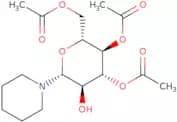
CAS:<p>N-(3,4,6-Tri-O-acetyl-b-D-glucopyranosyl)piperidine is a glycosylation agent that can be used to modify saccharides and oligosaccharides. This compound is used in the synthesis of complex carbohydrates, such as glycogen and starch. It can also be used to modify the sugar chains on glycoproteins and glycolipids. N-(3,4,6-Tri-O-acetyl-b-D-glucopyranosyl)piperidine is a white powder that has not been tested for toxicity.</p>Formula:C17H27NO8Purity:Min. 95%Molecular weight:373.4 g/molNBD-Fructose
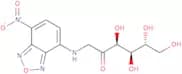
CAS:<p>Fluorescent substrate used to monitor fructose uptake</p>Formula:C12H14N4O8Purity:Min. 95%Molecular weight:342.26 g/mol5-Deoxy α-L-arabinose and 5-Deoxy β-L-arabinose
CAS:<p>5-Deoxy alpha-L-arabinose and 5-Deoxy beta-L-arabinose are enantiopure compounds that are used in the synthesis of 5-deoxy-l-ribose, which is a precursor to nucleic acids. The reaction products are produced by hydrolyzing rhamnan with hydrochloric acid. This product can be used as a substrate for DNA polymerase and RNA polymerase, which are enzymes involved in the synthesis of nucleic acids. This product also has an acidic nature, which makes it suitable for use in phase chromatography. It has been shown to have stereoselective properties and can be used as an acid catalyst for other reactions.</p>Formula:C5H10O4Purity:Min. 95 Area-%Molecular weight:134.13 g/molRef: 3D-W-201034
1gTo inquire5gTo inquire10gTo inquire500mgTo inquire2500mgTo inquire-Unit-ggTo inquire1,2,3,5-Tetra-O-acetyl-D-ribofuranose
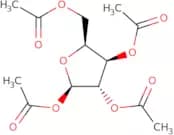
CAS:<p>1,2,3,5-Tetra-O-acetyl-D-ribofuranose is a dietary supplement that can be found in the form of palladium complexes. This compound has been shown to have anti-inflammatory properties and may be effective against cancer cells. 1,2,3,5-Tetra-O-acetyl-D-ribofuranose is an acetylated pyridazine derivative with antimicrobial and antibacterial effects. It has also been shown to inhibit the synthesis of purines and pyrimidines by cleaving the 6th carbon from ribose. 1,2,3,5-Tetra-O-acetyl-D-ribofuranose is synthesized by chlorination of 2,6-, 3-, 5-, or 7-(chloropurinomethyl)pyridine with mercuric chloride or nitrosyl chloride. The cleavage products are hydroxyl group</p>Purity:Min. 95%Benzyl 2,3-O-isopropylidene-L-glycero-a-D-mannoheptofuranoside
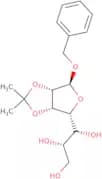
CAS:<p>Benzyl 2,3-O-isopropylidene-L-glycero-a-D-mannoheptofuranoside is a high purity, custom synthesis and modification of sugar. Fluorination, glycosylation and methylation have been utilized in this product. This product is a synthetic oligosaccharide that contains saccharides and monosaccharides. Benzyl 2,3-O-isopropylidene-L-glycero-a-D-mannoheptofuranoside is used as an intermediate in the production of complex carbohydrates.</p>Formula:C17H24O7Purity:Min. 95%Molecular weight:340.37 g/mol2,3,4-Tri-O-benzoyl-L-fucopyranosyl bromide
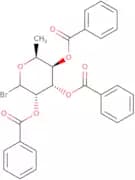
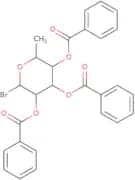
CAS:<p>2,3,4-Tri-O-benzoyl-L-fucopyranosyl bromide is a synthetic compound that is used as a reagent in the synthesis of complex carbohydrates. It is also an intermediate in the synthesis of oligosaccharides and polysaccharides. This product can be modified by methylation, glycosylation and fluorination to generate desired products. The CAS number for this product is 855662-12-3.</p>Formula:C27H23BrO7Purity:Min. 95%Molecular weight:539.37 g/mol2,5-Anhydro-D-glucitol-1,6-bis-(dibenzylphosphate)
CAS:<p>2,5-Anhydro-D-glucitol-1,6-bis-(dibenzylphosphate) is a synthetic carbohydrate with a complex structure. It can be used in the synthesis of glycosides and saccharides. This product has a molecular weight of 486.83 g/mol, a melting point of 169 oC, and an octanol/water partition coefficient of 3.00.</p>Formula:C34H38O11P2Purity:Min. 95%Molecular weight:684.61 g/molN-1-b-D-Arabinopyranosylamino guanidine HNO3
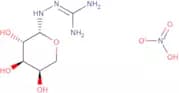
CAS:<p>N-1-b-D-Arabinopyranosylamino guanidine HNO3 is a synthetic compound that has been modified with fluorination, saccharide modification, and glycosylation. This compound can be used for the synthesis of oligosaccharides and polysaccharides. N-1-b-D-Arabinopyranosylamino guanidine HNO3 is also useful in click chemistry and has CAS number 368452-60-2.</p>Formula:C6H13N3O4·HNO3Purity:Min. 95%Molecular weight:254.2 g/molGalNAcβ(1-4)GlcNAc-β-pNP
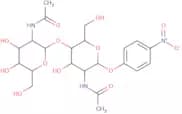
CAS:<p>Galnacβ(1-4)GlcNAc-β-PNP is a high purity, custom synthesized, synthetic carbohydrate. It is a complex carbohydrate that has been modified with a click modification at the reducing end of the sugar to attach an amine group. The sugar has also been methylated and glycosylated. The sugar has been fluorinated and saccharide, which is a monosaccharide or polysaccharide.</p>Formula:C22H31N3O13Purity:Min. 95%Color and Shape:PowderMolecular weight:545.5 g/mol3,6-Di-O-triisopropylsilyl-D-galactal
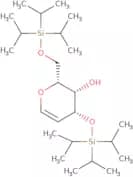
CAS:<p>3,6-Di-O-triisopropylsilyl-D-galactal is a synthetic sugar that is used as a reagent for glycosylation. It has been shown to react with the aldehyde group of an alcohol to form an acetal. The product can be hydrolyzed under acidic conditions to release the desired sugar product. 3,6-Di-O-triisopropylsilyl-D-galactal is soluble in water and ethanol and has CAS number 201053-37-4.</p>Purity:Min. 95%2,3,4,6-Tetra-O-benzyl-a-D-talopyranose
<p>2,3,4,6-Tetra-O-benzyl-a-D-talopyranose is a glycoside that has been modified with methyl groups at C2 and C6. It also has been fluorinated at the C1 position and saccharified with 2,3,4,6 trihydroxypentane. This product is a custom synthesis for research purposes only.</p>Purity:Min. 95%Benzyl 2-O-(2,3,4,6-tetra-O-benzyl-a-D-galactopyranosyl)-4,6-O-benzylidene-D-galactopyranose
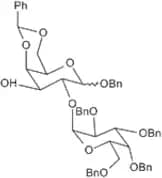
<p>Benzyl 2-O-(2,3,4,6-tetra-O-benzyl-a-D-galactopyranosyl)-4,6-O-benzylidene-D-galactopyranose is a custom synthesis that belongs to the class of carbohydrates. It is an oligosaccharide with a molecular weight of 536.8 and a CAS number of 48737-65-1. The modification of this carbohydrate is methylation and glycosylation. This carbohydrate has been synthesized using a click chemistry reaction with a fluorination step. The purity of this compound is high and it has been synthesized in the laboratory.</p>Formula:C54H56O11Purity:Min. 95%Molecular weight:881.04 g/molEthyl 2-O-benzoyl-4,6-O-benzylidene-D-thiomannopyranoside
CAS:<p>Ethyl 2-O-benzoyl-4,6-O-benzylidene-D-thiomannopyranoside is a glycosylation reagent that is used in the synthesis of oligosaccharides. This product has been fluorinated and methylated to provide high purity. The chemical name for this product is ethyl 2-O-benzoyl-4,6-O-(1,1'-biphenyl)-2,3,4,5,6 tetrahydroxy thiomannopyranoside. The CAS number for this compound is 153062-23-8.</p>Formula:C22H24O6SPurity:Min. 95%Color and Shape:PowderMolecular weight:416.49 g/mol31-β-D-Cellobiosyl-glucose
CAS:<p>31-β-D-cellobiosyl-glucose is a Modification product that is an oligosaccharide. It has a CAS number of 32581-36-5 and can be custom synthesized. This product has a purity of high and is an oligosaccharide. 31-β-D-cellobiosyl-glucose is a complex carbohydrate that belongs to the group of carbohydrates, sugars, and saccharides. It has been fluorinated and glycosylated. 31-β-D-cellobiosyl-glucose is methylated and polysaccharide. This product can be made in our lab with a high degree of purity and it comes in the form of monosaccharide which can also be custom synthesized by our team.</p>Formula:C18H32O16Purity:Min. 95%Molecular weight:504.4 g/mol4,5,7-Tri-O-acetyl-2,6-anhydro-3-deoxy-D-arabino-hept-2-enononitrile
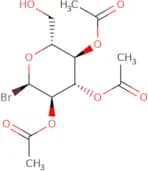
CAS:<p>4,5,7-Tri-O-acetyl-2,6-anhydro-3-deoxy-D-arabino-hept-2-enononitrile is a high purity synthetic compound that is used as a fluorination reagent. It has been shown to be an efficient click modification reagent for complex carbohydrates. 4,5,7-Tri-O-acetyl--2,6--anhydro--3--deoxy--D--arabino--hept--2--enononitrile can produce glycosylation products with high yield and purity. This product is CAS No. 120085-62-3.</p>Purity:Min. 95%2,3,4-Triacetate-β- D- glucopyranosyl bromide
CAS:<p>2,3,4-Triacetate-beta-D-glucopyranosyl bromide is a custom synthesis of an oligosaccharide. It is a complex carbohydrate that can be modified to create a saccharide with methylation and glycosylation. This product has CAS No. 13032-61-6 and can be used in research for the modification of saccharides and carbohydrates.</p>Purity:Min. 95%Norcyclobenzaprine N-glucuronide
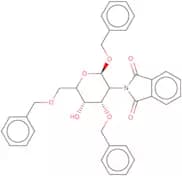
<p>Norcyclobenzaprine N-glucuronide is a custom synthesis of the complex carbohydrate, oligosaccharides. It has CAS No. and is a polysaccharide that is modified by methylation, glycosylation, click modification and fluorination. Norcyclobenzaprine N-glucuronide also has high purity and can be synthesized using sugar or carbohydrate. This product has been created through synthetic means with the addition of fluorine to the molecule.</p>Formula:C25H27NO6Purity:Min. 95%Molecular weight:437.49 g/mol1,3,6-Tri-O-benzyl-2-deoxy-2-phthalimido-β-D-glucopyranoside
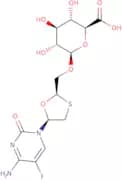
CAS:<p>1,3,6-Tri-O-benzyl-2-deoxy-2-phthalimido-b-D-glucopyranoside is a custom synthesis of a complex carbohydrate.</p>Formula:C35H33NO7Purity:Min. 95%Molecular weight:579.64 g/mol(-)-Emtricitabine O-b-D-glucuronide
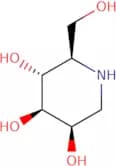
CAS:<p>(-)-Emtricitabine O-b-D-glucuronide is a carbohydrate that is used as a building block for the synthesis of complex carbohydrates. It has been synthesized by methylation, glycosylation and click chemistry. The chemical name of this compound is 2'-fluoro-2'-deoxy-alpha-L-ribofuranosyl-(1→4)-O-[(2R,3S)-2,3-dihydroxybutanedioate]. The molecular formula is C12H14FNO5 and the molecular weight is 352.24 g/mol. This compound can be found in CAS registry number 152128-78-4.</p>Formula:C14H18FN3O9SPurity:Min. 95%Molecular weight:423.37 g/molDeoxymannojirimycin
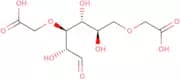
CAS:<p>Deoxymannojirimycin is a natural product that belongs to the group of mannojirimycins. It has been shown to have an inhibitory effect on the activity of matrix metalloproteinase-9 (MMP-9) in vitro, which is involved in the degradation of extracellular matrix. Deoxymannojirimycin also has hypoglycemic effects and can be used as a potential oral antidiabetic drug. The inhibition of MMP-9 may also be due to its binding to integrin receptors. In addition, deoxymannojirimycin has been shown to have anti-inflammatory properties in vitro and can inhibit the growth of oral pathogens, including Streptococcus mutans, Streptococcus sobrinus, and Porphyromonas gingivalis. Furthermore, deoxymannojirimycin has been found to have thermodynamic data and analytical methods that</p>Purity:Min. 95%3,6-Di-O-Carboxymethyl-D-glucose
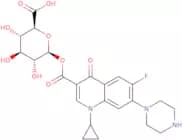
CAS:<p>3,6-Di-O-Carboxymethyl-D-glucose is a methylated sugar that is synthesized from D-glucose. It is a white powder that is soluble in water and has a molecular weight of 586.06 g/mol. 3,6-Di-O-Carboxymethyl-D-glucose can be used for the synthesis of oligosaccharides and glycosylations. It can also be used as an intermediate for the production of fluorinated saccharides, which are useful for click chemistry modifications. 3,6-Di-O-Carboxymethyl-D-glucose can be custom synthesized to meet specific requirements.</p>Formula:C10H16O10Purity:Min. 95%Molecular weight:296.23 g/molCiprofloxacin b-D-glucuronide
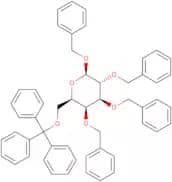
CAS:<p>Ciprofloxacin b-D-glucuronide is a metabolite of ciprofloxacin that is excreted in the bile. Ciprofloxacin b-D-glucuronide has high activity against gram-negative bacteria and broad-spectrum activity. It has been shown to have antibacterial effect on serum concentration, bioassay, and synthetic models. This drug binds to the beta-subunit of bacterial DNA gyrase and topoisomerase IV, inhibiting the synthesis of proteins vital for cell division. Ciprofloxacin b-D-glucuronide is a glycosidic metabolite of ciprofloxacin that is excreted in the bile. Ciprofloxacin b-D-glucuronide has high activity against gram negative bacteria and broad spectrum activity. It has been shown to have antibacterial effect on serum</p>Formula:C23H26FN3O9Purity:Min. 95%Molecular weight:507.47 g/mol1,2,3,4-Tetra-O-benzyl-6-O-trityl-b-D-galactopyranose
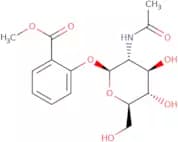
CAS:<p>1,2,3,4-Tetra-O-benzyl-6-O-trityl-β-D-galactopyranose is a synthetic sugar that has been modified with methylation and glycosylation. It is an oligosaccharide that is composed of glucose units linked by β(1→4) glycosidic bonds. 1,2,3,4-Tetra-O-benzyl-6-O-trityl-β-D-galactopyranose is soluble in water and can be used as a fluorescence probe for the detection of sugars in solution.</p>Formula:C53H50O6Purity:Min. 95%Molecular weight:782.96 g/mol2-Methoxycarbonylphenyl 2-acetamido-3,4,6-tri-O-acetyl-2-deoxy-b-D-glucopyranoside
CAS:<p>2-Methoxycarbonylphenyl 2-acetamido-3,4,6-tri-O-acetyl-2-deoxy-b-D-glucopyranoside is a synthetic sugar with a fluorinated anomeric carbon. It is a saccharide with the molecular formula C14H13F3NO8. This compound can be used for the synthesis of oligosaccharides and polysaccharides. It is also useful in click chemistry and as a reagent for glycosylation reactions.</p>Formula:C16H21NO8Purity:Min. 95%Molecular weight:355.34 g/molCelecoxib carboxylic acid acyl-b-D-glucuronide
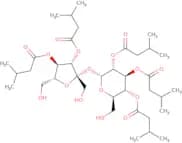
CAS:<p>Celecoxib is a nonsteroidal anti-inflammatory drug (NSAID) that has been used to treat pain and inflammation. Celecoxib carboxylic acid acyl-b-D-glucuronide is an active metabolite of celecoxib that is formed by the conjugation of celecoxib with glucuronic acid. It has been shown to inhibit the synthesis of prostaglandins, which are inflammatory mediators.</p>Formula:C23H20F3N3O10SPurity:Min. 95%Molecular weight:587.48 g/mol2,3,4,3',4'-Penta-O-isovaleryl-sucrose
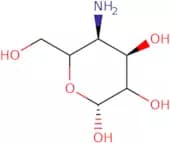
CAS:<p>2,3,4,3',4'-Penta-O-isovaleryl-sucrose is a custom synthesis that has been modified by fluorination and methylation. It is a monosaccharide with a molecular weight of 596.84 g/mol. This compound is synthesized from sucrose through a click modification reaction and then further modified by glycosylation reactions to form an oligosaccharide or polysaccharide. 2,3,4,3',4'-Penta-O-isovaleryl-sucrose can be used in the production of complex carbohydrates such as Sucralose and Stevia.</p>Purity:Min. 95%Color and Shape:Powder4-Amino-4-deoxy-D-glucopyranose
CAS:<p>4-Amino-4-deoxy-D-glucopyranose is a sugar that has been fluorinated and methylated. It is an important building block in the synthesis of complex carbohydrates, including saccharides, oligosaccharides, and polysaccharides. This chemical can be used for the modification of proteins and nucleic acids.</p>Formula:C6H13NO5Purity:Min. 95%Molecular weight:179.17 g/mol2,3-Dideoxy-2-methylene-D-glycero-D-galacto-nononic acid γ-lactone
CAS:<p>Methyl 2,3-dideoxy-2-methylene-D-glycero-D-galacto-nononic acid gamma-lactone is a fluorinated derivative of 2,3-dideoxygalactonojirimycin. It is an analog of the natural product 2,3-dideoxygalactonojirimycin and has been shown to inhibit the synthesis of glycolipids in Mycobacterium tuberculosis. Methyl 2,3-dideoxy-2-methylene-D-glycero-D-galacto nononic acid gamma lactone was synthesized by modification of the galactonojirimycin core with methylation at C2 and C3 followed by fluorination at C1.</p>Formula:C10H16O7Purity:Min. 95%Molecular weight:248.23 g/mol4-Thio-1-acetyl-2,3,5-tri-O-benzoyl-b-L-ribofuranose
<p>4-Thio-1-acetyl-2,3,5-tri-O-benzoyl-b-L-ribofuranose is a modified carbohydrate that is used in the synthesis of oligosaccharides. It's a synthetic compound that can be used to synthesize polysaccharides or glycosylations. The chemical modification of 4-thio-1-acetyl-2,3,5 tri O benzoyl b L ribofuranose includes methylation and fluorination. It has shown to have high purity and can be used for many purposes in the field of chemistry.</p>Purity:Min. 95%Blood Group B pentasaccharide type I
CAS:<p>Gala1-3(Fuca1-2)Galb1-3GlcNAcb1-3Gal (B antigen pentasaccharide Type I)</p>Formula:C32H55NO25Purity:Min. 95%Color and Shape:PowderMolecular weight:853.77 g/mol1,2,3,5-Tetra-O-acetyl-b-L-xylofuranose
CAS:<p>1,2,3,5-Tetra-O-acetyl-b-L-xylofuranose is a carbohydrate. It is the only tetra-acetoxylated monosaccharide that has been reported to date. The synthesis of 1,2,3,5-tetra-O-acetyl-b-L-xylofuranose was achieved by modifying the glycosylation of bromoacetaldehyde with 1,2,3,5 triacetoxy xylan. This product has high purity and custom synthesis capabilities. It is also available as a methyl ether and can be modified using Click chemistry to incorporate different functional groups at specific positions on the molecule.</p>Formula:C13H18O9Purity:Min. 95%Molecular weight:318.3 g/molEthyl 2,3,4-tri-O-benzyl-b-D-thioglucopyranoside
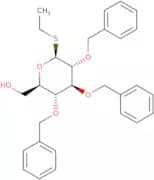
CAS:<p>Ethyl 2,3,4-tri-O-benzyl-b-D-thioglucopyranoside is a sugar that has been modified with three benzyl groups at the 3-, 4-, and 5-positions. It is used as a building block for oligosaccharides and polysaccharides. This compound can be synthesized using a click reaction between an acetylated benzaldehyde derivative and a protected thiogalactose. Ethyl 2,3,4-tri-O-benzyl-b-D-thioglucopyranoside is also known by its CAS number 126461-54-9 and has a molecular weight of 360.</p>Formula:C29H34O5SPurity:Min. 95%Molecular weight:494.64 g/mol2,5-Anhydro-D-mannitol-1,6-diphosphate dibarium salt dihydrate
CAS:<p>2,5-Anhydro-D-mannitol-1,6-diphosphate dibarium salt dihydrate is a synthetic sugar that is an intermediate in the synthesis of glycosylation products. It can be modified with methyl groups and fluorine atoms. The CAS number for this product is 352000-03-4. This product can be custom synthesized to meet specifications such as purity and monosaccharide content. It is a white to off white powder with a melting point of 136 - 141 °C and a solubility of 0.01 g/L in water.</p>Formula:C6H10Ba2O11P2·2H2OPurity:Min. 95%Molecular weight:630.77 g/molCarboxymethyl-dextran sodium salt 10-20% COOH terminally reduced - Average molecular weight 40000
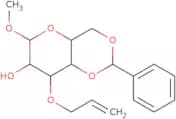
CAS:<p>Drug carrier for cancer therapy & imaging, biocompatible, soluble, biodegradable</p>Purity:Min. 95%Methyl 3-O-allyl-4,6-O-benzylidene-a-D-mannopyranoside
CAS:<p>Methyl 3-O-allyl-4,6-O-benzylidene-a-D-mannopyranoside is a glycosylation agent that is used in the synthesis of complex carbohydrates. It has been used to synthesize a sugar chain with a high purity and can be modified with methylation and fluorination. Methyl 3-O-allyl-4,6-O-benzylidene-a-D mannopyranoside has been shown to have good solubility in organic solvents. This product is custom synthesized and can be ordered in any quantity.</p>Formula:C17H22O6Purity:Min. 95%Molecular weight:322.35 g/molTopiramate didesacetal impurity
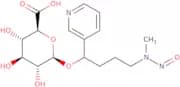
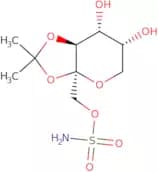
CAS:<p>Topiramate didesacetal impurity is a Custom synthesis, Modification, Fluorination, Methylation, Monosaccharide, Synthetic compound. It is used in the production of saccharides and polysaccharides. The Carbohydrate has a variety of uses including food additives and sweeteners.</p>Formula:C6H13NO8SPurity:Min. 95%Molecular weight:259.24 g/mol4-(Methyl-D3-nitrosamino)-1-(3-pyridyl)-1-butanol-N-b-D-glucuronide
CAS:<p>4-(Methyl-D3-nitrosamino)-1-(3-pyridyl)-1-butanol-N-b-D-glucuronide is a metabolite of the antihypertensive drug methyldopa. It is excreted in urine and its concentration in urine has been found to be higher in women than in men. This difference has been attributed to an increased uptake by the kidneys, which may be due to sex hormones such as estrogen. Studies have shown that 4-(methyl-D3-nitrosamino)-1-(3pyridyl)-1-butanol-NbDglucuronide can be used as a predictive marker for urothelial carcinoma. The compound is also a metabolite of the plant extract nasturtium officinale, which has been found to have anticancer activity against human bladder cancer cells.</p>Formula:C16H21D3N3O8Purity:Min. 95%Molecular weight:389.39 g/mol5-Amino-3-O(-D-xylopyranosyl)-D-threo-pentano-1,5-lactam
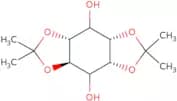
CAS:<p>5-Amino-3-O(-D-xylopyranosyl)-D-threo-pentano-1,5-lactam is a carbohydrate that belongs to the group of saccharides. It is a fluorinated saccharide that has been synthesized by modifying an existing oligosaccharide. This product has been custom synthesized for our customer and is available in high purity and with high quality. 5-Amino-3-O(-D-xylopyranosyl)-D-threo-pentano-1,5--lactam has been methylated and glycosylated. The monosaccharide units of this product have been modified with click chemistry.</p>Formula:C10H17NO7Purity:Min. 95%Molecular weight:263.24 g/mol1,2:4,5-Di-O-isopropylidene-D,L-myo-inositol
CAS:<p>1,2:4,5-Di-O-isopropylidene-D,L-myo-inositol is a custom synthesized product that has been modified to contain a fluorine atom. It is an oligosaccharide and polysaccharide. This product is used as a synthetic precursor to other products such as saccharides, carbohydrates and monosaccharides.</p>Formula:C12H20O6Purity:Min. 95%Molecular weight:260.28 g/mol3,6-Dideoxy-L-arabino-hexose
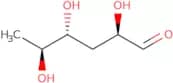
CAS:<p>3,6-Dideoxy-L-arabino-hexose (3,6-D) is a natural compound that has been shown to inhibit the growth of bacteria by binding to their ribosomes. It is an active inhibitor of tyvelose, which is a drug used in the treatment of infectious diseases. 3,6-D binds reversibly to the terminal residues on the bacterial ribosome and blocks the entry of tyvelose into the ribosome. The conformational properties of 3,6-D have been studied using hybridoma cell lines and methyl glycosides. Structural analysis has shown that 3,6-D may be synthesized from glucose in a series of enzymatic reactions involving glycan synthesis.</p>Purity:Min. 95%1-O-Methyl-β-D-galactopyranoside
CAS:<p>1-O-Methyl-beta-D-galactopyranoside is a monosaccharide sugar, which is a natural product of the degradation of plant cell walls. It is found in the blood of humans and other animals. 1-O-Methyl-beta-D-galactopyranoside has been shown to be an important reactive oxygen species (ROS) scavenger, which can protect cells from oxidative damage by reacting with ROS and converting them into less harmful molecules. 1-O-Methyl-beta-D-galactopyranoside binds to lectins and oligosaccharides, which are carbohydrate structures on the surface of cells that are involved in cellular recognition. This binding process may lead to uptake of 1OmBG by cells, which may be due to its ability to form hydrogen bonds with the hydroxyl group on polysaccharides such as polysaccharides in the plasma membrane or glycoproteins</p>Formula:C7H14O6Purity:Min. 98.0 Area-%Molecular weight:194.19 g/molRef: 3D-M-3591
1kgTo inquire100gTo inquire250gTo inquire500gTo inquire2500gTo inquire-Unit-kgkgTo inquireGQ1b-Ganglioside ammonium
CAS:<p>GQ1b ganglioside (ammonium salt) has a core tetrasaccharide structure (Galβ1,3GalNAcβ1,4Galβ1,4Glc) with two sialic acids (NeuAc) linked α2,3/α2,8 to the inner galactose residue, two sialic acids (NeuAc) linked α2,3/α2,8 to the terminal galactose residue, and ceramide linked β to position 1 on the reducing terminal glucose residue (Ledeen, 2009). Anti-GQ1b ganglioside antibody is associated with Miller Fisher syndrome and is also found in patients with related conditions that may share the same pathogenic mechanism, such as, Bickerstaff brainstem encephalitis. Thus, the measurement of anti-GQ1b antibody in suspected cases of Miller Fisher syndrome is a useful diagnostic marker (Paparounas, 2004). It has been found that GQ1b ganglioside contributes to synaptic transmissions and synapse formation. Low concentrations of GQ1b ganglioside, evoked dopamine (DA) release from laboratory tissues (Chen, 2018).</p>Formula:C106H182N6O56·xNH4Purity:Min. 95%2,3,5,6-Tetra-O-acetyl-D-gulonic acid -1,4-lactone
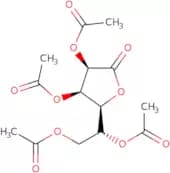
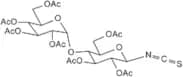
CAS:<p>2,3,5,6-Tetra-O-acetyl-D-gulonic acid -1,4-lactone is a synthetic sugar that is used in the synthesis of high purity oligosaccharides and polysaccharides. This product has been modified with fluorine and methyl groups. The reactions were performed under click chemistry conditions to produce this compound. This product is available for custom synthesis and fluoroamination.</p>Formula:C14H18O10Purity:Min. 95%Color and Shape:White To Off-White SolidMolecular weight:346.29 g/mol2,3,6,2',3',4',6'-Hepta-O-acetyl-b-D-maltosyl isothiocyanate
CAS:<p>2,3,6,2',3',4',6'-Hepta-O-acetyl-b-D-maltosyl isothiocyanate is a custom synthesis of a complex carbohydrate. It has been modified by fluorination and click chemistry. The product is available in high purity with CAS No. 81319-58-6. This product is synthesized from a monosaccharide and polysaccharide. The product is produced by methylation of the complex carbohydrate followed by modification with fluoro groups to create the desired product.</p>Formula:C27H35NO17SPurity:Min. 95%Molecular weight:677.64 g/mol2,3-O-Isopropylidene-L-threitol
CAS:2,3-O-Isopropylidene-L-threitol is a chiral sugar alcohol that is a new type of HDAC inhibitor. It has been shown to be an effective inhibitor of histone deacetylase (HDAC) and can be used in the treatment of certain cancers. 2,3-O-Isopropylidene-L-threitol is considered to be enantiomerically pure because it contains only one stereoisomer. It is also synthesized via a dehydrogenative process, which starts with the addition of 2 equivalents of phenol to diphenol followed by the addition of 4 equivalents of biphenyl. This product can also be used to make polycarbonates with functional groups such as epoxy or vinyl groups.Formula:C7H14O4Purity:Min. 95%Color and Shape:Yellow PowderMolecular weight:162.18 g/molMethyl salicylate b-D-O-glucuronide methyl ester
CAS:<p>Methyl salicylate b-D-O-glucuronide methyl ester is a glycosylated and fluorinated compound that is structurally similar to natural monosaccharides. It can be synthesized with high purity and custom modifications, such as Click chemistry. Methyl salicylate b-D-O-glucuronide methyl ester has been used in the synthesis of oligosaccharides, saccharides, and polysaccharides.</p>Formula:C15H18O9Purity:Min. 95%Molecular weight:342.3 g/molMethyl 2,6-anhydro-3-deoxy-D-lyxo-hept-2-enonimidate
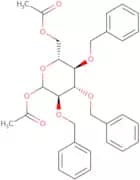
CAS:<p>Methyl 2,6-anhydro-3-deoxy-D-lyxo-hept-2-enonimidate is a sugar molecule. It is an example of a complex carbohydrate and consists of saccharide units that are linked together in a glycosylation reaction. Methyl 2,6-anhydro-3-deoxy-D-lyxo-hept-2-enonimidate can be synthesized by the methylation of monosaccharides or by the glycosylation of polysaccharides. This compound can be custom synthesized to meet your specifications.</p>Formula:C8H13NO5Purity:Min. 95%Molecular weight:203.19 g/mol1,6-Di-O-acetyl-2,3,4-tri-O-benzyl-D-glucopyranose
CAS:<p>1,6-Di-O-acetyl-2,3,4-tri-O-benzyl-D-glucopyranose is a synthetic compound that is used in the synthesis of vitamin D. It is used to treat vitamin D deficiency in women and children. The benzyl groups on the sugar molecule are crosslinked with benzyl alcohol and paraformaldehyde to form a polymerization reaction system for vitamin D. This product can be used as a strategy for treating vitamin D deficiency by providing an alternative source of this nutrient.</p>Formula:C31H34O8Purity:Min. 95%Molecular weight:534.6 g/mol1,2:5,6-Di-O-isopropylidene-D-glucofuranosulose enolacetate
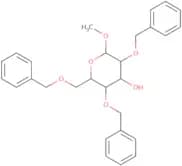
<p>1,2:5,6-Di-O-isopropylidene-D-glucofuranosulose enolacetate is a synthetic sugar that is used as a click modification to carbohydrates. It has been shown to have activity against methicillin resistant Staphylococcus aureus (MRSA) and Mycobacterium tuberculosis. This compound has been synthesized for the first time in 2018 by using a new approach of glycosylation. In this process, 1,2:5,6-Di-O-isopropylidene-D-glucofuranosulose enolacetate is modified with methyl groups at the C1 position and then fluorinated. The final product was obtained by reacting this sugar with glycine ethyl ester hydrochloride in the presence of sodium azide in refluxing ethanol.</p>Purity:Min. 95%Methyl 2,4,6-tri-O-benzyl-a-D-glucopyranose
CAS:<p>Methyl 2,4,6-tri-O-benzyl-a-D-glucopyranose is a high purity custom synthesis sugar that can be synthesized in glycosylation and methylation. The CAS number is 35303-86-7. This product has a saccharide structure, which can be found in many complex carbohydrates. It is used as a synthetic intermediate for the production of oligosaccharides and monosaccharides.</p>Formula:C28H32O6Purity:Min. 95%Molecular weight:464.55 g/mol2-(L-Fuco-tetrahydroxypentyl)-4(R)-1,3-thiazolidine-4-carboxylic acid
CAS:<p>2-(L-Fuco-tetrahydroxypentyl)-4(R)-1,3-thiazolidine-4-carboxylic acid is a high purity custom synthesis sugar. It has been synthesized by click modification and fluorination of 2-(L-fuco-tetrahydroxypentyl)-4(R)-1,3-thiazolidine-4-carboxylic acid methyl ester. This compound can be used in glycosylation with oligosaccharides, monosaccharides, saccharides and complex carbohydrates.</p>Formula:C10H19NO6SPurity:Min. 95%Molecular weight:281.33 g/molD-(-)-Lyxose
CAS:<p>Please enquire for more information about D-(-)-Lyxose including the price, delivery time and more detailed product information at the technical inquiry form on this page</p>Formula:C5H10O5Purity:Min. 99 Area-%Molecular weight:150.13 g/mol2-O-Methyl-b-D-N-acetylneuraminic acid methyl ester
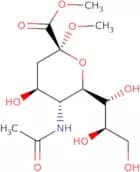
CAS:<p>2-O-Methyl-b-D-N-acetylneuraminic acid methyl ester is a synthetic sugar with the chemical formula C7H11NO5. It is a monosaccharide and an important intermediate in the synthesis of glycosides and other saccharides. 2-O-Methyl-b-D-N-acetylneuraminic acid methyl ester can be used for the modification of complex carbohydrates, such as oligosaccharides and polysaccharides. This product also has many applications in the food industry and biotechnology.</p>Formula:C13H23NO9Purity:Min. 95%Molecular weight:337.32 g/molNaloxone 3-β-D-glucuronide
CAS:Controlled Product<p>Please enquire for more information about Naloxone 3-β-D-glucuronide including the price, delivery time and more detailed product information at the technical inquiry form on this page</p>Formula:C25H29NO10Purity:Min. 95%Molecular weight:503.51 g/molPantothenic acid 2,4-di-O-b-D-galactopyranoside
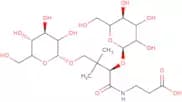
<p>Pantothenic acid 2,4-di-O-b-D-galactopyranoside is a custom synthesis of Methylated Pantothenic Acid 2,4-Di-O-b-D-Galactopyranoside. The compound is an oligosaccharide composed of two glucose molecules and one galactose molecule. It contains a fluorine atom at the 4th position of the sugar chain. This modification was made to increase the solubility in water. Pantothenic acid 2,4-di-O-b-D-galactopyranoside can be used in industry as a food additive or pharmaceutical intermediate.</p>Formula:C21H37NO15Purity:Min. 95%Molecular weight:543.52 g/mol3,5-Di-O-benzoyl-2-deoxy-2,2-difluoro-α-D-ribofuranose
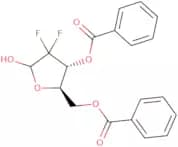
CAS:<p>3,5-Di-O-benzoyl-2-deoxy-2,2-difluoro-D-ribofuranose is a synthetic monosaccharide with a fluorine atom at the 2 position. It has been used to synthesize saccharides and oligosaccharides with methylation, click modification, and fluoroination. This chemical is soluble in water and has a molecular weight of 184.12 g/mol. 3,5-Di-O-benzoyl-2,2'-difluoro D ribofuranose is used as an ingredient in polysaccharide or oligosaccharide synthesis where it can be modified at the C3 or C5 positions by addition of a methyl group or fluorine atom. The compound can also be used as a substrate for the enzyme alpha amylase to produce maltose.</p>Formula:C19H16F2O6Purity:Min. 95%Color and Shape:PowderMolecular weight:378.32 g/mol1,2,3,4-Tetra-O-acetyl-D-fucopyranose
<p>1,2,3,4-Tetra-O-acetyl-D-fucopyranose is a glycosylation agent that can be used in the synthesis of complex carbohydrates or in the modification of natural polysaccharides. It can be fluorinated to produce 1,2,3,4-tetra-O-fluoro-D-fucopyranose or modified with a click reagent to produce 1,2,3,4-tetra-[5-(N'-diethylamino)pentyl]-D-fucopyranose. The CAS number for this product is 109712-63-7. This product is available for custom synthesis and is sold at a purity of >99%.</p>Purity:Min. 95%1,2,3,5,6-Penta-O-propanoyl-b-D-glucofuranose
<p>1,2,3,5,6-Penta-O-propanoyl-b-D-glucofuranose is a methylated sugar. It is a polysaccharide consisting of 1,2,3,5,6-penta-O-propanoyl-b-D-glucopyranosyl units linked by β-(1→4)-glycosidic bonds. This carbohydrate can be used in the synthesis of oligosaccharides and glycosylation reactions. 1,2,3,5,6-Penta-O-propanoyl b -D -glucofuranose has been fluorinated to give pentafluorobenzoyl b -D -glucofuranose which is used for click modification.</p>Purity:Min. 95%2,3,4,5-Tetra-O-acetyl-D-xylononitrile
CAS:<p>2,3,4,5-Tetra-O-acetyl-D-xylononitrile is a carbohydrate with the chemical formula C10H14O8N2. It is a white crystalline solid that has been custom synthesized with high purity and methylation. This compound is an oligosaccharide with a sugar modification. The glycosylation of this compound is Click modification.</p>Formula:C13H17NO8Purity:Min. 95%Molecular weight:315.28 g/moln-Butyl b-D-fructopyranoside
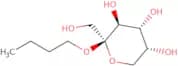
CAS:<p>n-Butyl b-D-fructopyranoside is a type of monosaccharide that is present in the rhizomes of Lamium. It is an ingredient in traditional Chinese medicine, where it has been used to treat various types of inflammation and pain. <br>n-Butyl b-D-fructopyranoside is a white crystalline powder with a melting point of 137°C. The chemical structure consists of a glucose molecule that has been substituted at the hydroxyl group with butanol. n-Butyl b-D-fructopyranoside has an aromatic odor and tastes sweet and slightly bitter. n-Butyl b-D-fructopyranoside can be found in many plants, including acteoside, glycosidic linarin, and taraxerol from lamium species. This compound can be synthesized systematically by reacting d-mannitol with salicylic acid in the</p>Formula:C10H20O6Purity:Min. 95%Molecular weight:236.26 g/mola-L-Rhamnopyranosyl bromide tribenzoate
CAS:<p>a-L-Rhamnopyranosyl bromide tribenzoate is a methylated saccharide that can be used in the synthesis of oligosaccharides and polysaccharides. It is a fluorinated compound, which can be used in click chemistry and has been shown to have anti-inflammatory properties. a-L-Rhamnopyranosyl bromide tribenzoate has been shown to inhibit the growth of cancer cells by inhibiting protein synthesis. This methylation product is water soluble and is available as a white powder at high purity. It can also be used in glycosylation reactions as well as custom syntheses.</p>Purity:Min. 95%Dextran 110, MW: 100,000 to 120,000
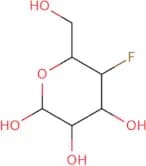
CAS:<p>Complex glucan (a 1-6) from Leuconostoc spp.; extender in blood transfusions.</p>Color and Shape:White Powder3-Deoxy-3-fluoro-D-mannose
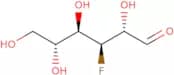
CAS:<p>3-Deoxy-3-fluoro-D-mannose (3DFM) is a synthetic sugar molecule that acts as an inhibitor of bacterial growth. It binds to the 6-phosphate group of nucleic acids, which prevents the addition of sugar molecules to ribose or deoxyribose groups. 3DFM also inhibits the synthesis of proteins and RNA, which are necessary for bacterial growth. 3DFM is a structural analog of mannose and glucose, and has been shown to be effective against chronic infections caused by bacteria that produce lectins, such as C. difficile. This drug can be used in combination with other antibiotics to enhance their effectiveness.</p>Formula:C6H11FO5Purity:Min. 95%Color and Shape:PowderMolecular weight:182.15 g/molGlycerone phosphate lithium salt
CAS:<p>Glycerone phosphate lithium salt is a reactive molecule that serves as an intermediate in the synthesis of rapamycin, a complex of glycerone phosphate and rapamycin. Glycerone phosphate lithium salt is used to detect the presence of glutamate dehydrogenase and to purify monoclonal antibodies. Glycerone phosphate lithium salt has been shown to react with platinum-based chemotherapy, which may be due to its ability to bind to active sites on cancer cells. This molecule also has been shown to reduce high cholesterol levels in mice and inhibit skin cancer tumor growth. Glycerone phosphate lithium salt's physiological effects have not been fully determined, but it may have some anticancer activity.</p>Formula:C3H7O6P·xLiPurity:Min. 95%Molecular weight:170.06 g/mol4,5-Desisopropylidene topiramate
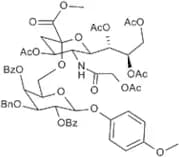
CAS:<p>4,5-Desisopropylidene topiramate is a synthetic monosaccharide that is not naturally occurring. This compound has been synthesized with a click modification and glycosylation. It has a molecular weight of 459.29 g/mol and the CAS number 106881-41-8. The chemical formula is C11H21NO6 and it's molecular structure is shown below:</p>Formula:C9H17NO8SPurity:Min. 95%Color and Shape:Off-white to pale yellow solid.Molecular weight:299.3 g/mol4-Methoxyphenyl 2,4-di-O-benzoyl-3-O-benzyl-6-O-[methyl 5-(acetoxyacetamido)-4,7,8,9-tetra-O-acetyl-3,5-dideoxy-D-glycero-α-D-ga lacto-2-nonulopyranosylonate]-β-D-galactopyranoside
<p>The methylation of a glycosylation is an organic chemistry technique that can be used to modify the chemical structure of a carbohydrate. A glycosylation is the reaction between an alcohol and a sugar, which produces a glycoside. The addition of methyl groups at specific positions on the sugar molecule can lead to improved properties such as increased stability, increased solubility, or increased uptake by cells. This process has been shown to produce compounds with more desirable pharmacological properties than their parent compounds. Click chemistry is a versatile and powerful method for modifying carbohydrates. It involves the use of copper-catalyzed azide-alkyne cycloaddition reactions to form carbon-nitrogen bonds in place of conventional amide linkages in peptides and proteins. Carbohydrates are modified using this method by attaching small molecules such as fluorine atoms onto one or more carbons in the carbohydrate structure. This process can be used to create novel sugars with improved properties including high purity, high stability</p>Formula:C56H61NO23Purity:Min. 95%Molecular weight:1,116.08 g/molGalacturonan DP3/DP4 sodium salt
<p>A mixture of sodium trigalacturonate & tetragalacturonate (α-1,4 sodium galacturonotriose + α-1,4 sodium galacturonotetraose) is derived from pectin or pectic acid, by enzymatic or partial acid hydrolysis (Combo, 2012). It is used inâ¯galacturonic acidâ¯metabolism research as a substrate to identify, differentiate, and characterize endo- and exopolygalacturonase(s), and gluconase(s) (Jayani, 2005). The addition of very short fragments of homogalacturonan, tri-galacturonate, and tetra-galacturonate oligosaccharides, restore development in dark-grown, de-etiolated seedling mutants, suggesting that they are unable to generate de-methylesterified pectin fragments. A model of spatiotemporally separated photoreceptive and signal-responsive cell types has been proposed, that contains overlapping subsets of the regulatory network of light-dependent seedling development (Sinclair, 2017).</p>Purity:Min. 95%Color and Shape:Powder1,2,3-Tri-O-Acetyl-5-deoxy-D-ribose
CAS:<p>1,2,3-Tri-O-acetyl-5-deoxy-D-ribose is an efficient and environmentally benign method for the synthesis of acyclic acetals. The condensation process involves the use of a chloroformate to introduce the carbonyl group into a hydroxyl group on the sugar. This reaction can be carried out in an organic solvent or water as well. The reaction rate is fast due to a high nucleophilicity of the chloride ion. The product can then be converted into an amide by reacting it with ammonia in a basic medium. This reaction results in a high yield and is useful for recycling acetonitrile that would otherwise be released into the environment.</p>Formula:C11H16O7Purity:Min. 95%Molecular weight:260.24 g/mol?-Gal-nonoate
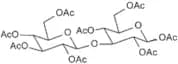
CAS:<p>β-Gal-nonoate is a high purity, custom synthesis, sugar modified with fluorination, glycosylation, and methylation. It is a synthetic molecule that has CAS No. 357192-77-9. β-Gal-nonoate is a modification of β-galactoside and it's glycosylated with oligosaccharides and monosaccharides. It is an oligosaccharide that can be complex carbohydrate.</p>Formula:C10H19N3O7Purity:Min. 95%Molecular weight:293.27 g/mol1,2,4,6-Tetra-O-acetyl-3-O-(2,3,4,6-tetra-O-acetyl-b-D-glucopyranosyl)-D-glucopyranose
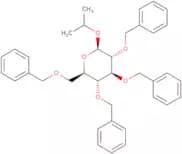
CAS:<p>Tetra-O-acetyl-3-O-(2,3,4,6-tetra-O-acetyl-b-D-glucopyranosyl)-D-glucopyranose is a covalently bound glycoside of benzoic acid and glucose. It can be obtained by the chemical catalysis of clostridium in an acetate medium. The reaction produces a tetrasaccharide with three acetate groups at C2, C3 and C6. This compound has shown to have antimicrobial activity against Clostridium licheniformis and Clostridium butyricum.</p>Formula:C28H38O19Purity:Min. 95%Molecular weight:678.59 g/molIsopropyl 2,3,4,6-tetra-O-benzyl-b-D-glucopyranoside
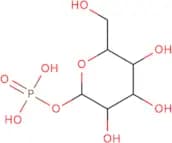
CAS:<p>Isopropyl 2,3,4,6-tetra-O-benzyl-b-D-glucopyranoside is a synthetic glycosylation product. It can be used as a building block for the synthesis of oligosaccharides and sugar derivatives. The product is available in custom synthesis and can be fluorinated to create new compounds. Isopropyl 2,3,4,6-tetra-O-benzyl-b-D-glucopyranoside can also be methylated to create new compounds. This product is mainly used in the preparation of saccharides and polysaccharides. It has a purity level of more than 99% and is not modified with any other functional groups.</p>Formula:C37H42O6Purity:Min. 95%Molecular weight:582.73 g/molL-Galactose-1-phosphate
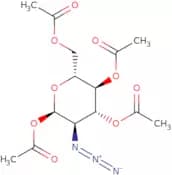
CAS:<p>L-Galactose-1-phosphate is a modification of the monosaccharide galactose. This product can be synthesized by methylation and glycosylation of L-galactose, as well as by fluorination and saccharide synthesis. This product has a CAS number of 210100-25-7. It is also a complex carbohydrate that contains many sugars. The molecular weight of this product is 541.37 g/mol, with an empirical formula of C6H14O6P2. This product is soluble in water, methanol, ethanol, acetone and chloroform. It has a melting point of 162 °C and a boiling point of 320 °F at atmospheric pressure. This product is not stable in alkaline conditions, but stable in acidic conditions.</p>Purity:Min. 95%1,3,4,6-Tetra-O-acetyl-2-azido-2-deoxy-a-D-glucopyranose
CAS:<p>1,3,4,6-Tetra-O-acetyl-2-azido-2-deoxy-a-D-glucopyranose is a fluorinated monosaccharide with a synthetic sequence. It is used to synthesize oligosaccharides and polysaccharides by glycosylation or by click modification. It can be methylated and acetylated for further modification. 1,3,4,6-Tetra-O-acetyl-2-azido-2-deoxyglucopyranose has CAS number 56883–33–1 and is of high purity.</p>Formula:C14H19N3O9Purity:Min. 95%Color and Shape:SolidMolecular weight:373.32 g/molO-Ethyl S-[methyl (5-acetamido-4,7,8,9-tetra-O-acetyl-3,5-dideoxy-2-thio-b-D-glycero-a-D-galacto-2-nonulopyranoside)onate] dithiocar bonate
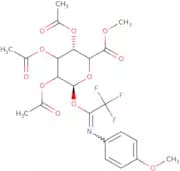
<p>Methylation is a process by which a methyl group is added to a substrate. This product is custom synthesized and has been modified with click chemistry. Methylation of saccharides, carbohydrates and other carbon-containing molecules is an important biochemical process in which the hydroxyl (-OH) group on the sugar or carbohydrate reacts with the -S-H bond on the methyl donor. This product also has fluorination and high purity.</p>Purity:Min. 95%Methyl 2,3,4-triacetyl-D-glucopyranosiduronyl 1-(N-4-methoxyphenyl)-2,2,2-trifluoroacetimidate
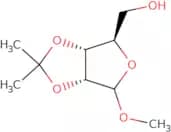
CAS:<p>Methyl 2,3,4-triacetyl-D-glucopyranosiduronyl 1-(N-4-methoxyphenyl)-2,2,2-trifluoroacetimidate is a synthetic saccharide that can be used for the modification of polysaccharides and oligosaccharides. It is often used in glycosylation reactions to produce complex carbohydrates with high purity. This chemical compound has been shown to methylate sugars at their C1 position with high selectivity and efficiency. Methyl 2,3,4-triacetyl-D-glucopyranosiduronyl 1-(N-4-methoxyphenyl)-2,2,2-trifluoroacetimidate is also known as CAS No. 918158-52-8.</p>Formula:C22H24F3NO11Purity:Min. 95%Molecular weight:535.42 g/molMethyl 2,3-O-isopropylidene-D-ribofuranoside
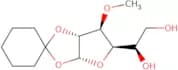
CAS:<p>Methyl 2,3-O-isopropylidene-D-ribofuranoside is a nucleophile that reacts with amines to form a tetroxide intermediate. It has been shown to react with the cellular components of vesicular stomatitis virus and to have an interaction with malonic acid. This compound also reacts with osmium tetroxide in the presence of phosphite to produce a chloride ion and an osmate ester. Methyl 2,3-O-isopropylidene-D-ribofuranoside can be recycled by quaternization with sodium periodate, which yields methyl 3,5-dimethoxybenzoate.</p>Formula:C9H16O5Purity:Min. 95%Color and Shape:Colorless PowderMolecular weight:204.2 g/mol1,2-O-Cyclohexylidene-3-O-methyl-a-D-glucofuranose
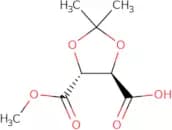
CAS:<p>1,2-O-Cyclohexylidene-3-O-methyl-a-D-glucofuranose is a synthetic cyclic oligosaccharide that can be modified with methyl groups or fluorine atoms. It is a monosaccharide that has been shown to have potential for use as a drug delivery system.</p>Formula:C13H22O6Purity:Min. 95%Molecular weight:274.31 g/mol(4R,5R)-5-(Methoxycarbonyl)-2,2-dimethyl-1,3-dioxolane-4-carboxylic acid
CAS:<p>(4R,5R)-5-(Methoxycarbonyl)-2,2-dimethyl-1,3-dioxolane-4-carboxylic acid is a synthetic monosaccharide that can be used in the synthesis of oligosaccharides and polysaccharides. This chemical is also known as Fluorination, Monosaccharide, Synthetic, Oligosaccharide, complex carbohydrate. It is a high purity product with CAS No. 67812-33-3 and Methylation sugar Carbohydrate Modification.</p>Purity:Min. 95%6-O-Carboxymethyl-D-glucose
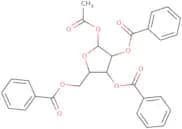
CAS:<p>6-O-Carboxymethyl-D-glucose (CMG) is a trityl glucanotransferase substrate that is used in the synthesis of carboxymethylated polysaccharides. This compound can be obtained from glucose by treatment with a glucanotransferase enzyme. CMG has been shown to have an inhibitory effect on pancreatic acinar cells and also inhibits acidic proteases in saliva, which leads to its use as an anti-inflammatory drug.</p>Formula:C8H14O8Purity:Min. 95%Color and Shape:White Off-White PowderMolecular weight:238.19 g/mol1-o-Acetyl-2,3,5-tri-o-benzoyl-L-ribose
CAS:<p>1-o-Acetyl-2,3,5-tri-o-benzoyl-L-ribose is a potent inhibitor of human kinases and has been shown to have anticancer properties. It is an analog of tumor suppressor protein and induces apoptosis in cancer cells. This compound has been found in the urine of Chinese medicinal plants and has been extensively studied for its potential use in cancer treatment. Its ability to inhibit kinases makes it a promising candidate for the development of new anticancer drugs. Additionally, 1-o-Acetyl-2,3,5-tri-o-benzoyl-L-ribose has been found to have significant anti-inflammatory effects, which may also make it useful in treating other diseases associated with inflammation. Overall, this compound shows great potential as a therapeutic agent for various diseases and conditions.</p>Formula:C28H24O9Purity:Min. 95%Molecular weight:504.5 g/mol4-Deoxy-4-fluoro-a-D-glucopyranose
CAS:<p>4-Deoxy-4-fluoro-a-D-glucopyranose is a carbohydrate that belongs to the group of carbohydrates. It has enthalpy and entropy values of -1,865.2 kJ/mol and -3,363.6 J/(mol·K) at 298 K, respectively. This compound has been shown to interact with water molecules in solution phase. 4-Deoxy-4-fluoro-a-D-glucopyranose is soluble in water and interacts with other carbohydrate molecules at an intermolecular level. 4DFA has an extrapolated melting point of about 216 degrees Celsius.</p>Formula:C6H11FO5Purity:Min. 95%Molecular weight:182.15 g/mol