Glycoscience
Glycoscience is the study of carbohydrates and their derivatives, as well as the interactions and biological functions they participate in. This field of research is crucial for understanding a wide variety of biological processes, including cell recognition, signaling, immune response, and disease development. Glycoscience has important applications in biotechnology, medicine, and the development of new drugs and therapies. At CymitQuimica, we offer a wide selection of high-quality, high-purity products for glycoscience research. Our catalog includes monosaccharides, oligosaccharides, polysaccharides, glycoconjugates, and specific reagents, designed to support researchers in their studies on the structure, function, and applications of carbohydrates in biological systems. These resources are intended to facilitate scientific discoveries and practical applications in various areas of bioscience and medicine.
Subcategories of "Glycoscience"
- Aminosugars(108 products)
- Glyco-Related Antibodies(282 products)
- Glycolipids(46 products)
- Glycosaminoglycans (GAGs)(55 products)
- Glycosides(419 products)
- Monosaccharides(6,624 products)
- Oligosaccharides(3,682 products)
- Polysaccharides(503 products)
Found 11046 products of "Glycoscience"
Sort by
Purity (%)
0
100
|
0
|
50
|
90
|
95
|
100
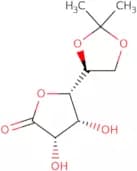
3,4-O-Isopropylidene-D-arabinose
CAS:<p>3,4-O-Isopropylidene-D-arabinose is a synthetic compound that has been used as an active analogue for the study of nucleophile reactions. 3,4-O-Isopropylidene-D-arabinose undergoes nucleophilic addition with potassium azide to form a thiazolidine intermediate. The stereospecificity of this reaction was shown by the chemists and biochemists who synthesized it. It has also been shown to react with an anion in a similar manner. This chemical is used in the synthesis of d-arabinose, which can be used for the production of other compounds.</p>Formula:C8H14O5Purity:Min. 95%Molecular weight:190.2 g/molRef: 3D-MI01006
Discontinued product2,3:4,5:6,7-Tri-O-isopropylidene-D-glycero-D-ido-heptonic acid methyl ester
<p>2,3:4,5:6,7-Tri-O-isopropylidene-D-glycero-D-ido-heptonic acid methyl ester is an oligosaccharide that is a synthetic glycosylation product. It is a complex carbohydrate that has a high purity and CAS No. This compound can be custom synthesized to your specifications and modified in the lab with fluorination or methylation.</p>Purity:Min. 95%5,6-O-Isopropylidene-L-gulonic acid-1,4-lactone
CAS:<p>5,6-O-Isopropylidene-L-gulonic acid-1,4-lactone is a synthetic monosaccharide with the molecular formula C8H14O5. It has a CAS number of 94697-68-4 and is available for custom synthesis. The chemical structure of 5,6-O-Isopropylidene-L-gulonic acid-1,4-lactone consists of a methyl group attached to the hydroxyl at position 1 and a fluoro group attached to the hydroxyl at position 4. 5,6--O--Isopropylidene--L--gulonic acid--1,4--lactone is not naturally occurring and is made by modification of glycosides. This compound can be used in click chemistry or complex carbohydrate reactions.</p>Formula:C9H14O6Purity:Min. 99 Area-%Color and Shape:White PowderMolecular weight:218.2 g/molRef: 3D-MI04758
Discontinued productExopolysaccharide - from Bacillus polymixa
<p>Bacterial exopolysaccharide from gram negative Bacillus polymixa</p>Formula:C23H36O18Purity:Min. 95%Color and Shape:PowderMolecular weight:600.52 g/molRef: 3D-YE165867
Discontinued productIsopropyl-beta-D-thioglucuronic acid, sodium salt
CAS:<p>Isopropyl-β-D-thioglucuronic acid is a β-D-glucuronidase inducer. It enhances the sensitivity of β-glucuronidase assays in E. coli.</p>Formula:C9H15NaO6SPurity:Min. 98 Area-%Molecular weight:274.27 g/molD-Maltose monohydrate
CAS:<p>Please enquire for more information about D-Maltose monohydrate including the price, delivery time and more detailed product information at the technical inquiry form on this page</p>Formula:C12H24O12Purity:Min. 98 Area-%Molecular weight:360.31 g/mol6-Amino-6-deoxy-beta-cyclodextrin
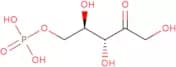
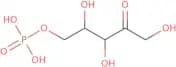
CAS:<p>This beta-cyclodextrin (β-CD) derivative is a functionalized cyclic oligosaccharide composed of seven glucose units, characterized by a hydrophilic exterior and a lipophilic cavity (bigger than α-CD and smaller than γ-CDs), which allows it to encapsulate various guest molecules. This structural feature facilitates its use in multiple applications, including pharmaceuticals, food enhancement, and cosmetics. In the pharmaceutical industry, it enhances the solubility and stability of poorly water-soluble drugs, improving their bioavailability and efficacy while also masking unpleasant tastes. The food sector utilizes it as a stabilizer for flavors, colors, and nutrients, extending shelf life by protecting sensitive ingredients from degradation. In cosmetics, it serves as a complexing agent for fragrances and active components, ensuring their stability and controlled release. Its use expands to many other fields, including nanotechnology for drug delivery systems, environmental remediation for extracting organic pollutants, textiles for slow-release fragrances, and analytical chemistry for chiral separation.</p>Formula:C42H71NO34Molecular weight:1,134 g/molD-Ribulose 5-phosphate sodium salt
CAS:<p>Reference compound for metabolites of the pentosephosphate pathway</p>Formula:C5H11O8P·xNaPurity:Min. 96 Area-%Color and Shape:White Yellow PowderMolecular weight:230.11 g/molRef: 3D-MR45852
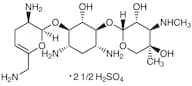
Discontinued productSisomicin Sulfate
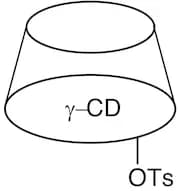
CAS:Formula:C19H37N5O7H2SO4Purity:>98.0%(HPLC)Color and Shape:White to Almost white powder to crystalMolecular weight:692.71Mono-2-O-(p-toluenesulfonyl)-γ-cyclodextrin
CAS:Formula:C55H86O42SPurity:>95.0%(HPLC)Color and Shape:White to Almost white powder to crystalMolecular weight:1,451.31Rengasin-3'-O-glucoside
<p>Rengasin-3'-O-glucoside is a fine chemical, useful building block, and research chemical. It is a versatile building block that can be used in the synthesis of complex compounds. Rengasin-3'-O-glucoside is also a useful intermediate or scaffold for reactions. This compound has been shown to react with 1,2-ethanediol and form an ester, which can be hydrolyzed to release glycerol and the original rengasin-3'-O-glucoside.</p>Formula:C22H22O11Purity:(%) Min. 75%Molecular weight:462.4 g/molRef: 3D-FR65387
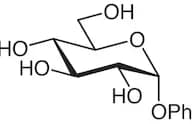
Discontinued productPhenyl α-D-Glucopyranoside
CAS:Formula:C12H16O6Purity:>97.0%(GC)Color and Shape:White to Light yellow powder to crystalMolecular weight:256.25D-Ribulose 5-phosphate sodium
CAS:<p>Ribulose 5-phosphate sodium is a chemical that can be used to inhibit the enzyme ribulose phosphate reductase. Ribulose 5-phosphate sodium has been shown to inhibit glycolaldehyde production in the chloroplasts of plants, effectively reducing the amount of carbon dioxide produced. This chemical has also been shown to have an inhibitory effect on other enzymes involved in carbon fixation and assimilation. The effectiveness of this chemical is dependent on the specific plant species and environmental conditions.</p>Formula:C5H11O8P•NaxPurity:Min. 95%Color and Shape:PowderMolecular weight:230.11 g/molRef: 3D-AAA09387
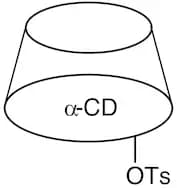
Discontinued productMono-2-O-(p-toluenesulfonyl)-α-cyclodextrin
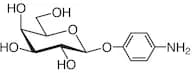
CAS:Formula:C43H66O32SPurity:>98.0%(HPLC)Color and Shape:White to Almost white powder to crystalMolecular weight:1,127.034-Aminophenyl β-D-Galactopyranoside
CAS:Formula:C12H17NO6Purity:>98.0%(HPLC)Color and Shape:White to Almost white powder to crystalMolecular weight:271.27Hydroxypropyl cellulose - Average MW 150,000
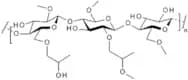
CAS:<p>In water, hydroxypropyl cellulose forms liquid crystals with many mesophases depending on concentration. These mesophases include isotropic, anisotropic, nematic and cholesteric, the latter resulting in many colors such as violet, green and red. Pharmaceutical applications include treatments for medical conditions such as dry eye syndrome (keratoconjunctivitis sicca), recurrent corneal erosions, decreased corneal sensitivity, exposure and neuroparalytic keratitis. It is also used as a binder in tablets. Hydroxypropylcellulose is also used as a thickener, a binder and emulsion stabiliser in foods with E number E463. HPC is used as a support matrix for DNA separations by capillary and microchip electrophoresis.</p>Ref: 3D-YH158877
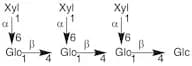
Discontinued productHeptasaccharide Glc4Xyl3
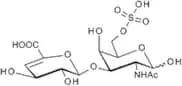
CAS:Formula:C39H66O33Purity:>80.0%(HPLC)Color and Shape:White to Almost white powder to crystalMolecular weight:1,062.92Chondroitin disaccharide 6S sodium salt
CAS:<p>Chondroitin disaccharide 6S sodium salt is a synthetic, fluorinated, oligosaccharide that has been custom synthesized and glycosylated. It is a sugar-based compound with a high purity and excellent solubility in water. It was synthesized by click modification of the sugar monomer with an amine group at the reducing end. The chondroitin disaccharide 6S sodium salt was further modified with methylation to yield a product with a higher purity.</p>Formula:C14H21NO15S·2NaPurity:Min. 90 Area-%Color and Shape:PowderMolecular weight:521.36 g/molRef: 3D-OC01702
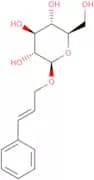
Discontinued product3-Phenyl-2-propenylbeta-D-glucopyranoside
CAS:<p>3-Phenyl-2-propenylbeta-D-glucopyranoside is a flavonoid that has been shown to have inhibitory properties. It has been used as an analytical method for the diagnosis of bronchial reactivity. The high resistance of 3-phenyl-2-propenylbeta-D-glucopyranoside to oxidation and reduction make it an interesting candidate for antiinflammatory agents. When testing the effects of this compound on human bronchial tissue, it was found that 3-phenyl-2-propenylbeta-D-glucopyranoside inhibited allergic symptoms by inhibiting the release of inflammatory mediators such as histamine and leukotrienes, which are released in response to allergens and other irritants in the airways. The use of this compound may be useful in the treatment of asthma patients who suffer from allergic reactions to dust, pollen, or animal dander.</p>Formula:C15H20O6Purity:Min. 95%Color and Shape:PowderMolecular weight:296.32 g/molRef: 3D-FP152931
Discontinued product4'-(Azidomethyl)-[1,1'-biphenyl]-2-carboxamide
CAS:Controlled ProductFormula:C14H12N4OColor and Shape:NeatMolecular weight:252.28N,N-[Iminobis(trimethylene)]bis-D-gluconamide
CAS:Controlled Product<p>Applications N,N-[Iminobis(trimethylene)]bis-D-gluconamide (cas# 86303-20-0) is a compound useful in organic synthesis.<br></p>Formula:C18H37N3O12Color and Shape:NeatMolecular weight:487.504-Glucopyranosylmannose
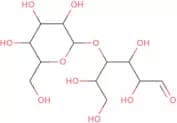
CAS:<p>4-Glucopyranosylmannose is a disaccharide compound, which is a synthetic carbohydrate derived from the enzymatic or chemical glycosylation processes. It consists of glucose and mannose units linked through a glycosidic bond. The compound is sourced through advanced synthetic methodologies involving specific glycosyltransferases or chemical catalysts that facilitate the precise attachment of these sugar moieties.</p>Formula:C12H22O11Purity:Min. 95%Molecular weight:342.3 g/molRef: 3D-QAA76161
Discontinued product4-Deoxy-D-glucose
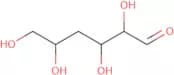
CAS:<p>4-Deoxy-D-glucose is a sugar that is synthesized by the condensation of two molecules of erythrose. It has been shown to be an efficient donor substrate for nucleophilic attack, which can lead to the synthesis of glycosides and other natural products. 4-Deoxy-D-glucose is also a competitive inhibitor of uridine diphosphate (UDP) glucose, which is an enzyme involved in the biosynthesis of UDP sugars and glycoproteins. The concentration of 4-deoxy-D-glucose affects its catalytic mechanism, as it acts as a competitive inhibitor at high concentrations. Molecular modeling has revealed that this molecule adopts a chair conformation with significant solvent exposure.</p>Formula:C6H12O5Purity:Min. 98 Area-%Color and Shape:PowderMolecular weight:164.16 g/molRef: 3D-MD180432
Discontinued productMethyl D-arabinofuranoside
CAS:<p>Methyl D-arabinofuranoside is an antimycobacterial agent that inhibits the synthesis of mycolic acids, which are important components of the cell wall of Mycobacterium tuberculosis. Methyl D-arabinofuranoside has been shown to be active against drug-resistant strains and has been well tolerated by animals. This compound can be synthesized from 2,4-dichlorophenylacetic acid and arabinose in two steps. The first step involves a three-component condensation reaction with sodium hydroxide, hydrochloric acid, and 2,4-dichlorophenylacetic acid. The second step is a nucleophilic attack on the pyran ring of methyl D-arabinofuranoside with hypophosphorous acid. Methyl D-arabinofuranoside can also be prepared by reacting sodium nitrosobenzene with sodium benzene sulfinate in alcoholic solution</p>Formula:C6H12O5Purity:Min. 95%Color and Shape:Off-White PowderMolecular weight:164.16 g/molRef: 3D-MM31839
Discontinued productD-Xylulose 5-phosphate sodium
CAS:<p>D-Xylulose 5-phosphate sodium salt is a synthetic monosaccharide that can be used in the synthesis of oligosaccharides, polysaccharides, and complex carbohydrates. It is also used in glycosylation reactions. D-Xylulose 5-phosphate sodium salt has been fluorinated to provide better stability and solubility. The compound has a molecular weight of 206.06 g/mol and a CAS number of 105931-44-0. This product is available for custom synthesis upon request.</p>Formula:C5H11O8PNaPurity:Min. 95%Color and Shape:PowderMolecular weight:252.09 g/molRef: 3D-MX182933
Discontinued product1,2,3,5-Tetra-O-acetyl-β-D-ribofuranose
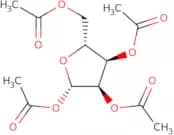
CAS:<p>1,2,3,5-Tetra-O-acetyl-β-D-ribofuranose is a sugar that has been acetylated at the hydroxyl group. It has biological properties that are similar to those of 1,2,3,5-tetraacetyl-β-D-ribofuranose. This compound is an analog of 1,2,3,5-tetraacetyl-β-D-ribofuranose and can be used as a model system for studying the effects of acetylation on the properties of this molecule. Acetylation at the hydroxyl group in sugars can lead to low energy (chemical) properties. The acetylated form of this compound reacts with trifluoromethanesulfonic acid to give tetrafluoroethylene and ammonium sulfate in a model reaction solution. 1,2,3,5-Tetraacetyl β</p>Formula:C13H18O9Purity:Min. 97.5 Area-%Molecular weight:318.28 g/molOctyl b-D-mannopyranoside
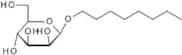
CAS:<p>Octyl b-D-mannopyranoside is a sugar that belongs to the group of complex carbohydrates. It is used in chemical synthesis and is commonly used for click modification, fluorination, glycosylation, carbamoylation, methylation, and other modifications. Octyl b-D-mannopyranoside is a white or off-white powder that can be dissolved in water or alcohols. It has a molecular weight of 536.88 g/mol.</p>Formula:C14H28O6Purity:Min. 95%Color and Shape:White To Off-White SolidMolecular weight:292.37 g/molRef: 3D-DO06378
Discontinued product1,5-α-L-Arabinooctaose
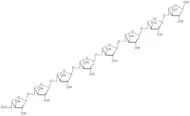
CAS:<p>Please enquire for more information about 1,5-α-L-Arabinooctaose including the price, delivery time and more detailed product information at the technical inquiry form on this page</p>Formula:C40H66O33Purity:Min. 95%Molecular weight:1,074.93 g/molPropranolol-2-O-b-D-glucuronide
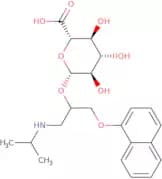
CAS:<p>Propranolol-2-O-b-D-glucuronide is a metabolite of propranolol hydrochloride. It has been shown to have low bioavailability in humans and rats. Propranolol-2-O-b-D-glucuronide is eliminated via the kidney, with an elimination rate that is faster than the parent drug propranolol hydrochloride. The glucuronide conjugate of propranolol, which is found in urine samples, has been shown to be a potential biomarker for glomerular filtration rate and renal function.</p>Formula:C22H29NO8Purity:Min. 95%Color and Shape:White to off-white solid.Molecular weight:435.47 g/molRef: 3D-MP09955
Discontinued product2-O-Benzoyl-4,6-O-benzylidene-a-D-glucopyranoside
<p>2-O-Benzoyl-4,6-O-benzylidene-a-D-glucopyranoside is a synthetic carbohydrate with a structure that is similar to that of glucose. It has been shown to have anti-inflammatory properties in animal models and can be used for the treatment of inflammatory bowel disease and Crohn's disease. This compound has also been shown to inhibit the growth of bacteria such as Streptococcus pyogenes, Staphylococcus aureus, and Escherichia coli. 2-O-Benzoyl-4,6-O-benzylidene--aD glucopyranoside is soluble in water and has high purity with an average of 98%.</p>Formula:C20H20O7Purity:Min. 95%Molecular weight:372.37 g/mol3'-a-Sialyl-N-acetyllactosamine sodium salt
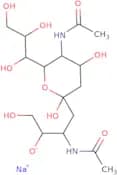
CAS:<p>3'-a-Sialyl-N-acetyllactosamine sodium salt is a high purity, custom synthesis sugar. It has been modified with fluorination, glycosylation, and methylation to provide the desired properties. This product is also available in other forms such as monosaccharide and saccharide. 3'-a-Sialyl-N-acetyllactosamine sodium salt can be used in various applications including Click modification, fluoroamination, glycosylation, carbonylation and methylation. CAS No. 350697-53-9</p>Formula:C25H42N2O19NaPurity:Min. 95%Molecular weight:697.59 g/molRef: 3D-MS182937
Discontinued productFluoxetine D-glucuronide (mixture of isomers)
CAS:<p>Fluoxetine D-glucuronide is a glycosylated, fluorinated, custom-synthesized compound. It is composed of the methyl ester and glucuronide moiety of fluoxetine. The synthesis of this compound starts with the oxidation of fluoxetine to form an aldehyde intermediate. This intermediate is then condensed with chloroacetic acid to form the desired product. Fluoxetine D-glucuronide has shown efficacy in animal models for its ability to inhibit serotonin reuptake and block 5HT2A receptors. This drug is also used as a tracer in positron emission tomography (PET) imaging studies for serotonin transporters.</p>Purity:Min. 95%Tri-b-GalNAc-b-alanine-PEG3-FITC
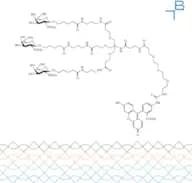
<p>Tri-b-GalNAc-b-alanine-PEG3-FITC is a synthetic probe consisting of three GalNAc ( N-acetylgalactosamine) residues linked to a beta-alanine spacer, followed by a PEG3 linker and a fluorescein isothiocyanate (FITC) fluorophore. This probe is designed to mimic the natural glycosylation patterns found in mucins and other glycoproteins, allowing for the investigation of carbohydrate-protein interactions, particularly those involving the asialoglycoprotein receptor (ASGPR) expressed on hepatocytes. The PEG3 linker provides flexibility and spacing between the glycan and the fluorescent tag, while the FITC moiety enables the detection and tracking of the probe using fluorescence-based techniques such as flow cytometry, fluorescence microscopy, and high-throughput screening assays. This versatile tool is valuable for researchers studying glycobiology, cell-cell interactions, and the development of targeted drug delivery systems.</p>Formula:C94H143N13O37SPurity:Min. 95%Molecular weight:2,079.3 g/molD-Ribulose-5-phosphate sodium
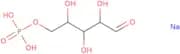
CAS:<p>D-ribulose-5-phosphate sodium is a nucleotide sugar that is one of the ribonucleotides, which are fundamental components of RNA. D-ribulose 5-phosphate sodium has been shown to be an intermediate in the metabolism of ribulose and catalyzes the oxidation of d-arabinose. This enzyme also catalyses the synthesis of fatty acids and participates in reactions involving glycerolipids and phospholipids. The reaction mechanism involves a double displacement with simultaneous attack by a water molecule on C2' and C3'. When deuterium is present, it affects the rate of these reactions in a way that depends on the orientation of the substrate to the enzyme.</p>Formula:C5H11NaO8PPurity:Min. 95%Molecular weight:253.1 g/molRef: 3D-BDA05475
Discontinued product4,7,8,9-Tetra-O-acetyl-N-acetyl-D-neuraminic acid methyl ester
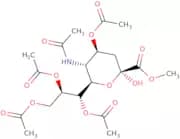
CAS:<p>4,7,8,9-Tetra-O-acetyl-N-acetyl-D-neuraminic acid methyl ester is a modified form of sialic acid. This compound is a glycosylation product that has been modified with methyl groups and fluorine atoms. The fluorination of the molecule increases its stability and prevents it from being hydrolyzed by enzymes such as β-galactosidase. 4,7,8,9-Tetra-O-acetyl-N-acetyl-D-neuraminic acid methyl ester is often used in the synthesis of polysaccharides and oligosaccharides for medical purposes. This compound can be custom synthesized for research purposes or to meet special requirements.</p>Formula:C20H29NO13Purity:Min. 95%Color and Shape:White to off-white solid.Molecular weight:491.44 g/molN’-Nitrosonornicotine N-β-D-glucuronide (mixture of diastereomers) hydrate
CAS:<p>Please enquire for more information about N’-Nitrosonornicotine N-β-D-glucuronide (mixture of diastereomers) hydrate including the price, delivery time and more detailed product information at the technical inquiry form on this page</p>Formula:C15H19N3O7•(H2O)xPurity:Min. 95%Ref: 3D-MN183993
Discontinued productMonofucosyl, monosialyllacto-N-neohexaose-APD-HSA
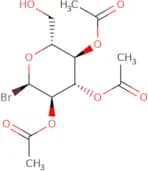
<p>Monofucosyl, monosialyllacto-N-neohexaose-APD-HSA is a complex carbohydrate that is synthesized through the enzymatic polymerization of glucose. This synthetic oligosaccharide is composed of a single monosaccharide, fucose, and two sialic acid residues. Monofucosyl, monosialyllacto-N-neohexaose-APD-HSA can be used in the synthesis of various glycoconjugates such as glycoproteins, glycolipids, or proteoglycans. The chemical modification of this sugar molecule can also be performed to produce a variety of products with different properties.</p>Purity:Min. 95%2,3,4-Triacetate-beta- D- glucopyranosyl bromide
CAS:<p>2,3,4-Triacetate-beta-D-glucopyranosyl bromide is a custom synthesis of an oligosaccharide. It is a complex carbohydrate that can be modified to create a saccharide with methylation and glycosylation. This product has CAS No. 13032-61-6 and can be used in research for the modification of saccharides and carbohydrates.</p>Purity:Min. 95%1,5-α-L-Arabinohexaose
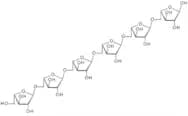
CAS:<p>1,5-α-L-Arabinohexaose is a carbohydrate. It is a nonreducing sugar that can be found in plants. 1,5-α-L-Arabinohexaose has an optimum pH of 5 and an ethanol concentration of 0.02%. The enzyme form of 1,5-α-L-Arabinohexaose is α-(1→6)-glycosidase. This enzyme hydrolyzes the α-(1→6) glycosidic bond between two glucose residues in a polysaccharide chain to produce β-(1→4) bonds. It also hydrolyzes the β-(1→4) glycosidic bond between two galactose residues to produce β-(1→2) bonds and oxidizes the terminal carbon atom to produce aldehyde products.<br>A structural analysis of this carbohydrate was conducted using marine microorganisms and it was found that they contain galacturonic acid and sugar residues</p>Formula:C30H50O25Purity:Min. 95%Color and Shape:PowderMolecular weight:810.7 g/mol2-Acetamido-1,3,4,6-tetra-O-acetyl-2-deoxy-a-D-galactopyranose
CAS:<p>2-Acetamido-1,3,4,6-tetra-O-acetyl-2-deoxy-a-D-galactopyranose is a fluorinated complex carbohydrate that has been modified by methylation and acetylation. This product is a custom synthesis that has not been previously described in the scientific literature. It is synthesized from 2, 3, 4, 6 tetraacetyl alpha D galactopyranoside and 2 deoxy alpha D galactopyranose. The chemical properties of this compound are similar to those of other complex carbohydrates such as glycogen and heparin.</p>Formula:C16H23NO10Purity:Min. 90.0 Area-%Molecular weight:389.35 g/molRamipril-D5 acyl-b-D-glucuronide
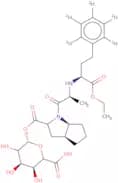
Controlled Product<p>Ramipril-D5 acyl-b-D-glucuronide is a custom synthesis of the complex carbohydrate, oligosaccharide. It has been modified with saccharide, methylation, glycosylation, and click modification. Ramipril-D5 acyl-b-D-glucuronide is a high purity product that has been fluorinated and synthesized.</p>Formula:C29H35D5N2O11Purity:Min. 95%Molecular weight:597.66 g/molDecyl D-glucopyranoside
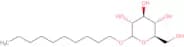
CAS:<p>Decyl D-glucopyranoside is a sodium salt of decyl D-glucopyranoside that is used as a detergent additive in cleaning compositions. Decyl D-glucopyranoside has shown antimicrobial activity against both Gram-positive and Gram-negative bacteria, including methicillin resistant Staphylococcus aureus (MRSA) and Clostridium perfringens. Decyl D-glucopyranoside has also been shown to have chemical stability at high temperatures, making it useful in the manufacture of lacrimal gland preparations and cationic surfactants.</p>Formula:C16H32O6Molecular weight:320.42 g/molRef: 3D-MD11310
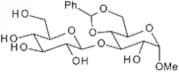
Discontinued productMethyl 4,6-O-benzylidene-3-O-(b-D-glucopyranoside)-a-D-glucopyranoside
CAS:<p>Methyl 4,6-O-benzylidene-3-O-(b-D-glucopyranoside)-a-D-glucopyranoside is a synthetic oligosaccharide. It is an important building block of polysaccharides and glycoconjugates. This compound is used in the synthesis of complex carbohydrates, such as glycosylation, polysaccharides, and click modification. It can be custom synthesized for research purposes and has been shown to be high purity.</p>Formula:C20H28O11Purity:Min. 95%Molecular weight:444.43 g/molRef: 3D-OM05188
Discontinued product1-Deoxy-1-nitro-L-glucitol
CAS:<p>1-Deoxy-1-nitro-L-glucitol is a potent apoptosis-inducing compound that has shown promising results in cancer research. It is an analog of vanillin and nintedanib, two well-known cancer cell inhibitors. 1-Deoxy-1-nitro-L-glucitol has been shown to inhibit the activity of several kinases, including those involved in tumor growth and progression. In addition, it has been found to be effective against various types of cancer cells, including Chinese hamster ovary cells and human bladder cancer cells. This compound also exhibits synergistic effects with other anti-cancer drugs such as glimepiride and apomorphine. The presence of 1-Deoxy-1-nitro-L-glucitol in urine may serve as a potential biomarker for the diagnosis and monitoring of certain cancers.</p>Formula:C6H13NO7Purity:Min. 95%Molecular weight:211.17 g/molRef: 3D-MD183192
Discontinued productD-Ribitol-5-phosphate
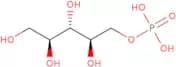
CAS:<p>Ribitol is a sugar alcohol that is found in all living organisms. It is also used as a source of carbon and energy in the form of D-ribitol-5-phosphate, which can be synthesized from ribose 5-phosphate by means of an enzymatic reaction. Ribitol 5 phosphate is used for the synthesis of monoclonal antibodies, which are useful for studying enzyme activities, immunoassays, and cell surface receptors. This compound has been shown to have regulatory effects on the expression of genes encoding fatty acid biosynthesis enzymes. Ribitol 5 phosphate has been detected using magnetic resonance spectroscopy techniques in glycan structures and galacturonic acid residues.</p>Formula:C5H13O8PPurity:Min. 95%Molecular weight:232.13 g/mol






![4'-(Azidomethyl)-[1,1'-biphenyl]-2-carboxamide](/_next/image/?url=https%3A%2Fstatic.cymitquimica.com%2Fproducts%2FTR%2Fthumb-webp%2FA815580.webp&w=3840&q=75)

![N,N-[Iminobis(trimethylene)]bis-D-gluconamide](/_next/image/?url=https%3A%2Fstatic.cymitquimica.com%2Fproducts%2FTR%2Fthumb-webp%2FI400500.webp&w=3840&q=75)