Glycoscience
Glycoscience is the study of carbohydrates and their derivatives, as well as the interactions and biological functions they participate in. This field of research is crucial for understanding a wide variety of biological processes, including cell recognition, signaling, immune response, and disease development. Glycoscience has important applications in biotechnology, medicine, and the development of new drugs and therapies. At CymitQuimica, we offer a wide selection of high-quality, high-purity products for glycoscience research. Our catalog includes monosaccharides, oligosaccharides, polysaccharides, glycoconjugates, and specific reagents, designed to support researchers in their studies on the structure, function, and applications of carbohydrates in biological systems. These resources are intended to facilitate scientific discoveries and practical applications in various areas of bioscience and medicine.
Subcategories of "Glycoscience"
- Aminosugars(108 products)
- Glyco-Related Antibodies(282 products)
- Glycolipids(46 products)
- Glycosaminoglycans (GAGs)(55 products)
- Glycosides(419 products)
- Monosaccharides(6,621 products)
- Oligosaccharides(3,681 products)
- Polysaccharides(503 products)
Found 11041 products of "Glycoscience"
Sort by
Purity (%)
0
100
|
0
|
50
|
90
|
95
|
100
1,2,3,4-Tetra-O-acetyl-β-D-glucuronic acid methyl ester
CAS:<p>1,2,3,4-Tetra-O-acetyl-beta-D-glucuronic acid methyl ester is a phosphatidylinositol (PtdIns) synthesis inhibitor. It inhibits the activation of the PtdIns 3 kinase enzyme by binding to its C2 domain. This inhibitor blocks the synthesis of PtdIns 3,4,5P3 and reduces the activity of protein kinases such as Akt and PKC. The structural analysis of this compound has been done on wild type virus and mouse tumor cells in vitro. One study showed that 1,2,3,4-Tetra-O-acetyl-beta-D-glucuronic acid methyl ester can inhibit hematopoietic progenitor cells and suppress wild type virus growth in vivo.1,2,3,4 Tetra-O-acetyl beta D glucuronic acid methyl ester may have potential as</p>Formula:C15H20O11Molecular weight:376.32 g/mol2-Acetamido-4,6-O-benzylidene-2-deoxy-D-gluconhydroximo-1,5-lactone
CAS:<p>2-Acetamido-4,6-O-benzylidene-2-deoxy-D-gluconhydroximo-1,5-lactone is a high purity, custom synthesis sugar. This compound has been shown to have click modification, fluorination, glycosylation and methylation. 2-Acetamido-4,6-O-benzylidene-2-deoxy-D-gluconhydroximo 1,5 -lactone is also a synthetic carbohydrate. This compound has been shown to be an oligosaccharide and monosaccharide. It is saccharide with complex carbohydrate properties.</p>Formula:C15H18N2O6Purity:Min. 95%Molecular weight:322.31 g/mol2-Ethylhexyl-D-xylopyranoside
CAS:<p>2-Ethylhexyl-D-xylopyranoside is a monosaccharide that has been modified with fluorine. This compound is typically used in the synthesis of complex carbohydrates and oligosaccharides. 2-Ethylhexyl-D-xylopyranoside has a number of chemical properties, including Methylation, Click modification, and Fluorination. It is soluble in water and ethanol, but insoluble in ether.</p>Formula:C13H26O5Purity:Min. 95%Color and Shape:Colourless solid.Molecular weight:262.34 g/molHyaluronate biotin - Molecular Weight - 1500kDa
<p>Hyaluronate biotin is a complex carbohydrate that is synthesized by the glycosylation of hyaluronic acid and biotin. It has a molecular weight of 1500 kDa. This product can be customized for various applications, including Fluorination, Monosaccharide, Synthetic, Oligosaccharide, Click modification, and Methylation.</p>Purity:Min. 95%1,3,4,6-Tetra-O-acetyl-2-deoxy-2-N-phthalimido-a-D-glucopyranose
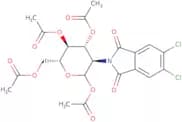
CAS:<p>1,3,4,6-Tetra-O-acetyl-2-deoxy-2-N-phthalimido-a-D-glucopyranose is a synthetic carbohydrate with a high purity and custom synthesis. This compound is a sugar that can be modified to glycosylation or methylation for the desired application. It is used as a building block for the synthesis of oligosaccharides, monosaccharides, and complex carbohydrates.</p>Formula:C22H23NO11Purity:Min. 95%Molecular weight:477.42 g/molMethyl 3,5-di-O-(p-chlorobenzyl)-2-deoxy-a-D-ribofuranoside
<p>Methyl 3,5-di-O-(p-chlorobenzyl)-2-deoxy-a-D-ribofuranoside is an oligosaccharide that is synthesized by the Click modification of a glycosylation reaction. It is a synthetic compound with a molecular weight of 524.87 Da and a CAS number of 71068-92-1. The chemical structure of this compound consists of two monosaccharides: D-arabinose and D-xylose, which are linked through alpha (1->4) glycosidic bonds. This product is used in the synthesis of complex carbohydrates.</p>Purity:Min. 95%Phenyl 4,6-O-benzylidene-a-D-thioglucopyranoside
<p>Phenyl 4,6-O-benzylidene-a-D-thioglucopyranoside is a custom synthesized compound with CAS No. This chemical is an alpha,alpha,alpha-trifluoroacetamido derivative of the natural carbohydrate thioglucose. Phenyl 4,6-O-benzylidene-a-D-thioglucopyranoside is a complex carbohydrate that can be modified by fluorination to produce a simple sugar. Modification of this compound can also produce monosaccharides with various levels of purity.</p>Formula:C19H20O5SPurity:Min. 95%Molecular weight:360.42 g/mol3-Demethyl colchicine 3-O-b-D-glucuronide
CAS:<p>3-Demethyl colchicine 3-O-b-D-glucuronide is a synthetic sugar that has been modified by fluorination, glycosylation, methylation, and modification. It has CAS No. 913079-71-7 and the molecular formula C27H32F2N2O8. The product has a molecular weight of 552.5 g/mol and a monoisotopic mass of 553.</p>Formula:C27H31NO12Purity:Min. 95%Molecular weight:561.53 g/mol1,2-Di-[(Trishydroxymethyl)aminomethane]-succinamide
<p>1,2-Di-[(Trishydroxymethyl)aminomethane]-succinamide is a synthetic chemical compound that has been modified to have a high purity. It can be used in the synthesis of oligosaccharides and saccharides, as well as complex carbohydrates. The chemical formula for 1,2-Di-[(Trishydroxymethyl)aminomethane]-succinamide is C6H10N4O3. This product can be found under CAS No.: 4173-71-1.</p>Purity:Min. 95%Methyl 3-acetamido-4,6-O-benzylidene-2,3-dideoxy-a-D-arabino-hexopyranoside
CAS:<p>Methyl 3-acetamido-4,6-O-benzylidene-2,3-dideoxy-a-D-arabino-hexopyranoside is a custom synthesis of an oligosaccharide with a complex carbohydrate structure. It is a high purity compound with methylation and glycosylation modifications. This compound has a fluoroination modification that makes it resistant to hydrolysis by esterases and glucuronidases. It can be used in the synthesis of saccharides and polysaccharides.</p>Formula:C16H21NO5Purity:Min. 95%Molecular weight:307.35 g/molNicotine-N-b-D-glucuronide-D3
Controlled Product<p>Nicotine-N-b-D-glucuronide-D3 is a high purity custom synthesized sugar that can be modified with click chemistry, fluorination, glycosylation, and methylation. It is sold as a white powder and can be used in the synthesis of oligosaccharides, monosaccharides, saccharides, and complex carbohydrates. Nicotine-N-b-D-glucuronide D3 has CAS No. 43487-07-8 and an Oligosaccharide/Monosaccharide ratio of 1.0.</p>Formula:C16H19N2O7D3Purity:Min. 95%Molecular weight:357.37 g/molEthyl b-D-thioxylopyranoside
CAS:<p>Ethyl b-D-thioxylopyranoside is a synthetic monosaccharide with an O-glycosidic linkage at the C-2 position. It is a complex carbohydrate that can be used in glycosylation or polysaccharide synthesis. Ethyl b-D-thioxylopyranoside can be fluorinated to give ethyl 2,3,4,5,6-pentafluorobenzoyloxybenzoate. This compound has been shown to have potent anti-inflammatory properties in animal models of asthma and arthritis.</p>Purity:Min. 95%Methyl 6-azido-6-deoxy-2,3-di-O-benzyl-a-D-glucopyranoside
CAS:<p>Methyl 6-azido-6-deoxy-2,3-di-O-benzyl-a-D-glucopyranoside is a custom synthesized compound that belongs to the group of glycosylation. It is an Oligosaccharide, sugar, Synthetic, Fluorination, Custom synthesis, Methylation, Monosaccharide, Polysaccharide and saccharide. This compound has CAS No. 54522-58-6 and a molecular weight of 598.29 g/mol. The purity level is >99% and the modification level is Click modification.</p>Formula:C21H25N3O5Purity:Min. 95%Molecular weight:399.18 g/mol5-Hydroxymethyl tolterodine b-D-glucuronide
CAS:<p>5-Hydroxymethyl tolterodine b-D-glucuronide is a custom synthesis of a complex carbohydrate. It is an Oligosaccharide that is modified with Methylation, Glycosylation and Carbohydrate. The CAS No. is 210573-52-7, and it has a purity of >99%. This product has the following properties: Fluorination, Synthetic, Click modification, saccharide, sugar.</p>Formula:C28H39NO8Purity:Min. 95%Molecular weight:517.61 g/molSulindac sulfide-acyl-b-D-glucuronide
CAS:<p>Sulindac sulfide-acyl-b-D-glucuronide is a synthetic, fluorinated compound that has been custom synthesized. It is a complex carbohydrate with an oligosaccharide and monosaccharide composition. The glycosylation of the substrate was achieved through the use of methylation and sugar click chemistry. Sulindac sulfide-acyl-b-D-glucuronide is very pure and high in quality.</p>Formula:C26H25FO8SPurity:Min. 95%Molecular weight:516.54 g/mol1,2:3,5-Di-O-isopropylidene-a-D-apiose
CAS:<p>1,2:3,5-Di-O-isopropylidene-a-D-apiose is a monosaccharide that is synthesized from D-apiose by methylation of the C1 hydroxyl group with formaldehyde and sodium methoxide in methanol. This carbohydrate has been shown to be a good substrate for glycosylation reactions and click chemistry.<br> 1,2:3,5-Di-O-isopropylidene-a-D-apiose is a white powder that can be dissolved in water or ethanol. It has no odor and is stable at pH 2 to pH 10. The compound does not react with other carbohydrates or proteins under normal conditions.</p>Formula:C11H18O5Purity:Min. 95%Color and Shape:PowderMolecular weight:230.26 g/molFluorescein isothiocyanate-carboxymethyl-dextran - Average MW 20,000
<p>Fluorescein isothiocyanate carboxymethyl dextran (FITC-CM Dextran) has been reported to provide a valuable carrier for nanoparticles of iron oxide. These products provide a potent tool for contrast enhancement in magnetic resonance imaging.</p>Purity:Min. 95%Sennoside b calciumsalt
CAS:<p>Sennoside b is a natural compound found in the plant Senna obtusifolia and has been shown to have an effect on myeloma cells, as well as on enzyme activities and energy metabolism. Sennoside b has also been shown to inhibit phospholipase A2 (PLA2) activity and prostaglandin E2 (PGE2) levels in a mouse myeloma cell line. The pathogenic mechanism of sennoside b is unclear, but it may be due to its locomotor activity-reducing effects or due to its effect on gut motility. The optimum extraction process for sennoside b is not clear, but it should be carried out with care due to its chemical stability. Sennoside b has also been shown to have beneficial effects on hepatic steatosis and bowel disease, thus making it a potential treatment for these conditions. Multivariate logistic regression analysis was used to identify factors that may predict</p>Formula:C42H36CaO20Purity:Min. 95%Molecular weight:900.8 g/mol2,3,6,2',3',4',6'-Hepta-O-acetyl-b-D-lactosyl isothiocyanate
CAS:<p>2,3,6,2',3',4',6'-Hepta-O-acetyl-b-D-lactosyl isothiocyanate is a fluorinated oligosaccharide that has been custom synthesized with a click modification. This compound is a high purity product and can be used in the synthesis of complex carbohydrates.</p>Formula:C27H35NO17SPurity:Min. 95%Molecular weight:677.64 g/molMonofucosyl-para-lacto-N-hexaose I
<p>Monofucosyl-para-lacto-N-hexaose I is an oligsaccharide that is found in human milk</p>Formula:C46H78N2O35Purity:Min. 95%Molecular weight:1,219.12 g/mol1,2:3,4-Di-O-isopropylidene-a-D-galacturonic acid hydrazide
CAS:<p>This is a custom synthesis of a 1,2:3,4-di-O-isopropylidene-a-D-galacturonic acid hydrazide. This product has been modified with fluorination. The molecular weight of this compound is 498.88 g/mol and the purity is greater than 99%. It also has a CAS number: 262856-80-4.</p>Formula:C12H20N2O6Purity:Min. 95%Molecular weight:288.3 g/mol4-Chlorophenyl b-D-glucopyranoside
CAS:<p>4-Chlorophenyl b-D-glucopyranoside is a synthetic, high purity, monosaccharide sugar which can be used as a reagent in the synthesis of oligosaccharides and polysaccharides. It is also used as an intermediate for glycosylation and methylation reactions. 4-Chlorophenyl b-D-glucopyranoside has an CAS number of 4756-30-3 and can be fluorinated for use in saccharide chemistry.</p>Formula:C12H15ClO6Purity:Min. 95%Molecular weight:290.7 g/molClerosterol glucoside
CAS:<p>Leaves are a part of the vascular system of a plant. They are typically large, flattened, and have parallel veins. Leaves can be either simple or compound. The leaves of most plants have serrated edges and a single vein or rib that runs along the center of each leaf.</p>Purity:Min. 95%Methyl 5-acetamido-4,7,8,9-tetra-O-benzyl-2-chloro-2,3,5-trideoxy-3-phenylthio-D-erytho-b-L-gluco-2-nonulopyranosonate
CAS:<p>Methyl 5-acetamido-4,7,8,9-tetra-O-benzyl-2-chloro-2,3,5-trideoxy-3-phenylthio-D-erytho-b-L-gluco -2 nonulopyranosonate is a modification of an oligosaccharide. It is a complex carbohydrate that contains a high degree of polymerization and is soluble in water. The CAS number for this product is 120308 - 52 - 3. Methyl 5 - acetamido - 4 , 7 , 8 , 9 - tetra - O - benzyl - 2 - chloro - 2 , 3 , 5 - trideoxy - 3 phenylthio D erythro b L glycosonate can be used as a custom synthesis or as a synthetic product. This product has high purity and is synthesized from monosaccharides and polysacchar</p>Formula:C46H48ClNO8SPurity:Min. 95%Molecular weight:810.39 g/molL-Rhamnal
CAS:<p>L-Rhamnal is a sodium sulfide that is used in the synthesis of stereoselective compounds. It has been shown to have anti-leukemic properties and may be useful for the treatment of lymphocytic leukemia. L-Rhamnal has been shown to inhibit tumor growth and metastasis in animal models of cancer, as well as being cytotoxic to human leukemic cells. L-Rhamnal inhibits the proliferation of these cells by blocking DNA synthesis and preventing cell division. The hydroxymethyl group on L-rhamnal interacts with chloride ions to form a salt that can be degraded into hydrogen sulfide gas, which is known to be toxic to some organisms. The chloride ion also reacts with triterpene alcohols, glycosidic bonds, potassium phosphate, or borohydride reduction agents like sodium borohydride or lithium aluminum hydride. These reactions are used in carbohydrate chemistry and aldehyde</p>Formula:C6H10O3Purity:Min. 95%Molecular weight:130.14 g/molA2 N-Glycan
CAS:<p>A2 N-glycan is a complex carbohydrate that is found in invertebrates and mammals. The A2 N-glycan was found to be the most abundant of all glycoproteins in invertebrates, with a relative abundance of over 50%. It has been shown that the A2 N-glycan can be modified by covalent linking to proteins, differentiating it from other glycans. These modifications may have an effect on the structural stability of the molecule and its susceptibility to environmental degradation. The A2 N-glycan also plays an important role in immunity, as it is immunogenic and can stimulate antibody production. This carbohydrate is uniquely found in humans, which suggests that it may have some importance in human physiology.</p>Formula:C84H138N6O62Purity:Min. 95%Color and Shape:SolidMolecular weight:2,224 g/molMethyl-3,5-O-isopropylidine-D-xylofuranose
CAS:<p>Methyl-3,5-O-isopropylidine-D-xylofuranose is an oligosaccharide that is synthesized in the laboratory. It is a complex carbohydrate with many glycosylation and polysaccharide chains. This compound can be used in the synthesis of various other compounds and has been shown to have high purity. Methyl-3,5-O-isopropylidine-D-xylofuranose has CAS No. 112245-59-7 and fluorination properties.</p>Formula:C9H16O5Purity:Min. 95%Molecular weight:204.22 g/molPhenyl a-L-thiorhamnopyranoside
CAS:<p>Phenyl a-L-thiorhamnopyranoside is a monosaccharide that is synthesized by the methylation of alpha-D-glucose. It is a custom synthesis that is used in the synthesis of oligosaccharides, polysaccharides, and sugar drugs. Phenyl a-L-thiorhamnopyranoside can be fluorinated to create an active form that has antibacterial activity. This compound has shown no signs of toxicity in animal studies and has been used as a food additive.</p>Formula:C12H16O4SPurity:Min. 95%Molecular weight:256.32 g/mol1-Cyano-2-deoxy-3,5-di-O-toluoyl-D-ribofuranose
CAS:<p>1-Cyano-2-deoxy-3,5-di-O-toluoyl-D-ribofuranose is a monosaccharide that is used in the synthesis of oligosaccharides and polysaccharides. This product is custom synthesized to meet customer specifications. It has a CAS number of 406955-52-0. The purity of this product can be customized as well.</p>Purity:Min. 95%Benzyl 2-acetamido-6-O-benzoyl-2-deoxy-a-D-muramic acid methyl ester
<p>Benzyl 2-acetamido-6-O-benzoyl-2-deoxy-a-D-muramic acid methyl ester is a high purity, custom synthesis, monosaccharide that can be used to modify saccharides and oligosaccharides. It has been shown to be effective in glycosylation reactions and click chemistry. The CAS number for this compound is 84778-00-3.</p>Formula:C26H31NO9Purity:Min. 95%Molecular weight:501.53 g/molPhenyl 2,3,4-tri-O-methyl-a-L-thiorhamnopyranoside
CAS:<p>Phenyl 2,3,4-tri-O-methyl-a-L-thiorhamnopyranoside is a custom synthesis. It is an Oligosaccharide, Polysaccharide, saccharide, Carbohydrate that is Fluorinated and has a high purity. Phenyl 2,3,4-tri-O-methyl-a-L-thiorhamnopyranoside is also Modification and has Monosaccharides as well as sugar. It was synthetically made in the lab.</p>Formula:C15H22O4SPurity:Min. 95%Color and Shape:White solid.Molecular weight:298.4 g/molEthyl b-D-fructofuranoside
CAS:<p>Ethyl b-D-fructofuranoside is a synthetic compound that is used in the synthesis of oligosaccharides and polysaccharides. It can be custom synthesized to suit the needs of the customer. This product is available for sale as a white powder with a purity of at least 99%.</p>Formula:C8H16O6Purity:Min. 95%Molecular weight:208.21 g/molMethyl a-D-laminarabioside heptaacetate
CAS:<p>Methyl a-D-Lamarabioside heptaacetate is a synthetic, fluorinated monosaccharide derived from the natural compound D-Lamarabioside. It is used as a building block for the synthesis of novel oligosaccharides and glycosylated proteins. This product also has applications in medical research and development, such as for the design of new drugs and vaccines, as well as in biotechnology and chemical engineering. Methyl a-D-laminarabioside heptaacetate is soluble in water with a melting point of 230°C. It can be used to modify proteins with high purity by introducing glycosylation sites. This product is also useful for click chemistry reactions.</p>Formula:C27H38O18Purity:Min. 95%Molecular weight:650.58 g/molBenzyl 2,3-O-isopropylidene-6-O-trityl-5-keto-a-D-mannofuranoside 5-oxime
CAS:<p>The synthesis of benzyl 2,3-O-isopropylidene-6-O-trityl-5-keto-a-D-mannofuranoside 5-oxime is accomplished by the reaction of a D-mannose with phloroglucinol in the presence of sodium methoxide. The product is purified by column chromatography.</p>Formula:C35H35NO6Purity:Min. 95%Molecular weight:565.66 g/molD-Glucose-6-13C
CAS:<p>D-Glucose-6-13C is a carbohydrate that can be used as a metabolic energy source. Unlabelled D-Glucose is the most abundant monosaccharide in nature and can be found as an anhydrous dextrose in many types of food. It can also be used as a reference to measure blood glucose levels, which are important for diagnosing diabetes mellitus.</p>Formula:CC5H12O6Purity:Min. 98 Area-%Color and Shape:PowderMolecular weight:181.15 g/molBenzyl 2-acetamido-3-O-(2,3,4,6-tetra-O-acetyl-b-D-galactopyranosyl)-2-deoxy-a-D-galactopyranoside
CAS:<p>Benzyl 2-acetamido-3-O-(2,3,4,6-tetra-O-acetyl-b-D-galactopyranosyl)-2-deoxy-a-D-galactopyranoside is a modification of an oligosaccharide. This product is synthesized by custom synthesis and is available in high purity. It has CAS No. 90754-57-7 and a monosaccharide methylation pattern. This product can be used in the synthesis of complex carbohydrates, as well as glycosylation and polysaccharide synthesis. It can also be used as a sugar or fluorination reagent for saccharides.</p>Formula:C29H39NO15Purity:Min. 95%Molecular weight:641.62 g/mol3-O-Benzyl-1,2:5,6-di-O-cyclohexylidene-a-D-glucofuranose
CAS:<p>3-O-Benzyl-1,2:5,6-di-O-cyclohexylidene-a-D-glucofuranose is a synthetic sugar that is used in the synthesis of glycosides and other carbohydrates. 3-O-Benzyl-1,2:5,6-di-O-cyclohexylideneglucopyranose is an oligosaccharide that has been modified with fluorine at the C3 position. This modification is often seen in saccharides that are synthesized from monosaccharides. It is also possible to methylate the C3 position of this molecule to produce 3′-[methyl(4′)benzyl] glucopyranose. This molecule can be glycosylated or click modified to create a custom synthesis.</p>Formula:C25H34O6Purity:Min. 95%Molecular weight:430.53 g/mol4-Methylphenyl 4,6-o-benzylidene-2,3-di-o-(4-methoxybenzyl)-β-D-thiogalactopyranoside
CAS:<p>Please enquire for more information about 4-Methylphenyl 4,6-o-benzylidene-2,3-di-o-(4-methoxybenzyl)-β-D-thiogalactopyranoside including the price, delivery time and more detailed product information at the technical inquiry form on this page</p>Formula:C36H38O7SPurity:Min. 95%Molecular weight:614.7 g/molCyanidin-3-O-sophoroside chloride
CAS:<p>Cyanidin-3-O-sophoroside chloride (CAS: 6279-21-6) is a naturally occurring phenolic compound that has been isolated from the roots of Sophora flavescens. This compound is a glycosylated form of protocatechuic acid, which is an organic compound with antioxidant properties. The surface methodology on tissue structure showed that this compound can react with nucleophilic radicals and scavenge free radicals in the presence of chloride ions, which is important for its dietary and medicinal value. COS has also been shown to have anti-inflammatory activities in a model system by inhibiting the production of prostaglandins. COS can be extracted from plants by acidic hydrolysis or preparative high performance liquid chromatography.</p>Formula:C27H31O16ClPurity:Min. 95%Color and Shape:PowderMolecular weight:646.98 g/mol4,7,8,9-Tetra-O-acetyl-5-(2,2,2-trichloroethoxycarbonylamino)-2-(N-phenyltrifluoroacetimidate)-D-neuraminic acid methyl ester
CAS:<p>4,7,8,9-Tetra-O-acetyl-5-(2,2,2-trichloroethoxycarbonylamino)-2-(N-phenyltrifluoroacetimidate)-D-neuraminic acid methyl ester is a custom synthesis of an oligosaccharide modification. It has been modified by glycosylation, methylation, and fluorination. This complex carbohydrate is a polysaccharide that has a CAS number of 874904-91-3. The Carbohydrate Click Modification is used to create this product with high purity and high quality.</p>Formula:C29H32N2O14Cl3F3Purity:Min. 95%Molecular weight:795.92 g/mol1,4-b-D-Cellohexaitol
CAS:<p>1,4-B-D-cellobiohexaitol is a potent inhibitor of cellobiose phosphorylase and has been shown to inhibit the activity of this enzyme in a competitive manner. 1,4-B-D-cellobiohexaitol binds to cellulose and other sugars, which may be related to its toxicity. It is not toxic to animals because they do not have the same sugar binding sites as bacteria. 1,4-B-D-cellobiohexaitol has been shown to be effective against Streptomyces lividans and S. coelicolor. This substance inhibits Streptomyces growth by binding to glucose and galactose present in the cell wall of these organisms.</p>Formula:C36H64O31Purity:Min. 95%Molecular weight:992.87 g/molDecanoyl-N-hydroxyethylglucamide
CAS:<p>Detergent with CMC of ~ 39mM</p>Formula:C18H37NO7Purity:Min. 95%Molecular weight:379.49 g/molMethyl 3-deoxy-D-arabino-heptulopyranoside-7-phosphate
CAS:<p>Methyl 3-deoxy-D-arabino-heptulopyranoside-7-phosphate is a custom synthesis that can be modified for fluorination, methylation, or monosaccharide modification. It is a monosaccharide that has been synthesized and modified with a click modification. This glycosylated carbohydrate has been synthesized from a saccharide and polysaccharide. The CAS number of this compound is 91382-81-9.</p>Formula:C8H15O10PPurity:Min. 95%Molecular weight:302.17 g/molLipid A (Salmonella) triethylammonium
<p>Lipid A is a complex carbohydrate that is found in the outer membrane of Gram-negative bacteria. The lipid A molecule consists of a long chain of fatty acids linked to a phosphate group, with sugar and phosphate groups attached. Lipid A is important for the virulence of many Gram-negative bacteria, including Salmonella. Fluorination, monosaccharide, oligosaccharide and polysaccharide modifications are used to modify lipid A to increase its immunogenicity as an adjuvant or vaccine component. Click modification and methylation are also used to alter lipid A structure. This product has been custom synthesized in our lab using high purity ingredients.</p>Formula:C110H208N2O26P2Purity:Min. 95%Molecular weight:2,036.77 g/molDabigatran acyl-b-D-glucuronide
CAS:<p>Dabigatran acyl-b-D-glucuronide is a synthetic, high purity, high quality carbohydrate that has been modified by fluorination and methylation. It is an oligosaccharide with a glycosylation site at the reducing end of the sugar. Dabigatran acyl-b-D-glucuronide is a carbohydrate that can be synthesized in custom amounts for research purposes.</p>Formula:C31H33N7O9Purity:Min. 95%Molecular weight:647.64 g/mol2-O-Methyl-D-galactopyranose
<p>2-O-Methyl-D-galactopyranose is a synthetic, fluorinated carbohydrate that is used in the synthesis of oligosaccharides and polysaccharides. This product has a CAS number of 65722-97-8 and a molecular weight of 192.17. 2-O-Methyl-D-galactopyranose has been modified with click chemistry to increase its reactivity for glycosylation reactions.</p>Formula:C7H14O6Purity:Min. 95%Molecular weight:194.18 g/molDibromodulcitol
CAS:<p>Dibromodulcitol (DBD) is a water soluble compound that is used in analytical chemistry to measure the concentration of bromine. It has been used as a radioprotectant and is also an analog of the natural hormone, epidermal growth factor. DBD can be measured by colorimetric methods or by enzyme-linked immunosorbent assay (ELISA). This chemical is found in wastewater and has been shown to inhibit the growth of cancer cells through its effects on fatty acid metabolism. DBD has also been shown to have pharmacokinetic properties, as it can be detected in biological samples for up to 2 hours after injection.</p>Formula:C6H12Br2O4Purity:Min. 95%Molecular weight:307.97 g/mol2,3,4,6-Tetra-O-benzyl-D-galactopyranosyl trichloroacetimidate
CAS:<p>2,3,4,6-Tetra-O-benzyl-D-galactopyranosyl trichloroacetimidate (TBG) is a glycosylation agent that is used in the synthesis of d-chiro-inositol. It is an effective glycosylation agent because TBG can react with a variety of alcohols and amines to produce products of high purity. The product has been shown to be effective in the synthesis of fagopyritol and other related compounds.</p>Formula:C36H36Cl3NO6Purity:Min. 95%Color and Shape:Off-White SolidMolecular weight:685.03 g/molBenzyl 2-acetamido-2-deoxy-3-O-(2,3,4,6-tetra-O-acetyl-b-D-galactopyranosyl)-a-D-glucopyranoside
CAS:<p>Benzyl 2-acetamido-2-deoxy-3-O-(2,3,4,6-tetra-O-acetyl-b-D-galactopyranosyl)-a-D-glucopyranoside is a carbohydrate that belongs to the group of saccharides. It is a member of the class of oligosaccharides and has a CAS number of 60831-31-4. This compound is synthesized from benzyl 2,3,4,6 tetra acetyl b D galactopyranoside in which a sugar molecule has been added to the end of the chain. Benzyl 2 acetamido 2 deoxy 3 O (2,3,4,6 tetra O acetyl b D galactopyranosyl) a D glucopyranoside is also known as 2 alpha -D glucopyranose or α -D glucopyranose. This</p>Formula:C29H39NO15Purity:Min. 95%Molecular weight:641.62 g/molN-Nonanoyl-N-methylglucamine
CAS:<p>N-Nonanoyl-N-methylglucamine is a nonionic surfactant that has been shown to be effective in the treatment of some inherited blood disorders. N-Nonanoyl-N-methylglucamine is used as a red cell membrane stabilizer and has been shown to increase the proton concentration in human serum. It also increases the transfer rate of p-nitrophenyl phosphate from erythrocytes to plasma. This drug has been found to have enzyme activity on soybean trypsin, model system, and epoxidase activity. N-Nonanoyl-N-methylglucamine has shown to be an effective protective agent against sodium citrate induced hemolysis and monoclonal antibody mediated cytotoxicity. It also shows kinetic data for protein synthesis and gene expression at different concentrations.</p>Formula:C16H33NO6Purity:Min. 95%Color and Shape:PowderMolecular weight:335.44 g/molBenzyl 2-acetamido-3,6-di-O-benzoyl-2-deoxy-a-D-galactopyranoside
CAS:<p>Benzyl 2-acetamido-3,6-di-O-benzoyl-2-deoxy-a-D-galactopyranoside is a water soluble white solid. It is the monosaccharide of an oligosaccharide made up of D-galactose and benzoyl groups that are attached to each other with a glycosidic bond. The chemical name for this compound is 3,6'-diacetyloxybenzoic acid, O-(2,3,4,5,6,-pentaacetyl)-D-galactopyranose. This compound has been custom synthesized in our lab and its final purification was done by high performance liquid chromatography (HPLC) on a Chiralpak AD column. The purity of this compound was determined by HPLC analysis to be 98%, as well as by high resolution mass spectrometry (HRMS).</p>Formula:C29H29NO8Purity:Min. 95%Molecular weight:519.54 g/molb-Estradiol 17-(b-D-glucuronide) sodium salt
CAS:<p>b-Estradiol 17-(b-D-glucuronide) sodium salt is a fluorinated, monosaccharide, synthetic, oligosaccharide, complex carbohydrate. The glycosylation of the sugar at the C3 position of the b-estradiol molecule is accomplished by the use of dibenzoyl-L-tartaric acid and N,N'-dicyclohexylcarbodiimide as coupling agents. This product can be used for custom synthesis and modification of carbohydrates. It has been fluorinated to increase its stability and to prevent oxidation. The CAS No. for this product is 15087-02-2.</p>Formula:C24H31O8NaPurity:Min. 95%Molecular weight:470.49 g/mol2-Pyridyl 2,3,4,6-tetra-O-acetyl-b-D-thioglucopyranoside
CAS:<p>2-Pyridyl 2,3,4,6-tetra-O-acetyl-b-D-thioglucopyranoside is a custom synthesis of a monosaccharide with a polysaccharide. This compound is used in the modification of saccharides by fluorination and methylation. It also has click modification, which is the addition of an acetate to a glycosyl acceptor. The CAS number for this compound is 105120-89-6.</p>Formula:C19H23NO9SPurity:Min. 95%Molecular weight:441.45 g/molD-Xylose-2-C-D
CAS:<p>Please enquire for more information about D-Xylose-2-C-D including the price, delivery time and more detailed product information at the technical inquiry form on this page</p>Formula:C5H10O5Purity:Min. 95%Molecular weight:151.14 g/mol2,3,4,6-Tetra-O-acetyl-b-D-glucopyranosyl-(N2-Fmoc)-L-Asparagine
CAS:<p>2,3,4,6-Tetra-O-acetyl-b-D-glucopyranosyl-(N2-Fmoc)-L-Asparagine is a bifunctional compound that is used as an intermediate in the synthesis of other compounds. It is a white solid that can be purified by recrystallization from hot water.</p>Formula:C33H36N2O14Purity:Min. 95%Molecular weight:684.65 g/molUzarigenin digitaloside
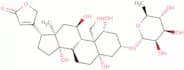
CAS:<p>Uzarigenin digitaloside is a glycoside that belongs to the group of cardiac glycosides. It is derived from digitoxigenin and uzarigenin, which are present in the roots of Digitalis lanata. Uzarigenin digitaloside has been shown to have effects on cardiac muscle tissue, inhibiting the production of cAMP and cGMP and thereby reducing the activity of protein kinases and phosphodiesterase. This leads to an increase in intracellular levels of calcium ions, which in turn activates the myofilaments that contract the heart muscle cells.</p>Purity:Min. 95%(4R)-Benzyl-4-deoxy-4-C-nitrophenyl-b-D-arabinopyranoside
<p>(4R)-Benzyl-4-deoxy-4-C-nitrophenyl-b-D-arabinopyranoside is a synthetic glycoside that has been modified by fluorination and saccharide. It is a custom synthesis, which means it can be synthesized to order with high purity. This compound is used in the modification of glycoconjugates and polysaccharides, as well as the synthesis of oligosaccharides. It is also used in click chemistry, which involves the use of copper and azide ions.</p>Formula:C19H21NO6Purity:Min. 95%Molecular weight:359.37 g/molRaltegravir b-D-glucuronide methyl ester
<p>Raltegravir is an HIV protease inhibitor that belongs to the class of glycosylated polymers. This compound is synthesized by a click modification of d-glucose with a methyl group and then fluorinated. The sugar moiety is attached to the backbone through a glycosyl linkage, which results in the formation of a complex carbohydrate. Raltegravir b-D-glucuronide methyl ester is soluble in water, alcohols, and organic solvents. It has been shown to be active against HIV type 1 strains resistant to other drugs. The synthesis of this compound was custom designed for high purity and high yield.</p>Formula:C27H31FN6O11Purity:Min. 95%Molecular weight:634.57 g/mol2,4-Di-O-Benzyl-D-mannopyranose
<p>2,4-Di-O-Benzyl-D-mannopyranose is a custom synthesis of a carbohydrate. It is a fluorinated derivative of D-mannopyranose that has been modified with methylation and glycosylation.</p>Purity:Min. 95%b-Cyclodextrin dihydrogen phosphate, sodium salt
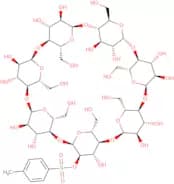
CAS:<p>This beta-cyclodextrin (β-CD) derivative is a functionalized cyclic oligosaccharide composed of seven glucose units, characterized by a hydrophilic exterior and a lipophilic cavity (bigger than α-CD and smaller than γ-CDs), which allows it to encapsulate various guest molecules. This structural feature facilitates its use in multiple applications, including pharmaceuticals, food enhancement, and cosmetics. In the pharmaceutical industry, it enhances the solubility and stability of poorly water-soluble drugs, improving their bioavailability and efficacy while also masking unpleasant tastes. The food sector utilizes it as a stabilizer for flavors, colors, and nutrients, extending shelf life by protecting sensitive ingredients from degradation. In cosmetics, it serves as a complexing agent for fragrances and active components, ensuring their stability and controlled release. Its use expands to many other fields, including nanotechnology for drug delivery systems, environmental remediation for extracting organic pollutants, textiles for slow-release fragrances, and analytical chemistry for chiral separation.</p>Formula:C42H70O35Purity:Min. 95%Molecular weight:1,134.98 g/moltert-Butyl 2-acetamido-2-deoxy-b-D-glucopyranoside
CAS:<p>Tert-Butyl 2-acetamido-2-deoxy-b-D-glucopyranoside is a synthetic glycoside with a molecular weight of 379.5 Da. It has been used as a raw material for the synthesis of complex carbohydrate, such as oligosaccharides and polysaccharides. Tert-Butyl 2-acetamido-2-deoxy-b-D-glucopyranoside is also used in the modification of sugars, such as methylation and click modification.</p>Formula:C12H23NO6Purity:Min. 95%Molecular weight:277.31 g/molBlood Group B type II linear trisaccharide-HSA
<p>Blood group antigen conjugated to human serum albumin</p>Purity:Min. 95%Color and Shape:White Powder3-Deoxy-1,2:5,6-di-O-isopropylidene-a-D-glucofuranose
CAS:<p>3-Deoxy-1,2:5,6-di-O-isopropylidene-a-D-glucofuranose is an oligosaccharide that belongs to the group of polysaccharides. It is a methylated saccharide with a high degree of purity and can be custom synthesized for use as a carbohydrate in pharmaceuticals. 3-Deoxy-1,2:5,6-di-O-isopropylidene-a-D-glucofuranose is used in the synthesis of glycosylations and has been shown to have antiviral activity against Epstein Barr virus by inhibiting viral protein synthesis.</p>Formula:C12H20O5Purity:Min. 95%Molecular weight:244.29 g/mol16a-Hydroxyestrone 16-b-D-glucuronide
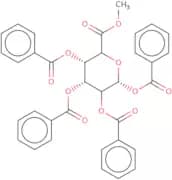
CAS:<p>16a-Hydroxyestrone 16-b-D-glucuronide is a conjugate of the hydroxyestrone and glucuronic acid. It is a metabolite of estradiol, which is the most potent estrogen produced by the human body. The compound has been found in urine, saliva, and breast milk. 16a-Hydroxyestrone 16-b-D-glucuronide is an inactive steroid that can be conjugated with glucuronic acid to form a water soluble molecule that can be excreted in the urine or bile.</p>Formula:C24H30O9Purity:Min. 95%Molecular weight:462.49 g/mol2,3,4,6-Tetra-O-benzoyl-a-D-glucopyranosyl p-trifluoromethylbenzylthio-N-(trifluoromethylphenyl)formimidate
CAS:<p>2,3,4,6-Tetra-O-benzoyl-a-D-glucopyranosyl p-trifluoromethylbenzylthio-N-(trifluoromethylphenyl)formimidate is a carbohydrate that has been synthesized from an oligosaccharide and a monosaccharide. It has been modified by fluorination, methylation, glycosylation and click chemistry. This product has been custom synthesized for use in the synthesis of saccharides.</p>Formula:C50H37F6NO10SPurity:Min. 95%Molecular weight:957.91 g/molD-Altrose-1-13C
CAS:<p>Please enquire for more information about D-Altrose-1-13C including the price, delivery time and more detailed product information at the technical inquiry form on this page</p>Formula:C6H12O6Purity:Min. 95%Molecular weight:181.15 g/molNA4 N-Glycan
CAS:<p>NA4 is a n-glycan with an average molecular weight of about 3.5 kDa. NA4 is found in the blood and urine of human beings and other mammals, as well as in the milk from cows. It is a major component of mucus secreted by the respiratory tract, and it can be found in the outer layer of the skin. NA4 contains a single N-acetylglucosamine (NAG) residue at its reducing end.</p>Formula:C90H150N6O66Purity:Min. 95%Color and Shape:PowderMolecular weight:2,372.15 g/mol3-Methylphenyl 2-acetamido-3,4,6-tri-O-acetyl-2-deoxy-b-D-glucopyranoside
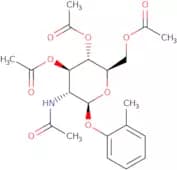
CAS:<p>3-Methylphenyl 2-acetamido-3,4,6-tri-O-acetyl-2-deoxy-b-D-glucopyranoside is a synthetic chemical compound. It has been shown to have antiviral activity and inhibit the growth of bacteria.</p>Formula:C21H27NO9Purity:Min. 95%Molecular weight:437.44 g/mol2-Deoxy-N-phenylglucosylamine
CAS:<p>2-Deoxy-N-phenylglucosylamine is a custom synthesis that can be modified to suit the needs of your project. It is a fluorinated compound with a methyl group on the phenyl ring and an amine at C2. This chemical has been shown to have anti-tumor activity against sarcoma 180 and leukemia L1210 in mice. 2-Deoxy-N-phenylglucosylamine is also known to inhibit the production of monosaccharides, oligosaccharides, and polysaccharides by inhibiting glycosylation. If you are looking for carbohydrate compounds for your next project, this chemical may be just what you need!</p>Formula:C12H17NO4Purity:Min. 95%Molecular weight:239.27 g/molDiosmetin-d3-3,7-O-di-Glucuronide
CAS:Controlled Product<p>Diosmetin-d3-3,7-O-di-Glucuronide is a white to off-white powder that is soluble in water. It is a synthetic compound that can be used as a sugar or carbohydrate modification. It has been shown to be useful for the synthesis of complex carbohydrates and polysaccharides. This product can also be used in click chemistry, methylation, and fluoroination.</p>Formula:C28H25D3O18Purity:Min. 95%Molecular weight:655.53 g/molIsopropyl 2-acetamido-2-deoxy-b-D-glucopyranoside
CAS:<p>Isopropyl 2-acetamido-2-deoxy-b-D-glucopyranoside is a chromatographic agent used in liquid chromatography. It is a reaction product of polysaccharides and fatty acids, which are extracted from fruits. Isopropyl 2-acetamido-2-deoxy-b-D-glucopyranoside has been shown to inhibit the growth of typhimurium and other viruses in cell culture. The safety profile of this compound has not been established in humans and should be tested before use in vivo.</p>Formula:C11H21NO6Purity:Min. 95%Molecular weight:263.29 g/molFurosemide acyl-b-D-glucuronide
CAS:<p>Furosemide acyl-b-D-glucuronide is a derivative of Furosemide. It is a potent diuretic that has been used in the treatment of hypertension and congestive heart failure. The drug is excreted by the kidney, and its clearance is dependent on urine flow rate. Furosemide acyl-b-D-glucuronide can be detected in human serum and urine samples following oral administration, but its detection in urine may be delayed due to its low solubility. This active form of the drug may also cause drug reactions, such as nausea and vomiting, which are most likely due to the acidic nature of this form. Hydrochloric acid increases the absorption of Furosemide acyl-b-D-glucuronide, so it is recommended to take this medication with an acidic beverage containing hydrochloric acid or food high in pyridinium content. The elimination half life for this active</p>Formula:C18H19ClN2O11SPurity:Min. 95%Color and Shape:Yellow PowderMolecular weight:506.87 g/mol2-Acetamido-2,4-dideoxy-4-fluoro-D-galactopyranose
CAS:<p>2-Acetamido-2,4-dideoxy-4-fluoro-D-galactopyranose (2ADF) is a synthetic ligand that binds to selectins, which are receptors expressed on the surface of cells. 2ADF has been shown to have a pharmacological effect in inhibiting inflammatory diseases by binding to and blocking the function of selectins. This drug has also been shown to inhibit leukocyte trafficking and chemotaxis by preventing the binding of selectins with their ligands, galectin 1 or galectin 3. 2ADF does not bind to glycan structures found on the cell membrane, but instead binds to glycan structures found on the surfaces of cells.</p>Formula:C8H14FNO5Purity:Min. 95%Molecular weight:223.2 g/molN-D-Glucopyranosyl-5-aminosalicylic acid
CAS:<p>5-Aminosalicylic acid (5-ASA) is an anti-inflammatory drug that belongs to the class of drugs called nonsteroidal anti-inflammatory drugs (NSAIDs). 5-ASA is an acidic compound that is a metabolite of salicylic acid. It is used in the treatment of rheumatoid arthritis, osteoarthritis, and other inflammatory diseases. The preparation of 5-ASA involves homogenizing liver tissue and then extracting it with water. This extract can be chromatographed using preparative high performance liquid chromatography (HPLC) or spectroscopically analyzed by mass spectrometry. 5-ASA has been shown to have hepatoprotective effects in rats when given at a dose of 400 mg/kg body weight by intraperitoneal injection.</p>Formula:C13H17NO8Purity:Min. 95%Molecular weight:315.28 g/mol2, 3, 6, 2', 3', 4', 6'-Hepta- O- acetyl- D- maltose
CAS:<p>2, 3, 6, 2', 3', 4', 6'-Hepta-O-acetyl-D-maltose is a fluorinated monosaccharide that is used in the synthesis of glycosides. It has a CAS number of 56285-96-2 and can be custom synthesized. This product is an oligosaccharide that can be modified by glycosylation, methylation, or click modification. It is a complex carbohydrate with a high purity and can be used in the modification of sugars.</p>Formula:C26H36O18Purity:Min. 95%Color and Shape:White to off-white solid.Molecular weight:636.55 g/molEthyl 2,3,6-tri-O-benzoyl-b-D-thioglucopyranoside
<p>Ethyl 2,3,6-tri-O-benzoyl-b-D-thioglucopyranoside is a synthetic monosaccharide with a complex carbohydrate structure. It can be custom synthesized to order and is available in high purity. This product is a glycosylation reagent that can be used for the synthesis of oligosaccharides and polysaccharides. The product has been shown to react with primary alcohols and amines in the presence of catalysts such as TMSOTf, DCC, or EDC to form ether bonds or amine bonds respectively. Ethyl 2,3,6-tri-O-benzoyl-b-D-thioglucopyranoside also reacts with thiols in the presence of catalysts such as HOBt or HOAt to form thioether bonds.</p>Purity:Min. 95%5-Hydroxyvitamin D3 25-glucuronide
CAS:<p>5-Hydroxyvitamin D3 25-glucuronide is a glycosylated form of vitamin D that is synthesized by the addition of glucose to the 5-hydroxy group in the side chain. The synthesis of this product requires an intermediate step, which is the methylation of 25-hydroxyvitamin D. It is a complex carbohydrate that can be found in both natural and synthetic forms. The product has been modified using Click chemistry, fluorination, and saccharide modification to increase its stability and solubility. This product also has a high purity level.</p>Formula:C33H52O8Purity:Min. 95%Molecular weight:576.76 g/mol5-Azido-5-deoxy-α-D-glucofuranose
CAS:<p>Please enquire for more information about 5-Azido-5-deoxy-α-D-glucofuranose including the price, delivery time and more detailed product information at the technical inquiry form on this page</p>Formula:C6H11N3O5Purity:Min. 95%Molecular weight:205.17 g/mol2,3,4-Tri-O-acetyl-b-D-glucuronide methyl ester trichloroacetimidate
CAS:<p>2,3,4-Tri-O-acetyl-b-D-glucuronide methyl ester trichloroacetimidate is a custom synthesis that contains a fluorinated sugar. It is synthesized by the modification of an oligosaccharide with a polysaccharide. The modification includes the addition of methyl groups to the sugar and the introduction of chlorine atoms in place of hydroxyl groups. This compound has been shown to be effective at inhibiting bacterial growth and at reducing inflammation.</p>Formula:C15H18Cl3NO10Purity:Min. 95%Molecular weight:478.66 g/mol4-O-b-D-Galactosyl maltose
CAS:<p>4-O-b-D-Galactosyl maltose is a Glycosylation, Oligosaccharide, sugar, Synthetic, CAS No. 143444-32-0 that is custom synthesized and fluorinated. It is a complex carbohydrate with high purity and modification. The 4-O-b-D-Galactosyl maltose has the following properties: Methylation, Monosaccharide, Polysaccharide, saccharide, Click modification.</p>Formula:C18H32O16Purity:Min. 95%Molecular weight:504.44 g/molNistose trihydrate
CAS:<p>Nistose trihydrate is a polysaccharide that is found in the cell walls of plants, including inulin and d-biotin. It has been shown that nistose trihydrate can be used as an additive to mammalian cells to improve enzymatic reactions. In addition, nistose trihydrate can be used as a food additive to reduce cholesterol levels and modulate blood sugar levels. Nistose trihydrate also has antimicrobial activity against staphylococcus, which are gram-positive bacteria.</p>Formula:C24H42O21•3H2OPurity:Min. 95%Molecular weight:720.6 g/mol4-(Hydroxymethyl)-1,2-O-isopropylidene-3-O-benzyl-β-L-threo-pentofuranose
CAS:<p>4-(Hydroxymethyl)-1,2-O-isopropylidene-3-O-benzyl-beta-L-threo-pentofuranose is a synthetic fluorinated monosaccharide that can be used to produce oligosaccharides and polysaccharides. It is a custom synthesis that can be modified with methylation or click chemistry. This product has been shown to bind to proteins via glycosylation, which may be useful for protein analysis. 4-(Hydroxymethyl)-1,2-O-isopropylidene-3-O-benzyl-beta-L-threo pentofuranose is CAS No. 72261 44 00 and has a purity of >99%.</p>Formula:C16H22O6Purity:Min. 95%Molecular weight:310.34 g/mol2,3,4-Tri-O-acetyl-b-D-xylopyranosyl-Fmoc-L-serine
<p>2,3,4-Tri-O-acetyl-b-D-xylopyranosyl-Fmoc-L-serine is a carbohydrate which is modified by fluorination and methylation. It is a complex carbohydrate that can be custom synthesized to include saccharide or oligosaccharide. 2,3,4-Tri-O-acetyl-b-D-xylopyranosyl Fmoc L serine has CAS No. 1807631–35–0 and molecular weight of 703. It also has high purity and custom synthesis capabilities.</p>Formula:C29H31NO12Purity:Min. 95%Molecular weight:585.56 g/mol3,4,6-Tri-O-acetyl-2-deoxy-D-glucopyranosyl isocyanate
<p>3,4,6-Tri-O-acetyl-2-deoxy-D-glucopyranosyl isocyanate is a synthetic reagent that can be used to modify oligosaccharides, monosaccharides, and polysaccharides. It reacts with the hydroxyl group of the sugar molecule to form an ether linkage. This chemical reaction is called glycosylation. The product from this reaction is called as a glycoside. This product has a CAS number of 587-66-0 and can be synthesized in high purity.</p>Formula:C13H17NO8Purity:Min. 95%Molecular weight:315.28 g/mol1,2:3,4:5,6-Tri-O-isopropylidene-D-mannitol
CAS:<p>1,2:3,4:5,6-Tri-O-isopropylidene-D-mannitol is a dietary fiber that is made up of <br>inulin and oligosaccharides. It can be found in various plants and vegetables. This dietary fiber has been shown to have cancer preventive properties. 1,2:3,4:5,6-Tri-O-isopropylidene-D-mannitol has also been shown to decrease the risk of colon cancer by reducing the production of diacylglycerol which is an important signaling molecule in carcinogenesis.</p>Formula:C15H26O6Purity:Min. 95%Molecular weight:302.4 g/molPhenylpropyl 2-acetamido-3,4,6-tri-O-acetyl-2-deoxy-b-D-glucopyranoside
CAS:<p>Phenylpropyl 2-acetamido-3,4,6-tri-O-acetyl-2-deoxy-b-D-glucopyranoside is a custom synthesis. It is a complex carbohydrate with a molecular weight of 554.7 Da and a CAS number of 220341-05:9. This product has been fluorinated and modified by glycosylation, methylation, and acetamidomethylation. The purity of this product is >99%.</p>Formula:C23H31NO9Purity:Min. 95%Molecular weight:465.49 g/molDisialyloctasaccharide
CAS:<p>Disialyloctasaccharide is a sialylated glycan that is found in human serum. It is a diagnostic marker for cancer, and has been shown to be elevated in women with breast cancer. Disialyloctasaccharide can also be used as a biomarker for depression. The amino acid sequence of this glycan has been determined, and it has been shown that the protein glycosylation of disialyloctasaccharide is quantified by measuring the relative amount of sialic acid residues in the molecule. Disialyloctasaccharide can be used as a biomarker for eukaryotes, including yeast and mammals. This glycan also has anti-tumor activity, which may be due to its ability to bind to receptors on tumor cells.</p>Formula:C76H125N5O57Purity:Min. 95%Color and Shape:PowderMolecular weight:2,020.81 g/mol5-epi-isofagomine
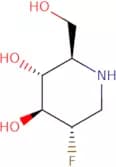
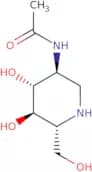
CAS:<p>5-Epi-isofagomine is a piperidine compound that can be used as a synthon for various carbohydrate derivatives. It has been shown to inhibit glycosidases and may be applied in the synthesis of carbohydrates. This compound is synthesized by a stepwise nitro reduction of d-mannitol, followed by an enolate reaction with an appropriate acid chloride. The 5-epi-isofagomine skeleton is obtained by stereoselective polyhydroxylation of the corresponding 2,5-dihydroxybenzaldehyde.</p>Formula:C6H13NO3Purity:Min. 95%Molecular weight:147.17 g/molMethylphenyl 2,3,4-tri-O-benzyl-b-L-thiorhamnopyranose
<p>Methylphenyl 2,3,4-tri-O-benzyl-b-L-thiorhamnopyranose is a modification of the natural sugar thiorhamnopyranose. It has been synthesized by methylation and glycosylation of the monosaccharide. This carbohydrate has been custom synthesized with high purity and CAS number. The chemical formula is C18H22O11. Methylphenyl 2,3,4-tri-O-benzyl-b-L-thiorhamnopyranose is a complex carbohydrate that can be used in biomedical applications.</p>Purity:Min. 95%5-(β-D-Galactopyranosyloxy)-DL-lysine
CAS:<p>5-(β-D-Galactopyranosyloxy)-DL-lysine is a custom synthesized compound that has been modified with 5-(β-D-galactopyranosyloxy) groups. It is an oligosaccharide, polysaccharide, and saccharide that belongs to the category of carbohydrates. This product is available for purchase in high purity and has been fluorinated. The CAS number for this product is 35910-05-5.</p>Formula:C12H24N2O8Purity:Min. 95%Color and Shape:PowderMolecular weight:324.33 g/molPalatinose monohydrate
CAS:<p>Palatinose monohydrate is a hydrogenated form of the natural disaccharide palatinose. It is often used as a solid catalyst in pharmaceutical preparations and has been shown to have a lower molecular weight than sucrose. Palatinose monohydrate may have beneficial effects on postprandial plasma glucose, protein data, and lipid metabolism. The hydrogenation process also produces fatty acids that are less reactive than those found in other sugars. Amine groups are also reduced in palatinose monohydrate, which may improve its taste. Palatinose monohydrate is not toxic at high doses and has been shown to be safe for use in toxicity studies. Surface methodology has been used to characterize the surface properties of palatinose monohydrate crystals, which can be used as a model for other sugar crystals.</p>Formula:C12H24O12Purity:Min. 95%Molecular weight:360.31 g/molMethyl 2,3,5-tri-O-benzyl-a-D-arabinofuranoside
<p>Methyl 2,3,5-tri-O-benzyl-a-D-arabinofuranoside is a methylated sugar that belongs to the group of saccharides. It is often used as a Click modification and in custom synthesis of oligosaccharides. This product is also used for glycosylation and high purity modifications. Methyl 2,3,5-tri-O-benzyl-a-D-arabinofuranoside can be synthesized from arabinose and benzaldehyde with fluorination. The CAS number for this product is 51469-61-1.</p>Formula:C27H30O5Purity:Min. 95%Molecular weight:434.52 g/mol1-O-Acetyl-3,5-di-O-benzoyl-2-deoxy-D-ribofuranose
CAS:<p>1-O-Acetyl-3,5-di-O-benzoyl-2-deoxy-D-ribofuranose is a custom synthesis product. When fully synthesized and modified, it is a complex carbohydrate with glycosylation, methylation, click modification, fluorination and saccharide modifications. It has CAS No. 2155800-38-5 and Mw of 486.8 g/mol. 1-O-Acetyl-3,5-di-O-benzoyl--2--deoxy--D--ribofuranose can be used as an intermediate for the synthesis of oligosaccharides or monosaccharides or custom synthesis products. This product is available in high purity with >99% purity by HPLC analysis.</p>Formula:C21H20O7Purity:Min. 95%Molecular weight:384.38 g/mol4-Methylumbelliferyl 2,3,4-tri-O-acetyl-a-L-idopyranosiduronic acid methyl ester
CAS:<p>4-Methylumbelliferyl 2,3,4-tri-O-acetyl-a-L-idopyranosiduronic acid methyl ester is a custom synthesis of a monosaccharide. It is fluorinated, methylated, and modified with the click reaction. This product has been used in the modification of oligosaccharides and polysaccharides.</p>Formula:C23H24O12Purity:Min. 95%Molecular weight:492.43 g/mol1-(2,3,4,6-Tetra-O-acetyl-b-D-glucopyranosyl)imidazole
CAS:<p>1-(2,3,4,6-Tetra-O-acetyl-b-D-glucopyranosyl)imidazole (1A2G) is an acidic sugar that is found in plants from the genus Desmodium. It is a component of the biomass and has been shown to have anti-inflammatory properties. 1A2G can be extracted from plants such as Centrosema, Pueraria and Phaseolus edulis, which are commonly grown in tropical regions. This sugar can be used as a nutrient or as a treatment for diseases such as diabetes mellitus or cancer.</p>Purity:Min. 95%Methyl 4,7,8,9-tetra-O-acetyl-2-thio-N-acetyl-a-D-neuraminic acid methyl ester
CAS:<p>Methyl 4,7,8,9-tetra-O-acetyl-2-thio-N-acetyl-a-D-neuraminic acid methyl ester is a fluorescent analog of sialic acid. It is a water soluble compound that can be used in the modification of proteins and glycoproteins. This product is synthesized by methylation and fluorination of the C4 hydroxyl group of a sialic acid. This process leads to a high degree of purity as well as the desired chemical modifications. The modification of saccharides with this product has many applications in research and industrial settings.</p>Formula:C21H31NO12SPurity:Min. 95%Molecular weight:521.54 g/mol(S)-Propranolol glucuronide
CAS:<p>(S)-Propranolol glucuronide is a custom-synthesized sugar that has been modified with fluorination and methylation. It is also a polysaccharide that has been glycosylated and carbamoylated. This compound is a white crystalline solid that can be used as an intermediate in the synthesis of saccharides, oligosaccharides, and polysaccharides.</p>Formula:C22H29NO8Purity:Min. 95%Molecular weight:435.47 g/mol5-Bromo-5-deoxy-2,3-O-isopropylidene-D-ribono-1,4-lactone
CAS:<p>5-Bromo-5-deoxy-2,3-O-isopropylidene-D-ribono-1,4-lactone is a modified sugar that can be synthesized from other sugars. It is used in the synthesis of oligosaccharides and polysaccharides. 5BDBOL has a CAS number of 94324-23-9. 5BDBOL can be methylated and glycosylated. This compound has high purity and is monosaccharide.</p>Formula:C8H11BrO4Purity:Min. 95%Color and Shape:SolidMolecular weight:251.07 g/molSulpho Lewisx Na
<p>Sulpho Lewisx Na is a high purity, custom synthesized sugar that has been modified using a click chemistry reaction. It has been fluorinated and glycosylated to produce a complex carbohydrate. Sulpho Lewisx Na is a synthetic oligosaccharide produced with the intention of mimicking the structure of Lewisx in order to study its properties. The CAS number for this compound is 2641-19-2 and it can be found under the name Oligosaccharide, Monosaccharide, saccharide, Carbohydrate on Pubchem CID 1039264.</p>Formula:C20H34NNaO18SPurity:Min. 95%Molecular weight:631.54 g/molSinapinoyl L-arabinofuranoside
<p>Sinapinoyl L-arabinofuranoside is a synthetic oligosaccharide that is an important carbohydrate for research and development. It is a sugar that has been modified by fluorination and methylation, as well as glycosylation and click chemistry. This product can be custom synthesized to meet the needs of the customer, with high purity and quality.</p>Purity:Min. 95%2-Acetamido-2-deoxy-b-D-glucopyranosyl methylamine HCl
CAS:<p>2-Acetamido-2-deoxy-b-D-glucopyranosyl methylamine HCl is a synthetic, high purity, complex carbohydrate. It is a custom synthesis that has been modified with fluorination and methylation. The oligosaccharide has been glycosylated and polysaccharide click modification to give it a wide range of applications. 2-Acetamido-2-deoxy-b-D-glucopyranosyl methylamine HCl is used for the synthesis of glycoproteins, which are carbohydrates that are attached to proteins. It is also used in the production of research chemicals such as Fluorination, Monosaccharide, Synthetic, Oligosaccharide.</p>Formula:C9H18N2O5·HClPurity:Min. 95%Molecular weight:270.71 g/molDeferasirox acyl-b-D-glucuronide
CAS:<p>This compound is a high purity, synthetic, complex carbohydrate. It is made of saccharides and polysaccharides. This product can be used as a methylation reagent for oligosaccharide synthesis or click modification. The molecular weight is about 1140 g/mol. This product has been shown to have an inhibitory effect on bacterial growth and may be effective against Mycobacterium tuberculosis or Mycobacterium avium.</p>Formula:C27H23N3O10Purity:Min. 95%Molecular weight:549.49 g/molMethyl 1-(4'-tert-butyldimethylsilyl-6-hydroxyraloxifene)-2,3,4-tri-O-acetyl-b-D-glycopyranuronate
CAS:<p>Methyl 1-(4'-tert-butyldimethylsilyl-6-hydroxyraloxifene)-2,3,4-tri-O-acetyl-b-D-glycopyranuronate is a modified carbohydrate. It is a synthetic saccharide that has been modified with methylation, fluorination and saccharide synthesis. This product can be custom synthesized and is available in high purity. Methyl 1-(4'-tert-butyldimethylsilyl-6-hydroxyraloxifene)-2,3,4-tri-O-acetyl-b-D--glycopyranuronate can be used in glycosylation reactions as well as Click modification reactions. CAS No: 174264–49–4.</p>Formula:C46H55NO13SSiPurity:Min. 95%Molecular weight:890.08 g/molMethyl 2-O-allyl-4,6-O-benzylidene-3-O-(2',3',4',6'-tetra-O-acetyl-a-D-mannopyranosyl)-a-D-mannopyranoside
CAS:<p>Methyl 2-O-allyl-4,6-O-benzylidene-3-O-(2',3',4',6'-tetra-O-acetyl-a-D-mannopyranosyl)-a-D-mannopyranoside is a sugar that is synthesized by the methylation of an oligosaccharide. This product is a white crystalline powder that has been shown to have high purity and a CAS number of 82185-93-1. It has also been modified with fluorination, which makes it resistant to degradation. Methyl 2-O-allyl 4,6 O benzylidene 3 O (2',3',4',6'-tetra - O acetyl - a D mannopyranosyl) - a D mannopyranoside is used in the synthesis of complex carbohydrates.</p>Formula:C31H40O15Purity:Min. 95%Molecular weight:652.64 g/mol1-O-Acetyl-2,3,5-tri-O-benzoyl-D-ribofuranose
CAS:<p>1-O-Acetyl-2,3,5-tri-O-benzoyl-D-ribofuranose is a kinetic inhibitor that binds to the active site of L1210 leukemia cells. It inhibits the growth of these cells by reacting with chloride ions and causing cross-coupling reactions. This leads to the production of 2,3,5 triacetylated benzoyl ribofuranoside and 2 aminoadenosine. The latter molecule has significant antitumor effects on human macrophages and Leishmania donovani. 1-O-Acetyl-2,3,5-tri-O-benzoyl-D-ribofuranose also has significant antitumor effects on guanosine and xanthosine in human tumor cells.</p>Formula:C28H24O9Purity:Min. 95%Color and Shape:White PowderMolecular weight:504.48 g/mol1,2,3,4,5,6-Hexa-O-acetyl-D-mannitol
CAS:<p>1, 2, 3, 4, 5, 6-Hexa-O-acetyl-D-mannitol (1,2,3,4,5,6-HOM) is a glycoside that belongs to the group of pentose sugars. It is the only natural hexose sugar that contains an acetate residue in its structure. 1,2,3,4,5,6-HOM is found in plants and animals and has been shown to have anti-cancer properties. The reaction products of 1 with various enzymes are also studied for their cancer inhibitory effects. This molecule has also been shown to inhibit lipid peroxidation in mitochondria.<br>1,2,3,4,5,6-HOM binds to cell surface receptors on cancer cells and inhibits growth by inhibiting the synthesis of DNA and RNA.</p>Formula:C18H26O12Purity:Min. 95%Color and Shape:PowderMolecular weight:434.39 g/mol4-O-Acetyl-3,6-di-O-tert-butyldimethylsilyl-D-glucal
CAS:<p>4-O-Acetyl-3,6-di-O-tert-butyldimethylsilyl-D-glucal is a methylated derivative of D-glucal which has been synthesized by the click reaction using acetyl chloride, triethylamine, and dimethyl sulfate. 4OATBDMSDG is a high purity sugar with a CAS number of 132891-79-3. This sugar can be used in the synthesis of polysaccharides or as an intermediate for custom synthesis.</p>Purity:Min. 95%2,4:3,5-Di-O-benzylidene-L-idaric acid
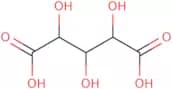
CAS:<p>2,4:3,5-Di-O-benzylidene-L-idaric acid is a high purity natural product with a custom synthesis. It is one of the most important compounds in glycosylation and saccharide synthesis. 2,4:3,5-Di-O-benzylidene-L-idaric acid can be used to synthesize complex carbohydrates with excellent quality. This product is also an important building block for the modification of oligosaccharides and monosaccharides. The CAS number for this compound is 1219147-84-8.</p>Formula:C20H18O8Purity:Min. 95%Molecular weight:386.35 g/mol1,2,3,6-Tetra-O-benzoyl-b-D-mannopyranose
CAS:<p>1,2,3,6-Tetra-O-benzoyl-b-D-mannopyranose is an oligosaccharide of the type b-D-mannopyranose. It is a synthetic compound that has been modified with a fluorine atom at the 1 position and with a benzoyl group at the 2 position. The compound is soluble in water and has an average molecular weight of 619.</p>Formula:C34H28O10Purity:Min. 95%Molecular weight:596.58 g/molDehydroclindamycin
CAS:<p>Dehydroclindamycin is a semisynthetic antibiotic that belongs to the class of antibiotics known as lincosamides. It is used in clinical treatment for bacterial infections. Dehydroclindamycin acts by interfering with the bacterial ribosome and prevents the formation of proteins required for cell division. This drug may be susceptible to degradation by hydrolysis or oxidation, which can lead to impurities. Dehydroclindamycin is produced by hydrogenation of clindamycin hydrochloride using a Raney nickel catalyst, followed by chromatography. The spectrum of dehydroclindamycin consists of antibacterial activity against gram-positive bacteria such as Staphylococcus aureus and Enterococcus faecalis and gram-negative bacteria such as Escherichia coli and Klebsiella pneumoniae.</p>Formula:C18H31ClN2O5SPurity:Min. 95%Molecular weight:422.97 g/molLauryl glucose neopentyl glycol
CAS:<p>Lauryl glucose neopentyl glycol is a sugar that is used in the synthesis of glycoconjugates. It is synthesized from lauryl alcohol and neopentyl glycol. Lauryl glucose neopentyl glycol can be modified with fluorine, glycosylation, methylation, or modification. This compound has been shown to have anti-inflammatory properties and to inhibit the growth of prostate cancer cells.</p>Formula:C31H60O12Purity:Min. 95%Molecular weight:624.8 g/molSialyl Lewis A (Slea)-BSA
<p>Sialyl Lewis A (Slea)-BSA is a synthetic glycoprotein that is modified with fluorine, methylation and click chemistry. It has the ability to bind to the surface of cells, where it can be used as an antigen for the detection of cancer cells. The protein contains both oligosaccharide and polysaccharide components, which are made up of sugar molecules linked together in different configurations. The carbohydrate component is composed of complex carbohydrates that are glycosylated, meaning they have sugar molecules attached to them.</p>Purity:Min. 95%Mirabegron N-glucuronide
CAS:<p>Mirabegron is a drug that is used to treat overactive bladder. Mirabegron N-glucuronide is the major metabolite of mirabegron, which has been shown to be excreted in urine. This metabolite can be detected using a validated assay and can be measured using a mass spectrometer. The concentration of mirabegron N-glucuronide in the blood sample was measured at various timepoints after administration of mirabegron. Pharmacokinetic studies were performed in humans and human liver tissue, giving information on how long it takes for the drug to reach its maximum concentration in the body and how long it stays there before being eliminated.</p>Purity:Min. 95%Benzyl 5-amino-5-deoxy-2,3-O-isopropylidene-6-O-trityl-a-D-mannofuranoside
CAS:<p>Benzyl 5-amino-5-deoxy-2,3-O-isopropylidene-6-O-trityl-a-D-mannofuranoside is a complex carbohydrate that is synthesized by the glycosylation of benzyl 5-amino-5,6,7,8,9,10,11,12,13,14-, 2,3,4-, or 6-(N","N"-dimethylamino)ethyl 5-[(2","N"-dimethylamino)-ethoxycarbonyl]-5-[(2","N"-dimethylamino)ethoxycarbonyl]-4H-[1]benzopyranose with 6-(N","N"-dimethylaminomethylene)-a-"D"mannofuranose. The chemical modification includes fluorination and methylation. This product has a CAS number of 9136415 and purity of more than</p>Formula:C35H37NO5Purity:Min. 95%Molecular weight:551.67 g/mol1-O-(5-Carboxy-N-phenyl-2-(1H)-pyridone)-D-glucuronide
<p>1-O-(5-Carboxy-N-phenyl-2-(1H)-pyridone)-D-glucuronide is a modification of Oligosaccharide, Carbohydrate. It's CAS No. is 61877-69-8 and it has a molecular weight of 398.7 g/mol. The purity of this product is >99%. This product can be custom synthesized and has a glycosylation and methylation level of 100%. 1-O-(5-Carboxy-N-phenyl-2-(1H)-pyridone)-D-glucuronide is soluble in water and insoluble in oils, fats, ethers, chloroform and benzene. It is also resistant to acid hydrolysis.</p>Formula:C18H17NO9Purity:Min. 95%Molecular weight:391.33 g/molMethyl 6-amino-6-deoxy-a-D-glucopyranoside HCl
CAS:<p>Methyl 6-amino-6-deoxy-a-D-glucopyranoside HCl is a custom synthesis that can be modified with fluorination, methylation, and click modification. This compound has CAS No. 14257-74-0 and is a monosaccharide. It has been shown to have glycosylation and sugar properties. Methyl 6-amino-6-deoxy-a-D-glucopyranoside HCl is a polysaccharide that can be synthesized or derived from a saccharide. It has been shown to have carbohydrate properties and complex carbohydrate activity.</p>Formula:C7H15NO5·HClPurity:Min. 95%Molecular weight:229.66 g/mol6-Deoxy-L-glucose
CAS:<p>6-Deoxy-L-glucose (6DG) is a glucose analogue that has been extensively studied for its effect on the metabolism of other sugars. It is an inhibitor of glycolysis and the pentose phosphate pathway in both wild-type and mutant strains of yeast, as well as in mammalian cells. 6DG inhibits the activity of enzymes such as gamma-aminobutyric acid (GABA) transaminase and phosphoglycerate kinase, which are involved in the synthesis of GABA and glycogen respectively. 6DG also inhibits the transport of sugar molecules into cells. The hydrochloric acid (HCl) concentration required to activate 6DG varies with pH, with a pKa near 7.5 at physiological pH. 6DG is activated by HCl when the pH falls below this value. The hydroxyl group on 6DG can react with HCl to form a chlorohydrin intermediate, which reacts further to yield</p>Formula:C6H12O5Purity:Min. 95%Molecular weight:164.16 g/mol2-Acetamido-1,3,4,6-tetra-O-acetyl-2-deoxy-5-thio-a-D-glucopyranose
CAS:<p>2-Acetamido -1,3,4,6-tetra-O-acetyl-2-deoxy-5-thio-a-D-glucopyranose is a custom synthesis. It is an oligosaccharide and polysaccharide. It is a carbohydrate that has been modified by fluorination and a click modification. The complex carbohydrate contains one monosaccharide sugar. 2AATG can be used in the synthesis of other carbohydrates.</p>Formula:C16H23NO9SPurity:Min. 95%Molecular weight:405.42 g/molIkshusterol 3-O-glucoside
CAS:<p>Ikshusterol 3-O-glucoside is a glycosylation of the monosaccharide ikeshinolin. It is a synthetic, fluorinated, methylated, and modified oligosaccharide with a high purity. Ikshusterol 3-O-glucoside is used in various fields including as an additive to food products, pharmaceuticals, cosmetics and other chemical manufacturing. It has been used as a sugar substitute in low calorie foods and beverages. The modification of ikeshinolin to ikeshusterol 3-O-glucoside can be achieved by click chemistry.</p>Purity:Min. 95%Scopolamine O-b-D-glucuronide
CAS:<p>Scopolamine O-b-D-glucuronide is a methylated derivative of scopolamine. It is an oligosaccharide that is synthesized through glycosylation and has a high purity. Scopolamine O-b-D-glucuronide is used in the synthesis of complex carbohydrates.</p>Formula:C23H29NO10Purity:Min. 95%Molecular weight:479.48 g/molMethyl 2-acetamido-3,6-di-O-benzyl-2-deoxy-a-D-glucopyranoside
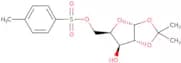
CAS:<p>Methyl 2-acetamido-3,6-di-O-benzyl-2-deoxy-a-D-glucopyranoside is a synthetic saccharide that is used in the synthesis of glycosides. This compound has been modified with fluorine to increase its stability and activity. Methyl 2-acetamido-3,6-di-O-benzyl-2-deoxyglucopyranoside can be used as a building block for glycosylation reactions due to its high purity and custom synthesis. It has been shown that this compound has click modification activity.</p>Formula:C23H29NO6Purity:Min. 95%Molecular weight:415.48 g/mol1,2:3,4-Di-O-isopropylidene-6-deoxy-6-tosyl-a-D-galactopyranose
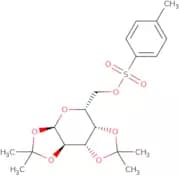
CAS:<p>1,2:3,4-Di-O-isopropylidene-6-deoxy-6-tosyl-a-D-galactopyranose is a synthetic compound that has been modified by fluorination and glycosylation. It is used as an intermediate in the synthesis of oligosaccharides and polysaccharides. The compound has been custom synthesized to a high purity level with minimal impurities. The product is available in monosaccharide form or as a complex carbohydrate.</p>Formula:C19H26O8SPurity:Min. 95%Molecular weight:414.47 g/molAgarodecaose
<p>Agarose is a polysaccharide found in red algae, typically Gelidium and Gracilaria. It is a strictly alternating polysaccharide of α-1,3 linked D-galactose and β-1,4 linked L-3,6 anhydrogalactose with occasional sulfation at position 6 of the anhydrogalactose residue. Agaro-oligosaccharides result from cleavage at galactose residues and neoagaro-oligosaccharides from cleavage at 3,6-anhydro residues. A number of publications have suggested that agarodecaose has properties that include: anti-microbial, antiviral, prebiotic, anti-tumoral, immunomodulatory, anti-inflammatory, glucosidase inhibitory, and hepatoprotective properties.</p>Formula:C66H102O51Purity:Min. 95%Color and Shape:SolidMolecular weight:1,711.49 g/mol1,2,3,4-Tetra-O-acetyl-a-D-galacturonic acid
<p>1,2,3,4-Tetra-O-acetyl-a-D-galacturonic acid is a synthetic sugar that is used in the synthesis of oligosaccharides and polysaccharides. This product can be custom synthesized to meet customer specifications. The chemical name for this product is 1,2,3,4-tetra-O-[(acetyloxy)carbonyl]-a-D-galacturonic acid. It has a CAS number of 9016-54-3 and an EC number of 232–859–5. It is also known as tetraacetyl galacturonic acid or 4'-O-(2--Acetoxypropionyl)-Galacturonic Acid.</p>Purity:Min. 95%Hyaluronate rhodamine - Molecular Weight - 2500kDa
<p>Hyaluronate rhodamine is a modified, fluorinated, methylated, and monosaccharide-containing polysaccharide. It is synthesized by the addition of a click modification to an oligosaccharide. The saccharide is used in glycosylation reactions to produce complex carbohydrates. Hyaluronate rhodamine has a molecular weight of 2500kDa.</p>Purity:Min. 95%D-Lyxose-1-C-D
CAS:<p>Please enquire for more information about D-Lyxose-1-C-D including the price, delivery time and more detailed product information at the technical inquiry form on this page</p>Formula:C5H10O5Purity:Min. 95%Molecular weight:151.14 g/molClofibric acid acyl-b-D-glucuronide
CAS:<p>Clofibric acid acyl-b-D-glucuronide is a reactive chemical species that has been shown to have genotoxic effects. It binds to DNA and forms covalent adducts, leading to mutations in the DNA sequence. Clofibric acid acyl-b-D-glucuronide is a metabolite of clofibrate, which is used for the treatment of hyperlipidemia and atherosclerosis. This metabolite can be detected in human blood, serum, and liver samples by GC/MS, with a limit of detection of 0.1 ng/mL (0.0003 µg/L).</p>Formula:C16H19ClO9Purity:Min. 95%Molecular weight:390.77 g/mol2-Acetamido-2-deoxy-a-D-galactopyranosyl-(N-Fmoc)-L-serine tert-butyl ester
CAS:<p>2-Acetamido-2-deoxy-a-D-galactopyranosyl-(N-Fmoc)-L-serine tert-butyl ester is an oligosaccharide that is used in the synthesis of complex carbohydrates. It can be modified at different positions with methyl or fluorine to produce a range of complex carbohydrate derivatives. The 2DG monosaccharide can be glycosylated at the 2 position with glucose, galactose, mannose, fucose, and sialic acid to form polysaccharides. The polymerization reaction produces polymers such as chitin and cellulose.<br>2DG is also known as DGlcNAc, which is a sugar that is found in glycosphingolipids such as gangliosides and cerebrosides. This modification protects cells from damage by reactive oxygen species and has anti-inflammatory properties.</p>Formula:C30H38N2O10Purity:Min. 95%Molecular weight:586.63 g/mol(2R,3R,4S,5R,6S)-3,4,5-Trihydroxy-2-hydroxymethyl-7,9-diaza-1-oxa-spiro[4,5]decane-10-one-8-thione
CAS:<p>(2R,3R,4S,5R,6S)-3,4,5-Trihydroxy-2-hydroxymethyl-7,9-diaza-1-oxa-spiro[4,5]decane-10-one-8-thione is a custom synthesis of a polysaccharide. It has been modified to include fluorination and methylation. The monosaccharides present are glucose and galactose. This polysaccharide also has a saccharide linkage to an oligosaccharide that contains glycosylation sites for sugar groups.</p>Formula:C8H12N2O6SPurity:Min. 95%Molecular weight:264.26 g/mol2-Acetamido-4-O-(2-acetamido-3,6-di-O-acetyl-2,4-dideoxy-b-D-glucopyranosyl)-1,3,6-tri-O-benzyl-2-deoxy-b-D-glucopyranoside
<p>2-Acetamido-4-O-(2-acetamido-3,6-di-O-acetyl-2,4-dideoxy-b-D-glucopyranosyl)-1,3,6-tri-O-benzyl-2-deoxy -bDglucopyranoside is a methylated oligosaccharide. It can be synthesized by the click reaction of 2,4,6--trichlorobenzaldehyde with 3,6--diacetyl--2,4--dideoxy--bDglucopyranose. This compound has an acetamido group on C3 and a benzoyl group on C6. The molecular weight of this compound is 1076 g/mol.</p>Formula:C41H50N2O12Purity:Min. 95%Molecular weight:762.84 g/molFluorescein isothiocyanate-carboxymethyl-dextran - Average MW 150,000
<p>Fluorescein isothiocyanate carboxymethyl dextran (FITC-CM Dextran) has been reported to provide a valuable carrier for nanoparticles of iron oxide. These products provide a potent tool for contrast enhancement in magnetic resonance imaging.</p>Purity:Min. 95%Methyl 4-deoxy-a-D-glucopyranoside
CAS:<p>Methyl 4-deoxy-a-D-glucopyranoside is a high purity synthetic sugar with the molecular formula C5H10O5. It has been custom synthesized for Click modification, fluorination, glycosylation and methylation. Methyl 4-deoxy-a-D-glucopyranoside is used in glycosylation as a monosaccharide or saccharide to form complex carbohydrates. This product can be used in the synthesis of oligosaccharides and polysaccharides.</p>Formula:C7H14O5Purity:Min. 95%Molecular weight:178.19 g/molSulindac sulfone acyl-b-D-glucuronide
CAS:<p>Sulindac sulfone acyl-b-D-glucuronide is a modification of sulindac sulfone, which is an Oligosaccharide. The complex carbohydrate is synthesized from a custom synthesis and has a high purity. It has the CAS No. 60018-37-3 and Methylation, Glycosylation, Polysaccharide, sugar, Fluorination, saccharide.</p>Formula:C26H25FO10SPurity:Min. 95%Molecular weight:548.54 g/molMethyl 3,4,5-tri-O-acetyl-2,6-anhydro-7,8,9-trideoxy-D-glycero-L-galacto-non-8-enonate
<p>Methyl 3,4,5-tri-O-acetyl-2,6-anhydro-7,8,9-trideoxy-D-glycero-L-galacto-non-8-enonate is a modification of an oligosaccharide. It is a complex carbohydrate with a custom synthesis. Methyl 3,4,5-tri-O-acetyl-2,6,-anhydro-,7,8,9-,trideoxy-,D-,glycero L galacto non 8 enonate is an Oligosaccharide with high purity and CAS No. It is a monosaccharide that has been methylated and glycosylated. Methyl 3,4,5,-tri O acetyl 2 6 anhydro 7 8 9 trideoxy D glycero L galacto non 8 enonate is Polysaccharide made up of sugar and</p>Formula:C16H22O9Purity:Min. 95%Molecular weight:358.35 g/mol3,4,6-Tri-O-(tert-butyldimethylsilyl)-D-glucal
CAS:<p>3,4,6-Tri-O-(tert-butyldimethylsilyl)-D-glucal is a spiroketal that has been synthesized for the first time. It is an antifungal agent that inhibits the growth of fungi by inhibiting the synthesis of glucose in the cell wall. 3,4,6-Tri-O-(tert-butyldimethylsilyl)-D-glucal binds to carbanions and alcohols in the cell membrane by π–π interactions and prevents them from forming new cross links between polysaccharides and proteins. This compound also prevents glucose from being transported into the cell wall. The antifungal properties of 3,4,6-tri-O-(tert-butyldimethylsilyl)-D-glucal are due to its ability to inhibit carbohydrate metabolism in fungi.</p>Formula:C24H52O4Si3Purity:Min. 95%Molecular weight:488.92 g/mol4-Methoxyphenyl 3,4-O-isopropylidene-2,6-bis-O-(4-methylbenzoyl)-β-D-galactopyranoside
CAS:<p>4-Methoxyphenyl 3,4-O-Isopropylidene-2,6-bis-O-(4-methylbenzoyl)-b-D-galactopyranoside is a galactoside that acts as an inhibitor of calcium ion influx. It inhibits actin filament assembly and expression by binding to the N terminus of proteins in the actin filament regulatory complex. 4MPBIG has been shown to have anti-cancer effects through microstructural changes in cancer cells. This compound also inhibits cation channels and prevents the release of neurotransmitters from nerve cells. 4MPBIG has strong thermodynamic and kinetic profiles that can be used for profiling and identification purposes. The irreversible oxidation of the hydroxy group at C2 is a sequence specific process that can be used for identification purposes. The kinase domain contains carbides, which are useful for sequencing purposes due to their stability under acidic conditions.</p>Formula:C32H34O9Purity:Min. 95%Molecular weight:562.61 g/molO-(2-Azido-4,6-O-benzylidene-2-deoxy-a-D-galactopyranosyl)-N-[(9H-fluoren-9-ylmethoxy)carbonyl]-L-threonine tert-Butyl Ester
CAS:<p>The compound is an O-linked glycosylation site-specifically modified oligosaccharide. The modification is a methylation of the hydroxyl group on the 2-position of the sugar moiety. The carbohydrate is a polysaccharide that has been fluorinated at one or more positions. It has CAS No. 195976-07-9 and was synthesized by glycosylation and methylation of L-threonine tert-butyl ester with D-galactopyranosyl chloride in presence of 4,6-O-(2,3,4,6-tetraisopropoxybenzoyl)-D-galactopyranosyl chloride (TIPB) and sodium hydrogen carbonate (NaHCO).</p>Formula:C36H40N4O9Purity:Min. 95%Molecular weight:672.72 g/mola-D-Fucose-1-phosphate
<p>a-D-Fucose-1-phosphate is a complex carbohydrate. It is an Oligosaccharide with CAS No. that can be modified by methylation, glycosylation, or click modification. Carbohydrates are saccharides that can be modified by fluorination or synthesis. a-D-Fucose-1-phosphate has high purity and a custom synthesis can be ordered from the company.</p>Purity:Min. 95%Heptamaloxyloglucan
CAS:<p>Heptamaloxyloglucan is an analog of marbofloxacin that has been shown to inhibit tumor growth and induce apoptosis in cancer cells. This compound acts as a kinase inhibitor, blocking the activity of enzymes involved in cell division and proliferation. Heptamaloxyloglucan has also been found to have anticancer properties, inhibiting the growth of cancer cells and inducing apoptosis through various mechanisms. In addition, this compound has been shown to be effective in treating urinary tract infections caused by gram-negative bacteria such as Escherichia coli and Proteus mirabilis. Heptamaloxyloglucan may also have potential therapeutic applications for other diseases such as hypertension, as it has been found to be a potent inhibitor of ACE (angiotensin-converting enzyme) activity.</p>Formula:C40H70O33Purity:75%MinMolecular weight:1,079 g/mol5,7-Bis-(benzyloxy)-a-(4-(benzyloxy)phenyl)-3-[3,4-di-O-acetyl-a-O-acetyl-a-L-rhamnopyranosyloxyl]-4H-chromen-4-one
CAS:<p>This product is a custom synthesis. This product is a methylation, click modification, and oligosaccharide. This product is a polysaccharide and saccharide. This product is fluorinated and complex carbohydrate. This product is high purity with modification. This product has monosaccharides and sugar. This product is synthetic and CAS No. 849938-27-8.</p>Formula:C53H48O12Purity:Min. 95%Molecular weight:876.94 g/mol3,4,6-Tri-O-acetyl-2-deoxy-2-trichloroacetamido-D-glucopyranose
<p>3,4,6-Tri-O-acetyl-2-deoxy-2-trichloroacetamido-D-glucopyranose is an oligosaccharide that can be synthesized with a high purity. It is used as an intermediate in the synthesis of saccharides and complex carbohydrates. 3,4,6-Tri-O-acetyl-2-deoxy-2-trichloroacetamido-D-glucopyranose can also be fluorinated, glycosylated and methylated to generate new compounds. The CAS number for this compound is 4953–59–3. This compound is made up of three sugars: a hexose, a pentose and a triose. The carbohydrate that is produced from this compound has the following formula: C6H12O6 • H2O • O4CCH(OH)CH(OH)CH(OH)COO</p>Formula:C14H18Cl3NO9Purity:Min. 95%Molecular weight:450.66 g/molMethyl 3-O-benzyl-2-deoxy-2-phthalimido-b-D-glucopyranoside
CAS:<p>Methyl 3-O-benzyl-2-deoxy-2-phthalimido-b-D-glucopyranoside is a synthetic, fluorinated saccharide that can be used as a glycosylation or Click modification reagent. It can be used for the synthesis of oligosaccharides and polysaccharides and has been shown to be capable of introducing methyl groups in saccharides. Methyl 3-O-benzyl-2-deoxy-2-phthalimido-b-D-glucopyranoside is also a potent inhibitor of bacterial RNA polymerase.</p>Formula:C22H23NO7Purity:Min. 95%Molecular weight:413.42 g/molMuraglitazar acyl-b-D-glucuronide
CAS:<p>Muraglitazar acyl-b-D-glucuronide is a complex carbohydrate that has been modified with fluorination. The compound is synthesized from methylation, glycosylation, and carbamylation reactions with saccharides. The saccharide modification includes the attachment of various sugars such as glucose, galactose, and mannose. Muraglitazar acyl-b-D-glucuronide can be used in the synthesis of oligosaccharides and polysaccharides. It is also used for Click modification of sugar molecules.</p>Formula:C36H38N2O12Purity:Min. 95%Molecular weight:690.71 g/mol2,4,7,8,9-Penta-O-acetyl-N-acetyl-3-fluoro-D-neuraminic acid methyl ester
CAS:<p>Cell-permeable sialic acid analog</p>Formula:C22H30FNO14Purity:Min. 95%Color and Shape:White Off-White PowderMolecular weight:551.47 g/molGangliotriose
CAS:<p>Gangliotriose is the core trisaccharide structure in gangliosides, such as, GD2 (GalNAcβ1,4Galβ1,4Glc) (Ledeen, 2009). GD2 ganglioside is expressed at a low concentration in the central nervous system, nerves, skin melanocytes and stem cells in healthy adults. On the other hand, GD2 ganglioside is overexpressed in a number of tumors including: neuroblastoma, melanoma, small cell lung carcinoma and brain tumors. Recently, GD2 ganglioside has been found in low concentrations on breast cancer stem cells (CSC) that posess: self-renewal properties (division without disrupting the undifferentiated state), and tumor-initiating capabilities. It has been suggested that GD2 ganglioside may be developed as an effective target antigen for CSC immunotherapy (Fleurence, 2017).</p>Formula:C20H35NO16Purity:90%MinColor and Shape:PowderMolecular weight:545.49 g/molCyanidin-3-O-coumaroyl sambubioside-5-glucoside
<p>This is a custom synthesis of Cyanidin-3-O-coumaroyl sambubioside-5-glucoside. The synthesis is based on the modification of an existing sugar in order to produce a fluorinated, methylated, and monosaccharide. The sugar is then modified with a click chemistry modification to produce the desired oligosaccharide.</p>Formula:C43H45O24F3Purity:Min. 95%Color and Shape:PowderMolecular weight:1,002.8 g/molMethyl 2-O-allyl-4,6-O-benzylidene-a-D-mannopyranoside
CAS:<p>Methyl 2-O-allyl-4,6-O-benzylidene-a-D-mannopyranoside is a complex carbohydrate that has been synthesized from mannose and allyl bromide. This compound is a monosaccharide with a linear structure that contains an allyl group at C2 and a benzylidene group at C4. Methyl 2-O-allyl-4,6-O-benzylidene-a-D-mannopyranoside has been modified by fluorination and saccharification. It can be used in the synthesis of oligosaccharides or as a custom synthesis for monosaccharides. Methyl 2-O-allyl-4,6-O--benzylidene--a--D--mannopyranoside is available in high purity and is made to order.</p>Formula:C17H22O6Purity:Min. 95%Molecular weight:322.35 g/molHeparin derived dp20 saccharide ammonium salt
<p>Heparin derived dp20 saccharide ammonium salt is a synthetic, high purity, complex carbohydrate that has been modified with fluorination and methylation. It is a polysaccharide composed of repeating units of D-glucosamine and D-mannose, which are linked by alternating alpha 1-6 and alpha 1-4 glycosidic bonds. This product can be used as a monosaccharide or sugar in the synthesis of oligosaccharides or polysaccharides.</p>Purity:Of Main Disaccharide Unit Approx. 75%Color and Shape:White Off-White PowderMolecular weight:~5750 (Average)Benzyl b-D-xylopyranoside
CAS:<p>Benzyl b-D-xylopyranoside is an inorganic compound that is used as a radioactive tracer to study the movement of fluid and macromolecules in the apical membrane of the chondrocyte. It was shown to be effective in preventing the formation of tissue-damaging acute phase proteins when administered at a time point corresponding to the onset of an acute inflammatory response. Benzyl b-D-xylopyranoside has also been shown to have regulatory effects on untreated control cells, but not on untreated control cells. This drug inhibits biosynthesis of GAGs, which are molecules that provide structural support for cells and tissues. The mechanism by which benzyl b-D-xylopyranoside exerts its effect is not yet known.</p>Formula:C12H16O5Purity:Min. 95%Molecular weight:240.25 g/mol1,2,3,4,6-Penta-O-benzoyl-b-D-glucopyranose
CAS:<p>1,2,3,4,6-Penta-O-benzoyl-b-D-glucopyranose is a synthetic substrate that has been validated for use in heparin assays. It is an inhibitor of the enzyme sulfate protease and can be used to study the role of this enzyme in inflammation. 1,2,3,4,6-Penta-O-benzoyl-b-D-glucopyranose has also been shown to inhibit the activity of neutrophils (a type of white blood cell) and monocytes (a type of white blood cell). This compound has been shown to have antitumor activity as well as antiinflammatory activities.</p>Formula:C41H32O11Purity:Min. 95%Molecular weight:700.69 g/molAllyl 2-deoxy-4,6-O-isopropylidene-2-(trifluoroacetamido)-a-D-glucopyranoside
CAS:<p>Allyl 2-deoxy-4,6-O-isopropylidene-2-(trifluoroacetamido)-a-D-glucopyranoside is a custom synthesis of methylated oligosaccharides. It is a complex carbohydrate that contains a saccharide and monosaccharide. This compound can be used as an intermediate for the production of other drugs or pharmaceuticals. Allyl 2-deoxy-4,6-O-isopropylidene-2-(trifluoroacetamido)-a-D-glucopyranoside has CAS No. 139629-59-7 and a purity of >98%.</p>Formula:C14H20F3NO6Purity:Min. 95%Molecular weight:355.31 g/molD-[UL-13C6,15N]Glucosamine HCl
<p>D-[UL-13C6,15N]Glucosamine HCl is a complex carbohydrate that can be custom synthesized to order. It is a synthetic sugar that has been modified by Click chemistry. The synthesis of this product requires the use of fluorination and glycosylation reactions. This product can be used in a variety of applications including methylation, modification, or oligosaccharide synthesis. D-[UL-13C6,15N]Glucosamine HCl is also known as glucosamine hydrochloride and has CAS number 1088-96-4.</p>Formula:C6H13NO5·HClPurity:Min. 95%Color and Shape:White PowderMolecular weight:222.58 g/molTrifluoroacetamidopropyl b-D-galactopyranoside
<p>Trifluoroacetamidopropyl b-D-galactopyranoside is a custom synthesis that is an Oligosaccharide. It is a complex carbohydrate with CAS No., and can be modified with methylation, glycosylation, and click modification. Trifluoroacetamidopropyl b-D-galactopyranoside has high purity and fluoride, which makes it a Synthetic.</p>Purity:Min. 95%k-Carrapentaose trisulfate trisodium
<p>k-carrageenan derived pentasaccharide trisulphate+(3-6 anhydrogalactose)</p>Formula:C30H45O33S3Na3Purity:Min. 95%Molecular weight:1,098.83 g/molN-Methylglucamine antimonate
CAS:<p>N-Methylglucamine antimonate is a drug that is used to treat cutaneous leishmaniasis. It is not active against the visceral form of the disease. The drug binds to antimony in a 1:1 stoichiometry and inhibits the polymerase chain reaction (PCR) in the parasite, which prevents DNA replication and transcription. This inhibition leads to cell death and eventual elimination of Leishmania parasites from the host. N-Methylglucamine antimonate is only effective against Leishmania parasites and has no effect on other bacteria or viruses, such as bowel disease. The drug can be given orally or intravenously, but should not be given to patients with bowel diseases because this may lead to intestinal ulceration or perforation.</p>Formula:C7H17NO5·HSbO3Purity:Min. 95%Color and Shape:White PowderMolecular weight:365.98 g/molMethyl 3,6-anhydro-a-D-galactopyranoside
CAS:<p>Methyl 3,6-anhydro-a-D-galactopyranoside is a high purity, custom synthesis, fluorinated saccharide. It is synthesized from D-galactose by a modification of the Fischer glycosylation. Methyl 3,6-anhydro-a-D-galactopyranoside has been modified with methyl groups on the 6th and 3rd carbon atoms. This product can be used in various methods to modify carbohydrates and oligosaccharides including glycosylation, methylation and click chemistry. Methyl 3,6-anhydro-a-D-galactopyranoside is CAS No. 5540-31-8.</p>Formula:C7H12O5Purity:Min. 95%Molecular weight:176.17 g/mol2N-Fmoc-4N-(2,3,4,6-tetra-O-acetyl-b-D-galactopyranosyl)-L-asparagine
CAS:<p>2N-Fmoc-4N-(2,3,4,6-tetra-O-acetyl-b-D-galactopyranosyl)-L-asparagine is a fluorinated carbohydrate that has been synthesized and modified. It can be used in glycosylation reactions to produce oligosaccharides or polysaccharides. This compound is also useful in click chemistry since it can be methylated and undergo other chemical modifications. 2N-Fmoc-4N-(2,3,4,6-tetra-O-acetyl-b-Dgalactopyranosyl)-L asparagine is a white powder with a CAS number of 46746578.</p>Formula:C33H36N2O14Purity:Min. 95%Molecular weight:684.66 g/mol1,3-Di-O-benzyl-4,6-O-benzylidene-a-D-mannopyranoside
CAS:<p>1,3-Di-O-benzyl-4,6-O-benzylidene-a-D-mannopyranoside is a carbohydrate that can be synthesized with custom synthesis. It can be modified with fluorination and methylation. Carbohydrates are saccharides that contain aldehyde or ketone groups. This compound contains an aldose group and an alditols group. The carbohydrates in this compound are glycosylated and methylated.</p>Formula:C27H28O6Purity:Min. 95%Molecular weight:448.51 g/mol2,6-Anhydro-3-deoxy-D-glycero-D-galacto-non-2-enoic-acid
CAS:<p>2,6-Anhydro-3-deoxy-D-glycero-D-galacto-non-2-enoic acid is a carbohydrate that has been used to study the effect of immunocompromised patients on invasive aspergillosis. It has been shown to be an efficient substrate for sialidases and homologous sialidases. This carbohydrate has also been shown to have a reactive bond cleavage in the presence of catalytic enzymes, such as sialidases and glycosyltransferases. The kinetic data suggest that this carbohydrate is more accessible than other carbohydrates. The conformational change may be due to a barrier that is overcome by the catalytic enzyme.</p>Formula:C9H14O8Purity:Min. 95%Color and Shape:White Off-White PowderMolecular weight:250.21 g/molb-D-Fructofuranosyl-a-D-galactopyranoside
CAS:<p>The b-D-Fructofuranosyl-a-D-galactopyranoside is a sugar molecule that is a carbohydrate. It contains sugar phosphates and an aldehyde group. The hydroxyl groups on the molecule can be found on the hydroxyl, ketone, and alcohols that are present. This carbohydrate also has hemiketal and sugar alcohol groups. These molecules have six carbon atoms in their molecular structure with one oxygen atom and one hydrogen atom attached to each of them. The deoxy form of this molecule is not active for DNA synthesis or protein synthesis but it can be used as an intermediate in the production of other sugars such as maltose, cellobiose, and sucrose.</p>Formula:C12H22O11Purity:Min. 95%Molecular weight:342.3 g/molN-Acetylgalactosamine-BSA
<p>N-Acetylgalactosamine-BSA is a glycoprotein that has been synthesized and purified. This product contains mannose, N-acetylglucosamine, and a variety of sugar residues. It is used as a ligand for binding to glycosidases and neoglycoproteins. N-Acetylgalactosamine-BSA also functions in the regulation of carbohydrate metabolism and the maintenance of cell membrane integrity. The product is soluble in water at millimolar concentrations.</p>Purity:Min. 95%Color and Shape:White/Off-White SolidD-Fructose-1,6-diphosphate monocalcium salt
CAS:<p>D-Fructose-1,6-diphosphate monocalcium salt is a complex carbohydrate that is produced by methylation of D-fructose 1,6-diphosphate. This compound belongs to the class of saccharides and has been modified using fluorination. It is also an important glycosylation site for many proteins. In addition, it can be used as a synthetic substrate in click chemistry and as a building block for oligosaccharides or polysaccharides.</p>Formula:C6H12O12P2·CaPurity:Min. 95%Molecular weight:378.18 g/molMethyl 3,6-dideoxychloroacetamido-a-D-mannopyranoside
CAS:<p>Methyl 3,6-dideoxychloroacetamido-a-D-mannopyranoside is a complex carbohydrate that has been modified by fluorination and methylation. It is an important building block in the synthesis of oligosaccharides and polysaccharides. This product is also used in click chemistry, where it can be reacted with a variety of thiols to form new linkages. Methyl 3,6-dideoxychloroacetamido-a-D-mannopyranoside can also be used to modify saccharides or sugars by click chemistry. This compound is highly pure and custom synthesized to customer specifications.</p>Formula:C9H14ClNO5Purity:Min. 95%Molecular weight:251.66 g/mol1,2,3,4-Tetra-O-benzoyl-a-D-glucuronide methyl ester
CAS:<p>1,2,3,4-Tetra-O-benzoyl-a-D-glucuronide methyl ester is a synthetic compound that belongs to the class of complex carbohydrates. It has been custom synthesized and modified using glycosylation, methylation, and click chemistry. It is composed of one monosaccharide and four oligosaccharides linked together by O-glycosidic bonds. The carbohydrate moiety contains a benzoyl group attached to the 1 position on the glucose molecule through an ether linkage. This product is available in high purity (≥ 99%) at CAS No. 201789-32-4.</p>Formula:C35H28O11Purity:Min. 95%Molecular weight:624.59 g/molRibaric acid disodium salt
CAS:<p>Ribaric acid is a polycarboxylic acid that is used as a disinfectant and corrosion inhibitor. It has been shown to have synergistic effects with other compounds, such as azobenzene. Ribaric acid also has the ability to inhibit the growth of bacteria, enzymes and fungi. The structure of ribaric acid is composed of alternating carboxylate groups and hydroxyl groups, which give it its biodegradable properties. It can be used in deionized water due to its high resistance to hydrolysis. One study showed that ribaric acid inhibited the growth of bacteria by disrupting their cell wall synthesis and inhibiting their DNA synthesis by interacting with bacterial DNA gyrase.</p>Formula:C5H6Na2O7Purity:Min. 95%Molecular weight:224.08 g/moltrans-Zeatin-9-glucoside
CAS:<p>Trans-zeatin-9-glucoside is a natural product that is produced by plants and is known to have a variety of biological activities. Trans-zeatin-9-glucoside has been shown to affect plant growth and development, as well as the immune system. It has also been shown to exhibit antioxidant activity and inhibit cancer cell proliferation. Trans-zeatin-9-glucoside has been found in barley, wheat, rye, oat straw, corn stover, soybean leaves, potato tubers, and composts. The biosynthesis of this compound begins with the conversion of zeatin into zeaxanthin via a series of enzymatic reactions. Zeaxanthin is then converted into trans-zeatin-9-glucoside through the action of an enzyme called β--cyclodextrin glucanotransferase.</p>Formula:C16H23N5O6Purity:Min. 98 Area-%Color and Shape:Colorless PowderMolecular weight:381.38 g/mol2,3,4,6-Tetra-O-benzyl-1,5-di-O-mesyl-D-glucitol
<p>2,3,4,6-Tetra-O-benzyl-1,5-di-O-mesyl-D-glucitol is a substituted sugar alcohol that can exist as either an intramolecular or an intermolecular isomer. The intramolecular isomer has a carboxylate group in the 6 position and the intermolecular isomer has a propionate group in the 6 position. 2,3,4,6-Tetra-O-benzyl-1,5-di-O-mesyl-D-glucitol has conformational properties that depend on which substituent occupies the 4 position. Benzene rings are more flexible than benzyloxy groups. The geometry of 2,3,4,6 - Tetra - O - benzyl - 1 , 5 - di - O - mesyl - D - glucitol changes from chair to boat with substitution at position</p>Formula:C36H42O10S2Purity:Min. 95%Molecular weight:698.84 g/mol2,5-Anhydro-1-azido-1-deoxy-D-glucitol
CAS:<p>2,5-Anhydro-1-azido-1-deoxy-D-glucitol is a white to off-white crystalline powder with a molecular weight of 416.2 g/mol and an empirical formula of C6H14O7. The chemical structure is O-(2,5-anhydro-D-glucitol)N3. 2,5-Anhydro-1-azido-1-deoxy--D--glucitol can be modified with various functional groups to create different derivatives for specific applications. It is soluble in water, methanol and ethanol but not in ether or acetone. It also has the ability to form stable complexes with many metal ions due to its high charge density.<br>2,5--Anhydro--1--azido--1--deoxy--D--glucitol is used as a sugar donor when making glycosides by glycosylation reactions. It can</p>Formula:C6H11N3O4Purity:Min. 95%Molecular weight:189.17 g/molTarenflurbil-acyl-b-D-glucuronide
CAS:<p>Tarenflurbil-acyl-b-D-glucuronide is a custom synthesis that is a synthetic, high purity compound. This compound is an Oligosaccharide which is a complex carbohydrate that consists of two or more simple sugars linked together in a chain. It is synthesized by modifying the saccharide with Methylation and Glycosylation, Carbohydrates are polymers of sugar molecules. Tarenflurbil-acyl-b-D-glucuronide has been modified with Fluorination and Click chemistry to create an acylated derivative.</p>Formula:C21H21F1O8Purity:Min. 95%Molecular weight:420.39 g/mol1,3,5-Tri-O-acetyl-2-deoxy-b-D-ribofuranose
CAS:<p>1,3,5-Tri-O-acetyl-2-deoxy-b-D-ribofuranose is a sugar that is an antioxidant. It has significant antioxidant activity in the presence of hydrogen peroxide, and is also a potent inhibitor of lipid peroxidation. 1,3,5-Tri-O-acetyl-2-deoxy-b-D-ribofuranose has been shown to have antiviral properties against influenza A virus and cytomegalovirus. The antiviral activity may be due to its ability to inhibit viral RNA synthesis and block the glycosidic bond between the nucleotide base and ribose sugar. This sugar is used as an analytical method for measuring molecular weight (MW) by nmr spectra. The molecular formula for 1,3,5 triacetyl 2 deoxy b D ribofuranose is C6H12O7 or CH2OHCHOCH2COOH.</p>Formula:C11H16O7Purity:Min. 95%Molecular weight:260.24 g/mol4-Methoxyphenyl-D-ribofuranoside
<p>4-Methoxyphenyl-D-ribofuranoside is a monosaccharide that is used in the synthesis of oligosaccharides and polysaccharides. It is a synthetic compound that can be fluorinated, methylated, or glycosylated. The chemical formula for 4-methoxyphenyl-D-ribofuranoside is C6H8O5. The molecular weight of 4-methoxyphenyl-D-ribofuranoside is 184.12 g/mol. This product does not contain any hazardous chemicals and can be custom synthesized to meet your needs.</p>Purity:Min. 95%2-C-(2,3,4,6-Tetra-O-acetyl-a-D-glucopyranosyl) ethyne
CAS:<p>2-C-(2,3,4,6-Tetra-O-acetyl-a-D-glucopyranosyl) ethyne is a custom synthesis that has been modified with fluorination. It is a monosaccharide sugar with a CAS number of 1236069-71-8. This chemical is also known as Oligo(2,3,4,6-tetraacetyl aD glucopyranosyl) ethyne. The chemical is used in the synthesis of oligosaccharides and polysaccharides.</p>Formula:C16H20O9Purity:Min. 95%Molecular weight:356.32 g/mol3-Chloro-3-deoxy-D-glucose
CAS:<p>3-Chloro-3-deoxy-D-glucose is a synthetic compound that has been used to study substituent effects on the transport of molecules across membranes. 3-Chloro-3-deoxy-D-glucose is hydrophobic and can be transported across membranes by a passive diffusion mechanism. It is also capable of transporting other hydrophobic compounds, such as l-arabinose, across membranes. 3-Chloro-3-deoxyglucose contains a transition metal halogeno group and has an affinity for divalent cations, which may explain its ability to bind with the sugar d -xylose.</p>Formula:C6H11ClO5Purity:Min. 95%Color and Shape:PowderMolecular weight:198.6 g/mol1,3,4,6-Tetra-O-acetyl-2-(2,3,4-tri-O-benzyl-a-L-fucopyranosyl)-a-D-galactopyranose
CAS:<p>1,3,4,6-Tetra-O-acetyl-2-(2,3,4-tri-O-benzyl-a-L-fucopyranosyl)-a-D-galactopyranose is a methylated saccharide that has been synthesized to be used in the synthesis of complex carbohydrates. It is also called Tetra O Acetyl D Galactopyranoside. The chemical name of this product is 1,3,4,6 Tetra O Acetyl 2-(2,3,4 Tri O Benzyl A L Fucopyranosyl) A D Galactopyranose Methyl Ester. This product is also known as 6Fluoro 3 Indoxyl Beta D Galactopyranoside. This product can be custom synthesized to order and it can be modified based on customer specifications.</p>Formula:C41H48O14Purity:Min. 95%Molecular weight:764.81 g/molOuabain - anhydrous
CAS:<p>Ouabain is a potent inhibitor of the Na+/K+-ATPase pump in cardiac and skeletal muscles. It has been shown to inhibit signal pathways that are involved in the regulation of cellular membrane potentials, such as the michaelis–menten kinetics. Ouabain has also been found to be effective against syncytial virus infection. Ouabain inhibits viral replication by inhibiting cellular protein synthesis and reducing cell number due to its cytotoxic effects on myocardial cells. Ouabain has also been found to inhibit neuronal death induced by α1-adrenergic receptor agonists, such as p2y receptors.</p>Formula:C29H44O12Purity:Min. 95%Color and Shape:PowderMolecular weight:584.65 g/mol2-Methylphenyl 2-acetamido-3,4,6-tri-O-acetyl-2-deoxy-b-D-glucopyranoside
CAS:<p>2-Methylphenyl 2-acetamido-3,4,6-tri-O-acetyl-2-deoxy-b-D-glucopyranoside is a high purity custom synthesis that has undergone a click modification (a reaction in which an azide group is transferred from an alkyne group to an electron rich atom such as nitrogen). The product has been fluorinated and modified with the addition of a saccharide group. This complex carbohydrate can be used in the synthesis of oligosaccharides or polysaccharides. It is also used as a sugar substitute.</p>Formula:C21H27NO9Purity:Min. 95%Molecular weight:437.44 g/molO-(2-Acetamido-3,4,6-tri-O-acetyl-D-glucopyranosylidene)amino N-phenyl carbamate
CAS:<p>O-(2-Acetamido-3,4,6-tri-O-acetyl-D-glucopyranosylidene)amino N-phenyl carbamate (3,4,6-OAAC) is a custom synthesis that can be modified with fluorination and methylation. 3,4,6OAAC is an oligosaccharide that contains a saccharide with glycosylation. The saccharides in the oligosaccharide are polysaccharides and complex carbohydrates.</p>Formula:C21H25N3O10Purity:Min. 95%Molecular weight:479.44 g/molSucrose - USP
CAS:<p>Consumed in large amounts around the world as a food ingredient. Other applications of sucrose include its use in surfactants (esters), polyurethanes (polyols), plastics (alkyds) to produce dextrans (Leuconostoc mesenteroides fermentation) and ethanol (Saccharomyces cerevisiae fermentation).</p>Formula:C12H22O11Purity:Min. 95%Color and Shape:White/Off-White SolidMolecular weight:342.3 g/mol2-Naphthylmethyl 2-acetamido-3,4,6-tri-O-acetyl-2-deoxy-b-D-glucopyranoside
CAS:<p>2-Naphthylmethyl 2-acetamido-3,4,6-tri-O-acetyl-2-deoxy-b-D-glucopyranoside is a custom synthesis of a fluorinated sugar. It is synthesized by reacting 2,6-dichloroisonicotinoyl chloride with 3,4,6 triacetylated glucose in the presence of DMAP and DBU. The product is purified by column chromatography to give a white powder.</p>Formula:C25H29NO9Purity:Min. 95%Molecular weight:487.5 g/molMethyl (methyl 5-acetamido-4,7,8,9-tetra-O-acetyl-3,5-dideoxy-2-thio-D-glycero-D-galacto-2-nonulopyranosid)onate
CAS:<p>Methyl (methyl 5-acetamido-4,7,8,9-tetra-O-acetyl-3,5-dideoxy-2-thio-D-glycero-D-galacto-2-nonulopyranosid)onate is a sugar that is used in the synthesis of complex carbohydrates. It can be synthesized by modification of the glycosylation of monosaccharides or oligosaccharides. Methyl (methyl 5-acetamido-4,7,8,9--tetra--O--acetyl--3,5--dideoxy--2--thio--D---glycero---D---galacto---2--nonulopyranosid)onate has CAS No. 1442403688 and molecular weight of 486.</p>Formula:C23H31NO12SPurity:Min. 95%Molecular weight:545.56 g/mol2-Acetamido-3,4,6-tri-O-acetyl-2-deoxy-α-D-galactopyranosyl chloride
CAS:<p>2-Acetamido-3,4,6-tri-O-acetyl-2-deoxy-a-D-galactopyranosyl chloride is a chemical compound that can be obtained by the reaction of acetamidomalonic acid with chloral hydrate. This product is soluble in water and has a crystalline form. It reacts with thiols or arylthiols to form disulfides and thioglycosides. 2-Acetamido-3,4,6-tri-O-acetyl-2-deoxy-a-D-galactopyranosyl chloride is also used as an intermediate for the preparation of 1,5,-anhydrofructose. It is used as a catalyst for transfer hydrogenation reactions and phase transfer catalysis.</p>Formula:C14H20ClNO8Purity:Min. 95%Color and Shape:PowderMolecular weight:365.76 g/molMono-2-O-(p-toluenesulfonyl)-b-cyclodextrin hydrate
CAS:<p>This beta-cyclodextrin (β-CD) derivative is a functionalized cyclic oligosaccharide composed of seven glucose units, characterized by a hydrophilic exterior and a lipophilic cavity (bigger than α-CD and smaller than γ-CDs), which allows it to encapsulate various guest molecules. This structural feature facilitates its use in multiple applications, including pharmaceuticals, food enhancement, and cosmetics. In the pharmaceutical industry, it enhances the solubility and stability of poorly water-soluble drugs, improving their bioavailability and efficacy while also masking unpleasant tastes. The food sector utilizes it as a stabilizer for flavors, colors, and nutrients, extending shelf life by protecting sensitive ingredients from degradation. In cosmetics, it serves as a complexing agent for fragrances and active components, ensuring their stability and controlled release. Its use expands to many other fields, including nanotechnology for drug delivery systems, environmental remediation for extracting organic pollutants, textiles for slow-release fragrances, and analytical chemistry for chiral separation.</p>Formula:C49H76O37S•(H2O)xPurity:Min. 97 Area-%Color and Shape:PowderMolecular weight:1,289.17 g/mol3-O-(2-Acetamido-2-deoxy-a-D-glucopyranosyl)-D-galactose
CAS:<p>3-O-(2-Acetamido-2-deoxy-a-D-glucopyranosyl)-D-galactose is a synthetic compound that is synthesized by the reaction of 3,4,6-trihydroxypyranose with trifluoroacetic anhydride. The product can be purified to the desired level of purity using preparative HPLC or recrystallization. The CAS number for this compound is 97096-73-6.END></p>Formula:C14H25NO11Purity:Min. 95%Color and Shape:PowderMolecular weight:383.35 g/mol2-Deoxy-3,4,6-tri-O-pivaloyl-D-glucopyranosyl azide
CAS:<p>2-Deoxy-3,4,6-tri-O-pivaloyl-D-glucopyranosyl azide is a drug that regulates the blood pressure. It is an oral hypoglycaemic agent that has been shown to lower blood sugar levels in patients with type 2 diabetes mellitus. The drug is metabolized in the liver by cytochrome p450 enzymes and can cause interactions with drugs such as lisinopril, which are metabolized by these enzymes. 2DGPA has been shown to be effective at lowering blood pressure in a low-dose group of patients with essential hypertension. The signal peptide sequence was detected in the protein sequencing of a biological sample from rats treated with 2DGPA. This drug also reduces natriuretic peptide levels and has a rate constant of 4s−1M−1s−1.</p>Formula:C21H35N3O7Purity:Min. 95%Molecular weight:441.53 g/mol1,2-O-Isopropylidene-5-O-p-toluenesulfonyl-a-D-xylofuranose
CAS:<p>1,2-O-Isopropylidene-5-O-p-toluenesulfonyl-a-D-xylofuranose is a carbohydrate that belongs to the group of oligosaccharides. It is a synthetic saccharide that can be used in the production of various glycosylated and methylated compounds. This compound can be custom synthesized to order, with high purity and low price. The synthesis of 1,2-O-Isopropylidene-5-O-p-toluenesulfonyl-a-D -xylofuranose is accomplished through a click modification reaction between 1,2:5,6:7,8:9,10:11:12:13:14:15:16:17-(1H,6H)-heptaoxacyclooctadecane and pyridine.</p>Formula:C15H20O7SPurity:Min. 95%Molecular weight:344.39 g/mol1-Deoxy-L-erythrulose
CAS:<p>1-Deoxy-L-erythrulose is an electron acceptor that is a non-essential cofactor for the enzyme reductoisomerase. It binds to the active site of the enzyme and stabilizes its conformation, which leads to the formation of a dianion. 1-Deoxy-L-erythrulose also acts as an activator for phosphite, which is a transition state analog. This activation leads to the formation of ATP and NADPH as products.</p>Formula:C4H8O3Purity:Min. 95%Molecular weight:104.1 g/mol6-O-Acetyl-2,3,4-tri-O-benzoyl-b-D-mannopyranose
<p>6-O-Acetyl-2,3,4-tri-O-benzoyl-b-D-mannopyranose is a synthetic oligosaccharide that is used as an inhibitor of glycosylation. It is synthesized by the reaction of 6-O-acetylmannopyranosyl fluoride with 2,3,4,6-tetraacetylbromo benzaldehyde and hydrochloric acid in acetic acid. The product can be used for the synthesis of complex carbohydrates such as glycoconjugates or polysaccharides. 6-O-Acetyl -2,3,4 -tri -O -benzoyl -b -D mannopyranose has a purity of > 98% and a CAS number of 118916–00–5.</p>Formula:C29H26O10Purity:Min. 95%Molecular weight:534.51 g/mol2,3,4-Tri-O-acetyl-α-L-fucopyranosyl bromide
CAS:<p>2,3,4-Tri-O-acetyl-alpha-L-fucopyranosyl bromide is a methylated alpha-L-fucopyranosyl bromide that is used as a glycosylation reagent for the synthesis of complex carbohydrates. It is also used in Click chemistry and has been shown to be an effective and selective glycosylation agent.<br>2,3,4-Tri-O-acetyl-alpha-L-fucopyranosyl bromide is available at high purity and can be custom synthesized to your specifications. This compound has CAS number 16741-27-8 and is listed on the FDA Inactive Ingredient Database (IID).</p>Formula:C12H17BrO7Molecular weight:353.16 g/molRef: 3D-T-5921
1gTo inquire5gTo inquire250mgTo inquire500mgTo inquire2500mgTo inquire-Unit-ggTo inquire1,2-Dideoxy-2-fluoronojirimycin
CAS:<p>1,2-Dideoxy-2-fluoronojirimycin is a synthetic alkenyl compound that inhibits the HIV-1 virus by competitively inhibiting the enzyme reverse transcriptase. It has been shown to inhibit the synthesis of viral DNA and RNA. 1,2-Dideoxy-2-fluoronojirimycin is an aralkyl compound with a hydroxyl group at position 1 and a fluorine atom at position 2. It also has sulfinyl groups in positions 3 and 4. The natural product is synthesised from glucose via glycosidase inhibition. This compound has shown potent antiviral activity against HIV-1 strains with high levels of resistance to other compounds such as AZT.</p>Formula:C6H12NO3FPurity:Min. 95%Molecular weight:165.16 g/mol3,4,6-Tri-O-acetyl-2-O-(2,3,4-tri-O-benzoyl-a-L-fucopyranosyl)-D-galactopyranose
<p>3,4,6-Tri-O-acetyl-2-O-(2,3,4-tri-O-benzoyl-a-L-fucopyranosyl)-D-galactopyranose (TFP) is a fluorinated carbohydrate synthesized by the reaction of 3,4,6 trihydroxyacetophenone with 2,3,4 trihydroxypentanediol and acetyl chloride. TFP is a complex carbohydrate that can be used to modify proteins and glycoproteins. The methylation of TFP has been shown to decrease the binding affinity between lectins and glycoproteins.</p>Formula:C39H40O16Purity:Min. 95%Molecular weight:764.73 g/molD-Galactose-4-D
CAS:<p>Please enquire for more information about D-Galactose-4-D including the price, delivery time and more detailed product information at the technical inquiry form on this page</p>Formula:C6H12O6Purity:Min. 95%Molecular weight:181.16 g/molGlobotriaosylceramide
CAS:<p>Globotriaosylceramide (Gb3) is a glycolipid that has been shown to be an activator of the protein growth factor-β1. It is involved in the regulation of tumor cell proliferation and may have potential as a biomarker for cancer. Gb3 is also a drug transporter and it has been shown to have long-term efficacy in the treatment of sarcoidosis. Gb3 has been found in high concentrations in patients with HIV infection, suggesting that it may play a role in HIV replication. Studies have also shown that Gb3 may be involved in cardiac pathology and its structural analysis can help in understanding its function. Symptoms or conditions associated with elevated levels of globotriaosylceramide include: <br>• Carcinoma<br>• Cardiac disease<br>• Infectious diseases<br>• HIV infection</p>Formula:C53H99NO18Purity:Min. 95%Molecular weight:1,038.35 g/mol2-a-Methyl-5-a-androstan-3-a-ol-17-one glucuronide
<p>2-A-Methyl-5-a-androstan-3-a-ol-17-one glucuronide is a high purity, custom synthesis, synthetic glycosylation product. It is a carbohydrate (saccharide) that is modified by fluorination, methylation and glycosylation. The CAS number for this carbohydrate is 535745-06-4. This product has the following properties: Oligosaccharide, sugar, complex carbohydrate.</p>Formula:C26H39O8·NaPurity:Min. 95%Molecular weight:502.57 g/molPhenyl 2-O-benzyl-a-L-thiorhamnopyranoside
CAS:<p>Phenyl 2-O-benzyl-a-L-thiorhamnopyranoside (PTBP) is a synthetic glycosylation product. It is used as a monosaccharide building block for oligosaccharides and polysaccharides. PTBP exhibits high purity, custom synthesis capability, and is available in bulk quantities.</p>Formula:C19H22O4SPurity:Min. 95%Molecular weight:346.44 g/molGlucose pentasulfate potassium
CAS:<p>Glucose pentasulfate potassium is a synthetic, fluorinated sugar that can be used as a building block for the synthesis of glycoconjugates. It is also used in the modification of saccharides and oligosaccharides, and in click chemistry to produce complex carbohydrates. Glucose pentasulfate potassium is soluble in water, which makes it suitable for use in chemical reactions. The compound has been assigned CAS number 359435-44-2.</p>Formula:C6H7K5O21S5Purity:Min. 95%Color and Shape:PowderMolecular weight:770.92 g/mol1,3,4,6-Tetra-O-acetyl-2-deoxy-2-(4,5-dichlorophthalimido)-D-glucopyranose
CAS:<p>1,3,4,6-Tetra-O-acetyl-2-deoxy-2-(4,5-dichlorophthalimido)-D-glucopyranose is a Modification of the Carbohydrate. It is a synthetic compound that is used as a building block for the synthesis of complex carbohydrates. This product has been shown to be effective in the modification of glycoproteins and polysaccharides. The product can be used in applications such as fluorination reactions, saccharide methylation reactions, glycosylation reactions, and sugar polymerization reactions.</p>Formula:C22H21Cl2NO11Purity:Min. 95%Molecular weight:546.31 g/molCalcium α-D-isosaccharinate
CAS:<p>Please enquire for more information about Calcium α-D-isosaccharinate including the price, delivery time and more detailed product information at the technical inquiry form on this page</p>Formula:C12H24O12•CaPurity:Min. 95%Molecular weight:400.39 g/mol1,2:3,4-Di-O-isopropylidene-6-O-p-toluenesulfonyl-a-D-galactopyranose
CAS:<p>1,2:3,4-Di-O-isopropylidene-6-O-p-toluenesulfonyl-a-D-galactopyranose is a liquid at room temperature. It has been shown to form gas at temperatures below -78°C and solid at higher temperatures. 1,2:3,4 Di-O-isopropylidene-6-O p toluenesulfonyl a D galactopyranose has been shown to have magnetic properties that can be used in a particle detector. The compound has also been studied using simulations and spectrometry. 1,2:3,4 Di-O-isopropylidene 6 O p toluenesulfonyl a D galactopyranose is an electron acceptor and an electron donor. It has been shown to have absorption bands in the range of 190 nm - 400 nm as well as in</p>Formula:C19H26O8SPurity:Min. 95%Color and Shape:Brown PowderMolecular weight:414.47 g/molBenzyl 2,3:5,6-di-O-isopropylidene-a-D-mannofuranoside
CAS:<p>A customized synthesis of a benzyl 2,3:5,6-di-O-isopropylidene-a-D-mannofuranoside (BMP) derivative was achieved by modifying the original BMP with fluorination, methylation, and click chemistry. The modification of BMP with fluorination and methylation was made to facilitate the synthesis of oligosaccharides and polysaccharides. The monosaccharide is an important building block for glycosylation reactions. Carbohydrates are complex carbohydrates that can be found in a variety of foods including fruits, grains, dairy products, and vegetables.</p>Formula:C19H26O6Purity:Min. 95%Molecular weight:350.41 g/mol2-Acetamido-1,2-dideoxynojirimycin hydrochloride
CAS:<p>2-Acetamido-1,2-dideoxynojirimycin hydrochloride is used in the treatment of human ovarian carcinoma. It has been shown to inhibit glycosidase enzymes with binding constants in the micromolar range. 2-Acetamido-1,2-dideoxynojirimycin hydrochloride has been shown to be a potential inhibitor of mammalian cell transport involving complex oligosaccharides. This drug also inhibits the enzymatic degradation of glycoproteins and other proteins by glycosidases. 2-Acetamido-1,2-dideoxynojirimycin hydrochloride is a synthetic analog of nijirimycin, which is a naturally occurring antibiotic obtained from cultures of Streptomyces nijirimensis. The clinical significance of this drug is that it can be used as an antiangiogenic agent and chemo sensitizing</p>Formula:C8H16N2O4·HClPurity:(%) Min. 97%Color and Shape:White PowderMolecular weight:204.22 g/mol


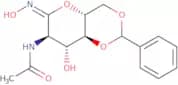

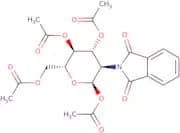
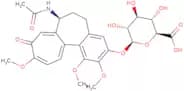
![1,2-Di-[(Trishydroxymethyl)aminomethane]-succinamide](/_next/image/?url=https%3A%2Fstatic.cymitquimica.com%2Fproducts%2F3D%2Fthumb-webp%2FMD12056.webp&w=3840&q=75)
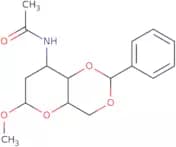
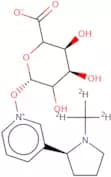
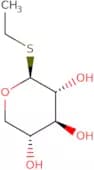

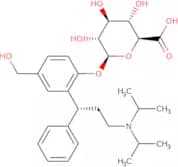

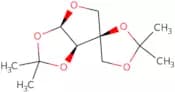

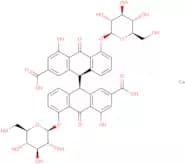
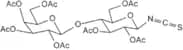
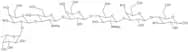
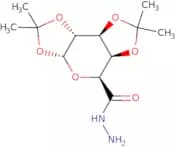
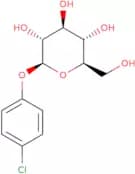
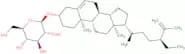
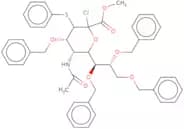
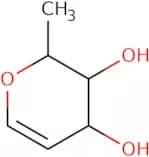
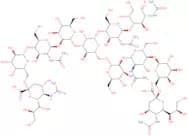


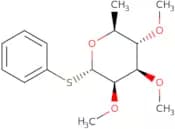
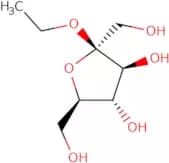
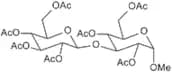

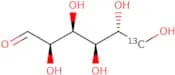
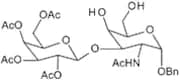
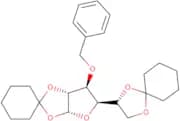
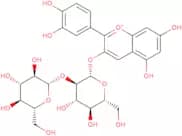
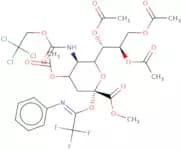



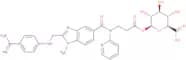

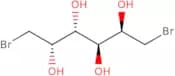
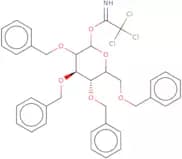
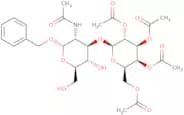
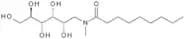
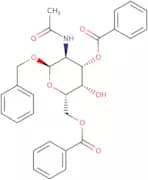
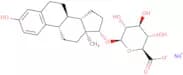

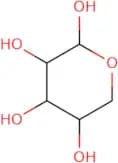



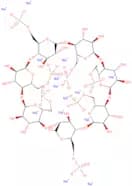
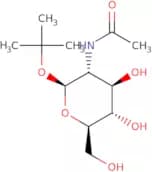
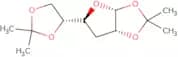
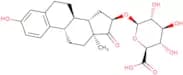
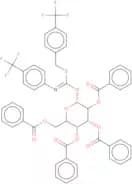


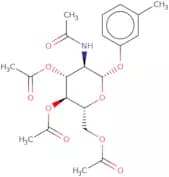
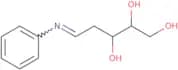
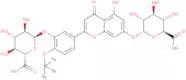
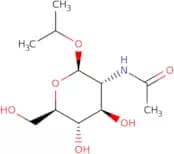
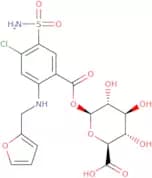
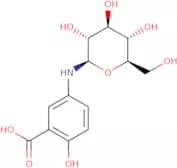
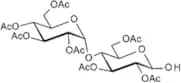
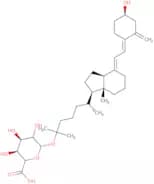
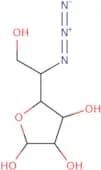
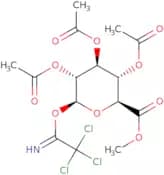
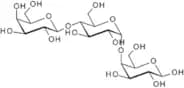
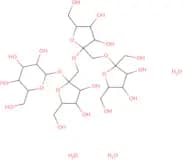
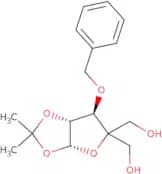

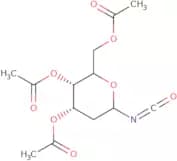

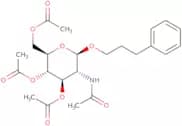
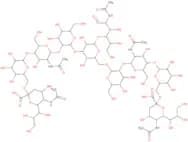

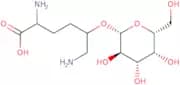

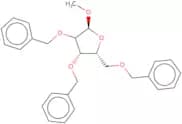
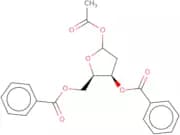
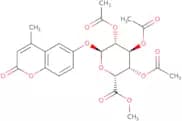
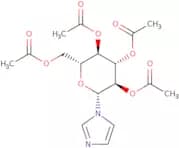
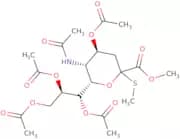
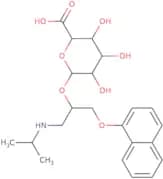



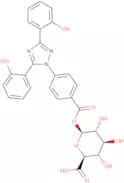



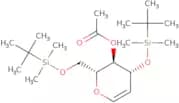
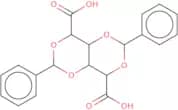
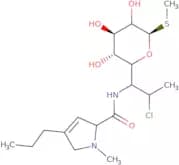

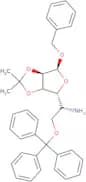

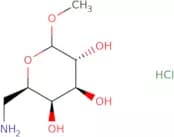
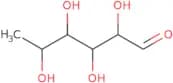

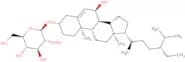
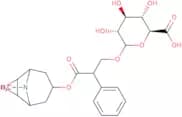
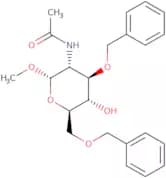
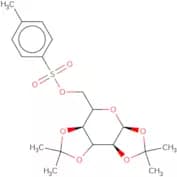




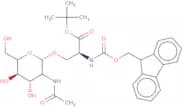
![(2R,3R,4S,5R,6S)-3,4,5-Trihydroxy-2-hydroxymethyl-7,9-diaza-1-oxa-spiro[4,5]decane-10-one-8-thione](/_next/image/?url=https%3A%2Fstatic.cymitquimica.com%2Fproducts%2F3D%2Fthumb-webp%2FMT01909.webp&w=3840&q=75)
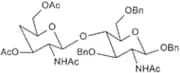

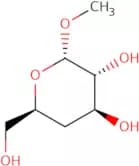
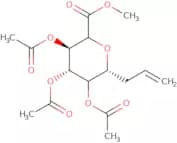
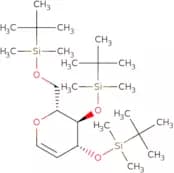
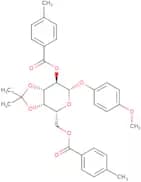
![O-(2-Azido-4,6-O-benzylidene-2-deoxy-a-D-galactopyranosyl)-N-[(9H-fluoren-9-ylmethoxy)carbonyl]-L-…](/_next/image/?url=https%3A%2Fstatic.cymitquimica.com%2Fproducts%2F3D%2Fthumb-webp%2FMA60609.webp&w=3840&q=75)

![5,7-Bis-(benzyloxy)-a-(4-(benzyloxy)phenyl)-3-[3,4-di-O-acetyl-a-O-acetyl-a-L-rhamnopyranosyloxyl]…](/_next/image/?url=https%3A%2Fstatic.cymitquimica.com%2Fproducts%2F3D%2Fthumb-webp%2FMB16635.webp&w=3840&q=75)
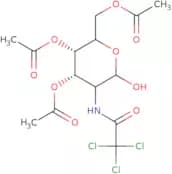
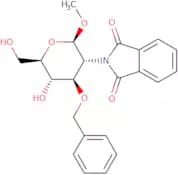


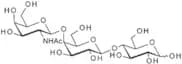

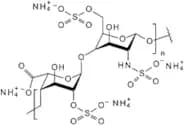

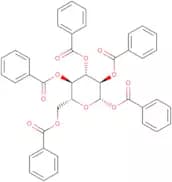
![D-[UL-13C6,15N]Glucosamine HCl](/_next/image/?url=https%3A%2Fstatic.cymitquimica.com%2Fproducts%2F3D%2Fthumb-webp%2FMG15630.webp&w=3840&q=75)