Glycoscience
Subcategories of "Glycoscience"
- Aminosugars(108 products)
- Glyco-Related Antibodies(283 products)
- Glycolipids(46 products)
- Glycosaminoglycans (GAGs)(55 products)
- Glycosides(419 products)
- Monosaccharides(6,619 products)
- Oligosaccharides(3,711 products)
- Polysaccharides(505 products)
Found 11027 products of "Glycoscience"
Glycyl-sialyllacto-N-tetraose α
Glycyl-sialyllacto-N-tetraose a is a custom synthesis that is an oligosaccharide with a molecular weight of 471. It has the CAS No. of 882859-14-6 and can be modified by methylation, glycosylation, and fluorination. This saccharide is a polysaccharide that can be modified by glycosylation, methylation, and click modification. The carbohydrate has a high purity and can be synthesized using organic chemistry or biochemistry techniques. Glycyl-sialyllacto-N-tetraose a is an Oligosaccharide with a sugar composition of (1) D-Glyceraldehyde 3-phosphate (2) D-Sorbitol 3 phosphate (3) Lactose (4) Glycyl-(1→4)-β--D--Galactopyranosyl-(1→3)-αFormula:C39H66N4O29Purity:Min. 95%Color and Shape:White to off-white solid.Molecular weight:1,054.95 g/mol2-Acetamido-1,3,4,6-tetra-O-acetyl-2-deoxy-D-galactopyranose
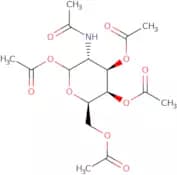
CAS:2-Acetamido-1,3,4,6-tetra-O-acetyl-2-deoxy-D-galactopyranose is fully acetylated D-Galactosamine (C4 epimer of D-Glucosamine). 2-Acetamido-1,3,4,6-tetra-O-acetyl-2-deoxy-D-galactopyranose is used in the synthesis of α- and β-linked acetamido pyranosides, which have anti-inflammatory properties as inhibitors of TLR4.Formula:C16H23NO10Purity:Min. 95%Color and Shape:White PowderMolecular weight:389.35 g/mol1,2,3,6-Tetra-O-acetyl-4-O-(2,3,4,6-tetra-O-acetyl-b-D-galactopyranosyl)-b-D-thioglucopyranose
CAS:This is a synthetic, high purity and custom-synthesized carbohydrate. The chemical name is 1,2,3,6-Tetra-O-acetyl-4-O-(2,3,4,6-tetra-O-acetyl-b-D-galactopyranosyl)-b-D-thioglucopyranose. It has been modified with the Click reaction to allow for chemical modification. This product is a complex carbohydrate that has been fluorinated to create an organic fluorine compound.Formula:C28H38O18SPurity:Min. 95%Molecular weight:694.66 g/mol1,2-Di-O-acetyl-3-azido-3-deoxy-5-O-toluoyl-D-ribofuranose
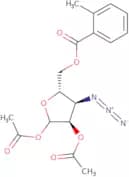
CAS:1,2-Di-O-acetyl-3-azido-3-deoxy-5-O-toluoyl-D-ribofuranose is a synthetic sugar that can be modified to produce oligosaccharides or polysaccharides. It has a CAS number of 120143-22-8 and is composed of a sugar molecule with an acetyl group on the 2' position and toluene sulfonyl group on the 3' position. This modification can be used for glycosylation or methylation reactions. 1,2-Di-O-acetyl -3,4,6,-triaminopyrimidine is also known as fluorinated ribofuranose.Formula:C17H19N3O7Purity:Min. 95%Molecular weight:377.35 g/molMaltotriose
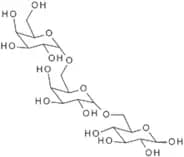
CAS:Used to differentiate microorganisms based on their metabolic properties.Formula:C18H32O16Purity:Min. 95 Area-%Molecular weight:504.44 g/molD-Fructose-1,6-diphosphate
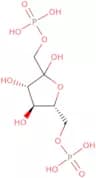
CAS:D-Fructose-1,6-diphosphate is a chemical that is found in the cytosol of cells. It is an intermediate in the metabolism of fructose and also has an important role in the synthesis of fatty acids and phospholipids. D-Fructose-1,6-diphosphate is an effective inhibitor of sodium succinate dehydrogenase, which converts succinate to fumarate. D-Fructose-1,6-diphosphate has a neutral pH profile and is not affected by changes in pH levels. The optimum pH for this compound is between 6.5 and 7.5. D-Fructose-1,6-diphosphate binds to proteins with unsaturated alkyl chains such as creatine kinase and glutamate dehydrogenase. It has been shown to have hemolytic effects on erythrocytes (red blood cells) at high concentrations, which may be due to its ability to bindFormula:C6H14O12P2Purity:(¹H-Nmr) Min. 95 Area-%Color and Shape:White PowderMolecular weight:340.12 g/mol1,2,3,6-Tetra-O-acetyl-4-O-(2,3,6-tri-O-acetyl-4-O-(2,3,4,6-tetra-O-acetyl-a-D-glucopyranosyl)-a-D-glucopyranosyl)-b-D-thioglucopyra nose
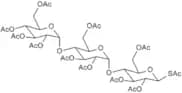
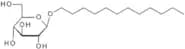
1,2,3,6-Tetra-O-acetyl-4-O-(2,3,6-tri-O-acetyl-4-O-(2,3,4,6-tetra-O-acetylaDglucopyranosyl)-aDglucopyranosyl)-bDthioglucopyra nose is a sugar with the chemical formula C27H42O14. This compound is synthesized by the glycosylation of 1,2,3,6 tetra O acetyl 4 O (2 3 6 tri O acetyl 4 O (2 3 4 6 tetra O acetyl a D glucopyranosyl) a D glucopyranosyl) b D thioglucopyrazine with 2 3 6 tri O acetate 4 O (2 3 4 6 tetra O acetate a D glucopyranoside a D glucopyranosideFormula:C40H54O26SPurity:Min. 95%Molecular weight:982.91 g/moln-Dodecyl-beta-D-glucopyranoside
CAS:Non-ionic detergent; solubilises membrane-bound proteins
Formula:C18H36O6Color and Shape:White PowderMolecular weight:348.47 g/mol1,2:3,5-Di-O-Isopropylidene-α-L-xylofuranose
CAS:1,2:3,5-Di-O-Isopropylidene-a-L-xylofuranose is a fluorinated sugar that is used as a building block in the synthesis of complex carbohydrates and oligosaccharides. It has a CAS number of 131156-47-3. 1,2:3,5-Di-O-Isopropylidene-a-L-xylofuranose is an active component in the modification of saccharide and polysaccharide structures by click chemistry. It can be modified with various functional groups such as methylation or monosaccharide to produce specific compounds. This product is available for custom synthesis.Formula:C11H18O5Purity:Min. 95%Color and Shape:PowderMolecular weight:230.26 g/mol(3R, 4R) -3, 4- Difluoro- 1- (phenylmethyl) -L- proline
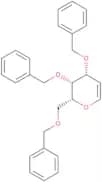
CAS:(3R, 4R) -3, 4- Difluoro- 1- (phenylmethyl) -L- proline is a fluorinated proline derivative. It is a methylated and modified amino acid that has been shown to have high purity and good solubility in water. It can be used as a monomer for the synthesis of complex carbohydrates such as oligosaccharides and polysaccharides. This product can also be used in the modification of saccharides and carbohydrates, including sugars.Purity:Min. 95%3,4,6-Tri-O-benzyl-D-galactal
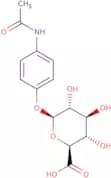
CAS:3,4,6-Tri-O-benzyl-D-galactal is a hydrogen bond donor and has been shown to have physiological activities. It was found to increase the number of lymphocytes in unimmunized mice. It also inhibits the growth of psoralea virus. The glycosidic bond between 3,4,6-tri-O-benzyl-D-galactal and glucose produces a product with an acetylated hydroxyl group and an aldehyde group. This type of bond is stereoselective and benzofuran derivatives are formed from the reaction. 3,4,6-Tri-O-benzyl-D-galactal has been shown to have anticancer activity against cancer cells in laboratory experiments.Formula:C27H28O4Purity:Min. 95%Color and Shape:White PowderMolecular weight:416.51 g/molAcetaminophen D-glucuronide
CAS:Acetaminophen D-glucuronide (APG) is a metabolite of acetaminophen. It is a major metabolite produced by the liver after acetaminophen is converted to APG by UDP-glucuronyltransferase. The biological properties of APG are similar to acetaminophen, but it has been shown that APG may have greater potency than acetaminophen in some tissues. For example, in vitro studies using hepatocyte-like cells have shown that APG has higher activity than acetaminophen on the induction of CYP2E1 and CYP3A4, two enzymes involved in drug metabolism. Acetaminophen D-glucuronide can be detected in blood samples for up to 48 hours after administration of an intravenous dose of acetaminophen, which provides a more precise measurement than other methods such as plasma concentrations or urinary excretion measurements.Formula:C14H17NO8Purity:Min. 95%Color and Shape:White PowderMolecular weight:327.29 g/mol3,5-O-Isopropylidene-L-lyxonic acid-1,4-lactone
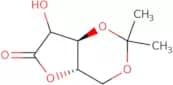
3,5-O-Isopropylidene-L-lyxonic acid-1,4-lactone is a fluorinated monosaccharide that can be synthesized in a custom synthesis. This chemical is an oligosaccharide with a complex carbohydrate structure and can be modified by glycosylation, methylation, or click modification. The chemical has been shown to have high purity and can be used in the production of polysaccharides. 3,5-O-Isopropylidene-L-lyxonic acid-1,4-lactone is a synthetic sugar with CAS number 7063-92-3.Formula:C8H12O5Purity:Min. 95%Molecular weight:188.18 g/mol3'-Sialylgalactose sodium salt
CAS:Sialylated oligosaccharide with the ability to inhibit angiogenesis and tumour development by binding to the vascular endothelial growth factor receptor VEGFR-2. Moreover, sialylated N-glycans in intestinal epithelium of chickens were found to carry terminal sialylgalactose, which interacts with influenza viruses during early stages of infection.Formula:C17H28NO14·NaPurity:Min. 95%Color and Shape:White PowderMolecular weight:493.39 g/molMyricitrin
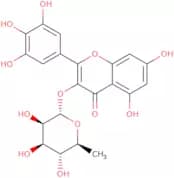
CAS:Myricitrin is a natural compound that is found in the bark of the Myrica tree. It has been shown to have antioxidant effects and pro-apoptotic activities. Myricitrin has been shown to induce apoptosis in HL-60 cells through activation of the caspase-3 pathway, which includes cleavage of poly (ADP-ribose) polymerase and activation of caspases. In addition, myricitrin induces apoptosis by binding to DNA and inhibiting transcription. The physiological effects of myricetin are similar to those of myricitrin due to their structural similarity. However, there is no data available on the anti-inflammatory properties or hypoglycemic effect of myricetin.Formula:C21H20O12Purity:Min. 95%Color and Shape:White PowderMolecular weight:464.38 g/molMethyl b-D-thioglucopyranoside
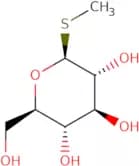
CAS:Methyl b-D-thioglucopyranoside is a mucolytic that is used to treat respiratory disorders such as chronic bronchitis, asthma, and emphysema. It can be used topically or orally, and is typically taken twice a day. Methyl b-D-thioglucopyranoside works by breaking down the mucus coating in the lungs, making it easier to cough up. This drug also has viscosity-lowering properties due to its ability to break down mucus.Formula:C7H14O5SPurity:Min. 95%Molecular weight:210.25 g/mol2,3-Di-O-benzyl-a-cyclodextrin
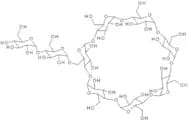
Alpha-cyclodextrin (α-CD) derivative with a hydrophilic exterior and lipophilic cavity (smaller than β-CDs and γ-CDs) to allocate certain guest molecules. This structural characteristic enables applications in molecular encapsulation, solubility enhancement, and stabilization across multiple industries. In pharmaceuticals, it serves as a drug delivery vehicle, enhancing the bioavailability and stability of active ingredients. The food industry utilizes it as a stabilizer for flavors, colors, and nutrients, as well as a functional ingredient for its effects on lipid metabolism. In cosmetics, it acts as a complex agent for fragrances and active components. Its applications extend to analytical chemistry for chiral separation and to materials science for developing smart materials and nanosystems.Formula:C120H132O30Purity:Min. 95%Molecular weight:2,054.31 g/molPhenyl 4,6-O-benzylidene-2-O-levulinoyl-3-O-(2-naphthylmethyl)-b-D-thioglucopyranoside
Phenyl 4,6-O-benzylidene-2-O-levulinoyl-3-O-(2-naphthylmethyl)-b-D-thioglucopyranoside is a fluorinated monosaccharide. It can be synthesized in a custom synthesis and is available with high purity. This product is an oligosaccharide, which has glycosylation and polysaccharide properties. Phenyl 4,6-O-benzylidene-2-O-levulinoyl-3-O-(2-naphthylmethyl)-b-D -thioglucopyranoside is also a complex carbohydrate that has been modified by methylation and acetalization.Purity:Min. 95%2,3,5-Tri-O-benzhydryloxybis(trimethylsilyloxy)silyl-2-C-methyl-D-ribono-1.4-lactone
2,3,5-Tri-O-benzhydryloxybis(trimethylsilyloxy)silyl-2-C-methyl-D-ribono-1.4-lactone is a custom synthesis that is used as a building block for saccharides and polysaccharides due to its high purity. It is also used for the modification of saccharides and polysaccharides. It is synthesized using Click chemistry, which has been shown to be effective in glycosylation reactions. This product has fluorination at C2 and C3 positions, which provides resistance against hydrolysis by esterases and glucuronidases. It also has methylation at the 3' position of the sugar moiety, which makes it resistant to hydrolysis by phosphodiesterases. The CAS number of this product is 549299-05-5.br>br> br>br> ThisPurity:Min. 95%Methyl 2,3-di-O-acetyl-4,6-O-benzylidene-a-D-mannopyranoside
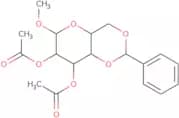
CAS:Methyl 2,3-di-O-acetyl-4,6-O-benzylidene-a-D-mannopyranoside is a synthetic compound that has not been studied in vivo or in vitro. Methyl 2,3-di-O-acetyl-4,6-O-benzylidene-aDmannopyranoside is an oligosaccharide that can be modified with fluorination and methylation. It is synthesized by glycosylation of a Dmannopyranose using an acetate as the acyl donor. The acetate is then selectively benzylated to form the desired product.Formula:C18H22O8Purity:Min. 95%Molecular weight:366.37 g/mol6-O-a-Maltosyl-b-cyclodextrin
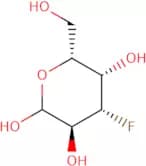
CAS:This beta-cyclodextrin (β-CD) derivative is a functionalized cyclic oligosaccharide composed of seven glucose units, characterized by a hydrophilic exterior and a lipophilic cavity (bigger than α-CD and smaller than γ-CDs), which allows it to encapsulate various guest molecules. This structural feature facilitates its use in multiple applications, including pharmaceuticals, food enhancement, and cosmetics. In the pharmaceutical industry, it enhances the solubility and stability of poorly water-soluble drugs, improving their bioavailability and efficacy while also masking unpleasant tastes. The food sector utilizes it as a stabilizer for flavors, colors, and nutrients, extending shelf life by protecting sensitive ingredients from degradation. In cosmetics, it serves as a complexing agent for fragrances and active components, ensuring their stability and controlled release. Its use expands to many other fields, including nanotechnology for drug delivery systems, environmental remediation for extracting organic pollutants, textiles for slow-release fragrances, and analytical chemistry for chiral separation.Formula:C54H90O45Purity:Min. 95%Color and Shape:White PowderMolecular weight:1,459.27 g/mol3-Deoxy-3-fluoro-D-galactose - Aqueous solution
CAS:3-Deoxy-3-fluoro-D-galactose (3DFGal) is a potential drug that has been shown to shift the metabolic pathway of gram-positive pathogens from glycolysis to gluconeogenesis. This compound may be used as a tool for studying the enzymatic reaction catalyzed by galactokinase, which is involved in the conversion of 3DFGal to D-galactose. 3DFGal is a stereospecific carbohydrate and can be used as a substrate for biochemical studies. The bacterial surface profile of 3DFGal has been investigated and it has been found that 3DFGal is not significantly toxic to Gram-negative bacteria. The kinetics of 3DFGal hydrolysis have been studied and it was found that the hydrolysis rate was increased when the solution was acidified with hydrofluoric acid.Formula:C6H11FO5Purity:Min. 98 Area-%Color and Shape:PowderMolecular weight:182.15 g/mol5-O-Benzoyl-1,2,-O-isopropylidene-3-deoxy-3-ethylidene-a-D-xylofuranoside
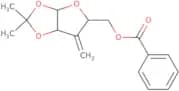
CAS:5-O-Benzoyl-1,2,-O-isopropylidene-3-deoxy-3-ethylidene-a-D-xylofuranoside is a custom synthesis that is a modification of the natural product 5-O-(4'-methylbenzoyl)-1,2,-O-(isopropylidene)-3,5'-di--deoxyxylofuranoside. The fluorination and methylation reactions were carried out to produce the desired product. 5--O--Benzoyl--1,2,-O--isopropylidene--3,5'-di--deoxyxylofuranoside is a monosaccharide that is part of an oligosaccharide or polysaccharide. This compound has been synthesized by Click modification and glycosylation with sugar.Purity:Min. 95%5-Deoxy- 5- iodo- 2, 3- O- isopropylidene -D- ribonic acid γ-lactone
5-Deoxy-5-iodo-2,3-O-isopropylidene-D-ribonic acid gamma-lactone is a sugar molecule that has been modified and synthesized. It is a glycosylation product of 5'-deoxy-5'-iodoarabinose with 3,4,6-trihydroxybenzoic acid. It can be used for the synthesis of oligosaccharides and saccharides. This compound has been shown to inhibit the growth of Mycobacterium tuberculosis in culture.Purity:Min. 95%1,2:5,6-Di-O-cyclohexylidene-α-D-glucofuranose
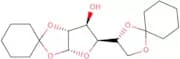
CAS:1,2:5,6-Di-O-cyclohexylidene-a-D-glucofuranose is a synthetic sugar which is used as a starting material for the synthesis of oligosaccharides and polysaccharides. This chemical is also used in the modification of glycosylation and carbohydrate. It can be used to synthesize high purity sugars, including monosaccharides and oligosaccharides. 1,2:5,6-Di-O-cyclohexylidene-a-D-glucofuranose is not fluorescent under UV light.Formula:C18H28O6Purity:Min. 95%Color and Shape:White PowderMolecular weight:340.41 g/molMethyl 2,3-O-isopropylidene-α-L-rhamnopyranoside
CAS:Methyl 2,3-O-isopropylidene-a-L-rhamnopyranoside is a custom synthesis that was developed to meet the specifications of our customer. It is a high purity, custom synthesis that has undergone click modification and glycosylation. This product is a monosaccharide with an Oligosaccharide modification.Formula:C10H18O5Purity:Min. 95%Color and Shape:Clear LiquidMolecular weight:218.25 g/mol1,2,3-Tri-O-benzyl-4,6-O-(4-methoxybenzylidene)-b-D-galactopyranoside
1,2,3-Tri-O-benzyl-4,6-O-(4-methoxybenzylidene)-b-D-galactopyranoside is a synthetic compound that has been synthesized as an example of a fluorinated sugar. This compound is an oligosaccharide with a molecular weight of 839.Formula:C35H36O7Purity:Min. 95%Molecular weight:568.66 g/molN-(2-Phenyl-1-cyano-3-butene)-2,3,4,6-tetra-O-pivaloyl-D-glucopyranoside
N-(2-Phenyl-1-cyano-3-butene)-2,3,4,6-tetra-O-pivaloyl-D-glucopyranoside is a compound that is used as an intermediate in the synthesis of glycosylated polysaccharides. It has been used to synthesize saccharides and oligosaccharides with a wide range of compositions. This compound can be custom synthesized to meet your specifications.Formula:C37H54NO9Purity:Min. 95%Molecular weight:656.84 g/molChitoheptaose 7HCl
CAS:Chitoheptaose 7HCl is a synthetic, complex carbohydrate with a CAS number of 68232-35-9. This product is custom synthesized to order and can be modified according to your specifications. It is available in high purity.
Formula:C42H79N7O29·7HClPurity:Min. 95 Area-%Color and Shape:PowderMolecular weight:1,401.34 g/mol4-O-Benzyl-L-rhamnal
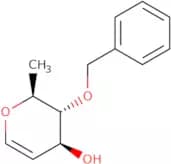
CAS:4-O-Benzyl-L-rhamnal is a functionalized, asymmetric, glycosylating agent that is used in the synthesis of glycoconjugates. 4-O-Benzyl-L-rhamnal is synthesized by the reaction of benzaldehyde with an aldehyde group on the sugar molecule. The product is then reacted with an alcohol to form a glycosidic bond. This process can be repeated until the desired number of sugar molecules are added. It can also be used to synthesize disaccharides and polysaccharides by convergent or nucleophile reactivity. 4-O-Benzyl-L-rhamnal utilizes a chiral auxiliary to produce its product, which can be used for synthesis purposes or as a starting material for other reactions.Formula:C13H16O3Purity:Min. 95%Color and Shape:PowderMolecular weight:220.27 g/mol1,2,3-Tri-O-acetyl-4,6-O-benzylidene-b-D-galactopyranose
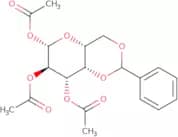
CAS:1,2,3-Tri-O-acetyl-4,6-O-benzylidene-b-D-galactopyranose is a high purity and custom synthesis sugar. This product has been modified with fluorination, glycosylation, methylation, and modifications. It is also known by the CAS number 78962-43-3. 1,2,3-Tri-O-acetyl-4,6-O-benzylidene b -D -galactopyranose is an oligosaccharide that can be used as a monosaccharide or saccharide. It is a complex carbohydrate that has many uses in the food industry.Formula:C19H22O9Purity:Min. 95%Color and Shape:White PowderMolecular weight:394.37 g/molMycophenolic acid acyl-b-D-glucuronide
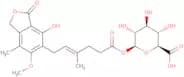
CAS:Mycophenolic acid acyl-b-D-glucuronide is a prodrug of mycophenolic acid that is metabolized by esterases to its active form. This compound has been shown to inhibit the activity of drug receptors, including those for immunosuppressants and anticonvulsants. Mycophenolic acid acyl-b-D-glucuronide has also been found to have a matrix effect on the concentration–time curve of other drugs in human serum. This drug is used for the treatment of bowel disease, autoimmune diseases, and for the prevention of organ transplant rejection. It can be administered orally or intravenously and has been shown to be well tolerated with few adverse effects.Formula:C23H28O12Purity:Min. 90%Color and Shape:PowderMolecular weight:496.47 g/molMethyl glucoside dioleate
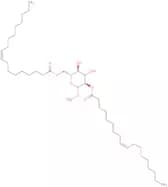
CAS:Methyl glucoside dioleate is a fatty acid ester that is a cross-linking agent. It can be used as a neutralizer and surfactant in cosmetic products. Methyl glucoside dioleate has been shown to have synergistic effects with hyaluronic acid, which stimulates the production of collagen and elastin. It also has skin-softening properties due to its ability to form films on the skin surface and reduce water loss by forming a hydrophobic barrier. Methyl glucoside dioleate is not known to cause allergic reactions or other adverse effects when applied to humans, although there are no long-term studies on this topic.Purity:Min. 95%1-Deoxy-D- tagatofuranose
1-Deoxy-D-tagatofuranose is a sugar that is found in many plants. It is a monosaccharide with a carbohydrate group at the reducing end of the molecule. 1-Deoxy-D-tagatofuranose has been synthesized by Click chemistry, which enables selective modification of its hydroxyl groups. This sugar is methylated, glycosylated, and fluorinated to make it more stable and resistant to chemical degradation. 1-Deoxy-D-tagatofuranose has various applications such as use as a food additive and as a pharmaceutical drug in the treatment of cancer.Purity:Min. 95%Allyl 2,3,4,6-tetra-O-acetyl-β-D-glucopyranoside
CAS:Allyl 2,3,4,6-tetra-O-acetyl-β-D-glucopyranoside is a health product that is used as an anesthetic. It is made from allyl alcohol and acetic acid in the presence of alkali. Allyl 2,3,4,6-tetra-O-acetyl-β-D-glucopyranoside has been shown to be degradable in the environment and biodegradable in soil. This product does not contain any hazardous materials and is not toxic to humans. Allyl 2,3,4,6-tetra-O-acetyl-β-D-glucopyranoside has also been shown to have an antiinflammatory effect on the human body.Formula:C17H24O10Purity:Min. 95%Color and Shape:PowderMolecular weight:388.37 g/mol(1R) -1- [(2S, 3R,4S) -4-(Acetylamino)methyl-3- hydroxy- 1- azetidinyl] -1, 2- ethanediol
(1R) -1- [(2S, 3R,4S) -4-(Acetylamino)methyl-3- hydroxy- 1- azetidinyl] -1, 2- ethanediol is a custom synthesis. It is a complex carbohydrate that consists of an oligosaccharide with the CAS No. 6056-89-2. This product has been modified by methylation and glycosylation and has been fluorinated in order to improve its stability. The purity of this product is high and it contains a saccharide or sugar which is a polysaccharide as well as a carbonyl group.Purity:Min. 95%2-Azido-2-deoxy-3,4:5,6-di-O-isopropylidene-L-gulonic acid methyl ester
This product is a custom synthesized and modified monosaccharide. It is an oligosaccharide, which is made up of two or more sugars that are linked together by glycosidic bonds. The sugar in this product is a glycosylation, which is a type of sugar that has been modified by adding a new chemical group to it. This modification can be done by fluorination, methylation, or click modification. This product also contains a saccharide, which is a large carbohydrate molecule that consists of many sugar molecules. This type of carbohydrate can be either polysaccharides or complex carbohydrates. This product has high purity and CAS number (CAS No.).Purity:Min. 95%1,3,4,6-Tetra-O-acetyl-2-azido-2-deoxy-b-D-galactopyranose
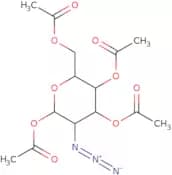
CAS:1,3,4,6-Tetra-O-acetyl-2-azido-2-deoxy-b-D-galactopyranose (TAZ) is an aromatic heterocyclic sugar compound that is used in pharmaceutical formulations. It has low toxicity and can be synthesized using a number of methods. TAZ has been shown to have antifungal effects against Candida albicans and antitumor effects against cancer cells. TAZ also inhibits the activity of teniposide, which is a drug used for the treatment of leukemia. TAZ may be effective against cancer cells by acting as an amido donor and changing the conformation of the cyclic peptide.Formula:C14H19N3O9Purity:Min. 95%Color and Shape:PowderMolecular weight:373.32 g/mol1,2:3,4-Di-O-isopropylidene-L-arabinopyranose
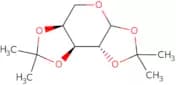
CAS:1,2:3,4-Di-O-isopropylidene-L-arabinopyranose is a custom synthesis of 1,2:3,4-di-O-isopropylidene arabinopyranose. It is an oligosaccharide with a glycosylation and methylation that has a high purity with a CAS number of 212069-31-3. This complex carbohydrate can be modified to create new saccharides. The modification process includes fluorination and click chemistry reactions.Formula:C11H18O5Purity:Min. 95%Color and Shape:PowderMolecular weight:230.26 g/molCaffeic acid 3-O-β-D-glucuronide
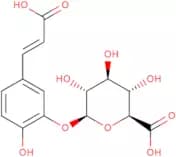
CAS:Caffeic acid 3-O-b-D-glucuronide (3BGA) is a phenolic compound that is found in plants. It has been shown to inhibit the growth of viruses, including influenza virus, and chlorogenic acid isomers have been shown to inhibit the growth of bacteria. The highest concentration of 3BGA was found in the heartwood of the plant. Recent pharmacokinetic studies have shown that caffeic acid 3-O-b-D-glucuronide is metabolized by gut bacteria and excreted in human urine.
Formula:C15H16O10Purity:Min. 95%Color and Shape:PowderMolecular weight:356.28 g/molManninotriose
CAS:Manninotriose is a mannose-containing oligosaccharide that has been found to have high resistance against enzymes. This mannose-containing oligosaccharide can be used as a biomarker for the detection of activated macrophages in biological samples, such as serum and urine. It is also used as an activator of monoclonal antibodies, which are used in the diagnosis of autoimmune diseases. Manninotriose may act as a signal peptide for the activation of enzyme activities, such as glycosyl transferase reactions and caffeic acid hydrolase.
Formula:C18H32O16Purity:Min. 95 Area-%Color and Shape:White Off-White PowderMolecular weight:504.44 g/mol1,2:4,5-Di-O-isopropylidene-3-O-methacryloyl-b-D-fructopyranose
1,2:4,5-Di-O-isopropylidene-3-O-methacryloyl-b-D-fructopyranose is a monosaccharide that has been modified with fluorination and methylation. The methylation of this molecule provides a high degree of purity. This synthetic product is a complex carbohydrate that is used as an additive in food and medicine. 1,2:4,5-Di-O-isopropylidene-3-O-methacryloyl b -D -fructopyranose has the CAS number 64794-52-9.Purity:Min. 95%Chitotetraose tetrahydrochloride
CAS:Tetraose composed of four glucosamine residuesFormula:C24H46N4O17•(HCl)4Purity:Min. 95%Color and Shape:White PowderMolecular weight:808.48 g/molSucrose octaacetate
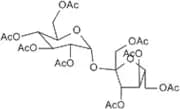
CAS:Sucrose octaacetate is used commercially and industrially in a variety of applications including as an inert ingredient in pesticides and herbicides and has been approved by the EPA as an inert ingredient in pesticides due to its low toxicity. It has also been approved by the FDA as a food additive. It has a bitter taste and is used as a bitterant to deter accidental ingestion.Formula:C28H38O19Purity:Min. 95%Color and Shape:PowderMolecular weight:678.59 g/molN-(Succinyl)-O-b-D-maltosylhydroxylamine
N-Succinyl-O-b-D-maltosylhydroxylamine is a glycosylation reagent used in the synthesis of complex carbohydrates. Its CAS number is 87217-14-5. N-Succinyl-O-b-D-maltosylhydroxylamine is a white to off-white crystalline powder with the molecular formula C4H8N2O6S and a molecular weight of 244.22. It has a melting point of 189°C. This product is soluble in water, ethanol, and chloroform. It does not dissolve in ether or hexane.Purity:Min. 95%2-Acetamido-3-O-(2-acetamido-2-deoxy-a-D-galactopyranosyl)-2-deoxy-D-galactopyranose
CAS:2-Acetamido-3-O-(2-acetamido-2-deoxy-a-D-galactopyranosyl)-2-deoxy-D-galactopyranose is a glycan that is found in human serum and maternal blood. The wild type strain of 2,3,4,6,7,8 diacetylgalactosaminyltransferase (GnTIII) gene has been shown to be essential for the synthesis of this glycan. This glycan is also found in the carcinoma cell lines HT1080 and SW480. Structural analysis of the glycan has revealed that it contains a hydroxyl group on the C1 position and an acetamido group on the C2 position. Glycans are polymers that play roles in many biological functions such as cell recognition, immune responses, and carbohydrate metabolism. The structure of this glycan was studied using titration calorimFormula:C16H28N2O11Purity:Min. 95%Color and Shape:PowderMolecular weight:424.40 g/molRaloxifene-6-D-glucuronide D4 lithium salt
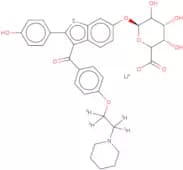
Controlled ProductThis is a custom synthesis of an oligosaccharide with a 6-D-glucuronide D4 lithium salt. It is a complex carbohydrate that has been modified with methylation and glycosylation. This compound can be used as a synthetic intermediate for the production of other compounds or it can be used as a pharmaceutical agent.Formula:C34H30NO10SD4·LiPurity:Min. 95%Molecular weight:659.66 g/mol1,2:5,6-Di-O-isopropylidene-a-D-ribo-hexofuranose-3-ulose monohydrate
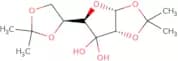
CAS:1,2:5,6-Di-O-isopropylidene-a-D-ribo-hexofuranose-3-ulose monohydrate is a fluorinated carbohydrate that has been synthesized in our lab. It is a complex carbohydrate and can be used as a building block for glycosylation. The synthesis of this compound is done through the use of click chemistry to modify the sugar. We have high purity levels for this compound and can provide custom synthesis services for your needs.Formula:C12H20O7·H2OPurity:Min. 95%Color and Shape:White PowderMolecular weight:294.3 g/mol2-Acetamido-6-O-(a-2-N-acetylneuraminyl)-2-deoxy-a-D-galactopyranosyl serine
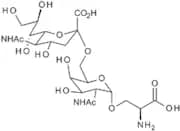
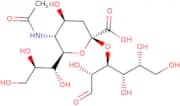
CAS:2-Acetamido-6-O-(a-2-N-acetylneuraminyl)-2-deoxy-a-D-galactopyranosyl serine is a monosaccharide sugar that is the terminal sugar at the nonreducing end of the glycosidic linkage in gangliosides. It has been shown to be a marker for colorectal adenocarcinoma and may be used as a prognostic marker. 2-Acetamido-6-O-(a-2-N-acetylneuraminyl)-2-deoxy--aDgalactopyranosyl serine, along with other gangliosides, has been found to be elevated in maternal blood and human serum during bowel diseases such as ulcerative colitis. This molecule has also been shown to have structural similarities to antigens that are associated with infectious diseases such as malaria.Formula:C22H37N3O16Purity:Min. 95 Area-%Color and Shape:White PowderMolecular weight:599.54 g/molPolymannuronic acid sodium salt - Average MW > 5000 Da
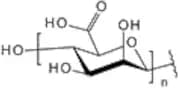
CAS:Sodium polymannuronate is produced from alginates by partial hydrolysis and chromatography of brown algae such as Laminaria digitata, Ascophyllum nodosum and Fucus spp. The image was kindly provided by Prof Mike Guiry from Cork who runs ‘The Seaweed Site’.Purity:Min. 85%Color and Shape:Powder










![(1R) -1- [(2S, 3R,4S) -4-(Acetylamino)methyl-3- hydroxy- 1- azetidinyl] -1, 2- ethanediol](/_next/image/?url=https%3A%2Fstatic.cymitquimica.com%2Fproducts%2F3D%2Fthumb-webp%2FMA163403.webp&w=3840&q=75)