


Glycoscience
Subcategories of "Glycoscience"
- Aminosugars(108 products)
- Glyco-Related Antibodies(284 products)
- Glycolipids(46 products)
- Glycosaminoglycans (GAGs)(55 products)
- Glycosides(419 products)
- Monosaccharides(6,622 products)
- Oligosaccharides(3,701 products)
- Polysaccharides(505 products)
Found 11034 products of "Glycoscience"
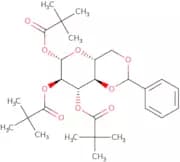
4,6-O-Benzylidene-1,2,3-tri-O-pivaloyl-b-D-glucopyranose
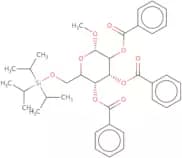
CAS:4,6-O-Benzylidene-1,2,3-tri-O-pivaloyl-b-D-glucopyranose is a carbohydrate that belongs to the group of saccharides. It is a simple sugar that has been modified with fluorination. This compound has been synthesized by custom synthesis and has high purity and can be used in research. 4,6-O-Benzylidene-1,2,3-tri-O-pivaloyl-b-D-glucopyranose is not currently available on the market.Formula:C28H40O9Purity:Min. 95%Molecular weight:520.63 g/molMethyl 2,3,4-tri-O-benzoyl-6-O-triisopropylsilyl-a-D-mannopyranoside
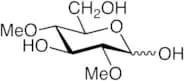
Methyl 2,3,4-tri-O-benzoyl-6-O-triisopropylsilyl-a-D-mannopyranoside is a synthetic glycosylation agent with high purity and custom synthesis. The product is used to modify saccharides and oligosaccharides with the addition of the methyl group at C2 of the sugar. It can be used for modification of complex carbohydrates, fluorination, and saccharide. Methyl 2,3,4-tri-O-benzoyl-6-O-triisopropylsilyl-a -D -mannopyranoside has CAS No. 617069–91–8. The product can be synthesized in various configurations to meet customer needs.Formula:C37H46O9SiPurity:Min. 95%Molecular weight:662.86 g/mol2,4-Di-O-methyl-D-glucose
CAS:2,4-Di-O-methyl-D-glucose is a partially O-methylated glucose sugar.Formula:C8H16O6Purity:Min. 95%Color and Shape:PowderMolecular weight:208.21 g/molD-Arabinose
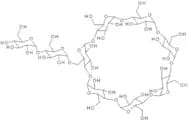
CAS:The aldopentose D-arabinose also known as aloinose, Aloe sugar, pectinose (Collins, 2006), is not as common in nature as its enantiomer L-arabinose. D-arabinose is a component of the polysaccharide in Aloe (Haynes, 1963) and is present in the unripe (green) tomato (Lycopersicon esculentum) (Chandra, 2009). The major cell wall carbohydrate of Corynebacterineae (a bacterial group that includes tuberculosis, leprosy and diphtheriae) is an arabinogalactan, a branched polysaccharide that is essential for the physiology of these bacteria. The arabinogalactan complex is often referred to as mycolyl-arabinogalactan-peptidoglycan complex. As arabinogalactan is made up of D-arabinofuranosyl and D-galactofuranosyl residues, a complete understanding of their biosynthethic pathways could provide suitable targets for new chemotherapeutics (Meniche, 2008).Formula:C5H10O5Purity:Min. 99 Area-%Color and Shape:PowderMolecular weight:150.13 g/mol6-O-a-Maltosyl-b-cyclodextrin
CAS:This beta-cyclodextrin (β-CD) derivative is a functionalized cyclic oligosaccharide composed of seven glucose units, characterized by a hydrophilic exterior and a lipophilic cavity (bigger than α-CD and smaller than γ-CDs), which allows it to encapsulate various guest molecules. This structural feature facilitates its use in multiple applications, including pharmaceuticals, food enhancement, and cosmetics. In the pharmaceutical industry, it enhances the solubility and stability of poorly water-soluble drugs, improving their bioavailability and efficacy while also masking unpleasant tastes. The food sector utilizes it as a stabilizer for flavors, colors, and nutrients, extending shelf life by protecting sensitive ingredients from degradation. In cosmetics, it serves as a complexing agent for fragrances and active components, ensuring their stability and controlled release. Its use expands to many other fields, including nanotechnology for drug delivery systems, environmental remediation for extracting organic pollutants, textiles for slow-release fragrances, and analytical chemistry for chiral separation.Formula:C54H90O45Purity:Min. 95%Color and Shape:White PowderMolecular weight:1,459.27 g/mol5-O-Benzoyl-1,2,-O-isopropylidene-3-deoxy-3-ethylidene-a-D-xylofuranoside
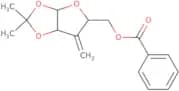
CAS:5-O-Benzoyl-1,2,-O-isopropylidene-3-deoxy-3-ethylidene-a-D-xylofuranoside is a custom synthesis that is a modification of the natural product 5-O-(4'-methylbenzoyl)-1,2,-O-(isopropylidene)-3,5'-di--deoxyxylofuranoside. The fluorination and methylation reactions were carried out to produce the desired product. 5--O--Benzoyl--1,2,-O--isopropylidene--3,5'-di--deoxyxylofuranoside is a monosaccharide that is part of an oligosaccharide or polysaccharide. This compound has been synthesized by Click modification and glycosylation with sugar.Purity:Min. 95%Maltotriosyltrehalose
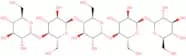
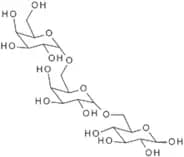
CAS:Maltotriosyltrehalose is a sugar that is found in plants, fungi, and bacteria. It can be used as a substrate for the production of hydrogen-bonded oligosaccharides. Maltotriosyltrehalose has been shown to have a protective effect against death induced by high temperatures in mammalian cells. This sugar is also a good substrate for the production of hydrogen-bonded oligosaccharides and can be used as an additive to dry food products such as bread or cereals. Maltotriosyltrehalose is stable at high temperatures and has been shown to protect against cell death caused by heat stress. It can be used in both animal feed and human food products. Maltotriosyltrehalose is not active against proteases, but it does not inhibit the activity of mammalian cells that produce proteases.Formula:C20H52O26Purity:Min. 95%Molecular weight:708.61 g/molN-(2-Phenyl-1-cyano-3-butene)-2,3,4,6-tetra-O-pivaloyl-D-glucopyranoside
N-(2-Phenyl-1-cyano-3-butene)-2,3,4,6-tetra-O-pivaloyl-D-glucopyranoside is a compound that is used as an intermediate in the synthesis of glycosylated polysaccharides. It has been used to synthesize saccharides and oligosaccharides with a wide range of compositions. This compound can be custom synthesized to meet your specifications.Formula:C37H54NO9Purity:Min. 95%Molecular weight:656.84 g/molChitoheptaose 7HCl
CAS:Chitoheptaose 7HCl is a synthetic, complex carbohydrate with a CAS number of 68232-35-9. This product is custom synthesized to order and can be modified according to your specifications. It is available in high purity.
Formula:C42H79N7O29·7HClPurity:Min. 95 Area-%Color and Shape:PowderMolecular weight:1,401.34 g/mol1,4:3,6-Dianhydro-D-mannitol
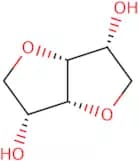
CAS:Building block for polymers synthesis, ionic liquids and chiral auxiliaries
Formula:C6H10O4Purity:Min. 95%Color and Shape:PowderMolecular weight:146.14 g/molChitosan
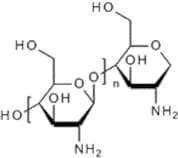
CAS:Chitosan is the deacetylated form of chitin. The polysaccharide is deacetylated in order to render it soluble, which is then possible at pH values of less than 7 (normally in dilute acid). This then allows the material to be used in a number of industrial applications as a binder and film former.Molecular weight range 350 - 3500 Da.
Color and Shape:PowderAllyl 2,3,4,6-tetra-O-acetyl-β-D-glucopyranoside
CAS:Allyl 2,3,4,6-tetra-O-acetyl-β-D-glucopyranoside is a health product that is used as an anesthetic. It is made from allyl alcohol and acetic acid in the presence of alkali. Allyl 2,3,4,6-tetra-O-acetyl-β-D-glucopyranoside has been shown to be degradable in the environment and biodegradable in soil. This product does not contain any hazardous materials and is not toxic to humans. Allyl 2,3,4,6-tetra-O-acetyl-β-D-glucopyranoside has also been shown to have an antiinflammatory effect on the human body.Formula:C17H24O10Purity:Min. 95%Color and Shape:PowderMolecular weight:388.37 g/mol(1R) -1- [(2S, 3R,4S) -4-(Acetylamino)methyl-3- hydroxy- 1- azetidinyl] -1, 2- ethanediol
(1R) -1- [(2S, 3R,4S) -4-(Acetylamino)methyl-3- hydroxy- 1- azetidinyl] -1, 2- ethanediol is a custom synthesis. It is a complex carbohydrate that consists of an oligosaccharide with the CAS No. 6056-89-2. This product has been modified by methylation and glycosylation and has been fluorinated in order to improve its stability. The purity of this product is high and it contains a saccharide or sugar which is a polysaccharide as well as a carbonyl group.Purity:Min. 95%6-[tert-Butoxycarbonyl-(2,3,4,5,6-pentahydroxy-hexyl)-amino]-2-(9H-fluoren-9-ylmethoxycarbonylamino)-hexanoic acid
CAS:6-[tert-Butoxycarbonyl-(2,3,4,5,6-pentahydroxy-hexyl)-amino]-2-(9H-fluoren-9-ylmethoxycarbonylamino)-hexanoic acid is a synthetic sugar that is modified by Click chemistry. It has a CAS number of 1078721-99-9. This product is often used as a glycosylation or oligosaccharide building block in the synthesis of complex carbohydrates. It has been shown to have high purity and can be modified using methylation and monosaccharides.Formula:C32H44N2O11Purity:Min. 95%Molecular weight:632.7 g/molManninotriose
CAS:Manninotriose is a mannose-containing oligosaccharide that has been found to have high resistance against enzymes. This mannose-containing oligosaccharide can be used as a biomarker for the detection of activated macrophages in biological samples, such as serum and urine. It is also used as an activator of monoclonal antibodies, which are used in the diagnosis of autoimmune diseases. Manninotriose may act as a signal peptide for the activation of enzyme activities, such as glycosyl transferase reactions and caffeic acid hydrolase.
Formula:C18H32O16Purity:Min. 95 Area-%Color and Shape:White Off-White PowderMolecular weight:504.44 g/molBlood Group H disaccharide
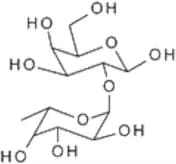
CAS:Core antigen fragment in ABO blood group systemFormula:C12H22O10Purity:Min. 95%Color and Shape:White PowderMolecular weight:326.3 g/molEthyl 2-acetamido-2-deoxy-β-D-glucopyranoside
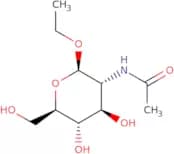
CAS:Ethyl 2-acetamido-2-deoxy-β-D-glucopyranoside is an anomeric sugar that contains a substituent at C4. It is used in the synthesis of oxazolidinones and thiazolidinones.Formula:C10H19NO6Purity:Min. 98 Area-%Color and Shape:PowderMolecular weight:249.26 g/mol2,3,4,6-Tetra-O-pivaloyl-D-glucopyranosyl amine
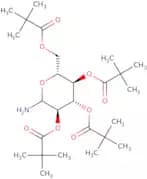
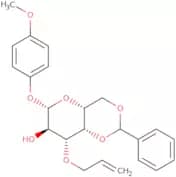
CAS:2,3,4,6-Tetra-O-pivaloyl-D-glucopyranosyl amine is a monosaccharide that is custom synthesized and modified with fluorination. It also has saccharide properties such as methylation and glycosylation. This product can be used in the synthesis of complex carbohydrates or polysaccharides. It is a high purity compound with CAS No. 888963-33-5.Formula:C26H45NO9Purity:Min. 95%Molecular weight:515.64 g/mol4-Methoxyphenyl 3-O-allyl-4,6-O-benzylidene-β-D-galactopyranoside
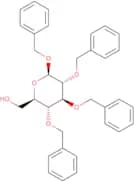
CAS:4-Methoxyphenyl 3-O-allyl-4,6-O-benzylidene-b-D-galactopyranoside is a galactoside that is commonly found in plants. The biosynthesis of this molecule has been studied in the bacteria N. meningitidis and it has been shown that it can be synthesized from fatty acids. 4-Methoxyphenyl 3-O-allyl-4,6-O-benzylidene b -D -galactopyranoside can be used as a HIV drug, as it inhibits the growth of HIV cells by inhibiting protein synthesis and RNA transcription. This molecule is also able to inhibit cancer cell proliferation in vitro.Formula:C23H26O7Purity:Min. 95%Color and Shape:White Off-White PowderMolecular weight:414.45 g/mol1,2,3,4-Tetra-O-benzyl-β-D-glucopyranoside
CAS:1,2,3,4-Tetra-O-benzyl-β-D-glucopyranoside is a prodrug that becomes active after acetylation. It is an endogenous compound that has been shown to inhibit the synthesis of myelin and lipid peroxidation in rat brains. This drug has also been found to be effective in the treatment of amyotrophic lateral sclerosis (ALS). 1,2,3,4-Tetra-O-benzyl-β-D-glucopyranoside is unmodified and does not have any side effects on the nervous system. It can be used for the treatment of Parkinson's disease when combined with levodopa.Formula:C34H36O6Purity:Min. 95%Color and Shape:White Off-White PowderMolecular weight:540.65 g/molN-(Succinyl)-O-b-D-maltosylhydroxylamine
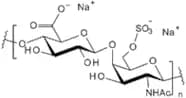
N-Succinyl-O-b-D-maltosylhydroxylamine is a glycosylation reagent used in the synthesis of complex carbohydrates. Its CAS number is 87217-14-5. N-Succinyl-O-b-D-maltosylhydroxylamine is a white to off-white crystalline powder with the molecular formula C4H8N2O6S and a molecular weight of 244.22. It has a melting point of 189°C. This product is soluble in water, ethanol, and chloroform. It does not dissolve in ether or hexane.Purity:Min. 95%Chondroitin sulfate C sodium salt
CAS:The disaccharide repeating unit of chondroitin sulphate consists of N-acetyl galactosamine sulphate linked β1,4 to glucuronic acid. Each monosaccharide may be left unsulphated, sulphated once, or sulphated twice. The most common pattern is that the hydroxyl groups of the 4 and 6 positions of the N-acetyl-galactosamine are sulphated, with some chains having the position 2 of the glucuronic acid sulphated. Average molecular weight of 23,000 to 41,000Color and Shape:White Powder1,2:5,6-Di-O-isopropylidene-a-D-ribo-hexofuranose-3-ulose monohydrate
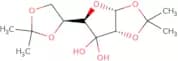
CAS:1,2:5,6-Di-O-isopropylidene-a-D-ribo-hexofuranose-3-ulose monohydrate is a fluorinated carbohydrate that has been synthesized in our lab. It is a complex carbohydrate and can be used as a building block for glycosylation. The synthesis of this compound is done through the use of click chemistry to modify the sugar. We have high purity levels for this compound and can provide custom synthesis services for your needs.Formula:C12H20O7·H2OPurity:Min. 95%Color and Shape:White PowderMolecular weight:294.3 g/mol3-O-[2-(Acetamino)-2-deoxy-D-galactopyranosyl]-D-mannopyranose
CAS:3-O-[2-(Acetamino)-2-deoxy-D-galactopyranosyl]-D-mannopyranose is a synthetic, fluorinated, methylated, monosaccharide that is used in the synthesis of complex carbohydrates.Formula:C14H25NO11Purity:Min. 95%Molecular weight:383.35 g/mol(2R, 3R, 4R) -3, 4- Dihydroxy- 2- (hydroxymethyl) - 1- pyrrolidinepropanoic acid
CAS:(2R, 3R, 4R) -3, 4-Dihydroxy-2-(hydroxymethyl)-1-pyrrolidinepropanoic acid is a sugar derivative of Glycosylation. The compound is a custom synthesis that can be modified to meet your requirements. The CAS number is 1207674-35-8. This product has purity of >99% and can be used in the laboratory or as an intermediate in chemical synthesis.Purity:Min. 95%D-Mannose
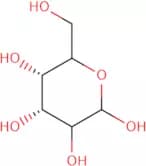
CAS:Mannose (Man) is the C2 epimer of glucose with one hydroxyl group axial which by Hudsons rules makes it slightly less stable than glucose (Hudson, 1948). However, mannose is very common in plants and animals, and occurs in many polysaccharides, such as, galactomannans (e.g. Guar, Locust Bean Gum), mananns (e.g. Ivory Nut Mannan), Spruce Galactoglucomannan, Gum Ghatti (Whistler, 1993) and bakerâs yeast (Saccharomyces cerevisiae) (Manners, 1973). Mannose is one of the key mammalian monosaccharides (Glucose, Galactose, Mannose, Fucose, N-Acetyl Glucosamine, N-Acetyl galactosamine and Sialic acid) and occurs in N-linked glycans where it is a core oligosaccharide (Gabius, 2009).Formula:C6H12O6Purity:Min. 98 Area-%Color and Shape:White PowderMolecular weight:180.16 g/molL-Erythrose
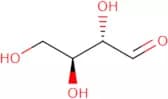
CAS:L-Erythrose is a monosaccharide that contains an hydroxyl group on the second carbon atom. It can be synthesized by a synthetic scheme involving glycolaldehyde and hydroxylamine. L-Erythrose has been shown to inhibit the enzyme phosphoglycerate kinase, which converts 2-phosphoglycerate into phosphoenolpyruvate. L-Erythrose has also been shown to inhibit dehydroascorbic acid reductase, which converts dehydroascorbic acid into ascorbic acid, and galactitol reductase, which converts galactitol into D-tagatose. The mutant strain of Escherichia coli K12 that was engineered to produce L-erythrose showed a decreased susceptibility to phage infection and an increased resistance to oxidative stress. In addition, the polyol pathway in E. coli was induced by L-erythrose treatment.Formula:C4H8O4Purity:(%) Min. 90%Color and Shape:Slightly Yellow PowderMolecular weight:120.1 g/mol2-Acetamido- 2- deoxy- 3, 4, 6- tri- O- methyl-D- glucose
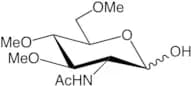
CAS:2-Acetamido-2-deoxy-3,4,6-tri-O-methyl-D-glucose is a modified sugar. It can be used as a feedstock in glycosylation reactions. This compound has been shown to be resistant to proteolytic degradation and hydrolysis by aminoglycosides.Formula:C11H21NO6Purity:Min. 95%Molecular weight:263.29 g/mol[2R- (2a, 3a, 4b, 5b) ] -1-Benzyl- 3,4-O-isopropylidene-2-methyl- 3, 4, 5- piperidinetriol
This product is a custom synthesis. It is an oligosaccharide that has been modified with fluorine and methylation. This product is glycosylated, which means it has a complex carbohydrate attached to the sugar. It can be used as a monosaccharide or an oligosaccharide, depending on how it will be used in a reaction. This product is synthetic and can be ordered for high purity.Purity:Min. 95%Dodecyl b-D-thiomaltopyranoside
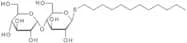
CAS:Dodecyl b-D-thiomaltopyranoside is a surfactant that is used in the formulation of multilayer tablets. It is a glycosidic surfactant and an adsorbent. Dodecyl b-D-thiomaltopyranoside has been shown to form micelles in solution and on electrodes, with the size of the micelle depending on the concentration. The surface area of micelles can be increased by increasing the concentration of electrolytes. Dodecyl b-D-thiomaltopyranoside may also form monolayers at low concentrations, which are less effective for adsorption than micelles.Formula:C24H46O10SPurity:Min. 95%Color and Shape:PowderMolecular weight:526.68 g/mol1,3,4-Tri-O-acetyl-2-deoxy-2-fluoro-α-L-fucopyranose
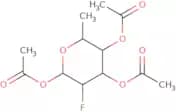
CAS:Fucosyltransferase inhibitor, peracetylated to improve cell permeabilityFormula:C12H17FO7Purity:Max. 5%Color and Shape:PowderMolecular weight:292.26 g/mol3'-Sialyl Lewis A-PAA-biotin
3'-Sialyl Lewis A-PAA-biotin is a carbohydrate that is used as a research tool for investigating the structure and function of glycoproteins, glycolipids, and glycosaminoglycans. It contains 3'-sialic acid linked to the terminal β-D-galactopyranosyl residue of a poly(amino acid) backbone. This product has been synthesized by custom synthesis and contains high purity with a custom synthesis.
Purity:(¹H-Nmr) Min. 95 Area-%Color and Shape:Powder(2S, 3R, 4S) -N-Benzyl-2- [(1S) - 1- hydroxyethyl] - 3, 4- pyrrolidinediol
(2S, 3R, 4S) -N-Benzyl-2-[(1S)-1-hydroxyethyl]--3,4-pyrrolidinediol is a fluorinated monosaccharide. It is synthesized by the glycosylation of 2,3,4-trihydroxybenzaldehyde with 1,2-dihydroxyethylene glycol and catalyzed by an acid catalyst. (2S, 3R, 4S) -N-Benzyl--2-[(1S)-1-hydroxyethyl]--3,4-pyrrolidinediol has been modified for use in click chemistry with a methyl group at the C5 position. The compound is soluble in water and has a CAS number of 70521-14-6.Purity:Min. 95%(2E) -2, 3- Dideoxy- 3- methyl- 4, 5- O- isopropylidene - D- erythro- Hex- 2- enonic acid methyl ester
(2E) -2, 3- Dideoxy- 3- methyl- 4, 5- O- isopropylidene - D- erythro- Hex- 2- enonic acid methyl ester is a custom synthesis sugar that can be fluorinated and glycosylated. It is a monosaccharide or saccharide carbohydrate that has the CAS No. of 91428-07-3. This sugar can be modified with methylation, modification, and Click modification to create new sugars for use in biotechnology and pharmaceuticals.Purity:Min. 95%3-O-Benzyl-1-thiophenyl-L-iduronic acid
3-O-Benzyl-1-thiophenyl-L-iduronic acid is a modification of the carbohydrate, complex carbohydrate, and sugar. It is synthesized by custom synthesis and has been shown to be highly pure with a CAS No. This product is also a monosaccharide that can be methylated or glycosylated. The main function of 3-O-Benzyl-1-thiophenyl-L-iduronic acid is to function as a saccharide in polysaccharides, sugars, and glycosides.Purity:Min. 95%1,2,3,4-Tetra-O-acetyl-6-azido-6-deoxy-D-galactopyranose
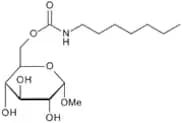
CAS:Synthetic carbohydrate building blockFormula:C14H19N3O9Purity:Min. 95%Molecular weight:373.32 g/molMethyl 6-O-(N-heptylcarbamoyl)-a-D-glucopyranoside
CAS:Non-ionic surfactant; used to study membrane proteinsFormula:C15H29NO7Purity:Min. 97 Area-%Color and Shape:White PowderMolecular weight:335.39 g/molZymosan A (from Saccharomyces cerevisiae)
CAS:Zymosan is prepared from the cell walls of baker's yeast (Saccharomyces cerevisiae) and consists of polysaccharide chains of various molecular weights, containing approximately 73% polysaccharide, 15% protein, 7% lipid and other inorganic components. When injected into animals, it induces inflammation and has been used for many years in inflammation and immunology research. The conditions activated include components of the complement system, prostaglandins and leukotrienes, platelet aggregation factor, and lysosomal enzymes. Zymosan preparations are often insoluble but can be made soluble for separation on DE cellulose or Sepharose to produce more active fractions.2-Amino-2-deoxy-6,7-O-isopropylidene-D-glycero-D-ido-heptono-1.4-lactone
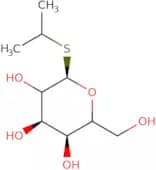
2-Amino-2-deoxy-6,7-O-isopropylidene-D-glycero-D-ido-heptono-1.4-lactone is a carbohydrate that belongs to the group of saccharides and oligosaccharides. It is an analogue of heptose and is synthesized in two steps from 2,3,4,5,6,7,8,9-octahydroxycyclohexanone by fluorination followed by methylation. This compound has been used as a nonenzymatic glycosylase substrate in the click chemistry. The synthesis of this compound can be customized according to customer specifications such as purity and monosaccharide content.Purity:Min. 95%Isopropyl-a-D-thiomannopyranoside
CAS:Isopropyl-a-D-thiomannopyranoside is a custom synthesis that is a methylated oligosaccharide. It has been modified by click chemistry to introduce an acetate group at the C4 position of the mannose residue. This product may be used in the preparation of polysaccharides, saccharides and carbohydrates. Isopropyl-a-D-thiomannopyranoside is a white solid that is soluble in methanol and ethanol but insoluble in water. It has been shown to have high purity and high chemical stability.Formula:C9H18O5SPurity:Min. 95%Molecular weight:238.3 g/molConduritol D
CAS:Conduritol D (CD) is a natural product that has been isolated from the pancreas of rats. It is homochiral, and it has been shown to be active in the treatment of diabetic patients. CD has a hydroxy group at C-4' and an alcohol group at C-5'. The functional groups are acetylated at C-3', which may make this compound more potent than other similar compounds with different functional groups. It is also synthesized stereoselectively, making it a selective molecule. CD has been shown to have pharmacokinetic properties that may be beneficial for treating diabetes.
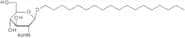
Formula:C6H10O4Purity:Min. 95 Area-%Color and Shape:Clear LiquidMolecular weight:146.14 g/molOctyldecyl 2-acetamido-2-deoxy-b-D-glucopyranoside
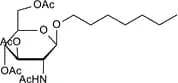
CAS:Octyldecyl 2-acetamido-2-deoxy-b-D-glucopyranoside is a custom synthesis and modification product. It is a high purity, complex carbohydrate with saccharide units that are modified with fluorination. This product has been modified using methylation and click chemistry to produce an oligosaccharide. Octyldecyl 2-acetamido-2-deoxy-b-D-glucopyranoside can be used as a glycosylation substrate in the synthesis of polysaccharides.Formula:C26H51NO6Purity:Min. 95%Color and Shape:White/Off-White SolidMolecular weight:473.69 g/molHeptyl 2-acetamido-3,4,6-tri-O-acetyl-2-deoxy-b-D-glucopyranoside
CAS:Heptyl 2-acetamido-3,4,6-tri-O-acetyl-2-deoxy-b-D-glucopyranoside is a chemical compound that binds to the promoter region of genes and regulates their expression. It has been shown to regulate gene expression levels in a variety of cells, including humans. Heptyl 2-acetamido-3,4,6-tri-O-acetyl-2 deoxy -b D glucopyranoside binds to the promoter region of genes and alters their expression levels. The regulation of these genes can be used for research purposes or as a potential treatment for disease.Formula:C21H35NO9Purity:Min. 95%Molecular weight:445.5 g/mol(2R, 3R, 4R) -3, 4- Difluoro- 1- (phenylmethyl) - 2- pyrrolidinemethanol
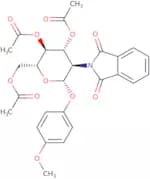
CAS:(2R, 3R, 4R) -3, 4- Difluoro- 1- (phenylmethyl) - 2- pyrrolidinemethanol is a synthetic compound that has been modified to contain fluoro substituents. It is an intermediate for the synthesis of oligosaccharides and complex carbohydrates. This compound can be used in click chemistry or glycosylation reactions. The purity of this compound is greater than 99% and it has not been tested on animals.Purity:Min. 95%4-Methoxyphenyl 3,4,6-tri-O-acetyl-2-deoxy-2-phthalimido-b-D-glucopyranoside
CAS:4-Methoxyphenyl 3,4,6-tri-O-acetyl-2-deoxy-2-phthalimido-b-D-glucopyranoside (MPEG) is a monoclonal antibody that binds to the glycoprotein MART1 on melanoma cells. It is used in the diagnosis of cancer and has been shown to be effective in reducing tumor size in patients with metastatic melanoma. MPEG has also been shown to have a therapeutic effect against chronic lymphocytic leukemia (CLL). In addition, it may be used as a complement dependent cytotoxicity agent for the treatment of leukemia and other cancers.Formula:C27H27NO11Purity:Min. 95%Molecular weight:541.52 g/mol(1R) -1- [(2S, 3R,4S) -4-(Acetylamino)methyl-N-butyl-3- hydroxy- 1- azetidinyl] -1, 2- ethanediol
(1R) -1- [(2S, 3R,4S) -4-(Acetylamino)methyl-N-butyl-3- hydroxy- 1- azetidinyl] -1, 2- ethanediol is a synthetic glycoside that has been modified with fluorine. It has a number of applications in the synthesis of saccharides and polysaccharides for use as pharmaceuticals or food additives.Purity:Min. 95%Methyl 4,6-O-benzylidene-2,3-di-O-methanesulfonyl-a-D-glucopyranoside
CAS:Methyl 4,6-O-benzylidene-2,3-di-O-methanesulfonyl-a-D-glucopyranoside is a glycosylation product that can be used in the synthesis of complex carbohydrates. It is also useful in the synthesis of saccharides, oligosaccharides, and monosaccharides. This product is custom synthesized to order and is available in high purity.Formula:C16H22O10S2Purity:Min. 95%Molecular weight:438.47 g/mol(4R)-3-O-Benzyl-1,2-O-isopropylidene-4-(2,6-piperidinedione-4-yl)-D-threose
(4R)-3-O-Benzyl-1,2-O-isopropylidene-4-(2,6-piperidinedione-4-yl)-D-threose is a methylated sugar. It is synthesized by the modification of a natural sugar molecule with a fluorinated group. This product can be used in the synthesis of complex carbohydrates and pharmaceuticals. (4R)-3-O-Benzyl-1,2-O-isopropylidene-4-(2,6 piperidinedione) -D -threose has high purity and can be modified to have a range of different properties. It is an important synthetic intermediate for monosaccharides and oligosaccharides.Purity:Min. 95%(4S,9R)-4-Benzyloxy-N-benzyloxycarbonyl-8-oxo-9-methoxy-octahydro-pyrano[4,3-b]pyrrole
The compound is a fluorinated, glycosylated, polysaccharide-linked, custom-synthesized and modified natural product. The compound is of high purity and has been shown to have a range of biological activities including: 1) Antibacterial activity against Gram (+) bacteria such as Staphylococcus aureus and Streptococcus pyogenes. 2) Anti-inflammatory activity in the carrageenan-induced paw edema model of inflammation in rats. 3) Antifungal activity against Candida albicans. 4) Inhibition of bacterial biofilm formation and cellular adhesion to surfaces. 5) Inhibition of HIV replication in vitro and inhibition of HIV integrase function in vitro. 6) Inhibition of TNF-α production by LPS activated macrophages. 7) Protection from phototoxicity induced by UVB irradiation in human skin cells. 8) Protection fromPurity:Min. 95%Galactan, from potato
CAS:A linear β-(1,4)-galactan from potato tubers. Other linear β-(1,4)-galactans have been isolated from lemon peel, potato tubers and Norwegian acacia gum.
Color and Shape:White Powder





![(1R) -1- [(2S, 3R,4S) -4-(Acetylamino)methyl-3- hydroxy- 1- azetidinyl] -1, 2- ethanediol](/_next/image/?url=https%3A%2Fstatic.cymitquimica.com%2Fproducts%2F3D%2Fthumb-webp%2FMA163403.webp&w=3840&q=75)
![6-[tert-Butoxycarbonyl-(2,3,4,5,6-pentahydroxy-hexyl)-amino]-2-(9H-fluoren-9-ylmethoxycarbonylamin…](/_next/image/?url=https%3A%2Fstatic.cymitquimica.com%2Fproducts%2F3D%2Fthumb-webp%2FMB11580.webp&w=3840&q=75)
![3-O-[2-(Acetamino)-2-deoxy-D-galactopyranosyl]-D-mannopyranose](/_next/image/?url=https%3A%2Fstatic.cymitquimica.com%2Fproducts%2F3D%2Fthumb-webp%2FOA139084.webp&w=3840&q=75)

![[2R- (2a, 3a, 4b, 5b) ] -1-Benzyl- 3,4-O-isopropylidene-2-methyl- 3, 4, 5- piperidinetriol](/_next/image/?url=https%3A%2Fstatic.cymitquimica.com%2Fproducts%2F3D%2Fthumb-webp%2FMB163318.webp&w=3840&q=75)
![(2S, 3R, 4S) -N-Benzyl-2- [(1S) - 1- hydroxyethyl] - 3, 4- pyrrolidinediol](/_next/image/?url=https%3A%2Fstatic.cymitquimica.com%2Fproducts%2F3D%2Fthumb-webp%2FMB163320.webp&w=3840&q=75)






![(1R) -1- [(2S, 3R,4S) -4-(Acetylamino)methyl-N-butyl-3- hydroxy- 1- azetidinyl] -1, 2- ethanediol](/_next/image/?url=https%3A%2Fstatic.cymitquimica.com%2Fproducts%2F3D%2Fthumb-webp%2FMA163406.webp&w=3840&q=75)

![(4S,9R)-4-Benzyloxy-N-benzyloxycarbonyl-8-oxo-9-methoxy-octahydro-pyrano[4,3-b]pyrrole](/_next/image/?url=https%3A%2Fstatic.cymitquimica.com%2Fproducts%2F3D%2Fthumb-webp%2FMB164009.webp&w=3840&q=75)
