Enzyme, Peptide and Protein Related Compounds
Enzyme, peptide, and protein-related compounds are critical for studying and manipulating biochemical pathways. These compounds include enzymes that catalyze biochemical reactions, peptides that serve as hormones and signaling molecules, and proteins that perform a wide array of functions within organisms. This category encompasses inhibitors, activators, substrates, and other reagents essential for enzymology, proteomics, and peptide research. At CymitQuimica, we offer a diverse selection of high-quality compounds to facilitate your research in enzyme kinetics, protein function, and peptide synthesis, ensuring precise and reliable results.
Subcategories of "Enzyme, Peptide and Protein Related Compounds"
- Amino Acids (AA)(40,537 products)
- Enzymes(3,561 products)
- Peptides(30,720 products)
- Proteins(15,020 products)
Found 1312 products of "Enzyme, Peptide and Protein Related Compounds"
Sort by
Purity (%)
0
100
|
0
|
50
|
90
|
95
|
100
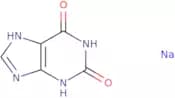
Xanthine sodium salt monohydrate
CAS:<p>Xanthine sodium salt monohydrate is a dietary supplement that is used to treat metabolic disorders such as hyperuricemia and gout. It also has antiviral effects against herpes simplex virus-1 (HSV-1) and type-2 (HSV-2). Xanthine sodium salt monohydrate inhibits the production of viral DNA polymerase, which causes cell death by inhibiting the synthesis of proteins vital for cell division. Xanthine sodium salt monohydrate can be used to inhibit the growth of cancer cells in vitro. The mechanism of action is not yet fully understood, but it is thought that xanthine may inhibit phosphodiesterase activity or have a direct effect on the cell membrane.</p>Formula:C5H3N4NaO2•H2OPurity:Min. 95 Area-%Color and Shape:PowderMolecular weight:192.11 g/molTaurocholic acid sodium salt hydrate
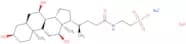
CAS:<p>Taurocholic acid sodium salt hydrate is a potential biomarker for inflammatory bowel disease. It is a chemical that is produced by the liver and stored in the gallbladder. It can be found in the bile, which is made from cholesterol and secreted into the small intestine with fat-soluble substances. Taurocholic acid sodium salt hydrate has been shown to induce necrotic cell death in vitro, which may be due to its ability to activate nuclear factor κB (NF-κB), leading to increased production of cytokines such as tumor necrosis factor-α (TNF-α). The bioavailability of taurocholic acid sodium salt hydrate has been shown to be greater than that of other bile acids in vivo. This bile acid also has protective effects against bacterial translocation because it chaperones bacterial cells and prevents them from attaching to the epithelial cells lining the intestines. Taurocholic acid sodium salt hyd</p>Formula:C26H44NNaO7S·xH2OPurity:Min. 97 Area-%Color and Shape:White Off-White PowderMolecular weight:537.69 g/mol(R)-Apomorphine hydrochloride hemihydrate
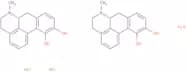
CAS:<p>Apomorphine hydrochloride is the salt form of apomorphine, a morphine derivative D2 dopamine agonist. The high selectivity for D2, D3, D4 and D5 receptors makes apomorphine hydrochloride a possible drug candidate and it is in clinical trials for diagnosis and treatment of Parkinsons disease. Moreover, apomorphine and apomorphine hydrochloride have been investigated in diverse studies for treating movement disorders.</p>Formula:C17H17NO2•HCl•(H2O)0Purity:Min. 95%Color and Shape:White PowderMolecular weight:312.79 g/molrec GRO/Melanoma Growth Stimulating Activity (human)
<p>Please enquire for more information about rec GRO/Melanoma Growth Stimulating Activity (human) including the price, delivery time and more detailed product information at the technical inquiry form on this page</p>Purity:Min. 95%Malonic acid disodium salt monohydrate
CAS:<p>Malonic acid disodium salt monohydrate is a water-soluble alkanoic acid that is used as a cross-linking agent in the manufacture of polymers. Malonic acid disodium salt monohydrate is also used to produce immunogenic antigens for cancer research and as a synthetic intermediate in the synthesis of pharmaceuticals or agricultural chemicals. Malonic acid disodium salt monohydrate is converted to malic acid by the enzyme cytosolic malate dehydrogenase. Malonic acid disodium salt monohydrate has an acidic pH and can be used to neutralize sodium salts such as sodium bicarbonate. Cell culture studies have shown that exposure to malonic acid disodium salt monohydrate inhibits protein synthesis and cell growth, which may be due to its ability to bind with DNA during transcription.</p>Formula:C3H2Na2O4·H2OPurity:Min 98%Color and Shape:White PowderMolecular weight:166.04 g/molPantoprazole sodium hydrate
CAS:<p>Proton pump inhibitor; anti-ulcer</p>Formula:C16H14F2N3NaO4SPurity:Min. 95%Color and Shape:White PowderMolecular weight:405.35 g/molSildenafil citrate
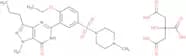
CAS:<p>Sildenafil is an inhibitor of phosphodiesterase type-5 (PDE-5). It is used in the treatment of erectile dysfunction. Sildenafil inhibits the enzyme phosphodiesterase type-5, which prevents the conversion of cyclic guanosine monophosphate to cyclic adenosine monophosphate, and this results in relaxation of smooth muscle cells and increased blood flow to the corpus cavernosum. The PDE-5 inhibitors are selective for human PDE-5 and do not inhibit PDEs 1, 2, 3, or 6. The inhibition of PDE-5 by sildenafil is reversible. Sildenafil has been shown to be a potent inhibitor of cyclase activity in vitro. br> The LC/MS/MS method was developed to measure the concentration of sildenafil in human serum. This analytical method provides a linear calibration curve with limits of quant</p>Formula:C28H38N6O11SPurity:Min. 95%Color and Shape:White PowderMolecular weight:666.7 g/molAliskiren hemifumarate
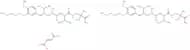
CAS:<p>Non-peptide renin inhibitor; anti-hypertensive</p>Formula:C30H53N3O6·C4H4O4Purity:Min. 95%Color and Shape:White PowderMolecular weight:1,219.59 g/molo-Phenanthroline monohydrochloride monohydrate
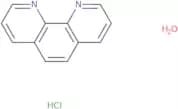
CAS:<p>o-Phenanthroline monohydrochloride monohydrate is a ligand that is used in crystallography to study the crystal structure of metal ions. It has been shown to be an efficient catalyst for the ring-opening of chloroformates, and can also be used as an analytical reagent that is capable of detecting chlorine in organic compounds. The hydrate form of o-phenanthroline monohydrochloride has a molecular formula of C12H14ClN3O4·2H2O and a molecular weight of 392.7 g/mol.</p>Formula:C12H8N2·HCl·H2OColor and Shape:PowderMolecular weight:234.68 g/molPentoxyverine citrate
CAS:Controlled Product<p>Pentoxyverine is an antimuscarinic and antitussive drug present in formulations to treat chronic cough, bronchitis, and sinusitis. Although its mechanism is not fully understood, this drug has been shown to act as an agonist at sigma-1 receptors. Also, mice and rat studies have suggested that Pentoxyverine has anticonvulsant properties.</p>Formula:C26H39NO10Purity:Min. 95%Color and Shape:PowderMolecular weight:525.59 g/molLorcaserin hydrochloride hemihydrate
CAS:Controlled Product<p>Serotonin receptor 5-HT2C agonist</p>Formula:(C11H14ClN)2•(HCl)2•H2OPurity:Min. 95%Color and Shape:White PowderMolecular weight:482.31 g/molAmfenac sodium salt hydrate
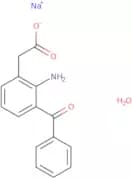
CAS:<p>Amfenac sodium salt hydrate is a nonsteroidal anti-inflammatory drug that inhibits prostaglandin synthesis. It has been shown to have minimal toxicity and inhibit the production of PGE2 in vitro. Amfenac sodium salt hydrate has also been shown to have anti-inflammatory properties in vivo, as it was able to inhibit bowel disease in rats. Amfenac sodium salt hydrate also has a protective effect against mitochondrial membrane depolarization in basic fibroblasts, which may be due to its ability to maintain levels of ATP.</p>Formula:C15H14NNaO4Purity:Min. 95%Color and Shape:PowderMolecular weight:295.27 g/mol2,4-Dinitrophenyl butyrate
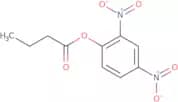
CAS:<p>2,4-Dinitrophenyl butyrate is a plant-derived compound that belongs to the group of fatty acids. It has shown radical scavenging activity in a homogeneous assay and has been found to be a strong inhibitor of pancreatic lipase. 2,4-Dinitrophenyl butyrate has also been used as a marker for proteolytic enzymes and has been shown to have inhibitory effects on pancreatic lipase. This compound is not only useful for studying enzyme inhibition, but it can also be used as an ingredient in food products.</p>Formula:C10H10N2O6Purity:Min. 98 Area-%Color and Shape:PowderMolecular weight:254.2 g/mol4-Hydroxymandelic acid monohydrate
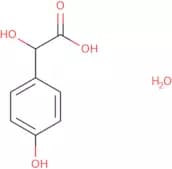
CAS:<p>4-Hydroxymandelic acid monohydrate is a chiral, herbicidal compound synthesized from mandelic acid and formaldehyde. It is often used as a coating additive in the synthesis of elastomers. 4-Hydroxymandelic acid monohydrate has been shown to have an interaction with elastomers by changing the flow rate of the elastomer and its parameters. The enantiomer of this compound is 2-hydroxymandelic acid monohydrate.</p>Formula:C8H8O4•H2OPurity:(%) Min. 95%Color and Shape:White PowderMolecular weight:186.16 g/molIbandronate sodium monohydrate
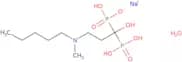
CAS:<p>Farnesyl pyrophosphate synthase inhibitor</p>Formula:C9H24NNaO8P2Purity:Min. 98 Area-%Color and Shape:PowderMolecular weight:359.23 g/molSodium selenite pentahydrate
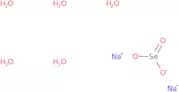
CAS:<p>Sodium selenite pentahydrate is a model system that exhibits antioxidative properties and can be used as an antimicrobial agent. It has been shown to have therapeutic benefits in the treatment of metabolic disorders and also has antifungal, antibacterial, and antiviral properties. The reaction between sodium selenite pentahydrate and malonic acid generates hydrogen peroxide, which has been shown to inhibit the growth of prostate cancer cells. Sodium selenite pentahydrate is used as a plasma mass spectrometry standard for the identification of sodium salts in animal tissue. This compound is also used to produce probiotic bacteria that are beneficial to human health.</p>Formula:Na2SeO3•(H2O)5Purity:Min. 95%Color and Shape:PowderMolecular weight:263.01 g/mol5-Fluoroorotic acid hydrate
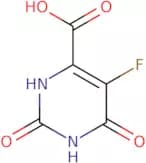
CAS:<p>Selection reagent for orotidine 5'-phosphate decarboxylase mutants</p>Formula:C5H3FN2O4·xH2OPurity:(%) Min. 97%Color and Shape:Off-White Yellow PowderMolecular weight:174.09 g/molNaloxone hydrochloride dihydrate
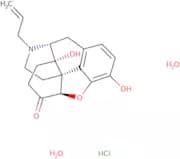
CAS:Controlled Product<p>Naloxone hydrochloride dihydrate is a drug that blocks the effects of opioids. It is administered by injection and has a short half-life. Naloxone hydrochloride dihydrate binds to opioid receptors in the central nervous system, which prevents binding by other opioids. This results in an increased metabolic rate, which can be used as a marker for effectiveness of treatment. Naloxone hydrochloride dihydrate has been shown to have an inhibitory effect on monoamine neurotransmitters, including dopamine, serotonin and norepinephrine. The use of this drug should be limited to outpatients because it produces less physical dependence than other opioids. Naloxone hydrochloride dihydrate can also be used as a sample preparation agent for urine samples or as an effective dose for pharmaceutical preparations.END></p>Formula:C19H26NO6ClPurity:98 To 100%Color and Shape:White Off-White PowderMolecular weight:399.87 g/molPhosphotungstic acid hydrate
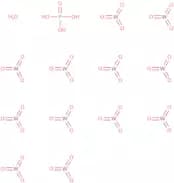
CAS:<p>Phosphotungstic acid hydrate is a white, crystalline solid that belongs to the group of phosphotungstates. It is soluble in methanol and water and has a low vapor pressure. Phosphotungstic acid hydrate is stable at room temperature and below, but decomposes above 100°C. The reaction mechanism for phosphotungstic acid hydrate is the formation of an acid complex with a proton from water, which can be written as<br>PW6O14(OH)2 + H2O <br>PW6O14(OH)3H+ + OH-<br>This reaction solution is acidic, with a pH of 2 or less. Hydroxyl groups on the phosphotungstate react with hydrogen fluoride to form tungsten hexafluoride gas. Hydrogen bonding interactions between the hydroxyl groups in phosphotungstic acid hydrate are responsible for its structural analysis. Oxidation catalysts such as magnesium salt</p>Formula:H3P(W3O10)4•H2OPurity:Min. 95%Color and Shape:PowderMolecular weight:2,880.05 g/molEthylenediaminetetraacetic acid disodium dihydrate
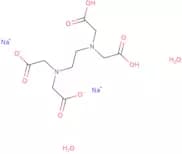
CAS:<p>Hexadentate chelator</p>Formula:C10H14N2Na2O8·2H2OColor and Shape:White PowderMolecular weight:372.24 g/mol1,5-Naphthalenedisulfonic acid tetrahydrate
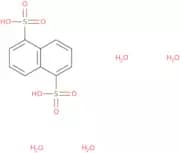
CAS:<p>1,5-Naphthalenedisulfonic acid tetrahydrate is an acidic molecule that has been observed in the form of nanodots. It has a molecular weight of 212.2g/mol and a water solubility of 0.01g/L at 20°C. 1,5-Naphthalenedisulfonic acid tetrahydrate is soluble in ethanol and methanol, but insoluble in acetone, diethyl ether, ethyl acetate, and chloroform. 1,5-Naphthalenedisulfonic acid tetrahydrate is a hydrogen bond acceptor and donor in its interactions with other molecules. It interacts synergistically with 3,5-dinitrosalicylic acid to produce a red coloration when dissolved in water or alcohols.</p>Formula:C10H6(SO3H)2•(H2O)4Purity:Min. 95%Color and Shape:PowderMolecular weight:360.36 g/molDimethyl-D-tartrate
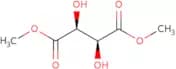
CAS:<p>Dimethyl-D-tartrate is an enolate that has been synthesized using a stereoselective and l-tartaric acid. It has been shown to be pharmacologically active in micelles, which may be due to its ability to inhibit the accumulation of D-serine in the brain. Dimethyl-D-tartrate’s pharmacokinetic profile is characterized by a rapid elimination half-life and high clearance rate, which may be due to its metabolism by carbon tetrachloride. Dimethyl-D-tartrate has also been shown to have a strong affinity for l-phenylalanine and micelles, suggesting that it may act as an inhibitor of the enzyme phenylalanine hydroxylase.</p>Formula:C6H10O6Purity:Min. 95%Color and Shape:PowderMolecular weight:178.14 g/molL-Tyrosine disodium salt hydrate
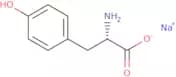
CAS:<p>L-Tyrosine is a precursor of thyroid hormones and catalyzes the conversion of iodide to iodine. It also converts 3-iodo-l-tyrosine to thyroxine. L-Tyrosine is used in vitro assays as an inhibitor of diiodination, a process that involves the use of hydrogen peroxide and produces iodinating agents such as 3-iodo-l-tyrosine. L-Tyrosine has been shown to inhibit peroxidase activity mediated by the enzyme myeloperoxidase. This inhibition may be due to its ability to act as an antioxidant.</p>Formula:C9H9NNa2O3·xH2OPurity:Min. 98 Area-%Color and Shape:PowderMolecular weight:225.15 g/molrec IL-2 (human)
CAS:<p>Please enquire for more information about rec IL-2 (human) including the price, delivery time and more detailed product information at the technical inquiry form on this page</p>Purity:Min. 95%Apelin-17 trifluoroacetate
CAS:<p>Apelin-17 trifluoroacetate is a reaction component, reagent and useful scaffold for the synthesis of complex compounds. It is a high quality, research chemical that is used in the synthesis of fine chemicals. Apelin-17 trifluoroacetate has versatile building block and can be used as a useful intermediate or as a speciality chemical. It also has high reactivity and is soluble in organic solvents.</p>Formula:C96H156N34O20S•C2HF3O2Purity:Min. 95%Color and Shape:PowderMolecular weight:2,252.57 g/molGhrelin trifluoroacetate
CAS:<p>Ghrelin is a peptide hormone that regulates appetite and has been shown to have potent anti-cachectic effects in animal models. It is thought to be an important regulator of body weight, insulin resistance, and metabolism. Ghrelin is synthesized in the stomach and released into the bloodstream when the stomach is empty. Ghrelin binds to ghrelin receptors in the hypothalamus, which stimulate growth hormone release from the pituitary gland. This hormone also binds to other cells in the hypothalamus, such as neurons that produce orexin, which may account for its effects on sleep patterns. Ghrelin has been shown to inhibit tumor growth by suppressing angiogenesis and inducing apoptosis. The molecular weight of ghrelin is 3497 Da. The sequence of ghrelin consists of 28 amino acids: Gly-Ser-Ser(octanoyl)-Phe-Leu-Ser-Pro-Glu-His-Gln-Lys-Ala</p>Formula:C147H245N45O42•(C2HO2F3)xPurity:Min. 95 Area-%Color and Shape:PowderMolecular weight:3,314.8 g/molBrucine Hydrochloride Monohydrate
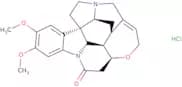
CAS:<p>Alkaloid with anti-tumoral activity</p>Formula:C23H26N2O4·HCl·H2OPurity:Min. 98%Color and Shape:PowderMolecular weight:448.94 g/mol1,1'-Dioctadecyl-3,3,3',3'-tetramethylindodicarbocyanine perchlorate
CAS:<p>1,1'-Dioctadecyl-3,3,3',3'-tetramethylindodicarbocyanine perchlorate (DiI) is a useful scaffold for the synthesis of complex compounds. It is a high-quality research chemical that is used in the synthesis of speciality chemicals and fine chemicals. DiI reacts with diazonium salts to produce blue or red fluorescent compounds. This compound can be used as a reagent for the production of amino acids or amines. It also reacts with other organic compounds to form complexes. The CAS number for DiI is 127274-91-3.</p>Formula:C61H99N2•ClO4Purity:Min. 95%Color and Shape:Red To Brown SolidMolecular weight:959.9 g/molL-Asparagine monohydrate
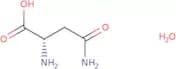
CAS:<p>L-Asparagine monohydrate (LAM) is a water-soluble amino acid that is used in the treatment of metabolic disorders such as diabetes. LAM has been shown to be effective in cell culture and tissue culture experiments, where it was found to increase the production of growth factors, such as insulin and keratinocyte growth factor. This amino acid also has a high degree of kinetic stability and can be used for magnetic resonance spectroscopy studies. LAM is soluble in water, but not in organic solvents. It forms hydrogen bonds with other molecules and is able to form dehydrated crystals. The experimental solubility data for LAM can be found in table 1 below.</p>Formula:C4H10N2O4Purity:(Titration) Min. 99%Color and Shape:White Clear LiquidMolecular weight:150.13 g/molPhenolphthalein disulphate tripotassium salt trihydrate
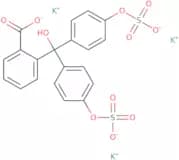
CAS:<p>Phenolphthalein disulphate tripotassium salt trihydrate is a high-quality reagent that is used for the synthesis of complex compounds. Phenolphthalein disulphate tripotassium salt trihydrate has been shown to be a useful intermediate in the synthesis of fine chemicals, research chemicals, and speciality chemicals. It is also a versatile building block and can be used in reactions as a reaction component.</p>Formula:C20H13K3O11S2·3H2OPurity:Min. 95%Color and Shape:PowderMolecular weight:664.81 g/molDimethylglyoxime disodium salt octahydrate
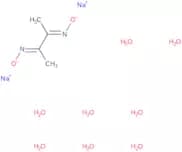
CAS:<p>Dimethylglyoxime is a pesticide that has been used to control insects and nematodes. It has been found to be effective in controlling mosquitoes, flies, and other pests. This compound is also used as an extractor in microextraction. Dimethylglyoxime is not toxic to humans and does not cause any adverse effects on the environment or human health. It can be used with chlorine for wastewater treatment.</p>Formula:C4H8N2Na2O2·8H2OPurity:Min. 95%Color and Shape:PowderMolecular weight:306.22 g/molTetramethylammonium fluoride tetrahydrate
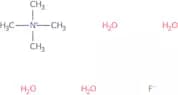
CAS:<p>Tetramethylammonium fluoride tetrahydrate (TMF) is an ionic liquid that is a reaction product of tetraethylammonium and hydrochloric acid. TMF has been shown to react reversibly with water to produce aqueous hydrogen fluoride, which can be detected at low concentrations with a variety of analytical techniques such as gas chromatography. TMF has also been shown to have selectivities for the transport of silicon and calcium carbonate ions, which are useful in electrochemical studies. The activation energies for the reaction of TMF with water were determined by electrochemical studies to be around -0.4 eV.</p>Formula:C4H12FN·4H2OColor and Shape:White PowderMolecular weight:165.2 g/molACTH(1-39) trifluoroacetate
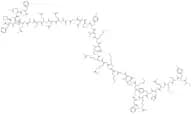
CAS:<p>ACTH(1-39) trifluoroacetate is a synthetic form of ACTH that is used for the diagnosis of autoimmune diseases and bowel disease. It is also used to assess the function of the adrenal gland in cases of suspected Cushing's syndrome. The blood sampling procedure involves withdrawing a small amount of blood from the patient and adding ACTH(1-39) trifluoroacetate to it, which causes an increase in cortisol concentration. ACTH(1-39) trifluoroacetate binds to corticotropin receptors on cells in the body, causing them to release basic proteins that are responsible for inflammation. This drug may be a potential biomarker for metabolic disorders such as obesity. It has been shown to have anti-inflammatory properties and can be used as a nonsteroidal anti-inflammatory drug (NSAID).</p>Formula:C207H308N56O58SPurity:Min. 98 Area-%Color and Shape:PowderMolecular weight:4,541.07 g/mol2-Cyanoethyl phosphate barium salt hydrate
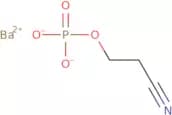
CAS:<p>2-Cyanoethyl phosphate barium salt hydrate is an alkaline compound that is soluble in water. It has been used to synthesize phosphodiesters, benzene, dioxan and alcohols. The chemical was originally developed as a reagent for the quantitative conversion of ethyl acetate esters to their corresponding acid chlorides. This reaction can be carried out quantitatively in tetrahydrofuran at room temperature with yields of about 95%. 2-Cyanoethyl phosphate barium salt hydrate also converts alcohols to their corresponding monophosphates quantitatively in alkaline conditions. Crystalline forms are obtained by reacting the compound with triethylamine and benzene.</p>Formula:C3H6BaNO4P•xH2OPurity:Min. 95%Color and Shape:PowderMolecular weight:324.42 g/molSorbitan monolaurate
CAS:<p>Sorbitan monolaurate is a natural compound that can be isolated from the seeds of the Cucurbitaceae family. It is used in sample preparation for biocompatible polymers, as well as for detergent compositions. Sorbitan monolaurate has been shown to act as an absorption enhancer, which may be due to its ability to form hydrogen bonds with other molecules and its capacity to interact with sodium citrate. Sorbitan monolaurate also has biological properties such as the inhibition of autoimmune diseases, malonic acid production, and bacterial growth.</p>Formula:C18H34O6Purity:Min. 95%Color and Shape:Slightly Yellow Clear LiquidMolecular weight:346.46 g/molDiflucortolone valerate
CAS:Controlled Product<p>Diflucortolone valerate is a corticosteroid that is used to treat inflammatory skin diseases. It is a prodrug that is hydrolyzed in vivo to diflucortolone, its active form. Diflucortolone valerate has been shown to be effective against alopecia areata and mycological skin infections. The optimum concentration of this drug for treating these conditions is 0.5% or less, with side effects such as erythema, scaling, and burning at the application site occurring at higher concentrations. Diflucortolone valerate also has broad-spectrum antimicrobial activity against bacteria and fungi, including methicillin-resistant Staphylococcus aureus (MRSA) isolates.</p>Formula:C27H36F2O5Purity:Min. 95%Color and Shape:PowderMolecular weight:478.57 g/molCalcineurin Substrate trifluoroacetate salt H-Asp-Leu-Asp-Val-Pro-Ile-Pro-Gly-Arg-Phe-Asp-Arg-Arg-Val-Ser-Val-Ala-Ala-Glu-OH trifluo roacetate salt
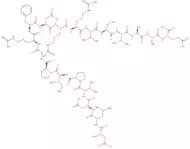
CAS:<p>Please enquire for more information about Calcineurin Substrate trifluoroacetate salt H-Asp-Leu-Asp-Val-Pro-Ile-Pro-Gly-Arg-Phe-Asp-Arg-Arg-Val-Ser-Val-Ala-Ala-Glu-OH trifluo roacetate salt including the price, delivery time and more detailed product information at the technical inquiry form on this page</p>Formula:C92H150N28O29Purity:Min. 95%Molecular weight:2,112.35 g/molGlycidyl butyrate
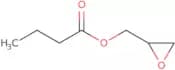
CAS:<p>Glycidyl butyrate is a chemical compound that is structurally similar to acetic acid. It has been shown to have antimicrobial properties, inhibiting the growth of bacteria by binding to surface-exposed fatty acids and hydroxyl groups. Glycidyl butyrate can also inhibit the enzyme activity of bacterial esterases, which are responsible for hydrolyzing esters. This property prevents the breakdown of glycidol, which can have toxic effects in humans and animals. The antimicrobial activity of glycidyl butyrate has been shown in vitro on a number of bacterial strains, including Streptococcus pyogenes (Group A streptococci), Bacillus subtilis (a spore-forming bacterium), Escherichia coli (a Gram-negative bacterium), Pseudomonas aeruginosa (a Gram-negative bacterium) and Staphylococcus aureus (a Gram-positive bacterium).</p>Formula:C7H12O3Purity:Min. 95%Color and Shape:Colorless Clear LiquidMolecular weight:144.17 g/mol4-Bromoveratrole
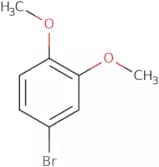
CAS:<p>4-Bromoveratrole is a triphenylene with a molecular weight of 454.42 g/mol and a melting point of 90°C. It has been shown that this molecule binds to the receptor for acetylcholine, which is found in the central nervous system and on muscles. The binding of 4-bromoveratrole to this receptor leads to the release of chloride ions from the cell, which increases the activity of acetylcholine. The detection sensitivity of 4-bromoveratrole in solution was determined by adding malonic acid or hydrochloric acid, which led to an increase in fluorescence intensity. This molecule also has fatty acid and hydroxyl groups that have been shown to have anti-inflammatory properties.</p>Formula:C8H9BrO2Purity:Min. 95%Color and Shape:Clear LiquidMolecular weight:217.06 g/molCitric acid tripotassium monohydrate
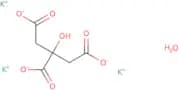
CAS:<p>Citric acid tripotassium salt monohydrate is a membrane-stabilizing agent that has been shown to improve the function of the circuitry in animals. It has been used for the treatment of motoneurons and muscle pain. Citric acid tripotassium salt monohydrate has also been found to be an effective treatment for chronic pain, which may be due to its ability to block pain signals from reaching the brain. This drug has also shown efficacy in treating neurological disorders such as Parkinson's disease, Alzheimer's disease, and multiple sclerosis. Citric acid tripotassium salt monohydrate is effective at improving the physiological mechanisms that are responsible for translating nervous system activity into movement.</p>Formula:C6H8O7•H2O•K3Purity:Min. 95%Color and Shape:White To Off-White SolidMolecular weight:237.43 g/molrac-Metoprolol hemitartrate
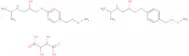
CAS:Controlled Product<p>Metoprolol is a beta-adrenergic receptor blocker that is used in the treatment of high blood pressure and congestive heart failure. It also has an effect on the regulation of energy metabolism, decreasing myocardial oxygen consumption, and increasing myocardial contractility. The drug binds to erythrocyte membrane proteins, including albumin and alpha-1-acid glycoprotein, which are responsible for transporting metoprolol from plasma to the tissue. Metoprolol succinate is a prodrug that is metabolized by esterases to release metoprolol in vivo. Metoprolol has been shown to reduce systolic blood pressure in patients with hypertension. It has been found to be effective in reducing symptoms of cardiac arrhythmias, such as atrial fibrillation or ventricular tachycardia, when combined with other antiarrhythmic drugs. Metoprolol can also be used for the treatment of metabolic disorders such</p>Formula:C34H56N2O12Color and Shape:White PowderMolecular weight:684.81 g/molN-Ethyl-N-(2-hydroxy-3-sulfopropyl)-3-methylaniline sodium salt dihydrate
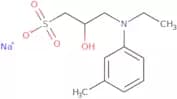
CAS:<p>N-Ethyl-N-(2-hydroxy-3-sulfopropyl)-3-methylaniline sodium salt dihydrate (NMS) is a functional group with a side effect profile that is characterized by low incidence of adverse events. This drug has been shown to be well tolerated in clinical use, and there is evidence that it may be useful for the treatment of infectious diseases. Clinical studies have demonstrated that NMS can improve fatty acid and cholesterol levels, as well as reducing carnitine palmitoyltransferase activity. These effects are due to the inhibition of lipoprotein lipase, cholesterol esterase and carnitine palmitoyltransferase enzymes. In addition, NMS has been shown to be effective against dermatitis caused by atopic dermatitis or psoriasis.</p>Formula:C12H18NNaO4S·2H2OPurity:Min. 98 Area-%Color and Shape:White PowderMolecular weight:331.36 g/molToremifene citrate
CAS:Controlled Product<p>Estrogen receptor modulator</p>Formula:C32H36ClNO8Purity:Min. 95%Color and Shape:PowderMolecular weight:598.08 g/molOndansetron hydrochloride dihydrate
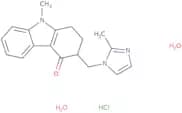
CAS:<p>Serotonin receptor 5-HT3 antagonist</p>Formula:C18H24N3O3ClPurity:Min. 95%Color and Shape:PowderMolecular weight:365.85 g/molrec IL-4 (human)
<p>Please enquire for more information about rec IL-4 (human) including the price, delivery time and more detailed product information at the technical inquiry form on this page</p>Purity:Min. 95%Calcium dobesilate
CAS:<p>Calcium dobesilate is a calcium salt that emits chemiluminescence in the presence of an oxidant. It has been used as a treatment for hypercalcemia, which is caused by high levels of calcium in the blood, and to prevent skin cancer. The experimental model was conducted on human serum and showed that calcium dobesilate reduced the enzyme activities in serum samples by 30% after 15 minutes of incubation. This reduction was statistically significant when compared to untreated groups. Calcium dobesilate also inhibited the growth of skin cancer cells in a pharmacological agent-induced experimental model.</p>Formula:C8H6O5S•Ca0Purity:Min. 98 Area-%Color and Shape:PowderMolecular weight:418.41 g/molAbiraterone acetate
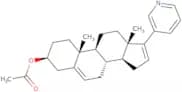
CAS:Controlled Product<p>CYP17 enzyme inhibitor</p>Formula:C26H33NO2Purity:Min. 98 Area-%Color and Shape:PowderMolecular weight:391.55 g/molCreatine phosphate, disodium salt tetrahydrate, pH > 8.00
CAS:<p>Creatine phosphate, disodium salt tetrahydrate, is a fine chemical that is used as a versatile building block for the synthesis of other compounds. Creatine phosphate is useful in research because it can be converted to creatine, which can then be converted to phosphocreatine. Creatine phosphate has been shown to have a number of biological activities including the promotion of cell proliferation and differentiation. This product is an extremely high quality reagent for use in laboratory experiments.</p>Formula:C4H16N3Na2O9PPurity:Min. 95.0 Area-%Molecular weight:327.14 g/molDL-Isocitric acid trisodium
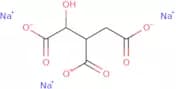
CAS:<p>DL-Isocitric acid trisodium salt hydrate is a nutrient solution that is used to provide energy for bacterial growth. DL-Isocitric acid trisodium salt hydrate provides sodium citrate, sodium succinate, and sodium carbonate which are essential for the metabolism of fatty acids. It also stabilizes chemical compounds and can be used as an alternative to the use of antibiotics. DL-Isocitric acid trisodium salt hydrate has been shown to inhibit enzyme activity in bacteria by binding to the active site of enzymes, inhibiting protein synthesis and cell division. The addition of colloidal gold particles can enhance its effectiveness in preventing bacterial growth.</p>Formula:C6H8O7•Na3Purity:Min. 95%Color and Shape:PowderMolecular weight:261.09 g/molSodium nitroprusside dihydrate
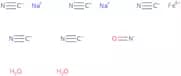
CAS:Controlled Product<p>Sodium nitroprusside dihydrate is an oxygen transport agent that works by inhibiting the enzyme cyclase. This inhibits the production of tnf-α and other inflammatory mediators, which reduces inflammation and pain. Sodium nitroprusside dihydrate is used to lower blood pressure in emergency situations, such as shock. It has been shown to be effective for treating pulmonary hypertension, chronic obstructive pulmonary disease, and other conditions related to oxygen transport. Sodium nitroprusside dihydrate is a metastable molecule that can be converted into a stable form (sodium nitroprusside) by ester hydrochloride or fatty acid esters.</p>Formula:C5FeN6O•(H2O)2•Na2Purity:Min. 98.0%Color and Shape:Red PowderMolecular weight:297.95 g/mol