Antimicrobials
Antimicrobials are agents that destroy or inhibit the growth of microorganisms, including bacteria, viruses, fungi, and parasites. These compounds are essential in the prevention and treatment of infections, playing a crucial role in medicine, agriculture, and the food industry. At CymitQuimica, we offer an extensive range of high-quality, high-purity antimicrobials suitable for various scientific and industrial applications. Our catalog includes antibiotics, antifungals, antivirals, and disinfectants, all designed to meet the needs of research and development, as well as clinical and production applications. With our products, professionals can ensure the effectiveness and safety in infection control and public health protection.
Subcategories of "Antimicrobials"
- Antibiotics(4,112 products)
- Antifungals(837 products)
- Antiparasitics(704 products)
- Antivirals(763 products)
Found 2422 products of "Antimicrobials"
Sort by
Purity (%)
0
100
|
0
|
50
|
90
|
95
|
100
Tosufloxacin toluenesulfonate hydrate - Bio-X ™
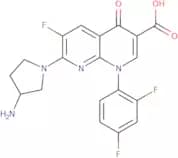
CAS:<p>Tosufloxacin is a fluoroquinolone antibiotic that inhibits DNA gyrase and topoisomerase IV, which are enzymes that maintain the integrity of bacterial DNA. It binds to bacterial 16S ribosomal RNA and inhibits protein synthesis, leading to cell death by inhibiting the production of proteins vital for cell division. Tosufloxacin has been shown to be effective against a variety of bacterial infections.</p>Formula:C19H15F3N4O3·C7H8O3S·H2OPurity:Min. 95%Color and Shape:PowderMolecular weight:594.56 g/molCeftazidime
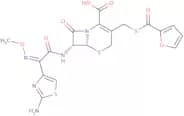
CAS:<p>Ceftazidime is a third-generation cephalosporin antibiotic with action on bacterial cell wall synthesis and is used for treating severe bacterial infections like pneumonia, meningitis, and sepsis.</p>Formula:C22H22N6O7S2Purity:Min. 95.0 Area-%Color and Shape:PowderMolecular weight:546.58 g/molAmoscanate
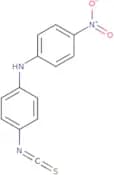
CAS:<p>Amoscanate is an antiparasitic compound derived from synthetic chemical processes, which acts by disrupting the mitochondrial function of parasitic organisms. This compound intervenes in the energy metabolism of endoparasites, leading to their incapacitation and eventual death. Its action is selective for parasitic species, minimizing effects on the host organism.</p>Formula:C13H9N3O2SPurity:Min. 95%Molecular weight:271.3 g/molHM 4072 ANTIMICROBIAL
CAS:<p>BIOSAFE® Antimicrobial 72% in methanol<br>BIOSAFE® Antimicrobial is a non-leaching silicon-based antimicrobial that imparts bacteriostatic, fungistatic, and algistatic properties<br>to coatings and resins for manufactured goods.<br>Octadecyldimethyl(3-trimethoxy silylpropyl)ammonium chloride, 72% in methanol; (Trimethoxysilylpropyl)octadecyldimethylammonium chloride; Dimethyloctadecyl[3-(trimethoxysilyl)propyl]ammonium chloride<br>EPA Registration Number: 83019-4Microbiostatic agent that protects articles from deterioration and discolorationActive against forms of fungi, algae, and bacteriaLeach resistantUsed in water based surface treatments and coatings,High antimicrobial performance in ISO and ASTM testingDoes not promote development of resistant microorganismsTypical use concentrations of 0.25-0.5 wt% active relative to the substrate being treatedIncompatible with anionic surfactantsAvailable as a no VOC powder HM4100<br>Water Based Surface Treatments<br>CarpetNon-wovensRoll goodsBuilding materialsShoesIndoor environment surfaces<br></p>Color and Shape:LiquidMolecular weight:496.29HM 4005 ANTIMICROBIAL
CAS:<p>BIOSAFE® Antimicrobial, 5% aqueous solution<br>BIOSAFE® Antimicrobial is a non-leaching silicon-based antimicrobial that imparts bacteriostatic, fungistatic, and algistatic properties<br>to coatings and resins for manufactured goods.<br>3-(Trihydroxysilyl)propyldimethyloctadecyl ammoniumchloride, 5% aqueous solution; 3-(Trihydroxysilyl)propyldimethyloctadecyl ammonium chloride; Octadecyldimethyl(3-trihydroxysilylpropyl)ammonium chloride, 84% active condensed; Silsesquioxanes, 3-(dimethyloctadecylammonio)propyl, hydroxy-terminated, chlorides<br>EPA Registration Number: 83019-35% of HM4100 in waterUsed in water based surface treatments and coatingsMicrobiostatic agent that protects articles from deterioration and discolorationLeach resistantActive against forms of fungi, algae, and bacteriaHigh antimicrobial performance in ISO and ASTM testingDoes not promote development of resistant microorganismsIncompatible with anionic detergentsTypical use concentrations of 0.25-0.5 wt% relative to the substrate being treated<br>Water Based Surface Treatments<br>CarpetNon-wovensRoll goodsBuilding materialsShoesIndoor environment surfaces<br></p>Color and Shape:Colorless To Yellow LiquidHM 4001 RTU ANTIMICROBIAL
CAS:<p>BIOSAFE® RTU Antimicrobial, 1% aqueous solution<br>BIOSAFE® Antimicrobial is a non-leaching silicon-based antimicrobial that imparts bacteriostatic, fungistatic, and algistatic properties<br>to coatings and resins for manufactured goods.<br>3-(Trihydroxysilyl)propyldimethyloctadecyl ammoniumchloride, 1% aqueous solution; 3-(Trihydroxysilyl)propyldimethyloctadecyl ammonium chloride; Octadecyldimethyl(3-trihydroxysilylpropyl)ammonium chloride, 84% active condensed; Silsesquioxanes, 3-(dimethyloctadecylammonio)propyl, hydroxy-terminated, chlorides<br>EPA Registration Number: 83019-21% of HM4100 in waterUsed in water based surface treatments and coatingsMicrobiostatic agent that protects articles from deterioration and discolorationLeach resistantActive against forms of fungi, algae, and bacteriaHigh antimicrobial performance in ISO and ASTM testingDoes not promote development of resistant microorganismsIncompatible with anionic detergentsTypical use concentrations of 0.25-0.5 wt% active relative to the substrate being treated<br>Water Based Surface Treatments<br>CarpetNon-wovensRoll goodsBuilding materialsShoesIndoor environment surfaces<br></p>Color and Shape:Colourless LiquidHM 4100 ANTIMICROBIAL
CAS:<p>BIOSAFE® Quaternary Siloxane Powder<br>BIOSAFE® Antimicrobial is a non-leaching silicon-based antimicrobial that imparts bacteriostatic, fungistatic, and algistatic properties<br>to coatings and resins for manufactured goods.<br>3-(Trihydroxysilyl)propyldimethyloctadecyl ammonium chloride; Octadecyldimethyl(3-trihydroxysilylpropyl)ammonium chloride, 84% active condensed; Silsesquioxanes, 3-(dimethyloctadecylammonio)propyl, hydroxy-terminated, chlorides<br>EPA Registration Number: 83019-1FDA Approved for Food ContactNSF 51 approvedNo VOCsUsed in resin blending, compounding, and coatingsMicrobiostatic agent that protects articles from deterioration and discolorationLeach resistantActive against forms of fungi, algae, and bacteriaHigh antimicrobial performance in ISO and ASTM testingDoes not promote development of resistant microorganismsRecommended process temperature: <170 °CTypical use concentrations of 0.25-0.5 wt% active relative to the substrate being treatedIncompatible with anionic surfactantsAvailable in aqueous solutions HM4005 and HM4001<br>Resin Compatibility<br>TPU - Thermoplastic PolyurethaneUrethane FoamPolyether bock amide (PEBAX®)Silicone (not post-cured)Polyamide 6 (PA6 or nylon 6)Acrylic (cast and thermoplastic)Acrylic AdhesivesSpun FiberFiberglass Gel Coat<br>Used in Certainty® SmartBoost™ Laundry Additive<br>For more information on BIOSAFE® products, please contact Customer Service at 888.734.8344.<br></p>Color and Shape:White Straw Yellow Solid[5-[(3aS,4S,6aR)-Hexahydro-2-oxo-1H-thieno[3,4-d]imidazol-4-yl]-1-oxopentyl]-3-(2-pyridinyldithio)-L-alanine
CAS:Controlled Product<p>Applications [5-[(3aS,4S,6aR)-Hexahydro-2-oxo-1H-thieno[3,4-d]imidazol-4-yl]-1-oxopentyl]-3-(2-pyridinyldithio)-L-alanine is an intermediate in the synthesis of Biotinyl Pyridinyldithio N-Hydroxysuccinimide Alanine Ester (B397300), which is an antimicrobial bisulfide prodrug.<br>References Ponpipom, et al.: J. Med. Chem., 24, 1388 (1981), Hausch, F., et al.: Bioconjug. Chem., 8, 885 (1997), Seelig, B., et al.: Chem. Biol., 6, 167 (1999),<br></p>Formula:C18H24N4O4S3Color and Shape:NeatMolecular weight:456.62,2'-Methylenebis(4-bromophenol)
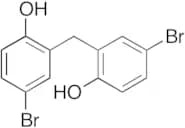
CAS:Controlled Product<p>Applications 2,2'-Methylenebis(4-bromophenol) can be derived from bromophenols from the red alga Odonthalia corymbifera and display potential antimicrobial activity. It is used as an intermediate in the synthesis of Albuterol Dimer (A514515) which is an impurity of the drug Albuterol used to treat asthma.<br>References Oh, K., et al.: Bioorg. Med. Chem. Lett., 18, 104 (2008); Haddad, N., et al.: Tetrahedron Lett., 43, 1135 (2002);<br></p>Formula:C24H34O4Color and Shape:NeatMolecular weight:386.5242-Bromo-6-methoxybenzene-1,4-diol
CAS:Controlled ProductFormula:C7H7BrO3Color and Shape:NeatMolecular weight:219.03Benzyltriphenylphosphonium Chloride
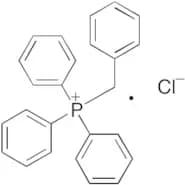
CAS:Controlled Product<p>Applications Benzyltriphenylphosphonium Chloride was used as a reagent in the organic synthesis of several compounds including that of stabilised phosphonium ylides containing saturated oxygen heterocycles. Also used in the synthesis of novel substituted cis-stilbene derivatives which display antimicrobial activity.<br> Not a dangerous good if item is equal to or less than 1g/ml and there is less than 100g/ml in the package<br>References Aitken, R., et al.: Org. Biomol. Chem., 14, 1794 (2016); Jain, D., et al.: World J. Pharm. Sci., 4, 1473 (2015);<br></p>Formula:C25H22P·ClColor and Shape:NeatMolecular weight:353.42(35.45)4,7-Difluoro-1,3-isobenzofurandione (Technical Grade, ~90%)
CAS:Controlled Product<p>Stability moisture sensitive<br>Applications 4,7-Difluoro-1,3-isobenzofurandione is used in the synthesis of phthalic compounds, phthalazines, and quinones with antimicrobial activity.<br>References Cardia, M. et al.: J. Hetero. Chem., 40, 1011 (2003); Krohn, K.. et al.: Sci. Synth., 28, 367 (2006); Vina, D. et al.: Tetrahedron, 65, 1574 (2009);<br></p>Formula:C8H2F2O3Purity:~90%Color and Shape:NeatMolecular weight:184.16R,10R-Dimethyl-2-pentadecanone
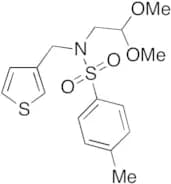
CAS:Controlled Product<p>Applications 6R,10R-Dimethyl-2-pentadecanone is a byproduct in the synthesis of (+)-Phytone (P398050), which is an constituent of leaf essential oil of Lawsonia Inermis growing in Nepal with potential anti-microbial activities.<br>References Satyal, P., et al.: Pharmacol., 1, 31 (2012);<br></p>Formula:C17H34OColor and Shape:NeatMolecular weight:254.451N-(2,2-Dimethoxyethyl)-4-methyl-N-(3-thienylmethyl)benzenesulfonamide
CAS:Controlled ProductFormula:C24H34O6Color and Shape:NeatMolecular weight:418.5232,7-Dibromonapthalene
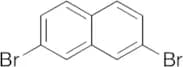
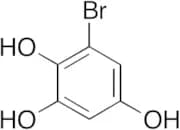
CAS:Controlled Product<p>Applications 2,7-Dibromonapthalene acts as a reagent for the expedient synthesis of aminopropoxy-functionalized bis(aryltriazoly) arylenes via click chemistry and their antimicrobial and hemolytic activity.<br> Not a dangerous good if item is equal to or less than 1g/ml and there is less than 100g/ml in the package<br>References Fu, T., et al.: ACS Med. Chem. Lett., 4, 841 (2013)<br></p>Formula:C10H6Br2Color and Shape:NeatMolecular weight:285.966-Bromobenzene-1,2,4-triol
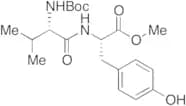
CAS:Controlled ProductFormula:C6H5BrO3Color and Shape:NeatMolecular weight:205.01(S)-2-((S)-2-((tert-Butoxycarbonyl)amino)-3-methylbutanamido)-3-(4-hydroxyphenyl)propanoic Acid Methyl Ester
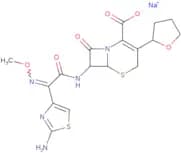
CAS:Controlled Product<p>Applications (S)-2-((S)-2-((tert-butoxycarbonyl)amino)-3-methylbutanamido)-3-(4-hydroxyphenyl)propanoic Acid Methyl Ester is an intermediate in the synthesis of Aureusimine A (A794560), a metabolite of non-ribosomal origin produced by Staphylococcus aureusan, formed by the fusion of two amino acids. Aureusimine A was shown to exert control over the virulence cascade responsible for Golden Staph infection.<br>References Archer, G., et al.: Clin. Infect. Dis., 26, 1179 (1998); Novick, R., et al.: Mol. Microbiol., 48, 1429 (2003); Liang, X., et al.: Infect. Immun., 74, 4655 (2006); Geiger, T., et al.: J. Bacteriol., 190, 3419 (2008);<br></p>Formula:C30H29N3O7SColor and Shape:NeatMolecular weight:575.632Cefovecin Sodium
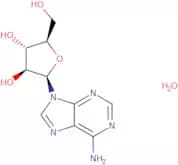
CAS:<p>Please enquire for more information about Cefovecin Sodium including the price, delivery time and more detailed product information at the technical inquiry form on this page</p>Formula:C17H18N5NaO6S2Molecular weight:475.48 g/molVidarabine monohydrate
CAS:<p>Vidarabine monohydrate is an antiviral agent with action on viral DNA polymerase to inhibit replication and is used for treating herpes simplex virus infections and varicella-zoster virus infections.</p>Formula:C10H13N5O4·H2OPurity:(¹H-Nmr) Min. 95 Area-%Color and Shape:White Off-White PowderMolecular weight:285.26 g/molLanoconazole
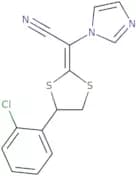
CAS:<p>Anti-fungal; sterol demethylase inhibitor</p>Formula:C14H10ClN3S2Purity:Min. 98 Area-%Color and Shape:White PowderMolecular weight:319.83 g/molTinidazole
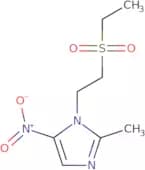
CAS:<p>Tinidazole is a nitroimidazole antibiotic with action on DNA synthesis disruption in anaerobic bacteria and protozoa and is used for treating infections like giardiasis, amebiasis, and trichomoniasis.</p>Formula:C8H13N3O4SPurity:Min. 95%Color and Shape:PowderMolecular weight:247.27 g/molDestomycin A
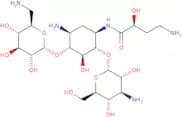
CAS:<p>Destomycin A is an antibiotic, which is derived from the bacterium Streptomyces species. This compound exhibits a broad-spectrum mode of action by inhibiting protein synthesis in bacterial cells, thus impeding their growth and proliferation. Destomycin A targets the ribosomal subunits within bacterial cells, leading to disruption in their ability to synthesize essential proteins, ultimately contributing to its bacteriostatic effects.</p>Formula:C20H37N3O13Purity:Min. 97 Area-%Color and Shape:White PowderMolecular weight:527.52 g/molSulfadoxine
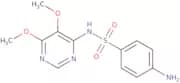
CAS:<p>Sulfadoxine is a long-acting sulfonamide antibiotic with action on bacterial folate synthesis inhibition and is used for treating malaria in combination with pyrimethamine.</p>Formula:C12H14N4O4SPurity:Min. 95%Color and Shape:PowderMolecular weight:310.33 g/molThiacetazone
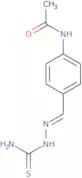
CAS:<p>Thiacetazone is an antitubercular agent with action on mycolic acid synthesis in Mycobacterium tuberculosis and is used for treating tuberculosis in combination with other drugs.</p>Formula:C10H12N4OSPurity:Min. 95%Color and Shape:PowderMolecular weight:236.29 g/molSulopenem
CAS:<p>Sulopenem is a thiopenem antibiotic with action on bacterial cell wall synthesis and is used for treating uncomplicated urinary tract infections.</p>Formula:C12H15NO5S3Purity:Min. 95%Color and Shape:Off-White Yellow PowderMolecular weight:349.45 g/molAmpicillin trihydrate
CAS:<p>Antibiotic of penicillin class; inhibits bacterial cell wall biogenesis</p>Formula:C16H19N3O4S·3H2OColor and Shape:White PowderMolecular weight:403.45 g/molFoscarnet sodium
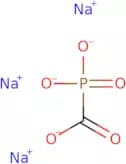
CAS:<p>Foscarnet sodium is a pyrophosphate analog antiviral agent with action on viral DNA polymerase and is used for treating cytomegalovirus and herpes simplex virus infections.</p>Formula:CNa3O5PPurity:Min. 95%Color and Shape:White PowderMolecular weight:191.95 g/molKitasamycin
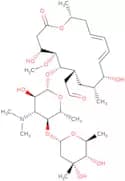
CAS:<p>Kitasamycin is a macrolide antibiotic with a mode of action that inhibits bacterial protein synthesis by binding to the 50S ribosomal subunit. It is used for treating bacterial infections in veterinary medicine.</p>Formula:C40H67NO14Purity:Min. 95%Color and Shape:White PowderMolecular weight:785.96 g/molAzlocillin sodium salt
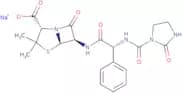
CAS:<p>Azlocillin sodium salt is a penicillin antibiotic and is used for the treatment of bacterial infections. It inhibits bacterial cell wall synthesis.</p>Formula:C20H23N5O6SNaPurity:Min. 90 Area-%Color and Shape:White PowderMolecular weight:484.48 g/mol3-Formyl rifamycin
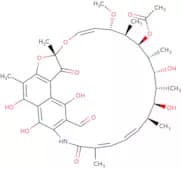
CAS:<p>3-Formyl rifamycin is an intermediate in the synthesis of rifampicin that has been used to develop rifamycin derivatives with antibiotic activity. Rifampicin is aa anti-tuberculosis drug that inhibits bacterial DNA replication</p>Formula:C38H47NO13Purity:Min. 95 Area-%Color and Shape:Red PowderMolecular weight:725.78 g/molIsepamicin sulfate - 70%
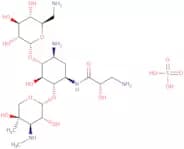
CAS:<p>Isepamicin sulfate - 70% is a semi-synthetic aminoglycoside antibiotic, which is derived from naturally occurring antibiotic compounds through chemical modifications. Its mode of action involves binding to the bacterial 30S ribosomal subunit, disrupting protein synthesis and consequently causing bacterial cell death. This mechanism of action is typical of aminoglycosides, characterized by their bactericidal properties against a broad spectrum of Gram-negative bacteria, with some efficacy against certain Gram-positive bacterial strains.</p>Formula:C22H45N5O16SPurity:Min. 95%Color and Shape:White/Off-White SolidMolecular weight:667.68 g/molLuliconazole
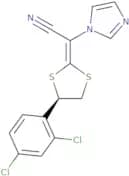
CAS:<p>Broad spectrum imidazole antifungal</p>Formula:C14H9Cl2N3S2Purity:Min. 95%Color and Shape:Off-White To Yellow SolidMolecular weight:352.9615Toltrazuril
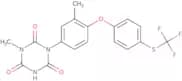
CAS:<p>Toltrazuril is an anticoccidial agent with action on protozoal parasites by disrupting their intracellular development and is used for treating coccidiosis in livestock and poultry.</p>Formula:C18H14F3N3O4SPurity:Min. 95%Color and Shape:White PowderMolecular weight:425.38 g/molGentamicin C2a
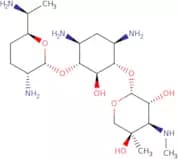
CAS:<p>Gentamicin C2a is an aminoglycoside antibiotic, which is a complex of compounds derived from the fermentation of the bacterium *Micromonospora purpurea*. Its mode of action involves binding to the bacterial 30S ribosomal subunit, thereby inhibiting protein synthesis and resulting in the bactericidal effect on susceptible strains. The disruption of protein synthesis prevents the growth and replication of bacteria, effectively killing them.</p>Purity:Min. 95%Color and Shape:Powder(4''R)-4''-(Acetylamino)-4''-deoxyavermectin B1
CAS:<p>(4''R)-4''-(Acetylamino)-4''-deoxyavermectin B1 (Eprinomectin) is a macrocyclic lactone that inhibits invertebrate nerve function. It is a derivative of avermectin B1 and has been used to control malaria-transmitting mosquitoes. Eprinomectin has veterinary uses for cattle and other livestock to treat mosquitoes, lice, mites, ticks and flies. The drug is effective against the larvae and adult stages of the mosquito life cycle, but not oviposition (egg laying) by adults.</p>Formula:C50H75NO14Purity:Min. 95%Color and Shape:White Slightly Yellow PowderMolecular weight:914.13 g/molAmikacin anhydrous
CAS:<p>Inhibitor of protein synthesis; aminoglycoside</p>Formula:C22H43N5O13Purity:Min. 95 Area-%Color and Shape:White PowderMolecular weight:585.6 g/molAzamulin
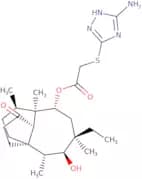
CAS:<p>Azamulin is a semi-synthetic antibiotic belonging to the class of pleuromutilins, which is derived from natural fermentation products of the basidiomycete fungi genus Clitopilus. Its mode of action involves potent selective inhibition of cytochrome P450 3A4 enzymes. This enzyme family is essential for the oxidation of organic substances, and Azamulin's role as an inhibitor makes it valuable for studying drug metabolism and interactions in vitro.</p>Formula:C24H38N4O4SPurity:Min. 95%Color and Shape:SolidMolecular weight:478.65 g/molLincomycin hydrochloride
CAS:<p>Lincomycin is active against gram-positive bacteria such as staphylococci, streptococci, pneumococci, diphtheria bacillus, and clostridia. It is used to treat severe bacterial infections including: sepsis, osteomyelitis, septic endocarditis, pneumonia, pulmonary abscess, infected wounds, purulent meningitis and severe pseudomembranous colitis. Lincomycin is an alternative antibiotic for penicillin-resistant gram-positive bacteria.</p>Formula:C18H35ClN2O6SPurity:Min. 95%Color and Shape:Off-White PowderMolecular weight:443 g/molAcetyl daclatasvir
CAS:<p>Acetyl daclatasvir is a direct-acting antiviral agent, which is chemically derived from a series of small-molecule inhibitors. The source of this compound lies in rational drug design, focusing on targeting specific viral proteins involved in the replication of hepatitis C virus (HCV). Its mode of action involves inhibiting the NS5A protein, a non-structural protein essential for HCV RNA replication and virion assembly. By binding to NS5A, acetyl daclatasvir disrupts the replication complex, effectively halting the virus's ability to multiply within the host cells.</p>Purity:Min. 95%Cephalexin hydrate, Antibiotic for Culture Media Use Only
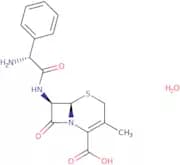
CAS:<p>Cephalexin hydrate is a first-generation cephalosporin antibiotic with action on bacterial cell wall synthesis and is used for treating respiratory tract infections, skin infections, and urinary tract infections.</p>Formula:C16H17N3O4S·H2OPurity:Min. 95 Area-%Color and Shape:White PowderMolecular weight:365.41 g/molCeftiofur
CAS:<p>Ceftiofur is a third-generation cephalosporin antibiotic with action on bacterial cell wall synthesis and is used for treating bacterial infections in veterinary medicine.</p>Formula:C19H17N5O7S3Purity:Min. 95%Color and Shape:Off-White PowderMolecular weight:523.57 g/molTenofovir diphosphate
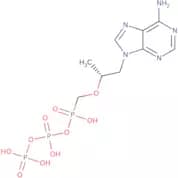
CAS:<p>Tenofovir diphosphate is an antiviral compound, which is a key active metabolite derived from the prodrugs tenofovir disoproxil fumarate and tenofovir alafenamide, both originating from chemical synthesis. Its mode of action involves inhibiting the activity of HIV-1 reverse transcriptase by competing with the natural substrate, deoxyadenosine 5’-triphosphate, and causing chain termination after incorporation into viral DNA. This mechanism effectively prevents the replication of retroviral DNA, thus halting the progression of the infection.</p>Formula:C9H16N5O10P3Purity:Min. 95%Molecular weight:447.17 g/molEnrofloxacin
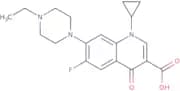
CAS:<p>Enrofloxacin is a fluoroquinolone antibiotic with action on bacterial DNA gyrase and topoisomerase IV and is used for treating bacterial infections in animals.</p>Formula:C19H22FN3O3Purity:Min. 95%Color and Shape:White PowderMolecular weight:359.39 g/molThiabendazole
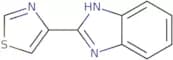
CAS:<p>Thiabendazole is a benzimidazole anthelmintic with action on parasitic worms by inhibiting energy metabolism and is used for treating infections like threadworm and roundworm.</p>Formula:C10H7N3SPurity:Min. 95%Color and Shape:PowderMolecular weight:201.25 g/molInpyrfluxam
CAS:<p>Inpyrfluxam is a fungicide with a mode of action as a succinate dehydrogenase inhibitor (SDHI), disrupting mitochondrial respiration in fungi. It is used for controlling plant diseases like rust and blight in crops such as cereals and soybeans.</p>Formula:C18H21F2N3OPurity:Min. 95%Color and Shape:PowderMolecular weight:333.4 g/molAbafungin
CAS:<p>Abafungin is an antifungal agent and is used for treating fungal infections.</p>Formula:C21H22N4OSPurity:Min. 95%Color and Shape:PowderMolecular weight:378.49 g/molDoxorubicin hydrochloride, 10 mg/ml aqueous solution
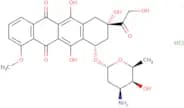
CAS:<p>Doxorubicin hydrochloride, 10 mg/ml aqueous solution, is a chemotherapeutic agent, which is an anthracycline antibiotic derived from the bacterium *Streptomyces peucetius var. caesius*. Its mode of action involves the intercalation into DNA, disrupting the replication and transcription processes crucial for cancer cell proliferation. Additionally, it generates free radicals that cause further damage to cellular structures and inhibit topoisomerase II, thereby preventing the unwinding of DNA necessary for replication.</p>Formula:C27H29NO11•HClPurity:Min. 95%Color and Shape:PowderMolecular weight:579.98 g/mol





![[5-[(3aS,4S,6aR)-Hexahydro-2-oxo-1H-thieno[3,4-d]imidazol-4-yl]-1-oxopentyl]-3…](/_next/image/?url=https%3A%2Fstatic.cymitquimica.com%2Fproducts%2FTR%2Fthumb-webp%2FH291770.webp&w=3840&q=75)