Antimicrobials
Antimicrobials are agents that destroy or inhibit the growth of microorganisms, including bacteria, viruses, fungi, and parasites. These compounds are essential in the prevention and treatment of infections, playing a crucial role in medicine, agriculture, and the food industry. At CymitQuimica, we offer an extensive range of high-quality, high-purity antimicrobials suitable for various scientific and industrial applications. Our catalog includes antibiotics, antifungals, antivirals, and disinfectants, all designed to meet the needs of research and development, as well as clinical and production applications. With our products, professionals can ensure the effectiveness and safety in infection control and public health protection.
Subcategories of "Antimicrobials"
- Antibiotics(4,112 products)
- Antifungals(837 products)
- Antiparasitics(704 products)
- Antivirals(763 products)
Found 2422 products of "Antimicrobials"
Sort by
Purity (%)
0
100
|
0
|
50
|
90
|
95
|
100
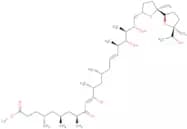
Ionomycin calcium
CAS:<p>Ionomycin calcium is a potent calcium ionophore, which is derived from natural sources such as certain Streptomyces species. Its primary mode of action involves facilitating the translocation of calcium ions (Ca^2+) across biological membranes, specifically transporting them from external environments or intracellular stores into the cytoplasm. This action significantly elevates intracellular calcium levels.</p>Formula:C41H70O9•CaPurity:Min. 95%Molecular weight:747.07 g/molMyriocin
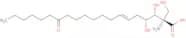
CAS:<p>Myriocin is a potent fungal metabolite that is an inhibitor of sphingolipid biosynthesis. It is originally sourced from the ascomycete fungus *Isaria* sinclairii. Myriocin functions by specifically inhibiting serine palmitoyltransferase, the key enzyme in the de novo sphingolipid biosynthesis pathway, effectively reducing the production of ceramides and sphingomyelins. This mechanism of action makes Myriocin a significant tool in the study of sphingolipid metabolism and signaling pathways.</p>Formula:C21H39NO6Purity:Min. 95%Color and Shape:PowderMolecular weight:401.54 g/molActinomycin V
CAS:<p>An analogue of Actinomycin D and an antitumor agent. Due to lower hepatotoxicity, Actinomycin V is more often used than Actynomycin D in chemotherapy and shows great efficiency against human breast cancer cells.</p>Formula:C62H84N12O17Purity:Min. 95%Color and Shape:PowderMolecular weight:1,269.4 g/molMonensin methyl ester
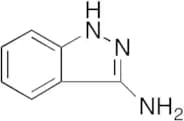
CAS:<p>ester of Monensin. Monensin is a polyether antibiotic isolated from Streptomyces cinnamonensis. It is widely used in ruminant animal feeds.</p>Formula:C37H64O11Purity:Min. 98 Area-%Molecular weight:684.91 g/mol1H-Indazol-3-amine
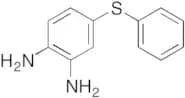
CAS:Controlled Product<p>Applications 1H-Indazol-3-amine is a reagent used in the preparation of indazole derivatives as potential antimicrobial and antitumor agents.<br>References Plescia, S., et al.: ARKIVOC, 10, 163 (2010)<br></p>Formula:C7H7N3Color and Shape:Light RedMolecular weight:133.154-(Phenylthio)-1,2-benzenediamine
CAS:Controlled Product<p>Stability Air Sensitive<br>Applications 4-(Phenylthio)-1,2-benzenediamine is used in the synthesis of bis(2-chloroethyl)aminophosphoryl-containing compounds which are potential anticancer agents. It is also used in the synthesis of 2-substituted-2,3-dihyrdro-5-thiophenoxy-1H-1,3,2-benzodiazaphosphole 2-oxides which exhibit antimicrobial activity.<br>References Rao, L. N., et al.: Phosphorus Sulfur, 177, 399 (2002); Rao, L. N., et al.: Phosphorus Sulfur, 158, 39 (2000)<br></p>Formula:C12H12N2SColor and Shape:NeatMolecular weight:216.30Ethyl 2-chloro-2-(2-(4-chlorophenyl)hydrazono)acetate
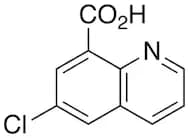
CAS:Controlled Product<p>Applications (Z)-Ethyl 2-chloro-2-(2-(4-chlorophenyl)hydrazono)acetate is a reagent used in the preparation of pyrimidine and pyrimidinone-based compounds for their use as antimicrobials.<br>References Abbas, I et al.: J. Hetero. Chem., 54, 3447 (2017);<br></p>Formula:C10H10Cl2N2O2Color and Shape:NeatMolecular weight:261.16-Chloro-8-quinolinecarboxylic Acid
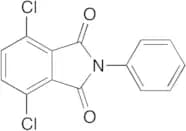
CAS:Controlled Product<p>Applications A 6-substituted 8-quinolinecarboxylic acid as antimicrobial and genotoxic agent.<br>References Weyer, R., et al.: Arzneim.-Forsch., 24, 269 (1974),<br></p>Formula:C10H6ClNO2Color and Shape:NeatMolecular weight:207.614,7-Dichloro-2-phenyl-1H-isoindole-1,3(2H)-dione
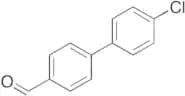
CAS:Controlled Product<p>Applications 4,7-Dichloro-2-phenyl-1H-isoindole-1,3(2H)-dione is an intermediate in the synthesis of phthalic compounds, phthalazines, and quinones with antimicrobial activity.<br>References Marriott, G. J., et al.: J. Chem. Soc., 134 (1939); Katayama, H., et al.: Tetrahedron., 63, 6642 (2007);<br></p>Formula:C14H7Cl2NO2Color and Shape:NeatMolecular weight:292.124'-Chlorobiphenyl-4-carbaldehyde
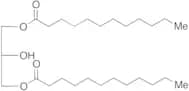
CAS:Controlled ProductFormula:C13H9ClOColor and Shape:NeatMolecular weight:216.66a,a'-Dilaurin
CAS:Controlled Product<p>Stability Hygroscopic<br>Applications α,α'-Dilaurin is a possible antimicrobial agent against gram-posistive organisms.<br>References Kabara, J., et al.; Antimicrob. Agents Chemother., 2, 23 (1972); Conley, A., et al.: Antimicrob. Agents Chemother., 4, 501 (1973)<br></p>Formula:C27H52O5Color and Shape:NeatMolecular weight:456.7(+)-Ledene
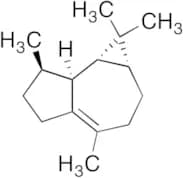
CAS:Controlled Product<p>Applications (+)-Ledene is an essential oil that is synthesized by viridiflorene synthase. It has been studied as an antioxidant, antimicrobial, antibiofilm and to treat various cancers.<br>References Negreiros, M.O., et al.: Pharm. Biol, 54, 3272-3279 (2016)<br></p>Formula:C15H24Color and Shape:NeatMolecular weight:204.35Dimethyl Phenylbutanol
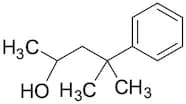
CAS:Controlled ProductFormula:C12H18OColor and Shape:ColourlessMolecular weight:178.271,3-Dibenzyl-1H-benzo[d]imidazol-3-ium Chloride
CAS:Controlled Product<p>Stability Hygroscopic<br>Applications 1,3-Dibenzyl-1H-benzo[d]imidazol-3-ium Chloride is a useful reagent in the preparation of the antimicrobial benzimidazolium compounds via N-alkylation of benzimidazoles with benzyl chloride.<br>References Meng, J. P., et al.: Adv. Mat. Res., 554, 1686 (2012)<br></p>Formula:C21H19ClN2Color and Shape:NeatMolecular weight:334.85Indolicidin TFA Salt
CAS:Controlled Product<p>Applications Indolicidin is an antimicrobial peptide containing multiple tryptophan residues.<br></p>Formula:C100H132N26O13•x(C2HF3O2)Color and Shape:NeatMolecular weight:1906.2811402Ceragenin CSA 44
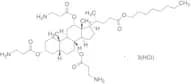
CAS:<p>Applications CSA (cationic steroid antibiotics) is a class of facial amphiphiles with same mechanism of antimicrobial action as that of CPAs (cationic peptide antibiotics).<br>References Sundriyal, S., et al.: J. Mol. Model, 14, 265 (2008).<br></p>Formula:C41H71N3O8•3(HCl)Color and Shape:NeatMolecular weight:734.02336462,3-Dichloro-6-nitroaniline
CAS:Controlled Product<p>Applications 2,3-Dichloro-6-nitroaniline is used as a reagent in the synthesis of 3-alkyl-, 3-halomethyl- and 3-carboxyethylquinoxaline-2-ones which have potential antimicrobial activity.<br> Not a dangerous good if item is equal to or less than 1g/ml and there is less than 100g/ml in the package<br>References Carta, A., et al.: Farmaco, 58, 1251 (2003)<br></p>Formula:C6H4Cl2N2O2Color and Shape:NeatMolecular weight:207.01Vaccenic Acid Ethyl Ester
CAS:Controlled ProductFormula:C20H38O2Color and Shape:NeatMolecular weight:310.513-[Benzyl-(2-methoxycarbonylethyl)amino]propionic Acid Methyl Ester
CAS:Controlled Product<p>Applications 3-[BENZYL-(2-METHOXYCARBONYL-ETHYL)-AMINO]-PROPIONIC ACID METHYL ESTER (cas# 793-19-1) is a useful research chemical.<br></p>Formula:C15H21NO4Color and Shape:NeatMolecular weight:279.33Dihydropyran
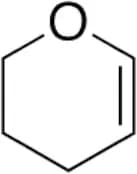
CAS:Controlled Product<p>Stability Volatile<br>Applications 2,3-Dihydropyran is used in the synthesis of potent and selective myeloperoxidase inhibitors useful as antimicrobial oxidants. Also is used to synthesize novel and selective σ1 receptor ligands.<br>References Soubhye, J. et al.: J. Med. Chem., 56, 3943 (2013); Diaz, J. et al.: J. Med. Chem., 56, 3656 (2013);<br></p>Formula:C5H8OColor and Shape:NeatMolecular weight:84.12(9Z,11R,12S,13S)-11,12,13-Trihydroxy-9-octadecenoic Acid
CAS:Controlled ProductFormula:C18H34O5Color and Shape:NeatMolecular weight:330.464-Amino-2-methyl-1-naphthalenol Hydrochloride
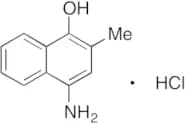
CAS:Controlled Product<p>Applications 4-Amino-2-methyl-1-naphthalenol Hydrochloride is used as a preservative for pharmaceuticals, foods, and beverages. It is also a strong antimicrobial agent, where gram-positive bacteria tend to be more susceptible than gram-negative bacteria.<br>References Pratt, R., et al.: J. Am. Pharmaceut. Assoc., 39(3), 127-134 (1950); Merrifield, L. S., et al.: Appl. Environ. Microbiol., 13(5), 766-770 (1965); Cornelius, J., et al.: J. Chromatogr. Sci., 5(6), 327-328 (1967)<br></p>Formula:C11H11NO·ClHColor and Shape:NeatMolecular weight:209.672,4-Dichloro-5-thiazolecarboxaldehyde
CAS:Controlled Product<p>Applications Used in the synthesis of some novel thiazolidine-2,4-dione derivatives having antimicrobial activity.<br>References Colca, J., et al.: J. Biol. Chem., 278, 21972 (2003), Galimand, M., et al.: Antimicrob. Agents Chemother., 47, 2565 (2003), Rostom, S., et al.: Bioorg. Med. Chem., 17, 882 (2009),<br></p>Formula:C4HCl2NOSColor and Shape:NeatMolecular weight:182.033-Methyl-1-(triphenylphosphoranylidene)butan-2-one
CAS:Controlled ProductFormula:C23H23OPColor and Shape:NeatMolecular weight:346.4(1R,2S,3R)-1-(2-Quinoxalinyl)-1,2,3,4-butanetetrol
CAS:Controlled Product<p>Applications (1R,2S,3R)-1-(2-Quinoxalinyl)-1,2,3,4-butanetetrol is an intermediate in the synthesis of 2-Quinoxalinecarboxylic Acid (Q765265), a residue of Carbadox (C175825) which is an antimicrobial drug.<br>References Harms, A.E., et al.: Org. Proc. Res. Develop., 8, 666 (2004);<br></p>Formula:C12H14N2O4Color and Shape:NeatMolecular weight:250.25(2S)-2,6-Diisothiocyanato-Hexanoic Acid Ethyl Ester
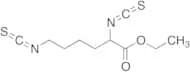
CAS:Controlled ProductFormula:C10H14N2O2S2Color and Shape:NeatMolecular weight:258.362'-Hydroxy-3,4-dimethoxychalcone
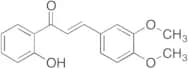
CAS:Controlled ProductFormula:C17H16O4Color and Shape:NeatMolecular weight:284.31L-Psicose
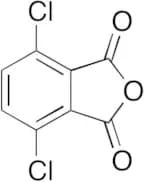
CAS:Controlled Product<p>Applications An epimer of L-Fructose that is a potential inhibitor of microbial activity in bovine lactoperoxidase system. A metabolite of Allitol.<br>References Al,-Baari, A.N. et al.: J. Food Prod., 74, 134 (2011); Carr, J.G. et al.: Phytochem., 7, 1 (1968);<br></p>Formula:C6H12O6Color and Shape:NeatMolecular weight:180.163,6-Dichlorophthalic Anhydride
CAS:<p>Stability Moisture Sensitive<br>Applications 3,6-Dichlorophthalic Anhydride is an intermediate in the synthesis of phthalic compounds, phthalazines, and quinones with antimicrobial activity.<br>References Hansongnern, K., et al. Appl. Magnetic. Resonance., 23, 333 (2003);<br></p>Formula:C8H2Cl2O3Color and Shape:NeatMolecular weight:217.006(+)-Phytone
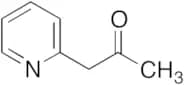
CAS:Controlled Product<p>Applications (+)-Phytone is an constituent of leaf essential oil of Lawsonia Inermis growing in Nepal with potential anti-microbial activities.<br>References Satyal, P., et al.: Pharmacol., 1, 31 (2012);<br></p>Formula:C18H36OColor and Shape:NeatMolecular weight:268.481-Pyridin-2-yl-propan-2-one
CAS:Controlled Product<p>Applications 1-Pyridin-2-yl-propan-2-one is an antimicrobial bioactive compound extracted from Lactarius vellereus fermenting liquor.<br>References Ji, H., et al.: Beijing Linye Daxue Xuebao, 30, 92 (2008); Song, R., et al.: From Faming Zhuanli Shenqing (2008), CN 101230368 A 20080730;<br></p>Formula:C8H9NOColor and Shape:NeatMolecular weight:135.17Silver Bromide
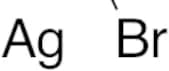
CAS:Controlled Product<p>Applications Silver Bromide is used in the spectroscopic study of silver halides in montmorillonite and their antibacterial activity, also used in the antimicrobial compositions for use in wound care products.<br>References Sohrabnezhad, S., et al.: J. Photochem. Photobiol., 163, 150 (2016); Adams, L. L., et al.: From U.S. Pat. Appl. Publ. (2016), US 20160220728 A1 20160804<br></p>Formula:AgBrColor and Shape:NeatMolecular weight:187.77Di-2-(Hydroxyphenyl)acetamido Cefprozil (Mixture of E/Z isomers)
Controlled Product<p>Stability Light Sensitive<br>Applications Di-2-(Hydroxyphenyl)acetamido Cefprozil is an impurity in the synthesis of Cefprozil (C243910), semisynthetic oral cephalosporin consisting of approx. 90:10 Z/E isomeric mixture. Antibacterial.<br>References Jones, R.N., et al.: Diagn. Microb. Infect. Dis., 9, 11 (1988), Barbhaiya, R.H., et al.: Antimicrob. Agents Chemother., 34, 1204 (1990)<br></p>Formula:C26H26N4O7SColor and Shape:NeatMolecular weight:538.57Berberrubine Chloride
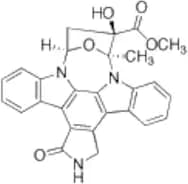
CAS:<p>Stability Hygroscopic<br>Applications Berberrubine Chloride is a novel alkaloid with novel nitric-oxide donating activity. Antitumor and an antimicrobial agent.<br>References Chen, J. et al.: Eur. J. Med. Chem., 132, 173 (2017); Jeyakkumar, P. et al.: Bioorg. Med. Chem. Lett., 27, 1737 (2017);<br></p>Formula:C19H16ClNO4Color and Shape:NeatMolecular weight:357.79K252a
CAS:Controlled Product<p>Applications K252a is a protein kinase inhibitor. It is an analogue of staurosporine (S685000). It shows potent antitumor activity but no antimicrobial activity in vitro, or in vivo toxicity in rodents.<br>References Kase, H., et al.: J. Antibiot., 39, 1059 (1986); Yasuzawa, T., et al.; J. Antibiot., 39, 1072 (1986)<br></p>Formula:C27H21N3O5Color and Shape:NeatMolecular weight:467.471,14-Tetradecanediol
CAS:Controlled Product<p>Applications 1,14-Tetradecanediol is a bioactive component of Hybanthus enneaspermus with anti-microbial activity against microbes.<br>References Anand, T., et al.: Int. J. Pharm. Pharm. Sci., 4, 646 (2012)<br></p>Formula:C14H30O2Color and Shape:NeatMolecular weight:230.39Sulfamethylphenazole
CAS:<p>Sulfamethylphenazole is a synthetic antibacterial compound, which is derived from sulfonamides. It functions by inhibiting bacterial dihydropteroate synthase, an enzyme crucial for the synthesis of folate in bacteria. This inhibition leads to the depletion of folate coenzymes, which are essential for DNA synthesis and cell replication in bacteria. As a result, Sulfamethylphenazole effectively halts bacterial growth by exploiting the reliance of bacteria on folate synthesis, a pathway absent in human cells, thereby offering selective toxicity.</p>Formula:C16H16N4O2SPurity:Min. 95%Molecular weight:328.4 g/molNaftoxate
CAS:<p>Naftoxate is a synthetic ester, which is synthesized chemically from raw materials such as fatty alcohols and carboxylic acids. With its ability to reduce surface tension, Naftoxate operates as a surfactant, facilitating emulsification and dispersion of hydrophobic substances within various aqueous systems. The compound achieves this by altering the interface between liquids, enabling them to mix more effectively.</p>Formula:C19H14N2OS2Purity:Min. 95%Molecular weight:350.5 g/molCefazolin, Antibiotic for Culture Media Use Only
CAS:<p>Cefazolin is a semi-synthetic, non-beta lactam antibiotic used for the treatment of a variety of bacterial infections. It inhibits cell wall synthesis by binding to one or more of penicillin-binding proteins (PBPs), which are bacterial transpeptidases that crosslink peptidoglycan strands. Cefazolin binds to PBPs present on the surface of all Gram-negative bacteria as well as many Gram-positive bacteria. It is not effective against methicillin-resistant staphylococcus and MRSA unless combined with another antibiotic such as vancomycin or flucloxacillin. A study showed that cefazolin can decrease inflammation and tumor necrosis factor-beta levels in pregnant women with systemic inflammatory disease. It has been tested in the development of an anti-inflammatory agent for use in patients with autoimmune diseases such as rheumatoid arthritis and lupus erythe.</p>Formula:C14H14N8O4S3Molecular weight:454.51 g/molPenipurdin A
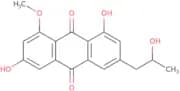
CAS:<p>Please enquire for more information about Penipurdin A including the price, delivery time and more detailed product information at the technical inquiry form on this page</p>Formula:C18H16O6Purity:Min. 95%Molecular weight:328.3 g/mol(Z)-Azoxystrobin
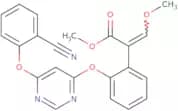
CAS:<p>(Z)-Azoxystrobin is a strobilurin fungicide, which is a synthetic derivative of naturally occurring antifungal compounds produced by fungi such as *Strobilurus tenacellus*. Its mode of action involves the inhibition of mitochondrial respiration in target fungi, specifically by binding to the Qo site of the cytochrome bc1 complex. This disrupts electron transport in the mitochondria, leading to the cessation of ATP production and subsequent cell death.</p>Formula:C22H17N3O5Purity:Min. 95%Molecular weight:403.4 g/molEnrofloxacin HCl
CAS:<p>Enrofloxacin HCl is a fluoroquinolone antibiotic, which is a synthetic compound derived from chemical synthesis. Its mode of action involves the inhibition of bacterial DNA gyrase and topoisomerase IV, critical enzymes in bacterial DNA replication and transcription processes. This action disrupts bacterial cellular division and transcription, leading to cell death.</p>Formula:C19H22FN3O3•HClPurity:Min. 95%Molecular weight:395.86 g/molDescarbamylnovobiocin
CAS:<p>Descarbamylnovobiocin is a synthetic derivative of the antibiotic novobiocin, which is originally sourced from Streptomyces species. As a derivative, it modifies certain structural elements of the parent compound to potentially enhance or alter its antimicrobial properties. Its mode of action is primarily through the inhibition of bacterial DNA gyrase and topoisomerase IV, essential enzymes for DNA replication and cell division. By impeding these enzymes, descarbamylnovobiocin disrupts the supercoiling of bacterial DNA, thereby inhibiting bacterial growth and proliferation.</p>Formula:C30H35NO10Purity:Min. 95%Molecular weight:569.6 g/molLexithromycin
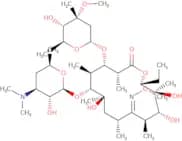
CAS:<p>Please enquire for more information about Lexithromycin including the price, delivery time and more detailed product information at the technical inquiry form on this page</p>Formula:C38H70N2O13Purity:Min. 95%Molecular weight:762.97 g/molOmadacycline hydrochloride
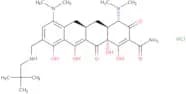
CAS:<p>Omadacycline hydrochloride is a modern tetracycline-class antibiotic, which is a synthetic derivative sourced from tetracycline compounds. The mode of action involves binding to the bacterial 30S ribosomal subunit, thereby inhibiting protein synthesis, which ultimately interferes with bacterial growth. Omadacycline exhibits a broad spectrum of activity, showing efficacy against a range of Gram-positive and Gram-negative bacterial strains, including those resistant to other tetracyclines and antibiotics.</p>Formula:C29H40N4O7·HClPurity:Min. 95%Molecular weight:593.11 g/molKanamycin C
CAS:<p>Inhibitor of protein synthesis; aminoglycoside</p>Formula:C18H36N4O11Purity:Min. 95%Molecular weight:484.5 g/molAmpicillin amino-benzeneacetaldehyde
CAS:<p>Ampicillin amino-benzeneacetaldehyde is a specialized biochemical compound, which is a derivative of the well-known antibiotic ampicillin. This compound serves as an advanced progenitor in the synthesis of tailored antibiotics, stemming from both natural and semi-synthetic sources. The primary mode of action for this derivative involves its transformation into active ampicillin forms, which then inhibit bacterial cell wall synthesis by binding to penicillin-binding proteins. This mechanism effectively compromises the structural integrity of bacterial cells, leading to their eventual lysis.</p>Formula:C24H26N4O5SPurity:Min. 95%Molecular weight:482.6 g/molNisin - >900IU/mg, contains min 50% NaCl
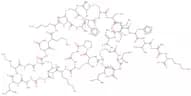
CAS:<p>Nisin (>900 IU/mg, contains min 50% NaCl) is a lantibiotic peptide with action on bacterial cell membranes and is used for preserving food and controlling gram-positive bacteria.</p>Formula:C143H230N42O37S7Purity:Min. 95%Color and Shape:PowderMolecular weight:3,354.08 g/mol(10E)-3-O-De(a-L-cladinose)-10-dehydro-11-dehydroxy-6-O-methyl-erythromycin 2'-acetate
CAS:<p>Erythromycin derivative</p>Formula:C32H55NO10Purity:Min. 95%Molecular weight:613.78 g/molCauloside A
CAS:<p>Cauloside A is a steroidal saponin, a type of glycoside compound, which is primarily isolated from the plant Caulophyllum robustum or related species. Saponins are known for their diverse biological activities and the ability to interact with cell membranes due to their amphipathic nature, allowing them to disrupt lipid bilayers.</p>Formula:C35H56O8Purity:Min. 95%Molecular weight:604.8 g/mol





![1,3-Dibenzyl-1H-benzo[d]imidazol-3-ium Chloride](/_next/image/?url=https%3A%2Fstatic.cymitquimica.com%2Fproducts%2FTR%2Fthumb-webp%2FD159141.webp&w=3840&q=75)


![3-[Benzyl-(2-methoxycarbonylethyl)amino]propionic Acid Methyl Ester](/_next/image/?url=https%3A%2Fstatic.cymitquimica.com%2Fproducts%2FTR%2Fthumb-webp%2FB130175.webp&w=3840&q=75)