Antimicrobials
Subcategories of "Antimicrobials"
- Antibiotics(4,133 products)
- Antifungals(888 products)
- Antiparasitics(692 products)
- Antivirals(765 products)
Found 2436 products of "Antimicrobials"
Acephate d3
CAS:Acephate d3 is an isotopically labeled organophosphorus insecticide, which is a synthetic chemical compound used primarily for its insecticidal properties. It is derived by incorporating deuterium, a stable hydrogen isotope, into the molecular structure of acephate. The inclusion of deuterium isotopes is instrumental in tracing and studying the biochemical pathways and metabolic degradation of acephate within target organisms and ecosystems.
Formula:C4H10NO3PSPurity:Min. 95%Molecular weight:186.19 g/molRef: 3D-QKD32770
Discontinued productL-689502
CAS:L-689502 is a synthetic compound that functions as a selective antagonist for neuropeptide Y1 receptors. It is derived from chemical synthesis processes specifically designed to target and modulate these receptors. As an antagonist, its primary mode of action involves binding to the neuropeptide Y1 receptors and inhibiting their activity, thereby blocking the effects of the naturally occurring ligand, neuropeptide Y (NPY).
Formula:C39H51N3O7Purity:Min. 95%Molecular weight:673.8 g/molGatifloxacin related compound E
CAS:Gatifloxacin related compound E is a chemical reference standard, which is often used in pharmaceutical and analytical chemistry research for the identification and quantification of impurities. It is generally synthesized or isolated as part of the quality control and validation process for the production of the antibiotic Gatifloxacin. The mode of action of this compound revolves around its structural similarity to Gatifloxacin, which allows it to serve as a benchmark to ensure the accuracy and reliability of high-performance liquid chromatography (HPLC) and other analytical techniques.
Formula:C19H22FN3O4·HClPurity:Min. 95%Molecular weight:411.86 g/molRef: 3D-UYB09741
Discontinued productCycloxaprid
CAS:Cycloxaprid is an insecticide, which is a chemical derived from natural compounds designed to manage pest populations. Its primary source is based on a modification of the neonicotinoids, a class of neuro-active insecticides modeled after nicotine. Cycloxaprid functions by acting on nicotinic acetylcholine receptors (nAChRs) within the insect’s nervous system. This mode of action involves binding to these receptors, leading to uncontrolled nerve firing and eventually, the insect’s death due to nervous system failure.
Formula:C14H15ClN4O3Purity:Min. 95%Molecular weight:322.75 g/molRef: 3D-DYB79141
Discontinued productTylosin D
CAS:Tylosin D is an antibiotic product, which is derived from the bacterium *Streptomyces fradiae*. Its mode of action involves binding to the 50S subunit of the bacterial ribosome, thereby inhibiting protein synthesis essential for bacterial growth and replication. This mechanism is particularly effective against Gram-positive bacteria and mycoplasma species, making it a crucial agent in combatting infections in the veterinary field.
Formula:C46H79NO17Purity:Min. 95%Molecular weight:918.1 g/molRef: 3D-BAA40448
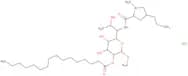
Discontinued productLincomycin 2-palmitate hydrochloride
CAS:Lincomycin 2-palmitate hydrochloride is a semi-synthetic antibiotic, derived from the natural antibiotic lincomycin through chemical modification. It is sourced from fermentative processes involving the bacterium *Streptomyces lincolnensis*. The compound exerts its action by inhibiting protein synthesis in susceptible bacteria. This occurs through its binding to the 50S subunit of the bacterial ribosome, thereby hindering peptide chain elongation and ultimately arresting bacterial growth.Formula:C34H65ClN2O7SPurity:Min. 95%Molecular weight:681.41 g/molRef: 3D-AL46189
Discontinued productDiclobutrazol
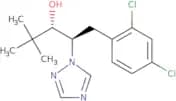
CAS:Diclobutrazol is a plant growth regulator, a synthetic compound primarily derived from chemical synthesis methods. This compound acts by inhibiting the biosynthesis of gibberellins, which are plant hormones that regulate various aspects of growth and development. The inhibition of gibberellin biosynthesis results in reduced plant elongation, leading to more compact growth forms.
Formula:C15H19Cl2N3OPurity:Min. 95%Molecular weight:328.24 g/molRef: 3D-ADA73633
Discontinued product1-Chloro-2,2-bis(4'-chlorophenyl)ethane
CAS:1-Chloro-2,2-bis(4'-chlorophenyl)ethane is an organochlorine pesticide known for its agricultural applications. It is a synthetic product derived from chlorinated hydrocarbons. It functions primarily through its mode of action as an insecticide by interfering with the nervous system of insects. It disrupts normal nerve function by causing prolonged opening of sodium channels in nerve cells, leading to hyperexcitation and eventual paralysis of the target pests.
Formula:C14H11Cl3Purity:Min. 95%Molecular weight:285.6 g/molRef: 3D-CAA64280
Discontinued productβ-Lactoglobulin A from bovine milk
CAS:β-Lactoglobulin A is a whey protein found predominantly in bovine milk, characterized as a globular protein. It is sourced from the milk of cows and serves as a major component of whey, the liquid by-product of cheese production. The structure of β-Lactoglobulin A allows it to bind hydrophobic molecules, such as fatty acids and vitamins, which may facilitate their transport and absorption in the digestive tract.
Purity:Min. 95%Ref: 3D-ACA86392
Discontinued productTolnifanide
CAS:Tolnifanide is a fungicidal product, which is a synthetic compound derived from chemical synthesis. It operates by interfering with the normal cellular function of fungi, inhibiting their growth and reproduction. This mode of action involves disrupting key processes within the fungal cells, rendering them unable to thrive in their host environment.
Formula:C15H15ClN2O4SPurity:Min. 95%Molecular weight:354.8 g/molRef: 3D-EMA91198
Discontinued productDimethenamid-ethane sulfonic acid (esa) sodium
CAS:Dimethenamid-ethane sulfonic acid (ESA) sodium is a herbicide metabolite, which is derived from Dimethenamid, an active ingredient in pre-emergent herbicides used for controlling grass and broadleaf weeds. The compound is formed through the metabolic degradation of the parent herbicide in soil and plants, largely influenced by microbial activity and environmental conditions.
Formula:C12H18NNaO5S2Purity:Min. 95%Molecular weight:343.4 g/molRef: 3D-TGC09509
Discontinued productGentamicin C2 pentaacetate (2 : 1 Mixture of C2 and C2a)
CAS:Controlled ProductGentamicin C2 pentaacetate (2 : 1 Mixture of C2 and C2a) is an aminoglycoside class antibiotic derivative, primarily derived from the fermentation of Micromonospora species. This product is a semi-synthetic compound, combining two closely related gentamicin components, C2 and C2a, in a specified ratio. Its mode of action involves binding to the 30S subunit of the bacterial ribosome, which disrupts protein synthesis resulting in bactericidal activity against a wide spectrum of Gram-negative and some Gram-positive bacteria.
Formula:C30H61N5O17Purity:Min. 95%Molecular weight:763.83 g/molRef: 3D-AG16459
Discontinued product1-(6-Amino-3,5-difluoropyridin-2-yl)-8-bromo-6-fluoro-7-[3-(methylamino)azetidin-1-yl]-4-oxoquinoline-3-carboxylic acid
CAS:1-(6-Amino-3,5-difluoropyridin-2-yl)-8-bromo-6-fluoro-7-[3-(methylamino)azetidin-1-yl]-4-oxoquinoline-3-carboxylic acid is a synthetically derived quinoline derivative, which is produced through advanced organic chemistry methodologies involving halogenated pyridines and quinoline frameworks. The compound functions primarily as an antibacterial agent, targeting bacterial topoisomerase enzymes, thereby disrupting DNA replication and transcription processes.Formula:C19H15BrF3N5O3Purity:Min. 95%Molecular weight:498.3 g/mol(S,S)-Valifenalate
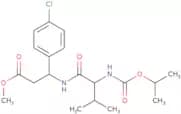
CAS:(S,S)-Valifenalate is a chemical compound that serves as a systemic fungicide, a class of products designed to prevent or eliminate fungal diseases in plants. It is synthetically derived, indicating that its molecular structure is chemically engineered rather than extracted from natural sources. The compound operates by disrupting the fungal life cycle, specifically interfering with cell wall biosynthesis, ultimately inhibiting the growth and reproduction of fungal pathogens.
Formula:C19H27ClN2O5Purity:Min. 95%Molecular weight:398.9 g/molRef: 3D-ILA15994
Discontinued productPenciclovir diacetate
CAS:Penciclovir diacetate is an antiviral compound, which is synthesized as a prodrug derivative of penciclovir. This compound originates from chemical modification processes designed to improve the pharmacokinetic properties of its active metabolite. Once administered, penciclovir diacetate undergoes in vivo conversion to penciclovir, an active nucleoside analog. The mode of action involves selective inhibition of viral DNA polymerase after being phosphorylated to its triphosphate form, thereby impeding viral DNA synthesis and replication.
Formula:C14H19N5O5Purity:Min. 95%Molecular weight:337.33 g/molRef: 3D-XDA84572
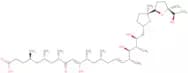
Discontinued productIonomycin
CAS:Ionomycin is an ionophore compound with a mode of action that facilitates calcium ion transport across cell membranes. It is used in research to study calcium signaling and T-cell activation.
Formula:C41H72O9Purity:Min. 98 Area-%Color and Shape:PowderMolecular weight:709.01 g/molPirlimycin HCl
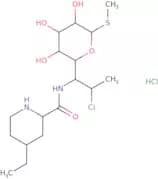
CAS:Pirlimycin HCl is an antibacterial product, which is a semi-synthetic derivative of the natural antibiotic lincomycin produced by Streptomyces lincolnensis. Its mode of action involves the inhibition of bacterial protein synthesis by binding to the 50S ribosomal subunit, thereby preventing the elongation of peptide chains. This action is particularly effective against Gram-positive bacteria, including Staphylococcus and Streptococcus species.
Formula:C17H31ClN2O5S·HClPurity:Min. 95%Color and Shape:White PowderMolecular weight:447.42 g/molRef: 3D-AP29389
Discontinued productCefotiam
CAS:Cefotiam is a broad-spectrum cephalosporin antibiotic, which is a beta-lactam compound derived from the mold Acremonium. It functions by inhibiting bacterial cell wall synthesis, particularly by targeting penicillin-binding proteins, which leads to cell lysis and death in susceptible bacteria. This mechanism of action makes it effective against various Gram-positive and Gram-negative bacteria.
Formula:C18H23N9O4S3Purity:Min. 95%Color and Shape:PowderMolecular weight:525.62 g/molRef: 3D-AC183647
Discontinued productTaxiphyllin
CAS:Taxiphyllin is a type of cyanogenic glucoside, which is a naturally occurring compound found in certain plants. It is derived primarily from bamboo shoots, among other plant sources. The compound undergoes hydrolysis when the plant tissue is damaged, such as during chewing or processing. This hydrolytic reaction, typically catalyzed by the enzyme β-glucosidase, results in the release of hydrogen cyanide, a potent defense mechanism for the plant against herbivores and pests.
Formula:C14H17NO7Purity:Min. 95%Molecular weight:311.29 g/molRef: 3D-WAA40121
Discontinued productBalapiravir hydrochloride
CAS:Balapiravir hydrochloride is an antiviral agent, which is synthesized through chemical processes. It operates as a prodrug, meaning it is metabolized in the body to produce the active compound that inhibits viral replication. The mode of action of Balapiravir involves targeting the viral RNA polymerase, an essential enzyme for the replication of viral genomes. By inhibiting this enzyme, the drug effectively reduces viral load within the host, impairing the spread and establishment of the virus.
Formula:C21H31ClN6O8Purity:Min. 95%Molecular weight:531 g/molRef: 3D-QCB27065
Discontinued productIsoflucypram
CAS:Please enquire for more information about Isoflucypram including the price, delivery time and more detailed product information at the technical inquiry form on this page
Formula:C19H21ClF3N3OPurity:Min. 95%Molecular weight:399.8 g/molRef: 3D-FAC73428
Discontinued productThiosildenafil-despiperazine
CAS:Thiosildenafil-despiperazine is a derivative of sildenafil, which is a phosphodiesterase type 5 (PDE5) inhibitor. This compound is synthesized through structural modifications of sildenafil, leading to alterations in its pharmacological profile and potential applications. The source of this derivative involves chemical synthesis techniques to modify the core structure of sildenafil, specifically targeting modifications in the piperazine ring and replacing it with a thioside group to enhance or alter desired effects.
Formula:C17H20N4O4S2Purity:Min. 95%Molecular weight:408.5 g/molRef: 3D-DEC01810
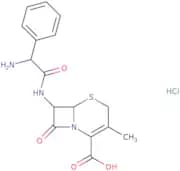
Discontinued productCephalexin hydrochloride
CAS:Cephalexin hydrochloride is a cephalosporin antibiotic, which is a type of beta-lactam antibiotic. It is derived from the fungus Acremonium, previously known as Cephalosporium, with a bactericidal mode of action. This compound works by inhibiting bacterial cell wall synthesis. Specifically, it binds to one or more of the penicillin-binding proteins (PBPs), which in turn disrupts the final stages of bacterial cell wall formation and results in cell lysis mediated through autolytic enzyme action.
Formula:C16H18ClN3O4SPurity:Min. 95%Molecular weight:383.9 g/molSanfetrinem cilexetil
CAS:Sanfetrinem cilexetil is an oral prodrug, which is derived from trinem antibiotics, a subgroup of β-lactams. It is a synthetic compound developed to enhance the pharmacokinetic properties of its active form, sanfetrinem. Upon oral administration, sanfetrinem cilexetil undergoes hydrolysis in the digestive tract to release the active β-lactam antibiotic, sanfetrinem.
Formula:C23H33NO8Purity:Min. 95%Molecular weight:451.50 g/molRef: 3D-RFA64608
Discontinued productCephalosporin 87/359(cefoxitin impurity H)
CAS:Cephalosporin 87/359 (cefoxitin impurity H) is an analytical reference standard, which is a secondary metabolite that can arise during the synthesis or degradation of the cephalosporin antibiotic, cefoxitin. It is sourced from chemical synthesis processes where isolation and purification of impurities are essential for ensuring the efficacy and safety of pharmaceutical products. The mode of action of this impurity is not therapeutic but crucial for analytical purposes, serving as a comparator to detect and quantify potential contaminants in cefoxitin production.
Formula:C15H15N3O6S2Purity:Min. 95%Molecular weight:397.40 g/molRef: 3D-MBA05105
Discontinued productNifursemizone
CAS:Nifursemizone is an antimicrobial agent, which is a synthetic nitrofuran derivative. It is engineered from chemical precursors through targeted synthetic processes designed to maximize its antibacterial properties. The mode of action of Nifursemizone involves the inhibition of bacterial enzymes and interference with nucleic acid synthesis. This action disrupts essential bacterial functions, leading to the inhibition of bacterial growth and eventual cell death.
Formula:C8H10N4O4Purity:Min. 95%Molecular weight:226.19 g/molRef: 3D-FAA57989
Discontinued productVirginiamycin - Complex of M1+S1
CAS:Virginiamycin - Complex of M1+S1 is an antibiotic compound, which is derived from the actinobacterium Streptomyces virginiae. It functions through the inhibition of bacterial protein synthesis by binding to the 50S ribosomal subunit, thereby obstructing peptide bond formation and impeding microbial growth. The complex is composed of two major components: Virginiamycin M1 and Virginiamycin S1, which synergistically enhance antimicrobial efficacy.
Formula:C71H84N10O17Purity:Min. 95%Molecular weight:1,349.48 g/molRef: 3D-AV176575
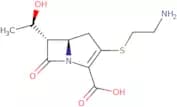
Discontinued productThienamycin
CAS:Thienamycin is a β-lactam antibiotic, which originates from the fermentation of the bacterium *Streptomyces cattleya*. Its mode of action involves inhibiting the synthesis of bacterial cell walls. Thienamycin accomplishes this by binding to penicillin-binding proteins (PBPs) critical for peptidoglycan construction, thereby disrupting cell wall integrity and leading to bacterial lysis.
Formula:C11H16N2O4SPurity:80%MinColor and Shape:PowderMolecular weight:272.32 g/molRef: 3D-AT168178
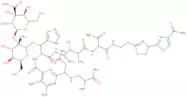
Discontinued productPhleomycin
CAS:Phleomycin is an antibiotic, which is derived from the bacterium *Streptomyces verticillus*. Its mode of action involves binding to DNA and inducing breaks by generating free radicals in the presence of oxygen and ferrous ions, leading to cell death. Phleomycin is prominently used in molecular biology applications as a selective agent in the generation of stable transfectants. It is particularly effective in selecting for cells that have integrated vectors conferring resistance, such as the Sh ble gene used in yeast, plant, and mammalian cell systems. Due to its potent DNA-cleaving ability, Phleomycin is valuable in studies requiring stringent selection pressure. Researchers commonly utilize it in experiments focusing on genetic modification and cellular resistance development.
Formula:C51H75N17O21S2Purity:Min. 95%Molecular weight:1,326.38 g/molClenpenterol d5 hydrochloride
CAS:Clenpenterol d5 hydrochloride is a deuterated chemical compound, which is a stable isotopic variant of the beta-agonist Clenpenterol, commonly used in research and analytical studies. This compound is synthetically derived to enhance specificity and precision in scientific investigations. Deuteration involves the replacement of hydrogen atoms with deuterium, which contributes to the increased stability and differentiation of the isotopes during analysis.
Formula:C13H21Cl3N2OPurity:Min. 95%Molecular weight:332.7 g/molRef: 3D-UWC79320
Discontinued productDeacetoxycephalothin
CAS:Deacetoxycephalothin is a cephalosporin antibiotic, which is derived from the fungus Acremonium. It functions by inhibiting bacterial cell wall synthesis. This bactericidal activity is primarily focused on gram-positive bacteria, where it interferes with the final transpeptidation step of peptidoglycan synthesis, an essential component of the bacterial cell wall structure. By doing so, deacetoxycephalothin compromises cell wall integrity, leading to the lysis and death of bacterial cells.
Formula:C14H14N2O4S2Purity:Min. 95%Molecular weight:338.4 g/molOligomycin B
CAS:Oligomycin B is an antibiotic compound, which is derived from Streptomyces species. It is an inhibitor of the mitochondrial ATP synthase complex, specifically targeting the F₀ subunit of ATP synthase. This action obstructs the proton channel, preventing the flow of protons across the mitochondrial membrane. As a result, Oligomycin B effectively halts ATP synthesis by oxidative phosphorylation, which is crucial for the survival of aerobic organisms.
Formula:C45H72O12Purity:Min. 95%Color and Shape:PowderMolecular weight:805.05 g/molRef: 3D-AO65695
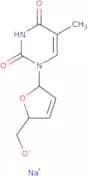
Discontinued productStavudine sodium
CAS:Stavudine sodium is an antiretroviral medication, which is a synthetic nucleoside analogue. It is primarily sourced from chemical synthesis processes, enabling precise control over its molecular structure to ensure efficacy in its intended application. The mode of action for stavudine sodium involves its incorporation into viral DNA through reverse transcription. Once integrated, it acts as a chain terminator, inhibiting the elongation of the viral DNA and thus effectively halting the replication of the human immunodeficiency virus type 1 (HIV-1).
Formula:C10H11N2NaO4Purity:Min. 95%Molecular weight:246.19 g/molRef: 3D-JFA62473
Discontinued product1-Naphthol-o-sulfate potassium
CAS:1-Naphthol-o-sulfate potassium is a sulfate ester, which is a derivative of naphthol. It is synthesized from 1-naphthol, a phenolic compound, through sulfation, typically using chlorosulfonic acid or oleum, followed by neutralization with potassium hydroxide to produce the potassium salt form. This particular compound is involved in various biochemical pathways, especially as a conjugated metabolite in phase II metabolism.
Formula:C10H8KO4SPurity:Min. 95%Molecular weight:263.33 g/molRef: 3D-GAA29574
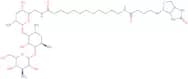
Discontinued productN-Biotinyl-12-aminododecanoyltobramycin amide
CAS:N-Biotinyl-12-aminododecanoyltobramycin amide is a synthetic bioconjugate, which is derived from the aminoglycoside antibiotic tobramycin. This compound is chemically modified by the addition of a biotin moiety linked through a 12-aminododecanoyl spacer. The source of this product is rooted in the conjugation of biotin to tobramycin, allowing for targeted delivery and potential hybrid applications in both therapeutic and diagnostic fields.
Formula:C40H74N8O12SPurity:Min. 95%Molecular weight:891.13 g/mol(4S)-2-[Carboxy[[[3-(2-chloro-6-fluorophenyl)-5-methylisoxazol-4-yl]carbonyl]amino]methyl]-5,5-dimethylthiazolidine-4-carboxylic aci d disodium salt (penicilloic acids of flucloxacillin disodium salt)
CAS:(4S)-2-[Carboxy[[[3-(2-chloro-6-fluorophenyl)-5-methylisoxazol-4-yl]carbonyl]amino]methyl]-5,5-dimethylthiazolidine-4-carboxylic acid disodium salt, known as the penicilloic acids of flucloxacillin disodium salt, is a β-lactam antibiotic. This compound is derived from the penicillin family and exhibits potent antibacterial properties. The mode of action involves the inhibition of bacterial cell wall synthesis, primarily targeting the transpeptidase enzyme, which plays a crucial role in cross-linking the peptidoglycan layers of the bacterial cell wall. By acylating this enzyme, the penicilloic acids disrupt the integrity of the cell wall, leading to cell lysis and death of the bacteria.
Formula:C19H17ClFN3Na2O6SPurity:Min. 95%Molecular weight:515.9 g/molMinocycline hydrochloride dihydrate
CAS:Minocycline hydrochloride dihydrate is a broad-spectrum antibiotic, which is a synthetic derivative of tetracycline. It is sourced from chemical synthesis processes and possesses potent antimicrobial properties. The mode of action involves inhibiting bacterial protein synthesis by binding to the 30S ribosomal subunit, thereby preventing the addition of amino acids to the growing peptide chain. This mechanism effectively disrupts bacterial growth and replication.
Formula:C23H32ClN3O9Purity:Min. 95%Molecular weight:530 g/molRef: 3D-DFA42071
Discontinued productCoumoxystrobin
CAS:Coumoxystrobin is a fungicide, which is a product of synthetic chemistry with a mode of action that involves the inhibition of mitochondrial respiration. Specifically, it disrupts the electron transport chain by binding to the Qo site in complex III, thereby preventing the transfer of electrons. This action halts ATP production, leading to the death of fungal cells.
Formula:C26H28O6Purity:Min. 95%Molecular weight:436.5 g/molRef: 3D-AJB88170
Discontinued productFenpicoxamid-phenol
CAS:Fenpicoxamid-phenol is a fungicide, which is a synthetic chemical compound primarily used in agriculture. It originates from advanced chemical synthesis methods that leverage specific molecular architectures to inhibit fungal growth effectively. The mode of action involves targeting and disrupting fungal respiration at the mitochondrial level, specifically inhibiting complex III of the electron transport chain. This selective interference curtails energy production in the fungal cells, thereby halting their growth and propagation.
Formula:C26H30N2O9Purity:Min. 95%Molecular weight:514.5 g/molRef: 3D-SGA17385
Discontinued productSpiromesifen-alcohol-4-hydroxymethyl
CAS:Spiromesifen-alcohol-4-hydroxymethyl is a selective miticide, which is a derivative of spiromesifen. This compound is sourced from novel chemical synthesis approaches focusing on the manipulation of chemical structures to improve efficacy and selectivity. The mode of action of Spiromesifen-alcohol-4-hydroxymethyl centers on disrupting the lipid biosynthesis pathway within target mites and whiteflies. By inhibiting acetyl-CoA carboxylase, it leads to impaired energy storage and membrane biosynthesis, ultimately causing the mortality of these pests.
Formula:C17H20O4Purity:Min. 95%Molecular weight:288.34 g/molRef: 3D-YJB42307
Discontinued productLydicamycin
CAS:Lydicamycin is an antibacterial compound, which is a polyketide-derived antibiotic produced by the microorganism Streptomyces. This natural compound functions by inhibiting bacterial protein synthesis, effectively interrupting critical cellular processes within susceptible bacteria. The mode of action primarily focuses on binding to the bacterial ribosome, thereby disrupting protein production and inhibiting bacterial growth.
Formula:C47H74N4O10Purity:Min. 95%Molecular weight:855.11 g/molDL-chloramphenicol
CAS:DL-chloramphenicol is a broad-spectrum antibiotic, which is a synthetic compound derived from natural chloramphenicol originally isolated from the bacterium Streptomyces venezuelae. This compound exerts its effects by inhibiting bacterial protein synthesis. It binds to the 50S subunit of the bacterial ribosome, preventing peptide bond formation and consequently halting the growth of susceptible bacteria. The optical isomer, DL-chloramphenicol, contains equal parts of both D- and L- isomers, with the L-form being responsible for its antibiotic activity.
Formula:C11H12Cl2N2O5Purity:Min. 95%Molecular weight:323.13 g/molRef: 3D-CAA78709
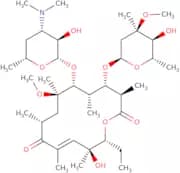
Discontinued product(10E)-10,11-Didehydro-11-deoxy-6-O-methylerythromycin
CAS:(E)-10,11-Didehydro-11-deoxy-6-O-methylerythromycin is a semisynthetic macrolide antibiotic, which is derived from erythromycin, a natural product obtained from the bacterium *Saccharopolyspora erythraea*. This compound functions as an inhibitor of protein synthesis by binding to the 50S ribosomal subunit of bacteria, thus preventing the growth and proliferation of susceptible bacterial strains. The alteration in its chemical structure, notably the methylation at the 6-O position, enhances its stability and improves its pharmacokinetic profile compared to the parent compound, erythromycin.
Formula:C38H67NO12Purity:Min. 95%Molecular weight:729.94 g/molMalformin C
CAS:Malformin C is a cyclic pentapeptide, which is a secondary metabolite derived from certain strains of the fungus Aspergillus. Its mode of action involves disrupting cellular processes by interfering with cell division. Specifically, it is thought to affect mitotic spindle formation, leading to abnormal cell cycle progression.
Formula:C23H39N5O5S2Purity:Min. 95%Color and Shape:PowderMolecular weight:529.72 g/molRef: 3D-JCA92678
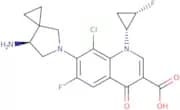
Discontinued productSitafloxacin
CAS:Sitafloxacin is an antibacterial agent belonging to the fluoroquinolone class of antibiotics, which is synthetically derived from chemical processes involving fluorinated quinolones. Its mode of action involves the inhibition of bacterial DNA gyrase and topoisomerase IV, enzymes crucial for bacterial DNA replication and transcription. By interfering with these enzymes, Sitafloxacin effectively hampers bacterial DNA synthesis, leading to the eventual demise of the bacterial cell.
Formula:C19H18ClF2N3O3Purity:Min. 95%Color and Shape:SolidMolecular weight:409.81 g/molTropodithietic acid
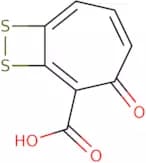
CAS:Tropodithietic acid is a bioactive compound, which is a potent antibacterial agent derived from certain marine bacteria, including the genus Phaeobacter. This antibiotic is characterized by its ability to disrupt quorum sensing, a mechanism that bacteria use for communication and coordination of group behaviors, including virulence. By interfering with this process, tropodithietic acid impedes bacterial colonization and biofilm formation, effectively inhibiting pathogenic activity.
Purity:Min. 95%Imazamox-o-desmethyl
CAS:Imazamox-o-desmethyl is a herbicide metabolite, which is derived from the biotransformation of the imazamox compound, typically occurring during degradation processes. Its mode of action involves targeting the acetohydroxyacid synthase (AHAS) enzyme—a critical component in the biosynthesis of branched-chain amino acids in plants. This inhibition disrupts plant growth, leading to effective weed control.
Formula:C14H17N3O4Purity:Min. 95%Molecular weight:291.3 g/molRef: 3D-GDA33578
Discontinued productAbacavir sulfate
CAS:Abacavir sulfate is a pharmaceutical compound classified as a nucleoside reverse transcriptase inhibitor (NRTI), which is derived from synthetic sources. Its mode of action involves the inhibition of the reverse transcriptase enzyme, essential for the replication of HIV. By incorporating itself into the viral DNA chain during replication, Abacavir effectively halts the process, preventing further multiplication of the virus within the host cells.
This antiretroviral medication is primarily used in the management and treatment of human immunodeficiency virus (HIV-1) infections. Abacavir sulfate is a critical component in highly active antiretroviral therapy (HAART), contributing to the reduction of viral load, enhancing immune function, and improving the long-term clinical outcomes in patients living with HIV. Its application in combination therapies has been instrumental in transforming HIV from a fatal disease into a manageable chronic condition.Formula:C14H18N6O·H2O4SPurity:Min. 95%Molecular weight:384.41 g/molRef: 3D-RIA69907
Discontinued productAzaconazole
CAS:Azaconazole is a systemic fungicide, which is derived from synthetic chemical processes, specifically within the class of triazoles. This compound functions by interfering with the biosynthesis of ergosterol, a critical component of fungal cell membranes. By inhibiting the cytochrome P450 enzyme 14α-demethylase, azaconazole disrupts the production of ergosterol, thereby compromising membrane integrity and inhibiting fungal growth.
Formula:C12H11Cl2N3O2Purity:Min. 95%Molecular weight:300.14 g/molRef: 3D-KCA20731
Discontinued productNeuraminidase-in-1
CAS:Neuraminidase-in-1 is a chemical compound known as a neuraminidase inhibitor, which is synthetically derived. This inhibitor functions by blocking the activity of the neuraminidase enzyme, a glycoprotein found on the surface of various viruses, including influenza. The enzyme is crucial for the viral life cycle as it facilitates the release of new viral particles from infected host cells. By inhibiting this enzyme, Neuraminidase-in-1 effectively halts the replication and spread of the virus within the host organism.
Formula:C14H11N3O6Purity:Min. 95%Molecular weight:317.25 g/molRef: 3D-EVD43880
Discontinued product




![1-(6-Amino-3,5-difluoropyridin-2-yl)-8-bromo-6-fluoro-7-[3-(methylamino)azetidin-1-yl]-4-oxoquinol…](/_next/image/?url=https%3A%2Fstatic.cymitquimica.com%2Fproducts%2F3D%2Fthumb-webp%2FPHA28013.webp&w=3840&q=75)




![(4S)-2-[Carboxy[[[3-(2-chloro-6-fluorophenyl)-5-methylisoxazol-4-yl]carbonyl]amino]methyl]-5,5-dim…](/_next/image/?url=https%3A%2Fstatic.cymitquimica.com%2Fproducts%2F3D%2Fthumb-webp%2FTCA72850.webp&w=3840&q=75)