Sterols
Found 181 products for "Sterols".
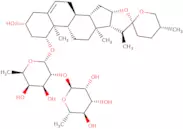
Protodioscin
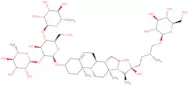
CAS:Protodioscin is a steroidal saponin, which is a naturally occurring glycoside. It is predominantly sourced from the plant Tribulus terrestris but can also be found in other medicinal plants such as Dioscorea species. The mode of action of protodioscin involves its ability to influence the levels of dehydroepiandrosterone (DHEA) and other hormones, potentially affecting physiological functions related to vitality and performance.Formula:C51H84O22Purity:Min. 95%Color and Shape:PowderMolecular weight:1,049.22 g/molPrednisolone
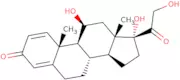
CAS:Controlled ProductPrednisolone is a synthetic corticosteroid, which is a derivative of the natural hormone cortisol. It is derived from the modification of the corticosteroid structure to enhance its anti-inflammatory and immunosuppressive properties. The mode of action of prednisolone involves binding to glucocorticoid receptors, leading to the modulation of gene expression. This results in the suppression of pro-inflammatory cytokines and the inhibition of various immune responses.
Formula:C21H28O5Purity:Min. 95%Color and Shape:PowderMolecular weight:360.44 g/molEquilenin
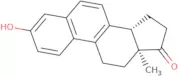
CAS:Equilenin is a steroidal estrogen, which is a type of naturally occurring hormone. It is derived primarily from the urine of pregnant mares and belongs to the class of conjugated equine estrogens. In terms of its mode of action, equilenin functions by binding to estrogen receptors in various tissues, thereby modulating gene expression and influencing cellular activity. This interaction supports the management of estrogen deficiencies in postmenopausal women and can influence the regulation of certain metabolic processes.Formula:C18H18O2Purity:Min. 95%Color and Shape:PowderMolecular weight:266.33 g/molBetamethasone 21-phosphate disodium
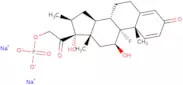
CAS:Betamethasone 21-phosphate disodium is a synthetic glucocorticoid, which is a man-made analog of naturally occurring steroid hormones produced in the adrenal cortex. Its molecular structure allows for enhanced potency and solubility, making it highly effective for use in various clinical settings. As a glucocorticoid, Betamethasone 21-phosphate disodium functions by binding to glucocorticoid receptors, regulating the expression of anti-inflammatory proteins, and inhibiting the production of pro-inflammatory cytokines. This mechanism of action reduces inflammation and suppresses the immune response, making it valuable in the treatment of conditions that involve excessive inflammation. It is commonly used in the management of conditions such as allergic reactions, certain types of arthritis, and skin diseases. Its ability to rapidly modulate inflammatory pathways also makes it useful in emergency settings for conditions like acute asthma exacerbations and severe allergic reactions. As a water-soluble ester, it allows for diverse administration routes, including oral, intravenous, and topical applications, depending on the clinical requirement.Formula:C22H28FNa2O8PPurity:Min. 95%Color and Shape:White PowderMolecular weight:516.4 g/molEpibrassinolide
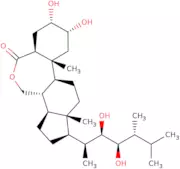
CAS:Epibrassinolide is a plant growth regulator, which is a synthetic analog of brassinosteroids derived from natural plant steroids. It exerts its effects through modulating gene expression and activating signaling pathways that enhance cell elongation, division, and differentiation. Additionally, Epibrassinolide plays a crucial role in improving a plant's tolerance to environmental stresses such as drought, salinity, and temperature extremes. It is widely used in agricultural research and practices to boost crop yield and quality. Researchers apply Epibrassinolide to study its potential in promoting growth, increasing resistance to pathogens, and enhancing overall plant vitality. Its applications extend to various plant species, where it is utilized to explore genetic expressions and physiological adaptations in response to its regulatory effects.Formula:C28H48O6Purity:(%) Min. 85%Color and Shape:White PowderMolecular weight:480.68 g/molBakuchiol
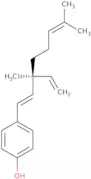
CAS:Phytoestrogen with anti-cancer properties
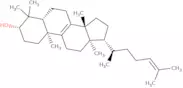
Formula:C18H24OPurity:Min. 95%Color and Shape:Clear LiquidMolecular weight:256.38 g/molLanosterol (Isocholesterol) - Lanosterol 60%
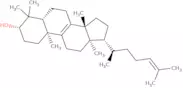
CAS:Controlled ProductComposed of Lanosterol (~65%), dihydrolanosterol, agnosterol,dihydroagnosterol.Extracted from wool.Formula:C30H50OPurity:Min. 60 Area-%Color and Shape:White Off-White PowderMolecular weight:426.72 g/mol9,10-Secocholesta-5,7,10(19)-trien-3beta-ol
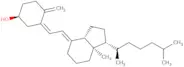
CAS:Controlled Product9,10-Secocholesta-5,7,10(19)-trien-3beta-ol is a secosteroid compound, which is predominantly derived from the photochemical conversion of 7-dehydrocholesterol in the skin upon exposure to ultraviolet B radiation. This compound undergoes a series of hepatic and renal hydroxylations to form active vitamin D metabolites, such as calcitriol. These active forms modulate calcium and phosphate homeostasis through a nuclear receptor-mediated mechanism that governs gene expression relevant to mineral metabolism.
Formula:C27H44OPurity:Min. 97 Area-%Color and Shape:White Yellow PowderMolecular weight:384.64 g/molPregnenolone acetate
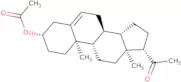
CAS:Controlled ProductPregnenolone acetate is a synthetic compound classified as a steroidal hormone precursor. It is derived from pregnenolone, which is a naturally occurring steroid hormone in the body. Pregnenolone is primarily synthesized from cholesterol, a fundamental component upon which steroidogenesis is based. The acetate form is an ester derivative, which can enhance stability and bioavailability.
Formula:C23H34O3Purity:Min. 98 Area-%Color and Shape:White PowderMolecular weight:358.51 g/molPolyphyllin B (Formosanin C)
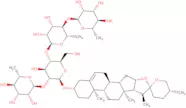
CAS:Polyphyllin B (Formosanin C) is a natural saponin compound, which is derived from the rhizomes of plants in the genus Paris, particularly Paris polyphylla. Known for its biological activity, Polyphyllin B functions primarily by disrupting cellular membranes and inducing apoptosis in cancer cells through various signaling pathways, including the mitochondrial pathway. This mechanism is attributed to its ability to interfere with cancer cell proliferation and promote cell death, making it a compound of interest in oncological research.
Formula:C51H82O20Purity:Min. 95%Color and Shape:PowderMolecular weight:1,015.19 g/molPregnenolone
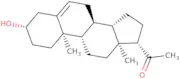
CAS:Controlled ProductPregnenolone is a steroidal hormone precursor, which is synthesized from cholesterol in the mitochondria of adrenal glands and other tissues. Its mode of action involves serving as a precursor for other critical steroid hormones, including progesterone, mineralocorticoids, glucocorticoids, androgens, and estrogens. As a neurosteroid, it plays a significant role in modulating synaptic function and neurogenesis.Formula:C21H32O2Purity:Min. 98 Area-%Color and Shape:PowderMolecular weight:316.48 g/molHalcinonide
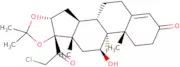
CAS:Halcinonide is a potent topical corticosteroid, which is a synthetically derived compound from hydrocortisone. It operates by penetrating the cell membranes and binding to cytoplasmic receptors, leading to a subsequent translocation to the nucleus where it modulates genetic expression. This action results in diminished synthesis of pro-inflammatory cytokines, thereby exerting strong anti-inflammatory, antipruritic, and vasoconstrictive effects.
Formula:C24H32ClFO5Purity:Min. 95%Color and Shape:PowderMolecular weight:454.96 g/molLanosterol - 90%
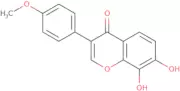
CAS:Controlled ProductLanosterol - 90% is a sterol compound, which is a biochemical precursor to steroids. It is derived from various animal and plant sources, typically synthesized through the enzymatic conversion of squalene. Lanosterol functions through a significant role in the biosynthetic pathway of cholesterol and other essential sterols. This involves the cyclization process, where lanosterol is metabolized into cholesterol through a series of reactions catalyzed by specific enzymes.Formula:C30H50OPurity:Min. 95%Color and Shape:White Off-White PowderMolecular weight:426.72 g/mol8'-Hydroxyformononetin
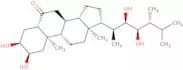
CAS:8'-Hydroxyformononetin is a phytoestrogen compound, which is derived from plant sources, particularly from legumes, including red clover and soy. As a naturally occurring isoflavone, it falls within the class of flavonoids, a group of polyphenolic compounds with varied biological activities. Its mode of action primarily involves binding to estrogen receptors, where it can mimic or modulate the action of estrogen in the body. This interaction can result in either estrogenic or anti-estrogenic effects, depending on the presence of endogenous estrogen and other factors within the target tissues.Formula:C16H12O5Purity:Min. 95%Molecular weight:284.26 g/mol24-epi-castasterone
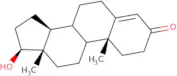
CAS:Controlled Product24-epi-Castasterone is a brassinosteroid, which is a class of plant steroids, often extracted from various plant tissues synthesized in small quantities. This compound is primarily derived from plant sources such as seeds, pollen, and young vegetative tissues. It functions by binding to specific receptor kinases on plant cell membranes, thereby initiating a cascade of intracellular signaling that regulates gene expression. These pathways are crucial for the modulation of plant growth and development processes.Formula:C28H48O5Purity:Min. 95%Molecular weight:464.68 g/molTestosterone-impurity K
Controlled ProductTestosterone-impurity K is a chemical compound that belongs to the category of impurities identified during the synthesis and formulation of testosterone-related pharmaceuticals. It is typically sourced from the by-products of testosterone synthesis and is crucial for ensuring the purity and efficacy of the final testosterone product. The mode of action of Testosterone-impurity K primarily involves serving as a reference standard or analytical benchmark to identify and quantify impurities present in testosterone preparations.Formula:C19H26O2Purity:Min. 95%Molecular weight:286.41 g/molOphiopogonin B
CAS:Ophiopogonin B is a steroidal saponin compound, which is primarily derived from the root tubers of the plant Ophiopogon japonicus. This plant source, commonly used in traditional Chinese medicine, contributes to the compound's extraction. Ophiopogonin B exhibits a multifaceted mode of action, primarily recognized for its biological activities, including antioxidant, anti-inflammatory, and cardioprotective effects.Purity:Min. 95%1-Dehydroepiandrosterone
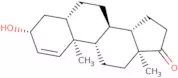
CAS:Controlled Product1-Dehydroepiandrosterone is a steroid hormone and a metabolic intermediate in the biosynthesis of androgen and estrogen sex steroids, which is derived from cholesterol in the adrenal glands, gonads, and brain. Acting primarily as a prohormone, it facilitates the synthesis of active steroid hormones by serving as a precursor molecule that undergoes enzymatic conversion into potent androgens like testosterone and dihydrotestosterone, as well as estrogens such as estradiol within peripheral tissues.
Formula:C19H28O2Purity:Min. 95%Color and Shape:PowderMolecular weight:288.42 g/molPregna-4,8-diene-3,20-dione
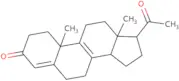
CAS:Controlled ProductPregna-4,8-diene-3,20-dione is a synthetic corticosteroid, which is an analog of naturally occurring hormones produced by the adrenal cortex. This compound is synthesized through complex chemical pathways utilizing steroidal intermediates to produce a substance with potent biological activity. The mode of action of Pregna-4,8-diene-3,20-dione involves its ability to alter the transcription of certain genes by binding to glucocorticoid receptors. This interaction induces the synthesis of proteins that inhibit the inflammatory response and suppress the immune system.
Formula:C21H28O2Purity:Min. 95%Molecular weight:312.45 g/molFormononetin-7-acetate
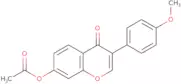
CAS:Formononetin-7-acetate is a naturally-derived isoflavonoid, which is a product of acetylation of formononetin, predominantly sourced from red clover and other leguminous plants. Its mode of action involves mimicking the effects of estrogens by binding to estrogen receptors, though with less potency than endogenous estrogens. This interaction may lead to modulation of various estrogen-mediated physiological processes.
Formula:C18H14O5Purity:Min. 95%Molecular weight:310.3 g/mol