Terpenoids
Terpenoids, also known as isoprenoids, are the largest class of naturally occurring organic compounds, derived from five-carbon isoprene units. They are found in a variety of plants and are known for their aromatic properties, as well as their roles in plant defense and signaling. Terpenoids have been widely studied for their therapeutic effects, including anti-inflammatory, antimicrobial, and anticancer properties. They are used in pharmaceuticals, cosmetics, and food industries for their health benefits and aromatic qualities. At CymitQuimica, you will find a wide selection of terpenoids, essential for research in plant biology, pharmacology, and natural product synthesis.
Subcategories of "Terpenoids"
- Diterpenes (C₂₀)(671 products)
- Hemiterpenes (C₅)(21 products)
- Monoterpenes (C₁₀)(709 products)
- Sesquiterpenes (C₂₅)(451 products)
- Tetraterpenes (C₄₀)(63 products)
- Triterpenes (C₃₀)(1,130 products)
Found 1423 products of "Terpenoids"
Sort by
Purity (%)
0
100
|
0
|
50
|
90
|
95
|
100
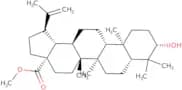
Betulinic acid methyl ester
CAS:Betulinic acid methyl ester is a synthetic chemical compound, which is a derivative of betulinic acid, primarily sourced from the bark of birch trees. This compound retains the influential bioactive properties of its precursor, acting primarily through the induction of apoptosis in cancerous cells by modulating mitochondrial pathways. Its ability to disrupt cancer cell proliferation and promote programmed cell death makes it a subject of interest in cancer research.Formula:C31H50O3Purity:Min. 95%Color and Shape:White Off-White PowderMolecular weight:470.73 g/molSoyasaponin I
CAS:<p>Inhibits L-iodose and HNE reduction; aldose reductase differential inhibitor</p>Formula:C48H78O18Purity:Min. 98 Area-%Color and Shape:PowderMolecular weight:943.12 g/molSaikosaponin B
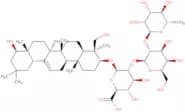
CAS:<p>Saikosaponin B is a bioactive compound, classified as a triterpenoid saponin, which is derived from the roots of the Bupleurum chinense plant. It exerts its effects primarily by modulating immune responses and inhibiting inflammatory pathways, including the downregulation of pro-inflammatory cytokines and the inhibition of the NF-κB signaling pathway.</p>Purity:Min. 95%Linalool - Natural grade
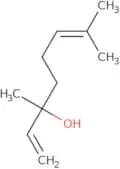
CAS:Linalool - Natural grade is a terpene alcohol, which is a naturally occurring compound found in over 200 plant species, including lavender, mint, and cinnamon. This compound is extracted from essential oils of these plants through steam distillation or solvent extraction, ensuring the retention of its natural properties.Formula:C10H18OPurity:Min. 98 Area-%Color and Shape:Colorless Clear LiquidMolecular weight:154.25 g/molIriversical
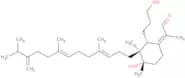
CAS:<p>Iriversical is a synthetic compound, which is derived from a combination of bioactive organic molecules. It operates through intricate biochemical interactions, specifically targeting cellular pathways involved in signal transduction. These interactions are facilitated by the compound's affinity for binding sites on specific enzymes, thereby modulating their activity.</p>Formula:C31H52O3Purity:Min. 95%Molecular weight:472.74 g/molIsoforskolin
CAS:<p>Isoforskolin is a forskolin derivative diterpenoid, which is extracted from the roots of *Coleus forskohlii*. This bioactive compound acts primarily by stimulating adenylate cyclase activity, leading to increased levels of cyclic adenosine monophosphate (cAMP) within cells. The elevated cAMP serves as a secondary messenger that can modulate various physiological responses, including lipolysis and vasodilation.</p>Formula:C22H34O7Purity:Min. 95%Color and Shape:White Off-White PowderMolecular weight:410.5 g/molHotrienol
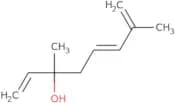
CAS:<p>Hotrienol is a sesquiterpene alcohol, which is a naturally occurring organic compound. It is primarily sourced from certain essential oils, such as those derived from Cypress species and various aromatic plants. These oils are obtained through steam distillation or cold pressing methods, allowing for the extraction of volatile compounds where Hotrienol is present.</p>Formula:C10H16OPurity:Min. 95%Color and Shape:PowderMolecular weight:152.23 g/mol(R)-Pulegone - 95%
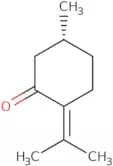
CAS:<p>(R)-Pulegone - 95% is a monoterpene ketone, which is a type of organic compound commonly found in essential oils of mint plants, particularly in Mentha species. This compound is naturally derived from the aromatic leaves of these plants and is a major component contributing to their characteristic scent.</p>Formula:C10H16OPurity:Min. 95%Color and Shape:Colourless To Yellow LiquidMolecular weight:152.23 g/molEffusanin A
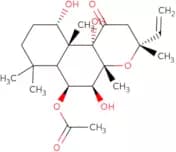
CAS:<p>Effusanin A is a specialized fungal metabolite, which is derived from fungal endophytes, particularly those originating from the genus Phyllosticta. This compound exhibits a unique mode of action by interfering with microbial cell walls or membranes, thereby demonstrating significant antimicrobial properties. Its biochemical activity is primarily linked to its ability to inhibit the proliferation of various pathogenic microorganisms, including bacteria and fungi.</p>Formula:C20H28O5Purity:Min. 95%Color and Shape:White PowderMolecular weight:348.43 g/molGinkgolide J
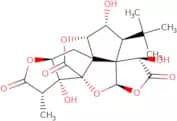
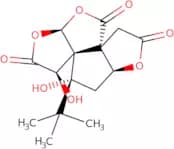
CAS:<p>Ginkgolide J is a terpene lactone, which is a compound derived from the leaves of the Ginkgo biloba tree. This compound is a part of the ginkgolides, a group of terpenoids that possess a unique chemical structure, characterized by a diterpene skeleton and a plethora of lactone moieties. Ginkgolide J, like other ginkgolides, is isolated through a multifaceted extraction process that involves the pulverization of leaves followed by solvent-based extraction and chromatography.</p>Formula:C20H24O10Purity:Min. 95%Color and Shape:PowderMolecular weight:424.4 g/molOrthosphenic acid
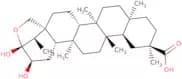
CAS:<p>Please enquire for more information about Orthosphenic acid including the price, delivery time and more detailed product information at the technical inquiry form on this page</p>Formula:C30H48O5Purity:Min. 95%Color and Shape:PowderMolecular weight:488.7 g/molSoyasaponin III
CAS:<p>Soyasaponin III is a bioactive compound, which is a naturally occurring saponin derived from soybeans. These glycosides are primarily found in the seeds of the soybean plant, Glycine max. Soyasaponins are known for their amphiphilic nature, which enables them to interact with both lipid and aqueous phases, affecting membrane dynamics and cellular processes.</p>Formula:C42H68O14Purity:Min. 95%Color and Shape:PowderMolecular weight:796.98 g/molBilobalide
CAS:<p>Bilobalide is a sesquiterpene trilactone, which is a secondary metabolite isolated from the leaves of the Ginkgo biloba tree. The source of bilobalide, Ginkgo biloba, is one of the oldest tree species, extensively studied for its wide array of bioactive compounds. Bilobalide exerts its mode of action predominantly through modulation of various neurotransmitter systems and protection against neuronal injury. It has demonstrated the ability to antagonize the GABAA receptor and inhibit excitotoxicity related to excessive glutamate release, thereby providing neuroprotective effects.</p>Formula:C15H18O8Purity:Min. 95%Color and Shape:White PowderMolecular weight:326.3 g/molAlantolactone
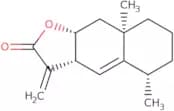
CAS:<p>Alantolactone is a bioactive sesquiterpene lactone, which is derived from the roots of Inula helenium, a plant commonly known as elecampane. This compound is characterized by its complex bicyclic structure and exhibits a range of biological activities. The mode of action of alantolactone involves multiple biochemical pathways, including the inhibition of nuclear factor kappa B (NF-κB) and the modulation of reactive oxygen species (ROS) production. These pathways contribute to its anti-inflammatory, anti-cancer, and antimicrobial properties.</p>Formula:C15H20O2Purity:Min. 95%Color and Shape:PowderMolecular weight:232.32 g/molCostus lactone
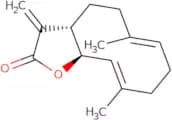
CAS:<p>Costus lactone is a naturally occurring sesquiterpene lactone, which is derived from the roots of the plant Saussurea lappa, commonly known as costus. This sesquiterpene is a secondary metabolite that exhibits various bioactive properties. Costus lactone achieves its effects primarily through interactions with microbial cell membranes and can inhibit growth and replication by disrupting cellular processes crucial to microbial survival.</p>Formula:C15H20O2Purity:Min. 98 Area-%Color and Shape:PowderMolecular weight:232.32 g/molUrsolic acid acetate
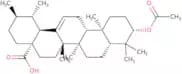
CAS:<p>Ursolic acid acetate is a natural triterpenoid compound, which is derived from the acetylation of ursolic acid. This compound is sourced from a variety of medicinal plants, including apples, rosemary, and holy basil. Its mode of action involves modulating multiple cellular pathways, including the inhibition of nuclear factor-kappa B (NF-κB) and the activation of AMP-activated protein kinase (AMPK). These actions contribute to its anti-inflammatory, anticancer, and antioxidant properties.</p>Formula:C32H50O4Purity:Min. 95 Area-%Color and Shape:PowderMolecular weight:498.74 g/molIsoescin IA
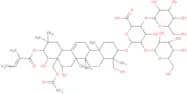
CAS:<p>Isoescin IA is a naturally derived product, specifically a saponin, which is extracted from the seeds of the Aesculus hippocastanum, commonly known as horse chestnut. This compound is isolated through a meticulous process involving solvent extraction and purification to maintain its integrity and efficacy.</p>Formula:C55H86O24Purity:Min. 95%Color and Shape:PowderMolecular weight:1,131.26 g/molForskolin
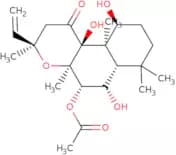
CAS:<p>Forskolin is a diterpene compound from Asian medicinal plant Coleus forskohlii. It is an activator of adenylate cyclase, causing increase in cellular levels of cAMP. It has anti-neuroinflammatory activity since it reduced microglial activation and astrocyte activation in the brain of rodent models for cerebral amyloidosis. Forskolin also reduced amyloid beta plaques deposition in cortex and hippocampus.</p>Formula:C22H34O7Purity:Min. 97 Area-%Color and Shape:White Off-White PowderMolecular weight:410.5 g/molLoganin
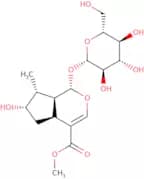
CAS:<p>Loganin is a bioactive iridoid compound, which is a type of secondary metabolite typically found in plants. It is primarily derived from sources such as the genera Strychnos and Gentiana, among others. Loganin operates through various biological pathways, influencing enzymatic and receptor activities that contribute to its pharmacological effects. These activities include anti-inflammatory, antioxidant, and neuroprotective actions, making Loganin a compound of interest in several areas of medical research.</p>Formula:C17H26O10Purity:Min. 94 Area-%Color and Shape:PowderMolecular weight:390.39 g/molEsculentoside A
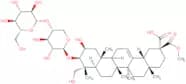
CAS:Esculentoside A is a naturally occurring saponin, which is extracted from the roots of the plant *Phytolacca esculenta*. It is known for its significant anti-inflammatory and immune-modulatory effects. The mode of action of Esculentoside A involves the suppression of pro-inflammatory cytokine production and the inhibition of nuclear factor kappa B (NF-κB) signaling pathways. This contributes to its ability to attenuate inflammatory responses and modulate immune functions.Formula:C42H66O16Purity:Min. 95%Color and Shape:SolidMolecular weight:826.96 g/mol