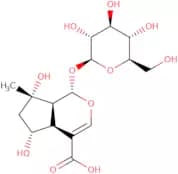
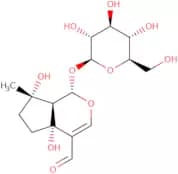
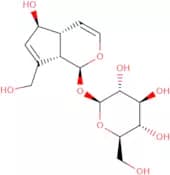
Iridioids
Found 220 products of "Iridioids"
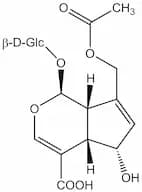
Aucubine
CAS:Natural glycosideFormula:C15H22O9Purity:≥ 95.0 % (HPLC)Color and Shape:PowderMolecular weight:346.33Asperulosidic acid
CAS:Natural glycosideFormula:C18H24O12Purity:≥ 90.0 % (HPLC)Color and Shape:PowderMolecular weight:432.38Negundoside
CAS:Natural glycosideFormula:C23H28O12Purity:≥ 90.0 % (HPLC)Color and Shape:PowderMolecular weight:496.47Shanzhiside methyl ester
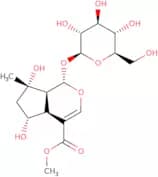
CAS:Shanzhiside methyl ester is an iridoid glycoside, a type of naturally occurring compound, which is extracted primarily from certain plants within the Oleaceae family. This compound is characterized by its complex structure often found in various medicinal plants.
Formula:C17H26O11Purity:Min. 98 Area-%Color and Shape:White PowderMolecular weight:406.38 g/molAjugol
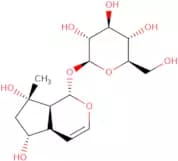
CAS:Ajugol is a natural compound, specifically an iridoid glycoside, which is primarily sourced from plants belonging to the Lamiaceae family. It is particularly abundant in species such as Ajuga decumbens and other related Ajuga species. As a secondary metabolite, Ajugol has attracted scientific interest due to its bioactive properties.Formula:C15H24O9Purity:Min. 98 Area-%Color and Shape:White Off-White PowderMolecular weight:348.35 g/molAmarogentin
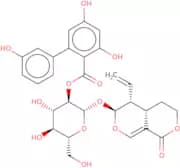
CAS:Amarogentin is an iridoid glycoside, which is a secondary metabolite found primarily in the roots of the Gentiana lutea plant and other Gentianaceae species. It is renowned for its extreme bitterness and is considered one of the most bitter natural compounds known. Its mode of action involves stimulation of taste receptors, promoting the release of digestive enzymes, and enhancing gastrointestinal motility.Formula:C29H30O13Purity:Min. 95%Color and Shape:PowderMolecular weight:586.54 g/molCatalpol
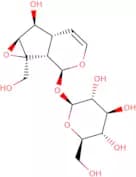
CAS:Catalpol is an iridoid glycoside, which is a natural compound isolated primarily from the roots of the plant *Rehmannia glutinosa*. This compound is known for its various bioactive properties, functioning predominantly through its ability to modulate antioxidant pathways, regulate inflammatory responses, and exert neuroprotective effects. These modes of action are attributed to its capacity to influence cellular signaling pathways, such as the PI3K/Akt pathway, and to interact with reactive oxygen species (ROS), thereby mitigating oxidative stress.Formula:C15H22O10Purity:Min. 95%Color and Shape:PowderMolecular weight:362.33 g/molGlobularin
CAS:Globularin is a naturally occurring bioactive compound, which is an iridoid glycoside sourced primarily from the plant family Plantaginaceae. Its mode of action involves modulation of specific cellular signaling pathways, demonstrating antioxidant, anti-inflammatory, and potential anti-cancer properties in various in vitro and in vivo studies.Formula:C24H28O11Purity:Min. 95 Area-%Color and Shape:White PowderMolecular weight:492.47 g/molGeniposidic acid
CAS:Geniposidic acid is a bioactive compound, which is a naturally occurring iridoid glycoside. It is primarily sourced from the fruit of Gardenia jasminoides, a plant used in traditional medicine systems. This compound exhibits its mode of action by influencing various biochemical pathways, including anti-inflammatory, antioxidant, and hepatoprotective activities. It interacts with cellular signaling processes that affect enzyme regulation and immune responses.
Formula:C16H22O10Purity:Min. 95%Color and Shape:PowderMolecular weight:374.34 g/molCatalposide
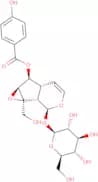
CAS:Catalposide is a bioactive iridoid glycoside, which is a naturally occurring compound sourced from various plant species, including those in the family Bignoniaceae. This compound is primarily extracted from the roots, leaves, and flowers of plants such as Catalpa and Rehmannia species. Catalposide exhibits its effects by modulating various cellular pathways, including the inhibition of pro-inflammatory cytokines and the modulation of oxidative stress mechanisms. Its mode of action involves the suppression of NF-kB activation and interference with inflammatory signaling cascades.Formula:C22H26O12Purity:Min. 95%Color and Shape:PowderMolecular weight:482.45 g/molLoganetin - Menyanthes trifoliata (bogbean)
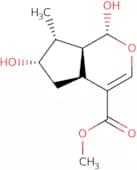
CAS:Loganetin is a phytochemical compound derived from the plant Menyanthes trifoliata, commonly known as bogbean. This natural product is sourced from the leaves of the bogbean, a perennial herb found in marshy and boggy environments. The compound is characterized by its potential anti-inflammatory activities and is a subject of interest for research into various therapeutic applications.Formula:C11H16O5Purity:(Lc-Ms) Min. 90 Area-%Color and Shape:Clear LiquidMolecular weight:228.24 g/molMorroniside
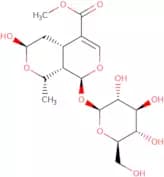
CAS:Morroniside is a naturally occurring secoiridoid glucoside, which is primarily derived from plants such as Cornus officinalis, commonly known as the Japanese cornel dogwood. This compound is isolated through meticulous extraction processes from the fruit of the plant, which has a long history in traditional medicine systems, especially in East Asia. The active mode of action of Morroniside is notably characterized by its potent antioxidant capabilities. It scavenges free radicals and mitigates oxidative stress, offering protective effects at the cellular level.Formula:C17H26O11Purity:Min. 95%Color and Shape:PowderMolecular weight:406.38 g/molOleuropein
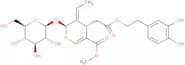
CAS:Anti-tumor agent; cytoskeleton disruptor
Formula:C25H32O13Purity:Min. 80 Area-%Color and Shape:PowderMolecular weight:540.51 g/molSweroside
CAS:Sweroside is a secoiridoid glycoside, which is a type of secondary metabolite derived from plants, specifically those belonging to the Gentianaceae family. It is primarily sourced from Swertia plants known for their medicinal properties. The compound exerts its effects through various mechanisms, including modulation of inflammatory pathways, antioxidant activity, and influence on cellular signaling processes.Formula:C16H22O9Purity:Min. 98 Area-%Color and Shape:PowderMolecular weight:358.34 g/molVerminoside
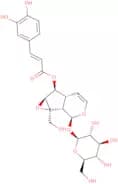
CAS:Verminoside is a natural glycoside compound, which is derived from plant sources, particularly from the genus *Verbena* and *Buddleja*. It exhibits a range of pharmacological actions, primarily through its antioxidant and anti-inflammatory mechanisms. By scavenging free radicals and modulating inflammatory pathways, Verminoside effectively contributes to cellular protection and the mitigation of oxidative stress-induced damage.Purity:Min. 95%4'-o-Methyltaxifolin
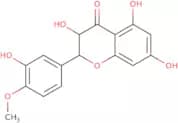
CAS:4'-o-Methyltaxifolin is a flavonoid compound, which is derived from natural plant sources, particularly from species within the Pinaceae family. This compound is often found as a constituent of various plant-based extracts and is known for its diverse biochemical activities. Its mode of action involves acting as an antioxidant, where it helps in scavenging free radicals, thereby reducing oxidative stress and potential cellular damage. Additionally, it can modulate various cellular pathways, contributing to its anti-inflammatory and possible anticancer activities.Formula:C16H14O7Purity:Min. 98%Molecular weight:318.28 g/molShanzhiside
CAS:Shanzhiside is a bioactive compound, specifically an iridoid glycoside, derived from the fruit of the Gardenia jasminoides Ellis. This product originates from a traditional medicinal plant, long recognized in Eastern medicine for its therapeutic properties. Shanzhiside acts primarily through its anti-inflammatory and antioxidant activities, modulating pathways that contribute to oxidative stress and inflammation in cells. These actions offer neuroprotective effects, making it a subject of interest in neuroscience research.
Purity:Min. 95%Euphroside
CAS:Euphroside is a bioactive glycoside, which is a compound derived from natural sources, typically found in certain medicinal plants. Its chemical structure consists of a sugar moiety bound to a non-sugar component, which influences its pharmacological activity. The mode of action of Euphroside is not fully elucidated, but it is believed to interact with biological pathways involving oxidative stress and inflammatory responses. This action is hypothesized to modulate cellular processes and physiological functions, potentially offering therapeutic benefits.
Formula:C16H24O10Purity:Min. 95%Color and Shape:PowderMolecular weight:376.36 g/molRef: 3D-FE65796
Discontinued productAucubin
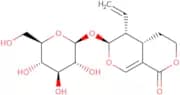
CAS:Aucubin is an iridoid glycoside, which is a naturally occurring compound found primarily in certain medicinal plants such as Plantago species. This compound is extracted from these botanical sources and has been studied for its diverse biological activities. The mode of action of Aucubin involves modulation of various biochemical pathways, including anti-inflammatory and antioxidant mechanisms. Aucubin has been shown to inhibit the production of pro-inflammatory cytokines and reactive oxygen species, contributing to its protective effects at the cellular level.
Formula:C15H22O9Purity:Min. 98 Area-%Color and Shape:White PowderMolecular weight:346.33 g/molOleuropein aglycone - 80%
CAS:Oleuropein aglycone - 80% is a bioactive compound, a phenolic derivative, which is extracted from the leaves and fruits of the olive tree, Olea europaea. It is classified as a secoiridoid, a type of compound prevalent in certain plants, and serves as a major component of olive oil.
Functioning through multiple pathways, Oleuropein aglycone exhibits significant antioxidant and anti-inflammatory activities. It achieves this by scavenging free radicals and modulating signaling pathways involved in inflammation, such as the NF-κB pathway. Furthermore, it contributes to the stabilization of cell membranes and modulation of enzymatic activities linked to oxidative stress.
The uses and applications of Oleuropein aglycone - 80% are extensive in both research and therapeutic contexts. It is extensively studied for its potential protective effects against cardiovascular diseases, neurodegenerative disorders, and certain types of cancer due to its potent antioxidative properties. Additionally, it is explored for its antimicrobial and antiviral effects, indicating a broad spectrum of biological activities. This compound holds promise in nutraceutical and pharmaceutical developments aimed at enhancing human health through natural product-derived interventions.Formula:C19H22O8Purity:Min. 90%Color and Shape:Clear Viscous LiquidMolecular weight:378.37 g/mol