Flavonoids
Subcategories of "Flavonoids"
- Anthocyanidins(46 products)
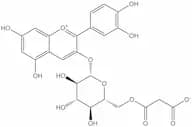
- Anthocyanin(46 products)
- Catechin(88 products)
- Chalcones(237 products)
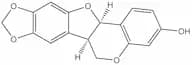
- Pterocarpan(28 products)
Found 2410 products of "Flavonoids"
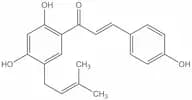
Bavachalcone
CAS:Ketone phenolFormula:C20H20O4Purity:≥ 98.0 % (HPLC)Color and Shape:PowderMolecular weight:324.38Quercetin 3-robinoside 7-glucoside
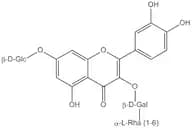
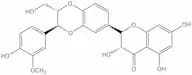
CAS:Natural glycosideFormula:C33H40O21Purity:≥ 95.0 % (HPLC)Color and Shape:PowderMolecular weight:772.67Isosilybin b
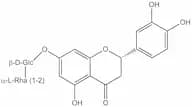
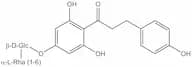
CAS:Oxygen-heterocyclic compoundFormula:C25H22O10Purity:≥ 80.0 % (HPLC)Color and Shape:PowderMolecular weight:482.44Naringin dihydrochalcone
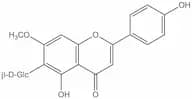
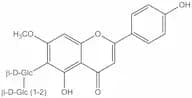
CAS:Natural glycosideFormula:C27H34O14Purity:≥ 98.0 % (HPLC)Color and Shape:PowderMolecular weight:582.56Pectolinarin
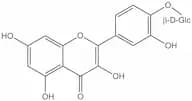
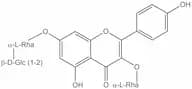
CAS:Natural glycosideFormula:C29H34O15Purity:≥ 95.0 % (HPLC)Color and Shape:PowderMolecular weight:622.58Spiraeoside
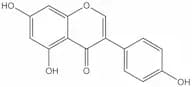
CAS:Natural glycosideFormula:C21H20O12Purity:≥ 95.0 % (HPLC)Color and Shape:PowderMolecular weight:464.38Genistein
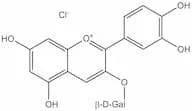
CAS:Oxygen-heterocyclic compoundFormula:C15H10O5Purity:≥ 95.0 % (HPLC)Color and Shape:PowderMolecular weight:270.24Cyanidin 3-galactoside chloride
CAS:Natural glycosideFormula:C21H21O11ClPurity:≥ 95.0 % (HPLC)Color and Shape:PowderMolecular weight:484.84Peonidin 3,5-diglucoside chloride
CAS:Natural glycosideFormula:C28H33O16ClPurity:≥ 90.0 % (HPLC)Color and Shape:PowderMolecular weight:661.01(-)-maackiain
CAS:Oxygen-heterocyclic compoundFormula:C16H12O5Purity:≥ 95.0 % (HPLC)Color and Shape:PowderMolecular weight:284.27Cyanidin 3-(6''-malonylglucoside)
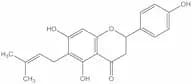
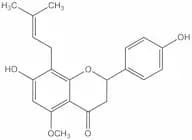
CAS:Natural glycosideFormula:C24H22O14Purity:≥ 90.0 % (HPLC)Molecular weight:534.426-prenylnaringenin
CAS:Oxygen-heterocyclic compoundFormula:C20H20O5Purity:≥ 95.0 % (HPLC)Color and Shape:PowderMolecular weight:340.38Kaempferol 3-gentiobioside
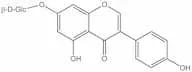
CAS:Natural glycosideFormula:C27H30O16Purity:≥ 90.0 % (HPLC)Molecular weight:610.52Genistin
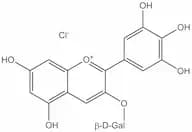
CAS:Natural glycosideFormula:C21H20O10Purity:≥ 95.0 % (HPLC)Color and Shape:PowderMolecular weight:432.38Delphinidin 3-galactoside chloride
CAS:Natural glycosideFormula:C21H21O12ClPurity:≥ 95.0 % (HPLC)Color and Shape:PowderMolecular weight:500.84Puerarin 6''-xyloside
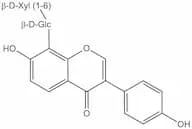
CAS:Natural glycosideFormula:C26H28O13Purity:≥ 95.0 % (HPLC)Molecular weight:548.49Neoliquiritin
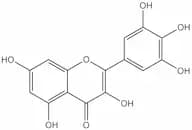
CAS:Natural glycosideFormula:C21H22O9Purity:≥ 95.0 % (HPLC)Color and Shape:PowderMolecular weight:418.39Myricetin
CAS:Oxygen-heterocyclic compoundFormula:C15H10O8Purity:≥ 95.0 % (HPLC)Color and Shape:PowderMolecular weight:318.24Luteolin 7-diglucuronide
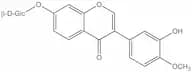
CAS:Natural glycosideFormula:C27H26O18Purity:≥ 90.0 % (HPLC)Color and Shape:PowderMolecular weight:638.49Calycosin 7-glucoside
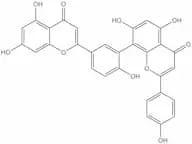
CAS:Natural glycosideFormula:C22H22O10Purity:≥ 95.0 % (HPLC)Color and Shape:PowderMolecular weight:446.41Amentoflavone
CAS:Oxygen-heterocyclic compoundFormula:C30H18O10Purity:≥ 90.0 % (HPLC)Color and Shape:PowderMolecular weight:538.472,3-dehydrosilybin a
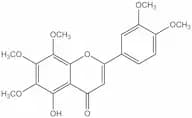
CAS:Oxygen-heterocyclic compoundFormula:C25H20O10Purity:≥ 90.0 % (HPLC)Color and Shape:PowderMolecular weight:480.435-demethylnobiletin
CAS:Oxygen-heterocyclic compoundFormula:C20H20O8Purity:≥ 95.0 % (HPLC)Color and Shape:PowderMolecular weight:388.37Casticin
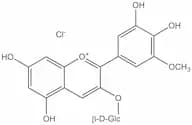
CAS:Oxygen-heterocyclic compoundFormula:C19H18O8Purity:≥ 95.0 % (HPLC)Color and Shape:PowderMolecular weight:374.35Petunidin 3-glucoside chloride
CAS:Natural glycosideFormula:C22H23O12ClPurity:≥ 95.0 % (HPLC)Color and Shape:PowderMolecular weight:514.87Isorhamnetin 3-neohesperidoside
CAS:Natural glycosideFormula:C28H32O16Purity:≥ 95.0 % (HPLC)Color and Shape:PowderMolecular weight:624.55Sinensetin
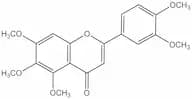
CAS:Oxygen-heterocyclic compoundFormula:C20H20O7Purity:≥ 95.0 % (HPLC)Color and Shape:PowderMolecular weight:372.382',6'-dihydroxy 4',4-dimethoxydihydrochalcone
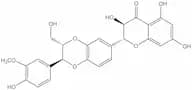
CAS:Ketone with other oxygen functionsFormula:C17H18O5Purity:≥ 80.0 % (HPLC)Color and Shape:PowderMolecular weight:302.33Silybin b
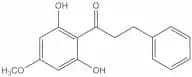
CAS:Oxygen-heterocyclic compoundFormula:C25H22O10Purity:≥ 98.0 % (HPLC)Color and Shape:PowderMolecular weight:482.442',6'-dihydroxy 4'-methoxydihydrochalcone
CAS:Ketone with other oxygen functionsFormula:C16H16O4Purity:≥ 90.0 % (HPLC)Color and Shape:PowderMolecular weight:272.3Swertisin
CAS:Natural glycosideFormula:C22H22O10Purity:≥ 98.0 % (HPLC)Color and Shape:PowderMolecular weight:446.4Penduletin
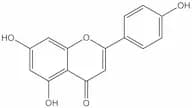
CAS:Oxygen-heterocyclic compoundFormula:C18H16O7Purity:≥ 95.0 % (HPLC)Color and Shape:PowderMolecular weight:344.32Apigenin
CAS:Oxygen-heterocyclic compoundFormula:C15H10O5Purity:≥ 95.0 % (HPLC)Color and Shape:PowderMolecular weight:270.24Luteolin 3'-glucuronide
CAS:Natural glycosideFormula:C21H18O12Purity:≥ 90.0 % (HPLC)Molecular weight:462.36Vitexin
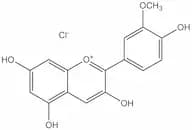
CAS:Natural glycosideFormula:C21H20O10Purity:≥ 95.0 % (HPLC)Color and Shape:PowderMolecular weight:432.38Peonidin chloride
CAS:Oxygen-heterocyclic compoundFormula:C16H13O6ClPurity:≥ 95.0 % (HPLC)Color and Shape:PowderMolecular weight:336.73Isoxanthohumol
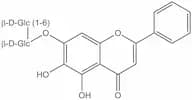
CAS:Oxygen-heterocyclic compoundFormula:C21H22O5Purity:≥ 95.0 % (HPLC)Color and Shape:PowderMolecular weight:354.4Baicalein 7-diglucoside
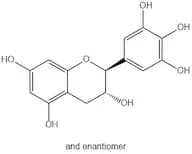
CAS:Natural glycosideFormula:C27H30O15Purity:≥ 95.0 % (HPLC)Color and Shape:PowderMolecular weight:594.53Gallocatechin
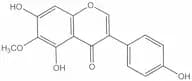
CAS:Oxygen-heterocyclic compoundFormula:C15H14O7Purity:≥ 95.0 % (HPLC)Color and Shape:PowderMolecular weight:306.27Tectorigenin
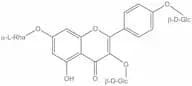
CAS:Oxygen-heterocyclic compoundFormula:C16H12O6Purity:≥ 95.0 % (HPLC)Color and Shape:PowderMolecular weight:300.27Kaempferol 3,4'-diglucoside 7-rhamnoside
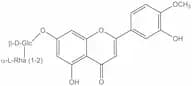
CAS:Natural glycosideFormula:C33H40O20Purity:≥ 90.0 % (HPLC)Color and Shape:PowderMolecular weight:756.67Neodiosmin
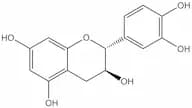
CAS:Natural glycosideFormula:C28H32O15Purity:≥ 90.0 % (HPLC)Color and Shape:PowderMolecular weight:608.54(+)-catechin
CAS:Oxygen-heterocyclic compoundFormula:C15H14O6Purity:≥ 95.0 % (HPLC)Color and Shape:PowderMolecular weight:290.27Icaritin
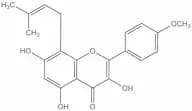
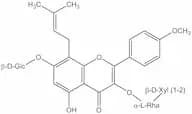
CAS:Oxygen-heterocyclic compoundFormula:C21H20O6Purity:≥ 95.0 % (HPLC)Color and Shape:PowderMolecular weight:368.39Isoliquiritin
CAS:Natural glycosideFormula:C21H22O9Purity:≥ 90.0 % (HPLC)Color and Shape:PowderMolecular weight:418.4Nevadensin
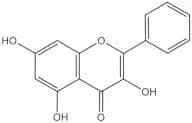
CAS:Oxygen-heterocyclic compoundFormula:C18H16O7Purity:≥ 98.0 % (HPLC)Color and Shape:PowderMolecular weight:344.32Galangin
CAS:Oxygen-heterocyclic compoundFormula:C15H10O5Purity:≥ 95.0 % (HPLC)Color and Shape:PowderMolecular weight:270.24Sophoraflavanone g
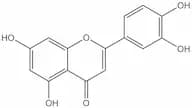
CAS:Oxygen-heterocyclic compoundFormula:C25H28O6Purity:≥ 95.0 % (HPLC)Color and Shape:PowderMolecular weight:424.5Luteolin
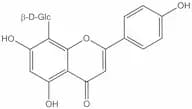
CAS:Oxygen-heterocyclic compoundFormula:C15H10O6Purity:≥ 95.0 % (HPLC)Color and Shape:PowderMolecular weight:286.24Isovitexin
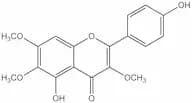
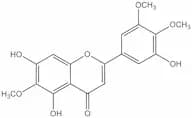
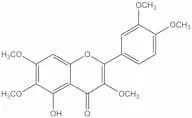
CAS:Natural glycosideFormula:C21H20O10Purity:≥ 95.0 % (HPLC)Color and Shape:PowderMolecular weight:432.383',5,7-trihydroxy 4',5',6-trimethoxyflavone
CAS:Oxygen-heterocyclic compoundFormula:C18H16O8Purity:≥ 95.0 % (HPLC)Molecular weight:360.31Daidzin
CAS:Natural glycosideFormula:C21H20O9Purity:≥ 90.0 % (HPLC)Color and Shape:PowderMolecular weight:416.39Epimedin b
CAS:Natural glycosideFormula:C38H48O19Purity:≥ 95.0 % (HPLC)Color and Shape:PowderMolecular weight:808.79Astilbin
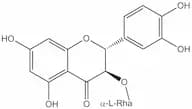
CAS:Natural glycosideFormula:C21H22O11Purity:≥ 95.0 % (HPLC)Color and Shape:PowderMolecular weight:450.4Spinosin
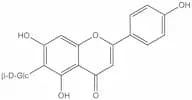
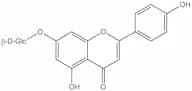
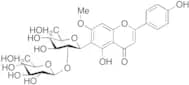
CAS:Natural glycosideFormula:C28H32O15Purity:≥ 90.0 % (HPLC)Color and Shape:PowderMolecular weight:608.55Apigenin 7-glucoside
CAS:Natural glycosideFormula:C21H20O10Purity:≥ 95.0 % (HPLC)Color and Shape:PowderMolecular weight:432.38Tectochrysin
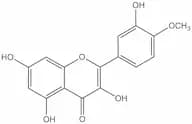
CAS:Oxygen-heterocyclic compoundFormula:C16H12O4Purity:≥ 95.0 % (HPLC)Color and Shape:PowderMolecular weight:268.26Tamarixetin
CAS:Oxygen-heterocyclic compoundFormula:C16H12O7Purity:≥ 90.0 % (HPLC)Molecular weight:316.26Orientin 2''-galactoside
CAS:Natural glycosideFormula:C27H30O16Purity:≥ 98.0 % (HPLC)Color and Shape:PowderMolecular weight:610.53Vitexin 2''-rhamnoside
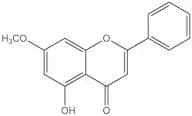
CAS:Natural glycosideFormula:C27H30O14Purity:≥ 95.0 % (HPLC)Color and Shape:PowderMolecular weight:578.53Acacetin
CAS:Oxygen-heterocyclic compoundFormula:C16H12O5Purity:≥ 95.0 % (HPLC)Color and Shape:PowderMolecular weight:284.27Nepetin 7-glucoside
CAS:Natural glycosideFormula:C22H22O12Purity:≥ 95.0 % (HPLC)Color and Shape:PowderMolecular weight:478.41Isosilybin a
CAS:Oxygen-heterocyclic compoundFormula:C25H22O10Purity:≥ 95.0 % (HPLC)Color and Shape:PowderMolecular weight:482.44Malvidin chloride
CAS:Oxygen-heterocyclic compoundFormula:C17H15O7ClPurity:≥ 95.0 % (HPLC)Color and Shape:PowderMolecular weight:366.76Narirutin
CAS:Natural glycosideFormula:C27H32O14Purity:≥ 95.0 % (HPLC)Color and Shape:PowderMolecular weight:580.54Scutellarein
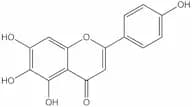
CAS:Oxygen-heterocyclic compoundFormula:C15H10O6Purity:≥ 95.0 % (HPLC)Color and Shape:PowderMolecular weight:286.24Artemetin
CAS:Oxygen-heterocyclic compoundFormula:C20H20O8Purity:≥ 95.0 % (HPLC)Color and Shape:PowderMolecular weight:388.37Rotenone
CAS:Oxygen-heterocyclic compoundFormula:C23H22O6Purity:≥ 95.0 % (HPLC)Color and Shape:PowderMolecular weight:394.42Deguelin
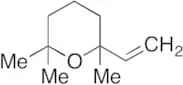
CAS:Oxygen-heterocyclic compoundFormula:C23H22O6Purity:≥ 95.0 % (HPLC)Color and Shape:PowderMolecular weight:394.42Limetol
CAS:Controlled ProductApplications Limetol, is the cyclized derivative of linalool (L465950), melanol, and other unsaturated alcohols, that was shown to give a product mixture that can be used in fragrance and perfumery industry.
References Klimánková, E., et al.: Food Chem., 107, 464 (2008); Nakamura, A., et al.: J. Agric. Food Chem., 57, 5480 (2009); Soni, A. et al.: Synth. Comm., 40, 74 (2010);Formula:C10H18OColor and Shape:NeatMolecular weight:154.254-O-b-D-Glucosyl-5-O-methyllvisamminol
CAS:Controlled ProductApplications 4-O-β-D-Glucosyl-5-O-methyllvisamminol is a novel epigenetic suppressor of histone H3 phosphorylation. Potent anti-inflammatory and anti-carcinogenic agent.
References Kang, J. et al.: Bioorg. Med. Chem. Lett., 24, 4763 (2014); Kong, X. et al.: J. Ethnopharm., 148, 842 (2013);Formula:C22H28O10Color and Shape:NeatMolecular weight:452.45Cirsiliol
CAS:Cirsiliol is a 5-LOX inhibitor that inhibits cell proliferation and promotes apoptosis in OS cells.Formula:C17H14O7Purity:97.33% - 99.24%Color and Shape:SolidMolecular weight:330.29Diosmetin 7-O-β-D-Glucuronide Sodium Salt
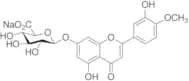
CAS:Controlled ProductApplications A metabolite of Diosmetin (D485000) isolated and identified from Chrysanthemum morifolium L. v. Ramat leaves.
References Porra, R., et al.: Biochem. Biophys Acta, 975, 384 (1989), Watanabe, M., et al.: J. Agric. Food Chem., 47, 4500 (1999),Formula:C22H19NaO12Purity:>85%Color and Shape:NeatMolecular weight:498.37Biochanin A
CAS:Controlled ProductApplications An isoflavone with anticancer proliferation, differentiation and chemopreventitive properties. Inhibits metabolic activation of benzo[a]pyrene.
References Chae, Y.H., et al.: Chem. Biol. Interactions, 82, 181 (1992), Jing, Y. and Waxman, S.: Anticancer Res., 15(4), 1147 (1995)Formula:C16H12O5Color and Shape:Off-WhiteMolecular weight:284.26Spinosin
CAS:Controlled ProductApplications Spinosin is a C-glycoside flavonoid extracted from Zizhiphi Spinozae, improved pentobarbital-induced sleep.
References Wang, Li. et al.: Pharm. Biochem. Behav., 90, 399 (2008);Formula:C28H32O15Color and Shape:NeatMolecular weight:608.54Casanthranol (A mixture of Casanthranol A, Casanthranol B, Cascaroside A and Cascaroside B) (Technical Grade)
CAS:Applications Casanthranol (cas# 8024-48-4) is a useful research chemical.
Formula:C21H22O10Color and Shape:NeatMolecular weight:434.43,5,6,2'-Tetrahydroxyflavone
CAS:3,5,6,2'-Tetrahydroxyflavone is a hydroxylated flavone compound, which is a type of polyphenolic compound widely recognized for its potential antioxidant properties. Naturally occurring in various plant sources, it can be isolated from species commonly known for their medicinal or nutritional benefits.Formula:C15H10O6Purity:Min. 95%Molecular weight:286.24 g/mol3-Hydroxy-7,2'-dimethoxyflavone
CAS:3-Hydroxy-7,2'-dimethoxyflavone is a specialized flavonoid, which is a type of polyphenolic compound commonly found in various plants. Flavonoids are known for their diverse roles in plant defense and pigmentation. This compound is sourced from natural plant materials, where it's synthesized as a secondary metabolite. Its mode of action involves acting as an antioxidant, offering protection against oxidative stress by neutralizing free radicals. Such activity is essential in preserving cellular integrity and preventing damage to biomolecules such as DNA, lipids, and proteins.Formula:C17H14O5Purity:Min. 95%Molecular weight:298.29 g/molAcacetin
CAS:Anti-peroxidative; anti-inflammatory; anti-proliferative; induces apoptosisFormula:C16H12O5Purity:Min. 97 Area-%Color and Shape:Yellow PowderMolecular weight:284.26 g/mol3-Hydroxy-7,8,2',3'-tetramethoxyflavone
CAS:3-Hydroxy-7,8,2',3'-tetramethoxyflavone is a specialized flavonoid compound, which is a type of polyphenolic product derived from natural plant sources. This compound is primarily extracted from various plant species known for their rich polyphenolic content, exhibiting diverse biological activities. As a natural secondary metabolite, 3-Hydroxy-7,8,2',3'-tetramethoxyflavone interacts with cellular signaling pathways, particularly those involved in oxidative stress, inflammation, and cell cycle regulation. Its mode of action includes modulation of enzymatic activities and alteration of gene expression, leading to significant impacts on cellular physiological processes.Formula:C19H18O7Purity:Min. 95%Molecular weight:358.34 g/mol7,8-Dimethoxy-4'-hydroxyisoflavone
CAS:7,8-Dimethoxy-4'-hydroxyisoflavone is an isoflavone compound, which is a type of phytoestrogen commonly found in various plants. Isoflavones like this one are often derived from legumes and other plant sources. These compounds are characterized by their chemical structure, which is similar to that of estrogen, allowing them to exert estrogen-like effects in biological systems.Formula:C17H14O5Purity:Min. 95%Molecular weight:298.29 g/mol(-)-Epiafzelechin 3-O-gallate(4b-6)
CAS:(-)-Epiafzelechin 3-O-gallate(4b-6) is a catechin derivative, which is a type of flavonoid known for its potential bioactive properties. It is sourced primarily from plant materials, particularly those belonging to the family Theaceae, which includes tea plants. This compound is a part of the polyphenolic group, often extracted from natural sources using solvent extraction methods followed by chromatographic techniques for purification.Formula:C44H34O20Purity:Min. 95%Molecular weight:882.73 g/molOrobol 7,4'-dimethyl ether
CAS:Orobol 7,4'-dimethyl ether is a methylated flavonoid compound, which is synthesized from natural flavonoid precursors derived from plant sources such as legumes and soy. This compound acts primarily through its antioxidant properties, where it can scavenge free radicals and stabilize reactive oxygen species, thus protecting cellular components from oxidative damage.
Formula:C17H14O6Purity:Min. 95%Color and Shape:White/Off-White SolidMolecular weight:314.29 g/mol5,7,3'-Trimethoxyflavone
CAS:5,7,3'-Trimethoxyflavone is a naturally occurring flavonoid compound, which is primarily sourced from certain plant species. As a member of the flavone category, this compound is characterized by its distinctive chemical structure featuring multiple methoxy groups. It is extracted from plants known for their medicinal properties, where it exists as a minor component contributing to the plant’s bioactive profile.Formula:C18H16O5Purity:Min. 95%Molecular weight:312.32 g/mol3-Hydroxy-6,2'-dimethoxyflavone
CAS:3-Hydroxy-6,2'-dimethoxyflavone is a flavonoid compound, which is a type of polyphenolic secondary metabolite. It is found in certain plants and is derived from natural sources known for their diverse pharmacological profiles. Flavonoids like 3-Hydroxy-6,2'-dimethoxyflavone often play crucial roles in plant defense mechanisms and pigmentation.
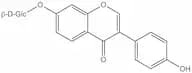
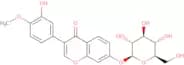
Formula:C17H14O5Purity:Min. 95%Molecular weight:298.29 g/molCalycosin-7-O-β-D-glucoside
CAS:Calycosin-7-O-β-D-glucoside is a flavonoid glycoside, which is primarily derived from the root of Astragalus membranaceus, a plant widely used in traditional Chinese medicine. This compound is characterized by its antioxidative and anti-inflammatory activities, mediated through modulation of various signaling pathways in the body, such as the MAPK and NF-κB pathways. It plays a significant role in scavenging free radicals and inhibiting inflammatory mediators, thus contributing to cellular protection and reducing oxidative stress.
Formula:C22H22O10Purity:Min. 95%Color and Shape:White PowderMolecular weight:446.4 g/mol7,8-Dimethoxyflavanone
CAS:7,8-Dimethoxyflavanone is a flavonoid derivative, which is a type of natural compound commonly found in various plants. It is typically extracted from plant sources such as fruits, vegetables, and herbs. This compound is part of a larger class of flavonoids, which are known for their diverse biological activities.Formula:C17H16O4Purity:Min. 95%Molecular weight:284.31 g/molα-Naphthoflavone
CAS:Alpha-naphthoflavone is a synthetic flavonoid, which is an aryl hydrocarbon receptor antagonist known for its interaction with cytochrome P450 enzymes. It is typically synthesized in laboratory settings and does not occur naturally. Alpha-naphthoflavone acts by competitively inhibiting the binding of ligands to the aryl hydrocarbon receptor (AhR) and modulating the activity of cytochrome P450 enzymes, particularly CYP1A1 and CYP1B1. This modulation is crucial in studying the metabolic pathways and the mechanism of enzyme induction or inhibition in xenobiotic metabolism.Formula:C19H12O2Purity:Min. 98.0 Area-%Molecular weight:272.31 g/mol2'-Hydroxy-α-naphthoflavone
CAS:2'-Hydroxy-α-naphthoflavone is a specialized chemical compound, classified as a flavonoid derivative. This product is typically sourced from laboratory synthesis and is characterized by its distinct molecular structure, which allows it to interact with specific biological pathways. The mode of action of 2'-Hydroxy-α-naphthoflavone involves the inhibition of cytochrome P450 enzymes. These enzymes are integral to the metabolic processes involving xenobiotics, which are compounds foreign to an organism's normal biochemistry.Formula:C19H12O3Purity:Min. 95%Color and Shape:PowderMolecular weight:288.3 g/mol3',4'-Dimethoxy-7-hydroxyisoflavone
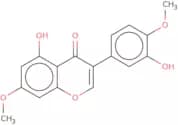
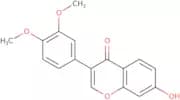
CAS:3',4'-Dimethoxy-7-hydroxyisoflavone is a naturally occurring isoflavone, a type of flavonoid, which is typically derived from various plant sources. Isoflavones are known for their presence in soy and other legumes, but this particular compound is distinguished by its specific chemical structure, characterized by two methoxy groups and a hydroxyl group that contribute to its unique biological activity.Formula:C17H14O5Purity:Min. 93 Area-%Color and Shape:Yellow PowderMolecular weight:298.29 g/mol6,8-Diprenyl-5,7,3',4'-tetrahydroxyflavanone
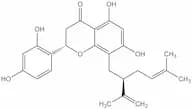
CAS:6,8-Diprenyl-5,7,3',4'-tetrahydroxyflavanone is a prenylated flavanone, which is a type of flavonoid compound. This compound is naturally derived from certain plant sources, where it acts as a secondary metabolite. Its mode of action primarily revolves around its antioxidant properties, where it neutralizes free radicals and reduces oxidative stress. Additionally, its structure allows it to engage in various interactions with cellular pathways, influencing different biological activities.Formula:C25H28O6Purity:Min. 95%Molecular weight:424.49 g/molMorin
CAS:Morin is a flavonoid compound, which is a naturally occurring polyphenolic molecule found primarily in the white mulberry tree, Morus alba, and other plant sources. It operates by exhibiting strong antioxidant activity, whereby it scavenges free radicals and chelates metal ions, effectively mitigating oxidative stress within biological systems.Formula:C15H10O7Purity:Min. 90%Color and Shape:PowderMolecular weight:302.24 g/mol3-Hydroxy-3',4'-dimethoxy-6-methyl flavone
CAS:3-Hydroxy-3',4'-dimethoxy-6-methyl flavone is a naturally occurring flavone, which is a type of flavonoid, commonly found in various plants. Flavones are known for their diverse range of biological activities, including anti-inflammatory, antioxidant, and anticancer properties. This particular flavone is derived from plant sources such as certain fruits, vegetables, and herbs, where it often plays a role in the plant's defense mechanisms.Formula:C18H16O5Purity:Min. 95%Color and Shape:PowderMolecular weight:312.32 g/mol4'-Hydroxy-β-naphthoflavone
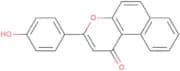
CAS:4'-Hydroxy-β-naphthoflavone is a synthetic chemical compound, which is a derivative of flavone. It is primarily sourced through chemical synthesis, allowing for the production of a highly pure and consistent compound for research purposes. The mode of action of 4'-Hydroxy-β-naphthoflavone involves its role as a potent agonist of the aryl hydrocarbon receptor (AhR), a transcription factor involved in the regulation of biological responses to planar aromatic hydrocarbons.Formula:C19H12O3Purity:Min. 95%Molecular weight:288.3 g/mol