Flavonoids
Subcategories of "Flavonoids"
- Anthocyanidins(46 products)
- Anthocyanin(46 products)
- Catechin(88 products)
- Chalcones(237 products)
- Pterocarpan(28 products)
Found 2409 products of "Flavonoids"
7,2'-Dibenzyloxy-4'-methoxyisoflavone
CAS:7,2'-Dibenzyloxy-4'-methoxyisoflavone is a synthetic isoflavone compound, which is derived from chemical synthesis processes rather than natural sources. Isoflavones are a class of flavonoids often studied for their diverse biological activities, including antioxidant, anti-inflammatory, and potential anticancer properties. This compound is characterized by its unique chemical structure that incorporates benzyl and methoxy groups, possibly enhancing its pharmacokinetic profile and efficacy.
Formula:C30H24O5Purity:Min. 95%Molecular weight:464.51 g/molAlpinumisoflavone dimethyl ether
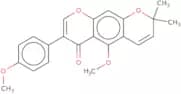
CAS:Alpinumisoflavone dimethyl ether is a naturally occurring isoflavonoid, which is a type of phytochemical compound. It is derived from the plant family Leguminosae, particularly found in some species of the genus Millettia. This compound acts primarily through the modulation of cellular pathways associated with inflammation and cell proliferation, often involving the inhibition of specific kinases and signaling molecules that are active in both cancerous and inflammatory processes.
Formula:C22H20O5Purity:Min. 95%Molecular weight:364.39 g/molPhaseollinisoflavan
CAS:Phaseollinisoflavan is a naturally occurring isoflavone compound, which is derived from the legume plant, Phaseolus vulgaris, commonly known as the common bean. Its mode of action primarily involves the inhibition of enzymatic activity, particularly affecting pathways related to oxidative stress and various metabolic processes. This isoflavone exerts its effects by modulating signal transduction pathways, which are critical in cellular response mechanisms.
Formula:C20H20O4Purity:Min. 95%Molecular weight:324.37 g/molPodocarpusflavone A
CAS:Podocarpusflavone A is a flavonoid compound, which is a type of polyphenolic molecule. It is isolated from the Podocarpus genus, a source known for yielding bioactive phytochemicals. The mode of action of Podocarpusflavone A involves modulation of various cellular signaling pathways, including antioxidative and anti-inflammatory mechanisms, which can influence cell proliferation and apoptosis.
Formula:C31H20O10Purity:Min. 95%Color and Shape:PowderMolecular weight:552.48 g/molRef: 3D-FP74971
Discontinued productNaringin dihydrate
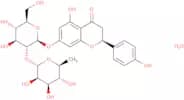
CAS:Naringin dihydrate is a flavonoid glycoside, which is a bioactive compound found primarily in citrus fruits, especially grapefruits and oranges. It acts as a potent antioxidant and anti-inflammatory agent, which functions by scavenging free radicals and modulating signaling pathways involved in oxidative stress and inflammation.
Formula:C27H32O14·2H2OPurity:Min. 95%Molecular weight:616.57 g/molDihydrogenistein - decarboxy-dihydroxygenistein mixture
Dihydrogenistein - decarboxy-dihydroxygenistein mixture is a synthetic biochemical compound, which is derived from the modification of isoflavonoid structures primarily sourced from plants. This mixture represents a complex amalgamation of two chemically altered forms of natural phytoestrogens. It functions by interacting with various cellular pathways, potentially influencing gene expression and signaling mechanisms through selective modulation of estrogen receptors and related enzymatic activities.Purity:Min. 95%Morin hydrate
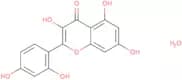
CAS:Morin hydrate is a flavonoid compound, which is a naturally occurring substance found primarily in the members of the Moraceae family, such as morus or mulberry and other fruits. It possesses significant antioxidant activity, which is achieved through its ability to scavenge free radicals and inhibit oxidative stress pathways. This mechanism of action is primarily due to its capacity to donate hydrogen atoms, thereby neutralizing unstable and reactive oxidative species.
Formula:C15H10O7·xH2OPurity:Min. 95%Color and Shape:PowderMolecular weight:302.24 g/molPomiferin-3',4'-dimethylether
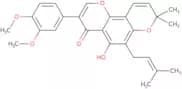
CAS:Pomiferin-3',4'-dimethylether is a natural flavonoid compound, which is isolated from plants such as the Osage orange (Maclura pomifera). This compound is derived through meticulous extraction techniques that preserve its bioactive properties.
Formula:C27H28O6Purity:Min. 95%Molecular weight:448.51 g/mol7,8-Dihydroxyflavanone
CAS:7,8-Dihydroxyflavanone is a naturally occurring flavonoid compound, which is typically sourced from various plant species. This compound is structurally characterized by two hydroxyl groups, which are crucial for its biochemical activity. Its mode of action primarily involves the modulation of cellular signaling pathways, including those related to oxidative stress and enzyme inhibition. By interfering with these pathways, 7,8-Dihydroxyflavanone exerts antioxidant and possibly anti-inflammatory effects.
Purity:Min. 95%Ref: 3D-XD178082
Discontinued productQuercetin-3-O-beta-D-glucopyranosyl-6-acetate
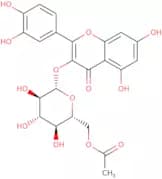
CAS:Quercetin-3-O-beta-D-glucopyranosyl-6-acetate is a glycosylated flavonoid compound, which is a naturally occurring plant metabolite. This compound is predominantly sourced from various plant species, where it acts as a secondary metabolite contributing to plant defense mechanisms. The mode of action of Quercetin-3-O-beta-D-glucopyranosyl-6-acetate involves its ability to function as an antioxidant, scavenging free radicals and reducing oxidative stress in biological systems. Additionally, its glycosylated structure may enhance its solubility and stability, facilitating better bioavailability compared to non-glycosylated counterparts.Formula:C23H22O13Purity:Min. 95%Color and Shape:PowderMolecular weight:506.41 g/molRef: 3D-FQ65444
Discontinued product3',4',7-Trimethoxyflavone
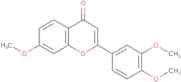
CAS:3',4',7-Trimethoxyflavone is a bioactive flavonoid compound, which is predominantly sourced from certain plant species, including those within the genus Kaempferia. This compound is part of the larger class of flavonoids known for their diverse biological activities. Its mode of action primarily involves modulating various cellular pathways, including signaling pathways related to inflammation, angiogenesis, and apoptosis. Recent studies suggest its potential as an inhibitor of specific enzymes and receptors, enabling its role in reducing oxidative stress and modulating immune responses.
Formula:C18H16O5Purity:Min. 95%Molecular weight:312.32 g/molRef: 3D-FT66360
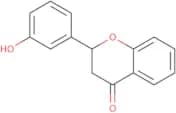
Discontinued product3'-Hydroxyflavanone
CAS:3'-Hydroxyflavanone is a naturally occurring flavanone, which is a type of polyphenolic compound found in various plants and fruits. Known for its presence in citrus fruits and certain herbal sources, 3'-Hydroxyflavanone is characterized by its unique structural configuration, featuring a hydroxyl group that is crucial for its bioactivity.
Formula:C15H12O3Purity:Min. 95%Molecular weight:240.26 g/molRef: 3D-SDA49665
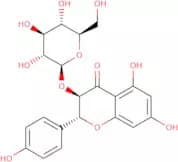
Discontinued productDihydrokaempferol-3-glucoside
CAS:Dihydrokaempferol-3-glucoside is a flavonoid glucoside, which is primarily derived from various plant sources including fruits, vegetables, and certain medicinal herbs. Its molecular structure consists of a kaempferol core attached to a glucose moiety, enhancing its solubility and stability in biological systems. This compound exhibits antioxidant activity, acting to scavenge free radicals and reduce oxidative stress within cells. By neutralizing reactive oxygen species, dihydrokaempferol-3-glucoside helps to protect cellular components such as DNA, proteins, and lipids from oxidative damage.
Formula:C21H22O11Purity:Min. 95%Color and Shape:White PowderMolecular weight:450.39 g/molEuchrestaflavanone A
CAS:Euchrestaflavanone A is a naturally occurring flavanone, which is a type of polyphenolic compound. It is sourced from plants, specifically derived from the roots of Euchresta formosana, a species used traditionally in herbal medicine. The mode of action of Euchrestaflavanone A involves its interaction with various molecular pathways, influencing antioxidant activity and modulating enzyme function. It exhibits bioactive properties, including anti-inflammatory, antioxidant, and potential anticancer effects.
Formula:C25H28O5Purity:Min. 95%Molecular weight:408.50 g/molRef: 3D-FDA51005
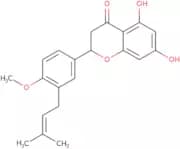
Discontinued product4'-o-Methyllicoflavanone
CAS:4'-O-Methyllicoflavanone is a flavonoid compound, which is a naturally occurring chemical typically found in various plants. It belongs to a class of secondary metabolites known for their wide array of biological activities. The source of 4'-O-Methyllicoflavanone is primarily from plant species, where it serves as a part of the plant’s defense mechanism against environmental stressors and pathogens.
Formula:C21H22O5Purity:Min. 95%Molecular weight:354.4 g/molRef: 3D-NRB75313
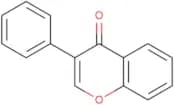
Discontinued productIsoflavone - 98%
CAS:Isoflavone - 98% is a highly purified chemical compound from the class of phytoestrogens, which is naturally sourced from legumes, particularly soybeans. It exhibits a structural similarity to estrogen, which allows it to modulate estrogen receptors in the body. This capability enables it to exert both estrogenic and anti-estrogenic effects depending on the physiological environment.
Purity:Min. 95%7,4'-Dibenzyl daidzein
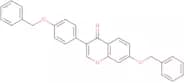
CAS:7,4'-Dibenzyl daidzein is a synthetic isoflavonoid, derived from the modification of natural isoflavones commonly found in soy products. These isoflavones are known for their estrogenic activity and potential therapeutic benefits. The source of inspiration for this compound lies in natural phytoestrogens, which exhibit significant interaction with human estrogen receptors. This synthetic analog is designed to enhance specific bioactivities beyond those of its natural counterparts.
Formula:C29H22O4Purity:Min. 95%Molecular weight:434.48 g/molRef: 3D-FD21537
Discontinued productSideritoflavone
CAS:Sideritoflavone is a flavonoid compound, which is a type of secondary metabolite derived from the *Sideritis* plant species. These plants, commonly found in the Mediterranean region, are traditionally used in herbal remedies. The compound is known for its potential biological and pharmacological activities, which stem from its interaction with various biochemical pathways.
Formula:C18H16O8Purity:Min. 95%Molecular weight:360.31 g/mol6,2',4'-Trimethoxyflavone
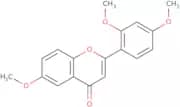
CAS:6,2',4'-Trimethoxyflavone is a flavonoid compound, which is a type of phytochemical found in various plant species. It is derived from natural sources, including certain medicinal herbs and plants known for their bioactive properties. This specific flavone is characterized by its three methoxy groups attached at distinct positions on the flavonoid backbone, which confer unique chemical properties and biological activities.
Formula:C18H16O5Purity:Min. 95%Molecular weight:312.32 g/mol(2R)-5,7-Dimethoxyflavanone
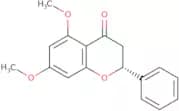
CAS:(2R)-5,7-Dimethoxyflavanone is a natural flavonoid, which is a type of polyphenolic compound. It is derived from various plant sources, commonly found in fruits, vegetables, and certain medicinal herbs. Its structure includes a flavanone backbone with methoxy groups at specific positions, which modulate its biological activity.
Formula:C17H16O4Purity:Min. 95%Molecular weight:284.31 g/molRef: 3D-CBC18885
Discontinued product