Flavonoids
Subcategories of "Flavonoids"
- Anthocyanidins(46 products)
- Anthocyanin(46 products)
- Catechin(88 products)
- Chalcones(237 products)
- Pterocarpan(28 products)
Found 2410 products of "Flavonoids"
6-Hydroxydesmethylangolensin
CAS:6-Hydroxydesmethylangolensin is a metabolite, which is derived from the fermentation of dietary isoflavones by intestinal microbiota. This compound originates specifically from the bacterial metabolism of daidzein, a principal soybean isoflavone. The mode of action of 6-Hydroxydesmethylangolensin involves its interaction with various biological pathways, potentially influencing estrogenic activity due to its structural similarity to estrogen, as well as possible antioxidant effects.
Formula:C15H14O5Purity:Min. 95%Color and Shape:PowderMolecular weight:274.27 g/mol3’,4’-Dimethoxyflavanone
CAS:3’,4’-Dimethoxyflavanone is a flavonoid compound, which is a type of natural phenolic product derived from various plant sources. Its structure is characterized by a flavanone backbone with methoxy groups at the 3' and 4' positions on the B-ring. These structural features contribute to its bioactivity, allowing it to interact with various biological targets through mechanisms such as free radical scavenging, modulation of signaling pathways, and enzyme inhibition.Formula:C17H16O4Purity:Min. 95%Molecular weight:284.31 g/mol6,8-Diprenylnaringenin
CAS:6,8-Diprenylnaringenin is a prenylated flavonoid, which is an organic compound predominantly derived from the hops plant, Humulus lupulus. This compound exhibits a unique mode of action owing to its interaction with estrogen receptors, where it acts as a phytoestrogen. Its chemical structure, characterized by the presence of prenyl groups, enhances its bioavailability and affinity for these receptors, suggesting its potential role in modulating estrogenic activity in biological systems.Formula:C25H28O5Purity:Min. 95%Molecular weight:408.49 g/molJuglanin
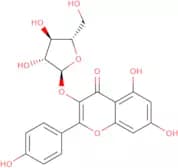
CAS:Juglanin is a flavonoid glycoside, which is a naturally occurring compound found in plants, specifically from the genus Juglans, commonly known as walnut. Its mode of action involves antioxidant and anti-inflammatory activities, wherein it scavenges free radicals and inhibits inflammatory pathways. Juglanin achieves this by modulating various cellular signaling pathways, including those related to oxidative stress and inflammation.Formula:C20H18O10Purity:Min. 95%Color and Shape:PowderMolecular weight:418.35 g/mol2',7,8-Trihydroxyflavone
CAS:2',7,8-Trihydroxyflavone is a flavonoid compound, which is naturally sourced from various plant species. It functions by acting as an agonist for the tropomyosin receptor kinase B (TrkB), a receptor for brain-derived neurotrophic factor (BDNF). This interaction modulates neurotrophic signaling pathways, promoting neuronal survival, differentiation, and synaptic plasticity.
Formula:C15H10O5Purity:90%Color and Shape:PowderMolecular weight:270.24 g/molKaranjin
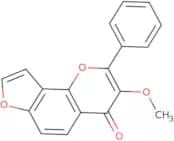
CAS:From seeds of Karanja tree; insecticidal, acaricidal & fungicidal propertiesFormula:C18H12O4Purity:Min. 95%Color and Shape:White PowderMolecular weight:292.29 g/molFisetin
CAS:Fisetin is a flavonoid compound, which is a type of polyphenol found in various fruits and vegetables. It is primarily sourced from strawberries, apples, persimmons, onions, and cucumbers. This flavonoid exhibits a range of biological activities due to its involvement in modulating cellular processes.
Formula:C15H10O6·xH2OPurity:Min. 90 Area-%Color and Shape:Yellow PowderMolecular weight:286.24 g/mol6-Hydroxyflavone-beta-D-glucoside
CAS:6-Hydroxyflavone-beta-D-glucoside is a naturally occurring flavonoid glycoside, which is a compound of interest in the field of phytochemistry and pharmacology. This compound is sourced primarily from various plant species known for their rich flavonoid content. The mode of action typically involves modulating biochemical pathways associated with antioxidant defense, often by interacting with cellular signaling mechanisms that regulate oxidative stress.Formula:C21H20O8Purity:Min. 95%Color and Shape:PowderMolecular weight:400.38 g/molEucomin
CAS:Eucomin is a quinoline derivative and an antimalarial agent, which is isolated from natural sources such as the bark of the cinchona tree or synthesized chemically. With its mode of action targeting the heme polymerase enzyme of Plasmodium parasites, Eucomin effectively inhibits the conversion of toxic heme to non-toxic hemozoin, a process critical for parasite survival within red blood cells.Formula:C17H14O5Purity:Min. 95%Molecular weight:298.29 g/molAequinetin
CAS:Aequinetin is a cyclic peptide, which is derived from marine organisms, specifically sponges. It acts by targeting cellular processes in bacteria and cancer cells through disruption of cell membrane integrity and interference with specific signaling pathways. This mode of action makes it a promising candidate for antibiotic and anticancer applications.Formula:C21H20O9Purity:Min. 95%Molecular weight:416.38 g/molEucomnalin
CAS:Eucomnalin is a synthetic compound, which is derived from a carefully controlled chemical synthesis process. Its mode of action involves modulation of specific biochemical pathways, targeting enzymes critical for cellular processes. This modulation allows it to influence various cellular functions, potentially rectifying imbalances or dysfunctions present in certain disease states.Formula:C17H14O6Purity:Min. 95%Molecular weight:314.29 g/molKaempferol-3,7,4'-trimethyl ether
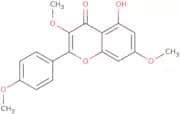
CAS:Kaempferol-3,7,4'-trimethyl ether is a methylated flavonoid compound, which is naturally derived from various plant sources known for their rich polyphenol content. This compound is characterized by its three methoxy groups attached to the kaempferol structure, enhancing its hydrophobic nature and overall stability. The primary mode of action of Kaempferol-3,7,4'-trimethyl ether involves modulation of various cellular signaling pathways, including those related to antioxidant and anti-inflammatory processes. It exerts its effects by interacting with key enzymes and receptors, leading to the modulation of gene expression linked to cellular stress responses.
Formula:C18H16O6Purity:Min. 98 Area-%Color and Shape:PowderMolecular weight:328.32 g/mol6-O-Acetylgenistin
CAS:6-O-Acetylgenistin is a natural compound, classified as an acetylated isoflavone. It is sourced from soybeans, where it is naturally present as part of the plant's secondary metabolites. Isoflavones like 6-O-Acetylgenistin are known for their structural similarity to estrogens and are consequently categorized as phytoestrogens.Formula:C23H22O11Purity:Min. 95 Area-%Color and Shape:White PowderMolecular weight:474.41 g/mol3'-Hydroxy-8-O-methylretusin
CAS:3'-Hydroxy-8-O-methylretusin is a naturally occurring flavonoid, which is derived from various plant sources, primarily within the Leguminosae family. It exhibits a range of bioactivities attributed to its molecular structure, characterized by hydroxylation and methylation processes that enhance its stability and reactivity.Formula:C17H14O6Purity:Min. 95%Molecular weight:314.29 g/molMyricitrin dihydrate
CAS:Myricitrin dihydrate is a flavonoid glycoside, which is a naturally occurring compound primarily found in the bark, leaves, and fruits of certain plants such as Myrica species. The source of this compound is botanical, extracted from plant material through various methods that preserve its structural integrity and bioactivity.Formula:C21H20O12Purity:Min. 95%Molecular weight:464.38 g/mol5-Methoxyflavanone
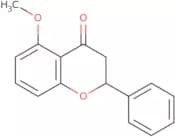
CAS:5-Methoxyflavanone is a synthetic flavonoid compound, which is derived from chemical modifications of naturally occurring flavonoids. These modifications often enhance bioavailability and activity compared to their natural counterparts. This compound functions primarily through its antioxidant activity, scavenging free radicals and reducing oxidative stress within biological systems. This mode of action is vital in cellular protection against damage caused by oxidative agents.Formula:C16H14O3Purity:Min. 95%Color and Shape:White PowderMolecular weight:254.28 g/mol5,7-Dihydroxyflavone
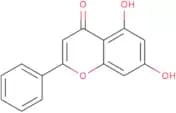
CAS:5,7-Dihydroxyflavone is a naturally occurring flavonoid, which is derived from various plant sources, including herbs and fruits. With its structure characterized by hydroxyl groups at positions 5 and 7, it serves as a bioactive compound with strong antioxidant properties. This flavonoid is known to interact with cellular pathways by scavenging free radicals and modulating enzyme activity, thereby protecting cells from oxidative stress and potential damage.Formula:C15H10O4Purity:Min. 95%Color and Shape:Yellow PowderMolecular weight:254.24 g/mol2'-Hydroxyflavanone
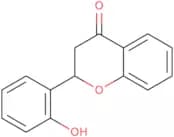
CAS:2'-Hydroxyflavanone is a flavonoid, which is a type of polyphenolic compound found naturally in a variety of plants. These compounds are widely distributed in the plant kingdom and are particularly abundant in fruits, vegetables, and certain herbs. The source of 2'-Hydroxyflavanone can be traced back to its presence in citrus fruits and other plant materials, where it serves as a secondary metabolite.Formula:C15H12O3Purity:Min. 98 Area-%Color and Shape:PowderMolecular weight:240.25 g/mol5-Hydroxy-4'-methoxyflavone
CAS:5-Hydroxy-4'-methoxyflavone is a naturally occurring flavone, which is a type of polyphenolic compound found in various plants. It is derived from natural sources such as fruits, vegetables, and certain herbs. This compound is part of the larger class of flavonoids, which are known for their various biological activities and potential health benefits.Formula:C16H12O4Purity:Min. 95%Molecular weight:268.26 g/molMethyl hesperidine
CAS:Methyl hesperidine is a flavonoid derivative, which is a chemical compound sourced from citrus fruits, particularly from the peels. It is a modified form of hesperidin, a natural flavonoid found predominantly in oranges and other citrus species. The mode of action for methyl hesperidine involves its antioxidant and anti-inflammatory properties. It works by scavenging free radicals and reducing oxidative stress, which can help protect cells and tissues from damage.Formula:C29H36O15Purity:Min. 95%Color and Shape:PowderMolecular weight:624.59 g/mol3,7,8,2',4'-Pentahydroxyflavone
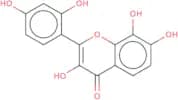
3,7,8,2',4'-Pentahydroxyflavone is a flavonoid compound, which is a type of polyphenolic secondary metabolite found in various plants. This compound is typically isolated from natural sources, including vegetables, fruits, and certain herbs. Its chemical structure, characterized by multiple hydroxyl groups, contributes to its potent antioxidant activity, allowing it to scavenge free radicals effectively.Formula:C15H10O7Purity:90%Color and Shape:PowderMolecular weight:302.24 g/molKazinol U
CAS:Kazinol U is a lignan glycoside, which is a naturally occurring compound sourced from Broussonetia kazinoki, a species belonging to the Moraceae family. This compound is characterized by its antioxidant properties, which are largely due to its unique chemical structure that allows it to neutralize reactive oxygen species and reduce oxidative stress.Formula:C20H22O4Purity:Min. 95%Color and Shape:PowderMolecular weight:326.39 g/mol7-Hydroxyflavone
CAS:7-Hydroxyflavone is a naturally occurring flavone, which is a type of polyphenolic compound found in various plants. It is commonly derived from plant sources such as fruits and vegetables, where it contributes to a range of biological activities. The structure of 7-Hydroxyflavone includes a hydroxyl group, which plays a significant role in its antioxidant capabilities.Formula:C15H10O3Molecular weight:238.25 g/mol3,5,6,7,8,3',4'-Heptamethoxyflavone
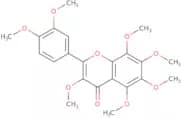
CAS:3,5,6,7,8,3',4'-Heptamethoxyflavone is a polymethoxyflavone, which is a type of flavonoid compound. It is primarily sourced from various citrus fruits, such as oranges and tangerines. These fruits naturally produce polymethoxyflavones as part of their secondary metabolite profiles.Formula:C22H24O9Purity:Min. 95%Color and Shape:PowderMolecular weight:432.42 g/mol7-Methoxyflavonol
CAS:7-Methoxyflavonol is a naturally-occurring flavonoid with intriguing biochemical properties, identified primarily in various plant species. This compound is derived from natural sources such as herbs and fruits, where it contributes to the plant's defense mechanisms. The mode of action of 7-Methoxyflavonol involves modulation of enzymatic activities and interaction with cellular signaling pathways, exhibiting potential antioxidant and anti-inflammatory effects.Formula:C16H12O4Purity:Min. 95%Molecular weight:268.26 g/mol6,3'-Dimethoxyflavanone
6,3'-Dimethoxyflavanone is a naturally occurring flavanone, which is a type of polyphenolic compound predominantly found in certain plant species. Its source lies primarily in citrus fruits, where it exists as a secondary metabolite. These compounds are often studied for their diverse biological activities due to their presence in traditional medicinal systems.Formula:C17H16O4Purity:Min. 95%Molecular weight:288.41 g/molNeoisoliquiritigenin
CAS:Neoisoliquiritigenin is a flavonoid compound, which is a phytoestrogen derived from the root of Glycyrrhiza glabra, commonly known as licorice. Its mode of action primarily involves modulation of various cellular signaling pathways, including its notable antioxidant and anti-inflammatory effects. This compound exhibits a significant capability to scavenge free radicals and to inhibit pro-inflammatory mediators, thereby impacting oxidative stress and inflammatory responses at the cellular level.Formula:C21H22O9Purity:Min. 95%Color and Shape:PowderMolecular weight:418.39 g/molMyricetin trimethyl ether
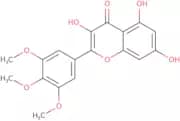
CAS:Myricetin trimethyl ether is a flavonoid derivative, which is a metabolite of myricetin, a naturally occurring flavonoid found in various fruits, vegetables, and herbs. This compound is of significant interest due to its potential bioactive properties. It is commonly studied within the context of its antioxidative mechanisms, where it functions by neutralizing free radicals and attenuating oxidative stress, a key factor implicated in the pathogenesis of numerous chronic diseases.Formula:C18H16O8Color and Shape:PowderMolecular weight:360.31 g/molEupatorin - 94%
CAS:Eupatorin - 94% is a bioactive flavonoid compound, which is a natural extract primarily derived from the plant species Eupatorium. This compound is characterized by its high degree of purity, standing at 94%, making it suitable for rigorous scientific investigation. Eupatorin is widely recognized for its pharmacological potential due to its ability to modulate various biochemical pathways.Formula:C18H16O7Purity:Min. 95%Color and Shape:White PowderMolecular weight:344.32 g/molChrysin dimethyl ether
CAS:Chrysin dimethyl ether is a methylated flavonoid derivative, which is naturally sourced from various plants. This compound is synthesized by methylation of the hydroxyl groups on the chrysin molecule, a process often accomplished using organic synthesis methods. The mode of action for Chrysin dimethyl ether involves modulation of various biological pathways, including antioxidant activity and interaction with cell signaling pathways. Its phenolic structure confers radical scavenging properties, potentially influencing oxidative stress processes in biological systems.Formula:C17H14O4Purity:Min. 95%Color and Shape:White PowderMolecular weight:282.29 g/mol7-Methoxyisoflavone
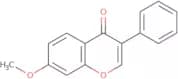
CAS:7-Methoxyisoflavone is a synthetic isoflavone, which is a type of flavonoid compound typically found in plants. This compound, however, is artificially synthesized in laboratories, differentiating it from naturally occurring isoflavones found in sources like soy and other legumes. Its structure allows it to act as a non-hormonal anabolic agent, meaning it purportedly enhances anabolic processes without directly interacting with hormonal pathways, such as those involving testosterone or other steroids.Formula:C16H12O3Purity:Min. 95%Molecular weight:252.26 g/molArvensan
CAS:Arvensan is a bioactive compound that acts as a biocide, derived from natural sources such as certain plant species. Its primary mode of action involves disrupting the cellular membranes of target microorganisms, leading to cell lysis and eventual death. This mechanism ensures efficacy against a broad spectrum of bacteria and fungi, demonstrating its potential as a versatile microbial control agent.
Formula:C17H18O4Purity:Min. 95%Molecular weight:286.32 g/molPseudobaptigenin
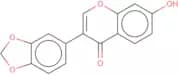
CAS:Pseudobaptigenin is a naturally occurring flavonoid, which is primarily isolated from plant sources. As a type of secondary metabolite, flavonoids like pseudobaptigenin are synthesized by plants and often found in a variety of legumes and other plant species. These compounds typically play a role in plant defense mechanisms and contribute to pigmentation.Formula:C16H10O5Purity:Min. 95%Color and Shape:PowderMolecular weight:282.25 g/molKwakhurin
CAS:Kwakhurin is a natural compound, characterized as an isoflavone, which is derived from the plant Pueraria mirifica. This plant is traditionally found in Southeast Asia and has been used in traditional medicine for various health benefits. Kwakhurin acts primarily as a phytoestrogen, meaning it can mimic the activity of estrogen in the body by binding to estrogen receptors. This behavior enables it to potentially modulate hormonal balances and exert estrogenic effects.Formula:C21H20O6Purity:(%) Min. 95%Color and Shape:White/Off-White SolidMolecular weight:368.38 g/molTrifloxystrobin
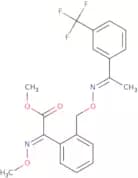
CAS:Trifloxystrobin is a broad-spectrum fungicide, which is a synthetic compound derived from the strobilurin class of fungicides. Its mode of action involves the inhibition of mitochondrial respiration in fungi, specifically by binding to the Qo site of the cytochrome bc1 complex, thereby disrupting electron transport and energy production within fungal cells.Formula:C20H19F3N2O4Purity:Min. 95%Color and Shape:PowderMolecular weight:408.37 g/molDerrone-4'-methyl ether
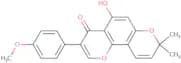
CAS:Derrone-4'-methyl ether is a flavonoid derivative, which is a compound class known for diverse biological activities. This compound is sourced from the isoflavonoid family, predominantly found in legumes and other plant species. Isoflavonoids are secondary metabolites that play crucial roles in plant defense mechanisms and interactions with the environment.Formula:C21H18O5Purity:Min. 95%Molecular weight:350.36 g/molGlycitein-7-O-methyl ether
CAS:Glycitein-7-O-methyl ether is an isoflavone derivative, which is a type of flavonoid. It is primarily sourced from soybean and other leguminous plants, where it is present as a minor phytoestrogen. The mode of action of Glycitein-7-O-methyl ether involves mimicking estrogenic activity, binding to estrogen receptors, which could potentially affect various physiological processes. Additionally, it may exhibit antioxidant properties, scavenging free radicals and thereby influencing oxidative stress-related pathways.
Formula:C17H14O5Purity:Min. 95%Molecular weight:298.29 g/molSigmoidin C
CAS:Sigmoidin C is a naturally occurring alkaloid, which is derived from the roots of certain species within the genus Alstonia. This compound is notable for its complex chemical structure and its potential therapeutic effects, which stem from its plant-based origin. Sigmoidin C operates primarily through modulating neurotransmitter systems, where it influences synaptic transmission and neuronal excitability.Formula:C20H18O6Purity:Min. 95%Molecular weight:354.35 g/mol5,7-Di-O-methyl-8-prenylflavanone
CAS:5,7-Di-O-methyl-8-prenylflavanone is a prenylated flavanone, which is a type of natural compound known for its structural complexity and biological activities. This compound is primarily sourced from plants, especially those in the Leguminosae family, where it plays a role in the plant's defense mechanisms. Its mode of action involves the modulation of various intracellular signaling pathways, often contributing to its anti-inflammatory and anti-cancer properties. This compound can inhibit certain enzyme activities and interfere with cellular proliferation and apoptosis processes.Formula:C22H24O4Purity:Min. 95%Molecular weight:352.42 g/mol6,8-Diprenylorobol
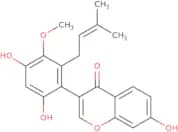
CAS:6,8-Diprenylorobol is a prenylated isoflavonoid, which is a type of bioactive compound. It is isolated primarily from various plant sources, such as those belonging to the Fabaceae family. The structural uniqueness of 6,8-Diprenylorobol arises from the addition of prenyl groups to the isoflavonoid backbone, which enhances its biological activity.
Formula:C25H26O6Purity:Min. 95%Color and Shape:PowderMolecular weight:422.47 g/molKaempferol-3-rutinoside
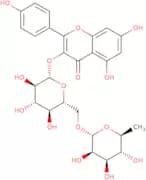
CAS:Kaempferol-3-rutinoside is a naturally occurring flavonoid glycoside, which is derived from various plant sources such as tea, fruits, and vegetables. It is a complex compound where the flavonoid kaempferol is conjugated to a disaccharide, rutinoside. The mode of action involves its ability to scavenge free radicals due to its antioxidant properties, as well as inhibit specific enzymes and pathways associated with inflammation, thus providing both antioxidant and anti-inflammatory benefits.Formula:C27H30O15Purity:Min. 95%Color and Shape:PowderMolecular weight:594.52 g/molAzoxystrobin
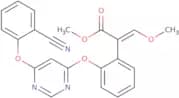
CAS:Azoxystrobin is a fungicide, which is a synthesized chemical compound, derived from natural strobilurin compounds produced by fungi. Its mode of action involves inhibiting mitochondrial respiration in fungi by blocking the cytochrome bc1 complex, disrupting energy production essential for fungal growth and survival.Formula:C22H17N3O5Purity:Min. 95%Color and Shape:PowderMolecular weight:403.39 g/molFlavanone
CAS:Flavanone is a type of flavonoid, which is a class of plant secondary metabolites. This compound is primarily found in citrus fruits such as oranges, lemons, and grapefruits. As a natural polyphenolic antioxidant, flavanone exhibits its mode of action by scavenging free radicals, thereby reducing oxidative stress within biological systems. This activity is crucial in modulating signaling pathways and enhancing the cellular antioxidant capacity.
Formula:C15H12O2Purity:Min. 95%Color and Shape:PowderMolecular weight:224.25 g/molLupinalbin A
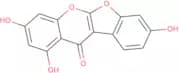
CAS:Lupinalbin A is a natural compound, which is a type of phenolic compound, sourced from white lupin (Lupinus albus) seeds. This compound exhibits significant biological activity primarily through its ability to modulate cellular signaling pathways. Its mode of action includes the inhibition of specific kinases and transcription factors, which are crucial in the progression of inflammatory and cancerous processes.Formula:C15H8O6Purity:Min. 95%Color and Shape:PowderMolecular weight:284.22 g/molFluoxastrobin
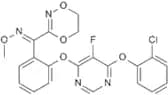
CAS:Fluoxastrobin is a systemic fungicide, which is a synthetic chemical compound designed for use in agriculture. Its source is derived from laboratory synthesis, specifically created to inhibit key fungal pathogens. The mode of action of Fluoxastrobin involves disrupting mitochondrial respiration by targeting the pathogens' electron transport chain, thereby inhibiting energy production and ultimately halting their growth and proliferation.
Formula:C21H16ClFN4O5Purity:Min. 95%Color and Shape:PowderMolecular weight:458.83 g/mol7,8-Dihydroxyflavone
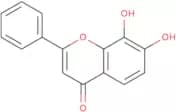
CAS:7,8-Dihydroxyflavone is a synthetic flavonoid, which is derived from naturally occurring compounds found in plants. It is known to act as a tropomyosin receptor kinase B (TrkB) agonist, mimicking the action of brain-derived neurotrophic factor (BDNF). By selectively binding to TrkB receptors, it activates downstream signaling pathways involved in neuronal survival, differentiation, and synaptic plasticity.Formula:C15H10O4•(H2O)xPurity:Min. 95%Color and Shape:PowderMolecular weight:254.24 g/mol5,2'-Dimethoxyflavone
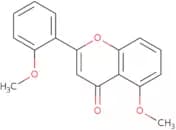
CAS:5,2'-Dimethoxyflavone is a synthetic or naturally occurring flavone, which is derived from certain plants. It belongs to the class of polyphenolic compounds found predominantly in the plant kingdom. As a secondary metabolite, this compound is linked to the plant's defense mechanisms, typically sourced from herbs known for their therapeutic potential.Formula:C17H14O4Purity:Min. 95%Color and Shape:PowderMolecular weight:282.29 g/molLuteolin 3′,7-diglucoside
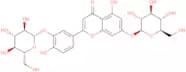
CAS:Luteolin 3′,7-diglucoside is a flavonoid compound, which is predominantly found in a variety of plant species. It acts as an antioxidant, which is significant in its ability to neutralize free radicals, thereby potentially reducing oxidative stress at the cellular level. This compound is derived from natural sources such as fruits, vegetables, and herbs, where it exists as a glycosylated form of luteolin, bonded with glucose molecules.
Formula:C27H30O16Purity:Min. 95%Color and Shape:PowderMolecular weight:610.52 g/mol3,7,8,2',4'-Pentamethoxyflavone
CAS:3,7,8,2',4'-Pentamethoxyflavone is a naturally occurring flavonoid, which is a type of polyphenolic compound, broadly found in various plants. This compound is typically isolated from plant sources known for their rich bioactive profiles, such as certain species within the Rutaceae and other plant families. The distinctive feature of flavonoids, including 3,7,8,2',4'-Pentamethoxyflavone, lies in their diverse biological activities, which are attributed to their multi-targeted mode of action.Formula:C20H20O7Purity:Min. 95%Molecular weight:372.37 g/molFlavanone hydrazone - 99%
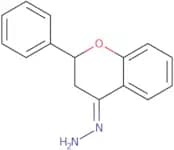
CAS:Flavanone hydrazone - 99% is a highly pure chemical compound that serves as an important intermediate in organic synthesis. It originates primarily from synthetic processes involving hydrazides and flavanones, which are derivatives of flavonoids noted for their wide range of biological activities. The mode of action of flavanone hydrazone involves the introduction of a hydrazone group, which can facilitate the formation of various heterocyclic compounds. This makes it valuable in the construction of complex organic molecules, a process crucial in the fields of medicinal chemistry and drug discovery.
Formula:C15H14N2OPurity:(%) Min. 99%Color and Shape:PowderMolecular weight:238.28 g/mol