Flavonoids
Subcategories of "Flavonoids"
- Anthocyanidins(46 products)
- Anthocyanin(46 products)
- Catechin(88 products)
- Chalcones(237 products)
- Pterocarpan(28 products)
Found 2410 products of "Flavonoids"
7,2'-Dihydroxy-4',5'-methylenedioxyisoflavone
CAS:7,2'-Dihydroxy-4',5'-methylenedioxyisoflavone is a naturally occurring isoflavone compound, which is typically isolated from various plant sources. This compound is a secondary metabolite, often found in plants known for their therapeutic properties. Isoflavones are well-recognized for their potential bioactivity, acting as phytoestrogens due to their structural similarity to estrogen.Formula:C16H10O6Purity:Min. 95%Molecular weight:298.25 g/molIsosakuranetin
CAS:Isosakuranetin is a flavonoid compound, which is derived from various plant sources, especially citrus fruits and other botanicals. Its mode of action involves modulating key signaling pathways, primarily through its antioxidant properties. These antioxidants scavenge free radicals, thereby mitigating oxidative stress and reducing cellular damage. This biochemical activity makes isosakuranetin a compound of interest in various fields related to health and disease prevention.Formula:C16H14O5Purity:Min. 95%Color and Shape:PowderMolecular weight:286.28 g/mol5,6,7-Trimethoxyflavone
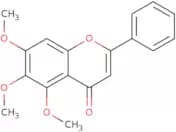
CAS:5,6,7-Trimethoxyflavone is a specialized flavonoid compound, which is derived from natural plant sources. This compound exists primarily in certain species of the plant kingdom, such as citrus fruits, where it is part of a group of polyphenolic compounds known for their diverse biological activities. Its structure is characterized by the presence of three methoxy groups at positions 5, 6, and 7 on the flavone backbone, contributing to its distinct biochemical properties.
Formula:C18H16O5Purity:Min. 95%Color and Shape:PowderMolecular weight:312.32 g/mol2'-Hydroxyflavone
CAS:2'-Hydroxyflavone is a flavonoid compound that is naturally derived from various plant sources and is commonly found in certain fruits, vegetables, and herbs. Its structure is characterized by the presence of a hydroxyl group at the 2' position, which significantly influences its biological activity.Formula:C15H10O3Color and Shape:PowderMolecular weight:238.24 g/mol5-Methyl-7-hydroxyisoflavone ethylcarbonate ester
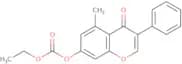
CAS:5-Methyl-7-hydroxyisoflavone ethylcarbonate ester is a synthetic isoflavone derivative, which is structurally derived from naturally occurring flavonoids commonly found in plants such as soy and red clover. This compound is designed to retain the biological activity of its parent isoflavones while enhancing certain pharmacokinetic properties, particularly stability and bioavailability.Formula:C19H16O5Purity:Min. 95%Color and Shape:PowderMolecular weight:324.33 g/molOrobol 7-O-glucoside
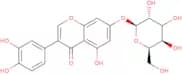
CAS:Orobol 7-O-glucoside is a flavonoid glucoside, which is a type of phenolic compound widely studied in the scientific community for its potential biological activities. It is derived from natural plant sources, particularly legumes, where it occurs as a conjugate of the isoflavone orobol. The mode of action of Orobol 7-O-glucoside involves its ability to scavenge free radicals, providing potent antioxidant effects. This compound exhibits the ability to modulate signaling pathways relevant to oxidative stress and inflammation, suggesting possible therapeutic roles in related disorders.Formula:C21H20O11Purity:Min. 95%Color and Shape:PowderMolecular weight:448.38 g/mol5-Hydroxy-3,6,2'-trimethoxyflavone
CAS:5-Hydroxy-3,6,2'-trimethoxyflavone is a naturally occurring flavone, which is a type of polyphenolic compound. It is primarily sourced from various Erythrina species, which are flowering plants in the legume family. This compound interacts with biological systems through its role as an antioxidant, influencing enzyme activity and modulating signaling pathways. It may exert anti-inflammatory, anticancer, and neuroprotective effects, though these mechanisms require further elucidation in vivo. Its applications predominantly lie in biomedical research, where it serves as a tool for studying flavonoid functions and their potential therapeutic benefits. Scientists also examine its role in traditional medicine systems to validate and explore its health-related effects. As research progresses, 5-Hydroxy-3,6,2'-trimethoxyflavone continues to generate interest due to its complex interactions within biological frameworks and potential for diverse therapeutic applications.
Formula:C18H16O6Purity:Min. 95%Molecular weight:328.32 g/molBaicalein-6-glucuronide - from Scutellaria galericulata (skullcap)
CAS:Baicalein-6-glucuronide is a glucuronide derivative of the flavonoid baicalein, derived from the herb Scutellaria galericulata, commonly known as skullcap. This flavonoid is intricately bound with a glucuronic acid moiety, which enhances its solubility and bioavailability compared to its parent compound. The source, Scutellaria galericulata, is a perennial herbaceous plant native to wetlands and known for its rich phytochemical profile.Formula:C21H18O11Purity:Min. 95%Color and Shape:Yellow PowderMolecular weight:446.36 g/mol3',4'-Dihydroxyflavone
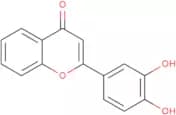
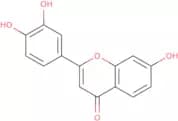
CAS:3',4'-Dihydroxyflavone is a type of flavonoid compound, which is naturally found in various plants. These secondary metabolites are crucial for plant health and defense mechanisms. Known for their antioxidative and anti-inflammatory properties, flavonoids play a significant role in moderating oxidative stress and inflammation.Formula:C15H10O4Purity:Min. 95%Color and Shape:PowderMolecular weight:254.24 g/molQuercetin-7,3',4'-trimethyl ether-3-rhamnoside
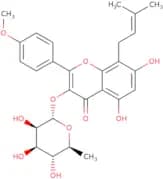
CAS:Quercetin-7,3',4'-trimethyl ether-3-rhamnoside is a methylated flavonoid glycoside, which is a specialized compound found in certain plant species. This compound is derived from natural plant sources, particularly various herbs and fruits that are known to produce bioactive flavonoids. The mode of action of quercetin-7,3',4'-trimethyl ether-3-rhamnoside involves its ability to interact with various cellular signaling pathways, potentially modulating oxidative stress, inflammation, and other cellular processes.Formula:C24H26O11Purity:Min. 95%Molecular weight:490.46 g/mol7-Hydroxyflavone
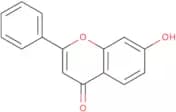
CAS:7-Hydroxyflavone is a naturally occurring flavonoid, which is a type of polyphenolic compound derived primarily from various plant sources. As a natural antioxidant, its mode of action involves the scavenging of free radicals, thus providing potential protective effects against oxidative stress. This compound also influences multiple cellular signaling pathways and can modulate the activity of certain enzymes.Formula:C15H10O3Purity:Min. 95%Color and Shape:PowderMolecular weight:238.24 g/mol5,7-Dihydroxy-2',3',4',5'-tetramethoxyflavone
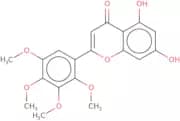
CAS:5,7-Dihydroxy-2',3',4',5'-tetramethoxyflavone is a naturally occurring flavonoid, which is a type of polyphenolic compound. It is sourced primarily from various plant species, particularly those belonging to the genus *Scutellaria* and other related species known for their rich flavonoid content. The mode of action of 5,7-Dihydroxy-2',3',4',5'-tetramethoxyflavone involves modulation of key signaling pathways associated with oxidative stress and inflammatory processes, which can contribute to cellular protection and homeostasis.Formula:C19H18O8Purity:Min. 95%Color and Shape:SolidMolecular weight:374.34 g/mol3'-Methoxy-α-napthoflavone
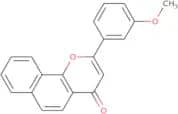
CAS:3'-Methoxy-α-napthoflavone is a synthetic small molecule inhibitor, which is derived from naphthoflavone structures known for their affinity with cytochrome P450 enzymes. It primarily acts as a selective inhibitor of CYP1A enzymes, particularly CYP1A1 and CYP1A2. The compound's mode of action involves binding to the active site of the CYP1A enzymes, thereby hindering the enzyme's metabolic activity and preventing substrate access.Formula:C20H14O3Purity:Min. 95%Molecular weight:302.32 g/molChrysoeriol-7-diglucoside
CAS:Chrysoeriol-7-diglucoside is a flavonoid glycoside, which is commonly found in various plants. As a naturally occurring compound, it is typically derived from botanical sources such as flowers, leaves, or seeds of specific plant species. Its structure consists of a chrysoeriol molecule bonded to two glucose units. The mode of action of Chrysoeriol-7-diglucoside involves its interaction with biological pathways associated with oxidative stress and inflammation. It exhibits antioxidant properties by scavenging free radicals and potentially modulating enzymatic activity related to these processes.
Formula:C28H32O16Purity:Min. 95%Molecular weight:624.54 g/molAmpelopsin-3'-O-glucoside
CAS:Ampelopsin-3'-O-glucoside is a flavonoid glycoside, which is a compound derived from various plant sources, including members of the Vitaceae family. This compound is characterized by the attachment of a glucose molecule to the flavonoid ampelopsin, altering its solubility and bioavailability properties. Its mode of action is primarily through its antioxidant activity, involving the scavenging of free radicals and inhibition of oxidative stress pathways. These properties are of significant interest due to their potential in modulating the oxidative status in biological systems.
Formula:C21H22O13Purity:Min. 95%Color and Shape:PowderMolecular weight:482.39 g/molDihydrokaempferol
CAS:Dihydrokaempferol is a flavonoid compound, which is predominantly sourced from a variety of plant species including fruits, vegetables, and certain herbs. It is a dihydroflavonol, a type of flavonoid that plays a significant role in plant coloration and protection against environmental stressors.Formula:C15H12O6Purity:Min. 95%Color and Shape:PowderMolecular weight:288.25 g/molHomoplantaginin
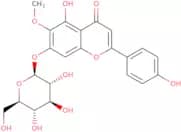
CAS:Homoplantaginin is a flavonoid glycoside, which is a bioactive compound primarily derived from certain plant species. As a naturally occurring flavonoid, it is sourced from plant material where it plays a significant role in the plant's metabolic and defensive systems. The mode of action of Homoplantaginin involves interacting with cellular pathways, often influencing processes such as anti-inflammatory responses, antioxidant activity, and modulation of enzyme activities.Formula:C22H22O11Purity:Min. 95%Color and Shape:PowderMolecular weight:462.4 g/mol3',4'-Dihydroxy-α-napthoflavone
CAS:3',4'-Dihydroxy-α-napthoflavone is a synthetic flavonoid derivative, which is primarily recognized as a potent inhibitor of certain cytochrome P450 enzymes. Derived through chemical synthesis, its structure is akin to natural flavonoids but modified to enhance its biochemical interactions. This compound exhibits strong inhibitory effects on CYP1A1, CYP1A2, and CYP1B1 enzymes, which are key players in the metabolism of various xenobiotics and endogenous compounds.
Formula:C19H12O4Purity:Min. 95%Color and Shape:PowderMolecular weight:304.3 g/mol3,6,3'-Trimethoxyflavone
CAS:3,6,3'-Trimethoxyflavone is a naturally occurring flavonoid compound, which is commonly found in various plants. Flavonoids like 3,6,3'-Trimethoxyflavone are primarily sourced from the fruits, flowers, and leaves of different botanical species. These compounds are well-known for their diverse biological activities and potential health benefits.Formula:C18H16O5Purity:Min. 95%Molecular weight:312.32 g/mol4',7-Dihydroxyflavone
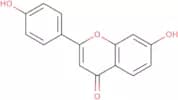
CAS:4',7-Dihydroxyflavone is a flavonoid compound, which is naturally found in various plants. This compound is sourced predominantly from the plant kingdom, particularly in leaves and flowers, where it plays a crucial role in plant defense mechanisms. The mode of action of 4',7-dihydroxyflavone involves modulation of various signaling pathways, most notably its interaction with the tropomyosin receptor kinase B (TrkB), which is known for its involvement in neuronal survival and synaptic plasticity.Formula:C15H10O4Purity:Min. 95%Color and Shape:Yellow PowderMolecular weight:254.24 g/mol6-Methoxyflavanone
CAS:6-Methoxyflavanone is a naturally occurring flavonoid compound, which is typically derived from plant sources, particularly those high in flavonoids such as certain fruits and herbs. The compound is characterized by the presence of a methoxy group, which distinguishes it from other flavanones and may influence its bioactivity and solubility properties. Its mode of action often involves interactions with biological pathways that regulate inflammation, oxidative stress, and cellular metabolism, potentially through mechanisms such as enzyme inhibition or modulation of receptor activity.Formula:C16H14O3Purity:Min. 95%Color and Shape:PowderMolecular weight:254.28 g/mol7,8-Dimethoxyflavone
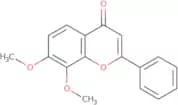
CAS:7,8-Dimethoxyflavone is a synthetic flavonoid compound, which is derived from natural flavones found in various plant species. As a structurally modified version of naturally occurring flavonoids, it exhibits a range of biological activities. The mode of action of 7,8-Dimethoxyflavone involves interaction with various cellular pathways, including modulation of kinase and receptor activity, potentially impacting signal transduction processes.Formula:C17H14O4Color and Shape:PowderMolecular weight:282.29 g/molDemethoxysudachitin
CAS:Demethoxysudachitin is a flavonoid compound, which is naturally sourced from the peel of the sudachi fruit, a type of small citrus fruit native to Japan. This compound exhibits a mode of action primarily through its potent antioxidant activity, which involves scavenging free radicals and reducing oxidative stress within biological systems. It also plays a role in modulating various enzymatic pathways, contributing to its pharmacological properties.Purity:Min. 95%(±)-Eriodictyol
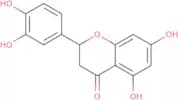
CAS:(±)-Eriodictyol is a flavonoid compound, which is a type of bioactive polyphenol. It is derived primarily from certain plant sources, notably within the Ericaceae and Solanaceae families. The compound exhibits its mode of action through its potent antioxidant and anti-inflammatory activities, mechanisms that involve the scavenging of free radicals and the inhibition of pro-inflammatory pathways.
Formula:C15H12O6Purity:Min. 95%Color and Shape:PowderMolecular weight:288.25 g/molQuercetin-3-O-beta-glucopyranoside
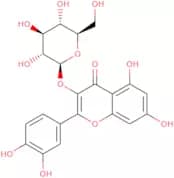
CAS:Mitochondrial ATPase and phosphodiesterase inhibitorFormula:C21H20O12Purity:Min. 90 Area-%Color and Shape:PowderMolecular weight:464.38 g/mol3',4',5',5,7-Pentamethoxyflavone
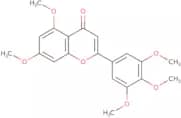
CAS:3',4',5',5,7-Pentamethoxyflavone is a synthetic flavonoid compound, which is derived from the structural modification of naturally occurring flavonoids found in various plants. The compound is specifically produced for research and development purposes, exploring its biological and pharmacological potential. The mode of action involves interaction with various cellular pathways, including modulation of enzyme activity, influence on cell signaling pathways, and potential antioxidant properties due to its polyphenolic structure.Formula:C20H20O7Purity:Min. 95%Color and Shape:PowderMolecular weight:372.37 g/molLuteolin 3'-O-β-D-glucuronide
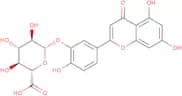
CAS:Luteolin 3'-O-β-D-glucuronide is a flavonoid glucuronide, which is primarily derived from various plant sources, including fruits, vegetables, and certain herbs. As a metabolite of luteolin, it is formed through the addition of a glucuronic acid moiety, enhancing its solubility and bioavailability in biological systems.
Formula:C21H18O12Purity:Min. 97 Area-%Color and Shape:White PowderMolecular weight:462.36 g/molQuercetin hydrate
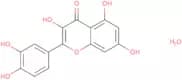
CAS:Inhibitor of HSP70 and HSP27 expressionFormula:C15H10O7·xH2OPurity:Min. 95%Color and Shape:Yellow Green PowderMolecular weight:302.24 g/mol3',4',7-Trihydroxyflavone
CAS:3',4',7-Trihydroxyflavone is a naturally occurring flavonoid compound, which is derived from a variety of plant sources. It is a type of secondary metabolite commonly found in fruits, vegetables, and certain herbs. This compound exerts its effects primarily through its antioxidant properties, which involve scavenging free radicals and modulating oxidative stress pathways in biological systems.Formula:C15H10O5Purity:Min. 95%Color and Shape:Slightly Yellow PowderMolecular weight:270.24 g/molDihydroprunetin
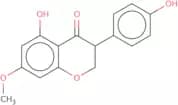
CAS:Dihydroprunetin is a synthetic analog of natural flavonoid compounds, which is derived from chemical modifications of prunetin, originally sourced from various plant species. It functions primarily as an antioxidant by inhibiting oxidative stress pathways and scavenging free radicals. This activity is attributed to modifications that enhance its stability and bioavailability compared to its natural counterparts.Formula:C16H14O5Purity:Min. 95%Molecular weight:286.28 g/mol7-Benzyloxy-2',3',4'-trimethoxyisoflavone
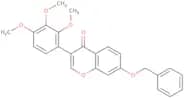
CAS:7-Benzyloxy-2',3',4'-trimethoxyisoflavone is a synthetic isoflavone, which is a type of flavonoid compound often derived from plant secondary metabolites. Its source lies in laboratory synthesis, using specific chemical reactions to obtain the desired isoflavone structure with a benzyloxy group and methoxy groups at specified positions on the molecule.Formula:C25H22O6Purity:Min. 95%Molecular weight:418.44 g/molLiquiritin
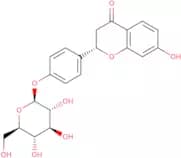
CAS:Natually produced by plants such as liquorice, liquiritin is formed by the linkage between liquiritigenin and a beta-D-glucopyranosyl residue at position 4. Liquiritin clinical relevance has been as an antiviral and anti-inflammatory agent. In 2020, an artificial intelligent approach has indicated that liquiritin might inhibit SARS-CoV-2 by acting similarly to type I interferon.Formula:C21H22O9Purity:Min. 95%Color and Shape:White PowderMolecular weight:418.39 g/mol2'-Methoxyflavonol
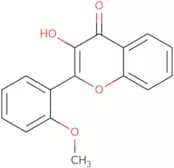
CAS:2'-Methoxyflavonol is a methoxyflavonoid, which is a type of polyphenolic compound. It is derived from natural sources, primarily plants where flavonoids are commonly found. These compounds are known for their wide range of biological activities.Formula:C16H12O4Purity:Min. 95%Color and Shape:White PowderMolecular weight:268.26 g/molEupafolin
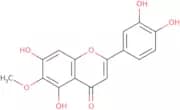
CAS:Eupafolin is a naturally occurring flavonoid compound, specifically a flavone, which is derived from certain medicinal plants, primarily in the genus *Artemisia*. It is a secondary metabolite found in various parts of these plants, including the leaves and stems. As a bioactive substance, eupafolin exerts its effects through several biochemical pathways, most notably by scavenging free radicals and modulating inflammatory responses. Its mode of action involves the inhibition of key enzymes and molecules in the inflammatory cascade, as well as the upregulation of antioxidant defenses.Formula:C16H12O7Purity:Min. 95%Color and Shape:PowderMolecular weight:316.26 g/molHesperetin
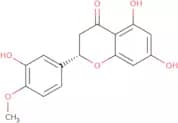
CAS:Hesperetin is a flavonoid compound, which is naturally derived from citrus fruits such as oranges and lemons. As a notable bioactive molecule, its mode of action primarily involves the modulation of oxidative stress and inflammatory pathways. Hesperetin exerts its effects by scavenging free radicals and inhibiting the activation of inflammatory cytokines, making it a compound of significant interest in the biochemical and pharmacological sectors.
Formula:C16H14O6Purity:Min. 98.5 Area-%Color and Shape:White PowderMolecular weight:302.28 g/mol3,7,3'-Trihydroxyflavone
CAS:3,7,3'-Trihydroxyflavone is a flavonoid derivative, which is a type of polyphenolic compound commonly found in various plants and is derived from natural sources like fruits, vegetables, and herbal plants. It is characterized by its polyphenolic structure, which contributes to its ability to scavenge free radicals and reduce oxidative stress.Formula:C14O5H10Purity:Min. 98%Color and Shape:PowderMolecular weight:258.23 g/molIcarisid II - Bio-X ™
CAS:Icariside II is a natural product derived from Epimedium brevicornu Maxim (E. brevicornu) that exhibits various beneficial properties as a small molecule drug candidate. It has been shown to induce apoptosis in K562 cells, making it a potential treatment for leukemia. Icariside also regulates MAPK signaling, which plays a crucial role in cell growth and differentiation. Moreover, it has been found to promote osteogenesis, making it a promising candidate for bone health. With its unique properties and potential therapeutic applications, Icariside II is an interesting candidate for small molecule studies and drug development research.This product is part of our Bio-X ™ Range. These products are aimed at life science researchers who need high quality ready-to-use products for assay development, screening or other R&D work. With a solubility datasheet and convenient vials, all of our Bio-X ™ products are in stock across our global warehouses for rapid delivery and ease of use.Formula:C27H30O10Purity:Min. 95%Color and Shape:PowderMolecular weight:514.5 g/molSilandrin hplc
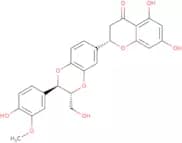
CAS:Please enquire for more information about Silandrin hplc including the price, delivery time and more detailed product information at the technical inquiry form on this pagePurity:Min. 95%2',3'-Dimethoxy-3-hydroxyflavone
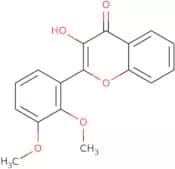
CAS:2',3'-Dimethoxy-3-hydroxyflavone is a specialized flavonoid compound, which is synthesized and not typically found in natural sources. As a flavonoid derivative, this compound is formed through chemical modification of naturally occurring flavones, a class of polyphenolic compounds recognized for their diverse biological activities. With a structure characterized by methoxy and hydroxyl groups, this compound exhibits unique interactions at the molecular level.Formula:C17H14O5Purity:Min. 95%Color and Shape:PowderMolecular weight:298.29 g/mol3-Hydroxy-5,7-dimethoxyflavone
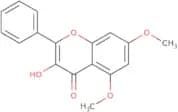
CAS:3-Hydroxy-5,7-dimethoxyflavone is a naturally occurring flavonoid, which is primarily derived from various plant sources. This compound belongs to a class of polyphenolic substances known as flavonoids, which are commonly found in fruits, vegetables, and certain herbs. Flavonoids such as 3-Hydroxy-5,7-dimethoxyflavone are known for their diverse biological activities due to their unique structural configurations and ability to interact with various biological targets.
Formula:C17H14O5Purity:Min. 95%Molecular weight:298.29 g/mol7-Benzyloxy-2',4'-dimethoxyisoflavone
CAS:7-Benzyloxy-2',4'-dimethoxyisoflavone is a synthetic isoflavone, which is a type of phenolic compound. Isoflavones are derived from plants, commonly found in soybeans and other legumes, and are often synthesized in laboratories for research and pharmaceutical purposes. These compounds are known for their structural similarity to estrogens and their ability to act as phytoestrogens.Formula:C24H20O5Purity:Min. 95%Molecular weight:388.41 g/mol2'-Hydroxy-β-naphthoflavone
CAS:2'-Hydroxy-β-naphthoflavone is a synthetic flavonoid, which is derived from structural modifications of natural flavonoids. It functions as a potent aryl hydrocarbon receptor (AhR) agonist and enzyme inducer. The structure is based on a naphthoflavone framework, allowing it to efficiently interact with cellular proteins related to xenobiotic metabolism.
Formula:C19H12O3Purity:Min. 95%Color and Shape:PowderMolecular weight:288.3 g/mol3-Methoxyflavone
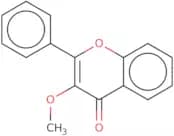
CAS:3-Methoxyflavone is a synthetic flavonoid, which is a type of product known for its biological activities and potential therapeutic applications. It is derived from flavones, naturally occurring compounds found in various plants, known for their role in plant pigmentation and UV protection. The compound's mode of action is primarily through interaction with various biological targets, including modulation of enzyme activity and regulation of signal transduction pathways.Formula:C16H12O3Purity:Min. 95%Color and Shape:White PowderMolecular weight:252.26 g/molScutellarin
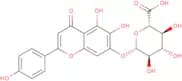
CAS:Scutellarin is a bioactive flavonoid compound, which is derived primarily from the plant Scutellaria baicalensis and other species within the Scutellaria genus. As a naturally occurring phytochemical, Scutellarin exerts its effects through multiple biological pathways, including antioxidant, anti-inflammatory, and anti-apoptotic activities.
Formula:C21H18O12Purity:Min. 95%Color and Shape:Yellow PowderMolecular weight:462.36 g/molAgathisflavone-7,7”-dimethyl ether
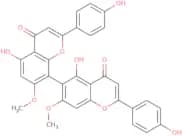
CAS:Agathisflavone-7,7”-dimethyl ether is a methylated flavonoid, a type of natural compound belonging to the biflavonoid family. This compound is primarily derived from plant sources, particularly from the leaves and seeds of certain leguminous plants. It presents unique biochemical properties due to the dimethyl ether groups attached to its flavonoid structure.Formula:C32H22O10Purity:Min. 95%Color and Shape:solid.Molecular weight:566.51 g/molApigenin-7-glucoside
CAS:Apigenin-7-glucoside is a naturally occurring flavonoid glycoside, which is derived primarily from various plant sources, including parsley, celery, chamomile, and some fruits. This compound is formed when apigenin, a flavonoid, is conjugated with a glucose molecule. The interaction with glucose enhances its solubility and bioavailability in biological systems.Formula:C21H20O10Purity:Min. 95%Color and Shape:Yellow PowderMolecular weight:432.39 g/molPatulin
CAS:Patulin is a mycotoxin, which is a toxic secondary metabolite produced by certain species of fungi, particularly those within the genera Penicillium, Aspergillus, and Byssochlamys. It is predominantly sourced from moldy fruits, especially apples and apple-derived products, where these fungi thrive and synthesize the compound. The mode of action of patulin involves disrupting cellular processes by forming covalent adducts with proteins and nucleic acids, ultimately leading to cellular damage and oxidative stress.Formula:C7H6O4Purity:Min. 95%Color and Shape:White PowderMolecular weight:154.12 g/mol3-Hydroxy-7,2',4'-trimethoxyflavone
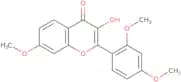
CAS:3-Hydroxy-7,2',4'-trimethoxyflavone is a specialized flavone compound, which is a type of polyphenolic molecule commonly found in a variety of plants. This product is naturally derived, often isolated from diverse botanical sources like various species of herbs and flowering plants known for their medicinal properties. The compound exhibits various biological activities through its interactions with cellular pathways, predominantly by modulating enzymatic functions and signaling pathways that influence oxidative stress and inflammation.Formula:C18H16O6Purity:Min. 95%Molecular weight:328.32 g/molAlnusin
CAS:Alnusin is a phytochemical compound, which is a naturally occurring flavonoid sourced from the bark and leaves of the alder tree (genus Alnus). This compound is structurally categorized as an O-methylated flavonoid, specifically demonstrating unique biological activities.Formula:C18H16O6Purity:90%Color and Shape:PowderMolecular weight:328.32 g/molKaempferol-3-sophoroside-7-glucoside
CAS:Kaempferol-3-sophoroside-7-glucoside is a flavonoid glycoside, which is a type of bioactive compound commonly found in various plant species. It is typically isolated from plant sources known for high flavonoid content, such as vegetables, fruits, and certain medicinal herbs. The compound's mode of action is primarily characterized by its ability to engage in redox reactions, thereby exerting antioxidative effects. This antioxidative action is facilitated via the scavenging of free radicals and reactive oxygen species, contributing to its role in cellular protection.Formula:C33H40O21Purity:Min. 95%Molecular weight:772.66 g/mol