Flavonoids
Flavonoids are a group of plant metabolites with antioxidant properties that contribute to the color of fruits and flowers. They play a significant role in protecting plants from UV radiation and pathogens. Flavonoids are studied for their potential health benefits, including anti-inflammatory, antiviral, and anticancer properties. They are widely researched in the fields of pharmacology, nutrition, and molecular biology.
Subcategories of "Flavonoids"
- Anthocyanidins(46 products)
- Anthocyanin(46 products)
- Catechin(88 products)
- Chalcones(237 products)
- Pterocarpan(28 products)
Found 2408 products of "Flavonoids"
Sort by
Purity (%)
0
100
|
0
|
50
|
90
|
95
|
100
6-Prenylnaringenin
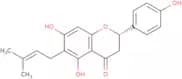
CAS:6-Prenylnaringenin is a prenylflavonoid, which is a type of isoflavonoid, primarily derived from hops (Humulus lupulus). It is recognized for its potent phytoestrogenic properties, functioning as a selective agonist for estrogen receptors. By binding to estrogen receptors, 6-Prenylnaringenin can modulate estrogenic activities within the body, influencing various biological processes.Formula:C20H20O5Purity:Min 98%Color and Shape:PowderMolecular weight:340.37 g/molRhamnetin 3-rhamnoside
CAS:<p>Rhamnetin 3-rhamnoside is a flavonoid glycoside, which is a type of polyphenolic compound typically found in plants. It is primarily derived from natural sources such as fruits, vegetables, and certain medicinal plants, where it often contributes to the plant's natural defense mechanisms. The compound acts as a potent antioxidant due to its capability to scavenge free radicals, thereby protecting cells from oxidative stress and potential damage.</p>Formula:C22H22O11Purity:Min. 95%Molecular weight:462.4 g/molGlycitein
CAS:<p>Glycitein is an isoflavone compound, which is a type of phytoestrogen primarily derived from soy products. It is sourced from soybeans, where it functions as a secondary metabolite. In biochemical terms, glycitein exhibits modes of action characterized by its estrogenic and antioxidant activities. It interacts with estrogen receptors in the body, mimicking the hormone's effects to a certain extent, which can influence numerous physiological processes.</p>Formula:C16H12O5Purity:Min. 95%Color and Shape:PowderMolecular weight:284.26 g/mol6,3'-Dihydroxydaidzein
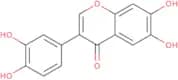
CAS:<p>6,3'-Dihydroxydaidzein is an isoflavonoid compound, which is a type of naturally occurring polyphenol. This compound is primarily sourced from plants, particularly legumes like soybeans, where it functions as a metabolite in the daidzein biosynthesis pathway. Mechanistically, 6,3'-Dihydroxydaidzein exhibits antioxidant properties by scavenging free radicals and inhibiting oxidative stress at the cellular level.</p>Formula:C15H10O6Purity:Min. 95%Color and Shape:Brown PowderMolecular weight:286.24 g/molNarcissin
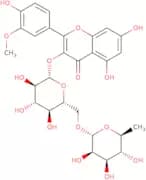
CAS:Narcissin is a flavonoid glycoside, which is a bioactive compound isolated from the Narcissus species, particularly found in various plant parts of the genus Narcissus. The source of narcissin is primarily within the botanical family Amaryllidaceae, known for its diverse metabolic profile and prominent ornamental species.Formula:C28H32O16Purity:Min. 95%Color and Shape:PowderMolecular weight:624.54 g/mol5,3',4'-Trihydroxyflavone
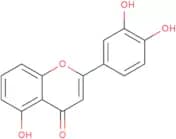
CAS:5,3',4'-Trihydroxyflavone is a natural flavonoid compound often found in a variety of plants. This compound is derived from numerous botanical sources, including fruits and vegetables known to contain flavonoids, which are secondary metabolites widely distributed in the plant kingdom. The mode of action of 5,3',4'-Trihydroxyflavone involves its ability to interact with diverse biological pathways, often exhibiting antioxidant, anti-inflammatory, and potential anti-cancer effects. This interaction occurs through the modulation of enzyme activity and signaling pathways, as well as the scavenging of free radicals, thereby protecting cells from oxidative stress and damage.Formula:C15H10O5Purity:Min. 95%Color and Shape:Slightly Yellow PowderMolecular weight:270.24 g/molAmentoflavone
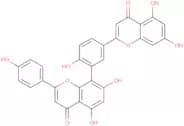
CAS:<p>Amentoflavone is a biflavonoid compound, which is a naturally occurring substance found in various plants such as Ginkgo biloba and Hypericum perforatum. Its molecular structure consists of two flavonoid units joined together, contributing to its unique biochemical characteristics. The source of amentoflavone spans across several medicinal plants, where it plays roles in the plants’ defense mechanisms.</p>Formula:C30H18O10Purity:Min. 95%Color and Shape:White PowderMolecular weight:538.46 g/mol5,2',3'-Trimethoxyflavanone
<p>5,2',3'-Trimethoxyflavanone is a specialized methoxyflavanone, which is a derivative of flavanone compounds. This compound is typically sourced from naturally occurring flavonoids found in various plant species. Its structure incorporates methoxy groups that contribute to its distinct chemical properties and potential biological activity.</p>Formula:C18H16O5Purity:Min. 95%Molecular weight:312.3 g/molDiosmetin
CAS:<p>Diosmetin is a flavonoid compound, which is derived from natural sources such as citrus fruits and certain herbs. As an aglycone of the flavonoid glycoside diosmin, it is primarily sourced through the metabolic transformation of diosmin in the body. Diosmetin functions through modulation of oxidative stress pathways and inhibition of pro-inflammatory enzymes. Its biochemical activity includes scavenging free radicals and reducing the activity of certain inflammatory mediators, which contributes to its potential therapeutic effects.</p>Formula:C16H12O6Purity:Min. 95%Color and Shape:Yellow PowderMolecular weight:300.26 g/molTernatin B
CAS:<p>Ternatin B is a naturally derived compound, which is a cyclic peptide sourced from plant-based materials. It functions predominantly by inhibiting the mechanistic target of rapamycin complex 1 (mTORC1), a critical pathway involved in the regulation of cell growth and autophagy. This mode of action positions Ternatin B as a potent inhibitor of autophagy, the cellular process responsible for the degradation and recycling of cellular components.</p>Formula:C75H81O41Purity:Min. 95%Molecular weight:1,638.42 g/molMosloflavone
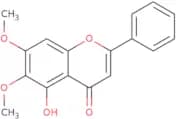
CAS:<p>Mosloflavone is a naturally occurring flavonoid, which is derived from certain plant sources, particularly those belonging to the Moraceae family. This compound is recognized for its bioactive properties, functioning primarily through antioxidant and anti-inflammatory mechanisms. The mode of action involves the scavenging of free radicals and the inhibition of various pro-inflammatory pathways, thereby reducing oxidative stress and inflammation at the cellular level.</p>Formula:C17H14O5Purity:Min. 98 Area-%Color and Shape:PowderMolecular weight:298.29 g/molGenistein
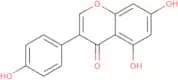
CAS:Genistein is a naturally occurring isoflavone, which is derived primarily from soy products and other legumes. Its chemical structure allows it to mimic the function of 17-beta-estradiol, a form of estrogen, by binding to estrogen receptors. This selective binding primarily targets estrogen receptor beta, leading to a range of biological effects. Moreover, Genistein exhibits antioxidant properties by scavenging free radicals and inhibiting oxidative stress.Formula:C15H10O5Purity:Min. 95%Color and Shape:White PowderMolecular weight:270.24 g/molCladrin-7-O-glucoside
CAS:<p>Cladrin-7-O-glucoside is a flavonoid glycoside, which is a type of secondary metabolite commonly found in various plants. This compound is derived from natural sources, particularly plants belonging to the genus Cleome. Flavonoid glycosides are known for having a sugar molecule attached to a flavonoid backbone, which influences their solubility and bioavailability.</p>Formula:C23H24O10Purity:Min. 95%Molecular weight:460.43 g/mol3,7,8,4'-Tetrahydroxyflavone
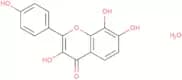
CAS:<p>3,7,8,4'-Tetrahydroxyflavone is a naturally occurring flavonoid, which is a type of secondary metabolite commonly found in various plants. It is derived from botanical sources like fruits, vegetables, and certain herbs. This compound has gained attention due to its potential biological activities linked to its structural properties, specifically the presence of multiple hydroxyl groups that contribute to its antioxidant capacity.</p>Formula:C15H10O6Purity:Min. 95%Color and Shape:PowderMolecular weight:286.24 g/molPratol
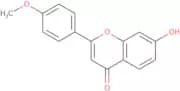
CAS:<p>Pratol is a synthetic antiparasitic agent, which is chemically synthesized from readily available organic precursors. It functions by disrupting the vital metabolic pathways of the targeted parasites, specifically inhibiting certain enzymes vital for parasite survival. Pratol's mode of action involves binding to the active site of these enzymes, effectively halting the necessary biochemical transformations and leading to the death of the parasite.</p>Formula:C16H12O4Purity:Min. 95%Color and Shape:PowderMolecular weight:268.26 g/mol6-Hydroxygenistein
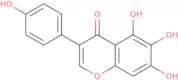
CAS:<p>6-Hydroxygenistein is a phytoestrogen, which is derived from soy-based isoflavones. Its source, primarily found in soybeans, is rich in naturally occurring compounds that exhibit estrogen-like activity. 6-Hydroxygenistein operates through various mechanisms, including acting as an antioxidant and interacting with estrogen receptors to modulate biological processes.</p>Formula:C15H10O6Purity:Min. 95%Color and Shape:PowderMolecular weight:286.24 g/mol5,3',4'-Trimethoxyflavone
CAS:5,3',4'-Trimethoxyflavone is a polyphenolic compound, which is categorized as a flavonoid. This compound is naturally sourced from certain plant species in the Asteraceae family, known for their rich flavonoid content. As a flavonoid, it functions primarily by modulating various biological pathways, including antioxidant, anti-inflammatory, and neuroprotective mechanisms.Formula:C18H16O5Purity:Min. 95%Color and Shape:PowderMolecular weight:312.32 g/molCannflavin B
CAS:<p>Cannflavin B is a specialized flavonoid compound, which is a secondary metabolite derived from Cannabis sativa. It exhibits a distinct mode of action as a potent anti-inflammatory agent. Cannflavin B exerts its effects through the inhibition of pro-inflammatory mediators such as prostaglandins and leukotrienes. These biochemical pathways are typically linked with the cyclooxygenase (COX) and lipoxygenase (LOX) enzymes, and Cannflavin B effectively interferes with these enzymatic processes to reduce inflammation at the molecular level.</p>Formula:C21H20O6Purity:Min. 95 Area-%Color and Shape:PowderMolecular weight:368.38 g/mol3,7,3'-Trimethoxyflavone
CAS:3,7,3'-Trimethoxyflavone is a type of flavonoid, which is a class of polyphenolic compounds. It is naturally occurring and can be derived from certain plant species. Flavonoids are well-known for their presence in fruits, vegetables, and various other plant sources, contributing to the plants' color, flavor, and disease resistance.Formula:C18H16O5Purity:Min. 95%Molecular weight:312.32 g/molEupatilin
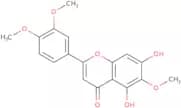
CAS:<p>Eupatilin is a flavonoid compound, which is derived from the Artemisia species. This plant-based source has been traditionally used in various medicinal applications across different cultures. Eupatilin’s mode of action involves inhibition of pro-inflammatory cytokines and modulation of signaling pathways associated with inflammation, such as the NF-kB pathway. Additionally, it has been found to possess antioxidant activities, which further contributes to its therapeutic potential.</p>Formula:C18H16O7Purity:Min. 95%Color and Shape:PowderMolecular weight:344.32 g/mol