DNA Cross Linkers
Found 617 products of "DNA Cross Linkers"
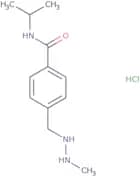
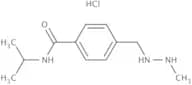
Procarbazine hydrochloride
CAS:Formula:C12H19N3O·HClPurity:98.0 - 102.0 % (dried basis)Color and Shape:White to off-white powderMolecular weight:257.76Bendamustine hydrochloride
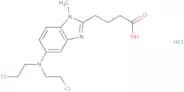
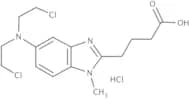
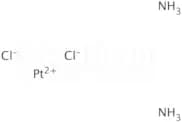
CAS:Formula:C16H21Cl2N3O2·HCl·xH2OPurity:≥ 98.0%Color and Shape:White to yellow crystalline powderMolecular weight:394.72 (anhydrous)cis-Dichlorodiamine platinum(II); 99.95% (metals basis)
CAS:Formula:Pt(NH3)2Cl2Purity:≥ 99.95%Color and Shape:Yellow to orange powder or crystalsMolecular weight:300.06Fluorescein 5-Maleimide (90%)
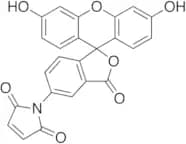
CAS:Controlled ProductApplications Fluorescent labeling reagent for proteins and peptides.
References Vives, E. and Lebleu, B. : Tetrahedron Letters, 44, 5389 (2003), Li, J., et al.: Bioorg. Med. Chem. Lett., 15, 5558 (2005), Oejmeyr, L., et al.: Biochemi., 48, 2173 (2009),Formula:C24H13NO7Purity:90%Color and Shape:NeatMolecular weight:427.362-(Triethylammonium)ethyl Methanethiosulfonate Bromide
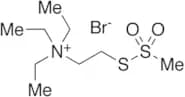
CAS:Controlled ProductStability Water Sensitive
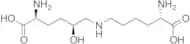
Applications A water soluble, bulkier analogue of the charged MTS reagent MTSET. Charged MTS reagents have been used successfully with SCAM (substituted cysteine accessibility method) to probe the topology and function of a number of ligand-gated ion channels and transporter proteins.Formula:C9H22BrNO2S2Color and Shape:NeatMolecular weight:320.31(2S,2’S,5S)-5-Hydroxy Lysinonorleucine
CAS:Stability Hygroscopic
Applications 2S,2’S,5S)-5-Hydroxy Lysinonorleucine is one of the stereoisomers of 5-Hydroxylysinonorleucine, reduced collagen cross links.
References Astbury, C., et al.: Br. J. Rheumatol., 33, 11 (1994), Watts, N., et al.: Clin. Chem., 45, 1359 (1999), Banse, X., et al.: Bone, 31, 70 (2002),Formula:C12H25N3O5Color and Shape:Light Orange to Brown SolidMolecular weight:291.34S-[2-(4-Azidosalicylamido)ethylthio]-2-thiopyridine
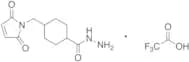
CAS:Controlled ProductFormula:C14H13N5O2S2Color and Shape:NeatMolecular weight:347.424-(Maleimidomethyl)cyclohexane-1-carboxyl-hydrazide, Trifluoroacetic Acid Salt
CAS:Controlled ProductApplications A sulfhydryl and carbohydrate reactive, heterobifunctional crosslinking reagent. Glycoprotein reactive.
References Yoshitake, S., et al.: Eur. J. Biochem., 101, 395 (1979), Chamow, S.M., et al.: J. Biol. Chem., 267(22), 15916 (1992)Formula:C12H17N3O3·C2HF3O2Color and Shape:NeatMolecular weight:365.3Deoxypyridinoline Chloride Trihydrochloride Salt
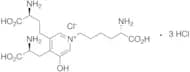
CAS:Controlled ProductStability Hygroscopic
Applications Deoxypyridinoline Chloride Trihydrochloride Salt a collagen cross-links agent. A primary reference material for the monitoring of bone metabolism.
References Heaney, R., et al.: J. Bone Miner. Res., 5, 1135 (1990), Hannon, R., et al.: J. Bone Miner. Res., 13, 1124 (1998), Coudray, C., et al.: Eur. J. Nutr., 42, 91 (2003), Abrams, S., et al.: Am. J. Clin. Nutr., 82, 471 (2005),Formula:C18H28N4O7·HClColor and Shape:NeatMolecular weight:448.899N-Biotinylcaproylaminocaproylaminoethyl Methanethiosulfonate
CAS:Controlled ProductStability Moisture Sensitive
Applications Reacts specifically and rapidly with thiols to form mixed disulfides. Used to probe the structures of the ACh receptor channel of the GABA receptor channel and of lactose permease.
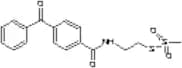
References Wagner, D.A.and Czajkowski, C.: J. Neurosci., 21, 67 (2001), Traebert, M.: J. Membr. Biol., 180, 83 (2001)Formula:C25H45N5O6S3Color and Shape:NeatMolecular weight:607.85Benzophenone-4-carboxamidoethyl Methanethiosulfonate
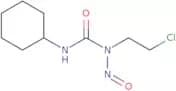
CAS:Formula:C17H17NO4S2Color and Shape:NeatMolecular weight:363.45Lomustine - Bio-X ™
CAS:Lomustine is an alkylating agent that is used as chemotherapy for treating metastatic brain tumors and relapsed Hodgkin’s disease in combination with radiation treatments. This drug causes alkylation and cross-linking of DNA, thus inducing cytotoxicity. Furthermore, this drug inhibits DNA synthesis.
Formula:C9H16ClN3O2Purity:Min. 95%Color and Shape:PowderMolecular weight:233.7 g/molProcarbazine HCl - Bio-X ™
CAS:Procarbazine is an alkylating agent used in chemotherapy to treat brain cancer and Hodgkin's lymphoma. It methylates guanine in DNA which causes the strands to become prone to breakage, thus inhibiting both DNA and RNA synthesis. The drug has been shown to be effective in vitro against a variety of human carcinoma cell lines.Formula:C12H20ClN3OPurity:Min. 95%Color and Shape:PowderMolecular weight:257.76 g/molCarmustine - Bio-X ™
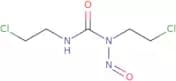
CAS:Carmustine is a DNA alkylating agent which also cross-links DNA. As a result, Carmustine disrupts the function of DNA, resulting in the arrest the cell cycle and apoptosis. Consequently these properties of Carmustine, in addition to its ability to easily transmit through the blood-brain barrier, means it can be used as a cancer treatment, treating cancers such as, breast, ovarian and pancreatic as well as lymphomas and leukemias. Furthermore Carmustine can contribute to cytotoxic effects through its ability to carbamoylate DNA repair enzymes and proteins.Formula:C5H9Cl2N3O2Purity:Min. 95%Color and Shape:PowderMolecular weight:214.05 g/molTemozolomide - Bio-X ™
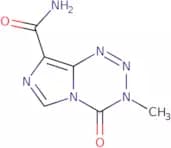
CAS:Temozolomide is an imidazotetrazine alkylating agent. It has anti-tumor activity against a broad spectrum of tumors, such as leukemias, lymphomas and solid tumors. Temozolomide induces G2/M arrest, preventing cells from entering mitosis and, therefore, apoptosis. As a drug resistance-modifying agent it is used for studying drug resistance mechanisms in glioblastoma cell lines.
Formula:C6H6N6O2Purity:Min. 98 Area-%Color and Shape:White To Pale Pink SolidMolecular weight:194.15 g/molBendamustine HCl - Bio-X ™
CAS:Bendamustine is a bifunctional mechlorethamine derivative with alkylator and antimetabolite properties. An alkylating group, a benzimidazole ring that may function as a purine analog, and a butyric acid side chain are the three active moieties found in bendamustine. Through its function as an alkylating agent, Bendamustine causes intra and inter-strand crosslinks between DNA bases resulting in DNA, RNA synthesis inhibition and cell death.Formula:C16H21Cl2N3O2•HClPurity:Min. 95%Color and Shape:PowderMolecular weight:394.72 g/molIfosfamide - Bio-X ™
CAS:Ifosfamide is an alkylating agent and immunosuppressive drug used in chemotherapy for the treatment of various cancers such as ovarian, testicular, cervical and bladder. This drug interferes with the normal process of DNA replication causing damage to the DNA in cancer cells hence preventing them from growing and dividing.Formula:C7H15Cl2N2O2PPurity:Min. 95%Color and Shape:PowderMolecular weight:261.09 g/molMitomycin C - Bio-X ™
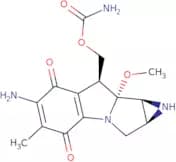
CAS:Mitomycin C is a cytotoxic agent that belongs to the class of mitomycins. It has been used for the treatment of a range of cancers and for ocular surface diseases, such as the glaucoma surgery trabeculectomy. In this case it is administered to reduce post-operative scarring which could otherwise lead to failure of the procedure. Mitomycin C is an alkylating antibiotic that inhibits DNA synthesis by cross-linking the DNA double helix. Mitomycin C also stimulates the production of transforming growth factor β1 (TGF-β1) and basic fibroblast growth factor (bFGF). Clinically, mitomycin can be used both intravenously and topically, and has been studied in a range of wound healing models.Formula:C15H18N4O5Purity:Min. 95%Color and Shape:PowderMolecular weight:334.33 g/molMelphalan hydrochloride
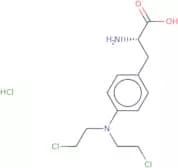
CAS:Nitrogen mustard derivative; DNA crosslinking agent; anti-cancer agentFormula:C13H18Cl2N2O2·HClPurity:Min. 95%Color and Shape:PowderMolecular weight:341.66 g/mol


![S-[2-(4-Azidosalicylamido)ethylthio]-2-thiopyridine](/_next/image/?url=https%3A%2Fstatic.cymitquimica.com%2Fproducts%2FTR%2Fthumb-webp%2FA859000.webp&w=3840&q=75)