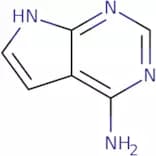
Backbone Sugars and Nucleobases
Found 1002 products of "Backbone Sugars and Nucleobases"
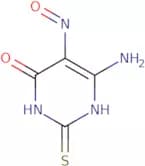
6-Amino-5-nitroso-2-thiouracil
CAS:6-Amino-5-nitroso-2-thiouracil is a water molecule that has been synthesized and characterized by the kinetic method. It has an intense absorption line at 514 nm and can be used as a marker for technetium. 6-Amino-5-nitroso-2-thiouracil is also a ligand, which is a chemical that binds to metal ions in order to form coordination complexes. 6-Amino-5-nitroso-2-thiouracil is formed by the reaction of chloramine with ammonia, as well as other reactions involving chlorine atoms. 6Amino - 5 nitroso - 2 thiouracil can be used as a chelate ring, which is a type of ligand that contains both nitrogen and sulfur atoms. Bleomycin, a five membered ring molecule, reacts with 6 amino - 5 nitroso - 2 thiouracil toFormula:C4H4N4O2SPurity:Min. 95%Molecular weight:172.17 g/mol1-(2,3-Dihydroxypropyl)-3,7-dihydro-3,7-dimethyl-1H-purine-2,6-dione
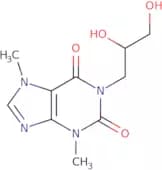
CAS:Controlled Product1-(2,3-Dihydroxypropyl)-3,7-dihydro-3,7-dimethyl-1H-purine-2,6-dione (theophylline) is a bronchodilator and anti-inflammatory agent. It is used to treat asthma and other respiratory conditions. Theophylline is structurally similar to caffeine and theobromine and has been shown to have a similar effect on the heart and blood vessels as these stimulants. It also stimulates the central nervous system in a manner similar to that of theobromine. Theophylline has shown some benefit in congestive heart failure patients but has not been proven effective for treating high blood pressure or fibrillation.Formula:C10H14N4O4Purity:Min. 95%Molecular weight:254.24 g/mol8-Aminoguanine
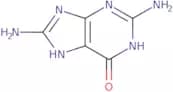
CAS:8-Aminoguanine is an anti-cancer agent that is used to treat leukemia. It is a hydrophobic molecule with a redox potential of −0.20 V and has been shown to inhibit the enzyme ribonucleotide reductase in vitro and in vivo. 8-Aminoguanine inhibits the production of guanine nucleotides, which are necessary for DNA synthesis and cell division. This drug also has angiogenic properties, which may be due to its ability to stimulate the formation of new blood vessels by increasing nitric oxide synthase activity. 8-Aminoguanine has also been shown to improve congestive heart failure by reducing myocardial fibrosis and ventricular hypertrophy through activation of the glycosidic bond cleavage system.
Formula:C5H6N6OPurity:Min. 95%Color and Shape:Off-White PowderMolecular weight:166.14 g/mol7-Benzyl-1H-Purine-2,6(3H,7H)-Dione
CAS:Controlled ProductPlease enquire for more information about 7-Benzyl-1H-Purine-2,6(3H,7H)-Dione including the price, delivery time and more detailed product information at the technical inquiry form on this page
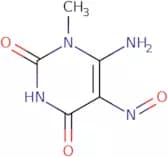
Formula:C12H10N4O2Purity:Min. 95%Molecular weight:242.23 g/mol6-Amino-1-methyl-5-nitrosouracil
CAS:6-Amino-1-methyl-5-nitrosouracil is a neutral form of the molecule that has both protonated and unprotonated forms. It is a bidentate ligand that can bind to a metal ion. The nitrogen atom in the molecule is an important part of its structure, as it contains two nitro groups and one amino group. 6-Amino-1-methyl-5-nitrosouracil has been used in techniques such as spectroscopies and dinitroso analysis. The neutral form of the molecule can be converted into its ionic form by adding either chlorine or nitrate ions to it, which causes the nitrogen atoms to be more electronegative. This conversion changes the nature of the compound, making it more acidic. Dehydration also occurs when water molecules are removed from 6-amino 1 methyl 5 nitrosourea, which causes a change in shape and shifts its properties to
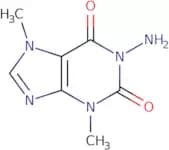
Formula:C5H6N4O3Purity:Min. 95%Molecular weight:170.13 g/mol5-Amino-3,7-dimethylxanthine
CAS:Controlled ProductPlease enquire for more information about 5-Amino-3,7-dimethylxanthine including the price, delivery time and more detailed product information at the technical inquiry form on this pageFormula:C7H9N5O2Purity:Min. 95%Molecular weight:195.18 g/molDye 937
CAS:Dye 937 is substituted unsymmetrical cyanine dyes and useful in the detection of DNA in electrophoretic gels.Formula:C32H37IN4SPurity:98%Color and Shape:SolidMolecular weight:636.638-[(1E)-2-(3,4-Dimethoxyphenyl)ethenyl]-1,3-diethyl-3,9-dihydro-1H-purine-2,6-dione
CAS:Controlled ProductPlease enquire for more information about 8-[(1E)-2-(3,4-Dimethoxyphenyl)ethenyl]-1,3-diethyl-3,9-dihydro-1H-purine-2,6-dione including the price, delivery time and more detailed product information at the technical inquiry form on this pageFormula:C19H22N4O4Purity:Min. 95%Color and Shape:PowderMolecular weight:370.4 g/molAdenine sulfate dihydrate
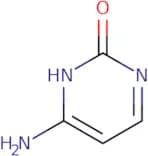
CAS:Adenine sulfate dihydrate is an important component of the energy-producing process in mitochondria. Adenine sulfate dihydrate is a necessary cofactor for many metabolic reactions, including those that produce ATP and NADH. It has been shown to promote growth factor activity and stimulate cell proliferation. Adenine sulfate dihydrate can be used as a nutrient solution in recombinant protein production, where it is required for the expression of recombinant proteins in E. coli or mammalian cells. This compound also plays an important role in the glycosylation of proteins during their synthesis on ribosomes and may have implications for protein folding and stability.Formula:(C5H5N5)2•(H2O)2•H2SO4Purity:Min. 95%Color and Shape:PowderMolecular weight:404.36 g/molCytosine
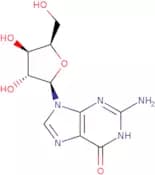
CAS:Pyrimidine nucleobase; component of nucleic acidsFormula:C4H5N3OPurity:(Hplc) Min. 99%Color and Shape:White PowderMolecular weight:111.1 g/mol9-(beta-D-Xylofuranosyl)guanine
CAS:9-(β-D-xylofuranosyl)guanine (9XG) is a trifluoride. It is an antiviral agent that inhibits the growth of herpes virus, in particular by methylating guanosine to 9-methylguanosine in the viral DNA. 9XG binds to the viral DNA and prevents its replication through the inhibition of RNA synthesis. The drug is active against many different types of viruses and has been shown to be effective against tissue cultures infected with herpes virus. 9XG is synthesized from guanosine and boron trifluoride etherate, which are reacted at -78 degrees Celsius for three days. This yields a mixture of compounds with various peracylation groups, which are then separated by chromatography.
Purity:Min. 95%5-Chlorouracil
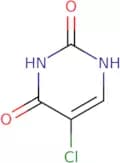
CAS:5-Chlorouracil is a drug that is used to treat cancer. It has been shown to have biological properties, and its mechanism of action is not yet fully understood. 5-Chlorouracil can be synthesized in the laboratory by reacting sodium hydroxide with 5-chloro-2,4(1H,3H)-pyrimidinedione. In wastewater treatment plants, it reacts with organic matter in the water to form nontoxic products, such as carbon dioxide and urea. The reaction solution contains 5-chlorouracil, which undergoes tautomerization spontaneously or through the addition of base. This reaction is reversible, and both the erythro and threo forms are present in solution at equilibrium. The biological properties of 5-chlorouracil have been investigated using sublethal doses in experimental animals. In one study, 5-chlorouracil was found to inhibit xanthine oxidase activity in rats significantly moreFormula:C4H3ClN2O2Purity:Min. 95%Color and Shape:PowderMolecular weight:146.53 g/mol2-Mercaptopurine
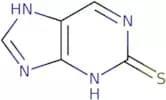
CAS:2-Mercaptopurine (2MP) is a thiopurine drug that is used to treat bowel disease. 2MP inhibits the activity of methyltransferase, which is an enzyme that converts 6-mercaptopurine to 6-thioguanine. This process prevents the conversion of 6-thioguanine into 6-thiouric acid, which is an intermediate in the synthesis of thymine nucleotides. 2MP also inhibits the binding of atp-binding cassette transporter proteins to DNA and blocks the incorporation of purines into RNA and DNA. The drug has been shown to be effective in treating squamous cell carcinoma and other diseases with a high level of activity. 2MP has been shown to be metabolized by erythrocyte polymerase chain reaction and can be detected in biological samples.Formula:C5H4N4SPurity:Min. 95%Color and Shape:PowderMolecular weight:152.18 g/mol4-Thiouracil
CAS:4-Thiouracil is a uridine analog and has been shown to inhibit transcriptional regulation by hydrogen bonding with the dna template. 4-Thiouracil is a prodrug that is converted to its active form, thiouracil, which inhibits DNA synthesis and cell proliferation by inhibiting the enzyme topoisomerase II. This results in the formation of abnormal DNA molecules that are not replicated properly. Thiouracil also has photochemical properties due to its ability to absorb light at wavelengths below 400 nm. The photochemical properties of 4-thiouracil have been studied extensively as models for human tissue culture and the study of cancer cells.Formula:C4H4N2OSPurity:Min. 97 Area-%Color and Shape:Slightly Yellow PowderMolecular weight:128.15 g/mol3'-[2- Cyanoethyl N, N- bis(1- methylethyl) phosphoramidite]-5'- O- [bis(4- methoxyphenyl) phenylmethyl] - 2'- O- methyl- N- [2- [4- (1- methylethyl) phenoxy] acetyl] -guanosine
CAS:Please enquire for more information about 3'-[2- Cyanoethyl N, N- bis(1- methylethyl) phosphoramidite]-5'- O- [bis(4- methoxyphenyl) phenylmethyl] - 2'- O- methyl- N- [2- [4- (1- methylethyl) phenoxy] acetyl] -guanosine including the price, delivery time and more detailed product information at the technical inquiry form on this pageFormula:C52H62N7O10PPurity:Min. 95%Molecular weight:976.06 g/mol3'-O-Benzyl-2'-Deoxy-5-Trifluoromethyluridine
CAS:3'-O-Benzyl-2'-Deoxy-5-Trifluoromethyluridine (BDBMU) is a pyrimidine derivative that can be used as an antiviral drug. It inhibits the synthesis of DNA and RNA by inhibiting viral polymerase. BDBMU is a prodrug of uracil, which is converted to the active compound in tissues. The benzoylation reaction produces a fluorine atom at C5, which increases its potency. This drug has been shown to have minimal toxicity in tumor cells and has been used for the treatment of leukemia and other cancers.Formula:C17H17F3N2O5Purity:Min. 95%Molecular weight:386.32 g/mol(S)-HPMPA
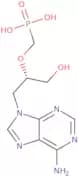
CAS:(S)-HPMPA is a nucleotide analogue, which is a chemically synthesized compound designed to mimic nucleotides. It acts as both an antiviral and an antitumor agent, sourced primarily through synthetic chemistry involving the modification of naturally occurring nucleotide structures. The mode of action of (S)-HPMPA involves mimicking natural substrates of various viral polymerases and cellular enzymes, thereby inhibiting viral DNA synthesis and disrupting the replication cycle of DNA viruses. Additionally, it can interfere with certain cellular pathways contributing to its antitumor effects.Formula:C9H14N5O5PPurity:Min. 95%Molecular weight:303.21 g/molIsobutyryl Chloride
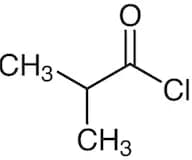
CAS:Formula:C4H7ClOPurity:>98.0%(GC)(T)Color and Shape:Colorless to Light yellow clear liquidMolecular weight:106.554-Amino-6-hydroxypyrazolo[3,4-d]pyrimidine
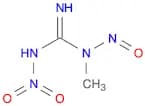
CAS:Formula:C5H5N5OPurity:>93.0%(HPLC)Color and Shape:White to Light yellow to Light orange powder to crystallineMolecular weight:151.131-Methyl-3-nitro-1-nitrosoguanidine
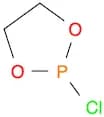
CAS:Formula:C2H5N5O3Purity:95%Color and Shape:LiquidMolecular weight:147.09282-Chloro-1,3,2-dioxaphospholane
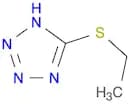
CAS:Formula:C2H4ClO2PPurity:97%Color and Shape:LiquidMolecular weight:126.47875-(Ethylthio)-1H-tetrazole
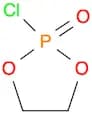
CAS:Formula:C3H6N4SPurity:98%Color and Shape:SolidMolecular weight:130.17152-Chloro-1,3,2-dioxaphospholane-2-oxide
CAS:Formula:C2H4ClO3PPurity:95%Color and Shape:LiquidMolecular weight:142.4781Ref: 4Z-G-2447
Discontinued productRef: 4Z-G-2434
Discontinued productSYBR GREEN II
CAS:1) Non-toxicity: belong to flower-stem dye, easy to biodegrade, no carcinogenic toxicity.
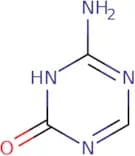
Formula:C28H28IN3OSPurity:98%Color and Shape:SolidMolecular weight:581.515-Azacytosine
CAS:Intermediate in the synthesis of Decitabine
Formula:C3H4N4OPurity:Min. 95%Color and Shape:PowderMolecular weight:112.09 g/mol5-Methylcytosine
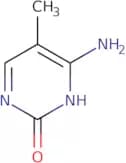
CAS:5-Methylcytosine is a nucleic acid that is found in the DNA and RNA of the cell. It is an important component of methylation, which is the process by which a methyl group is added to a molecule. This process can lead to cellular transformation, a process that can cause cancer. 5-Methylcytosine has also been shown as a molecular pathogenesis factor in infectious diseases such as HIV and herpes simplex virus type 1. The presence of 5-methylcytosine in nuclear DNA has been detected by analytical techniques such as gas chromatography/mass spectrometry (GC/MS). There are many analytical methods, including GC/MS, that can be used to detect 5-methylcytosine in cellular nuclei.
Formula:C5H7N3OPurity:Min. 95%Color and Shape:PowderMolecular weight:125.13 g/molRef: 3D-FM63889
Discontinued product9-[2-(Diethylphosphonomethoxy)ethyl]adenine
CAS:9-[2-(Diethylphosphonomethoxy)ethyl]adenine is a synthetic analog of adenine that is used as a pharmaceutical agent. It is an antiviral drug that prevents the synthesis of DNA and RNA in viruses, including papillomavirus, paramyxovirus, and filtration. 9-[2-(Diethylphosphonomethoxy)ethyl]adenine is also used to treat bromic conjugates and modifications. The chemical formula for this compound is C14H14N4O2P.Formula:C12H20N5O4PPurity:Min. 95%Color and Shape:White PowderMolecular weight:329.29 g/molRef: 3D-FD10109
Discontinued product6-Azauracil
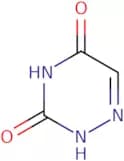
CAS:6-Azauracil is a heterocycle with the chemical formula C8H10N2O3. It is approved by the FDA to treat HIV infections and has been shown to have pharmacokinetic properties in humans. 6-Azauracil is structurally similar to uracil, which is found in RNA, but lacks the hydroxyl group on the para position of the heterocyclic ring. The synthesis of this drug was accomplished through acid complex formation with nucleotides and nitrous acid. The compound inhibits replication of retroviruses by competitive inhibition of primer binding. 6-Azauracil has also been shown to be toxic in rats, leading to congestive heart failure and death when administered at high doses. This drug may also act as an anti-inflammatory agent by inhibiting prostaglandin synthesis or platelet aggregation.
Formula:C3H3N3O2Purity:Min. 95%Color and Shape:PowderMolecular weight:113.07 g/molUracil
CAS:Pyrimidine nucleobase; allosteric regulator and coenzyme for reactions
Formula:C4H4N2O2Purity:Min. 98 Area-%Color and Shape:White Off-White PowderMolecular weight:112.09 g/mol2’-Amino-2’-deoxy-β-D-arabinouridine
CAS:2’-Amino-2’-deoxy-β-D-arabinouridine is a modified nucleoside based on uridine, in which the 2'-hydroxyl group of the sugar has been replaced with an amino group, and the sugar itself is arabinose (a stereoisomer of ribose). This compound is of possible interest in nucleic acid chemistry and antisense or RNA-interference research.
Formula:C9H13N3O5Purity:Min. 95%Color and Shape:solid.Molecular weight:243.22 g/molRef: 3D-FA144647
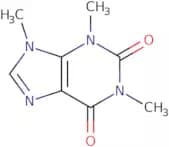
Discontinued product1,3,9-Trimethylxanthine
CAS:Controlled Product1,3,9-Trimethylxanthine is a naturally occurring purine alkaloid that has been shown to have cytosolic calcium ion-antagonistic properties. It can also act as an antioxidant by donating electrons to free radicals and inhibiting lipid peroxidation. This compound is found in coffee beans and other sources of caffeine. It binds to the receptor for adenosine, which causes the antagonistic effects on intracellular calcium concentration. Trimethylxanthine can also be used to treat ventricular arrhythmias and increase locomotor activity in mammals. Trimethylxanthine has been shown to be effective in wastewater treatment as it removes organic pollutants from water by oxidizing them with hydrogen peroxide or chlorine gas.
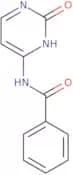
Formula:C8H10N4O2Purity:Min. 95%Color and Shape:White PowderMolecular weight:194.19 g/molN4-Benzoylcytosine
CAS:Building block in the synthesis of nucleoside antiviral agents
Formula:C11H9N3O2Purity:Min. 95%Color and Shape:White PowderMolecular weight:215.21 g/molRef: 3D-FB03691
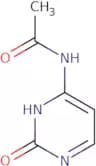
Discontinued productN4-Acetylcytosine
CAS:N4-Acetylcytosine is an inhibitor of serine proteases, glycosidases and nucleosidases. It has been shown to inhibit the replication of a wide range of viruses including HIV, herpes simplex virus type 1, and adenovirus. N4-Acetylcytosine also inhibits the proliferation of cervical cancer cells.
Formula:C6H7N3O2Purity:Min. 95%Color and Shape:White PowderMolecular weight:153.14 g/molRef: 3D-FA05993
Discontinued product6-Aminouracil
CAS:6-Aminouracil is a hydroxylated form of uracil. It has inhibitory properties against protein synthesis in bacteria, acting as an inhibitor of the enzyme dihydroorotase. 6-Aminouracil has been shown to be effective against PC3 cells and has high resistance to hydrolysis by acid or alkali. The reaction mechanism for the conversion of uracil to 6-aminouracil is unclear; however, it may involve a nucleophilic attack on the hydroxyl group.
Formula:C4H5N3O2Purity:Min. 95%Color and Shape:PowderMolecular weight:127.1 g/mol4-[2'-(7''-Deazaguanine)ethyl]benzoic acid N-hydroxysuccinimide ester
CAS:4-[2'-(7''-Deazaguanine)ethyl]benzoic acid N-hydroxysuccinimide ester is a useful intermediate in the synthesis of 7''-deazaguanine, which is a key building block in the synthesis of DNA. 4-[2'-(7''-Deazaguanine)ethyl]benzoic acid N-hydroxysuccinimide ester is a versatile building block that can be used in the synthesis of complex compounds. It has been shown to react with amines, sulfonyl chlorides, and epoxides to form amides, sulfonamides, and epoxy amines respectively. The CAS number for this compound is 204257-65-8.Formula:C19H17N5O5Purity:Min. 95%Molecular weight:395.37 g/molRef: 3D-FD20837
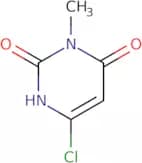
Discontinued product6-Chloro-3-methyluracil
CAS:Intermediate in the synthesis of alogliptin
Formula:C5H5ClN2O2Purity:Min. 98 Area-%Color and Shape:Off-White PowderMolecular weight:160.56 g/molRef: 3D-FC03857
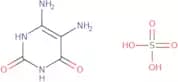
Discontinued product5,6-Diaminouracil sulfate
CAS:5,6-Diaminouracil sulfate is an amine that is used as a precursor in the production of the anti-cancer drug 5-fluorouracil. It can be synthesized from diaminopyrimidine and uracil. This compound has two amino groups, which are both substituted with hydrogens. The aminouracile group is substituted with a hydrogen and an amino group. 5,6-Diaminouracil sulfate has pyrimidone rings that are fused together to form a six-membered ring.
Formula:C4H6N4O2·xH2SO4Purity:Min. 95%Color and Shape:PowderMolecular weight:142.12 g/molRef: 3D-FD15981
Discontinued productAdenine
CAS:Purine nucleobase; component of nucleic acids and coenzymes
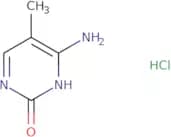
Formula:C5H5N5Purity:Min. 98 Area-%Color and Shape:White PowderMolecular weight:135.13 g/mol5-Methylcytosine hydrochloride salt
CAS:5-Methylcytosine hydrochloride salt is a metabolite of cytosine that occurs naturally in the body. It is used as an inhibitor of DNA methylation to study the effect of this process on gene expression. 5-Methylcytosine hydrochloride salt has been shown to inhibit the production of growth factors, such as insulin-like growth factor 1, and radiation energy. It also causes oxidative damage to DNA and inhibits the oxidation of urea nitrogen in lettuce. The matrix effect may interfere with the analysis of 5-methylcytosine hydrochloride salt by spectrometry.
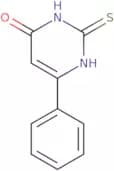
Formula:C5H7N3O·HClPurity:Min. 95%Color and Shape:PowderMolecular weight:161.59 g/mol6-Phenyl-2-thiouracil
CAS:6-Phenyl-2-thiouracil (6PTU) is an alkylthio group that inhibits the growth of microorganisms by binding to DNA. 6PTU binds to the oxygen nucleophiles in DNA and prevents transcription and replication. It also has a positive effect on the synthesis of proteins, which may be due to its ability to regulate gene transcription. 6PTU has been shown to inhibit cell growth in culture by blocking protein synthesis. This drug is used as an analytical method for determining urinary glucose levels in animals because it reacts with glucose in urine samples. The reaction produces a chromatographic peak that can be quantified using an electrochemical detector.
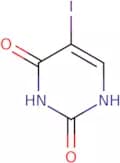
Formula:C10H8N2OSPurity:Min. 95%Color and Shape:PowderMolecular weight:204.25 g/mol5-Iodouracil
CAS:5-Iodouracil is an irreversible inhibitor of 5-hydroxytryptamine 2B receptor (5-HT2B) that is a group p2 molecule. It has been found to be effective in the treatment of various types of cancer, including colorectal cancer. 5-Iodouracil inhibits cell proliferation by blocking the binding of the growth factor to its receptor on the surface of cells. The drug also inhibits the enzyme activities of human serum albumin and tyrosine phosphatase.
Formula:C4H3IN2O2Purity:Min. 97 Area-%Color and Shape:White PowderMolecular weight:237.98 g/molRef: 3D-FI11503
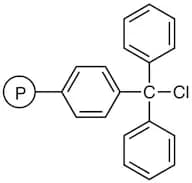
Discontinued productTrityl Chloride Resin cross-linked with 1% DVB (200-400mesh) (2.0-2.5mmol/g)
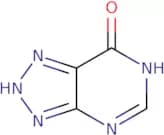
Color and Shape:White to Amber powder to crystal8-Azahypoxanthine
CAS:8-Azahypoxanthine is a hydroxyl analog of hypoxanthine. It contains a nitrogen atom in place of the oxygen atom on the 2-position. 8-Azahypoxanthine has been shown to be an effective inhibitor of purine biosynthesis in yeast cells and can be used as a replacement for xanthine during the synthesis of adenosine triphosphate (ATP) from uracil. 8-Azahypoxanthine was found to have good detection sensitivity, with an estimated detection limit of 0.2 µM. The optimum pH for this compound is 7.8, which is similar to that of wild type strain and tissue culture media. Mutants resistant to 8-azahypoxanthine were generated by exposure to high concentrations (>100 mM) for long periods (>2 days). Mutant strains showed no detectable enzyme activity against orotic acid or glycosidic bond formation with erythromycin
Purity:Min. 95%Color and Shape:PowderMolecular weight:137.1 g/molRef: 3D-FA03012
Discontinued productXanthine
CAS:Xanthine is a reactive, oxidized form of purine. It is found in the human body as a product of xanthine oxidase (XO) metabolism of xanthine and hypoxanthine. Xanthine is known to have antioxidant properties and has been shown to inhibit the activity of xanthine oxidase in vitro. Xanthine, when combined with other anticancer drugs such as doxorubicin, can be used as an anticancer agent. This drug has been shown to cause oxidative injury in humans and animal models at physiological levels.
Formula:C5H4N4O2Purity:Min. 98 Area-%Color and Shape:Off-White PowderMolecular weight:152.11 g/molRef: 3D-FX01318
Discontinued product2-Dimethylamino-6-hydroxypurine
CAS:2-Dimethylamino-6-hydroxypurine is a biochemical that belongs to the group of purines. It is a methylated form of 2,6-diaminopurine and has been shown to be an antigenic product in wheat germ. 2,6-Diaminopurine is involved in the synthesis of protein and other biomolecules by transferring methyl groups from S-adenosyl methionine to amino acid side chains. This gene product is also involved in enzyme preparations and reactions that are related to the biochemical properties of mammalian cells. The methyltransferase enzyme catalyzes the reaction mechanism for 2,6-dimethylamino-purine. 2,6-Dimethylamino-purine has been shown to have anticancer effects on various types of cancer cells with modifications on their DNA.
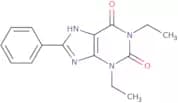
Formula:C7H9N5OPurity:Min. 95%Color and Shape:Off-white to yellow solid.Molecular weight:179.18 g/mol1,3-Diethyl-8-phenylxanthine
CAS:Controlled Product1,3-Diethyl-8-phenylxanthine is a p2y receptor antagonist that inhibits bacterial growth by interfering with the energy metabolism of the cell. It is an analytical reagent that can be used to measure specific DNA sequences and has been shown to have genotoxic effects on cultured human cells. 1,3-Diethyl-8-phenylxanthine has also been shown to inhibit the growth of infectious bacteria such as staphylococcus aureus and Mycobacterium tuberculosis in vitro. This compound may be used as a potential biomarker for the identification of antimicrobial peptides that are active against Mycobacterium tuberculosis in humans.
Formula:C15H16N4O2Purity:Min. 95%Molecular weight:284.31 g/molRef: 3D-FD21820
Discontinued product1,3-Dipropyl-7-methylxanthine
CAS:Controlled Product1,3-Dipropyl-7-methylxanthine is a xanthine compound that is structurally related to caffeine. It has been shown to have an inhibitory effect on the production of reactive oxygen species and cytosolic calcium levels in primary cells, as well as a nonselective adenosine receptor antagonist activity. It has also been shown to antagonize the effects of adenosine receptors, p2 receptors, and p2y receptors. This drug is used for the treatment of basophilic leukemia.
Formula:C12H18N4O2Purity:Min. 95%Molecular weight:250.3 g/molRef: 3D-FD22522
Discontinued product7-Deazaadenine
CAS:7-Deazaadenine is a pyrimidine compound that inhibits the enzyme kinase, which is involved in DNA synthesis. 7-Deazaadenine has significant cytotoxicity against cells and has been shown to inhibit the polymerase chain reaction (PCR). It can be used as an analytical tool for investigating enzymatic reactions by selectively inhibiting specific enzymes. 7-Deazaadenine binds to nitrogen atoms in DNA and inhibits the activity of proteases, which are enzymes that break down proteins. This drug also has pharmacokinetic properties such as oral absorption and distribution, metabolism, and elimination.
Formula:C6H6N4Purity:Min. 95%Molecular weight:134.14 g/mol




![8-[(1E)-2-(3,4-Dimethoxyphenyl)ethenyl]-1,3-diethyl-3,9-dihydro-1H-purine-2,6-dione](/_next/image/?url=https%3A%2Fstatic.cymitquimica.com%2Fproducts%2F3D%2Fthumb-webp%2FFD152904.webp&w=3840&q=75)


![3'-[2- Cyanoethyl N, N- bis(1- methylethyl) phosphoramidite]-5'- O- [bis(4- methoxyphenyl) phenylm…](/_next/image/?url=https%3A%2Fstatic.cymitquimica.com%2Fproducts%2F3D%2Fthumb-webp%2FFC165570.webp&w=3840&q=75)


![4-Amino-6-hydroxypyrazolo[3,4-d]pyrimidine](/_next/image/?url=https%3A%2Fstatic.cymitquimica.com%2Fproducts%2F3B%2Fthumb-webp%2FA2699.webp&w=3840&q=75)



![9-[2-(Diethylphosphonomethoxy)ethyl]adenine](/_next/image/?url=https%3A%2Fstatic.cymitquimica.com%2Fproducts%2F3D%2Fthumb-webp%2FFD10109.webp&w=3840&q=75)



![4-[2'-(7''-Deazaguanine)ethyl]benzoic acid N-hydroxysuccinimide ester](/_next/image/?url=https%3A%2Fstatic.cymitquimica.com%2Fproducts%2F3D%2Fthumb-webp%2FFD20837.webp&w=3840&q=75)