Vitamins
Vitamins are organic compounds required in small amounts for essential physiological functions and overall health. They play crucial roles in metabolism, immune function, and cellular maintenance. In this category, you will find a diverse range of vitamins, including water-soluble and fat-soluble types, necessary for research in nutrition, biochemistry, and health sciences. At CymitQuimica, we offer high-quality vitamins to support your research and development efforts, ensuring the accuracy and effectiveness of your studies on vitamin functions and deficiencies.
Found 1122 products of "Vitamins"
Sort by
Purity (%)
0
100
|
0
|
50
|
90
|
95
|
100
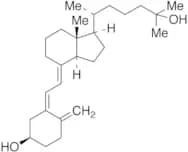
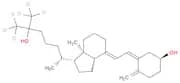
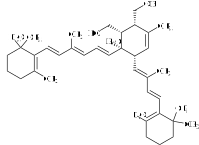
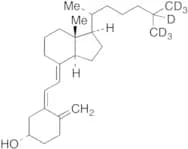
Vitamin D3-d7 (Major)
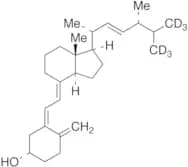
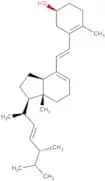
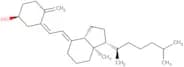
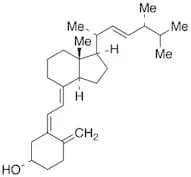
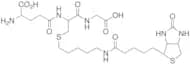
CAS:Controlled Product<p>Stability Light Sensitive, Temperature Sensitive<br>Applications The vitamin that mediates intestinal calcium absorbtion, bone calcium metabolism and probably, muscle activity. Occurs in and is isolated from fish liver oils. Vitamin D acts through a receptor that is a member of the ligand-dependent transcription factor superfamily. Modulates the proliferation and differentiation of both normal and cancer cells. Has antiproliferative and antimetastatic effects on breast, colon, and prostate cancer cells. Activated vitamin D receptors in intestine and bone maintain calcium absorbance and homeostasis.<br> Not a dangerous good if item is equal to or less than 1g/ml and there is less than 100g/ml in the package<br>References Haussler, R., et al.: J. Biol. Chem., 247, 2328 (1972), Holick, M.F., Rec. Res. Canc. Res., 164, 3 (2003), Palmer, H.G., et al.: Cancer Res., 63, 7799 (2003), Welsh, J., et al.: J. Nutr., 133, 2425S (2003),<br></p>Formula:C27D7H37OColor and Shape:ColourlessMolecular weight:391.68S-(1-Pentyl-5-biotinylamido)glutathione
Controlled ProductFormula:C25H42N6O8S2Color and Shape:NeatMolecular weight:618.77Vitamin D3 Sulfate Sodium Salt
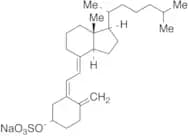
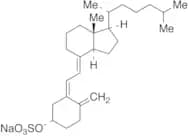
CAS:Controlled Product<p>Applications The main metabolite of Vitamin D3. It has potent biological activity. Vitamin D3-sulfate had <5% of the activity of vitamin D3 to mobilize Ca from bone and .apprx.1% of the ability of Vitamin D3 to stimulate Ca transport, elevate serum P, or support bone calcification.<br>References Bell, P.A., et al.: Biochem. J., et al.: 115, 663 (1969), Kumar, R.S., et al.: J. Clin. Invest., 65, 277 (1980), Reeve, L.E. , et al.: J. Biol. Chem., 256, 823 (1981), Armas, L., et al.: J. Clin. Endocrinol. Metab., 89, 5387 (2004),<br></p>Formula:C27H43O4S·NaColor and Shape:NeatMolecular weight:486.68(3R)-β-Cryptoxanthin
CAS:Controlled ProductFormula:C40H56OColor and Shape:NeatMolecular weight:552.87Doxercalciferol-D3
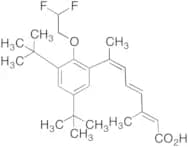
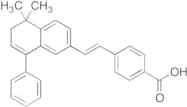
CAS:Controlled ProductFormula:C282H3H41OColor and Shape:NeatMolecular weight:399.67Arotinoid Ethyl Ester
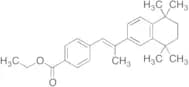
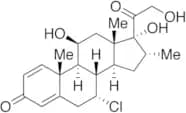
CAS:Controlled Product<p>Applications Arotinoid ethyl ester is a retinoid with a similar structure to vitamin A (R252000), and inhibits human epidermal keratinocyte RNase P activity, as well as tRNA biogenesis.<br>References Liao, W.; et al.: Zhongguo Linchuang Yaolixue Yu Zhiliaoxue, 19, 112 (2014); Papadimou, E.; et al.: Biol. Chem., 384, 457 (2003); Papadimou, E.; et al.: Skin Pharmacol. Physiol., 13, 345 (2000).<br></p>Formula:C26H32O2Color and Shape:NeatMolecular weight:376.5317α-Chloro-16α-methyl Prednisolone
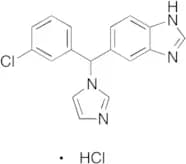
CAS:Controlled ProductFormula:C22H29ClO5Color and Shape:NeatMolecular weight:408.92Liarozole Hydrochloride
CAS:Controlled ProductFormula:C17H13ClN4·ClHColor and Shape:NeatMolecular weight:345.2269-cis-13,14-Dihydro 13-Methylretinoic Acid (>80%)
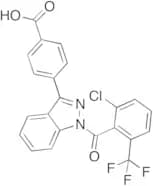
CAS:Controlled Product<p>Stability Light and Temperature Sensitive<br>Applications 9-cis-13,14-Dihydroretinoic Acid, is a derivative of Retinal (R240000), corotenoid component of the visual pigments.<br>References Ball, et al.: Biochem. J., 42, 516 (1948), O’Brien, D.F., et al.: Science, 218, 961 (1982),<br></p>Formula:C20H30O2Purity:>80%Color and Shape:NeatMolecular weight:302.451MRL-871
CAS:Controlled Product<p>Applications MRL-871 is a novel RORγt inhibitor, binding to a previously unidentified allosteric pocket in the RORγt LBD.<br>References Scheepstra, Marcel., et al.:Nat. Commun., 6, 8833/1 (2015); Fauber, Benjamin P., et al.: Bioorganic Med. Chem. Lett., 25, 2907 (2015);<br></p>Formula:C22H12ClF3N2O3Color and Shape:NeatMolecular weight:444.79Nilutamide-d6
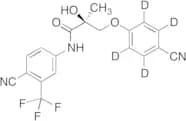
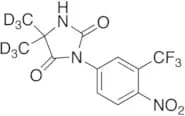
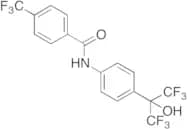
CAS:Controlled ProductFormula:C12D6H4F3N3O4Color and Shape:NeatMolecular weight:323.258HX 531
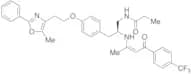
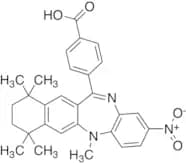
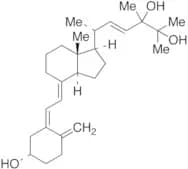
CAS:Controlled Product<p>Applications HX 531 is a novel RXR antagonist used to enhance transactivation of PPARγ and ST 13 preadipocyte differentiation. Helps in the reduction of triglyceride content in white adipose tissue, skeletal muscle and liver.<br>References Yamauchi, T. et al.: J. Clin. Invest., 108, 1001 (2001);<br></p>Formula:C29H29N3O4Color and Shape:NeatMolecular weight:483.5624,25-Dihydroxy Vitamin D2 (Mixture of Diastereomers)
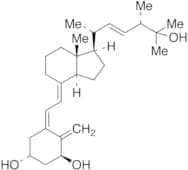
CAS:Controlled Product<p>Applications Α hydroxylated metabolite of Vitamin D2 (V676040); a synthetic analog of Vitamin D.<br> Not a dangerous good if item is equal to or less than 1g/ml and there is less than 100g/ml in the package<br>References Matsuoka, M. et al.: J. Nutrit. Sci. Vitaminol., 35, 253 (1989); Jones, G. et al.: Arch. Biochem. Biophys., 202, 450 (1980); Goff, J. et al.: J. Nutrit., 112, 1387 (1982);<br></p>Formula:C28H44O3Color and Shape:NeatMolecular weight:428.65SR 1078
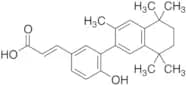
CAS:Controlled Product<p>Applications SR 1078 is a selective agonist of RORα and RORγ that stimulates ROR transcriptional activity in HEK293 cell reporter assays.<br>References Wang, Y., et al.: ACS Chem. Biol., 5, 1029 (2010); Wang, Y., et al.: PLoS One, 7, 1 (2012)<br></p>Formula:C19H21NO4Color and Shape:NeatMolecular weight:327.374SC-58236
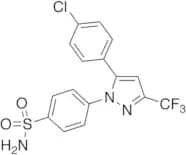
CAS:Controlled Product<p>Applications SC-58236 is a highly selective and potent cyclooxygenase-2 inhibitor which has been shown to induce apoptosis in gastric cells via down-regulation of Akt and then release of cytochrome c. Its anti-inflammatory effects allows for potential use in therapy for inflammatory allergic diseases.<br> Not a dangerous good if item is equal to or less than 1g/ml and there is less than 100g/ml in the package<br>References Fan, X.M. et al.: Digestion, 2, 75 (2006); Kim, S. et al.: Life Sci., 81, 863 (2007); Kim, S. et al.: J. Pharmacol. Exp. Therap., 313, 27 (2005);<br></p>Formula:C16H11ClF3N3O2SColor and Shape:NeatMolecular weight:401.79N-(2-Methyl-4-nitrophenyl)-2,5-dichlorobenzenesulfonamide
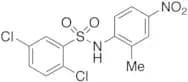
CAS:Controlled Product<p>Applications Antagonizes Wnt/β-catenin/Tcf-mediated transcription as well as PPARγ and δ activity. Able to inhibit the recruitment of the co-activators β-catenin and GRIP1, both of which are activators for both pathways.<br>References Handeli, S., et al.: Mol. Cancer Ther., 7, 521 (2008),<br></p>Formula:C13H10Cl2N2O4SColor and Shape:NeatMolecular weight:361.2017β-Estradiol-16,16-d2
CAS:Controlled Product<p>Applications 17beta-Estradiol-16,16-d2 (CAS# 3188-46-3) is a useful isotopically labeled research compound.<br></p>Formula:C18D2H22O2Color and Shape:NeatMolecular weight:274.394Biotin X
CAS:Controlled Product<p>Stability Hygroscopic! Store Under Inert Atmosphere.<br>Applications An active Biotinylation reagent.<br>References Giubellino, A., et al.: J. Med. Chem., 51, 7459 (2008), Wang, Z., et al.: Nat. Chem. Biol., 4, 557 (2008),<br></p>Formula:C16H27N3O4SColor and Shape:NeatMolecular weight:357.474-[[trans-4-(2-methoxyethoxy)cyclohexyl]amino]-1-methyl-6-(5-thiazolyl)-2(1H)-Quinolinone
CAS:Controlled ProductFormula:C22H27N3O3SColor and Shape:NeatMolecular weight:413.533SR 8278
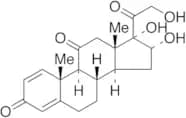
CAS:Controlled Product<p>Applications SR 8278 is a synthetic antagonist of the nuclear heme receptor REV-ERB.<br>References Kojetin, D., et al.: ACS. Chem. Biol., 6, 131 (2011);<br></p>Formula:C18H19NO3S2Color and Shape:NeatMolecular weight:361.4816α,17,21-Trihydroxy-pregna-1,4-diene-3,11,20-trione
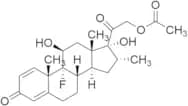
CAS:Controlled Product<p>Applications A metabolite of Budesonide (B689490), an antiinflammatory agent.<br>References Cserhati, T., et al.: J. Pharm. Biomed. Anal., 22, 25 (2000), Dilger, K., et al.: J. Clin. Pharmacol., 47, 1532 (2007), Buchwald, P., et al.: Steroids, 73, 193 (2008),<br></p>Formula:C21H26O6Color and Shape:NeatMolecular weight:374.43Dodecahydro-3H-cyclopenta2-oxoethyl Acetate Dexamethasone
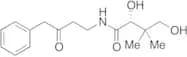
CAS:Controlled ProductFormula:C24H31FO6Color and Shape:NeatMolecular weight:434.5(2R)-2-hydroxy-3-(hydroxymethyl)-3-methyl-N-(3-oxo-4-phenylbutyl)butanamide
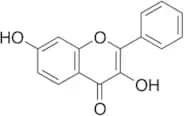
CAS:Controlled ProductFormula:C16H23NO4Color and Shape:NeatMolecular weight:293.367,3-Dihydroxyflavone
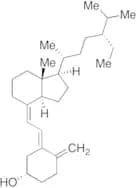
CAS:Controlled ProductFormula:C15H10O4Color and Shape:NeatMolecular weight:254.238Vitamin D5
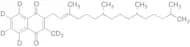
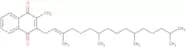
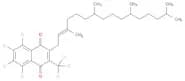
CAS:Controlled Product<p>Applications Vitamin D5 is used in the synthetic preparation of 1α-Hydroxyvitamin D5 a promising chemopreventive agent for breast cancer.<br>References Moriarty, R.M., Albinescu, D.: J. Org. Chem., 70, 7624 (2005)<br></p>Formula:C29H48OColor and Shape:NeatMolecular weight:412.691Vitamin K1-d7 (100µg/mL in Acetonitrile)
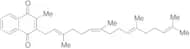
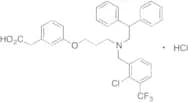
CAS:Controlled ProductFormula:C31H39D7O2Color and Shape:Single SolutionMolecular weight:457.74GW 3965 Hydrochloride
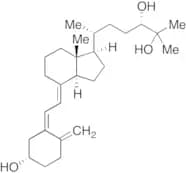
CAS:Controlled Product<p>Applications GW3965 Hydrochloride, is a potent, selective liver X receptor (LXR) agonist for hLXRα and hLXR. GW3965 has shown potent anti-inflammatory activity in both irritant and allergic contact models of dermatitis, requiring the participation of both LXRα and LXRβ.<br>References Fowler, A.J., et. al.: J. Invest. Dermatol., 120, 246 (2003)<br></p>Formula:C33H31ClF3NO3•HClColor and Shape:NeatMolecular weight:582.0536461α,25-Dihydroxy Vitamin D2
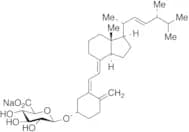
CAS:Controlled ProductFormula:C28H44O3Color and Shape:NeatMolecular weight:428.65Vitamin D2 β-D-Glucuronide Sodium Salt
CAS:Controlled ProductFormula:C34H51O7·NaColor and Shape:NeatMolecular weight:594.754Vitamin D3 Sulfate Sodium Salt (Technical Grade)
CAS:Controlled ProductFormula:C27H43O4S·NaColor and Shape:NeatMolecular weight:486.683-epi-25-Hydroxy Vitamin D3
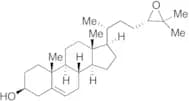
CAS:<p>Stability Light Sensitive, Temperature Sensitive<br>Applications The epimer metabolite of Calcifediol or 25-hydroxyvitamin D3 (C125700).<br> Not a dangerous good if item is equal to or less than 1g/ml and there is less than 100g/ml in the package<br>References Sakaki, T., et al.: Eur. J. Biochem., 267, 6158 (2000), Kamao, M., et al.: J. Biol. Chem., 278, 1463 (2003),<br></p>Formula:C27H44O2Color and Shape:NeatMolecular weight:400.64(24S)-24,25-Epoxycholesterol
CAS:Controlled Product<p>Applications (24S)-24,25-Epoxycholesterol is a derivative of 4β-Hydroxy Cholesterol (H917980), a metabolite of Cholesterol. It is formed from Cholesterol by the drug-metabolizing enzyme cytochrome P 450 3A4. A potential ligand for the nuclear receptor LXR and also a new endogenous CYP3A marker.<br>References Breuer, O., et al.: J. Lipid Res., 36, 2275 (1995), Pikuleva, I., et al.: J. Biol. Chem., 273, 18153 (1998), Chawla, A., et al.: Science, 294, 1866 (2001), Bodin, K., et al.: J. Biol. Chem., 276, 38685 (2001),<br></p>Formula:C27H44O2Color and Shape:NeatMolecular weight:400.637Calcipotriol monohydrate
CAS:<p>Calcipotriol monohydrate, a Vitamin D3 analog, binds well to the vitamin D receptor, used in psoriasis research.</p>Formula:C27H42O4Purity:99.95%Color and Shape:SolidMolecular weight:430.62Vitamin K
CAS:<p>Vitamin K is a fat-soluble vitamin, which is primarily sourced from leafy green vegetables, and is also synthesized by gut microbiota. Its mode of action involves functioning as a crucial cofactor for the enzyme gamma-glutamyl carboxylase, which catalyzes the carboxylation of specific glutamic acid residues on proteins required for blood coagulation. This modification enables the calcium-binding capacity of these proteins, facilitating essential physiological processes such as coagulation, bone metabolism, and vascular biology.</p>Formula:C31H46O2Purity:Min. 95%Molecular weight:450.7 g/molγ-Tocotrienol
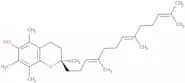
CAS:<p>Gamma-Tocotrienol is a form of vitamin E, which is a lipid-soluble antioxidant sourced predominantly from certain plant oils, including palm oil, rice bran oil, and annatto seeds. It possesses an unsaturated isoprenoid side chain, which differentiates it from tocopherols and contributes to its differing biological activities.</p>Formula:C28H42O2Purity:Min. 95%Molecular weight:410.63 g/molTachysterol
CAS:<p>Tachysterol is a sterol derivative that serves as a vitamin D analog, primarily sourced from the photochemical isomerization of ergosterol or lumisterol. Tachysterol undergoes further conversion processes to become active vitamin D metabolites that play crucial roles in calcium and phosphorus homeostasis. Though not biologically active in its original form, tachysterol is a precursor in the metabolic pathway, with conversion into active forms such as calcitriol occurring in the body.</p>Formula:C28H44OPurity:90% MinColor and Shape:PowderMolecular weight:396.65 g/molMaxacalcitol
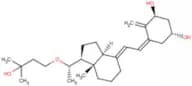
CAS:<p>Maxacalcitol (22-Oxacalcitriol) is a ligand of VDR-like receptors and a non-serum calcium vitamin D3 analogue.</p>Formula:C26H42O4Purity:≥98%Color and Shape:SolidMolecular weight:418.61D-Biotin - 2%
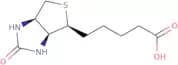
CAS:<p>Biotin is a water-soluble vitamin, also known as vitamin B7. Biotin is an essential coenzyme for five carboxylases in mammalian cells, which play key roles in the metabolism of glucose, amino acids and fatty acids (Zempleni, 2014). Biotin is also used in biochemistry in affinity purification of proteins in the biotin-avidin and biotin-streptavidin systems. Herein, free biotin is used in the elution step to release the recombinant protein from the resin (Diamandis and Christopoulos, 1991).Remainder of the material is maltodextrin.</p>Formula:C10H16N2O3SPurity:Min. 95%Color and Shape:PowderMolecular weight:244.31 g/molα-Tocotrienol
CAS:<p>alpha-Tocotrienol is a chemical compound known as a vitamin E isoform, which is derived primarily from certain plant oils, such as palm oil, rice bran oil, and annatto. This compound exhibits a unique unsaturated side chain, distinguishing it from tocopherols and enabling it to integrate into cellular membranes with greater efficiency.</p>Formula:C29H44O2Purity:Min. 95%Molecular weight:424.66 g/molRiboflavin-2,4,4α,10α-13C4-1,3-15N2
CAS:<p>Riboflavin-2,4,4α,10α-13C4-1,3-15N2 is a stable isotope-labeled form of riboflavin, which is a type of vitamin B2 molecule. This compound is synthesized with carbon-13 and nitrogen-15 isotopes, providing a distinct mass that enables precise tracking in metabolic studies. The source of this compound is derived from isotopically enriched materials, employing advanced chemical synthesis processes to incorporate stable isotopes into the riboflavin structure without altering its fundamental biochemical properties.</p>Formula:C13C4H20N2N2O6Purity:Min. 95%Molecular weight:382.32 g/molVitamin D3 - 0.5m IU/g=500000 IU/g
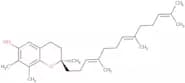
CAS:<p>Vitamin D3 is a fat-soluble vitamin that can be obtained from some fish, mushrooms, and dairy products. The most common form of the vitamin is cholecalciferol (vitamin D3) which can be converted in the liver to calcidiol (25-hydroxycholecalciferol) and in the kidneys to calcitriol (1,25-dihydroxycholecalciferol). Vitamin D3 has been shown to have a positive effect on calcium absorption and bone mineralization. It also has important physiological functions such as regulation of cell growth and differentiation. The solubility of vitamin D3 is dependent on the presence of a hydroxy group at position 3' or 25'. This liquid chromatography method uses an experimental solubility data set for the determination of solubility data for compounds with a hydroxy group at position 3'.</p>Formula:C27H44OPurity:Min. 95%Color and Shape:PowderMolecular weight:384.64 g/molβ-Tocotrienol
CAS:<p>Beta-Tocotrienol is a biochemical compound that belongs to the vitamin E family. It is derived from sources such as palm oil, rice bran, and certain cereal grains. This compound exhibits its mode of action through the modulation of oxidative stress pathways and inhibition of certain enzymes involved in cell proliferation and cholesterol synthesis, which differentiates it from other tocopherols.</p>Formula:C28H42O2Purity:Min. 97 Area-%Color and Shape:Clear LiquidMolecular weight:410.63 g/mol5-Ethyl-3-methyllumiflavinium perchlorate
CAS:<p>5-Ethyl-3-methyllumiflavinium perchlorate is an organic compound that serves as a specialized biochemical reagent. It is synthetically derived, typically from the modification of flavin structures, which are known for their versatile roles in biological systems. The compound's unique configuration allows it to interact with various enzymes and proteins, often acting as an electron mediator due to its lumiflavinium core.</p>Formula:C16H19N4O2ClO4Purity:Min. 95%Molecular weight:398.8 g/molPyridoxamine Dihydrochloride Monohydrate
CAS:Formula:C8H12N2O2·2HCl·H2OPurity:>98.0%(HPLC)(N)Color and Shape:White to Almost white powder to crystalMolecular weight:259.13Folic Acid Related Compound A (Calcium Formyltetrahydrofolate) (DISCONTINUED)
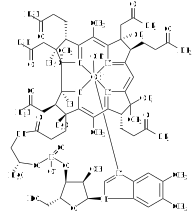
CAS:Other vitamins and their derivatives, nesoiFormula:C20H23N7O7·CaColor and Shape:PowderMolecular weight:513.12849Cobamamide (5,6-Dimethylbenzimidazolyl-Co-5'-deoxyadenosylcobamide)
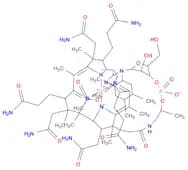
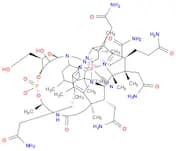
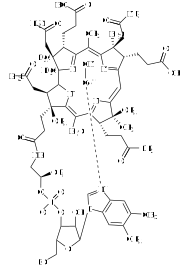
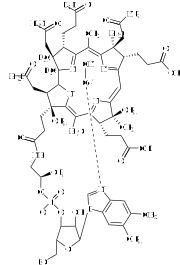
CAS:Vitamin b12 (cyanocobalamin and related compounds with vitamin b12 activity) and its derivativesFormula:C72H100CoN18O17PColor and Shape:PowderMolecular weight:1578.65834Cobinamide, Co-(acetato-kO)-, dihydrogen phosphate (ester), innersalt, 3'-ester with(5,6-dimethyl-1-a-D-ribofuranosyl-1H-benzimidazole-kN3)
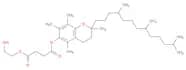
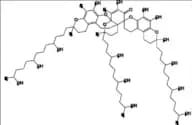
CAS:Formula:C64H91CoN13O16PPurity:98%Color and Shape:SolidMolecular weight:1388.3918Poly(oxy-1,2-ethanediyl),a-[4-[[(2R)-3,4-dihydro-2,5,7,8-tetramethyl-2-[(4R,8R)-4,8,12-trimethyltridecyl]-2H-1-benzopyran-6-yl]oxy]-1,4-dioxobutyl]-w-hydroxy-
CAS:Formula:C39H66O8Color and Shape:SolidMolecular weight:662.9365L-Ascorbic acid, 2-(dihydrogen phosphate), magnesium salt (2:3)
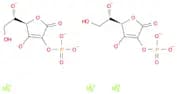
CAS:Formula:C12H12Mg3O18P2Purity:98%Color and Shape:SolidMolecular weight:579.0754Ref: IN-DA00HCOA
Discontinued productRef: IN-DA00IBRW
Discontinued productPyridoxine-d3 Hydrochloride (contains ~1% d0)
CAS:Formula:C8H9ClD3NO3Purity:≥98 atom % D, ≥96% (CP) ;Color and Shape:SolidMolecular weight:208.6573Ref: IN-DA00FBNO
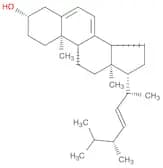
Discontinued productErgosta-5,7,22-trien-3-ol, (3b,22E)-
CAS:Formula:C28H44OPurity:95%Color and Shape:SolidMolecular weight:396.6484Ref: 4Z-V-045002
Discontinued productRef: 4Z-V-033024
Discontinued productRef: 4Z-V-1466
Discontinued productRef: 4Z-V-083
Discontinued productRef: 4Z-V-1231
Discontinued productRef: 4Z-V-1415
Discontinued productRef: 4Z-V-1463
Discontinued productRef: 4Z-V-1464
Discontinued productRef: 4Z-V-1423
Discontinued productRef: 4Z-V-1233
Discontinued productRef: 4Z-V-045001
Discontinued productRef: 4Z-V-1476
Discontinued productRef: 4Z-V-038013
Discontinued productRef: 4Z-V-035016
Discontinued productRef: 4Z-V-035015
Discontinued productRef: 4Z-V-033012
Discontinued productRef: 4Z-V-038014
Discontinued productRef: 4Z-V-1475
Discontinued productRef: 4Z-V-1248
Discontinued productRef: 4Z-V-035024
Discontinued productRef: 4Z-V-035025
Discontinued productRef: 4Z-V-035026
Discontinued productRef: 4Z-V-035017
Discontinued productRef: 4Z-V-1473
Discontinued productRef: 4Z-V-035020
Discontinued productRef: 4Z-V-035023
Discontinued productRef: 4Z-V-035019
Discontinued productRef: 4Z-V-035022
Discontinued productRef: 4Z-V-035021
Discontinued productRef: 4Z-V-1426
Discontinued productRef: 4Z-V-1474
Discontinued productRef: 4Z-V-1458
Discontinued productRef: 4Z-V-1249
Discontinued productRef: 4Z-V-1477
Discontinued productRef: 4Z-V-1232
Discontinued productRef: 4Z-V-037012
Discontinued productRef: 4Z-V-035009
Discontinued productRef: 4Z-V-045031
Discontinued productVitamin E Related Compound 1 (2-Methyl-2-(4,8,12-Trimethyltridecyl)-6-Chromanol)
CAS:Formula:C26H44O2Molecular weight:388.64Ref: 4Z-V-086
Discontinued product6,7-Dimethylribityl Lumazine
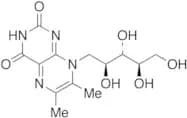
CAS:Controlled Product<p>Stability Light Sensitive<br>Applications 6,7-Dimethyl-8-ribityllumazine serves as fluorophore in Lumazine (L473800) proteins (LumP) of luminescent bacteria.<br>References Kulinski, T., et al.: Biochemistry, 26, 540 (1987), Chatwell, L., et al.: J. Mol. Biol., 382, 44 (2008), Sancar, A., et al.: J. Biol. Chem., 283, 32153 (2008),<br></p>Formula:C13H18N4O6Purity:>90%Color and Shape:Yellow To Dark BrownMolecular weight:326.31Convallatoxin
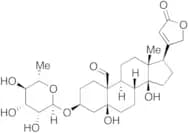
CAS:Controlled Product<p>Applications Convallatoxin is a cardenolide that is used in the treatment of congestive heart failure. It may also be used in the treatment of tumor cells at nanomolar concentrations due to its anti-proliferative effects; in particular, human lung cancer. It is naturally found in the roots of Adonis Amurensis.<br> Not a dangerous good if item is equal to or less than 1g/ml and there is less than 100g/ml in the package<br>References Schneider, N., et al.: Nat. Prod. Res., (2015); Yin, L., et al.: Zhong Cao Yao, 45, 3361 (2014);<br></p>Formula:C29H42O10Color and Shape:White To Off-WhiteMolecular weight:550.64Calciferol (Vitamin D2), 97%
CAS:Formula:C28H44OPurity:min. 97%Color and Shape:White, Crystalline powderMolecular weight:396.65Cholecalciferol (Vitamin D3) for tissue culture, 97%
CAS:Formula:C27H44OPurity:min. 97%Color and Shape:White to off-white, Crystalline powder, Clear, Colorless to pale yellowMolecular weight:384.64(24S)-Secalciferol
CAS:Controlled Product<p>Stability Light and Temperature Sensitive<br>Applications (24S)-Secalciferol is an isomer of Secalciferol (S211500); a metabolite of Vitamin D and a possible anti-inflammatory steroid.<br> Not a dangerous good if item is equal to or less than 1g/ml and there is less than 100g/ml in the package<br>References Boyan, B., et al.: Steroids, 66, 363 (2001); Holick, M., et al.: J. Cell Biochem., 88, 296 (2003); Vogeser, M., et al.: Clin. Chem., 50, 1415 (2004); Singh, R., et al.: J. Clin. Endocrinol. Metab., 91, 3055 (2006)<br></p>Formula:C27H44O3Color and Shape:NeatMolecular weight:416.64β-Tocopherol
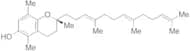
CAS:<p>β-Tocopherol is a type of product known as a naturally occurring form of vitamin E, which is a crucial lipid-soluble antioxidant. This compound is sourced primarily from plant-based oils, such as those derived from nuts, seeds, and vegetables. As an antioxidant, β-Tocopherol plays a pivotal role in the biological systems by scavenging free radicals. It interrupts the propagation of free radical chain reactions, thereby protecting cell membranes from oxidative damage. This is achieved through the donation of hydrogen atoms, which neutralize harmful free radicals.</p>Formula:C28H48O2Purity:Min. 95%Molecular weight:416.68 g/mol









![4-[[trans-4-(2-methoxyethoxy)cyclohexyl]amino]-1-methyl-6-(5-thiazolyl)-2(1H)-Quinolinone](/_next/image/?url=https%3A%2Fstatic.cymitquimica.com%2Fproducts%2FTR%2Fthumb-webp%2FM349560.webp&w=3840&q=75)