Vitamins
Found 1120 products of "Vitamins"
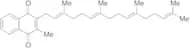
Menaquinone 4 (Mixture of cis-trans isomers)
CAS:Applications Menaquinones are isoprenoid quinones of the naphthalene series and belongs to the K2 Vitamin homologs. Menaquinones were originally discovered as the anti-hemorrhagic factor and now encompasses a variety of physiological processes. Menaquinone 4 has four isoprene residue in its side chain and is also commonly refered to as menatetrenone. Menaquinone-4 is the most common type of vitamin K2 and is known as a hemostatic agent and is used as adjunctive therapy for the pain of osteoporosis.
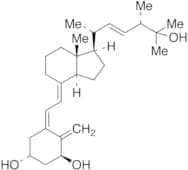
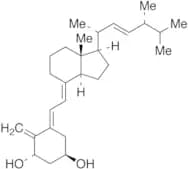
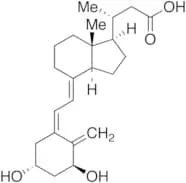
References Hugenholtz, P., et al.: J. Bacteriol., 180, 4765 (1998), Ginet, N., et al.: Biochemistry, 40, 1812 (2001), Cape, J., et al.: J. Biol. Chem., 280, 34654 (2005),Formula:C31H40O2Color and Shape:Light YellowMolecular weight:444.651alpha,25-Dihydroxy Vitamin D2
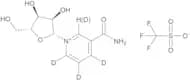
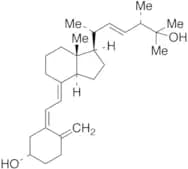
CAS:Controlled ProductFormula:C28H44O3Color and Shape:NeatMolecular weight:428.65Nicotinamide Riboside-d4 Triflate (d4-Major) α/β mixture
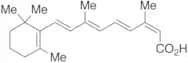
Formula:C11H12D4N2O5·CF3O3SColor and Shape:NeatMolecular weight:409.3513-cis-Retinoic Acid
CAS:Controlled ProductStability Moisture, Temperature, Light Sensitive, Store in freezer
Applications Used as a treatment for severe acne. Presently being studied in conjuction with the treatment of photoaged skin.
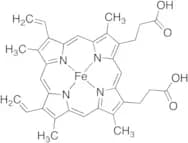
References Lerche, C., et al.: Exp. Dermatol., 17, 972 (2008), Sato, T., et al.: J. Med. Chem., 51, 7705 (2008), Gan, J., et al.: Chem. Res. Toxicol., 22, 690 (2009), Macejova, D., et al.: Toxicol. Lett., 184, 114 (2009), Chen, P., et al.: Toxicol. App. Pharmacol., 234, 143 (2009),Formula:C20H28O2Color and Shape:NeatMolecular weight:300.44Ferroprotoporphyrin IX
CAS:Stability Light Sensitive
Applications Ferroprotoporphyrin IX is a metabolite formed during biosynthesis and is used to evaluate iron nutrition and metabolism. It is also an iron containing cofactor that is involved with a wide range of cellular functions including oxygen transport.
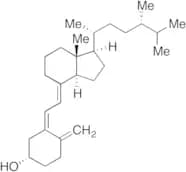
References Labbe, R.F., et. al.: Clin. Chem., 45, 146 (1999); Yuan, X., et al.: Proc. Natl. Acad. Sci. USA 113, E5144 (2016);Formula:C34H32FeN4O42Color and Shape:NeatMolecular weight:616.49Vitamin D4
CAS:Stability Hygroscopic, Temperature Sensitive
Applications Vitamin D4 is the active analogue of Vitamin D.
Not a dangerous good if item is equal to or less than 1g/ml and there is less than 100g/ml in the package
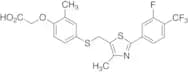
References Holick, M., et al.: J. Biochemistry, 10, 2799 (1971), Haddad, J., et al.: J. Bone Miner. Res., 4, 243 (1989), Palmieri, G., et al.: J. Clin. Endocrin. Metab., 82, 3516 (1997),Formula:C28H46OColor and Shape:NeatMolecular weight:398.66GW0742
CAS:Controlled ProductApplications A small molecule agonist of the human Peroxisome Proliferator-Activated Recept δ (PPAR δ). It shows an EC50 of 1.1 nM against PPAR δ with 100-fold selectivity over the other human subtypes.
References Sznaidman, M.L., et al.: Bioorganic and Medicinal Chemistry Letters, 13, 1517 (2003)Formula:C21H17F4NO3S2Color and Shape:Light YellowMolecular weight:471.49Parathyroid Hormone Fragment (1-34)
CAS:Controlled ProductApplications A fragment of human parathyroid hormone (hPTH) peptide sequence containing the 34 N-terminal residues of hPTH. This fragment was also found to be an agonist at PTH1 and PTH2 receptors.
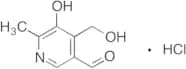
References Niall, et al.: Proc. Natl. Acad. Sci., 71, 384 (1974); Dobnig,T., et al.: Endocrinol., 138, 4607 (1997); Manabe. et al.: Bone., 40, 1475 (2007);Formula:C181H291N55O51S2Color and Shape:NeatMolecular weight:4117.72Isopyridoxal Hydrochloride
CAS:Applications Isopyridoxal Hydrochloride is an active vitamer of the B6 complex in humans, and a metabolite standard in the determination of all seven vitamin B6-related compounds. It is also a metabolite in a pyridoxine degradation pathway by soil bacteria.
References Edwards, P., et. al.: Clinica Chimica Acta: Int. J. Clin. Chem., 190, (1990); Lee, Y. C., et. al.: J. Bio. Chem., 261, (1986); Argoudelis, C. J.: J. Chromatogr. A, 790, (1998)Formula:C8H9NO3·HClColor and Shape:NeatMolecular weight:203.62Vitamin D2 O-t-Butyldimethylsilyl Ether
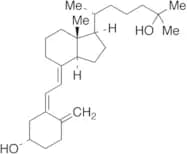
CAS:Controlled ProductFormula:C34H58OSiPurity:>85%Color and Shape:NeatMolecular weight:510.9125-Hydroxy Vitamin D2
CAS:Controlled ProductStability Light Sensitive, Temperature Sensitive
Applications A metabolite of Vitamin D2 (V676040).
Not a dangerous good if item is equal to or less than 1g/ml and there is less than 100g/ml in the package
References Barnes, P., et al.: J. Clin. Invest., 83, 1527 (1989), Holick, M., et al.: J. Cell Biochem., 88(2), 296 (2003), Maunsell, Z., et al.: Clin. Chem., 51, 1683 (2005),Formula:C28H44O2Color and Shape:White To Light YellowMolecular weight:412.65LG 100268
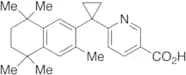
CAS:Controlled ProductApplications LG 100268 is a potent RXR agonist for evaluation in the treatment of non-insulin-dependent (type II) diabetes mellitus (NIDDM).
References Clyne, C., et al.: J. Biol. Chem., 277, 20591 (2002), Santen, R., et al.: J. Clin. Endocrinol. Metab., 87, 3007 (2002), Falender, A., et al.: Endocrinology, 144, 3598 (2003), Sablin, E., et al.: Mol. Cell., 11, 1575 (2003)Formula:C24H29NO2Color and Shape:NeatMolecular weight:363.49β-Nicotinic Acid Mononucleotide
CAS:Controlled ProductStability Hygroscopic
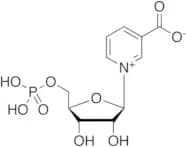
Applications A nucleotide of nicotinic acid which is produced from quinolinic acid by quinolinate phosphoribosyltransferase via transfer of a phosphoribose group. It is an intermediate of nicotinic acid adenine dinucleotide (NaAD) which is then converted to NAD via amidation and in turn converted to NADPH.
References Petrelli, R. et al.: Curr. Med. Chem., 18, 1973 (2011); Shibata, K. et al.: J. Chrom. B Biomed. Sci. Appl., 749, 281 (2000); Evans, C. et al.: BMC Chem. Biol., 10, 2 (2010);Formula:C11H14NO9PColor and Shape:NeatMolecular weight:335.2Convallatoxin
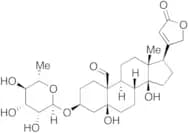
CAS:Controlled ProductApplications Convallatoxin is a cardenolide that is used in the treatment of congestive heart failure. It may also be used in the treatment of tumor cells at nanomolar concentrations due to its anti-proliferative effects; in particular, human lung cancer. It is naturally found in the roots of Adonis Amurensis.
Not a dangerous good if item is equal to or less than 1g/ml and there is less than 100g/ml in the package
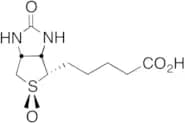
References Schneider, N., et al.: Nat. Prod. Res., (2015); Yin, L., et al.: Zhong Cao Yao, 45, 3361 (2014);Formula:C29H42O10Color and Shape:White To Off-WhiteMolecular weight:550.64(+)-Biotin (+)-Sulfoxide
CAS:Controlled ProductStability Hygroscopic
Applications (-)-Biotin Sulfoxide, is a metabolite of Biotin (B389040), which is a growth factor present in minute amounts in every living cell, and plays an indispensable role in numerous naturally occurring carboxylation reactions.
References du Vigneaud, et al.: J. Biol. Chem., 146, 475 (1942), Traub, et al.: Nature, 178, 649 (1956), Siegel, H., et al.: Experienta, 37, 789 (1981), Vesely, D.L., Science, 216, 1329 (1982), Hugues, M., et al.: Biochemistry, 31, 12 (1992),Formula:C10H16N2O4SColor and Shape:NeatMolecular weight:260.31BGP 15
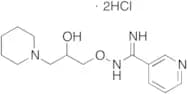
CAS:Controlled ProductApplications BGP 15 is a calcipotriene-based vitamin D3 analog that inhibits poly(ADP-ribose) polymerasesis (PARP), a class of enzymes that regulate DNA repair and apoptosis (1). BGP 15 is also a cardioprotective agent (2). Also, BPG 15 improves mitochondrial function, protects neurons from dying in vitro and in vivo, and promotes cardiac innervation in vivo.
References (1) Berkovich, L., et al.: Anticancer Drugs. 21, 609 (2010) (2) Szabados, E., et al. Biochem Pharmacol. 59, 937 (2000)Formula:C14H22N4O2·2HClColor and Shape:NeatMolecular weight:351.27Vitamin K4
CAS:Controlled ProductApplications Vitamin K4, is a chemically synthesized Vitamin K which plays an important role in the normal blood coagulation system.
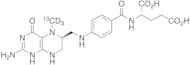
References jiang Y. et al.: Pharmazie. 2013 Jun;68(6):442-8.Formula:C15H14O4Color and Shape:NeatMolecular weight:258.27Levomefolic Acid-13C,d3
CAS:Controlled ProductApplications A labelled active form of folic acid used at the cellular level for DNA reproduction, the cysteine cycle and the regulation of homocysteine among other functions. It is a coenzymated form of folic acid. It has been proposed for treatment of cardiovascular disease.
References Willems, F. et al.: Br. J. Pharmacol., 145, 823 (2004); Prinz-Langhebohi, R.: et al., Br. J. Pharmacol., 158, 2014 (2009); Wright, A. et al.: Brit, J. Nutrit., 103, 724 (2010)Formula:CC192H3H22N7O6Color and Shape:BeigeMolecular weight:463.47Cholesterol-d6
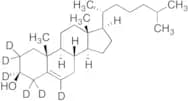
CAS:Controlled ProductStability Hygroscopic
Applications Labelled Cholesterol (C432501). Cholesterol is the principal sterol of the higher animals. Cholesterol was found in all body tissues, especial in the brain, spinal cord, and in animal fats or oils. Cholesterol is the main constituent of gallstones.
References Rosin, Z., et al.: Physiol. Chem., 124, 282 (1923), Schoenheimer, et al.: J. Biol. Chem., 105, 355 (1934), Gemant, et al.: Life Sci., 1, 233 (1962), Johnson, K., et al.: 4, 457 (1964),Formula:C272H6H40OColor and Shape:Off White SolidMolecular weight:392.69Acetyl Vitamin B12
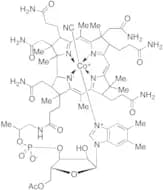
CAS:Applications Acetyl Vitamin B12 is a derivative of Vitamin B12 (V676020). Vitamin B12 gets converted by the body into its bioactive forms, methylcobalamin and cobamamide, which serve as enzyme cofactors. Severe deficiency may result in megaloblastic anemia and/or neurological impairment.
References Rickes, et al.: Science, 107, 396 (1948); Kirschbaum, J., et al.: Anal. Profiles Drug Subs., 10, 183 (1981); Grasbeck, R., et al.: Clin. Biochem., 17, 99 (1984)Formula:C65H90CoN14O15PPurity:>85%Color and Shape:NeatMolecular weight:1397.4Pantothenic Acid-13C3,15N Hemicalcium Salt
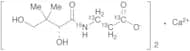
CAS:Applications Labelled Pantothenic Acid. A member of the B complex vitamins; essential vitamin for the biosynthesis of coenzyme A in mammalian cells. Occurs ubiquitously in all animal and plant tissue. The richest common source is liver, but jelly of the queen bee contains 6 times as much as liver. Rice bran and molasses are other good sources.
References Gardner, P., et al.: Food Chem., 68, 471 (2000), Ou, B., et al.: J. Agric. Food Chem., 50, 2772 (2002), Bahorun, T., et al.: J. Sci. Food Agric., 84, 1553 (2004),Formula:C3C6H1615NO5·CaColor and Shape:BeigeMolecular weight:484.479-cis-Retinal
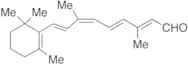
CAS:Controlled ProductStability Light Sensitive, Temperature Sensitive
Applications 9-cis-Retinal is an isomer of all-trans-Retinal (R240000).
References Yan, E., et al.: Biochemistry, 43, 10867 (2004), Kukura, P., et al.: Science, 310, 1006 (2005), Ridge, K., et al.: J. Biol. Chem., 282, 9297 (2007),Formula:C20H28OColor and Shape:NeatMolecular weight:284.441-Methyl Adenosine
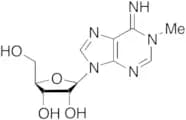
CAS:Controlled ProductFormula:C11H15N5O4Color and Shape:NeatMolecular weight:281.27δ-Tocopherol (>90%)
CAS:Applications One of the naturally occurring forms of Vitamin E. Isolated from soybean oil.
References Emerson, et al.: Science, 83, 421 (1936), Bieri, J.G., et al.: J. Nutr., 104, 850 (1974), Jiang, Q., et al.: Am. J. Clin. Nutr., 74, 714 (2001),Formula:C27H46O2Purity:>90%Color and Shape:Light Yellow To Dark BrownMolecular weight:402.65trans-Doxercalciferol
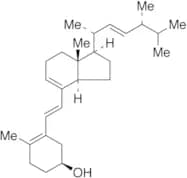
CAS:Controlled ProductApplications A Vitamin D derivative.
Not a dangerous good if item is equal to or less than 1g/ml and there is less than 100g/ml in the package
References Koeffler, M.R., et al.: Blood, 74, 82 (1989),Formula:C28H44O2Color and Shape:NeatMolecular weight:412.65Plumbagin
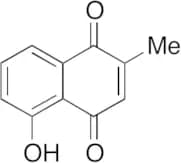
CAS:Applications Plumbagin induces apoptosis in cancer cells. It also inhibits NADPH oxidase 4 in a time- and dose-dependent manner.
Not a dangerous good if item is equal to or less than 1g/ml and there is less than 100g/ml in the package
References Klotz, L., et al.: Molecules, 19 14902 (2014); Gupta, S., et al.: Cancer Metastasis Rev., 29, 405 (2010); Schramm, A., et al.: Vascul. Pharmacol., 56, 216 (2012)Formula:C11H8O3Color and Shape:Dark OrangeMolecular weight:188.18Magnolol
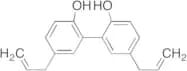
CAS:Controlled ProductApplications Magnolol is the bioactive phytochemicals found in Magnolia officinalis (1). Magnolol has been used to treat anxiety, cough, headache and allergies (2). It also inhibits tumor necrosis factor-α-*induced ICAM-1 expression in human lung epithelial cells.
Not a dangerous good if item is equal to or less than 1g/ml and there is less than 100g/ml in the package
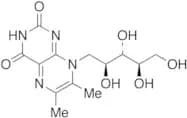
References (1) Amorati, R., et al.: J Org Chem. (2015) 80:10651-9.(2) Wu, C., et. al.: Inflammation (2014) 37:1957-67Formula:C18H18O2Color and Shape:Off-WhiteMolecular weight:266.336,7-Dimethylribityl Lumazine
CAS:Controlled ProductStability Light Sensitive
Applications 6,7-Dimethyl-8-ribityllumazine serves as fluorophore in Lumazine (L473800) proteins (LumP) of luminescent bacteria.
References Kulinski, T., et al.: Biochemistry, 26, 540 (1987), Chatwell, L., et al.: J. Mol. Biol., 382, 44 (2008), Sancar, A., et al.: J. Biol. Chem., 283, 32153 (2008),Formula:C13H18N4O6Purity:>90%Color and Shape:Yellow To Dark BrownMolecular weight:326.31Secalciferol-d6
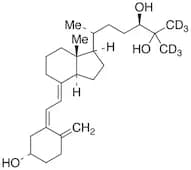
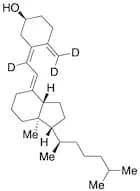
CAS:Controlled ProductStability Light Sensitive, Temperature Sensitive
Applications A labelled metabolite of Vitamin D, a possible anti-inflammatory steroid.
Not a dangerous good if item is equal to or less than 1g/ml and there is less than 100g/ml in the package
References Boyan, B., et al.: Steroids, 66, 363 (2001), Holick, M., et al.: J. Cell Biochem., 88, 296 (2003), Vogeser, M., et al.: Clin. Chem., 50, 1415 (2004), Singh, R., et al.: J. Clin. Endocrinol. Metab., 91, 3055 (2006),Formula:C272H6H38O3Color and Shape:NeatMolecular weight:422.67D-α-Tocopherol Quinone
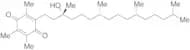
CAS:Controlled ProductStability Light Sensitive
Applications D-α-Tocopherol Quinone is an vitamin E derivative that exhibits antioxidant properties. D-α-Tocopherol Quinone has been shown to partially restore the activity of NADH dehydrogenase and used to investigate the electron transport system in rat hepatocyte and human erythrocyte.
References Sun, I. L., et al.: Proc. Natl. Acad. Sci. USA 89, 11126 (1992); Hosomi, A., et al.: FEBS Lett. 409, 105 (1997)Formula:C29H50O3Color and Shape:NeatMolecular weight:446.71all-trans-Anhydro Retinol (90%)
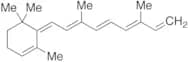
CAS:Stability Light Sensitive, Temperature Sensitive
Applications A metabolite of vitamin A (Retinol) (R252000).
References Allo, S., et al.: J. Biol. Chem., 266, 22003 (1991), Brancolini, C., et al.: J. Cell Biol., 139, 759 (1997), Bubb, M., et al.: J. Biol .Chem., 269, 14869 (1994),Formula:C20H28Purity:90%Color and Shape:Yellow-OrangeMolecular weight:268.44Perhydrofarnesyl Acetone
CAS:Controlled ProductApplications Perhydrofarnesyl Acetone is used as a flavor and fragrance agent, it is often used in jasmine compositions.
References Toda, H. et al.: Dev. Food Sci., 17, 181 (1988); Maggi, F. et al.: Food Chem., 113, 216 (2009); Maggi, F. et al.: Chem. Biodiv., 8, 2057 (2011);Formula:C18H36OColor and Shape:ColourlessMolecular weight:268.48Zymostenol
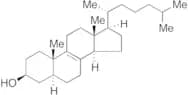
CAS:Controlled ProductApplications Zymostenol, is the derivative of Zymosterol (Z701520), which is an sterol intermediate in the biosynthesis of cholesterol (C432501).
References Roland, E.D., et al.: J. Am. Chem. Soc., 111, 278 (1989); Echevarria, F., et al.: J. Biol. Chem., 265, 8484 (1990); Baranovskii, A.V., et al.: Russian. J. Bioorg. Chem., 28, 250 (2002); Schoenheimer, et al.: J. Biol. Chem., 105, 355 (1934);Formula:C27H46OColor and Shape:NeatMolecular weight:386.65α-Tocopherol
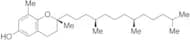
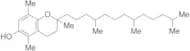
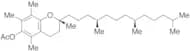
CAS:Stability Light Sensitive
Applications α-Tocopherol is the most bioactive of the naturally occurring forms of Vitamin E. Richest sources are green vegetables, grains, and oils, particularly palm, safflower and sunflower oils.
References Bianchi, G., et al.: Eur. J. Lipid Sci. Technology, 105, 229 (2003), Sakouhi, F., et al.: Food Chem., 108, 833 (2008),Formula:C29H50O2Color and Shape:NeatMolecular weight:430.71Tachysterol (>90%)
CAS:Stability Light Sensitive, Temperature Sensitive
Applications Bioactive, synthetic vitamin D3 analog; exhibits antiproliferative effect on keratinocytes. Antipsoriatic.
Not a dangerous good if item is equal to or less than 1g/ml and there is less than 100g/ml in the package
References Matsunaga, T., et al.: J. Dermatol., 17, 135 (1990), Gerritsen, M.J.P., et al.: Br. J. Dermatol., 131, 57 (1994),Formula:C28H44OPurity:>90%Color and Shape:NeatMolecular weight:396.65(2RS,4R,8R)-δ-Tocopherol-d4 (Mixture of Diastereomers)
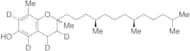
CAS:Controlled ProductApplications Labelled δ-Tocopherol. One of the naturally occurring forms of Vitamin E. Isolated from soybean oil.
References Emerson, et al.: Science, 83, 421 (1936), Bieri, J.G., et al.: J. Nutr., 104, 850 (1974), Jiang, Q., et al.: Am. J. Clin. Nutr., 74, 714 (2001),Formula:C27H42D4O2Color and Shape:NeatMolecular weight:406.68Lumiflavin
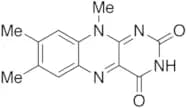
CAS:Controlled ProductApplications Lumiflavin is a toxic photolysis product of vitamin B2 (R415000).
References Zhao, X. et al.: Chemosphere, 63, 1116 (2006); Litke, S.V. et al.: Khim. Fiz., 10, 48 (1991); Ye, W. et al.: Guang. Yaox. Xueb., 12, 175 (1996);Formula:C13H12N4O2Color and Shape:Dark YellowMolecular weight:256.26β-Tocopherol (Racemic Mixture)
CAS:Controlled ProductStability Hygroscopic
Applications β-Tocopherol (Racemic Mixture) is one of the naturally occurring forms of Vitamin E. Is biologically less active than α-Tocopherol. This is the racemic mixture of all stereoisomers.
Not a dangerous good if item is equal to or less than 1g/ml and there is less than 100g/ml in the package
References Bianchi, G., et al.: Eur. J. Lipid Sci. Technology, 105, 229 (2003), Sakouhi, F., et al.: Food Chem., 108, 833 (2008),Formula:C28H48O2Color and Shape:Colourless To BeigeMolecular weight:416.68Calcifediol
CAS:Controlled ProductStability Light Sensitive, Temperature Sensitive
Applications Calcifediol is a metabolite of Vitamin D. The principal circulating form of vitamin D3, formed in the liver by hydroxylation at C-25. Calcium regulator.
Not a dangerous good if item is equal to or less than 1g/ml and there is less than 100g/ml in the package
References Morii, et al.: Arch. Biochem. Biophys., 120, 513 (1967); Blunt, et al.: Biochemistry, 7, 3317 (1968), Liu, et al.: Science, 311, 1770 (2006);Formula:C27H44O2Color and Shape:Off-WhiteMolecular weight:400.64α-Tocopherol Acetate
CAS:Applications α-Tocopherol acetate is the most bioactive of the naturally occurring forms of Vitamin E. Richest sources are green vegetables, grains, and oils, particularly palm, safflower and sunflower oils.
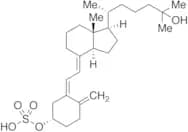
References Bianchi, G., et al.: Eur. J. Lipid Sci. Technology, 105, 229 (2003), Sakouhi, F., et al.: Food Chem., 108, 833 (2008),Formula:C31H52O3Color and Shape:Off-WhiteMolecular weight:472.7425-Hydroxy Vitamin D3 3-Sulfate Sodium Salt (90%)
CAS:Controlled ProductStability Light Sensitive, Temperature Sensitive
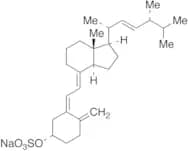
Applications 25-Hydroxyvitamin D3 3-Sulfate is a metabolite of 24,25-Dihydroxyvitamin D3 and 25-Hydroxyvitamin D3 (C125700).
References Higashi, T. et al.: Steroids, 65, 281 (2000); Higashi, T. et al.: Ann. Clin. Biochem., 36, 43 (1999);Formula:C27H43NaO5SPurity:90%Color and Shape:NeatMolecular weight:502.682-Hydroxy Estrone
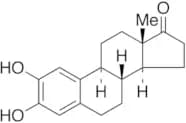
CAS:Controlled ProductFormula:C18H22O3Color and Shape:Off-White To Light BrownMolecular weight:286.37Saikosaponin A
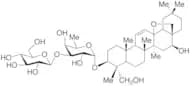
CAS:Controlled ProductStability Hygroscopic
Applications Saikosaponin A was shown to exhibit anti-inflammatory activities by suppressing activation of NF-kB signaling pathway.
References Wu, S.J., et al.: Am. J. Chin. Med., 38, 99 (2010); Wu. S.J., et al.: J. Med. Food., 11, 224 (2008); Yoon, S.S., et al.: Neurosci. Lett., 529, 97 (2012); Lu, C.N., et al.: Int. Immunopharmacol., 14, 121 (2012);Formula:C42H68O13Color and Shape:NeatMolecular weight:780.98Calcitroic Acid
CAS:Controlled ProductStability Light Sensitive
Applications Calcitroic Acid is a major metabolite of Calcitriol (C144500).
Not a dangerous good if item is equal to or less than 1g/ml and there is less than 100g/ml in the package
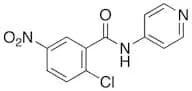
References Esvelt, R.P. et al.: Arch. Biochem. Biophys., 206, 403 (1981); Onisko, B.L. et al.: Biochemistry, 19, 4124 (1980); Reddy, G.S. et al.: Biochemistry, 28, 1763 (1989);Formula:C23H34O4Purity:>85%Color and Shape:NeatMolecular weight:374.512-Chloro-5-nitro-N-4-pyridinylbenzamide
CAS:Controlled ProductApplications A cell-permeable chloro-nitro-benzamido compound that acts as a potent, specific, irreversible, and high-affinity antagonist of PPARγ with a Ki of 1 nM. Displays >800-fold greater selectivity for PPARγ over PPARα and PPARδ (Ki = 0.85 µM and 1.8 µM, respectively). Blocks hormone- and agonist-induced adipogenesis in 3T3-L1 cells. It suppresses interactions between PPARγ and coactivator-derived peptides, while promotes the recruitment of corepressor-derived peptides. Shown to modulate the interaction of PPARγ2 with the cofactor proteins through covalent binding to Cys313 in its ligand-binding domain.
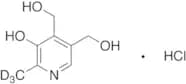
References Lee, G., et al: J. Biol. Chem., 277, 19649 (2003), Schaefer, K.L., et al: Cancer Res., 65, 2251 (2005), Masuda, T., et al.: Clin. Cancer Res., 11, 4012 (2005), Raikwar, H.P., et al.: J. Neuroimmunol., 167, 99 (2005)Formula:C12H8ClN3O3Color and Shape:NeatMolecular weight:277.66Pyridoxine-d3 hydrochloride
CAS:Controlled ProductApplications Labelled Pyridoxine. One of the vitamins of the B6 complex; present in many foodstuffs (yeast, liver and cereals). Pyridoxine has a role in transporting protein Bsu1, Pyridoxine contributes to thiamine uptake; characterization of thiamine (vitamin B1) transporter Thi9 from Schizosaccharomyces pombe.
References Williams, R., et al.: J. Biol. Chem., 87, 581 (1930), Rodionov, D., et al.: J. Biol. Chem., 277, 48949 (2002),Nosaka, K., et al.: Mol. Microbiol., 58, 467 (2005),Formula:C82H3H8NO3·ClHColor and Shape:White To Off-WhiteMolecular weight:208.66Folitixorin (~80%)(Mixture of Diastereomers)
CAS:Stability Hygroscopic, Moisture Sensitive, Temperature Sensitive
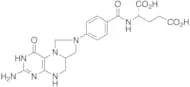
Applications A stable folate lyophilized compound suitable for use in the treatment of cancer and other therapies.
References Park, H., et al.: Science, 268, 1866 (1995), Banerjee, R., et al.: J. Biol. Chem., 282, 14916 (2007), Klar, T., et al.: J. Mol. Biol., 366, 954 (2007),Formula:C20H23N7O6Color and Shape:NeatMolecular weight:457.44