Nucleosides
Found 3569 products of "Nucleosides"
Adenosine-5'-O-(1-thiotriphosphate) lithium salt - 100 mM aqueous solution
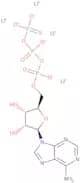
CAS:Adenosine-5'-O-(1-thiotriphosphate) lithium salt is an inhibitor of the guanine nucleotide-binding protein that is reversibly inhibited by adenosine triphosphate. It has been shown to inhibit HIV infection by binding to the Ryanodine receptor and blocking the release of calcium ions from intracellular stores. This prevents the activation of caspases, which are enzymes that cause cell lysis. Adenosine-5'-O-(1-thiotriphosphate) lithium salt also blocks transcription and polymerase chain reactions, and may inhibit the growth of cancer cells by inhibiting epidermal growth factor receptors on the cell surface.Formula:C10H12Li4N5O12P3SPurity:Min. 95%Color and Shape:PowderMolecular weight:546.98 g/mol5'-O-Benzoyl-D3-thymidine 3'-CE phosphoramidite
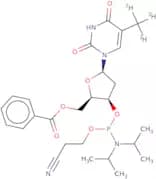
Controlled Product5'-O-Benzoyl-D3-thymidine 3'-CE phosphoramidite is an activator for DNA synthesis and is used in the synthesis of deoxyribonucleosides as antiviral and anticancer agents. It is a modified nucleotide, which has been synthesized from thymidine. This product has shown to be effective in the treatment of cancer cells in vitro.Formula:C26H32N4O7PD3Purity:Min. 95%Molecular weight:549.58 g/mol1-(2'-Deoxy-2'-fluoro-b-D-arabinofuranosyl)uracil 5'-triphosphate triethylammonium salt
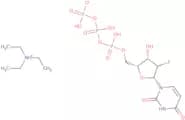
1-(2'-Deoxy-2'-fluoro-b-D-arabinofuranosyl)uracil 5'-triphosphate triethylammonium salt is an Activator for the synthesis of DNA and RNA. It is a novel synthetic nucleoside that has anticancer activity. 1-(2'-Deoxy-2'-fluoro-b-D-arabinofuranosyl)uracil 5'-triphosphate triethylammonium salt is used as an antiviral agent, inhibiting viral replication by blocking the RNA polymerase enzyme.Formula:C9H13FN2O14P3·C6H16NPurity:Min. 95%Molecular weight:587.32 g/mol8-Chloro-2'-deoxyguanosine
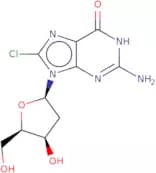
CAS:8-Chloro-2'-deoxyguanosine is a reactive oxygen species that can cause oxidative damage to DNA. This compound is generated by the hypochlorous acid (HOCl) in cells and can be found in human tissues. 8-Chloro-2'-deoxyguanosine can also be generated by the HOCl in diabetic patients, where it has been shown to cause oxidative damage to DNA. 8-Chloro-2'-deoxyguanosine is a product of the reaction between hydrogen peroxide and catalase, and it is activated by HOCl. It has been shown to be carcinogenic in animal models, where it causes DNA damage that leads to cancer.Formula:C10H12ClN5O4Purity:Min. 95%Color and Shape:PowderMolecular weight:301.69 g/mol4-Hydroxy-6-methylpyrimidine
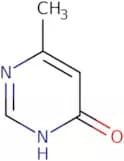
CAS:4-Hydroxy-6-methylpyrimidine (4-OHMP) is a metabolite of trimethyltin. It is formed in the liver by methylation of 4,6-dimethylpyrimidine (4,6-DMPU). The levels of 4-OHMP in urine samples are used to monitor exposure to this agent. The median values for urinary concentrations of 4-OHMP are typically 10 times higher than those found in blood samples. The metabolite can be detected in urine up to 2 weeks after an individual’s last contact with trimethyltin. This compound has been shown to inhibit the synthesis of glycol dimethyl ethers and carbamates.
Formula:C5H6N2OPurity:Min. 95%Molecular weight:110.11 g/mol3'-O-Allylguanosine
3'-O-Allylguanosine is a antiviral agent that belongs to the group of synthetic nucleosides. It is a monophosphate analog of guanosine and an activator of ribonucleotide reductase. 3'-O-Allylguanosine has been shown to be effective against cancer cells in vitro. It has also been shown to inhibit DNA synthesis and promote DNA degradation in human leukemia cells, suggesting its potential use for the treatment of leukemia.
Formula:C13H17N5O5Purity:Min. 95%Molecular weight:323.3 g/mol5'-O-(p-Toluoyl)-2'-O-acetyl-3'-deoxy-3'-fluorouridine
CAS:5'-O-(p-Toluoyl)-2'-O-acetyl-3'-deoxy-3'-fluorouridine is a novel nucleoside that has antiviral and anticancer properties. It is an activator of the monophosphate phosphoramidites and has been shown to inhibit the growth of cancer cells in vitro. 5'-O-(p-Toluoyl)-2'-O-acetyl-3'-deoxy-3'-fluorouridine is also able to inhibit viral replication by terminating cellular DNA synthesis at the level of RNA polymerase II. This results in the synthesis of defective viral genomes that are unable to produce new viruses, thereby preventing viral spread.Formula:C19H19FN2O7Purity:Min. 95%Molecular weight:406.36 g/molN6-Benzoyl-2'-deoxy-2'-fluoroadenosine 3'-CE phosphoramidite
N6-Benzoyl-2'-deoxy-2'-fluoroadenosine 3'-CE phosphoramidite is a novel nucleoside that has antiviral and anticancer properties. It is an analog of adenosine and inhibits the action of ribonucleotide reductase, which is an enzyme that converts ribonucleotides to deoxyribonucleotides. N6-Benzoyl-2'-deoxy-2'-fluoroadenosine 3'-CE phosphoramidite also inhibits the synthesis of DNA, which may be due to its inhibition of DNA polymerase. This compound has been shown to inhibit the growth of leukemia cells in culture and induce apoptosis in human tumor cells.
Formula:C47H51FN7O7PPurity:Min. 95%Molecular weight:875.92 g/molTrifluorothymidine
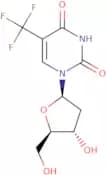
CAS:Treats herpes-associated keratitis and keratoconjunctivitis; antineoplasticFormula:C10H11F3N2O5Purity:Min. 95%Color and Shape:PowderMolecular weight:296.2 g/mol5'-Amino-5'-deoxyguanosine
CAS:5'-Amino-5'-deoxyguanosine (5-ADG) is an intermediate in the de novo synthesis of guanine nucleotides. It can be synthesized from 5-aminoimidazole ribonucleotide and guanosine monophosphate (GMP). 5-ADG is a substrate for the enzyme GTP cyclohydrolase, which converts it to GMP. This intermediate can also be formed by the action of phosphoryl chloride on 5-aminoimidazole ribonucleotide. The reaction of 5-ADG with malonic acid leads to the formation of inosinic acid, which has been postulated to be a precursor of purines. This conversion is catalyzed by adenylosuccinate synthetase and the enzyme adenylosuccinase.Formula:C10H14N6O4Purity:Min. 95 Area-%Color and Shape:PowderMolecular weight:282.26 g/molN6-Benzoyl-2’-chloro-2’-deoxy-5’-O-DMT-adenosine
N6-Benzoyl-2’-chloro-2’-deoxy-5’-O-DMT-adenosine is a novel nucleoside that has been shown to have anti-cancer, antiviral, and antiinflammatory activities. It is structurally related to 2’,3’,5’triphosphate adenine (TPAD) and inhibits the synthesis of DNA by competitive inhibition of ribonucleotide reductase. TPAD also induces apoptosis in tumor cells. N6BzCdA has an IC50 value of 0.5 μM for TPAD synthetase from Escherichia coli and rat liver, indicating that it is a potent inhibitor of this enzyme. The purity level of this product is greater than 98%, with a CAS number of 67972-83-1.Purity:Min. 95%Uridine-5-oxyacetic acid methyl ester
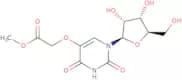
CAS:Uridine-5-oxyacetic acid methyl ester is a modified nucleotide that is an intermediate in the biosynthesis of uridine. This molecule can be synthesized from 5-hydroxymethyluridine and malonic acid by a methyltransferase. Uridine-5-oxyacetic acid methyl ester can also be obtained from the metabolism of deoxyribose. Analysis of this molecule is possible with spectrometric, mass spectrometric, and chemical structures methods. It has been shown to have a function in translation and protein synthesis. The chemical structure of uridine-5-oxyacetic acid methyl ester has been determined to be guanosine-3',5'-bis(2'-carboxyethyl)phosphate, which is different from that found in DNA or RNA.Formula:C12H16N2O9Purity:Min. 95%Color and Shape:PowderMolecular weight:332.26 g/molUridine 5'-monophosphate
CAS:Uridine 5'-monophosphate (UMP) is a nucleotide that is synthesized from uridine. Uridine 5'-monophosphate has been shown to have anticancer activity in vitro and in vivo, as well as antiviral activity against herpes viruses. UMP has been shown to inhibit the protein synthesis of cells by inhibiting the enzyme activities of DNA polymerase and RNA polymerase. It also inhibits the synthesis of p2y receptors, which are involved in cell proliferation and differentiation. Further studies suggest that UMP may be an effective anti-inflammatory agent due to its ability to decrease prostaglandin production.Formula:C9H13N2O9PPurity:Min. 95%Color and Shape:White Off-White PowderMolecular weight:324.18 g/mol2',3'-Dideoxy-5-methylcytidine
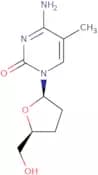
CAS:2',3'-Dideoxy-5-methylcytidine is a synthetic nucleoside analog based on cytidine, a natural building block of DNA and RNA. This molecule is chemically modified to interfere with nucleic acid synthesis, making it a potential tool in antiviral or anticancer therapy, or for studying epigenetics.Formula:C10H15N3O3Purity:Min. 95%Color and Shape:PowderMolecular weight:225.25 g/mol2,2'-Anhydrothymidine
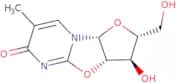
CAS:2,2'-Anhydrothymidine is an anhydro version of thymidine. As 2,2'-Anhydrothymidine is a modified version of thymidine it can help researchers understand what happens when DNA is changed or damaged. Other possible uses as in research related to antiviral drug creation.Formula:C10H12N2O5Purity:Min. 95%Color and Shape:White Off-White PowderMolecular weight:240.21 g/mol8-Allyloxy-9-(b-D-xylofuranosyl)guanine
8-Allyloxy-9-(b-D-xylofuranosyl)guanine is a novel nucleoside that is an activator of ribonucleotide reductase. It is a deoxyribonucleoside and monophosphate, and it has been shown to be active against cancer cells and viruses. 8-Allyloxy-9-(b-D-xylofuranosyl)guanine inhibits the growth of cancer cells by inhibiting DNA synthesis and protein synthesis, which may be due to its inhibition of ribonucleotide reductase. This drug also has antiviral activity against HIV, herpes simplex virus type 1 (HSV1), and herpes simplex virus type 2 (HSV2).Purity:Min. 95%2'-Deoxy-5'-O-DMT-uridine 3'-O succinate TEA
2'-Deoxy-5'-O-DMT-uridine 3'-O succinate TEA salt is a modified nucleoside that is an activator for DNA synthesis. It can be used to synthesize oligonucleotides for use in the treatment of cancer and antiviral agents. 2'-Deoxy-5'-O-DMT-uridine 3'-O succinate TEA salt has been shown to inhibit viral replication by inhibiting the function of reverse transcriptase, which is an enzyme that catalyzes the conversion of RNA into DNA. This product has a CAS number, high purity, and high quality.Purity:Min. 95%2',3'-Di-O-acetyl-D-uridine
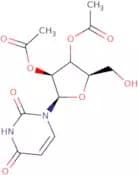
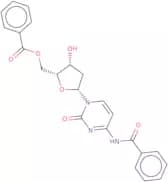
CAS:2',3'-Di-O-acetyl-D-uridine is a nucleoside for use in research applicationsFormula:C13H16N2O8Purity:Min. 98 Area-%Color and Shape:White PowderMolecular weight:328.27 g/molN4-Benzoyl-5'-O-benzoyl-2'-deoxycytidine
CAS:N4-Benzoyl-5'-O-benzoyl-2'-deoxycytidine is a nucleoside monophosphate that is used in the treatment of HIV infection. The antiviral activity of N4-Benzoyl-5'-O-benzoyl-2'-deoxycytidine is due to its ability to inhibit viral DNA synthesis by competing with natural substrates for incorporation into the growing chain. This compound also inhibits cancer cell proliferation and may be useful in the treatment of other forms of cancer. N4-Benzoyl-5'-O-benzoyl-2'-deoxycytidine is synthesized from 2,4,6,-trichlorophenylpiperazine (TCPP) and cyanogen bromide in a two step process using phosphoramidites.Formula:C23H21N3O6Purity:Min. 95%Molecular weight:435.44 g/mol7-b-D-Ribofuranosyl-7H- tetrazolo[5,1i]purine
CAS:7-b-D-Ribofuranosyl-7H- tetrazolo[5,1i]purine is a novel modified ribonucleoside. It has the ability to activate DNA at the monophosphate level and can be used as a substrate for DNA polymerase and in the synthesis of deoxyribonucleosides. 7-b-D-Ribofuranosyl-7H- tetrazolo[5,1i]purine also has antiviral properties, which may be due to its inhibition of viral RNA synthesis. The compound is also used in anticancer treatment as it inhibits cellular proliferation by inhibiting DNA synthesis.
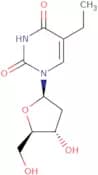
Purity:Min. 95%2'-Deoxy-5-ethyluridine
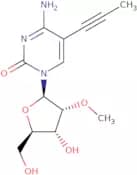
CAS:2'-Deoxy-5-ethyluridine is a nucleoside analog that is used in cancer gene therapy. It is an analog of the natural pyrimidine base uracil and inhibits RNA synthesis by competing with natural nucleosides for incorporation into the growing RNA chain. 2'-Deoxy-5-ethyluridine is cytotoxic to cervical cancer cells, inhibiting cell growth and proliferation at inhibitory doses of 0.1 μM. This drug has also been shown to have synergistic effects with other drugs such as trifluoroacetic acid, monoclonal antibody, tissue culture, glycosidic bond, biological properties, cancer tissues, and polymerase chain reaction (PCR).Formula:C11H16N2O5Purity:Min. 95%Color and Shape:PowderMolecular weight:256.26 g/mol2'-O-Methyl-5-propynylcytidine
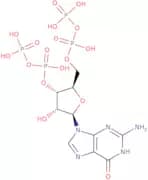
CAS:2'-O-Methyl-5-propynylcytidine is an antiviral drug that inhibits the replication of retroviruses by competitive inhibition of the viral RNA polymerase. It has been shown to be effective against HIV, HSV and CMV. This drug also has shown anticancer activity in vitro and in vivo. 2'-O-Methyl-5-propynylcytidine has a novel mechanism of action and is used as a building block for oligonucleotide synthesis because it is resistant to degradation by nucleases.Formula:C13H17N3O5Purity:Min. 95%Color and Shape:PowderMolecular weight:295.29 g/molGuanosine 3', 5'- bisdiphosphate lithium salt
CAS:Regulates gene transcription; inhibits the synthesis of tRNA and rRNAFormula:C10H17N5O17P4·xLiPurity:Min. 95%Molecular weight:603.16 g/mol2'-Deoxy-6-methylthioguanosine
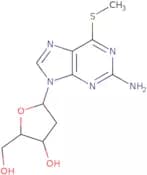
CAS:2'-Deoxy-6-methylthioguanosine is a novel nucleoside and nucleotide analog with antiviral and anticancer activities. It has been shown to inhibit the replication of DNA by inhibiting the activity of DNA polymerase. The target of this drug is not related to any virus or bacterial species, but it inhibits the growth of cancer cells in vitro. The synthesis of 2'-deoxy-6-methylthioguanosine can be achieved by modifying commercially available phosphoramidites.Formula:C11H15N5O3SPurity:Min. 95%Color and Shape:PowderMolecular weight:297.33 g/mol2-[(Benzo[b]thien-2-ylcarbonyl)amino]benzoic acid
CAS:2-[(Benzo[b]thien-2-ylcarbonyl)amino]benzoic acid is a benzoic acid derivative for use in researchFormula:C16H11NO3SPurity:Min. 95%Color and Shape:PowderMolecular weight:297.33 g/moltrans-Zeatin-o-glucoside riboside
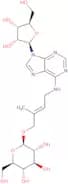
CAS:Trans-Zeatin-o-glucoside riboside is a nucleotide that is found in protonemata and is involved in the regulation of cell division, cytokinin production, and responses to light. It is a cytokinin that regulates the pathways of nitrogen metabolism and other metabolic pathways. Trans-Zeatin-o-glucoside riboside has been detected at detectable levels in cells, tissues, and fluids. It has been shown to be involved in the evolution of plants. It has been shown to regulate cell division by inhibiting the phosphorylation of fibrillarin protein kinase, which leads to an increase in cyclins D1/D2 with no change in cyclin E1/E2. This nucleotide may also play a role in regulating cytokinin production by binding to DNA and influencing gene transcription.Formula:C21H31N5O10Purity:Min. 95 Area-%Color and Shape:PowderMolecular weight:513.5 g/molFlavin adenine dinucleotide
CAS:Flavin adenine dinucleotide, also known as FAD, plays a crucial role in several enzymatic reactions involved in metabolism. It is essential for the function of flavoproteins, which are involved in processes such as the electron transport chain and the citric acid cycle.Formula:C27H33N9O15P2Purity:Min. 95%Color and Shape:PowderMolecular weight:785.5 g/mol3',5'-O-(1,1,3,3-Tetraisopropyldisiloxane-1,3-diyl)-2'-ketouridine
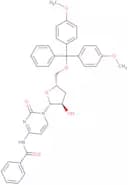
CAS:Used as a protected 2'-ketouridine nucleoside in the synthesis of modified RNA oligonucleotides. The 1,1,3,3-tetraisopropyldisiloxane-1,3-diyl (TIPDS or TBDPSi2) group protects the 3' and 5' hydroxyl groups, while the 2'-keto (or 2'-oxo) modification introduces a specific functional group at the 2' position of the ribose sugar.Formula:C21H36N2O7Si2Purity:Min. 95%Color and Shape:White PowderMolecular weight:484.69 g/molN4-Benzoyl-3'-deoxy-5'-O-DMT-cytidine
CAS:N4-Benzoyl-3'-deoxy-5'-O-DMT-cytidine is a synthetic nucleoside that is used as an activator for DNA synthesis. It is also used in the preparation of diphosphate derivatives for use as antiviral and anticancer agents or as probes for DNA and RNA research. N4-Benzoyl-3'-deoxy-5'-O-DMT-cytidine is a novel, high purity, and high quality chemical with CAS No. 86234-45-9.
Formula:C37H35N3O7Purity:Min. 95%Molecular weight:633.69 g/mol2'-Deoxyguanosine 3'-O-L-valinyl ester
2'-Deoxyguanosine 3'-O-L-valinyl ester is a synthetic nucleoside obtained from 2'-deoxyguanosine and valine. It has antiviral activity against DNA viruses, such as herpes simplex virus and vaccinia virus, and anticancer activity. 2'-Deoxyguanosine 3'-O-L-valinyl ester is an analog of guanosine that has been modified to contain an L-valyl group at the 3' position. This modification increases the stability of this nucleoside in aqueous solutions and provides potent antiviral and anticancer activity.Purity:Min. 95%Polyinosinic acid-polycytidylic acid, homopolymer (1:1)
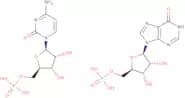
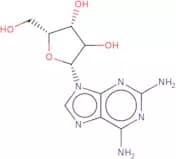
CAS:Polyinosinic acid-polycytidylic acid (Poly I:C), an agonist of TLR3 toll-like receptors, is a synthetic double-stranded RNA analog, consisting of polyinosinic acid (poly I) paired with polycytidylic acid (poly C), forming a stable duplex structure.PolyI:C stimulates the secretion of pro-inflammatory cytokines and type I interferon through its interaction with endosomal Toll-like receptor 3 (TLR-3) and the cytoplasmic receptors melanoma differentiation-associated gene 5 (MDA-5) and retinoic acid-inducible gene I (RIG-I). This immunostimulant activity makes Poly I:C a useful vaccine adjuvant and is used in vaccine formulations. Poly I:C and its stabilized analogs (e.g., poly-ICLC) are also being actively researched for their dual role in oncology: directly targeting tumors and acting as immune potentiators. For example Poly I:C can induce apoptosis in tumor cells and stimulate immunogenic cell death and is therefore being explored alongside chemotherapy, radiotherapy, and checkpoint inhibitors, helping to overcome resistance mechanisms and strengthen treatment outcomes.We can supply PolyI:C to all stages of your project - from R&D and preclinical phases right up to GMP commercial manufacture. Contact our team for custom Poly I:C products. For more on poly I:C read out blog 'Poly I:C: A Vaccine Adjuvant With Oncological Potential.'Formula:(C10H13N4O8P)x•(C9H14N3O8P)xColor and Shape:Powder2-Aminoadenosine
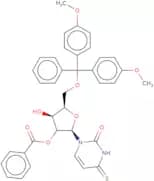
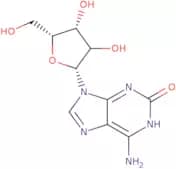
CAS:2-Aminoadenosine is a synthetic nucleoside analog of adenosine in which the purine base is 2,6-diaminopurine, featuring an additional amino group at the C2 position. This modification enhances hydrogen bonding potential and alters base-pairing specificity, allowing it to form three hydrogen bonds with uracil or thymine, in contrast to adenine's two. As a result, 2-aminoadenosine has been studied for its impact on nucleic acid stability, replication fidelity, and enzymatic recognition. It has also shown potential in antiviral and anticancer research due to its ability to disrupt normal RNA and DNA metabolism.Formula:C10H14N6O4Purity:Min. 98 Area-%Color and Shape:White PowderMolecular weight:282.26 g/mol2'-O-Benzoyl-5'-O-DMT-4-thiouridine
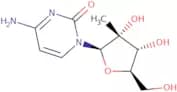
2'-O-Benzoyl-5'-O-DMT-4-thiouridine is a phosphoramidite monophosphate nucleoside analog. It has antiviral and anticancer properties, and has been shown to activate the immune system in mice. 2'-O-Benzoyl-5'-O-DMT-4-thiouridine is also novel because it is structurally different from all other nucleosides that have been studied for antiviral and anticancer activity. This drug can be used as an activator of DNA synthesis in vitro.Formula:C37H34N2O8SPurity:Min. 95%Color and Shape:Yellow SolidMolecular weight:666.76 g/mol2'-C-Methylcytidine
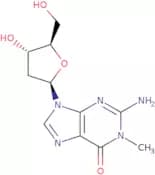
CAS:Broad-spectrum anti-viral; inhibitor of HCV NS5B RNA polymeraseFormula:C10H15N3O5Purity:Min. 98 Area-%Color and Shape:White Off-White PowderMolecular weight:257.25 g/mol2’-Deoxy-N1-methylguanosine
CAS:Controlled Product2’-Deoxy-N1-methylguanosine is a modified purine nucleoside composed of a N¹-methylguanine, a guanine base where a methyl group is attached to the nitrogen at position 1 (N¹). This methylation blocks normal Watson-Crick base pairing, especially with cytosine, and can affect RNA structure and function. It also contains a 2′-Deoxyribose and has possible research applicationsFormula:C11H15N5O4Purity:Min. 97 Area-%Color and Shape:PowderMolecular weight:281.27 g/mol2'-O-Methyladenosine
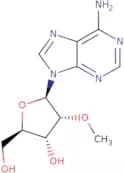
CAS:2'-O-Methyladenosine (2'-OMeA) is a nucleoside that is a low-energy analog of adenosine. It has been shown to be an effective inhibitor of protein synthesis in vitro, by inhibiting RNA polymerase in the process of transcription. 2'-OMeA has also been shown to inhibit virus replication in vitro and to have potent inhibitory activity against human immunodeficiency virus type 1 (HIV-1). 2'-OMeA inhibits viral replication by binding to the viral ribonucleotide reductase enzyme and blocking the conversion of ribonucleotides into deoxyribonucleotides. The chemical structures of 2'-OMeA are similar to those found in fatty acids and can be detected using chemical ionization mass spectroscopy. The sequence for 2'-OMeA was determined through sequencing methods including NMR spectroscopy and nuclear magnetic resonance data analysis.Formula:C11H15N5O4Purity:Min. 98 Area-%Color and Shape:White Off-White PowderMolecular weight:281.27 g/mol8-Hydrazinoadenosine
CAS:8-Hydrazinoadenosine is an inhibitor of phosphodiesterase, which is a key enzyme in the regulation of cellular processes. 8-Hydrazinoadenosine binds to the active site of the enzyme and inhibits its function. This binding prevents hydrolysis of the phosphate bond between two nucleotides and so prevents the formation of a new nucleotide from a nucleoside and a phosphate molecule. 8-Hydrazinoadenosine has been shown to inhibit phosphodiesterases in vitro and in animals, including rat brain and mouse lung. Strategies for 8-hydrazinoadenosine commercialization have been investigated, including attaching it to other molecules that are more easily absorbed by cells or using irradiation to produce 8-aminoadenosine, which can be converted into 8-hydrazinoadenosine.Purity:Min. 95%3'-Amino-5'-O-p-anisoyl-3'-deoxy-D3-thymidine
Controlled Product3'-Amino-5'-O-p-anisoyl-3'-deoxy-D3-thymidine is a novel modified nucleoside that has antiviral and anticancer properties. It is an activator of the DNA polymerase, ribonucleotide reductase, and thymidine kinase enzymes. 3'-Amino-5'-O-p-anisoyl-3'-deoxy-D3-thymidine has been shown to inhibit the growth of human cancer cells in vitro and in vivo.Formula:C18H18N3O7D3Purity:Min. 95%Molecular weight:394.39 g/mol2'-Deoxypseudoisocytidine
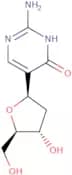
CAS:2'-Deoxypseudoisocytidine is a synthetic nucleoside that is structurally similar to pseudoisocytidine. It is used as an anti-cancer agent in labeling studies. The compound exhibits cytotoxic activity against tumor cells and inhibits the growth of cultured human cancer cell lines. 2'-Deoxypseudoisocytidine has been shown to be effective in preventing the growth of brain tumors in mice by targeting DNA synthesis, which may be due to its ability to act as an analog of cytosine and bind to DNA. This drug also has potential for use as a chemotherapeutic agent for leukemia and other cancers.Formula:C9H13N3O4Purity:Min. 95%Color and Shape:PowderMolecular weight:227.22 g/molDenufosol tetrasodium
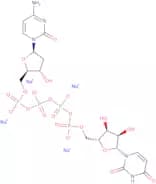
CAS:A P2Y2 receptor agonist that has been studied in cystic fibrosis and retinal diseases such as retinal detachment. Denufosol was studied as an inhaled drug for cystic fibrosis, due to its ability to activate an alternative chloride channel and avoiding the defective CFTR chloride channel. This enhances hydration of the lung mucosa and improves mucociliary clearance. The drug did not progress from phase III clinical trials. Denufosol resulted in subretinal fluid reabsorption in in vivo model of retinal detachment.
Formula:C18H23N5Na4O21P4Purity:Min. 90 Area-%Color and Shape:PowderMolecular weight:861.25 g/molN6-Benzoyl-3’-deoxy-5'-O-DMT-3’- fluoroadenosine 2’-CE-phosphoramidite
N6-Benzoyl-3’-deoxy-5'-O-DMT-3’- fluoroadenosine 2’-CE-phosphoramidite is a novel and activator ribonucleoside with deoxyribonucleosides, diphosphate and phosphoramidites. It is an anti-cancer, antiviral, and antiinflammatory agent. N6-Benzoyl-3’-deoxy-5'-O-DMT-3’ -fluoro adenosine 2’ -CE phosphoramidite has a CAS no.Purity:Min. 95%Fmoc morpholino uridine monomer
Fmoc morpholino uridine monomer is a novel anticancer drug. It can inhibit the proliferation of cancer cells and induce cell apoptosis by interfering with the synthesis of DNA, RNA and protein. Fmoc morpholino uridine monomer has been shown to be active against viruses, such as human immunodeficiency virus (HIV), herpes simplex virus (HSV) and influenza A virus. This compound is also reported to have antiviral activity against HIV-1 in vitro and HSV-2 in vivo.Formula:C26H28ClN4O7PPurity:Min. 95%Molecular weight:574.138415'-O-DMT-2'-O-methyl-5-iodouridine 3'-CE-phosphoramidite
5'-O-DMT-2'-O-methyl-5-iodouridine 3'-CE-phosphoramidite is a novel nucleoside, which has been synthesized by the activation of 5'-O-DMT-2'-O-methyluridine 3'-CE with phosphorous tribromide. It has been tested for antiviral and anticancer activities, as well as its ability to inhibit HIV replication in vitro. This compound is also useful for the synthesis of other nucleosides.Purity:Min. 95%5’(R)-C-Methyl-5-methyluridine
CAS:5’(R)-C-Methyl-5-methyluridine is an nucleoside and a ribonucleoside. It has antiviral, anticancer, and DNA modifying properties. This product is used in research to make phosphoramidites, diphosphates, and deoxyribonucleosides. 5’(R)-C-Methyl-5-methyluridine is also used in the production of modified oligonucleotides as well as other novel DNA compounds.
Purity:Min. 95%2'-O-Acetyl-3'-deoxy-3'-fluoro-5'-O-toluoyluridine
2′-O-Acetyl-3′-deoxy-3′-fluoro-5′-O-toluoyluridine is a novel, activator ribonucleoside. It is synthesized by the phosphoramidite method and modified with an acetyl group at the 2′ position and a toluoyl group at the 3′ position. This compound has been shown to be active against cancer cells in vitro and in vivo.Formula:C19H19FN2O7Purity:Min. 95%Molecular weight:406.36 g/mol7-Methyl-2'-deoxywyosine
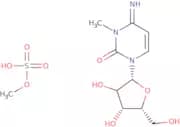
7-Methyl-2'-deoxywyosine is a nucleoside analogue that inhibits the growth of cells by interfering with DNA replication. It is a modified form of deoxywyosine, which is the natural precursor of DNA and RNA. 7-Methyl-2'-deoxywyosine has antiviral activity against herpes simplex virus type 1 (HSV-1) and human cytomegalovirus (CMV). This compound has shown anticancer activity in vivo and in vitro, as well as high purity and quality.Purity:Min. 95%N3-Methylcytidine methosulfate
CAS:N3-Methylcytidine methosulfate is a novel antiviral agent that inhibits the synthesis of DNA and RNA. It has been shown to be effective against hepatitis B virus, herpes simplex virus, varicella-zoster virus, human immunodeficiency virus, and cytomegalovirus. N3-Methylcytidine methosulfate was found to be active in a variety of animal models including mice and rats. This drug has anticancer properties in the treatment of leukemia, lymphoma, and breast cancer. The phosphoramidite derivative of N3-methylcytidine methosulfate is used as an activator for oligonucleotide synthesis.
Formula:C10H15N3O5·CH4SO4Purity:Min. 98 Area-%Color and Shape:PowderMolecular weight:369.35 g/mol6-Aza-2'-deoxyisocytidine
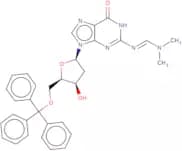
CAS:6-Aza-2'-deoxyisocytidine (6-Aza-dC) is a nucleoside analog that inhibits the activity of the enzyme phosphodiesterase. It has been shown to be effective against HIV, HBV, and HCV by inhibiting viral replication in cells. 6-Aza-dC is an acidic compound that can be synthesized from 2',3'-dideoxycytidine (2',3'-ddC) by reacting with azidotrimethylsilane in the presence of tetraethylammonium chloride. The synthesis of 6-Aza-dC can be accomplished using a phosphoramidite approach or bidentate coupling.Formula:C8H12N4O4Purity:Min. 95%Molecular weight:228.21 g/mol2'-Deoxy-N2-DMF-5'-O-tritylguanosine
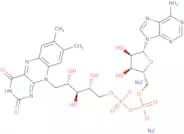
CAS:2'-Deoxy-N2-DMF-5'-O-tritylguanosine is a nucleoside that is used as a building block in the synthesis of oligonucleotides and other DNA analogues. It is a novel, synthetic nucleoside. The compound has antiviral and anticancer properties. It has been evaluated for use as an activator in antibody production and in the treatment of HIV infection and certain types of cancer. 2'-Deoxy-N2-DMF-5'-O-tritylguanosine is a phosphoramidite, which can be used to synthesize DNA or RNA. This product is available in high purity, diphosphate form and can be used to prepare Anticancer (CAS No. 40094-22-2) Novel Nucleosides (CAS No. 40094-22-2) Phosphoramidites (CAS No. 40094-22Formula:C32H32N6O4Purity:Min. 95%Molecular weight:564.65 g/molRiboflavin 5'-adenosine diphosphate disodium salt hydrate
CAS:Riboflavin 5'-adenosine diphosphate disodium salt hydrate is a chemical compound that can be used as a substrate for nitrate reductase in the presence of molecular oxygen. It can be used to identify mollicutes and diagnose radiation-induced lesions. The reaction mechanism involves the conversion of riboflavin 5'-adenosine monophosphate to riboflavin 5'-adenosine diphosphate by an enzyme called nitrate reductase, which is present in the microorganism. This reaction is accompanied by the release of electrons, which are detected by a fluorescence detector. The rate constant for this reaction is k=1.5x10^-4/s at pH 7 and 37 degrees Celsius with an electrochemical detector and k=2.0x10^-3/s at pH 7 and 37 degrees Celsius with a carbonyl oxygens detector. Riboflavin 5'-Formula:C27H31N9Na2O15P2·xH2OPurity:(Uv) Min. 95%Color and Shape:Yellow Orange PowderMolecular weight:829.51 g/mol2'-O-Acetyl-3'-deoxy-3'-fluoro-5-methoxy-5'-O-toluoyluridine
CAS:2'-O-Acetyl-3'-deoxy-3'-fluoro-5-methoxy-5'-O-toluoyluridine is a modified nucleoside that has antiviral, anticancer and antimalarial activities. This compound has been synthesized as a monophosphate derivative of the natural nucleoside uridine. It is an activator of DNA polymerase, which helps to synthesize DNA in cells. 2'-O-Acetyl-3'-deoxy-3'-fluoro-5-methoxy-5'-O-toluoyluridine also has anticancer activity due to its ability to inhibit the replication of the human tumor virus KSHV.Purity:Min. 95%2’-Deoxy-2’-fluoroadenosine 5’-monophosphate triethyl ammonium salt
2’-Deoxy-2’-fluoroadenosine 5’-monophosphate triethyl ammonium salt is a nucleoside phosphoramidite that acts as an antiviral agent. It is used to treat influenza and herpes simplex virus infections. 2’-Deoxy-2’-fluoroadenosine 5’-monophosphate triethyl ammonium salt also inhibits the growth of cancer cells, but has not been shown to be effective against bacterial or fungal infections.Purity:Min. 95%2'-O-tert-Butyldimethylsilyl-5'-O-DMT-N3-methylcytidine 3'-CE phosphoramidite
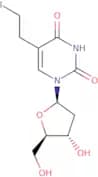
2'-O-tert-Butyldimethylsilyl-5'-O-DMT-N3-methylcytidine 3'-CE phosphoramidite is a modified nucleoside that is synthesized by the reaction of 2'-deoxycytidine with bis(2,4,6-trichlorophenyl)carbonate in the presence of a base. 2'-O-tert-Butyldimethylsilyl-5'-O-DMT-N3 methylcytidine 3'-CE phosphoramidite has been shown to have anticancer activity and is used as an activator in the synthesis of oligonucleotides. This product is available as a white powder and can be used for research purposes only.Purity:Min. 95%2'-Deoxy-5-(2-iodoethyl)uridine
CAS:2'-Deoxy-5-(2-iodoethyl)uridine is a nucleoside analog with antiviral and anticancer activity. It has been shown to be an activator of DNA replication, as well as inhibiting the synthesis of deoxyribonucleotides. This drug also has a novel structure that is modified from the natural nucleosides found in DNA and RNA. 2'-Deoxy-5-(2-iodoethyl)uridine can be synthesized using phosphoramidites, which are activated by iodine and sulfurizing agents. The purity of this compound is high and it is available at high quality.Purity:Min. 95%5-Fluorocytidine
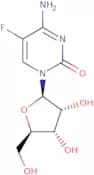
CAS:5-Fluorocytidine (5FC) is an antiviral drug that inhibits the synthesis of DNA. 5FC is a prodrug that is converted to cytosine in vivo, and then incorporated into viral DNA by polymerase chain reactions. The incorporation of 5FC into viral DNA prevents replication and transcription, which can lead to the death of cells infected with HIV. In addition, 5FC has been shown to be effective in treating chronic viral hepatitis and bowel diseases such as Crohn's disease. It also has potential use as a drug target for cancer treatments. 5FC has been shown to inhibit transcription activators in murine hepatoma cells and inhibit the growth of tumors in transfection experiments using human colon cancer cells. This antiviral agent has also been shown to have antimicrobial activity against Gram-positive bacteria, including Clostridium difficile, Staphylococcus aureus, Streptococcus pyogenes and Enterococcus faecFormula:C9H12FN3O5Purity:Min. 99 Area-%Color and Shape:White PowderMolecular weight:261.21 g/molN4-Acetylcytidine
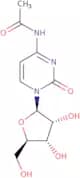
CAS:N4-Acetylcytidine is a modified nucleoside and endogenous urinary nucleoside product of the degradation of tRNA. N4-Acetylcytidine is a biological marker for various cancers with elevated concentrations present in urine. N4-Acetylcytidine is also a partially protected cytidine and therefore can be used as a synthetic building block to prepare further derivatized nucleosides such as 2’,3’-dideoxycytidine.Formula:C11H15N3O6Purity:Min. 95%Color and Shape:White PowderMolecular weight:285.25 g/molInosine 5'-diphosphate disodium salt
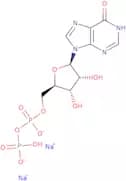
CAS:Inosine-5'-diphosphate disodium salt (IDPS) is a nitro compound that is used in the synthesis of antibacterial drugs. It is also used in the production of polymers and as a precursor to other organic compounds. IDPS has been shown to have antibacterial activity against halogeno bacteria, such as buprestidae, and many Gram-positive bacteria, including encapsulated strains. IDPS has been shown to be effective against both damaged cells and healthy cells in culture. The mechanism of action may involve inhibition of protein synthesis by blocking the ribosomes or by interfering with DNA replication. This drug also inhibits growth rate of japonica rice and heterocycles.Formula:C10H12N4Na2O11P2Purity:Min. 90.0 Area-%Color and Shape:White PowderMolecular weight:472.15 g/mol2'-O-tert-Butyldimethylsilyl-5'-O-DMT-N2-isobutyrylguanosine 3'-CE phosphoramidite
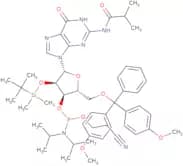
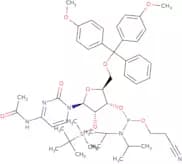
CAS:The 2'-O-tert-Butyldimethylsilyl-5'-O-DMT-N2-isobutyrylguanosine 3'-CE phosphoramidite is an oligomer with a modified nucleoside. The modification of the nucleoside has been shown to be more efficient than other modifications, such as fluorine or bromine substitutions. This product is used in the synthesis of DNA and RNA oligomers. The coupling efficiency is high and can be used for ligand binding studies.Formula:C50H68N7O9PSiPurity:Min. 98 Area-%Color and Shape:White PowderMolecular weight:970.18 g/mol1-(2'-Deoxy-5'-O-DMT-2'-fluoro-β-D-arabinofuranosyl)thymine
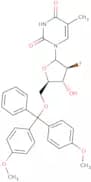
CAS:1-(2'-Deoxy-5'-O-DMT-2'-fluoro-b-D-arabinofuranosyl)thymine is a chemically modified nucleoside that contains a fluorinated sugar moiety and a thymine base, with a dimethoxytrityl (DMT) protecting group on the 5'-hydroxyl of the sugar.Formula:C31H31FN2O7Purity:Min. 95%Molecular weight:562.6 g/mol9-(b-D-Arabinofuranosyl)isoguanine
CAS:9-(b-D-Arabinofuranosyl)isoguanine is a modified nucleoside that has antiviral activity. It is synthesized by substituting the 2'-hydroxyl group of deoxyribose with an arabinofuranose, which can be phosphorylated to form 9-(b-D-arabinofuranosyl)isoguanine 5'-monophosphate. This novel antiviral agent inhibits the synthesis of viral DNA and RNA, and is effective against a wide range of viruses in vitro. The drug was shown to have anticancer activities in animal models and has been patented for use as a chemotherapeutic agent against leukemia, lymphoma, and other cancers.Formula:C10H13N5O5Purity:Min. 95%Color and Shape:White PowderMolecular weight:283.25 g/mol2-Amino-9-(2'-deoxy-β-D-ribofuranosyl)purine
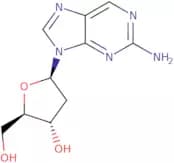
CAS:2-Amino-9-(2'-deoxy-b-D-ribofuranosyl)purine is a nucleoside analog that has been found to be effective in the treatment of leukemia.Formula:C10H13N5O3Purity:(Hplc) Min. 98.00%Color and Shape:PowderMolecular weight:251.24 g/molN6,N6,2'-O-Trimethyladenosine
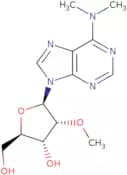
CAS:N6,N6,2'-O-Trimethyladenosine is a nucleoside that is found in small quantities in human tissues. It is synthesized by the enzyme polymerase from adenosine and S-adenosyl-L-methionine. N6,N6,2'-O-Trimethyladenosine is structurally similar to guanosine and cytidine and can be modified by nature or synthetic strategies. N6,N6,2'-O-Trimethyladenosine has been shown to have effects on fertility and may be involved in epigenetics as well as tuberculosis. Its role as an epigenetic marker for gene regulation has not been fully determined.Formula:C13H19N5O4Purity:Min. 88 Area-%Color and Shape:White PowderMolecular weight:309.32 g/mol5-Chloro-2-iodopyrimidine
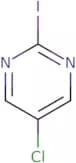
CAS:5-Chloro-2-iodopyrimidine is an organic molecule that belongs to the class of trifluoromethylated molecules. It was discovered by a team of chemists in 2006 and has been used as a reagent for the efficient trifluoromethylation of organic molecules. 5-Chloro-2-iodopyrimidine can be catalyzed with copper, which is responsible for its unique reactivity. The synthesis of this molecule has been shown to be efficient in organic chemistry. END>Formula:C4H2ClIN2Purity:Min. 95%Color and Shape:PowderMolecular weight:240.43 g/mol2,2'-Anhydro-L-uridine
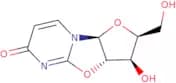
CAS:2,2'-Anhydro-L-uridine is a nucleoside used in for research purposes. It is of particular interest due to it being an L-isomer which is different from the D-form sugars used by the human body. It is useful to study these kinds of molecules for their use in medicine, especially as antiviralsFormula:C9H10N2O5Purity:Min. 95%Color and Shape:PowderMolecular weight:226.19 g/mol5-Methylcytidine-5'-monophosphate
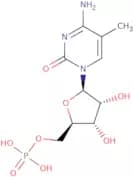
CAS:5-Methylcytidine-5'-monophosphate is a nucleotide that is an intermediate in the synthesis of DNA. It is a neutral form and has been sequenced. 5-Methylcytidine-5'-monophosphate is found in cellular components, such as mitochondria and nuclei. The biochemical properties of this molecule are dependent on its methylation state. This molecule also plays a role in mitochondrial functions and nuclear DNA modifications.
Formula:C10H16N3O8PPurity:Min. 95%Color and Shape:White Off-White PowderMolecular weight:337.22 g/mol1-(2’-Deoxy-2’-fluoro-b-D-arabinofuranosyl)-N3-(2S)-(2-amino-3-carbonyl]propyluracil
CAS:1-(2’-Deoxy-2’-fluoro-β-D-arabinofuranosyl)-N3-(2S)-(2-amino-3-carbonyl]propyluracil is a novel, anticancer drug. It is active against both RNA and DNA viruses, such as HIV, influenza virus and herpes virus. 1-(2’-Deoxy-2’-fluoro-β-D-arabinofuranosyl)-N3-(2S)-(2-amino-3-carbonyl]propyluracil has been shown to be an activator for phosphoramidites in aqueous solution. This compound is of high purity with CAS No. 2072145–25–4. It is also a synthesized, monophosphate nucleoside that can be used in the production of modified nucleosides for therapeutic purposes or as antiviral agentsPurity:Min. 95%5-o-(Dimethoxytrityl)-N4-dimethylaminomethylidene-5-iodo-2'-deoxycytidine
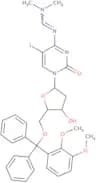
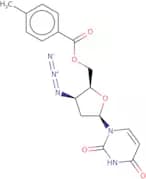
CAS:Dimethoxytrityl-5-iodo-2'-deoxycytidine is a novel, modified nucleoside that has anticancer and antiviral properties. It is synthesized by reacting 5-iodo-2'-deoxycytidine with dimethoxytrityl chloride in the presence of triethylamine. This compound can be used to synthesize oligonucleotide phosphoramidites, ribonucleosides, and diphosphates.Formula:C33H35IN4O6Purity:Min. 95%Molecular weight:710.6 g/mol3'-Azido-2',3'-dideoxy-5'-O-p-toluoyluridine
3'-Azido-2',3'-dideoxy-5'-O-p-toluoyluridine is a novel, activator ribonucleotide that has been shown to inhibit the proliferation of cancer cells and human immunodeficiency virus (HIV) with high potency. This compound is a nucleoside analog that is synthesized from diphosphate, phosphoramidites, and modified nucleosides. 3'-Azido-2',3'-dideoxy-5'-O-p-toluoyluridine has been shown to inhibit the growth of tumor cells in vitro and in vivo by arresting cell cycle progression at G1 phase. The mechanism of action for this drug is not fully understood; however, it may be related to its ability to induce apoptosis.Formula:C17H17N5O5Purity:Min. 95%Molecular weight:371.35 g/mol5'-O-tert-Butyldimethylsilyl-2,2'-anhydrouridine
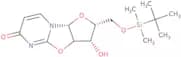
5'-O-tert-Butyldimethylsilyl-2,2'-anhydrouridine is a modified nucleoside that has been used as an anticancer agent and antiviral and antifungal agent. It has been shown to inhibit the growth of tumor cells in animal models by inhibiting DNA synthesis and repair. 5'-O-tert-Butyldimethylsilyl-2,2'-anhydrouridine is also able to bind to RNA with high affinity, making it a potential candidate for use as an antiviral agent against HIV. This compound does not occur naturally in cells and can be synthesized from other nucleosides.Formula:C15H24N2O5SiPurity:Min. 95%Molecular weight:340.45 g/mol5-Fluorocytosine
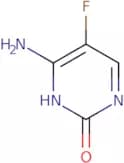
CAS:Flucytosine is an antifungal agent that inhibits the synthesis of DNA by preventing the conversion of deoxyuridine monophosphate to uracil monophosphate. It is used as an antiretroviral therapy in combination with other drugs, such as zidovudine and dideoxyinosine, to treat HIV infections. Flucytosine has been shown to have a strong antitumor response in a model system involving mice with sarcoma 180. This drug can cause serious side effects, including drug interactions and resistance mutations in microorganisms. These side effects are often observed in patients undergoing cancer chemotherapy or immunosuppressive therapy.Formula:C4H4FN3OPurity:Min. 95%Color and Shape:White PowderMolecular weight:129.09 g/molN6-Benzoyl-2'-O-tert-butyldimethylsilyl-5'-O-trityladenosine 3'-CE phosphoramidite
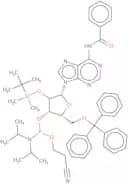
N6-Benzoyl-2'-O-tert-butyldimethylsilyl-5'-O-trityladenosine 3'-CE phosphoramidite is a novel modified nucleoside. It is an antiviral and anticancer agent that has been shown to inhibit the replication of DNA in vitro. It also inhibits the synthesis of RNA and protein, which may contribute to its anti-cancer properties. N6-Benzoyl-2'-O-tert-butyldimethylsilyl-5'-O-trityladenosine 3'-CE phosphoramidite is synthesized from 2,6,8 trichloroquinoline and 2,3,4 trimethoxybenzaldehyde via a novel process with high purity.Formula:C51H62N7O6PSiPurity:Min. 95%Molecular weight:928.17 g/molN4-Acetyl-2'-O-tert-butyldimethylsilyl-5'-O-DMT-cytidine 3'-CE phosphoramidite
CAS:N4-Acetyl-2'-O-tert-butyldimethylsilyl-5'-O-DMT-cytidine 3'-CE phosphoramidite is a novel nucleoside analogue with antiviral and anticancer potential. It is a modified nucleoside that contains an acetyl group at the 4' position. The 3'-OH group has been replaced by a tertiary butyldimethylsilyl group, which renders the compound resistant to deamination by nucleases. N4-Acetyl-2'-O-tert-butyldimethylsilyl-5'-O-DMT-cytidine 3'-CE phosphoramidite also shows high purity and high quality.Formula:C47H64N5O9PSiPurity:Min. 98 Area-%Color and Shape:White PowderMolecular weight:902.11 g/mol5'-O-p-Anisoyl-3'-fluoro-2',3'-dideoxyuridine
5'-O-p-Anisoyl-3'-fluoro-2',3'-dideoxyuridine (5-FAU) is a deoxynucleoside that is synthesized by the phosphoramidite method, and it has been used as an antiviral agent. 5-FAU is a novel nucleoside analog with anticancer activity. It inhibits replication of herpes simplex virus type 1 and 2, varicella zoster virus, and Epstein Barr virus in cell culture. 5-FAU also inhibits HIV replication in vitro and in animal models. The antiviral activity of 5-FAU is due to its inhibition of viral DNA polymerase, which prevents the synthesis of viral DNA from viral RNA templates.Formula:C17H17FN2O6Purity:Min. 95%Molecular weight:364.33 g/molCyclopentenyl cytosine 5'-triphosphate sodium salt
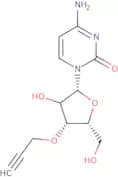
Cyclopentenyl cytosine 5'-triphosphate sodium salt is a synthetic, activator diphosphate. It is used as a phosphoramidite in the synthesis of DNA and RNA. Cyclopentenyl cytosine 5'-triphosphate sodium salt has been shown to have anticancer and antiviral properties.Purity:Min. 95%3'-O-Propargylcytidine
3'-O-Propargylcytidine is a monophosphate nucleoside that belongs to the group of synthetic, novel nucleosides and deoxyribonucleosides. It is a modified form of cytidine with an extra methyl group attached to the 3' position of the ribose sugar. 3'-O-Propargylcytidine has been shown to inhibit cancer cells by binding to DNA and preventing transcription and replication. This compound also inhibits virus replication and has antiviral properties. 3'-O-Propargylcytidine is highly pure and high quality, which makes it a good candidate for use in pharmaceuticals or other applications requiring high purity.
Formula:C12H15N3O5Purity:(%) Min. 97%Color and Shape:PowderMolecular weight:281.26 g/mol3'-O-Allyladenosine
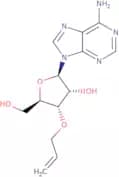
CAS:3'-O-Allyladenosine is an antiviral agent that inhibits the replication of DNA and RNA viruses. It has been shown to have anticancer properties, and is a novel nucleoside analog with potential as an antitumor agent. 3'-O-Allyladenosine is a modified nucleoside analog that can be synthesized with high purity and quality. This compound has shown antiviral activity against influenza virus and herpes simplex virus type 1. In addition, 3'-O-Allyladenosine has been found to inhibit tumor growth in mice without any significant side effects.
Formula:C13H17N5O4Purity:Min. 95%Color and Shape:PowderMolecular weight:307.31 g/mol2’-Deoxy-N6-isopentenyladenosine
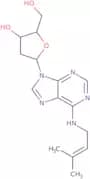
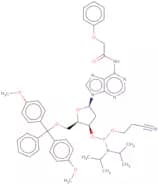
CAS:2’-Deoxy-N6-isopentenyladenosine (2’-DIA) is a monophosphate nucleoside that has antiviral properties. It activates DNA polymerase and inhibits tumor proliferation by inhibiting the synthesis of RNA and DNA. 2’-DIA is an analog of adenosine, which is used in the anticancer drug gemcitabine. 2’-DIA is synthesized through the condensation of 6-(2'-deoxyisopentenyl)adenosine with diphosphate. This compound also functions as a ribonucleotide, meaning it can be incorporated into RNA chains to form new proteins.Purity:Min. 95%2'-Deoxy-5'-O-DMT-N6-phenoxyacetyladenosine 3'-CE phosphoramidite
CAS:Amidite designed to withstand prolonged exposure to strongly alkaline conditions during heating with ammonium hydroxide solution.Formula:C48H54N7O8PPurity:Min. 95%Color and Shape:PowderMolecular weight:887.98 g/molN4-Benzoyl-5-methylcytidine
CAS:N4-Benzoyl-5-methylcytidine is a labile chemical that can be uniquely prepared using biochimie. It has been shown to have anticodon activity in assays and is synthesized chemically. The nucleoside is phosphoramidite, which is methylated and reproducible. N4-Benzoyl-5-methylcytidine has been shown to inhibit the growth of cells by blocking the synthesis of purines and pyrimidines. It may also have biophysical properties that are related to its ability to bind to DNA.Formula:C17H19N3O6Purity:Min. 95%Color and Shape:PowderMolecular weight:361.35 g/mol1-Methylpseudouridine
CAS:1-Methylpseudouridine is a substitute for uridine in modified mRNA. This substitution has shown to increase transfection by reducing immuogenicity. The 1-methylpseudouridine substituted mRNA increases protein expression due to low immune stimulation as it evades detection by the edosomal Toll-like receptor (TLR3).Formula:C10H14N2O6Purity:Min. 98.0 Area-%Molecular weight:258.23 g/molRef: 3D-M-4320
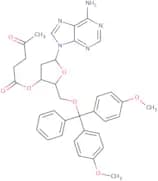
1gTo inquire5gTo inquire250mgTo inquire500mgTo inquire2500mgTo inquire-Unit-ggTo inquire5’-O-DMT-3’-O-levulinyl-2’-deoxyadenosine
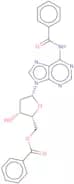
CAS:5’-O-DMT-3’-O-levulinyl-2’-deoxyadenosine is a monophosphate antiviral agent. It has been shown to inhibit the activity of DNA and RNA polymerases in vitro. The drug is novel, and its antiviral properties have not been tested in vivo. 5’-O-DMT-3’-O-levulinyl-2’-deoxyadenosine has been synthesized using phosphoramidites and was found to be of high quality and purity. It has also been modified at the 2' position with an acetyl group and at the 3' position with a levulinoyl group.Purity:Min. 95%N6-Benzoyl-5'-O-benzoyl-2'-deoxyadenosine
CAS:N6-Benzoyl-5'-O-benzoyl-2'-deoxyadenosine is an antiviral and anticancer compound. It has been shown to be active against a number of viruses, including human immunodeficiency virus type 1 (HIV-1), herpes simplex virus type 1, and influenza A virus. It also inhibits DNA polymerase α and β by competitive inhibition, preventing the incorporation of ribonucleotides into DNA. This compound may be used for the treatment of AIDS or as a cytostatic agent for the treatment of leukemia or lymphoma.Formula:C24H21N5O5Purity:Min. 95%Molecular weight:459.47 g/molNicotinic acid riboside
CAS:Nicotinic acid riboside is a nicotinic acid derivative that has been shown to increase NAD+ levels in cells. Nicotinic acid riboside has been shown to increase the activity of enzymes involved in energy metabolism and transfer reactions, as well as target enzymes such as nicotinamide phosphoribosyltransferase (NAMPT) and its substrate, nicotinamide mononucleotide (NMN). It also increases cellular NAD+ levels by inhibiting the degradative enzyme, nicotinamide phosphoribosyltransferase (NAMPT). Nicotinic acid riboside can be used to treat metabolic disorders such as diabetes mellitus type 2.Formula:C11H13NO6Purity:Min. 95%Color and Shape:PowderMolecular weight:255.22 g/molb-Nicotinamide mononucleotide
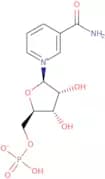
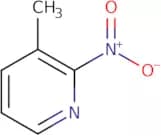
CAS:b-Nicotinamide mononucleotide, or NMN, is a precursor to nicotinamide adenine dinucleotide (NAD+), a coenzyme found in all living cells that is essential for various metabolic processes. NAD+ is involved in critical functions such as DNA repair, gene expression, and cellular stress responses.Formula:C11H15N2O8PPurity:Min. 95 Area-%Color and Shape:PowderMolecular weight:334.22 g/mol3-Methyl-2-nitropyridine
CAS:3-Methyl-2-nitropyridine is a high yield byproduct of formamide, which can be activated to form an intermediate for the synthesis of nucleosides. The kinetics and labeling of this intermediate were studied using a transfer experiment. 3-Methyl-2-nitropyridine is acidic, with a pKa value of 3.6, and is reactive towards nucleophiles. It is also catalytic, yielding methyl groups and dioxane as products when heated at temperatures between 180°C and 220°C. In addition, it undergoes nucleophilic substitutions at methoxy groups.
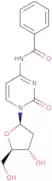
Formula:C6H6N2O2Purity:Min. 95%Color and Shape:PowderMolecular weight:138.12 g/molN4-Benzoyl-2'-deoxycytidine
CAS:N4-Benzoyl-2'-deoxycytidine is a fluorescent nucleoside that has been used to study the molecular interactions between sugar residues and the phosphate groups of nucleic acids. It is used as a reagent for glycosidation, which involves the formation of a glycosidic linkage between an alcohol group in a saccharide or oligosaccharide and the hydroxyl group in an aromatic acid. N4-Benzoyl-2'-deoxycytidine has also been synthesized by solid-phase techniques. This synthetic method is based on phosphoramidite chemistry and uses an automated DNA synthesizer to produce oligonucleotides with specific sequences. The synthesis of this nucleoside relies on the use of fluorescent dyes such as fluorescein, rhodamine, and coumarin to monitor progress during synthesis.Formula:C16H17N3O5Purity:Min. 95%Color and Shape:White PowderMolecular weight:331.33 g/molInosine 5'-triphosphate lithium salt
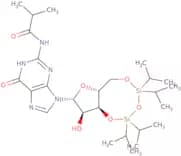
Inosine 5'-triphosphate lithium salt is a nucleoside that is used as an activator for DNA polymerase in the synthesis of deoxyribonucleotides. It has been shown to have anticancer properties and can be used to treat leukemia, lymphoma, and ovarian cancer. Inosine 5'-triphosphate lithium salt has also been shown to inhibit the growth of bacteria by inhibiting RNA synthesis.Formula:C10H15N4O14P3FPurity:Min. 95%Molecular weight:527.16 g/molN2-Isobutyryl-3',5'-O-(1,1,3,3-tetraisopropyl-1,3-disiloxanediyl)guanosine
CAS:N2-Isobutyryl-3',5'-O-(1,1,3,3-tetraisopropyl-1,3-disiloxane-diyl)guanosine is a nucleoside that is activated by phosphorylation. It has been shown to be an inhibitor of cancer cell growth and proliferation in vitro. This compound was also found to inhibit the expression of two oncogenes (c-MYC and c-Ki67) and induce the expression of the tumor suppressor gene p53. This nucleoside is synthesized from 2'-deoxyadenosine monophosphate (2'-DAMP) with a modified DNA synthesis protocol.Formula:C26H45N5O7Si2Purity:Min. 95 Area-%Color and Shape:White Off-White PowderMolecular weight:595.84 g/mol3'-Deoxy-3'-iodothymidine
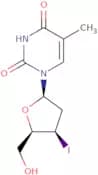
CAS:3'-Deoxy-3'-iodothymidine is a nucleoside that is found in DNA. It has a constant of -1.5 and can be protonated to form the anion. The molecule has a reactive radical anion, which is stabilized by electron delocalization with the aromatic rings. 3'-Deoxy-3'-iodothymidine has been studied for use as a medicine for cancer treatment, but it also has applications in biology and chemistry. This compound can be used in conductometry and electron spectroscopy, as well as other chemical experiments that require ionic compounds or radiation.
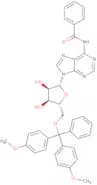
Formula:C10H13IN2O4Purity:Min. 95%Color and Shape:PowderMolecular weight:352.13 g/molN6-Benzoyl-5'-O-DMT-adenosine
CAS:N6-Benzoyl-5'-O-DMT-adenosine is a synthetic nucleoside with antiviral activity. It is an activator of viral DNA polymerase and inhibits viral replication by inhibiting DNA synthesis in the host cell. N6-Benzoyl-5'-O-DMT-adenosine has shown anticancer activity in tumor cells, which may be due to its ability to inhibit ribonucleotide reductase and diphosphate kinase.
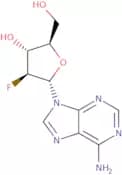
Formula:C38H35N5O7Purity:Min. 95%Color and Shape:White PowderMolecular weight:673.73 g/mol9-(2'-Deoxy- 2'- fluoro- a- D- arabinofuranosyl) -9H- purin- 6- amine
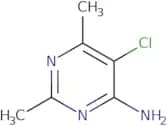
CAS:9-(2'-Deoxy- 2'- fluoro- a- D- arabinofuranosyl) -9H- purin- 6- amine is an antiviral and anticancer agent. It can be used as a monophosphate or as a phosphoramidite for the synthesis of DNA, RNA, and modified nucleosides. The chemical name is 9-(2'-deoxy-2'-fluoro-a-D-arabinofuranosyl)-9H-purin-6-amine. It has the CAS number 20187-82-0. This drug was synthesized in 1976 by Koehler and colleagues at Bayer. The molecular weight is 268.46 g/mol, with a melting point of 190°C, boiling point of 320°C and density of 1.408 g/mL at 20°C. It is soluble in water, methanol, ethanol, chloroform and acetic acidFormula:C10H12FN5O3Purity:Min. 95%Color and Shape:SolidMolecular weight:269.23 g/mol4-Amino-5-chloro-2,6-dimethylpyrimidine
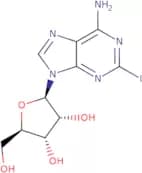
CAS:4-Amino-5-chloro-2,6-dimethylpyrimidine is a supramolecular complex that is characterized by the coordination geometry of its metal ion and the donor atoms. It has been proposed as a potential drug for the treatment of bacterial infections, such as tuberculosis. The 4-Amino-5-chloro-2,6,dimethylpyrimidine is structurally similar to nucleobases and may be able to form hydrogen bonds with water molecules. This molecule also has a high melting point and is not soluble in water. It can be protonated at different pH values and forms complexes with hydroxyl groups found in nucleic acids.Formula:C6H8ClN3Purity:Min. 95%Color and Shape:PowderMolecular weight:157.6 g/mol2-Iodoadenosine
CAS:2-Iodoadenosine is a chemical compound that is produced from the oxidation of uridine. It is used in the synthesis of peptides, which are important for biological processes like signal transduction and cell growth. 2-Iodoadenosine can be made by coupling other molecules to an adenosine molecule. This process involves a cross-coupling reaction with palladium catalysts or hydroxylation reactions with sodium borohydride. The resulting product has been shown to have anticancer and anti-microbial activities against protozoan parasites and cyclic peptide structures.Formula:C10H12IN5O4Purity:Min. 97 Area-%Color and Shape:PowderMolecular weight:393.14 g/mol2'-Deoxy-6-thioguanosine-5'-monophosphate
CAS:Azathioprine is a drug that suppresses the immune system and is used to treat autoimmune disorders such as rheumatoid arthritis, lupus erythematosus, and inflammatory bowel disease. It is an immunosuppressant that prevents the formation of antibodies by blocking the enzyme thiopurine S-methyltransferase. Azathioprine is metabolized in the liver to 6-mercaptopurine, which has been shown to cause leukopenia. The genetic polymorphism of this enzyme can lead to differences in the metabolism and toxicity of azathioprine therapy.Formula:C10H14N5O6PSPurity:Min. 95%Molecular weight:363.29 g/mol3-Acetylpyridine adenine dinucleotide
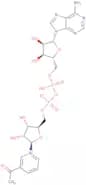
CAS:A non-physiological analog of nicotinamide adenine dinucleotide (NAD+) in biochemical research, particularly as a tool to study the mechanisms of NAD+-dependent enzymes.Formula:C22H28N6O14P2Purity:Min. 92 Area-%Color and Shape:White Off-White PowderMolecular weight:662.44 g/mol[2'-18O]Guanosine
[2'-18O]Guanosine is a novel antiviral that has shown antiviral activity against herpes simplex virus type 1 and cytomegalovirus. It also has anticancer effects, as it inhibits the growth of lymphoma cells by inhibiting DNA synthesis. [2'-18O]Guanosine is a modified nucleotide with an 18-oxygen atom in the 2' position, which prevents its use as a substrate for phosphodiesterases, thereby increasing its stability in vivo. [2'-18O]Guanosine is synthesized from the corresponding ribonucleotide, guanosine monophosphate (GMP), and can be used as an activator for DNA synthesis and an inhibitor of RNA synthesis.Formula:C10H13N518OO4Purity:Min. 95%Molecular weight:285.24 g/mol2,4-Dithiothymidine
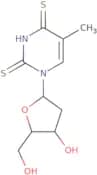
CAS:2,4-Dithiothymidine (DT) is a chemotherapeutic that has been shown to be clinically effective in the treatment of hematopoietic malignancies. It is an oligothymidylate analogue that contains a pyrimidine heterocycle and an ethylthio group. DT is not a nucleoside analog, but it inhibits DNA synthesis by binding to the enzyme thymidylate synthase and preventing the formation of thymine from uracil. DT also binds to single-stranded DNA with high affinity and alters its conformation, which may inhibit transcription and replication. The photophysical properties of this molecule are studied theoretically using quantum mechanics and population analysis theory. The reagent DT can be used to focus attention on other molecules or conformation states of proteins that might have improved biological activity.
Formula:C10H14N2O3S2Purity:Min. 95%Molecular weight:274.36 g/molN2-Isobutyryl-2'-O-methylguanosine
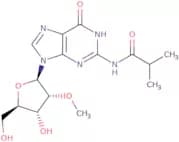
CAS:N2-Isobutyryl-2'-O-methylguanosine (IBOG) is a modified nucleoside that can be used as an activator for DNA synthesis. IBOG is a high purity, high quality chemical with CAS No. 63264-29-9 and has antiviral and anticancer properties.Formula:C15H21N5O6Purity:Min. 95%Color and Shape:White To Yellow SolidMolecular weight:367.36 g/mol3'-b-Azido-2',3'-dideoxy-5'-O-DMT-uridine
3'-b-Azido-2',3'-dideoxy-5'-O-DMT-uridine is a modified nucleoside that is synthesized by the phosphoramidite method. It is a novel antiviral drug with anticancer properties. This active compound has been shown to be an activator of ribonucleotide reductases, which are enzymes that catalyze the conversion of ribonucleotides to deoxyribonucleotides. 3'-b-Azido-2',3'-dideoxy-5'-O-DMT-uridine is not cytotoxic at concentrations up to 40 mM, and it has been shown to inhibit replication of human immunodeficiency virus type 1 (HIV) in tissue culture.Purity:Min. 95%5'-O-Acetyl-2',3'-dideoxy-2',3'-didehydro-5-fluorouridine
CAS:5'-O-Acetyl-2',3'-dideoxy-2',3'-didehydro-5-fluorouridine is a nucleoside analog. It is synthesized by substituting the hydroxyl group of uridine with a fluorine atom and the 2' position of ribose with a 5'-O-acetyl group. This modification prevents the incorporation of this nucleoside into DNA or RNA, making it an effective antiviral and anticancer agent. 5'-O-Acetyl-2',3'-dideoxy-2',3'-didehydro-5-fluorouridine has been shown to be highly active against tumor cells but not normal cells in vitro.Formula:C11H11N2O5Purity:Min. 95%Molecular weight:251.22 g/mol









![7-b-D-Ribofuranosyl-7H- tetrazolo[5,1i]purine](/_next/image/?url=https%3A%2Fstatic.cymitquimica.com%2Fproducts%2F3D%2Fthumb-webp%2FNR163016.webp&w=3840&q=75)
![2-[(Benzo[b]thien-2-ylcarbonyl)amino]benzoic acid](/_next/image/?url=https%3A%2Fstatic.cymitquimica.com%2Fproducts%2F3D%2Fthumb-webp%2FNB181580.webp&w=3840&q=75)














![1-(2’-Deoxy-2’-fluoro-b-D-arabinofuranosyl)-N3-(2S)-(2-amino-3-carbonyl]propyluracil](/_next/image/?url=https%3A%2Fstatic.cymitquimica.com%2Fproducts%2F3D%2Fthumb-webp%2FND162854.webp&w=3840&q=75)







![[2'-18O]Guanosine](/_next/image/?url=https%3A%2Fstatic.cymitquimica.com%2Fproducts%2F3D%2Fthumb-webp%2FNG106386.webp&w=3840&q=75)