Nucleosides
Found 3569 products of "Nucleosides"
3’-b-Amino-2’,3’-dideoxy-5-methyl-5’-O-trityluridine
CAS:3’-b-Amino-2’,3’-dideoxy-5-methyl-5’-O-trityluridine is an antiviral nucleoside that can inhibit the synthesis of DNA in cells. It has been shown to be active against Hepatitis B and Human Immunodeficiency Virus (HIV). This drug has also been shown to have anticancer properties. 3’-b-Amino-2’,3’-dideoxy-5-methyl-5’-O -trityluridine is a novel nucleoside modified at the 5′ position with a trityl group and with an amino group at the 3′ position. 3′ b -amino 2 ′,3 ′ -dideoxy 5 ′ -methyl 5 ′ -O trityl uridine is water soluble and stable in acid conditions.Purity:Min. 95%Adenosine
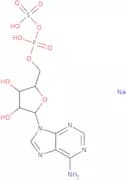
CAS:Endogenous adenosine receptor ligand; regulator of innate immunityFormula:C10H13N5O4Purity:(Titration) 99.0 To 101.0%Color and Shape:White PowderMolecular weight:267.25 g/molAdenosine 3',5'-cyclic monophosphate sodium salt
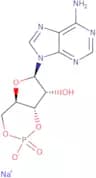
CAS:Second messenger in intracellular signal transductionFormula:C10H11N5NaO6PPurity:Min. 97 Area-%Color and Shape:White PowderMolecular weight:351.19 g/molN6-([6-Aminohexyl]carbamoylmethyl)adenosine 5'-triphosphate lithium salt
CAS:N6-([6-Aminohexyl]carbamoylmethyl)adenosine 5'-triphosphate lithium salt is a monophosphate nucleoside that has been modified with a 6-aminohexylaminocarbonyl group. It is an antiviral and anticancer agent that inhibits the synthesis of DNA, RNA, and proteins. N6-[(6-Aminohexyl)carbamoylmethyl]adenosine 5'-triphosphate lithium salt is novel and high quality.Formula:C18H32N7O14P3·xLiPurity:Min. 95%2'-Deoxy-2'-fluoro-N4-benzoyl-5-methylcytidine
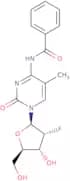
CAS:2'-Deoxy-2'-fluoro-N4-benzoyl-5-methylcytidine is a monophosphate nucleoside that is used as an antiviral and anticancer drug. It inhibits the synthesis of DNA, RNA, and proteins by acting as a chain terminator. 2'-Deoxy-2'-fluoro-N4-benzoyl-5-methylcytidine inhibits viral replication by blocking the formation of viral DNA. This compound is also used for the treatment of cancerous cells. 2'-Deoxy-2'-fluoro-N4-benzoyl-5-methylcytidine has shown to be effective against leukemia cells in culture. 2'-Deoxy -2' -fluoro N4 benzoyl 5 methyl cytidine has been synthesized with high purity and is available in a variety of modifications including phosphoramidites and deoxyribonucleosides.Purity:Min. 95%5'-O-tert-Butyldimethylsilylthymidine 3'-CE phosphoramidite
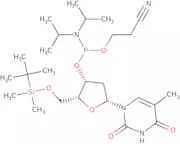
5'-O-tert-Butyldimethylsilylthymidine 3'-CE phosphoramidite is a nucleoside which is an activator for DNA synthesis. It is synthesized from the natural substance thymidine, and it can be modified to have various properties by changing the chemical group that attaches to the 3' carbon. 5'-O-tert-Butyldimethylsilylthymidine 3'-CE phosphoramidite is a novel nucleoside that has been shown to be anticancerous in vitro. This compound may also play a role in treating viral infections due to its antiviral properties.Formula:C25H45N4O6PSiPurity:Min. 95%Molecular weight:556.72 g/mol4'-C-Azido-2'-deoxy-2'-fluoro-β-D-arabinocytidine
CAS:4'-C-Azido-2'-deoxy-2'-fluoro-β-D-arabinocytidine (4FA) is a potent inhibitor of the growth of HIV. It has been shown to inhibit the production of inflammatory cytokines and chemokines, which are associated with inflammatory diseases such as arthritis and asthma. 4FA has also been shown to inhibit glycogen synthase kinase 3 (GSK3), which is involved in the regulation of cellular signaling pathways that control cell growth and proliferation. Furthermore, 4FA inhibits an enzyme that is needed for viral replication and can be used as a therapeutic agent against viruses such as hepatitis C virus.Formula:C9H11FN6O4Purity:Min. 95%Color and Shape:Off-White PowderMolecular weight:286.22 g/mol2'-Deoxy-5'-O-DMT-uridine 3'-O succinate TEA
2'-Deoxy-5'-O-DMT-uridine 3'-O succinate TEA salt is a modified nucleoside that is an activator for DNA synthesis. It can be used to synthesize oligonucleotides for use in the treatment of cancer and antiviral agents. 2'-Deoxy-5'-O-DMT-uridine 3'-O succinate TEA salt has been shown to inhibit viral replication by inhibiting the function of reverse transcriptase, which is an enzyme that catalyzes the conversion of RNA into DNA. This product has a CAS number, high purity, and high quality.Purity:Min. 95%3'-Amino-N4-benzoyl-5'-O-benzoyl-2',3'-dideoxyadenosine
This product is a novel nucleoside analog with antiviral, anticancer and antiretroviral activities. It is an activator of ribonucleosides and deoxyribonucleosides. This product is synthesized by the phosphoramidite method. The purity of this product is greater than 98%.Formula:C24H22N6O4Purity:Min. 95%Molecular weight:458.47 g/mol3'-Azido-5'-O-benzoyl-3'-deoxythymidine
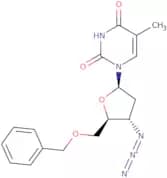
CAS:3'-Azido-5'-O-benzoyl-3'-deoxythymidine is a novel antiviral agent that is synthesized by modifying the structure of thymidine. It has been shown to have high antiviral activity against HIV and other viruses in vitro. 3'-Azido-5'-O-benzoyl-3'-deoxythymidine also inhibits tumor growth in animal models and may be useful as an anticancer drug. This compound is found to be active against a number of cancers, including leukemia, colon cancer, and prostate cancer. 3'-Azido-5'-O-benzoyl-3'-deoxythymidine is phosphoramidites for DNA synthesis, which can be used in the production of ribonucleosides or deoxyribonucleosides.Formula:C17H19N5O4Purity:Min. 95%Molecular weight:357.36 g/molN6,5'-O-Dibenzoyl-2'-deoxyadenosine 3'-CE phosphoramidite
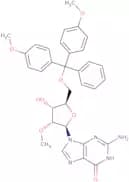
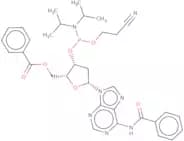
N6,5'-O-Dibenzoyl-2'-deoxyadenosine 3'-CE phosphoramidite is a novel nucleoside that inhibits viral replication by inhibiting the activity of DNA polymerase. It is synthesized from the corresponding nucleoside, 2'-deoxyadenosine monophosphate (2'-AMP), and then converted to the final product by phosphitylation with a mixture of tetrazole and hexamethylene diamine in acetonitrile. This novel nucleoside has been shown to have anticancer properties and is currently being tested as an antiviral agent. Molecular Formula: C10H11N5O7P Molecular Weight: 289.19 CAS Number: 228484-96-3 Synonyms: N6,5'-O-Dibenzoyl-2'-deoxyadenosine 3'-CE phosphoramidite; 2Formula:C33H38N7O6PPurity:Min. 95%Molecular weight:659.69 g/molN2-DMF-5'-O-DMT-2'-O-methylguanosine
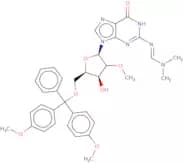
CAS:N2-DMF-5'-O-DMT-2'-O-methylguanosine is a novel nucleoside analog that has antiviral, anticancer and immunomodulating properties. It is synthesized from 2′,3′-dideoxyadenosine 5′-monophosphate by the condensation of 2,6-dimethylaniline with methylguanosine 5′-monophosphate and 5,6-dimethylaniline. The modification of the guanine base in N2-DMF-5'-O-DMT-2'-O-methylguanosine to an O6 -methyl group results in increased affinity for the ribonucleotide reductase enzyme (RNR) and inhibition of DNA synthesis.
Formula:C35H38N6O7Purity:Min. 95%Molecular weight:654.71 g/mol3'-O-Acetyl-2'-deoxyadenosine
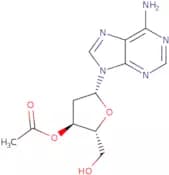
CAS:Please enquire for more information about 3'-O-Acetyl-2'-deoxyadenosine including the price, delivery time and more detailed product information at the technical inquiry form on this pageFormula:C12H15N5O4Purity:Min. 95%Color and Shape:White PowderMolecular weight:293.29 g/mol2-Amino-2'-O-methyladenosine
CAS:2-Amino-2'-O-methyladenosine is a modified nucleoside based on adenosine with a 2-amino group on the base, and a 2'-O-methyl group on the sugar.
Formula:C11H16N6O4Purity:Min. 97 Area-%Color and Shape:White PowderMolecular weight:296.28 g/mol2',3',5'-Tri-O-acetylguanosine
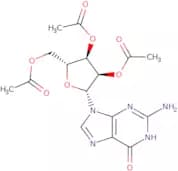
CAS:2',3',5'-Tri-O-acetylguanosine is a protected form of the nucleoside guanosine which has potential application as a synthetic intermediate in nucleic acid and nucleoside chemistry.Formula:C16H19N5O8Purity:Min. 95%Color and Shape:White PowderMolecular weight:409.35 g/molCytidine 3',5'-cyclic monophosphate monosodium
CAS:Cytidine 3',5'-cyclic monophosphate monosodium is a phosphotriester that is used as a building block to synthesize ribonucleosides, uridine, guanosine, and cytidine. The phosphate group in the molecule can be removed by nucleophilic substitution with ammonia or sodium hydroxide to form the corresponding nucleosides. Cytidine 3',5'-cyclic monophosphate monosodium has been shown to inhibit bacterial growth.Formula:C9H11N3O7PNaPurity:Min. 95%Color and Shape:White PowderMolecular weight:327.16 g/mol5'-Deoxy-5-fluorouridine
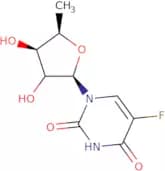
CAS:5'-Deoxy-5-fluorouridine (5FU) is a nucleoside that is used in the treatment of cancer. It is an antimetabolite that inhibits the synthesis of DNA, RNA, and proteins by reversibly inhibiting ribonucleotide reductase. 5FU also inhibits epidermal growth factor receptor (EGFR), which leads to apoptosis in cancerous cells. The concentration–time curve for 5FU has been determined using tissue culture and hl-60 cells as biological samples. This drug has been shown to be effective against metastatic colorectal cancer when administered with other chemotherapeutic drugs.Formula:C9H11FN2O5Purity:Min. 98 Area-%Color and Shape:White PowderMolecular weight:246.2 g/mol6-Amino-4-methoxy-2-(b-D-ribofuranosyl)-2H-pyrazolo[3,4-d]pyrimidine
6-Amino-4-methoxy-2-(b-D-ribofuranosyl)-2H-pyrazolo[3,4-d]pyrimidine is a novel antiviral monophosphate nucleoside. It has been shown to be an activator of the transcription factor NFAT and to inhibit the replication of human immunodeficiency virus (HIV). 6-Amino-4-methoxy-2-(b-D-ribofuranosyl)-2H-pyrazolo[3,4-d]pyrimidine is synthesized from 2,6 dihydroxybenzaldehyde and 3,5 dibenzyloxybenzaldehyde using phosphoramidites. The product is purified by HPLC.Purity:Min. 95%2'-Deoxy-4'-thioadenosine
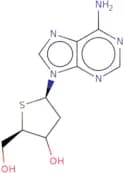
CAS:2'-Deoxy-4'-thioadenosine is a purine nucleoside that is synthesized from 4-thiouridine and phosphorylase. It is cytotoxic and has significant cytotoxicity against cultured cells. The cytotoxicity of 2'-deoxy-4'-thioadenosine was found to be due to its conversion to the triphosphate form in the cells, which inhibits both DNA synthesis and RNA synthesis. This drug also has an inhibitory effect on the growth of tumor cells by inhibiting ribosomal protein synthesis.Formula:C10H13N5O2SPurity:Min. 95%Molecular weight:267.31 g/mol2'-Deoxy-N2-isobutyrylguanosine
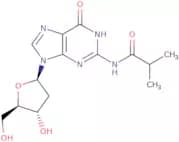
CAS:2'-Deoxy-N2-isobutyrylguanosine (2'-DIBG) is an inhibitor of bacterial translocation that has been shown to inhibit the growth of several bacterial species. This drug binds to fatty acids, which are important for maintaining the integrity of the cell membrane and preventing bacterial translocation. 2'-DIBG also inhibits the production of reactive oxygen species by bacteria, which contributes to its antimicrobial activity. Inflammation can be reduced by inhibiting prostaglandin synthesis with 2'-DIBG. The inhibition of prostaglandin synthesis may be due to its ability to form acid conjugates with fatty acids and dicarboxylic acids, which are precursors for prostaglandins. 2'-DIBG also inhibits the synthesis of adenosine triphosphate (ATP) in bacteria, leading to a decrease in bacterial growth rate.
Formula:C14H19N5O5Purity:Min. 95%Color and Shape:White PowderMolecular weight:337.34 g/mol3’-Azido-N6-benzoyl-3’-deoxyadenosine
CAS:3’-Azido-N6-benzoyl-3’-deoxyadenosine is a modified nucleoside that is synthesized by the coupling of an azido group and a benzoyl group to the 3’ position of adenosine. This compound has been shown to be an activator for DNA synthesis and antiviral against herpes simplex virus type 1 (HSV1). 3’-Azido-N6-benzoyl-3’-deoxyadenosine also possesses antiangiogenic properties that make it a potential anticancer drug candidate.Purity:Min. 95%2'-Azido-2'-deoxycytidine
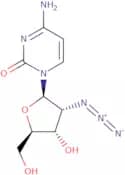
CAS:2'-Azido-2'-deoxycytidine is a nucleoside analog derived from cytidine, in which the 2'-hydroxyl group of the ribose is replaced by an azido group (–N₃), while the cytosine base and remaining sugar structure are preserved. This substitution imparts the molecule with bioorthogonal reactivity, enabling its use in chemical biology applications such as nucleic acid labeling via azide-alkyne "click" chemistry. The azido group also sterically and electronically alters sugar conformation and enzymatic recognition, which can affect its incorporation into DNA or RNA by polymerases. Consequently, 2'-azido-2'-deoxycytidine is a useful research tool.
Formula:C9H12N6O4Purity:Min. 95 Area-%Color and Shape:Slightly Yellow PowderMolecular weight:268.2 g/molO2-3'-anhydro-β-D-fructofuranosyluracil
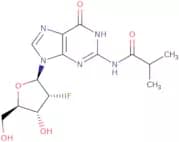
O2-3'-anhydro-beta-D-fructofuranosyluracil is a novel nucleoside analogue that has antiviral and anticancer properties. It is synthesized by the reaction of beta-D-fructofuranosyluracil with phosphoramidites. The product is purified by HPLC and characterized by IR spectroscopy, UV spectroscopy, and mass spectrometry.Purity:Min. 95%2'-Deoxy-2'-fluoro-N2-isobutyrylguanosine
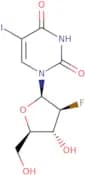
CAS:2'-Deoxy-2'-fluoro-N2-isobutyrylguanosine is a modified nucleoside analog for research applicationsFormula:C14H18FN5O5Purity:Min. 95%Color and Shape:White PowderMolecular weight:355.33 g/molFialuridine - Bio-X ™
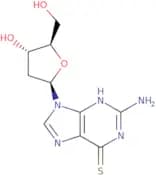
CAS:This product is part of our Bio-X ™ Range. These products are aimed at life science researchers who need high quality ready-to-use products for assay development, screening or other R&D work. With a solubility datasheet and convenient vials, all of our Bio-X ™ products are in stock across our global warehouses for rapid delivery and ease of use.Formula:C9H10FIN2O5Purity:Min. 95%Color and Shape:PowderMolecular weight:372.09 g/mol2'-Deoxy-6-thioguanosine - Bio-X ™
CAS:This product is part of our Bio-X ™ Range. These products are aimed at life science researchers who need high quality ready-to-use products for assay development, screening or other R&D work. With a solubility datasheet and convenient vials, all of our Bio-X ™ products are in stock across our global warehouses for rapid delivery and ease of use.Formula:C10H13N5O3SPurity:Min. 95%Color and Shape:PowderMolecular weight:283.31 g/molLamivudine 5'-triphosphate triethylammonium salt (Ethanol solution)
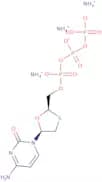
CAS:Sold by weight of nucleoside as solution in ethanol.Formula:C20H46N5O12P3SPurity:Min. 95%Color and Shape:Clear LiquidMolecular weight:673.59 g/mol2'-Deoxy-6-hydroxycytidine
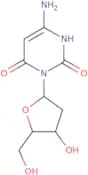
CAS:2'-Deoxy-6-hydroxycytidine is an antiviral agent that inhibits the synthesis of DNA, RNA and protein. It has been shown to inhibit the replication of HIV in cell culture and in animal models. 2'-Deoxy-6-hydroxycytidine has also been shown to have anticancer effects. This drug is synthesized by reacting a nucleoside with a diphosphate or monophosphate phosphoramidite. The chemical name for 2'-deoxy-6-hydroxycytidine is 6-[(2R,4S)-4-(dimethylamino)butanoyl]aminopurine riboside monophosphate.Formula:C9H13N3O5Purity:Min. 95%Molecular weight:243.22 g/molN1-Methylpseudouridine-5'-triphosphate trisodium
Please enquire for more information about N1-Methylpseudouridine-5'-triphosphate trisodium including the price, delivery time and more detailed product information at the technical inquiry form on this pageFormula:C10H14N2Na3O15P3Molecular weight:564.11 g/mol2’,3’-Bis-O-tert-butyldimethylsilyl-5-methoxyuridine
2’,3’-Bis-O-tert-butyldimethylsilyl-5-methoxyuridine is an antiviral nucleoside that is chemically synthesized from 5-methoxyuridine. It has been shown to inhibit the replication of HIV in cell cultures and animal models. This drug can be used as a phosphoramidite for the synthesis of oligonucleotides. 2’,3’-Bis-O-tert-butyldimethylsilyl-5-methoxyuridine is a novel nucleoside that has not been previously reported in the chemical literature.Purity:Min. 95%4-Amino-1-((2R,3R,4R,5R)-3-hydroxy-5-(hydroxymethyl)-4-methoxytetra hydrofuran-2-yl)pyrimidin-2(1H)-one
CAS:4-Amino-1-((2R,3R,4R,5R)-3-hydroxy-5-(hydroxymethyl)-4-methoxytetrahydrofuran-2-yl)pyrimidin-2(1H)-one is a modified nucleoside that has antiviral properties. It can be used to treat HIV and hepatitis C infections. 4-Amino-1-(2R,3R4R,5R)-3-(hydroxymethyl)4-(methoxytetrahydrofuran)pyrimidine 2(1H)-one inhibits the activity of DNA polymerase by binding to its active site. This inhibition prevents the synthesis of viral DNA and deoxyribonucleosides. 4-Amino 1-(2R,3R,4R,5R)-3-(hydroxymethyl)4-(methoxytetrahydroFormula:C10H15N3O5Purity:Min. 95%Molecular weight:257.24 g/mol5'-O-tert-Butyldimethylsilyl-2',3'-dideoxy-3'-fluorouridine
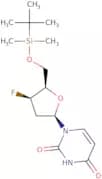
5'-O-tert-Butyldimethylsilyl-2',3'-dideoxy-3'-fluorouridine is a monophosphate nucleoside that can be used as an activator, a ribonucleotide, or a phosphoramidite. It has anticancer activity and can inhibit viral replication by inhibiting the synthesis of viral RNA. 5'-O-tert-Butyldimethylsilyl-2',3'-dideoxy-3'-fluorouridine is novel and not found in nature.Formula:C15H25FN2O4SiPurity:Min. 95%Molecular weight:344.45 g/mol2'-O-Acetyl-3'-azido-5'-O-(4-methylbenzoyl)-3'-deoxyuridine
CAS:2'-O-Acetyl-3'-azido-5'-O-(4-methylbenzoyl)-3'-deoxyuridine (2'AAZ) is a modified nucleoside that has antiviral and anticancer activities. This compound blocks the synthesis of DNA, RNA, and proteins. 2'AAZ inhibits cell proliferation by interfering with the replication of DNA and by inhibiting protein synthesis. It has been shown to inhibit the growth of cancer cells in vitro and in vivo. The IC50 values for 2'AAZ are 5 μM for herpes simplex virus type 1 (HSV1) infection in Vero cells, 4 μM for HSV2 infection in Vero cells, 3 μM for influenza A virus (H1N1) infection in MDCK cells, and 0.5 μM for human immunodeficiency virus type 1 (HIV-1) infection in CEM-SS cells.Purity:Min. 95%N6-Benzoyl-2'-deoxy-2'-fluoroadenosine
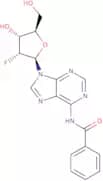
CAS:N6-Benzoyl-2'-deoxy-2'-fluoroadenosine is an oligonucleotide that can be used to modulate the expression of survivin. It inhibits the expression of this protein by binding to its mRNA and preventing translation. N6-Benzoyl-2'-deoxy-2'-fluoroadenosine has shown potential for use in cancer treatment due to its ability to inhibit tumor growth and metastasis. It may also be used in the treatment of autoimmune diseases, such as rheumatoid arthritis, where it can inhibit the production of inflammatory cytokines.
Formula:C17H16FN5O4Purity:Min. 95%Color and Shape:White PowderMolecular weight:373.34 g/molN4-Methylcytidine 5'-triphosphate triethylammonium salt
N4-Methylcytidine 5'-triphosphate triethylammonium salt is a novel nucleoside analog that inhibits the growth of tumor cells. It is synthesized by reacting N4-methylcytidine with phosphoramidite in an amine base, and then treated with triethylamine to produce a triethylammonium salt. This nucleoside analog inhibits DNA synthesis by inhibiting the enzyme ribonucleotide reductase, which converts ribonucleotides to deoxyribonucleotides. The resulting monophosphate compound has been shown to be effective in cancer treatment and may also be used as an antiviral agent.Formula:C10H18N3O14P3Purity:Min. 95%Molecular weight:497.18 g/molN4-Acetyl-2'-deoxy-5'-O-tritylcytidine
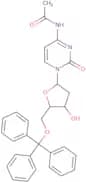
CAS:N4-Acetyl-2'-deoxy-5'-O-tritylcytidine is a novel nucleoside that is synthesized by modifying cytidine to form an acetylated nucleotide. It has been found to be an effective inhibitor of DNA synthesis and antiviral agent.Formula:C30H29N3O5Purity:Min. 95%Molecular weight:511.57 g/mol3-(3-Acetamido-3-carboxypropyl)uridine
CAS:acetylated derivative from 3-(3-amino-3-carboxypropyl)uridine
Formula:C15H21N3O9Purity:Min. 95%Color and Shape:SolidMolecular weight:387.34 g/molPalmitoyl coenzyme A potassium salt
CAS:Palmitoyl coenzyme A potassium salt is a novel, modified nucleoside that has antiviral and anticancer activities. It is a phosphoramidite with a phosphate group at one end and a palmitoyl group at the other. The phosphate group is attached to the 5' position of the sugar, while the palmitoyl group is attached to the 3' position of the sugar. Palmitoyl coenzyme A potassium salt can be used in DNA synthesis.Formula:C37H65N7O17P3SKPurity:Min. 95%Color and Shape:White PowderMolecular weight:1,044.03 g/mol2'-Chloro-2'-deoxycytidine
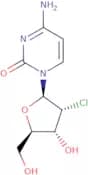
CAS:2'-Chloro-2'-deoxycytidine is a synthetic nucleoside analog. It is a modified deoxycytidine with a chlorine atom at the 2'-position of the deoxyribose sugar. This molecule can be used in research applicationsFormula:C9H12ClN3O4Purity:Min. 95%Color and Shape:PowderMolecular weight:261.66 g/mol5-Methylcytidine-5'-triphosphate sodium salt - 100mM aqueous solution
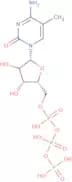
CAS:5-Methylcytidine-5'-triphosphate sodium salt is a nucleoside diphosphate that is used as an activator in the synthesis of DNA. It is also used as a building block in the synthesis of anticancer agents, such as 5-methylcytosine monophosphate and phosphoramidites. The chemical name for this product is 5-methylcytidine-5'-triphosphate sodium salt and its CAS number is 327174-86-7. This product is available for purchase at Sigma Aldrich with a purity of 99%.Formula:C10H18N3O14P3·xNaPurity:Min. 95%Color and Shape:PowderMolecular weight:497.18 g/molS-Adenosyl-L-methionine disulfate tosylate
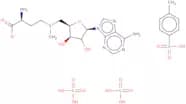
CAS:S-Adenosyl-L-methionine disulfate tosylate (SAMe) is a dietary supplement that is used to treat depression and liver disease. It is also a metabolite of the amino acid methionine, which is formed by the enzyme S-adenosylmethionine synthase. SAMe has been shown to inhibit the activation of caspase 3, which causes apoptosis in cells, and may be useful for treating cancer and other diseases. The chromatographic method used to separate SAMe from other compounds relies on its evaporative properties, due to its high water solubility.Formula:C22H34N6O16S4Purity:Min. 95 Area-%Color and Shape:White PowderMolecular weight:766.8 g/mol5-(2-Hydroxyethyl)uridine
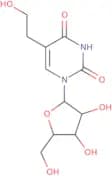
CAS:5-(2-Hydroxyethyl)uridine (5HUdR) is a nucleoside that is structurally related to uridine. 5HUdR has been used as an analogue of uridine and has been shown to be catalytically hydrogenated with acrylonitrile in the presence of a palladium catalyst. 5HUdR can also be synthesized by photochemical hydrogenation with trimethylsilyl derivatives. This compound is a functional group in the synthesis of 2-deoxyuridine, which is an important precursor for DNA synthesis.Formula:C11H16N2O7Purity:90%MinColor and Shape:PowderMolecular weight:288.25 g/mol5-Methoxyuridine
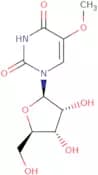
CAS:5-Methoxyuridine is a nucleoside that is structurally related to uridine. It is an intermediate in the biosynthesis of pyrimidines and is also used as a precursor for other compounds. 5-Methoxyuridine has been shown to inhibit protein synthesis by binding to purine receptors and inhibiting the function of protein kinases. The x-ray crystal structures of 5-methoxyuridine bound to two different p2y receptors have been determined. The analytical chemistry of 5-methoxyuridine is based on UV absorption measurements, which are able to identify hydrogen bonds between the base and the sugar moiety. This drug has been investigated for its potential use in cancer therapy due to its ability to inhibit RNA synthesis, which can lead to cell death by incomplete replication or transcription. 5-Methoxyuridine inhibits messenger RNA (mRNA) production in bacteria by interfering with sequence recognition and binding sites within the ribosome and preventingFormula:C10H14N2O7Purity:Min. 98 Area-%Color and Shape:PowderMolecular weight:274.23 g/mol9-(5’-Methyl-b-D-ribofuranosyl)-6-chloropurine
9-(5’-Methyl-b-D-ribofuranosyl)-6-chloropurine is a novel antiviral that belongs to the class of deoxyribonucleosides. It is synthesized by reacting 5’-methyl-2,4(1H,3H) pyrimidinedione with 6-chloropurine in the presence of sodium bicarbonate and sulfuric acid. 9-(5’-Methyl-b-D-ribofuranosyl)-6-chloropurine inhibits DNA synthesis by binding to the enzyme ribonuclease H (RNase H). RNase H hydrolyzes RNA sequences that are complementary to the 3’ end of DNA sequences and this drug prevents RNase H from functioning. 9-(5’-Methyl-b-Dribofuranosyl)-6 chloropurine also inhibits tumour cells and has shown anticancer activity inPurity:Min. 95%Uridine-5'-(tetrahydrogen triphosphate) sodium salt (1:4)
CAS:Uridine-5'-(tetrahydrogen triphosphate) sodium salt (1:4) is a noncompetitive inhibitor that binds to the enzyme phosphodiesterase and blocks the production of cGMP. The drug has been shown to be effective in women with immunodeficiency, who have spontaneous abortions. It also has been shown to reduce the incidence of abortion in pregnant Sprague-Dawley rats, which were treated during their pregnancies with uridine. Uridine-5'-(tetrahydrogen triphosphate) sodium salt (1:4) is not active against bacteria. This drug has shown some activity in humans with AIDS, although it is not very potent.Formula:C9H15N2O15P3·4NaPurity:Min. 95%Molecular weight:576.1 g/mol2'-Deoxy-L-guanosine
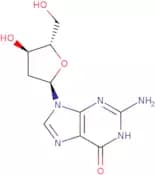
CAS:2'-Deoxy-L-guanosine is a nucleoside that is used as an antibiotic. It inhibits protein synthesis, which leads to cell death. This drug has a high level of resistance against bacteria and is effective in the treatment of gram-positive bacteria. 2'-Deoxy-L-guanosine binds to the ribose phosphate backbone of DNA, phosphorylating it and preventing the base pairing of adenosine with thymine. This inhibits the production of DNA and RNA, leading to cell death. 2'-Deoxy-L-guanosine has been shown to be active against Listeria monocytogenes and Mycobacterium tuberculosis. The enantiomer form is more potent than the racemic mixture, but both forms are effective antibiotics.
Formula:C10H13N5O4Purity:Min. 95%Color and Shape:PowderMolecular weight:267.25 g/mol2'-Deoxy-N2-isobutyryl-5'-O-tritylguanosine
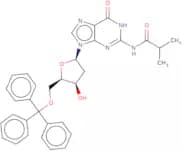
2'-Deoxy-N2-isobutyryl-5'-O-tritylguanosine is a diphosphate nucleoside analog. It is synthesized by the modified phosphoramidite method and can be used for the synthesis of DNA or RNA. 2'-Deoxy-N2-isobutyryl-5'-O-tritylguanosine has been shown to have anticancer, antiviral and antimicrobial properties in vitro. This product is a novel nucleoside analog that has not been previously described in the literature.
Formula:C33H33N5O5Purity:Min. 95%Molecular weight:579.66 g/mol10-O-[1-Propyl-3-N-carbamoylcholesteryl]-TEG-CE phosphoramidite
CAS:10-O-[1-Propyl-3-N-carbamoylcholesteryl]-TEG-CE phosphoramidite is a cholesterol-conjugated phosphoramidite. The cholesteryl group is a lipophilic moiety which can be used to enhance cellular uptake of oligonucleotides.Formula:C46H82N3O7PPurity:(31P-Nmr) Min. 95 Area-%Color and Shape:Colorless PowderMolecular weight:820.13 g/mol5'-O-DMT-2'-O-methylguanosine
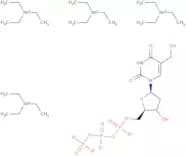
CAS:5'-O-DMT-2'-O-methylguanosine is a novel nucleoside analog that has been modified to contain the 2' methyl group at the 5' position. This modification enhances its anticancer activity and cellular uptake by cells. The 5'-O-DMT-2'-O-methylguanosine monophosphate synthesized in this study is chemically stable, high purity, and high quality.Formula:C32H33N5O7Purity:Min. 95%Molecular weight:599.65 g/mol2'-Deoxy-5-hydroxymethyluridine-5'-triphosphate triethylammonium
CAS:2'-Deoxy-5-hydroxymethyluridine-5'-triphosphate triethylammonium salt (dHMUTP) is a noncompetitive inhibitor of transcriptase activity. It inhibits the synthesis of DNA by binding to RNA polymerase on the template strand, thereby blocking the progress of the enzyme along the DNA. This drug has been shown to be effective in inhibiting viral production and growth in mammalian cells, as well as cancer cell culture. Dihydrofolate reductase is required for dHMUTP to function, and it is metabolized in vivo through hydrolysis by glycosylases or antineoplastic properties by nucleotide excision repair enzymes. These enzymes are present in human cells but absent in bacteria and yeast. The drug also has antineoplastic properties due to its ability to inhibit tumor cell proliferation.Formula:C10H16N2O15P3·C6H16NPurity:Min. 70 Area-%Color and Shape:PowderMolecular weight:599.36 g/mol3'-Amino-5'-O-p-anisoyl-3'-deoxy-D3-thymidine
Controlled Product3'-Amino-5'-O-p-anisoyl-3'-deoxy-D3-thymidine is a novel modified nucleoside that has antiviral and anticancer properties. It is an activator of the DNA polymerase, ribonucleotide reductase, and thymidine kinase enzymes. 3'-Amino-5'-O-p-anisoyl-3'-deoxy-D3-thymidine has been shown to inhibit the growth of human cancer cells in vitro and in vivo.Formula:C18H18N3O7D3Purity:Min. 95%Molecular weight:394.39 g/molCytidine 2',3'-cyclic monophosphate monosodium
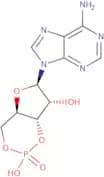
CAS:Cytidine 2',3'-cyclic monophosphate monosodium salt is a nucleotide that is used in the synthesis of DNA and RNA. It has antiviral and anticancer properties. Cytidine 2',3'-cyclic monophosphate monosodium salt is a high purity, high quality nucleotide with strong activator properties. It is also an excellent substrate for DNA polymerases, which may be due to its ability to bind to the phosphate groups on the enzyme's active site. This product can be used as a phosphoramidite during DNA synthesis or as an antiviral agent that inhibits viral replication by inhibiting the formation of viral DNA.Formula:C9H11N3O7P•NaPurity:Min. 95%Color and Shape:PowderMolecular weight:327.16 g/molAdenosine 3',5'-cyclic monophosphate
CAS:Second messenger in intracellular signal transduction
Formula:C10H12N5O6PPurity:(%) Min. 95%Color and Shape:White PowderMolecular weight:329.21 g/moltrans-Zeatin Riboside
CAS:Cytokinins are plant hormones involved in developmental processes and in the modulation of plant immune system. Zeatin was identified as the first naturally occurring cytokinin from the endosperm of corn (latin: Zea mays). Water-soluble trans-Zeatin Riboside is a major long-distance signaling molecule in xylem vessels and its action depends on metabolic conversion in proximity to the site of action. Trans-Zeatin Riboside is a powerful agent used in horticulture to improve shoot growth or to induce callus formation (e.g. in tomato). It is used for plant regeneration from leaf explants (e.g. in potato) and for the direct initiation of shoot cultures from bract axils of many plant species.Formula:C15H21N5O5Molecular weight:351.37 g/molRef: 3D-Z-3000
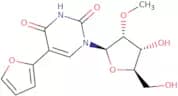
1gTo inquire50mgTo inquire250mgTo inquire500mgTo inquire2500mgTo inquire-Unit-ggTo inquire5'-(Furan-2-yl)-2’-O-methyluridine
CAS:5'-(Furan-2-yl)-2’-O-methyluridine is a modified nucleoside that is used as an antiviral agent. It is a monophosphate nucleotide analog and has been shown to be active against HIV, herpes simplex virus, cytomegalovirus, and Epstein Barr virus. 5'-(Furan-2-yl)-2’-O-methyluridine is synthesized by the phosphoramidite method and has high purity and quality. The CAS number for this compound is 2095417-32-4.Purity:Min. 95%S-(5'-Adenosyl)-L-homocysteine dihydrate
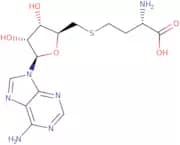
CAS:S-(5'-Adenosyl)-L-homocysteine dihydrate is the active form of homocysteine. It has been shown to inhibit the growth of HL-60 cells and induce apoptosis in these cells. S-(5'-Adenosyl)-L-homocysteine dihydrate binds to dsDNA as a methyltransferase inhibitor, which leads to DNA methylation and inhibits DNA binding. The inhibition of DNA binding prevents transcription, leading to cell death. This drug has also been shown to have an anti-atherosclerotic effect in a model system by inhibiting the adenosine receptor.Formula:C14H20N6O5S•(H2O)2Purity:Min. 98 Area-%Color and Shape:PowderMolecular weight:420.44 g/molThymidine
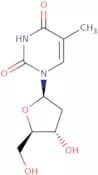
CAS:Thymidine, also known as deoxythymidine (dT), is a pyrimidine deoxynucleoside that pairs with deoxyadenosine (dA) in a double stranded DNA. It’s used as a biochemical modulator of antimetabolites such as 5-fluorouracil (5-FU), 1-beta-D-arabinofuranosylcytosine (Cytarabine) and methotrexate (MTX) in cancer therapy. It’s also the enantiomer of telbivudine, an antiviral drug used to treat hepatitis B virus (HBV) infection.
Formula:C10H14N2O5Purity:Min. 99.0 Area-%Color and Shape:White PowderMolecular weight:242.23 g/mol3'-Amino-2',3'-dideoxyinosine
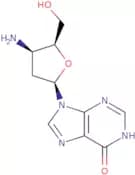
CAS:3'-Amino-2',3'-dideoxyinosine acts as a chain terminator in DNA synthesis due to the absence of a 3'-hydroxyl group. The 3'-amino group allows for the attachment of various molecules to the 3' end of oligonucleotides, and the inosine base introduces the potential for wobble base pairing, making it a specialized tool for research and potential diagnostic applications.Formula:C10H13N5O3Purity:Min. 95%Molecular weight:251.24 g/mol5'-(Furan-2-yl)-5'-O-DMT-2’-O-methylcytidine
CAS:5'-(Furan-2-yl)-5'-O-DMT-2’-O-methylcytidine is a high purity phosphoramidite, deoxyribonucleoside, and ribonucleoside that can be used in the synthesis of antiviral drugs, anti-cancer agents, and nucleotides. 5'-(Furan-2-yl)-5'-O-DMT-2’-O-methylcytidine has been shown to inhibit the growth of various cancer cells. This product also belongs to a novel class of synthetic nucleosides that can be modified with fluorine or other substituents at any position on the sugar ring.Purity:Min. 95%4’-C-Methyl-4-deoxyuridine
CAS:4’-C-Methyl-4-deoxyuridine is an antiviral and anticancer drug that belongs to the group of nucleosides. It has shown novel anti-tumor activities in vitro and in vivo, as well as antiviral effects against herpes simplex virus type 1 (HSV-1) and type 2 (HSV-2). 4’-C-Methyl-4-deoxyuridine is a modified nucleoside that is synthesized from uridine. It has been shown to inhibit viral replication by inhibiting viral DNA synthesis. This drug also inhibits the multiplication of tumor cells by inhibiting DNA synthesis. The product is high purity, high quality, and CAS No. 1064364-21-1.Purity:Min. 95%3'-Deoxy-3'-fluoro-5'-O-toluoylthymidine
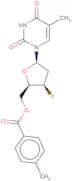
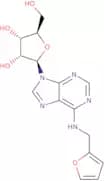
3'-Deoxy-3'-fluoro-5'-O-toluoylthymidine is a nucleoside that can be used as an antiviral and anticancer agent. It is structurally similar to thymidine, but differs by the replacement of a hydrogen atom at position 3 with a fluorine atom. The replacement of this hydrogen atom with a fluorine atom results in the removal of hydroxyl group from the 5' carbon position on the sugar ring, which is then converted into an ester moiety. 3'-Deoxy-3'-fluoro-5'-O-toluoylthymidine has been shown to inhibit DNA replication, RNA transcription and protein synthesis. This nucleoside also has been found to stimulate apoptosis in cancer cells by inhibiting DNA replication.Formula:C18H19FN2O5Purity:Min. 95%Molecular weight:348.43 g/molKinetin riboside
CAS:Kinetin is a plant hormone that regulates cell proliferation and differentiation. Kinetin riboside is a derivative of kinetin in which the ribose moiety has been converted to ribosyl-ribitol. Kinetin riboside has shown the ability to inhibit cancer cells by inducing apoptosis, which may be related to its ability to inhibit cyclin D2 and mitochondrial membrane potential. In addition, kinetin riboside has been shown to protect against oxidative stress and decrease mitochondrial function in cells. This compound may have therapeutic potential for cancer treatment and other diseases caused by oxidative stress or mitochondrial dysfunction.Formula:C15H17N5O5Purity:Min. 98 Area-%Color and Shape:White PowderMolecular weight:347.33 g/mol8-Allyloxyadenosine
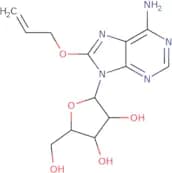
CAS:8-Allyloxyadenosine is a novel adenine nucleoside analog. It is an activator of ribonucleosides and deoxyribonucleosides, which can be used as a phosphoramidite for the synthesis of oligodeoxynucleotides. The 8-Allyloxyadenosine has been studied for its anticancer and antiviral properties, with promising results in animal studies. In addition, it has been shown to have anti-inflammatory effects in mice.
Purity:Min. 95%2’,3’,5’-Tri-O-acetyl-5-cyanouridine
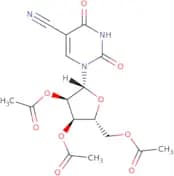
CAS:2’,3’,5’-Tri-O-acetyl-5-cyanouridine is a novel modified nucleoside that can be used as an antiviral agent. It has been shown to inhibit the replication of HIV and herpes simplex virus, and it also inhibits tumor growth in animal models. The drug is synthesized by the chemical reaction of 5-aminoimidazole with 2’,3’,5’-triphosphate uridine monophosphate. 2’,3’,5’-Tri-O-acetyl-5-cyanouridine has been shown to bind to ribonucleosides and deoxyribonucleosides with high affinity and specificity. This drug may be useful for the treatment of cancer or for the prevention of viral infection.Purity:Min. 95%2'-O-Methylcytidine
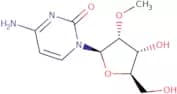
CAS:2'-O-Methylcytidine is a nucleoside with a hydroxyl group on the 2' carbon. The hydroxyl group makes it an effective inhibitor of viral replication, and it has been shown to be active against HIV-1 in cell culture. 2'-O-Methylcytidine is also metabolized by nucleotide salvage pathways, and the metabolic response can be studied using proton nuclear magnetic resonance (NMR) spectroscopy and x-ray diffraction data. It has been found that 2'-O-Methylcytidine inhibits protein synthesis in cancer cells, and this may be due to its ability to bind to the response element on DNA.
Formula:C10H15N3O5Purity:Min. 95%Color and Shape:White PowderMolecular weight:257.24 g/molCytidine
CAS:Cytidine is a pyrimidine nucleoside that is important in the synthesis of RNA and DNA. Cytidine deaminase is an enzyme that catalyzes the conversion of cytidine to uridine. Cytidine deaminase has been shown to be inhibited by its substrate, cytidine, and by other compounds that are structurally similar to cytidine such as uracil, thymine, and guanine. Cytidine deaminase has been shown to have a role in the development of autoimmune diseases and HIV infection. This enzyme also has an important role in the polymerization of DNA during replication. Cytidine can be used for transfection experiments and to inhibit viral replication.Formula:C9H13N3O5Purity:Min. 99 Area-%Molecular weight:243.22 g/mol5'-O-Benzoyl-2'-deoxyuridine 3'-CE phosphoramidite
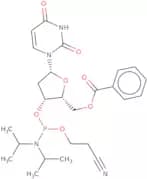
5'-O-Benzoyl-2'-deoxyuridine 3'-CE phosphoramidite is an anticancer drug that inhibits viral and tumor DNA synthesis. It is a nucleoside monophosphate with antiviral and antitumor activities. The compound is synthesized by coupling a benzoyl group to 5'-O-DMT-2'-deoxyuridine 3'-phosphate, followed by the addition of a triethylammonium salt group. The phosphoramidite is then reacted with 2,4,6-trichlorophenylisocyanate to produce the final product. This product has a CAS number of 86825-34-1.Formula:C25H33N4O7PPurity:Min. 95%Molecular weight:532.54 g/mol7-Methyl-2'-deoxywyosine
7-Methyl-2'-deoxywyosine is a nucleoside analogue that inhibits the growth of cells by interfering with DNA replication. It is a modified form of deoxywyosine, which is the natural precursor of DNA and RNA. 7-Methyl-2'-deoxywyosine has antiviral activity against herpes simplex virus type 1 (HSV-1) and human cytomegalovirus (CMV). This compound has shown anticancer activity in vivo and in vitro, as well as high purity and quality.Purity:Min. 95%N6-Methyl-2'-O-methyladenosine
CAS:N6-Methyl-2'-O-methyladenosine is a nucleoside that is found in DNA. In some cases, the methyl group in this molecule can be modified, which can change its biological activity. N6-Methyl-2'-O-methyladenosine has been shown to reduce the severity of bowel disease and myocardial infarcts in experimental models. The structural analysis of vessels from patients with atherosclerosis revealed that this molecule inhibits vascular calcification. It also decreases expression of MMP-9, a protein involved in nephropathy and diabetic kidney disease. N6-Methyl-2'-O-methyladenosine is able to inhibit the development of vascular injury by blocking the activation of cells and reducing inflammation through pharmacological agents that are used in experimental models for blood vessel injury.Formula:C12H17N5O4Purity:Min. 97 Area-%Color and Shape:White PowderMolecular weight:295.29 g/mol3'-Amino-5'-O-p-anisoyl-2',3'-dideoxyuridine
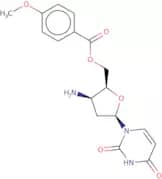
3'-Amino-5'-O-p-anisoyl-2',3'-dideoxyuridine is a novel compound that has been synthesized. This compound is a diphosphate, which can be used as an activator for the synthesis of modified nucleosides and antiviral agents. It is also a DNA phosphoramidite, which can be used in the synthesis of oligonucleotides with high purity and high quality.
Formula:C17H19N3O6Purity:Min. 95%Molecular weight:361.35 g/mol2'-O-Methyl-5-propynyluridine
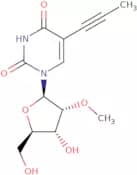
CAS:2'-O-Methyl-5-propynyluridine is a nucleoside that is selective to bacterial DNA. It has been shown to inhibit the binding of RNA polymerase and DNA gyrase, as well as the synthesis of RNA and DNA. This nucleoside also inhibits the formation of triplexes in vitro with oligonucleotides complementary to sequences in the 16S ribosomal RNA gene. 2'-O-Methyl-5-propynyluridine has been used for the measurement of RNA polymerase activity in bacteria, and its affinity for triplexes can be measured by gel shift assay.Formula:C13H16N2O6Purity:Min. 95%Color and Shape:PowderMolecular weight:296.28 g/molN6-Benzoyl-2'-O-methyladenosine
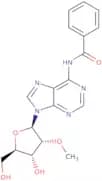
CAS:N6-Benzoyl-2'-O-methyladenosine is a nucleoside that is chemically synthesized. It has been shown to be an inhibitor of the polyhedrosis virus, which causes an infectious disease in silkworms. N6-Benzoyl-2'-O-methyladenosine also inhibits viral replication by interfering with the synthesis of messenger RNA. This compound can be used as a silver nitrate or silver salt prodrug for treating diseases caused by viruses and bacteria. This drug is not active against DNA viruses because it does not possess phosphate groups on its structure.Formula:C18H19N5O5Purity:Min. 95%Color and Shape:PowderMolecular weight:385.37 g/molAdenosine 5′-phosphosulfate sodium salt
CAS:Adenosine 5′-phosphosulfate sodium salt has been used quantify pyrophosphate and in enzyme-linked bioluminescence assay for adenosine triphosphate (ATP)Formula:C10H14N5O10PSPurity:Min. 90 Area-%Color and Shape:PowderMolecular weight:427.29 g/mol3'-Azido-N4-benzoyl-5'-O-tert-butyldimethylsilyl-2',3'-dideoxycytidine
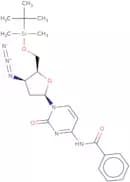
CAS:3'-Azido-N4-benzoyl-5'-O-tert-butyldimethylsilyl-2',3'-dideoxycytidine is a novel nucleoside phosphoramidite that has been modified to have an azido group at the 3' position and a benzoate group at the 5' position. This product can be used for the synthesis of oligonucleotides and DNA. The purity of this product is high, and it has been shown to be active against cancer cells. In addition, this product is resistant to antiviral agents such as HIV.Formula:C22H30N6O4SiPurity:Min. 95%Molecular weight:470.61 g/mol3'-Azido-N6-benzoyl-5'-O-DMT-2',3'-dideoxyadenosine
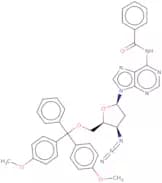
3'-Azido-N6-benzoyl-5'-O-DMT-2',3'-dideoxyadenosine is a nucleoside analog and activator that inhibits the replication of DNA. It is a novel antiviral drug that has antiproliferative properties and may be useful in the treatment of cancer. 3'-Azido-N6-benzoyl-5'-O-DMT-2',3'-dideoxyadenosine is synthesized by reacting an activated phosphoramidite with 2',3'-dideoxyadenosine monophosphate to produce 3',5' dideoxythymidine 5'-monophosphate, which is then converted to 3',5' dideoxyuridine 5'-monophosphate. The last step involves the conversion of 3',5' dideoxyuridine 5'-monophosphate to 3' azidouridine 5'-monophFormula:C38H34N8O5Purity:Min. 95%Molecular weight:682.73 g/mol2'-O-Acetyl-5'-O-benzoyl-3'-deoxy-3'-C-methyluridine
CAS:2'-O-Acetyl-5'-O-benzoyl-3'-deoxy-3'-C-methyluridine is a synthetic analog of the antiviral agent 5'-O-benzoyl-2'-O-acetyl-3'-deoxyadenosine (BAEA). BAEA is a nucleoside that functions as an activator, which stimulates the activity of ribonucleosides. BAEA has been shown to inhibit the replication of HIV and other viruses, and may be useful in treating cancer or other diseases. 2'-O-Acetyl-5'-O-benzoyl-3'-deoxy-3'-C methyluridine has been shown to have antiviral properties against herpes simplex virus type 1 (HSV1) and HSV2 and cytomegalovirus (CMV), with higher activity against CMV than BAEA. This compound may also be used in the development of new anticFormula:C19H20N2O7Purity:Min. 95%Molecular weight:388.37 g/mol5'-Amino-2',5'-dideoxy-2'-fluorouridine
5'-Amino-2',5'-dideoxy-2'-fluorouridine is an antiviral drug that is synthesized from the natural compound 5'-deoxy-5'-amino-2',5'-dideoxyuridine. The modified deoxyribonucleosides are activated by phosphorylation and can be incorporated into DNA by DNA polymerase, which prevents viral replication. The monophosphate form of this compound is used in cancer chemotherapy to inhibit the synthesis of RNA and proteins necessary for cell division. 5'-Amino-2',5'-dideoxy-2'-fluorouridine has been shown to be a potent anticancer agent, with activity against a variety of human tumor cell lines.
Purity:Min. 95%2-Deoxy-5-vinyluridine
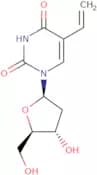
CAS:2-Deoxy-5-vinyluridine (5-VUdR) is a chemical compound that has been shown to cause a mutation in the DNA of herpes simplex virus. The compound is then incorporated into the viral DNA and replicated with each new cell division, leading to mutations in the sequence of its genome. This mutation can either be lethal or nonlethal, depending on how it affects the function of the virus. 5-VUdR has also been shown to affect cancer cells by inhibiting their growth and causing them to undergo apoptosis. This chemical compound also has an effect on animals and humans, as it alters body mass index and causes weight loss. It does this by preventing replication of DNA in cells that produce insulin, which leads to low insulin levels and decreased appetite.END>
Formula:C11H14N2O5Purity:Min. 95%Color and Shape:PowderMolecular weight:254.24 g/molN7-Methylguanosine
CAS:N-7-Methylguanosine is a nucleotide that has potent anti-viral activity. It inhibits viral replication by binding to the effector proteins of a virus and preventing translation, transcriptional regulation, and other biochemical processes. N7-Methylguanosine also binds to the x-ray crystal structures of the viral genome and blocks the binding of RNA polymerase to DNA. This drug can be used as an antiviral agent for the treatment of HIV infection and hepatitis B infection. N7-Methylguanosine is not active against some viruses such as herpes simplex virus type 1 or 2, influenza virus type A/B, or rhinovirus type 2. N7-Methylguanosine has been shown to have an effect on body mass index in humans by reducing weight gain in patients with metabolic syndrome. It also has an enzyme form that can be used for therapeutic use in human serum.Formula:C11H15N5O5Purity:Min. 95%Color and Shape:White PowderMolecular weight:297.27 g/mol2',3'-Dideoxy-5'-O-DMT-cytidine
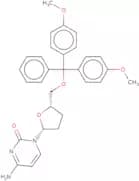
CAS:2',3'-Dideoxy-5'-O-DMT-cytidine is a chemically modified cytidine nucleoside which can be used in synthetic chemistry, especially in nucleic acid synthesis. A dimethoxytrityl (DMT) protecting group is attached to the 5'-oxygen of the sugar. This is not biologically active, but it’s commonly used in solid-phase oligonucleotide synthesis to protect the 5' end during step-by-step DNA or RNA construction.Formula:C30H31N3O5Purity:Min. 95%Color and Shape:PowderMolecular weight:513.6 g/molDMT-2'-OMe-pseudouridine phosphoramidite
DMT-2'-OMe-pseudouridine phosphoramidite is an antiviral, anticancer, and DNA synthesis inhibitor. It has been used in the synthesis of oligonucleotide probes for sequencing and hybridization studies. DMT-2'-OMe-pseudouridine phosphoramidite is a modified nucleoside that is used as a building block for the synthesis of DNA. This compound is synthesized from 2'-deoxy-5-methyluridine and dimethoxytrityl chloride. DMT-2'-OMe-pseudouridine phosphoramidite inhibits the synthesis of RNA and DNA by binding to ribonucleotides and deoxyribonucleotides during the polymerization reaction, thereby blocking the progression of the reaction.Purity:Min. 95%6-Chloro-3'-deoxy-3'-fluoroinosine
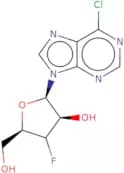
6-Chloro-3'-deoxy-3'-fluoroinosine (6-Cl-dF) is an analog of the nucleotide base, adenosine. It has been shown to be effective in the treatment of cancer and HIV infections. 6-Cl-dF inhibits DNA synthesis by inhibiting the activity of ribonucleotide reductase and DNA polymerase, which are enzymes that are required for DNA replication. 6-Cl-dF has been shown to inhibit viral replication by blocking reverse transcriptase (an enzyme necessary for viral replication). This drug has also been shown to have antiangiogenic properties.Formula:C10H10ClFN4O3Purity:Min. 95%Molecular weight:288.66 g/molAdenosine-2-carboxamide
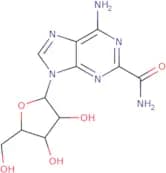
CAS:Adenosine-2-carboxamide (ACA) is a potent and selective adenosine A2A receptor ligand with high affinity and selectivity. This drug has been shown to be a competitive antagonist of the adenosine A2A receptor with an IC50 of 0.8 nM and was highly selective for this receptor over the other adenosine receptors. ACA has also been shown to inhibit binding of radioligands to the adenosine A2A receptor in functional assays, as well as improve binding activity in cell-based assays. These results were confirmed by in silico studies that showed ACA to have high binding affinity, low off-target activity, and good pharmacokinetic properties.Purity:Min. 95%Cytidine 5'-monophosphate free acid
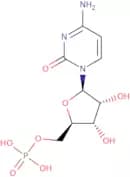
CAS:Cytidine 5'-monophosphate is a nucleotide that is important in the synthesis of DNA and RNA. It is a precursor to uridine monophosphate (UMP) and uridylic acid (UDP). Cytidine 5'-monophosphate has been found to inhibit the growth of antibiotic-resistant strains of bacteria, such as those resistant to ampicillin, chloramphenicol, tetracycline, kanamycin, and streptomycin. Cytidine 5'-monophosphate also has inhibitory properties against energy metabolism and protein oxidation in bowel disease. This nucleotide has been shown to increase the rate constant for polymerase chain reaction (PCR) by up to 10-fold.Formula:C9H14N3O8PPurity:Min. 98 Area-%Color and Shape:White Off-White PowderMolecular weight:323.2 g/molN6-Acetyladenosine
CAS:N6-Acetyladenosine is a nucleoside that belongs to the group of N-acetylated adenosines. It is found in thermophilic organisms and has been shown to be involved in optimal growth. N6-Acetyladenosine has also been found to be an important part of the coding and population modifications of crenarchaeota, archaeal organisms that are phylogenetically related to methanogens. Unfractionated populations of methanogen contain both N6-acetyladenosine residues and other modified adenosines, with each organism differing in the types of modifications they contain. Transfer of these modified adenosines from one organism to another can lead to changes in their coding and population modifications.Formula:C12H15N5O5Purity:Area-% Min. 90 Area-%Color and Shape:White PowderMolecular weight:309.28 g/mol3'-Azido-2',3'-dideoxyadenosine
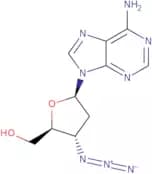
CAS:Also known as 3′-azido-ddA, displays potent antiviral activity in primary human lymphocytes and HeLa and T-cell lines. It has particular activity againstinst H.ns.Formula:C10H12N8O2Purity:Min. 95%Color and Shape:PowderMolecular weight:276.26 g/mol3'-Azido-3'-deoxy-b-L-cytidine
CAS:3'-Azido-3'-deoxy-b-L-cytidine is a novel nucleoside that has been shown to be an activator of the ribonuclease activity of purified RNase A in vitro. This product is suitable for use in synthesis of oligodeoxynucleotides and phosphoramidites. 3'-Azido-3'-deoxy-b-L-cytidine can be used as a potential anticancer drug or antiviral agent.Purity:Min. 95%5’-O-Acetyl-5-acetyloxymethyluridine
CAS:5’-O-Acetyl-5-acetyloxymethyluridine is an activated nucleoside that is a phosphoramidite. It can be used in the synthesis of oligonucleotides and has antiviral, anticancer, and antiretroviral activities. This product is a novel compound that can be used to synthesize high quality deoxyribonucleosides and diphosphate ribonucleosides. 5’-O-Acetyl-5-acetyloxymethyluridine is an activator for DNA polymerases and RNA polymerases with a high degree of purity.Formula:C14H18N2O9Purity:Min. 95%Molecular weight:358.3 g/molN2,2'-O-Dimethylguanosine
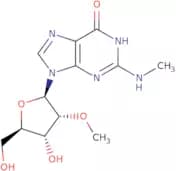
CAS:N2,2'-O-Dimethylguanosine is a nucleoside that belongs to the category of modified bases. It is synthesized from adenosine and a methyl group by a mutant strain of Escherichia coli. N2,2'-O-Dimethylguanosine can be identified by its characteristic UV-visible spectrum and high retention time on chromatographic columns. It has been shown to inhibit translation in E. coli at concentrations as low as 1 mM and also inhibits growth rate at concentrations as low as 2 mM. The chemical structure of this compound is similar to that of guanosine, but it contains an extra methyl group on its 2' carbon atom. This chemical modification may result in changes in the way the molecule interacts with other molecules or how it functions in the cell. N2,2'-O-Dimethylguanosine was first identified from a mutant strain of Escherichia coli that had been subjected to mutagenesisFormula:C12H17N5O5Purity:Min. 95%Molecular weight:311.29 g/mol2'-O-cyanoethyoxymethyl-5'-O-DMT-adenosine
2'-O-cyanoethyoxymethyl-5'-O-DMT-adenosine is a novel nucleoside analog that belongs to the group of cytidine analogs. It has antiviral activity, which is due to its ability to inhibit viral replication by disrupting the synthesis of viral RNA. This drug is an activator and can be used for cancer treatment. 2'-O-cyanoethyoxymethyl-5'-O-DMT-adenosine binds to ribonucleosides and deoxyribonucleosides, preventing their incorporation into DNA or RNA. It also inhibits the biosynthesis of RNA and DNA, which leads to cell death in tumor cells.Purity:Min. 95%N6,N6,2'-O-Trimethyladenosine
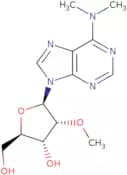
CAS:N6,N6,2'-O-Trimethyladenosine is a nucleoside that is found in small quantities in human tissues. It is synthesized by the enzyme polymerase from adenosine and S-adenosyl-L-methionine. N6,N6,2'-O-Trimethyladenosine is structurally similar to guanosine and cytidine and can be modified by nature or synthetic strategies. N6,N6,2'-O-Trimethyladenosine has been shown to have effects on fertility and may be involved in epigenetics as well as tuberculosis. Its role as an epigenetic marker for gene regulation has not been fully determined.Formula:C13H19N5O4Purity:Min. 88 Area-%Color and Shape:White PowderMolecular weight:309.32 g/mol4’,5’-Didehydro-2’-O-(2-methoxyethyl)-5-methyluridine
CAS:4’,5’-Didehydro-2’-O-(2-methoxyethyl)-5-methyluridine (DdeO) is a novel phosphoramidite that is synthesized from 2’,3’-dideoxycytidine. It is used in DNA synthesis and as an antiviral and anticancer agent. DdeO has shown to be a potent activator of the p53 tumor suppressor gene and inhibits the proliferation of human cancer cells by inhibiting the activity of DNA polymerase alpha. DdeO also inhibits viral replication by interfering with viral DNA synthesis.Purity:Min. 95%4’-C-Methyl-N6-methyladenosine
CAS:4’-C-Methyl-N6-methyladenosine (4’-MeA) is a novel, synthetic nucleoside that has antiviral activity. It is a phosphoramidite nucleoside that is modified by the methylation of the adenosine moiety to give it antiviral activity. 4’-MeA can be used as an activator for oligonucleotide synthesis and as a potential anticancer drug.Purity:Min. 95%2'-Deoxy-5'-DMT-5-(prop-2-yn-1-ylcarbamoyl)uridine 3'-CE phosphoramidite
2'-Deoxy-5'-DMT-5-(prop-2-yn-1-ylcarbamoyl)uridine 3'-CE phosphoramidite is a diphosphate nucleoside that is used in the synthesis of DNA. It has been modified with an acetyl group at the 2' position and a propargylamine group at the 5' position. This modification improves its stability to hydrolysis by esterases and also increases binding affinity for cationic lipids. The purified material is suitable for use in a variety of DNA syntheses, including PCR amplification, gene cloning, and site-directed mutagenesis.Purity:Min. 95%2-Amino-9-(3',5'-di-O-acetyl-2'-O-methyl-b-D-ribofuranosyl)-6-chloropurine
CAS:2-Amino-9-(3',5'-di-O-acetyl-2'-O-methyl-b-D-ribofuranosyl)-6-chloropurine (PMID: 24840114) is a novel nucleoside analog with potent anticancer, antiviral and antimalarial activities. PMID: 24840114Purity:Min. 95%5’(R)-C-Methyl-5-fluorouridine
5’(R)-C-Methyl-5-fluorouridine is a nucleoside that has been shown to activate both ribonucleosides and deoxyribonucleosides. 5’(R)-C-Methyl-5-fluorouridine is a novel nucleotide with the potential to be used in anticancer therapy. It can be used as a building block for DNA synthesis, as well as being able to act as an anticancer drug by inhibiting the growth of cancer cells. This product is made from high quality raw materials and has a purity of at least 98%. It is available in powder form.Purity:Min. 95%Isocytidine
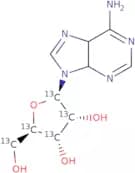
CAS:Isocytidine, also known as 2-amino-1-β-D-ribofuranosyl-4(1H)-pyrimidinone, have broad antitumor activity targeting indolent lymphoid malignancies.Formula:C9H13N3O5Purity:Min. 95%Color and Shape:PowderMolecular weight:243.22 g/mol1', 2', 3', 4', 5'- ¹³C5-Adenosine
CAS:1', 2', 3', 4', 5'- ¹³C5-Adenosine is adenosine which has all five carbon atoms of the ribose sugar replaced with the stable isotope carbon-13 (^13C). Possible applications are in proteomics studies.Formula:C5C5H13N5O4Purity:Min. 97 Area-%Color and Shape:White PowderMolecular weight:272.2 g/mol3',5'-Di-O-benzoyl-gemcitabine - Bio-X ™
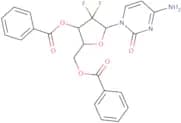
CAS:3',5'-Di-O-benzoyl-2'-deoxy-2',2'-difluorocytidine is a nucleoside analog, which is metabolized to its active form, 2',2'-difluoro-3'-O-methylcytidine. 3',5'-Di-O-benzoyl-2'-deoxy-2',2'-difluorocytidine has been shown to be a potent inhibitor of human tumor cell growth and is also effective in stimulating antitumor immunity. This drug binds to the DNA of cells and prevents transcription and replication.Formula:C23H19F2N3O6Purity:Min. 95%Color and Shape:PowderMolecular weight:471.41 g/mol


![N6-([6-Aminohexyl]carbamoylmethyl)adenosine 5'-triphosphate lithium salt](/_next/image/?url=https%3A%2Fstatic.cymitquimica.com%2Fproducts%2F3D%2Fthumb-webp%2FNA73270.webp&w=3840&q=75)




![6-Amino-4-methoxy-2-(b-D-ribofuranosyl)-2H-pyrazolo[3,4-d]pyrimidine](/_next/image/?url=https%3A%2Fstatic.cymitquimica.com%2Fproducts%2F3D%2Fthumb-webp%2FNA162978.webp&w=3840&q=75)











![10-O-[1-Propyl-3-N-carbamoylcholesteryl]-TEG-CE phosphoramidite](/_next/image/?url=https%3A%2Fstatic.cymitquimica.com%2Fproducts%2F3D%2Fthumb-webp%2FPP138032.webp&w=3840&q=75)