Nucleosides
Found 3569 products of "Nucleosides"
5'-O-p-Anisoylthymidine
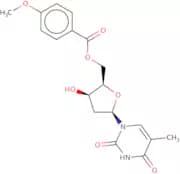
5'-O-p-Anisoylthymidine is a novel activator and ribonucleoside that has been synthesized by modifying the structure of thymidine. This compound is active against cancer and antiviral, such as herpes simplex virus type 1, herpes simplex virus type 2, varicella zoster virus, influenza A/PR/8/34 (H1N1), and influenza B/Yamagata/16/88. 5'-O-p-Anisoylthymidine activates viral transcription in cells infected with these viruses by inhibiting the synthesis of deoxyribonucleosides. It also inhibits DNA synthesis by inhibiting the incorporation of deoxyribonucleotides into DNA during replication. This product is CAS No. 138581-03-2 and comes in high purity and high quality.Formula:C18H20N2O7Purity:Min. 95%Molecular weight:376.36 g/mol2'-Deoxy-5-methyl-isocytidine triphosphate
2'-Deoxy-5-methyl-isocytidine triphosphate (2'-DMI-dTP) is a novel nucleoside that is synthesized by phosphoramidite chemistry. 2'-DMI-dTP has antiviral and anticancer activities, and can be used for the treatment of hepatitis B virus (HBV) and human papillomavirus (HPV). It has shown protective effects in animal models of HBV infection. 2'-DMI-dTP inhibits HBV replication by inhibiting DNA synthesis. In addition, it decreases levels of reactive oxygen species in cells treated with HBV. 2'-DMI-dTP also inhibits HPV replication through inhibition of DNA synthesis, which may lead to cancer prevention or treatment. 2'-DMI-dTP may be a useful drug candidate for the treatment of other viral infections such as influenza A virus and HIV type 1.Purity:Min. 95%5-(2-Fluorovinyl)-2'-Deoxyuridine
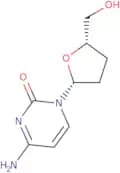
CAS:5-(2-Fluorovinyl)-2'-Deoxyuridine is a hydrophobic analogue of acyclovir that has potent activity against herpes simplex virus type 1. It inhibits the synthesis of viral DNA, and thus prevents the formation of plaques in tissue culture. This drug also inhibits cell proliferation and viral production by l1210 cells as well as lung fibroblasts. 5-(2-Fluorovinyl)-2'-Deoxyuridine has shown inhibitory effects against uninfected cells, but not against cells infected with herpes simplex virus type 2.Formula:C11H13FN2O5Purity:Min. 95%Molecular weight:272.23 g/mol2',3'-Dideoxycytidine
CAS:Anti-viral; reverse transcriptase inhibitorFormula:C9H13N3O3Purity:Min. 98 Area-%Color and Shape:White PowderMolecular weight:211.22 g/molQueuine hydrochloride
CAS:Queuine is a modified nucleoside found in tRNA. It is synthesized from guanosine by the enzyme queuine tRNA-ribosyltransferase, which converts guanosine to queuosine. Queuine hydrochloride is a synthetic form of queuine that can be used for research purposes to examine the anticodon loop and other structural features of the molecule. The prokaryotic and eukaryotic organisms studied showed different levels of synthesis of queuine, with bacteria synthesizing more than mammals. Bacteria were found to have a greater affinity for queuine than eukaryotes, which may be due to modification of the trna anticodon loop or to differences in ribosomal proteins.Formula:C12H15N5O3·HClPurity:(%) Min. 90%Color and Shape:Light (Or Pale) Beige To Light (Or Pale) Purple SolidMolecular weight:313.74 g/mol3'-b-Azido-2',3'-dideoxy-5'-O-DMT-uridine
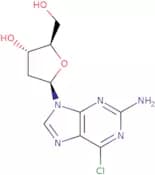
3'-b-Azido-2',3'-dideoxy-5'-O-DMT-uridine is a modified nucleoside that is synthesized by the phosphoramidite method. It is a novel antiviral drug with anticancer properties. This active compound has been shown to be an activator of ribonucleotide reductases, which are enzymes that catalyze the conversion of ribonucleotides to deoxyribonucleotides. 3'-b-Azido-2',3'-dideoxy-5'-O-DMT-uridine is not cytotoxic at concentrations up to 40 mM, and it has been shown to inhibit replication of human immunodeficiency virus type 1 (HIV) in tissue culture.Purity:Min. 95%2-Amino-6-chloro-9-(2'-deoxy-b-D-ribofuranosyl)purine
CAS:2-Amino-6-chloro-9-(2'-deoxy-b-D-ribofuranosyl)purine is a purine nucleoside where the purine base has a 2-amino group at position 2 and a chlorine at position 6. The sugar is 2'-deoxy, meaning it is like the sugar found in DNA, lacking the 2'-hydroxyl group that is present in RNA. The amino and chloro groups on the purine base modify how this molecule behaves in biological systems making it useful in research applications.Formula:C10H12ClN5O3Purity:Min. 97 Area-%Color and Shape:White PowderMolecular weight:285.69 g/mol5’(R)-C-Methyladenosine
CAS:5’(R)-C-Methyladenosine is a nucleoside that is used as an antiviral and anticancer agent. It has been shown to inhibit the replication of the human immunodeficiency virus type 1 (HIV-1) in a dose-dependent manner, with an IC50 value of about 0.4 μM for HIV-1 reverse transcriptase activity. In addition, 5’(R)-C-Methyladenosine has been shown to inhibit DNA synthesis and promote apoptosis in cancer cells by inhibiting transcription and translation. The compound also inhibits the growth of tumor cells in mice without affecting normal tissue growth.
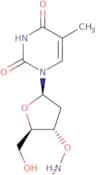
Purity:Min. 95%3'-O-Aminothymidine
CAS:3'-O-Aminothymidine is an isomer of thymidine, a nucleoside that is found in DNA and RNA. It has a neutral charge and belongs to the category of nucleosides. 3'-O-Aminothymidine is synthesized by the coupling of an amino group with a hydroxyl group. This reaction is efficient and can be used to produce dimers. 3'-O-Aminothymidine can also be used as a precursor for other nucleotides or as a synthetic intermediate in other chemical reactions.Formula:C10H15N3O5Purity:Min. 95%Color and Shape:PowderMolecular weight:257.24 g/molN6-Carbamoylthreonyladenosine sodium salt
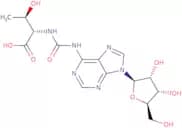
CAS:N6-Carbamoylthreonyladenosine sodium salt is a fatty acid that is found in the bacterial cell wall. It has been shown to be an essential component of the cell wall for Gram-positive and Gram-negative bacteria. N6-Carbamoylthreonyladenosine sodium salt has been used to study the mechanism of protein synthesis in bacteria, especially how enzymes are involved in this process. Chemical biology studies have shown that this molecule can bind to DNA and inhibit bacterial growth. The crystal structure of N6-Carbamoylthreonyladenosine sodium salt has also been determined using x-ray diffraction data. This molecule inhibits the binding of proteins to DNA, which prevents transcription and replication. The reaction mechanism involves hydrogen bonding between the oxygen atoms on N6-Carbamoylthreonyladenosine sodium salt and divalent metal ions such as magnesium or zinc, which are required for protein synthesis.Formula:C15H19N6O8·NaPurity:Min. 98 Area-%Color and Shape:White PowderMolecular weight:434.34 g/mol1-(2R,3R,4R,5R)-3-Hydroxy-5-(hydroxymethyl)-4-methoxytetra hydrofuran-2-yl)-5-methylpyrimidine-2,4(1H,3H)-dione
1-(2R,3R,4R,5R)-3-Hydroxy-5-(hydroxymethyl)-4-methoxytetra hydrofuran-2-yl)-5-methylpyrimidine-2,4(1H,3H)-dione is a nucleoside that is a novel anticancer drug. It has been shown to have potent antineoplastic activity in vitro and in vivo. This compound is an activator of the p53 tumor suppressor gene and may also act as a transcriptional inhibitor of NF-κB.Purity:Min. 95%3-Deaza-2'-O-methyluridine
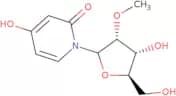
CAS:3-Deaza-2'-O-methyluridine is a nucleoside that is used as an antiviral agent and in the treatment of leukemia. It has been shown to inhibit the growth of L1210 cells in a dose-dependent manner. 3-Deaza-2'-O-methyluridine also inhibits the synthesis of DNA, RNA, and proteins. The compound is eliminated by renal excretion with a plasma elimination half life of 9 hours. This drug can be administered intramuscularly or intravenously at a dosage of 10 mg/kg every 8 hours, but should not be given more than 5 days without interruption due to accumulation in tissues.
Formula:C11H15NO6Purity:Min. 95%Molecular weight:257.24 g/molAdenosine 3',5'-bisphosphate triethylammonium salt - 10mM aqueous solution
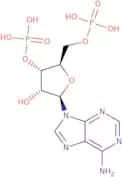
CAS:Adenosine 3',5'-bisphosphate triethylammonium salt is a metabolite of adenosine and an ester of triethylamine. The conjugate acid has been isolated from mouse urine. It is a metabolite of adenosine in the liver and is hydrolyzed to adenosine monophosphate and bisphosphate. Adenosine 3',5'-bisphosphate triethylammonium salt is used to study the metabolism of adenosine in mice. It has also been shown that this metabolite can inhibit the growth of E. coli (a bacterium) and mouse erythrocyte mitochondria by blocking ATP synthesis at the level of substrate-level phosphorylation.Formula:C10H15N5O10P2•(C6H15N)xPurity:Min. 95%Molecular weight:427.2 g/molN4-Acetyl-3'-deoxy-3'-C-methylcytidine
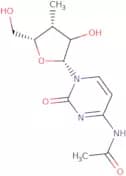
N4-Acetyl-3'-deoxy-3'-C-methylcytidine is a novel antiviral drug that is modified from cytidine. It is an activator of the monophosphate pathway of DNA synthesis, which causes the incorporation of N4-acetyl-3'-deoxy-3'-C-methylcytidine into ribonucleosides and deoxyribonucleosides. This compound has been shown to be active against a variety of cancers, including leukemia, colon cancer, breast cancer, and prostate cancer.Formula:C12H17N3O5Purity:Min. 95%Molecular weight:283.28 g/mol3-Acetylpyridine adenine dinucleotide
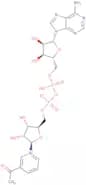
CAS:A non-physiological analog of nicotinamide adenine dinucleotide (NAD+) in biochemical research, particularly as a tool to study the mechanisms of NAD+-dependent enzymes.Formula:C22H28N6O14P2Purity:Min. 92 Area-%Color and Shape:White Off-White PowderMolecular weight:662.44 g/mol2'-Deoxy-2',2'-difluoro-a-uridine
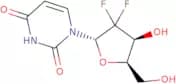
CAS:2'-Deoxy-2',2'-difluoro-a-uridine is a nucleoside analog with modifications on the 2'-carbon of the ribose sugar and the pyrimidine base uracil. This compound is a synthetic derivative of uridine with two fluorine atoms attached to the 2' carbon of the sugar. The α-stereochemistry of the sugar indicates a specific configuration that influences how the molecule behaves in biological systems, including its interaction with enzymes and incorporation into nucleic acids.
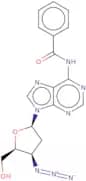
Formula:C9H10F2N2O5Purity:Min. 95%Color and Shape:PowderMolecular weight:264.18 g/mol3'-Azido-N6-benzoyl-2',3'-dideoxyadenosine
CAS:3'-Azido-N6-benzoyl-2',3'-dideoxyadenosine is an antiviral drug that inhibits the synthesis of viral DNA and RNA. This antiviral drug is a novel synthetic nucleoside analogue that is phosphorylated to form monophosphate, which inhibits the synthesis of RNA. 3'-Azido-N6-benzoyl-2',3'-dideoxyadenosine has been shown to be effective against cancer cells by inhibiting ribonucleotide reductase and DNA synthesis. 3'-Azido-N6-benzoyl-2',3'-dideoxyadenosine also inhibits DNA synthesis by blocking the enzymes DNA polymerase and deoxyribonucleoside kinase.Formula:C17H16N8O3Purity:Min. 95%Color and Shape:PowderMolecular weight:380.36 g/mol3'-O-Propargylcytidine
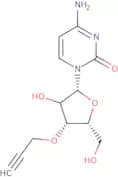
3'-O-Propargylcytidine is a monophosphate nucleoside that belongs to the group of synthetic, novel nucleosides and deoxyribonucleosides. It is a modified form of cytidine with an extra methyl group attached to the 3' position of the ribose sugar. 3'-O-Propargylcytidine has been shown to inhibit cancer cells by binding to DNA and preventing transcription and replication. This compound also inhibits virus replication and has antiviral properties. 3'-O-Propargylcytidine is highly pure and high quality, which makes it a good candidate for use in pharmaceuticals or other applications requiring high purity.
Formula:C12H15N3O5Purity:(%) Min. 97%Color and Shape:PowderMolecular weight:281.26 g/molFialuridine - Bio-X ™
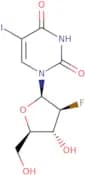
CAS:This product is part of our Bio-X ™ Range. These products are aimed at life science researchers who need high quality ready-to-use products for assay development, screening or other R&D work. With a solubility datasheet and convenient vials, all of our Bio-X ™ products are in stock across our global warehouses for rapid delivery and ease of use.Formula:C9H10FIN2O5Purity:Min. 95%Color and Shape:PowderMolecular weight:372.09 g/mol[2'-18O]Guanosine
[2'-18O]Guanosine is a novel antiviral that has shown antiviral activity against herpes simplex virus type 1 and cytomegalovirus. It also has anticancer effects, as it inhibits the growth of lymphoma cells by inhibiting DNA synthesis. [2'-18O]Guanosine is a modified nucleotide with an 18-oxygen atom in the 2' position, which prevents its use as a substrate for phosphodiesterases, thereby increasing its stability in vivo. [2'-18O]Guanosine is synthesized from the corresponding ribonucleotide, guanosine monophosphate (GMP), and can be used as an activator for DNA synthesis and an inhibitor of RNA synthesis.Formula:C10H13N518OO4Purity:Min. 95%Molecular weight:285.24 g/mol2'-Deoxy-5'-O-DMT-2'-fluorouridine
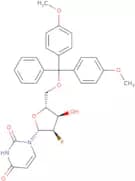
CAS:2'-Deoxy-5'-O-DMT-2'-fluorouridine is a medicament that belongs to the group of antineoplastic agents and is used in cancer treatment. It inhibits the synthesis of DNA by inhibiting the enzyme thymidylate synthetase, which is required for the formation of thymine nucleotides. This drug has been shown to be effective against some cancer cells in vitro and in vivo, but not all. 2'-Deoxy-5'-O-DMT-2'-fluorouridine can also inhibit terminal growth phases and induce programmed cell death. Solid phase synthesis has been used to synthesize this molecule as a phosphoramidite.Formula:C30H29FN2O7Purity:Min. 98 Area-%Color and Shape:White PowderMolecular weight:548.57 g/mol5-(N-Isopentenyl-N-trifluoroacetyl)aminomethyluridine
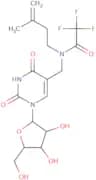
CAS:5-(N-Isopentenyl-N-trifluoroacetyl)aminomethyluridine is a nucleoside analog that is structurally related to cytidine. It was first synthesized in the 1970s, and has been shown to possess antiviral activity against herpes simplex virus type 1. In addition, it has been shown to inhibit DNA synthesis and the formation of DNA double strands. 5-(N-Isopentenyl-N-trifluoroacetyl)aminomethyluridine is an activator of protein kinase C and cyclic AMP phosphodiesterase, as well as a DNA polymerase inhibitor with anticancer properties.Purity:Min. 95%9-(2',3',5'-Tri-O-benzoyl-2'-C-methyl-b-D-ribofuranosyl)6-methylpurine
CAS:Ribonucleosides are a class of nucleosides that includes ribose and deoxyribose. Ribonucleosides are found in DNA and RNA, the genetic material of all living cells. Ribonucleosides are also used in many syntheses of other compounds, including antibiotics, antiviral agents, and antimalarial drugs. This product is a monophosphate of 9-(2',3',5'-tri-O-benzoyl-2'-C-methyl-b-D-ribofuranosyl)6-methylpurine. It is an artificial nucleotide analog with modified sugar moieties and phosphate substituents. This product is CAS No. 2095417-61-9 and has been modified for use as phosphoramidites in the synthesis of DNA or RNA. This product has high purity and high quality.Purity:Min. 95%2'-Azido-2'-deoxyadenosine
CAS:2'-Azido-2'-deoxyadenosine is a synthetic nucleoside analog of adenosine in which the 2'-hydroxyl group of the ribose sugar is replaced by an azido group (–N₃), and the 3'- and 5'-hydroxyl groups remain intact. This modification confers unique chemical properties, including the ability to participate in bioorthogonal "click" chemistry reactions, particularly azide-alkyne cycloadditions, making it useful for labeling and tracking nucleic acids in biochemical studies. Additionally, the azido substitution can influence enzymatic recognition and incorporation by polymerases, allowing its use in studying nucleic acid metabolism, drug design, and therapeutic nucleoside analog development.Formula:C10H12N8O3Purity:Min. 95%Color and Shape:PowderMolecular weight:292.25 g/mol2’-Deoxy-2’-fluoroadenosine 5’-monophosphate triethyl ammonium salt
2’-Deoxy-2’-fluoroadenosine 5’-monophosphate triethyl ammonium salt is a nucleoside phosphoramidite that acts as an antiviral agent. It is used to treat influenza and herpes simplex virus infections. 2’-Deoxy-2’-fluoroadenosine 5’-monophosphate triethyl ammonium salt also inhibits the growth of cancer cells, but has not been shown to be effective against bacterial or fungal infections.Purity:Min. 95%2'-Deoxyadenosine-5'-monophosphate disodium salt
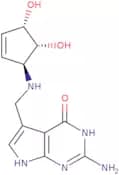
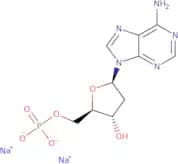
CAS:2'-Deoxyadenosine-5'-monophosphate disodium salt (DAP) is a white crystalline powder. It is soluble in water and insoluble in ethanol. DAP can be neutralised by aqueous solutions of hydroxide, such as sodium hydroxide or ammonium hydroxide. DAP is also reactive with aluminium oxide, which can be used for drying the compound to form anhydrous particles. DAP reacts with chloride ions to form 2',3'-diacetylpyridine-5'-diphosphate dibasic chloride, which has been shown to inhibit bacterial growth and act as an antibacterial agent. Autoclaving may be required for preparation of this drug due to its sensitivity to heat energy.Formula:C10H12N5Na2O6PPurity:Min. 99 Area-%Color and Shape:White PowderMolecular weight:375.19 g/molCyclopentenyl cytosine
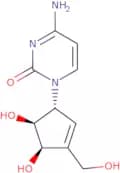
CAS:Cyclopentenyl cytosine is a cytotoxic drug that inhibits the synthesis of DNA, RNA, and proteins. It is a nucleoside analogue that inhibits the enzyme activity of ribonucleotide reductase. Cyclopentenyl cytosine has significant cytotoxicity against hl-60 cells, as well as squamous carcinoma and MDA-MB-231 breast cancer cells. It also has significant activity against cyclopentenyl, dextran sulfate, and mitochondrial functions in vivo in human cells. Cyclopentenyl cytosine binds to the response element on the DNA strand, preventing transcription of genes for protein synthesis and cell division.
Formula:C10H13N3O4Purity:Min. 95%Color and Shape:PowderMolecular weight:239.23 g/mol2-Amino-9-(2'-deoxy-β-D-ribofuranosyl)purine
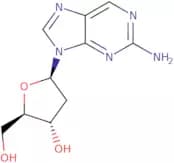
CAS:2-Amino-9-(2'-deoxy-b-D-ribofuranosyl)purine is a nucleoside analog that has been found to be effective in the treatment of leukemia.Formula:C10H13N5O3Purity:(Hplc) Min. 98.00%Color and Shape:PowderMolecular weight:251.24 g/molAdenosine 5'-phosphosulfate sodium salt, 10 mM in water
CAS:Adenosine 5′-phosphosulfate sodium salt has been used quantify pyrophosphate and in enzyme-linked bioluminescence assay for adenosine triphosphate (ATP).Product provided as 10 mM solution in water.Formula:C10H14N5O10PSPurity:Min. 90.0 Area-%Molecular weight:427.28 g/mol5-Ethynyluridine
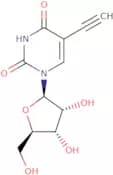
CAS:5-Ethynyluridine (5-EU) is an uracil analogue functionalized with a terminal alkyne group used for nucleotide, and especially RNA, labelling. 5-EU is cell permeable and is incorporated into RNA during its biosynthesis. The terminal alkyne group in 5-EU can react with azide-functionalised fluorophores or biotine, to form a labelled adduct with a triazole linker.Formula:C11H12N2O6Purity:Min. 98 Area-%Color and Shape:PowderMolecular weight:268.22 g/mol2',3',5'-Tri-O-acetyluridine
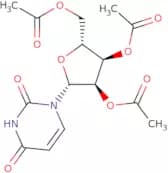
CAS:2',3',5'-Tri-O-acetyluridine is a uridine derivative with potential for use in organic synthesis such as the preparation of modified nucleosides, nucleotides, and RNA analogs.Formula:C15H18N2O9Purity:Min. 95%Color and Shape:White PowderMolecular weight:370.31 g/mol5-o-(Dimethoxytrityl)-N4-dimethylaminomethylidene-5-iodo-2'-deoxycytidine
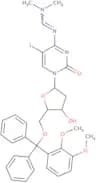
CAS:Dimethoxytrityl-5-iodo-2'-deoxycytidine is a novel, modified nucleoside that has anticancer and antiviral properties. It is synthesized by reacting 5-iodo-2'-deoxycytidine with dimethoxytrityl chloride in the presence of triethylamine. This compound can be used to synthesize oligonucleotide phosphoramidites, ribonucleosides, and diphosphates.Formula:C33H35IN4O6Purity:Min. 95%Molecular weight:710.6 g/mol5'-O-p-Anisoyl-3'-fluoro-2',3'-dideoxyuridine
5'-O-p-Anisoyl-3'-fluoro-2',3'-dideoxyuridine (5-FAU) is a deoxynucleoside that is synthesized by the phosphoramidite method, and it has been used as an antiviral agent. 5-FAU is a novel nucleoside analog with anticancer activity. It inhibits replication of herpes simplex virus type 1 and 2, varicella zoster virus, and Epstein Barr virus in cell culture. 5-FAU also inhibits HIV replication in vitro and in animal models. The antiviral activity of 5-FAU is due to its inhibition of viral DNA polymerase, which prevents the synthesis of viral DNA from viral RNA templates.Formula:C17H17FN2O6Purity:Min. 95%Molecular weight:364.33 g/mol4’,5’-Didehydro-2’-O-(2-methoxyethyl)uridine
CAS:4’,5’-Didehydro-2’-O-(2-methoxyethyl)uridine (4,5DDMU) is a novel nucleoside analog that is phosphorylated to 4,5-didehydro-2'-O-(2-methoxyethyl)uridine 5'-triphosphate. This nucleoside has been shown to inhibit the proliferation of human cancer cells in vitro and in vivo. 4,5DDMU inhibits viral replication by generating diphosphate derivatives of the viral DNA polymerase enzyme that are unable to synthesize DNA. 4,5DDMU also inhibits HIV replication by inhibiting reverse transcriptase activity in the virus.End>Purity:Min. 95%5-O-Benzoyl-1,2-O-isopropylidene-3-O-methyl-a-D-xylofuranose
5-O-Benzoyl-1,2-O-isopropylidene-3-O-methyl-a-D-xylofuranose is a modified nucleoside that belongs to the category of deoxyribonucleosides. It is an antiviral agent that has been shown to be active against Herpes simplex virus type 1. 5-O-Benzoyl-1,2,3,4,5,6 -hexahydrobenzo[e]pyrazine (BENZOPYR) is a potent activator of DNA synthesis and phosphorylation in mammalian cells. The modification of this nucleoside allows for its use as a monophosphate in the synthesis of DNA or RNA. 5ODAP is also used as a substrate for phosphoramidite chemistry in the preparation of oligodeoxynucleotides for use in DNA sequencing and other biotechnological applications.Purity:Min. 95%5'-Amino-2',5'-dideoxy-2'-fluorouridine
5'-Amino-2',5'-dideoxy-2'-fluorouridine is an antiviral drug that is synthesized from the natural compound 5'-deoxy-5'-amino-2',5'-dideoxyuridine. The modified deoxyribonucleosides are activated by phosphorylation and can be incorporated into DNA by DNA polymerase, which prevents viral replication. The monophosphate form of this compound is used in cancer chemotherapy to inhibit the synthesis of RNA and proteins necessary for cell division. 5'-Amino-2',5'-dideoxy-2'-fluorouridine has been shown to be a potent anticancer agent, with activity against a variety of human tumor cell lines.
Purity:Min. 95%4-7H-Chloro-5-iodo-7-(2-C-methyl-b-D-ribofuranosyl)-7H-pyrrolo[2,3-d]pyrimidin-2-amine
CAS:4-7H-Chloro-5-iodo-7-(2-C-methyl-b-D-ribofuranosyl)-7H-pyrrolo[2,3-d]pyrimidin-2-amine is a modified nucleoside that has been shown to have antiviral, anticancer and activator properties. This compound is synthesized by the reaction of 4,7H chloro 5 Iodo 7 (2 C methyl b D ribofuranosyl) 7 H pyrrolo[2,3 d]pyrimidine with 2 C methyl b D ribofuranosyl in aqueous solution at neutral pH. 4 - 7 H Chloro 5 Iodo 7 (2 C methyl b D ribofuranosyl) 7 H pyrrolo [2,3 d] pyrimidine reacts with 2 C methyl b D ribofuranosyl to form 4 - 7 H ChlorPurity:Min. 95%2',3'-Di-O-acetyladenoside
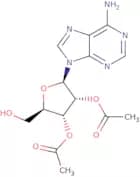
CAS:2',3'-Di-O-acetyladenoside is a nucleoside for use in research applicationsFormula:C14H17N5O6Purity:Min. 97 Area-%Color and Shape:White PowderMolecular weight:351.31 g/mol5'-O-DMT-thymidine 3'-CE phosphoramidite
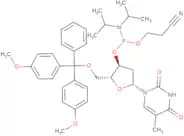
CAS:5'-O-DMT-thymidine 3'-CE phosphoramidite is a building block for the introduction of thymidine units into oligonucleotides. 5'-O-DMT-thymidine 3'-CE phosphoramidite is utilised in a broad range of applications, including the synthesis of natural and unnatural DNA and RNA strands. Phosphoramidites are the reagent class of choice for oligonucleotide synthesis as they contain readily removable orthogonal protecting groups and can be produced at reasonable scales. The diisopropylamino leaving group is readily cleaved upon exposure to an azole catalyst allowing for a highly efficient coupling reaction with a free hydroxyl group on the growing oligonucleotide and oxidation of the subsequent phosphite triester, followed by beta-elimination of the cyanoethyl group affords the stable phosphodiester linkage.Formula:C40H49N4O8PPurity:Min. 98 Area-%Color and Shape:PowderMolecular weight:744.83 g/mol5-Aza-N6-benzoyl-5'-O-DMT-2'-deoxycytidine 3'-CE phosphoramidite
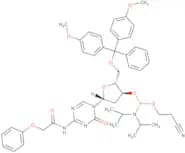
CAS:5-Aza-N6-benzoyl-5'-O-DMT-2'-deoxycytidine 3'-CE phosphoramidite is a monophosphate, Synthetic, DNA Activator, Anticancer, Modified, Novel, Nucleosides. It has the CAS No. 929904-98-3 and is High purity.Formula:C46H53N6O9PPurity:Min. 95%Molecular weight:864.92 g/molN6-Succinyl adenosine
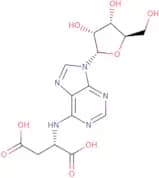
CAS:N6-Succinyl adenosine is a biochemical that is involved in the transfer of fatty acids across membranes. It has been shown to be effective in transfection experiments, where it can be used to increase the expression of genes. N6-Succinyl adenosine has also been shown to be an important substrate for various dehydrogenases. Deficiency of these enzymes leads to orotic aciduria, which is characterized by elevated levels of orotic acid in blood and urine and may lead to mental retardation. A linear calibration curve was generated for diagnosis purposes, with the enzyme activities being determined using a logistic regression model.Formula:C14H17N5O8Purity:Min. 95%Color and Shape:White PowderMolecular weight:383.31 g/mol5'-O-tert-Butyldimethylsilyl-2'-deoxy-5-iodocytidine
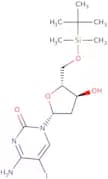
CAS:5'-O-tert-Butyldimethylsilyl-2'-deoxy-5-iodocytidine is a nucleoside that can be used as an activator for ribonucleosides. It has been shown to have anticancer, antiviral and antiviral activities. 5'-O-tert-Butyldimethylsilyl-2'-deoxy-5-iodocytidine is synthesized by the reaction of 2'-deoxycytidine with tertbutyldimethylchlorosilane in the presence of triethylamine. The product may be purified by crystallization or chromatography.Formula:C15H26IN3O4SiPurity:Min. 95%Color and Shape:White Off-White PowderMolecular weight:467.38 g/mol1-(2,3-Dideoxy-2-fluoropentofuranosyl)cytosine
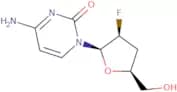
CAS:1-(2,3-Dideoxy-2-fluoropentofuranosyl)cytosine is a cytosine analog that is structurally similar to the antiviral drug tenofovir. It has been shown to be active against human serum and logarithmic growth phase cells, as well as cancer cell lines. 1-(2,3-Dideoxy-2-fluoropentofuranosyl)cytosine inhibits HIV infection in vitro by binding to the viral reverse transcriptase enzyme, blocking its activity and preventing DNA synthesis. This drug also inhibits the replication of human immunodeficiency virus type 1 (HIV-1) and other retroviruses in cell culture.Formula:C9H12FN3O3Purity:Min. 95%Molecular weight:229.21 g/mol4-Thiothymidine
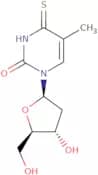
CAS:4-Thiothymidine is a nucleoside analog that is converted to thymidine by the enzyme thymidine kinase. It has been shown to inhibit the growth of human skin cancer cells by binding to DNA duplexes and inhibiting the synthesis of new DNA strands. 4-Thiothymidine has also been shown to be effective against radiation-induced damage in cultured human cells and inhibits tumor growth in mice bearing a transplantable mouse skin cancer. 4-Thiothymidine can be used as an inhibitor for chemotherapy or radiation therapy for cancer patients. It is active on both site-specific and cell-specific gene targets, with a reactive hydrogen bond that helps stabilize its formation.Formula:C10H14N2O4SPurity:Min. 98 Area-%Color and Shape:Yellow PowderMolecular weight:258.3 g/mol2'-Deoxy-2'-fluoroadenosine-5'-triphosphate tetralithium salt
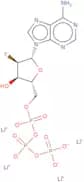
CAS:2'-Deoxy-2'-fluoroadenosine-5'-triphosphate tetralithium salt (FdATP) is a competitive inhibitor of ATP. It inhibits the synthesis of RNA, DNA, and protein in cell culture at high concentrations. FdATP is also an analog of adenosine triphosphate (ATP), which is needed for cellular energy production. The competitive inhibition of ATP by FdATP prevents the formation of a phosphorylated enzyme that is required for the initiation of DNA synthesis. This can lead to cell death, as the cells cannot produce proteins required for growth and replication.Formula:C10H11FN5O12P3•Li4Purity:Min. 95%Color and Shape:PowderMolecular weight:532.9 g/mol5-Methoxy-2-thiouridine
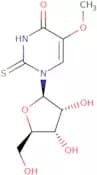
CAS:5-Methoxy-2-thiouridine is the peracylated form of thiouracil. It is a reactive oxygen species, which can cause primary site lesions in cells. 5-Methoxy-2-thiouridine is a posttranscriptional modification that leads to conformational changes in the anticodon loop of tRNA molecules. This modification prevents the anticodon from pairing with its corresponding codon during translation, thereby inhibiting protein synthesis. The modifications also affect RNA processing and stability and lead to changes in gene expression.Purity:Min. 95%N6-Benzoyl-5'-O-benzyl-2'-O-tert-butyldimethylsilyladenosine 3'-CE phosphoramidite
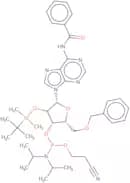
N6-Benzoyl-5'-O-benzyl-2'-O-tert-butyldimethylsilyladenosine 3'-CE phosphoramidite is an activator of ribonucleosides and deoxyribonucleosides. It is a novel synthetic nucleoside, which has high quality and purity. The chemical modification of the base allows for the synthesis of DNA with modified bases. This product has been shown to have anticancer effects in vitro and in vivo, as well as antiviral activities against HIV.Formula:C39H54N7O6PSiPurity:Min. 95%Molecular weight:775.97 g/molFlavin adenine dinucleotide
CAS:Flavin adenine dinucleotide, also known as FAD, plays a crucial role in several enzymatic reactions involved in metabolism. It is essential for the function of flavoproteins, which are involved in processes such as the electron transport chain and the citric acid cycle.Formula:C27H33N9O15P2Purity:Min. 95%Color and Shape:PowderMolecular weight:785.5 g/mol5'-O-DMT-N2-isobutyryl-2'-O-(2-methoxyethyl)guanosine 3'-CE phosphoramidite
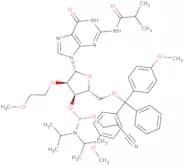
CAS:Nucleoside phosphoramidites are used in the synthesis of oligonucleotides. Using a chemical approach allows quick and inexpensive access to custom-made oligonucleotides of the desired sequence. Enzymatic synthesis proceeds in a 5’ to 3’ direction, however the chemical synthesis is usually performed in the opposite direction. 5'-O-DMT-N2-isobutyryl-2'-O-(2-methoxyethyl)guanosine 3'-CE phosphoramidite, also known as DMT-2'-O-MOE-G(iBu)-CEP, is a modified guanosine with a 2’-O-(2-methoxyethyl) group, these have been used in the synthesis of oligonucleotides as antisense drugs.Formula:C47H60N7O10PPurity:Min. 95%Color and Shape:White PowderMolecular weight:913.99 g/mol2'-Deoxy-5-hydroxymethylcytidine
CAS:2'-Deoxy-5-hydroxymethylcytidine is a nucleoside analog that inhibits the enzyme thymidylate synthase. The inhibition of this enzyme leads to a deficiency in the production of thymine, which is essential for DNA synthesis. 2'-Deoxy-5-hydroxymethylcytidine has been shown to be an effective anti-cancer agent in vitro and in vivo. It can also be used as a potential biomarker for cancer and can be used as a polymerase chain reaction (PCR) primer for detection of cancer tissue. This drug binds to the polymerase enzyme, preventing it from performing its function to replicate DNA, thereby halting cell division and causing cell death.Formula:C10H15N3O5Purity:Min. 95%Color and Shape:White Yellow PowderMolecular weight:257.24 g/mol





![[2'-18O]Guanosine](/_next/image/?url=https%3A%2Fstatic.cymitquimica.com%2Fproducts%2F3D%2Fthumb-webp%2FNG106386.webp&w=3840&q=75)







![4-7H-Chloro-5-iodo-7-(2-C-methyl-b-D-ribofuranosyl)-7H-pyrrolo[2,3-d]pyrimidin-2-amine](/_next/image/?url=https%3A%2Fstatic.cymitquimica.com%2Fproducts%2F3D%2Fthumb-webp%2FNC14083.webp&w=3840&q=75)