Nucleosides
Nucleosides are fundamental building blocks of nucleic acids, composed of a nitrogenous base attached to a sugar molecule. In this section, you can find a wide variety of nucleosides essential for research in molecular biology, biochemistry, and pharmacology. These compounds play crucial roles in the synthesis of DNA and RNA, and are also vital in various metabolic processes. Nucleosides are used in studying genetic material, developing antiviral and anticancer therapies, and understanding cellular mechanisms. At CymitQuimica, we provide high-quality nucleosides to support your research and development needs, ensuring purity and reliability for your experimental applications.
Found 3567 products of "Nucleosides"
Sort by
Purity (%)
0
100
|
0
|
50
|
90
|
95
|
100
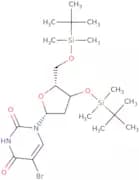
3',5'-Bis-O-(tert-butyldimethylsilyl)-5-bromo-2'-deoxyuridine
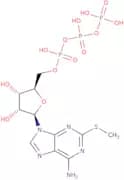
CAS:<p>3',5'-Bis-O-(tert-butyldimethylsilyl)-5-bromo-2'-deoxyuridine is a novel synthetic nucleoside. It is an intermediate in the synthesis of phosphoramidites and has been used in the synthesis of oligonucleotides and DNA. 3',5'-Bis-O-(tert-butyldimethylsilyl)-5-bromo-2'-deoxyuridine can also be used as antiviral and anticancer agents. 3',5'-Bis-O-(tert-butyldimethylsilyl)-5-bromo-2'-deoxyuridine is soluble in water, ethanol, and chloroform at a concentration of 1 g/L. The purity of this product is greater than 98%.</p>Formula:C21H39BrN2O5Si2Purity:Min. 95%Molecular weight:535.62 g/mol2-Methylthioadenosine-5'-triphosphate
CAS:<p>2-Methylthioadenosine-5'-triphosphate (2MeSATP) is a nucleotide analogue that inhibits the synthesis of ATP by binding to the adenylate cyclase enzyme. 2MeSATP has been shown to be a potent inhibitor of neuronal death and is used as a tool in cellular research. 2MeSATP binds to guanine nucleotide-binding protein (G protein), which inhibits its activity and prevents the activation of other downstream enzymes, such as phospholipase C, which are necessary for neurotransmitter release. 2MeSATP also has an inhibitory effect on several other enzymes, including phosphodiesterases and cyclases, in cellular models and whole cells.</p>Formula:C11H18N5O13P3SPurity:Min. 95%Molecular weight:553.27 g/molb-Nicotinamide adenine dinucleotide phosphate potassium salt hydrate
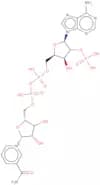
CAS:<p>b-Nicotinamide adenine dinucleotide phosphate potassium salt hydrate is a novel anticancer compound that has been shown to inhibit the growth of cancer cells in vitro. The mechanism of action of b-NADP+ is still unknown, but it may involve the inhibition of ribonucleoside reductase and deoxyribonucleoside reductase. It also inhibits viral DNA synthesis, which can be an effective antiviral drug. b-NADP+ is a nucleotide analogue that is synthesized from diphosphate and monophosphate forms, which are activated by phosphoramidites.</p>Formula:C21H28N7O17P3•K•(H2O)2Purity:Min. 95%Molecular weight:818.5 g/mol5'-O-tert-Butyldimethylsilyl-7-deaza-2'-deoxy-7-iodoadenosine
<p>5'-O-tert-Butyldimethylsilyl-7-deaza-2'-deoxy-7-iodoadenosine is an antiviral drug that has been shown to inhibit the synthesis of viral RNA by inhibiting the activity of DNA polymerase. It is a novel antiviral drug with high purity and can be used for cancer treatment as well. 5'-O-tert-Butyldimethylsilyl-7-deaza-2'-deoxy-7-iodoadenosine also has a novel mechanism of action, which is different from other antiviral drugs such as ribonucleosides or deoxyribonucleosides. This compound is used in the synthesis of phosphoramidites for oligonucleotide synthesis.</p>Formula:C17H27IN4O3SiPurity:Min. 95%Molecular weight:490.41 g/mol2'-Deoxy-5-(trifluoromethyl)cytidine
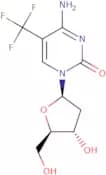
CAS:<p>2'-Deoxy-5-(trifluoromethyl)cytidine is a synthetic nucleoside analogue that inhibits the cytidine deaminase enzyme. It is used in the treatment of some types of leukemia and other cancers. The compound, which has a trifluoromethyl group on the 2' position, binds to the active site of cytidine deaminase and prevents it from functioning. This leads to an accumulation of thymidylate, which is required for DNA synthesis. The tumor tissue also contains high concentrations of this drug and its metabolites, making it more effective against cancer cells than normal cells. 2'-Deoxy-5-(trifluoromethyl)cytidine has been shown to inhibit anabolism in tumor tissue in the presence of high concentrations of phosphorylases, which are enzymes that catalyze reactions that break down carbohydrates and proteins into smaller molecules such as glucose or amino acids.</p>Formula:C10H12F3N3O4Purity:Min. 95%Molecular weight:295.22 g/mol2',3'-Dideoxyinosine-5'-triphosphate triethylammonium salt
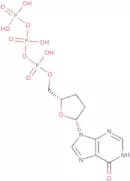
CAS:<p>2',3'-Dideoxyinosine-5'-triphosphate triethylammonium salt (ddI-TP) is a nucleoside analog that inhibits HIV replication by competing with natural nucleosides for binding to HIV reverse transcriptase. ddI-TP acts as an inhibitor of human mitochondrial DNA polymerase γ, and blocks the synthesis of fatty acids in mouse cells. It is also able to inhibit signal pathways involving protein kinases and phosphatases. ddI-TP has been shown to be effective against hiv infection in mice. This drug can be used in the treatment of hiv infection, as well as in the prevention of its transmission from mother to child during pregnancy and breastfeeding.</p>Formula:C10H15N4O12P3Purity:Min. 95%Molecular weight:476.17 g/molChemical phosphorylating reagent (cpr)
CAS:Chemical phosphorylating reagent (CPR) is a powerful tool for the study of kinases, which are enzymes that regulate cellular processes such as cell division and apoptosis. CPR has been shown to be effective in inhibiting the activity of certain kinases that are involved in tumor growth and progression. It has also been used as an anticancer agent, inducing apoptosis in cancer cells. CPR is an analog of toxaphene and labetalol, two compounds with known kinase inhibitor activity. This reagent has been tested on human urine samples and Chinese hamster ovary cells, demonstrating its potential as a valuable research tool for studying kinase signaling pathways and developing new cancer therapies.Formula:C5H10O5Purity:Min. 95%Molecular weight:150.13 g/molAdenosine 3',5'-cyclic monophosphothioate Rp-isomer sodium salt
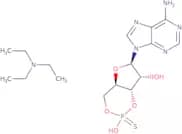
CAS:<p>Adenosine 3',5'-cyclic monophosphothioate Rp-isomer sodium salt is a neurotrophic factor that has been shown to have neuroprotective properties in different animal models of Parkinson's disease. It has been shown to promote the synthesis of dopamine, glutamate, and other neurotransmitters in dopaminergic neurons. Adenosine 3',5'-cyclic monophosphothioate Rp-isomer sodium salt also promotes protein production by stimulating the synthesis of intracellular proteins such as cytosolic Ca2+ and IGF-I. This drug may be effective in pharmacological treatment for Parkinson's disease. Adenosine 3',5'-cyclic monophosphothioate Rp-isomer sodium salt is a potent inhibitor of phosphodiesterase type 4 (PDE4) with a Ki value of 0.07 μM. This inhibition leads to the accumulation of cAMP, which activates protein kinase A (PKA</p>Formula:C10H11N5O5PS·NaPurity:Min. 95%Molecular weight:367.25 g/molAdenosine 5'-(tetrahydrogen triphosphate)
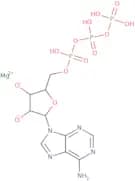
CAS:<p>Adenosine is a nucleoside consisting of adenine and ribose. It is used in biochemical analysis to quantify the cytosolic Ca2+ concentration, which is an important cellular signal that regulates many cellular processes. Adenosine stimulates the uptake of Ca2+ by binding to the monophosphate-activated protein (AMPAR), which results in the opening of voltage-gated calcium channels. These channels allow Ca2+ to enter the cell, increasing its intracellular concentration. Adenosine also has been shown to stimulate muscle contraction through increased release of Ca2+. This drug also possesses inhibitory effects on synaptic transmission and may have anti-inflammatory properties due to its ability to inhibit proteolytic enzymes in muscle cells.</p>Formula:C10H14MgN5O13P3Purity:Min. 95%Molecular weight:529.47 g/mol2'-Deoxy-2'-fluoroguanosine-5'-monophosphate
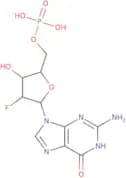
CAS:<p>2'-Deoxy-2'-fluoroguanosine-5'-monophosphate is a phosphoramidite monoester with a diphosphate group that has been synthetically modified to provide antiviral and anticancer activity. It is an activator of DNA synthesis and inhibits the proliferation of tumor cells by interfering with DNA replication. The compound is also used as a precursor for the synthesis of 2'-deoxy-2'-fluoroguanosine, which has potent anti-HIV activity.</p>Formula:C10H13FN5O7PPurity:Min. 95%Molecular weight:365.21 g/mol2'-Deoxy-5'-O-DMT-N4-isobutyrylcytidine
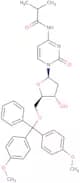
CAS:<p>2'-Deoxy-5'-O-DMT-N4-isobutyrylcytidine is a monophosphate nucleoside analog that has antiviral activity against the Herpes virus. It is a cytosine analog that is incorporated into DNA and inhibits viral replication. 2'-Deoxy-5'-O-DMT-N4-isobutyrylcytidine has also been shown to have anticancer properties and high purity. This compound is synthesized by the reaction of 2'-deoxycytidine and 4-(2,2,2,-trimethylpropionyl)-1,3-butanediol with O-(7-azabenzotriazol-1-yl) N,N,N',N' tetramethyluronium hexafluorophosphate (HATU) in anhydrous pyridine. The CAS number for this compound is 10089862.</p>Formula:C34H37N3O7Purity:Min. 95%Molecular weight:599.69 g/molXTT, sodium salt
CAS:<p>XTT is a tetrazolium compound that can be used to measure the activity of enzymes. It has been shown to inhibit the growth of tumor cells in vitro and in vivo. XTT can also be used as an antibacterial agent against C. glabrata and as an anthelmintic drug against tapeworms. This compound is not active against other bacteria, such as E. coli or S. aureus, because they are resistant to oxidative injury and have high levels of ABCG2 (ATP-binding cassette G2), which prevents intracellular accumulation of XTT.</p>Formula:C22H16N7NaO13S2Molecular weight:673.53 g/molRef: 3D-X-5000
1gTo inquire100mgTo inquire250mgTo inquire500mgTo inquire2500mgTo inquire-Unit-ggTo inquire2-Amino-6-chloro-9-(2-deoxy-3,5-di-O-benzoyl-2-fluoro-b-D-arabinofuranosyl)purine
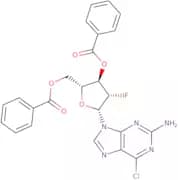
CAS:<p>2-Amino-6-chloro-9-(2-deoxy-3,5-di-O-benzoyl-2-fluoro-b-D-arabinofuranosyl)purine is a novel modified nucleoside with antiviral activity. It has been shown to inhibit the replication of the influenza A virus in cell culture and animal models. 2′Amino-6′chloro 9-(2′deoxy 3′,5′di O′benzoyl 2′fluoro b D arabinofuranosyl)purine is an analog of adenosine that has shown anticancer activity in vitro and in vivo. It inhibits DNA synthesis by inhibiting deoxyribonucleotide synthesis and ribonucleotide synthesis. This drug also inhibits cell proliferation and induces apoptosis.</p>Formula:C24H19ClFN5O5Purity:Min. 95%Molecular weight:511.89 g/mol3'-O-tert-Butyldimethylsilyl-5'-O-DMT-adenosine
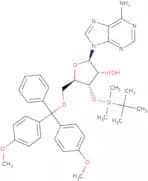
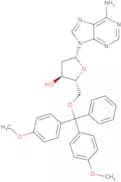
CAS:<p>3'-O-tert-Butyldimethylsilyl-5'-O-DMT-adenosine is a nucleoside that is used in the synthesis of oligonucleotides. It is a modified nucleoside that can be used as an antiviral or anticancer agent. It has been shown to have high purity and quality. The synthesis of this compound involves the use of a novel activator, which is also available for purchase from this website. This nucleoside has been modified with tert-butyldimethylsilyl groups at the 3' and 5' positions of the ribose moiety, which prevents the hydrolysis of the phosphate ester bond by alkaline phosphatase enzymes, thus allowing for sequence determination.</p>Purity:Min. 95%4-Amino-3-benzyl-1H-pyrazolo[3,4-d]pyrimidine 1-b-D-ribofuranose
CAS:<p>4-Amino-3-benzyl-1H-pyrazolo[3,4-d]pyrimidine 1b-D-ribofuranose is a novel diphosphate activator that can modify the properties of deoxyribonucleosides and nucleosides. It has antiviral activity against human immunodeficiency virus type 1 (HIV) and herpes simplex virus type 2 (HSV). 4-Amino-3-benzyl-1H-pyrazolo[3,4-d]pyrimidine 1b -D--ribofuranose is also an anticancer agent that has been shown to have DNA binding ability, in addition to its ability to inhibit the proliferation of cancer cells.</p>Formula:C17H19N5O4Purity:Min. 95%Molecular weight:357.36 g/mol1,3-Dimethyl-5-[4-(4,4,5,5-tetramethyl-[1,3,2]dioxaborolan-2-yl)-benzyl]-pyrimidine-2,4,6-trione
CAS:<p>1,3-Dimethyl-5-[4-(4,4,5,5-tetramethyl-[1,3,2]dioxaborolan-2-yl)-benzyl]-pyrimidine-2,4,6-trione is an organic semiconductor material. It is a dielectric with a high transition temperature and good electrical conductivity. This compound is a metal silicide with a low resistivity and high electron mobility. It can be used as an active layer in thin film transistors or as a field effect transistor channel material. 1,3-Dimethyl-5-[4-(4,4,5,5-tetramethyl-[1,3,2]dioxaborolan-2-yl)-benzyl]-pyrimidine-2,4,6-trione has been shown to have good chemical stability and thermal stability in air at temperatures up to 400°C.</p>Purity:Min. 95%2,2-Crylo-5-methyluridine
<p>2,2-Crylo-5-methyluridine is a synthetic diphosphate nucleotide that has been shown to be an activator of DNA synthesis. It is used in the synthesis of oligonucleotides and as a monophosphate for the synthesis of 2'-O-methyl ribonucleosides. 2,2-Crylo-5-methyluridine has been shown to have anticancer activity, which may be due to its ability to inhibit tumor proliferation or induce apoptosis.</p>Purity:Min. 95%Adenylosuccinic acid
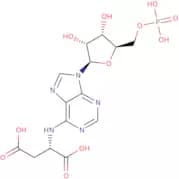
CAS:<p>Adenylosuccinic acid is an organic acid that is synthesized through the deamination of adenosine monophosphate. It is used in transfection experiments to inhibit polymerase chain reaction (PCR) and reverse transcriptase. Adenylosuccinic acid inhibits DNA synthesis by targeting enzymes such as the ribonucleotide reductase and the DNA polymerase β-subunit. Adenylosuccinic acid also inhibits protein synthesis, which may be due to its ability to inhibit energy metabolism, leading to cellular death. This drug has been shown to have a wide range of pharmacological effects, including anti-inflammatory, analgesic, and antifungal activity.</p>Formula:C14H18N5O11PPurity:Min. 95%Color and Shape:PowderMolecular weight:463.29 g/mol3',5'-O-(1,1,3,3-Tetraisopropyl-1,3-disiloxanediyl)-5-methyluridine
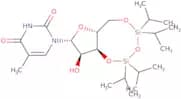
CAS:<p>3',5'-O-(1,1,3,3-Tetraisopropyl-1,3-disiloxanediyl)-5-methyluridine is a novel nucleoside that is used for the synthesis of DNA and RNA. It is a modified nucleoside with antiviral and anticancer properties. 3',5'-O-(1,1,3,3-Tetraisopropyl-1,3-disiloxanediyl)-5-methyluridine has been shown to inhibit human immunodeficiency virus type 1 (HIV) replication in cultured cells. In addition to its antiviral activity against HIV type 1 (HIV-1), 3',5'-O-(1,1,3,3-Tetraisopropyl-1,3-disiloxanediyl)-5-methyluridine also inhibits the growth of cancerous cells by acting as an inhibitor of DNA</p>Formula:C22H40N2O7Si2Purity:Min. 95%Molecular weight:500.73 g/mol2',3',5'-Tri-O-acetyl-N2-dimethylguanosine
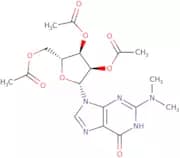
CAS:<p>2',3',5'-Tri-O-acetyl-N2-dimethylguanosine is a novel modified nucleoside. It is a monophosphate that has been shown to be an activator of DNA and RNA synthesis, which can lead to the production of cancer cells. 2',3',5'-Tri-O-acetyl-N2-dimethylguanosine also has antiviral and antibacterial properties, as well as anticancer activity. This compound is used as a phosphoramidite in the synthesis of oligonucleotides for use in research and therapeutic applications.</p>Formula:C18H23N5O8Purity:Min. 95%Molecular weight:437.4 g/mol2'-TFA-NH-dC
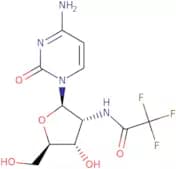
CAS:<p>2'-TFA-NH-dC is a novel nucleoside analogue that has been modified to have antiviral and anticancer properties. The chemical structure of 2'-TFA-NH-dC closely resembles dC, which is a natural DNA nucleotide, but with the addition of an extra fluorine atom at the 2' position. This modification increases the potency of 2'-TFA-NH-dC by making it more difficult for enzymes in cells to break down the drug. The compound can be used as a monophosphate or diphosphate, and is synthesized from 2'-deoxyadenosine 5'-phosphoramidite and 1,2,4-triazole in water.</p>Formula:C11H13F3N4O5Purity:Min. 95%Molecular weight:338.24 g/mol2',3'-Stannyluridine
<p>2',3'-Stannyluridine is a novel modified ribonucleoside. It is synthesized by the condensation of 2'-deoxyuridine and 3'-hydroxy-2-methylpropiophenone. This product has been shown to have anticancer and antiviral activities. 2',3'-Stannyluridine inhibits the synthesis of DNA, RNA, and protein in cells by binding to the ribonucleotide reductase enzyme. It also has an effect on phosphoramidite synthesis, which is an important step in DNA replication. The CAS number for this product is 57824-03-1.</p>Purity:Min. 95%o-Methoxytopolin riboside
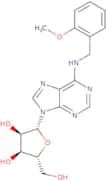
CAS:<p>o-Methoxytopolin Riboside is a novel phosphoramidite that can be used for the synthesis of ribonucleotides and deoxyribonucleosides. This product has antiviral and anticancer properties, as well as the ability to inhibit tumor growth by inducing apoptosis in cancer cells. It is synthesized from the natural compound o-methoxytyrosine by the addition of a phosphate group to the 3-position. The phosphate group is then modified to produce monophosphate or diphosphate forms. OMTPR has been shown to have anti-inflammatory properties and has been found to reduce inflammation in mice with colitis.</p>Formula:C18H21N5O5Purity:Min. 95%Color and Shape:PowderMolecular weight:387.39 g/molN3-Methyl-2'-O-methyluridine
CAS:<p>2'-O-methyluridine is an antiviral nucleoside that is used as a phosphoramidite in the synthesis of oligonucleotides. It has been shown to inhibit viral replication, and has been found to be effective in treating HIV-1 by inhibiting reverse transcriptase. N3-Methyl-2'-O-methyluridine also inhibits DNA synthesis and cell proliferation, and may be useful for the treatment of cancer. This modified nucleoside has been synthesized from uracil and contains a methyl group at the 3' position. The methyl group prevents 2'-O-methyluridine from being activated by cellular thymidylate synthase, which normally converts deoxyribonucleotides into ribonucleotides. This novel nucleotide has not yet been used in clinical trials but it may provide an alternative to other drugs used for cancer treatments.</p>Formula:C11H16N2O6Purity:Min. 95 Area-%Color and Shape:White Off-White PowderMolecular weight:272.25 g/mol6-Propylamino-7-deazapurine
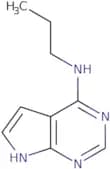
CAS:<p>6-Propylamino-7-deazapurine is a synthetic nucleoside with antiviral and anticancer properties. It is an activator of DNA synthesis and is modified to have a high quality. 6-Propylamino-7-deazapurine has been shown to be effective against HIV and other viruses in vitro, as well as in animal models, but it is not yet approved for use in humans.6-Propylamino-7-deazapurine has also been shown to inhibit the growth of cancer cells in vitro and in vivo.</p>Formula:C9H12N4Purity:Min. 95%Molecular weight:176.22 g/mol(2'R)-N-Benzoyl-2'-deoxy-2'-fluoro-2'-methylcytidine 3',5'-d
CAS:<p>(2'R)-N-Benzoyl-2'-deoxy-2'-fluoro-2'-methylcytidine 3',5'-diphosphate (2'R)-N-benzoyl-2'-deoxy-2'-fluoro-2'-methylcytidine 3',5'-diphosphate) is a modified nucleoside that is an antiviral, anticancer, and activator of DNA synthesis. It has been shown to be the first synthetic nucleotide analogue to have significant activity against HIV in vitro. The synthesis of this compound starts with the diphosphate or monophosphate form of cytidine. The phosphate group is removed and replaced with a 2'R benzoyl group. This process is followed by fluorination and methylation steps. Finally, the 5' hydroxyl group is cleaved to give 2'R -N benzoyl 2'-deoxy-2'-fluoro-2'-</p>Formula:C31H26FN3O7Purity:Min. 95%Molecular weight:571.55 g/mol5'-Amino-5'-deoxy-5'-N-MMT-thymidine 3'-CE phosphoramidite
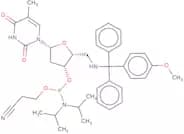
CAS:<p>5'-Amino-5'-deoxy-5'-N-MMT-thymidine 3'-CE phosphoramidite is a high purity, novel, modified, antiviral and anticancer nucleotide. It is an analog of thymidine which has the methyl group at the 5' position replaced with a 5' amino group. This modification prevents conversion of the nucleoside to thymine and therefore inhibits DNA synthesis. The phosphoramidite is used as a building block for oligonucleotides in chemical synthesis. The phosphoramidite has shown antiviral activity against HIV by preventing reverse transcription of viral RNA into DNA. It also has been tested for its anticancer effects on human cells in vitro by inhibiting DNA synthesis and inducing apoptosis in cancer cells.</p>Formula:C39H48N5O6PPurity:Min. 95%Molecular weight:713.8 g/mol2',3'-Dideoxy-2',3'-didehydroinosine
CAS:<p>2',3'-Dideoxy-2',3'-didehydroinosine is a synthetic pyrimidine compound that has been shown to inhibit tumor growth in animal models. It is used to prepare 2',3'-dideoxy-2',3'-didehydroinosine-5'-triphosphate, which inhibits the synthesis of DNA and RNA by binding to the enzyme ribonucleotide reductase. This inhibition leads to cell death by inducing crosslinkers and inhibiting polymerase chain reaction. 2',3'-Dideoxy-2',3'-didehydroinosine can be synthesized from hydrochloric acid and carbonyl compounds such as glyoxal, acetaldehyde, or benzaldehyde.<br>2',3'-Dideoxy-2',3'-didehydroinosine is an important part of phylogenetic tree analysis because it provides information about evolutionary relationships between bacteria.</p>Formula:C10H10N4O3Purity:Min. 95 Area-%Color and Shape:White PowderMolecular weight:234.21 g/molCyclic diguanosine monophosphate
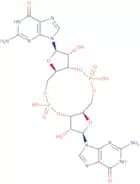
CAS:<p>Cyclic diguanosine monophosphate (c-di-GMP) is a nucleotide that is involved in bacterial cell signaling. It has been shown to be essential for the formation of bacterial biofilms and plays an important role in the development of infectious diseases. c-di-GMP is synthesized from guanosine triphosphate through a series of enzymatic reactions and then hydrolyzed by cyclic diguanosine monophosphatase, which leads to its termination as a second messenger. c-di-GMP interacts with proteins that regulate the expression of genes involved in biofilm formation, motility, and virulence. The synthesis and hydrolysis of c-di-GMP are regulated by multiple enzymes, including protein phosphatases, that control cellular physiology such as biofilm formation.</p>Formula:C20H24N10O14P2Purity:Min. 95%Molecular weight:690.41 g/molInosine-3',5'-cyclic-monophosphate free acid
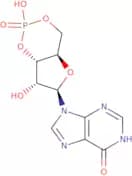
CAS:<p>Inosine-3',5'-cyclic-monophosphate free acid is an ester of inosine 3',5'-cyclic-monophosphate that is structurally related to adenosine. It has been shown to have a physiological function as a cyclic nucleotide phosphodiesterase inhibitor, and also inhibits voltage-dependent calcium channels. Inosine-3',5'-cyclic-monophosphate free acid has been shown to be effective against infectious diseases, such as Mycobacterium tuberculosis and Galleria mellonella. It has also been shown to reduce the production of peptide hormones, nucleotides, and cyclic AMP (cAMP). Inosine-3',5'-cyclic-monophosphate free acid does not exhibit any pharmacological activity on its own but can modulate the activities of other pharmacological agents.</p>Formula:C10H11N4O7PPurity:Min. 95%Molecular weight:330.19 g/mol3'-O-tert-Butyldiphenylsilyl-2'-O-methyluridine
<p>3'-O-tert-Butyldiphenylsilyl-2'-O-methyluridine is a novel nucleoside with antiviral and anticancer properties. It has been shown to inhibit the growth of human tumor cells in culture and induce apoptosis, as well as inhibit viral replication. 3'-O-tert-Butyldiphenylsilyl-2'-O-methyluridine is an analogue of uridine, which can be used for the synthesis of DNA or RNA. The phosphate group is attached to the 3' carbon on the sugar moiety. This nucleoside has been modified from a natural ribonucleoside by substitution of a tertiary butylphenylsilyl group at the 2' position with an o-methyl group.<br>3'-O-tert-Butyldiphenylsilyl-2'-O-methyluridine is supplied as a white powder with purity greater than 99</p>Purity:Min. 95%N4-Benzoyl-2'-O-tert-butyldimethylsilyl-5'-O-DMT-cytidine 3'-CE phosphoramidite
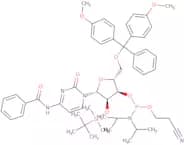
CAS:<p>N4-Benzoyl-2'-O-tert-butyldimethylsilyl-5'-O-DMT-cytidine 3'-CE phosphoramidite is a high purity, Ribonuclesides, Anticancer, High quality, Antiviral, Nucleosides, CAS No. 118380-84-0, Deoxyribonucleosides, Modified, monophosphate and Phosphoramidites. It is an important reagent for the synthesis of DNA and RNA oligonucleotides. This product has novel properties as an anticancer drug and antiviral agent.</p>Formula:C52H66N5O9PSiPurity:Min. 95%Color and Shape:PowderMolecular weight:964.19 g/mol2',3'-Di-O-methylguanosine
<p>2',3'-Di-O-methylguanosine is a nucleoside, which is a chemical compound composed of a nitrogenous base, a five-carbon sugar, and one phosphate group. It is an analog of guanosine that has been modified by replacing the 2' hydroxyl group with a methyl group. This modification prevents the phosphorylation of the monophosphate form to the diphosphate form. This modification also makes 2',3'-Di-O-methylguanosine an activator of DNA polymerase and RNA polymerase. The novel features of this compound make it an excellent candidate for anticancer and antiviral treatments.</p>Purity:Min. 95%2-[2-(2-Naphthalenyl)ethoxy]adenosine
CAS:<p>2-[2-(2-Naphthalenyl)ethoxy]adenosine is a structural determinant that belongs to the class of adenosine derivatives. It is an antagonist of adenosine receptors, binding to the A1 receptor with high affinity and blocking the effects of adenosine. 2-[2-(2-Naphthalenyl)ethoxy]adenosine has been shown to have a high affinity for benzyl and thioether groups in its structure, which are important for binding to the A1 receptor. This compound has been used in assays to determine the binding of other compounds with adenosine receptors. 2-[2-(2-Naphthalenyl)ethoxy]adenosine has also been shown as a radioligand for competitive binding studies with human brain membranes.</p>Formula:C22H23N5O5Purity:Min. 95%Molecular weight:437.45 g/mol3'-O-DMT-thymidine
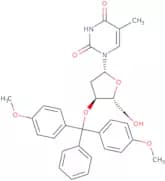
CAS:<p>3'-O-DMT-thymidine is a nucleoside analogue that is synthesized from thymidine. It has been shown to bind to the proviral dna of HIV and inhibit viral replication when present in a complex with the other nucleosides. 3'-O-DMT-thymidine is also stable at high temperatures and binds to carboxamide groups on proteins. This compound has been shown to be effective as a binder for surfaces and membranes, which may be due to its ability to form stable complexes with terminal phosphates. The stability of these complexes can be influenced by the presence of denaturants such as temperature, pH, or ionic strength parameters. 3'-O-DMT-thymidine also forms stable complexes with linkers that are sensitive to thermal denaturation.</p>Formula:C31H32N2O7Purity:Min. 95%Molecular weight:544.6 g/mol2-Methylthio-N6-methyladenosine
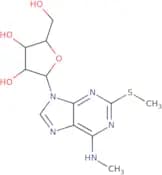
CAS:<p>2-Methylthio-N6-methyladenosine is an adenosine nucleoside that is found in the DNA of eukaryotes. It is similar to 2-methylthio-n6-isopentenyladenosine, which is a modified form of n6-methyladenosine. The chemical structures of both molecules are related to the thermodynamic properties of the molecule and their ability to be postsynthetically modified. These modifications can lead to changes in their translation, which can have implications for the development and progression of disease. 2-Methylthio-N6-methyladenosine has a role in epigenetics, which is defined as changes in gene expression without any alterations in DNA sequence. In this case, it may modify the chloride ion concentration by changing its chemical structure, leading to epigenetic changes that can affect how genes are expressed or translated into proteins.</p>Formula:C12H17N5O4SPurity:Min. 95%Color and Shape:White PowderMolecular weight:327.36 g/mol6-O-Benzyl-2'-deoxyguanosine
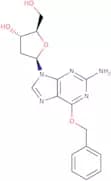
CAS:<p>6-O-Benzyl-2'-deoxyguanosine is a synthetic nucleoside analog that inhibits the synthesis of DNA. It is used in animal studies as a pancreatic carcinogen, and has been shown to inhibit tumor growth in mice. This drug specifically binds to DNA at the O6 position of guanine and methylates the adjacent cytosine residue, thereby preventing synthesis of DNA. 6-O-Benzyl-2'-deoxyguanosine also inhibits the activity of an enzyme called methyltransferase, which converts S-adenosylmethionine into S-adenosylhomocysteine, an intermediate in one of the pathways that produce methionine from homocysteine. This inhibition leads to an accumulation of methionine and its metabolites, including homocysteine and cystathione beta synthase, which can cause cell death.</p>Formula:C17H19N5O4Purity:Min. 95%Molecular weight:357.36 g/molN4-Acetyl-2'-deoxy-3'-O-DMT-cytidine 5'-CE phosphoramidite
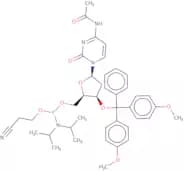
CAS:<p>N4-Acetyl-2'-deoxy-3'-O-DMT-cytidine 5'-CE phosphoramidite is a novel nucleoside. It is a monophosphate and cytidine analog that has been shown to be effective in the treatment of cancer. N4-Acetyl-2'-deoxy-3'-O-DMT-cytidine 5'-CE phosphoramidite also inhibits viral replication by preventing the synthesis of DNA and RNA. This drug can be used as an activator for synthesis of modified oligonucleotides.</p>Formula:C41H50N5O8PPurity:Min. 95%Molecular weight:771.84 g/molN6,5'-O-Dibenzoyl-2'-deoxy-adenosine
<p>N6,5'-O-Dibenzoyl-2'-deoxy-adenosine is a monophosphate nucleoside that is used in the synthesis of DNA. It is synthesized from 2'-deoxyadenosine, which is an antiviral agent against influenza virus and anticancer agent. N6,5'-O-Dibenzoyl-2'-deoxy-adenosine has been shown to be a potent activator of the polymerase chain reaction with high purity and novel properties.</p>Formula:C24H21N5O5Purity:Min. 95%Molecular weight:475.45 g/molL-Ribose NAD
<p>L-Ribose NAD is a nucleoside that belongs to the group of ribonucleosides. It is a novel modified monophosphate and diphosphate nucleotide. L-Ribose NAD has antiviral, anticancer, and immunomodulatory activities. L-Ribose NAD can activate cells with DNA damage by inhibiting the synthesis of deoxyribonucleosides, which are needed for DNA repair. This product has a high purity level and high quality.</p>Purity:Min. 95%Molecular weight:663 g/molN2-DMF-2'-O-methylguanosine
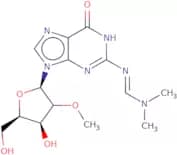
CAS:<p>N2-DMF-2'-O-methylguanosine is a nucleoside that is used as an antiviral agent and anticancer drug. It has been shown to inhibit the growth of human cancer cells in vitro and in vivo. N2-DMF-2'-O-methylguanosine has also been shown to inhibit viral replication by inhibiting DNA synthesis. This nucleoside is a novel compound that can be synthesized using phosphoramidites, which are high quality and yield high purity products.</p>Formula:C14H20N6O5Purity:Min. 95%Molecular weight:352.35 g/mol5'-O-DMT-2'-O-hexylaminoadenosine
<p>5'-O-DMT-2'-O-hexylaminoadenosine is a modified nucleoside that has antiviral activity. It is the monophosphate form of 5'-O-DMT-2'-O-hexylaminoadenosine, and it is used in the synthesis of phosphoramidites for DNA and RNA. This nucleoside is also an activator for novel antiviral drugs.</p>Formula:C37H44N6O6Purity:Min. 95%Molecular weight:668.8 g/mol5-[(Methylamino)methyl]uridine
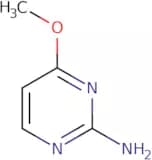
CAS:<p>5-[(Methylamino)methyl]uridine is a proton-containing analog of uridine. It is an epigenetic modifier that has been shown to have conformational properties that are similar to those of uridine. 5-[(Methylamino)methyl]uridine has been shown to modify the glycosidic bond and ring structures, which are important for its function in protein synthesis. The compound can also be found as a chemical structure in the ribosomal subunit, where it is involved in protein synthesis and translation. 5-[(Methylamino)methyl]uridine has shown potential as a therapeutic agent for cancer treatment due to its ability to inhibit the expression of oncogenes in cells and induce programmed cell death (apoptosis).</p>Formula:C11H17N3O6Purity:Min. 95%Molecular weight:287.27 g/mol2-Amino-4-methoxypyrimidine
CAS:<p>2-Amino-4-methoxypyrimidine is an organic compound that can be synthesized from 2-amino-4-chloropyrimidine. It is a colorless, water soluble solid with a melting point of 166°C. The UV spectrum of 2-amino-4-methoxypyrimidine exhibits absorption maxima at 240 nm and 280 nm. When 2-amino-4-methoxypyrimidine is exposed to UV light, it emits fluorescent light at 360 nm. The IR spectrum exhibits absorption bands at 3200 cm−1, 1650 cm−1, and 1530 cm−1. Hydrogen bonding interactions occur between the methoxy group and the protonated amine group in the molecule's structure. The yield of this reaction was found to be 65% by GC analysis. This reaction occurs in two steps: first, the imino group reacts with n hexane to form an iminium ion</p>Purity:Min. 95%2'-Deoxy-5'-O-DMT-adenosine
CAS:<p>2'-Deoxy-5'-O-DMT-adenosine is a nucleoside that is structurally related to adenosine. It is synthesized by the phosphoramidite approach and can be used as an activator for RNA synthesis. 2'-Deoxy-5'-O-DMT-adenosine has shown anticancer activity in vitro and in vivo, which may be due to its ability to inhibit RNA synthesis and DNA replication.</p>Formula:C31H31N5O5Purity:Min. 95%Color and Shape:PowderMolecular weight:553.61 g/mol[1',2',3',4',5'-13C5]-4-Thiothymidine
<p>[1',2',3',4',5'-13C5]-4-Thiothymidine is an antiviral, anticancer, and activator of DNA synthesis. It is a monophosphate analog of thymidine that has been modified to include a radioactive isotope. [1',2',3',4',5'-13C5]-4-Thiothymidine binds to the active site of the enzyme ribonucleotide reductase which is responsible for the production of DNA from RNA. The incorporation of this radioactively labeled analog into DNA prevents its degradation by nucleases and allows for the detection and quantification of DNA synthesis via autoradiography.</p>Purity:Min. 95%2'-Deoxy-1,N6-dimethyladenosine
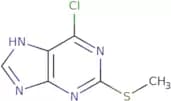
<p>2'-Deoxy-1,N6-dimethyladenosine is a nucleoside that is used for the synthesis of DNA and RNA. It has antiviral activity against HIV and herpes simplex virus type 1 (HSV-1). 2'-Deoxy-1,N6-dimethyladenosine binds to viral DNA and inhibits viral replication by preventing the viral DNA from being replicated. It also inhibits the synthesis of viral proteins. This nucleoside is synthesized in a high purity and quality, which makes it an excellent starting material for use in the synthesis of other nucleosides or phosphoramidites.</p>Purity:Min. 95%2-Methylthio-6-chloropurine
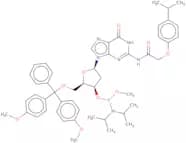
CAS:<p>2-Methylthio-6-chloropurine riboside is a nucleotide analog that is used as a substrate to study the enzymatic modification of RNA. The compound has been synthesized by reacting 2-methylthio-6-chloropurine with ribose and purine bases in a postsynthetic modification. To detect the product, 2-methylthio-6-chloropurine riboside was labeled with 32P and then detected using mass spectrometry. In order to identify the structure of this compound, it was subjected to chromatography and spectroscopy. This process allowed for the identification of 2-methylthio-6-chloropurine riboside as an analog of N6 methyladenosine.</p>Formula:C6H5CIN4SPurity:Min. 95%Molecular weight:304.11 g/mol2'-Deoxy-5'-O-DMT-N2-(4-isopropylphenoxyacetyl)guanosine 3'-Me phosphoramidite
<p>2'-Deoxy-5'-O-DMT-N2-(4-isopropylphenoxyacetyl)guanosine 3'-Me phosphoramidite is a modified nucleoside monophosphate with antiviral and anticancer activity. It is synthesized by the reaction of 2'-deoxyguanosine 5'-O-DMT (dG) with 4-isopropylphenoxyacetic acid in the presence of triethylamine and tetrazole. The product is purified by crystallization.<br>This compound has been shown to inhibit replication of human immunodeficiency virus type 1 (HIV-1) in human lymphocytes, which may be due to its ability to inhibit the synthesis of DNA, RNA, or both.</p>Formula:C49H59N6O9PPurity:Min. 95%Molecular weight:907.03 g/mol8-Bromo-5'-o-(dimethyoxytrityl)-N2-(dimethyl-aminomethylidene)-2'-deoxyguanosine
CAS:<p>8-Bromo-5'-O-(dimethyoxytrityl)-N2-(dimethyl-aminomethylidene)-2'-deoxyguanosine (8-Bromo-5'-O-(DMT)-dG) is a novel nucleoside that is synthesized by reacting 8-bromo-5'-O-(dimethyoxytrityl)-2'-deoxyguanosine with dimethylaminomethylidene. It has antiviral, anticancer, and ribonucleoside activities. 8-Bromo-5'-O-(DMT)-dG is used as a building block for the synthesis of oligonucleotides, phosphoramidites, and other modified nucleosides. 8-Bromo-5'-O-(DMT)-dG is currently being developed as an anticancer drug.</p>Formula:C34H35BrN6O6Purity:Min. 95%Molecular weight:703.6 g/mol




![4-Amino-3-benzyl-1H-pyrazolo[3,4-d]pyrimidine 1-b-D-ribofuranose](/_next/image/?url=https%3A%2Fstatic.cymitquimica.com%2Fproducts%2F3D%2Fthumb-webp%2FNA16507.webp&w=3840&q=75)
![1,3-Dimethyl-5-[4-(4,4,5,5-tetramethyl-[1,3,2]dioxaborolan-2-yl)-benzyl]-pyrimidine-2,4,6-trione](/_next/image/?url=https%3A%2Fstatic.cymitquimica.com%2Fproducts%2F3D%2Fthumb-webp%2FND44283.webp&w=3840&q=75)







![2-[2-(2-Naphthalenyl)ethoxy]adenosine](/_next/image/?url=https%3A%2Fstatic.cymitquimica.com%2Fproducts%2F3D%2Fthumb-webp%2FNN16559.webp&w=3840&q=75)



![5-[(Methylamino)methyl]uridine](/_next/image/?url=https%3A%2Fstatic.cymitquimica.com%2Fproducts%2F3D%2Fthumb-webp%2FNM159410.webp&w=3840&q=75)
![[1',2',3',4',5'-13C5]-4-Thiothymidine](/_next/image/?url=https%3A%2Fstatic.cymitquimica.com%2Fproducts%2F3D%2Fthumb-webp%2FNT35287.webp&w=3840&q=75)