Others
Found 6310 products of "Others"
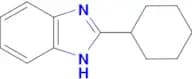
3-[(cyclohexylsulfanyl)methyl]-1-benzofuran-2-carboxylic acid
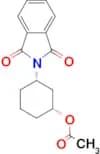
CAS:Purity:97%Molecular weight:290.3800048828125(1R,3S)-3-(1,3-DIOXOISOINDOLIN-2-YL)CYCLOHEXYL ACETATE
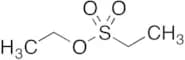
CAS:Purity:95.0%Molecular weight:287.31500244140625Ethyl Ethanesulfonate
CAS:Controlled ProductApplications Ethyl Ethanesulfonate is used as a reactant in stereoselective Friedel-Crafts alkylation reactions. Also used in the preparation of 1-alkyl-3-methylimidazolium alkanesulfonate ionic liquids.
References Stadler, D., Bach, T.: Chem. Asian J., 3, 272 (2008); Blesic, M., et al.: Phys. Chem. Chem. Phys., 11, 8939 (2009);Formula:C4H10O3SColor and Shape:NeatMolecular weight:138.19Zopiclone-d8 N-Oxide (Mixture of Diastereomers)
CAS:Controlled ProductApplications A labelled metabolite of Zopiclone.
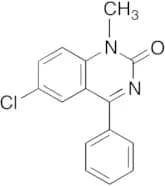
Formula:C17D8H9ClN6O4Color and Shape:NeatMolecular weight:412.866-Chloro-1-methyl-4-phenyl-2(1H)-quinazolinone
CAS:Controlled ProductImpurity Diazepam EP Impurity E
Applications 6-Chloro-1-methyl-4-phenyl-2(1H)-quinazolinone (Diazepam EP Impurity E) is an impurity of Temazepam (T017200), which is a pharmacologically active metabolite. It is used as a sedative and hypnotic drug.
References Sarteschi, P., et al.: Arzneim.-Forsch., 22, 93 (1972), Schwandt, H.J., et al.: Xenobiotica, 4, 733 (1974), Curry, S.H., et al.: Br. J. Pharmacol., 57, 427 (1976), Heel, R.C., et al.: Drugs, 21, 321 (1981)Formula:C15H11ClN2OColor and Shape:Light YellowMolecular weight:270.71Cyanocobalamin-e-methylamide
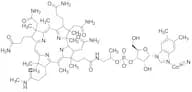
CAS:Controlled ProductFormula:C64H90CoN14O14PColor and Shape:NeatMolecular weight:1369.392Diazepam
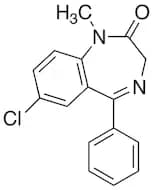
CAS:Controlled ProductApplications Diazepam is an anxiolytic; muscle relaxant (skeletal); anticonvulsant.Diazepam is a controlled substance (depressant).
Not a dangerous good if item is equal to or less than 1g/ml and there is less than 100g/ml in the package
References MacDonald, A., et al.: Anal. Profiles Drug Subs., 1, 79 (1972); Mandelli, M., et al.: Clin. Pharmacokinet., 3, 72 (1978); Bertilsson, L., et al.: Pharmacol. Ther., 45, 85 (1990); Murray, J.B., et al.: J. Psychol., 124, 655 (1990); Pellock, J.M., et al.: Drug Saf., 27, 383 (2004);Formula:C16H13ClN2OColor and Shape:White To YellowMolecular weight:284.7417-Iodo-androsta-5,16-diene-3Beta-ol
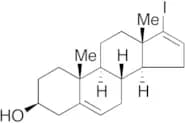
CAS:Controlled ProductImpurity Abiraterone Impurity 5
Applications 17-Iodo-androsta-5,16-diene-3β-ol is an analog of Abiraterone (A108490) and is used as a reagent in the synthesis of C-17-heteroaryl steroidal CYP17 inhibitors/antiandrogens which exhibit antitumor activity. Abiraterone Impurity 5
References Handratta, V.D., et al.: J. Med. Chem., 48, 2972 (2005)Formula:C19H27IOColor and Shape:White To Off-WhiteMolecular weight:398.32Aldol® 470 choline phosphate, Biosynth Patent: EP 2427431 and US 8940909
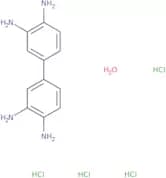
CAS:Aldol® 470 choline phosphate is a chromogenic and fluorogenic enzyme substrate used for detection of phosphatidyl-choline specific phospholipase C (PC-PLC, EC 3.1.4.3) activity. The colorless product is cleaved by PC-PLC positive microorganisms in liquid or solid media, yielding a yellow color and green fluorescence. Aldol® 470 choline phosphate therefore, enables the detection and identification of PC-PLC positive pathogenic bacteria, such as, Clostridium perfringens, Pseudomonas aeruginosa, Helicobacter pylori, Legionella pneumophila, Bacillus cereus, Bacillus anthracis, Listeria monocytogenes, and others. Aldol® 470 choline phosphate can be used under aerobic and anaerobic conditions.Formula:C28H31N2O7PPurity:Min. 95 Area-%Molecular weight:538.53 g/mol3,3'-Diaminobenzidine tetrahydrochloride hydrate
CAS:3,3'-Diaminobenzidine (DAB) is an organic compound derived from benzidine. DAB is water-soluble as the tetrahydrochloride salt and is used in immunohistochemical staining of nucleic acids and proteins. Within research in Alzheimer's disease, Aβ protein amyloid plaques are targeted by a primary antibody, and subsequently by a secondary antibody, which is conjugated with a peroxidase enzyme. This will bind DAB as a substrate and oxidize it, producing an easily observable brown colour. 3,3’-Diaminobenzidine tetrahydrochloride hydrate is also available as the tetrahydrochloride salt and as the free base.
Formula:C12H14N4·4HCl·xH2OPurity:Min. 97 Area-%Color and Shape:PowderMolecular weight:360.11 g/molAldol® 470 butyrate, Biosynth Patent: EP 2427431 and US 8940909
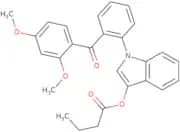
CAS:Controlled ProductAldol® 470 butyrate, a chromogenic substrate manufactured by Cymit Quimica and used for enzymatic assays that produces a yellow-orange color upon enzymatic cleavage.Formula:C27H25NO5Purity:Min. 95%Color and Shape:PowderMolecular weight:443.5 g/molNaphthol AS-BI-beta-D-glucuronic acid
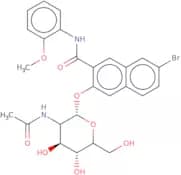
CAS:Naphthol AS-BI-beta-D-glucuronic acid is a β-glucuronidase substrate. The substrate is used in combination with stabilized diazonium salts such as Fast Red Violet LB salt (5-chloro-4-benzamido-2-methylbenzenediazonium chloride). Free Naphthol AS and Fast Red Violet undergo a chemical reaction to yield intensely colored azo-dyes.Formula:C24H22BrNO9Purity:Min. 98 Area-%Molecular weight:548.35 g/molAldol® 484 acetate, Biosynth Patent: EP 2427431 and US 8940909
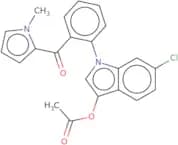
CAS:Controlled ProductAldol® 484 acetate is a chromogenic substrate for carboxylesterases yielding a red precipitate. In contrast to classical indoxyl substrates, Aldol® substrates can be used under aerobic and anaerobic conditions.Formula:C22H16ClFN2O3Purity:Min. 95%Color and Shape:PowderMolecular weight:410.83 g/molAldol® 518 choline phosphate, Biosynth Patent: EP 2427431 and US 8940909
Aldol® 518 choline phosphate is a fluorogenic substrate that is used in the detection of enzyme activity. It has been shown to be an effective substrate for enzymes such as beta-galactosidase and phosphatases, and can be used in the detection of bacterial growth. Aldol® 518 choline phosphate is also a chromogenic substrate for the detection of alkaline phosphatase. It has been shown to have high purity and bioluminescence properties, making it useful for detecting bacteria in culture media or environmental testing. The conjugate of Aldol® 518 choline phosphate with various ligands can be used to detect specific proteins or antibodies.Formula:C28H31ClN3O5PPurity:Min. 95 Area-%Molecular weight:556 g/molAldol® 458 phosphate, disodium salt, Biosynth Patent: EP 2427431 and US 8940909
CAS:Aldol® 458 phosphate is a chromogenic and fluorogenic enzyme substrate used for detection of phosphatase activity. The colorless enzyme substrate is cleaved by phosphatases secreted by bacteria grown in liquid media, yielding yellow color and green fluorescence. Aldol® 458 phosphate can also be used in assays involving phosphatase-coupled antibodies in immunoassay applications (ELISA). Aldol® 458 phosphate can be used under aerobic and anaerobic conditions.Formula:C16H12NNa2O6PPurity:Min. 95%Color and Shape:PowderMolecular weight:391.22 g/mol4-Nitrophenyl-alpha-L-fucopyranoside
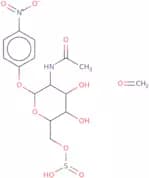
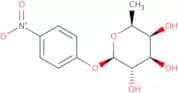
CAS:Chromogenic substrate yielding a soluble yellow chromophor for the colorimetric assay of α-L-fucosidase, especially in human serum.Formula:C12H15NO7Purity:Min. 98 Area-%Molecular weight:285.26 g/mol4-Nitrophenyl 2-acetamido-2-deoxy-b-D-glucopyranoside-6-sulfate
4-Nitrophenyl 2-acetamido-2-deoxy-b-D-glucopyranoside is a chemiluminescent substrate that can be used in the detection of various enzymes. This product has been tested for sterility and purity, and it has passed all tests. It is also free of any detectable levels of heavy metals or other contaminants. 4NP2AG6S is a high quality bioluminescent substrate with CAS No. 71498-92-5. It is a fluorescent compound that reacts with an enzyme to produce light. The reaction can be detected by measuring the emitted light intensity at 680 nm (max).Purity:Min. 95%6-Bromo-2-naphthyl-b-D-xylopyranoside
CAS:6-Bromo-2-naphthyl-b-D-xylopyranoside (BNX) is a chromogenic enzyme substrate used primarily to detect xylosidase activity. It is cleaved by the enzyme, resulting in the release of a colored product that can be measured spectrophotometrically. BNX is widely used as a substrate in research studies for the detection and quantification of various glycoside hydrolases, and it is particularly useful for studying cellulases and xylanases.Purity:Min. 95%Color and Shape:PowderMolecular weight:355.18 g/molAldol® 484 α-D-glucopyranoside, Biosynth Patent: EP 2427431 and US 8940909
CAS:Aldol® 484 alpha-D-glucopyranoside is a chromogenic and fluorogenic enzyme substrate for ?-glucosidase activity (EC 3.2.1.20, ?-1,4-glucosidase, also known as maltase). The colorless enzyme substrate is cleaved by bacteria producing this enzyme in liquid or solid media, yielding orange color. Green fluorescence is also generated if a suitable matrix is present such as: cellulose acetate filters, polypropylene tubes or microplates and polyethylene vials. Aldol® 484 alpha-D-glucopyranoside can be used under aerobic and anaerobic conditions.
Formula:C26H24ClFN2O7Purity:Min. 95.0 Area-%Molecular weight:530.93 g/mol4-Nitrocatechol sulfate dipotassium salt
CAS:Chromogenic sulfatase substrateFormula:C6H3NO7SK2Purity:Min. 98 Area-%Color and Shape:PowderMolecular weight:311.35 g/mol5-Bromo-4-chloro-3-indolyl-D-thymidine-3'-phosphate cyclohexylammonium salt
CAS:5-Bromo-4-chloro-3-indolyl-D-thymidine-3'-phosphate cyclohexylammonium salt is a chromogenic substrate used to detect the specific enzymatic activity of alkaline phosphatase. After cleavage, 5-bromo-4-chloro-indoxyl is released, resulting in a blue to blue-green color change in bacterial colonies or media. 5-Bromo-4-chloro-3-indolyl-D-thymidine-3'-phosphate cyclohexylammonium salt is used in immunohistochemistry (IHC) and Western blot detection, immunoassays used to detect proteins.Formula:C18H17BrClN3O8P·C6H14NPurity:Min. 95%Color and Shape:White PowderMolecular weight:649.86 g/molAldol® 470 butyrate, Biosynth Patent: EP 2427431 and US 8940909
CAS:Controlled ProductAldol 470 butyrate is a chromogenic substrate for the enzyme aldolase. It can be used in diagnostics, food testing and culture media. Aldol 470 butyrate has been shown to be useful in detecting the presence of a number of different substances, including alcohols, organic acids, ketones, amines and amino acids. Aldol 470 butyrate is also an excellent ligand for determination of protein-ligand interactions. The conjugation of this product with other molecules provides an excellent tool for chemiluminescence assays. This product is also used as a fluorogenic substrate in environmental testing.Formula:C27H25NO5Purity:Min. 95.0 Area-%Molecular weight:443.5 g/mol5-Bromo-6-chloro-3-indoxyl butyrate
CAS:5-Bromo-6-chloro-3-indoxyl butyrate is an enzyme substrate that is used for the detection of bacteria and fungi in environmental testing, food testing, and diagnostics. It is also used as a fluorogenic substrate in bioluminescence and chemiluminescence assays. 5-Bromo-6-chloro-3-indoxyl butyrate binds to proteins on the cell surface, causing an increase in fluorescence when excited by light of a specific wavelength. The conjugate can be detected using a variety of methods, including staining with dyes such as safranin or methylene blue. This product has high purity and high quality.Formula:C12H11BrClNO2Purity:Min. 98 Area-%Molecular weight:316.59 g/molRef: 3D-B-7060
-Unit-ggTo inquire1gTo inquire5gTo inquire10gTo inquire500mgTo inquire2500mgTo inquireAldol® 495 acetate, Biosynth Patent: EP 2427431 and US 8940909
CAS:Controlled ProductAldol 495 is a chemiluminescent substrate for the detection of aldehyde reductase (ALR) activity. It is an acetate ester that reacts with ALR to form an aldehyde product, which then reacts with luminol in the presence of hydrogen peroxide to produce light. Aldol 495 is used in the diagnosis of ALR deficiency, which can cause acute intermittent porphyria and other diseases. Aldol 495 has been shown to be non-toxic and non-mutagenic.Formula:C22H17ClN2O3Purity:Min. 95%Color and Shape:PowderMolecular weight:392.83 g/mol6-Chloro-3-indoxyl-beta-D-glucopyranoside
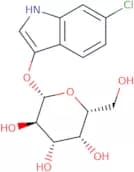
CAS:Chromogenic substrate for β-D-glucosidase. Yields a red precipitate upon cleavage.Formula:C14H18ClNO7Purity:Min. 98 Area-%Molecular weight:347.75 g/molAldol® 535 myo-inositol-1-phosphate, ammonium salt, Biosynth Patent: EP 2427431 and US 8940909
CAS:Aldol 535 is a chemiluminescent substrate for the detection of myo-inositol-1-phosphate. It has been shown to have high purity and high quality, and is suitable for use in diagnostics, food testing, and as a bioluminescence substrate. Aldol 535 is also used as a ligand in various enzyme assays. It has been tested for its ability to react with the fluorogenic substrates: 4-methylumbelliferyl phosphate and 4-methylumbelliferone phosphate. The CAS number is 2484872-80-0.Formula:C29H32BrClN3O10PPurity:Min. 95%Color and Shape:PowderMolecular weight:728.91 g/mol3,4-Cyclohexenoesculetine phosphate disodium
Please enquire for more information about 3,4-Cyclohexenoesculetine phosphate disodium including the price, delivery time and more detailed product information at the technical inquiry form on this page3-Indoxyl myo-inositol-1-phosphate, ammonium salt
Please enquire for more information about 3-Indoxyl myo-inositol-1-phosphate, ammonium salt including the price, delivery time and more detailed product information at the technical inquiry form on this pageFormula:C14H21N2O9PMolecular weight:392.30 g/mol2-Nitrophenyl b-D-galactopyranoside-6-phosphate cyclohexylammonium salt
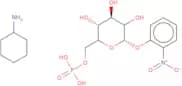
CAS:2-Nitrophenyl beta-D-galactopyranoside-6-phosphate cyclohexylammonium salt is a chromogenic substrate used to detect the enzymatic activity of beta-galactosidase-6-phosphatase. After cleavage, the nitrophenyl moiety is released exhibiting a light yellowish color. 2-Nitrophenyl beta-D-galactopyranoside-6-phosphate cyclohexylammonium salt is used in diagnostic assays such as lysosomal storage disorder.Purity:Min. 95%Color and Shape:PowderMolecular weight:480.4 g/mol4-Nitrophenyl α-D-glucuronide
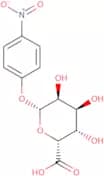
CAS:4-Nitrophenyl alpha-D-glucuronide is a chromogenic substrate widely used for detecting and quantifying the activity of alpha glucuronidase enzyme. Upon cleavage by the enzyme, it releases the yellow-colored 4-nitrophenol, whose absorbance can be monitored spectrophotometrically. This substrate is routinely employed in biochemistry and molecular biology applications, such as enzyme assays, enzyme kinetics studies, and characterization of recombinant enzymes. As a non-toxic and easy-to-use reagent, 4-Nitrophenyl alpha-D-glucuronide provides a convenient and sensitive method for studying alpha-glucuronidase activity in various biological samples, including cell extracts, tissue homogenates, and purified enzyme preparations.
Formula:C12H13NO9Purity:Min. 97 Area-%Color and Shape:Off-White PowderMolecular weight:315.23 g/mol4-Nitrophenyl 3-O-(a-D-glucopyranosyl)-a-D-glucopyranoside
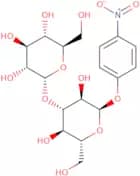
CAS:4-Nitrophenyl 3-O-(a-D-glucopyranosyl)-a-D-glucopyranoside (pNP-Glc-Glc) is a highly sensitive and potent chromogenic substrate for the enzymatic detection and measurement of alpha-glucosidase activity. The rapid color change triggered by the hydrolysis of pNP-Glc-Glc provides a clear and efficient method for monitoring enzyme kinetics, screening inhibitors, and functional characterization of α-glucosidases. This substrate is soluble in aqueous and polar organic solvents and yields a detectable 4-nitrophenol product with a distinct yellow color under both visible and ultraviolet light, enabling quantitative spectrophotometric measurements. With a superior signal-to-noise ratio and maximal sensitivity, pNP-Glc-Glc is a reliable and robust option for biochemical and biomedical research involving glucosidase enzymes.Purity:Min. 95%Color and Shape:PowderMolecular weight:463.39 g/mol4-Nitrophenyl-N-acetyl-beta-D-galactosaminide
CAS:4-Nitrophenyl-N-acetyl-beta-D-galactosaminide is a synthetic substrate that is used in enzyme kinetics. It is a beta-galactosidase substrate that reacts with the enzyme to form a product. The rate of reaction can be measured by following the change in absorbance over time. This product will react with an acceptor, such as chondroitin sulfate, to produce an observable reaction product. 4NPBGA has been shown to be an effective carbon source for plant physiology studies and has been shown to have optimal activity at pH 6.5.Formula:C14H18N2O8Purity:Min. 98 Area-%Molecular weight:342.31 g/mol2-Naphthyl-beta-D-galactopyranoside
CAS:2-Naphthyl-β-D-galactopyranoside is a substrate for β-galactosidase. 2-Naphthol is released upon hydrolyzation. By simultaneous coupling with a suitable staining reagent, such as hexazonium p-rosaniline, the corresponding reddish-brown azo-dye is formed. Naphthols can also be detected by fluorescence analysis.Formula:C16H18O6Purity:Min. 99 Area-%Molecular weight:306.32 g/molN-Acetyl-5-bromo-3-indoxyl-2,3,4-tri-O-acetyl-β-D-glucuronic acid methyl ester
N-Acetyl-5-bromo-3-indoxyl-2,3,4-tri-O-acetyl-beta-D-glucuronic acid methyl ester is a chromogenic substrate that can be used for the detection of bile acids and bilirubin in food testing. It is a conjugate of an acetylated 2,3,4 triacetyl glucuronic acid methyl ester with 5 bromo 3 indoxyl. This product has high purity and high quality.Formula:C23H24BrNO11Purity:Min. 98.0 Area-%Molecular weight:570.34 g/mol6-Chloro-3-indoxyl butyrate
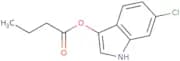
CAS:6-Chloro-3-indoxyl butyrate is a chemiluminescent substrate that is used in diagnostics and research. It has been shown to be an excellent ligand for the detection of DNA and protein. 6-Chloro-3-indoxyl butyrate can also be used as a chromogenic substrate for the detection of alkaline phosphatase, acid phosphatase, or beta-galactosidase. This product is also used in food testing, enzyme substrates, and fluorogenic substrates.Formula:C12H12ClNO2Purity:Min. 99.0 Area-%Molecular weight:237.69 g/mol4-Nitrophenyl 2-acetamido-2-deoxy-3-O-(b-D-galactopyranosyl)-b-D-glucopyranoside
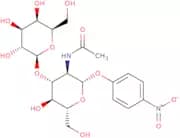
CAS:Chromogenic substrate for fucosyltransferasesFormula:C20H28N2O13Purity:Min. 98 Area-%Color and Shape:White PowderMolecular weight:504.44 g/mol5-Bromo-4-chloro-3-indoxyl-beta-D-cellobioside
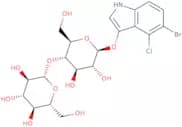
CAS:Chromogenic substrate for β-D-Cellobiosidase yielding a blue precipitate.Formula:C20H25BrClNO11Purity:Min. 99.0 Area-%Molecular weight:570.78 g/mol4-Nitrophenyl-beta-D-glucopyranoside
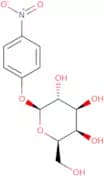
CAS:Chromogenic β-glucosidase substrate yielding a yellow solution upon cleavage.Formula:C12H15NO8Purity:Min. 99.0 Area-%Molecular weight:301.25 g/molBCM® O157:H7(+)
BIOSYNTH Culture Medium for the isolation andidentification of Escherichia coli O157:H7
5-Amino-3-indoxyl-β-D-galactopyranoside
5-Amino-3-indoxyl-beta-D-galactopyranoside (AIG) is a chromogenic substrate that is used for the detection of beta-galactosidase activity. AIG is also used in food testing, diagnostics, and environmental testing. The detection of beta-galactosidase activity can be done by either using the fluorogenic substrate 4-methylumbelliferyl galactopyranoside or the bioluminescence system of firefly luciferase and luciferin. This product has a CAS number of 110114-03-0 and a molecular weight of 417.5 g/mol.
Formula:C14H18N2O6Molecular weight:310.31 g/molNaphthol AS-BI N-acetyl-b-D-galactosaminide
CAS:Modified naphtol AS substrate used in histochemical and cytochemical stainingFormula:C26H27BrN2O8Purity:Min. 95%Color and Shape:PowderMolecular weight:575.41 g/mol4-Nitrophenyl-α-D-maltopyranoside
CAS:Chromogenic α-maltosidase substrate yielding a yellow solution upon cleavage.Formula:C18H25NO13Purity:Min. 98.0 Area-%Molecular weight:463.40 g/molChlorophenol red β-D-galactopyranoside sodium salt
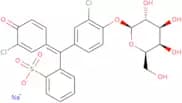
CAS:Chlorophenol red beta-D-galactopyranoside sodium salt is a water soluble, colorless salt that is used as a substrate for the reduction of contaminants in soil and water. It can be used to measure the activity of microorganisms in the environment and has been shown to inhibit growth of certain bacteria, such as methylotrophic bacteria. Chlorophenol red beta-D-galactopyranoside sodium salt is also used in biological treatment systems. This product can be mixed with other substances in order to regulate the microbial population and reduce nutrients.Formula:C25H21Cl2NaO10SPurity:Min. 96.0 Area-%Molecular weight:607.40 g/molAldol® 515 caprylate solution, 0.50 M in DMSO, Biosynth Patent: EP 2427431 and US 8940909
CAS:Aldol® 515 caprylate is a chromogenic and fluorogenic enzyme substrate used for detection of lipase activity. The colorless enzyme substrate is cleaved by C8 esterases, yielding development of red coloration. In addition, red fluorescence is generated when Aldol® 355 fluorescence enhancer or a suitable matrix is present. Aldol® 515 caprylate can be used in enzyme assays and live bacterial cultures. Aldol® 515 caprylate is suitable for use in liquid and solid media, under aerobic as well as anaerobic conditions.Formula:C31H34N2O3Purity:Min. 95%Color and Shape:Clear Liquid PowderMolecular weight:482.62 g/molChlorophenol red-b-D-galactopyranoside sodium salt
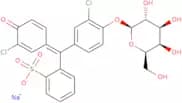
CAS:Chlorophenol red-b-D-galactopyranoside sodium salt is the salt from of CPRG (chlorophenol red-b-D-galactopyranoside), that has a higher solubility. It is a chromogenic substrate for beta-galactosidases that, after enzymatic cleavage, releases chlorophenol red, a dark red compound quantified by absorbance at 570 nm.Formula:C25H21Cl2O10SNaPurity:Min. 96 Area-%Color and Shape:PowderMolecular weight:607.4 g/mol6-Fluoro-3-indoxyl-beta-D-galactopyranoside
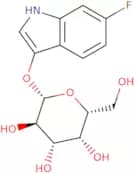
CAS:6-Fluoro-3-indoxyl-beta-D-galactopyranoside is a fluorescent chromogenic substrate that is commonly used for the detection and quantification of beta-galactosidase activity. When this substrate is hydrolyzed by beta-galactosidase, it produces a fluorescent blue product that can be easily detected and measured using a fluorometer or spectrophotometer. This substrate is often used in microbiology and molecular biology research to study gene expression and enzyme kinetics, and is also used in medical diagnostics as a marker for specific diseases and conditions.Formula:C14H16FNO6Purity:Min. 98.0 Area-%Molecular weight:313.29 g/mol5-Bromo-3-indolyl phosphate disodium salt
CAS:5-Bromo-3-indolyl phosphate disodium salt is a chemiluminescent substrate that is used for the detection of bacterial activity. It reacts with oxygen to produce light, which can be measured using a luminometer. It is also used as a chromogenic substrate for detection of bacterial activity in culture media. The enzyme reaction produces an intense blue fluorescence and is used for diagnostic purposes in food testing and medical diagnostics. 5-Bromo-3-indolyl phosphate disodium salt has been shown to be effective against many bacteria and fungi, including Staphylococcus aureus, Streptococcus pyogenes, Escherichia coli, Pseudomonas aeruginosa, Candida albicans and Aspergillus niger. This product is chemically stable at room temperature but should be stored at 4°C or below.
Formula:C8H5BrNO4PNa2Purity:Min. 95%Color and Shape:PowderMolecular weight:335.99 g/mol5-Nitro-3-indoxyl-β-D-galactopyranoside
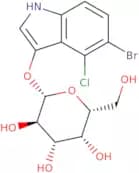
Please enquire for more information about 5-Nitro-3-indoxyl-β-D-galactopyranoside including the price, delivery time and more detailed product information at the technical inquiry form on this pageFormula:C14H16N2O8Purity:Min. 95%Molecular weight:340.29 g/mol5-Bromo-4-chloro-3-indolyl b-D-fucopyranoside
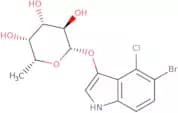
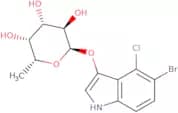
CAS:5-Bromo-4-chloro-3-indolyl b-D-fucopyranoside is a chromogenic substrate used is for the enzyme beta-fucosidase.
Formula:C14H15BrClNO5Purity:Min. 98 Area-%Color and Shape:PowderMolecular weight:392.63 g/molbeta-Epoxyabiraterone acetate
CAS:Beta-Epoxyabiraterone acetate is a synthetic and natural metabolite of abiraterone that is used as an API impurity in the synthesis of abiraterone acetate. The drug product is a niche compound with CAS No. 52464-96-6. The Metabolite is an impurity found in the synthesis of beta-epoxyabiraterone acetate. Drug development research and development, analytical methods, and pharmacopoeia are all involved in the production of this compound.Formula:C26H33NO3Purity:Min. 90 Area-%Color and Shape:White Off-White PowderMolecular weight:407.55 g/mol4-Nitrophenyl 4,6-benzylidene-α-D-maltoheptaoside
CAS:4-Nitrophenyl 4,6-benzylidene-alpha-D-maltoheptaoside is a chromogenic substrate for alpha-amylase. Upon hydrolysis, para-nitrophenol is released yielding a yellowish colour. 4-Nitrophenyl 4,6-benzylidene-alpha-D-maltoheptaoside is used in different applications such as the Starch digestion studies, industrial enzyme optimizationFormula:C55H79NO38Purity:Min. 95%Color and Shape:PowderMolecular weight:1,362.2 g/molAldol® 484 beta-D-galactopyranoside, Biosynth Patent: EP 2427431 and US 8940909
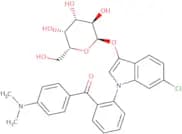
CAS:Aldol® 484 beta-D-galactopyranoside is a chromogenic enzyme substrate for beta-galactosidase activity. The colorless product is cleaved by lactose-utilizing bacteria in liquid or solid media, yielding intense red color. Aldol® 484 beta-D-galacto-pyranoside can also be used in beta-gal reporter gene assays or for identification of beta-gal positive transformants on agar. Aldol® 484 beta-D-galactopyranoside can be used under aerobic and anaerobic conditions.Formula:C26H24ClFN2O7Purity:Min. 95%Color and Shape:PowderMolecular weight:530.93 g/mol4-Nitrophenyl-beta-D-galactopyranoside
CAS:Chromogenic β-galactosidase substrate yielding a yellow solution upon cleavage. Can be used for the detection of coliforms due to their β-galactosidase activity.Formula:C12H15NO8Purity:Min. 98.0 Area-%Molecular weight:301.26 g/mol4-Nitrophenyl b-D-arabinopyranoside
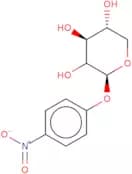
CAS:Chromogenic substrate targeting beta-L-arabinofuranosidasePurity:Min. 95%Molecular weight:271.22 g/mol2-Nitrophenyl α-D-glucopyranoside
CAS:2-Nitrophenyl a-D-glucopyranoside is a chromogenic substrate commonly used to assay the activity of glucosidases. Upon cleavage of the glycosidic bond by glucosidases, the released 2-nitrophenyl group yields a yellow color detectable by spectrophotometry. This substrate has high sensitivity and is widely used in a variety of applications, including drug discovery and enzyme kinetics studies.
Formula:C12H15NO8Purity:Min. 95%Color and Shape:White to off-white solid.Molecular weight:301.25 g/molAldol® 518 alpha-D-galactopyranoside, Biosynth Patent: EP 2427431 and US 8940909
CAS:Aldol® 518 alpha-D-galactopyranoside is a chromogenic and fluorogenic enzyme substrate used for detection of alpha-galactosidase activity. The enzyme substrate is cleaved by alpha-galactosidase positive bacteria and yeasts in liquid or solid media, yielding red color and red fluorescence signal. Aldol® 518 alpha-D-galactopyranoside can also be used to detect alpha-galactosidase (encoded by the Mel1 gene) in yeast gene reporter assays or for identification of alpha-gal positive transformants on agar plates. Aldol® 518 alpha-D-galactopyranoside can be used under aerobic and anaerobic conditions.Formula:C29H29ClN2O7Purity:Min. 95.0 Area-%Molecular weight:553.01 g/mol6-Chloro-3-indoxyl-beta-D-glucuronic acid, cyclohexylammonium salt
CAS:6-Chloro-3-indoxyl-beta-D-glucuronic acid (cyclohexylammonium salt) is a chromogenic substrate for beta-glucuronidase yielding a salmon colored precipitate upon cleavage.Formula:C20H27ClN2O7Purity:Min. 98.0 Area-%Molecular weight:442.90 g/molOstazin brilliant red H-3B galactomannan
Ostazin Brilliant Red H-3B Galactomannan is a chemiluminescent substrate used for the detection of β-1,4-galactomannans. It reacts with the glucose residues on the mannan backbone to produce a red fluorescent product. This product can be detected by spectrophotometry at an excitation wavelength of 395 nm and emission wavelength of 510 nm. The Ostazin Brilliant Red H-3B Galactomannan substrate is useful in detecting Staphylococcus aureus, Streptococcus pyogenes, Streptococcus pneumoniae, Group A streptococci, Group B streptococci, Group D streptococci, Group G streptococci, and Group C streptococci.
Purity:Min. 95%5-Bromo-4-chloro-3-indolyl α-D-fucopyranoside
CAS:This powerful chromogenic substrate is designed specifically for the assay and detection of a-L-fucosidase enzyme activity. With a unique combination of bromo, chloro, and indolyl moieties, it offers enhanced stability and promotes color development that is unparalleled in clarity and intensity. Ideal for biochemistry, molecular biology, and related life sciences applications, this substrate provides unmatched performance and reliability for all your a-L-fucosidase enzyme research needs.Formula:C14H15BrClNO5Purity:Min. 95%Color and Shape:PowderMolecular weight:392.63 g/mol4-Nitrophenyl N,N',N''-triacetyl-b-D-chitotriose
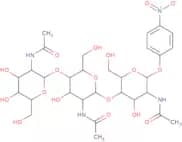
CAS:Substrate for determining hydrolytic activity of chitinasePurity:Min. 95%Color and Shape:White PowderMolecular weight:748.69 g/mol6-Bromo-2-naphthyl-alpha-D-galactopyranoside
CAS:6-Bromo-2-naphthyl-alpha-D-galactopyranoside is a bioluminescent substrate for the enzyme luciferase that has been shown to be useful in detection of phenazines, antibiotics and other compounds in environmental testing. 6-Bromo-2-naphthyl-alpha-D-galactopyranoside can also be used for measurements of total microbial counts and for the measurement of the activity of enzymes such as beta galactosidase. It is also a ligand for the peroxidase enzyme, which makes it useful in staining techniques. 6BARG can be used as a fluorogenic substrate or as an indicator in chromogenic substrates. It is an important reagent for chemiluminescence and can also be used to measure the concentration of various substances.Formula:C16H17BrO6Purity:Min. 98 Area-%Molecular weight:385.22 g/molβ-Naphthyl stearate
CAS:Beta-naphthyl stearate is a chromogenic substrate for measuring enzymatic activity.Purity:Min. 95%Color and Shape:PowderMolecular weight:410.63 g/mol5-Bromo-4-chloro-3-indolyl myristate
CAS:5-Bromo-4-chloro-3-indolyl myristate is a chromogenic substrate used to detect the specific enzymatic activity of lipase or esterase. After cleavage, 5-bromo-4-chloro-indoxyl is released, resulting in a blue to blue-green color change in bacterial colonies or media. 5-Bromo-4-chloro-3-indolyl myristate is used in screening assays for pancreatic lipase deficiency and lipid metabolism studies.Formula:C22H31BrClNO2Purity:Min. 95%Color and Shape:PowderMolecular weight:456.84 g/molAldol® 455 alpha-D-maltopyranoside, Biosynth Patent: EP 2427431 and US 8940909
Aldol® 455 alpha-D-maltopyranoside is a chromogenic substrate developed by Cymit Quimica, designed for the detection of maltosidases.Formula:C33H34ClNO12Purity:Min. 95.0 Area-%Molecular weight:672.08 g/mol1-Naphthyl β-D-glucopyranoside
CAS:1-Naphthyl β-D-glucopyranoside can be used as a chromogenic substrate for beta-glucosidases. It can also be used as a fluorogenic substrate to study carbohydrate metabolism and in screening enzyme inhitibitors in pharmacologic research.
Formula:C16H18O6Purity:Min. 95%Color and Shape:White Off-White PowderMolecular weight:306.31 g/mol5-Iodo-3-indolyl-b-D-galactopyranoside-6-sulfate sodium salt
5-Iodo-3-indolyl-b-D-galactopyranoside-6-sulfate sodium salt is a high purity, water soluble fluorogenic substrate for the detection of beta-galactosidase activity. This product is used in food testing, environmental testing, and diagnostics. 5-Iodo-3-indolyl-b-D-galactopyranoside (5IIAG) is a beta galactosidase substrate that provides a convenient method for determining beta galactosidase activity. This product is also used as an indicator to measure the rate of hydrolysis of ester bonds in other compounds that contain acid functional groups such as glycerides and oils.Purity:Min. 95%Molecular weight:523.24 g/mol4-Nitrophenyl-beta-L-fucopyranoside
CAS:4-Nitrophenyl-beta-L-fucopyranoside is a high-quality pNP enzyme substrate developed for the sensitive detection and quantification of Beta-L-fucosidase activity. The enzymatic hydrolysis of the substrate generates 4-nitrophenol, a yellow chromogenic component that can be conveniently measured spectrophotometrically, allowing for accurate determination of enzyme concentration and kinetics. This substrate finds applications in various research fields, diagnostics, and industrial enzyme production.Formula:C12H15NO7Purity:Min. 95%Color and Shape:White PowderMolecular weight:285.25 g/molAldol® 458 nonanoate, Biosynth Patent: EP 2427431 and US 8940909
CAS:Controlled ProductAldol 458 nonanoate is a high quality, chromogenic and fluorogenic substrate for use in enzymatic, chemiluminescent, and immunochemical reactions. Aldol 458 nonanoate is used as a chromogenic substrate for the detection of glucose oxidase activity in culture media and as a fluorogenic substrate for the detection of glucose oxidase activity in environmental testing. This product has CAS number 2484872-52-6.Formula:C25H29NO4Purity:Min. 98.0 Area-%Molecular weight:407.5 g/mol4-Nitrophenyl-beta-D-xylopyranoside
CAS:Chromogenic β-xylosidase substrate yielding a yellow solution upon cleavage.Formula:C11H13NO7Purity:Min. 99 Area-%Molecular weight:271.23 g/mol5-Bromo-4-chloro-3-indoxyl-β-D-glucuronic acid, sodium salt anhydrous
CAS:5-Bromo-4-chloro-3-indoxyl-beta-D-glucuronic acid, sodium salt anhydrous is a potent inhibitor of histidine decarboxylase (HDC). It is used in the histochemical staining of dehydrogenase and effector proteins in urine samples. This compound has been shown to inhibit the growth of macroalgae and can be used as a selective agent for phylogenetic tree construction. 5BDG,Sr with its high specificity for HDC, also inhibits cell proliferation in plant cells and ovules.Formula:C14H12BrClNNaO7Purity:Min. 98.0 Area-%Molecular weight:444.60 g/mol3-Indoxyl-beta-D-glucopyranoside anhydrous
CAS:The maunfacturing of blue jeans started 150 years ago as workwear, and are found nowadays in almost every wardrobe. Their renowned indigo color tone is truly unique; nevertheless, the high demand for the dye poses serious sustainability and environmental problems connected with its manufacturing process. Recently, a group of scientists presented an alternative indigo dyeing method inspired by the indoxyl glucoconjugate present in the plant P.tinctorium. The researchers proposed as an alternative approach a biocatalytic process using recombinant E.coli to access water soluble β-gluco-indoxyl (indican). At the point of coloring, indican gets hydrolyzed by β-glucosidase enzymes forming indoxyl, which suddenly undergoes oxidation to leucoindigo and further crystallizes to indigo giving the typical blue denim its signature character.Formula:C14H17NO6Purity:Min. 99.0 Area-%Molecular weight:295.29 g/mol4-Nitrophenyl palmitate
CAS:4-Nitrophenyl palmitate is a lipase-sensitive chromogenic substrate commonly used in the study of lipase and esterase activity. Its hydrolysis by lipases produces a yellow 4-nitrophenol, which can be easily detected spectrophotometrically, offering a quantitative measure of enzyme activity. This substrate is widely utilized in the screening of lipase-producing microorganisms and the optimization of enzyme-catalyzed reactions in various fields, including biotechnology and pharmaceutical research.Formula:C22H35NO4Purity:Min. 95%Color and Shape:Off-White PowderMolecular weight:377.52 g/mol6-Chloro-3-indoxyl-beta-D-galactopyranoside
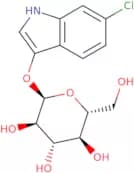
CAS:6-Chloro-3-indoxyl-beta-D-galactopyranoside is a chromogenic substrate for beta-galactosidase that yields a salmon or rose-coloured precipitate and hence is also known as Salmon-Gal. It can be used in conjunction with isopropyl-beta-D-thiogalactopyranoside (IPTG) as an alternative to the chromogenic substrate 5-bromo-4-chloro-3-indolyl beta-D-galactopyranoside (X-Gal) for detection of beta-galactosidase activity in bacterial colonies in colorimetric assays. Where beta-galactosidase expressed from a reporter gene in molecular biology experiments, recombinant colonies on growth plates are salmon-coloured while non-recombinants appear as white. Use of nitroblue tetrazolium salt (NBT) with Salmon-Gal may provide faster results, yielding a clear, purple precipitate, than for Salmon-Gal alone. In conjunction with 5-bromo-4-chloro-3-indolyl-beta-D-glucoside (X-Glc), Salmon-Gal is useful for simultaneous detection of GUS and Lac activities in the same medium.Formula:C14H16ClNO6Purity:Min. 98.0 Area-%Molecular weight:329.74 g/mol2-Nitrophenyl b-L-fucopyranoside
CAS:2-Nitrophenyl beta-L-fucopyranoside is a chromogenic substrate used to detect the enzymatic activity of beta-L-fucosidase. After cleavage, the nitrophenyl moiety is released exhibiting a light yellowish color. 2-Nitrophenyl beta-L-fucopyranoside is used in bacterial fucose metabolism studies to identify and quantify the enzymatic activity in, for example, Bacteroides spp..Purity:Min. 98 Area-%Color and Shape:PowderMolecular weight:285.25 g/mol6-Nitro-3-indolyl-b-D-galactopyranoside
6-Nitro-3-indolyl-b-D-galactopyranoside is a chemiluminescent substrate that reacts with horseradish peroxidase to produce light. 6NIGP is used in the diagnostic field as a fluorogenic or chromogenic substrate for enzymes such as alkaline phosphatase, and as a staining agent for cells, tissues, and other biological materials. 6NIGP has been used in the detection of bacteria, fungi, parasites, and viruses. It is also used in food testing as an enzyme substrate. 6NIGP is purified by recrystallization from water or acetone and can be stored at −20°C.Purity:Min. 95%Aldol® 470 L-alanine amide, acetate salt, Biosynth Patent: EP 2427431 and US 8940909
CAS:Controlled ProductAldol® 470 L-alanine amide is a chromogenic and fluorogenic enzyme substrate used for detection of L-alanine aminopeptidase activity. The colorless enzyme substrate is cleaved by L-alanine aminopeptidase, yielding orange-yellow coloration. In addition, green fluorescence is generated when Aldol® 355 fluorescence enhancer or a suitable matrix is present. Aldol® 470 L-alanine amide can also be used in enzymatic assays or within live bacterial cultures. Aldol® 470 L-alanine amide is suitable for use in liquid and solid media, under aerobic as well as anaerobic conditions.Formula:C28H29N3O6Purity:Min. 95.0 Area-%Molecular weight:503.55 g/mol2-Nitrophenyl-beta-D-cellobioside
CAS:Chromogenic substrate for β-D-Cellobiosidase yielding a yellow solution upon cleavage.
Formula:C18H25NO13Purity:Min. 98.0 Area-%Molecular weight:463.4 g/molNaphthol AS-BI N-acetyl-beta-D-glucosaminide
CAS:Naphthol AS-BI N-acetyl-beta-D-glucosaminide is a fluorogenic substrate for the pararosaniline-glyoxalase (PG) reaction. This substrate is used to study enzymatic activity in two human isoenzymes of PG, PG I and PG II. The conversion of this substrate by PG I or PG II results in a color change from yellow to red. Naphthol AS-BI N-acetyl-beta-D-glucosaminide may be used as an experimental tool to measure the activity of these enzymes and to study the effect of inhibitors on their activity. It can also be used as a marker for studying enzyme transfer between cells.Formula:C26H27BrN2O8Purity:Min. 97.0 Area-%Molecular weight:575.42 g/mol6-Chloro-3-indoxyl-alpha-D-glucopyranoside
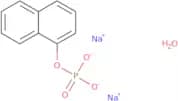
CAS:Chromogenic substrate for α-glucosidase yielding a salmon-colored precipitate.Formula:C14H16ClNO6Purity:Min. 98 Area-%Molecular weight:329.74 g/mola-Naphthyl phosphate disodium salt hydrate
CAS:a-Naphthyl phosphate disodium salt hydrate is a highly water-soluble chromogenic substrate used to determine phosphatase activity in research and analytical applications, particularly for staining and differentiating acid and alkaline phosphatases.Purity:Min. 95%Color and Shape:White PowderMolecular weight:268.11 g/molAldol® 515 L-alanine amide, hydrochloride, Biosynth Patent: EP 2427431 and US 8940909
CAS:Aldol® 515 L-alanine amide is a chromogenic and fluorogenic enzyme substrate used for detection of L-alanine aminopeptidase activity. The colorless enzyme substrate is cleaved by L-alanine aminopeptidase produced by microorganisms, grown in liquid or solid media yielding red color. In addition, red fluorescence is generated when a fluorescence enhancer or a suitable matrix is present. Aldol® 515 L-alanine amide can be used under aerobic and anaerobic conditions.
Formula:C26H27ClN4O2Purity:Min. 95.0 Area-%Molecular weight:462.97 g/mol4-Nitrophenyl 4,6-ethylidene-a-D-maltoheptaoside
CAS:4-Nitrophenyl 4,6-ethylidene-?-D-maltoheptaoside is a substrate used in a reference measurement method for ?-amylase activity in the diagnosis of acute pancreatitis, approved by the International Federation of Clinical Chemistry (IFCC). The substrate is hydrolysed by serum ?-amylase into shorter 4-nitrophenylated oligosaccharides and their free counterparts. These reaction products are channeled into an indicator reaction with ?-glucosidase and are degraded into glucose and the chromophore, 4-nitrophenol.Formula:C50H77NO38Purity:Min. 90%Color and Shape:Off-White Yellow PowderMolecular weight:1,300.13 g/molAldol® 455 alpha-D-glucopyranoside, Biosynth Patent: EP 2427431 and US 8940909
Aldol® 455 alpha-D-glucopyranoside is a synthetic fluorescent sugar that has been used in the diagnosis of bacterial infections. It has been used as a substrate for the enzyme beta-galactosidase and as a conjugate with anti-bacterial antibodies, which can be used to detect bacteria in urine and blood samples. Aldol® 455 alpha-D-glucopyranoside is also commonly used in the detection of bacteria in food and environmental samples. The product has a high purity level and quality.Formula:C27H24ClNO7Purity:Min. 95.0 Area-%Molecular weight:509.93 g/molAldol® 515 caprylate hydrochloride
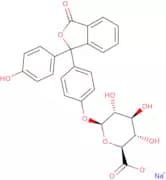
CAS:Aldol 515 caprylate hydrochloride is a high-quality fluorogenic substrate that is used for the detection of enzymes in culture media and enzyme substrates. The product has a CAS number of 2484873-14-3 and can be used for food testing, diagnostics, and environmental testing. Aldol 515 caprylate hydrochloride can also be used as a ligand or chromogenic substrate to measure bioluminescence.Formula:C31H35ClN2O3Purity:Min. 95 Area-%Molecular weight:519.08 g/molPhenolphthalein b-D-glucuronide sodium salt monohydrate
CAS:Monohydrate; beta-glucuronidase substrate; yellow/pink color Beta-glucuronidase activity can be measured in a colorimetric assay with phenolphthalein beta-D-glucuronide as substrate. Starting assay conditions can include 30 µg of enzyme-containing material, 0.6 mM phenolphthalein beta-D-glucuronide in 100 mM sodium phosphate buffer in a total volume of 100 µL and monitoring absorbance changes at 540 nm. Temperature incubation can be used to promote the enzymatic activity (Galindo, 2012).Formula:C26H23NaO11Purity:Min. 95%Color and Shape:Off-White PowderMolecular weight:534.45 g/molAldol® 470 nonanoate, Biosynth Patent: EP 2427431 and US 8940909
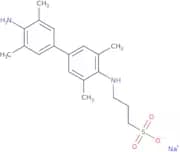
CAS:Controlled ProductAldol® 470 nonanoate is a chemiluminescent substrate that can be used as a ligand for the detection of C8/C9-esterases, lipases activity, to result in an orange/green color. Aldol® 470 nonanoate has been shown to be active with horseradish peroxidase in a number of different assay systems. The purity and quality of Aldol® 470 nonanoate has been tested with culture media, environmental testing, bioluminescence, staining, fluorogenic substrate, chromogenic substrate, enzyme substrate, food testing and conjugates.Formula:C32H35NO5Purity:Min. 95%Color and Shape:PowderMolecular weight:513.62 g/molN-(3-Sulfopropyl)-3,3',5,5'-tetramethylbenzidine sodium
CAS:N-(3-Sulfopropyl)-3,3',5,5'-tetramethylbenzidine (TMB) sodium salt is a highly sensitive chromogenic substrate used for the detection and quantification of peroxidase enzyme activity. This water-soluble substrate undergoes a color change from colorless to blue upon oxidation by peroxidase enzymes in the presence of hydrogen peroxide. The reaction can be stopped by adding an acid, resulting in a yellow color that can be measured spectrophotometrically. TMB sodium salt is widely used in various applications, including enzyme-linked immunosorbent assays (ELISA), immunohistochemistry, and other diagnostic tests, due to its high sensitivity, low background signal, and excellent stability.
Purity:Min. 95%Color and Shape:PowderMolecular weight:384.47 g/mol5-Bromo-4-chloro-3-indoxyl-β-D-galactopyranoside
CAS:X-Gal is a chromogenic substrate for β-galactosidase, yielding a blue precipitate. X-Gal is an indicator for coliforms in culture media, as well as for the detection of coliforms (E. coli) in municipal water supplies and food products. X-Gal can be used in conjunction with the inducer IPTG, which binds and inhibits the lac repressor thus inducing β-galactosidase expression. X-Gal is the substrate of choice for blue-white selection of recombinant bacterial colonies with the lac+ genotype. Upon hydrolysis, X-Gal yields a localized, insoluble, blue precipitate, making it exceptionally useful in blotting, immunocytochemical, and ELISA assays. 5-Bromo-4-chloro-3-indoxyl-beta-D-galactopyranoside (X-beta-D-galactoside, X-Gal) is a chromogenic indicator for beta-galactosidase activity. The colorless product is cleaved by lactose-utilizing bacteria in liquid media or on agar plates and yields a blue-green colored precipitate. X-Gal can also be used as a detecting agent for beta-galactosidase activity in reporter gene assays or for identification of positive transformants on agar plates when using the α-complementation approach. Color formation is due to dimerization and oxidation of 5-bromo-4-chloro-3-hydroxyindole which results from enzymatic cleavage of X-Gal. The reaction proceeds only in the presence of oxygen, i.e. in aerobic cultures. Well detectable color bacterial colonies or liquid cultures is obtained within 16-48 h. In the presence of purified beta-galactosidase, color develops within minutes to a few hours.Formula:C14H15BrClNO6Purity:Min. 99.0 Area-%Molecular weight:408.64 g/mol4-(Bromomethyl)phenyl-β-D-triacetylglucuronic acid methyl ester
4-(Bromomethyl)phenyl-beta-D-triacetylglucuronic acid methyl ester, also known as 4-bromo-4'-(N,N-dimethylamino)biphenyl, is a bioluminescent substrate. It is used for the detection of beta-glucuronidase activity in biological samples and for the detection of bacterial β-glucuronidase activity in culture media. Beta-glucuronidase catalyzes the hydrolysis of glucuronic acid by breaking down a conjugate molecule into two smaller molecules, which can be detected using bioluminescence. 4-(Bromomethyl)phenyl-beta-D-triacetylglucuronic acid methyl ester is a chromogenic substrate that has been shown to be an excellent ligand in biomolecular research because it reacts with many different enzymes. This product is highly pure and
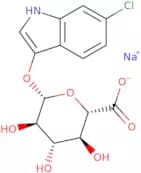
Formula:C20H23BrO10Purity:Min. 95 Area-%Molecular weight:503.29 g/mol6-Chloro-3-indolyl b-D-glucuronide sodium salt
CAS:6-Chloro-3-indolyl b-D-glucuronide sodium salt is a chromogenic substrate for beta-glucuronidase, a reporter gene used to monitor gene expression by detecting the enzyme's activity. It yields a salmon colored precipitate upon cleavage.
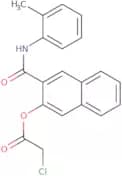
Purity:Min. 95%Color and Shape:PowderMolecular weight:365.7 g/molNaphthol AS-D chloroacetate
CAS:Histochemical substrate for esteraseFormula:C20H16ClNO3Purity:Min. 98 Area-%Color and Shape:PowderMolecular weight:353.8 g/mol5-Bromo-6-chloro-3-indoxyl-beta-D-galactopyranoside
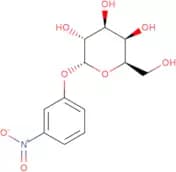
CAS:5-Bromo-6-chloro-3-indoxyl-beta-D-galactopyranoside is a chromogenic substrate for beta-D-galactosidase, yielding a magenta precipitate and contained in a chromogenic culture media. It is an indolyl carbohydrate that is the alpha-D-mannoside of indoxyl, in which the indole moiety is substituted at positions 4 and 5 by chlorine and bromine, respectively.Formula:C14H15BrClNO6Purity:Min. 99.0 Area-%Molecular weight:408.64 g/mol3-Nitrophenyl a-D-galactopyranoside
CAS:3-Nitrophenyl alpha-D-galactopyranoside is a chromogenic substrate to measure the activity of the alpha-galactosidase enzymes. Upon hydrolysis by galactosidase, 3NPG releases a yellowish product, 3-nitrophenol, which can be easily measured spectrophotometrically. Some of the applications include enzyme assays, screening for alpha-galactosidase-producing microorganisms, and studying the kinetics and inhibition of alpha-galactosidase enzymes.Purity:Min. 95%Color and Shape:PowderMolecular weight:301.25 g/mol5-Bromo-3-indoxyl-beta-D-galactopyranoside
CAS:Chromogenic substrate for beta-D-galactosidase yielding a lapis colored precipitate. 5-Bromo-3-indoxyl-beta-D-galactopyranoside can be used in conjunction with isopropyl-beta-D-thiogalactopyranoside as an alternative to 5-bromo-4-chloro-3-indolyl-beta-D-galactopyranoside (X-gal), producing a darker blue color for detection of beta-galactosidase activity in bacterial colonies in a colorimetric assay to detect recombinants (white) from non-recombinants (blue). 5-Bromo-3-indoxyl-beta-D-galactopyranoside is also used in histochemistry to demonstrate beta-galactosidase activity in tissues.Formula:C14H16BrNO6Purity:Min. 99.0 Area-%Molecular weight:374.20 g/molCelluchrome
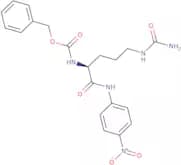
Celluchrome (short name for remazol brilliant blue carboxymethyl cellulose or RBB-CMC) is a chromogenic substrate for cellulases. With a higher sensitivity, RBB-CMC allows for the detection of the enzyme activity even when small amounts are present.Purity:Min. 95%Color and Shape:PowderN-α-CBZ-L-citrulline-p-nitroanilide
CAS:Nalpha-CBZ-L-Citrulline-p-nitroanilide is a synthetic chromogenic enzyme substrate used in protease enzymatic stutides. After hydrolysis, p-nitroaniline is released, which produces a yellow color detectable spectrophotometrically at 405 nm.
Formula:C20H23N5O6Purity:Min. 95%Molecular weight:429.43 g/mol6-Chloro-3-indoxyl-beta-D-galactopyranoside, plant origin
CAS:6-Chloro-3-indoxyl-beta-D-galactopyranoside is a chromogenic substrate for beta-galactosidase that yields a salmon or rose-coloured precipitate and hence is also known as Salmon-Gal. It can be used in conjunction with isopropyl-beta-D-thiogalactopyranoside (IPTG) as an alternative to the chromogenic substrate 5-bromo-4-chloro-3-indolyl beta-D-galactopyranoside (X-Gal) for detection of beta-galactosidase activity in bacterial colonies in colorimetric assays. Where beta-galactosidase expressed from a reporter gene in molecular biology experiments, recombinant colonies on growth plates are salmon-coloured while non-recombinants appear as white. Use of nitroblue tetrazolium salt (NBT) with Salmon-Gal may provide faster results, yielding a clear, purple precipitate, than for Salmon-Gal alone. In conjunction with 5-bromo-4-chloro-3-indolyl-beta-D-glucoside (X-Glc), Salmon-Gal is useful for simultaneous detection of GUS and Lac activities in the same medium.Formula:C14H16ClNO6Purity:Min. 98.0 Area-%Molecular weight:329.74 g/mol5-Bromo-4-chloro-3-indoxyl-β-L-fucopyranoside
CAS:This product is a chromogenic substrate that is used in the detection of alkaline phosphatase and other enzymes. It is also used in food testing, staining, and diagnostics. This product has high purity with a CAS number of 125328-84-9.Formula:C14H15BrClNO5Purity:Min. 99 Area-%Molecular weight:392.63 g/molRef: 3D-B-7138
-Unit-ggTo inquire10mgTo inquire25mgTo inquire50mgTo inquire100mgTo inquire250mgTo inquire
![3-[(cyclohexylsulfanyl)methyl]-1-benzofuran-2-carboxylic acid](/_next/image/?url=https%3A%2Fstatic.cymitquimica.com%2Fproducts%2F10%2Fthumb-webp%2FF643050.webp&w=3840&q=75)