Aminoacids and derivatives
Amino acids are compounds with a structure based on an amino group (-NH₂) and a carboxyl group (-COOH), both attached to a central carbon atom. This structure makes them essential for the synthesis of proteins and other biomolecules. Their derivatives can have regulatory properties over metabolic processes and biological systems, with applications in nutrition, health, and regenerative medicine.
At CymitQuimica, we offer a wide range of amino acids and their derivatives, ideal for research and the formulation of bioactive products.
Found 12241 products of "Aminoacids and derivatives"
Sort by
Purity (%)
0
100
|
0
|
50
|
90
|
95
|
100
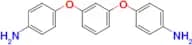
1,3-Bis(4-aminophenoxy)benzene
CAS:Purity:95.0%Color and Shape:SolidMolecular weight:292.33801269531256'-(Indolin-1-yl)-1,3,3-trimethylspiro[indoline-2,3'-naphtho[2,1-b][1,4]oxazine]
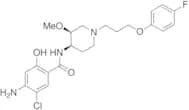
CAS:Purity:95%Molecular weight:445.56600952148442-O-Desmethyl Cisapride
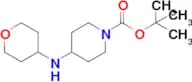
CAS:Controlled Product<p>Applications Minor Cisapride (C496400) metabolite.<br>References Meuldermans, W., et al.; Drug Metab. Disposition, 16, 410 (1988), Lowry J., et al.; Clin. pharmacol. ther., 73, 209 (2003), Shao L., et al.: Bioorg. Med. Chem. Lett., 19, 5679 (2009),<br></p>Formula:C22H27ClFN3O4Color and Shape:NeatMolecular weight:451.92Tert-Butyl 4-((tetrahydro-2H-pyran-4-yl)amino)piperidine-1-carboxylate
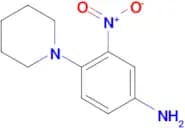
CAS:Purity:97%Molecular weight:284.39999389648443-Nitro-4-piperidin-1-ylaniline
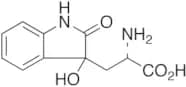
CAS:Formula:C11H15N3O2Purity:98%Color and Shape:SolidMolecular weight:221.26Dioxindolyl-L-alanine (Mixture of Diastereomers)
CAS:Controlled Product<p>Applications Dioxindolyl-L-alanine is used in the synthesis of peptides containing 5-Hydroxytryptophan, Oxindolylalanine, N-Formylkynurenine and Kynurenine.<br>References Berlett, B., et al.: J. Biol. Chem., 272, 20313 (1997), Chang, T., et al.: J. Biomed. Sci., 7, 357 (2000); Frolov, A., et al.: J. Pept. Sci., 13, 862 (2007);<br></p>Formula:C11H12N2O4Color and Shape:NeatMolecular weight:236.221,3,3-Trimethyl-6'-morpholinospiro[indoline-2,3'-naphtho[2,1-b][1,4]oxazine]
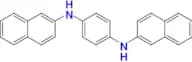
CAS:Purity:97%Molecular weight:413.52099609375N1,N4-Di(naphthalen-2-yl)benzene-1,4-diamine
CAS:Purity:96.0%Color and Shape:Liquid, No data available.Molecular weight:360.4599914550781Betaine
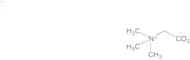
CAS:<p>Applications Betaine, is the product of the enzyme oxidation of choline. It can also be used as an organic osmolytes. Betain is a methyl donor of increasingly recognized significance in biology. It can also be used for the treatment of homocystinuria which is an inherited disorder of the metabolism of amino acid methionine.<br>References J. Biol. Chem., 234, 1171 (1959); Alex, N. et al.: Org. Chem., (1987); Rees, W. et al.: Biochem., 32, 137 (1993);<br></p>Formula:C5H11NO2Color and Shape:WhiteMolecular weight:117.15Baclofen
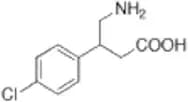
CAS:Controlled Product<p>Applications Specific GABA-B receptor agonist. Muscle relaxant (skeletal).<br> Not a dangerous good if item is equal to or less than 1g/ml and there is less than 100g/ml in the package<br>References Ahuja, S., et al.: Anal. Profiles Drug Subs., 14, 527 (1985); Brogden, R.N., et al.: Drugs, 8,1 (1974);<br></p>Formula:C10H12ClNO2Color and Shape:NeatMolecular weight:213.664-(Aminomethyl)-1-cyclohexene-1-carboxylic acid
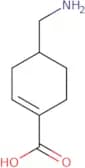
CAS:<p>4-(Aminomethyl)-1-cyclohexene-1-carboxylic acid is an antifibrinolytic agent that can be used to control bleeding. It is a carboxymethyl cellulose with a menthol flavour and it stabilizes the hemostatic effect of tranexamic acid. 4-(Aminomethyl)-1-cyclohexene-1-carboxylic acid has been shown to be effective in controlling bleeding in patients with disorders such as hemophilia and von Willebrand disease. The drug is stable in acidic compositions, making it useful for dental applications as well.</p>Formula:C8H13NO2Purity:Min. 95%Color and Shape:White PowderMolecular weight:155.19 g/molDihexyl 3,3'-(pyrazine-2,5-diyl)dipropanoate
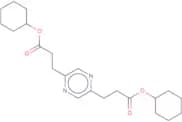
CAS:<p>Dihexyl 3,3'-(pyrazine-2,5-diyl)dipropanoate is a drug product that is used as an impurity standard for the determination of metabolites in drug development and metabolism studies. It has been shown to be a metabolite in the human body and is also found in rat urine. The purity of this substance is high and can be custom synthesized to meet specific needs. Dihexyl 3,3'-(pyrazine-2,5-diyl)dipropanoate can be used as an analytical standard for HPLC analysis. This compound can also be used in pharmacopoeia as a reference substance for the determination of purity and impurities.</p>Formula:C22H36N2O4Purity:Min. 95%Color and Shape:Off-white to yellow liquid.Molecular weight:392.53 g/molDicyclopropylamine
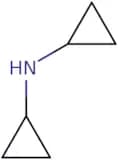
CAS:<p>Dicyclopropylamine is a molecule that has been clinically developed as a drug. It is an inhibitor of the enzyme tyrosinase, which is involved in the production of melanin, and has been shown to have anti-cancer properties. Dicyclopropylamine hydrochloride has been shown to be effective against aliphatic hydrocarbons such as hexane and cyclohexane, as well as aromatic compounds such as benzene and toluene. This drug can also bind to coordination complexes with high kinetic energy, which may be useful for tumor treatment. Dicyclopropylamine hydrochloride can be used for the clinical treatment of human epidermoid carcinoma.</p>Formula:C6H11NPurity:Min. 95%Molecular weight:97.16 g/mol5-Aminolevulinic acid methyl ester hydrochloride
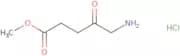
CAS:<p>5-Aminolevulinic acid methyl ester hydrochloride is a drug that is used to treat skin conditions such as psoriasis, dermatitis, and vitiligo. It is used to treat skin cancer and inflammatory diseases such as lupus erythematosus. 5-Aminolevulinic acid methyl ester hydrochloride works by targeting the mitochondria of skin cells. This drug causes mitochondrial membrane depolarization in vitro. The clinical response to this drug is variable and may depend on the severity of the condition being treated. In vivo studies with human subjects show low bioavailability for this drug.</p>Formula:C6H11NO3·HClPurity:Min. 95%Color and Shape:PowderMolecular weight:181.62 g/mol5-Aminolevulinic acid hexyl ester hydrochloride
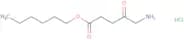
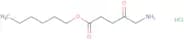
CAS:<p>5-Aminolevulinic acid hexyl ester hydrochloride is a cytotoxic drug that inhibits the growth of cancer cells. It is used to diagnose and treat certain cancers, including squamous cell carcinoma, skin cancer, and some types of lung cancer. 5-Aminolevulinic acid hexyl ester hydrochloride can be used in conjunction with fluorescein angiography to detect blood vessels in the skin or other tissues. This drug has also been shown to have anti-inflammatory properties that may be useful for the treatment of autoimmune diseases.</p>Formula:C11H22NO3ClPurity:Min. 95%Color and Shape:White PowderMolecular weight:251.75 g/molcis-4-[[[(1,1-Dimethylethoxy)carbonyl]amino]methyl]-cyclohexanecarboxylic acid
CAS:<p>Cis-4-[[[(1,1-Dimethylethoxy)carbonyl]amino]methyl]-cyclohexanecarboxylic acid is a tert-butyl derivative of cis-4-[(dimethylamino)methyl]-cyclohexanecarboxylic acid. It has been shown to interact with plasmin and inhibit both the enzymatic activity and the binding of plasmin to its substrates. Cis-4-[(dimethylamino)methyl]-cyclohexanecarboxylic acid interacts with the side chain of the amino group in plasmin's active site, which is different from other known inhibitors. This compound has also been shown to inhibit urokinase and picolyl plasminogen activator (PPA).</p>Formula:C13H23NO4Purity:Min. 95%Molecular weight:257.33 g/mol5-Benzamidolevulinic acid
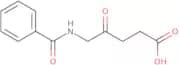
CAS:<p>5-Benzamidolevulinic acid is an ethylamine derivative that inhibits the enzyme carbonic anhydrase. It is used as a synthetic intermediate in the production of other drugs, such as dopamine and remoxipride. 5-Benzamidolevulinic acid can be found as a metabolite in the urine of humans exposed to this chemical. The major urinary metabolites are 5-benzamidolevulinate, 5-benzamidoethanol, and 2,5-dihydroxybenzoic acid.</p>Formula:C12H13NO4Purity:Min. 95%Molecular weight:235.24 g/mol5-Aminolevulinic acid hydrochloride
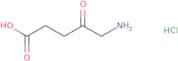
CAS:<p>Photodynamic Therapy of Actinic Keratosis. Porphobilinogen synthase substrate that produces endogenous porphyrins useful for sensitizing cells in photodynamic therapy. Intermediate in heme and chlorophyll biosynthesis. Estimation of 5-aminolevulinic acid dehydratase. PBG formed in the assay is determined spectrophotometrically with Ehrlich's reagent. Used in Porphyrin test for differentiation of Haemophilus species. Enzymes that convert ALA to porphyrins in the biosynthesis of hemin (X factor) are not produced by H. influenzae, H.aegyptius and H. canis. These enzymes are produced by H. parainfluenzae, H. parahaemolyticus, H. gallinarum, H. parasuis, H. parahaemolyticus and H. aphrophilus. A positive reaction is indicated by an orange-red fluorescence.</p>Formula:C5H10ClNO3Purity:Min. 98.0 Area-%Molecular weight:167.59 g/mol3-O-Methylcarbidopa
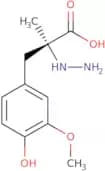
CAS:Controlled Product<p>3-O-Methylcarbidopa is a drug that belongs to the class of dopa decarboxylase inhibitors. It is an inactive prodrug, which is converted into its active form by hydrolysis in the body. 3-O-Methylcarbidopa has been shown to have a plasma concentration that can be detected, with an elimination rate of about 4 hours. The active substance is found in the particle size range of 0.1 to 1 micrometer and can be analyzed using chromatographic methods. 3-O-Methylcarbidopa is primarily used for the treatment of Parkinson's disease, but also has potential applications in other diseases such as Alzheimer's disease, depression and schizophrenia.</p>Purity:Min. 95%Molecular weight:240.262,5-Pyrazinedipropionic acid
CAS:<p>2,5-Pyrazinedipropionic acid is a pyrazine derivative with two carboxylic acid groups. It has been shown to be effective in the stabilization of bladder tissue and as a treatment method for bladder cancer. 2,5-Pyrazinedipropionic acid can also be used in the diagnosis of cutaneous melanoma and mesoporous silica nanoparticles that are used in cancer detection. The compound has been found to have a high melting point and water absorption capacity, which makes it suitable for use as an aminolevulinic acid precursor for photodynamic therapy. The compound also has vibrational spectral characteristics that make it suitable for nucleophilic attack on DNA</p>Formula:C10H12N2O4Purity:Min. 95%Color and Shape:PowderMolecular weight:224.21 g/mol5-Aminolevulinic acid hexyl ester hydrochloride
CAS:<p>5-Aminolevulinic acid hexyl ester hydrochloride (5-ALA HCl) is a fluorescent probe that is used in the diagnosis of bladder and skin cancers. It is a prodrug that is converted to 5-aminolevulinic acid (ALA), which reacts with intracellular porphyrins to form an excited state. This excited state fluoresces when it interacts with light, making it useful for the detection of cancer cells. 5-ALA HCl has been shown to be effective in the diagnosis of multifocal urothelial carcinoma and cervical intraepithelial neoplasia.</p>Formula:C11H22ClNO3Molecular weight:251.75 g/mol3,3'-(3,6-Dihydropyrazine-2,5-diyl)dipropanoic acid
CAS:<p>3,3'-(3,6-Dihydropyrazine-2,5-diyl)dipropanoic acid (DPPA) is a potent metal chelator that can be used in the treatment of cancer. DPPA binds to metal ions and prevents their access to vital cellular components such as DNA and proteins. This agent has been shown to inhibit the growth of carcinoma cells in culture. It also has an effect on the synthesis of demyelination, which may account for its ability to prevent reactive oxygen species from damaging DNA. DPPA is a strong inhibitor of mitochondrial function and at high concentrations it damages mitochondria by releasing hydrogen peroxide into the cell cytoplasm. The release of hydrogen peroxide causes catalase to become active, leading to cell death.</p>Formula:C10H14N2O4Purity:Min. 95%Molecular weight:226.23 g/molMethyl-3-[5-(2-methoxycarbonylethyl)pyrazin-2-yl]propionate
CAS:<p>Methyl-3-[5-(2-methoxycarbonylethyl)pyrazin-2-yl]propionate is a hydrophobic, colorless liquid with a pungent odor. It is an additive that can be used in the manufacturing of epoxy resins to increase their light resistance and corrosion resistance. This product also has immunity properties and may be used as an immunotherapy agent for the treatment of viral infections. Methyl-3-[5-(2-methoxycarbonylethyl)pyrazin-2-yl]propionate has been shown to activate immune cells and promote cell immunity by increasing the production of cytokines. It may also be used as a virus transfer agent for the prevention of viral infection.</p>Formula:C12H16N2O4Purity:Min. 95%Color and Shape:White to off-white powder.Molecular weight:252.27 g/mol5-Bromo-2-(piperazin-1-yl)pyrimidine
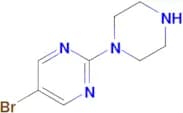
CAS:Formula:C8H11BrN4Purity:97%Color and Shape:SolidMolecular weight:243.108(R)-3-(Aminomethyl)-1-N-Boc-pyrrolidine
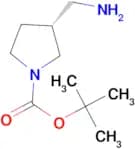
CAS:Formula:C10H20N2O2Purity:96%Color and Shape:Liquid, OilMolecular weight:200.2824-(Piperazin-1-yl)-benzoic acid
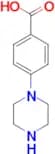
CAS:Formula:C11H14N2O2Purity:97%Color and Shape:Colourless crystalsMolecular weight:206.245tert-butyl 4-[(2-amino-1,3-thiazol-4-yl)methyl]piperazine-1-carboxylate
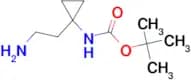
CAS:Formula:C13H22N4O2SPurity:97%Molecular weight:298.41TERT-BUTYL (1-(2-AMINOETHYL)CYCLOPROPYL)CARBAMATE
CAS:Formula:C10H20N2O2Purity:98%Molecular weight:200.2823-[[(1R,2R)-2-(1-Piperidinyl)cyclohexyl]amino]-4-[[4-(trifluoromethyl)phenyl]amino]-3-cyclobutene-1,2-dione
CAS:Purity:97%Molecular weight:421.4639893(R)-Tert-butyl (4-((3-(benzyloxy)-2-hydroxypropyl)amino)-5-bromo-2-fluorophenyl)carbamate
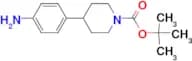
Purity:95%Molecular weight:469.35101324-p-Aminophenyl-1-Boc-piperidine
CAS:Formula:C16H24N2O2Purity:97%Color and Shape:SolidMolecular weight:276.381-(6,7-Dihydro-5h-cyclopenta[d]pyrimidin-4-yl)piperidin-4-amine
CAS:Purity:98%Molecular weight:218.3040009(S)-1-(Pyrrolidin-3-yl)piperidine dihydrochloride
CAS:Formula:C9H20Cl2N2Purity:96%Molecular weight:227.177-BROMO-1,2,3,4-TETRAHYDRO-6-METHYLPYRIDO[2,3-B]PYRAZINE
CAS:Formula:C8H10BrN3Purity:98%Molecular weight:228.093(S)-tert-Butyl 2-(2-aminothiazol-4-yl)pyrrolidine-1-carboxylate
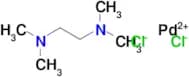
CAS:Formula:C12H19N3O2SPurity:98%Molecular weight:269.36Dichloro(N,N,N’,N’-tetramethylethylenediamine)palladium(II)
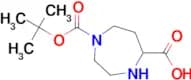
CAS:Formula:C6H16Cl2N2PdPurity:98%Color and Shape:Liquid, No data available.Molecular weight:293.531-(tert-Butoxycarbonyl)-1,4-diazepane-5-carboxylic acid
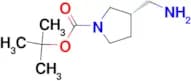
CAS:Formula:C11H20N2O4Purity:97%Molecular weight:244.291(S)-3-(Aminomethyl)-1-N-Boc-pyrrolidine
CAS:Formula:C10H20N2O2Purity:97%Color and Shape:SolidMolecular weight:200.2822-Methylpentane-1,5-diamine
CAS:Formula:C6H16N2Purity:98%Color and Shape:No data available.Molecular weight:116.208

![6'-(Indolin-1-yl)-1,3,3-trimethylspiro[indoline-2,3'-naphtho[2,1-b][1,4]oxazine]](/_next/image/?url=https%3A%2Fstatic.cymitquimica.com%2Fproducts%2F10%2Fthumb-webp%2FF694988.webp&w=3840&q=75)


![1,3,3-Trimethyl-6'-morpholinospiro[indoline-2,3'-naphtho[2,1-b][1,4]oxazine]](/_next/image/?url=https%3A%2Fstatic.cymitquimica.com%2Fproducts%2F10%2Fthumb-webp%2FF694987.webp&w=3840&q=75)

![cis-4-[[[(1,1-Dimethylethoxy)carbonyl]amino]methyl]-cyclohexanecarboxylic acid](/_next/image/?url=https%3A%2Fstatic.cymitquimica.com%2Fproducts%2F3D%2Fthumb-webp%2FID22372.webp&w=3840&q=75)


![Methyl-3-[5-(2-methoxycarbonylethyl)pyrazin-2-yl]propionate](/_next/image/?url=https%3A%2Fstatic.cymitquimica.com%2Fproducts%2F3D%2Fthumb-webp%2FIM07158.webp&w=3840&q=75)
![tert-butyl 4-[(2-amino-1,3-thiazol-4-yl)methyl]piperazine-1-carboxylate](/_next/image/?url=https%3A%2Fstatic.cymitquimica.com%2Fproducts%2F10%2Fthumb-webp%2FF495417.webp&w=3840&q=75)
![3-[[(1R,2R)-2-(1-Piperidinyl)cyclohexyl]amino]-4-[[4-(trifluoromethyl)phenyl]amino]-3-cyclobutene-…](/_next/image/?url=https%3A%2Fstatic.cymitquimica.com%2Fproducts%2F10%2Fthumb-webp%2FF605000.webp&w=3840&q=75)

![1-(6,7-Dihydro-5h-cyclopenta[d]pyrimidin-4-yl)piperidin-4-amine](/_next/image/?url=https%3A%2Fstatic.cymitquimica.com%2Fproducts%2F10%2Fthumb-webp%2FF680530.webp&w=3840&q=75)


![7-BROMO-1,2,3,4-TETRAHYDRO-6-METHYLPYRIDO[2,3-B]PYRAZINE](/_next/image/?url=https%3A%2Fstatic.cymitquimica.com%2Fproducts%2F10%2Fthumb-webp%2FF472175.webp&w=3840&q=75)