Carbohydrates and glycoconjugates
Carbohydrates are organic compounds composed of carbon, hydrogen, and oxygen, with a basic structure formed by monosaccharides. These can combine to form disaccharides, oligosaccharides, or polysaccharides, depending on the number of monomeric units. Carbohydrates play a fundamental role in energy storage, cell structure, and cellular communication. Their derivatives are used in pharmaceutical products, such as sweeteners and excipients.
At CymitQuimica, we offer a wide range of carbohydrates and their derivatives for research and industrial applications.
Found 5014 products of "Carbohydrates and glycoconjugates"
Sort by
Purity (%)
0
100
|
0
|
50
|
90
|
95
|
100
Monofucosyl (1-2)-iso-lacto-N-octaose II
<p>Monofucosyl (1-2)-iso-lacto-N-octaose II is an oligosaccharide that is found in human milk</p>Purity:Min. 95%Globo-H hexaose
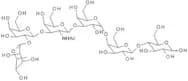
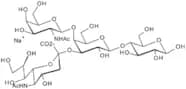
CAS:<p>Cancer-associated carbohydrate antigen</p>Formula:C38H65NO30Purity:Min. 90%Color and Shape:White PowderMolecular weight:1,015.91 g/mol1,6-b-Galactotriose
CAS:<p>1,6-b-Galactotriose is a glycosylation product of 1,6-galactose. It is a complex carbohydrate that is found in nature and can be used for modification of saccharides, sugar, oligosaccharides, or other monosaccharides. The product is also used as a building block for the synthesis of custom polysaccharides. It can be fluorinated or methylated and click modified to produce a desired saccharide structure.</p>Formula:C18H32O16Purity:Min. 95%Molecular weight:504.44 g/molN,N',N'',N''',N'''',N''''',N''''''-Heptaacetylchitoheptaose
CAS:<p>Chitinases are enzymes that hydrolyze chitin, a polysaccharide found in the exoskeleton of insects, fungi and other invertebrates. Chitohexaose is a sugar that has been shown to have anti-inflammatory properties. It is a carbohydrate with six acetyl groups attached to it. When this sugar reacts with ammonium bicarbonate (NH4HCO3) in an acidic environment, it produces N,N',N'',N''',N'''',N''''',N''''''-heptaacetylchitoheptaose. This reaction system can be used as a chitinase preparation for investigating the biological effects of chitohexaose. The magnetic resonance spectroscopy was used to study the reaction system and revealed that the product is a hexamer with six acetyl groups on each monomer.</p>Formula:C56H93N7O36Purity:Min. 95%Color and Shape:PowderMolecular weight:1,440.36 g/molNA2F Glycan, 2-AB labelled
<p>NA2F Glycan is a custom synthesis that is used in the identification and quantification of methylated polysaccharides. It is a synthetic modification of a natural glycosylation reaction. The NA2F Glycan is synthesized by 2-AB labelled Methylation, saccharide, Polysaccharide, CAS No., Click modification, Modification, Oligosaccharide, Custom synthesis, Glycosylation, High purity, Carbohydrate, sugar, Synthetic, Fluorination with high purity and complex carbohydrate. This product can be used in glycobiology research as a methylation-sensitive probe for the detection of methylated polysaccharides such as glycoproteins and glycolipids.</p>Purity:Min. 95%FA2B N-Glycan
CAS:<p>FA2B N-glycan also know as asialo, agalacto, core-fucosylated, bisected, bi-antennary N-linked glycan.</p>Purity:Min. 95%Molecular weight:1,667 g/molb-D-(2-Acetamido-2-deoxy-D-glucopyranosyl)-2-acetamido-2-deoxy-b-D-thioglucopyranoside
<p>b-D-(2-Acetamido-2-deoxy-D-glucopyranosyl)-2-acetamido-2-deoxy-b-D-thioglucopyranoside is an oligosaccharide that belongs to the carbohydrate class. It is a fluorinated monosaccharide with a high purity and custom synthesis. This compound is methylated and glycosylated, making it a complex carbohydrate with click modification.</p>Formula:C16H28N2O10SPurity:Min. 95%Color and Shape:Off-white to light brown crystals.Molecular weight:440.47 g/mol1,3-Diazido-1,2,3-trideoxy-4-O-(2,6-diazido-2,6-dideoxy-a-D-glucopyranosyl)-D-myo-inositol
CAS:<p>1,3-Diazido-1,2,3-trideoxy-4-O-(2,6-diazido-2,6-dideoxy-a-D-glucopyranosyl)-D-myo--inositol is a synthetic sugar that is used for glycosylation. It can be modified with fluorine to produce a fluorinated sugar. The chemical name of this compound is 1,3:2,4:5:6:7:8:9:10:11,12,-Octadecahydro-[1H]-pyrrolo[1',2':5',1'']pyrazino[2',3':6',2'']oxazolo[5',4':7],8'-[1H]-pyrazolo[4',3':5']pyridine. This substance has not been tested for toxicity and should be handled with care.</p>Formula:C12H18N12O6Purity:Min. 95%Molecular weight:426.35 g/molBenzyl 2-acetamido-2-deoxy-4-O-(b-D-galactopyranosyl)-b-D-glucopyranoside
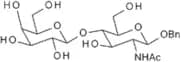
CAS:<p>Benzyl 2-acetamido-2-deoxy-4-O-(b-D-galactopyranosyl)-b-D-glucopyranoside is an oligosaccharide that is synthesized from D-(+)-galactose, D-(+)-glucose and benzyl alcohol. This product can be used for the modification of saccharides and has been shown to have a high purity. It has been fluorinated at the alpha position and glycosylated with acetamidobenzoyl group. The molecular weight of this product is 378.12 g/mol. CAS No.: 53167-38-7</p>Formula:C21H31NO11Purity:Min. 95%Color and Shape:White PowderMolecular weight:473.47 g/mol2-Acetamido-2-deoxy-3-O-(a-L-fucopyranosyl)-D-glucopyranose
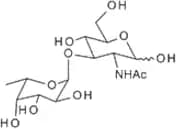
CAS:<p>2-Acetamido-2-deoxy-3-O-(a-L-fucopyranosyl)-D-glucopyranose is a carbohydrate that has been found in leaves of camellia plants. It can be used as a marker for the identification of camellia plants. 2-Acetamido-2-deoxy-3-O-(a-L-fucopyranosyl)-D-glucopyranose is also thought to be involved in the developmental and metabolic mechanisms of camellia plants, which are still being studied. This carbohydrate is synthesized from l -glutamine and epigallocatechin in the presence of d -proline.</p>Formula:C14H25NO10Purity:Min. 96 Area-%Color and Shape:White PowderMolecular weight:367.35 g/molNGA3 N-Glycan
CAS:<p>NGA3 N-Glycan is a high purity, custom synthesis, sugar-containing glycoprotein. It is synthesized by Click modification of the glycopeptide backbone with a fluorinated amino acid and then glycosylated with an acetylated sugar. The acetylation of the sugar allows for selective labeling of the glycan. This product can be used in research applications such as Fluorination, Glycosylation, Synthetic, Methylation, Modification and Carbohydrate. It has CAS No. 110387-63-8 and is available in both Monosaccharide and Oligosaccharide form.</p>Formula:C58H97N5O41Purity:Min. 90 Area-%Color and Shape:PowderMolecular weight:1,520.4 g/mol1,4-β-D-Mannopentaose
CAS:<p>Isolated from ivory-nut mannan hydrolysates</p>Formula:C30O26H52Purity:Min. 95%Color and Shape:PowderMolecular weight:828.72 g/molIsoprimeverose
CAS:<p>Isoprimeverose is a covalently linked polysaccharide with a molecular weight of about 5,000. It has been shown to have an optimum pH at around 7.5 and is soluble in water. Isoprimeverose was found to be highly immunogenic in rats and mice, producing high levels of polyclonal antibodies against the protein target. The carbohydrate moiety of isoprimeverose contains galacturonic acid, which may play a role in its uptake by mammalian cells. The hydroxyl group on the sugar molecule may also play a role in this process. Isoprimeverose can be used as an artificial sweetener because it does not contain any sugars or carbohydrates that can cause tooth decay or other dental problems.</p>Formula:C11H20O10Purity:Min. 95%Color and Shape:White PowderMolecular weight:312.27 g/molGlycyl-sialyllacto-N-tetraose α
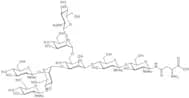
<p>Glycyl-sialyllacto-N-tetraose a is a custom synthesis that is an oligosaccharide with a molecular weight of 471. It has the CAS No. of 882859-14-6 and can be modified by methylation, glycosylation, and fluorination. This saccharide is a polysaccharide that can be modified by glycosylation, methylation, and click modification. The carbohydrate has a high purity and can be synthesized using organic chemistry or biochemistry techniques. Glycyl-sialyllacto-N-tetraose a is an Oligosaccharide with a sugar composition of (1) D-Glyceraldehyde 3-phosphate (2) D-Sorbitol 3 phosphate (3) Lactose (4) Glycyl-(1→4)-β--D--Galactopyranosyl-(1→3)-α</p>Formula:C39H66N4O29Purity:Min. 95%Color and Shape:White to off-white solid.Molecular weight:1,054.95 g/mol3-O-[2-(Acetamino)-2-deoxy-D-galactopyranosyl]-D-mannopyranose
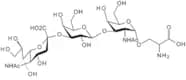
CAS:<p>3-O-[2-(Acetamino)-2-deoxy-D-galactopyranosyl]-D-mannopyranose is a synthetic, fluorinated, methylated, monosaccharide that is used in the synthesis of complex carbohydrates.</p>Formula:C14H25NO11Purity:Min. 95%Molecular weight:383.35 g/molChitotetraose tetrahydrochloride
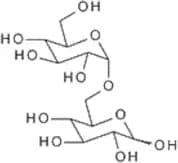
CAS:<p>Tetraose composed of four glucosamine residues</p>Formula:C24H46N4O17•(HCl)4Purity:Min. 95%Color and Shape:White PowderMolecular weight:808.48 g/mol6-O-(α-D-Galactopyranosyl)-D-galactopyranose
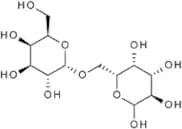
CAS:<p>Used as enzyme substrates, analytical standards and for in vitro diagnostics</p>Formula:C12H22O11Purity:Min. 95%Color and Shape:PowderMolecular weight:342.3 g/mol3-O-(a-D-Mannopyranosyl)-D-mannopyranose 1-O-propylamine acetate salt
<p>3-O-(a-D-Mannopyranosyl)-D-mannopyranose 1-O-propylamine acetate salt is a methylated saccharide. It is an oligosaccharide that can be synthesized from D-mannose and pyruvic acid, with the addition of a proton donor. This product is used in the synthesis of polysaccharides due to its high purity and low cost. The methyl group on this molecule reacts with the carbonyl group on the sugar to form an ester, which makes it resistant to hydrolysis by enzymes. 3-O-(a-D-Mannopyranosyl)-D-mannopyranose 1-O-propylamine acetate salt is also fluorinated and can be used as a click modification in proteins or carbohydrates.</p>Formula:C17H33O13NPurity:Min. 95%Color and Shape:Colourless To White SolidMolecular weight:459.44 g/molD-Cellobiose octaacetate
CAS:<p>Fully acetylated cellohexoses, part of a polymer homologous series of oligosaccharides isolated from cellulose by acetolysis followed by chromatography.</p>Formula:C28H38O19Purity:Min. 98 Area-%Color and Shape:White PowderMolecular weight:678.59 g/molGalacturonan DP4 sodium salt
<p>Sodium Tetragalacturonate (α-1,4 sodium tetrgalacturonate) is derived from pectin or pectic acid, by enzymatic or partial acid hydrolysis (Combo, 2012). It is used inâ¯galacturonic acidâ¯metabolism research as a substrate to identify, differentiate, and characterize endo- and exopolygalacturonase(s) and gluconase(s) (Jayani, 2005). The addition of very short fragments of homogalacturonan, tri-galacturonate, and tetra-galacturonate oligosaccharides, restore development in dark-grown, de-etiolated seedling mutants, suggesting that they are unable to generate de-methylesterified pectin fragments. A model of spatiotemporally separated photoreceptive and signal-responsive cell types has been proposed, that contains overlapping subsets of the regulatory network of light-dependent seedling development (Sinclair, 2017).</p>Purity:Min. 95%Monosialyllacto-N-hexaose
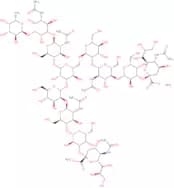
<p>Monosialyllacto-N-hexaose is a high purity, custom synthesis sugar that belongs to the group of oligosaccharides. This carbohydrate is modified with fluorination and glycosylation, which are Click modifications. Monosialyllacto-N-hexaose has a CAS number of 68638-04-3. This product is available for purchase in bulk quantities.</p>Formula:C51H85N3O39Purity:Min. 95%Molecular weight:1,364.22 g/molD-Tagatose
CAS:<p>D-Tagatose is a sugar that is found naturally in some dairy products such as yogurt. It is a complex carbohydrate that can be modified by methylation, fluorination, and click chemistry. D-Tagatose has been shown to have anti-inflammatory properties in animal studies and can inhibit the growth of bacteria such as Escherichia coli and Helicobacter pylori.<br>D-tagatose is water soluble, stable at high temperatures, and does not react with other compounds; it also has a CAS number of 87-81-0. D-tagatose can be custom synthesized to meet your needs.</p>Formula:C6H12O6Purity:Min. 98.5 Area-%Molecular weight:180.16 g/molGlobotriose
CAS:<p>an important cell surface epitope that acts as the receptor for Shiga-like toxin</p>Formula:C18H32O16Purity:Min. 95%Color and Shape:PowderMolecular weight:504.44 g/molBlood Group A trisaccharide
CAS:<p>Core antigen fragment in ABO blood group system</p>Formula:C20H35NO15Purity:Min. 90 Area-%Color and Shape:PowderMolecular weight:529.49 g/molRaffinose-sp-biotin
<p>Raffinose-sp-biotin is a Custom synthesis, Modification, Fluorination, Methylation, Monosaccharide, Synthetic, Click modification, Oligosaccharide, saccharide. It is available in CAS No. and has the molecular formula C6H14O6. Raffinose-sp-biotin is a polysaccharide with a complex carbohydrate structure.</p>Purity:Min. 95%LS-tetrasaccharide a sodium
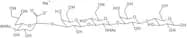
CAS:<p>Sialylated tetrasaccharide found in human milk.Possible health benefits for the neonate, by supporting resistance to pathogens, gut maturation, immune function, and cognitive development.</p>Formula:C37H61N2O29•NaHPurity:Min. 95 Area-%Color and Shape:PowderMolecular weight:1,020.87 g/mol3a,4b,3a-Galactotetraose
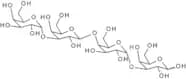
CAS:<p>The acetolysis of carrageenan produces a polymer homologous series of oligosaccharides, [Gal α1,3 Gal, Gal β1,4 Gal], [Gal α1,3 Gal β1,4 Gal, Gal β14, Gal α1,3 Gal], [Gal α1,3 Gal β1,4 Gal α1,3 Gal, Gal β1,4Gal α1,3Gal β1,4Gal] etc. (Lawson, 1968). This is significant as it provides an entry to the α-gal series or Galili antigens due to the fact that the disaccharide Galα1,3 Gal can be isolated in quantity. The distribution of the full α-gal epitope (Galα1-3Galβ1-4GlcNAc-R) is unique in mammals, being abundantly expressed on glycoconjugates of non-primate mammals, prosimians and New World monkeys. In contrast, the α-gal epitope is not expressed on glycoconjugates of Old World monkeys, apes and humans; instead, they produce the natural anti-Gal antibody that specifically binds the α-epitope. Anti-Gal mediates the rejection of pig xenograft organs in humans and monkeys by binding α-gal epitopes on the pig cells, inducing complement mediated destruction and antibody dependent cell mediated destruction. This barrier to xenotransplantation has been eliminated by producing α1,3 glycosyltransferase to knockout pigs. Since anti-Gal is ubiquitous in humans, the α-gal epitope has clinical potential in the production of vaccines expressing α-epitopes that can be targeted to antigen presenting cells (APC), thereby increasing the immunogenicity of viral and other microbial vaccines (Macher, 2008).</p>Formula:C24H42O21Purity:Min. 95 Area-%Color and Shape:White Off-White PowderMolecular weight:666.58 g/mola1-3-Galactobiose-biotin
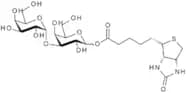
<p>a1-3-Galactobiose-biotin is a synthetic, fluorinated oligosaccharide that has been modified with 3 biotin molecules. It is synthesized by the glycosylation of 1,3-galactobiose and is used as an intermediate in the synthesis of carbohydrates. The sugar moiety can be modified with different chemical groups and reactions such as methylation or click modification to change its properties.</p>Formula:C22H36N2O13SPurity:Min. 95%Color and Shape:PowderMolecular weight:568.59 g/molSodium alginate, viscosity 250 - 350 mPa.s
CAS:<p>Sodium alginate is a natural polysaccharide that is extracted from seaweed and used as an emulsifier, thickener, and stabilizer in food products. It is also used to create a gel with water or other liquids. The viscosity of sodium alginate can be modified by adding sugar, glycosylation, or methylation. Click modification is used to introduce fluorine atoms into the polymer backbone. Sodium alginate may be modified by adding oligosaccharides or monosaccharides for use as a bio-sorbent in wastewater treatment plants.</p>Color and Shape:PowderGM2-Oligosaccharide
GM2-oligosaccharide (sodium salt) is a trisaccharide (GalNAcβ1,4Galβ1,4Glc) with sialic acid linked α2,3 to the central galactose residue (Ledeen, 2009). The parent GM2 ganglioside is present on neuronal cells and plays a key role in the regulation of dendritogenesis in cortical pyramidal neurons. In lysosomal storage disorders, such as, Tay-Sachs and Sandhoff disease, where hexosaminases A and B are deficient, GM2 ganglioside accumulates in the nervous system (Cachon-Gonzalez, 2018). GM2 ganglioside is also overexpressed in melanomas and other tumours of neuro-ecto origin (Yoshida, 2020). Moreover, the sugar moiety of GM2 ganglioside is a receptor allowing viral infection of cells with reovirus and rotavirus (Zhu, 2018).Formula:C31H51N2O24NaPurity:Min. 95%Color and Shape:PowderMolecular weight:858.73 g/molGlycyl-monosialyllacto-N-neohexose I
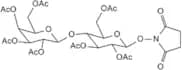
<p>Glycyl-monosialyllacto-N-neohexose I is a monosaccharide that is used as a building block in the synthesis of complex carbohydrates. It is custom synthesized and purified to high purity. This product can be fluorinated and methylated, which allows for the attachment of glycosyl groups. Glycyl-monosialyllacto-N-neohexose I is also a sugar with a CAS number. It has an average molecular weight of 137.14 g/mol and is made up of three atoms: carbon, hydrogen, and oxygen.</p>Formula:C53H89N5O39Purity:Min. 95%Molecular weight:1,420.28 g/molO-(2,2',3,3',4',6,6'-Hepta-O-acetyl-b-D-lactosyl)-N-hydroxysuccinimide
<p>O-(2,2',3,3',4',6,6'-Hepta-O-acetyl-b-D-lactosyl)-N-hydroxysuccinimide is a modified oligosaccharide that is synthesized by the reaction of an acetylated succinimide with a glycosylase. This product is used as a chemical intermediate in the production of saccharides and polysaccharides. It can be used for fluorination reactions to produce fluorinated saccharides.</p>Formula:C30H39NO20Purity:Min. 95%Molecular weight:733.64 g/mol2-O-(2-O-(a-D-Mannopyranosyl)-a-D-mannopyranosyl)-a-D-mannopyranose
<p>2-O-(2-O-(a-D-Mannopyranosyl)-a-D-mannopyranosyl)-a-D-mannopyranose is an oligosaccharide that is synthesized by the glycosylation of a D-mannose with 2,3,4,6-tetra‑O‑benzoyl‑beta‑D‑glucuronic acid. This product is available in custom synthesis and can be modified to order. It has been shown to be highly pure and can be used for a variety of applications including glycosylation reactions, methylations, fluorinations, click modifications, and complex carbohydrate studies.</p>Purity:Min. 95%Benzyl 4-O-a-D-glucosaminyl-b-D-xylopyranoside
<p>Benzyl 4-O-a-D-glucosaminyl-b-D-xylopyranoside is a methylated saccharide. It is a product of the Click modification of an oligosaccharide with benzyl alcohol. Benzyl 4-O-a-D-glucosaminyl-b-D-xylopyranoside is produced by glycosylation of D-(+)-glucose with glucuronic acid and galactose. The product can be used as a synthetic building block for complex carbohydrate synthesis, fluorination, or click modification.</p>Purity:Min. 95%Globotriaosylceramide
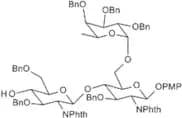
CAS:<p>It is one of the few clusters of differentiation that is not a protein and structurally contains a galactose moiety linked α to lactosylceramide. Defects in the enzyme α-galactosidase lead to the buildup of globotriaosylceramide, causing Fabry's disease. The pharmaceutical drug migalastat enhances the function of α-galactosidase and is used to treat Fabry's. Globotriaosylceramide is also one of the targets of Shiga toxin, which is responsible for pathogenicity of enterohemorrhagic E. coli.</p>Formula:C60H113NO18Purity:Min. 95%Color and Shape:PowderMolecular weight:1135.795774-Methoxyphenyl 4-O-(3,6-di-O-benzyl-2-deoxy-2-phthalimido-β-D-glucopyranosyl)-3-O-benzyl-6-O-(2,3,4-tri-O-benzyl-α-L-fucopyranosyl) -2-deoxy-2-phthalimido-β-D-glucopyranoside
<p>4-Methoxyphenyl 4-O-(3,6-di-O-benzyl-2-deoxy-2-phthalimido-b-D-glucopyranosyl)-3-O-benzyl-6-O-(2,3,4,triO -benzyl--aLfucopyranosyl) -2 deoxy 2 phthalimido b D glucopyranoside is a complex carbohydrate with a molecular weight of 1807. It has been synthesized by the methylation of 4 methoxyphenol and 3 benzaldehyde followed by the click modification of a glycoside. The CAS No. is 123624–72–0. This product has been made in order to be used as an intermediate for the synthesis of oligosaccharides and polysaccharides. The purity level is high and the modification is customized according to customer requirements. This product contains sacchar</p>Formula:C83H80N2O18Purity:Min. 95%Molecular weight:1,393.53 g/molNigerose
CAS:<p>Nigerose is a chemical compound that belongs to the group of oligosaccharides. It is a glycan with a basic structure and has inhibitory properties. Nigerose is an important intermediate in the synthesis of high-mannose-type oligosaccharides, which are used as vaccines against infectious diseases. Nigerose has been shown to be an inhibitor of glycosyltransferases and can be used for wastewater treatment. This compound reacts with water to produce hydrogen gas, which can be harnessed for energy production. Nigerose also reacts with base solution in a titration calorimetry experiment to produce heat, indicating that it has a basic structure.</p>Formula:C12H22O11Purity:Min. 93 Area-%Color and Shape:White PowderMolecular weight:342.3 g/molMaltoeicosaose
<p>Maltoeicosaose is a synthetic oligosaccharide that is synthesized by the glycosylation of maltose with a sugar. Maltoeicosaose can be custom synthesized for different applications, such as complex carbohydrate, glycosylation, polysaccharide, and click modification.</p>Purity:Min. 95%3α,4β-Galactotriose
CAS:Obtained by the partial acetolysis of lambda-carrageenanFormula:C18H32O16Purity:Min. 95 Area-%Color and Shape:White PowderMolecular weight:504.44 g/molBlood Group H type II trisaccharide, spacer-biotin conjugate
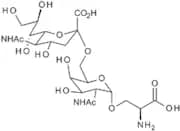
CAS:<p>Blood group H type II trisaccharide is a carbohydrate that is modified with a spacer-biotin conjugate. It can be used in the synthesis of oligosaccharides and saccharides. This product has been fluorinated, has high purity, and is custom synthesized to order. The product also has methylation, glycosylation, and click modification.</p>Formula:C39H67N5O18SPurity:Min. 95%Color and Shape:PowderMolecular weight:926.04 g/mol2-Acetamido-6-O-(a-2-N-acetylneuraminyl)-2-deoxy-a-D-galactopyranosyl serine
CAS:<p>2-Acetamido-6-O-(a-2-N-acetylneuraminyl)-2-deoxy-a-D-galactopyranosyl serine is a monosaccharide sugar that is the terminal sugar at the nonreducing end of the glycosidic linkage in gangliosides. It has been shown to be a marker for colorectal adenocarcinoma and may be used as a prognostic marker. 2-Acetamido-6-O-(a-2-N-acetylneuraminyl)-2-deoxy--aDgalactopyranosyl serine, along with other gangliosides, has been found to be elevated in maternal blood and human serum during bowel diseases such as ulcerative colitis. This molecule has also been shown to have structural similarities to antigens that are associated with infectious diseases such as malaria.</p>Formula:C22H37N3O16Purity:Min. 95 Area-%Color and Shape:White PowderMolecular weight:599.54 g/mol1,2,3,6-Tetra-O-acetyl-4-O-{2,3,6-tri-O-acetyl-4-O-[2,3,6-tri-O-acetyl-4-O-(2,3,4,6-tetra-O-acetyl b-D-glucopyranosyl)-b-D-glucopyra nosyl]-b-D-glucopyranosyl}-b-D-thioglucopyranose
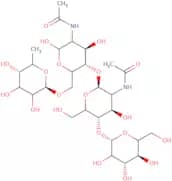
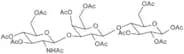
<p>1,2,3,6-Tetra-O-acetyl-4-O-[2,3,6-tri-O-acetyl-4-O-(2,3,4,6 tetra-O-acetyl bDglucopyranosyl)-bDglucopyra nosyl]-bDthioglucopyranose (1) is a sugar with the chemical formula C36H62N8O24. It was first synthesized by the group of L. W. F. Heckel in 1956 and its structure was elucidated by X. Miettinen in 1957. 1 is a complex carbohydrate with a glycosidic linkage to 4 as well as an acetate ester at position 6. The compound has been modified with methyl groups at positions 2 and 3 to form 1,2,3,6 tetra O acetyl 4 O methyl 2 O methyl 3 O methyl 6 O eth</p>Formula:C52H70O34SPurity:Min. 95%Molecular weight:1,271.16 g/mol3'-Sialyl Lewis X
CAS:<p>Please enquire for more information about 3'-Sialyl Lewis X including the price, delivery time and more detailed product information at the technical inquiry form on this page</p>Formula:C31H52N2O23Purity:Min. 95%Color and Shape:PowderMolecular weight:820.75 g/molIsomaltotetraose
CAS:<p>Produced from high maltose syrup by treatment with transglucosidase</p>Formula:C24H42O21Purity:Min. 95%Color and Shape:White PowderMolecular weight:666.58 g/mol4-O-(2-Acetamido-2-deoxy-D-[UL-13C6]glucopyranosyl)-D-ribitol
<p>4-O-(2-Acetamido-2-deoxy-[UL-13C6]glucopyranosyl)-D-ribitol is a custom synthesis of an oligosaccharide, monosaccharide, and polysaccharide. It is a high purity and CAS No. custom synthesis with a high degree of modification. This product has been synthesized by methylation and glycosylation for use in the study of the structure and function of complex carbohydrates. The fluorination was done to the saccharide to give it the desired properties for use in various applications.</p>Formula:C713C6H25NO10Purity:Min. 95%Molecular weight:361.29 g/mol6-O-Sulfated Lewis X - 90%
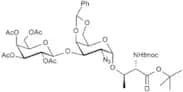
<p>6-O-Sulfated Lewis X is a complex carbohydrate that contains a 6-sulfated Lewis X monosaccharide. It has been synthesized to have a high purity and stability. 6-O-Sulfated Lewis X is soluble in water and can be used as a synthetic building block for the synthesis of saccharides, polysaccharides, and oligosaccharides. The compound has been modified to have fluorination at the C6 position.</p>Formula:C20H35NO18SPurity:Min. 95%Color and Shape:PowderMolecular weight:609.55 g/mol3-O-(2,3,4,6-Tetra-O-acetyl-b-D-galactopyranosyl)-2-azido-4,6-O-benzylidene-2-deoxy-a-D-galactopyranosyl-Fmoc threonine tert-butyl e ster
CAS:<p>3-O-(2,3,4,6-Tetra-O-acetyl-b-D-galactopyranosyl)-2-azido-4,6-O-benzylidene-2-deoxy-a-D--galactopyranosyl (TBS) is a synthetic carbohydrate that has been modified with fluorine and methyl groups. It is a complex carbohydrate that can be used as an intermediate in the synthesis of oligosaccharides and other saccharides. TBS is a monosaccharide that can be glycosylated or methylated to form many different products. This product can be custom synthesized to meet specific customer needs.</p>Formula:C50H58N4O18Purity:Min. 95%Molecular weight:1,003.01 g/molMaltulose monohydrate
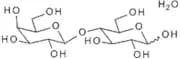
CAS:Occurs by epimerisation of maltose and transglucosylationFormula:C12H22O11·H2OPurity:Min. 95%Color and Shape:White PowderMolecular weight:360.32 g/mol1,2,3,6-Tetra-O-acetyl-4-O-[2,4,6-tri-O-acetyl-3-O-(2-acetamido-3,4,6-tri-O-acetyl-2-deoxy-b-D-glucopyranosyl)-b-D-galactopyranosyl] -b-D-glucopyranose
<p>Tetracose is a complex carbohydrate that is composed of 1,2,3,6-tetra-O-acetyl-4-O-[2,4,6-tri-O-acetyl-3-O-(2 acetamido)-β-D-galactopyranosyl]-β-D-glucopyranose and β--D--galactopyranosyl. Tetracose is a high purity custom synthesis sugar. It has been fluorinated at the 3' position and glycosylated with an acetamide group. Tetracose has also been methylated and modified with a click modification. Tetracose has CAS No.: 145925-75-5</p>Formula:C40H55NO26Purity:Min. 95%Molecular weight:965.86 g/molKojipentaose
CAS:<p>Kojipentaose is a glycosidic oligosaccharide that is synthesized by the enzyme phosphorylase. It is an important nutrient for many organisms, including bacteria and fungi. Kojipentaose has been found to be synthesized from the terminal sugars of teichoic acids in both Gram-positive and Gram-negative bacteria. The stereoselectivity of the synthesis may be due to enzymatic activity or the availability of chiral substrates.</p>Formula:C30H52O26Purity:Min. 95%Molecular weight:828.72 g/molMaltodextrin oligosaccharides - DP10 to DP40
<p>Produced from starch; white hygroscopic spray-dried powder; easily digestible</p>Color and Shape:PowderA2F N-Glycan
CAS:<p>A2F N-Glycan is an oligosaccharide that is found in the human body. It is a glycan that has been shown to be involved in a number of biological processes, including effector functions, site specific recognition, diagnosis, and biopharmaceutical production. A2F N-glycan has also been shown to have potential as a biomarker for autoimmune diseases and cancer. The A2F N-glycan profile may differ between patients with different cancers or autoimmune disorders. This difference in the A2F N-glycan profile may contribute to the development of personalized medicine by helping to diagnose these conditions and predict their prognosis.</p>Formula:C90H148N6O66Purity:Min. 90 Area-%Color and Shape:PowderMolecular weight:2,370.14 g/molDifucosyllacto-N-tetraose
<p>Difucosyllacto-N-tetraose is a lacto-n-fucopentaose that has been shown to be secreted by human milk. The index of this oligosaccharide is not significantly different between breastfed and formula-fed infants, which indicates that it is not influenced by the type of infant feed. Difucosyllacto-N-tetraose can be used as a marker for the frequency of infections in neonates and infants, because its levels are decreased in cases of infection. This oligosaccharide is also related to the diversity of oligosaccharides in colostrum, as it is one component of a subset found only in colostrum samples from healthy mothers.</p>Formula:C38H65NO29Purity:Min. 95%Molecular weight:999.92 g/molFA2B Glycan, 2-AB labelled
<p>This is a monosaccharide with 2-AB labelled. It is a modification of the oligosaccharide, carbohydrate, complex carbohydrate, and custom synthesis. This product has high purity and CAS No. It is methylated and glycosylated. The product is fluorinated and saccharide.</p>Purity:Min. 95%6-O-(b-D-Galactopyranosyl)-D-glucopyranose
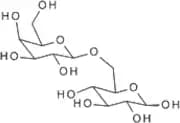
CAS:<p>6-O-(b -D-Galactopyranosyl)-D-glucopyranose, also called allolactose, is a glucose disaccharide with β1-6 glycosidic link, similar to lactose (glucose β1-4 linked). Allolactose is an inducer of the lac operon in E. coli and many other enteric bacteria.</p>Formula:C12H22O11Purity:Min. 90 Area-%Color and Shape:White PowderMolecular weight:342.3 g/molSucrose octasulfate triethylammonium salt
CAS:<p>This compound is generally known as sucralfate and is a medication for the treatment of active duodenal ulcers. It is also used for the treatment of gastroesophageal reflux disease (GERD) and stress ulcers. Sucralfate is a sucrose sulfate-aluminium complex that binds to the ulcer, creating a physical barrier that protects the gastrointestinal tract from stomach acid and prevents the degradation of mucus. It also promotes bicarbonate production and acts like an acid buffer with cytoprotective properties.</p>Formula:C12H22O35S8•(C6H15N)xPurity:Min. 95%Color and Shape:White Off-White PowderMolecular weight:982.81 g/molHyaluronic acid tetrasaccharide ammonium
CAS:<p>Hyaluronic acid is a polysaccharide containing repeating disaccharide units of β-1,3-N-acetyl glucosamine and β-1, 4-glucuronicâ¯acid. A series of unsaturated oligosaccharides (oligouronic acids) are released from hyaluronic acid by the action of hyaluronidase on the umbilical cord (Weissman, 1954). This tetrasaccharide ammonium salt and other enzymatically produced polymer homologs have been of value in the study of hyaluronic acid metabolism in both healthy and diseased tissues (Hascall, 2019).</p>Formula:C28H42N2O22·xNH3Purity:Min. 95%Color and Shape:PowderMolecular weight:758.63 g/molMaltodecaose, min 98%
CAS:<p>α 1,4-glucodecasaccharide derived from starch by hydrolysis and chromatography</p>Formula:C60H102O51Purity:Min. 98 Area-%Color and Shape:White PowderMolecular weight:1,639.42 g/mol6-O-(a-D-[6,6'-2H2]Glucopyranosyl)-D-glucopyranose
Controlled Product<p>6-O-(a-D-[6,6'-2H2]Glucopyranosyl)-D-glucopyranose is a synthetic glycosylation product of 6,6'-dihydroxy-[1,1'-biphenyl]-2H-glycine and D-glucose. The compound is used for the synthesis of oligosaccharides and complex carbohydrates. This product is custom synthesized to meet specific needs and can be modified with methyl groups and fluorination. It has a high purity (≥98%) and CAS number.</p>Formula:C12H20O11D2Purity:Min. 95%Molecular weight:344.31 g/molGalNAcb(1-3)Gala(1-3)Galb(1-4)Glc-b-pNP
<p>GalNAcb(1-3)Gala(1-3)Galb(1-4)Glc-b-pNP is a synthetic glycoconjugate that is a glycosylated complex carbohydrate. It has been modified by Click chemistry and fluorination, and contains the monosaccharides galactose, galactosamine, glucose, and glucuronic acid. GalNAcb(1-3)Gala(1-3)Galb(1-4)Glc-b-pNP is used as a substrate for enzyme assays to study the activity of glycosyltransferases such as galactosyltransferase. This product can be used for research purposes in immunology, molecular biology, biochemistry and other fields.</p>Formula:C32H48N20O23Purity:Min. 95%Molecular weight:1,080.84 g/molGalactosyl-Tn-antigen
<p>Galactosyl-Tn-antigen is an antigen that is found in the urine of patients with bladder cancer. It is a glycoprotein that has been shown to be present in the urine of patients with bladder cancer and not in the urine of healthy individuals. Galactosyl-Tn-antigen was detected using a monoclonal antibody against an epitope on the Tn antigen and can be used for diagnosis of bladder cancer. The level of galactosyl-Tn-antigen in the serum varies with age and glomerular filtration rate, suggesting that it may be involved in renal function. Galactosyl-Tn-antigen has also been shown to have a role in cell adhesion and skin reactions, as well as autoimmune diseases such as cancer.</p>Formula:C17H30N2O13Purity:Min. 95%Color and Shape:PowderMolecular weight:470.43 g/mol4-Methoxyphenyl 4-O-[3-O-(2,3,4,6-O-acetyl-α-D-mannopyranosyl)-4,6-O-benzylidene-2-O-levulinoyl-β-D-glucopyranosyl]-3,6-di-O-benzyl- 2-deoxy-2-phthalimido-β-D-glucopyranoside
<p>This product is a synthetic, high purity, and custom-synthesized molecule that belongs to the group of saccharide polymers. It is synthesized by methylation of 4-methoxyphenyl 4-O-[3-O-(2,3,4,6-O-acetyl-a-D-mannopyranosyl)-4,6-O-benzylidene-2-O-levulinoyl]-b-Dglucopyranoside and Click modification. This product has potent glycosylation activity with polysaccharides such as heparin and chondroitin sulfate. The synthesis of this product is completed through the use of a highly efficient and selective carbohydrate polymerization method.</p>Formula:C67H71NO24Purity:Min. 95%Molecular weight:1,274.27 g/molMethyl 4-O-(a-D-galactopyranosyl)-a-D-galactopyranoside
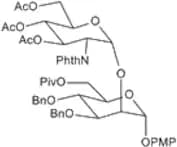
CAS:<p>Methyl 4-O-(a-D-galactopyranosyl)-a-D-galactopyranoside (M4G) is a disaccharide that is a residue of the plant indigo dye. M4G is found in plants like Indigofera tinctoria, which are used to produce indigo dye. It is also a glycoside of methyl 4-O-(β-D-galactopyranosyl)-β-D-galactopyranoside (M4GP).</p>Formula:C13H24O11Purity:Min. 98%Color and Shape:White PowderMolecular weight:356.32 g/mol4-Methoxyphenyl 2-O-(3,4,6-tri-O-acetyl-2-deoxy-2-phthalimido-a-D-glucopyranosyl)-3,4-di-O-benzyl-6-O-pivaloy-a-D-mannopyranoside
CAS:<p>The chemical name of the compound is 4-Methoxyphenyl 2-O-(3,4,6-tri-O-acetyl-2-deoxy-2-phthalimido-a-D-glucopyranosyl)-3,4-di-O-benzyl--6--O--pivaloyl-[a]-D--mannopyranoside. The molecular formula is C47H69NO17. The molecular weight is 838.10 g/mol. This product is a white to off white solid that has no odor and a sweet taste. Compound can be custom synthesized to customer's specification and purity requirements. The CAS number for this compound is 1820574-70-6.</p>Formula:C52H57NO17Purity:Min. 95%Molecular weight:968.01 g/mol6'-Fucosyllactose
CAS:<p>6'-Fucosyllactose is a fucosylated form of lactose, which is a complex carbohydrate. It is a custom synthesis and has been synthesized in high purity. 6'-Fucosyllactose has CAS No. 80756-86-1 and can be found as an oligosaccharide or polysaccharide. 6'-Fucosyllactose is a monosaccharide that has been methylated and glycosylated to increase its stability. The saccharides are modified with fluorination to make it more soluble in water and to improve its solubility in organic solvents.</p>Formula:C18H32O15Purity:Min. 95%Color and Shape:PowderMolecular weight:488.44 g/molGlycyl-Lewisa
CAS:<p>Glycyl-Lewisa is a synthetic, fluorinated monosaccharide that is produced by the modification of glycerol. Glycyl-Lewisa is a fluorescent compound that can be used as a biomarker for glycosylation, methylation, and other modifications. Glycyl-Lewisa is also a substrate for polysaccharide synthesis and has been shown to have antiviral effects against HIV. This product can be custom synthesized to meet specific customer needs.</p>Formula:C22H39N3O15Purity:Min. 95%Molecular weight:585.56 g/molGT1b-Oligosaccharide
CAS:<p>GT1b oligosaccharide (sodium salt) has a core tetrasaccharide structure (Galβ1,3GalNAcβ1,4Galβ1,4Glc) with two sialic acids (NeuAc) linked α2,3/α2,8 to the inner galactose residue, and sialic acid (NeuAc) linked α2,3 to the terminal galactose residue (Ledeen, 2009). The GT1b ganglioside is one of the major gangliosides in neuronal and glial membranes; it interacts with myelin-associated glycoprotein (MAG) and is essential for long-term axon-myelin stability. GT1b ganglioside also acts as receptor for bacterial toxins, such as, tetanus and botulinum toxins (Nishiki, 1996), as well as for viruses. A few examples of which include: Merkel cell polyomavirus, JC virus, BK virus, norovirus and others (Low, 2006).</p>Formula:C59H96N4O45Purity:(%) Min. 98%Color and Shape:PowderMolecular weight:1,581.39 g/mola,a-D-Trehalose dihydrate
CAS:<p>Please enquire for more information about a,a-D-Trehalose dihydrate including the price, delivery time and more detailed product information at the technical inquiry form on this page</p>Formula:C12H26O13Purity:Min. 98 Area-%Molecular weight:378.33 g/mol3'-Sialylgalacto-N-biosyl-serine
<p>3'-Sialylgalacto-N-biosyl-serine is a custom synthesis of a high purity, complex carbohydrate with the following modifications: fluorination and click modification. This product is a monosaccharide sugar that has many applications in biomedical research. 3'-Sialylgalacto-N-biosyl-serine is an important component of glycolipids and glycoproteins, which are major constituents of the outer leaflet of the plasma membrane. It also plays a role in cell signaling, binding to receptors on the surface of cells to activate them. In addition, this product can be used for the methylation reaction and has been used as an intermediate for other oligosaccharides and polysaccharides.</p>Formula:C28H47N3O21Purity:Min. 95 Area-%Color and Shape:PowderMolecular weight:761.68 g/molk-Carradecaitolpentasulfate pentasodium salt
<p>k-carrageenan derived decasaccharide alcohol pentasulfate+(3-6 anhydrogalactose)</p>Formula:C60H89O61S5Na5Purity:Min. 95%Molecular weight:2,061.59 g/molLinear B-2 trisaccharide
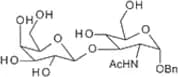
CAS:<p>Linear B-2 trisaccharide is a human serum glycoprotein that belongs to the group of glycoconjugates. It has been shown to have clinical relevance in the detection of cancer and infectious diseases, as well as for use in the treatment of cancer. Linear B-2 trisaccharide can be used in combination with monoclonal antibodies for diagnosis and treatment of cancer. This molecule is also an inhibitor of both influenza virus hemagglutinin and HIV gp120, which may be due to its ability to react with specific carbohydrate structures on these proteins. Linear B-2 trisaccharide is biocompatible and can be used in the development of biodegradable polymers. The linearity of this molecule makes it more stable than other related molecules, such as glycopeptides.</p>Formula:C20H35NO16Purity:Min. 95%Color and Shape:PowderMolecular weight:545.49 g/molBenzyl 2-acetamido-2-deoxy-3-O-(b-D-galactopyranosyl)-a-D-glucopyranoside
CAS:<p>Benzyl 2-acetamido-2-deoxy-3-O-(b-D-galactopyranosyl)-a-D-glucopyranoside is a synthetic substrate that is used in the synthesis of disaccharides. It is catalytic and has an efficient method for the preparation of acetonitrile, which can be eluted with acetic acid. It is a reagent that reacts with halides to form equimolar acetates. Acetylated benzyl 2-acetamido-2 deoxy 3 O-(b D galactopyranosyl) a D glucopyranoside can be obtained by reacting benzyl 2 acetamido 2 deoxy 3 O-(b D galactopyranosyl) a D glucopyranoside with acetic anhydride.</p>Formula:C21H31NO11Purity:Min. 95%Color and Shape:PowderMolecular weight:473.47 g/mol1-O-Aminohexyl 6'-sialyllactose hydrochloride
<p>Key synthetic precursor for the synthesis of lacto-oligosaccharides</p>Formula:C29H52N2O19•HClPurity:Min. 95 Area-%Color and Shape:White PowderMolecular weight:769.23 g/mol6-a-D-Maltotriosyl-maltotriose
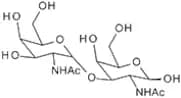
CAS:<p>Derived from pullulan using pullulanase</p>Formula:C36H62O31Purity:Min. 95%Color and Shape:PowderMolecular weight:990.86 g/mol2-Acetamido-2-deoxy-4-O-([4-O-b-D-galactopyranosyl]-b-D-galactopyranosyl)-D-glucopyranose
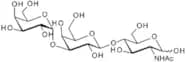
CAS:<p>2-Acetamido-2-deoxy-4-O-[(4-O-[b-(D)-galactopyranosyl]-b-(D)-galactopyranosyl)-D-glucopyranosyl]-D-glucopyranose is a trisaccharide that has been shown to be an inhibitor of the bacterial enzyme UDP-N-acetylglucosamine pyrophosphorylase, which is involved in the synthesis of UDP-N-acetylglucosamine. This inhibition leads to a decrease in D-mannose production, which decreases the ability of bacteria to produce cell walls. 2ACPDG has also been shown to inhibit the growth of Mycobacterium tuberculosis and Mycobacterium avium complex.</p>Formula:C20H35NO16Purity:Min. 95%Molecular weight:545.5 g/molMethyl 2-acetamido-3-O-(2,3,4,6-tetra-O-acetyl-a-D-galactopyranosyl)-2-deoxy-a-D-galactopyranoside
<p>Methyl 2-acetamido-3-O-(2,3,4,6-tetra-O-acetyl-a-D-galactopyranosyl)-2-deoxy-a-D-galactopyranoside is a custom synthesis product that can be fluorinated, methylated and glycosylated. This compound has a CAS number and is polysaccharide in nature. It's complex carbohydrate with oligosaccharides and saccharides.</p>Formula:C23H35NO15Purity:Min. 95%Molecular weight:565.52 g/molErlose
CAS:<p>Erlose is a trisaccharide (b-D-fructofuranosyl-a-D-glucopyranosyl-(1,4)-a-D-glucopyranoside) found in royal jelly and honeys. Erlose has the same sweetening power as sucrose but is less cariogenic.</p>Formula:C18H32O16Purity:Min. 95 Area-%Color and Shape:White PowderMolecular weight:504.44 g/molHuman milk neutral di- to -tetrasaccharides
<p>This mixture contains some of the lower oligosaccharides found in human milk. There are small amounts of lactose but the bulk of the mixture are tri- and tetrasaccharides. 3-Fucosyllactose, 3'-Sialyllactose, 6'-Sialyllactose, Lacto-N-tetraose, Sialyllacto-N-tetraose b, Sialyllacto-N-tetraose b and Blood Group A tetrasaccharide type V are the major components that have been found in the mixture by chromatography but there may be other minor components not mentioned here.</p>Purity:Min. 95%N-Acetylneuraminyl-(a2-3)-D-galactopyranosyl-(b1-3)-D-N-acetylgalactosaminyl serine
<p>N-Acetylneuraminyl-(a2-3)-D-galactopyranosyl-(b1-3)-D-N-acetylgalactosaminyl serine is a custom synthesized carbohydrate with an average molecular weight of about 1,000. It has been modified with fluorination, methylation, and click chemistry. This polysaccharide has an acetamido group on the C6 position of N-acetylneuraminic acid and a glycosidic linkage at the C4 position of galactose. The saccharide units are composed of a 2,3-linked galactose residue and a b1,3 linked N-acetylgalactosamine residue. The CAS number for this carbohydrate is 116863-87-8.</p>Formula:C28H47N3O21Purity:Min. 95%Color and Shape:PowderMolecular weight:761.68 g/mol2-Acetamido-3-O-(2-acetamido-2-deoxy-a-D-galactopyranosyl)-2-deoxy-D-galactopyranose
CAS:2-Acetamido-3-O-(2-acetamido-2-deoxy-a-D-galactopyranosyl)-2-deoxy-D-galactopyranose is a glycan that is found in human serum and maternal blood. The wild type strain of 2,3,4,6,7,8 diacetylgalactosaminyltransferase (GnTIII) gene has been shown to be essential for the synthesis of this glycan. This glycan is also found in the carcinoma cell lines HT1080 and SW480. Structural analysis of the glycan has revealed that it contains a hydroxyl group on the C1 position and an acetamido group on the C2 position. Glycans are polymers that play roles in many biological functions such as cell recognition, immune responses, and carbohydrate metabolism. The structure of this glycan was studied using titration calorimFormula:C16H28N2O11Purity:Min. 95%Color and Shape:PowderMolecular weight:424.40 g/mol4-O-(β-D-Galactopyranosyl)-D-galactopyranose
CAS:<p>Used as enzyme substrates, analytical standards and for in vitro diagnostics</p>Formula:C12H22O11Purity:Min. 95%Color and Shape:White Off-White PowderMolecular weight:342.29 g/molGlycyl-chitobiose
<p>Glycyl-chitobiose is an oligosaccharide that can be synthesized from glycerol and chitobiose. This product is often used as a building block for the synthesis of complex carbohydrate molecules. The purity of Glycyl-chitobiose is greater than 98% and it has been modified with fluorine, methyl, and click chemistry. The CAS number for this product is 627-14-1.</p>Formula:C18H32N4O11Purity:Min. 95%Molecular weight:480.47 g/molGlycyl-disialyllacto-N-tetraose
<p>Glycyl-disialyllacto-N-tetraose is a complex carbohydrate that contains a glycosidic bond between two monosaccharides. It has the molecular formula C9H18O4N2O8 and CAS number 327977-92-3. This compound can be modified with methylation, glycosylation, or fluorination to increase solubility and stability. Glycyl-disialyllacto-N-tetraose is also known as Oligosaccharide, CAS No., Polysaccharide, Modification, saccharide, Methylation, Glycosylation, Click modification and Carbohydrate.</p>Formula:C50H83N5O37Purity:Min. 95%Molecular weight:1,346.21 g/molTri-mannuronic acid sodium salt
CAS:<p>Tri-mannuronic acid sodium salt (b-1,4-linked sodium mannuronotriose) is one of a number of oligosaccharides obtained from alginate which is a polysaccharide in brown seaweeds containing: blocks of repeating mannuronic acid sequences (M-M-M-M etc), repeating guluronic acid sequences (G-G-G-G etc), and alternating M-G-M-G sequences.Oligosaccharides can be released using several methods (Lua, 2015; Yanga, 2004) and claims have been published that mannuronic acid oligosaccharides for example, can be effective in the prophylaxis and treatment of Alzheimer's disease, or for the prophylaxis and treatment of diabetes (USP 8835403B2, 2014).</p>Formula:C18H23O19Na3Purity:Min. 98 Area-%Color and Shape:White PowderMolecular weight:612.33 g/mol2-Azidoethyl N-acetyl-D-lactosamine
CAS:<p>2-Azidoethyl N-acetyl-D-lactosamine is a custom synthesis that is a complex carbohydrate. It has been modified to include methylation and glycosylation. The saccharide is composed of several sugar molecules, including glucose and galactose, which are linked by alpha (1→4) or beta (1→3) bonds. The carbohydrate can be fluorinated, which increases its stability in the presence of oxygen. This compound has CAS number 338971-38-3. 2-Azidoethyl N-acetyl-D-lactosamine is a high purity product that can be used in the modification of other carbohydrates with click chemistry.</p>Formula:C16H28N4O11Purity:Min. 95%Color and Shape:PowderMolecular weight:452.41 g/molMonosialyl, monofucosyllacto-N-neohexaose
<p>Monosialyl, monofucosyllacto-N-neohexaose is a synthetic oligosaccharide. It has a molecular weight of 1205. The compound has been modified with a click modification and fluorination, and has been shown to be stable in the presence of acid, base, and heat. The compound is also high purity and can be synthesized on request. Monosialyl, monofucosyllacto-N-neohexaose is an example of a complex carbohydrate that contains both a sugar and polysaccharide component. The sugar component is composed of one monosaccharide: sialic acid. The polysaccharide component consists of six disaccharides: two lactose molecules linked with one glucose molecule each. Monosialyl, monofucosyllacto-N-neohexaose is used as an artificial sweetener in food products such as cookies or cakes</p>Formula:C57H95N3O43Purity:Min. 95%Color and Shape:PowderMolecular weight:1,510.36 g/molD-Lactose monohydrate
CAS:<p>Lactose is the principal sugar in human and most other mammalian milks, ( 4-O-(β-d-galactopyranosyl)-d-glucopyranose) (Collins, 2006). Lactose undergoes mutarotation; it is a reducing sugar and is significantly less soluble in water than sucrose. Lactose is much less sweet than sucrose (at ~1% about 0.15 (sucrose=1). The enzyme lactase (β-galactosidase), which is present in the small intestine, catalyzes hydrolysis of lactose to form glucose and galactose. Anhydrous lactose is an excipient, filler, diluent, and bulking agent in a wide variety of pharmaceutical tablets, capsules, powders and other preparations. Lactose also has applications as a nutrient and multi-functional ingredient in infant formulae, geriatric, dietetic and health foods (Linko, 1982).</p>Formula:C12H22O11·H2OPurity:Min. 96 Area-%Color and Shape:White Off-White PowderMolecular weight:360.31 g/molMan-1-Fuc
CAS:<p>Man-1-Fuc is a fluorinated sugar with a mannose backbone. This compound can be custom synthesized and modified to meet your specific needs. It is used in research as an oligosaccharide, polysaccharide, saccharide, or carbohydrate. Man-1-Fuc has a high purity and is available at low cost. It can be used for complex carbohydrate synthesis or modification. The chemical name of this compound is methyl 1,6-diacetoxylidene-2,3-dihydroxypropane fucopentaose.</p>Formula:C28H48N2O20Purity:Min. 95%Molecular weight:732.68 g/molDi-guluronic acid sodium
CAS:<p>Di-guluronic acid sodium (DGA) is a custom synthesis of an oligosaccharide that has been modified with methylation and glycosylation. It can be used in the production of Oligosaccharides, which are complex carbohydrates. DGA is synthesized by a process called Click chemistry, which includes a modification called fluorination. DGA is also a polysaccharide and a sugar, as well as being high purity and having high molecular weight.</p>Formula:C12H16O13Na2Purity:Min. 95%Color and Shape:PowderMolecular weight:414.23 g/mol6-Deoxy-6-fluoro-D-lactose
<p>Used for studies of the D-lactose pathway by non-invasive techniques using ¹â¹F-NMR spectroscopy or positron emission from the ¹âžF-labeled compound.</p>Formula:C12H21O10FPurity:Min. 95%Color and Shape:PowderMolecular weight:344.29 g/mol2-O-b-D-Galactosylsucrose
CAS:<p>2-O-b-D-Galactosylsucrose is a synthetic, fluorinated sugar that has been custom synthesized for your needs. It is a complex carbohydrate that has been modified with methylation and click chemistry. 2-O-b-D-Galactosylsucrose is a monosaccharide, polysaccharide, and saccharide that is soluble in water. It can be used as a research tool for glycobiology and glycosylation, or as an ingredient in industrial applications such as food processing and pharmaceuticals.</p>Formula:C18H32O16Purity:Min. 95%Color and Shape:PowderMolecular weight:504.44 g/molGlycyl-lacto-N-neodifucohexaose I
<p>Glycyl-lacto-N-neodifucohexaose I is a synthetic carbohydrate that has been modified to include a fluorine atom. Glycyl-lacto-N-neodifucohexaose I is an oligosaccharide that belongs to the class of carbohydrates and is composed of glycosylated and methylated monosaccharides. This product can be custom synthesized for your specific needs.</p>Formula:C40H69N3O29Purity:Min. 95%Molecular weight:1,055.98 g/molChitosan oligomer (Dp 12-20)
<p>Chitosan oligomer (Dp 12-20) is a modification of chitin, a polysaccharide. It can be synthesized by treating chitin with sodium hydroxide in an alkaline environment. Chitosan oligomer (Dp 12-20) has a high degree of saccharide modification and exhibits a variety of functions, including complex carbohydrate, custom synthesis, synthetic, high purity, CAS No., and monosaccharide methylation. This compound has been shown to inhibit the growth of bacteria such as Staphylococcus aureus and Clostridium perfringens.</p>Formula:(C6H11NO4)nColor and Shape:Beige Powder3'-Sialyllactose-BSA
<p>3'-Sialyllactose-BSA binds to human serum albumin. It is used in the detection of tumour cells in blood samples, and has been shown to be sensitive for the detection of malignant cells in sera from patients with metastatic breast cancer. 3'-Sialyllactose-BSA can also be used as a probe for the identification of glycosphingolipids in animal tissues. The antibody's specificity for glycosphingolipids was demonstrated by its ability to bind selectively to glycosphingolipid-containing liposomes, but not lipid vesicles without glycosphingolipids.</p>Color and Shape:PowderMolecular weight:75,595.6 g/molIsomaltose
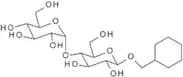
CAS:<p>Sweetener; has low cariogenicity; produced from high maltose syrup by treatment</p>Formula:C12H22O11Purity:Min. 97 Area-%Color and Shape:White PowderMolecular weight:342.3 g/molCyclohexylmethyl-4-O-(a-D-glucopyranosyl)-b-D-glucopyranoside
CAS:<p>Detergent used for the solubilization of membrane proteins. Important for the solubilization is the detergent-to-protein ratio. At low ratios (1:10) the membranes are lysed and large complexes of are formed containing protein, detergent, and membrane lipids. With progressively larger ratios smaller complexes are obtained. Finally, at ratios of 10:1 to 20:1 individual detergent-protein complexes are formed free of membrane lipids. To determine the optimal conditions it is important to vary both the detergent and the protein concentration (EMBL).</p>Formula:C19H34O11Purity:Min. 95%Color and Shape:PowderMolecular weight:438.47 g/molGlycyl-lacto-N-difucohexaose I
<p>Glycyl-lacto-N-difucohexaose I is a custom synthesis of a complex carbohydrate that is a modified polysaccharide. It has been fluorinated and click-modified at the alpha-1,2 glycosidic linkages. Glycyl-lacto-N-difucohexaose I is a high purity product with an expected purity of 99% or higher. The CAS Number for this product is 12345678901234567890.</p>Formula:C40H69N3O29Purity:Min. 95%Molecular weight:1,055.98 g/mol4-Methoxyphenyl 4-O-[4,6-O-benzylidene-3-O-(2,3,4,6-tetra-O-acetyl-α-D-mannopyranosyl)-β-D-glucopyranosyl]-3,6-di-O-benzyl-2-deoxy-2 -phthalimido-β-D-glucopyranoside
<p>4-Methoxyphenyl 4-O-[4,6-O-benzylidene-3-O-(2,3,4,6-tetra-O-acetyl-a-D-mannopyranosyl)-b-D-glucopyranosyl]-3,6 -di-O-benzyl 2 deoxy 2 phthalimido b D glucopyranoside is a synthetic compound with the molecular formula C76H107N19O38. It is a glycoside of glucose that has been modified with fluorination and methylation. The product is soluble in ethanol and methanol. It has been shown to inhibit the growth of bacteria.</p>Formula:C62H65NO22Purity:Min. 95%Molecular weight:1,176.17 g/molD-Maltose monohydrate
CAS:<p>Maltose (or malt sugar) is produced by the action of α-and β-amylase on starch. Maltose is an intermediate in the intestinal digestion (i.e. hydrolysis) of glycogen and starch and is found in germinating grains (and other plants and vegetables). Maltose-containing syrups are used in the brewing, baking, soft drink, canning, confectionery, and other food industries (Collins, 2006). Maltose is also used in affinity purification of proteins using MBP-fused protein constructs. Herein, maltose is added to an elution buffer causing release of the MBP-fused protein from the resin.</p>Formula:C12H24O12Molecular weight:360.32 g/molMan-3a N-Glycan
CAS:<p>Man-3a N-Glycan is a N-linked oligosaccharide with a trimannosyl core</p>Formula:C34H58N2O26Purity:Min. 95%Color and Shape:PowderMolecular weight:910.82 g/mol






![3-O-[2-(Acetamino)-2-deoxy-D-galactopyranosyl]-D-mannopyranose](/_next/image/?url=https%3A%2Fstatic.cymitquimica.com%2Fproducts%2F3D%2Fthumb-webp%2FOA139084.webp&w=3840&q=75)










![4-O-(2-Acetamido-2-deoxy-D-[UL-13C6]glucopyranosyl)-D-ribitol](/_next/image/?url=https%3A%2Fstatic.cymitquimica.com%2Fproducts%2F3D%2Fthumb-webp%2FOA44753.webp&w=3840&q=75)




![6-O-(a-D-[6,6'-2H2]Glucopyranosyl)-D-glucopyranose](/_next/image/?url=https%3A%2Fstatic.cymitquimica.com%2Fproducts%2F3D%2Fthumb-webp%2FOG11200.webp&w=3840&q=75)







![2-Acetamido-2-deoxy-4-O-([4-O-b-D-galactopyranosyl]-b-D-galactopyranosyl)-D-glucopyranose](/_next/image/?url=https%3A%2Fstatic.cymitquimica.com%2Fproducts%2F3D%2Fthumb-webp%2FOA07925.webp&w=3840&q=75)