Carbohydrates and glycoconjugates
Carbohydrates are organic compounds composed of carbon, hydrogen, and oxygen, with a basic structure formed by monosaccharides. These can combine to form disaccharides, oligosaccharides, or polysaccharides, depending on the number of monomeric units. Carbohydrates play a fundamental role in energy storage, cell structure, and cellular communication. Their derivatives are used in pharmaceutical products, such as sweeteners and excipients.
At CymitQuimica, we offer a wide range of carbohydrates and their derivatives for research and industrial applications.
Found 5006 products of "Carbohydrates and glycoconjugates"
Sort by
Purity (%)
0
100
|
0
|
50
|
90
|
95
|
100
P1-Antigen
CAS:<p>The P1-antigen is a blood group antigen that is encoded by the gene. It is synthesized as a precursor protein of approximately 150 amino acids that undergoes proteolytic processing to generate two peptides, A and B, which are attached to the cell surface. The P1-antigen has been shown to be involved in transcriptional regulation and antimicrobial activity. It has also been shown to be present in metastatic colorectal cancer cells and its expression can be induced by trypsin treatment. The P1-antigen is also one of the most frequently studied proteins for its role in immune responses against bacteria, viruses, and parasites. This protein has been found to have response elements for several transcription factors including NF-κB, AP-1, NFAT, SP-1, and STAT3. The basic structure of this protein contains a diode region with two negatively charged regions that are critical for its function.</p>Formula:C20H35NO16Purity:Min. 95%Color and Shape:White Off-White PowderMolecular weight:545.49 g/mol4-O-(b-D-Galactopyranosyl)-D-glucosamine HCl
CAS:<p>4-O-(b-D-Galactopyranosyl)-D-glucosamine HCl is a synthetic, water soluble, non-digestible oligosaccharide. It has regulatory effects on the utilisation of glucose and lacto-n-neotetraose by various cells in vitro. This compound also inhibits the development of intestinal pathogens in humans and elucidates their sequence specificity. 4-O-(b-D-Galactopyranosyl)-D-glucosamine HCl is used to study the role of this molecule in infant nutrition.</p>Formula:C12H23NO10·HClPurity:Min. 95%Color and Shape:PowderMolecular weight:377.77 g/molDifucosyl-para-lacto-N-hexaose III
<p>Difucosyl-para-lacto-N-hexaose III is a custom synthesis. It is an oligosaccharide that belongs to the class of polysaccharides. It has a molecular weight of 1,000 Da and contains two monosaccharides: difucose and para-lactohexose. This product can be modified with fluorination or click chemistry. Difucosyl-para-lacto-N-hexaose III has a purity of > 98% and CAS No., which is 93794-37-5.</p>Purity:Min. 95%4-Methoxyphenyl 6-O-(methyl 5-acetamido-4,7,8,9-tetra-O-acetyl-3,5-dideoxy-D-glycero-a-D-galacto-2-nonulopyranosylonate)-2,3-di-O-be nzyl-b-D-galactopyranoside
<p>4-Methoxyphenyl 6-O-(methyl 5-acetamido-4,7,8,9-tetra-O-acetyl-3,5-dideoxy-D-glycero-a-D-galacto-2-nonulopyranosylonate)-2,3 -di O benzyl b D galactopyranoside is a modified oligosaccharide that is synthesized from the sugar galactose. The methyl group on the 4 position of the phenol end of the molecule is substituted with an acetamide group to form 4 methoxyphenyl 6 O (methyl 5 acetamido 4 7 8 9 tetra O acetyl 3 5 dideoxy D glycero a D galacto 2 nonulopyranosylonate)-2 3 di O benzyl b D galactopyranoside. This molecule has been fluorinated at the 2 and 3 positions</p>Formula:C47H57NO19Purity:Min. 95%Molecular weight:939.95 g/molGNA2 N-Glycan
<p>GNA2 N-glycan is a custom-synthesized modified oligosaccharide that is a complex carbohydrate. It is a high purity, methylated and glycosylated polysaccharide sugar with fluorination. GNA2 N-glycan has CAS No. 1295-70-1 and is monosaccharide. It has a molecular weight of 266.</p>Purity:Min. 95%Benzyl 2-acetamido-2-deoxy-4,6-O-benzylidene-3-O-(2,3,4,6-tetra-O-acetyl-b-D-galactopyranosyl)-a-D-galactopyranoside
CAS:<p>Benzyl 2-acetamido-2-deoxy-4,6-O-benzylidene-3-O-(2,3,4,6-tetra-O-acetyl-b-D-galactopyranosyl)-a-D galactopyranoside is a complex carbohydrate with a CAS number of 8632784. It is an oligosaccharide that is modified with methylation and glycosylation. This molecule has a molecular weight of 907.19 and the purity level is high at 99%. This product can be used for fluoroquinolone resistance research or as an intermediate for other chemical modifications.</p>Formula:C36H43NO15Purity:Min. 95%Molecular weight:729.72 g/molOctyl 2-acetamido-2-deoxy-b-D-glucopyranosyl-(1-2)-a-D-mannopyranosyl-(1-2)-b-D-glucopyranoside
CAS:<p>Octyl 2-acetamido-2-deoxy-b-D-glucopyranosyl-(1-2)-a-D-mannopyranosyl-(1-2)-b-D-glucopyranoside is a custom synthetic sugar that is used in the synthesis of complex carbohydrates. This product has been fluorinated to give it a high level of purity and is available for purchase at CAS No. 1268248-67-4. Octyl 2 acetamido 2 deoxy b D glucopyranosyl (1 2) a D mannopyranosyl (1 2) b D glucopyranoside has been modified with methylation, Click modification, and glycosylation. It can be used in polysaccharide synthesis or glycosylation reactions to produce polysaccharides with different properties.</p>Formula:C28H51NO16Purity:Min. 95%Molecular weight:657.7 g/mol1,2,3,6-Tetra-O-benzyl-4-O-(2,3-di-O-benzyl-4,6-O-benzylidene-a-D-mannopyranosyl)-b-D-glucopyranoside
CAS:<p>Tetra-O-benzyl-4-O-(2,3-di-O-benzyl-4,6-O-benzylidene)-a-D-mannopyranosyl)-b-D-glucopyranoside is a carbohydrate that has been modified with fluorination and methylation. It is a saccharide with an oligosaccharide group, which is attached to the 1-, 2-, 3-, 6-, and 4'-positions of the sugar. This product is synthesized by custom synthesis and is available in high purity. Tetra-O-benzyl-4-O-(2,3-di-O--benzyl--4,6--O--benzylidene)-a--D--mannopyranosyl)-b--D--glucopyranoside can be used as a glycosylation or click modification agent.</p>Formula:C61H62O11Purity:Min. 95%Molecular weight:971.14 g/mol4-Methoxyphenyl 2,4-di-O-benzoyl-3-O-benzyl-6-O-[methyl 5-(acetoxyacetamido)-4,7,8,9-tetra-O-acetyl-3,5-dideoxy-D-glycero-α-D-ga lacto-2-nonulopyranosylonate]-β-D-galactopyranoside
<p>The methylation of a glycosylation is an organic chemistry technique that can be used to modify the chemical structure of a carbohydrate. A glycosylation is the reaction between an alcohol and a sugar, which produces a glycoside. The addition of methyl groups at specific positions on the sugar molecule can lead to improved properties such as increased stability, increased solubility, or increased uptake by cells. This process has been shown to produce compounds with more desirable pharmacological properties than their parent compounds. Click chemistry is a versatile and powerful method for modifying carbohydrates. It involves the use of copper-catalyzed azide-alkyne cycloaddition reactions to form carbon-nitrogen bonds in place of conventional amide linkages in peptides and proteins. Carbohydrates are modified using this method by attaching small molecules such as fluorine atoms onto one or more carbons in the carbohydrate structure. This process can be used to create novel sugars with improved properties including high purity, high stability</p>Formula:C56H61NO23Purity:Min. 95%Molecular weight:1,116.08 g/moliso-Lacto-N-neooctaose
CAS:<p>Iso-lacto-N-neooctaose is a prebiotic oligosaccharide that can be found in breast milk. Iso-lacto-N-neooctaose is a carbohydrate molecule with a high degree of polymerisation that is resistant to digestion by human enzymes, which means it reaches the gut microbiota where it can stimulate the growth of beneficial bifidobacteria. Iso-lacto-N-neooctaose has been shown to have bioactive properties in humans and infants, including antihypertensive effects, antiulcerogenic effects, and immunomodulatory effects. Studies have also shown that this compound may help prevent colorectal cancer by increasing the population of bifidobacteria in the colon.</p>Formula:C54H91N3O41Purity:Min. 95%Molecular weight:1,438.3 g/molBenzyl 4-O-(2,3,4,6-tetra-O-benzyl-a-D-galactopyranosyl)-2,3-di-O-benzyl-b-D-galactopyranoside
<p>Benzyl 4-O-(2,3,4,6-tetra-O-benzyl-a-D-galactopyranosyl)-2,3-di-O-benzylb -D-galactopyranoside is a Fluorination and Glycosylation product. It is a Custom Synthesis of Monosaccharide and Oligosaccharide. The CAS number for this product is 106835-99-8.</p>Formula:C61H64O11Purity:Min. 95%Molecular weight:973.15 g/molLactose-sp-biotin
<p>Lactose-sp-biotin is a complex carbohydrate that has been modified with biotin. It is synthesized by the click modification of lactose and spacer arm, followed by glycosylation with biotin. Lactose-sp-biotin is soluble in water, which makes it suitable for use as a food additive. This product can also be used for labeling and identification of biomolecules in various fields such as fluorescence, immunoassay, or immunohistochemistry.</p>Formula:C31H54N4O14SPurity:Min. 95%Color and Shape:PowderMolecular weight:738.85 g/molDisialylated pentaose type I
<p>Disialylated pentaose type I (DSI-1) is a disaccharide sugar that is synthesized in high purity by custom synthesis. It is a complex carbohydrate that consists of five monosaccharides: glucose, galactose, mannose, fucose and N-acetylneuraminic acid. DSI-1 has been shown to have glycosylation and methylation activity. This product has been modified with fluorination and saccharide modification, as well as Click chemistry. Disialylated pentaose type I is used in the pharmaceutical industry as an intermediate for the production of glycoconjugates and in the food industry to produce artificial sweeteners.</p>Formula:C42H67N3O32Na2Purity:Min. 95%Molecular weight:1,171.96 g/mol3'-a-Sialyl-N-acetyllactosamine-PAA-biotin
<p>3'-a-Sialyl-N-acetyllactosamine-PAA-biotin is a biotin labelled sialylglycoside</p>Purity:Min. 95 Area-%Color and Shape:Off-White PowderPinoresinol diglucopyranoside
CAS:<p>Pinoresinol diglucopyranoside is a natural compound found in Chinese herb. It has been shown to have an anti-atherosclerotic effect, which may be due to the inhibition of nuclear factor kappa-light-chain-enhancer (NF-κB) and matrix metalloproteinase (MMP)-9. Pinoresinol diglucopyranoside also inhibits collagenase activity in vitro and reduces inflammation in vivo. The molecular mechanism of this compound may involve the toll-like receptor 4 (TLR4) pathway, which is responsible for immune responses to bacterial products. Pinoresinol diglucopyranoside has been shown to inhibit the transcription and polymerization of DNA by binding to DNA gyrase and topoisomerase IV, respectively.</p>Formula:C32H42O16Purity:Min. 96.0 Area-%Molecular weight:682.67 g/molRef: 3D-Q-100734
1gTo inquire5gTo inquire250mgTo inquire500mgTo inquire2500mgTo inquire-Unit-ggTo inquireN-Acetylneuraminic acid pentamer penta sodium
<p>N-Acetylneuraminic acid pentamer penta sodium is a modification of the N-acetylneuraminic acid monomer. It is a carbohydrate that is made up of five saccharide units linked by glycosidic bonds. The first four saccharides are N-acetylneuraminic acid and the fifth unit is D-mannose. This molecule has been synthesized for use as a vaccine adjuvant to increase the body's immune response to vaccines.</p>Formula:C55H82N5O41Na5Purity:Min. 95.0 Area-%Color and Shape:PowderMolecular weight:1,584.2 g/mol1,3,4,6-Tetra-O-acetyl-2-O-(2,3,4-tri-O-benzoyl-a-L-fucopyranosyl)-a-D-galactopyranose
CAS:<p>1,3,4,6-Tetra-O-acetyl-2-O-(2,3,4-tri-O-benzoyl-a-L-fucopyranosyl)-a-D-galactopyranose is a high purity, custom synthesis of an oligosaccharide consisting of a complex carbohydrate. The saccharide is modified with methylation and glycosylation. This product has been fluorinated and synthesized through the Click chemistry.</p>Formula:C41H42O17Purity:Min. 95%Molecular weight:806.76 g/molGM1a-Oligosaccharide
<p>GM1a pentasaccharide (ammonium salt) has a core tetrasaccharide structure (Galβ1,3GalNAcβ1,4Galβ1,4Glc) with a single sialic acid residue linked α2,3 to the inner galactose residue (Ledeen, 2009). GM1a pentasaccharide is the carbohydrate moiety in GM1a ganglioside which interacts and modulates tyrosine kinases, such as, neural tropomyosin receptor kinase A (TrkA), by inducing the release of neurotrophins from fibroblast cells and the epidermal growth factor receptor (EGFR) (Higuero, 2009). Oligosaccharide domain of monosialylated glycosphingolipid GM1 of a-series that specifically interacts with cholera toxin B subunit (CBT) fromâ¯V. cholerae, heat-labile toxin B subunit (LTB) fromâ¯E. coliâ¯and alpha toxin fromâ¯C. perfrigens. This ganglioside is abundant in nervous system as well as in other peripheral tissues (Chiricozzi, 2020).</p>Formula:C37H61N2O29NaPurity:Min. 95%Color and Shape:PowderMolecular weight:1,020.87 g/molBenzyl 2-acetamido-3-O-(2,3,4-tri-O-benzyl-a-L-fucopyranosyl)-4,6-O-benzylidene-2-deoxy-a-D-glucopyranoside
CAS:<p>Benzyl 2-acetamido-3-O-(2,3,4-tri-O-benzyl-a-L-fucopyranosyl)-4,6-O-benzylidene-2-deoxy-a-D-glucopyranoside is a high purity custom synthesis sugar. This compound has been synthesized by Click modification of the amino acid glycoside and fluorination of the sugar. It is an Oligosaccharide with a saccharide chain composed of Monosaccharides and Carbohydrates. The CAS number for this compound is 196941 – 73 – 8.</p>Formula:C49H53NO10Purity:Min. 95%Molecular weight:815.95 g/molMan-8 N-Glycan
CAS:<p>Man-8 N-glycan is a modification of the carbohydrate Man-8. It is a complex carbohydrate that is synthesized from monosaccharides and polysaccharides. This product has been custom synthesized for high purity and high quality. It has been fluorinated to increase its stability, and it can be used in glycosylation reactions.</p>Formula:C64H108N2O51Purity:Min. 90%Color and Shape:PowderMolecular weight:1,721.53 g/molDifucosyllacto-N-neohexaose I
CAS:<p>Difucosyllacto-N-neohexaose I is a fluorinated oligosaccharide that was synthesized by click chemistry. The synthesis of this compound involved the addition of a methyl group to the penultimate carbon on the reducing end of a disaccharide. Fluorination was then performed to introduce a trifluoromethyl group onto the sugar ring, which is an important step in obtaining a high level of purity. This compound has been shown to be effective in inhibiting bacterial growth and can be used as an antibacterial agent for prevention and treatment of various infections.</p>Formula:C52H88N2O39Purity:Min. 95%Molecular weight:1,365.25 g/mola-Heptasaccharide
CAS:<p>a-Heptasaccharide is a complex carbohydrate that is synthesized from glycerol and seven monosaccharides. It is used in the synthesis of other carbohydrates and as a fluorination reagent.</p>Formula:C46H78N2O34Purity:Min. 95 Area-%Color and Shape:PowderMolecular weight:1,203.13 g/mol4-Methoxyphenyl 4-O-{4-O-[[2,4-di-O-Ac-3-O-[2,4-di-O-(3,4,6-tri-O-Ac-2-PhthN -b-D-Glc)-3,6-di-O-Bn-a-D-Man]-6-O-[3,4-di-O-Ac-2,6-di- O-(3,4,6-tri-O-Ac-2-PhthN -b-D-Glc)-a-D-Man]-b-D-Man]]-3,6-di-O-Bn-2-PhthN-b-D-Glc}-3-O-Bn-6-O-(tri-O-Bn-a-L-Fuc)-2-Ph
CAS:<p>4-Methoxyphenyl 4-O-{4-O-[2,4-di-O-(3,4,6-tri-O-Ac-2-PhthN -bDGlc)-3,6-di-O-(3,4,6,-tri-OAc)aDMan]-bDMan} 3,6 di O-(3,4,6,-tri Ac) a D Man] 2 PhthN b D Glc} 6 O (tri Ac) a L Fuc} 2 PhthN b D Glc} 3 O Bn 6 O (tri Ac) a L Fuc} 2 PhthN b D Glc} is an oligosaccharide. It is custom synthesized to include methylation and glycosylation modifications. This product is for use in research only and should not be used in humans.</p>Formula:C203H206N6O73Purity:Min. 95%Molecular weight:3,897.8 g/molLacto-N-neotetraosa-APD-HSA
<p>Lacto-N-neotetraosa-APD-HSA is a synthetic monosaccharide that is structurally similar to tetrasaccharide and pentasaccharide. It can be synthesized by click chemistry and has been modified by fluorination and acetylation. Lacto-N-neotetraosa-APD-HSA has a high purity and is an excellent candidate for applications in the food industry, such as sugar substitutes.</p>Purity:Min. 95%2-Acetamido-6-O-(a-2-N-acetylneuraminyl)-2-deoxy-a-D-galactopyranosyl serine-biotin
<p>2-Acetamido-6-O-(a-2-N-acetylneuraminyl)-2-deoxy-a-D-galactopyranosyl serine (GalNAc) is a synthetic carbohydrate that contains a biotin moiety. It is synthesized by the glycosylation of 2,3,4,6 tetraacetamido sugar with 2,3,4,6 tetraacetamido sugar and 1,2,3 octaacetamido sugar. The product can be modified with methyl or fluorine groups to make it more reactive in click chemistry. This product has been shown to have high purity and can be used in custom synthesis projects.</p>Purity:Min. 95%GlcNPhth[346Ac]b(1-3)Gal[246Bn]-b-MP
<p>GlcNPhth[346Ac]b(1-3)Gal[246Bn]-b-MP is a complex carbohydrate that is derivatized with methyl, click, and fluorination. It has been modified with saccharides, oligosaccharides, and monosaccharides to create a custom synthesis. This product is available for purchase at the desired purity level. GlcNPhth[346Ac]b(1-3)Gal[246Bn]-b-MP is Glycosylated, Methylated, Clicked, Polysaccharide Fluorinated Saccharide Modified with Oligosaccharide Synthetic CAS No Monosaccharide Custom Synthesis High Purity.</p>Formula:C54H55NO16Purity:Min. 95%Molecular weight:974.01 g/molSucrose 1,6,6'-tricarboxylic acid trimethyl ester
CAS:<p>Sucrose 1,6,6'-tricarboxylic acid trimethyl ester is a carbohydrate that has been fluorinated and methylated. It is a synthetic sugar that can be custom synthesized by our chemists to meet your specifications. This product is very pure and has a high degree of purity. It can be used as an oligosaccharide or as a monosaccharide in glycosylation or methylation reactions. Sucrose 1,6,6'-tricarboxylic acid trimethyl ester is also known as sucrose 3-fluoro-3-methylbutyrate, CAS No. 289711-92-8, or C12H18O7F3.</p>Formula:C15H22O14Purity:Min. 95%Molecular weight:426.33 g/molGangliotriose
CAS:<p>Gangliotriose is the core trisaccharide structure in gangliosides, such as, GD2 (GalNAcβ1,4Galβ1,4Glc) (Ledeen, 2009). GD2 ganglioside is expressed at a low concentration in the central nervous system, nerves, skin melanocytes and stem cells in healthy adults. On the other hand, GD2 ganglioside is overexpressed in a number of tumors including: neuroblastoma, melanoma, small cell lung carcinoma and brain tumors. Recently, GD2 ganglioside has been found in low concentrations on breast cancer stem cells (CSC) that posess: self-renewal properties (division without disrupting the undifferentiated state), and tumor-initiating capabilities. It has been suggested that GD2 ganglioside may be developed as an effective target antigen for CSC immunotherapy (Fleurence, 2017).</p>Formula:C20H35NO16Purity:90%MinColor and Shape:PowderMolecular weight:545.49 g/mol4-O-Acetyl-3,6-di-O-(2,3,4,6-tetra-O-acetyl-a-D-mannopyranosyl)-1,2-ethyledine-b-D-mannopyranose
CAS:<p>4-O-Acetyl-3,6-di-O-(2,3,4,6-tetra-O-acetyl-a-D-mannopyranosyl)-1,2-ethyledine (CAS No. 230953-17) is a carbohydrate that has been modified with acetyl groups at the 3 and 6 positions of the monosaccharide unit. This modification is a complex carbohydrate that is made up of oligosaccharides and polysaccharides. The modification causes changes in the chemical properties of the carbohydrate compared to natural saccharides. 4-O-(2,3,4,6) tetra O acetyl a D mannopyranosyl 1 2 ethyledine b D mannopyranose has been used in synthesis of custom sugars for medical applications. It has also shown anti inflammatory activities against Mycobacterium tuberculosis and Mycobacterium avium complex</p>Formula:C38H52O25Purity:Min. 95%Molecular weight:908.8 g/molBenzyl 2-acetamido-2-deoxy-4-O-(b-D-galactopyranosyl)-a-D-glucopyranoside
CAS:<p>Benzyl 2-acetamido-2-deoxy-4-O-(b-D-galactopyranosyl)-a-D-glucopyranoside is a custom synthesis, complex carbohydrate. It is an Oligosaccharide, Polysaccharide that has been modified and glycosylated. It has a CAS number of 81243-70-1. This product's purity is high and it is fluorinated. The product is synthetic and contains sugar.</p>Formula:C21H31NO11Purity:Min. 95%Molecular weight:473.47 g/mol1,3:1,4 b-Glucotriose (A)
CAS:<p>1,3:1,4 b-Glucotriose (A) is a custom synthesis that is available with a purity of ≥98%. It is a fluorinated polysaccharide with a complex structure that can be modified to produce different variations. The methylation status of the compound can be customized as well. This product is an oligosaccharide and polysaccharide sugar that contains one glucose unit. It has been synthesized from the monosaccharide sugar and it can be used for chemical modification or for research purposes.</p>Formula:C18H32O16Purity:Min. 95%Color and Shape:White PowderMolecular weight:504.44 g/molParomamine trihydrochloride
CAS:<p>Paromamine trihydrochloride is a Custom synthesis, Modification, Fluorination, Methylation, Monosaccharide, Synthetic, Click modification of the chemical compound. Paromamine trihydrochloride is an Oligosaccharide and saccharide that has been Glycosylated. The Carbohydrate complex is made up of a number of sugar units that are linked together to form a polysaccharide. This Polysaccharide can be found in many plants and animals.</p>Formula:C12H25N3O7•(HCl)3Purity:Min. 95%Color and Shape:PowderMolecular weight:432.72 g/molHeparin disaccharide III-H disodium salt
CAS:<p>Heparin is a polysaccharide consisting of repeating units of glucosamine and glucuronic acid that has been shown to have anti-coagulant, antithrombotic, and anti-inflammatory properties. Heparin disaccharide III-H disodium salt is a heparin disaccharide that has been modified by the addition of sodium ions. This heparin disaccharide has been shown to inhibit the proliferation of leukaemia cells in vitro, which may be due to its inhibition of DNA synthesis or cell cycle progression. The mechanism by which this heparin disaccharide inhibits cell growth is not yet known. Research into this mechanism could lead to new treatments for cancer and other diseases.</p>Formula:C12H18NNaO13SPurity:Min. 95%Molecular weight:439.33 g/mol(5aR,10aR)-Tetrahydro-3H,5H,8H,10H-bisthiazolo[3,4-a:3',4'-d]pyrazine-5,10-dione
CAS:<p>(5aR,10aR)-Tetrahydro-3H,5H,8H,10H-bisthiazolo[3,4-a:3',4'-d]pyrazine-5,10-dione is a drug product that is an impurity standard for the API (Active Pharmaceutical Ingredient) 5α-tetrahydrospiro[benzofuran-1(3H),2'(3'H)]pyrido-[2,1'-cyclohexan]-6β,7β-(1'H)-dione. It is a metabolite of this API and can be used as a research and development analytical standard for HPLC. The CAS number for this compound is 72744-67-3. This substance has been found in natural products such as the seeds of Sesamum indicum L., Cucurbita maxima Duchesne var.</p>Formula:C8H10N2O42S2Purity:Min. 95%Molecular weight:870.29 g/molGM3-Ganglioside ammonium
CAS:<p>Ganglioside GM3 (ammonium salt) has a core disaccharide structure (Galβ1,4Glc) with sialic acid linked a2,3 to the galactose residue and ceramide linked β to position 1 on the reducing terminal glucose residue (Ledeen, 2009). Ganglioside GM3 is strongly associated with human tumors, such as, lung, brain and melanomas where it is over expressed. It is seen as a possible tumor-associated carbohydrate antigen for cancer immunotherapy (Changping, 2019). GM3 ganlioside is implicated in various other diseases involving chronic inflammation, such as, insulin resistance, leptin resistance, T-cell function and immune disorders (e.g. allergic asthma). GM3 ganglioside has also been shown to play an essential role in murine and human auditory systems, and a common pathological feature of GM3S deficiency is deafness (Inokuchi, 2018).</p>Formula:C59H111N3O21xNH4Purity:Min. 95%Molecular weight:1,198.52 g/molBlood Group H-BSA - 15 atom spacer
<p>The H-BSA-15-atom spacer is a synthetic polymer that can be modified to create a glycolipid or glycopeptide. The H-BSA-15-atom spacer is an oligosaccharide with a molecular weight of 3,500 daltons and has been custom synthesized for this use. This product is highly purified and does not contain any other substances, such as proteins. It has been fluorinated to increase its resistance to degradation by enzymes. Glycosylation and click modification have also been performed on the H-BSA-15 atom spacer.</p>Purity:Min. 95%Color and Shape:Powder(S)-3-((S)-5-Oxopyrrolidine-2-carbonyl)thiazolidine-4-carboxylic acid
CAS:<p>(S)-3-((S)-5-Oxopyrrolidine-2-carbonyl)thiazolidine-4-carboxylic acid is a synthetic compound that is used as an impurity standard for HPLC. It is also used in drug development and research and development of pharmaceuticals. This product was made through custom synthesis and is not natural.</p>Formula:C9H12N2O4SPurity:Min. 95%Molecular weight:244.27 g/molNeu5Acα(2-6)Galβ(1-4)GlcNAc-β-ethylamine
CAS:<p>Neu5Acα(2-6)Galβ(1-4)GlcNAc-β-ethylamine is a glycosylation agent that is used to modify complex carbohydrates, such as polysaccharides and oligosaccharides. This product is a custom synthesis, which may be modified according to customer specifications. These modifications include methylation, click modification, fluorination, and saccharide modification. The desired purity of this product can be determined by the level of fluorescence in the solution.</p>Formula:C27H47N3O19•NaPurity:Min. 95%Molecular weight:740.66 g/molMaltotetradecaose
CAS:<p>1,4-glucotetradecaose derived from starch by hydrolysis and chromatography</p>Formula:C84H142O71Purity:Min. 95%Molecular weight:2,287.98 g/molGlycyl-lacto-N-fucopentaose II
<p>Glycyl-lacto-N-fucopentaose II is a synthetic glycosylation product. It has high purity and is easy to use in the synthesis of complex carbohydrates. This product can be fluorinated, methylated, or modified with click chemistry to generate a wide range of products. Glycyl-lacto-N-fucopentaose II is CAS No. 107834-53-2 and has a molecular weight of 707.5 Da.END>></p>Formula:C34H59N3O25Purity:Min. 95%Molecular weight:909.84 g/mol2'-Fucosyllactose-BSA
<p>2'-Fucosyllactose-BSA is a high purity, custom synthesis, synthetic oligosaccharide. It is a glycosylated and methylated monosaccharide that can be used for Click modification with azido-functionalized molecules. 2'-Fucosyllactose-BSA has a CAS number of 113959-06-8 and an Oligosaccharide content of >95%. It is soluble in water and has a Glycosylation content of >95% and a Carbohydrate content of >95%.</p>Purity:Min. 95%6'-Sialyllactose-PAA-biotin
<p>6'-Sialyllactose-PAA-biotin is a high purity, custom synthesis, and synthetic oligosaccharide with a molecular weight of 792.04 Da. It is a glycosylated saccharide that has been modified with fluorination, glycosylation, methylation and click modification.</p>Purity:Min. 95 Area-%Color and Shape:Powderk-Carraheptaose tetrasulfate tetrasodium salt
<p>k-carrageenan derived heptasaccharide tetrasulfate+(3-6 anhydrogalactose)</p>Formula:C42H62O45S4Na4Purity:Min. 95%Molecular weight:1,507.14 g/molHeparin derived dp24 saccharide ammonium salt
<p>Heparin derived dp24 saccharide ammonium salt is a complex carbohydrate and a saccharide. It is used for the modification of polysaccharides and oligosaccharides. The compound has been shown to reduce blood coagulation by preventing the binding of calcium ions to thrombin, which then blocks the conversion of fibrinogen to fibrin. Heparin derived dp24 saccharide ammonium salt has high purity and can be custom synthesized with high quality. The compound is also methylated, glycosylated, or click-modified.</p>Purity:Min. 95%Color and Shape:White to yellow solid.Molecular weight:Average 68506'-Sialyllactosyl azide
<p>6'-Sialyllactosyl azide is a modified carbohydrate that can be synthesized from sialic acid and azide. The synthesis of 6'-sialyllactosyl azide is a modification of the glycosylation reaction. It is a monosaccharide, methylated at the hydroxyl group, and has one glycosylation site with a glycose molecule attached to it. This product has high purity and CAS number. It is also synthesized using synthetic methods and has a molecular weight of 232.6 g/mol.</p>Purity:Min. 95%3'-Sialyllactose-GEL
<p>3'-Sialyllactose-GEL is a custom synthesis of a complex carbohydrate. It has CAS No. and is a polysaccharide that has been modified by methylation, glycosylation, and click modification. 3'-Sialyllactose-GEL is a high purity product with fluorination. It is synthetic and has a molecular weight of 1,000 Daltons.</p>Purity:Min. 95%N-Acetyl-D-lactosamine BSA (3 atom spacer)
CAS:<p>N-Acetyl-D-lactosamine BSA (3 atom spacer) is a synthetic oligosaccharide with 3 acetyl groups on the reducing end and a biotin-streptavidin complex attached to the nonreducing end. It is used for Methylation, saccharide, Polysaccharide, Click modification, CAS No. 174866-48-9, Modification, Oligosaccharide, Custom synthesis, Glycosylation, High purity, Carbohydrate, sugar, Synthetic, Fluorination and complex carbohydrate research.</p>Purity:Min. 95%Blood Group H type I trisaccharide, spacer-biotin conjugate
<p>This is a custom-synthesized oligosaccharide that was modified to include a spacer and biotin. It has been synthesized by methylation and click modification, which are chemical reactions that produce monomeric units with high purity. The oligosaccharide was then fluorinated to give it a desired property. The oligosaccharide is composed of three sugar units: glucose, galactose, and mannose. This product is intended for use in research purposes only.</p>Purity:Min. 95%Memantine N-cellobioside
CAS:<p>Reductive amination of memantine with disaccharide.</p>Formula:C24H41NO10Purity:Min. 95%Molecular weight:503.58 g/molGD2-Oligosaccharide-desthiobiotin
<p>Desthiobiotin is a modified form of biotin that binds less tightly to biomolecules like proteins and carbohydrates than it does biotin, while still providing excellent specificity in affinity purification methods (Hirsch, 2002). The structure of GD2-oligosaccharide-desthiobiotin (sodium salt) comprises (GalNAcβ1,4Galβ1,4Glc) of its two sialic acids linked α2,3/α2,8 to the central galactose residue (Ledeen, 2009). The desthiobiotin is attached β to position 1 of the reducing glucose moiety. GD2 ganglioside is expressed at a low concentration in the central nervous system, nerves, skin melanocytes and stem cells in healthy adults. On the other hand, GD2 ganglioside is overexpressed in a number of tumors including: neuroblastoma, melanoma, small cell lung carcinoma and brain tumors. Recently, GD2 ganglioside has been found in low concentration on breast cancer stem cells (CSC) that possess: self-renewal properties (division without disrupting the undifferentiated state) and tumor-initiating capabilities. It has been suggested that GD2 ganglioside may be developed as an effective target antigen for CSC immunotherapy (Fleurence, 2017).</p>Formula:C65H106N10O37·2NaPurity:Min. 95%Color and Shape:PowderMolecular weight:1,665.56 g/mol3'-Sialyl Lewis X-BSA
<p>3'-Sialyl Lewis X-BSA is a custom synthesis that is a complex carbohydrate. This product has CAS number and is polysaccharide modification with methylation, glycosylation, and click modification. The 3'-Sialyl Lewis X-BSA is fluorinated for high purity and synthetic.</p>Purity:Min. 95%Color and Shape:White Powder4-Methoxyphenyl 2,3,6-tri-O-benzyl-4-O-(2,3-di-O-benzyl-b-D-galactopyranosyl)-b-D-glucopyranoside
<p>4-Methoxyphenyl 2,3,6-tri-O-benzyl-4-O-(2,3-di-O-benzyl-b-D-galactopyranosyl)-b-D-glucopyranoside is a synthetic carbohydrate. It is made up of a saccharide and a sugar. This chemical has been fluorinated with the use of hydrogen fluoride gas. The chemical also has methyl groups that have been added to it. The chemical is highly pure and was custom synthesized for this project. This chemical can be used in glycosylation or click chemistry.</p>Formula:C54H58O12Purity:Min. 95%Molecular weight:899.03 g/molBlood Group A trisaccharide-(CH2)8COOMe derivative
CAS:<p>Blood group antigen derivative with spacer arm</p>Formula:C30H53NO17Purity:Min. 95%Molecular weight:699.74 g/molN-Allyloxycarbonyl-b-lactosamine
CAS:<p>The linker N-Allyloxycarbonyl-b-lactosamine (NALB) is a bifunctional molecule that can be used to form triplexes with DNA. The NALB has been shown to inhibit the growth of gram-negative bacteria such as Escherichia coli and Haemophilus influenzae by binding to the bacterial cell wall and disrupting its permeability. The linker is synthesized by solid phase synthesis. This process involves the stepwise addition of building blocks in a sequence that is predetermined. The residues are usually protected with protecting groups, which are then removed at the end of the synthesis process.</p>Formula:C16H27NO12Purity:Min. 95%Molecular weight:425.38 g/molk-Carrapentaose trisulfate trisodium
<p>k-carrageenan derived pentasaccharide trisulphate+(3-6 anhydrogalactose)</p>Formula:C30H45O33S3Na3Purity:Min. 95%Molecular weight:1,098.83 g/mol3-O-(2-Acetamido-3,4,6-tri-O-acetyl-2-deoxy-D-glucopyranosyl)-1,2-di-O-benzyl-4,6-O-benzylidene-D-mannopyranoside
<p>3-O-(2-Acetamido-3,4,6-tri-O-acetyl-2-deoxy-D-glucopyranosyl)-1,2-di-O-benzyl-4,6-O-benzylidene--D--mannopyranoside is an oligosaccharide that has a high purity and custom synthesis. This compound is synthesized by Click modification of the sugar with fluorination. The glycosylation and methylation reactions are then carried out to obtain the final product. 3--0-(2--Acetamido--3,4,6--tri--O--acetyl--2--deoxy---D----glucopyranosyl)--1,2--di--O-----benzyl----4,6---O------benzylidene----D--------mannopyranoside is used in the synthesis of oligosaccharides for</p>Formula:C41H47NO14Purity:Min. 95%Molecular weight:777.83 g/mol3-(Hepta-O-acetyl-b-lactopyranosyl)thio-propanoic acid
CAS:<p>3-(Hepta-O-acetyl-b-lactopyranosyl)thio-propanoic acid is a synthetic glycosylate that has been subjected to a click reaction with 4-iodo-1,1,3,3,-tetramethyluronium tetrafluoroborate. This glycoside has a purity of >98% and is offered at a price of $6.00/g.</p>Formula:C29H40O19SPurity:Min. 95%Molecular weight:724.69 g/molDimeric Lewis X hexasaccharide-APE-HSA
<p>Dimeric Lewis X hexasaccharide-APE-HSA is a carbohydrate molecule that is a modification of a saccharide. It is an oligosaccharide sugar with a CAS number. The monosaccharide sugar in this molecule has been synthetically modified and fluorinated to yield the desired product. This complex carbohydrate has been custom synthesized for high purity and has undergone methylation and glycosylation reactions to achieve the desired modification. The final result of these modifications is a dimeric Lewis X hexasaccharide-APE-HSA, which will be used as an immunogen.</p>Purity:Min. 95%2-Acetamido-1,6-di-O-benzyl-3-O-(2,3,4-tri-O-benzyl-a-L-fucopyranosyl)-4-O-[2-O-(2,3,4-tri-O-benzyl-a-L-fucopyranosyl)-3,4,6-tri-O-b enzyl-b-D-galactopyranosyl]-2-deoxy-D-glucopyranoside
CAS:<p>The chemical compound 2-Acetamido-1,6-di-O-benzyl-3-O-(2,3,4-tri-O-benzyl-aL-fucopyranosyl)-4-O-[2-O-(2,3,4 -tri-O benzyl aL fucopyranosyl) 3,4,6 tri O benzyl bD galactopyranosyl]-2 deoxy D glucopyranoside has the CAS number 6092097. This is a synthetic monosaccharide that is not found in nature. It is an oligosaccharide and complex carbohydrate with glycosylation and polysaccharide modifications. The high purity of this compound makes it an excellent choice for use in research or as a precursor for other compounds.</p>Formula:C103H111NO19Purity:Min. 95%Molecular weight:1,667.03 g/mol1,3,6-Tri-O-benzyl-4-O-(3,6-di-O-acetyl-2,4-dideoxy-2-phthalimido-b-D-glucopyranosyl)-2-deoxy-2-phthalimido-b-D-glucopyranoside
<p>Methylated, saccharide-containing, polysaccharide-containing, carbohydrate-containing. CAS No.: 169800-74-1. Click modification: Click chemistry reaction with a reactive group on the saccharide or polysaccharide to form a bond with another molecule. Modification: The addition of one or more side chains to a saccharide or polysaccharide to produce a modified carbohydrate. Oligosaccharides: Carbohydrates that are composed of only two to ten monosaccharides. Glycosylation: The process in which a glycosyl group is transferred from an activated donor sugar to an acceptor molecule, forming glycosidic linkage (e.g., between sugars). High purity: The degree of chemical purity as expressed by the percent of impurities that may be present in the product (e.g., 99% pure). Carbohydrate: A class of organic compounds that includes sugars and starches and functions</p>Formula:C53H50N2O14Purity:Min. 95%Molecular weight:938.97 g/molBiotinylated Linear B trisaccharide
<p>Blood group B antigen trisaccharide conjugated to Biotin</p>Formula:C30H49N3O18SPurity:Min. 95%Molecular weight:771.79 g/mol3,2'-Di-O-acetyl-3',4'-O-carbonyl-6,6'-di-O-tert-butyldimethylsilyl-lactal
<p>3,2'-Di-O-acetyl-3',4'-O-carbonyl-6,6'-di-O-tert-butyldimethylsilyl-lactal is a fluorinated oligosaccharide that is custom synthesized for glycosylation and polysaccharide modifications. This product has been shown to be resistant to degradation by enzymes, including aminoglycosides, beta-lactam antibiotics, and penicillin. 3,2'-Di-O-acetyl-3',4'-O-carbonyl-6,6'-di-O-tert-butyldimethylsilyl--lactal is a high purity product with CAS number 207787 - 39 - 0.</p>Purity:Min. 95%Molecular weight:646.87 g/molMethyl 2-acetamido-2-deoxy-3-O-(b-D-galactopyranosyl)-b-D-glucopyranoside
CAS:<p>Methyl 2-acetamido-2-deoxy-3-O-(b-D-galactopyranosyl)-b-D-glucopyranoside is a modification of the carbohydrate, which is a complex carbohydrate. It has been synthesized using Custom synthesis and Oligosaccharide. This product is highly pure, with a purity of 99%. Methyl 2-acetamido-2-deoxy-3-O-(b-D-galactopyranosyl)-b-Dpglucopyranoside is used in the synthesis of Monosaccharide and Methylation. It can also be used in Glycosylation and Polysaccharide as well as for sugar or Fluorination.</p>Formula:C15H27NO11Purity:Min. 95%Color and Shape:White To Off-White SolidMolecular weight:397.38 g/molNGA4 N-Glycan
CAS:<p>NGA4 N-glycan is a monosaccharide that is methylated and glycosylated to form an oligosaccharide. It has a molecular weight of 1205 g/mol. This product can be used in the production of glycoconjugates, which are used in the treatment of cancer and inflammatory diseases.</p>Formula:C66H110N6O46Purity:Min. 95%Color and Shape:PowderMolecular weight:1,723.59 g/molD-Cellohexose eicosaacetate
CAS:<p>Fully acetylated cellohexoses, parts of a polymer homologous series of oligosaccharides isolated from cellulose by acetolysis followed by chromatography.</p>Formula:C76H102O51Purity:Min. 95%Color and Shape:PowderMolecular weight:1,831.59 g/mol3,4-Di-O-acetyl-2,6-di-O-(3,4,6-tri-O-acetyl-2-deoxy-2-phthalimido-b-D-glucopyranosyl)-a-D-mannopyranosyl trichloroacetimidate
<p>3,4-Di-O-acetyl-2,6-di-O-(3,4,6-tri-O-acetyl-2-deoxy-2-phthalimido-b-D-glucopyranosyl)-a-D-mannopyranosyl trichloroacetimidate is a modified sugar with the molecular formula of C54H79F14N5O26. It is a complex carbohydrate that can be synthesized and custom made. It has high purity and CAS No., and can be methylated, glycosylated, or polysaccarided. This product can also be fluorinated to produce a saccharide with the molecular formula of C54H79F14N5O26F3.</p>Formula:C52H54Cl3N3O26Purity:Min. 95%Molecular weight:1,243.35 g/molGM3-Ganglioside labelled by NBD ammonium
<p>GM3-ganglioside NBD (ammonium salt) has a core disaccharide structure (Galβ1,4Glc) with sialic acid linked α2,3 to the galactose residue with nitrobenzoxadiazole (NBD) linked β to position 1 on the reducing terminal glucose residue, in place of the ceramide fatty acid (Ledeen, 2009). Ganglioside GM3 is strongly associated with human tumors, such as, lung, brain, and melanomas, where it is frequently found to be overexpressed. GM3 ganglioside is seen as a possible tumor-associated carbohydrate antigen for cancer immunotherapy (Changping, 2019). GM3 ganglioside is implicated in various other diseases involving chronic inflammation, such as: insulin resistance, leptin resistance, T-cell function, and immune disorders (e.g. allergic asthma). It has also been shown to play an essential role in murine and human auditory systems, and is a common pathological feature of GM3S deficiency is deafness (Inokuchi, 2018).</p>Formula:C55H90N6O24·H3NPurity:Min. 95%Color and Shape:PowderMolecular weight:1,236.36 g/molBenzyl 3-O-(2,3,4,6-tetra-O-benzyl-a-D-galactopyranosyl)-4,6-O-benzylidene-D-galactopyranose
CAS:<p>Benzyl 3-O-(2,3,4,6-tetra-O-benzyl-a-D-galactopyranosyl)-4,6-O-benzylidene-D-galactopyranose is an oligosaccharide with a complex carbohydrate structure. It is a synthetic sugar that has been modified by fluorination and monosaccharide modifications. The product has a CAS No. of 155835-96-4 and can be custom synthesized to meet specific requirements. It is available in high purity and can be used in glycosylation reactions or click chemistry modifications.</p>Formula:C54H56O11Purity:Min. 95%Molecular weight:881.04 g/molCalcipotriol monohydrate
CAS:<p>Calcipotriol monohydrate, a Vitamin D3 analog, binds well to the vitamin D receptor, used in psoriasis research.</p>Formula:C27H42O4Purity:99.95%Color and Shape:SolidMolecular weight:430.62Methyl 2-acetamido-2-deoxy-3-O-(2,3,4,6-tetra-O-acetyl-b-D-galactopyranosyl)-a-D-galactopyranoside
CAS:<p>Methyl 2-acetamido-2-deoxy-3-O-(2,3,4,6-tetra-O-acetyl-b-D-galactopyranosyl)-a-D-galactopyranoside is a modified saccharide with a fluorinated methyl group. It is used as an intermediate for the synthesis of oligosaccharides and complex carbohydrates.</p>Formula:C23H35NO15Purity:Min. 95%Molecular weight:565.52 g/mol4-Methoxyphenyl 3-O-(methyl 5-acetamido-4,7,8,9-tetra-O-acetyl-3,5-dideoxy-D-glycero-a-D-galacto-2-nonulopyranosylonate)-2,6-di-O-be nzyl-b-D-galactopyranoside
<p>4-Methoxyphenyl 3-O-(methyl 5-acetamido-4,7,8,9-tetra-O-acetyl-3,5-dideoxy-D-glycero-a-D-galacto-2-nonulopyranosylonate)-2,6 -di--Obenzyl b--D--galactopyranoside is a synthetic carbohydrate. This compound has been custom synthesized for research purposes. The chemical structure of this compound is a methylated oligosaccharide with the following modifications: click modification and fluorination.</p>Purity:Min. 95%Hyaluronate fluorescein - Molecular Weight - 1500kDa
<p>Hyaluronate fluorescein is a synthetic, high purity complex carbohydrate with a molecular weight of 1500kDa. It is a modification of the naturally occurring polysaccharide hyaluronan. It is composed of repeating units of the monosaccharide D-glucuronic acid and the disaccharide N-acetyl-D-glucosamine. Hyaluronate fluorescein is synthesized by methylation and glycosylation of D-glucuronic acid, followed by fluorination to produce the fluorinated saccharide hexafluoro-D-glucuronic acid, which reacts with N-acetyl-D-glucosamine in an amidation reaction. The product can then be modified to produce hyaluronate fluorescein.</p>Purity:Min. 95%Maltose solution
CAS:<p>The maltose solution we offer is a 20% solution in water and of high purity and can be customized to meet your needs.</p>Formula:C12H22O11Purity:Min. 95%Molecular weight:342.3 g/molHyaluronate rhodamine - Molecular Weight - 2500kDa
<p>Hyaluronate rhodamine is a modified, fluorinated, methylated, and monosaccharide-containing polysaccharide. It is synthesized by the addition of a click modification to an oligosaccharide. The saccharide is used in glycosylation reactions to produce complex carbohydrates. Hyaluronate rhodamine has a molecular weight of 2500kDa.</p>Purity:Min. 95%3,4,6-Tri-O-acetyl-2-O-(2,3,4-tri-O-benzoyl-a-L-fucopyranosyl)-D-galactopyranose
<p>3,4,6-Tri-O-acetyl-2-O-(2,3,4-tri-O-benzoyl-a-L-fucopyranosyl)-D-galactopyranose (TFP) is a fluorinated carbohydrate synthesized by the reaction of 3,4,6 trihydroxyacetophenone with 2,3,4 trihydroxypentanediol and acetyl chloride. TFP is a complex carbohydrate that can be used to modify proteins and glycoproteins. The methylation of TFP has been shown to decrease the binding affinity between lectins and glycoproteins.</p>Formula:C39H40O16Purity:Min. 95%Molecular weight:764.73 g/molGentiobiulose
CAS:<p>Gentiobiulose is a natural sweetener that is made from the sugar glucose and has a low glycemic index. It is produced by the enzymatic reaction of glucose with an acid catalyst in the presence of c1-6 alkyl groups. Gentiobiulose has a diameter of 0.5-2 micrometers and is used as a prebiotic, which promotes the growth and activity of beneficial bacteria in the gut. In addition, gentiobiulose can be used as an ingredient for detergent compositions because it has a high viscosity and particle size.</p>Formula:C12H22O11Purity:Min. 95%Color and Shape:SolidMolecular weight:342.3 g/molHyaluronate fluorescein - Molecular Weight - 2500kDa
<p>Hyaluronate fluorescein is a polymer of hyaluronic acid that has been modified with fluorescein. It is synthesized by the methylation and saccharide coupling of an oligosaccharide, followed by Click modification and the addition of a fluorescent dye. Hyaluronate fluorescein has a molecular weight of 2500kDa. It is highly purified and can be custom-synthesized to suit specific needs.</p>Purity:Min. 95%Color and Shape:PowderAgarononaose
CAS:<p>Agarose is a polysaccharide found in red algae, typically Gelidium and Gracilaria. It is a strictly alternating polysaccharide of α-1,3 linked D-galactose and β-1,4 linked L-3,6 anhydrogalactose with occasional sulfation at position 6 of the anhydrogalactose residue. Agaro-oligosaccharides result from cleavage at galactose residues and neoagaro-oligosaccharides from cleavage at 3,6-anhydro residues. A number of publications have suggested that agaroheptaose has properties that include: anti-microbial, antiviral, prebiotic, anti-tumoral, immunomodulatory, anti-inflammatory, glucosidase inhibitory, and hepatoprotective properties.</p>Formula:C54H84O42Purity:Min. 95%Color and Shape:SolidMolecular weight:1,405.22 g/mol3-O-(2-Acetamido-2-deoxy-D-glucopyranosyl)-1,2-di-O-benzyl-4,6-O-benzylidene-D-mannopyranoside
<p>3-O-(2-Acetamido-2-deoxy-D-glucopyranosyl)-1,2-di-O-benzyl-4,6-O-benzylidene-D-mannopyranoside is a synthetic sugar that is used in the synthesis of glycosylations. It has been fluorinated and methylated to increase its stability and reactivity. It is also synthetically derived from a saccharide and modified for use in Click chemistry. 3-O-(2-Acetamido-2-deoxy--D--glucopyranosyl)-1,2--di--O--benzyl--4,6--O--benzylidene--D--mannopyranoside is soluble in water and ethanol. This product has CAS No. 5118876–78–3 and can be custom synthesized by us.</p>Formula:C35H41NO11Purity:Min. 95%Molecular weight:651.72 g/molForssman antigen triaose
<p>Tumor associated antigen and target for the development of anti-cancer vaccines.</p>Formula:C22H38N2O16Purity:(Hplc-Ms) Min. 90 Area-%Color and Shape:PowderMolecular weight:586.54 g/mol3-O-Acetyl-1,6-anhydro-2-azido-2',3'-di-O-benzyl-4',6'-O-benzylidene-2-deoxy-b-D-cellobiose
CAS:<p>3-O-Acetyl-1,6-anhydro-2-azido-2',3'-di-O-benzyl-4',6'-O-benzylidene-2-deoxy-b,D cellobiose is a fluorinated oligosaccharide that can be customized for a variety of applications. The sugar unit contains an acetyl group on the C1 position and an azido group at the C2 position. This compound has been subjected to click chemistry in order to form a covalent bond with 4,6'-O-benzylidene 2,3'-dideoxy b,D cellobiose.</p>Formula:C35H37N3O10Purity:Min. 95%Molecular weight:659.68 g/molGala1-2Gal-HSA
<p>Gala1-2Gal-HSA is a modified, complex carbohydrate. The carbohydrate is synthesized by methylating, glycosylating and polysaccharide synthesis to produce Gala1-2Gal-HSA. It has CAS No. and can be custom synthesized with high purity. Gala1-2Gal-HSA is a monosaccharide that can be fluorinated or saccharide that can be glycosylated or methylated. Gala1-2Gal-HSA has many applications in the biomedical field such as inhibiting inflammation and preventing cancer metastasis.</p>Purity:Min. 95%Blood group A trisaccharide-APE-[biotin]-BSA
<p>ABO trisaccharide conjugated to BSA via Biotin & an aminophenyl ethyl spacer</p>Purity:Min. 95%A1 N-Glycan
CAS:<p>A1 N-glycan is a custom synthesis, complex carbohydrate that is an oligosaccharide and polysaccharide. It is modified with saccharides, methylation, glycosylation, and fluorination. A1 N-Glycan has high purity and is custom synthesized to order.</p>Formula:C73H121N5O54Purity:Min. 95%Color and Shape:PowderMolecular weight:1,932.74 g/molHyaluronate biotin - Molecular Weight - 500kDa
<p>Hyaluronate biotin is a high purity and complex carbohydrate. It is synthesized by methylation, saccharide, polysaccharide, and glycosylation of natural hyaluronic acid. Hyaluronate biotin is a modified form of hyaluronic acid that contains an additional biotin molecule per every 500 kDa of molecular weight. This modification can be used in the development of new drugs or as a supplement to improve joint health.</p>Purity:Min. 95%1,6-Anhydro-4-O-b-D-galactopyranosyl-b-D-glucopyranose
CAS:<p>N-acetyllactosamine is a monosaccharide that belongs to the group of n-acetyllactosamine. It can be found in the form of an agglutinin, lactose, and lectin. The conformation of this molecule is an equilibrium between its alpha and beta forms. The pyridine can act as an acid catalyst for the alpha conformation. There are two forms of this molecule: one synthesized from D-glucose and one synthesized from D-galactose. 1,6-Anhydro-4-O-b-D-galactopyranosyl-b-D-glucopyranose is synthesized from D-glucose. Oligosaccharides containing this molecule have been expressed in Saccharomyces cerevisiae cells and purified by affinity chromatography on columns that contain immobilized antibody to human serum albumin. This molecule has been shown</p>Formula:C12H20O10Purity:Min. 95%Molecular weight:324.28 g/molBlood Group B type I linear trisaccharide
CAS:<p>Gala1-3Galb1-3GlcNac</p>Formula:C20H35NO16Purity:Min. 95%Molecular weight:545.49 g/mol2-Acetamido-4-O-(2-O-benzoyl-3,4,6-tri-O-benzyl-b-D-galactopyranosyl)-1,6-di-O-benzyl-2-deoxy-b-D-glucopyranoside
<p>This is a synthetic sugar that can be used for glycosylation, oligosaccharides, and saccharides. It has been modified with fluorination, methylation, and click chemistry. This product is available in custom synthesis upon request.</p>Formula:C56H59NO12Purity:Min. 95%Molecular weight:938.07 g/molCarboxymethyl-dextran sodium salt 10-20% COOH terminally reduced - Average molecular weight 70000
CAS:<p>Drug carrier for cancer therapy & imaging, biocompatible, soluble, biodegradable</p>Purity:Min. 95%Tetrasaccharide dp4
<p>Tetrasaccharide dp4 is a custom synthesis that is modified with fluorination, methylation, and click modification of the monosaccharides. It can be used for the synthesis of oligosaccharides and saccharides. Tetrasaccharide dp4 is a glycosylated carbohydrate that belongs to the group of polysaccharides. This product has CAS number 87392-00-6.</p>Formula:C24H62N10O38S6Purity:Min. 95%Molecular weight:1,291.19 g/mol6-Deoxy-6-Fluorocyclomaltoheptaose
CAS:<p>The 6-deoxy-6-fluorocyclomaltoheptaose is a low molecular weight compound that has been found to have anti-amylase activity. This substance is characterized by its chromatographic techniques, which can be used to identify the chemical structure of the molecule. The 6-deoxy-6-fluorocyclomaltoheptaose has been found to consist of an amylase inhibitor and an enzyme substrate. It exhibits specificity for the catalytic site of amylase, which is located in subsite 1, and it attacks this substrate at the 6-position of glucose. This substance is not as potent as other amylase inhibitors such as d-glucose, but it does show greater specificity for amylase than other substances with similar structures.</p>Formula:C42H69FO34Purity:Min. 95%Molecular weight:1,136.98 g/mol3'-Sialyl-N-acetyllactosamine-BSA
<p>3'-Sialyl-N-acetyllactosamine-BSA is an oligosaccharide that is a component of the glycosylation pathway. It is synthesized from 3'-sialyllactose and N-acetylglucosamine. This compound can be modified with fluorine, methylation, or click chemistry to yield novel derivatives for use in research.</p>Purity:Min. 95%Color and Shape:Powder1-D-a-Galactopyranosyl-4-O-[1-(2-octadecylthioethyl)-(b-D-galactopyranoside)]
<p>1-D-a-Galactopyranosyl-4-O-[1-(2-octadecylthioethyl)-(b-D-galactopyranoside)] is a complex carbohydrate that contains a fluorinated sugar. It is synthesized from a monosaccharide and an oligosaccharide and glycosylated with a polysaccharide. The compound has been modified to include methylation and click modification. 1-D-a-Galactopyranosyl-4-O-[1-(2-octadecylthioethyl)-(b-D-galactopyranoside)] can be purchased in high purity from the CAS registry number of 538570–75–6.</p>Purity:Min. 95%a1,6-Mannobiose-BSA
<p>a1,6-Mannobiose-BSA is a fluorinated monosaccharide that has been synthesized from mannose. It is a synthetic oligosaccharide that is used in glycosylation and polysaccharide modification. The compound has been modified with methyl groups and has undergone click chemistry to produce a reactive site on the sugar ring. This product has been synthesized using high purity reagents and has CAS No. 73978-99-2.</p>Purity:Min. 95%Globotriose 2-(2-carboxyethylthio)ethane
<p>Globo series antigen</p>Formula:C23H40O18SPurity:Min. 95%Molecular weight:636.62 g/molMethyl 4-O-[4,6-O-benzylidene)-b-D-galactopyranosyl] b-D-glucopyranoside
CAS:<p>Methyl 4-O-[4,6-O-benzylidene)-b-D-galactopyranosyl] b-D-glucopyranoside is a synthetic sugar with a high purity and custom synthesis. It has been modified by fluorination, methylation, glycosylation, and click modification. This product can be used as a pharmaceutical ingredient for the treatment of tuberculosis.</p>Formula:C20H28O11Purity:Min. 95%Molecular weight:444.43 g/mol3-O-b-D-Galactosylsucrose
CAS:<p>3-O-b-D-Galactosylsucrose is a synthetic, fluorinated, high purity, oligosaccharide. It is a complex carbohydrate that contains an O-linked glycosylated monosaccharide. This product has been modified with a click modification. The CAS number for this product is 686717-73-7 and it can be synthesized to order.</p>Formula:C18H32O16Purity:Min. 95%Color and Shape:PowderMolecular weight:504.44 g/molHeparin disaccharide II-H disodium salt
CAS:<p>Heparin disaccharide II-H disodium salt is a complex carbohydrate with the chemical formula C3H6Na2O14. It has a molecular weight of 617.8 and a melting point of 204.5°C. The compound has been modified by methylation, glycosylation, fluorination, and click modification. It is a synthetic oligosaccharide with high purity and custom synthesis.</p>Formula:C12H18NNaO13SPurity:Min. 95%Molecular weight:439.33 g/molBenzyl 2-acetamido-4-O-(2,3,4,6-tetra-O-acetyl-b-D-galactopyranosyl)-2-deoxy-b-D-galactopyranoside
<p>Benzyl 2-acetamido-4-O-(2,3,4,6-tetra-O-acetyl-b-D-galactopyranosyl)-2-deoxy-b-D-galactopyranoside is a synthetic glycoside that has been modified with fluorination. It is an oligosaccharide sugar that has been synthesized from the monosaccharide galactose and the disaccharide maltose. The chemical formula for this compound is C14H22FNO6. This product can be used in custom synthesis or as a research reagent.</p>Formula:C29H39NO15Purity:Min. 95%Molecular weight:641.62 g/molMan-7D1 N-Glycan
CAS:<p>Man-7D1 N-glycan is a synthetic, fluorinated, monosaccharide oligosaccharide that is custom synthesized for glycosylation. It has been shown to be an effective substrate for glycosylation and can be used in the synthesis of complex carbohydrates. The modification of Man-7D1 N-glycan includes fluorination, methylation, and click chemistry. This product is available in high purity and with a CAS number 83178-05-6.</p>Formula:C58H98N2O46Purity:Min. 95%Color and Shape:White to off-white solid.Molecular weight:1,559.38 g/mol3-O-(2,3,4,6-Tetra-O-benzyl-a-D-glucopyranosyl)-1,2,4,6-tetra-O-acetyl-b-D-glucopyranose
CAS:<p>3-O-(2,3,4,6-Tetra-O-benzyl-a-D-glucopyranosyl)-1,2,4,6-tetra-O-acetyl-b-D-glucopyranose is an oligosaccharide that has been modified with a click modification. This compound is a complex carbohydrate and it is synthesized from a monosaccharide. 3-O-(2,3,4,6-Tetra-O-benzyl-a-D--glucopyranosyl)-1,2,4,6-- tetra--O--acetyl--b--D--glucopyranose is used in methylation reactions.</p>Formula:C48H54O15Purity:Min. 95%Molecular weight:870.93 g/molMethyl 3-O-(b-D-galactopyranosyl)-b-D-galactopyranoside
CAS:<p>Methyl 3-O-(b-D-galactopyranosyl)-b-D-galactopyranoside is a disaccharide that is the residue of 6-fluoro-3-indoxyl beta-D-galactopyranoside. This product is a glycoside of methyl 3,6,3',6'-tetraacetate and b-D-galactose.</p>Formula:C13H24O11Purity:Min. 95%Molecular weight:356.32 g/molDecasaccharide dp10
<p>Decasaccharide dp10 is a complex carbohydrate that is made up of ten monosaccharides. It is a synthetic oligosaccharide that has been fluorinated and glycosylated. The decasaccharide has been synthesized using click chemistry and methylation, before being purified to produce a high-purity product. Decasaccharide dp10 can be used in the modification of complex carbohydrates, as well as for the synthesis of glycans with customized structures.</p>Formula:C60H155N25O95S15Purity:Min. 95%Molecular weight:3,227.97 g/molBlood Group A tetrasaccharide type II
CAS:<p>A antigen tetrasaccharide Type I I, possible use in antiviral development</p>Formula:C28H48N2O20Purity:Min. 95%Color and Shape:PowderMolecular weight:732.68 g/molGalacturonan DP3/DP4 sodium salt
<p>A mixture of sodium trigalacturonate & tetragalacturonate (α-1,4 sodium galacturonotriose + α-1,4 sodium galacturonotetraose) is derived from pectin or pectic acid, by enzymatic or partial acid hydrolysis (Combo, 2012). It is used inâ¯galacturonic acidâ¯metabolism research as a substrate to identify, differentiate, and characterize endo- and exopolygalacturonase(s), and gluconase(s) (Jayani, 2005). The addition of very short fragments of homogalacturonan, tri-galacturonate, and tetra-galacturonate oligosaccharides, restore development in dark-grown, de-etiolated seedling mutants, suggesting that they are unable to generate de-methylesterified pectin fragments. A model of spatiotemporally separated photoreceptive and signal-responsive cell types has been proposed, that contains overlapping subsets of the regulatory network of light-dependent seedling development (Sinclair, 2017).</p>Purity:Min. 95%Color and Shape:PowderMethyl 3-O-(2,3,4,6-tetra-O-acetyl-b-D-glucopyranosyl)-4,6-O-benzylidene-2-O-benzoyl-a-D-glucopyranoside
CAS:<p>Methyl 3-O-(2,3,4,6-tetra-O-acetyl-b-D-glucopyranosyl)-4,6-O-benzylidene-2-O-benzoyl-a-D-glucopyranoside is a custom synthesis that has been fluorinated and methylated. This product is a monosaccharide with a CAS No. 7123893 2. It is an oligosaccharide that can be used in the synthesis of saccharides and polysaccharides. Methyl 3 O (2 3 4 6 tetra O acetyl b D glucopyranosyl) 4 6 O benzylidene 2 O benzoyl a D glucopyranoside has been synthesized by glycosylation of sugar. This product can also be used to modify and functionalize complex carbohydrates.</p>Formula:C35H40O16Purity:Min. 95%Molecular weight:716.68 g/molA2 N-Glycan
CAS:<p>A2 N-glycan is a complex carbohydrate that is found in invertebrates and mammals. The A2 N-glycan was found to be the most abundant of all glycoproteins in invertebrates, with a relative abundance of over 50%. It has been shown that the A2 N-glycan can be modified by covalent linking to proteins, differentiating it from other glycans. These modifications may have an effect on the structural stability of the molecule and its susceptibility to environmental degradation. The A2 N-glycan also plays an important role in immunity, as it is immunogenic and can stimulate antibody production. This carbohydrate is uniquely found in humans, which suggests that it may have some importance in human physiology.</p>Formula:C84H138N6O62Purity:Min. 95%Color and Shape:SolidMolecular weight:2,224 g/mola1,2-Mannobiose-BSA
<p>a1,2-Mannobiose-BSA is a glycosylation that can be used for the synthesis of complex carbohydrate. It is methylated and click modified with fluorine, which renders it resistant to proteolytic degradation. This product is also available in various purities and modifications.</p>Purity:Min. 95%Gala1-2Gal-BSA
<p>Gala1-2Gal-BSA is a modified oligosaccharide with the chemical formula of C(3)H(6)O(4)n. It is a carbohydrate that can be synthesized from galactose and alpha-galactosyltransferase. Gala1-2Gal-BSA has been shown to have anti-cancer properties in vitro, but its mechanism of action is not known.</p>Purity:Min. 95%Methyl 2-O-allyl-3-O-(2,3,4,6-tetra-O-acetyl-a-D-mannopyranosyl)-a-D-mannopyranoside
CAS:<p>Methyl 2-O-allyl-3-O-(2,3,4,6-tetra-O-acetyl-a-D-mannopyranosyl)-a-D-mannopyranoside is a modification of the carbohydrate that is synthesized by an acetylation of the mannose residue. It has been synthesized as a potential therapeutic agent for cancer treatment. Methyl 2-O-allyl 3,4,6 tetra O acetyl a D mannoside (MAA) is an oligosaccharide which consists of three monosaccharides: mannose (1), allose (2) and glucose (3). The modification of MAA involves the addition of methyl groups to the allyl group on position 1. This modification can be done through fluorination or methylation. Methylated derivatives have shown anti tumor activity in vivo and in vitro studies. The complex carbohydrate has high purity and</p>Formula:C24H36O15Purity:Min. 95%Molecular weight:564.53 g/mol3'-Sialyl-3-fucosyllactose-BSA
<p>3'-Sialyl-3-fucosyllactose-BSA is a glycosylation that has been modified with fluorination and methylation. This product can be custom synthesized to order, in any quantity, using high purity reagents. 3'-Sialyl-3-fucosyllactose-BSA is a complex carbohydrate that is found on the surface of many human cells, including erythrocytes and B cells. It is also an important component of the oligosaccharide chains of glycoproteins and glycolipids. The modification of 3'-sialyl-3-fucosyllactose with fluorine or other halogens can be used as a fluorescent probe for carbohydrate binding proteins.</p>Purity:Min. 95%Lactosyl-b-1,1'-N-octanoyl-L-threo-sphingosine
CAS:<p>Lactosyl-b-1,1'-N-octanoyl-L-threo-sphingosine is a glycosylation agent that is used in the synthesis of complex carbohydrates. This compound has been shown to be stable in aqueous solutions and can be used for the modification of saccharides, oligosaccharides, and polysaccharides. Lactosyl-b-1,1'-N-octanoyl-L-threo-sphingosine is also useful for the fluorination of sugars. The CAS number for this compound is 939036-94-9.</p>Formula:C38H71NO13Purity:Min. 95%Molecular weight:749.97 g/mol3'-Sialyllactose-PAA-biotin
<p>3'-Sialyllactose-PAA-biotin is a polymeric compound that contains sialic acid, lactose and biotin. It is a custom synthesis compound with a CAS number. 3'-Sialyllactose-PAA-biotin is an oligosaccharide made up of three monosaccharides, which are sialic acid, lactose and biotin. The polysaccharide has been modified by fluorination and click chemistry to be soluble in water. The carbohydrate has been synthesized from high purity raw materials and is free of contaminants. This compound can be used as a fluorescent probe for methylation reactions because it has been modified with Click chemistry.</p>Purity:Min. 95%Color and Shape:Powderk-Carratriose disulfate disodium salt
<p>k-carrageenan derived trisaccharide disulfate</p>Formula:C18H30O21S2•2NaPurity:Min. 95%Color and Shape:White PowderMolecular weight:692.51 g/molBlood Group B type III/IV tetrasaccharide
CAS:<p>The blood group B type III/IV tetrasaccharide is a synthetic, fluorinated carbohydrate that has been custom synthesized for glycosylation and methylation. The monosaccharide of the tetrasaccharide is a hexose, which can be modified with fluorine and click chemistry. The product is a complex carbohydrate with high purity and can be used in pharmaceuticals as an antigen for immunoglobulin G (IgG) production.</p>Formula:C26H45NO20Purity:Min. 95%Molecular weight:691.63 g/molCellobiuronic acid
CAS:<p>Cellobiuronic acid is a polysaccharide that contains glucose and uronic acids. It is found in the cell walls of gram-positive bacteria, where it may play an important role in maintaining the structural integrity of the cell wall. Cellobiuronic acid has been shown to be a potent antigen for pneumococcus. Cellobiuronic acid has also been shown to be conjugated with proteins and used as a vaccine adjuvant for inducing antibody responses against pneumococcal antigens. Cellobiuronic acid is synthesized from glucose by bacterial cells, which use it as a carbon source. The biosynthesis of cellobiuronic acid is poorly understood because it does not occur in mammalian cells.</p>Formula:C12H20O12Purity:Min. 95%Molecular weight:356.28 g/mol4-O-b-D-Galactosyl maltose
CAS:<p>4-O-b-D-Galactosyl maltose is a Glycosylation, Oligosaccharide, sugar, Synthetic, CAS No. 143444-32-0 that is custom synthesized and fluorinated. It is a complex carbohydrate with high purity and modification. The 4-O-b-D-Galactosyl maltose has the following properties: Methylation, Monosaccharide, Polysaccharide, saccharide, Click modification.</p>Formula:C18H32O16Purity:Min. 95%Molecular weight:504.44 g/mol2,3,6,2',3',4',6'-Hepta-O-acetyl-b-D-cellobiosyl azide
CAS:<p>2,3,6,2',3',4',6'-Hepta-O-acetyl-b-D-cellobiosyl azide is a sugar that belongs to the group of carbohydrates. It is modified with fluorination and glycosylation. The CAS number for this compound is 33012-50-9. 2,3,6,2',3',4',6'-Hepta-O-acetyl-b-D-cellobiosyl azide has been synthesized and its chemical modification has been studied. This compound has an average degree of polymerization (DP) of 10. The molecular weight of 2,3,6,2',3',4',6'-Hepta-O-acetyl-b -D -cellobiosyl azide is 569.27 g/mol.</p>Formula:C26H35N3O17Purity:Min. 95 Area-%Color and Shape:PowderMolecular weight:661.6 g/molLactulose - liquid
CAS:<p>Lactulose is a non-absorbable sugar used in the treatment of constipation and hepatic encephalopathy. It is used by mouth for constipation and either by mouth or in the rectum for hepatic encephalopathy. It generally begins working after 8-12 hours, but may take up to 2 days to improve constipation.</p>Formula:C12H22O11Purity:Min. 95%Molecular weight:342.3 g/molMethyl 6-O-(b-D-galactopyranosyl)-b-D-galactopyranoside
<p>Methyl 6-O-(b-D-galactopyranosyl)-b-D-galactopyranoside is a white crystalline solid that belongs to the category of carbohydrates. It is a synthetic carbohydrate with a molecular weight of 496.06 and a CAS number of 3489-94-3. This product has been custom synthesized for research purposes, and can be purchased in high purity (>98%) from various suppliers. It is an oligosaccharide that contains a single sugar unit, which is galactose. This product has been modified with fluorination and methylation to prevent hydrolysis by esterases and glucuronidases, respectively. It also has glycosylation sites on the terminal glucose residues that allow for further modification with other carbohydrates or proteins. The methyl 6-O-(b-D-galactopyranosyl)-b-D-galactopyranoside can be used as an affinity ligand</p>Formula:C13H24O11Purity:Min. 95%Molecular weight:356.32 g/molBlood group A trisaccharide-GEL
<p>ABO trisaccharide immobilised on Fractogel with glycosylamine formation</p>Purity:Min. 95%Chondroitin disaccharide di-diSE trisodium
CAS:<p>Chondroitin is a complex carbohydrate that consists of repeating disaccharides of glucuronic acid and N-acetylgalactosamine. Chondroitin di-diSE trisodium salt is a synthetic chondroitin with the same chemical structure as natural chondroitin, but it has been modified to increase its solubility in water. This product is available as a white powder in bulk or as a custom synthesis, which is available in any desired quantity. It has high purity, methylation, glycosylation, and click modification.</p>Formula:C14H21NO17S2•Na3Purity:Min. 95%Color and Shape:White PowderMolecular weight:608.42 g/molHyaluronate biotin - Molecular Weight - 20kDa
<p>Hyaluronate biotin is a high purity, complex carbohydrate that has been modified with methylation and glycosylation. It has a molecular weight of 20kDa and is supplied as a powder. It is a white to off-white solid that can be dissolved in water or buffer solutions. This product can be used as an excipient in the manufacture of biologics such as vaccines, antibodies, enzymes, or other therapeutic proteins.</p>Purity:Min. 95%Carboxymethyl-dextran sodium salt 10-20% COOH terminally reduced - Average molecular weight 40000
CAS:<p>Drug carrier for cancer therapy & imaging, biocompatible, soluble, biodegradable</p>Purity:Min. 95%3',4'-O-Carbonyl-6,6'-di-O-tert-butyldiphenylsilyl lactal
CAS:<p>3',4'-O-Carbonyl-6,6'-di-O-tert-butyldiphenylsilyl lactal is a synthetic oligosaccharide that has been modified with a click modification. It is comprised of 3 different monosaccharides, one saccharide, and one carbonyl group. This carbohydrate is synthesized from the natural sugar D-ribose, which is modified with an O-tert-butyldiphenylsilyl lactal. The synthesis begins with the addition of a methyl group to the sugar's primary hydroxyl group. Then the sugar is reacted with fluorine gas to form an ether bond between the sugar's primary hydroxyl and its secondary hydroxyl. The final step in the synthesis involves glycosylation of the terminal hydroxyl groups on each monosaccharide.</p>Formula:C45H54O10Si2Purity:Min. 95%Molecular weight:811.08 g/molBlood Group B pentasaccharide type I
CAS:<p>Gala1-3(Fuca1-2)Galb1-3GlcNAcb1-3Gal (B antigen pentasaccharide Type I)</p>Formula:C32H55NO25Purity:Min. 95%Color and Shape:PowderMolecular weight:853.77 g/molGT1c-Oligosaccharide
<p>GT1c oligosaccharide (free acid) has a core tetrasaccharide structure (Galβ1,3GalNAcβ1,4Galβ1,4Glc) with three sialic acid residues (NeuAc) linked α2,8/α2,8/α2,3 to the inner galactose residue (Ledeen, 2009). A monoclonal antibody, established against the chick neural tube, was shown to recognize the trisialosyl residue, NeuAca2-8NeuAca2-8NeuAca2-3-R GT1c ganglioside in the cerebral cortex of fetal rats (Hirabayashi, 1989). This unusual multisialo ganglioside was recognised in chicken optic lobes and cerebrum, during embryonic development (Rosner, 1980) and in fish brains (Yu, 1980).</p>Formula:C59H93N4O45Na3Purity:Min. 95%Molecular weight:1,647.34 g/mol6,1',6'-Tri-O-tertbutyldiphenylsilyl-sucrose
CAS:<p>6,1',6'-Tri-O-tertbutyldiphenylsilyl-sucrose is a high purity, custom synthesis chemical. It is an oligosaccharide and complex carbohydrate that is a Click modification of sucrose. This chemical has been fluorinated, glycosylated, and methylated.</p>Purity:Min. 95%Lewis X trisaccharide methyl glycoside
CAS:<p>Lewis X is a glycoprotein found on the surface of red blood cells and is composed of a trisaccharide that is covalently attached to the protein. It is expressed in the cells of all individuals, but at different levels depending on their blood group. Lewis X is an antigen for monoclonal antibody, which recognizes it by binding to its sugar residues. The antibody can be used to detect Lewis X-expressing cells in the blood and for cancer diagnosis. Antibodies against Lewis X can also be used to inhibit tumor growth by enhancing natural killer cell activity and killing tumor cells.</p>Formula:C21H37NO15Purity:Min. 95%Color and Shape:PowderMolecular weight:543.52 g/mol2-Acetamido-4-O-(2,3,4,6-tetra-O-acetyl-b-D-galactopyranosyl)-1,6-di-O-benzyl-2-deoxy-a-D-glucopyranoside
CAS:<p>The glycoconjugate is a glycosylation of an oligosaccharide with a monosaccharide. It is synthesized by the reaction of an activated saccharide with an alcohol or amine, and is modified by methylation, click modification, fluorination or acetylation. The glycoconjugate has been shown to be used as a potential treatment for cancer.</p>Formula:C36H45NO15Purity:Min. 95%Molecular weight:731.74 g/molLewis X trisaccharide 4-methylumbelliferyl glycoside
CAS:<p>The Lewis X trisaccharide 4-methylumbelliferyl glycoside is a high purity, custom synthesis sugar that has been fluorinated and glycosylated. This product is a complex carbohydrate that can be used for various purposes. The CAS number for this product is 359436-57-0.</p>Formula:C30H41NO17Purity:Min. 95 Area-%Color and Shape:PowderMolecular weight:687.64 g/molBenzyl 2-O-(2,3,4,6-tetra-O-benzyl-a-D-galactopyranosyl)-4,6-O-benzylidene-D-galactopyranose
<p>Benzyl 2-O-(2,3,4,6-tetra-O-benzyl-a-D-galactopyranosyl)-4,6-O-benzylidene-D-galactopyranose is a custom synthesis that belongs to the class of carbohydrates. It is an oligosaccharide with a molecular weight of 536.8 and a CAS number of 48737-65-1. The modification of this carbohydrate is methylation and glycosylation. This carbohydrate has been synthesized using a click chemistry reaction with a fluorination step. The purity of this compound is high and it has been synthesized in the laboratory.</p>Formula:C54H56O11Purity:Min. 95%Molecular weight:881.04 g/molDifucosyl-para-lacto-N-hexaose-APD-HSA
<p>Difucosyl-para-lacto-N-hexaose-APD-HSA is a complex carbohydrate that is a custom synthesis. It has been modified by the addition of difucosyl groups to the para position of lactose and by the attachment of an APD moiety to the N-acetyl group of hexitol. The molecular weight is approximately 1,000 Da. This product is used in glycosylation reactions, such as polysaccharide synthesis, and in fluorination reactions. Difucosyl-para-lacto-N-hexaose-APD-HSA can be found under CAS No. 366511-00-7 and is soluble in water and DMSO.</p>Color and Shape:Powderb-D-Lactosyltrichloroacetimidate heptaacetate
CAS:<p>b-D-Lactosyltrichloroacetimidate heptaacetate is a glycosylation product of the b-D-lactose and trichloroacetic anhydride. This compound is used in the synthesis of oligosaccharides and polysaccharides. It has been shown to be a fluorinated, methylated, or click modified monosaccharide or disaccharide which can be prepared through custom synthesis, or by modification of existing saccharides. This compound has been found to have high purity with a CAS number of 1142022-76-1.</p>Formula:C28H36Cl3NO18Purity:Min. 95%Molecular weight:780.94 g/molG-NGA2 N-Glycan
CAS:<p>G-NGA2 N-glycan is a custom synthesis and modification of the carbohydrate. This product contains a fluorination, methylation, and monosaccharide. The average molecular weight is 1257. G-NGA2 N-Glycan is a saccharide that is synthesized from glucose by glycosyltransferase. It can be modified with a click reaction to form an oligosaccharide or polysaccharide. G-NGA2 N-Glycan has been assigned the CAS number 103584-68-5 and molecular weight of 1257 Da.</p>Formula:C56H94N4O41Purity:Min. 95%Molecular weight:1,479.35 g/molGlycyl-lacto-N-neotetraose
<p>Glycyl-lacto-N-neotetraose is a complex carbohydrate that is custom synthesized and has high purity. It is an Oligosaccharide, Carbohydrate, and Polysaccharide that can be modified with methylation and glycosylation. This product can be used in the synthesis of other monosaccharides or saccharides to form complex carbohydrates. Glycyl-lacto-N-neotetraose is also fluorinated on one of its hydroxyl groups to produce an active water soluble compound for use in research.</p>Formula:C28H49N3O21Purity:Min. 95%Molecular weight:763.7 g/mola-D-Galactopyranosyl-(1-1)-a-D-galactopyranoside
CAS:<p>a-D-Galactopyranosyl-(1-1)-a-D-galactopyranoside is a complex carbohydrate that belongs to the saccharides. It is an oligosaccharide that contains both a monosaccharide and a disaccharide. This compound is synthesized from sugar, which is obtained from sucrose. The sugar molecule has been modified with fluorination, methylation, glycosylation, and click chemistry. This product has high purity and can be custom synthesized for any specific requirements.</p>Formula:C12H22O11Purity:Min. 95%Molecular weight:342.3 g/molDifucosyl-para-lacto-N-neohexaose
<p>Difucosyl-para-lacto-N-neohexaose is an extracellular, acidic oligosaccharide with a lactose backbone and two fucoses attached to the 2' position. Difucosyl-para-lacto-N-neohexaose is found in human milk and has been shown to be a potent inhibitor of the lectin anagyroides. Difucosyl-para-lacto-N-neohexaose is composed of tetraoses linked by α(1→4) glycosidic bonds. The linkage between the first two sugars of each tetraose can be either α(1→6) or β(1→3). The linkage between the second two sugars in each tetraose can be either β(1→4) or α(1→6). This linkage pattern restricts the possible structures to six different types,</p>Formula:C53H91N2O38Purity:Min. 95%Molecular weight:1,364.28 g/mol(R)-3-((R)-5-Oxopyrrolidine-2-carbonyl)thiazolidine-4-carboxylic acid
CAS:<p>(R)-3-((R)-5-Oxopyrrolidine-2-carbonyl)thiazolidine-4-carboxylic acid is a research and development, impurity standard, custom synthesis, drug product, synthetic, high purity, pharmacopoeia, drug development and analytical reagent. CAS No. 162148-17-6</p>Formula:C9H12N2O4SPurity:Min. 95%Molecular weight:244.27 g/molHeparin disaccharide I-P trisodium salt
CAS:<p>Heparin disaccharide I-P trisodium salt is a synthetic, highly pure, custom-synthesized heparin derivative with a unique sequence of saccharides. It has been fluorinated and methylated to increase its stability and resistance to degradation by enzymes. Heparin disaccharide I-P trisodium salt is glycosylated, which increases its solubility in water and reduces the risk of precipitation. This product is also modified using click chemistry to introduce an oligosaccharide at one end of the molecule.</p>Formula:C15H20NO17S2Na3Purity:Min. 95%Color and Shape:White To Off-White SolidMolecular weight:619.42 g/molGlycyl-lacto-N-fucopentaose I
<p>Glycyl-lacto-N-fucopentaose I is an oligosaccharide that is a modified form of the carbohydrate, glycogen. It has been synthesized and its structure determined through the use of nuclear magnetic resonance spectroscopy. Glycyl-lacto-N-fucopentaose I is a complex carbohydrate with a molecular weight of 6,280 Da. The chemical formula for it is C194H290O60F6N8O6. This compound is soluble in water, ethanol, methanol, acetone and acetic acid. Glycyl-lacto-N-fucopentaose I has CAS No. 122959-00-5 and one monosaccharide unit methylated with one glycosylation site and one polysaccharide unit with two sugar units fluorinated.</p>Formula:C34H59N3O25Purity:Min. 95%Molecular weight:909.84 g/molMethyl 2-acetamido-2-deoxy-6-O-(b-D-galactopyranosyl)-a-D-glucopyranoside
CAS:<p>Methyl 2-acetamido-2-deoxy-6-O-(b-D-galactopyranosyl)-a-D-glucopyranoside is a custom synthesis, modification and fluorination of a monosaccharide. The saccharide is modified with methylation and click modification at the 6th carbon position. This product is designed for use in the synthesis of complex carbohydrates.</p>Formula:C15H27NO11Purity:Min. 95%Molecular weight:397.38 g/molAgarodiitol
<p>Disaccharide alcohol from agarobiose by reduction with Na borohydride</p>Formula:C12H22O10Purity:Min. 95%Molecular weight:326.3 g/molMethyl 2-acetamido-2-deoxy-6-O-(b-D-galactopyranosyl)-b-D-glucopyranoside
<p>Methyl 2-acetamido-2-deoxy-6-O-(b-D-galactopyranosyl)-b-D-glucopyranoside is a carbohydrate that is modified by the addition of a methyl group to the C3 position. The glycosylation of this carbohydrate can be achieved by using a variety of methods, including Click chemistry and Methylation. This product has been custom synthesized for high purity and can be used in various applications, such as Glycosylation and Polysaccharide synthesis.</p>Formula:C15H27NO11Purity:Min. 95%Molecular weight:397.38 g/molb-Lactosyl ureide dihydrate
<p>b-Lactosyl ureide dihydrate is a white crystalline powder that is soluble in water. It has a molecular weight of 598.7 and was synthesized by the reaction of b-lactosyl chloride with urea. The compound has been used as a fluoro-protecting group for nucleophilic substitution reactions, and glycosylation reactions.</p>Formula:C13H24N2O11·2H2OPurity:Min. 95%Color and Shape:White/Off-White SolidMolecular weight:420.37 g/mol4-Glucopyranosylmannose
CAS:<p>4-Glucopyranosylmannose is a disaccharide compound, which is a synthetic carbohydrate derived from the enzymatic or chemical glycosylation processes. It consists of glucose and mannose units linked through a glycosidic bond. The compound is sourced through advanced synthetic methodologies involving specific glycosyltransferases or chemical catalysts that facilitate the precise attachment of these sugar moieties.</p>Formula:C12H22O11Purity:Min. 95%Molecular weight:342.3 g/molMaltoheptaose
CAS:<p>α 1,4-glucoheptasaccharide derived from starch by hydrolysis and chromatography</p>Formula:C42H72O36Purity:Min. 90.0 Area-%Molecular weight:1,153 g/molHyaluronate biotin - Molecular Weight - 2500kDa
<p>Hyaluronate biotin is a complex carbohydrate that consists of a saccharide with a terminal sugar and methylated N-acetylglucosamine. The molecular weight of Hyaluronate biotin is 2500kDa. It can be synthesized by reacting the appropriate monosaccharides under the presence of an enzyme, such as glucose oxidase. This product has high purity and is modified using Fluorination and Click modification.</p>Purity:Min. 95%Agar
CAS:<p>The major gel forming component in agar, agarose, consists of a linear chain of sequences of 1,3 linked β-D-galactopyranosyl units and 1,4 linkages to 3,6-anhydro-α-L-galactopyranosyl units. Gelation is done via the formation of double helices (Arnott, 1974). Agar's properties are similar to gelatin as it is primarily used as a plating gel for microbial cultures (Lahaye, 1991). However, agar is a good substitute for animal-based gelatin in vegetarian foods and is easy to use in food gels in a similar way to the carrageenans. Common food applications of agar include: puddings, custards, and soft candies. Agar improves the texture of processed cheese and frozen desserts, and is also added to baked goods to inhibit staling. A creative food application uses agar-based gel cubes that are infused with fruit extract or wine to make a vegetable-based aspic (Armisén, 2009).<br>Agar contains two polysaccharides Agarobiose and Agaropectin. Both Gelidium latifolium and Gelidium amansii are sources of both Agar and Agarose. The images were kindly provided by Prof Mike Guiry from Cork who runs ‘The Seaweed Site’.<br>Agaropectin<br>Agaropectin is a sulphated non-gelling galactan comprising about 30% of Agar. Half ester sulphate is present in varying amounts plus D-glucuronic acid and small amounts of pyruvic acid. As with Agarose the main chain has alternating residues of D-galactose and L-galactose heavily modified with acidic side-groups which are usually sulfate, glucuronate, and pyruvate. Pyruvic acid is possibly attached in an acetal form to the D-galactose residues of the agarobiose skeleton. No formal structure of Agaropectin appears to have been published.<br>Agarose<br>Agarose is a linear gelling polysaccharide of (1-3) linked β-D-galactopyranose residues linked to 3,6-anhydro-α-L-galactopyranose via 1-4 bonds. Agar contains about 60% Agarose.</p>Purity:Min. 95%Color and Shape:Powder4-Methoxyphenyl 4-O-(3,6-di-O-benzyl-2-deoxy-4-O-levulinoyl-2-phthalimido-b-D-glucopyranosyl)-3-O-benzyl-6-O-tert-butyldimethylsilyl -2-deoxy-2-phthalimido-b-D-glucopyranoside
<p>4-Methoxyphenyl 4-O-(3,6-di-O-benzyl-2-deoxy-4-O-levulinoyl-2-phthalimido-b-D-glucopyranosyl)-3,6,3'-tri O -benzylidene -2,4′-(1,3,5) triazine -6,7′-[1,3]dioxane</p>Formula:C67H72N2O16SiPurity:Min. 95%Molecular weight:1,189.38 g/molGlycyl-3'-fucosyllactose
<p>Glycyl-3'-fucosyllactose is a synthetic, fluorinated polysaccharide that can be modified with glycosylation and methylation. It has the CAS No. of 12078-02-9 and is a high purity product.</p>Formula:C20H36N2O15Purity:Min. 95%Molecular weight:544.5 g/mol2-Acetamido-3-O-(2,3,4,6-tetra-O-acetyl-b-D-galactopyranosyl)-2-deoxy-D-glucopyranose
CAS:<p>2-Acetamido-3-O-(2,3,4,6-tetra-O-acetyl-b-D-galactopyranosyl)-2-deoxy-D-glucopyranose is a custom synthesis of an oligosaccharide. It is fluorinated at the 2 position and methylated on the 3 position. This glycosylation product has been shown to be resistant to degradation by enzymes that hydrolyze glycosidic bonds.</p>Formula:C22H33NO15Purity:Min. 95%Molecular weight:551.5 g/mol[UL-13C18]Maltotriose hydrate
<p>Maltotriose hydrate is a synthetic glycosylation product that is synthesized by the fluorination of maltotriose. Maltotriose hydrate is a sugar with a 3-D structure that is similar to maltodextrin, but with one less glucose residue. Maltotriose hydrate can be used in the synthesis of oligosaccharides and polysaccharides and has been shown to have high purity. Maltotriose hydrate can be modified by a variety of reactions, such as methylation, monosaccharide modification, or click chemistry. It has an CAS number and can be custom synthesized for clients' needs.</p>Formula:C18H32O16·xH2OPurity:Min. 95%Color and Shape:White SolidMolecular weight:522.3 g/mol1,6-Anhydro-2,3-O-isopropylidene-4-O-(2,3,4,6-tetra-O-acetyl-a-D-mannopyranosyl)-b-D-mannopyranose
CAS:<p>1,6-Anhydro-2,3-O-isopropylidene-4-O-(2,3,4,6-tetra-O-acetyl-a-D-mannopyranosyl)-b-D-mannopyranose is a methylated saccharide that has been modified with a click reaction. This product is available for custom synthesis and modification. It is an oligosaccharide with high purity and can be synthesized or modified to be glycosylated or fluorinated. The CAS number for this product is 67591 05 3.</p>Formula:C23H32O14Purity:Min. 95%Molecular weight:532.5 g/molNGA3F N-Glycan
CAS:<p>NGA3F N-Glycan is a custom synthesis product that has been fluorinated, methylated, and modified with a click modification. It is a monosaccharide that can be found in the form of polysaccharides or glycosylations. This product is made of saccharides, which are carbohydrates that have been modified with glycosylation or polysaccharide modifications. NGA3F N-Glycan can be used in a variety of applications such as pharmaceuticals, food additives, and cosmetics.</p>Formula:C64H107N5O45Purity:Min. 95%Molecular weight:1,666.54 g/mol2-Acetamido-1,6-di-O-benzyl-3-O-(2,3,4-tri-O-benzyl-b-L-fucopyranosyl)-2-deoxy-4-O-(b-D-galactopyranosyl)-a-D-glucopyranoside
CAS:<p>CAS No. 71208-05-4 is a complex carbohydrate that belongs to the group of oligosaccharides, polysaccharides and modifications of saccharides. This compound was synthesized by methylation, glycosylation, carbamoylation and fluorination. It is available in high purity and with low impurities.</p>Formula:C55H65NO15Purity:Min. 95%Molecular weight:980.13 g/mol[12-C13]-Lactose monohydrate
<p>Tool for studying carbohydrate metabolism</p>Formula:C12H22O11·H2OPurity:Min. 98 Area-%Color and Shape:White PowderMolecular weight:372.22 g/mol2-Acetamido-2-deoxy-1,4,6-tri-O-acetyl-3-O-(2,3,4-tri-O-acetyl-a-L-fucopyranosyl)-D-glucopyranose
CAS:<p>The chemical name of this product is 2-Acetamido-2-deoxy-1,4,6-tri-O-acetyl-3-O-(2,3,4-tri-O-acetyl-a-L-fucopyranosyl)-D--glucopyranose. This product is a synthetic carbohydrate that has been custom synthesized and modified. It is a complex carbohydrate with an acetamido group on the nonreducing end and an acetylated sugar moiety on the reducing end. This product can be used in methylation or glycosylation processes. The CAS number for this product is 309263-13--6 and it has a molecular weight of 569.</p>Formula:C26H37NO16Purity:Min. 95%Molecular weight:619.57 g/molLipid A (Salmonella) triethylammonium
<p>Lipid A is a complex carbohydrate that is found in the outer membrane of Gram-negative bacteria. The lipid A molecule consists of a long chain of fatty acids linked to a phosphate group, with sugar and phosphate groups attached. Lipid A is important for the virulence of many Gram-negative bacteria, including Salmonella. Fluorination, monosaccharide, oligosaccharide and polysaccharide modifications are used to modify lipid A to increase its immunogenicity as an adjuvant or vaccine component. Click modification and methylation are also used to alter lipid A structure. This product has been custom synthesized in our lab using high purity ingredients.</p>Formula:C110H208N2O26P2Purity:Min. 95%Molecular weight:2,036.77 g/mol1,3,6-Tri-O-acetyl-3-O-(2,3,4,6-tetra-O-acetyl-b-D-galactopyranosyl)-2-azido-2-deoxy-a-D-glucopyranose
<p>This is a custom synthesis of 1,3,6-tri-O-acetyl-3-O-(2,3,4,6-tetra-O-acetyl-b-D-galactopyranosyl)-2-azido-2-deoxy--aDglucopyranose. This product is a synthetic oligosaccharide that has been modified to contain fluorine atoms at the C1 and C6 positions. It has a CAS number of 5243787 and is available in high purity. It is also an Oligosaccharide and Polysaccharide.</p>Formula:C26H35N3O17Purity:Min. 95%Molecular weight:661.57 g/mol3,4,2',3',4'-Penta-O-acetylsucrose
CAS:<p>3,4,2',3',4'-Penta-O-acetylsucrose (PAS) is a carbohydrate that has been found to be a potent inhibitor of the enzyme glycogen phosphorylase. The reductive elimination of the acetyl groups from PAS produces 2,3,4'-tri-O-acetylsucrose (TAS), which is also an inhibitor of glycogen phosphorylase. TAS inhibits this enzyme by binding to the active site and blocking access to the substrate. TAS also inhibits gluconeogenesis in liver cells by competing with glucose for uptake into the cell. In vitro studies have shown that TAS binds to boron trifluoride and lithium aluminum hydride more effectively than it does to diazomethane or detritylation.</p>Formula:C22H32O16Purity:Min. 95%Molecular weight:552.49 g/mol1,3-a-1,6-a-D-Mannotriosyl trichloroacetimidate
<p>1,3-α-D-mannopyranosyl trichloroacetimidate (1,3-α-DMTCA) is a fluorinated monosaccharide that is used as a building block for the synthesis of oligosaccharides and polysaccharides. The synthesis of 1,3-α-DMTCA involves the reaction of α,β-unsaturated chloral hydrate with mannose in aqueous solution. This produces an intermediate product that undergoes glycosylation with glycosylation reagents like glycosyl chloride to yield 1,3-α-DMTCA. The chemical structure of 1,3-α-DMTCA can be modified by various reactions including methylation or click modification. 1,3 DMTCA is also available as a high purity material.<br>1,3 α - D - mannosyltetrahydrochlorofonuimidoksyl</p>Purity:Min. 95%3-O-(2-Acetamido-2-deoxy-a-D-glucopyranosyl)-D-galactose
CAS:<p>3-O-(2-Acetamido-2-deoxy-a-D-glucopyranosyl)-D-galactose is a synthetic compound that is synthesized by the reaction of 3,4,6-trihydroxypyranose with trifluoroacetic anhydride. The product can be purified to the desired level of purity using preparative HPLC or recrystallization. The CAS number for this compound is 97096-73-6.END></p>Formula:C14H25NO11Purity:Min. 95%Color and Shape:PowderMolecular weight:383.35 g/mol1',6,6'-Trichloro sucrose
CAS:<p>1',6,6'-Trichloro sucrose is a complex carbohydrate that is synthesized from sucrose by the methylation of the hydroxyl groups followed by 1,6-dichlorination. This product has been shown to have a high degree of purity and can be used in a number of applications, including as a sugar substitute.</p>Formula:C12H19Cl3O8Purity:Min. 95%Molecular weight:397.63 g/molMan-7D2 N-Glycan
<p>Man-7D2 N-glycan is a custom synthesis of mannose. It is a modification of the glycan, which is an oligosaccharide that consists of many monosaccharides linked together. The process of glycosylation involves the addition of one or more sugars to an existing carbohydrate molecule. In this case, the sugar is mannose and it has been modified by fluorination, methylation, and click chemistry. This product can be used as a substitute for natural glycans in research applications. The CAS number for this product is 59569-81-1.</p>Purity:Min. 95%a1,4-Mannobiose-BSA
<p>a1,4-Mannobiose-BSA is a complex carbohydrate that can be synthesized in the laboratory. It is composed of mannose and glucose units. This molecule has been modified with methyl groups, which can be used for click chemistry reactions. Mannobiose-BSA is a polysaccharide with CAS number 56938-64-2. It has been modified by Click chemistry and glycosylation to yield high purity compounds.</p>Purity:Min. 95%Maltoundecaose
CAS:<p>Maltoundecaose is a glycogen storage molecule found in barley and other plants. Maltoundecaose is synthesized from maltotetraose by the enzyme isoamylase, which cleaves the alpha-1,4 glycosidic linkage between two glucose molecules. Maltoundecaose can be hydrolyzed by the enzyme maltodextrin phosphorylase to form maltotriose and glucose. Maltotetraose is synthesized from sucrose by UDP-glucose pyrophosphorylase. The enzyme has been shown to have a mutation that leads to an increase in activity, which may be due to its autocatalytic nature. Maltotetraose also has three glucosidic linkages, which are formed between two glucose molecules and one of four different residues: dodecyl, hydroxymethylpentadecyl, octadecyl or hexadecyl. Maltotetraose can be hydrolyzed by</p>Formula:C66H112O56Purity:Min. 95%Color and Shape:PowderMolecular weight:1,801.56 g/molb-Cellobiosyl azide
CAS:<p>b-Cellobiosyl azide is a carbohydrate that has been modified with fluorine. It has not been characterized by X-Ray diffraction and therefore has no known crystalline form. The chemical formula for b-Cellobiosyl azide is C6H9NO2F3. This product is available for custom synthesis to your specifications, please contact us for more information.</p>Formula:C12H21N3O10Purity:Min. 95%Molecular weight:367.3 g/mol[UL-13C6glc]Lactose monohydrate
<p>The product is a high purity, custom synthesis, sugar. It is fluorinated and glycosylated. The product has click modification and methylation. This product can be modified with a variety of reagents such as saccharide, oligosaccharide, and monosaccharide. The CAS Number for this product is [UL-13C6glc]Lactose monohydrate.</p>Purity:Min. 95%Man-3-F N-Glycan
CAS:<p>Man-3-F N-Glycan is a custom synthesis of an oligosaccharide. It is a polysaccharide that is modified with methylation, glycosylation and click modification. Man-3-F N-Glycan is a high purity product that has been fluorinated for use in synthetic biology.</p>Formula:C40H68N2O30Purity:Min. 95%Molecular weight:1,056.96 g/molA3 N-Glycan
CAS:<p>A3 N-Glycan is a glycosylation profile marker that is specific for the cancer cells. It discriminates between healthy and cancerous cells, which has been shown by analyzing the A3 N-glycan profiles in human plasma samples. The A3 N-glycan marker is detected using high performance liquid chromatography (HPL) analysis. This assay can be used to diagnose cancer and monitor its progression.</p>Formula:C109H178N8O80Purity:Min. 95%Color and Shape:PowderMolecular weight:2,880.59 g/molLacto-N-tetraose-BSA
<p>Lacto-N-tetraose-BSA is a carbohydrate that contains four monosaccharides. It has been shown to be an autoantibody in patients with myasthenia gravis and can cause muscle weakness by binding to the muscle protein, actin. Lacto-N-tetraose-BSA has also been found to bind with nerve tissue and may be involved in the development of sclerosis. This carbohydrate is also negatively charged and agglutinates red blood cells. When used for immunofluorescence, it shows a strong reaction against glycoconjugates on the surface of neurons and nerve tissue. Lacto-N-tetraose-BSA binds specifically to bovine serum albumin (BSA) containing antibodies, which are produced by immune cells called B cells. The binding sites are located on the outer part of the molecule, near the sugar residues.</p>Purity:Min. 95%Color and Shape:PowderXyloglucan octasaccharide
CAS:<p>Xyloglucan octasaccharide is a carbohydrate with eight monosaccharide units. The molecule has been shown to be capable of scavenging active oxygen, which is a reactive oxygen species that can lead to tissue damage. Xyloglucan octasaccharide has also been shown to stimulate the germination rate of wheat seeds.</p>Purity:Min. 95%N,N'-Diacetyl-3,6,3',4',6'-penta-O-acetyl-1-chlorochitobioside
CAS:<p>N,N'-Diacetyl-3,6,3',4',6'-penta-O-acetyl-1-chlorochitobioside is a galactosyltransferase inhibitor. It prevents the enzymatic transfer of a sugar group from UDP-galactose to an acceptor molecule by binding to the enzyme. N,N'-Diacetyl-3,6,3',4',6'-penta-O-acetyl-1-chlorochitobioside inhibits the enzymatic galactosylation of glycoproteins in cells and has been shown to be effective against bacterial strains resistant to other antibiotics. This drug is also chemoenzymatically synthesized using enzymes and chemical reagents.</p>Formula:C26H37ClN2O15Purity:Min. 95%Molecular weight:653.03 g/molRhodionin
CAS:<p>Rhodionin is a natural product that has been shown to be effective as a food preservative. It is produced through the extraction of usnic acid from Rhodiola rosea and has been used in the study of amyloid protein. Rhodionin is an extractant that has been shown to be able to control analysis of sodium citrate in food composition. The use of rhodionin for this purpose was found to be practical and effective, with no significant changes in the quality or quantity of citric acid. This extractant also shows promise as an analytical method for the detection of ganoderma lucidum, human liver cancer cells, and flavonol glycosides.</p>Formula:C21H20O11Purity:Min. 95%Molecular weight:448.38 g/molGlycyl-lactose
<p>Glycyl-lactose is a high purity, custom synthesis sugar that has been modified by fluorination, glycosylation, and methylation. This product is an oligosaccharide with a complex carbohydrate structure. Glycyl-lactose is synthesized from the monosaccharide glucose and the disaccharide lactose. This product can be used for Click chemistry reactions to modify proteins or other molecules on its surface. The CAS number for this product is 565-00-2.</p>Formula:C14H26N2O11Purity:Min. 95%Molecular weight:398.36 g/molDifucosyl-para-lacto-N-hexaose I
<p>Difucosyl-para-lacto-N-hexaose I is a synthetic oligosaccharide that is used as a model for the longum subsp. of human milk oligosaccharides. The Difucosyl-para-lacto-N-hexaose I oligosaccharide was synthesized from sucrose and alpha-(1,2)-fucopyranosyl chloride, which were then reacted with para-nitrophenyl bromide (PNP). This product has been shown to inhibit the growth of respiratory pathogens in vitro by binding to c-reactive protein. It also binds to the Fc region of immunoglobulins and can act as an adjuvant for vaccines.</p>Formula:C53H91N2O38Purity:Min. 95%Molecular weight:1,364.28 g/molTrifluoroacetamidopropyl b-D-lactose
<p>Trifluoroacetamidopropyl b-D-lactose is a modification of the sugar, b-D-lactose. It is synthesized by methylation and glycosylation. Trifluoroacetamidopropyl b-D-lactose has high purity and can be used as a monosaccharide or polysaccharide to make other carbohydrates. Trifluoroacetamidopropyl b-D-lactose can be modified by fluorination or saccharide modifications to produce other products. The CAS number for trifluoroacetamidopropyl b-D-lactose is 87890-36-6.</p>Purity:Min. 95%Decyl 4-O-b-D-lactopyranosyl-b-D-lactopyranoside
CAS:<p>Decyl 4-O-b-D-lactopyranosyl-b-D-lactopyranoside is a high purity, custom synthesis, glycosylated oligosaccharide. It has been modified with Click chemistry to incorporate a fluorine atom on the sugar ring. This complex carbohydrate has a CAS No. of 1858224-00-6 and is synthesized by methylation and fluorination reactions. Decyl 4-O-b-D-lactopyranosyl-b-D-lactopyranoside can be used in biomedical research as a model for glycans and glycolipids, as well as in industrial applications such as food production.</p>Formula:C34H62O21Purity:Min. 95%Molecular weight:806.84 g/molBlood group A type 3/4 tetrasaccharide
<p>Gala1-3(Fuca1-2)Galb1-3GalNAc</p>Formula:C28H48N2O20Purity:Min. 95%Molecular weight:732.68 g/mol4-O-[3-O-(2-Acetamido-2-deoxy-a-D-galactopyranosyl)-b-D-galactopyranosyl]-D-glucose
CAS:<p>4-O-[3-O-(2-Acetamido-2-deoxy-a-D-galactopyranosyl)-b-D-galactopyranosyl]-D-glucose is a saccharide that is modified with a methyl group at the C4 position. It can be used for the synthesis of other saccharides, oligosaccharides and polysaccharides. The molecular weight of this compound is 564.47 g/mol and its chemical formula is C44H62O30Glu. This product has CAS No. 96623-71-1 and can be purchased from custom synthesis companies with high purity and good quality.</p>Formula:C20H35NO16Purity:Min. 95%Color and Shape:PowderMolecular weight:545.5 g/molAllyl β-D-lactose
CAS:<p>Allyl β-D-lactose is a disaccharide with an aliphatic alkene functional handle. This can be used as a functionalised monomer in the synthesis of glycopolymers.</p>Formula:C15H26O11Purity:Min. 95%Color and Shape:PowderMolecular weight:382.36 g/molHyaluronate biotin - Molecular Weight - 1000kDa
<p>Hyaluronate biotin (HB) is a modified form of hyaluronic acid. It is produced by the methylation and glycosylation of hyaluronic acid and it has an average molecular weight of 1000 kDa. HB is used in tissue engineering, cell culture, and as a contrast agent for magnetic resonance imaging. The modification of hyaluronate with biotin allows for the visualization of HB using immunofluorescence microscopy. Hyaluronate biotin is a synthetic product that can be custom-synthesized to customer specifications, such as purity level, oligosaccharide content, and monosaccharide content.</p>Purity:Min. 95%T-antigen-HSA
<p>T-antigen-HSA is a synthetic, high-purity, custom synthesis glycoprotein with click modification. It is a complex carbohydrate that contains an oligosaccharide and a saccharide, which are attached to the protein backbone through an amide linkage. T-antigen-HSA is synthesized using recombinant DNA technology and can be modified by fluorination, methylation, or other modifications. This product has CAS No.</p>Purity:Min. 95%Color and Shape:White Powder1,5-α-L-Arabinotetraose
CAS:<p>1,5-alpha-L-Arabinotetraose is a methylated and glycosylated tetrasaccharide with a molecular weight of 720. It is a custom synthesis product with high purity and it can be used for the modification of proteins, polysaccharides, or other compounds. 1,5-alpha-L-Arabinotetraose has been shown to have fluoroquinolone resistance due to its methylation and glycosylation. The compound is an oligosaccharide that is synthesized from arabinose. It can be modified by click chemistry to introduce fluorine atoms at desired positions.</p>Formula:C20H34O17Purity:(%) Min. 95%Color and Shape:Clear Viscous LiquidMolecular weight:546.47 g/molMethyl 3-O-(2-acetamido-2-deoxy-a-D-galactopyranosyl)-a-D-galactopyranoside
CAS:<p>Methyl 3-O-(2-acetamido-2-deoxy-a-D-galactopyranosyl)-a-D-galactopyranoside is a synthetic carbohydrate. It is a biochemically active compound that can be used as an intermediate in the synthesis of oligosaccharides and monosaccharides, as well as other natural products. Methyl 3-O-(2-acetamido-2-deoxy-a-D-galactopyranosyl)-a-D-galactopyranoside has been studied for its potential use in cancer treatments, antiaging, and diabetes treatments.</p>Formula:C15H27NO11Purity:Min. 95%Color and Shape:PowderMolecular weight:397.38 g/mol1,4-b-D-Cellopentaitol
CAS:<p>1,4-B-D-Cellopentaitol is a high purity and custom synthesis sugar. It can be modified with fluorination, glycosylation, methylation, or modification. It has CAS No. 61473-65-2 and is an oligosaccharide with a saccharide backbone consisting of 1,4-linked D-glucopyranosyl units joined by alpha-(1,4) linkages and containing one or more monosaccharides (e.g., glucose) or disaccharides (e.g., cellobiose). The carbohydrate may be in the form of a complex carbohydrate.</p>Formula:C30H54O26Purity:Min. 95%Molecular weight:830.73 g/molAcarbose tridecaacetate
CAS:<p>Acarbose tridecaacetate is a bacterial extract that has been shown to inhibit the growth of various strains of bacteria. This extract was extracted from the fields and contains aluminum oxide impurities. Acarbose tridecaacetate has shown efficacy in seed culture and actinomyces, which are two types of bacteria. The sequence of this extract has been determined using aluminum oxide. Acarbose tridecaacetate is soluble in a variety of solvents, including organic solvents and solvents. It can be purified by chromatography to remove any bulk drug or organic solvent that may be present.</p>Formula:C51H69NO31Purity:Min. 95%Color and Shape:White PowderMolecular weight:1,192.08 g/mola1-3,a1-6-Mannotriose-BSA
<p>a1-3,a1-6-Mannotriose-BSA is a carbohydrate that is synthesized by the modification of maltotriose with a fluorinated alcohol. It is an oligosaccharide made up of three glucose units linked together in a 1,3 configuration and one glucose unit linked together in a 1,6 configuration. The molecular weight of this carbohydrate is 793 Daltons. This product has been shown to be high purity and custom synthesis for use in research.</p>Purity:Min. 95%Color and Shape:Powder1,4-b-D-Cellohexaitol
CAS:<p>1,4-B-D-cellobiohexaitol is a potent inhibitor of cellobiose phosphorylase and has been shown to inhibit the activity of this enzyme in a competitive manner. 1,4-B-D-cellobiohexaitol binds to cellulose and other sugars, which may be related to its toxicity. It is not toxic to animals because they do not have the same sugar binding sites as bacteria. 1,4-B-D-cellobiohexaitol has been shown to be effective against Streptomyces lividans and S. coelicolor. This substance inhibits Streptomyces growth by binding to glucose and galactose present in the cell wall of these organisms.</p>Formula:C36H64O31Purity:Min. 95%Molecular weight:992.87 g/molGala1-3Galb1-4GlcNAca1-HDPE
<p>Gala1-3Galb1-4GlcNAca1-HDPE is a high purity, custom synthesis sugar. The monosaccharide Gala is modified by Click chemistry to form the glycosylation and then fluorinated to create the fluorination modification. The glycosylation is then methylated and finally modified with a saccharide. This product has CAS No.</p>Formula:C60H116N3PO22Purity:Min. 95%Molecular weight:1,262.54 g/molNGA2 Glycan, 2-AB labelled
<p>NGA2 Glycan, 2-AB labelled is a complex carbohydrate that is custom synthesized for research purposes. It is a high purity, high quality product that has been fluorinated and glycosylated. NGA2 Glycan, 2-AB labelled is used in the synthesis of oligosaccharides and polysaccharides. This product can be used for glycosylation, methylation and click modification.</p>Purity:Min. 95%Glycyl-monosialyl,monofucosyllacto-N-neohexose I
<p>Glycyl-monosialyl,monofucosyllacto-N-neohexose I is a synthetic, fluorinated monosaccharide that has been modified with a glycosylation. This oligosaccharide is an important building block in the synthesis of complex carbohydrates. Glycyl-monosialyl,monofucosyllacto-N-neohexose I is used in the synthesis of polysaccharides and glycoproteins. It is also commonly used as a starting material for modifying other sugars with methylation or click chemistry. The CAS number for this compound is 144977-01-1. The molecular weight of this compound is 254.5 g/mol and it has a purity of 99% (HPLC).</p>Formula:C59H99N5O43Purity:Min. 95%Molecular weight:1,566.43 g/molBenzyl 4-O-(2-acetamido-2-deoxy-3,4,6-tri-O-acetyl-b-D-glucopyranosyl)-N-acetyl-a-D-muramic acid methyl ester
<p>This substance is a custom synthesis, which is created in the laboratory. The modification of this product has been done by fluorination, methylation, and monosaccharide synthesis. This substance is a synthetic compound that belongs to the group of oligosaccharides. It is a saccharide that contains an oxygen atom and belongs to the group of complex carbohydrates. It has been shown to be effective against cancer cells in vitro and has been used as a diagnostic agent for breast cancer.</p>Formula:C33H46N2O16Purity:Min. 95%Molecular weight:726.72 g/molChondroitin sulphate tetrasaccharide ammonium salt
<p>Prepared by high resolution gel filtration of partial chondroitin ABC lyase digestion of mixed isomer chondroitin sulfate.Average MW ~ 992General formula:∆UA – (GalNAc,6S or 4S - GlcA)n - GalNAc,6S or 4Swhere n is number of disaccharide units n = 1 in a tetrasaccharide (dp4) Uronic acid (∆UA) at the non-reducing ends of the oligosaccharides has a C4-C5 double bond as a result of endolytic scission. The main disaccharide repeat in the original chondroitin sulphate is GlcA – GalNAc sulphated at C-6 or C-4 of the GalNAc residue; the CSD disaccharide unit (GlcA,2S – GalNAc,6S) is a minor component comprising approx. 5% of total disaccharides.</p>Color and Shape:PowderMolecular weight:Average MW 992Benzyl 2-acetamido-2-deoxy-3-O-(2,3,4,6-tetra-O-acetyl-b-D-galactopyranosyl)-a-D-glucopyranoside
CAS:<p>Benzyl 2-acetamido-2-deoxy-3-O-(2,3,4,6-tetra-O-acetyl-b-D-galactopyranosyl)-a-D-glucopyranoside is a carbohydrate that belongs to the group of saccharides. It is a member of the class of oligosaccharides and has a CAS number of 60831-31-4. This compound is synthesized from benzyl 2,3,4,6 tetra acetyl b D galactopyranoside in which a sugar molecule has been added to the end of the chain. Benzyl 2 acetamido 2 deoxy 3 O (2,3,4,6 tetra O acetyl b D galactopyranosyl) a D glucopyranoside is also known as 2 alpha -D glucopyranose or α -D glucopyranose. This</p>Formula:C29H39NO15Purity:Min. 95%Molecular weight:641.62 g/mol4-Methoxyphenyl 4-O-[6-O-(methyl 5-acetamido-4,7,8,9-tetra-O-acetyl-3,5-dideoxy-D-glycero-b-D-galacto-2-nonulopyranosylonate)-2,3-di -O-benzyl-b-D-galactopyranosyl]-2,3,6-tri-O-benzyl-b-D-glucopyranoside
<p>4-Methoxyphenyl 4-O-[6-O-(methyl 5-acetamido-4,7,8,9-tetra-O-acetyl-3,5-dideoxy-D-glycero-b-D-galacto 2 nonulopyranosylonate)-2,3 -di -O -benzyl b D galactopyranosyl]-2,3,6 -tri -O benzyl b D glucopyranoside is a modification of a sugar molecule. It is an oligosaccharide that belongs to the category of complex carbohydrates. The sugar is synthesized from monosaccharides and polysaccharides. The chemical name for the sugar is 4 methoxyphenyl 4 O-[6 O (methyl 5 acetamido 4 7 8 9 tetra O acetyl 3 5 dideoxy D glycero b D galacto 2 nonul</p>Purity:Min. 95%4-O-Acetyl-3,6-di-O-(2,3,4,6-tetra-O-acetyl-a-D-mannopyranosyl)-D-mannopyranose
<p>4-O-Acetyl-3,6-di-O-(2,3,4,6-tetra-O-acetyl-a-D-mannopyranosyl)-D-mannopyranose is a synthetic nonreducing sugar that has been modified with an acetate group at C4 and acetyl groups at C3 and C6. This compound is a white to off white crystalline solid. It is soluble in methanol and formamide. The chemical formula of the compound is CHO.</p>Formula:C36H50O25Purity:Min. 95%Molecular weight:882.77 g/mol6-O-(a-D-Galactopyranosyl)-D-mannopyranose
<p>The 6-O-(a-D-galactopyranosyl)-D-mannopyranose, also known as epimelibiose, is an oligosaccharide formed by linking an α-D-galactose molecule to a D-mannose molecule. It could be found in various natural products or glycoconjugates, such as glycolipids or glycoproteins. The configuration and linkage of sugars in such molecules often play a crucial role in their biological functions. 6-O-(a-D-galactopyranosyl)-D-mannopyranose can be used in research to modify polysaccharides and glycans. It has a role as a plant metabolite and a mouse metabolite.</p>Formula:C12H22O11Purity:Min. 95%Man-a-2-Man-a-3-Man-b-4-GlcNAc
<p>Man-a-2-Man-a-3-Man-b-4-GlcNAc is a custom synthesis of an oligosaccharide that belongs to the group of polysaccharides. It has a CAS number and can be modified with methylation, glycosylation, and click modification. This product is a sugar that can be used in pharmaceuticals and other applications. It is fluorinated, which makes it resistant to degradation by bacteria. Man-a-2-Man-a-3-Man-b-4-GlcNAc has high purity and is a synthetic carbohydrate.</p>Purity:Min. 95%
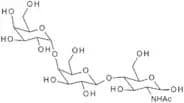

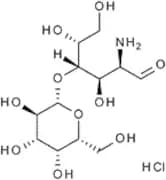
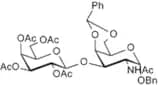
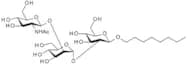
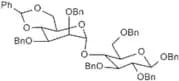
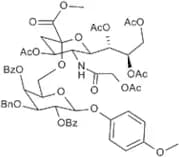
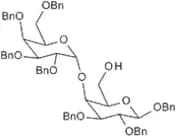



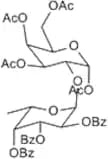

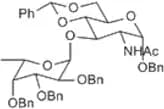
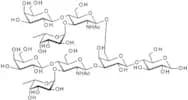
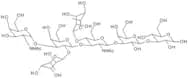
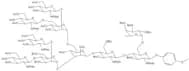
![GlcNPhth[346Ac]b(1-3)Gal[246Bn]-b-MP](/_next/image/?url=https%3A%2Fstatic.cymitquimica.com%2Fproducts%2F3D%2Fthumb-webp%2FOG60594.webp&w=3840&q=75)
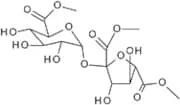
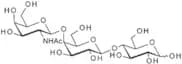
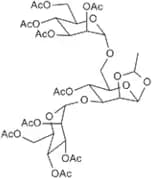
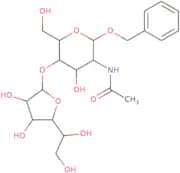
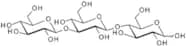
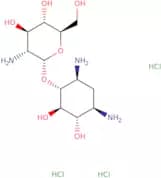
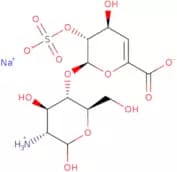
![(5aR,10aR)-Tetrahydro-3H,5H,8H,10H-bisthiazolo[3,4-a:3',4'-d]pyrazine-5,10-dione](/_next/image/?url=https%3A%2Fstatic.cymitquimica.com%2Fproducts%2F3D%2Fthumb-webp%2FIT145578.webp&w=3840&q=75)

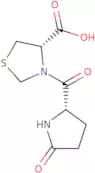



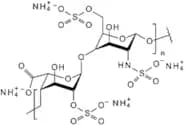
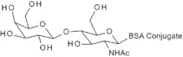
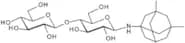
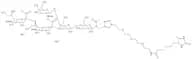


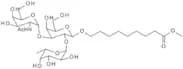
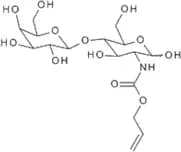
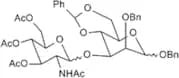
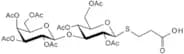
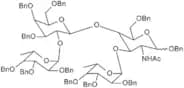
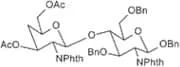
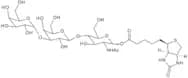
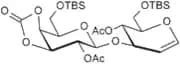
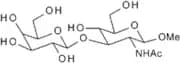
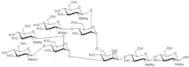

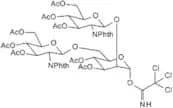
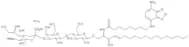
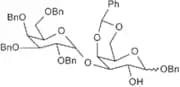

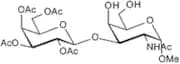
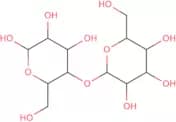
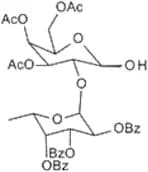



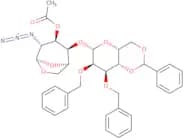
![Blood group A trisaccharide-APE-[biotin]-BSA](/_next/image/?url=https%3A%2Fstatic.cymitquimica.com%2Fproducts%2F3D%2Fthumb-webp%2FOT02519.webp&w=3840&q=75)

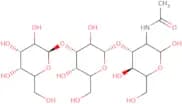
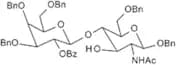
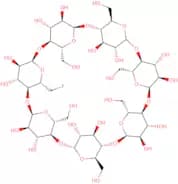
![1-D-a-Galactopyranosyl-4-O-[1-(2-octadecylthioethyl)-(b-D-galactopyranoside)]](/_next/image/?url=https%3A%2Fstatic.cymitquimica.com%2Fproducts%2F3D%2Fthumb-webp%2FOG12060.webp&w=3840&q=75)
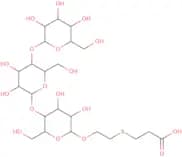
![Methyl 4-O-[4,6-O-benzylidene)-b-D-galactopyranosyl] b-D-glucopyranoside](/_next/image/?url=https%3A%2Fstatic.cymitquimica.com%2Fproducts%2F3D%2Fthumb-webp%2FOM30780.webp&w=3840&q=75)
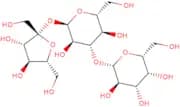
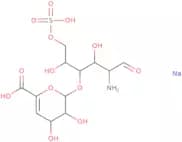
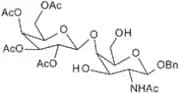
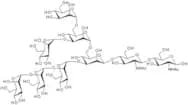
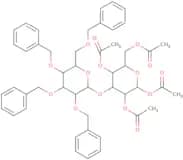
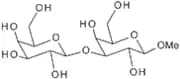
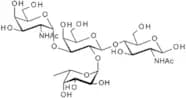
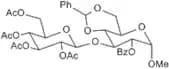
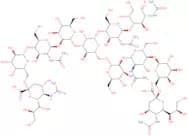

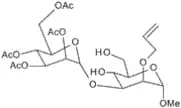



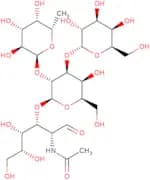
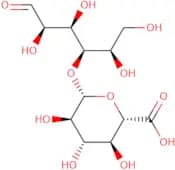
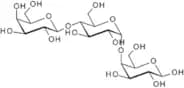
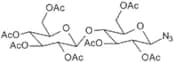
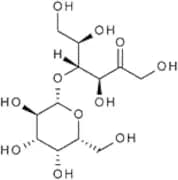
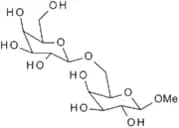
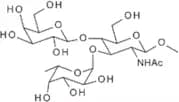
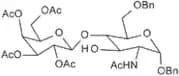
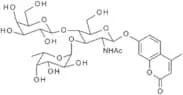
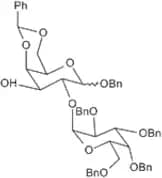

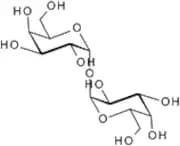
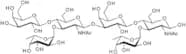
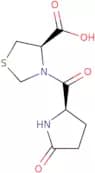
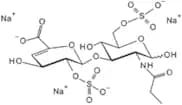
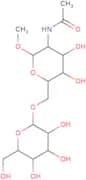
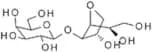
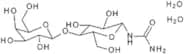
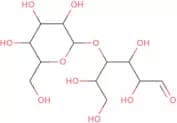

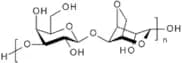
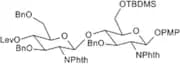
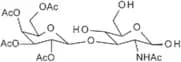
![[UL-13C18]Maltotriose hydrate](/_next/image/?url=https%3A%2Fstatic.cymitquimica.com%2Fproducts%2F3D%2Fthumb-webp%2FOM45239.webp&w=3840&q=75)
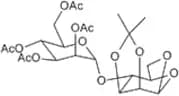
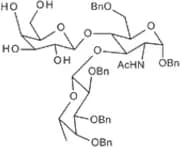
![[12-C13]-Lactose monohydrate](/_next/image/?url=https%3A%2Fstatic.cymitquimica.com%2Fproducts%2F3D%2Fthumb-webp%2FOL57713.webp&w=3840&q=75)
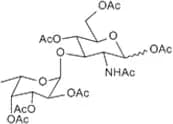
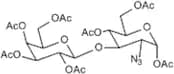
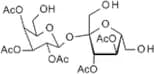
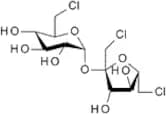

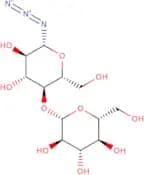
![[UL-13C6glc]Lactose monohydrate](/_next/image/?url=https%3A%2Fstatic.cymitquimica.com%2Fproducts%2F3D%2Fthumb-webp%2FOL16272.webp&w=3840&q=75)
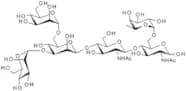
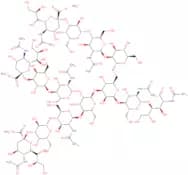
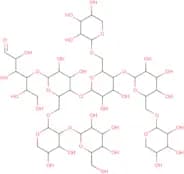
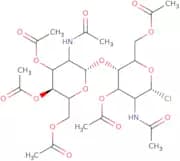
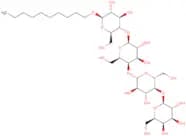
![4-O-[3-O-(2-Acetamido-2-deoxy-a-D-galactopyranosyl)-b-D-galactopyranosyl]-D-glucose](/_next/image/?url=https%3A%2Fstatic.cymitquimica.com%2Fproducts%2F3D%2Fthumb-webp%2FOA10409.webp&w=3840&q=75)