Sulfonamides and Derivatives
Found 2596 products of "Sulfonamides and Derivatives"
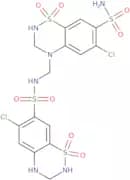
Hydrochlorothiazide impurity C
CAS:Hydrochlorothiazide is a sulfonamide that inhibits the activity of the enzyme, angiotensin-converting enzyme (ACE), which is responsible for converting angiotensin I to the potent vasoconstrictor, angiotensin II. It also has antihypertensive effects by blocking the production of aldosterone, which causes sodium retention and leads to high blood pressure. It is a byproduct in reactions with substances such as valsartan. Hydrochlorothiazide may react chemically with other medicines such as ampicillin and cefaclor.
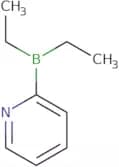
Formula:C15H16Cl2N6O8S4Purity:Min. 95%Color and Shape:White PowderMolecular weight:607.49 g/mol2- (Diethylboryl)pyridine
CAS:2- (Diethylboryl)pyridine is a custom synthesis drug product that is used in research and development for the treatment of cancer. 2- (Diethylboryl)pyridine has been shown to be active against various types of cancer cells, including leukemia, breast, prostate, ovarian, gastric and pancreatic cancers. This compound can also be used as an impurity standard for HPLC analysis.Formula:C9H14BNPurity:Min. 95%Molecular weight:147.03 g/molMethyl 4-hydroxy-2H-1,2-benzothiazine-3-carboxylate 1,1-dioxide
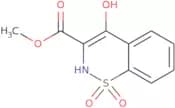
CAS:Methyl 4-hydroxy-2H-1,2-benzothiazine-3-carboxylate 1,1-dioxide (MTBC) is a drug target that is a carboxylate. MTBC has been shown to have potent inhibition activity against benzothiazine oxidases. MTBC can be used as an inhibitor of enzymes involved in the biosynthesis of benzothiazines and may be useful for the treatment of diseases such as Parkinson's disease and schizophrenia. The inhibition potential of MTBC has been unraveled through its interaction with peroxidases and other oxidases. In vitro studies have shown that MTBC can inhibit the oxidation of low molecular weight compounds by acting as a scavenger for hydrogen peroxide. This drug also exhibits unsymmetrical dehydration to produce methyl 4-(hydroxyamino)-2H-1,2-benzothiazine 1,1-dioxoate (MTBA), which is anFormula:C10H9NO5SPurity:Min. 95 Area-%Color and Shape:PowderMolecular weight:255.25 g/mol3,4-Dihydro-4-hydroxy-2-methyl-2H-1,2-benzothiazine-3-carboxylic acid ethyl ester 1,1-dioxide
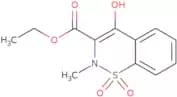
CAS:3,4-Dihydro-4-hydroxy-2-methyl-2H-1,2-benzothiazine-3-carboxylic acid ethyl ester 1,1-dioxide is a synthetic sulfoxide that is used as an antiinflammatory drug. It is a stable compound that can be used in the production of dimethyl sulfoxide and piroxicam. The purity of this compound is greater than 99.5%.Formula:C12H13NO5SPurity:Min. 95%Molecular weight:283.3 g/mol4-Amino-6-chloro-benzene-1,3-disulfonic acid 1-amide 3-ethylamide
CAS:4-Amino-6-chloro-benzene-1,3-disulfonic acid 1-amide 3-ethylamide is an analytical standard that is used in drug development and as a reference material. It is used to produce the USP/NF standard for HPLC and to develop new drugs. This compound is a metabolite of the drug clonidine hydrochloride. 4-Amino-6-chloro-benzene-1,3-disulfonic acid 1-amide 3-(ethylamide) is also known by its CAS number 166863–9. It has a molecular weight of 328.5 g/mol and it's been approved by the FDA for use in food animals. Impurities found in this compound are: methanol, acetone, formic acid, acetic acid, chloroform and sulfamic acid. This product can be custom synthesized or obtained from natural sources such as plantFormula:C8H12ClN3O4S2Purity:Min. 95%Molecular weight:313.78 g/molSaccharin N-(2-acetic acid isopropyl ester)
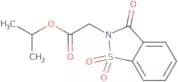
CAS:Saccharin is a drug product that consists of saccharin N-isopropyl ester and an impurity standard. Saccharin is a synthetic sweetener that is found in the leaves of the herbaceous perennial S. dulcis, which has been used as a natural sweetener for centuries. Saccharin can be metabolized by humans to form 2-acetic acid and 4-methyl-1,2,3-thiadiazole (MTT) as a byproduct. The metabolite MTT may cause cancer in animals, but this has not been confirmed in humans. The pharmacopoeia specifies the purity of saccharin as 98% or greater. Metabolite standards are also provided for research purposes.Formula:C12H13NO5SPurity:Min. 95%Molecular weight:283.3 g/molTorasemide EP Impurity D
CAS:Torasemide EP Impurity D is a drug product or impurity. It is an analytical standard for purity testing of torasemide. Torasemide EP Impurity D is also a metabolite of torasemide and can be found in urine as well as other tissues. It is natural, but not naturally occurring. Research and Development studies of this impurity are ongoing to determine its pharmacological activity and niche applications.
Formula:C17H22N4O3SPurity:Min. 95%Molecular weight:362.45 g/mol2-Hydroxy-5-[2-[4-(2-imino-1(2H)-pyridinyl)phenyl]diazenyl]-benzoic acid
CAS:2-Hydroxy-5-[2-[4-(2-imino-1(2H)-pyridinyl)phenyl]diazenyl]-benzoic acid (DPC) is a drug product that is used in pharmaceutical research and development. It is an impurity standard for HPLC analysis. DPC has been shown to be a metabolite of the drug product 2,6-dimethoxy-N-(3-methylphenyl)pyrimidine-4,6-diamine (DMX), which is used in the treatment of cancer. Impurities standards are important for ensuring the quality of drugs and ensuring that they are safe for human use. This product can also be synthesized from commercially available amino acids.Formula:C18H14N4O3Purity:85%MinMolecular weight:334.33 g/molN-(4-Hydroxyphenyl)propanamide
CAS:The N-(4-hydroxyphenyl)propionamide (HPPA) is a synthetic drug that binds to the human liver. It has been shown to be effective in preventing implantation of fertilized eggs, and can be used as a diagnostic agent for determining the presence of HPPA in human liver tissue. HPPA is also used as a diluent for other drugs. The HPPA binds to chromatographic components and can be detected using electrochemical detection, which allows it to be used as a targetable probe for cancer research. HPPA is also used to study iontophoretic transport of ions across reconstituted membranes in vitro.Formula:C9H11NO2Purity:(%) Min. 97%Molecular weight:165.19 g/mol4'-Hydroxy aceclofenac
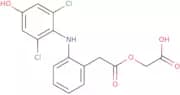
CAS:Aceclofenac is a nonsteroidal anti-inflammatory drug (NSAID) that inhibits the production of prostaglandins, which are produced by inflammatory cells in response to tissue injury. It is used to treat pain and inflammation. Aceclofenac is absorbed quickly from the gastrointestinal tract and has a high bioavailability. The maximum plasma concentration is reached within 1 hour after oral administration. Aceclofenac has a short half-life of about 2 hours. This drug binds to fatty acids and hepatoprotective substances, such as polymers, pyruvic transaminase, acetate extract, and humans. It also inhibits the transcription of cyclooxygenase-2 (COX-2), which produces prostaglandins that are involved in various aspects of inflammation.
Formula:C16H13Cl2NO5Purity:Min. 95%Molecular weight:370.18 g/mol4-(Acetylamino)-3-bromobenzenesulfonyl chloride
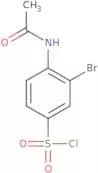
CAS:4-(Acetylamino)-3-bromobenzenesulfonyl chloride is a white crystalline powder that is soluble in water, ethanol and chloroform. It has an analytical standard purity of 99% or greater. This compound can be used for research and development purposes as well as for the synthesis of pharmaceuticals. The impurity profile of 4-(acetylamino)-3-bromobenzenesulfonyl chloride includes 3-acetylbenzenesulfonic acid, sodium acetate, ammonium chloride, sodium sulfite, potassium bromide, potassium iodide, potassium carbonate, and potassium citrate.
Formula:C8H7BrClNO3SPurity:Min. 95%Molecular weight:312.57 g/molIbuprofen EP impurity H
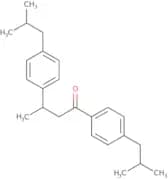
CAS:Ibuprofen EP impurity H is an impurity of ibuprofen. It is a white crystalline powder with a melting point of 182-184°C and a molecular weight of 253.3. Ibuprofen EP impurity H can be synthesized in high purity by reacting 4-bromobenzenesulfonyl chloride with 2-hydroxybenzoic acid in the presence of triethylamine. This impurity has been used as a standard for drug product analysis, pharmacopoeia standards, drug development, and metabolism studies. Ibuprofen EP impurity H can be identified by HPLC using a retention time of 17.2 minutes and an UV absorption maximum at 254 nm.
Formula:C24H32OPurity:Min. 95%Molecular weight:336.51 g/molAceclofenac ethyl ester
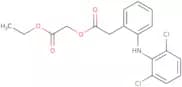
CAS:Aceclofenac ethyl ester is a prodrug of diclofenac. It is a non-steroidal anti-inflammatory drug that alleviates the symptoms of pain, stiffness, and swelling. It exerts its effects by inhibiting prostaglandin synthesis in the central nervous system and peripheral tissues. Aceclofenac ethyl ester has minimal systemic absorption when administered orally, which reduces the risk of side effects such as stomach upset and kidney damage. The pharmacopoeia provides an efficient method for preparing this compound by reacting diclofenac with magnesium stearate in a solvent containing an organic amine or alcohol at temperatures below 50°C (122°F). Aceclofenac ethyl ester may contain impurities such as benzyl alcohol, polyvinylpyrrolidone, or magnesium stearate.
Formula:C18H17Cl2NO4Purity:Min. 95 Area-%Color and Shape:PowderMolecular weight:382.24 g/mol2-(4-(Benzylamino)-2-ethylbutyl)-5,6-dimethoxy-2,3-dihydroinden-1-one hydrochloride
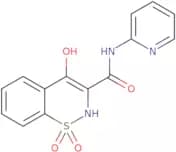
CAS:2-(4-(Benzylamino)-2-ethylbutyl)-5,6-dimethoxy-2,3-dihydroinden-1-one hydrochloride is a drug product used as an analytical standard for HPLC. It is a natural metabolite from the metabolism of lisinopril and other prodrugs. This impurity is found in drugs that are metabolized by cytochrome P450 enzymes including lisinopril, captopril, enalapril and benazepril. The impurity may be present in drugs with a niche market such as captopril and benazepril or drugs with a high purity such as enalapril. 2-(4-(Benzylamino)-2-ethylbutyl)-5,6-dimethoxy-2,3-dihydroinden-1-one hydrochloride is typically synthesized by the reaction of 4-(benzylaminoFormula:C24H31NO3•HClPurity:Min. 95 Area-%Color and Shape:PowderMolecular weight:417.97 g/mol4-Hydroxy-N-2-pyridinyl-2H-1,2-benzothiazine-3-carboxamide-1,1-dioxide
CAS:4-Hydroxy-N-2-pyridinyl-2H-1,2-benzothiazine-3-carboxamide-1,1dioxide is a drug product that is used as an analytical reference material. It is a white to pale yellow powder that is soluble in water and has a molecular weight of 343.4 g/mol. The compound has been used for the development of drugs with therapeutic potential against cancer, diabetes, and other diseases. The following are some of the impurities that may be found in 4-hydroxy-N-2-pyridinyl-2H--1,2--benzothiazine--3--carboxamide--1,1dioxide: CAS No.: 65897 - 46 - 3 Molecular weight: 343.4 g/mol Melting point: Boiling point: Density: 1.7 g/cmFormula:C14H11N3O4SPurity:Min. 95%Molecular weight:317.32 g/mol2-[[4-(2-Pyridylsulfamoyl)phenyl]azo]hydroxybenzene
CAS:2-[[4-(2-Pyridylsulfamoyl)phenyl]azo]hydroxybenzene is an impurity found in sulfasalazine. It is a metabolite that is formed by the P450 system in the liver. The metabolic process of 2-[[4-(2-Pyridylsulfamoyl)phenyl]azo]hydroxybenzene has been studied in detail and has been shown to be a major contributor to the pharmacokinetic profile of sulfasalazine. This substance also exhibits antimicrobial activity and inhibits the growth of bacteria, fungi, and viruses.
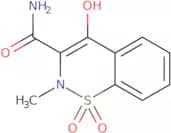
Formula:C17H14N4O3SPurity:Min. 95%Molecular weight:354.38 g/mol4-Hydroxy-2-methyl-2H-1,2-benzothiazine-3-carboxamide 1,1-dioxide
CAS:This is a white crystalline compound that has been shown to be effective against glutamic acid-sensitive L-amino acid decarboxylase. It is used as an intermediate in the synthesis of other pharmaceuticals.
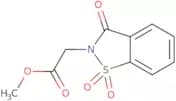
Formula:C10H10N2O4SPurity:Min. 95%Molecular weight:254.26 g/mol3-Oxo-1,2-benzoisothiazoline-2-acetic acid methyl ester 1,1-dioxide
CAS:Meloxicam is a nonsteroidal anti-inflammatory drug that is used in the treatment of osteoarthritis and rheumatoid arthritis. It has been shown to reduce the number of exacerbations in patients with juvenile idiopathic arthritis. Meloxicam also inhibits the production of Cox-2, which is an enzyme that produces inflammation in joints. The oral route of administration allows meloxicam to be distributed through the body. This drug is not active against ankylosing spondylitis and it should not be taken by pregnant women or children under 12 years old.
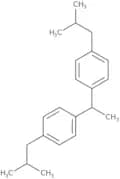
Formula:C10H9NO5SPurity:Min. 95%Molecular weight:255.25 g/mol1,1-Bis(p-isobutylphenyl)ethane
CAS:1,1-Bis(p-isobutylphenyl)ethane is an acid catalyst that can be used in the synthesis of alkyl esters. It is unreactive at high temperatures and can be reused many times. 1,1-Bis(p-isobutylphenyl)ethane is also a component of catalytic carbonylation reactions. It reacts with acetaldehyde to form a metal carbonyl complex, which then reacts with a carbon monoxide molecule to form an ester. Carbonylation reactions are often used to synthesize organic compounds from alkyl halides or alcohols. Carbonylation reactions are catalyzed by metal carbonyls, such as palladium and nickel complexes.
Formula:C22H30Purity:Min. 95%Molecular weight:294.47 g/molHydrocortisone EP Impurity H
Hydrocortisone EP Impurity H is an analytical standard that is used as an impurity in the production of hydrocortisone. It has been shown to have a purity level of 99.5% and can be used as a reference standard for HPLC analysis. Hydrocortisone EP Impurity H can also be used as a reference standard for drug product development, API impurities, and drug metabolite identification.
Formula:C21H30O6Purity:Min. 95%Molecular weight:378.46 g/molHydroflumethiazide
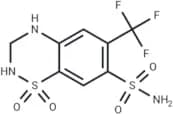
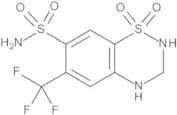
CAS:Hydroflumethiazide is a thiazide diuretic. It has also shown the activity of anti-hypertensive.Formula:C8H8F3N3O4S2Color and Shape:Crystals SolidMolecular weight:331.29Altizide
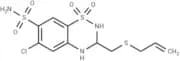
CAS:Altizide is a thiazide diuretic. It is used to treat oedema and hypertension.Formula:C11H14ClN3O4S3Purity:98%Color and Shape:SolidMolecular weight:383.89Licogliflozin
CAS:Licogliflozin (LIK066) is an inhibitor of sodium-glucose cotransporter (SGLT1 and SGLT2).Formula:C23H28O7Purity:98%Color and Shape:SolidMolecular weight:416.46Pyroxasulfone
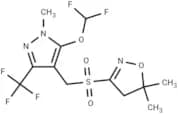
CAS:Pyroxasulfone is a pre-emergence herbicide that inhibits long-chain fatty acid production in plants.Formula:C12H14F5N3O4SPurity:99.73%Color and Shape:SolidMolecular weight:391.31Mefruside
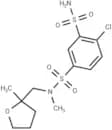
CAS:Mefruside is an orally effective diuretic that reduces tubular reabsorption of electrolytes and water, studying edema and hypertension.Formula:C13H19ClN2O5S2Purity:99.29%Color and Shape:SolidMolecular weight:382.883-Chloro-4-hydroxyacetanilide
CAS:3-Chloro-4-hydroxyacetanilide is a chemical compound that belongs to the class of acetanilides. It has long-term toxicity and is used as a drug substance in the production of aniline derivatives. 3-Chloro-4-hydroxyacetanilide has been shown to be carcinogenic in hamsters. The long term exposure to this chemical was shown to cause liver damage and increased incidence of tumours in rats. This drug also contains impurities and traces of chloride, chlorine, and thionyl chloride, which are toxic substances that can cause irritation or burns on contact with skin or eyes.
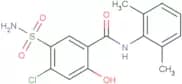
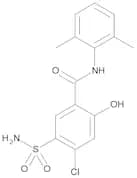
Formula:C8H8ClNO2Purity:Min. 95%Molecular weight:185.61 g/molXipamide
CAS:Xipamide (Diurexan) is a sulfonamide-based diuretic with antihypertensive properties. Xipamide selectively inhibits anion exchanger.Formula:C15H15ClN2O4SPurity:99.91%Color and Shape:SolidMolecular weight:354.81Vaborbactam
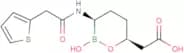
CAS:Vaborbactam (RPX7009) is a β-lactamase inhibitor that is often used in conjunction with meropenem to study pneumonia and CRE infections.Formula:C12H16BNO5SPurity:97.29% - 98.81%Color and Shape:SolidMolecular weight:297.14Brodimoprim
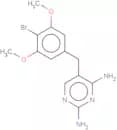
CAS:Brodimoprim is an inhibitor of dihydrofolate reductase(DHFR).Formula:C13H15BrN4O2Purity:98% - 99.71%Color and Shape:SolidMolecular weight:339.19Foramsulfuron
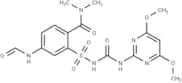
CAS:Foramsulfuron is a potent ALS inhibitor and herbicide that inhibits plant growth, primarily targeting grass and broadleaf weeds in corn fields.Formula:C17H20N6O7SPurity:98.42%Color and Shape:SolidMolecular weight:452.44Amtolmetin guacil
CAS:Amtolmetin guacil (ST-679) 抑制前列腺素合成和环氧合酶。 Amtolmetin guacil 具有与托美汀类似的 NSAID 特性,具有额外的镇痛、解热和胃保护特性。Formula:C24H24N2O5Purity:99.85%Color and Shape:White Needle-Shaped CrystalMolecular weight:420.46Glibornuride
CAS:Glibornuride is a blocker of ATP-sensitive K+ channel(pKi: 5.75).Formula:C18H26N2O4SPurity:99.5%Color and Shape:SolidMolecular weight:366.48Ref: TM-T15385
1mg71.00€5mg152.00€10mg236.00€25mg409.00€50mg580.00€100mg803.00€1mL*10mM (DMSO)167.00€Bromfenac Related Compound A
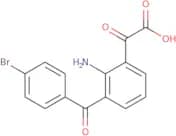
CAS:Bromfenac Related Compound A is a chemical impurity, which is often encountered during the synthesis and formulation of bromfenac, a non-steroidal anti-inflammatory drug (NSAID). This compound arises as a byproduct in the chemical synthetic pathway utilized in the production of bromfenac, necessitating stringent analytical methods to ensure product purity and compliance with pharmaceutical standards.The mode of action for Bromfenac Related Compound A itself is not typically characterized, as it is primarily the parent compound, bromfenac, that is pharmacologically active. Bromfenac works by inhibiting cyclooxygenase enzymes (COX-1 and COX-2) that mediate inflammatory processes. However, the related compound is investigated to understand the synthesis intricacies and to refine processes that limit its formation.Understanding and controlling the levels of Bromfenac Related Compound A is crucial in pharmaceutical applications, as the presence of impurities can affect the efficacy, safety, and overall quality of the drug product. Analytical chemists and pharmaceutical scientists study this compound extensively using chromatographic and spectroscopic techniques to ensure drug safety and compliance with regulatory guidelines.Formula:C15H10BrNO4Molecular weight:348.15 g/molTribenuron
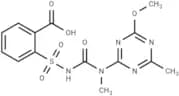
CAS:Tribenuron, a slow acting sulfonylurea herbicide, controls broadleaf weed.
Formula:C14H15N5O6SColor and Shape:SolidMolecular weight:381.36Ref: 4Z-B-4772
Discontinued productRef: 4Z-M-5326
Discontinued productRef: 4Z-M-5315
Discontinued productRef: 4Z-Z-039
Discontinued productRef: 4Z-B-5135
Discontinued productRef: 4Z-B-5125
Discontinued productRef: 4Z-P-2523
Discontinued productRef: 4Z-S-052003
Discontinued productMetamizole EP Impurity E
CAS:Formula:C12H15N3O4SColor and Shape:White To Off-White SolidMolecular weight:297.33Ref: 4Z-M-538
Discontinued productRef: 4Z-I-0479
Discontinued productRef: 4Z-T-10304
Discontinued productRef: 4Z-P-218005
Discontinued productRef: 4Z-B-4786
Discontinued productRef: 4Z-M-5327
Discontinued productRef: 4Z-B-4780
Discontinued productRef: 4Z-G-050026
Discontinued productHydrochlorothiazide-d2
CAS:Formula:C9H8NO4D3Color and Shape:White To Off-White SolidMolecular weight:299.75Ref: 4Z-H-053
Discontinued productRef: 4Z-M-5328
Discontinued productRef: 4Z-T-10305
Discontinued productRef: 4Z-S-175004
Discontinued productRef: 4Z-B-4773
Discontinued productRef: 4Z-A-0244
Discontinued productRef: 4Z-B-4771
Discontinued productRef: 4Z-F-2116
Discontinued productRef: 4Z-P-2524
Discontinued productRef: 4Z-P-218004
Discontinued productRef: 4Z-I-1228
Discontinued productRef: 4Z-C-140018
Discontinued productRef: 4Z-G-0516
Discontinued productRef: 4Z-I-1315
Discontinued productRef: 4Z-I-1344
Discontinued productRef: 4Z-I-1247
Discontinued productRef: 4Z-B-4770
Discontinued productRef: 4Z-G-050025
Discontinued productRef: 4Z-T-1135
Discontinued productRef: 4Z-M-5323
Discontinued productRef: 4Z-T-1118
Discontinued productRef: 4Z-P-2525
Discontinued productRef: 4Z-A-0248
Discontinued productRef: 4Z-G-1310
Discontinued productRef: 4Z-G-1311
Discontinued productRef: 4Z-M-5332
Discontinued productRef: 4Z-P-2514
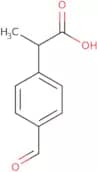
Discontinued product2-(4-Formylphenyl)propionic acid - Racemic
CAS:2-(4-Formylphenyl)propionic acid is a racemic mixture of 2-formylphenylacetic acid and 4-formylphenylacetic acid. This compound is used in the treatment of bacterial infections and inflammation. It is an organic solution that can be injected, administered orally, or applied topically. The 2-(4-formylphenyl)propionic acid has been shown to have anti-inflammatory properties, but also has side effects such as skin irritation when it is applied topically. This drug can also cause nausea, vomiting, and diarrhea when administered orally.
Formula:C10H10O3Purity:Min. 95%Color and Shape:White PowderMolecular weight:178.18 g/molRef: 3D-IF27430
Discontinued product


![2-Hydroxy-5-[2-[4-(2-imino-1(2H)-pyridinyl)phenyl]diazenyl]-benzoic acid](/_next/image/?url=https%3A%2Fstatic.cymitquimica.com%2Fproducts%2F3D%2Fthumb-webp%2FIH145665.webp&w=3840&q=75)

![2-[[4-(2-Pyridylsulfamoyl)phenyl]azo]hydroxybenzene](/_next/image/?url=https%3A%2Fstatic.cymitquimica.com%2Fproducts%2F3D%2Fthumb-webp%2FIP27340.webp&w=3840&q=75)