Botanical Source
Found 519 products for "Botanical Source".
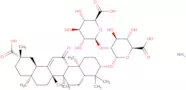
Glycyrrhizin monoammonium
CAS:Glycyrrhizin is a natural triterpenoid and the main active ingredient of licorice. In humans, the main side effects are increasing blood pressure (hypertension) and of enhancing the risk of hypokalemia-induced disorders, i.e. caused by low potassium levels in blood (Omar, 2012). Used as a flavouring agent, glycyrrhizin is the triterpenoid compound behind the sweet taste of licorice. Glycyrrhizin is naturally present at concentrations up to 25% in the roots of the Glycyrrhiza glabra. In mice, rats, and human cancer cell lines, glycyrrhizin is an antioxidant and a DNA-protective agent with additional, multiple anticancer activities.Formula:C42H65NO16Purity:Min. 95%Color and Shape:PowderMolecular weight:839.96 g/molEpimedin A
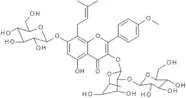
CAS:Epimedin A is a naturally occurring flavonoid glycoside, which is a type of compound found in certain plants, specifically within the Berberidaceae family. The primary source of this compound is the plant genus Epimedium, commonly known as Horny Goat Weed. Epimedin A acts by influencing various biological pathways, primarily modulating nitric oxide levels and influencing the signaling pathways associated with cellular proliferation and differentiation.Formula:C39H50O20Purity:Min. 95%Color and Shape:Yellow SolidMolecular weight:838.8 g/molGinsenoside Ro
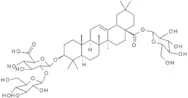
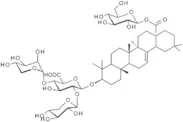
CAS:Ginsenoside Ro is a triterpenoid saponin, which is a secondary metabolite found primarily in Panax ginseng. This compound is isolated from the roots of the ginseng plant, a source well-documented for its rich array of bioactive constituents. Ginsenoside Ro functions through various biochemical pathways, including modulating inflammatory signaling cascades and exhibiting antioxidant activity. It interacts with molecular targets such as enzymes and receptors involved in the inflammatory response, thereby exerting its effects on cellular processes.Formula:C48H76O19Purity:Min. 95%Color and Shape:PowderMolecular weight:957.13 g/mol(-)-Syringaresnol-4-O-b-D-apiofuranosyl-(1,2)-b-D-glucopyranoside
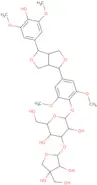
CAS:(-)-Syringaresnol-4-O-β-D-apiofuranosyl-(1,2)-β-D-glucopyranoside is a lignan glycoside, which is a type of secondary metabolite. This compound is primarily derived from plant sources, often isolated from the heartwood of various trees or other lignan-rich plant materials. The extraction typically involves advanced chromatographic techniques that separate and purify it from complex plant matrices.
Formula:C33H44O17Purity:Min. 95%Color and Shape:PowderMolecular weight:712.69 g/molPelargonidin-3-O-sophoroside
Pelargonidin-3-O-sophoroside is a specialized flavonoid glycoside, which is derived from certain plant sources. It is primarily isolated from various fruits and flowers where it contributes to pigmentation, specifically imparting hues such as red and pink. The compound functions through its role as a pigment by absorbing specific wavelengths of light, which can protect the plant tissues from excess UV radiation and attract pollinators.
Purity:Min. 95%20(s)-Ginsenoside Rh2
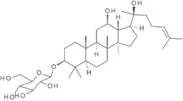
CAS:20(s)-Ginsenoside Rh2 is a bioactive compound classified as a saponin, which is derived from the root of the Panax ginseng plant. This compound exhibits a wide range of pharmacological activities attributed to its ability to modulate cellular pathways. It exerts its mode of action primarily through the regulation of apoptosis, modulation of immune responses, and inhibition of tumor growth. Mechanistically, it interacts with cellular receptors and signaling molecules, influencing pathways such as NF-κB and MAPK, which are crucial in cell proliferation and apoptosis.Formula:C36H62O8Purity:Min. 98 Area-%Color and Shape:PowderMolecular weight:622.89 g/mol20(Z)-Ginsenoside F4
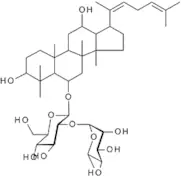
CAS:20(Z)-Ginsenoside F4 is a bioactive compound, which is derived from the traditional medicinal plant, Panax ginseng. This compound is isolated through advanced extraction techniques aimed at preserving its structural integrity. The mode of action of 20(Z)-Ginsenoside F4 involves interacting with cellular pathways, modulating specific signaling cascades, and exhibiting potential anti-inflammatory and anticancer properties.Formula:C42H70O12Purity:Min. 95%Molecular weight:767 g/mola-Glucosylrutin
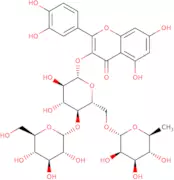
CAS:a-Glucosylrutin is a flavonoid glycoside derivative, which is synthesized from rutin, a natural flavonoid extracted from plants such as buckwheat and citrus fruits, using an enzymatic glucosylation process. The incorporation of glucose enhances its stability and solubility compared to its parent compound, rutin.
Formula:C33H40O21Purity:70%MinColor and Shape:PowderMolecular weight:772.66 g/molNotoginsenoside R1
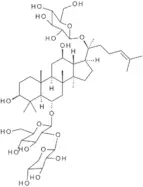
CAS:Notoginsenoside R1 is a saponin compound, which is a key bioactive ingredient derived from the roots of Panax notoginseng, a well-known traditional medicinal plant. This product is renowned for its diverse pharmacological activities, particularly its anti-inflammatory and antioxidant effects. The mode of action of Notoginsenoside R1 involves modulating various signaling pathways, including the NF-κB and MAPK pathways, which are pivotal in regulating the body's inflammatory response. Additionally, it exhibits the ability to scavenge free radicals, contributing to its antioxidative properties.
Formula:C47H80O18Purity:Min. 95%Color and Shape:White PowderMolecular weight:933.15 g/molVitexin-2-O-rhamnoside
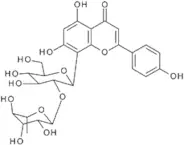
CAS:Vitexin-2-O-rhamnoside is a naturally occurring flavonoid glycoside, which is primarily sourced from various medicinal plants, including certain species within the plant family Lamiaceae. This compound is known for its unique molecular structure, where the flavonoid vitexin is bound to a rhamnose sugar moiety at the 2-O position. Its mode of action involves antioxidative, anti-inflammatory, and potential cardioprotective properties, which are attributed to its ability to modulate signaling pathways, scavenge free radicals, and inhibit pro-inflammatory mediators.Formula:C27H30O14Purity:Min. 95%Color and Shape:Yellow PowderMolecular weight:578.52 g/molEmpagliflozin 6-O-b-D-glucuronide
Empagliflozin 6-O-β-D-glucuronide is a metabolite of the drug empagliflozin, which is a type of product known as a sodium-glucose co-transporter 2 (SGLT2) inhibitor. This compound is derived from the in vivo metabolism of empagliflozin, originally sourced from synthetic pathways designed to enhance the management of type 2 diabetes mellitus. Its mode of action involves the facilitation of glucose excretion through the kidneys by inhibiting renal reabsorption of glucose, thus lowering blood glucose levels.
Formula:C29H35ClO13Purity:Min. 95%Molecular weight:627.03 g/molScandoside methyl ester
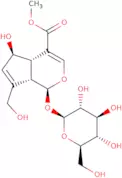
CAS:Scandoside methyl ester is a naturally occurring iridoid glycoside derivative, which is typically isolated from certain plant species, particularly those in the genus Scrophularia. This compound is part of a class of secondary metabolites known for their diverse biological activities. Its mechanism of action is often linked to its ability to interact with various biological pathways, including those involved in anti-inflammatory and antioxidant responses. Researchers have explored its potential to inhibit specific enzymes and modulate signaling pathways.
Formula:C17H24O11Purity:Min. 95%Color and Shape:PowderMolecular weight:404.37 g/molPhloretin 2'-O-xylosyl-glucoside
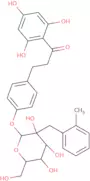
CAS:Phloretin 2'-O-xylosyl-glucoside is a natural glycoside compound, which is derived from the xylosylation and glucosylation of phloretin, commonly found in certain fruits like apples. It is a biochemical derivative formed through enzymatic reactions involving specific glycosyltransferases in plant tissues. The mode of action of this compound primarily involves its antioxidant properties, where it serves to neutralize free radicals and reduce oxidative stress within biological systems.
Formula:C26H32O14Purity:Min. 95%Molecular weight:568.52 g/molMomordin 2e
CAS:Momordin 2e is a cucurbitane triterpenoid compound, which is derived from natural plant sources, particularly within the gourd family, Cucurbitaceae. This product has garnered attention due to its bioactive properties, primarily identified in plants such as bitter melon (Momordica charantia).
Formula:C52H82O22Purity:Min. 95%Molecular weight:1,059.19 g/molNaringin dihydrochalcone
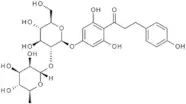
CAS:Naringin dihydrochalcone, sometimes abbreviated to naringin DC, is an artificial sweetener derived from naringin, a bitter compound found in citrus. Naringin dihydrochalcone is a phloretin glycoside, 500 - 700 times sweeter than sucrose.Formula:C27H34O14Purity:Min. 95%Color and Shape:White PowderMolecular weight:582.55 g/molRebaudioside I
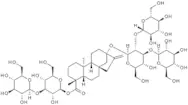
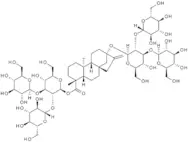
CAS:Rebaudioside I is a steviol glycoside, which is a high-intensity sweetener derived from the leaves of the Stevia rebaudiana plant. As a natural compound, it is extracted and purified through a water or alcohol-based process from the plant’s leaves, which have been traditionally used for their sweetening properties.
Formula:C50H80O28Purity:Min. 95%Color and Shape:White PowderMolecular weight:1,129.15 g/molRebaudioside M
CAS:Rebaudioside M is a high-potency sweetener, which is derived from the Stevia rebaudiana plant. It is one of the glycosides found in the leaves of this plant, often extracted and purified for use in a variety of applications. The mode of action for Rebaudioside M involves interacting with taste receptors on the tongue to produce a sweet sensation, without contributing calories or affecting blood glucose levels. This makes it particularly appealing for use in low-calorie and diabetic-friendly products.Formula:C56H90O33Purity:Min. 95%Color and Shape:White PowderMolecular weight:1,291.29 g/molNaringin 4'-O-glucoside
Naringin 4'-O-glucoside is a flavonoid glucoside, which is a metabolite derived from citrus fruits, particularly grapefruit. It is characterized by the attachment of a glucose molecule to the naringin flavonoid structure, which enhances its water solubility and absorption in biological systems.Formula:C33H42O19Purity:Min. 95%Molecular weight:742.68 g/molStevioside - min 75%
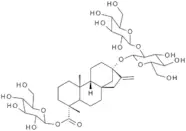
CAS:Stevioside - min 75% is a high-purity glycoside compound that functions as a natural sweetener. It is derived from the leaves of the Stevia rebaudiana plant, a member of the Asteraceae family, which is native to Paraguay and Brazil. This compound works by interacting with the sweet receptors on the tongue, specifically the TAS1R2 and TAS1R3 receptors, to provide a sweet taste sensation that is several hundred times sweeter than sucrose, without contributing to caloric intake.Formula:C38H60O18Purity:(%) Min. 75%Color and Shape:White PowderMolecular weight:804.87 g/molGinsenoside Rg6
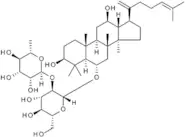
CAS:Ginsenoside Rg6 is a saponin compound, which is a naturally occurring glycoside found in the plant species Panax ginseng. Ginsenosides are the active pharmacological components of ginseng, recognized for their diverse bioactive properties. Ginsenoside Rg6 specifically acts by modulating multiple signaling pathways, exhibiting effects such as anti-inflammatory and antioxidant actions. It interacts with cellular mechanisms to inhibit the production of pro-inflammatory cytokines and reactive oxygen species.Formula:C42H70O12Purity:Min. 95%Color and Shape:White PowderMolecular weight:767 g/mol