Botanical Source
The Botanical Source category encompasses a diverse range of plant-derived compounds and extracts used in research and product development. These botanical sources include various herbs, trees, and shrubs that provide bioactive compounds for use in pharmaceuticals, cosmetics, and nutritional supplements. At CymitQuimica, we offer a comprehensive selection of botanical sources to support research in natural product chemistry, pharmacology, and traditional medicine.
Found 1459 products of "Botanical Source"
Sort by
Purity (%)
0
100
|
0
|
50
|
90
|
95
|
100
Silydianin
CAS:Silydianin, an active constituent of Silybium marianum, has inhibitory effect on on the in vitro production and release of oxidative products. Silydianin has possible antiinflammatory activity, which regulates caspase-3 activation, affects cell membranes and acts as a free radical scavenger.Formula:C25H22O10Purity:95%~99%Molecular weight:482.441Flavokawain B
CAS:Flavokawain B, the hepatotoxic constituent from kava root, induces GSH-sensitive oxidative stress through modulation of IKK/NF-κB and MAPK signaling pathways. Flavokawain B has potent anti-inflammatory, and anti-cancer activities, it can significantly inhibit production of NO and PGE2 in LPS-induced RAW 264.7 cells. Flavokawain B acts through ROS generation and GADD153 up-regulation to regulate the expression of Bcl-2 family members, thereby inducing mitochondrial dysfunction and apoptosis in HCT116 cells.Formula:C17H16O4Purity:95%~99%Color and Shape:Yellow powderMolecular weight:284.311Glycyrrhizic acid
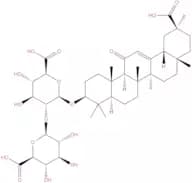
CAS:Glycyrrhizic acid has immunoregulatory function,it(up to 100 mg/ml) can inhibit interleukin-6 and elevate interleukin-10 production in lipopolysaccharide-activated macrophages, and significantly inhibit proliferation of spleen lymphocytes; rectally administered glycyrrhizic acid has significant protective effects against TNBS-induced colitis in rats.Formula:C42H62O16Purity:95%~99%Color and Shape:PowderMolecular weight:822.942Quercetagetin
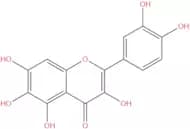
CAS:Quercetagetin may be a potent inhibitor of the STAT1 signal, which could be a new molecular target for anti-inflammatory treatment, and may thus have therapeutic applications as an immune modulator in inflammatory diseases such as AD. It has stronger inhibitory effects on the protein and mRNA expression of TARC and MDC than other flavonoids.Formula:C15H10O8Purity:95%~99%Molecular weight:318.237Liquiritin
CAS:Liquiritin, a flavone compound derived from Glycyrrhiza uralensis, it can effectively reverse alteration in immobility time and sucrose consumption, can increase SOD activity, inhibit lipid peroxidation, and lessen production of MDA, demonstrates that a potential antidepressant-like effect of liquiritin treatment on chronic variable stress can induce depression model rats, which might be related to defense of liquiritin against oxidative stress.Formula:C21H22O9Purity:95%~99%Color and Shape:PowderMolecular weight:418.398