Monosaccharides
Monosaccharides are the simplest form of carbohydrates and serve as fundamental building blocks for more complex sugars and polysaccharides. These single sugar molecules play critical roles in energy metabolism, cellular communication, and structural components of cells. In this section, you will find a wide variety of monosaccharides essential for research in biochemistry, molecular biology, and glycoscience. These compounds are crucial for studying metabolic pathways, glycosylation processes, and developing therapeutic agents. At CymitQuimica, we offer high-quality monosaccharides to support your research needs, ensuring precision and reliability in your scientific investigations.
Subcategories of "Monosaccharides"
- Alloses(11 products)
- Arabinoses(21 products)
- Erythroses(11 products)
- Fructoses(9 products)
- Fucoses(36 products)
- Galactosamine(41 products)
- Galactose(261 products)
- Glucoses(365 products)
- Glucuronic Acids(51 products)
- Glyco-substrates for Enzyme(77 products)
- Guloses(6 products)
- Idoses(4 products)
- Inositols(15 products)
- Lyxoses(4 products)
- Mannoses(65 products)
- O-Glycans(48 products)
- Psicoses(3 products)
- Rhamnoses(10 products)
- Riboses(61 products)
- Sialic Acids(100 products)
- Sorboses(4 products)
- Sugars(173 products)
- Tagatoses(4 products)
- Taloses(8 products)
- Xyloses(20 products)
Show 17 more subcategories
Found 6088 products of "Monosaccharides"
Sort by
Purity (%)
0
100
|
0
|
50
|
90
|
95
|
100
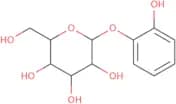
Pyrocatechol monoglucoside
CAS:<p>Pyrocatechol monoglucoside is a phenolic compound that is found in many plants. It has an anti-thrombotic effect, inhibits bacterial growth, and has anticarcinogenic effects. Pyrocatechol monoglucoside is also hepatoprotective and can be used as a natural food preservative. It has a bitter taste and can be found in leuconostoc mesenteroides and mesenteroides strains of bacteria.</p>Purity:Min. 95%4-Methylphenyl 2,3-O-isopropylidene-1-thio-α-L-rhamnopyranoside
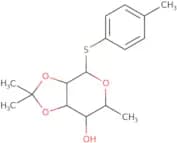
CAS:<p>4-Methylphenyl 2,3-O-isopropylidene-1-thio-α-L-rhamnopyranoside is a custom synthetic sugar that can be modified with different fluorination and modifications. It is an Oligosaccharide, Polysaccharide, saccharide, sugar, Carbohydrate. CAS No. 903906-55-8.</p>Formula:C16H22O4SPurity:Min. 95%Molecular weight:310.41 g/mola-Spinasterol glucoside
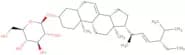
CAS:<p>a-Spinasterol glucoside is a glucopyranoside that belongs to the group of triterpenoid. It has a bitter taste, and its chemical structure was first isolated from the seeds of Trichosanthes bracteata. This compound can be found in other plants such as cucurbitacin and cucumeroides. These two compounds are bitter and are used in Chinese traditional medicine for treating inflammation, pain, or even cancer. The chemical structure of a-spinasterol glucoside is related to vanillic acid, glyceryl palmitate, and vanillic acid.</p>Purity:Min. 95%2-Fluoroethyl a-L-fucopyranoside
<p>2-Fluoroethyl a-L-fucopyranoside is a custom synthesis that belongs to the class of methylated sugar derivatives. It is used as a glycosylation agent and has been shown to be useful in the synthesis of oligosaccharides, polysaccharides, and saccharides. 2-Fluoroethyl a-L-fucopyranoside can be fluorinated by heating with elemental fluorine or chlorine gas in an inert atmosphere. This modification can be used for the synthesis of high purity monosaccharides or sugars.</p>Formula:C8H15FO5Purity:Min. 95%Color and Shape:White to off-white solid.Molecular weight:210.2 g/mol4-Methoxyphenyl 3-O-allyl-2-azido-4,6-O-benzylidene-2-deoxy-b-D-galactopyranoside
CAS:<p>4-Methoxyphenyl 3-O-allyl-2-azido-4,6-O-benzylidene-2-deoxy-b-D-galactopyranoside is a glycosaminoglycan. It is used in the treatment of cancer to prevent metastasis and as an antiviral agent. 4MOP has been shown to inhibit the growth of virus in tissue culture by preventing the formation of new virus particles. The antiviral activity may be due to its ability to inhibit the replication of viruses at an early stage of the process. 4MOP also inhibits coagulation and antibody production, which are important for fighting infection.</p>Formula:C23H25N3O6Purity:Min. 95%Molecular weight:439.46 g/molAllyl 4,6-O-benzylidene-b-D-glucopyranoside
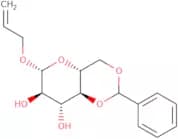
CAS:<p>Allyl 4,6-O-benzylidene-b-D-glucopyranoside is a custom synthesis molecule that can be modified to suit your needs. It has been used in the synthesis of oligosaccharides and polysaccharides. Allyl 4,6-O-benzylidene-b-D-glucopyranoside is a high purity product that has been fluorinated with allyl bromide and benzoyl chloride. This product is a monosaccharide and sugar that can be synthesized from a variety of raw materials.</p>Formula:C16H20O6Purity:Min. 95%Molecular weight:308.33 g/molNeocarrahexaose-41,3,5-tri-O-sulfate sodium
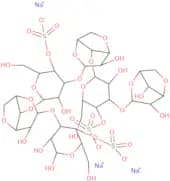
CAS:<p>Neocarrahexaose-41,3,5-tri-O-sulfate sodium salt is a high purity custom synthesis that has been modified with a click modification and fluorination. It can also be glycosylated and methylated. The CAS number for this product is 133628-76-9. This product is a saccharide that belongs to the group of complex carbohydrates.</p>Formula:C36H56O37S3•Na3Purity:Min. 95%Color and Shape:White SolidMolecular weight:1,245.98 g/mol2-Deoxy-D-glucose 1-14C
CAS:<p>2-Deoxy-D-glucose 1-14C is a radioactive isotope of glucose. It is synthesized by the fluorination and methylation of D-glucose, followed by the addition of a 14C atom. The compound can be used in the study of glycosylations, oligosaccharides, and saccharides.<br>2-Deoxy-D-glucose 1-14C has been shown to react with various sugars to form new compounds that are used in glycobiology research. This compound is highly purified, as it does not undergo any reactions with other compounds or impurities. It is also available for custom synthesis and modification.</p>Purity:Min. 95%4-Methylphenyl 2,3,4,6-tetra-O-acetyl-β-D-thiogalactopyranoside
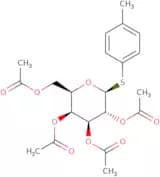
CAS:4-Methylphenyl 2,3,4,6-tetra-O-acetyl-b-D-thiogalactopyranoside is a custom synthesis of an oligosaccharide with a polysaccharide. It is a high purity glycosylated carbohydrate with a CAS number of 28244-99-7. The sugar has been modified by methylation and fluorination, as well as the Click modification.Formula:C21H26O9SPurity:Min. 95%Color and Shape:PowderMolecular weight:454.49 g/molBromoxynil D-glucuronide methyl ester
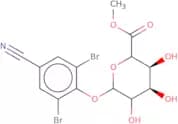
<p>Bromoxynil D-glucuronide methyl ester is a synthetic, high-purity chemical with a CAS number of 2512-06-3. It is an Oligosaccharide and sugar that is Glycosylated and Click modified. This product can be used in Custom synthesis or as a Modification to saccharides.</p>Formula:C14H13Br2NO7Purity:Min. 95%Molecular weight:467.06 g/mol5-Azido-5-deoxy-1,2-O-isopropylidene-b-D-fructose
CAS:<p>5-Azido-5-deoxy-1,2-O-isopropylidene-b-D-fructose is an oligosaccharide that is custom synthesized to your specifications. This compound has been modified with a methyl group at position C1 and has been fluorinated at C2. It has also undergone glycosylation at the reducing end of the molecule and can be used as a saccharide in the synthesis of complex carbohydrates.</p>Formula:C9H15N3O5Purity:Min. 95%Molecular weight:245.23 g/molMethyl 2-acetamido-3,6-di-O-benzyl-2-deoxy-b-D-glucopyranoside
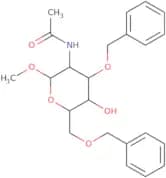
CAS:<p>Methyl 2-acetamido-3,6-di-O-benzyl-2-deoxy-b-D-glucopyranoside is a modified oligosaccharide. It has been shown to be useful for the synthesis of complex carbohydrates and sugar derivatives. The synthesis of this product involves the use of click chemistry, which is a chemoselective reaction that uses copper as a catalyst. This product can be used in the production of polysaccharides and saccharides, as well as other related compounds. Methyl 2-acetamido-3,6-di-O-benzyl-2-deoxy -b -D -glucopyranoside is synthesized from methyl 3,6 di O benzyl 2 deoxy b D glucopyranoside by reacting with acetamide in the presence of palladium acetate and ammonium formate in DMF at room temperature.</p>Formula:C23H29NO6Purity:Min. 95%Molecular weight:415.48 g/mol2-Acetamido-3-O-allyl-4,6-O-benzylidene-2-deoxy-b-D-glucopyranosyl azide
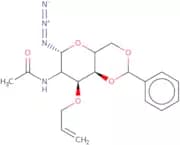
CAS:<p>2-Acetamido-3-O-allyl-4,6-O-benzylidene-2,3-deoxy-bDglucopyranosyl azide is a sugar that can be synthesized from an acetamido group and an allyl group. It is used in the synthesis of complex carbohydrates. 2A3BPGA is a monosaccharide with a glycosylation pattern of alpha 1,2. The methylation of the hydroxyl groups on the glucose rings leads to the formation of 2A3BPGAM. This modification has been shown to alter the solubility and reactivity of this sugar.</p>Formula:C18H22N4O5Purity:Min. 95%Molecular weight:374.4 g/mol3,4,6-Tri-O-acetyl-a-D-galactopyranose 1,2-(methyl orthoacetate)
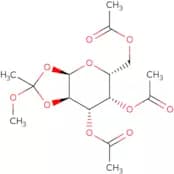
CAS:<p>The survey was conducted to understand the current workforce and their feedback on the automated testing. The median number of respondents exceeded the number that was needed for a statistically significant result. The automated testing has helped to reduce the time it takes to test new features and has also improved the resilience of the developers. Feedback from testers has been positive, with many saying that they would recommend automated testing to other companies. This survey was conducted by an analyst who had an understanding of human-computer interaction and software development.</p>Formula:C15H22O10Purity:Min. 95%Molecular weight:362.33 g/molBenzyl 2-acetamido-4,6-O-benzylidene-3-O-(carboxymethyl)-2-deoxy-a-D-glucopyranoside
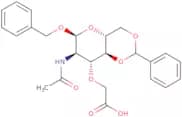
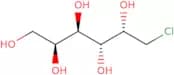
CAS:<p>Benzyl 2-acetamido-4,6-O-benzylidene-3-O-(carboxymethyl)-2-deoxy-a-D-glucopyranoside is a custom synthesized, complex carbohydrate. It is a polysaccharide that has been modified with methylation and glycosylation. This product can be used for research purposes only and cannot be used in diagnostic procedures.</p>Formula:C24H27NO8Purity:Min. 95%Molecular weight:457.47 g/mol6-Chloro-6-deoxy-D-galactitol
<p>6-Chloro-6-deoxy-D-galactitol is a sugar with the molecular formula C6H12O6. It is a modification of galactose and has the same chemical structure as 6-chloro-D-mannitol. It can be used in the synthesis of complex carbohydrates, and it is also an intermediate for producing oligosaccharides or polysaccharides. 6-Chloro-6-deoxy-D-galactitol is also known as Lactotriose. This product has been modified by fluorination, which increases its stability and reduces its reactivity to other compounds.</p>Formula:C6H13ClO5Purity:Min. 95%Molecular weight:200.62 g/molPhenyl 4-O-acetyl-3,6-di-O-benzyl-2-deoxy-2-phthalimido-b-D-thioglucopyranoside
CAS:<p>Phenyl 4-O-acetyl-3,6-di-O-benzyl-2-deoxy-2-phthalimido-b-D-thioglucopyranoside is an oligosaccharide that has been modified with a click modification. The sugar is synthesized in high purity and the modification of this compound was achieved by fluorination. Phenyl 4O acetyl 3,6 di O benzyl 2 deoxy 2 phthalimido b D thioglucopyranoside is a carbohydrate that can be used as a monosaccharide or polysaccharide and has a complex structure. This chemical can also be used for methylation and is CAS No. 159734 71 1.</p>Purity:Min. 95%(2E)-4-[2-Nitro-3-[(2,3,4,6-tetra-O-acetyl-b-D-glucopyranosyl)oxy]phenyl]-4-oxo-2-butenoic acid methyl ester
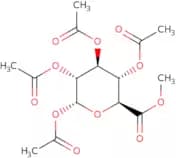
CAS:<p>(2E)-4-[2-Nitro-3-[(2,3,4,6-tetra-O-acetyl-b-D-glucopyranosyl)oxy]phenyl]-4-oxo-2-butenoic acid methyl ester is a carbohydrate that can be custom synthesized. It is a synthetic glycoside of 2,3,4,6-tetraO acetyl b D glucopyranosyloxy nitrophenol and 4-(2E)-butene-2,4 diol. This compound has been fluorinated and methylated to produce a high purity product. In addition to its use as an intermediate in the synthesis of saccharides and oligosaccharides this compound can also be used as a sugar for click modification.</p>Formula:C25H27NO15Purity:Min. 95%Molecular weight:581.48 g/mol1,2,3,4-Tetra-O-acetyl-a-D-glucuronide methyl ester
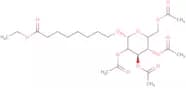
CAS:<p>1,2,3,4-Tetra-O-acetyl-a-D-glucuronide methyl ester is a synthetic molecule that has been modified with the click chemistry technique. This product is a white solid that can be used to modify saccharides and polysaccharides. It can also be used in the synthesis of oligosaccharides or glycosylation reactions. This product is useful for modifying sugars with custom modifications and fluorination. 1,2,3,4-Tetra-O-acetyl-a-D-glucuronide methyl ester has CAS number 5432-32-6 and can be synthesized from glyceraldehyde and acetone.</p>Formula:C15H20O11Purity:Min. 95%Molecular weight:376.31 g/mol(8-Ethoxycarbonyloctyl)-2,3,4,6-tetra-O-acetyl-b-D-galactopyranoside
<p>(8-Ethoxycarbonyloctyl)-2,3,4,6-tetra-O-acetyl-b-D-galactopyranoside is a custom synthesis of a complex carbohydrate. It is an Oligosaccharide with CAS No. and has been modified with saccharide, methylation and glycosylation. The molecular weight of this compound is (1,000) g/mol and the purity level is >99%. This product also has fluorination and click modification as modifications.</p>Formula:C24H38O12Purity:Min. 95%Molecular weight:518.55 g/mol6-O-tert-Butyldiphenylsilyl-3,4-O-carbonyl-D-galactal
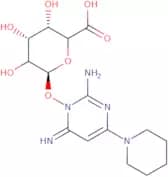
CAS:<p>6-O-tert-Butyldiphenylsilyl-3,4-O-carbonyl-D-galactal is a custom synthesis that has been modified with fluorine and methyl groups. It is a monosaccharide that can be found in complex carbohydrates such as saccharides and polysaccharides. The chemical name for 6-O-tert-Butyldiphenylsilyl-3,4-O-carbonyl-D-galactal is 6-[(tertiary butyl)diphenylsilyl]-3,4-[(carboxymethyl)oxymethyl]oxymethyl]oxymethyl]-D--glucopyranoside. This compound is an example of a sugar that can be found in carbohydrates.</p>Purity:Min. 95%Minoxidil D-glucuronide
CAS:<p>Minoxidil D-glucuronide is a modification of minoxidil, which is an antihypertensive drug. It has been shown to have stronger activity than minoxidil in the treatment of hypertension. Minoxidil D-glucuronide is a complex carbohydrate that has been synthesized from minoxidil and glucuronic acid. It is a white powder with high purity, and it can be used for glycosylation reactions.</p>Formula:C15H23N5O7Purity:Min. 95%Molecular weight:385.37 g/molβ-D-Galactose pentaacetate
CAS:<p>1,2,3,4,6-Penta-O-acetyl-b-D-galactopyranose, also known as beta-D-galactose pentaacetate, has high chemical stability and long shelf life. This protected form of galactose is a key building block of any chemical synthesis of galactose-containing oligosaccharides or glycoconjugates. In the presence of Lewis acids it can be used as a glycosyl donor to make simple glycosides. In order to perform more complex galactosylations it can be converted into more reactive donors, such as glycosyl halides or thioglycosides.</p>Formula:C16H22O11Purity:Min. 95.0 Area-%Molecular weight:390.35 g/molRef: 3D-G-1781
1kgTo inquire5kgTo inquire10kgTo inquire500gTo inquire2500gTo inquire-Unit-kgkgTo inquireMethyl 3-amino-3,6-dideoxy-a-L-taloside
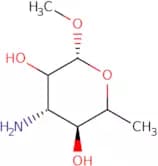
<p>Methyl 3-amino-3,6-dideoxy-a-L-taloside is a custom synthesis of a monosaccharide. It is modified with fluorine and methyl groups and may be used in click chemistry. The CAS number for this compound is 103614-34-8. Methyl 3-amino-3,6-dideoxy-a-L-taloside is an oligosaccharide that can be glycosylated or complexed with sugar. This compound has properties of a carbohydrate and can be classified as a saccharide or polysaccharide.</p>Formula:C7H15NO4Purity:Min. 95%Molecular weight:177.2 g/mol2,3,4,6 -Tetra-O-benzyl-D-glucitol
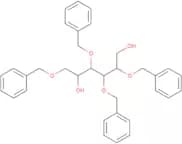
CAS:<p>2,3,4,6 -Tetra-O-benzyl-D-glucitol is an atypical compound with a spectrum of activities. It has been shown to inhibit the synthesis of alditols and aldosides in vitro, and it also inhibits miglustat which is the first drug for Gaucher's disease approved by the FDA. 2,3,4,6 -Tetra-O-benzyl-D-glucitol is synthetically produced from D-glucose and benzyl chloride. The compound crystallizes as a chiral form that can exist as either (S) or (R) conformation. The (S) form has been observed to be more active than the (R) form against showdomycin and cyclic peptidase A.</p>Formula:C34H38O6Purity:Min. 95%Color and Shape:liquid.Molecular weight:542.66 g/molO-(2-Azido-4,6-O-benzylidene-2-deoxy-a-D-galactopyranosyl)-N-[(9H-fluoren-9-ylmethoxy)carbonyl]-L-serine tert-Butyl Ester
CAS:<p>O-(2-Azido-4,6-O-benzylidene-2-deoxy-a-D-galactopyranosyl)-N-[(9H-fluoren-9-ylmethoxy)carbonyl]-L-serine tert butyl ester (Fluoride) is a modified carbohydrate that has been synthesized from a sugar. The fluorination step of the synthesis has replaced the hydroxyl group at C1 with fluorine. <br>The glycosylation and methylation steps have added a new saccharide to the existing carbohydrate chain. The modification step has introduced an oligosaccharide which has been linked to the monosaccharides by an amide bond. This synthetic carbohydrate was designed to be used as a fluorescent probe for glycoproteins and glycolipids in biomedical research.</p>Formula:C35H38N4O9Purity:Min. 95%Molecular weight:658.7 g/mol1,2,4,6-Tetra-O-acetyl-3-deoxy-3-phthalimido-D-galactopyranoside
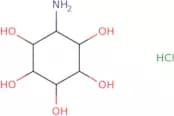
<p>This product is a custom synthesis of 1,2,4,6-Tetra-O-acetyl-3-deoxy-3-phthalimido-D-galactopyranoside. It is a sugar that is synthesized from 4 acetyl groups and 6 hydroxyl groups. The compound has a CAS number of 71034-05-4 and can be modified by fluorination, glycosylation, methylation, or modification. This product is an oligosaccharide that contains a saccharide with more than one monosaccharide unit. It is a complex carbohydrate with the formula C12H20O11.</p>Formula:C22H23NO11Purity:Min. 95%Molecular weight:477.42 g/molscyllo-Inosamine hydrochloride
CAS:<p>Scyllo-inosamine is a synthetic compound that is used as an oxime for the treatment of ascites tumors. It is synthesized from benzyl cyanide and cyclohexane. The benzyl groups are removed by catalytic hydrogenation, and the resulting product is hydrolyzed to scyllo-inosamine. Scyllo-inosamine has been shown to have a stereogenic center at C3, which allows it to act as an aminocyclitol, with the nitrogen atom acting as a nucleophile in the ring opening reaction. Scyllo-inosamine has been shown to be active against a number of tumor cells in culture and has been investigated as chemotherapeutic agent for cancer treatment.</p>Formula:C6H13NO4·HClPurity:Min. 95%Molecular weight:199.63 g/mol4-O-Acetyl-3,6-di-O-tert-butyldimethylsilyl-D-glucal
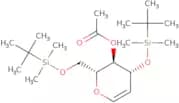
CAS:<p>4-O-Acetyl-3,6-di-O-tert-butyldimethylsilyl-D-glucal is a methylated derivative of D-glucal which has been synthesized by the click reaction using acetyl chloride, triethylamine, and dimethyl sulfate. 4OATBDMSDG is a high purity sugar with a CAS number of 132891-79-3. This sugar can be used in the synthesis of polysaccharides or as an intermediate for custom synthesis.</p>Purity:Min. 95%4-O-Acetyl-2,5-anhydro-1,3-O-isopropylidene-6-O-trityl-D-glucitol
CAS:<p>4-O-Acetyl-2,5-anhydro-1,3-O-isopropylidene-6-O-trityl-D-glucitol is a custom synthesis of an oligosaccharide. It is a complex carbohydrate that has been modified by methylation and glycosylation. 4OATG has been fluorinated with 1,4 difluorobenzene and then reacted with Ac 2 O to make the glycosylate form. The compound was obtained in high purity and as a white solid.</p>Formula:C30H32O6Purity:Min. 95%Molecular weight:488.57 g/mol3,4-Dideoxyglucosone-3-ene
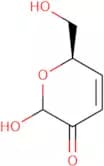
CAS:<p>3,4-di-deoxyglucosone-3-ene is a bioreactive glucose degradation product which can be formed during heat sterilisation of glucose containing peritoneal dialysis solutions. Chemically, 3,4-Dideoxyglucosone-3-ene is an α,β-unsaturated carbonyl compound which increases its reactivity with cellular sulfhydryl, amino groups, proteins, and DNA. 3,4-Dideoxyglucosone-3-ene induces apoptosis in neutrophils, renal cells and peripheral blood mononuclear cells. Such induction leads to impaired peritoneal antibacterial defence.</p>Formula:C6H8O4Purity:Min. 95 Area-%Color and Shape:Colorless PowderMolecular weight:144.13 g/molD-Ribose-2,3,4,5-13C4
CAS:<p>D-Ribose-2,3,4,5-13C4 is a complex carbohydrate with saccharide units. It is synthesized by the chemical modification of D-ribose. This product can be used to modify or methylate glucose and other carbohydrates. It has been shown to inhibit the formation of amyloid plaques in Alzheimer's disease, which may be due to its ability to reduce nitric oxide and reactive oxygen species levels. The purity of this product is at least 98%.</p>Formula:C5H10O5Purity:Min. 95%Molecular weight:154.1 g/molAnhydro-4-azido-5,6,8-tri-O-benzyl-1,2,4-trideoxy-D-glycero-D-gulo-oct-1-ynitol
CAS:<p>Anhydro-4-azido-5,6,8-tri-O-benzyl-1,2,4-trideoxy -D-glycero-D-gulo-oct 1 -ynitol is a methylated saccharide. It is a fluorinated sugar that can be used as an intermediate in the synthesis of oligosaccharides and polysaccharides. This compound has been modified by click chemistry to allow for the incorporation of azide groups at the 3′ position of the sugar moiety. The modification allows for the synthesis of complex carbohydrates with high purity and high yield. The product is a white powder that is soluble in water.</p>Formula:C29H29N3O4Purity:Min. 95%Color and Shape:Colourless syrupMolecular weight:483.56 g/mol1,2,3-Tri-O-benzyl-4,6-O-benzylidene-a-D-galactopyranoside
CAS:<p>The 1,2,3-Tri-O-benzyl-4,6-O-benzylidene-a-D-galactopyranoside is a synthetic glycoside that can be used as a saccharide in the synthesis of complex carbohydrates. This compound has been shown to have high purity and can be custom synthesized. It has been modified with methylation and fluorination. The CAS No. for this compound is 53929-36-5.</p>Formula:C34H34O6Purity:Min. 95%Molecular weight:538.63 g/mol6-O-Benzoyl-3-O-tert-butyldiphenylsilyl-D-glucal
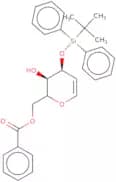
<p>6-O-Benzoyl-3-O-tert-butyldiphenylsilyl-D-glucal is a modification of the oligosaccharide, 6-O-(benzoyloxy)hexyl glucal. The product is used as a synthetic intermediate in the synthesis of complex carbohydrates. It is also used in the production of high purity monosaccharides and polysaccharides. This product has been shown to be effective in methylation reactions, glycosylation reactions, and fluorination reactions.</p>Purity:Min. 95%Methyl 1-(6-tert-butylmethylsilyl-4'-hydroxyraloxifene)-2,3,4,-tri-O-acetyl-b-D-glycopyranuronate
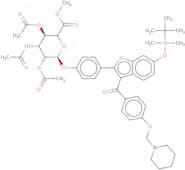
CAS:<p>This is a complex carbohydrate, which is a modification of an oligosaccharide. The structure of this carbohydrate is based on the sugar methyl 1-(6-tert-butylmethylsilyl-4'-hydroxyraloxifene)-2,3,4,-tri-O-acetyl-b-D-glycopyranuronate. This modification has been shown to be useful for glycosylation and polysaccharide synthesis. This compound can be synthesized by click chemistry and has high purity with little or no impurities.</p>Formula:C46H55NO13SSiPurity:Min. 95%Molecular weight:890.08 g/mol1-O-tert-Butyldimethylsilyl-2-azido-2-deoxy-b-D-glucopyranoside
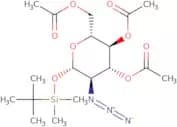
CAS:<p>1-O-tert-Butyldimethylsilyl-2-azido-2-deoxy-b-D-glucopyranoside is a Carbohydrate, Modification, saccharide, Oligosaccharide, sugar that has been fluorinated and methylated. It is a custom synthesis. The CAS No. 99049-65-7 is 9904965.</p>Formula:C12H25N3O5SiPurity:Min. 95%Molecular weight:319.43 g/molVanillic acid 4-β-D-glucoside
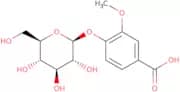
CAS:<p>Vanillic acid 4-beta-D-glucoside is a Custom synthesis that is used as an Oligosaccharide. It is Polysaccharide and Modification of the natural product vanillin. Vanillic acid 4-beta-D-glucoside has CAS No. 32142-31-7, Methylation, Glycosylation, Carbohydrate, Click modification, saccharide, sugar, High purity and Fluorination. It is also Synthetic.</p>Formula:C14H18O9Purity:Min. 95%Molecular weight:330.29 g/molEquilin 3-O-b-D-glucuronide sodium salt
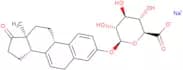
CAS:<p>Equilin 3-O-b-D-glucuronide sodium salt is a synthetic, monosaccharide that can be used as a raw material for various glycosylation reactions. This compound is an example of a fluorinated sugar. Equilin 3-O-b-D-glucuronide sodium salt has the CAS number 27610-12-4 and can be custom synthesized to order. It can be modified with a click reaction or other modification techniques to generate desired products. This product is available in high purity and can be used for glycosylation reactions.</p>Formula:C24H27O8·NaPurity:Min. 95%Molecular weight:466.46 g/mola-D-Mannopyranosyl L-serine
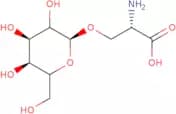
<p>a-D-Mannopyranosyl L-serine is an oligosaccharide that is synthesized by the monosaccharide a-D-mannose and the amino acid serine. It is a complex carbohydrate that has been modified with fluorination, methylation, and click chemistry. This product has a CAS number of 2468-81-7 and can be used in glycosylation reactions. The purity of this product is high, with an optical purity of > 98%.</p>Formula:C9H17NO8Purity:Min. 95%Molecular weight:267.24 g/molD-Galactopyranosyl thiosemicarbazide
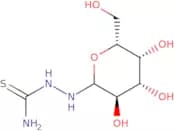
CAS:<p>D-Galactopyranosyl thiosemicarbazide is an organic compound that has been synthesized by methylation of the natural product, D-galactopyranosyl thiosemicarbazide. It is a white solid that can be used as a building block in the synthesis of other organic compounds. The fluorination of this compound has been carried out with N-fluorobenzenesulfonimide and N-fluorobenzoyl chloride to give the desired product. This compound is also available as a custom synthesis on request.</p>Formula:C7H15N3O5SPurity:Min. 95%Molecular weight:253.32 g/mol4-Hydroxyestradiol 17-O-b-D-glucuronide
CAS:<p>4-Hydroxyestradiol 17-O-b-D-glucuronide is a fluorinated methyl ether of estradiol, which is a polyketide natural product. It is used as an intermediate in the synthesis of complex carbohydrates. 4-Hydroxyestradiol 17-O-b-D-glucuronide is also known for its modification of saccharides and polysaccharides, including oligosaccharides and polysaccharides.</p>Formula:C24H32O9Purity:Min. 95%Molecular weight:464.51 g/molSN-38 glucuronide
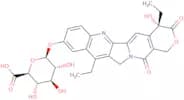
CAS:<p>SN-38 glucuronide is a metabolite of irinotecan that inhibits the growth of cancer cells by binding to the DNA polymerase, blocking the synthesis of DNA. SN-38 glucuronide has potent antitumor activity and high values for inhibiting tumor metastasis. It is mainly excreted in urine as a conjugate with glucuronic acid, which may be why urine samples are often used to measure its concentration. SN-38 glucuronide also interacts with other drugs, including chemical inhibitors and ATP-binding cassette transporters, which can affect its pharmacological properties.</p>Formula:C28H28N2O11Purity:Min. 97.5 Area-%Color and Shape:PowderMolecular weight:568.53 g/mol4-Toluoyl 2,3-di-O-benzyl-4,6-O-benzylidene-α-D-thiomannopyranoside
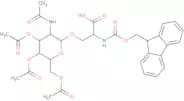
CAS:<p>4-Toluoyl 2,3-di-O-benzyl-4,6-O-benzylidene-a-D-thiomannopyranoside is a modification of the sugar, Mannose. The chemical structure is similar to that of D-Mannose with the exception that one oxygen atom has been replaced with a fluorine atom. This structural change in the sugar's backbone imparts a higher degree of water solubility and a lower affinity for proteins. 4-Toluoyl 2,3-di-O-benzyl-4,6 -O -benzylidene -a -D -thiomannopyranoside is used as an artificial sweetener and flavor enhancer in food products.</p>Formula:C34H34O5SPurity:Min. 95%Molecular weight:554.7 g/mol2-Acetamido-3,4,6-tri-O-acetyl-2-deoxy-b-D-galactopyranosyl-Fmoc serine
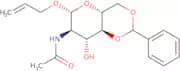
CAS:<p>2-Acetamido-3,4,6-tri-O-acetyl-2-deoxy-b-D galactopyranosyl Fmoc serine is a modification of the natural glycoside 2 acetamido 3,4,6 tri O acetyl 2 deoxy b D galactopyranosyl. It is a synthetic carbohydrate that is used in the synthesis of complex carbohydrates. This product has been shown to be stable under acidic conditions and can be modified for use in glycosylation or other reactions.</p>Formula:C32H36N2O13Purity:Min. 95%Molecular weight:656.64 g/molAllyl 2-acetamido-4,6-O-benzylidene-2-deoxy-b-D-glucopyranoside
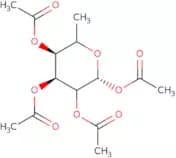
CAS:<p>Allyl 2-acetamido-4,6-O-benzylidene-2-deoxy-b-D-glucopyranoside is a synthetic compound that belongs to the class of carbohydrates. It is used as a reagent in sugar chemistry and glycosylation reactions. Allyl 2-acetamido-4,6-O-benzylidene-2-deoxy-b-D-glucopyranoside is also used for the modification of polysaccharides and fluorination reactions. This product has been shown to be effective as a substrate for site specific methylation reactions. Allyl 2 acetamido 4,6 O benzylidene 2 deoxy b D glucopyranoside has been tested in vitro against methicillin resistant Staphylococcus aureus (MRSA) with promising results.</p>Formula:C18H23NO6Purity:Min. 95%Molecular weight:349.39 g/mol1,2,3,4-Tetra-O-acetyl-b-L-rhamopyranose
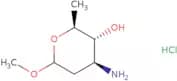
CAS:<p>1,2,3,4-Tetra-O-acetyl-b-L-rhamopyranose is a fluorinated monosaccharide that is synthetically produced. It can be used in the synthesis of oligosaccharides and complex carbohydrates. 1,2,3,4-Tetra-O-acetyl-b-L-rhamopyranose is an important chemical intermediate for glycosylation reactions. This product has been modified with methyl groups and click chemistry to produce a reactive site for subsequent glycosylation reactions. 1,2,3,4 Tetra -O -acetyl -b -L -rhamopyranose has been shown to be stable to heat and acid conditions as well as high purity.</p>Formula:C14H20O9Purity:Min. 95%Molecular weight:332.3 g/molMethyl a-L-acosamine hydrochloride
CAS:<p>Methyl a-L-acosamine hydrochloride is a custom synthesis that belongs to the class of complex carbohydrates. It has been modified with methylation, glycosylation, and carbocation modification. This product is also fluorinated and has a high purity level. It can be used as an intermediate in the production of saccharides and other products.</p>Formula:C7H15NO3·HClPurity:Min. 95%Molecular weight:197.66 g/mol3,6-Di-O-butanoyl-1,2:4,5-di-O-isopropylidene-D-myo-inositol
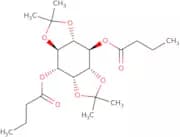
CAS:<p>3,6-Di-O-butanoyl-1,2:4,5-di-O-isopropylidene-D-myo-inositol is a custom synthesis of an oligosaccharide. It is a polymer of glucose with 3 to 9 residues, which may be modified by methylation and glycosylation. The chemical formula for 3,6-Di-O-butanoyl-1,2:4,5-di-O-isopropylidene is C(14)H(30)O(8). 3,6 Di O butanoyl 1 2 4 5 di O isopropylidene D myo inositol has a molecular weight of 790.3 g/mol. The CAS number for this compound is 1307298 34 5. This compound is readily soluble in water and methanol. The purity of the material exceeds 98%.</p>Formula:C20H32O8Purity:Min. 95%Molecular weight:400.46 g/mol4-Isothiocyanatophenyl-a-D-glucopyranoside
CAS:<p>4-Isothiocyanatophenyl-a-D-glucopyranoside is a synthetic fluorinated glycosylated oligosaccharide. Its chemical formula is C16H13N3O7. It has a molecular weight of 392.</p>Formula:C13H15NO6SPurity:Min. 95%Molecular weight:313.33 g/mol1,2,3,4,6-Penta-O-acetyl-a-D-fructofuranose
CAS:<p>1,2,3,4,6-Penta-O-acetyl-a-D-fructofuranose is a glycosylation product that is created by the reaction of 1,2,3,4,6-penta-O-acetylglucose and D-fructose. It is an oligosaccharide that belongs to the class of complex carbohydrates. This compound can be customized to have any desired substitution pattern or modification. 1,2,3,4,6-Penta-O-acetyl-a-D-fructofuranose has been shown to have high purity and can be used in a wide range of applications.</p>Formula:C16H22O11Purity:Min. 95%Molecular weight:390.34 g/mol3,5-O-Isopropylidene-D-arabinfuranose
<p>3,5-O-Isopropylidene-D-arabinfuranose is a Modification of an oligosaccharide. It is a methylated monosaccharide that is synthesized in the laboratory. This product has been shown to have a CAS number, which is used to uniquely identify substances and establish their quality and purity. 3,5-O-Isopropylidene-D-arabinfuranose can be used as a raw material in the synthesis of complex carbohydrates such as polysaccharides or glycosylation with other compounds.</p>Purity:Min. 95%5-Azido-5-deoxy-2,3-O-isopropylidene-D-lyxono-1,4-lactone
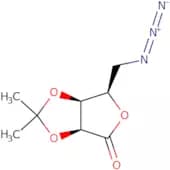
CAS:<p>5-Azido-5-deoxy-2,3-O-isopropylidene-D-lyxono-1,4-lactone is a synthetic monosaccharide. It is used in the synthesis of glycosylated saccharides and oligosaccharides. This product can be custom synthesized at high purity.</p>Formula:C8H11N3O4Purity:Min. 95%Color and Shape:PowderMolecular weight:213.19 g/molMethyl 2-deoxy-a-D-ribofuranoside
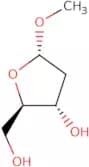
CAS:<p>Methyl 2-deoxy-a-D-ribofuranoside is an atypical nucleoside, which is a component of the thiourea cofactors. It can be synthesized from chloroacetic acid and hydantoin, which are used as starting materials for the production of this compound. The methyl group in this compound is obtained from the methylation of glucose. Methyl 2-deoxy-a-D-ribofuranoside can be identified by its chromatographic properties, such as dimethylformamide (DMF) and chloride. It also contains anomeric substituents that are necessary for nucleosidation reactions. This nucleoside has been shown to have antiinflammatory activity against carrageenan in mice and rats.</p>Formula:C6H12O4Purity:Min. 95%Molecular weight:148.16 g/molBenzyl 2-acetamido-2-deoxy-3-O-methyl-a-D-glucopyranoside
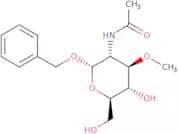
CAS:<p>Benzyl 2-acetamido-2-deoxy-3-O-methyl-a-D-glucopyranoside is a fluorinated monosaccharide that has been synthesized and Oligosaccharides. It is a complex carbohydrate and can be used in the synthesis of glycosylation, polysaccharide, or click modification. The CAS No. 93215-41-9 is custom synthesis with high purity and good quality.</p>Formula:C16H23NO6Purity:Min. 95%Molecular weight:325.36 g/molO-Butanoyl-2,3-O-isopropylidene-a-D-mannofuranoside
CAS:<p>O-Butanoyl-2,3-O-isopropylidene-a-D-mannofuranoside is a high purity sugar with CAS No. 177562-15-1. It is synthesized by the modification of saccharides with methyl groups, glycosylation, and click chemistry. This chemical has a complex structure and can be used as a raw material for the production of complex carbohydrates.</p>Formula:C14H26O7Purity:Min. 95%Molecular weight:304.38 g/mol2-Acetamido-3-O-benzoyl-4,6-O-benzylidene-2-deoxy-D-glucopyranose
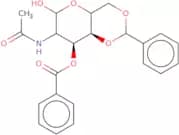
CAS:<p>This is a custom synthesized oligosaccharide that is a complex carbohydrate. This is an Oligosaccharide, Polysaccharide, and CAS No. 1486465-81-9. It has been modified by methylation, glycosylation, and carbamylation. This product has high purity and has been fluorinated. It is a saccharide and a sugar with Click modification.</p>Formula:C22H23NO7Purity:Min. 95%Molecular weight:413.42 g/molD-Mannose-6-phosphate barium salt hydrate
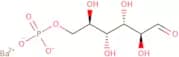
CAS:<p>D-Mannose-6-phosphate barium salt hydrate is a glycosylation agent, which can be used in the synthesis of complex carbohydrates and other saccharides. It is also a methylation agent and can be used to modify polysaccharides. D-Mannose-6-phosphate barium salt hydrate is fluorinated with trifluoromethanesulfonic acid to introduce Fluorination groups, which can then be modified with other reagents. The compound has been shown to have Click modification activity. D-Mannose-6-phosphate barium salt hydrate is a synthetic sugar that can be custom synthesized according to the customer’s requirements. This compound has CAS number 104872-94-8 and is available in high purity, which makes it suitable for use in pharmaceutical applications.</p>Formula:C6H11BaO9P·2H2OPurity:Min. 95%Color and Shape:SolidMolecular weight:395.45 g/molSinapaldehyde glucoside
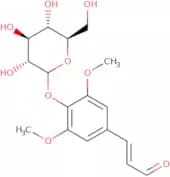
CAS:<p>Sinapaldehyde glucoside is a phenolic compound found in the leaves of Sinapis alba. This compound has been shown to have antiviral and antibacterial properties. It has been shown to inhibit staphylococcal growth, with the most effective concentration being 0.5-2% w/v. The chemical structure of sinapaldehyde glucoside is similar to that of pomolic acid, which was also found to have anti-staphylococcal effects. Syringaresinol, a constituent of S. alba, may be responsible for the anti-staphylococcal activity due to its ability to inhibit bacterial protein synthesis. Sinapaldehyde glucoside can also be extracted from S. alba using ethanol or water as solvents and is soluble in both water and alcohols. Sinapaldehyde glucoside can also be extracted from eleutherococcus (Eleutherococcus senticosus) using</p>Purity:Min. 95%Mannose pentasulfate pentapotassium salt - technical grade
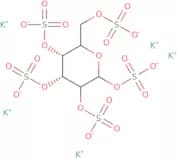
CAS:<p>Mannose pentasulfate pentapotassium salt - technical grade is a white crystalline powder that is soluble in water. This product is a synthetic, high purity, custom synthesis, and glycosylation reagent for the preparation of oligosaccharides and carbohydrates. The CAS number for this product is 359436-63-8.</p>Formula:C6H7K5O21S5Purity:Min. 95%Molecular weight:770.93 g/molD(+)-Lactose monohydrate
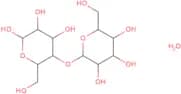
CAS:<p>D(+)-Lactose monohydrate is a crystalline, water-soluble sugar that is used as a pharmaceutical excipient. It is the most soluble of the lactose forms and has an optimum concentration of 1.0%. D(+)-Lactose monohydrate can be used in solid dosage forms such as tablets, capsules, or powders. It is also used in liquid dosage forms such as suspensions, syrups, or elixirs. D(+)-Lactose monohydrate has been shown to have anti-carcinogenic effects and may inhibit growth factor activity. It is not known to be an allergen or cause any infectious diseases.</p>Formula:C12H24O12Purity:Min. 95%Molecular weight:360.31 g/molDexibuprofen-acyl-b-D-glucuronide
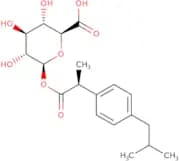
CAS:<p>Dexibuprofen-acyl-b-D-glucuronide is a complex carbohydrate that is synthesized by the acylation of dexibuprofen with b-D-glucuronic acid. The complex is then modified to increase its water solubility and stability. Dexibuprofen-acyl-b-D-glucuronide has been shown to have antiinflammatory activity in mice, which may be due to its ability to inhibit prostaglandin synthesis.</p>Formula:C19H26O8Purity:Min. 95%Molecular weight:382.4 g/mol2,3,4,5-Tetra-O-acetyl-D-xylononitrile
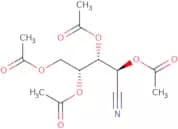
CAS:<p>2,3,4,5-Tetra-O-acetyl-D-xylononitrile is a carbohydrate with the chemical formula C10H14O8N2. It is a white crystalline solid that has been custom synthesized with high purity and methylation. This compound is an oligosaccharide with a sugar modification. The glycosylation of this compound is Click modification.</p>Formula:C13H17NO8Purity:Min. 95%Molecular weight:315.28 g/molPromethazine N-b-D-glucuronide
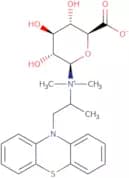
CAS:<p>Promethazine is a phenothiazine derivative that has antihistaminic, anticholinergic, and sedative properties. It is used as an antiemetic and to relieve allergy symptoms. Promethazine N-b-D-glucuronide is a custom synthesis of promethazine with methylation at the nitrogen atom on the side chain, click modification of the methyl group on the side chain, oligosaccharides attached to the nitrogen atom on the side chain, polysaccharide attached to the nitrogen atom on the side chain, saccharide attached to the nitrogen atom on the side chain, carbonyl group attached to the nitrogen atom on the side chain, fluorination at C5 position of sugar ring in promethazine N-b-D-glucuronide molecule, complex carbohydrate (sugar) in promethazine N-b-D-glucuronide molecule. Promethazine N-b-D-glucuron</p>Formula:C23H28N2O6SPurity:Min. 95%Molecular weight:460.54 g/molD-Galactose-3-O-sulphate sodium salt
<p>A sulfated galactose analogue</p>Formula:C6H11NaO9SPurity:Min. 95%Molecular weight:282.19 g/mol2,3-O-Isopropylidene-1,1,4,4-tetraphenyl-L-threitol
CAS:<p>2,3-O-Isopropylidene-1,1,4,4-tetraphenyl-L-threitol is an organic compound that has been synthesized in a reaction mechanism that involves a β-amino acid and enantiomerically pure (S)-succinic anhydride. The molecular weight of this compound is 266.2 g/mol. It has a stable complex with the hydrogen bond between two molecules in a p2 group. This compound can be used as an optical sensor for the detection of β-amino acids and its enantiomers. The asymmetric synthesis of this molecule is steric interactions.</p>Formula:C31H30O4Purity:Min. 95%Color and Shape:White PowderMolecular weight:466.57 g/mol1,2:5,6-Dianhydrogalactitol
CAS:<p>1,2:5,6-Dianhydrogalactitol is a drug that has been shown to reduce the growth of tumors in mice. It is an antitumor agent that inhibits the activity of enzymes such as protein kinase A and phosphorylase kinase. This drug also inhibits the activity of the mitochondrial membrane potential, which is necessary for normal cellular function. The structure of 1,2:5,6-dianhydrogalactitol was first determined by analytical methods on mouse tumor tissue and then verified by a preparative high performance liquid chromatography (HPLC) experiment. It has been shown to be effective against pediatric tumors and is currently being evaluated for use in other cancer models.</p>Formula:C6H10O4Purity:Min. 95%Color and Shape:PowderMolecular weight:146.14 g/molD-Mannose- 4- 13C
CAS:<p>D-Mannose is a sugar that is found in many plants and animals. It can be extracted from natural sources or synthesized with the use of Click modification, fluorination, glycosylation, and methylation. D-Mannose has been shown to inhibit bacterial adhesion and prevent the formation of biofilms. In addition, it has been shown to have anti-inflammatory activities. D-Mannose is a complex carbohydrate that is composed of saccharides joined together in chains and rings.</p>Purity:Min. 95%Molecular weight:181.15 g/molMethyl 3,5-di-O-acetyl-2-deoxy-2-(trifluoromethyl)-a-D-ribofuranoside
CAS:<p>Methyl 3,5-di-O-acetyl-2-deoxy-2-(trifluoromethyl)-a-D-ribofuranoside is a methylated sugar that can be custom synthesized. It is a monosaccharide with the molecular formula C4H8F3O7. Methyl 3,5-di-O-acetyl-2-deoxy-2-(trifluoromethyl)-a-D-ribofuranoside has been modified by fluorination and is used to study carbohydrate structures and functions. This chemical has an average purity of 98%.</p>Purity:Min. 95%2-Acetamido-2-deoxy-b-D-glucopyranosyl methylamine HCl
CAS:<p>2-Acetamido-2-deoxy-b-D-glucopyranosyl methylamine HCl is a synthetic, high purity, complex carbohydrate. It is a custom synthesis that has been modified with fluorination and methylation. The oligosaccharide has been glycosylated and polysaccharide click modification to give it a wide range of applications. 2-Acetamido-2-deoxy-b-D-glucopyranosyl methylamine HCl is used for the synthesis of glycoproteins, which are carbohydrates that are attached to proteins. It is also used in the production of research chemicals such as Fluorination, Monosaccharide, Synthetic, Oligosaccharide.</p>Formula:C9H18N2O5·HClPurity:Min. 95%Molecular weight:270.71 g/mol4,5,7-Tri-O-acetyl-2,6-anhydro-3-deoxy-D-lyxo-hept-2-enonamide
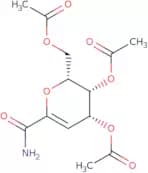
CAS:<p>4,5,7-Tri-O-acetyl-2,6-anhydro-3-deoxy-D-lyxo-hept-2-enonamide is a carbohydrate that belongs to the group of oligosaccharides. It is a synthetic compound that has been modified with fluorination and methylation. This compound has been synthesized with high purity and custom synthesis. The modification process includes glycosylation and click chemistry.</p>Formula:C13H17NO8Purity:Min. 95%Molecular weight:315.28 g/mol2,3,4,6-Tetra-O-acetyl-a-D-mannopyranosyl-(N2-Fmoc)-L-threonine pentafluorophenyl ester
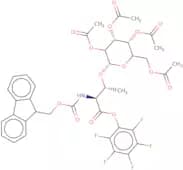
CAS:<p>2,3,4,6-Tetra-O-acetyl-a-D-mannopyranosyl-(N2-Fmoc)-L-threonine pentafluorophenyl ester is a glycosylation reagent that can be used to synthesize oligosaccharides. This compound is the product of the reaction between 2,3,4,6-tetra-O-acetylmannose and L-(N2-Fmoc)-threonine. It has been modified with a fluorinated phenyl group at the C5 position as well as methylation at the C2 position. The purity of this compound is high (> 95%) and it is available for custom synthesis.</p>Formula:C39F5H36NO14Purity:Min. 95%Molecular weight:837.71 g/mol2-Acetamido-1,3-di-O-acetyl-4,6-O-benzylidene-2-deoxy-D-glucopyranose
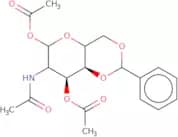
CAS:<p>2-Acetamido-1,3-di-O-acetyl-4,6-O-benzylidene-2-deoxy-D-glucopyranose is a custom synthesized sugar with a high purity. It is used in glycosylation reactions and has been shown to be resistant to methylation reactions. This product can be modified by click chemistry, fluorination, and saccharide modification. It has been shown to be resistant to Methylation, Click Modification, Polysaccharide, Fluorination, and Saccharide Modification. This product is often used as an intermediate for the synthesis of complex carbohydrate oligosaccharides.</p>Formula:C19H23NO8Purity:Min. 95%Color and Shape:White to off-white solid.Molecular weight:393.4 g/molGlucosamine sulfate potassium salt
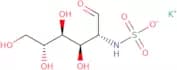
CAS:<p>Glucosamine sulfate potassium salt is a natural amino sugar that is synthesized by the body and can be found in animal tissue. Glucosamine sulfate potassium salt, as well as chondroitin sulfate, are important components of cartilage and synovial fluid. Both substances are necessary for the production of collagen, which provides strength and elasticity to connective tissues. Glucosamine sulfate potassium salt has been shown to be an efficient method for treating osteoarthrosis, alleviating pain and improving function. It has also been shown to reduce the symptoms of metabolic disorders such as diabetes mellitus type II by increasing insulin sensitivity, decreasing inflammation, and reducing oxidative stress. This product is often used in combination with other medicines such as vitamin D3 for adjuvant therapy.</p>Formula:C6H12KNO8SPurity:Min. 95%Molecular weight:297.33 g/molNicotinic acid acyl-b-D-glucuronide
CAS:<p>Nicotinic acid acyl-b-D-glucuronide is a carbohydrate that is synthesized by the condensation of nicotinic acid with b-D-glucuronic acid. It can be modified by fluorination, methylation, glycosylation, or click modification. The CAS Number for this product is 24719-73-1 and it has a purity of >98%. It has been custom synthesized at our lab and it is available in high purity.</p>Formula:C12H13NO8Purity:Min. 95%Molecular weight:299.23 g/mol2-Azidoethyl b-D-glucopyranosiduronic acid
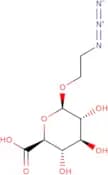
CAS:<p>2-Azidoethyl b-D-glucopyranosiduronic acid is a synthetic, fluorinated sugar that is used as a click modification to saccharides. It has the ability to be modified with methyl groups and glycosylation, which provide potential for synthesis of complex carbohydrates. The CAS number for 2-azidoethyl b-D-glucopyranosiduronic acid is 128095-64-7.</p>Formula:C8H13N3O7Purity:Min. 95%Molecular weight:263.2 g/molD-Glucose-(toluene-4-sulfonylhydrazone)
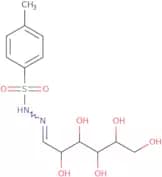
CAS:<p>D-Glycose-(Toluene-4-sulfonylhydrazone) is a modified sugar that is used as a building block for glycosylation. It has been used in the synthesis of complex carbohydrates, methylation, click chemistry and polysaccharides. The sulfonyl group on the toluene ring makes this compound a good candidate for fluorination, saccharide modification and Oligosaccharide synthesis. This product can be custom synthesized with high purity and CAS No. 5328-51-8.</p>Purity:Min. 95%Ethyl 3,4,6-tri-O-benzyl-b-D-thiogalactopyranoside
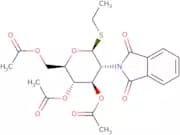
CAS:<p>Ethyl 3,4,6-tri-O-benzyl-b-D-thiogalactopyranoside is a sugar that has been modified by Click chemistry and fluorination. It is used in the synthesis of glycosides and oligosaccharides. The monosaccharide, saccharide, and complex carbohydrate are found in nature and are used as food additives.</p>Formula:C29H34O5SPurity:Min. 95%Molecular weight:494.64 g/molEthyl 3,4,6-tri-O-acetyl-2-deoxy-2-phthalimido-b-D-thioglucopyranoside
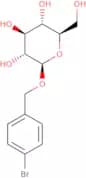
CAS:<p>The compound is an O-acetylated glycoside of 2-deoxy-2-phthalimido-b-D-thioglucopyranoside with a sugar moiety. It is used in the synthesis of complex carbohydrates with click modification and high purity.</p>Formula:C22H25NO9SPurity:Min. 95%Color and Shape:PowderMolecular weight:479.5 g/mol(4-Bromophenyl)methyl-β-D-glucopyranoside
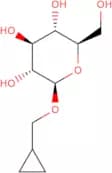
CAS:<p>The 4-Bromophenyl)methyl-beta-D-glucopyranoside is a synthetic monosaccharide with a brominated phenyl group. It is a complex carbohydrate that can be used as an oligosaccharide or sugar. The 4-Bromophenyl)methyl-beta-D-glucopyranoside can be modified with fluorination, methylation, glycosylation and click modification. This product is available in high purity and custom synthesis.</p>Formula:C13H17BrO6Purity:Min. 95%Molecular weight:349.17 g/molCyclopropylmethylbeta-D-glucopyranoside
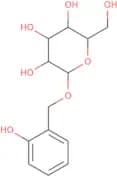
CAS:<p>Cyclopropylmethylbeta-D-glucopyranoside is a custom synthesis of a fluorinated monosaccharide. It has been modified to include methyl groups at C3, C6 and C7 positions. The modification may lead to the loss of the glucose from the molecule, which can be replaced with other sugars such as mannose or galactose. Cyclopropylmethylbeta-D-glucopyranoside is an oligosaccharide that can be used in glycosylation reactions. This molecule also has saccharide units connected by glycosidic linkages, which are typically either alpha-linked or beta-linked.</p>Formula:C10H18O6Purity:Min. 95%Molecular weight:234.25 g/mol2-Hydroxybenzylbeta-D-glucopyranoside
CAS:<p>2-Hydroxybenzylbeta-D-glucopyranoside is a fluorinated monosaccharide that has been custom synthesized for the glycosylation of complex carbohydrate. It is a synthetic compound that features a click modification and methylation. This product is offered in high purity and is available for custom synthesis.</p>Formula:C13H18O7Purity:Min. 95%Molecular weight:286.28 g/mol10-β-D-glucopyranosyl-1,8-dihydroxy-3-(hydroxymethyl)-anthrone heptaacetate
CAS:<p>10-Beta-D-glucopyranosyl-1,8-dihydroxy-3-(hydroxymethyl)-anthrone heptaacetate is a synthetic saccharide that can be used as a fluorescent probe. It is synthesized by reacting methyl anthrone with 10-beta-D-glucopyranosyl chloride and sodium hydroxide under basic conditions. The fluorination of the compound leads to its fluorescent properties. This product has been custom synthesized for use in click chemistry reactions.</p>Formula:C35H36O16Purity:Min. 95%Molecular weight:712.60 g/mol3,6-Anhydro-D-galactose dimethylacetal
CAS:<p>3,6-Anhydro-D-galactose dimethylacetal is a glycosylation intermediate that has been modified for use in synthetic chemistry. It can be used to synthesize complex carbohydrates, polysaccharides, or oligosaccharides. The product is custom-synthesized and available in high purity.</p>Formula:C8H16O6Purity:Min. 95%Molecular weight:208.21 g/mol2-Furanylmethylbeta-D-glucopyranoside
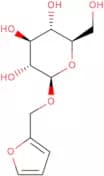
CAS:<p>2-Furanylmethylbeta-D-glucopyranoside is a glycosylation agent that is used in complex carbohydrate synthesis. It can be synthesized by the addition of two molecules of methyl bromide to 2,3,4-trihydroxybenzoic acid followed by fluorination with sulfur tetrafluoride. This compound can also be modified with an acetate group at the para position on the furan ring. This modification has been shown to increase the binding affinity to polysaccharides and Oligosaccharides. 2-Furanylmethylbeta-D-glucopyranoside is typically supplied as a white powder and is CAS No. 141360-95-4.</p>Formula:C11H16O7Purity:Min. 95%Molecular weight:260.24 g/mol3-Pyridinylmethylbeta-D-glucopyranoside
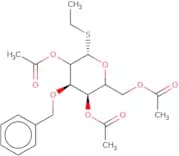
CAS:<p>3-Pyridinylmethylbeta-D-glucopyranoside is a sugar that can be custom synthesized. It is a white to off-white crystalline powder with an odorless taste and is soluble in water. 3-Pyridinylmethylbeta-D-glucopyranoside is used in the synthesis of glycosides, saccharides, oligosaccharides, and monosaccharides. This compound can also be modified with fluorination or methylation reactions. The use of this product has been shown to produce high purity compounds for use in pharmaceuticals, agrochemicals, and other chemical industries.</p>Formula:C12H17NO6Purity:Min. 95%Molecular weight:271.27 g/molEthyl 2,4,6-tri-O-acetyl-3-O-benzyl-b-D-thioglucopyranoside
<p>Ethyl 2,4,6-tri-O-acetyl-3-O-benzyl-b-D-thioglucopyranoside is a synthetic carbohydrate with a molecular weight of 592. It has been fluorinated at the C2 position and acetylated at the C3 position. This product is used in the synthesis of oligosaccharides and polysaccharides. It is also used in click chemistry and as an intermediate in carbohydrate modifications and fluorination reactions.</p>Formula:C21H28O8SPurity:Min. 95%Molecular weight:440.51 g/mol1,2,3,4,6-Penta-O-benzoyl-D-galactopyranoside
CAS:<p>1,2,3,4,6-Penta-O-benzoyl-D-galactopyranoside is a custom synthesis of an oligosaccharide. It is a polysaccharide that is modified by methylation and glycosylation. This product has been fluorinated and has been modified with a click reaction. The final product is highly pure with a CAS number of 3006-48-2.</p>Formula:C41H32O11Purity:Min. 95%Molecular weight:700.69 g/molPhenyl a-D-thiogalactopyranoside
<p>Phenyl a-D-thiogalactopyranoside is a sugar with a galactose and thioglucose residue linked by an alpha-1,6 glycosidic bond. It is obtained from the hydrolysis of starch or starch derivatives such as maltodextrin. This compound can be modified through various reactions, including fluorination, glycosylation, methylation, and modification. Phenyl a-D-thiogalactopyranoside has CAS number 5664-77-5 and molecular weight of 288.24 g/mol.</p>Formula:C12H16O5SPurity:Min. 95%Molecular weight:272.32 g/mol(4-Methylphenyl)methylbeta-D-glucopyranoside
CAS:<p>4-Methylphenyl)methylbeta-D-glucopyranoside is a modified monosaccharide that is synthesized by the methylation of D-glucose. It is a white powder with a molecular weight of 328.4 g/mol and chemical formula C14H22O9. The product's purity level is 99%.</p>Formula:C14H20O6Purity:Min. 95%Molecular weight:284.31 g/molMethyl-O-(2-azido-3,4-di-O-benzyl-2-deoxy-a-D-glucopyranosyl)-(1-4)-O-(2,3-di-O-benzyl-b-D-glucopyranosyluronicacid)- (1-4)-O-(2-azi do-2-deoxy-a-D-glucopyranosyl)-(1-4)-O-(3-O-benzyl-a-L-idopyranosyluronic acid)-(1-4)-3-O-benzyl- 2-benzyloxycarbonyla
CAS:<p>Maltodextrin is a polysaccharide that is made up of glucose units linked together by alpha-glycosidic bonds. Maltodextrin is commonly used as a food additive, but it also has several industrial applications. It can be used to produce escherichia coli, which is a bacterium that produces maltose and amylopectin. Maltodextrin can also be used as an animal feed supplement or as an ingredient in baby food. The glycosidic bond between the glucose units are metabolized by mouse enzymes to produce maltose and glycogen, which are both plant metabolites. Maltodextrin consists of unbranched subunits with linear chains of alpha-1,4-linked glucose residues that have alpha-1,6-linked branches at every second residue. This means that maltodextrin has a glycosidic linkage between the two glucose molecules in the chain and one of these links will always be an alpha-</p>Formula:C81H91N7O27Purity:Min. 95%Molecular weight:1,594.62 g/molMethyl 1-(5-fluoro-1H-2-oxopyrimidin-4-yl)-b-D-glucopyranuronate
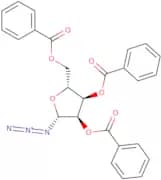
CAS:<p>Methyl 1-(5-fluoro-1H-2-oxopyrimidin-4-yl)-b-D-glucopyranuronate is an anticancer drug that inhibits β-glucuronidase. Methyl 1-(5-fluoro-1H-2-oxopyrimidin-4-yl)-b-D-glucopyranuronate is a colorless solid that has been recrystallized, purified, and analyzed for its chloride content. The function of this compound has been tested in vitro using tissue cultures and animal models. The reaction vessel used for the test was an acetonitrile solution with a pH between 7 and 8. The methylester form of methyl 1-(5-fluoro-1H--2--oxopyrimidin 4--yl)-b--D--glucopyranuronate reacts with sulphite to produce a green product with a colorimetric method</p>Formula:C11H13FN2O8Purity:Min. 95%Molecular weight:320.23 g/mol2,3,5-Tri-O-benzoyl-b-D-ribofuranosyl azide
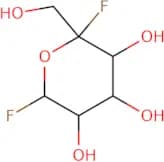
CAS:<p>2,3,5-Tri-O-benzoyl-b-D-ribofuranosyl azide (2,3,5-TRBA) is an antiviral agent that inhibits the synthesis of viral nucleic acid by targeting a glycosylation step in the synthesis of herpes simplex virus type 1 (HSV1). 2,3,5-TRBA has significant antiviral activity against HSV1 and other herpes viruses. This compound is also active against influenza A virus and vaccinia virus. 2,3,5-TRBA inhibits the enzyme triosephosphate isomerase (TPI), which catalyzes the conversion of dihydroxyacetone phosphate to glyceraldehyde 3-phosphate. Inhibition of TPI leads to decreased glucose production in cells infected with herpes viruses. The acetonitrile used as a solvent in this reaction can be replaced by pyridine or DMF. The sulfonate group</p>Formula:C26H21N3O7Purity:Min. 98 Area-%Color and Shape:PowderMolecular weight:487.46 g/mola-D-1,5-Difluoroglucose
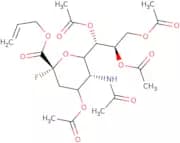
CAS:<p>a-D-1,5-Difluoroglucose is a synthetic sugar that is used in the modification of complex carbohydrates. It is fluorinated to give a stable compound that can be methylated and glucosylated. The compound has been shown to have high purity and a long shelf life.</p>Formula:C6H10F2O5Purity:Min. 95%Molecular weight:200.14 g/mol4,7,8,9-Tetra-O-acetyl-N-acetyl-2-deoxy-2-fluoro-b-D-neuraminic acid allyl ester
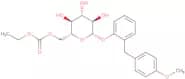
CAS:<p>4,7,8,9-Tetra-O-acetyl-N-acetyl-2-deoxy-2-fluoro-b-D-neuraminic acid allyl ester is a custom synthesized chemical that has been modified with fluorination and methylation. This product is an oligosaccharide, saccharide, and polysaccharide. The product also has a high purity.</p>Formula:C22H30FNO12Purity:Min. 95%Molecular weight:519.47 g/mol2-(4-Methoxybenzyl)phenyl6-O-(ethoxycarbonyl)-β-D-glucopyranoside
CAS:<p>Canagliflozin is a type of antidiabetic agent that is used to treat patients with type 2 diabetes. This drug works by decreasing the reabsorption of glucose in the kidneys, which increases the excretion of glucose, and thus reduces blood sugar levels. Canagliflozin also lowers blood pressure and has been shown to reduce cholesterol levels. It is an inhibitor of SGLT-1, a transporter protein in the kidney that is responsible for renal glucose reabsorption. The use of canagliflozin has been studied in animal models, where it was found to significantly increase glomerular filtration rate (GFR) and decrease blood pressure. It is recommended that canagliflozin be taken together with other anti-diabetic medications, such as insulin or metformin, due to its potential side effects on GFR and blood pressure.</p>Formula:C23H28O9Purity:Min. 95%Molecular weight:448.46 g/mol2-Acetamido-2-deoxy-b-D-glucopyranosyl serine
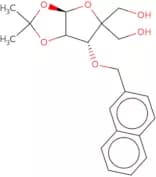
<p>2-Acetamido-2-deoxy-b-D-glucopyranosyl serine is a carbohydrate that can be modified in many ways. It can be synthesized from D-glucose and acetamide, which are its only starting materials. The synthesis of 2-acetamido-2-deoxy-b -D -glucopyranosyl serine involves the use of fluoride as a reagent to introduce fluorine atoms at specific positions on the sugar molecule. This modification is used to create oligosaccharides or complex carbohydrates with unique chemical and biological properties. Click chemistry allows for the modification of 2-acetamido-2-deoxy-b -D -glucopyranosyl serine with methyl groups at specific positions on the sugar molecule. With this process, glycosylation reactions can be carried out with ease. 2 acetamido 2 deoxy b D glucopyranosyl serine has</p>Purity:Min. 95%1,2-O-Isopropylidene-4-hydroxymethyl-3-O-(2-methylnaphthyl)-a-D-ribofuranose
<p>1,2-O-Isopropylidene-4-hydroxymethyl-3-O-(2-methylnaphthyl)-a-D-ribofuranose is a fluorinated saccharide that is synthesized by the Click reaction. It has the CAS number of 29098-01-9 and can be used as a custom synthesis or modification to sugars. This carbohydrate is an oligosaccharide with a high purity level and can be used as a glycosylation reagent. The methylation of this product has been shown to modify the properties of polysaccharides and glycoconjugates.</p>Formula:C20H24O6Purity:Min. 95%Molecular weight:360.4 g/molEstrone D5 b-D-glucuronide
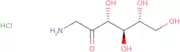
<p>Estrone D5 b-D-glucuronide is a synthetic compound. It is a methylated estrone derivative with the D5 configuration of the steroid nucleus. Estrone D5 b-D-glucuronide is also known as estrone 5-O-(2,3,4,5,6-pentafluorobenzoyl)glucuronide and has CAS number 70630-03-6. This compound is used in research on oligosaccharides and polysaccharides because it can be used to modify the sugar moiety at the reducing end of the saccharide chain. It can also be used to synthesize complex carbohydrate structures with fluorinated substituents. The chemical structure is shown below:</p>Purity:Min. 95%1-Amino-1-deoxy-D-psicose hydrochloride
CAS:<p>1-Amino-1-deoxy-D-psicose hydrochloride is a Glycosylation product with the CAS No. 51296-39-0(free basis). It is a white crystalline powder that is soluble in water and ethanol, but insoluble in ether. This compound is used for complex carbohydrate synthesis, methylation, click modification, polysaccharide modification, fluorination, saccharide modification, sugar modification and oligosaccharide synthesis. The purity of this product ranges from 98% to 99%, and it can be customized depending on the customer's needs.</p>Formula:C6H13NO5·HClPurity:Min. 95%Molecular weight:215.63 g/mol






![(2E)-4-[2-Nitro-3-[(2,3,4,6-tetra-O-acetyl-b-D-glucopyranosyl)oxy]phenyl]-4-oxo-2-butenoic acid me…](/_next/image/?url=https%3A%2Fstatic.cymitquimica.com%2Fproducts%2F3D%2Fthumb-webp%2FMN16816.webp&w=3840&q=75)


![O-(2-Azido-4,6-O-benzylidene-2-deoxy-a-D-galactopyranosyl)-N-[(9H-fluoren-9-ylmethoxy)carbonyl]-L-…](/_next/image/?url=https%3A%2Fstatic.cymitquimica.com%2Fproducts%2F3D%2Fthumb-webp%2FMA60610.webp&w=3840&q=75)