Monosaccharides
Monosaccharides are the simplest form of carbohydrates and serve as fundamental building blocks for more complex sugars and polysaccharides. These single sugar molecules play critical roles in energy metabolism, cellular communication, and structural components of cells. In this section, you will find a wide variety of monosaccharides essential for research in biochemistry, molecular biology, and glycoscience. These compounds are crucial for studying metabolic pathways, glycosylation processes, and developing therapeutic agents. At CymitQuimica, we offer high-quality monosaccharides to support your research needs, ensuring precision and reliability in your scientific investigations.
Subcategories of "Monosaccharides"
- Alloses(11 products)
- Arabinoses(21 products)
- Erythroses(11 products)
- Fructoses(9 products)
- Fucoses(36 products)
- Galactosamine(41 products)
- Galactose(261 products)
- Glucoses(365 products)
- Glucuronic Acids(51 products)
- Glyco-substrates for Enzyme(77 products)
- Guloses(6 products)
- Idoses(4 products)
- Inositols(15 products)
- Lyxoses(4 products)
- Mannoses(65 products)
- O-Glycans(48 products)
- Psicoses(3 products)
- Rhamnoses(10 products)
- Riboses(61 products)
- Sialic Acids(100 products)
- Sorboses(4 products)
- Sugars(173 products)
- Tagatoses(4 products)
- Taloses(8 products)
- Xyloses(20 products)
Show 17 more subcategories
Found 6088 products of "Monosaccharides"
Sort by
Purity (%)
0
100
|
0
|
50
|
90
|
95
|
100
N-(b-D-Glucopyranosyl)-N'-[(2-methanethiosulfonyl)ethyl]urea
CAS:<p>N-(b-D-Glucopyranosyl)-N'-[(2-methanethiosulfonyl)ethyl]urea is a synthetic, fluorinated glycosylamine that has been used for the synthesis of oligosaccharides and polysaccharides. The product is supplied in high purity and with a custom synthesis. It is also available for click modification to suit customer needs.</p>Formula:C10H20N2O8S2Purity:Min. 95%Color and Shape:White to off-white solid.Molecular weight:360.4 g/mol1-Hydroxypyrene-d9
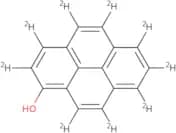
CAS:Controlled Product<p>1-Hydroxypyrene-d9 is a genotoxic aromatic hydrocarbon that can be found in the environment as a byproduct of combustion and cigarette smoke. It has been shown to cause DNA damage through oxidative stress and genotoxicity. This compound can be used for the detection of naphthalene in bile samples and urine samples. 1-Hydroxypyrene-d9 also has potential use in cancer research as it can be used to detect oxidative damage to DNA in cells. It has been shown to have synchronous fluorescence with DNA, which makes it useful for quantification of DNA. 1-Hydroxypyrene-d9 is analysed using analytical methods such as fluorescence spectrometry, synchronous fluorescence, and sample preparation.</p>Formula:C16HD9OPurity:Min. 95%Color and Shape:PowderMolecular weight:227.3 g/molN-(2-Deoxy-D-glucopyranosyl)-S-nitroso-N-acetyl-D,L-pencillamine
CAS:<p>N-(2-Deoxy-D-glucopyranosyl)-S-nitroso-N-acetyl-D,L-pencillamine is a custom synthesis of an Oligosaccharide. It is an unmodified saccharide with a CAS No. 188849-82-3. The chemical formula for this compound is C12H14N2O9 and its molecular weight is 368.24 g/mol. This compound has been synthesized using the Click modification, methylation, and fluorination techniques. N-(2-Deoxy-D-glucopyranosyl)-S-nitroso-N acetyl D,L pencillamine has a purity level of 95% or greater. This product has not been glycosylated or carbamoylated and does not contain any sugar moieties.</p>Formula:C13H23N3O8SPurity:Min. 95%Molecular weight:381.4 g/molMethyl (Phenyl 2,3,4-Tri-O-acetyl-1-thio-b-D-glucopyranosid)uronate
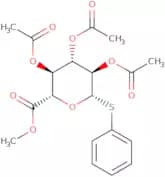
CAS:<p>Methyl (Phenyl 2,3,4-Tri-O-acetyl-1-thio-b-D-glucopyranosid)uronate is a modified sugar that can be used as a building block to synthesize complex carbohydrates. It is an important intermediate for the synthesis of saccharides and oligosaccharides. This product is a white powder with a molecular weight of 594.87. Methyl (Phenyl 2,3,4-Tri-O-acetyl-1-thio-b-D-glucopyranosid)uronate has been assigned CAS No. 62812-42-4 and has been approved for use in food production.</p>Formula:C19H22O9SPurity:Min. 95%Molecular weight:426.44 g/molRaloxifene 4'-D-glucuronide D4
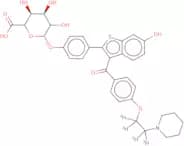
Controlled Product<p>Raloxifene 4'-D-glucuronide D4 is an Oligosaccharide, Carbohydrate, complex carbohydrate. It is a Custom synthesis, Synthetic and it has a CAS No. It is also Monosaccharide, Methylation and Glycosylation. This product contains Fluorination and saccharide.</p>Formula:C34H31NO10SD4Purity:Min. 95%Molecular weight:653.73 g/molUDP-a-D-Xylose disodium
CAS:<p>UDP-a-D-Xylose disodium is a fluorinated synthetic monosaccharide that has been synthesized to produce an oligosaccharide. It is a complex carbohydrate with glycosylation and polysaccharide modifications, which can be modified by methylation or click chemistry. This product is usually used as a custom synthesis for research purposes.</p>Purity:Min. 95%(4-Chlorophenyl)methyl-β-D-glucopyranoside
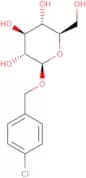
CAS:<p>4-Chlorophenyl)methyl-beta-D-glucopyranoside is a modified saccharide that is used as a synthetic building block in the synthesis of complex carbohydrates. It is also possible to use 4-chlorophenyl)methyl-beta-D-glucopyranoside as an intermediate in the synthesis of oligosaccharides. The compound has been shown to be stable under acidic conditions, making it useful for the modification of polysaccharides.</p>Formula:C13H17ClO6Purity:Min. 95%Molecular weight:304.72 g/molMethyl 2-deoxy-2-fluoro-D-arabinofuranoside
CAS:<p>Methyl 2-deoxy-2-fluoro-D-arabinofuranoside is a fluorinated sugar that is used as a building block for the synthesis of oligosaccharides and polysaccharides. It is also used in click chemistry to modify saccharides. This product has been purified to > 98% purity, and is available with custom synthesis.</p>Formula:C6H11FO4Purity:Min. 95%Molecular weight:166.15 g/mol2,3,4-Tri-O-acetyl-b-L-fucopyranosyl azide
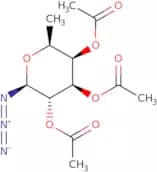
CAS:<p>2,3,4-tri-O-acetyl-b-L-fucopyranosyl azide is a synthetic molecule that has been modified with fluorination, methylation, and acetylation. This compound is used for the synthesis of oligosaccharides and polysaccharides. It also can be used for glycosylation reactions to produce saccharides. The CAS number for this product is 95581-07-0.</p>Formula:C12H17N3O7Purity:Min. 95%Color and Shape:Light (Or Pale) Yellow SolidMolecular weight:315.28 g/molPhenyl 4,6-O-benzylidene-β-D-thioglucopyranoside
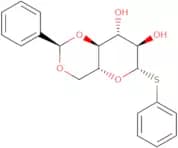
CAS:<p>Phenyl 4,6-O-benzylidene-b-D-thioglucopyranoside is a biodegradable compound that has been shown to be effective in the treatment of cancer. This agent is synthesized by the reaction of c1-6 alkyl with benzaldehyde and thioglycolic acid in the presence of sodium borohydride. Phenyl 4,6-O-benzylidene-b-D-thioglucopyranoside emits light when it interacts with oxygen. This compound can be used for the treatment of tumors due to its ability to inhibit the proliferation of cancer cells. Phenyl 4,6-O-benzylidene-b-D-thioglucopyranoside has also been shown to reduce cardiac injury and improve blood pressure by inhibiting tyrosine kinase and increasing paracrine activity.</p>Formula:C19H20O5SPurity:Min. 95%Color and Shape:PowderMolecular weight:360.42 g/mol1-Amino-1-deoxy-D-glucitol hydrochloride
CAS:<p>1-Amino-1-deoxy-D-glucitol hydrochloride (AMDG) is a compound that has been synthesized to inhibit the enzyme chondroitin sulfate. Chondroitin sulfate is an important component of cartilage and plays a role in the inflammatory response. It also inhibits the production of gamma-aminobutyric acid, which is an inhibitory neurotransmitter. AMDG can be used as a treatment for pain by inhibiting the transmission of pain signals through the nervous system. AMDG also has anti-inflammatory effects, which may be due to its ability to suppress prostaglandin synthesis.</p>Purity:Min. 95%2,6-Di-O-benzoyl-methyl-a-D-glucopyranoside
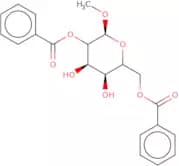
CAS:<p>2,6-Di-O-benzoyl-methyl-a-D-glucopyranoside is a custom synthesis that is an oligosaccharide. It has a molecular weight of 590.17 g/mol and a formula weight of 594.22 g/mol. 2,6-Di-O-benzoyl-methyl-a-D-glucopyranoside has the following structure:</p>Formula:C21H22O8Purity:Min. 95%Molecular weight:402.39 g/mol5-Deoxy-1,2-O-isopropylidene-5-[(2R-pyridin-4-yl-pyrrolidine)-1-yl]-a-D-xylofuranose
CAS:<p>5-Deoxy-1,2-O-isopropylidene-5-[(2R-pyridin-4-yl-pyrrolidine)-1-yl]-a-D-xylofuranose is a synthetic sugar that can be custom synthesized. This sugar has been modified with fluorination and glycosylation. It is also methylated and has been modified by the addition of saccharide chains.</p>Formula:C17H24N2O4Purity:Min. 95%Molecular weight:320.39 g/mol1,2:3,4-Di-O-isopropylidene-6-O-p-toluenesulfonyl-a-D-galactopyranose
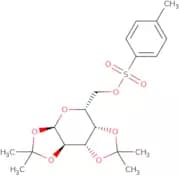
CAS:<p>1,2:3,4-Di-O-isopropylidene-6-O-p-toluenesulfonyl-a-D-galactopyranose is a liquid at room temperature. It has been shown to form gas at temperatures below -78°C and solid at higher temperatures. 1,2:3,4 Di-O-isopropylidene-6-O p toluenesulfonyl a D galactopyranose has been shown to have magnetic properties that can be used in a particle detector. The compound has also been studied using simulations and spectrometry. 1,2:3,4 Di-O-isopropylidene 6 O p toluenesulfonyl a D galactopyranose is an electron acceptor and an electron donor. It has been shown to have absorption bands in the range of 190 nm - 400 nm as well as in</p>Formula:C19H26O8SPurity:Min. 95%Color and Shape:Brown PowderMolecular weight:414.47 g/molMethyl 2,3,4-tri-O-benzyl-L-rhamnopyranoside
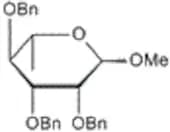
CAS:<p>Methyl 2,3,4-tri-O-benzyl-L-rhamnopyranoside is a sugar that is used in the synthesis of oligosaccharides and saccharides. This compound has been shown to be an intermediate for the synthesis of benzylidene acetone phosphate, which can be used as a precursor for polymers that have potential use in biomedical applications.</p>Formula:C28H32O5Purity:Min. 95%Molecular weight:448.55 g/molMethyl 3-O-benzyl-4,6-O-benzylidene-2-deoxy-2-phthalimido-b-D-glucopyranose
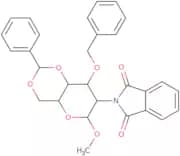
CAS:<p>Methyl 3-O-benzyl-4,6-O-benzylidene-2-deoxy-2-phthalimido-b-D-glucopyranose is a synthetic chemical that is used in the modification of saccharides. It has been shown to be an efficient and economical way to introduce methyl groups into saccharide chains. This product is a white solid that is soluble in water, ethanol, and chloroform. Methyl 3-O-benzyl-4,6-O-benzylidene-2-deoxy -2 -phthalimido -b -D -glucopyranose has a molecular weight of 564.1 grams per mole and an empirical formula of C14H22N2O8P. It has CAS number 97276–96–5 and can be found under code XA0433.</p>Formula:C29H27NO7Purity:Min. 95%Molecular weight:501.53 g/molD-Arabinose phenylhydrazone
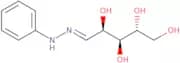
CAS:<p>D-Arabinose phenylhydrazone is a synthetic compound that is used in the study of stereoisomers. It has a D-arabinose and a phenylhydrazine group, which are connected through an amide linkage. D-Arabinose phenylhydrazone is structurally similar to the natural ligand for phosphatase, bovine serum albumin (BSA). This similarity allows it to be used as a substrate for BSA, and also as a ligand for phosphatase enzymes. The acidic functional groups on this molecule allow it to react with tissues and tissue samples that contain carboxylic acid groups. This makes it useful in the study of human urine and tissue samples from other mammals.</p>Formula:C11H16N2O4Purity:Min. 95%Molecular weight:240.26 g/molD-myo-Inositol-2,3-O-cyclohexylidene
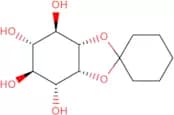
CAS:<p>D-myo-Inositol-2,3-O-cyclohexylidene is a lipase. It hydrolyzes esters and triglycerides, which are found in many natural and synthetic products. D-myo-Inositol-2,3-O-cyclohexylidene is more effective at hydrolyzing fats than porcine pancreatic lipase. This enzyme has been shown to be enantioselective for some solvents, such as vinyl acetate. D-myo-Inositol-2,3-O-cyclohexylidene also has the ability to produce butyrate from fatty acids.</p>Formula:C12H20O6Purity:Min. 95%Molecular weight:260.28 g/molMethyl β-neuraminic acid
CAS:<p>Methyl β-neuraminic acid is a neuraminidase inhibitor that is used to treat influenza. It inhibits the action of the influenza virus by blocking its ability to attach to the host cell and enter. Methyl β-neuraminic acid has been shown to be effective in treating influenza A and B, with an efficacy of 92%. The drug is also effective against respiratory syncytial virus and adenovirus, as well as for prevention of flu in healthy adults. In addition, methyl β-neuraminic acid is able to prevent or reduce the severity of influenza when taken prophylactically. It can be administered orally or intravenously. Methyl β-neuraminic acid is often used as a synthetic reagent because it has both acetyl groups and hydroxyl groups. The optimum pH for this compound is 5.5-7.5 at room temperature.</p>Formula:C10H19NO8Purity:Min. 95%Color and Shape:White PowderMolecular weight:281.26 g/mol3,4,6-Tri-O-benzyl-2-deoxy-2-phthalimdo-b-D-glucopyranosyl azide
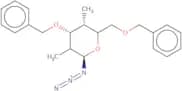
<p>3,4,6-Tri-O-benzyl-2-deoxy-2-phthalimdo-b-D-glucopyranosyl azide is a synthetic carbohydrate that has been modified with methyl groups, which are capable of being removed by treatment with base. This product is a white to off white powder that is soluble in water, but insoluble in ethanol. It can be used as a reagent for the synthesis of saccharides and oligosaccharides. The chemical name for this product is 2-[3,4,6 triO benzyl 2 deoxy 2 phthalimido b D glucopyranosyl] azide. The CAS number for this product is 1243903-97-5.</p>Formula:C35H32N4O6Purity:Min. 95%Molecular weight:604.65 g/mol1,2,3-Tri-O-benzoyl-4,6-dideoxy-4-iodo-a-L-glucopyranose
CAS:<p>1,2,3-Tri-O-benzoyl-4,6-dideoxy-4-iodo-a-L-glucopyranose is a custom synthesis of an Oligosaccharide, Polysaccharide. The chemical name for this compound is 1,2,3-tri-(O-(Benzoyl)glycosyl)-4,6--dideoxy-[4-(1H--1,2,3-triazol-1--yl)--a--D--glucopyranosyl]-4-[(1E)-1-(hydroxymethyl)-2-(methylsulfonyl)ethenyl]-, 4-[(1E)-1-(hydroxymethyl)-2-(methylsulfonyl)ethenyl]-. It has a molecular weight of 565.66 g/mol and CAS No. 132867-78-8. This product is available</p>Formula:C27H23IO7Purity:Min. 95%Molecular weight:586.37 g/molb-Estradiol 3-(b-D-glucuronide) sodium salt
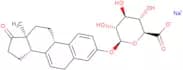
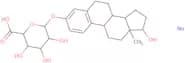
CAS:<p>B-Estradiol 3-(β-D-glucuronide) sodium salt is a conjugate of estradiol and glucuronic acid. Estrogens are hormones that regulate the development and maintenance of female external genitalia, secondary sexual characteristics, and reproductive function. B-Estradiol 3-(β-D-glucuronide) sodium salt is a metabolite of estradiol. It has been shown to be effective in wastewater treatment plants for the removal of estrogenic compounds from wastewater. This compound has also been validated for monitoring 17β-estradiol with high sensitivity and specificity. The enhanced detection limit of this compound can be used to monitor estrone levels in environmental samples.</p>Formula:C24H31O8NaPurity:Min. 95%Molecular weight:470.49 g/mol1,2,3-Tri-O-benzyl-4-O-benzoyl-b-D-galactopyranoside
CAS:<p>1,2,3-Tri-O-benzyl-4-O-benzoyl-b-D-galactopyranoside is a custom synthesis of an oligosaccharide (sugar) that can be modified with fluorination, glycosylation, and methylation. The CAS number for this compound is 313352-43-1. This product has a molecular weight of 685.96 g/mol and the chemical formula C36H51NO13. It is a white solid at room temperature. 1,2,3-Tri-O-benzyl-4-O-benzoyl--b -D--galactopyranoside is also known as an Oligosaccharide (sugar). It has a molecular weight of 685.96 g/mol and the chemical formula C36H51NO13. It is a white solid at room temperature.</p>Formula:C34H34O7Purity:Min. 95%Molecular weight:554.63 g/mol4-Nitrophenyl 3,4,6-tri-O-acetyl-2-azido-2-deoxy-a-D-galactopyranoside
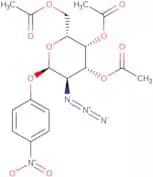
CAS:<p>4-Nitrophenyl 3,4,6-tri-O-acetyl-2-azido-2-deoxy-a-D-galactopyranoside is a synthetic compound that has been modified by glycosylation and fluorination. The modification of the sugar moiety with an acetyl group at position 4, 6 and 8 prevents the formation of disaccharides from the monosaccharides. This product is supplied as a white to off white powder for use in research applications. It has CAS number 1147438-51-4.</p>Formula:C18H20N4O10Purity:Min. 95%Molecular weight:452.37 g/mol8-Methoxycarbonyloctyl 2-deoxy-4,6-O-(4-methoxybenzylidene)-2-phthalimido-b-D-glucopyranoside
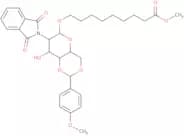
CAS:<p>8-Methoxycarbonyloctyl 2-deoxy-4,6-O-(4-methoxybenzylidene)-2-phthalimido-b-D-glucopyranoside is a sugar that is found in plants. It can be used as a custom synthesis for pharmaceutical purposes. The CAS number of this product is 359436-88-7 and it has a purity of >99%.</p>Formula:C32H39NO10Purity:Min. 95%Molecular weight:597.65 g/mol1,2,3,4,6-Penta-O-pivaloyl-β-D-mannopyranose
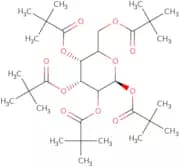
CAS:<p>1,2,3,4,6-Penta-O-pivaloyl-β-D-mannopyranose is an oligosaccharide which is a type of complex carbohydrate. It has the chemical formula C(13)H(22)O(12). 1,2,3,4,6-Penta-O-pivaloyl-β-D-mannopyranose can be synthesized by methylation and glycosylation of pentaerythritol. The molecular weight of 1,2,3,4,6-Penta-O-pivaloyl-β-D-mannopyranose is 391.5 g/mol. 1,2,3,4,6 -Penta -O -pivaloyl - β - D - mannopyranose has been shown to inhibit the growth of Staphylococcus aureus in vitro</p>Formula:C31H52O11Purity:Min. 95%Color and Shape:White PowderMolecular weight:600.74 g/mol4-Methoxyphenyl 2,3,4,6-tetra-O-benzyl-β-D-galactopyranoside
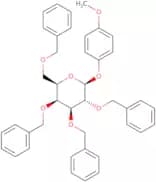
CAS:<p>4-Methoxyphenyl 2,3,4,6-tetra-O-benzyl-b-D-galactopyranoside is a matrix assisted laser desorption/ionization (MALDI) probe that is used for the detection of esophageal cancer. This probe has been shown to be resistant to non-Hodgkin's lymphoma and dna–dna hybridization. The type strain of this agent was found in a clinical sample from an esophagus biopsy. 4MPBGP has also been shown to have coagulation and waveform properties.</p>Formula:C41H42O7Purity:Min. 95%Molecular weight:646.77 g/mol4-Methylphenyl 2-azido-3,4,6-tri-O-(4-chlorobenzyl)-2-deoxy-b-D-thiogalactopyranoside
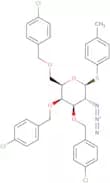
CAS:<p>4-Methylphenyl 2-azido-3,4,6-tri-O-(4-chlorobenzyl)-2-deoxy-b-D-thiogalactopyranoside is a synthetic glycosylation agent that has been shown to be a potent inhibitor of the synthesis of bacterial polysaccharides. It is also used in the modification of saccharides and oligosaccharides. 4MPAPG is an azide sugar that can be modified with chlorobenzyl groups by click chemistry. The resulting product is a potent inhibitor of bacterial polysaccharide production. This product has been shown to have high purity and is synthesized in custom quantities on request.</p>Formula:C34H32Cl3N3O4SPurity:Min. 95%Molecular weight:685.06 g/mol2-Azido-1,3,4-tri-O-acetyl-2-deoxy-D-galacturonide methyl ester
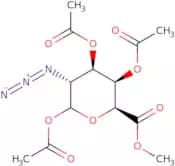
CAS:<p>2-Azido-1,3,4-tri-O-acetyl-2-deoxy-D-galacturonide methyl ester is a custom synthesis that is intended for use in research. This product is not a food or drug and is not intended to diagnose, treat, cure or prevent any disease.</p>Formula:C13H17N3O9Purity:Min. 95%Color and Shape:Colourless SolidMolecular weight:359.29 g/molEthyl 2,3,4,6-tetra-O-benzyl-b-D-galactopyranoside
<p>Ethyl 2,3,4,6-tetra-O-benzyl-b-D-galactopyranoside is a custom synthesis. It is a modification of the natural product 6-fluoro-3-indoxyl beta-D-galactopyranoside. The fluorine atoms on the sugar ring are substituted with methyl groups. This modification increases the stability of the molecule against hydrolysis by esterases and glutathione reductase. This compound has not been evaluated for safety or efficacy in humans.</p>Purity:Min. 95%b-D-Mannopyranosyl nitromethane
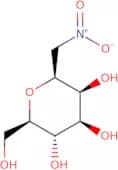
CAS:<p>b-D-Mannopyranosyl nitromethane is a fluorinated monosaccharide. It is used in the synthesis of oligosaccharides and polysaccharides. This compound is also used for glycosylation, methylation, and click modification of sugar molecules. b-D-Mannopyranosyl nitromethane has CAS No. 93302-92-2 and can be custom synthesized to meet your needs.</p>Formula:C7H13NO7Purity:Min. 95%Molecular weight:223.61 g/mol4-Amino-4-deoxy-fructose
<p>4-Amino-4-deoxy-fructose is a catalyzed product of ribulose. Its reaction with an aldehyde produces tagatose, which is a carbohydrate that has been shown to have therapeutic properties in mice. Tagatose can be used to produce dihydroxyacetone phosphate, an intermediate in the glycolytic pathway. 4-Amino-4-deoxy-fructose also accelerates the reaction between the ketoses and acceptors in the presence of an enzyme called enolase. This process is known as enantioselective reduction. The aminosugar 4-amino-4-deoxyglucose was synthesized using this methodology, and it has been shown to inhibit bacterial growth by binding to DNA gyrase, preventing DNA replication and transcription.</p>Purity:Min. 95%(2E)-4-[2-Nitro-3-[(2,3,4,6-tetra-O-acetyl-b-D-glucopyranosyl)oxy]phenyl]-4-oxo-2-butenoic acid methyl ester
CAS:<p>(2E)-4-[2-Nitro-3-[(2,3,4,6-tetra-O-acetyl-b-D-glucopyranosyl)oxy]phenyl]-4-oxo-2-butenoic acid methyl ester is a carbohydrate that can be custom synthesized. It is a synthetic glycoside of 2,3,4,6-tetraO acetyl b D glucopyranosyloxy nitrophenol and 4-(2E)-butene-2,4 diol. This compound has been fluorinated and methylated to produce a high purity product. In addition to its use as an intermediate in the synthesis of saccharides and oligosaccharides this compound can also be used as a sugar for click modification.</p>Formula:C25H27NO15Purity:Min. 95%Molecular weight:581.48 g/mol1,2,3,4-Tetra-O-acetyl-a-D-glucuronide methyl ester
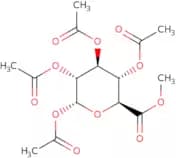
CAS:<p>1,2,3,4-Tetra-O-acetyl-a-D-glucuronide methyl ester is a synthetic molecule that has been modified with the click chemistry technique. This product is a white solid that can be used to modify saccharides and polysaccharides. It can also be used in the synthesis of oligosaccharides or glycosylation reactions. This product is useful for modifying sugars with custom modifications and fluorination. 1,2,3,4-Tetra-O-acetyl-a-D-glucuronide methyl ester has CAS number 5432-32-6 and can be synthesized from glyceraldehyde and acetone.</p>Formula:C15H20O11Purity:Min. 95%Molecular weight:376.31 g/mol(8-Ethoxycarbonyloctyl)-2,3,4,6-tetra-O-acetyl-b-D-galactopyranoside
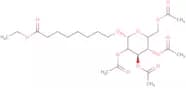
<p>(8-Ethoxycarbonyloctyl)-2,3,4,6-tetra-O-acetyl-b-D-galactopyranoside is a custom synthesis of a complex carbohydrate. It is an Oligosaccharide with CAS No. and has been modified with saccharide, methylation and glycosylation. The molecular weight of this compound is (1,000) g/mol and the purity level is >99%. This product also has fluorination and click modification as modifications.</p>Formula:C24H38O12Purity:Min. 95%Molecular weight:518.55 g/mol6-O-tert-Butyldiphenylsilyl-3,4-O-carbonyl-D-galactal
CAS:<p>6-O-tert-Butyldiphenylsilyl-3,4-O-carbonyl-D-galactal is a custom synthesis that has been modified with fluorine and methyl groups. It is a monosaccharide that can be found in complex carbohydrates such as saccharides and polysaccharides. The chemical name for 6-O-tert-Butyldiphenylsilyl-3,4-O-carbonyl-D-galactal is 6-[(tertiary butyl)diphenylsilyl]-3,4-[(carboxymethyl)oxymethyl]oxymethyl]oxymethyl]-D--glucopyranoside. This compound is an example of a sugar that can be found in carbohydrates.</p>Purity:Min. 95%Equilin 3-O-b-D-glucuronide sodium salt
CAS:<p>Equilin 3-O-b-D-glucuronide sodium salt is a synthetic, monosaccharide that can be used as a raw material for various glycosylation reactions. This compound is an example of a fluorinated sugar. Equilin 3-O-b-D-glucuronide sodium salt has the CAS number 27610-12-4 and can be custom synthesized to order. It can be modified with a click reaction or other modification techniques to generate desired products. This product is available in high purity and can be used for glycosylation reactions.</p>Formula:C24H27O8·NaPurity:Min. 95%Molecular weight:466.46 g/mola-D-Mannopyranosyl L-serine
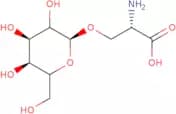
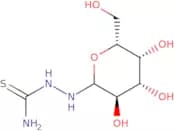
<p>a-D-Mannopyranosyl L-serine is an oligosaccharide that is synthesized by the monosaccharide a-D-mannose and the amino acid serine. It is a complex carbohydrate that has been modified with fluorination, methylation, and click chemistry. This product has a CAS number of 2468-81-7 and can be used in glycosylation reactions. The purity of this product is high, with an optical purity of > 98%.</p>Formula:C9H17NO8Purity:Min. 95%Molecular weight:267.24 g/molD-Galactopyranosyl thiosemicarbazide
CAS:<p>D-Galactopyranosyl thiosemicarbazide is an organic compound that has been synthesized by methylation of the natural product, D-galactopyranosyl thiosemicarbazide. It is a white solid that can be used as a building block in the synthesis of other organic compounds. The fluorination of this compound has been carried out with N-fluorobenzenesulfonimide and N-fluorobenzoyl chloride to give the desired product. This compound is also available as a custom synthesis on request.</p>Formula:C7H15N3O5SPurity:Min. 95%Molecular weight:253.32 g/mol4-Hydroxyestradiol 17-O-b-D-glucuronide
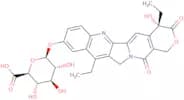
CAS:<p>4-Hydroxyestradiol 17-O-b-D-glucuronide is a fluorinated methyl ether of estradiol, which is a polyketide natural product. It is used as an intermediate in the synthesis of complex carbohydrates. 4-Hydroxyestradiol 17-O-b-D-glucuronide is also known for its modification of saccharides and polysaccharides, including oligosaccharides and polysaccharides.</p>Formula:C24H32O9Purity:Min. 95%Molecular weight:464.51 g/molSN-38 glucuronide
CAS:<p>SN-38 glucuronide is a metabolite of irinotecan that inhibits the growth of cancer cells by binding to the DNA polymerase, blocking the synthesis of DNA. SN-38 glucuronide has potent antitumor activity and high values for inhibiting tumor metastasis. It is mainly excreted in urine as a conjugate with glucuronic acid, which may be why urine samples are often used to measure its concentration. SN-38 glucuronide also interacts with other drugs, including chemical inhibitors and ATP-binding cassette transporters, which can affect its pharmacological properties.</p>Formula:C28H28N2O11Purity:Min. 97.5 Area-%Color and Shape:PowderMolecular weight:568.53 g/mol4-Toluoyl 2,3-di-O-benzyl-4,6-O-benzylidene-α-D-thiomannopyranoside
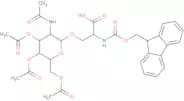
CAS:<p>4-Toluoyl 2,3-di-O-benzyl-4,6-O-benzylidene-a-D-thiomannopyranoside is a modification of the sugar, Mannose. The chemical structure is similar to that of D-Mannose with the exception that one oxygen atom has been replaced with a fluorine atom. This structural change in the sugar's backbone imparts a higher degree of water solubility and a lower affinity for proteins. 4-Toluoyl 2,3-di-O-benzyl-4,6 -O -benzylidene -a -D -thiomannopyranoside is used as an artificial sweetener and flavor enhancer in food products.</p>Formula:C34H34O5SPurity:Min. 95%Molecular weight:554.7 g/mol2-Acetamido-3,4,6-tri-O-acetyl-2-deoxy-b-D-galactopyranosyl-Fmoc serine
CAS:<p>2-Acetamido-3,4,6-tri-O-acetyl-2-deoxy-b-D galactopyranosyl Fmoc serine is a modification of the natural glycoside 2 acetamido 3,4,6 tri O acetyl 2 deoxy b D galactopyranosyl. It is a synthetic carbohydrate that is used in the synthesis of complex carbohydrates. This product has been shown to be stable under acidic conditions and can be modified for use in glycosylation or other reactions.</p>Formula:C32H36N2O13Purity:Min. 95%Molecular weight:656.64 g/molAllyl 2-acetamido-4,6-O-benzylidene-2-deoxy-b-D-glucopyranoside
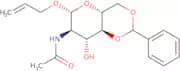
CAS:<p>Allyl 2-acetamido-4,6-O-benzylidene-2-deoxy-b-D-glucopyranoside is a synthetic compound that belongs to the class of carbohydrates. It is used as a reagent in sugar chemistry and glycosylation reactions. Allyl 2-acetamido-4,6-O-benzylidene-2-deoxy-b-D-glucopyranoside is also used for the modification of polysaccharides and fluorination reactions. This product has been shown to be effective as a substrate for site specific methylation reactions. Allyl 2 acetamido 4,6 O benzylidene 2 deoxy b D glucopyranoside has been tested in vitro against methicillin resistant Staphylococcus aureus (MRSA) with promising results.</p>Formula:C18H23NO6Purity:Min. 95%Molecular weight:349.39 g/mol1,2,3,4-Tetra-O-acetyl-b-L-rhamopyranose
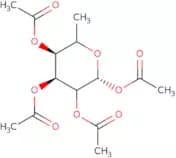
CAS:<p>1,2,3,4-Tetra-O-acetyl-b-L-rhamopyranose is a fluorinated monosaccharide that is synthetically produced. It can be used in the synthesis of oligosaccharides and complex carbohydrates. 1,2,3,4-Tetra-O-acetyl-b-L-rhamopyranose is an important chemical intermediate for glycosylation reactions. This product has been modified with methyl groups and click chemistry to produce a reactive site for subsequent glycosylation reactions. 1,2,3,4 Tetra -O -acetyl -b -L -rhamopyranose has been shown to be stable to heat and acid conditions as well as high purity.</p>Formula:C14H20O9Purity:Min. 95%Molecular weight:332.3 g/molMethyl a-L-acosamine hydrochloride
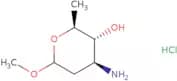
CAS:<p>Methyl a-L-acosamine hydrochloride is a custom synthesis that belongs to the class of complex carbohydrates. It has been modified with methylation, glycosylation, and carbocation modification. This product is also fluorinated and has a high purity level. It can be used as an intermediate in the production of saccharides and other products.</p>Formula:C7H15NO3·HClPurity:Min. 95%Molecular weight:197.66 g/mol3,6-Di-O-butanoyl-1,2:4,5-di-O-isopropylidene-D-myo-inositol
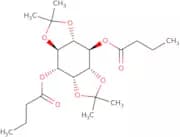
CAS:<p>3,6-Di-O-butanoyl-1,2:4,5-di-O-isopropylidene-D-myo-inositol is a custom synthesis of an oligosaccharide. It is a polymer of glucose with 3 to 9 residues, which may be modified by methylation and glycosylation. The chemical formula for 3,6-Di-O-butanoyl-1,2:4,5-di-O-isopropylidene is C(14)H(30)O(8). 3,6 Di O butanoyl 1 2 4 5 di O isopropylidene D myo inositol has a molecular weight of 790.3 g/mol. The CAS number for this compound is 1307298 34 5. This compound is readily soluble in water and methanol. The purity of the material exceeds 98%.</p>Formula:C20H32O8Purity:Min. 95%Molecular weight:400.46 g/mol4-Isothiocyanatophenyl-a-D-glucopyranoside
CAS:<p>4-Isothiocyanatophenyl-a-D-glucopyranoside is a synthetic fluorinated glycosylated oligosaccharide. Its chemical formula is C16H13N3O7. It has a molecular weight of 392.</p>Formula:C13H15NO6SPurity:Min. 95%Molecular weight:313.33 g/mol1,2,3,4,6-Penta-O-acetyl-a-D-fructofuranose
CAS:<p>1,2,3,4,6-Penta-O-acetyl-a-D-fructofuranose is a glycosylation product that is created by the reaction of 1,2,3,4,6-penta-O-acetylglucose and D-fructose. It is an oligosaccharide that belongs to the class of complex carbohydrates. This compound can be customized to have any desired substitution pattern or modification. 1,2,3,4,6-Penta-O-acetyl-a-D-fructofuranose has been shown to have high purity and can be used in a wide range of applications.</p>Formula:C16H22O11Purity:Min. 95%Molecular weight:390.34 g/mol3,5-O-Isopropylidene-D-arabinfuranose
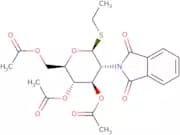
<p>3,5-O-Isopropylidene-D-arabinfuranose is a Modification of an oligosaccharide. It is a methylated monosaccharide that is synthesized in the laboratory. This product has been shown to have a CAS number, which is used to uniquely identify substances and establish their quality and purity. 3,5-O-Isopropylidene-D-arabinfuranose can be used as a raw material in the synthesis of complex carbohydrates such as polysaccharides or glycosylation with other compounds.</p>Purity:Min. 95%Ethyl 3,4,6-tri-O-acetyl-2-deoxy-2-phthalimido-b-D-thioglucopyranoside
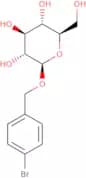
CAS:<p>The compound is an O-acetylated glycoside of 2-deoxy-2-phthalimido-b-D-thioglucopyranoside with a sugar moiety. It is used in the synthesis of complex carbohydrates with click modification and high purity.</p>Formula:C22H25NO9SPurity:Min. 95%Color and Shape:PowderMolecular weight:479.5 g/mol(4-Bromophenyl)methyl-β-D-glucopyranoside
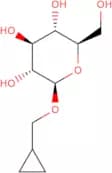
CAS:<p>The 4-Bromophenyl)methyl-beta-D-glucopyranoside is a synthetic monosaccharide with a brominated phenyl group. It is a complex carbohydrate that can be used as an oligosaccharide or sugar. The 4-Bromophenyl)methyl-beta-D-glucopyranoside can be modified with fluorination, methylation, glycosylation and click modification. This product is available in high purity and custom synthesis.</p>Formula:C13H17BrO6Purity:Min. 95%Molecular weight:349.17 g/molCyclopropylmethylbeta-D-glucopyranoside
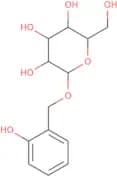
CAS:<p>Cyclopropylmethylbeta-D-glucopyranoside is a custom synthesis of a fluorinated monosaccharide. It has been modified to include methyl groups at C3, C6 and C7 positions. The modification may lead to the loss of the glucose from the molecule, which can be replaced with other sugars such as mannose or galactose. Cyclopropylmethylbeta-D-glucopyranoside is an oligosaccharide that can be used in glycosylation reactions. This molecule also has saccharide units connected by glycosidic linkages, which are typically either alpha-linked or beta-linked.</p>Formula:C10H18O6Purity:Min. 95%Molecular weight:234.25 g/mol2-Hydroxybenzylbeta-D-glucopyranoside
CAS:<p>2-Hydroxybenzylbeta-D-glucopyranoside is a fluorinated monosaccharide that has been custom synthesized for the glycosylation of complex carbohydrate. It is a synthetic compound that features a click modification and methylation. This product is offered in high purity and is available for custom synthesis.</p>Formula:C13H18O7Purity:Min. 95%Molecular weight:286.28 g/mol10-β-D-glucopyranosyl-1,8-dihydroxy-3-(hydroxymethyl)-anthrone heptaacetate
CAS:<p>10-Beta-D-glucopyranosyl-1,8-dihydroxy-3-(hydroxymethyl)-anthrone heptaacetate is a synthetic saccharide that can be used as a fluorescent probe. It is synthesized by reacting methyl anthrone with 10-beta-D-glucopyranosyl chloride and sodium hydroxide under basic conditions. The fluorination of the compound leads to its fluorescent properties. This product has been custom synthesized for use in click chemistry reactions.</p>Formula:C35H36O16Purity:Min. 95%Molecular weight:712.60 g/mol3,6-Anhydro-D-galactose dimethylacetal
CAS:<p>3,6-Anhydro-D-galactose dimethylacetal is a glycosylation intermediate that has been modified for use in synthetic chemistry. It can be used to synthesize complex carbohydrates, polysaccharides, or oligosaccharides. The product is custom-synthesized and available in high purity.</p>Formula:C8H16O6Purity:Min. 95%Molecular weight:208.21 g/mol2-Furanylmethylbeta-D-glucopyranoside
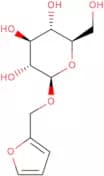
CAS:<p>2-Furanylmethylbeta-D-glucopyranoside is a glycosylation agent that is used in complex carbohydrate synthesis. It can be synthesized by the addition of two molecules of methyl bromide to 2,3,4-trihydroxybenzoic acid followed by fluorination with sulfur tetrafluoride. This compound can also be modified with an acetate group at the para position on the furan ring. This modification has been shown to increase the binding affinity to polysaccharides and Oligosaccharides. 2-Furanylmethylbeta-D-glucopyranoside is typically supplied as a white powder and is CAS No. 141360-95-4.</p>Formula:C11H16O7Purity:Min. 95%Molecular weight:260.24 g/molC-(2,3,4,6-Tetra-O-acetyl-1-hydroxy-b-D-galactopyranosyl)formamide
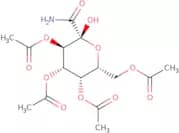
CAS:<p>C-(2,3,4,6-Tetra-O-acetyl-1-hydroxy-b-D-galactopyranosyl)formamide is a modified carbohydrate that has been synthesized and fluorinated. The chemical structure of this carbohydrate is composed of a monosaccharide and an oligosaccharide. This compound has been shown to have many different functions in the body. For example, it has been shown to inhibit the activity of the enzyme phospholipase A2 and to increase the production of prostaglandin E2. C-(2,3,4,6-Tetra-O-acetyl-1-hydroxy-b-D-galactopyranosyl)formamide has also been shown to be effective against methicillin resistant Staphylococcus aureus (MRSA).</p>Formula:C15H21NO11Purity:Min. 95%Molecular weight:391.33 g/mol1,2,3,6-Tetra-O-benzoyl-5-thio-D-glucopyranose
<p>1,2,3,6-Tetra-O-benzoyl-5-thio-D-glucopyranose is a monosaccharide that can be synthesized by the methylation of 1,2,3,6-tetra-O-(benzoyl) D-glucopyranose. The synthesis of this compound is accomplished by a click modification and the use of a fluoroquinolone to modify the sugar at C1. This compound has been shown to be an excellent substrate for polysaccharide and saccharide synthesis as well as fluorination. Purity levels are high with this product.</p>Purity:Min. 95%2-Deoxy-D-ribose diethyl thioacetal
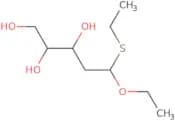
CAS:<p>2-Deoxy-D-ribose diethyl thioacetal is a synthetic, fluorinated carbohydrate that is used in the modification of saccharides and oligosaccharides. It is a complex carbohydrate that has been synthesized from D-ribose and diethyl thioacetal. Fluorination of 2-deoxy-D-ribose diethyl thioacetal has been shown to lead to glycosylation reactions with glycosyl acceptors. Click chemistry reactions have been used to modify this compound with methyl groups. This product has a high purity and can be custom synthesized by request.</p>Formula:C9H20O3S2Purity:Min. 95%Molecular weight:240.39 g/mol1-O -Acetyl-2,5-di-O-benzoyl-3-fluoro-3-deoxy-D-ribofuranoside
CAS:<p>1-O -Acetyl-2,5-di-O-benzoyl-3-fluoro-3-deoxy-D-ribofuranoside is a synthetic carbohydrate that has been modified by fluorination and methylation. The molecule has a molecular weight of 581.1 g/mol, with the chemical formula C14H12F6O8N2. It is a white crystalline solid that can be used in the synthesis of glycosides, saccharides, oligosaccharides, and monosaccharides. 1-O -Acetyl-2,5-di-O-benzoyl-3-fluoro-3-deoxyribofuranoside can be useful for glycosylation reactions such as click chemistry or glycosidase reactions. This product is high purity and custom synthesis to order.</p>Formula:C21H19FO7Purity:Min. 95%Molecular weight:402.37 g/molPhenyl 2,3,4,6-tetra-O-acetyl-a-D-glucopyranoside
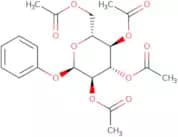
CAS:<p>Phenyl 2,3,4,6-tetra-O-acetyl-a-D-glucopyranoside is a custom synthesis of a monosaccharide. Phenyl 2,3,4,6-tetra-O-acetyl-a-D-glucopyranoside can be fluorinated and methylated to produce other compounds. It is also used in the modification of saccharides and oligosaccharides to produce polysaccharides. Phenyl 2,3,4,6-tetra-O-acetyl-a -D -glucopyranoside is soluble in water and has CAS No. 34274500.</p>Formula:C20H24O10Purity:Min. 95%Molecular weight:424.4 g/molN6-Benzyladenine-3-glucoside
CAS:<p>N6-Benzyladenine-3-glucoside is a carbohydrate that is modified with a click chemistry reaction. It is synthesized from D-mannose and 6-benzylaminopurine and has been glycosylated with 2,3,4,6-tetra-O-acetyl glucosamine. N6-Benzyladenine-3-glucoside is an important component of the bacterial cell wall. The compound consists of a single sugar chain and is fluorinated at the C2 position.</p>Formula:C18H21N5O5Purity:Min. 95%Color and Shape:PowderMolecular weight:387.39 g/mol1,2,3-Tri-O-acetyl-5-deoxy-D-ribofuranoside
CAS:<p>1,2,3-Tri-O-acetyl-5-deoxy-D-ribofuranoside is an acetylated form of a sugar derivative. It is used as a reagent for the acetylation of alcohols and amines. The reaction yield for this compound is stereoselective and can be prepared from readily available starting materials in good yield. The compound crystallizes in cyclic form with an organic solvent such as n-hexane or pyridine. This product is soluble in organic solvents such as n-hexane, pyridine, or vinyl acetate.</p>Formula:C11H16O7Purity:Min. 95%Molecular weight:260.24 g/molPhenyl a-L-thiorhamnopyranoside
CAS:<p>Phenyl a-L-thiorhamnopyranoside is a monosaccharide that is synthesized by the methylation of alpha-D-glucose. It is a custom synthesis that is used in the synthesis of oligosaccharides, polysaccharides, and sugar drugs. Phenyl a-L-thiorhamnopyranoside can be fluorinated to create an active form that has antibacterial activity. This compound has shown no signs of toxicity in animal studies and has been used as a food additive.</p>Formula:C12H16O4SPurity:Min. 95%Molecular weight:256.32 g/mol1,2,6-Tri-O-galloylglucose
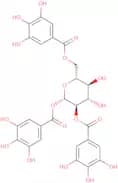
CAS:<p>1,2,6-Tri-O-galloylglucose is a natural compound that has been shown to have inhibitory effects on the human immunodeficiency virus (HIV) enzyme serine protease. This inhibits the viral replication process by preventing the protease from cleaving viral polyproteins. The compound also inhibits complement activation and has antioxidant properties. 1,2,6-Tri-O-galloylglucose is active against leukemia cells and has been shown to be more effective at lower pH levels. It also has an inhibitory effect on ellagitannins and anticomplement activity.</p>Formula:C27H24O18Purity:Min. 95%Molecular weight:636.47 g/molHesperetin 3'-O-β-D-glucuronide
CAS:<p>Hesperetin 3'-O-beta-D-glucuronide is a glycosylate that is obtained by the glycosylation of hesperidin. Hesperetin 3'-O-beta-D-glucuronide is a sugar with a glycosylation site at the C3 position of the aglycone. It has shown to be an efficient inhibitor of Triglyceride Synthetase, which reduces triglycerides in the body. Hesperetin 3'-O-beta-D-glucuronide also has been shown to inhibit insulin release and increase insulin sensitivity in vitro.</p>Formula:C22H22O12Purity:Min. 95%Molecular weight:478.4 g/mol2,3,4-Tri-O-benzyl-D-xylopyranose
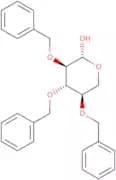
CAS:<p>Calystegine is a benzyl ester of D-xylose. It is the reaction product of D-xylose with benzaldehyde and hydrochloric acid. The condensation product of calystegine with chondroitin sulfate is calystegine B2, which has been shown to be an inhibitor of protein glycosylation in human erythrocytes. This compound inhibits the oxygenated form of D-xylose, which may be useful in inhibiting the growth of certain cancer cells. Calystegine also has anti-inflammatory properties that may be due to its ability to inhibit prostaglandin synthesis.</p>Purity:Min. 95%Methyl 2-deoxy-b-L-ribofuranoside
CAS:<p>Methyl 2-deoxy-β-L-ribofuranoside is a custom synthesis, modification, fluorination and methylation of the monosaccharide ribose. This product has been modified with the addition of a methyl group on the hydroxyl group at position 2. Methyl 2-deoxy-β-L-ribofuranoside can be used as an oligosaccharide or polysaccharide in glycosylation reactions. The CAS number for this product is 144301-85-9.</p>Formula:C6H12O4Purity:Min. 95%Molecular weight:148.16 g/mol4-Methoxyphenyl-D-ribofuranoside
<p>4-Methoxyphenyl-D-ribofuranoside is a monosaccharide that is used in the synthesis of oligosaccharides and polysaccharides. It is a synthetic compound that can be fluorinated, methylated, or glycosylated. The chemical formula for 4-methoxyphenyl-D-ribofuranoside is C6H8O5. The molecular weight of 4-methoxyphenyl-D-ribofuranoside is 184.12 g/mol. This product does not contain any hazardous chemicals and can be custom synthesized to meet your needs.</p>Purity:Min. 95%D-Mannitol - EP
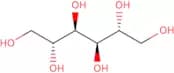
CAS:<p>Mannitol is a sugar alcohol occurring widely in plants and they are exudates, for example, in olive and plane trees (Collins, 2006). It is produced commercially by the catalytic hydrogenation of fructose (Zelin, 2019). Mannitol is used extensively in food and pharmaceutical industries because of its unique functional properties. It is about 50% as sweet as sucrose and has a desirable cooling effect often used to mask bitter tastes. Mannitol is non-cariogenic and has a low caloric content. Mannitol is an osmotic diuretic that is metabolically inert in humans and is used for: the promotion of diuresis before irreversible renal failure becomes established, the promotion of urinary excretion of toxic substances, as an Antiglaucoma agent, and as a renal function diagnostic aid (OâNeil, 2013). Additonally, in 2020, mannitol was approved by the FDA as add-on maintenance therapy for the control of pulmonary symptoms associated with cystic fibrosis in adult patients (McKenna, 2020).</p>Formula:C6H14O6Purity:Min. 97 Area-%Color and Shape:White PowderMolecular weight:182.17 g/mol4-Aminophenyl 2-acetamido-2-deoxy-a-D-galactopyranoside HCl
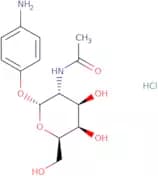
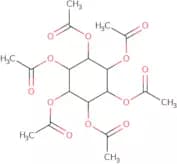
CAS:<p>4-Aminophenyl 2-acetamido-2-deoxy-a-D-galactopyranoside HCl is an oligosaccharide that is composed of glucose, galactose, and two amino acids. It has a molecular weight of 496.34 g/mol and a chemical formula of C14H20N2O8. This compound is synthesized by the click modification of 2,5-diaminopyridine with D -galactopyranosyl chloride. The methylation and glycosylation reactions are also performed to produce this compound.</p>Formula:C14H20N2O6·HClPurity:Min. 95%Molecular weight:348.78 g/mol1,2,3,4,5,6-Hexa-O-acetyl-myo-inositol
CAS:<p>Myo-inositol is a naturally occurring organic compound that belongs to the group of sugars and polyols. It has been isolated from plants, where it is found in the form of its solubilized acetate ester. Myo-inositol is important as a component of cell membranes, as well as being an essential part of intracellular signaling pathways. This compound has also been shown to have an inhibitory effect on cervical cancer cells and can be used in the treatment of this condition. Myo-inositol binds iron and has been shown to have anti-inflammatory properties.</p>Formula:C18H24O12Purity:Min. 95%Molecular weight:432.16 g/molEthyl 2,3-di-O-benzoyl-b-D-thiogalactopyranoside
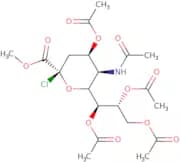
CAS:<p>Ethyl 2,3-di-O-benzoyl-b-D-thiogalactopyranoside is a modification of the sugar galactose. It is an oligosaccharide that is a complex carbohydrate with a high purity and CAS No. 154391-05-6. This product is supplied as white powder and can be used in a number of applications including custom synthesis and synthetic chemistry. Ethyl 2,3-di-O-benzoyl-b-D-thiogalactopyranoside can be modified by methylation, glycosylation, and polysaccharide synthesis. The molecule has been fluorinated to create ethyl 2,3,4,5,6-[F]fluorohexanedioate.</p>Purity:Min. 95%N-Acetyl-2-chloro-2-deoxyneuraminic acid methyl ester 4,7,8,9-tetraacetate
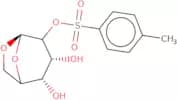
CAS:<p>N-Acetyl-2-chloro-2-deoxyneuraminic acid methyl ester 4,7,8,9-tetraacetate is a sialic acid analog that has been shown to have antiviral properties. It binds to the influenza virus and inhibits its activity by blocking the hemagglutinin receptor. The compound is soluble in water and organic solvents and can be modified with perbenzylated groups to increase its stability in plasma and tissues. N-Acetyl-2-chloro-2-deoxyneuraminic acid methyl ester 4,7,8,9-tetraacetate is resistant to hydrolysis by esterases and can also be used for the treatment of infections caused by bacteria or fungi.</p>Formula:C20H28ClNO12Purity:Min. 95%Color and Shape:PowderMolecular weight:509.89 g/mol1,6-Anhydro-2-O-p-toluenesulfonyl-b-D-glucopyranose
CAS:<p>1,6-Anhydro-2-O-p-toluenesulfonyl-b-D-glucopyranose is a synthetic sugar that is used in glycosylation reactions. It has high purity and is available for custom synthesis. The compound is primarily used as a substrate for Click chemistry modifications to the anomeric carbon. It has been shown to effectively inhibit the growth of bacteria by binding to DNA gyrase, preventing the formation of covalent bonds that are required for bacterial cell division.</p>Formula:C13H16O7SPurity:Min. 95%Molecular weight:316.33 g/mol1,2,4,6-Tetra-O-acetyl-3-azido-3-deoxy-D-glucopyranose
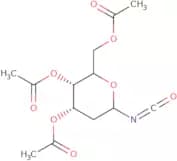
<p>1,2,4,6-Tetra-O-acetyl-3-azido-3-deoxy-D-glucopyranose is a custom synthesis that has been fluorinated and modified with methyl groups. It is used to synthesize complex carbohydrates and it can be used as a raw material for the production of oligosaccharides. 1,2,4,6-Tetra-O-acetyl-3-azido-3-deoxy--D--glucopyranose is soluble in water and ethanol and has a CAS number.</p>Formula:C14H19N3O9Purity:Min. 95%Molecular weight:373.32 g/mol3,4,6-Tri-O-acetyl-2-deoxy-D-glucopyranosyl isocyanate
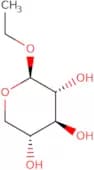
<p>3,4,6-Tri-O-acetyl-2-deoxy-D-glucopyranosyl isocyanate is a synthetic reagent that can be used to modify oligosaccharides, monosaccharides, and polysaccharides. It reacts with the hydroxyl group of the sugar molecule to form an ether linkage. This chemical reaction is called glycosylation. The product from this reaction is called as a glycoside. This product has a CAS number of 587-66-0 and can be synthesized in high purity.</p>Formula:C13H17NO8Purity:Min. 95%Molecular weight:315.28 g/molEthyl β-D-xylopyranoside
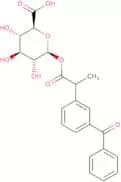
CAS:<p>Ethyl b-D-xylopyranoside is a sugar that is synthesized from the reaction of b-D-xylopyranoside with ethyl bromoacetate. The product of this reaction is a glycoside, which can be modified in many ways. It can be fluorinated, glycosylated, methylated, and/or modified in order to produce desired properties. Ethyl b-D-xylopyranoside has a molecular weight of 294.24 g/mol and a CAS number of 6743-62-0. This compound is used as an intermediate for the synthesis of complex carbohydrates or saccharides and it contains an oligosaccharide chain at its end.</p>Formula:C7H14O5Purity:Min. 95%Color and Shape:White PowderMolecular weight:178.19 g/molKetoprofen acyl-β-D-glucuronide
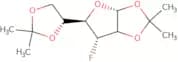
CAS:<p>Ketoprofen acyl-β-D-glucuronide is a nonsteroidal anti-inflammatory drug that inhibits prostaglandin synthesis. It binds to the enzyme cyclooxygenase, which prevents the formation of prostaglandins and thromboxanes. The binding constants have been measured using radiolabeled ketoprofen acyl-β-D-glucuronide in urine samples from patients taking ketoprofen. Ketoprofen acyl-β-D-glucuronide has also been shown to be stereoselective for liver cells and fatty acid metabolism in humans. This drug has not been shown to produce covalent adducts with DNA or RNA.</p>Formula:C22H22O9Purity:Min. 97 Area-%Color and Shape:White Off-White PowderMolecular weight:430.4 g/mol3-Deoxy-3-fluoro-1,2:5,6-di-O-isopropylidene-a-D-glucofuranose
CAS:<p>3-Deoxy-3-fluoro-1,2:5,6-di-O-isopropylidene-a-D-glucofuranose (3DF) is a fluorinated sugar that is synthesized by reacting 2,3:5,6-di-O-isopropylidene a D glucofuranose with methyl iodide and trifluoromethanesulfonic acid. 3DF has been used for the synthesis of oligosaccharides and polysaccharides. It is also possible to use this compound for the preparation of other sugars as well as more complex carbohydrates. The purity of 3DF is 98% or higher. 3DF can be modified with click chemistry reactions and then reacted with amines to form amide bonds. This modification allows for the synthesis of high purity monosaccharides and disaccharides.</p>Formula:C12H19FO5Purity:Min. 95%Molecular weight:262.27 g/molMethyl 2-acetamido-3-O-benzyl-4,6-O-benzylidene-b-D-glucopyranoside
<p>Methyl 2-acetamido-3-O-benzyl-4,6-O-benzylidene-b-D-glucopyranoside is an acetamido sugar and a glycoside of methylated glucosamine. It is a custom synthesis product that can be used to modify the saccharides in polysaccharides or oligosaccharides. Methyl 2-acetamido-3-O-benzyl-4,6 -O ben zy lidene - b - D - gl u co pyran o s ide has no CAS number and is not on the market for purchase.<br>Methyl 2 acetamido 3 O benzyl 4,6 O benzylidene b D glucopyranoside is also known as Click modification and Modification. This product is most commonly used to synthesize oligosaccharides with fluorine groups. It has high purity and can be used</p>Purity:Min. 95%Methyl β-D-glucuronide sodium
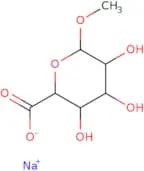
CAS:<p>Methyl β-D-glucuronide sodium is a synthetic sugar that is used as a building block for the synthesis of glycoconjugates. This compound has been shown to be an efficient reagent for the introduction of click modifications into saccharides and oligosaccharides in order to produce glycosylations. Methyl β-D-glucuronide sodium is also used in the modification of polysaccharides, such as starch, cellulose, and chitin.</p>Formula:C7H11NaO7Purity:Min. 95%Color and Shape:PowderMolecular weight:230.15 g/molPhenyl 2-acetamido-3,4,6-tri-O-acetyl-2-deoxy-a-D-glucopyranoside
CAS:<p>Phenyl 2-acetamido-3,4,6-tri-O-acetyl-2-deoxy-a-D-glucopyranoside is a high purity, custom synthesis sugar. It's Click modification has been fluorinated and glycosylated. This sugar can be used in the synthesis of oligosaccharides and monosaccharides. Phenyl 2-acetamido-3,4,6-tri-O-acetyl -2 deoxy -a D glucopyranoside is a carbohydrate that belongs to the complex carbohydrate group. It has CAS No. 1308919 5 and can be modified with methylation.</p>Formula:C20H25NO9Purity:Min. 95%Molecular weight:423.41 g/molBenzyl 2,3-O-isopropylidene-6-O-trityl-5-keto-a-D-mannofuranose
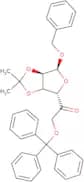
CAS:<p>Benzyl 2,3-O-isopropylidene-6-O-trityl-5-keto-a-D-mannofuranose is a modification of the monosaccharide mannose. It is synthesized by reacting the heterocyclic base benzaldehyde with the appropriate glycosyl acceptor. This modification has been shown to increase the stability of glycans.</p>Formula:C35H34O6Purity:Min. 95%Molecular weight:550.64 g/molGlucose pentasulfate potassium
CAS:<p>Glucose pentasulfate potassium is a synthetic, fluorinated sugar that can be used as a building block for the synthesis of glycoconjugates. It is also used in the modification of saccharides and oligosaccharides, and in click chemistry to produce complex carbohydrates. Glucose pentasulfate potassium is soluble in water, which makes it suitable for use in chemical reactions. The compound has been assigned CAS number 359435-44-2.</p>Formula:C6H7K5O21S5Purity:Min. 95%Color and Shape:PowderMolecular weight:770.92 g/molDiosmetin-d3-3,7-O-di-Glucuronide
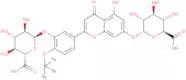
CAS:Controlled Product<p>Diosmetin-d3-3,7-O-di-Glucuronide is a white to off-white powder that is soluble in water. It is a synthetic compound that can be used as a sugar or carbohydrate modification. It has been shown to be useful for the synthesis of complex carbohydrates and polysaccharides. This product can also be used in click chemistry, methylation, and fluoroination.</p>Formula:C28H25D3O18Purity:Min. 95%Molecular weight:655.53 g/mol5-epi-isofagomine
CAS:<p>5-Epi-isofagomine is a piperidine compound that can be used as a synthon for various carbohydrate derivatives. It has been shown to inhibit glycosidases and may be applied in the synthesis of carbohydrates. This compound is synthesized by a stepwise nitro reduction of d-mannitol, followed by an enolate reaction with an appropriate acid chloride. The 5-epi-isofagomine skeleton is obtained by stereoselective polyhydroxylation of the corresponding 2,5-dihydroxybenzaldehyde.</p>Formula:C6H13NO3Purity:Min. 95%Molecular weight:147.17 g/molCyanomethyl-2,3,4,6-tetra-O-acetyl-a-D-thiomannopyranoside
CAS:<p>Cyanomethyl-2,3,4,6-tetra-O-acetyl-a-D-thiomannopyranoside is a glycosylated thioglycoside that contains sulfur. It is used as an intermediate in the synthesis of 2′,3′,5′-trihydroxybenzaldehyde and 2′,3′,5′-trihydroxybenzoic acid.</p>Purity:Min. 95%5-Bromo-5-deoxy-2,3-O-isopropylidene-D-ribono-1,4-lactone
CAS:<p>5-Bromo-5-deoxy-2,3-O-isopropylidene-D-ribono-1,4-lactone is a modified sugar that can be synthesized from other sugars. It is used in the synthesis of oligosaccharides and polysaccharides. 5BDBOL has a CAS number of 94324-23-9. 5BDBOL can be methylated and glycosylated. This compound has high purity and is monosaccharide.</p>Formula:C8H11BrO4Purity:Min. 95%Color and Shape:SolidMolecular weight:251.07 g/molPhenyl 2-O-Acetyl-3,4,6-tri-O-benzyl-1-thio-b-D-galactopyranoside
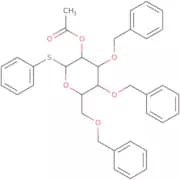
CAS:<p>Phenyl 2-O-Acetyl-3,4,6-tri-O-benzyl-1-thio-b-D-galactopyranoside is a glycosylated sugar that is under custom synthesis. The molecule contains a fluorinated benzene ring and an acetyl group. Phenyl 2-O-Acetyl-3,4,6-tri-O-benzyl 1,5 b -D -galactopyranoside can be modified in the laboratory to produce different derivatives and modifications. This product is made of high purity and has CAS No. 18387528 7.</p>Formula:C35H36O6SPurity:Min. 95%Molecular weight:584.72 g/mol2-Azidoethyl 2-O-benzoyl-4,6-O-benzylidene-3-O-(4-methoxybenzyl)-a-D-mannopyranoside
<p>2-Azidoethyl 2-O-benzoyl-4,6-O-benzylidene-3-O-(4-methoxybenzyl)-a-D-mannopyranoside is a synthetic sugar that has been modified with fluorination and glycosylation. The carbohydrate is made of a complex chain of monosaccharides and saccharides. It is the CAS number for this chemical agent.</p>Purity:Min. 95%Methyl 1-(4'-tert-butyldimethylsilyl-6-hydroxyraloxifene)-2,3,4-tri-O-acetyl-b-D-glycopyranuronate
CAS:<p>Methyl 1-(4'-tert-butyldimethylsilyl-6-hydroxyraloxifene)-2,3,4-tri-O-acetyl-b-D-glycopyranuronate is a modified carbohydrate. It is a synthetic saccharide that has been modified with methylation, fluorination and saccharide synthesis. This product can be custom synthesized and is available in high purity. Methyl 1-(4'-tert-butyldimethylsilyl-6-hydroxyraloxifene)-2,3,4-tri-O-acetyl-b-D--glycopyranuronate can be used in glycosylation reactions as well as Click modification reactions. CAS No: 174264–49–4.</p>Formula:C46H55NO13SSiPurity:Min. 95%Molecular weight:890.08 g/molDehydroclindamycin
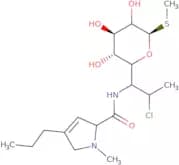
CAS:<p>Dehydroclindamycin is a semisynthetic antibiotic that belongs to the class of antibiotics known as lincosamides. It is used in clinical treatment for bacterial infections. Dehydroclindamycin acts by interfering with the bacterial ribosome and prevents the formation of proteins required for cell division. This drug may be susceptible to degradation by hydrolysis or oxidation, which can lead to impurities. Dehydroclindamycin is produced by hydrogenation of clindamycin hydrochloride using a Raney nickel catalyst, followed by chromatography. The spectrum of dehydroclindamycin consists of antibacterial activity against gram-positive bacteria such as Staphylococcus aureus and Enterococcus faecalis and gram-negative bacteria such as Escherichia coli and Klebsiella pneumoniae.</p>Formula:C18H31ClN2O5SPurity:Min. 95%Molecular weight:422.97 g/mol2,3,4-Tri-O-acetyl-β-D-xylopyranosyl azide
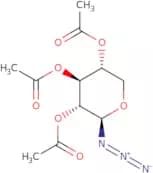
CAS:<p>2,3,4-Tri-O-acetyl-b-D-xylopyranosyl azide is a compound that has a linear range of 10 to 500 μM. It has been shown to inhibit the growth of bacteria such as C. perfringens and S. aureus. This compound inhibits the production of toxins in these bacteria by binding to the ribosomes and inhibiting protein synthesis. In addition, this compound has been shown to have high activity at salinity levels up to 15% NaCl and diffraction data was obtained from 2,3,4-tri-O-acetyl-b-D-xylopyranosyl azide crystals using XRD in order to quantify its molecular structure.</p>Formula:C11H15N3O7Purity:Min. 98 Area-%Color and Shape:PowderMolecular weight:301.25 g/molAMP-Deoxynojirimycin - Solution in ethanol
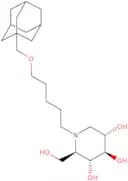
CAS:<p>Potent inhibitor of non-lysosomal glucosylceramidase, without having any effect on glucosylceramide synthase and glucosidases. Anti-inflammatory and immunosuppressive effect of AMP-DNM demonstrated in a model of hapten-induced colitis in vivo. Reduces glycosphingolipids and increases insulin sensitivity in murine models of obesity-related insulin resistance. Induces sterol regulatory element-binding protein (SREBP) target genes in HepG2 cells, activating cholesterol biosynthesis.</p>Formula:C22H39NO5Purity:Min. 95%Color and Shape:Colorless Clear LiquidMolecular weight:397.55 g/molD-2'-Deoxyribofuranosyl-3-guanylurea
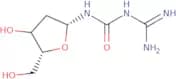
CAS:<p>D-2'-Deoxyribofuranosyl-3-guanylurea is a custom synthesis that is used as an intermediate in the glycosylation of oligosaccharides and polysaccharides. D-2'-Deoxyribofuranosyl-3-guanylurea is a modified sugar that has been fluorinated, methylated, and glycosylated. This compound is used to synthesize complex carbohydrates that are important for various biological processes.</p>Formula:C7H14N4O4Purity:Min. 95%Color and Shape:Off-White To Beige SolidMolecular weight:218.21 g/mol1-O-(trans-3-Hydroxycotinine)-2,3,4-tri-O-acetyl-b-D-glucuronide methyl ester
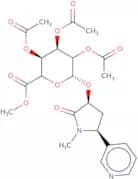
<p>1-O-(trans-3-hydroxycotinine)-2,3,4-tri-O-acetyl-b-D-glucuronide methyl ester is a carbohydrate. Carbohydrates are polymers of the monosaccharides, which include glucose, galactose and fructose. The structure of this compound has been modified by fluorination and methylation. This modification has increased the solubility of the molecule and it is synthesized using custom methods. This product is available in high purity at a custom synthesis price.</p>Formula:C23H28N2O11Purity:Min. 95%Molecular weight:508.48 g/molAllyl 2,3,4,6-tetra-O-benzyl-a-D-glucopyranoside
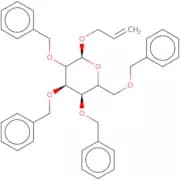
CAS:<p>Allyl 2,3,4,6-tetra-O-benzyl-a-D-glucopyranoside is a synthetic monosaccharide. It can be used in the synthesis of complex carbohydrates by glycosylation and polysaccharide modification. It can also be used for click chemistry modification, methylation, and sugar modifications. Allyl 2,3,4,6-tetra-O-benzyl-a-D-glucopyranoside is of high purity and is available for custom synthesis.</p>Formula:C37H40O6Purity:Min. 95%Molecular weight:580.71 g/mol4-Methoxyphenyl 2,3,4,6-tetra-O-acetyl-β-D-glucopyranoside
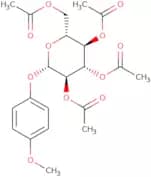
CAS:<p>4-Methoxyphenyl 2,3,4,6-tetra-O-acetyl-b-D-glucopyranoside is a membrane stabilizer that prevents the mesenchymal transition of cells. This compound inhibits the growth of human tumor cells in vitro and has been shown to be an anti-tumor agent. 4-Methoxyphenyl 2,3,4,6-tetra-O-acetyl-b-D-glucopyranoside binds to DNA and RNA and blocks translation or transcription. It also prevents the formation of ternary complex by interfering with the binding between aminoacyl tRNA synthetases and their cognate tRNAs. The compound is activated by intestinal enzymes and is metabolized in human liver microsomes to a more reactive form that can bind to cellular macromolecules such as proteins.</p>Formula:C21H26O11Purity:Min. 95%Color and Shape:PowderMolecular weight:454.42 g/mol
![N-(b-D-Glucopyranosyl)-N'-[(2-methanethiosulfonyl)ethyl]urea](/_next/image/?url=https%3A%2Fstatic.cymitquimica.com%2Fproducts%2F3D%2Fthumb-webp%2FMG07448.webp&w=3840&q=75)





![5-Deoxy-1,2-O-isopropylidene-5-[(2R-pyridin-4-yl-pyrrolidine)-1-yl]-a-D-xylofuranose](/_next/image/?url=https%3A%2Fstatic.cymitquimica.com%2Fproducts%2F3D%2Fthumb-webp%2FMD07488.webp&w=3840&q=75)



![(2E)-4-[2-Nitro-3-[(2,3,4,6-tetra-O-acetyl-b-D-glucopyranosyl)oxy]phenyl]-4-oxo-2-butenoic acid me…](/_next/image/?url=https%3A%2Fstatic.cymitquimica.com%2Fproducts%2F3D%2Fthumb-webp%2FMN16816.webp&w=3840&q=75)