Monosaccharides
Subcategories of "Monosaccharides"
- Alloses(11 products)
- Arabinoses(21 products)
- Erythroses(11 products)
- Fructoses(9 products)
- Fucoses(36 products)
- Galactosamine(41 products)
- Galactose(262 products)
- Glucoses(365 products)
- Glucuronic Acids(52 products)
- Glyco-substrates for Enzyme(78 products)
- Guloses(6 products)
- Idoses(4 products)
- Inositols(15 products)
- Lyxoses(4 products)
- Mannoses(65 products)
- O-Glycans(48 products)
- Psicoses(3 products)
- Rhamnoses(10 products)
- Riboses(61 products)
- Sialic Acids(100 products)
- Sorboses(4 products)
- Sugars(174 products)
- Tagatoses(4 products)
- Taloses(8 products)
- Xyloses(20 products)
Found 6138 products of "Monosaccharides"
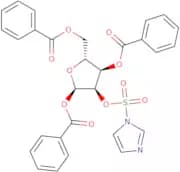
1,3,5-Tri-O-benzoyl-2-O-(1H-imidazole-1-sulfonate)-a-D-ribofuranose
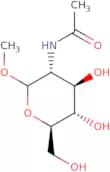
CAS:1,3,5-Tri-O-benzoyl-2-O-(1H-imidazole-1-sulfonate)-a-D-ribofuranose (TBIR) is a fatty acid that is synthesized by the condensation of 1,3,5-triacetylbenzene with 2,4,6,-trichlorobenzoyl chloride in the presence of triethylamine and sodium methoxide. TBIR has been shown to be suitable for fabricating polyesters and polyamides. TBIR also has the ability to modify membranes. This modification occurs when TBIR reacts with phospholipids in the membrane bilayer by inserting itself into the membrane bilayer. The mesoporous nature of TBIR allows for diffusional transport through its pores as well as an increased surface area for reactions. It also has a large diameter and branched chains that make it suitable forFormula:C29H24N2O10SPurity:Min. 95%Color and Shape:White PowderMolecular weight:592.57 g/molMethyl 2-acetamido-2-deoxy-β-D-galactopyranoside
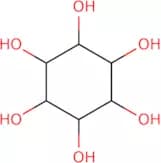
CAS:Methyl 2-acetamido-2-deoxy-β-D-galactopyranoside is an acetamido derivative of the sugar galactose. It is a white powder that is soluble in water and sparingly soluble in methanol. Methyl 2-acetamido-2-deoxy-β-D-galactopyranoside is used as a substituent for the synthesis of other compounds.Formula:C9H17NO6Purity:Min. 95%Color and Shape:White PowderMolecular weight:235.24 g/molcis-Inositol
CAS:Inositol is a member of the B-vitamin family and is classified as a sugar alcohol. It has a structural similarity to glucose and can be synthesized by plants, bacteria, and mammals. Inositol is found in high concentrations in the brain and liver. Inositol has been shown to inhibit guanine nucleotide-binding proteins (G proteins) and ryanodine receptor channels in HL-60 cells. It also inhibits cancer cell proliferation and suppresses ovarian activity. Inositol appears to work by binding to the inositol-1,4,5-trisphosphate receptor on the surface of cells, thereby inhibiting intracellular calcium release from its storage site within the endoplasmic reticulum. The effects of inositol are mediated by dinucleotide phosphate or p-nitrophenyl phosphate.
Formula:C6H12O6Purity:Min. 90 Area-%Color and Shape:PowderMolecular weight:180.16 g/mol2-Keto-D-gluconic acid hemicalcium monohydrate
CAS:Enhances dissolution of soil minerals; intermediate in L-ascorbic acid syntheses
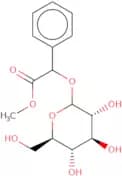
Formula:C6H9O7•(Ca)•H2OPurity:Min. 99 Area-%Color and Shape:White PowderMolecular weight:231.19 g/molMethyl mandelate glucoside
Methyl mandelate glucoside is a glycosylation product that is custom synthesized for its fluorination and methylation. The molecule has a complex structure, consisting of monosaccharides and polysaccharides. Methyl mandelate glucoside is a high-purity compound with a CAS number. This chemical is also modified by click chemistry to create an oligosaccharide.Formula:C15H20O8Purity:Min. 95%Molecular weight:328.31 g/mol1-Bromo-2,3,4-tri-O-acetyl-a-D-glucuronide methyl ester - 1% CaCO3
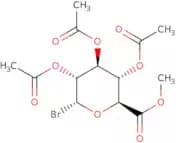
CAS:1-Bromo-2,3,4-tri-O-acetyl-a-D-glucuronide methyl ester is a protected D-glucoronic acid with an alpha bromide at the anomeric position ready to undergo glycosylation reactions with suitable glycoside acceptors. Pharmaceutically active compounds have been used as acceptors to form β-linked D-glucuronide prodrugs which can be used to modify pharmacokinetics, improve solubility and lower the toxicity of the drug.Formula:C13H17BrO9Purity:Min. 98 Area-%Color and Shape:White Off-White PowderMolecular weight:397.17 g/molBlue dextran (MW 2000000) - from Leuconostoc spp
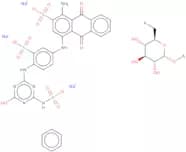
CAS:Blue dextran is a high molecular weight (MW 2000000) polymer that has been used as a model compound in experimental studies of transport and control. It is an oxidant, which can be used to make hydroquinone in the presence of other chemicals. Blue dextran has also been used to study the environment, for mathematical modeling and chromatographic experiments. This polymer has been shown to have antimicrobial activity against some microorganisms. Experiments with blue dextran have shown that it can inhibit the growth of Lactobacillus acidophilus and other bacteria.Color and Shape:PowderZomepirac-acyl-b-D-glucuronide
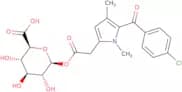
CAS:Zomepirac-acyl-b-D-glucuronide is a metabolite of the nonsteroidal anti-inflammatory drug zomepirac. It binds to plasma proteins, which may affect its pharmacokinetics. Zomepirac-acyl-b-D-glucuronide is excreted in the urine and may be bound to fatty acids. The drug has been shown to form covalent adducts with lysine residues in humans, which may result in potential interactions with other drugs or increased toxicity. The drug has been studied in clinical pharmacology studies that show no significant adverse effects in humans. This metabolite has also been shown to have fatty acid binding properties, which may affect its pharmacokinetics and metabolism.Formula:C21H22ClNO9Purity:Min. 95%Color and Shape:PowderMolecular weight:467.85 g/mol3-Azido-3-deoxy-1,2:5,6-di-O-isopropylidene-a-D-glucofuranose
CAS:3-Azido-3-deoxy-1,2:5,6-di-O-isopropylidene-a-D-glucofuranose is a synthetic sugar that has been modified by Fluorination, Monosaccharide, Synthetic, Oligosaccharide, complex carbohydrate, CAS No. 13964-23-3 and Glycosylation. It is also a Polysaccharide with modifications of Click modification and Methylation. 3A3DG can be used to modify the sugar content of glycoproteins and glycolipids in order to study their role in cellular processes such as transcriptional regulation and apoptosis. This product is available for custom synthesis in quantities from milligrams to kilograms.Formula:C12H19N3O5Purity:Min. 95%Color and Shape:Yellow PowderMolecular weight:285.3 g/molPhenylethyl-beta-D-glucopyranoside
CAS:Phenylethyl-beta-D-glucopyranoside is a phenolic compound that is found in plants such as Echinacea. Phenylethyl-beta-D-glucopyranoside has been shown to inhibit tumor cell proliferation by increasing the levels of enzyme catalysis and enzyme activity, and decreasing the levels of protocatechuic acid. This compound also inhibits fatty acid synthesis, which may be due to its ability to inhibit the production of 4-hydroxycinnamic acid via inhibition of the enzyme acyl coenzyme A:cholesterol acyltransferase. The cyanobacterial strain Synechococcus elongatus PCC 7942 was found to produce phenylethyl glucoside, an iridoid glucoside with high cytotoxic activity against human tumor cells.Formula:C14H20O6Purity:Min. 95%Color and Shape:PowderMolecular weight:284.31 g/mol2,3,4,6-Tetra-O-acetyl-b-D-glucopyranosyl isothiocyanate
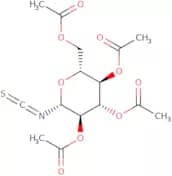
CAS:2,3,4,6-Tetra-O-acetyl-b-D-glucopyranosyl isothiocyanate (TGIT) is a compound that mimics the melanoma antigen. It has been used to identify human pathogens in biological samples and has shown to have an antibody response. TGIT has also been used as a fluorescent probe for nucleic acids in analytical methods and polymerase chain reaction. This chemical can be used as a fluorescence detector in titration calorimetry. TGIT is not acutely toxic, but can cause cell lysis when combined with trifluoroacetic acid.Formula:C15H19NO9SPurity:Min. 95%Color and Shape:White PowderMolecular weight:389.38 g/molTelmisartan acyl-b-D-glucuronide
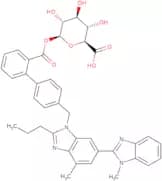
CAS:Telmisartan acyl-b-D-glucuronide is a drug metabolite that is formed by the conjugation of telmisartan with glucuronic acid. Telmisartan acyl-b-D-glucuronide is activated in vivo and reversibly inhibits the enzyme creatine kinase, which is involved in the metabolism of creatine to creatinine. The effective dose for this compound has been shown to be 10 mg/kg (orally) in humans. Telmisartan acyl-b-D-glucuronide has been shown to be an at1 receptor antagonist and may have some antihypertensive effects via modulation of ion channels. This drug also appears to have some proliferative effects on cells that are inhibited by radiation.Formula:C39H38N4O8Purity:Min. 95%Color and Shape:Off-White PowderMolecular weight:690.74 g/mol2,3,4,6-Tetra-O-acetyl-a-D-mannopyranosyl fluoride
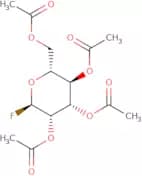
CAS:This product is a fluorinated glycosylation compound that has been synthesized using click chemistry. It is a high-purity, custom synthesis with a purity of >99%. The molecular weight is 477.7 with a monoisotopic mass of 477.2. This compound is an oligosaccharide, monosaccharide, saccharide, and carbohydrate complex carbohydrate that has been modified for methylation and glycosylation.Formula:C14H19FO9Purity:Min. 95%Color and Shape:PowderMolecular weight:350.29 g/mol2,3-O-Isopropylidene-1-O-methyl-D-ribosic acid
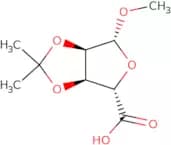
CAS:2,3-O-Isopropylidene-1-O-methyl-D-ribosic acid is a synthetic glycosylate that can be used to modify saccharides and oligosaccharides. It is a methylated form of ribose and has been shown to inhibit the glycosylation reactions of glycogen. 2,3-O-Isopropylidene-1-O-methyl-D-ribosic acid is also known to react with fluorine in order to produce a variety of fluorinated carbohydrates. This product has high purity and can be used for custom synthesis of carbohydrates. The CAS number for this product is 54622-95-6.Formula:C9H14O6Purity:Min. 95%Color and Shape:PowderMolecular weight:218.2 g/mol1L-Epi-2-inosose
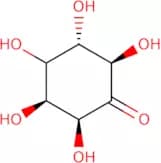
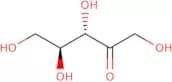
CAS:1-L-Epi-2-inosose is a natural compound that has been found to have broad-spectrum antimicrobial activity. This substance is a product of the hemocyte's enzymatic conversion of L-epinephrine into 1,2,3,4,5,6-hexahydroxyisoquinoline (1L-Epi). 1L-Epi is also synthesized in vitro from epinephrine by the enzyme dehydrogenase. In addition to its antimicrobial activity, 1L-Epi has been shown to be a potent proliferation inhibitor for human cells and to be effective against gram negative bacteria.Formula:C6H10O6Purity:Min. 95%Color and Shape:PowderMolecular weight:178.14 g/molL-Ribulose
CAS:Valuable chiral building block; rare sugar applied in wood preservation
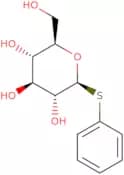
Formula:C5H10O5Purity:Min. 97 Area-%Color and Shape:Slightly Yellow Clear LiquidMolecular weight:150.13 g/molPhenyl-beta-D-thioglucopyranoside
CAS:Phenyl-beta-D-thioglucopyranoside is a heterocycloalkyl compound that contains a phenyl group and a beta-D-thioglucopyranoside. It is used as an intermediate in the production of pharmaceuticals, yellow dye, and cancer drugs. Phenyl-beta-D-thioglucopyranoside binds to the cell membrane of cancer cells and induces apoptosis by inhibiting the synthesis of proteins. This compound also has alkenyl and haloalkyl groups, which may be important for its biological activity. Phenyl-beta-D-thioglucopyranoside can be crystallized in two different forms: one with a crystalline form, which is yellow; the other with a crystalline form, which is colorless.
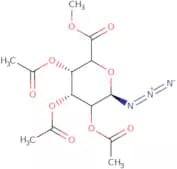
Formula:C12H16SO5Purity:Min. 95%Color and Shape:PowderMolecular weight:272.32 g/molMethyl 2,3,4-tri-O-acetyl-b-D-glucopyranuronosyl azide
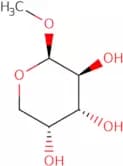
CAS:Methyl 2,3,4-tri-O-acetyl-b-D-glucopyranuronosyl azide is a fluorinated carbohydrate. It is a monosaccharide and an oligosaccharide that is synthesized from a synthetic glycosylation reaction. This product can be used in the production of polysaccharides or as a click modification to modify the sugar moiety of other molecules. Methyl 2,3,4-tri-O-acetyl-b-D-glucopyranuronosyl azide has CAS No. 67776-38-9 and is available in high purity.Formula:C13H17N3O9Purity:(%) Min. 98%Color and Shape:White PowderMolecular weight:359.29 g/molMethyl β-D-arabinopyranoside
CAS:Methyl b-D-arabinopyranoside is a fluorine containing molecule that has been shown to be an excellent marker for suberin. It is insoluble in water, and can be detected by resonator diffraction. The chemical composition of methyl b-D-arabinopyranoside was determined using liquid crystal composition and plates. A polymer particle with a macroscopic size was used to determine the fluorescence of methyl b-D-arabinopyranoside. Fluorescence analysis showed that methyl b-D-arabinopyranoside is a green fluorescent material with a maximum emission wavelength of 514 nm. Hydroalcoholic extraction was used to isolate this compound from the plant Ricinus communis L., where it was found in constant proportions.Formula:C6H12O5Purity:Min. 95%Color and Shape:PowderMolecular weight:164.16 g/molBenzyl 4,6-O-benzylidine-β-D-galactopyranoside
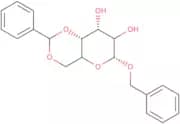
CAS:Benzyl 4,6-O-benzylidine-b-D-galactopyranoside is a benzoylated sugar. It is prepared by reacting benzoyl chloride with benzene and then with the sugar in an equimolar ratio. The reaction proceeds via a nucleophilic substitution at the 2' position of the sugar followed by an elimination of water. Benzyl 4,6-O-benzylidine-b-D-galactopyranoside reacts with dibutyltin to form a benzoylated tin compound that can be used as a catalyst for organic synthesis.Formula:C20H22O6Purity:Min. 95%Color and Shape:White To Off-White SolidMolecular weight:358.39 g/molN-(e-Aminocaproyl)-b-L-fucopyranosyl amine
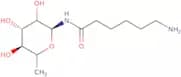
CAS:This compound is a fluorination reagent that is used in carbohydrate synthesis. It can be used to modify complex carbohydrates, such as polysaccharides and oligosaccharides, by attaching a single fluorine atom at the C-2 position of an aminocaproyl moiety. This product can also be used to attach glycosylation sites and methyl groups. The purity of this product is greater than 99%.Formula:C12H24N2O5Purity:Min. 95 Area-%Color and Shape:White PowderMolecular weight:276.33 g/molN1-β-D-Arabinopyranosylamino-guanidine hydrochloride
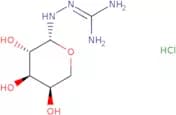
CAS:N1-b-D-arabinopyranosylamino-guanidine HCl is a modified carbohydrate. It is a synthetic monosaccharide that is custom synthesized by methylation and glycosylation. This product has high purity and can be used for modification of saccharides or oligosaccharides to create new carbohydrates with desired properties.Formula:C6H14N4O4•HClPurity:Min. 95%Color and Shape:White to light beige solid.Molecular weight:242.66 g/molSalicylic acid D-glucuronide
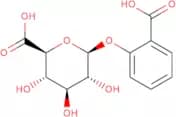
CAS:Salicylic acid D-glucuronide is the major metabolite of aspirin, which is formed by hydrolysis of acetylsalicylic acid. It has been demonstrated to have anti-inflammatory and analgesic effects. Salicylic acid D-glucuronide is excreted in urine and can be detected in human serum. The formation rate of this metabolite varies with the individual's age, sex, and kidney function.
Salicylic acid D-glucuronide can be formed in vitro using hydrochloric acid and acetylsalicylic acid as substrates. This reaction is catalyzed by the enzyme uridine diphosphate glucuronyltransferase (UGT). Salicylic acid D-glucuronide has been shown to form covalent adducts with hydroxyl groups from other molecules in vivo and in vitro, including proteins (e.g., albumin) and DNA bases (e.g.,Formula:C13H14O9Purity:Min. 95%Color and Shape:PowderMolecular weight:314.24 g/molMethyl b-D-thiogalactopyranoside
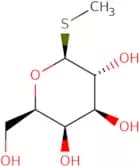
CAS:Methyl b-D-thiogalactopyranoside (MTGP) is a cell lysis agent that can be used for diagnostic purposes to measure enzyme activities in cells. It is also used to determine the kinetic of an enzyme reaction, as well as its acid formation. MTGP has been shown to inhibit sugar transport and metabolism by binding to the sugar molecule and preventing it from passing through cellular membranes. This inhibition prevents the accumulation of proton gradients across the membrane, which disrupts ATP production and leads to cell death. MTGP is also an inhibitor of glucose-6-phosphate dehydrogenase (G6PDH), which converts glucose into sorbitol. Sorbitol accumulates intracellularly and leads to cell death by osmotic lysis.Formula:C7H14O5SPurity:Min. 98 Area-%Color and Shape:PowderMolecular weight:210.25 g/mol2-Acetamido-3,4,6-tri-O-acetyl-2-deoxy-β-D-glucopyranosyl azide
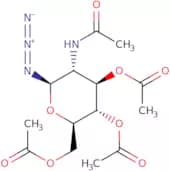
CAS:2-Acetamido-3,4,6-tri-O-acetyl-2-deoxy-β-D-glucopyranosyl azide is a custom synthesis that is a complex carbohydrate. It is a glycosylation product of 2,3,4,6-tetraacetyl α--D--glucose and 2,3,6 -tri--O--acetyl--2--deoxy--β--D--glucopyranose. This compound has been modified by Click chemistry with 4-(dimethylamino)pyridine (DMAP). The modification has produced an acetamido group at the C2 position of the glucopyranoside moiety. The compound is available in high purity for research purposes.Formula:C14H20N4O8Purity:Min. 95%Color and Shape:White PowderMolecular weight:372.33 g/mol1,2:3,5-Di-O-Isopropylidene-α-L-xylofuranose
CAS:1,2:3,5-Di-O-Isopropylidene-a-L-xylofuranose is a fluorinated sugar that is used as a building block in the synthesis of complex carbohydrates and oligosaccharides. It has a CAS number of 131156-47-3. 1,2:3,5-Di-O-Isopropylidene-a-L-xylofuranose is an active component in the modification of saccharide and polysaccharide structures by click chemistry. It can be modified with various functional groups such as methylation or monosaccharide to produce specific compounds. This product is available for custom synthesis.Formula:C11H18O5Purity:Min. 95%Color and Shape:PowderMolecular weight:230.26 g/molZiyuglycoside II
CAS:Ziyuglycoside II is a steroidal alkaloid that has been shown to have anti-angiogenic properties. It is a natural compound extracted from the Chinese herb ziyuglycoside. This compound has been shown to inhibit the activation of toll-like receptor 4, which plays an important role in inflammation and immunity. Ziyuglycoside II also inhibits the production of reactive oxygen species and autophagy, leading to cell death by apoptosis. This compound has been shown to be effective against bowel disease and epithelial mesenchymal transition (EMT). Ziyuglycoside II has also been shown to have matrix effects on the cells Hl-60, which are related to tumor metastasis.
Formula:C35H56O8Purity:Min. 95%Color and Shape:White To Off-White SolidMolecular weight:604.81 g/mol6-Deoxy-L-talose
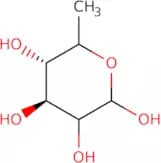
CAS:6-Deoxy-L-talose is a sugar that is found in the cell walls of bacteria. It is a component of glycan, which are long chains of sugar molecules linked together. Glycans are important for the structural integrity and function of bacterial cell walls. 6-Deoxy-L-talose is a monosaccharide that has been detected in the type strain of Bacillus subtilis and in wild-type strains of Pseudomonas aeruginosa. This sugar can be chemically analyzed using gas chromatography and mass spectrometry to determine its structure and chemical composition. 6-Deoxy-L-talose can be used to detect specific monoclonal antibodies against it, which could be useful for detecting bacterial infections or determining how antibiotics affect bacteria.
Formula:C6H12O5Purity:Min. 98 Area-%Color and Shape:White PowderMolecular weight:164.16 g/mol2,3:4,5-Di-O-isopropylidene-D-arabitol
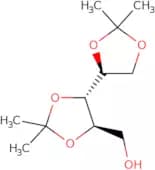
CAS:2,3:4,5-Di-O-isopropylidene-D-arabitol is a synthetic sugar that is used for glycosylation, methylation, and fluorination. The compound is an oligosaccharide that has been modified with methyl groups and activated monosaccharides. 2,3:4,5-Di-O-isopropylidene-D-arabitol is white in color and has a melting point of 109°C. It can be synthesized from D-mannitol with the help of sodium methoxide in methanol. 2,3:4,5-Di-O-isopropylidene-D-arabitol is also known as 1-(2,3:4,5) triose; 1-(2,3:4)-diose; 1-(2,3:4)-triose; 1-(2,3:4)-Formula:C11H20O5Purity:Min. 95%Color and Shape:Colorless PowderMolecular weight:232.27 g/molL-Lyxono-1,4-lactone
CAS:L-Lyxono-1,4-lactone is a dehydrogenase that synthesizes hydroxamic acids from aldonic acids. Hydroxamic acids are used as herbicides and insecticides. L-Lyxono-1,4-lactone has been shown to be active against ochrobactrum and branched-chain bacteria. The enzyme catalyzes the cleavage of an aldonic acid to form an alcohol and an alpha,beta unsaturated ketone. This reaction is stereoselective, with the product being the same chiral center in both cases. The enzyme also shows chemometric properties by being able to measure salinity levels in water samples.Formula:C5H8O5Purity:Min. 95%Color and Shape:PowderMolecular weight:148.11 g/mol1,2,3,5,6-Penta-O-benzoyl-D-galactofuranose
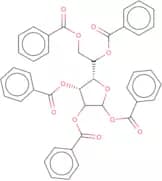
CAS:1,2,3,5,6-Penta-O-benzoyl-D-galactofuranose is a sugar that is custom synthesized and can be modified with fluorination. This product has a CAS number of 138811-45-7 and is high purity. It can be used in glycosylation, oligosaccharide synthesis, methylation, monosaccharide synthesis and polysaccharide synthesis. It is an important building block for the modification of complex carbohydrates.Formula:C41H32O11Purity:Min. 95%Color and Shape:White PowderMolecular weight:700.69 g/mol2-(3,4-Dihydroxyphenyl)ethyl b-D-glucopyranoside
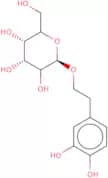
CAS:2-(3,4-Dihydroxyphenyl)ethyl b-D-glucopyranoside (2,3,4-DHPEB) is a naturally occurring phenolic acid. It has been shown to have antidepressant activity in mice and rats. 2,3,4-DHPEB inhibits the growth of Streptococcus faecalis by inhibiting fatty acid biosynthesis. This compound also has anti-inflammatory properties that may be due to its ability to inhibit prostaglandin synthesis. 2,3,4-DHPEB is a ligand for PPAR receptors and activates their transcriptional activity in cells. It has been shown to have chemopreventive effects against colon cancer cell lines and is able to induce apoptosis in tumor cells.Formula:C14H20O8Purity:Min. 95%Color and Shape:PowderMolecular weight:316.3 g/mol1,2:3,4-Di-O-isopropylidene-L-arabinopyranose
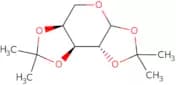
CAS:1,2:3,4-Di-O-isopropylidene-L-arabinopyranose is a custom synthesis of 1,2:3,4-di-O-isopropylidene arabinopyranose. It is an oligosaccharide with a glycosylation and methylation that has a high purity with a CAS number of 212069-31-3. This complex carbohydrate can be modified to create new saccharides. The modification process includes fluorination and click chemistry reactions.Formula:C11H18O5Purity:Min. 95%Color and Shape:PowderMolecular weight:230.26 g/mol1,2;4,5-Di-O-isopropylidene-b-D-fructopyranose
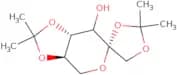
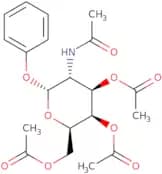
CAS:Synthetic building blockFormula:C12H20O6Purity:Min. 95 Area-%Color and Shape:Off-White PowderMolecular weight:260.28 g/molPhenyl 2-acetamido-3,4,6-tri-O-acetyl-2-deoxy-α-D-galactopyranoside
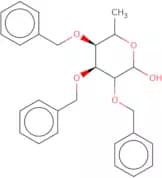
CAS:Phenyl 2-acetamido-3,4,6-tri-O-acetyl-2-deoxy-a-D-galactopyranoside is a sugar that is used in the synthesis of oligosaccharides and polysaccharides. This compound has an acetamido group on the phenyl ring, which reacts with the aldehyde group of galactose to form an ether bond. The glycosylation reaction can be carried out using either an acid or base catalyst. Acetal formation is also possible when this compound reacts with alcohols. Phenyl 2-acetamido-3,4,6-tri-O-acetyl-2-deoxygalactopyranoside is soluble in water and other polar solvents. It has a CAS number of 130894350 and can be found under the name Oligosaccharide, Monosaccharide, saccharide, CarbohydrateFormula:C20H25NO9Purity:Min. 95%Color and Shape:White to off-white solid.Molecular weight:423.41 g/mol2,3,4-Tri-O-benzyl-L-rhamnopyranose
CAS:2,3,4-Tri-O-benzyl-L-rhamnopyranose is a chemical compound that belongs to the family of carbohydrates known as rhamnopyranoses. It is a derivative of L-rhamnose, which is a naturally occurring aldohexose sugar. The compound is often used as a glycosyl donor in the synthesis of oligosaccharides and glycoconjugates. The three benzyl groups in the molecule provide protection for the hydroxyl groups, allowing for selective deprotection and glycosylation. 2,3,4-Tri-O-benzyl-L-rhamnopyranose is also used as a precursor in the synthesis of various natural products.
Formula:C27H30O5Purity:Min. 95%Color and Shape:PowderMolecular weight:434.52 g/mol4-Methoxyphenyl 3-O-benzyl-α-D-mannopyranoside
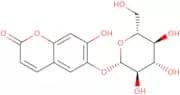
CAS:4-Methoxyphenyl 3-O-benzyl-a-D-mannopyranoside is a synthetic carbohydrate that has been modified with a click reaction. It is an Oligosaccharide, which is a type of Carbohydrate, and has a saccharide sequence. This product is used in the synthesis of complex carbohydrates. The product has high purity and custom synthesis capabilities.Formula:C20H24O7Purity:Min. 95%Molecular weight:376.4 g/molEsculin - Anhydrous
CAS:Esculin is a natural product obtained from the plant Aesculus hippocastanum. Esculin has been shown to have anti-inflammatory properties in experimental models. It also has been shown to inhibit the activity of both human and animal renin, suppressing kidney fibrosis. Esculin was found to be more effective than indomethacin in preventing the progression of renal disease induced by the model system of chronic kidney disease. Esculin also has antioxidant properties and can reduce oxidative stress caused by free radicals, which may contribute to its anti-inflammatory effects. Esculin is a coumarin derivative that can be used as a chromatographic stationary phase for separation and identification of various chemical compounds.Formula:C15H16O9Purity:Min. 98 Area-%Color and Shape:PowderMolecular weight:340.28 g/molD-ido-Heptono-1,4-lactone
D-ido-Heptono-1,4-lactone is a glycosylation product of heptose with d-ido-D-glucofuranose and is a synthetic sugar. It has an Oligosaccharide, sugar, Synthetic, Fluorination, Custom synthesis, Methylation, Monosaccharide, Polysaccharide, saccharide Click modification. It has CAS No., Modification.
Purity:Min. 95%2,3,4,6-Tetra-O-acetyl-β-D-galactopyranosyl azide
CAS:2,3,4,6-Tetra-O-acetyl-β-D-galactopyranosyl azide is a catalyst that has been used in the production of carbonate catalysts. It can also be used to reoxidize metallic catalysts.Formula:C14H19N3O9Purity:Min. 95%Color and Shape:White PowderMolecular weight:373.32 g/mol3-Hydroxydesloratadine b-D-glucuronide sodium salt
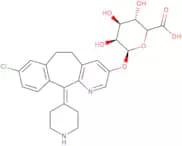
CAS:3-Hydroxydesloratadine b-D-glucuronide sodium salt is a carbohydrate that is used as an intermediate in the synthesis of saccharides. It can be modified to make it more soluble in water by adding fluorine atoms, which increases its solubility and bioavailability. 3-Hydroxydesloratadine b-D-glucuronide sodium salt is synthesized using a custom synthesis method with high purity and high yield. It has glycosylation, methylation, and click modification done on it during the synthesis process.Formula:C25H26ClN2O7·NaPurity:Min. 95%Color and Shape:PowderMolecular weight:524.93 g/molPhenyl 2,3,4,6-tetra-O-benzyl-b-D-thioglucopyranoside
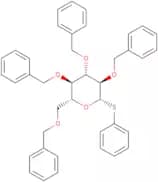
CAS:Phenyl 2,3,4,6-tetra-O-benzyl-b-D-thioglucopyranoside is a modification. It is an oligosaccharide that belongs to the class of carbohydrates. Phenyl 2,3,4,6-tetra-O-benzyl-b-D-thioglucopyranoside has a high purity and can be synthesized in a custom manner. It is a white to off white powder that has CAS No. 38184-10-0 and can be used for glycosylation or methylation reactions. It also has fluoroquinolone resistance and can be used as a complex carbohydrate in the synthesis of polysaccharides.Formula:C40H41O5SPurity:Min. 95%Color and Shape:White Off-White PowderMolecular weight:632.83 g/mol4-Methoxyphenyl 3,4-di-O-benzyl-α-D-mannopyranoside
4-Methoxyphenyl 3,4-di-O-benzyl-a-D-mannopyranoside is a glycosylated, complex carbohydrate with a methylated and fluorinated saccharide. This product is available for custom synthesis and can be ordered in high purity.Purity:Min. 95%L-Daunosamine hydrochloride
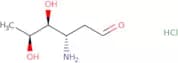
CAS:L-Daunosamine hydrochloride is a fluorinated sugar that is synthesized in the laboratory. It has been used for the modification of polysaccharides and other saccharides. L-Daunosamine hydrochloride is a monosaccharide that can be found in several complex carbohydrates. The CAS number for this chemical is 19196-51-1. This chemical has a high purity level, which makes it valuable for use as a synthetic material.Formula:C6H14NClO3Purity:Min. 95 Area-%Color and Shape:PowderMolecular weight:183.63 g/mol1,2,3,5-Tetra-O-acetyl-D-xylofuranose
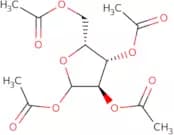
CAS:1,2,3,5-Tetra-O-acetyl-D-xylofuranose is a lectin that has been shown to have an affinity for bacterial cells. It has been shown to be effective against Gram-positive and Gram-negative bacteria, with the exception of mycobacteria. 1,2,3,5-Tetra-O-acetyl-D-xylofuranose binds to the terminal sugar of the cell wall carbohydrate chains of these cells by means of its oligosaccharide side chain. The binding causes conformational changes in the bacterial membrane and disrupts the ion gradient across it. This leads to an influx of water into the cell and subsequent death.Formula:C13H18O9Purity:Min. 95%Color and Shape:Colorless PowderMolecular weight:318.28 g/mol4-O-Benzyl-L-rhamnal
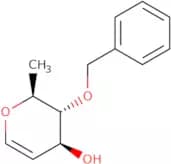
CAS:4-O-Benzyl-L-rhamnal is a functionalized, asymmetric, glycosylating agent that is used in the synthesis of glycoconjugates. 4-O-Benzyl-L-rhamnal is synthesized by the reaction of benzaldehyde with an aldehyde group on the sugar molecule. The product is then reacted with an alcohol to form a glycosidic bond. This process can be repeated until the desired number of sugar molecules are added. It can also be used to synthesize disaccharides and polysaccharides by convergent or nucleophile reactivity. 4-O-Benzyl-L-rhamnal utilizes a chiral auxiliary to produce its product, which can be used for synthesis purposes or as a starting material for other reactions.Formula:C13H16O3Purity:Min. 95%Color and Shape:PowderMolecular weight:220.27 g/molL-Fucose-1-phosphate disodium
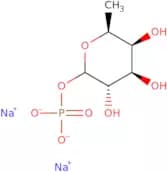
CAS:L-Fucose-1-phosphate disodium salt is a high purity, synthetic, fluorinated carbohydrate that is used to modify saccharides. This modification can be accomplished by methylation or glycosylation. L-Fucose-1-phosphate disodium salt has been shown to be useful for glycosylation reactions with click chemistry. It has been shown to have a wide range of applications including modification of oligosaccharides and polysaccharides in the field of biotechnology.
Formula:C6H13O8P•Na2Purity:Min. 95 Area-%Color and Shape:White PowderMolecular weight:290.12 g/molMethyl 2,3,5-tri-O-benzoyl-α-D-arabinofuranoside
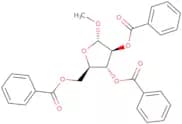
CAS:Methyl 2,3,5-tri-O-benzoyl-α-D-arabinofuranoside is an antiperspirant that prevents the formation of sweat. It is a mixture of two active ingredients: methyl 2,3,5-tri-O-benzoyl-α-D-arabinofuranoside and zinc oxide. The former inhibits the formation of sweat by binding to the protein in eccrine glands and preventing it from absorbing chloride ions. Zinc oxide reduces body odor by binding to sulfur compounds that are secreted by bacteria on skin surfaces. Methyl 2,3,5-triO-benzoyl arabinofuranoside and zinc oxide are used as a combination for their complementary effects.Formula:C27H24O8Purity:Min. 95%Color and Shape:PowderMolecular weight:476.47 g/mol2-Acetamido-2,4-dideoxy-4-fluoro-D-glucopyranose
CAS:2-Acetamido-2,4-dideoxy-4-fluoro-D-glucopyranose (2ADFG) is a glycosaminoglycan that inhibits the biosynthesis of glycosaminoglycans by binding to the enzyme UDP-N-acetylglucosamine 2-epimerase. It is used in cellular control experiments to determine if cells are hepatocytes or not. This compound binds to glycosaminoglycans and prevents them from being synthesized, which leads to cell death. The binding of 2ADFG also results in a decrease in cellular protein synthesis and an increase in cellular lysosomal activity.Formula:C8H14FNO5Purity:Min. 95%Molecular weight:223.2 g/molD-Ribose-1-phosphate bis(cyclohexylammonium)
CAS:D-Ribose-1-phosphate bis(cyclohexylammonium) salt is a custom synthesis of D-ribose. It is a monosaccharide that has been fluorinated, methylated, and glycosylated. The chemical modification of the sugar allows for it to have properties such as high purity and custom synthesis. This product can be used in a number of applications including complex carbohydrate, glycosylation, Methylation, and click modification.Formula:C5H11O8P•(C6H13N)2Purity:Min. 97 Area-%Color and Shape:PowderMolecular weight:428.46 g/mol