Monosaccharides
Subcategories of "Monosaccharides"
- Alloses(11 products)
- Arabinoses(21 products)
- Erythroses(11 products)
- Fructoses(9 products)
- Fucoses(36 products)
- Galactosamine(41 products)
- Galactose(262 products)
- Glucoses(365 products)
- Glucuronic Acids(52 products)
- Glyco-substrates for Enzyme(78 products)
- Guloses(6 products)
- Idoses(4 products)
- Inositols(15 products)
- Lyxoses(4 products)
- Mannoses(65 products)
- O-Glycans(48 products)
- Psicoses(3 products)
- Rhamnoses(10 products)
- Riboses(61 products)
- Sialic Acids(100 products)
- Sorboses(4 products)
- Sugars(174 products)
- Tagatoses(4 products)
- Taloses(8 products)
- Xyloses(20 products)
Found 6138 products of "Monosaccharides"
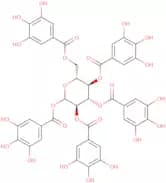
1,2,3,4,6-Penta-O-galloyl-D-glucopyranose
CAS:1,2,3,4,6-Penta-O-galloyl-D-glucopyranose (PGG) is a naturally occurring compound that has been shown to be involved in the transport of glucose across cell membranes. It increases the blood glucose levels in animals and is an inhibitor of phosphatase. PGG has also been shown to have potential therapeutic properties for diabetes. Studies have shown that PGG inhibits the enzymes involved in glycogen synthesis and glycogenolysis, which are important for maintaining normal blood glucose levels. This inhibition may be due to its affinity for receptor binding sites or its ability to act as a competitive inhibitor of these enzymes.Formula:C41H32O26Purity:Min. 95%Molecular weight:940.68 g/molDuloxetine-4-hydroxy-D-glucuronide
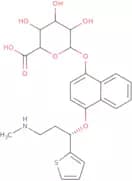
CAS:Duloxetine-4-hydroxy-D-glucuronide is a synthetic, fluorinated derivative of duloxetine. It is an active metabolite of the antidepressant drug duloxetine and has been shown to have similar pharmacological activity. Duloxetine-4-hydroxy-D-glucuronide is prepared by click chemistry from 4-(dihydroxymethyl)benzaldehyde and 2,3,4,6-tetrabromobenzene. The product can be purified by crystallization or recrystallization from methanol. Duloxetine-4-hydroxy-D-glucuronide is a white powder that can be modified with saccharides for glycosylation or with polysaccharides for complex carbohydrate synthesis.Formula:C24H27NO8SPurity:Min. 95%Color and Shape:Off-white to yellow/brown solid.Molecular weight:489.54 g/molN-(7-Oxadecyl)deoxynojirimycin
CAS:N-(7-Oxadecyl)deoxynojirimycin is a chaperone protein. It belongs to the group of proteins that are deficient in patients with type 1 glycogen storage disease and can be used to treat this condition. N-(7-Oxadecyl)deoxynojirimycin has been shown to bind to the endoplasmic reticulum, thereby preventing the maturation of certain proteins and their transport into other cellular compartments. This agent also has a protective function in muscle cells by preventing protein degradation due to abnormal folding or misfolding. The long-term effect of N-(7-Oxadecyl)deoxynojirimycin on skeletal muscle is unclear, although it has been found to be beneficial in the short term for patients with type 1 glycogen storage disease.
Formula:C15H31NO5Purity:Min. 95%Color and Shape:PowderMolecular weight:305.41 g/mol1-Deoxy-1-fluoro-D-tagatose
1-Deoxy-1-fluoro-D-tagatose is a sugar with the chemical formula C6H12O6. It has a high purity and can be custom synthesized. The modification of this sugar includes fluorination, glycosylation, and methylation. 1-Deoxy-1-fluoro-D-tagatose is also an oligosaccharide that consists of one monosaccharide and one saccharide. This compound belongs to the group of complex carbohydrates because it is made up of many different sugars that are linked together in chains.Purity:Min. 95%1-O-Methyl-beta-D-glucuronic acid, sodium salt
CAS:1-O-Methyl-β-D-glucuronic acid is a β-glucuronidase inducer.Formula:C7H11NaO7Molecular weight:230.15 g/mol5-Azido-5-deoxy-6,7-O-isopropylidene-D-glycero-L-gluco-heptono-1.4-lactone
5-Azido-5-deoxy-6,7-O-isopropylidene-D-glycero-L-gluco-heptono-1.4-lactone is a methylated glycoside that can be used in the synthesis of complex carbohydrates. The compound has a CAS number of 66827–16–0 and can also be found under the name 5-[3-(2,3,4,6,7,8,-Hexahydrobenzo[b]thiophenium Sulfonyl)propyl]-5′-[3-(2,3,4,6,7,8,-Hexahydrobenzo[b]thiophenium Sulfonyl)propyl]-5′-[(2S)-1-(hydroxymethyl)piperidinium]dithiocarbamate. 5‑Azido‑5‑deoxy‑Purity:Min. 95%2-Azido-2-deoxy-3,5-O-isopropylidene-D-xylono-1.4-lactone
2-Azido-2-deoxy-3,5-O-isopropylidene-D-xylono-1.4-lactone is a glycosylation agent that can be used in the synthesis of complex carbohydrates and saccharides. This compound is fluorinated at the 3 position and then modified with a click chemistry reaction to introduce an azide group. The azide group can be used for subsequent modifications such as Polysaccharide, Fluorination, or Click modification. 2-Azido-2-deoxy-3,5-O-isopropylidene -D-xylono--1.4--lactone has CAS number 79840–01–8 and is custom synthesized to high purity for research purposes only.Purity:Min. 95%1-Cyano-2-deoxy-3,5-di-O-toluoyl-α-D-ribofuranose
1-Cyano-2-deoxy-3,5-di-O-toluoyl-a-D-ribofuranose is a fluorinated monosaccharide that is synthesized by the glycosylation of 1,2:3,4:6,7:8,9-hexahydrobenzo[e]pyrrolo[1,2a]pyrazinone with 2,6:3',5'-dioxo-[1]benzothiophene. This compound has been shown to be an effective inhibitor of the enzyme glycogen synthase kinase 3β (GSK3β) and may have potential as a therapeutic agent for type II diabetes.Formula:C22H21NO5Purity:Min. 95%Molecular weight:379.41 g/molN- (2, 5- Anhydro- 3- azido- 3- deoxy-4,6-O-isopropylidene- D- idonoyl) - 2, 5- anhydro- 3- amino- 3- deoxy-4,6-O-isopropylidene- D- idonic acid propyl ester
N- (2, 5-Anhydro-3-azido-3-deoxy-4,6-O-isopropylidene-D-idonoyl)-2,5-anhydro-3-amino-3-deoxy--4,6--O--isopropylidene--D-- idonic acid propyl ester is a glycoconjugate consisting of a saccharide and an azido group. It is synthesized by the Click chemistry method. This compound has shown to inhibit the growth of bacteria in vitro by binding to bacterial ribosomes. N-(2, 5 -Anhydro - 3 -azido - 3 -deoxy - 4, 6 - O - isopropylidene - D - idonoyl) 2, 5 anhydro 3 amino 3 deoxy 4, 6 O isopropylidene D idonic acid propyl ester consists ofPurity:Min. 95%Phenyl 4,6-O-benzylidene-3-O-(2-naphthylmethyl)-b-D-thioglucopyranoside
Phenyl 4,6-O-benzylidene-3-O-(2-naphthylmethyl)-b-D-thioglucopyranoside is a synthetic sugar that has been modified by the addition of two fluorine atoms. This molecule is used in research as a model for the synthesis of complex carbohydrates. Phenyl 4,6-O-benzylidene-3-O-(2-naphthylmethyl)-b-D-thioglucopyranoside is also a major component of polysaccharides. It is available for custom synthesis and can be ordered in high purity.Purity:Min. 95%D-Altrose
CAS:D-Altrose is an alpha-hydroxy acid that is synthesized from D-arabinose and trifluoroacetic acid. It has been shown to be a substrate for the synthesis of oligosaccharides, which are important in carbohydrate chemistry. This molecule can also be used as a reagent in the preparation of carbohydrates with a specific configuration at C2. One use of this product is in generating analytical methods that can distinguish between D-altrose and D-arabinose by monitoring the ratio of hydrogen fluoride to carbonyl group signals. D-Altrose may also be used in asymmetric synthesis, where it is a useful chiral building block for the construction of galacturonic acid derivatives.
Formula:C6H12O6Purity:Min. 98 Area-%Color and Shape:White PowderMolecular weight:180.16 g/mol(2R,3R,4S,5S)- 2-[(1R)-1,2-Dihydroxyethyl]-3,4-dihydroxy-1-oxa-6,9-diazaspiro[4.5]decane-7,10-dione
(2R,3R,4S,5S)-2-[(1R)-1,2-Dihydroxyethyl]-3,4-dihydroxy-1-oxa-6,9-diazaspiro[4.5]decane-7,10-dione is a glycosylation agent that can be used in organic synthesis. This compound has been shown to have complex carbohydrate and methylation properties. It is also fluorinated and saccharide modified. (2R,3R,4S,5S)-2-[(1R)-1,2-Dihydroxyethyl]-3,4-dihydroxy-1-oxa-6,9-diazaspiro[4.5]decane-7,10-dione is a custom synthesized product with a CAS number of 17098094.Purity:Min. 95%1,2-O-Isopropylidene-D-mannitol
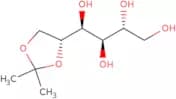
CAS:1,2-O-Isopropylidene-D-mannitol is an alditol that is synthesized by the reaction of 1,2-O-isopropylidene glycerol with sodium sulfide. This product can be further reacted with allylamine to form a thiepane derivative. Thiepane derivatives are polyhydroxylated and have been shown to have antibacterial activity against Staphylococcus aureus, Mycobacterium tuberculosis, and Streptococcus pneumoniae.Formula:C9H18O6Purity:Min. 95%Color and Shape:PowderMolecular weight:222.24 g/molα-D-Glucose-1-phosphate dipotassium hydrate
CAS:a-D-Glucose-1-phosphate dipotassium salt hydrate (aDG1P) is a glycogen synthesis inhibitor that inhibits the phosphorylases in the breakdown of glycogen. It also inhibits the synthesis of glycogen by inhibiting ATPase activity, which is required for the conversion of glucose to glucose 6-phosphate. The inhibition of phosphorylases and ATPase activity prevents the phosphorylation of glucose and leads to a decrease in glycogen synthesis. aDG1P has been shown to be effective in both animal models and human subjects for treating muscle disease such as Duchenne muscular dystrophy.Formula:C6H13O9P•K2•(H2O)xPurity:(%) Min. 95%Color and Shape:PowderMolecular weight:336.32 g/mol2, 4-Anhydro-5-O-tert.butyldimethylsilyl- 6- deoxy- L- mannonic acid methyl ester
2, 4-Anhydro-5-O-tert.butyldimethylsilyl-6-deoxy-L-mannonic acid methyl ester is a modification of mannose. It is an oligosaccharide with a complex carbohydrate structure. 2, 4-Anhydro-5-O-tert.butyldimethylsilyl-6-deoxy-L-mannonic acid methyl ester has been synthesized using custom synthesis methods. This product has high purity and CAS number: 29674–84–3.Purity:Min. 95%Ethyl 2-acetamido-2-deoxy-β-D-thioglucopyranoside
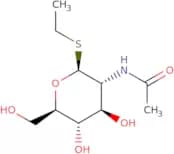
CAS:Ethyl 2-acetamido-2-deoxy-b-D-thioglucopyranoside is a sugar that is used in the synthesis of glycosylates. It has been shown to be modified by Click chemistry, which allows for the introduction of fluorine atoms onto the sugar molecule. This compound can also be modified with methyl groups, which are added to the hydroxyl group on C2. Ethyl 2-acetamido-2-deoxy-b-D-thioglucopyranoside is an oligosaccharide that can be used as a building block for polysaccharides and saccharides. This product is typically used in high purity and in custom synthesis.Formula:C10H19NO5SPurity:Min. 95%Color and Shape:White To Off-White SolidMolecular weight:265.33 g/mol(1S) -1- [(2R, 3S) -3- Benzyloxy-N-butyl- 1- azetidinyl] -1, 2- ethanediol
(1S) -1- [(2R, 3S) -3- Benzyloxy-N-butyl- 1- azetidinyl] -1, 2- ethanediol is a synthetic compound that has been modified on the sugar moiety. It is a fluorinated oligosaccharide with an Oligosaccharide group consisting of an alpha (1→4) glycosidic linkage between two glucose molecules and a beta (1→6) glycosidic linkage between two galactose molecules. This compound can be custom synthesized to meet the needs of your project.Purity:Min. 95%(3R, 4S, 5R, 6R, 7S) -1- Azabicyclo[4.2.0] octane- 3, 4, 5, 7- tetrol
CAS:Fluorination, Monosaccharide, Synthetic, Oligosaccharide, complex carbohydrate, Custom synthesis, Glycosylation, Polysaccharide, Click modification, Methylation Fluorination is a chemical reaction that introduces fluorine into organic compounds. The reactant is typically an alcohol or phenol and the product is a fluoroalcohol or fluoroether. Monosaccharides are simple sugars that cannot be hydrolyzed to smaller carbohydrates. Oligosaccharides are saccharides composed of two to ten monosaccharides. Complex carbohydrates are polymers of saccharides. Click chemistry is a type of chemical reaction used in organic chemistry to create new molecules and modify existing ones with high selectivity and efficiency. Methylation is the process by which methyl groups are introduced into organic compounds such as fats and oils. It can also refer to the addition of a methyl group at one specificPurity:Min. 95%7'-Hydroxypropranolol-b-D-glucuronide
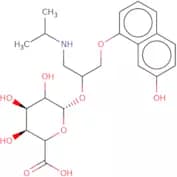
7'-Hydroxypropranolol-b-D-glucuronide is a synthetic compound with a molecular formula of C21H28F3NO6. It has a melting point of 155 °C, and it is soluble in water. 7'-Hydroxypropranolol-b-D-glucuronide is an intermediate in the synthesis of other compounds, and it can be used as a building block for custom synthesis. This compound can be modified with click chemistry or saccharide linkages, providing additional opportunities for modification.Formula:C22H29NO9Purity:Min. 95%Molecular weight:451.47 g/mol7-Deoxy-3,4:5,6-di-O-isopropylidene-L-glycero-L-gulo-heptitol
7-Deoxy-3,4:5,6-di-O-isopropylidene-L-glycero-L-guloheptitol is a custom synthesis of a monosaccharide that is modified with fluorination, methylation, and click modification. It has been shown to be a polysaccharide and complex carbohydrate.Purity:Min. 95%2-Azido-2-deoxy-3,4-(R)-benzylidene-D-arabino-1.5-lactone
2-Azido-2-deoxy-3,4-(R)-benzylidene-D-arabino-1.5-lactone is a fluorinated sugar that can be used for glycosylation reactions. It is a custom synthesis and its CAS number is 54856-82-9. This sugar has been modified with methyl groups to increase its stability in the presence of water. The sugar is highly pure and has a purity of 98%.Purity:Min. 95%D-Fructose 1-phosphate barium salt hydrate
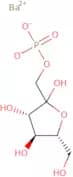
CAS:D-Fructose 1-phosphate barium salt trihydrate is a custom synthesis, high purity sugar. It has been modified with fluorination, glycosylation, and methylation. D-Fructose 1-phosphate barium salt trihydrate is made from the modification of various sugars such as oligosaccharides and monosaccharides to form complex carbohydrates. It can be used for Click modification or in the synthesis of glycoconjugates. D-Fructose 1-phosphate barium salt trihydrate is also known as saccharide.Formula:C6H11BaO9P·3H2OPurity:Min. 95%Color and Shape:Yellow PowderMolecular weight:449.49 g/mol1,5-Diepi-adenophorine
1,5-Diepi-adenophorine is a fluorinated monosaccharide. It is synthesized by an asymmetric glycosylation with 1,5-dideoxyadenosine and α-D-mannose as the donors. The synthesis of this compound requires custom synthesis and high purity. 1,5-Diepi-adenophorine can be modified with methyl groups or click chemistry to make it more suitable for use in biochemistry research.Purity:Min. 95%6-Cyclohexylhexyl-4-O-(a-D-glucopyranosyl)-b-D-glucopyranoside
CAS:The 6-cyclohexylhexyl-4-O-(a-D-glucopyranosyl)-b-D-glucopyranoside is a monoclonal antibody that targets acetylcholine. It binds to nicotinic acetylcholine receptors in the nervous system, preventing the binding of acetylcholine and thereby inhibiting the transmission of nerve impulses. The antibody has been shown to inhibit multidrug resistance in cell culture. This may be due to its ability to bind hydroxyl groups on molecules that are known inhibitors of multidrug resistance. This drug also has an amphipathic nature, which allows it to penetrate lipid bilayers and membranes.Formula:C24H44O11Molecular weight:508.60 g/molRef: 3D-W-201950
-Unit-ggTo inquire1gTo inquire5gTo inquire10gTo inquire500mgTo inquire2500mgTo inquireMethyl 2-benzyloxycarbonylamino-2-deoxy-a-D-glucopyranoside
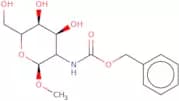
CAS:Methyl 2-benzyloxycarbonylamino-2-deoxy-a-D-glucopyranoside is a monosaccharide that is modified with fluorine. The modification of the sugar molecule can be done by either a click or an oxidative process. In the case of this product, the modification was done by addition of fluorine to the methyl group on the second carbon atom of the benzyloxycarbonyl group. This product belongs to CAS No. 4704-15-8 and has a high purity. It is also a complex carbohydrate and consists of saccharides and sugars. Methyl 2-benzyloxycarbonylamino-2-deoxy-a-D-glucopyranoside can be used in polysaccharides and saccharides, as well as other applications related to carbohydrates such as modifying glycoproteins and glycolipids, as well as being used in pharmaceuticals suchFormula:C15H21NO7Purity:Min. 95%Molecular weight:327.33 g/mol(4R)-3-O-Benzyl-1,2-O-isopropylidene-4-(2,6-piperidinedione-4-yl)-D-threose
(4R)-3-O-Benzyl-1,2-O-isopropylidene-4-(2,6-piperidinedione-4-yl)-D-threose is a methylated sugar. It is synthesized by the modification of a natural sugar molecule with a fluorinated group. This product can be used in the synthesis of complex carbohydrates and pharmaceuticals. (4R)-3-O-Benzyl-1,2-O-isopropylidene-4-(2,6 piperidinedione) -D -threose has high purity and can be modified to have a range of different properties. It is an important synthetic intermediate for monosaccharides and oligosaccharides.Purity:Min. 95%6-Deoxy-L-piscose
6-Deoxy-L-piscose is a synthetic monosaccharide that has been fluorinated to 6-fluoro-D-piscose. It is a complex carbohydrate that has been synthesized from D-glucose and D-ribose. The glycosylation reaction was conducted with N,N'-diacetylchitobioglycine and the methylation reaction with sodium methoxide. Click modification was performed by reacting 6-deoxy L-piscose with 2-(2′,4′,5′,7′,8′)-octamethyltrigonal bipyramid (OMeTBP) in dry DMF at 120°C for 10 minutes. The chemical structure of this sugar is shown below:
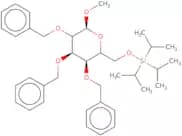
Purity:Min. 95%Methyl 2,3,4-tri-O-benzyl-6-O-triisopropylsilyl-a-D-mannopyranoside
CAS:Methyl 2,3,4-tri-O-benzyl-6-O-triisopropylsilyl-a-D-mannopyranoside is a glycosylation agent that can be used in the synthesis of oligosaccharides and polysaccharides. The compound is fluorinated at the C2 position and methylated at the C3 position. The final product is a white solid with a purity level of >99%. The molecular formula is CHO and the molecular weight is 522.9 g/mol. Methyl 2,3,4-tri-O-benzyl-6-O-(1,1'-biphenyl)-aD manno pyranoside can be synthesized through click chemistry by reacting an alkyne (1) with trimethylsilylacetylene (2). This reaction yields an α,β unsaturated carbonyl (3), which undergoes pallFormula:C37H52O6SiPurity:Min. 95%Molecular weight:620.91 g/mol(1S) -1- [(2S, 3S,4R) -N-Butyl-4-hydroxymethyl-3- hydroxy- 1- azetidinyl] -1, 2- ethanediol
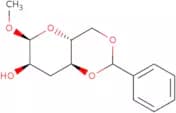
(1S) -1- [(2S, 3S,4R) -N-Butyl-4-hydroxymethyl-3- hydroxy- 1- azetidinyl] -1, 2- ethanediol is a synthetic monosaccharide that belongs to the group of complex carbohydrates. It has been modified by fluorination and methylation. This product can be synthesized according to customer specifications. The CAS number for this product is 97911-51-7. It is highly pure with a purity level of 98%. This product can be glycosylated or click modified according to customer specifications.Purity:Min. 95%Methyl 4,6-O-benzylidene-3-deoxy-α-D-glucopyranoside
CAS:Methyl 4,6-O-benzylidene-3-deoxy-a-D-glucopyranoside is a synthetically modified high purity carbohydrate. It is an oligosaccharide that can be custom synthesized to meet your requirements. This product can be used as a complex carbohydrate in the food industry.Formula:C14H18O5Purity:Min. 95%Color and Shape:PowderMolecular weight:266.29 g/mol1-O-Benzoyl-2,4-O-benzylidene-D-threitol
1-O-Benzoyl-2,4-O-benzylidene-D-threitol is a high purity custom synthesis sugar with click modification, fluorination, glycosylation, and methylation. It has CAS number and is an Oligosaccharide. 1-O-Benzoyl-2,4-O-benzylidene-D-threitol Monosaccharide saccharide Carbohydrate complex carbohydrate. It is also Glycosylated and Synthetic.Purity:Min. 95%(3r,4s)-3,4-Bis-benzyloxymethyl-oxetane-2-one 2-hydrate
A custom synthesis of (3r,4s)-3,4-Bis-benzyloxymethyl-oxetane-2-one 2-hydrate is a modification of a complex carbohydrate. This compound is synthesized from an oligosaccharide and has the molecular formula C14H15O2. The molecular weight for this compound is 256.24 g/mol. This compound is soluble in water and has a melting point of 80°C. It can be used as a sugar or a polysaccharide in glycosylation reactions. This compound also has fluorination and saccharide functionalities that can be used in methylation reactions to produce methylated sugars or monosaccharides.Purity:Min. 95%Benzyl D-glucopyranoside
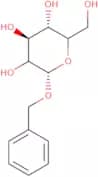
CAS:Benzyl D-glucopyranoside is a synthetic reagent that is used in the synthesis of carbohydrates. The benzyl group is an important part of this molecule, as it can be used to synthesize homologues by substituting the hydroxyl group with other groups. This chemical has been shown to inhibit bacterial disease and carbohydrate antigen production in cells. The stereoisomers are not active against bacteria, but the D-glucopyranoside form is more effective than the L-glucopyranoside form. Benzyl D-glucopyranoside also inhibits lipid peroxidation, which is an indication of its antioxidant activity.Formula:C13H18O6Purity:Min. 95%Color and Shape:White To Off-White SolidMolecular weight:270.28 g/mol(3R, 5R) -1-Benzyl-3, 4, 5- piperidinetriol hydrochloride
(3R, 5R) -1-Benzyl-3, 4, 5- piperidinetriol hydrochloride is a synthetic compound that is used for the production of oligosaccharides and saccharides. This molecule is a part of the glycosylation reaction and has been modified to produce a variety of carbohydrate products. The CAS number for this compound is 6078-73-5 and it can be synthesized in various lengths. The chemical name for this compound is (3R, 5R)-1-(benzyloxycarbonyl)-3,4,5-piperidinetriol hydrochloride.Purity:Min. 95%(3R,5R)-5-(Dimethoxymethyl)tetrahydrofuran-3-ol
CAS:(3R,5R)-5-(Dimethoxymethyl)tetrahydrofuran-3-ol is a methylated sugar that can be used as a building block for the synthesis of saccharides and polysaccharides. It has been used in Click chemistry to modify oligosaccharides and glycosylations. This chemical is soluble in water and has high purity. It is also available from CAS No. 127682-76-2. It has been fluorinated to form 2,6-difluoro-3,4,5,6-tetrafluorotetrahydrofuran (CAS No. 317321-67-8).Formula:C7H14O4Purity:Min. 95%Molecular weight:162.18 g/molMethyl(methyl 3,4-di-O-methyl-α-D-glucopyranoside)uronate
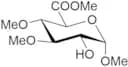
CAS:A methyl ether protected glucuronide glycosideFormula:C10H18O7Purity:Min. 95%Color and Shape:PowderMolecular weight:250.25 g/molDL-Glyceraldehyde 3-phosphate - 45-55 mg/mL aqueous solution
CAS:Glyceraldehyde 3-phosphate (G3P) is an intermediate in the glycolytic pathway. It is also a component of polysaccharides and glycosaminoglycans. G3P is synthesized from glucose by the enzyme triose phosphate isomerase. The synthesis of G3P can be achieved by a number of methods, including methylation, fluorination, and click chemistry. This product contains 45-55 mg/mL of Glyceraldehyde 3-phosphate in water solution at pH 7.0 and at a temperature range of 2-8°C.Formula:C3H7O6PPurity:Min. 95 Area-%Molecular weight:170.06 g/molD-Gluconic acid calcium salt
CAS:D-Gluconic acid calcium salt is a chemical that inhibits the activity of enzymes in the pathway of methyl glycosides. It has been shown to inhibit cortisol production and reduce the concentration of this hormone in cell culture. D-Gluconic acid calcium salt also inhibits enzyme activities, such as cholesterol esterase and lipase, which are involved in lipid metabolism. This chemical has been shown to be an effective inhibitor of benzalkonium chloride (a disinfectant used for sterilization) and chinese herb (used as a traditional medicine). D-Gluconic acid calcium salt can also inhibit locomotor activity and lower cholesterol levels in mice.Formula:C6H11O7CaPurity:Min. 95%Color and Shape:White PowderMolecular weight:215.19 g/mol(1R) -1- [(2S, 3R,4S) -4-(Acetylamino)methyl-N-methyl-3- hydroxy- 1- azetidinyl] -1, 2- ethanediol
(1R) -1- [(2S, 3R,4S) -4-(Acetylamino)methyl-N-methyl-3- hydroxy- 1- azetidinyl] -1, 2- ethanediol is a fluorinated monosaccharide that is synthetically designed to be an analog of glucose. It is a custom synthesis and can be glycosylated, polysaccharide modified, or methylated. This product has CAS number 184497-92-7 and purity of ≥98%.Purity:Min. 95%D-Talono-1,4-lactone
CAS:D-Talono-1,4-lactone is a stereoselective drug that inhibits the synthesis of c-glycosides and is used to study the mechanisms of action of these compounds. It has been shown to have antibacterial activity against gram-negative pathogens such as Escherichia coli, Salmonella typhi, Klebsiella pneumoniae, and Acinetobacter baumannii. D-Talono-1,4-lactone also has inhibitory activities against gram negative bacteria. This compound may be a potential biomarker for the detection of gram negative bacteria in water samples. The mechanism of action of this drug is not known but it is likely due to its ability to inhibit bacterial growth.
Formula:C6H10O6Purity:Min. 95%Color and Shape:PowderMolecular weight:178.14 g/molMethyl 3-O-Benzyl-N-butyl-2,4-dideoxy-2,4-imino-a-L-ribopyranoside
Methyl 3-O-Benzyl-N-butyl-2,4-dideoxy-2,4-imino-a-L-ribopyranoside is a high purity compound that is custom synthesized to order. It has been fluorinated and modified with methyl groups. Methyl 3-O-Benzyl-N-butyl can be used in glycosylation and click chemistry reactions. This product is a complex carbohydrate that can be used in the synthesis of oligosaccharides and saccharides.
Purity:Min. 95%4'-Demethylpodophyllotoxin-2,3-Di-O-dichloroacetyl-4,6-O-ethylidene-b-D-glucopyranoside
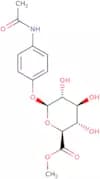
4'-Demethylpodophyllotoxin-2,3-Di-O-dichloroacetyl-4,6-O-ethylidene-b-D-glucopyranoside is a glycoside of podophyllotoxin with an OCHOCHCHCl group. It is a modification of the natural product and can be used as a building block for the synthesis of polysaccharides. It has CAS number 109710-33-5 and can be custom synthesized to meet your specifications. This compound is very pure and has been modified to have high purity. It is also very stable in solution due to its chemical stability. This compound is a synthetic sugar that can be used in glycosylation reactions, making it applicable for many uses including the synthesis of oligosaccharides.Purity:Min. 95%4-Acetamidophenyl β-D-glucuronide methyl ester
CAS:The function of 4-Acetamidophenyl b-D-glucuronide methyl ester is expressed in the interaction with recombinant human proteins. The protein interacts with cell membrane and extracellular domain. It also interacts with cancer tissue, cancer, and tumor growth. 4-Acetamidophenyl b-D-glucuronide methyl ester is a membrane protein that interacts with extracellular proteins. It is expressed in metastasis and mcf-7.Formula:C15H19NO8Purity:Min. 95%Molecular weight:341.31 g/mol2-Methoxycarbonylphenyl 2-acetamido-2-deoxy-β-D-glucopyranoside
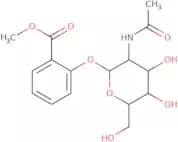
CAS:2-Methoxycarbonylphenyl 2-acetamido-2-deoxy-b-D-glucopyranoside is a fluorinated monosaccharide that can be used as a glycosylation and polysaccharide modification agent. It has been shown to be useful for the synthesis of complex carbohydrates. This product is available in high purity, custom synthesis, and CAS No. 1093406-94-0.Formula:C16H21NO8Purity:Min. 95%Molecular weight:355.34 g/mol1,6-Bis- O- Tert.butyldimethylsilyl- 3, 4- O-isopropylidene)-2,5-O-methanesulfonyl-D- mannitol
1,6-Bis-O-tert.butyldimethylsilyl-3,4-O-isopropylidene)-2,5-O-methanesulfonyl-D-mannitol is a sugar that is used as a starting material for the synthesis of glycosides. This compound has been shown to react with click chemistry and undergo fluorination, glycosylation, methylation, and modification reactions. It has been shown to be useful in the synthesis of oligosaccharides and monosaccharides. The chemical formula for 1,6-Bis-O-tert.butyldimethylsilyl-3,4-O-[isopropylidene)-2,5 - O]-methanesulfonyl--D--mannitol is C14H30OSiMesO8S2.Purity:Min. 95%Phenyl-beta-D-glucuronic acid monohydrate
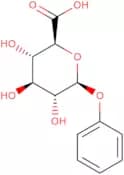
CAS:Phenyl-beta-D-glucuronic acid monohydrate is a genotoxic agent that is metabolized to S-phenylmercapturic acid. This metabolite can be detected in urine as an indicator of exposure to the compound. Phenyl-beta-D-glucuronic acid monohydrate has been shown to have toxic effects on humans, such as decreasing the glomerular filtration rate and increasing reactive oxygen species levels. It also decreases antioxidant vitamin levels and causes blood disorders, including hemolytic anemia. Phenyl-beta-D-glucuronic acid monohydrate may also be used for the treatment of autoimmune diseases by inhibiting certain enzymes involved in inflammation and immune response.Formula:C12H16O8Purity:Min. 98 Area-%Color and Shape:White PowderMolecular weight:288.26 g/mol2-Deoxy-α-D-ribose-1-phosphate bis(cyclohexylammonium)
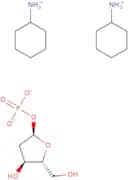
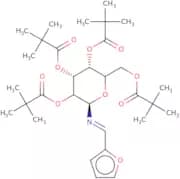
CAS:2-Deoxy-a-D-ribose-1-phosphate bis(cyclohexylammonium) salt is a modification of the 2-deoxy-a-D-ribose 1 phosphate. It is an oligosaccharide that synthesized by custom synthesis and is high purity. It has CAS No. 102783-28-8, which is a polysaccharide that is a sugar and has methylation and glycosylation. This product can be used in pharmaceuticals, diagnostic agents, or other applications where it is necessary to modify the carbohydrate chain or add glycosylations and methylations.Formula:C5H11O7P•(C6H13N)2Purity:(%) Min. 97%Color and Shape:White PowderMolecular weight:412.46 g/molN-(2-Furyl)imino-2,3,4,6-tetra-O-pivaloyl-b-D-glucopyranoside
2-Furyl imino-2,3,4,6-tetra-O-pivaloyl-b-D-glucopyranoside is a carbohydrate that belongs to the group of saccharides. It is a synthetic oligosaccharide that has a high purity and can be custom synthesized with high efficiency. The chemical name for this compound is 2-(2'-furyl)iminobis(2,3,4,6-tetraoxypentyl) pivalate. This carbohydrate has been fluorinated in our laboratory with an 18F isotope. The fluorination process was done by reacting the compound with sodium fluoride in methanol. The resulting product was purified by HPLC and its structure confirmed by mass spectrometry and nuclear magnetic resonance (NMR).Formula:C31H47NO10Purity:Min. 95%Molecular weight:593.72 g/molBenzyl 2,3,5-tri-O-benzyl-1,4 dithio-D-ribofuranoside
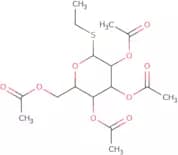
CAS:Benzyl 2,3,5-tri-O-benzyl-1,4 dithio-D-ribofuranoside is a glycosylation agent that is used to modify the structure of polysaccharides. It reacts with a saccharide in a stepwise manner to form an oligosaccharide or a custom synthesis. This modification can be achieved through methylation, click modification and fluorination. Benzyl 2,3,5-tri-O-benzyl-1,4 dithio-D-ribofuranoside has been shown to be effective for modifying complex carbohydrates such as saccharides and oligosaccharides. The chemical is also used in the production of sugar alcohols such as maltitol and sorbitol.Purity:Min. 95%Ethyl 2,3,4,6-tetra-O-acetyl-b-D-thioglucopyranoside
CAS:Polyimides are polymers that are used in a variety of industrial and consumer products. Ethyl 2,3,4,6-tetra-O-acetyl-b-D-thioglucopyranoside is a type of polyimide that has been shown to be photosynthetic. Polyimides are synthesized by condensing acetylene with formaldehyde in the presence of an acid catalyst. This compound has been investigated for use as an active component in photonic and optoelectronic devices such as solar cells and light emitting diodes (LEDs). The material is also being explored for use in the fabrication of microelectronic devices such as field effect transistors (FETs) and optical switches. It can be used to investigate organisms’ photosynthetic activity qualitatively or quantitatively by observing color changes or measuring oxygen production.Formula:C16H24O9SPurity:Min. 95%Color and Shape:White PowderMolecular weight:392.5 g/mol





![(2R,3R,4S,5S)- 2-[(1R)-1,2-Dihydroxyethyl]-3,4-dihydroxy-1-oxa-6,9-diazaspiro[4.5]decane-7,10-dione](/_next/image/?url=https%3A%2Fstatic.cymitquimica.com%2Fproducts%2F3D%2Fthumb-webp%2FMD163941.webp&w=3840&q=75)

![(1S) -1- [(2R, 3S) -3- Benzyloxy-N-butyl- 1- azetidinyl] -1, 2- ethanediol](/_next/image/?url=https%3A%2Fstatic.cymitquimica.com%2Fproducts%2F3D%2Fthumb-webp%2FMB163382.webp&w=3840&q=75)
![(3R, 4S, 5R, 6R, 7S) -1- Azabicyclo[4.2.0] octane- 3, 4, 5, 7- tetrol](/_next/image/?url=https%3A%2Fstatic.cymitquimica.com%2Fproducts%2F3D%2Fthumb-webp%2FMA163391.webp&w=3840&q=75)

![(1S) -1- [(2S, 3S,4R) -N-Butyl-4-hydroxymethyl-3- hydroxy- 1- azetidinyl] -1, 2- ethanediol](/_next/image/?url=https%3A%2Fstatic.cymitquimica.com%2Fproducts%2F3D%2Fthumb-webp%2FMB163384.webp&w=3840&q=75)



![(1R) -1- [(2S, 3R,4S) -4-(Acetylamino)methyl-N-methyl-3- hydroxy- 1- azetidinyl] -1, 2- ethanediol](/_next/image/?url=https%3A%2Fstatic.cymitquimica.com%2Fproducts%2F3D%2Fthumb-webp%2FMA163404.webp&w=3840&q=75)