Monosaccharides
Subcategories of "Monosaccharides"
- Alloses(11 products)
- Arabinoses(21 products)
- Erythroses(11 products)
- Fructoses(9 products)
- Fucoses(36 products)
- Galactosamine(41 products)
- Galactose(261 products)
- Glucoses(365 products)
- Glucuronic Acids(52 products)
- Glyco-substrates for Enzyme(78 products)
- Guloses(6 products)
- Idoses(4 products)
- Inositols(15 products)
- Lyxoses(4 products)
- Mannoses(65 products)
- O-Glycans(48 products)
- Psicoses(3 products)
- Rhamnoses(10 products)
- Riboses(61 products)
- Sialic Acids(100 products)
- Sorboses(4 products)
- Sugars(173 products)
- Tagatoses(4 products)
- Taloses(8 products)
- Xyloses(20 products)
Found 6088 products of "Monosaccharides"
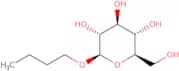
Butyl b-D-glucopyranoside
CAS:Butyl b-D-glucopyranoside is a fluorinated monosaccharide that is used in the synthesis of oligosaccharides and polysaccharides. It is also used as a synthetic sugar for glycosylation, methylation, and click modification reactions. Butyl b-D-glucopyranoside has been shown to be stable under both acidic and basic conditions and has a CAS number of 5391-18-4.Formula:C10H20O6Purity:Min. 95%Color and Shape:White PowderMolecular weight:236.26 g/mola-D-Galactose-sp-biotin
a-D-Galactose-sp-biotin is a glycosylation product with a complex carbohydrate structure. It is synthesized by reacting a galactose with a spacer arm and biotin. The product has been modified to include fluorination, saccharide modification, and Oligosaccharide synthesis. This product is available in high purity and CAS No.Formula:C25H44N4O9SPurity:Min. 95%Color and Shape:PowderMolecular weight:576.7 g/molCharantoside
Charantoside is a natural flavone glycoside that belongs to the group of c-glycosides. It has significant anti-inflammatory activity, inhibiting tumor necrosis factor-α (TNF-α) and matrix metalloproteinase-7 (MMP-7), which are proinflammatory cytokines. Charantoside also has anti-diabetic properties, as it inhibits glucose uptake and stimulates insulin release from pancreatic β cells in vitro. Charantoside is found in plants of the Cucurbitaceae family, such as cucumber and pumpkin. This compound can be detected by fingerprinting techniques and was found to have been present in at least two plant families. Charantoside has been shown to inhibit TNF-α production in vivo studies conducted on mice.Purity:Min. 95%4-O-Allyl-3,6-di-O-tert-butyldimethylsilyl-D-glucal
4-O-Allyl-3,6-di-O-tert-butyldimethylsilyl-D-glucal is a custom synthesis of an oligosaccharide. It has been modified with fluorination, methylation, and click chemistry. 4-O-Allyl-3,6-di-O-tert-butyldimethylsilyl-D-glucal has been shown to be a high purity product that can be used in glycosylation reactions. This compound is very reactive and can be used in the synthesis of complex carbohydrates such as saccharides and polysaccharides.Purity:Min. 95%3,5-Di-O-(tert-butyldimethylsilyl)-2-deoxy-D-ribono-1,4-lactone
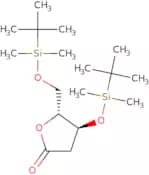
CAS:3,5-Di-O-(tert-butyldimethylsilyl)-2-deoxy-D-ribono-1,4-lactone is a nucleoside analog that inhibits the synthesis of viral RNA. It can be hydrolyzed to uridine, which is then converted to phosphorylated uridine by uridine phosphorylase. 3,5-Di-O-(tert-butyldimethylsilyl)-2-deoxy-D-ribono-1,4-lactone binds to the enzyme ribonucleotide reductase and blocks the production of DNA precursors. This may lead to a decrease in DNA synthesis and cell proliferation. The antiviral properties of 3,5-Di-O-(tert-butyldimethylsilyl)-2-deoxy--D--ribono--1,4--lactone have been shown in animal models against cytFormula:C17H36O4Si2Purity:Min. 95%Color and Shape:PowderMolecular weight:360.65 g/molN- (2, 5- Anhydro- 3- azido- 3- deoxy- D- altronoyl) - 2, 5- Anhydro- 3- amino- 3- deoxy- D- altronic acid propyl ester
N- (2, 5- Anhydro- 3- azido- 3- deoxy- D- altronoyl) - 2, 5- Anhydro- 3- amino - 3 - deoxy- D - altronic acid propyl ester is a synthetic compound that has been modified to include an N-(2,5 anhydroazido)-3,6 dideoxydulonic acid moiety. The chemical structure of this product includes a methyl group and two hydroxyl groups on the anomeric carbon. This product is a white powder at room temperature and can be used in the synthesis of oligosaccharides or polysaccharides.Purity:Min. 95%2-Deoxy-D-xylose
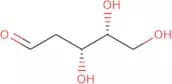
CAS:2-Deoxy-D-xylose is a sugar that is metabolized by bacteria in the absence of oxygen. It has been shown to be highly chemotactic, inducing the migration of cells from the surrounding tissue into the area where it is present. 2-Deoxy-D-xylose has also been shown to inhibit the growth of cancer cells and induce apoptosis in vitro. 2-Deoxy-D-xylose binds to mitochondria and inhibits cytochrome oxidase, which may contribute to its anti-cancer activity. 2-Deoxy-D-xylose has also been shown to have angiogenic effects by stimulating endothelial cell proliferation and migration.
Formula:C5H10O4Purity:Min. 98 Area-%Color and Shape:White PowderMolecular weight:134.13 g/mol4-Aminophenyl b-D-glucopyranoside
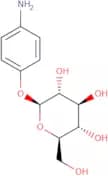
CAS:4-Aminophenyl b-D-glucopyranoside is a membrane transport inhibitor that prevents the uptake of glucose by inhibiting the enzyme hexose transporter. It is used in biological treatment and has been shown to be effective against glutamicum. 4-Aminophenyl b-D-glucopyranoside can also be used in assays to identify bacteria based on their surface antigens. This compound was isolated from corynebacterium glutamicum and its metabolic pathway has been elucidated. 4-Aminophenyl b-D-glucopyranoside has also been shown to inhibit enzymatic activity, which may be due to inhibition of the enzyme dihydroorotate dehydrogenase.Formula:C12H17NO6Purity:Min. 95%Color and Shape:White PowderMolecular weight:271.27 g/molMethyl 2,3,4-tri-O-benzoyl-6-O-trityl-a-D-galactopyranoside
CAS:Methyl 2,3,4-tri-O-benzoyl-6-O-trityl-a-D-galactopyranoside is an oligosaccharide. It is a highly pure and custom synthesis of methylated saccharides. The modification is done by Click chemistry, which is a reaction between an azide and an alkyne in the presence of copper catalyst. This modification helps to introduce fluorine atoms into the saccharide chain. The glycosylation process is then carried out on the modified saccharides to form the desired oligosaccharides. Methyl 2,3,4-tri-O-benzoyl-6-O-trityl-a-D galactopyranoside can be used as a raw material for various applications such as pharmaceuticals, agrochemicals and food additives.Formula:C47H40O9Purity:Min. 95%Molecular weight:748.84 g/mol1,2-Diacetate 3,4-di-O-methyl-D-xylopyranose
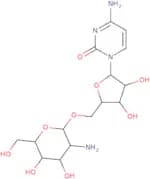
CAS:Please enquire for more information about 1,2-Diacetate 3,4-di-O-methyl-D-xylopyranose including the price, delivery time and more detailed product information at the technical inquiry form on this pageFormula:C11H18O7Purity:Min. 95%Molecular weight:262.26 g/mol5'-O-(2-Amino-2-deoxy-D-glucopyranosyl) cytidine
CAS:5'-O-(2-Amino-2-deoxy-D-glucopyranosyl) cytidine is a synthetic carbohydrate, which can be modified in a variety of ways to create custom glycoproteins. This product can be used for glycosylation and polysaccharide synthesis. It has been fluorinated with trifluoromethanesulfonic acid to allow for click modifications, methylated, or sugar modified. The purity of this product is high and the CAS number is 631842-23-4.Formula:C15H24N4O9Purity:Min. 95%Molecular weight:404.37 g/mol1-Deoxythiomannojirimycin
1-Deoxythiomannojirimycin is a potent inhibitor of glycosidases, including α-amylase, β-glucanase, and α-glucosidase. This compound has been synthesized from thiomannose and jirimycin. Thiomannose is a natural compound that can be found in almond extract or as a byproduct of the hydrolysis of mannitol during hydrogenation. It can also be produced enzymatically from glucose by using β-mannosidase or α-mannosidase. 1-Deoxythiomannojirimycin inhibits the activity of glycosidases by forming an irreversible covalent bond with the active site serine hydroxyl group on the enzyme. This inhibits the cleavage of substrates such as starch into reducing sugars (e.g., glucose) and disaccharides (e.g., maltose).Purity:Min. 95%Glucuronic acid-GEL
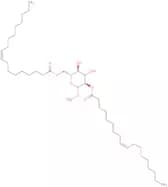
Glucuronic acid-GEL is a monosaccharide that has been modified with a methyl group. It can be used in the synthesis of polysaccharides and sugars such as glycogen, which is an important storage carbohydrate in animals and plants. Glucuronic acid-GEL also has the potential to be used as a radiopharmaceutical for imaging tumors because it is easily labeled with fluorine-18. Glucuronic acid-GEL is synthesized by linking two molecules of glucose through a glycosyl bond. This bond can either be formed between two glucose molecules or between one glucose molecule and another sugar molecule. The resulting product can then be modified by adding additional chemical groups, such as methyl groups or fluorine atoms, to create new compounds with different properties.Purity:Min. 95%Methyl glucoside dioleate
CAS:Methyl glucoside dioleate is a fatty acid ester that is a cross-linking agent. It can be used as a neutralizer and surfactant in cosmetic products. Methyl glucoside dioleate has been shown to have synergistic effects with hyaluronic acid, which stimulates the production of collagen and elastin. It also has skin-softening properties due to its ability to form films on the skin surface and reduce water loss by forming a hydrophobic barrier. Methyl glucoside dioleate is not known to cause allergic reactions or other adverse effects when applied to humans, although there are no long-term studies on this topic.Purity:Min. 95%2-O-Benzhydryloxybis(trimethylsilyloxy)silyl-3, 4- O- isopropylidene - L- arabinonic acid γ-lactone
2-O-Benzhydryloxybis(trimethylsilyloxy)silyl-3,4-O-isopropylidene -L-arabinonic acid gamma-lactone (2BHOS) is an oligosaccharide that is synthesized from arabinose. It is a product of the Click modification and is used to synthesize a glycosylation with a monosaccharide or saccharide donor molecule. 2BHOS can be modified by fluorination, glycosylation, methylation, or other chemical modifications. 2BHOS has CAS number 47311-27-8.Purity:Min. 95%UDP-6-deoxy-6-fluoro-D-galactose
CAS:UDP-6-deoxy-6-fluoro-D-galactose is an intermediate in the biosynthesis of galactooligosaccharides. It can be used as a substrate for glycosyltransferases and glycosidases to produce oligosaccharides, which are important components of glycoconjugates. UDP-6-deoxy-6-fluoro-D-galactose has been shown to be an acceptor for acetylation by trifluoroacetate and trifluoride. Kinetic studies show that UDP-6-deoxy-6-fluoro Dgalactose binds to α1 acid glycoprotein, which may be a drug target.Formula:C15H23FN2O16P2Purity:Min. 95%Molecular weight:568.29 g/molPhenyl 2-azido-3-O-benzyl-2-deoxy-4-O-p-methoxybenzyl-b-D-thioglucopyranoside
Phenyl 2-azido-3-O-benzyl-2-deoxy-4-O-p-methoxybenzyl bDthioglucopyranoside is a glycosylation, complex carbohydrate, methylation, click modification, polysaccharide, fluorination and saccharide. It is a CAS No. and monosaccharide. It is custom synthesis and high purity.
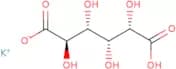
Purity:Min. 95%D-Glucarate monopotassium
CAS:D-Glucarate monopotassium is a pharmaceutical preparation that is used to inhibit the growth of bacteria. It inhibits the proliferation of cells by inhibiting fatty acid synthesis, which leads to decreased levels of cholesterol, and reduces the uptake of glucose. D-Glucarate monopotassium is also an oxidizing agent that converts uridine into uric acid and has been shown to have inhibitory properties against human cancer cells. D-Glucarate monopotassium can be used as an antioxidant for the prevention or treatment of chronic diseases such as atherosclerosis, diabetes, and cancer. This compound acts as an inhibitor for trypsin treatment on carbohydrates, preventing hydrolysis by this enzyme.
Formula:C6H9O8·KPurity:Min. 95%Color and Shape:PowderMolecular weight:248.23 g/mol3,7,7a-Triepicasuarine pentaacetate
CAS:3,7,7a-Triepicasuarine pentaacetate (TPA) is a modification of 3,7,7a-triepoxyheptanoic acid and has been synthesized by the addition of an acetate group to the free hydroxyl group. The synthesis was carried out on an automated synthesizer using a fluorous phase. TPA is a complex carbohydrate that is a monosaccharide with methylation and glycosylation. It can be hydrolysed to release 3,7-dihydroxyheptanoic acid (DHHA). This product has CAS number 910535-96-5.Purity:Min. 95%L-Glucosamine hydrochloride
CAS:L-Glucosamine hydrochloride is a fluorescent derivative of L-glucosamine, which is an amino sugar that occurs naturally in the human body. L-glucosamine hydrochloride can be used to measure the uptake of glucose by cells and tissues. The hydroxyl group on the glucosamine molecule is responsible for this activity. L-glucosamine hydrochloride has been shown to have anticancer activity against leukemia cells in tissue cultures and it may be useful as a cancer treatment. It is also capable of inducing cytokine responses when it binds to antigen sites on T cells, which may lead to its use as an immunotherapy agent.Formula:C6H13NO5•HClPurity:Min. 95%Color and Shape:PowderMolecular weight:215.63 g/molD-Fructose 1,6-diphosphate, dicalcium salt
CAS:D-Fructose 1,6-diphosphate is an ion-exchange resin that has been used for the isolation of calcium. It is also a calcium salt that is soluble in ethanol and water. This compound can be isolated from seaweed and it has been used as a filler in food. D-Fructose 1,6-diphosphate is often used to precipitate calcium ions from solutions with high pH values and it has been shown to be a potent inhibitor of DNA synthesis.Formula:C6H10Ca2O12P2Molecular weight:416.25 g/molRef: 3D-F-7370
1kgTo inquire5kgTo inquire250gTo inquire500gTo inquire2500gTo inquire-Unit-ggTo inquireFuraneol beta-D-glucopyranoside
CAS:Furaneol beta-D-glucopyranoside is a synthetic sugar that is used as an intermediate in the synthesis of complex carbohydrates. Furaneol beta-D-glucopyranoside has been modified by methylation and fluorination, which allows it to be used in click chemistry. Furaneol beta-D-glucopyranoside is also a high purity compound with a custom synthesis available for purchase.Formula:C12H18O8Purity:Min. 97 Area-%Color and Shape:PowderMolecular weight:290.27 g/molD-myo-Inositol-2,5,6-triphosphate sodium salt
D-myo-Inositol-2,5,6-triphosphate sodium salt is a glycosylation agent that is used to modify the surface of proteins and polysaccharides. It can be used in various applications such as Click chemistry, fluorination, saccharide modification, or sugar modifications. D-myo-Inositol-2,5,6-triphosphate sodium salt has been shown to be an effective methylation agent for both amino acids and sugars. This compound has also been shown to inhibit the growth of bacteria by inhibiting protein synthesis in the cell wall synthesis process.Formula:C6H12O15P3·xNaPurity:Min. 95%Molecular weight:417.07 g/molMethyl 2,3,4,6-tetra-O-benzyl-D-glucopyranoside
CAS:Methyl 2,3,4,6-tetra-O-benzyl-D-glucopyranoside is a glucopyranoside that has been chemically modified with an allyl group and an azide group. It is also the anomeric form of methyl 2,3,4,6-tetra-O-benzyl-β-D-glucopyranoside. The modification of the sugar moiety offers a new approach to synthesize β-linked D-, L-, or D/L-(2,3,4,6)-linked glycosides. This chemical modification is unambiguously determined by nmr analysis and alkene formation.Formula:C35H38O6Purity:Min. 95%Color and Shape:Clear LiquidMolecular weight:554.67 g/mol5-Azepan-1-yl-5-deoxy-1,2-isopropylidene-a-D-xylofuranose
CAS:5-Azepan-1-yl-5-deoxy-1,2-isopropylidene-a-(D)-xylofuranose (ADXF) is a synthetic glycoside that was synthesized in order to explore the potential of ADXF as a drug candidate. ADXF has shown promising antiinflammatory and anticancer activities. The synthesis of ADXF starts with the protection of the hydroxyl group at the anomeric center with acetate and then the glycosylation with azepane and 5-deoxy-1,2 isopropylidene erythronolide B. This synthesis also includes fluorination and methylation steps, which are necessary for modifying the sugar structure.
Formula:C14H25NO4Purity:Min. 95%Color and Shape:Brown solid.Molecular weight:271.35 g/mol6-O-Tert.butyldimethylsilyl - 2, 3- O- isopropylidene-L- gulonic acid γ-lactone
6-O-Tert.butyldimethylsilyl - 2, 3- O- isopropylidene-L- gulonic acid gamma-lactone is a glycosylate of 6-O-tert.butyl dimesitylglycolic acid. It is a monosaccharide with an α--glycosidic linkage that may be used in the synthesis of complex carbohydrates or as a sugar surrogate for saccharide chemistry applications. This product can be custom synthesized to your specifications and has high purity.Purity:Min. 95%1-Azido-2,4-O-benzylidene-butane-2,3,4-triol
1-Azido-2,4-O-benzylidene-butane-2,3,4-triol is a synthetic compound that can be used as a methylating agent or to modify saccharides. It is also able to modify polysaccharides and oligosaccharides. 1-Azido-2,4-O-benzylidene-butane-2,3,4-triol is an excellent substrate for glycosylation reactions. This product has been custom synthesized and is of high purity. In addition to the synthesis of carbohydrates and sugars, 1-Azido-2,4-O-benzylidene butane 2,3,4 triol can also be fluorinated.
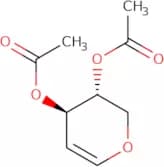
Purity:Min. 95%3,4-Di-O-acetyl-D-xylal
CAS:3,4-Di-O-acetyl-D-xylal is a sterically hindered substrate analogue of the natural L-xylal. It can be used to synthesize stereoselective reaction products with carbohydrate derivatives, such as vitamin B12 and magnesium. 3,4-Di-O-acetyl-D-xylal has been shown to react with azides and hydroxymethyl groups to produce formyl and formate groups. The nmr spectra of this compound show strong signals for the acetoxy group at 2.2 ppm and the hydroxymethyl group at 2.6 ppm. Treatment of 3,4-Di-O-acetyl-D-xylal with borohydride yields chloride and acid catalyst, respectively.
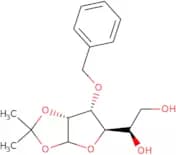
Formula:C9H12O5Purity:Min. 98%Color and Shape:Colorless Yellow Clear LiquidMolecular weight:200.19 g/mol1,2-O-Isopropylidene-3-O-benzyl-D-allofuranose
CAS:Chiral resource for synthesis of bioactive sugars and antiviral nucleosidesFormula:C16H22O6Purity:Min. 95%Color and Shape:PowderMolecular weight:310.34 g/mol5-Thio-D-galactopyranose
5-Thio-D-galactopyranose is a homolog of D-galactose. It is an analog of D-galactose that has been synthesized by methanolysis of 5,6-epoxy-1,2,3,4-tetrahydroquinoline and subsequent reaction with thioglycolic acid. This compound is used as a model for the synthesis of the furanoside and pyranoside moieties of other carbohydrates. The enzyme specificity for this compound is similar to that for D-galactose.Purity:Min. 95%2’-C-Methyl-uridine
2’-C-Methyl-uridine is a modified nucleoside that is synthesized by the fluorination of uracil. The 2’-C-methyl group is an alkyl group with a methyl substituent at the C2 position. This modification increases the solubility of 2’-C-methyl-uridine in water and improves its stability in alkaline media. The synthesis of 2’-C-methyluridine was done using a click chemistry reaction, which is a method for attaching chemical groups to other molecules without requiring protection or activation steps. 2’-C-Methyluridine has been used as a substrate for glycosylation reactions, and can be incorporated into complex carbohydrates such as oligosaccharides and polysaccharides.Purity:Min. 95%Methyl 2,3:4,5:6,7-Tri-O-isopropylidene-D-glycero-D-talo-heptonate
CAS:Methyl 2,3:4,5:6,7-Tri-O-isopropylidene-D-glycero-D-talo-heptonate is a methyl glycoside that can be used for the modification of saccharides and oligosaccharides. This product is also useful as an intermediate in the synthesis of complex carbohydrates.Formula:C17H28O8Purity:Min. 95%Molecular weight:360.4 g/molD-Glucose 1-13C
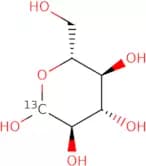
CAS:D-Glucose 1-13C is a kinetic isotope that is used to study the metabolic pathways of glucose. The presence of 13C in the molecule allows for the identification of metabolites and provides an accurate measurement of metabolic rate. This isotope has been used to study lipid metabolism in exudates from animals, as well as fatty acid synthesis in microsomes from rats. D-Glucose 1-13C has also been used in studies on yeast, specifically Saccharomyces cerevisiae strain and Saccharomyces cerevisiae strain.Formula:CC5H12O6Purity:Min. 95%Color and Shape:White PowderMolecular weight:181.15 g/molD-Glucopyranosyl thiosemicarbazide
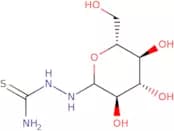
CAS:D-Glucopyranosyl thiosemicarbazide is a synthetic molecule that reacts with halides to produce regiospecifically substituted aldehydes. It has been used in the synthesis of glycosylated heterocycles and for the conversion of amines into reactive intermediates. D-Glucopyranosyl thiosemicarbazide can be prepared by reacting 2,3-dichloro-5,6-dicyanobenzoquinone with sodium nitrite in methanol followed by hydrolysis with water. This reaction produces an intermediate that reacts with sulfur dioxide to form the desired product. The structure of this molecule was determined using X-ray crystallography on crystals obtained from aspergillus mold.Formula:C7H15N3O5SPurity:Min. 95%Color and Shape:White to off-white powder.Molecular weight:253.28 g/mol(5R, 8S, 9S) -8- [(4S) - 2, 2- Dimethyl- 1, 3- dioxolan- 4- yl] - 9- hydroxy- 2, 2- dimethyl- 1, 3, 7- trioxaspiro[4.4] nonan- 6- on e
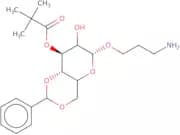
(5R, 8S, 9S) -8- [(4S) - 2, 2- Dimethyl- 1, 3- dioxolan- 4- yl] - 9- hydroxy- 2, 2- dimethyl- 1, 3, 7- trioxaspiro[4.4] nonan- 6- on e is an Oligosaccharide that is synthesized by click chemistry. The product is a synthetic glycosylation that contains fluorine atoms and methyl groups. It has a purity of 99% and a CAS number of 5963872.Purity:Min. 95%3-Aminopropyl 4,6-O-benzylidene-3-O-pivaloyl-b-D-galactopyranoside
CAS:3-Aminopropyl 4,6-O-benzylidene-3-O-pivaloyl-b-D-galactopyranoside is a glycosylated and fluorinated saccharide that is used as a building block for the synthesis of complex carbohydrates. It can be modified to produce glycans with desired properties, such as improved solubility or stability in high temperatures. This product is available in custom synthesis and high purity.Formula:C21H31NO7Purity:Min. 95%Molecular weight:409.47 g/mol(2S, 3S, 4S) -2- (Hydroxymethyl) - 1- methyl- 3, 4- pyrrolidinediol
CAS:Ketoconazole is an anti-infective agent that is used in the treatment of fungal and yeast infections. It has been shown to inhibit the transcriptional activation of many genes, including those encoding for α subunit of RNA polymerase and sequences involved in drug metabolism. Ketoconazole also inhibits the formation of benzimidazole compounds in bacteria, which are used by some bacteria to protect themselves against other antibiotics. The biological function of ketoconazole is not yet fully understood, but it has been shown to have a negative effect on pancreatic function in CD-1 mice.Purity:Min. 95%2, 3:5,6-Bis-O-(1-ethylpropylidene)-D-glycero-L-talo-heptonic acid γ-lactone
2,3:5,6-Bis-O-(1-ethylpropylidene)-D-glycero-L-taloheptonic acid gamma-lactone (TAL) is a glycosylated saccharide that is synthesized by the click reaction of a terminal alkyne group with an azide group. TAL has been shown to have anti-inflammatory effects on mice. This compound also exhibits potent inhibition of bacterial growth and can be used as an alternative to penicillin.Purity:Min. 95%L-Iditol
CAS:L-Iditol is a sugar alcohol that is found in small quantities in nature and is used as a food additive and pharmaceutical excipient. L-Iditol has been shown to inhibit the growth of bacteria such as Escherichia coli K-12 at concentrations of 0.1% to 1%. This compound was also shown to have a protective effect on human erythrocytes from oxidative damage. The long-term toxicity of L-Iditol has not been well studied, but it does not seem to be toxic when ingested in doses up to 2000 mg/kg body weight.Formula:C6H14O6Purity:Min. 95%Color and Shape:White PowderMolecular weight:182.17 g/molα-D-Glucosamine pentaacetate
CAS:Alpha-D-glucosamine pentaacetate is a carbohydrate that is a member of the glycoconjugates family. It is an acetylated form of alpha-D-glucosamine and is used in the synthesis of glycoproteins and glycosaminoglycans. Alpha-D-Glucosamine pentaacetate has been shown to be an effective inhibitor of methylation reactions. It can also be used as a fluorinating agent in organic synthesis or Click chemistry, which involves the reaction between an azide group and an alkyne group. Alpha-D-Glucosamine pentaacetate has been shown to be a potent antiviral agent against herpes simplex virus 1 (HSV1) by blocking viral adsorption and penetration into cells, inhibiting DNA replication, and reducing viral titers.Formula:C16H23NO10Molecular weight:389.36 g/molRef: 3D-G-2960
25gTo inquire50gTo inquire100gTo inquire250gTo inquire500gTo inquire-Unit-ggTo inquireD-Fructose-¹³C6
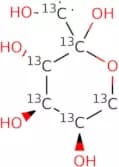
CAS:D-Fructose-¹³C6 is a liquid chromatograph that can be used for the analysis of alditols. It can also be used as a cavity, dissolvable, or quadrupole mass spectrometer. The chemical diversity of D-fructose-¹³C6 makes it an important research tool that can be used to study different products. Its use in tobacco and humectant production is also quite common. The quadrupole mass spectrometer has been shown to have a global reach in its applications.Formula:C6H12O6Purity:Min. 95%Color and Shape:White PowderMolecular weight:186.11 g/mol5-Azido- 5- deoxy- 1, 2- O-isopropylidene -β- D- talofuranose,
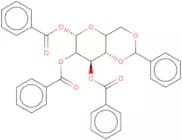
5-Azido- 5-deoxy- 1,2-O-isopropylidene -beta- D-talofuranose is a methylated sugar that can be synthesized by the click modification of an azido sugar. This compound has been shown to be an excellent substrate for Oligosaccharide synthesis and Polysaccharide synthesis. The compound is soluble in water and ethanol, but not in ether. It is a white powder that is insoluble in chloroform, acetone, and benzene. This compound has a CAS no., which is 115541-53-1. It has been used as a reagent for Fluorination and complex carbohydrate modification.Purity:Min. 95%1,2,3-Tri-O-benzoyl-4,6-O-benzylidene-b-D-galactopyranose
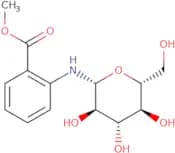
1,2,3-Tri-O-benzoyl-4,6-O-benzylidene-b-D-galactopyranose is a synthetic glycosylate that can be used for the introduction of oligosaccharide chains onto proteins. It is a monosaccharide and part of a complex carbohydrate. 1,2,3-Tri-O-benzoyl-4,6-O-benzylideneb -D galactopyranose can be methylated and fluorinated. The synthesis of this compound is custom, making it possible to order in high purity.Formula:C34H28O9Purity:Min. 95%Molecular weight:580.58 g/molMethylanthranilate glucoside
CAS:Methylanthranilate glucoside is a carbohydrate that is custom synthesized to order. It is a synthetic, high purity, methylated, glycosylated, and click-modified oligosaccharide. This product has CAS No. 1875079-80-3 and can be used in medical research for the identification of saccharides or glycans with a specific modification pattern.Formula:C14H19NO7Purity:Min. 95%Color and Shape:PowderMolecular weight:313.3 g/mol(2S,3R,4R,5S)-3-O-Benzyl-3,4,5-trihydroxypiperidine-2-carboxylic acid
(2S,3R,4R,5S)-3-O-Benzyl-3,4,5-trihydroxypiperidine-2-carboxylic acid is a synthetic compound. It is a fluorinated glycosylated oligosaccharide with the molecular formula C14H21FNO6. This compound has been modified with methylation, monosaccharide and polysaccharide modifications. It is also a complex carbohydrate that can be custom synthesized and purified to high purity. CAS No.: 366864-11-1Purity:Min. 95%b-L-Arabinopyranose
CAS:b-L-Arabinopyranose is a monosaccharide that is found in exudates, melibiose, and radiation hydrolysate. It has been shown to be hydrolyzed by intestinal enzymes and to have an optimum pH of 5.5. b-L-Arabinopyranose also has a high degree of polymerization (DP) and can form five-membered rings with galactans as well as terminal residues that are resistant to hydrolysis by carbon tetrachloride.Formula:C5H10O5Purity:Min. 95%Molecular weight:150.1 g/mol(3R, 5R) -1-Benzyl-3, 4, 5- piperidinetriol
(3R, 5R) -1-Benzyl-3, 4, 5- piperidinetriol is a modification of the parent compound. The modification of the parent compound is accomplished by the introduction of a benzyl group at the 3' and 5' positions of the molecule. This modification can be used to synthesize oligosaccharides, which are complex carbohydrates. (3R, 5R) -1-Benzyl-3, 4, 5- piperidinetriol is synthesized from high purity (99%) monosaccharide methylated with formaldehyde in aqueous solution with hydrochloric acid and sodium hydroxide as catalysts. It has CAS number 8056-97-2 and molecular weight of 231.24 grams per mole.Purity:Min. 95%2,4,6-Tri-O-benzoyl-3-benzyl-D-mannopyranosyl trichloroacetimidate
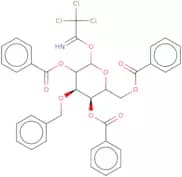
2,4,6-Tri-O-benzoyl-3-benzyl-D-mannopyranosyl trichloroacetimidate is a synthetic glycosylation compound. It can be used for the synthesis of complex carbohydrates, such as polysaccharides and oligosaccharides. This product is a high purity, custom synthesis that has been modified with fluorination and methylation. CAS No.: 59978-06-0Formula:C36H30Cl3NO9Purity:Min. 95%Molecular weight:726.98 g/molN-(2,4-Dinitrophenyl-deoxynojirimycin
N-2,4-Dinitrophenyl-deoxynojirimycin (DNPDNJ) is a methylated derivative of deoxynojirimycin. It is an inhibitor of glycosylation that can be used to study the structure and function of carbohydrates. DNPDNJ is a synthetic saccharide that can be custom synthesized. Click modification and modification with Oligosaccharides are common modifications for DNPDNJ. DNPDNJ is available in high purity and has been fluorinated for use in fluorescence studies.
Purity:Min. 95%2- C- (Hydroxymethyl) - 2, 3- O-isopropylidene)-D- ribose
2-C-(Hydroxymethyl)-2,3-O-isopropylidene)-D-ribose is a sugar that is an important component of glycosylation. It can be used as a monosaccharide or as part of a larger sugar molecule such as an oligosaccharide or polysaccharide. 2-C-(Hydroxymethyl)-2,3-O-isopropylidene)-D-ribose can be modified by either methylation, fluorination, click modification, saccharide modification, or custom synthesis. This product has high purity and can be custom synthesized to meet your specifications.Purity:Min. 95%








![(5R, 8S, 9S) -8- [(4S) - 2, 2- Dimethyl- 1, 3- dioxolan- 4- yl] - 9- hydroxy- 2, 2- dimethyl- 1, 3…](/_next/image/?url=https%3A%2Fstatic.cymitquimica.com%2Fproducts%2F3D%2Fthumb-webp%2FMD170669.webp&w=3840&q=75)