


Monosaccharides
Subcategories of "Monosaccharides"
- Alloses(11 products)
- Arabinoses(21 products)
- Erythroses(11 products)
- Fructoses(9 products)
- Fucoses(36 products)
- Galactosamine(41 products)
- Galactose(261 products)
- Glucoses(365 products)
- Glucuronic Acids(52 products)
- Glyco-substrates for Enzyme(78 products)
- Guloses(6 products)
- Idoses(4 products)
- Inositols(15 products)
- Lyxoses(4 products)
- Mannoses(65 products)
- O-Glycans(48 products)
- Psicoses(3 products)
- Rhamnoses(10 products)
- Riboses(61 products)
- Sialic Acids(100 products)
- Sorboses(4 products)
- Sugars(173 products)
- Tagatoses(4 products)
- Taloses(8 products)
- Xyloses(20 products)
Found 6085 products of "Monosaccharides"
4-(4-(2-(trifluoromethyl)phenyl)-3-(E)-buten-2-one-1-yl)piperidine-2,6-dione
4-(4-(2-(trifluoromethyl)phenyl)-3-(E)-buten-2-one-1-yl)piperidine-2,6-dione is a custom synthesis that can be modified to include fluorination, methylation, and monosaccharide modifications. This molecule has been shown to have click modification and oligosaccharide modifications with saccharides. It is a polysaccharide that is glycosylated with carbohydrate.Purity:Min. 95%UDP-N-acetyl-D-mannosaminuronic acid
CAS:UDP-N-acetyl-D-mannosaminuronic acid is a monosaccharide that is synthesized from UDP and N-acetyl-D-mannosamine. It is an important precursor for the synthesis of glycoproteins, lipopolysaccharides, and proteoglycans in bacteria. Mutants have been identified in Escherichia coli and Staphylococcus aureus that lack the enzyme UDP-N-acetylglucosamine 2’:3’ phosphotransferase, which is required for the biosynthesis of UDP-N-acetylglucosamine. The enzyme responsible for this reaction is acetamidase/uridine diphosphate mannosyltransferase. This enzyme catalyzes the transfer of mannose from uridine diphosphate (UDP) to N acetylglucosamine to form UDP N acetyl D mannosaminuronic acidFormula:C17H25N3O18P2Purity:Min. 95%Molecular weight:621.3 g/mol(Ribo) 3,4-O-Isopropylidene-2,4-di-C-methyl-L-ribono-1.5-lactone
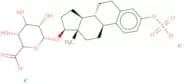
(Ribo) 3,4-O-Isopropylidene-2,4-di-C-methyl-L-ribono-1.5-lactone is a custom synthesis that can be produced in various quantities and with various modifications to meet your needs. It is a high purity compound that is available for both research and industrial use. This compound has been fluorinated and modified to create a complex carbohydrate. It is an oligosaccharide of polysaccharide that can be used as a monosaccharide or sugar in the synthesis of polysaccharides or saccharides. This product is not intended for medical use.Purity:Min. 95%Estradiol 3-sulfate 17β-glucuronide dipotassium
CAS:Estradiol 3-sulfate 17b-glucuronide dipotassium salt is an estradiol ester that is a metabolite of estradiol. It has been shown to be an intermediate in the synthesis of estrone sulfate and other steroid hormones. Estradiol 3-sulfate 17b-glucuronide dipotassium salt is formed from estradiol by the addition of one molecule of sulfuric acid followed by the addition of glucuronic acid, which results in a salt form. It may also be formed by oxidation of allylic hydroperoxides and photooxygenation in families with oxygenated moieties. Irradiation leads to formation of oxygenated steroids. The alkene reactivity depends on the substitution pattern, the cyclic reactivity depends on the ring size and substitution pattern, and the reactivity with peroxides depends on the position of substitution.
Formula:C24H32O11S•K2Purity:Min. 95%Color and Shape:White to off-white solid.Molecular weight:606.77 g/molCaffeic acid 3-O-β-D-glucuronide
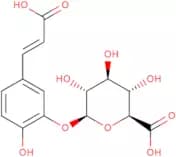
CAS:Caffeic acid 3-O-b-D-glucuronide (3BGA) is a phenolic compound that is found in plants. It has been shown to inhibit the growth of viruses, including influenza virus, and chlorogenic acid isomers have been shown to inhibit the growth of bacteria. The highest concentration of 3BGA was found in the heartwood of the plant. Recent pharmacokinetic studies have shown that caffeic acid 3-O-b-D-glucuronide is metabolized by gut bacteria and excreted in human urine.
Formula:C15H16O10Purity:Min. 95%Color and Shape:PowderMolecular weight:356.28 g/molN-Methyl-D-glucamine
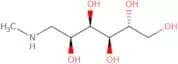
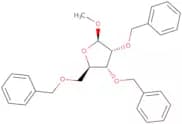
CAS:N-Methyl-D-glucamine is a gadolinium chelate that has been used as a contrast agent in magnetic resonance imaging. It is also an antimicrobial agent that binds to DNA and RNA, inhibiting their synthesis. N-Methyl-D-glucamine has been shown to have strong antitumor activity against carcinoma cell lines in vitro. This drug also inhibits the growth of bacteria such as Leishmania, which causes cutaneous leishmaniasis. N-Methyl-D-glucamine can be used for the treatment of infections caused by methicillin resistant Staphylococcus aureus (MRSA) or Mycobacterium tuberculosis due to its ability to inhibit protein synthesis and bacterial growth. MEGLUMINE is an experimental model for human serum with high water solubility and low toxicity. It belongs to the class of nonsteroidal anti-inflammatory drugs (NSAIDs). The MEGLUMFormula:C7H17NO5Purity:Min. 95%Color and Shape:White PowderMolecular weight:195.21 g/molMethyl 2,3,5-tri-O-benzyl-β-D-ribofuranoside
CAS:Methyl 2,3,5-tri-O-benzyl-b-D-ribofuranoside is a glycosylation reagent that can be used in the synthesis of oligosaccharides and polysaccharides. It is used to modify saccharides with fluorine or methyl groups and can be used to synthesize complex carbohydrates. Methyl 2,3,5-tri-O-benzyl-b-D-ribofuranoside is also an intermediate for click chemistry reactions. This product has high purity and can be custom synthesized to meet customers' needs.Formula:C27H30O5Purity:Min. 95%Color and Shape:Pale yellow oil.Molecular weight:434.52 g/mol2-Acetamido-1,3,6-tri-O-acetyl-2-deoxy-a-D-glucopyranose
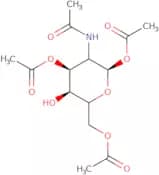
CAS:2-Acetamido-1,3,6-tri-O-acetyl-2-deoxy-a-D-glucopyranose is a synthetic monosaccharide that can be used as an intermediate in the preparation of oligosaccharides. The compound is fluorinated and then reacted with acetyl chloride to produce an acetamido derivative. This product can be used for glycosylation reactions with polysaccharides. It has been shown to react with diols and triols to form methyl ethers via the Click chemistry reaction. 2-Acetamido-1,3,6-tri-O-acetyl-2,5,6,-triiodohexanoic acid is a modification of this product that has been shown to inhibit bacterial growth in vitro.Formula:C14H21NO9Purity:Min. 95%Color and Shape:Clear oil.Molecular weight:347.32 g/molmyo-Inositol 1,2,4,5,6-pentakisphosphate
Myo-inositol 1,2,4,5,6-pentakisphosphate (IP) is a phosphate of inositol that is found in the cytosol. It is an important component of polyphosphates and can be used for oxygen transport. It has been shown to inhibit the growth of cancer cells by binding to monoclonal antibodies that are targeted against CD20 and CD22 on cancer cells. IP also inhibits the activity of kinases and phosphatases in mammalian cells. This may be due to the inhibition of cytokine release from macrophages treated with IL-1β. Inositol phosphates are involved in many cellular responses including platelet-derived growth factor activation, cell proliferation, and protein synthesis.Formula:C6H17O21P5Purity:Min. 95%Molecular weight:580.06 g/molL-Glucosamine hydrochloride
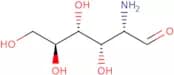
CAS:L-Glucosamine hydrochloride is a fluorescent derivative of L-glucosamine, which is an amino sugar that occurs naturally in the human body. L-glucosamine hydrochloride can be used to measure the uptake of glucose by cells and tissues. The hydroxyl group on the glucosamine molecule is responsible for this activity. L-glucosamine hydrochloride has been shown to have anticancer activity against leukemia cells in tissue cultures and it may be useful as a cancer treatment. It is also capable of inducing cytokine responses when it binds to antigen sites on T cells, which may lead to its use as an immunotherapy agent.Formula:C6H13NO5•HClPurity:Min. 95%Color and Shape:PowderMolecular weight:215.63 g/mol2,3-O-Carbonyl-a-D-mannopyranose
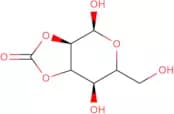
CAS:2,3-O-Carbonyl-a-D-mannopyranose is a modified sugar that can be synthesized from D-mannose. It is used to produce oligosaccharides and polysaccharides. This compound has been shown to be useful for the fluorination of proteins and for click modification reactions. 2,3-O-Carbonyl-a-D-mannopyranose has high purity and can be custom synthesized for quality assurance purposes.Formula:C7H10O7Purity:Min. 95%Color and Shape:PowderMolecular weight:206.15 g/molD-Fructose-¹³C6
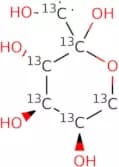
CAS:D-Fructose-¹³C6 is a liquid chromatograph that can be used for the analysis of alditols. It can also be used as a cavity, dissolvable, or quadrupole mass spectrometer. The chemical diversity of D-fructose-¹³C6 makes it an important research tool that can be used to study different products. Its use in tobacco and humectant production is also quite common. The quadrupole mass spectrometer has been shown to have a global reach in its applications.Formula:C6H12O6Purity:Min. 95%Color and Shape:White PowderMolecular weight:186.11 g/molPhenylethyl β-D-galactopyranoside
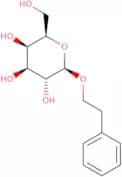
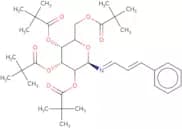
CAS:Phenylethyl b-D-galactopyranoside is a galactose compound that can be hydrolyzed by esterases in the presence of water. It is toxic to organisms, such as E. coli and S. typhimurium, at high concentrations and can be used for the treatment of infections caused by these bacteria. Phenylethyl b-D-galactopyranoside has been shown to have a permeability effect on cells, which may be due to its ability to inhibit the production of ATP in the cell membrane by blocking specific enzymes that are responsible for ATP synthesis.Formula:C14H20O6Purity:Min. 95%Color and Shape:PowderMolecular weight:284.31 g/molN-(Phenyl-1-propenyl)imino-2,3,4,6-tetra-O-pivaloyl-D-glucopyranoside
N-(Phenyl-1-propenyl)imino-2,3,4,6-tetra-O-pivaloyl-D-glucopyranoside (NPG) is a synthetic oligosaccharide. It is an Methylation and Click modification of the natural glycosylation product of glucose with pivalic acid. NPG has been shown to inhibit the Glycosylation enzyme by methylating it and preventing it to be able to catalyze the attachment of a sugar molecule to an amino acid residue. This inhibition prevents the production of complex carbohydrates in bacteria. NPG is also fluorinated at the 2,3,4,6 positions on the glucose ring which allows for better binding to bacterial cells. NPG has been shown to bind specifically to mycobacterial cell wall glycolipids and inhibit their synthesis as well as other bacterial cells such as staphylococcus aureus.Formula:C35H51NO9Purity:Min. 95%Molecular weight:629.78 g/mol5-O-tert-Butyldiphenylsilyl-2,3-O-isopropylidene-D-ribofuranose
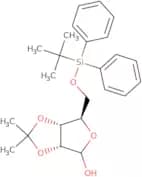
CAS:5-O-tert-Butyldiphenylsilyl-2,3-O-isopropylidene-D-ribofuranose is a synthetic compound that is an inhibitor of adenosine deaminase. This drug has been shown to inhibit the synthesis of nucleic acids and other biological molecules such as amino acids and proteins. 5-O-tert-Butyldiphenylsilyl-2,3-O-isopropylidene ribofuranose is used in organic chemistry as a chiral analog for naturally occurring compounds such as adenosine. 5BPSSIROdR inhibits the enzyme adenosine deaminase by binding to its active site and preventing it from converting adenosine into inosine.Formula:C24H32O5SiPurity:Min. 95%Color and Shape:PowderMolecular weight:428.59 g/mol2,2’-Anhydro-L-lyxo-uridine
2,2’-Anhydro-L-lyxo-uridine is a modified sugar that is synthesized from L-lyxo-uridine. This product is used as a monosaccharide in the synthesis of complex carbohydrate and has been shown to inhibit the growth of bacteria by preventing bacterial DNA transcription. 2,2’-Anhydro-L-lyxo-uridine has also been used to inhibit glycosylation, which is an enzyme that catalyzes the addition of sugars to protein molecules. 2,2’-Anhydro-L-lyxo-uridine can be fluorinated for use in glycoproteins and can be methylated for use in oligosaccharides.Purity:Min. 95%4-Penten-1-yl 2,3,4,6-tetra-O-acetyl-b-D-glucopyranoside
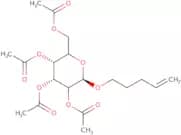
CAS:4-Penten-1-yl 2,3,4,6-tetra-O-acetyl-b-D-glucopyranoside is a carbohydrate that is synthesized by the modification of an existing molecule. It is a custom synthesis and can be modified with click chemistry to create new compounds. This compound has a high purity and is soluble in water. It can be used for saccharide or polysaccharide synthesis as well as glycosylation reactions. This product's CAS number is 50256-33-2 and it has been assigned the chemical name Methylation, saccharide, Polysaccharide, Click modification, CAS No. 50256-33-2, Modification, Oligosaccharide, Custom synthesis, Glycosylation, High purity, Carbohydrate, sugar, Synthetic, Fluorination.Formula:C19H28O10Purity:Min. 95%Molecular weight:416.42 g/mol2C-Hydroxymethyl-2,3:5,6-di-O-isopropylidene-D-mannono-1,4-lactone
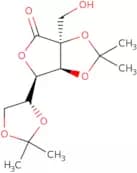
CAS:2C-Hydroxymethyl-2,3:5,6-di-O-isopropylidene-D-mannono-1,4-lactone is a synthetic monosaccharide with a CAS number of 70147-48-7. This compound has been modified to include the hydroxymethyl group and the 2C designation. It is used as an ingredient in the synthesis of complex carbohydrates.Formula:C13H20O7Purity:Min. 95%Color and Shape:PowderMolecular weight:288.29 g/mol2,5-Anhydro-D-mannofuranose
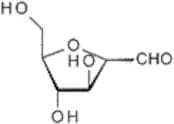
CAS:2,5-Anhydro-D-mannofuranose is a biologically active compound that belongs to the group of inorganic acids. It has been shown to be an inhibitor of heparin-induced thrombocytopenia. 2,5-Anhydro-D-mannofuranose inhibits platelet aggregation and prolongs bleeding time in rats by blocking glycosidic bond formation. This compound is also found as a constituent of oligosaccharides and nitrous oxide. Structural analysis has revealed that this molecule contains reactive groups and is acidic in nature. The analytical method for this compound is α1-acid glycoprotein. Monoclonal antibodies against fatty acid have been used for its detection in human serum.Formula:C6H10O5Purity:Min. 85 Area-%Color and Shape:PowderMolecular weight:162.14 g/mol1,6:2,3-Dianhydro-b-D-mannopyranose
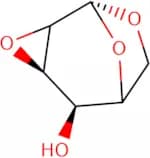
CAS:1,6:2,3-Dianhydro-b-D-mannopyranose is a high purity sugar used in the synthesis of complex carbohydrates. This compound is an oligosaccharide that has been modified by methylation and glycosylation. It can be found in the CAS registry number 3868-03-9.Formula:C6H8O4Purity:Min. 95%Color and Shape:PowderMolecular weight:144.13 g/mol2-Azido- 2- deoxy- 5, 6- O- isopropylidene -L- gulonic acid g- lactone
2-Azido-2-deoxy-5,6-O-isopropylidene-L-gulonic acid g-lactone is a synthetic compound that is used as a building block in the synthesis of various saccharides. It can be modified to form glycosylation products and complex carbohydrates. The chemical name for this compound is 2-azido-2,3,4,5,6 -pentafluoroethane sulfonic acid. This molecule has a molecular weight of 162.14 and a molecular formula of C9H9F7O4S. It has an empirical formula of C8H12FO5S. 2-Azido-2,3,4,5,6 -pentafluoroethane sulfonic acid is soluble in water and ethanol and can be stored at room temperature for up to one year without decomposing.Purity:Min. 95%2-Azidoethyl 2,3,4,6-tetra-O-acetyl-b-D-glucopyranoside
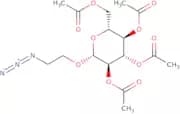
CAS:2-Azidoethyl 2,3,4,6-tetra-O-acetyl-b-D-glucopyranoside is a sugar that is custom synthesized. It is a synthetic compound that has been fluorinated and methylated. This product can be used for glycosylation or oligosaccharide synthesis. It is a high purity product with a purity of 98% and has been modified with click chemistry. The CAS number for this product is 140428-81-5.Formula:C16H23N3O10Color and Shape:White PowderMolecular weight:417.37 g/mol(2S, 3S, 4S) -2- (Hydroxymethyl) - 2- methyl- 3, 4- pyrrolidinediol
CAS:The product is a Carbohydrate, Modification, saccharide, Oligosaccharide. It is an artificial sugar that has been synthesized and modified for use in the food industry. The material is a complex carbohydrate with a high purity level and custom synthesis. It can be used in the production of sweeteners or as a flavor enhancer. The product is fluorinated to slow down its rate of degradation, which allows it to be used as an ingredient in processed foods. The product also has glycosylation sites that can be methylated or click-modified.Formula:C6H13NO3Purity:Min. 95%Molecular weight:147.17 g/mol6-Deoxy-L-glucitol
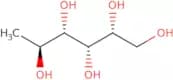
CAS:6-Deoxy-L-glucitol is a sugar alcohol that is found in the body and has been used as a substitute for sucrose. 6-Deoxy-L-glucitol is metabolized by deamination and reduction to produce lactobionic acid. This reaction can be catalyzed by either an enzyme or by chemical means. 6-Deoxy-L-glucitol can also be partially reduced to form 6-phospho--erythritol, which can be further reduced to form erythritol. Muscle cells contain hexokinases and phosphofructokinase, which are required for the final step in glucose metabolism. These enzymes are important in the regulation of blood sugar levels and energy production. In addition, these enzymes play a role in the metabolism of other sugars such as fructose and galactose.Formula:C6H14O5Purity:Min. 95%Molecular weight:166.17 g/mol1-Deoxy- 3, 4- O- isopropylidene-D- erythro- 2- pentulofuranose
1-Deoxy- 3, 4- O- isopropylidene-D-erythro-2 pentulofuranose is a mannitol derivative. It is a carbohydrate that has been modified by fluorination and methylation and glycosylation. It can be synthesized from erythritol and 2,3,4-trihydroxybenzaldehyde. This product can be custom synthesized to order with high purity in quantities of 10 grams or more.Purity:Min. 95%N-[2-(4'-Methoxyphenylacetonitrile)]-2,3,4,6-tetra-O-pivaloyl-D-glucopyranoside
N-[2-(4'-Methoxyphenylacetonitrile)]-2,3,4,6-tetra-O-pivaloyl-D-glucopyranoside is a custom synthesis of a carbohydrate. It is a synthetic saccharide that is modified by fluorination and methylation. This compound has high purity and can be custom synthesized to order.
Formula:C35H52N2O10Purity:Min. 95%Molecular weight:660.79 g/mol4-Methylphenyl 2,3,4-tri-O-benzyl-b-D-thioglucuronide benzyl ester
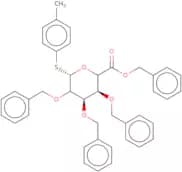
CAS:4-Methylphenyl 2,3,4-tri-O-benzyl-b-D-thioglucuronide benzyl ester is a carbohydrate that is synthesized from the monosaccharide 4-methylphenol and bromoacetaldehyde. It is a custom synthesis that can be modified with fluorination or methylation. The purity of this product is high and it has been synthesized using a click modification.Formula:C41H40O6SPurity:Min. 95%Molecular weight:660.82 g/molIsosaccharinic acid-1,4-lactone
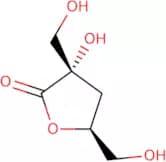
CAS:Isosaccharinic acid-1,4-lactone is an organic compound that is found in human urine. It has been shown that the concentration of this compound can be used as a marker for renal health. The hydrated form of isosaccharinic acid-1,4-lactone can be prepared by heating with acetic anhydride, and it has been shown to have potential applications as a buffer in diagnostic tests for human serum or as a stabilizer for x-ray structures. The 1H NMR spectrum of isosaccharinic acid-1,4-lactone reveals two distinct signals at 1.6 and 2.0 ppm, which are assigned to the two isomers of this compound. The second order rate constant was measured to be 0.025 s−1 at pH 7 and 22 °C using acetate extract from human urine. This technique was also applied to measure rates constant for other organic acids such as formic acidFormula:C6H10O5Purity:Min. 98 Area-%Color and Shape:White PowderMolecular weight:162.14 g/molEthyl 3,5,6-tri-O-benzyl-D-glucofuranoside
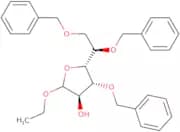
CAS:Ethyl 3,5,6-tri-O-benzyl-D-glucofuranoside is a modification of the natural carbohydrate D-glucose and has been synthesized by methylation. This product has a purity of 99% and is made up of three monosaccharides: D-glucose, D-mannose, and D-galactose. It also contains an oligosaccharide chain that consists of 6 sugar units. Ethyl 3,5,6-tri-O-benzyl-D-glucofuranoside is insoluble in water but soluble in acetone. The molecular weight of this product is 522.2 g/mol.Formula:C29H34O6Purity:Min. 95%Color and Shape:Yellow Clear LiquidMolecular weight:478.58 g/mol3-O-Benzyl-1,2:5,6-di-O-isopropylidene-a-D-glucofuranose
CAS:3-O-Benzyl-1,2:5,6-di-O-isopropylidene-a-D-glucofuranose is a custom synthesis for use in the methylation of oligosaccharides and polysaccharides. It has been used in the Click modification of saccharide derivatives, as well as in the fluorination of complex carbohydrates. 3-O-Benzyl-1,2:5,6-di-O-isopropylidene-a-D-glucofuranose is a monosaccharide that can be used to synthesize sugar. This chemical is also able to modify carbohydrate molecules with various functional groups. 3BzGluFur is a high purity product that can be used to create monosaccharides and sugars with various modifications.
Formula:C19H26O6Purity:Min. 95%Color and Shape:Slightly Yellow Clear LiquidMolecular weight:350.41 g/mol4-C-Methyl- 2, 3- O-isopropylidene -D- lyxono-1,5- lactone
4-C-Methyl- 2, 3- O-isopropylidene -D- lyxono-1,5- lactone is a custom synthesis. It is a complex carbohydrate with the CAS number of 67903-96-6. It has a molecular weight of 287.39 g/mol and a purity of >99%. 4CMMDL has been modified with methylation at the C4 position and glycosylation at the C2 position. The modification on this molecule is called Click chemistry. This molecule contains a sugar group that is an oligosaccharide with 11 saccharides, which are all glucose molecules. This sugar group has been fluorinated at the C2 position to form 4CMMDLF (also known as Fluorogalactofuranose). The chemical formula for 4CMMDLF is C12H8O11F2, and it has a molar mass of 5Purity:Min. 95%Methyl 4,6-O-isopropylidene-a-D-glucopyranoside
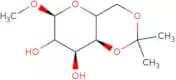
Methyl 4,6-O-isopropylidene-a-D-glucopyranoside is a glycosylation reagent that is used in the synthesis of oligosaccharides and polysaccharides. It is used as an intermediate for the production of active pharmaceutical ingredients and in the production of modified sugars. Methyl 4,6-O-isopropylidene-a-D-glucopyranoside can be custom synthesized to meet specific requirements such as purity, fluorination, and complex carbohydrate. This product is available with high purity and has been shown to be stable under a wide range of conditions. Methyl 4,6-O-isopropylidene-a-D-glucopyranoside is not compatible with strong acids or bases.Formula:C10H18O6Purity:Min. 95%Molecular weight:234.25 g/mol(2R, 3R, 4R) -3- Benzyloxy- 1- benzyl-4- (hydroxymethyl) - 2- azetidinecarboxylic acid N-methylamide
(2R, 3R, 4R) -3- Benzyloxy- 1- benzyl-4- (hydroxymethyl) - 2- azetidinecarboxylic acid N-methylamide is a synthetic monosaccharide that can be used for carbohydrate modification. In addition to its use in the synthesis of saccharides and oligosaccharides, this compound has been shown to be useful as a fluorination reagent. This compound is also available with custom synthesis and high purity. (2R, 3R, 4R) -3-Benzyloxy-1-benzyl-4-(hydroxymethyl)-2-azetidinecarboxylic acid N-methylamide is an excellent methylation reagent and glycosylation agent. It can be used in the click chemistry modification of proteins and other biomolecules.Purity:Min. 95%1,2,3-Tri-O-methyl-α-D-glucopyranose
CAS:1,2,3-Tri-O-methyl-a-D-glucopyranose is a sugar that is used in glycosylation and fluorination reactions. This product can be custom synthesized to your specifications. It is available in high purity and with a variety of modifications. 1,2,3-tri-O-methyl-a-D-glucopyranose has been modified with methyl groups at the C1 and C6 positions. These modifications are useful for studies on glycosylation and fluorination reactions.Formula:C9H18O6Purity:Min. 95%Color and Shape:PowderMolecular weight:222.24 g/molN-(2-Phenyl-1-cyano-3-butene)-2,3,4,6-tetra-O-pivaloyl-D-glucopyranoside
N-(2-Phenyl-1-cyano-3-butene)-2,3,4,6-tetra-O-pivaloyl-D-glucopyranoside is a compound that is used as an intermediate in the synthesis of glycosylated polysaccharides. It has been used to synthesize saccharides and oligosaccharides with a wide range of compositions. This compound can be custom synthesized to meet your specifications.Formula:C37H54NO9Purity:Min. 95%Molecular weight:656.84 g/mol1,2,3-Tri-O-benzyl-4,6-O-(4-methoxybenzylidene)-b-D-galactopyranoside
1,2,3-Tri-O-benzyl-4,6-O-(4-methoxybenzylidene)-b-D-galactopyranoside is a synthetic compound that has been synthesized as an example of a fluorinated sugar. This compound is an oligosaccharide with a molecular weight of 839.Formula:C35H36O7Purity:Min. 95%Molecular weight:568.66 g/mol1,2,3,4-Tetra-O-benzyl-6-O-tert-butyldiphenylsilyl-b-D-galactopyranose
1,2,3,4-Tetra-O-benzyl-6-O-tert-butyldiphenylsilyl-b-D-galactopyranose is a custom synthesis of an oligosaccharide. It is a complex carbohydrate that is composed of a glycosylated polysaccharide with a molecular weight of 676. It has been modified by methylation and fluorination (a click modification). The carbohydrate has been synthesized using high purity, fluoroquinolone resistant reagents.Formula:C50H54O6SiPurity:Min. 95%Molecular weight:779.07 g/mol(3S,4S, 5S) -4,5-O-Isopropylidene-3-O-tert.butyldimethylsilyl-1- nonyl-3, 4, 5- piperidinetriol
The following is a description of the product that was generated by a professional copywriter.Purity:Min. 95%4- β- D-Ribofuranosyl-2, 6- piperidinedione
CAS:4-beta-D-Ribofuranosyl-2,6-piperidinedione is a sugar that can be used as a building block in the synthesis of saccharides and oligosaccharides. It has been shown to be useful for glycosylation reactions and click reactions. 4-beta-D-Ribofuranosyl-2,6-piperidinedione is also used in the synthesis of complex carbohydrates.Formula:C10H15NO6Purity:Min. 95%Molecular weight:245.23 g/mol(1S) -1- [(2S, 3R,4S) -4-(Acetoxy)methyl-3-benzyloxy- N-benzyl-1- azetidinyl] -di-O-acetyl-1, 2- ethanediol
1,2-Ethanediol is a polyhydroxy alcohol that is used in the synthesis of complex carbohydrates. It can be found as an Oligosaccharide in plants, which are composed of three or more sugar molecules. 1,2-Ethanediol is also found in the glycosylation reaction for the modification of saccharides and carbohydrates. This process adds glucose to a protein or peptide molecule through a condensation reaction with the amino acid N-acetylglucosamine. Glycosylation usually occurs in animal cells, but can also occur in plants and microorganisms. The addition of methyl groups by Methylation to 1,2-ethanediol is used to create Methylated derivatives of this compound. A click modification to this compound can be done using a Copper(I) azide complex and an alkyne reagent to add a terminal alkene group to 1,2-ethanediol. Fluorination atPurity:Min. 95%4-Aminophenyl β-D-galactopyranoside
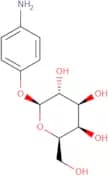
CAS:4-Aminophenyl-beta-D-galactopyranoside is a substrate for beta-galactosidase. 4-aminophenol is released upon cleavage by beta-galactosidase. 4-aminophenol can be assayed by electro-oxidation to 4-imino quinone while recording changes in potential or current of a galvanic system. 4-Aminophenyl-beta-D-galactopyranoside can be used in affinity chromatography for the isolation of galactose-binding lectins.Formula:C12H17NO6Purity:Min. 95%Color and Shape:PowderMolecular weight:271.27 g/molMethyl 3,4-di-O-benzyl-2-deoxy-a-D-glucopyranoside
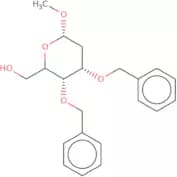
Methyl 3,4-di-O-benzyl-2-deoxy-a-D-glucopyranoside (MBG) is a synthetic compound that is modified at the C3 position with a benzyl group. MBG is an oligosaccharide and polysaccharide that has been shown to have potential as a drug for the treatment of cancer. It has been shown to inhibit tumor growth in animals and human cells by inhibiting DNA synthesis and protein synthesis. Additionally, it can be used for the prevention of postoperative adhesions by inhibiting collagen formation.Formula:C21H26O5Purity:Min. 95%Molecular weight:358.43 g/mol5-Azido- 5, 6- dideoxy- 2, 3- O-isopropylidene- D- gulonic acid-1,4-lactone
CAS:5-Azido-5,6-dideoxy-2,3-O-isopropylidene-D-gulonic acid-1,4-lactone is a carbohydrate that belongs to the group of saccharides. It is a synthetic sugar that has been modified with fluorine atoms on the 2 and 3 position of the sugar. 5-Azido-5,6-dideoxygulonic acid 1,4lactone has been shown to be resistant to enzymatic degradation by α amylase and β amylase. The compound also has a high level of purity (>98%) and custom synthesis capabilities.Purity:Min. 95%(1R) -1- [(2S, 3R) - 3- Hydroxy- 1- methyl - 2- azetidinyl] -1, 2- ethanediol
(1R) -1- [(2S, 3R) - 3- Hydroxy- 1- methyl - 2- azetidinyl] -1, 2- ethanediol is a fluorinated sugar that is used in the synthesis of oligosaccharides and polysaccharides. This synthetic monosaccharide can be modified by glycosylation, methylation, and click chemistry. It has an CAS number and a high purity.Purity:Min. 95%D-Glucosamine-3,6-di-O-sulphate sodium
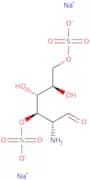
CAS:D-Glucosamine-3,6-di-O-sulphate sodium salt is a synthetic, fluorinated, monosaccharide that is prepared by the modification of D-glucosamine. It can be synthesized by reacting D-glucosamine with sodium sulfite in the presence of hydrochloric acid. This product has been modified to contain a reactive group for click chemistry. The synthesis of this compound involves methylation, which is a process used to introduce methyl groups into organic compounds. This product is also an oligosaccharide and polysaccharide. The sugar molecule in this product is glucosamine, which is a carbohydrate that contains glucose and amino acids. Glucosamines are complex carbohydrates that play a role in the synthesis of glycoproteins and glycolipids in cells.Formula:C6H13NO11S2•Na2Purity:Min. 95%Color and Shape:PowderMolecular weight:385.28 g/mol1,2-O-Isopropylidene-5-O-tert-butyldiphenylsilyl-b-D-arabinofuranose
CAS:1,2-O-Isopropylidene-5-O-tert.butyldiphenylsilyl-b-D-arabinofuranose is a modified sugar that can be used in the synthesis of complex carbohydrates. It has been custom synthesized and is available in high purity with a CAS number. It is an oligosaccharide that can be methylated or glycosylated. The chemical name for 1,2-O-Isopropylidene-5-O-tert.butyldiphenylsilyl-b-D-arabinofuranose is 5-(1,1'-Biphenylethyl)-3'-hydroxybenzaldehyde O-(4,4'-dimethoxytrityl)ester. This product also has fluorination and saccharide properties.
Formula:C24H32O5SiPurity:Min. 95%Molecular weight:428.59 g/mol5-Azido-2-C-(hydroxymethyl)-5-deoxy-2,3-O-isopropylidene-D-ribono-1.4-lactone
5-Azido-2-C-(hydroxymethyl)-5-deoxy-2,3-O-isopropylidene-D-ribono-1.4-lactone is used as a modification agent in oligosaccharides and polysaccharides. It is used to modify the carbohydrate structure of these compounds through glycosylation and methylation. 5-Azido-2-C-(hydroxymethyl)-5-deoxy-2,3-O-isopropylidene--D--ribono--1.4--lactone has been shown to be highly pure with a CAS number of 82577–09–8. This compound can be synthesized by reacting the acid with 2,3,5,6,-tetraacetic acid in chloroform solution or by reacting the acid with sodium azide in methanol solution at 0°C for 12 hours.Purity:Min. 95%5-Deoxy-iso-DMDP HCl
5-Deoxy-iso-DMDP HCl is a custom synthesis sugar that can be modified with Click chemistry. It is fluorinated, glycosylated, and methylated. The CAS number for 5-Deoxy-iso-DMDP HCl is 97790-10-2. This oligosaccharide has a molecular weight of about 607.5 Daltons and contains monosaccharides and saccharides. The carbohydrate complex has a molecular weight of about 1201 Daltons and includes complex carbohydrates such as polysaccharides, glycoproteins, glycogen, and polysaccharolytic enzymes.Purity:Min. 95%3b-[(a-L-arabinopyranosyl)oxy] urs-12,18-dien-28-oic acid 28-b-D-glucopyranosyl ester (12)
3b-[(a-L-arabinopyranosyl)oxy] urs-12,18-dien-28-oic acid 28-b-D-glucopyranosyl ester (12) is a methylated, saccharide, Polysaccharide. It has CAS No., Click modification, Modification, Oligosaccharide, Custom synthesis, Glycosylation, High purity, Carbohydrate and sugar. This product is Synthetic and Fluorination. It is also complex carbohydrate.Purity:Min. 95%





![N-[2-(4'-Methoxyphenylacetonitrile)]-2,3,4,6-tetra-O-pivaloyl-D-glucopyranoside](/_next/image/?url=https%3A%2Fstatic.cymitquimica.com%2Fproducts%2F3D%2Fthumb-webp%2FMM08496.webp&w=3840&q=75)





![(1S) -1- [(2S, 3R,4S) -4-(Acetoxy)methyl-3-benzyloxy- N-benzyl-1- azetidinyl] -di-O-acetyl-1, 2- e…](/_next/image/?url=https%3A%2Fstatic.cymitquimica.com%2Fproducts%2F3D%2Fthumb-webp%2FMA163358.webp&w=3840&q=75)
![(1R) -1- [(2S, 3R) - 3- Hydroxy- 1- methyl - 2- azetidinyl] -1, 2- ethanediol](/_next/image/?url=https%3A%2Fstatic.cymitquimica.com%2Fproducts%2F3D%2Fthumb-webp%2FMH163529.webp&w=3840&q=75)
![3b-[(a-L-arabinopyranosyl)oxy] urs-12,18-dien-28-oic acid 28-b-D-glucopyranosyl ester (12)](/_next/image/?url=https%3A%2Fstatic.cymitquimica.com%2Fproducts%2F3D%2Fthumb-webp%2FMA74562.webp&w=3840&q=75)