Monosaccharides
Monosaccharides are the simplest form of carbohydrates and serve as fundamental building blocks for more complex sugars and polysaccharides. These single sugar molecules play critical roles in energy metabolism, cellular communication, and structural components of cells. In this section, you will find a wide variety of monosaccharides essential for research in biochemistry, molecular biology, and glycoscience. These compounds are crucial for studying metabolic pathways, glycosylation processes, and developing therapeutic agents. At CymitQuimica, we offer high-quality monosaccharides to support your research needs, ensuring precision and reliability in your scientific investigations.
Subcategories of "Monosaccharides"
- Alloses(11 products)
- Arabinoses(21 products)
- Erythroses(11 products)
- Fructoses(9 products)
- Fucoses(36 products)
- Galactosamine(41 products)
- Galactose(260 products)
- Glucoses(365 products)
- Glucuronic Acids(51 products)
- Glyco-substrates for Enzyme(77 products)
- Guloses(6 products)
- Idoses(4 products)
- Inositols(15 products)
- Lyxoses(4 products)
- Mannoses(65 products)
- O-Glycans(48 products)
- Psicoses(3 products)
- Rhamnoses(10 products)
- Riboses(61 products)
- Sialic Acids(100 products)
- Sorboses(4 products)
- Sugars(173 products)
- Tagatoses(4 products)
- Taloses(8 products)
- Xyloses(20 products)
Show 17 more subcategories
Found 6088 products of "Monosaccharides"
Sort by
Purity (%)
0
100
|
0
|
50
|
90
|
95
|
100
1,2-O-Isopropylidene-3-deoxy-3-fluoro-a-D-xylofuranose
CAS:<p>1,2-O-Isopropylidene-3-deoxy-3-fluoro-a-D-xylofuranose is a synthetic compound that has been modified by methylation, saccharide and glycosylation. It is a fluorinated sugar that can be used for Click modification, such as for oligosaccharide synthesis or other modifications. 1,2-O-Isopropylidene-3-deoxy-3-fluoro-a-D-xylofuranose is a high purity compound that can be custom synthesized to your specifications. It has CAS No. 1853084 2 and is listed under the Glycosylation section in the Carbohydrate database.</p>Formula:C8H13FO4Purity:Min. 95%Molecular weight:192.18 g/mol1,2,3,4-Tetra-O-pivaloyl-6-O-(tert-butyldiphenylsilyl)-a-D-mannopyranose
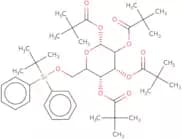
<p>1,2,3,4-Tetra-O-pivaloyl-6-O-(tert-butyldiphenylsilyl)-a-D-mannopyranose is a glycosylated sugar that can be methylated and fluorinated. It has high purity and is custom synthesized for the synthesis of oligosaccharides. This sugar has CAS number 29091-01-9 and is used in the synthesis of polysaccharides.</p>Formula:C42H62O10SiPurity:Min. 95%Molecular weight:755.02 g/mol1,3,4,6-Tetra-O-acetyl-2-azido-2-deoxy-β-D-glucopyranose
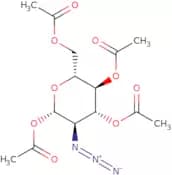
CAS:<p>1,3,4,6-Tetra-O-acetyl-2-azido-2-deoxy-b-D-glucopyranose is a monosaccharide that has been shown to be a potential biomarker for protein synthesis. It has been used in the diagnosis of dissections and potential models in vitro. 1,3,4,6-Tetra-O-acetyl-2-azido-2-deoxy--b -D--glucopyranose has also been used as a model system for the study of protein transport and whole genome sequencing. It is an experimental tool for studying protein synthesis and cell nuclei in vitro.</p>Formula:C14H19N3O9Purity:Min. 95%Color and Shape:PowderMolecular weight:373.32 g/mol6-Deoxy-D-altritol
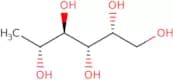
CAS:<p>6-Deoxy-D-altritol is a structural analysis of a polysaccharide carbohydrate that is found in the cell walls of asteroides. It has been shown to contain mannose, d-arabinose, and d-glucose residues. 6-Deoxy-D-altritol also contains galactosyl and phosphate groups. The backbone of 6-Deoxy-D-altritol is made up of phosphodiester bonds with a d-galactose skeleton. This molecule can be used for the identification and characterization of bacteria species such as Mycobacterium tuberculosis and Mycobacterium avium complex.</p>Formula:C6H14O5Purity:Min. 95%Molecular weight:166.17 g/molMethyl 6-O-tert-butyldimethylsilyl-2,3,4-tri-O-pivaloyl-a-D-mannopyranoside
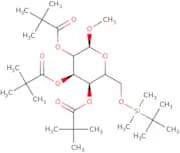
<p>Methyl 6-O-tert-butyldimethylsilyl-2,3,4-tri-O-pivaloyl-a-D-mannopyranoside is a synthetic glycosylation agent that can be used for the synthesis of complex carbohydrates. This product has been fluorinated and saccharide modified. Methyl 6-O-tert-butyldimethylsilyl-2,3,4-tri-O-pivaloyl-aDmannopyranoside is available in CAS number: 5756782.</p>Formula:C28H52O9SiPurity:Min. 95%Molecular weight:560.81 g/molb-L-Arabinopyranose
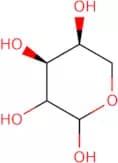
CAS:<p>b-L-Arabinopyranose is a monosaccharide that is found in exudates, melibiose, and radiation hydrolysate. It has been shown to be hydrolyzed by intestinal enzymes and to have an optimum pH of 5.5. b-L-Arabinopyranose also has a high degree of polymerization (DP) and can form five-membered rings with galactans as well as terminal residues that are resistant to hydrolysis by carbon tetrachloride.</p>Formula:C5H10O5Purity:Min. 95%Molecular weight:150.1 g/molL-Xylose
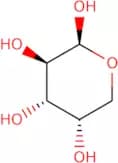
CAS:<p>Chiral-pool resource for organic synthesis</p>Formula:C5H10O5Purity:Min. 99 Area-%Color and Shape:White PowderMolecular weight:150.13 g/molAllyl α-D-galactopyranoside
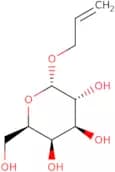
CAS:<p>Allyl α-D-galactopyranoside is a colorimetric reagent that reacts with the polysaccharides to form a colored product. The reaction is based on the transfer of an allyl group from the reagent to the polysaccharide. This reaction can be performed using atomic force microscopy and microscopy techniques, as well as using light and UV-visible spectroscopy. The reaction can also be used to measure glycopolymer concentrations. A titration procedure has been developed for this purpose, in which an excess of allyl α-D-galactopyranoside is added to a solution containing galactose and ammonium sulfate. Allyl α-D-galactopyranoside reacts with galactose to produce an insoluble precipitate that can be measured by weighing or using optical density measurements at a certain wavelength.</p>Formula:C9H16O6Purity:Min. 97 Area-%Color and Shape:White Off-White PowderMolecular weight:220.22 g/molL-Galactose
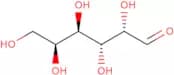
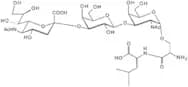
CAS:<p>L-Galactose is a glycol ether that has been shown to have antibacterial efficacy against Gram-positive bacteria. It acts by inhibiting the synthesis of p-hydroxybenzoic acid, which is required for the synthesis of bacterial cell walls and their components. L-Galactose also has an inhibitory effect on the growth of Gram-negative bacteria by preventing methyl glycoside formation. L-Galactose has been used in polymerase chain reaction assays as a competitive inhibitor in analytical methods. It can be used at concentrations up to 5% and does not affect x-ray diffraction data or pluripotent cells.<br>L-galactose can be used as a preservative in cosmetics such as lotions, creams, and ointments due to its mildness and lack of toxicity. The use of L-galactose in these products may prevent spoilage due to microbial contamination.</p>Formula:C6H12O6Purity:Min. 99 Area-%Color and Shape:White PowderMolecular weight:180.16 g/mol(Neu5Ac a(2-3)-Gal-b(1-3)-GalNAc)SL-OH
<p>Neu5Ac a(2-3)-Gal-b(1-3)-GalNAc)SL-OH is an Oligosaccharide that is a complex carbohydrate with a Methylation modification. It is the product of Click chemistry and has been Fluorinated and saccharide, Modification, sugar, Oligosaccharide, Synthetic, CAS No., Monosaccharide, Custom synthesis, High purity.</p>Purity:Min. 95%1,2,3,4,6-Penta-O-acetyl-5-thio-D-galactose
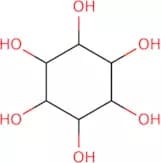
<p>1,2,3,4,6-Penta-O-acetyl-5-thio-D-galactose is a fluorinated monosaccharide that is synthesized by the reaction of 1,2,3,4,6-penta-O-acetyl-D-galactose with sodium hypochlorite in the presence of sodium bicarbonate. This compound has been shown to be an excellent substrate for glycosylation reactions and can be used as a sugar donor in polysaccharide synthesis. 1,2,3,4,6 penta O acetyl 5 thio D galactose can also be methylated with dimethylsulfoxide and trimethylsilyl chloride to form the corresponding methylated derivative. This product is available at high purity levels and CAS No. 68713-89-1.END></p>Formula:C16H22O10SPurity:Min. 95%Molecular weight:406.41 g/molmyo-Inositol
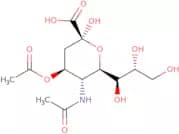
CAS:<p>Vitamin added to plant cell culture medium to promote growth. Used to differentiate microorganisms based on their metabolic properties.</p>Formula:C6H12O6Purity:Min. 99.0 Area-%Molecular weight:180.16 g/mol4-O-Acetyl-N-acetyl-neuraminic acid
CAS:<p>4-O-Acetyl-N-acetyl-neuraminic acid is a derivative of sialic acid, which is an important component of the human cell membrane. It has been found to have inhibitory properties against influenza virus and other viruses. 4-O-Acetyl-N-acetyl-neuraminic acid inhibits viral activity by irreversible inhibition of the α subunit on the surface glycoprotein, preventing it from binding to host cells. This compound has been shown to be effective against hepatitis B virus and galleria mellonella (a type of wax moth). 4-O-Acetylneuraminic acid has also been shown to be effective in inhibiting the replication of Influenza A virus strains that are resistant to neuraminidase inhibitors such as zanamivir and oseltamivir.</p>Formula:C13H21NO10Purity:Min. 95 Area-%Color and Shape:PowderMolecular weight:351.31 g/mol3,4,6-Tri-O-acetyl-N-azidoacetylmannosamine
<p>3,4,6-Tri-O-acetyl-N-azidoacetylmannosamine is a custom synthesis, modification and fluorination of mannose. It is an oligosaccharide composed of 3,4,6-tri-O-acetyl-N-azidoacetylmannosamine which is linked to a glycosylated saccharide. The carbohydrate backbone is composed of two glucose molecules with the modified mannose attached at the 1 position on each. This compound can be used in research as a model for N3'-linked sugar modifications and has been shown to have antiviral properties.</p>Purity:Min. 95%Dihydrozeatin-O-glucoside riboside
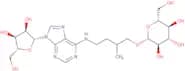
CAS:<p>Dihydrozeatin-O-glucoside riboside is a plant hormone that is found in the roots of Eucomis species. It has been shown to interact with indole-3-acetyl-L-aspartic acid and inhibit the growth of plantlets. The interaction between dihydrozeatin and indole-3-acetyl-L-aspartic acid has been shown to be due to the formation of an intermediate, which is also metabolized by rhizobia. Dihydrozeatin also interacts with ammonium formate and profiles have been obtained for its metabolic products. This molecule also inhibits the production of growth regulators such as abscisic acid, alnifolia, and salicylic acid.</p>Formula:C21H33N5O10Purity:Min. 95 Area-%Color and Shape:PowderMolecular weight:515.51 g/molAllyl α-D-Glucopyranoside
CAS:<p>Allyl alpha-D-glucopyranoside is an optical isomer of D-glucose that is used in the synthesis of a number of synthetic trisaccharides, including maltotriose. Allyl alpha-D-glucopyranoside is also a potent antibacterial agent and has been shown to be active against Escherichia coli, Staphylococcus aureus, and Pseudomonas aeruginosa. Allyl alpha-D-glucopyranoside has hydrophilic and hydrophobic properties, which makes it soluble in both water and organic solvents. This compound can also form stable complexes with metal cations such as sodium and potassium, making it useful for tissue culture experiments.</p>Formula:C9H16O6Molecular weight:220.22 g/molRef: 3D-W-203706
10gTo inquire25gTo inquire50gTo inquire100gTo inquire250gTo inquire-Unit-ggTo inquireN-Acetyl-L-lyxosamine
<p>N-Acetyl-L-lyxosamine is a glycosylation that is used in the synthesis of complex carbohydrates. It can be modified with methyl groups, fluorine atoms, and other substances to produce desired products. N-Acetyl-L-lyxosamine can be used in the synthesis of saccharides such as oligosaccharides and polysaccharides. It is also used in the modification of sugars and monosaccharides. This compound has been synthesized from various sources, including natural glycerol or plant oils. The purity of this chemical is greater than 99%.</p>Formula:C7H13NO5Purity:Min. 95%Molecular weight:191.18 g/mol4-O-Benzyl-D-mannose
<p>4-O-Benzyl-D-mannose is a high purity, custom synthesis sugar with Click modification, fluorination and glycosylation. The CAS No. for this compound is 108611-67-0. 4-O-Benzyl-D-mannose is an oligosaccharide monosaccharide saccharide carbohydrate complex carbohydrate with the chemical formula C5H6O5 that has a molecular weight of 174.11 g/mol. This compound can be used to synthesize polysaccharides, which are carbohydrates that contain more than ten monosaccharides and are found in plant cell walls and other biological polymers such as chitin, cellulose, and glycogen. 4-O-Benzyl-D-mannose is also used in the synthesis of saccharides that are found in glycoproteins or proteoglycans.</p>Formula:C13H18O6Purity:Min. 95%Molecular weight:270.28 g/molD-Glucuronic acid, sodium salt monohydrate
CAS:<p>D-Glucuronic acid, sodium salt monohydrate is a chromatographic standard. It is used to measure the hydrophilicity of a sample and its interaction with proteins. In addition, it can be used as an immunomodulator. D-Glucuronic acid, sodium salt monohydrate has been shown to have anti-inflammatory effects by inhibiting the production of prostaglandins and leukotrienes. The acidic nature of this compound may play a role in its membrane system interactions with lysine residues on protein surfaces.</p>Formula:C6H11NaO8Molecular weight:234.14 g/mol6-Phosphogluconic acid, trisodium salt dihydrate
CAS:<p>6-Phosphogluconic acid, trisodium salt dihydrate is a custom synthesis that has been made to order. It is a complex carbohydrate that can be modified with methylation, glycosylation and other modifications. 6-Phosphogluconic acid, trisodium salt dihydrate is an Oligosaccharide and Polysaccharide of Modification saccharides. It can be made as an Methylated Glycosylated Carbohydrate or a Click Modified Sugar. It can be Fluorinated or Synthetically made for high purity.</p>Formula:C6H14Na3O12PMolecular weight:378.11 g/molβ-D-Galactose pentaacetate plant origin (ex peach gum)
CAS:<p>1,2,3,4,6-Penta-O-acetyl-b-D-galactopyranose, also known as beta-D-galactose pentaacetate, has high chemical stability and long shelf life. This protected form of galactose is a key building block of any chemical synthesis of galactose-containing oligosaccharides or glycoconjugates. In the presence of Lewis acids it can be used as a glycosyl donor to make simple glycosides. In order to perform more complex galactosylations it can be converted into more reactive donors, such as glycosyl halides or thioglycosides.</p>Formula:C16H22O11Molecular weight:390.35 g/molRef: 3D-G-1782
1kgTo inquire5kgTo inquire10kgTo inquire500gTo inquire2500gTo inquire-Unit-kgkgTo inquire5-O-Lauryl-D-xylofuranose
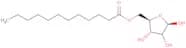
CAS:<p>5-O-Lauryl-D-xylofuranose is a lipase that can hydrolyze pentoses and hexoses. This enzyme has been shown to be active at temperatures between 0°C and 40°C, with optimal activity at 30°C. 5-O-Lauryl-D-xylofuranose is also thermostable and can be immobilized on silica gel or alumina. It is used in the manufacture of lysine, L-arabinose, and D-xylose. The enzyme catalyzes the reaction by removing a hydroxyl group from the pentoses or hexoses through an ester linkage with a dodecanoate group. The aliphatic chain of 5-O-lauryl dodecanoate is attached to the pentose or hexose molecule in an ester linkage by a thioether bond.</p>Formula:C17H32O6Purity:Min. 95%Molecular weight:332.43 g/molD-Galacturonic acid sodium
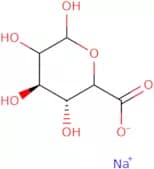
CAS:<p>D-Galacturonic acid sodium salt is a salt form of D-galacturonic acid. It is an extract from seaweed and has been shown to have the ability to be absorbed in the intestines. This compound can be used as a diagnostic tool, such as for detecting strontium or radioactive isotopes in urine samples. The esters of this compound have been shown to have chelating activity and may be useful as reagents in analytical chemistry.</p>Formula:C6H10O7•NaPurity:Min. 95%Color and Shape:PowderMolecular weight:217.13 g/molα-D-Glucose-1-phosphate disodium salt hydrate
CAS:<p>Alpha-D-glucose-1-phosphate disodium salt hydrate is a sugar that is used to provide the carbohydrate in the diet. It is an important monosaccharide and can be found in many fruits, vegetables, and dairy products. The optimum pH for alpha-D-glucose-1-phosphate disodium salt hydrate is 7.5. Alpha-D-glucose-1-phosphate disodium salt hydrate has been shown to have antifungal properties, which are due to its ability to inhibit the growth of fungi by interfering with their metabolism. Alpha D glucose 1 phosphate disodium salt hydrate also inhibits the growth of bacteria such as E coli K 12 and C coli K 12, which are microorganisms that can cause food poisoning in humans. This compound also has been shown to have antihypertensive properties, which may be due to its ability to stimulate nitric oxide synthesis.</p>Formula:C6H11O9PNa2(anhydrousbasis)Molecular weight:304.1 g/mol3,6-Di-O-acetyl-5-S-acetyl-5-deoxy-1,2-O-isopropylidene-α-D-glucofuranose
CAS:<p>3,6-Di-O-acetyl-5-S-acetyl-5-deoxy-1,2-O-isopropylidene-a-D-glucofuranose is an acetal sugar. It is custom synthesized for research purposes. The sugar has a purity of >99% and was synthesized by click chemistry as well as fluorination and glycosylation. This product is offered in a variety of modifications including methylation, modification, and oligosaccharide. 3,6 Di O Acetyl 5 S Acetyl 5 Deoxy 1 2 O Isopropylidene A D Glucurono Furanose can be used to produce saccharides or complex carbohydrates in the laboratory setting.</p>Formula:C15H22O8SPurity:Min. 95%Color and Shape:PowderMolecular weight:362.4 g/mol4-O-β-D-Galactopyranosyl-D-glucitol
CAS:<p>Lactitol is a polyol sugar alcohol that has been used in the treatment of chronic viral hepatitis. It is also used to treat constipation, irritable bowel syndrome, and other gastrointestinal disorders. Lactitol is metabolized by certain types of bacteria and can have a laxative effect. Lactitol is not absorbed in the human intestine and thus does not cause an increase in blood sugar levels. Lactitol has been shown to be effective against microbial translocation and bacterial overgrowth in the gut, which may be due to its ability to lower pge2 levels and inhibit histological changes.</p>Formula:C12H24O11Purity:Min. 98.0 Area-%Molecular weight:344.31 g/molRef: 3D-W-109090
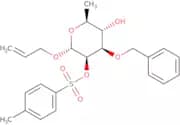
1kgTo inquire5kgTo inquire10kgTo inquire500gTo inquire2500gTo inquire-Unit-kgkgTo inquireAllyl 3-O-benzyl-2-O-p-toluenesulfonyl-a-L-rhamnopyranoside
CAS:<p>Allyl 3-O-benzyl-2-O-p-toluenesulfonyl-a-L-rhamnopyranoside (ABTS) is a synthetic sugar derivative that is used in the modification and synthesis of saccharides. ABTS can be modified by fluorination, glycosylation, methylation, or other modifications to produce new compounds. ABTS has a CAS number of 940274-22-6.</p>Formula:C23H28O7SPurity:Min. 95%Molecular weight:448.54 g/mol2-Acetamido-2-deoxy-β-D-glucopyranosyl amine
CAS:<p>2-Acetamido-2-deoxy-beta-D-glucopyranosyl amine (A2DG) is a diagnostic marker for juvenile idiopathic polyarteritis nodosa. This molecule is an intermediate in the synthesis of the carbohydrate, heparin. The A2DG assay measures concentrations of this metabolite in plasma samples and can be used to diagnose vasculitis and other inflammatory diseases. Novartis has developed a metabolite profiling technique that uses mass spectrometry to identify molecules present in cell culture or plasma samples. This technique has been used to measure levels of A2DG metabolites in patients with vasculitis, including juvenile idiopathic polyarteritis nodosa.</p>Formula:C8H16N2O5Purity:Min. 95.0 Area-%Molecular weight:220.22 g/molHeptadecyl 2-acetamido-3,4,6-tri-O-acetyl-2-deoxy-β-D-glucopyranoside
CAS:<p>Heptadecyl 2-acetamido-3,4,6-tri-O-acetyl-2-deoxy-beta-D-glucopyranoside is a carbohydrate that can be synthesized through the modification of an oligosaccharide. It is a complex carbohydrate and is made up of monosaccharides and polysaccharides. Heptadecyl 2-acetamido-3,4,6-tri-O-acetyl-2-deoxy-beta-D--glucopyranoside has CAS number 262856–89–3 and can be used as a synthetic sugar.</p>Formula:C31H55NO9Molecular weight:585.77 g/mol2-Acetamido-2-deoxy-3-O-(a-D-galactopyranosyl)-D-galactopyranose
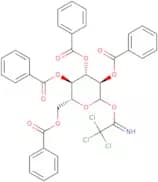
CAS:<p>2-Acetamido-2-deoxy-3-O-(a-D-galactopyranosyl)-D-galactopyranose is a high purity synthetic oligosaccharide. It is an off white to light yellow powder with a molecular weight of 514.06 and a melting point of >200 degrees Celsius. The chemical formula for this product is C12H24O11N2. This product has been fluorinated, methylated, glycosylated, and click modified to create a complex carbohydrate that can be used in the synthesis of other molecules.</p>Formula:C14H25NO11Purity:Min. 90.0 Area-%Molecular weight:383.35 g/mol2,3,4,6-Tetra-O-benzoyl-a-D-glucopyranosyl trichloroacetimidate
CAS:<p>A calibration system is a device that utilizes a set of parameters to calibrate or correct for errors in measurement. The device utilizes the properties of the signal, such as amplitude and frequency, to compensate for electronic distortion. A calibration system can be used in many different fields including biology, medicine and telecommunications. The optical system includes a sensor that interacts with an organism or cell culture to measure the concentration of a substance. The sensor may utilize light-emitting diodes (LEDs) or photodetectors to detect changes in current or voltage. Calibration is needed to ensure accuracy when using this type of sensor. A linearized data base stores information about polypeptides such as their linear sequence and how they interact with other molecules. This data base can be accessed by programs that calculate the sequence of new polypeptides and predict their function in cells and organisms.</p>Formula:C36H28Cl3NO10Purity:Min. 95%Color and Shape:PowderMolecular weight:740.97 g/mol4-Isothiocyanatophenyl-α-D-mannopyranoside
CAS:<p>4-Isothiocyanatophenyl-alpha-D-mannopyranoside is a synthetic glycosylated sugar that has been modified with fluorination and methylation. It is a custom synthesis that can be modified to customer specifications. This product is available in high purity and at competitive prices.</p>Formula:C13H15NO6SPurity:Min. 98.0 Area-%Molecular weight:313.33 g/molRef: 3D-W-204140
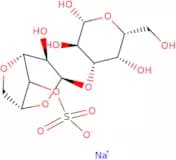
1gTo inquire50mgTo inquire100mgTo inquire250mgTo inquire500mgTo inquire-Unit-ggTo inquireNeocarrabiose-4-O-sulfate sodium
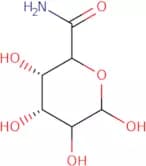
CAS:<p>Neocarrabiose-4-O-sulfate sodium is a methylated, saccharide polymer. It is a modification of the natural product neocarrabiose A (CAS No. 108321-76-2) and has been synthesized by Click chemistry. Neocarrabiose-4-O-sulfate sodium is a high purity, synthetic carbohydrate with a complex structure that consists of glucose and galactose units linked by β-(1→3) and β-(1→6) bonds. The glycosylation pattern of this compound is different from that of neocarrabiose A because it contains additional modifications at the terminal positions on the sugar rings. Neocarrabiose-4-O-sulfate sodium is used for glycosylation reactions, such as Click chemistry and oligosaccharide synthesis.</p>Formula:C12H19NaO13SPurity:Min. 95%Color and Shape:White PowderMolecular weight:426.33 g/molD-Glucuronamide
CAS:<p>D-Glucuronamide is a kinetic model system for the glycosylation reaction, which is an important step in the biosynthesis of complex oligosaccharides and polysaccharides. It has been shown to be an amide analog that can be acetylated with acetic anhydride in a reaction mechanism that involves nucleophilic attack by the amino group of D-glucuronamide on the electrophilic carbonyl carbon of acetic anhydride. The second-order rate constants for this reaction were determined to be 2.3×10 M-1s-1 at pH 7 and 25°C. NMR spectra showed that the product was not a simple amide but rather a glycopolymer with a distribution of different sugar residues, including D-glucose, D-galactose, and D-mannose.</p>Formula:C6H11NO6Purity:Min. 95%Color and Shape:PowderMolecular weight:193.15 g/molMethyl 2,3-di-O-benzoyl-4,6-O-benzylidene-a-D-glucopyranoside
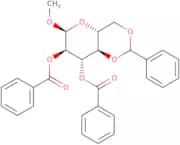
CAS:<p>Methyl 2,3-di-O-benzoyl-4,6-O-benzylidene-a-D-glucopyranoside is a synthetic compound that has been shown to be an inhibitor of the receptor for the proinflammatory cytokine TNF. It has been proposed as a possible treatment for chronic kidney disease, acute phase, and neurodegenerative diseases such as chronic pain. Methyl 2,3-di-O-benzoyl-4,6-O-benzylidene-a-D-glucopyranoside is an inhibitor of factor receptors and inhibits the activation of NFκB in a dose dependent manner. This inhibition leads to decreased production of proinflammatory cytokines such as TNF.</p>Formula:C28H26O8Purity:Min. 95%Color and Shape:PowderMolecular weight:490.5 g/molMethyl 2,3-di-O-acetyl-4,6-O-(4-methoxybenzylidene)-a-D-mannopyranoside
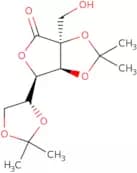
<p>Methyl 2,3-di-O-acetyl-4,6-O-(4-methoxybenzylidene)-a-D-mannopyranoside is a custom synthesis that contains a fluorinated sugar with a methyl group attached to the 4 position. The oligosaccharide is synthesized through click chemistry and has been modified with an acetate at the 6 position. The CAS number is 108739-53-0. The carbohydrate is a complex carbohydrate that can be found in nature or synthesized in the laboratory.</p>Formula:C19H24O9Purity:Min. 95%Molecular weight:396.4 g/mol2C-Hydroxymethyl-2,3:5,6-di-O-isopropylidene-D-mannono-1,4-lactone
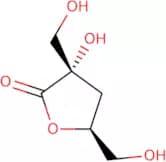
CAS:<p>2C-Hydroxymethyl-2,3:5,6-di-O-isopropylidene-D-mannono-1,4-lactone is a synthetic monosaccharide with a CAS number of 70147-48-7. This compound has been modified to include the hydroxymethyl group and the 2C designation. It is used as an ingredient in the synthesis of complex carbohydrates.</p>Formula:C13H20O7Purity:Min. 95%Color and Shape:PowderMolecular weight:288.29 g/molD-Xylose - Syrup
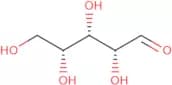
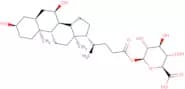
CAS:<p>Xylose (Xyl) is an aldopentose also known as wood sugar (Collins, 2006). The main sources of xylose are hemicelluloses found in hardwood and perennial plants, such as, grasses, cereals, and herbs (Petzold-Welcke, 2014) and some algae. Xylose is used in the production of xylitol, a low calory sugar substitute. Xylose is used in glycosaminoglycan (GAG) biosynthesis, which is initiated by peptide O-xylosyltransferases, which transfer xylose onto selected serine residues in the core proteins. The first enzyme in the pathway, peptide O-xylosyltransferase, catalyzes the transfer of xylose from uridine diphosphate (UDP)-α-D-xylose onto serine and thus determines the site(s) of GAG attachment on the core protein (Briggs, 2018).</p>Formula:C5H10O5Purity:Min. 95%Molecular weight:150.13 g/molChenodeoxycholic acid 24-acyl-b-D-glucuronide
CAS:<p>Chenodeoxycholic acid 24-acyl-b-D-glucuronide (CDCA) is a drug that is used to treat gallstones and primary biliary cirrhosis. CDCA has been shown to be effective in treating gallstones by reducing the amount of cholesterol and other bile salts in the bile. It is also prescribed for patients with primary biliary cirrhosis, which is an autoimmune disease that causes inflammation of the small intestine. CDCA has been shown to decrease cholesterol levels and improve liver function in clinical studies. It also has a low toxicity profile, making it safe for long-term treatment. The major side effects are nausea, vomiting, headache, and diarrhea.<br>CDCA binds to fatty acids in the liver cells and prevents their uptake into the cells by blocking fatty acid transporters such as LPL or FATP4 receptors. This increases the amount of free fatty acids available for oxidation by increasing β-oxidation rates within the cell</p>Formula:C30H48O10Purity:Min. 95%Color and Shape:White Off-White PowderMolecular weight:568.7 g/molEthyl 4,6-O-benzylidene-β-D-thioglucopyranoside
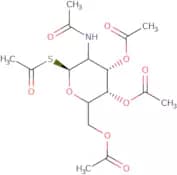
CAS:<p>A protected thioglucose sugar</p>Formula:C15H20O5SPurity:Min. 95%Color and Shape:PowderMolecular weight:312.38 g/mol2-Acetamido-1,3,4,6-tetra-O-acetyl-2-deoxy-β-D-thioglucopyranose
CAS:<p>2-Acetamido-1,3,4,6-tetra-O-acetyl-2-deoxy-β-D-thioglucopyranose is a synthetic monosaccharide that belongs to the group of complex carbohydrates. It has CAS No. 10043-46-6 and is used in glycosylation reactions. The fluorination of the sugar can be done by using a Click modification or methylation reaction. This product has been custom synthesized and can be ordered with high purity.</p>Formula:C16H23NO9SPurity:Min. 95%Color and Shape:Off-White PowderMolecular weight:405.42 g/molEthyl 2-deoxy-2-[(trichloroacetyl)amino]-b-D-thioglucopyranoside
CAS:<p>Ethyl 2-deoxy-2-[(trichloroacetyl)amino]-b-D-thioglucopyranoside is a custom synthesis of an oligosaccharide. It is a complex carbohydrate that can be modified to the desired specification. The desired modification can be fluorination, methylation, or click chemistry. Ethyl 2-deoxy-2-[(trichloroacetyl)amino]-b-D-thioglucopyranoside is a monosaccharide with a CAS number of 635684-80-9.</p>Formula:C10H16Cl3NO5SPurity:Min. 95%Molecular weight:368.66 g/molIsosaccharinic acid-1,4-lactone
CAS:<p>Isosaccharinic acid-1,4-lactone is an organic compound that is found in human urine. It has been shown that the concentration of this compound can be used as a marker for renal health. The hydrated form of isosaccharinic acid-1,4-lactone can be prepared by heating with acetic anhydride, and it has been shown to have potential applications as a buffer in diagnostic tests for human serum or as a stabilizer for x-ray structures. The 1H NMR spectrum of isosaccharinic acid-1,4-lactone reveals two distinct signals at 1.6 and 2.0 ppm, which are assigned to the two isomers of this compound. The second order rate constant was measured to be 0.025 s−1 at pH 7 and 22 °C using acetate extract from human urine. This technique was also applied to measure rates constant for other organic acids such as formic acid</p>Formula:C6H10O5Purity:Min. 98 Area-%Color and Shape:White PowderMolecular weight:162.14 g/mol1-Amino-1-deoxy-D-arabinitol
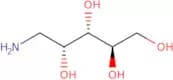
CAS:<p>1-Amino-1-deoxy-D-arabinitol is an anhydrous sugar that can be found in the crystalline form. The crystal structure of this compound has been determined by X-ray diffraction and was shown to contain a hydrogen bond between the hydroxyl group on the 1′ carbon and the amino group on C2. This reaction occurs through a nucleophilic attack by the hydroxyl group, which displaces the fluorine atom from C2. The stereospecificity of this reaction is due to the fact that only one enantiomer of 1-amino-1-deoxyarabinitol exists. This sugar can also be found as an intermediate in reactions involving ketoses, such as acetobacter fermentation, or hydrogen fluoride. It has been shown to have anti-inflammatory properties in mice when administered orally.</p>Formula:C5H13NO4Purity:Min. 95%Molecular weight:151.16 g/molMethyl 4,6-O-isopropylidene-a-D-glucopyranoside
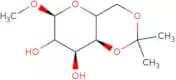
<p>Methyl 4,6-O-isopropylidene-a-D-glucopyranoside is a glycosylation reagent that is used in the synthesis of oligosaccharides and polysaccharides. It is used as an intermediate for the production of active pharmaceutical ingredients and in the production of modified sugars. Methyl 4,6-O-isopropylidene-a-D-glucopyranoside can be custom synthesized to meet specific requirements such as purity, fluorination, and complex carbohydrate. This product is available with high purity and has been shown to be stable under a wide range of conditions.<br>Methyl 4,6-O-isopropylidene-a-D-glucopyranoside is not compatible with strong acids or bases.</p>Formula:C10H18O6Purity:Min. 95%Molecular weight:234.25 g/mol2-Acetamido-2,6-dideoxy-L-mannose
<p>2-Acetamido-2,6-dideoxy-L-mannose is a deoxyhexose that is found in lipopolysaccharides from Gram-negative bacteria. 2-Acetamido-2,6-dideoxy-L-mannose is the only hexose that can be used for O antigen synthesis, which makes it an important component of LPS and O antigens. It has been sequenced in many organisms including animals, plants, and bacteria. 2-Acetamido-2,6-dideoxy-L-mannose may be involved in the translocation of bacteria across the gut epithelium into the bloodstream. The monosaccharide also plays a role in serogrouping and serotyping of bacteria.</p>Purity:Min. 95%1,2:4,5-Di-O-cyclohexylidene-b-D-fructopyranose
CAS:<p>1,2:4,5-Di-O-cyclohexylidene-b-D-fructopyranose is a modification of the natural carbohydrate 1,2:4,5-di-O-isopropylidene-b-D-fructopyranose. It is an oligosaccharide composed of three units of b-D-fructofuranose linked by α-(1,2) and β-(1,4) glycosidic bonds. The methylation and glycosylation of this saccharide can be customized to produce a wide range of products with different properties. 1,2:4,5 Di O cyclohexylidene b D fructopyranose can be used in applications such as pharmaceuticals and agrochemicals.<br>The molecular formula for this compound is C10H14O8 and its CAS number is 18608-92-9.</p>Formula:C18H28O6Purity:Min. 95%Molecular weight:340.41 g/mol1,2:3,4-Di-O-isopropylidene-6-thio-a-D-galactopyranose
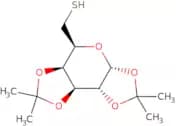
CAS:<p>1,2:3,4-Di-O-isopropylidene-6-thio-a-D-galactopyranose is a synthetic oligosaccharide that contains a fluorinated sugar. It has been used for the synthesis of glycoproteins and polysaccharides. This product is custom synthesized and can be modified to your specifications. It is typically used in the production of polysaccharides or glycoproteins. This product has a high purity and CAS No. 16714-07-1.</p>Formula:C12H20O5SPurity:Min. 95%Color and Shape:Clear LiquidMolecular weight:276.35 g/mol2-Amino-2-deoxy-D-fucose
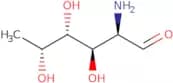
CAS:<p>2-Amino-2-deoxy-D-fucose is a sugar molecule that is found in the cell wall of bacteria, including Staphylococcus aureus. It may be used to treat microbial infections by binding to bacterial cell walls and causing them to lose their ability to adhere to host cells. This sugar molecule may also be effective against Pseudomonas aeruginosa. 2-Amino-2-deoxy-D-fucose has been shown to inhibit the growth of P. aeruginosa in vitro by inhibiting the synthesis of fatty acids and increasing the production of hydrogen fluoride, which leads to cell death.</p>Formula:C6H13NO4Purity:Min. 95%Molecular weight:163.17 g/molD-Gluconic acid manganese salt
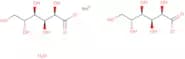
CAS:<p>D-Gluconic acid manganese salt (DGM) is a glycol ether that is used as an antimicrobial agent in the treatment of infectious diseases. It binds to the metal ions in bacterial cell walls and disrupts their function. DGM has been shown to inhibit enzymes such as phosphoglucoisomerase, glucose-6-phosphate dehydrogenase, and pyruvate kinase. DGM also has covalent linkages that may be involved in its antimicrobial activity. The structure of DGM has been determined by X-ray diffraction data and electrochemical impedance spectroscopy, which show that it belongs to group p2.</p>Formula:C6H11O7·MnPurity:Min. 98%Color and Shape:PowderMolecular weight:445.24 g/mol













![Ethyl 2-deoxy-2-[(trichloroacetyl)amino]-b-D-thioglucopyranoside](/_next/image/?url=https%3A%2Fstatic.cymitquimica.com%2Fproducts%2F3D%2Fthumb-webp%2FME45369.webp&w=3840&q=75)