Monosaccharides
Subcategories of "Monosaccharides"
- Alloses(11 products)
- Arabinoses(21 products)
- Erythroses(11 products)
- Fructoses(9 products)
- Fucoses(36 products)
- Galactosamine(41 products)
- Galactose(261 products)
- Glucoses(365 products)
- Glucuronic Acids(52 products)
- Glyco-substrates for Enzyme(78 products)
- Guloses(6 products)
- Idoses(4 products)
- Inositols(15 products)
- Lyxoses(4 products)
- Mannoses(65 products)
- O-Glycans(48 products)
- Psicoses(3 products)
- Rhamnoses(10 products)
- Riboses(61 products)
- Sialic Acids(100 products)
- Sorboses(4 products)
- Sugars(173 products)
- Tagatoses(4 products)
- Taloses(8 products)
- Xyloses(20 products)
Found 6088 products of "Monosaccharides"
3,4-O-Isopropylidene-D-mannitol
CAS:Formula:C9H18O6Purity:>96.0%(GC)Color and Shape:White to Almost white powder to crystalMolecular weight:222.24N-Acetyl-D-quinovosamine
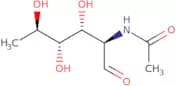
CAS:N-Acetyl-D-quinovosamine is a chemical compound that belongs to the group of quinovosamines. It is an acidic molecule with a pKa of 3.5 and is soluble in water, methanol, and acetic acid. N-Acetyl-D-quinovosamine has been shown to inhibit the growth of P. aeruginosa strains, which are human pathogens. This drug binds to the bacterial cell wall by competitive inhibition and prevents the formation of an antibiotic-inhibitor complex with the enzyme cell wall synthesis that is required for cell wall biosynthesis, inhibiting protein synthesis and cell division. N-Acetyl-D-quinovosamine also inhibits the production of hydrogen fluoride (HF) by bacteria as well as their ability to produce ammonia from nitrite or nitrate ions.Formula:C8H15NO5Purity:Min. 95%Color and Shape:PowderMolecular weight:205.21 g/molGDP-2-deoxy-2-fluoro-L-fucose ammonium salt
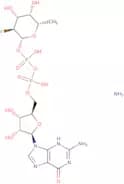
CAS:Competitive inhibitor of fucosyltransferases FUT3, FUT5, FUT6 and FUT7 with Ki values in low micromolar range. This fluorinated GDP-fucose analog inhibits oligosaccharide core fucosylation of N-linked glycans in animal and plant cells.Formula:C16H30FN7O14P2Purity:Min. 95%Color and Shape:PowderMolecular weight:625.39 g/mol2-O-α-D-Galactopyranosyl-1-deoxynojirimycin
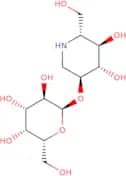
CAS:2-O-a-D-Galactopyranosyl-1-deoxynojirimycin is a monosaccharide derivative of deoxynojirimycin. It is synthesized by the methylation of the natural product, followed by the addition of a click modification and the fluorination of one sugar. This compound has been shown to have anti-inflammatory properties, as well as inhibitory effects on bacterial growth.Formula:C12H23NO9Purity:90%Color and Shape:PowderMolecular weight:325.31 g/mol2-Acetamido-2-deoxy-D-talopyranose
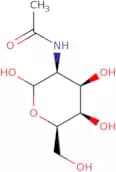
CAS:2-Acetamido-2-deoxy-D-talopyranose is a noncompetitive inhibitor of the enzyme glycosidase. It has been shown to inhibit the enzymatic cleavage of glycoconjugates, such as glycoproteins and glycolipids, as well as antigen binding. 2-Acetamido-2-deoxy-D-talopyranose binds to the receptor binding domain on the surface of cancer cells and inhibits the growth of these cells in vitro. This compound also has potent inhibitory activity against influenza virus and is used in the synthesis of glycans for use in vaccines. 2-Acetamido-2-deoxy-D-talopyranose can be produced through acid hydrolysis or enzymatic methods.Formula:C8H15NO6Purity:Min. 95%Color and Shape:PowderMolecular weight:221.2 g/molL-Psicose
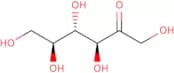
CAS:L-Psicose is a monosaccharide that is the only metabolite of D-fructose. It is found in many living organisms, such as bacteria and fungi. L-Psicose has been shown to inhibit ribitol dehydrogenase, an enzyme involved in the production of ribitol, which catalyzes the conversion of ribitol to ribulose 5-phosphate. Ribulose 5-phosphate is an important precursor molecule for glycolysis and pentose phosphate pathways. In addition, L-psicose has been shown to bind to proteins through hydrogen bonding, which may prevent the protein from folding properly or interacting with other molecules. This binding can lead to cell death if it inhibits essential cellular functions.Formula:C6H12O6Purity:Min. 95%Color and Shape:White PowderMolecular weight:180.16 g/molMethyl b-L-fucopyranoside
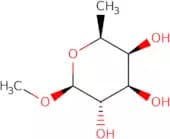
CAS:Methyl b-L-fucopyranoside is a glycosylating agent that is used to modify saccharides and oligosaccharides. It can be used for the synthesis of complex carbohydrates, such as polysaccharides and glycoconjugates. Methyl b-L-fucopyranoside is also useful for the synthesis of glycosylated proteins, which are proteins with sugar chains attached to them. The product is a white solid that is soluble in water.Formula:C7H14O5Purity:Min. 95%Color and Shape:White PowderMolecular weight:178.18 g/molEthyl 2,3,4,6-tetra-O-benzoyl-b-D-thiogalactopyranoside
CAS:Ethyl 2,3,4,6-tetra-O-benzoyl-b-D-thiogalactopyranoside is a glycosylation reagent that is synthesized by reacting ethyl 2,3,4,6-tetra-O-benzoyl-b-D-thioglucopyranoside with sodium borohydride in ethanol. The product can be used to modify complex carbohydrates such as oligosaccharides and polysaccharides. Ethyl 2,3,4,6-tetra-O-benzoyl-b-D--thiogalactopyranoside has a CAS number of 138661–53–7.Formula:C36H32O9SPurity:Min. 95%Molecular weight:640.70 g/mol1,2,3,4,6-Penta-O-acetyl-D-glucopyranose
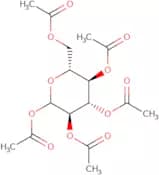
CAS:Benzoate is a carboxylic acid that is found in many fruits and vegetables. Benzoate can be metabolized by the body to form hydrogen chloride, which may cause irritation of the mucous membranes of the respiratory tract. This chemical has been shown to have cytotoxic activity against human cancer cells in vitro. Benzoate also has an anti-inflammatory effect on insulin resistance and can be used as a topical treatment for psoriasis. The mechanism by which benzoate exerts its anticancer activity is not fully understood, but it may involve the production of reactive oxygen species or induction of apoptosis.
Formula:C16H22O11Purity:Min. 95%Color and Shape:White PowderMolecular weight:390.34 g/mol1,6-Dichloro-1,6-dideoxy-D-fructose
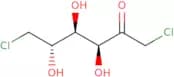
CAS:1,6-Dichloro-1,6-dideoxy-D-fructose (1,6DD) is a synthetic spermicide that prevents the fusion of the egg and sperm. It has been shown to be effective in reducing fertility in male rats. The pharmacological effects of 1,6DD are due to its benzalkonium chloride content. 1,6DD is a reactive chemical that can damage cellular membranes and lead to cell death. Benzalkonium chloride is toxic to human cells and can cause necrosis or apoptosis. The toxicity of 1,6DD on the brain has been demonstrated using human liver cells as well as human brain cells. This agent also has an effect on mineralization and causes an increase in calcium influx into cells by activating calcium channels.Purity:Min. 95%4-Methoxyphenyl 2-Amino-3,6-di-O-benzyl-2-deoxy-β-D-glucopyranoside
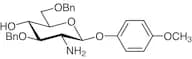
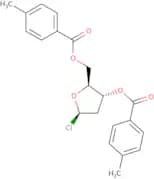
CAS:Formula:C27H31NO6Color and Shape:White to Almost white powder to crystalMolecular weight:465.551-Chloro-2-deoxy-3,5-di-O-toluoyl-L-ribofuranose
CAS:1-Chloro-2-deoxy-3,5-di-O-toluoyl-L-ribofuranose is a synthetic glycosylation agent with high purity and custom synthesis. It is a monosaccharide that can be used for the modification of complex carbohydrates, such as saccharides and polysaccharides. 1-Chloro-2-deoxyribofuranose is also known to react with other types of sugars to form glycosylated products. This product can be fluorinated or methylated to create new derivatives.Formula:C21H21ClO5Purity:(Argentometric Titration) Min 90%Color and Shape:PowderMolecular weight:388.84 g/molL-Sorbitol
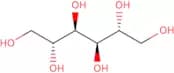
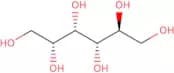
CAS:L-Sorbitol is a polyhydric alcohol that is found in various natural products, such as fruits and vegetables. It has been shown to inhibit the growth of strains of Stenotrophomonas maltophilia, which is an opportunistic pathogen of human and animal cells. L-Sorbitol can be used to treat bacterial infections by inhibiting the synthesis of DNA, RNA, and proteins. This compound has also been shown to prevent dehydration in bacteria by acting as an osmotic agent. The effect of L-sorbitol on the growth of bacteria depends on the pH of the environment in which it is dissolved. The optimum pH for this compound is 7.5Formula:C6H14O6Purity:Min. 95%Color and Shape:PowderMolecular weight:182.17 g/molOctyl D-galactofuranoside
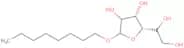
CAS:Octyl D-galactofuranoside is a disaccharide that is found in the plant Gossypium hirsutum. It has been shown to have antibacterial activity and can be used as an alternative to antibiotics. Octyl D-galactofuranoside has been shown to inhibit the growth of bacteria by binding to chloride ions and inhibiting bacterial cell wall synthesis. It also acts synergistically with other antibiotics, such as penicillin, ampicillin, sulfonamides, tetracycline, erythromycin, and cefadroxil. This compound has been shown to be biodegradable and o-glycosylated. Octyl D-galactofuranoside also has anti-leishmanial activity.Formula:C14H28O6Purity:Min. 95%Color and Shape:White PowderMolecular weight:292.37 g/molN-Nonyldeoxygalactonojirimycin
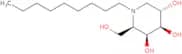
CAS:N-Nonyldeoxygalactonojirimycin (NDGJ) is a novel antiviral agent that inhibits the activity of viral enzymes, such as polymerase chain reaction and reverse transcriptase. NDGJ has been shown to inhibit the replication of hepatitis viruses in primary cells and human macrophages. The drug also inhibits the replication of human pathogens, such as HIV-1, herpes simplex virus type 1, and cytomegalovirus in cell culture. NDGJ has an effect on hydrophobic amino acids in protein synthesis by binding to them and preventing their attachment to the ribosomal surface. This leads to cell lysis through a process called osmotic shock.
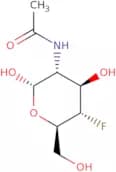
Formula:C15H31NO4Purity:Min. 95 Area-%Color and Shape:White Off-White PowderMolecular weight:289.41 g/mol2-Acetamido-2,4-dideoxy-4-fluoro-α-D-glucopyranose
CAS:2-Acetamido-2,4-dideoxy-4-fluoro-a-D-glucopyranose is a synthetic, fluorinated carbohydrate. It is a monosaccharide that is made by the substitution of an acetamido group with a fluoro group at C2 and C4 of the glucose molecule. This product has been synthesized using Click chemistry to modify the 2’ position and methylation at C5. The target use for this product is as a sugar in order to glycosylate or polysaccharide. This compound has been shown to have high purity and can be custom synthesized, depending on the needs of the customer.Formula:C8H14FNO5Purity:Min. 95 Area-%Color and Shape:PowderMolecular weight:223.2 g/molAcidic Sophorolipids mix-acetylated - mixture of C30H54O13, C32H56O14 and C34H58O15
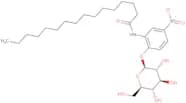
Sophorolipids are produced by various yeast species, notably Starmerella bombicola. Acidic Sophorolipids are amphiphilic molecules and therefore possess the attributes of surfactants; however as bio-surfactants they have several advantages over synthetic surfactants including low toxicity, biodegradability and the potential for low cost manufacture.Purity:Min. 95%Color and Shape:White Yellow PowderMolecular weight:622.74. 664.78 and 706.822’-(N-Hexadecanoylamino)-4’-nitrophenyl-β-D-glucopyranoside
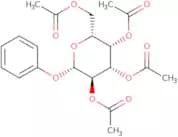
CAS:2’-(N-Hexadecanoylamino)-4’-nitrophenyl-b-D-glucopyranoside is a synthetic substrate that is used in diagnostic procedures to identify the presence of lysosomal enzymes. The reaction product, resorufin, is a fluorogenic substrate that reacts with the enzyme hexanoyl coenzyme A reductase and can be detected by spectrophotometry. This experimentally insensitive compound has been used to measure the activity of hexanoyl coenzyme A reductase in skin fibroblasts from patients with ichthyosis vulgaris. Resorufin fluorescence is proportional to the amount of hexanoyl coenzyme A reductase present in cells.Formula:C28H46N2O9Purity:Min. 95%Color and Shape:PowderMolecular weight:554.67 g/molPhenyl 2,3,4,6-tetra-O-acetyl-b-D-galactopyranoside
CAS:Phenyl 2,3,4,6-tetra-O-acetyl-b-D-galactopyranoside (TTA) is a synthetic monosaccharide that is used in the synthesis of complex carbohydrates. TTA is also known as Fluorination, Monosaccharide, Synthetic, Oligosaccharide, complex carbohydrate and has CAS No. 2872-72-2. TTA can be custom synthesized for research purposes or for commercial use and can be glycosylated to form polysaccharides. TTA is modified through methylation or click chemistry and can be used to modify sugar molecules or other carbohydrates. It is also high purity with less than 1% impurities.Formula:C20H24O10Purity:Min. 95%Color and Shape:PowderMolecular weight:424.4 g/mol1,4-Anhydro-D-mannitol
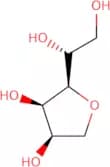
CAS:1,4-Anhydro-D-mannitol is a sugar alcohol that belongs to the group of alditols. It is a tautomer of galactitol, which is found in fetal bovine serum. The dehydrated form of this compound has been shown to have an inhibitory effect on tyrosinase activity. 1,4-Anhydro-D-mannitol may be used as an intermediate in the production of polymers or as a cosmeceutical agent due to its high water solubility and low toxicity.
Formula:C6H12O5Purity:Min. 95%Color and Shape:PowderMolecular weight:164.16 g/molMannide monooleate
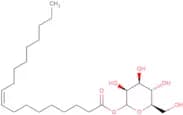
CAS:Mannide monooleate is a naturally occurring fatty acid that is found in the lipid bilayer of cell membranes. It has shown to be effective in the treatment of a number of chronic inflammatory diseases, such as arthritis and inflammatory bowel disease. Mannide monooleate is also being explored as an adjuvant for vaccines, and has shown efficacy against leishmania infection.Formula:C24H44O6Purity:Min. 95%Color and Shape:PowderMolecular weight:428.61 g/mol3,4,6-Tri-O-acetyl-2-deoxy-D-glucopyranose
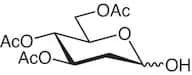
CAS:Formula:C12H18O8Purity:>98.0%(GC)Color and Shape:White to Almost white powder to crystalMolecular weight:290.273,4,6-Tri-O-benzyl-D-glucal
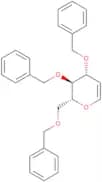
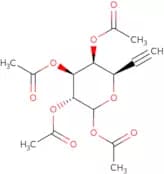
CAS:3,4,6-Tri-O-benzyl-D-glucal is a benzyl protected, 2,3 unsaturated glucal used as a chiral intermediate. The C2-C3 double bond of the pyranose ring can be modified via a variety of reactions including: hydrogenation, oxidation, hydroxylation, and aminohydroxylation, to generate structural complexity. 3,4,6-Tri-O-benzyl-D-glucal also minimizes tedious protecting-group strategies required for fully oxygenated sugars. The products of 2,3 unsaturated glycosides as chiral intermediates have played a role in the synthesis of many biologically active compounds, such as, nucleosides and modified sugar derivatives.Formula:C27H28O4Purity:Min. 98 Area-%Color and Shape:White PowderMolecular weight:416.51 g/mol1,2,3,4-Tetra-O-acetyl-5-alkynyl-L-fucose
CAS:1,2,3,4-Tetra-O-acetyl-5-alkynyl-L-fucose is a per-O-acetylated version of 5-alkynyl-L-fucose, an inhibitor of the cellular fucosylation pathway. 1,2,3,4-Tetra-O-acetyl-5-alkynyl-L-fucose can pass through the eukaryotic cell membrane somewhat better than 5-alkynyl-L-fucose can itself, is deacetylated by cellular esterases and interferes with the biosynthesis of the fucosyl-donor and fucosyltransferase substrate GDP-Fuc, thus reducing fucosylation levels during glycoprotein biosynthesis (Dekkers, 2016).
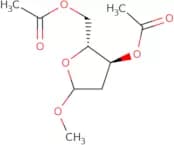
Formula:C15H18O9Purity:Min. 95%Color and Shape:Colorless Clear LiquidMolecular weight:342.3 g/molMethyl 3,5-di-O-acetyl-2-deoxy-D-ribofuranoside
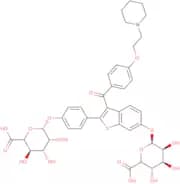
CAS:Methyl 3,5-di-O-acetyl-2-deoxy-D-ribofuranoside is a synthetic, fluorinated monosaccharide. It is an important building block for the synthesis of complex carbohydrates. The compound is also used for glycosylation reactions, click modification reactions and methylation reactions. Methyl 3,5-di-O-acetyl-2-deoxy-D-ribofuranoside can be used as an intermediate to make other products or as a custom synthesis.Formula:C10H16O6Purity:Min. 95%Molecular weight:232.23 g/molRaloxifene 6,4'-bis-b-D-glucuronide
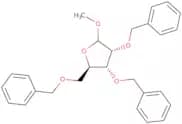
CAS:Raloxifene 6,4'-bis-b-D-glucuronide is a synthetic molecule that has been modified and fluorinated. It is a monosaccharide with a methyl group at C6. The synthesis of this compound starts with the conversion of raloxifene to the bis-b-D-glucuronide compound in which hydroxyl groups have been esterified by an acetyl group. The modification process includes the addition of a methyl group at C6, and then it is fluorinated. This product is soluble in water and methanol, but insoluble in ether. It has CAS number 182507-20-6 and molecular weight 536. Raloxifene 6,4'-bis-b-D-glucuronide can be used as an intermediate for the synthesis of oligosaccharides or polysaccharides.Formula:C40H43NO16SPurity:Min. 95%Molecular weight:825.85 g/molMethyl 2,3,5-tri-O-benzyl-D-ribofuranoside
CAS:Methyl 2,3,5-tri-O-benzyl-D-ribofuranoside is a potential drug that can be used in the treatment of type 2 diabetes. It is an analog of curcumin that has a nucleophilic group on its benzyl ring. This group reacts with the carbonyl carbon atom in maltase glucoamylase and triggers a Friedel-Crafts reaction that generates an isomeric product. The methyl 2,3,5-tri-O-benzyl-D-ribofuranoside molecule inhibits glycosidases by binding to the active site of these enzymes and preventing access to substrate. Methyl 2,3,5-tri-O-benzyl-D ribofuranoside has also been shown to have antifungal activity against Candida albicans.Purity:Min. 95%UDP-D-glucuronide ammonium salt
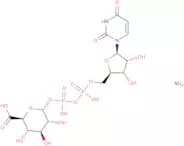
CAS:UDP-D-glucuronide ammonium salt is a drug that is used for the treatment of estrogen-dependent cancers. It is an inhibitor of human UDP-glucuronosyltransferase, an enzyme that catalyzes the glucuronidation of estrone and other substrates. The binding affinity of UDP-D-glucuronide ammonium salt can be increased by mutating the enzyme to increase its kinetic rate. This drug has been shown to inhibit estrogen production in recombinant human liver cells as well as in human liver cells. Mutations in the gene encoding this enzyme have also been associated with variations in estrogen levels, specifically high rates.
Formula:C15H22N2O18P2·xNH3Purity:Min. 95%Molecular weight:580.29 g/molD-[UL-¹³C6]mannose
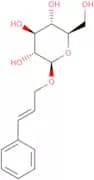
CAS:D-[UL-¹³C6]mannose is a research chemical that is widely used in the field of carbohydrate and protein studies. It is a heavy label isotope of mannose, a monosaccharide that plays an important role in various biological processes. D-[UL-¹³C6]mannose is commonly used to study the metabolism and biosynthesis of oligosaccharides, glycoproteins, and lipopolysaccharides. By incorporating this heavy label into these molecules, researchers can track their movement and interactions within cells and tissues. This research chemical is an invaluable tool for studying the complex structures and functions of carbohydrates in biological systems.Formula:C6H12O6Purity:Min. 95%Molecular weight:186.11 g/mol3-Phenyl-2-propenylbeta-D-glucopyranoside
CAS:3-Phenyl-2-propenylbeta-D-glucopyranoside is a flavonoid that has been shown to have inhibitory properties. It has been used as an analytical method for the diagnosis of bronchial reactivity. The high resistance of 3-phenyl-2-propenylbeta-D-glucopyranoside to oxidation and reduction make it an interesting candidate for antiinflammatory agents. When testing the effects of this compound on human bronchial tissue, it was found that 3-phenyl-2-propenylbeta-D-glucopyranoside inhibited allergic symptoms by inhibiting the release of inflammatory mediators such as histamine and leukotrienes, which are released in response to allergens and other irritants in the airways. The use of this compound may be useful in the treatment of asthma patients who suffer from allergic reactions to dust, pollen, or animal dander.
Formula:C15H20O6Purity:Min. 95%Color and Shape:PowderMolecular weight:296.32 g/mol6-Deoxy-D-talose
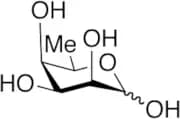
CAS:Controlled ProductStability Hygroscopic
Applications 6-Deoxy-D-talose is an derivative of D-Talose (T005560), a monosaccharide sugar that can convert between aldose and ketose forms in pyridine in the presence of aluminum oxide.
References Davies, S.G., et al.: Org. Biomolec. Chem., 3, 348 (2005);Formula:C6H12O5Color and Shape:NeatMolecular weight:164.16D-Erythrulose (~0.3 M in Water, ~90%)
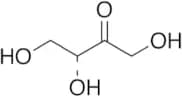
CAS:Controlled ProductApplications D-Erythrulose is a tetrose carbohydrate that is used in various self-tanning cosmetics combined with dihydroxyacetone.
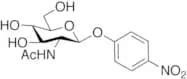
References Maeda, M., et al.: J. Biochem., 123, 602 (1998); Baykal, A., et al.: Bioorg. Chem., 34, 380 (2006);Formula:C4H8O4Purity:~90%Color and Shape:NeatMolecular weight:120.1p-Nitrophenyl 2-Acetamido-2-deoxy-β-D-glucopyranoside
CAS:Controlled ProductApplications Useful substrate for the rapid colorimetric assay of N-Acetyl-beta-glucosaminidase in human urine.
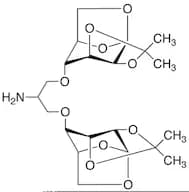
References Muruhn, D.: Clin. Chim. Acta, 73, 453 (1976)Formula:C14H18N2O8Color and Shape:NeatMolecular weight:342.3011,3-Bis-(1,6-anhydro-2,3-O-isopropylidene-β-D-mannopyranose-4-yloxy)-2-propylamine
CAS:Controlled ProductApplications Used in the synthesis of novel bis(D-mannose) compounds.
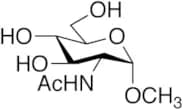
References Holman, G.D., et al.: Carbohydrate Res., 135, 337 (1985),Formula:C21H33NO10Color and Shape:NeatMolecular weight:459.49Methyl 2-Acetamido-2-deoxy-α-D-glucopyranoside
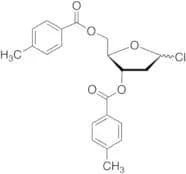
CAS:Controlled ProductFormula:C9H17NO6Color and Shape:NeatMolecular weight:235.232-Deoxy-3,5-di-O-p-toluoyl-D-ribofuranosyl Chloride
CAS:Controlled ProductFormula:C21H21ClO5Color and Shape:NeatMolecular weight:388.84Methyl 4,6-O-benzylidene-2-O-p-toluenesulfonyl-a-D-glucopyranoside
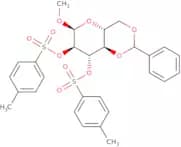
CAS:Methyl 4,6-O-benzylidene-2-O-p-toluenesulfonyl-a-D-glucopyranoside is a modification of the natural carbohydrate, alpha-D-(1→4)-glucose. It is an oligosaccharide that is synthesized by the methylation of a natural sugar and subsequent glycosylation with a saccharide. This compound has been shown to inhibit the activity of bacterial RNA polymerase and DNA gyrase enzymes. The synthesis of this compound has been described in detail in the literature. Methyl 4,6-O-benzylidene-2-O-(p-toluenesulfonyl)a D glucopyranoside This compound is a modification of the natural carbohydrate, alpha D (1 ->4) glucose. It is an oligosaccharide that is synthesized by methylation of a naturalFormula:C21H24O8SPurity:Min. 95%Molecular weight:436.48 g/molC24:1 b-D-Galactosyl ceramide
CAS:C24:1 b-D-Galactosyl ceramide is a fatty acid that is found in mammalian cells. It is one of the major components of cerebrosides and gangliosides, which are important in the development and function of the brain. C24:1 b-D-Galactosyl ceramide has been shown to be an essential component of leukocytes, which are blood cells that help fight infection. The fatty acid composition of this molecule can be used as a marker for diagnosis and research on neurological disorders such as Alzheimer's disease or Parkinson's disease.
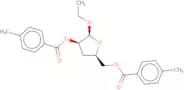
Formula:C48H91NO8Purity:Min. 95%Molecular weight:810.24 g/molEthyl 3-deoxy-2,5-di-O-toluoyl-L-threo-pentofuranoside
Ethyl 3-deoxy-2,5-di-O-toluoyl-L-threo-pentofuranoside is a custom synthesis that can be modified to fluorinate and methylate the sugar. It is an oligosaccharide that is synthesized from a monosaccharide. The saccharide has been glycosylated to form a complex carbohydrate.Formula:C23H26O6Purity:Min. 95%Molecular weight:398.45 g/molFructose-isoleucine
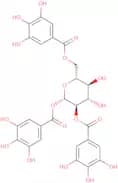
CAS:Fructose-isoleucine is a flavoring agent that is used in the food industry. It has an acrid taste and a sweet aftertaste. Fructose-isoleucine is typically used in the production of chewing gum, candy, and baked goods. This product can be found in two forms: as a white powder or as a clear liquid. The flavoring agent reacts with acetonitrile to form reaction products that are chromatographically separated by reversed phase HPLC. The desired product can then be isolated by elution from the column with methanol and characterized using various analytical methods. In addition to this use, fructose-isoleucine has been shown to have anti-inflammatory properties due to its ability to inhibit prostaglandin synthesis. Fructose-isoleucine can also be found in tobacco leaves where it serves as an amide precursor for 5-hydroxymethylfurfural (HMF). HMF is aFormula:C12H23NO7Purity:Min. 95%Molecular weight:293.31 g/mol1,2,6-Tri-O-galloylglucose
CAS:1,2,6-Tri-O-galloylglucose is a natural compound that has been shown to have inhibitory effects on the human immunodeficiency virus (HIV) enzyme serine protease. This inhibits the viral replication process by preventing the protease from cleaving viral polyproteins. The compound also inhibits complement activation and has antioxidant properties. 1,2,6-Tri-O-galloylglucose is active against leukemia cells and has been shown to be more effective at lower pH levels. It also has an inhibitory effect on ellagitannins and anticomplement activity.Formula:C27H24O18Purity:Min. 95%Molecular weight:636.47 g/mol2,3,4-Tri-O-benzyl-D-xylopyranose
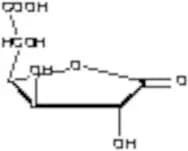
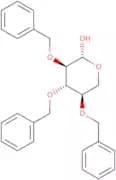
CAS:Calystegine is a benzyl ester of D-xylose. It is the reaction product of D-xylose with benzaldehyde and hydrochloric acid. The condensation product of calystegine with chondroitin sulfate is calystegine B2, which has been shown to be an inhibitor of protein glycosylation in human erythrocytes. This compound inhibits the oxygenated form of D-xylose, which may be useful in inhibiting the growth of certain cancer cells. Calystegine also has anti-inflammatory properties that may be due to its ability to inhibit prostaglandin synthesis.Purity:Min. 95%L-Idonic acid-1,4-lactone
CAS:L-Idonic acid-1,4-lactone is a custom synthesis that is a glycoconjugate with a carbohydrate moiety. It can be used for the modification of glycoproteins and glycopeptides, and has shown to have anti-inflammatory properties. L-Idonic acid-1,4-lactone is a sugar that is made up of an idonic acid attached to an alpha (1→4)-linked D-glucose molecule. This product can be methylated or glycosylated and has been shown to have anticancer activity in animal models. L-Idonic acid-1,4-lactone is soluble in water and has been fluorinated at the 4 position on the glucose unit.Formula:C6H10O6Purity:Min. 95%Molecular weight:178.14 g/molMethyl 2-deoxy-b-L-ribofuranoside
CAS:Methyl 2-deoxy-β-L-ribofuranoside is a custom synthesis, modification, fluorination and methylation of the monosaccharide ribose. This product has been modified with the addition of a methyl group on the hydroxyl group at position 2. Methyl 2-deoxy-β-L-ribofuranoside can be used as an oligosaccharide or polysaccharide in glycosylation reactions. The CAS number for this product is 144301-85-9.Formula:C6H12O4Purity:Min. 95%Molecular weight:148.16 g/mol2-Octyldodecyl-D-xylopyranoside
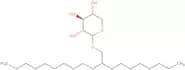
CAS:2-Octyldodecyl-D-xylopyranoside is a synthetic, fluorinated glycosylated monosaccharide. The chemical name for this compound is 2-octyldodecyl-D-xylopyranoside and the CAS number is 423772-95-6. It is a white to off white solid that has Glycosylation and Methylation. This compound can be modified with Click modification and Polysaccharide. It has a molecular weight of 400.25 g/mol and it's molecular formula is C32H62O14F2N2O8S2. 2-Octyldodecyl-D-xylopyranoside can be used as a methyl donor in the synthesis of glycoproteins, glycolipids, glycopeptides, polysaccharides, oligosaccharides, or other complex carbohydrates. It is also used in fluorFormula:C25H50O5Purity:Min. 95%Color and Shape:White solid.Molecular weight:430.66 g/moltrans-Cinnamoyl b-D-glucoside
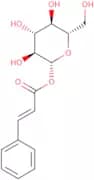
CAS:Trans-Cinnamoyl b-D-glucoside is a plant tissue that can be used as a natural chemical transformation agent. Trans-Cinnamoyl b-D-glucoside is also a chemical catalyst in the synthesis of medicines. The structure of trans-Cinnamoyl b-D-glucoside has been shown to have a high degree of stereoselectivity and sensitivity to tissue culture conditions, which are due to its aldehydic group. This molecule is also able to form gels when combined with other molecules and exhibits endogenous activity.
Formula:C15H18O7Purity:Min. 95%Molecular weight:310.3 g/mol4-Methoxyphenyl-D-ribofuranoside
4-Methoxyphenyl-D-ribofuranoside is a monosaccharide that is used in the synthesis of oligosaccharides and polysaccharides. It is a synthetic compound that can be fluorinated, methylated, or glycosylated. The chemical formula for 4-methoxyphenyl-D-ribofuranoside is C6H8O5. The molecular weight of 4-methoxyphenyl-D-ribofuranoside is 184.12 g/mol. This product does not contain any hazardous chemicals and can be custom synthesized to meet your needs.Purity:Min. 95%D-Mannitol - EP
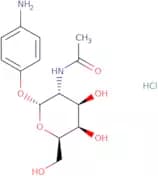
CAS:Mannitol is a sugar alcohol occurring widely in plants and they are exudates, for example, in olive and plane trees (Collins, 2006). It is produced commercially by the catalytic hydrogenation of fructose (Zelin, 2019). Mannitol is used extensively in food and pharmaceutical industries because of its unique functional properties. It is about 50% as sweet as sucrose and has a desirable cooling effect often used to mask bitter tastes. Mannitol is non-cariogenic and has a low caloric content. Mannitol is an osmotic diuretic that is metabolically inert in humans and is used for: the promotion of diuresis before irreversible renal failure becomes established, the promotion of urinary excretion of toxic substances, as an Antiglaucoma agent, and as a renal function diagnostic aid (OâNeil, 2013). Additonally, in 2020, mannitol was approved by the FDA as add-on maintenance therapy for the control of pulmonary symptoms associated with cystic fibrosis in adult patients (McKenna, 2020).Formula:C6H14O6Purity:Min. 97 Area-%Color and Shape:White PowderMolecular weight:182.17 g/mol4-Aminophenyl 2-acetamido-2-deoxy-a-D-galactopyranoside HCl
CAS:4-Aminophenyl 2-acetamido-2-deoxy-a-D-galactopyranoside HCl is an oligosaccharide that is composed of glucose, galactose, and two amino acids. It has a molecular weight of 496.34 g/mol and a chemical formula of C14H20N2O8. This compound is synthesized by the click modification of 2,5-diaminopyridine with D -galactopyranosyl chloride. The methylation and glycosylation reactions are also performed to produce this compound.
Formula:C14H20N2O6·HClPurity:Min. 95%Molecular weight:348.78 g/mol



![D-[UL-¹³C6]mannose](/_next/image/?url=https%3A%2Fstatic.cymitquimica.com%2Fproducts%2F3D%2Fthumb-webp%2FMLA10074.webp&w=3840&q=75)