Monosaccharides
Monosaccharides are the simplest form of carbohydrates and serve as fundamental building blocks for more complex sugars and polysaccharides. These single sugar molecules play critical roles in energy metabolism, cellular communication, and structural components of cells. In this section, you will find a wide variety of monosaccharides essential for research in biochemistry, molecular biology, and glycoscience. These compounds are crucial for studying metabolic pathways, glycosylation processes, and developing therapeutic agents. At CymitQuimica, we offer high-quality monosaccharides to support your research needs, ensuring precision and reliability in your scientific investigations.
Subcategories of "Monosaccharides"
- Alloses(11 products)
- Arabinoses(21 products)
- Erythroses(11 products)
- Fructoses(9 products)
- Fucoses(36 products)
- Galactosamine(41 products)
- Galactose(261 products)
- Glucoses(365 products)
- Glucuronic Acids(51 products)
- Glyco-substrates for Enzyme(77 products)
- Guloses(6 products)
- Idoses(4 products)
- Inositols(15 products)
- Lyxoses(4 products)
- Mannoses(65 products)
- O-Glycans(48 products)
- Psicoses(3 products)
- Rhamnoses(10 products)
- Riboses(61 products)
- Sialic Acids(100 products)
- Sorboses(4 products)
- Sugars(173 products)
- Tagatoses(4 products)
- Taloses(8 products)
- Xyloses(20 products)
Show 17 more subcategories
Found 6088 products of "Monosaccharides"
Sort by
Purity (%)
0
100
|
0
|
50
|
90
|
95
|
100
α-GalCer analog 8
CAS:<p>α-GalCer analog 8 is a high purity, custom synthesis, synthetic α-galactocerebrosidase enzyme that has been modified to include 8 fluorine atoms. The enzyme is glycosylated at the N-terminal and methylated at the C-terminal. The modification of this enzyme with an oligosaccharide and monosaccharide moiety improves its stability in vivo. α-GalCer analog 8 is used for the treatment of Gaucher's disease, which is caused by the accumulation of complex carbohydrates in the body. This condition can be managed using α-GalCer analog 8 because it hydrolyzes these complex carbohydrates into their monosaccharides.</p>Formula:C50H97N3O8Purity:Min. 95%Molecular weight:868.32 g/mol3,4-O-[(1R,2R)-1,2-Dimethoxy-1,2-dimethyl-1,2-ethanediyl]-1,6-O-[(1S,2S)-1,2-dimethoxy-1,2-dimethyl-1,2-ethanediyl]-D-myo-inositol
CAS:<p>3,4-O-[(1R,2R)-1,2-Dimethoxy-1,2-dimethyl-1,2-ethanediyl]-1,6-O-[(1S,2S)-1,2-dimethoxy-1,2-dimethyl-1,2-ethanediyl]-D-myo-inositol is a synthetic carbohydrate with the CAS number 176798-27-9. It is a polysaccharide that can be modified by methylation and glycosylation. The modification of saccharides is achieved by the use of click chemistry. This product is a complex carbohydrate with a high purity and fluorination.</p>Formula:C18H32O10Purity:Min. 95%Molecular weight:408.44 g/mol2-Deoxy-D-ribose diethyl thioacetal
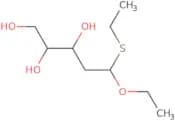
CAS:<p>2-Deoxy-D-ribose diethyl thioacetal is a synthetic, fluorinated carbohydrate that is used in the modification of saccharides and oligosaccharides. It is a complex carbohydrate that has been synthesized from D-ribose and diethyl thioacetal. Fluorination of 2-deoxy-D-ribose diethyl thioacetal has been shown to lead to glycosylation reactions with glycosyl acceptors. Click chemistry reactions have been used to modify this compound with methyl groups. This product has a high purity and can be custom synthesized by request.</p>Formula:C9H20O3S2Purity:Min. 95%Molecular weight:240.39 g/mol1-Bromo-2,3,4-tri-O-benzoyl-a-D-glucuronide methyl ester
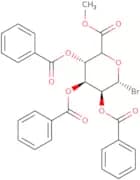
CAS:<p>1-Bromo-2,3,4-tri-O-benzoyl-a-D-glucuronide methyl ester is a custom synthesis. It is a high purity product with a custom synthesis. The CAS No. for this compound is 103674-69-7. This product undergoes Click modification and has high purity. The sugar in this compound is an oligosaccharide with glycosylation.</p>Formula:C28H23BrO9Purity:Min. 95%Molecular weight:583.39 g/mol(8-Ethoxycarbonyloctyl)-3,4,6-tri-O-acetyl-2-deoxy-2-phthalimido-b-D-glucopyranoside
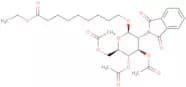
CAS:<p>(8-Ethoxycarbonyloctyl)-3,4,6-tri-O-acetyl-2-deoxy-2-phthalimido-b-D-glucopyranoside is a custom synthesis that has been modified with fluorination, methylation and acetylation. It is also a monosaccharide, which can be modified to form an oligosaccharide or polysaccharide. This product is a sugar that can be glycosylated to form complex carbohydrates.</p>Formula:C30H39NO12Purity:Min. 95%Molecular weight:605.63 g/mol1-O -Acetyl-2,5-di-O-benzoyl-3-fluoro-3-deoxy-D-ribofuranoside
CAS:<p>1-O -Acetyl-2,5-di-O-benzoyl-3-fluoro-3-deoxy-D-ribofuranoside is a synthetic carbohydrate that has been modified by fluorination and methylation. The molecule has a molecular weight of 581.1 g/mol, with the chemical formula C14H12F6O8N2. It is a white crystalline solid that can be used in the synthesis of glycosides, saccharides, oligosaccharides, and monosaccharides. 1-O -Acetyl-2,5-di-O-benzoyl-3-fluoro-3-deoxyribofuranoside can be useful for glycosylation reactions such as click chemistry or glycosidase reactions. This product is high purity and custom synthesis to order.</p>Formula:C21H19FO7Purity:Min. 95%Molecular weight:402.37 g/mol1,4-Di-O-butanoyl-2,3:5,6-di-O-isopropylidene-D-myo-inositol
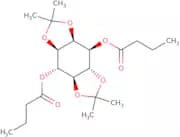
CAS:<p>1,4-Di-O-butanoyl-2,3:5,6-di-O-isopropylidene-D-myo-inositol is a synthetic glycosylation product. It has no known biological activity and is not metabolized by the body. This product is used for complex carbohydrate synthesis, fluorination reactions, methylation reactions, and click modifications.</p>Formula:C20H32O8Purity:Min. 95%Molecular weight:400.46 g/moltrans-Zeatin-9-glucoside
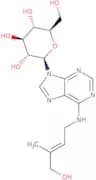
CAS:<p>Trans-zeatin-9-glucoside is a natural product that is produced by plants and is known to have a variety of biological activities. Trans-zeatin-9-glucoside has been shown to affect plant growth and development, as well as the immune system. It has also been shown to exhibit antioxidant activity and inhibit cancer cell proliferation. Trans-zeatin-9-glucoside has been found in barley, wheat, rye, oat straw, corn stover, soybean leaves, potato tubers, and composts. The biosynthesis of this compound begins with the conversion of zeatin into zeaxanthin via a series of enzymatic reactions. Zeaxanthin is then converted into trans-zeatin-9-glucoside through the action of an enzyme called β--cyclodextrin glucanotransferase.</p>Formula:C16H23N5O6Purity:Min. 98 Area-%Color and Shape:Colorless PowderMolecular weight:381.38 g/mol1-[[2-N-(5-Nitrothiazolyl)carboxamido]phenyl]-2,3,4-tri-O-acetyl-b-D-glucuronide methyl ester
<p>1-N-(5-Nitrothiazolyl)carboxamido-2,3,4-tri-O-acetyl-b-D-glucuronide methyl ester (NTG) is a glycosylated compound that was synthesized by click chemistry. It is an Oligosaccharide with a single sugar and a molecular weight of 514. The CAS number for NTG is 150158-09-8. NTG has been custom synthesized to order. The purity level of NTG is >99%.</p>Formula:C23H23N3O13SPurity:Min. 95%Molecular weight:581.51 g/molPhenyl 2,3,4,6-tetra-O-acetyl-a-D-glucopyranoside
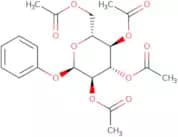
CAS:<p>Phenyl 2,3,4,6-tetra-O-acetyl-a-D-glucopyranoside is a custom synthesis of a monosaccharide. Phenyl 2,3,4,6-tetra-O-acetyl-a-D-glucopyranoside can be fluorinated and methylated to produce other compounds. It is also used in the modification of saccharides and oligosaccharides to produce polysaccharides. Phenyl 2,3,4,6-tetra-O-acetyl-a -D -glucopyranoside is soluble in water and has CAS No. 34274500.</p>Formula:C20H24O10Purity:Min. 95%Molecular weight:424.4 g/molN6-Benzyladenine-3-glucoside
CAS:<p>N6-Benzyladenine-3-glucoside is a carbohydrate that is modified with a click chemistry reaction. It is synthesized from D-mannose and 6-benzylaminopurine and has been glycosylated with 2,3,4,6-tetra-O-acetyl glucosamine. N6-Benzyladenine-3-glucoside is an important component of the bacterial cell wall. The compound consists of a single sugar chain and is fluorinated at the C2 position.</p>Formula:C18H21N5O5Purity:Min. 95%Color and Shape:PowderMolecular weight:387.39 g/mol2,3,4,6-Tetra-O-acetyl-b-D-glucopyranosyl ethylxanthate
CAS:<p>2,3,4,6-Tetra-O-acetyl-b-D-glucopyranosyl ethylxanthate is a synthetic carbohydrate that has been modified with acetyl groups. This modification is used to produce a carbohydrate that is more resistant to hydrolysis by enzymes. 2,3,4,6-Tetra-O-acetyl-b-D-glucopyranosyl ethylxanthate is one of many glycosides that have been modified with acetyl groups and fluorinated. This modification can be used for the synthesis of high purity carbohydrates.</p>Formula:C17H24O10S2Purity:Min. 95%Color and Shape:White To Off-White SolidMolecular weight:452.5 g/mol1,2,3-Tri-O-acetyl-5-deoxy-D-ribofuranoside
CAS:<p>1,2,3-Tri-O-acetyl-5-deoxy-D-ribofuranoside is an acetylated form of a sugar derivative. It is used as a reagent for the acetylation of alcohols and amines. The reaction yield for this compound is stereoselective and can be prepared from readily available starting materials in good yield. The compound crystallizes in cyclic form with an organic solvent such as n-hexane or pyridine. This product is soluble in organic solvents such as n-hexane, pyridine, or vinyl acetate.</p>Formula:C11H16O7Purity:Min. 95%Molecular weight:260.24 g/molPhenyl a-L-thiorhamnopyranoside
CAS:<p>Phenyl a-L-thiorhamnopyranoside is a monosaccharide that is synthesized by the methylation of alpha-D-glucose. It is a custom synthesis that is used in the synthesis of oligosaccharides, polysaccharides, and sugar drugs. Phenyl a-L-thiorhamnopyranoside can be fluorinated to create an active form that has antibacterial activity. This compound has shown no signs of toxicity in animal studies and has been used as a food additive.</p>Formula:C12H16O4SPurity:Min. 95%Molecular weight:256.32 g/mol1,2,6-Tri-O-galloylglucose
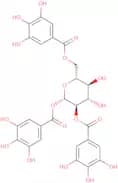
CAS:<p>1,2,6-Tri-O-galloylglucose is a natural compound that has been shown to have inhibitory effects on the human immunodeficiency virus (HIV) enzyme serine protease. This inhibits the viral replication process by preventing the protease from cleaving viral polyproteins. The compound also inhibits complement activation and has antioxidant properties. 1,2,6-Tri-O-galloylglucose is active against leukemia cells and has been shown to be more effective at lower pH levels. It also has an inhibitory effect on ellagitannins and anticomplement activity.</p>Formula:C27H24O18Purity:Min. 95%Molecular weight:636.47 g/molHesperetin 3'-O-β-D-glucuronide
CAS:<p>Hesperetin 3'-O-beta-D-glucuronide is a glycosylate that is obtained by the glycosylation of hesperidin. Hesperetin 3'-O-beta-D-glucuronide is a sugar with a glycosylation site at the C3 position of the aglycone. It has shown to be an efficient inhibitor of Triglyceride Synthetase, which reduces triglycerides in the body. Hesperetin 3'-O-beta-D-glucuronide also has been shown to inhibit insulin release and increase insulin sensitivity in vitro.</p>Formula:C22H22O12Purity:Min. 95%Molecular weight:478.4 g/mol2,3,4-Tri-O-benzyl-D-xylopyranose
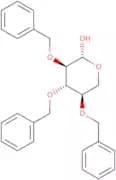
CAS:<p>Calystegine is a benzyl ester of D-xylose. It is the reaction product of D-xylose with benzaldehyde and hydrochloric acid. The condensation product of calystegine with chondroitin sulfate is calystegine B2, which has been shown to be an inhibitor of protein glycosylation in human erythrocytes. This compound inhibits the oxygenated form of D-xylose, which may be useful in inhibiting the growth of certain cancer cells. Calystegine also has anti-inflammatory properties that may be due to its ability to inhibit prostaglandin synthesis.</p>Purity:Min. 95%(-)-Lyoniresinol 9'-O-glucoside
CAS:<p>This chemical is a custom synthesis of (-)-Lyoniresinol 9'-O-glucoside. The chemical is a modification of (-)-Lyoniresinol 9'-O-glucoside and fluorinated at the C2 position. It is also methylated on the C3 position. The chemical is synthesized by click chemistry, which involves the use of copper(II) ions as catalysts to generate covalent bonds between two molecules. This chemical has been shown to be an oligosaccharide with saccharide chains that are linked together by glycosylation. There are six sugar residues in this compound: glucose, galactose, rhamnose, xylose, glucuronic acid, and mannitol. This compound has CAS number 143236-02-6 and molecular weight of 881.5 g/mol (CAS No.).</p>Formula:C28H38O13Purity:Min. 95%Molecular weight:582.59 g/mol(2R,3S,4R)-3,4-Dihydroxypyrrolidine-2-carboxylic acid
CAS:<p>(2R,3S,4R)-3,4-Dihydroxypyrrolidine-2-carboxylic acid is a methylated compound that has been synthesized by the click modification of an oligosaccharide. It is used as an intermediate in the synthesis of saccharides and polysaccharides. This product can be used for the fluorination of complex carbohydrates and for the modification of monosaccharides or sugars. The purity level of this product is high and it has been modified to have a desirable property.</p>Formula:C5H9NO4Purity:Min. 95%Molecular weight:147.13 g/molMethyl 2-deoxy-b-L-ribofuranoside
CAS:<p>Methyl 2-deoxy-β-L-ribofuranoside is a custom synthesis, modification, fluorination and methylation of the monosaccharide ribose. This product has been modified with the addition of a methyl group on the hydroxyl group at position 2. Methyl 2-deoxy-β-L-ribofuranoside can be used as an oligosaccharide or polysaccharide in glycosylation reactions. The CAS number for this product is 144301-85-9.</p>Formula:C6H12O4Purity:Min. 95%Molecular weight:148.16 g/molMethyl a-D-ribofuranoside - 95% oil
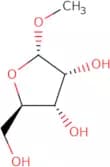
CAS:<p>Methyl a-D-ribofuranoside is a molecule that belongs to the group of conformers. It is a planar molecule, with its atoms in an orderly arrangement. The conformation of this molecule can be changed by rotating around the C-C bond, which has energies and displacements. Molecular orbital theory predicts that the conformation of methyl a-D-ribofuranoside is determined by the electron correlation between all atomic orbitals. The molecular structure of methyl a-D-ribofuranoside can be determined using spectroscopic methods, such as infrared and nuclear magnetic resonance spectroscopy. Coupling constants are used to measure how strongly two or more groups in a molecule are coupled together, while constants are used to measure the energy levels and frequencies in vibrational spectroscopy.</p>Formula:C6H12O5Purity:Min. 95%Molecular weight:164.16 g/molN-Acetyl-D-glucosamine 6-acetate
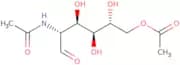
CAS:<p>N-Acetyl-D-glucosamine 6-acetate is a modification of the sugar N-acetyl-D-glucosamine. It is an Oligosaccharide, which is a complex carbohydrate consisting of two or more simple sugars. N-Acetyl-D-glucosamine 6-acetate can be custom synthesized and is available in high purity. The CAS number for this compound is 131832-93-4. Synthetic modifications of this compound include methylation, glycosylation and fluorination. This compound can also be considered a polysaccharide because it consists of many saccharides connected together by glycosidic bonds.</p>Formula:C10H17NO7Purity:Min. 97 Area-%Color and Shape:White PowderMolecular weight:263.24 g/molD-Glucose 6-phosphate, disodium salt
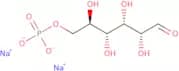
CAS:<p>D-Glucose 6-phosphate, disodium salt is an antibiotic that is used to treat gram-negative bacterial infections. It binds to the bacterial ribosome and inhibits protein synthesis, which leads to cell death by inhibiting the production of proteins vital for cell division. This drug has been shown to be active against a wide range of bacteria, including resistant strains such as Escherichia coli and Salmonella typhimurium. D-Glucose 6-phosphate, disodium salt also has anti-inflammatory properties and can be used as an anti-bacterial agent in the treatment of typhoid fever.</p>Formula:C6H11O9Na2PMolecular weight:304.10 g/molCurcumin b-D-glucuronide
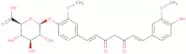
CAS:<p>Curcumin b-D-glucuronide is a glucuronide conjugate of the curcumin molecule. It has been shown to have anticancer activity in mouse tumor models and human metastatic colorectal cancer cell lines by inducing apoptosis. Curcumin b-D-glucuronide is metabolized by the liver microsomes of rats, and thus may be useful for the prevention of colon cancer. Curcumin b-D-glucuronide also has anti-inflammatory properties that are due to its inhibition of prostaglandin E2 (PGE2) levels in humans.</p>Formula:C27H28O12Purity:85%MinMolecular weight:544.158082-Octyldodecyl-D-xylopyranoside
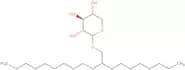
CAS:<p>2-Octyldodecyl-D-xylopyranoside is a synthetic, fluorinated glycosylated monosaccharide. The chemical name for this compound is 2-octyldodecyl-D-xylopyranoside and the CAS number is 423772-95-6. It is a white to off white solid that has Glycosylation and Methylation. This compound can be modified with Click modification and Polysaccharide. It has a molecular weight of 400.25 g/mol and it's molecular formula is C32H62O14F2N2O8S2. 2-Octyldodecyl-D-xylopyranoside can be used as a methyl donor in the synthesis of glycoproteins, glycolipids, glycopeptides, polysaccharides, oligosaccharides, or other complex carbohydrates. It is also used in fluor</p>Formula:C25H50O5Purity:Min. 95%Color and Shape:White solid.Molecular weight:430.66 g/moltrans-Cinnamoyl b-D-glucoside
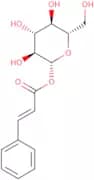
CAS:<p>Trans-Cinnamoyl b-D-glucoside is a plant tissue that can be used as a natural chemical transformation agent. Trans-Cinnamoyl b-D-glucoside is also a chemical catalyst in the synthesis of medicines. The structure of trans-Cinnamoyl b-D-glucoside has been shown to have a high degree of stereoselectivity and sensitivity to tissue culture conditions, which are due to its aldehydic group. This molecule is also able to form gels when combined with other molecules and exhibits endogenous activity.</p>Formula:C15H18O7Purity:Min. 95%Molecular weight:310.3 g/mol4-Methoxyphenyl-D-ribofuranoside
<p>4-Methoxyphenyl-D-ribofuranoside is a monosaccharide that is used in the synthesis of oligosaccharides and polysaccharides. It is a synthetic compound that can be fluorinated, methylated, or glycosylated. The chemical formula for 4-methoxyphenyl-D-ribofuranoside is C6H8O5. The molecular weight of 4-methoxyphenyl-D-ribofuranoside is 184.12 g/mol. This product does not contain any hazardous chemicals and can be custom synthesized to meet your needs.</p>Purity:Min. 95%D-Mannitol - EP
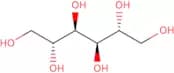
CAS:<p>Mannitol is a sugar alcohol occurring widely in plants and they are exudates, for example, in olive and plane trees (Collins, 2006). It is produced commercially by the catalytic hydrogenation of fructose (Zelin, 2019). Mannitol is used extensively in food and pharmaceutical industries because of its unique functional properties. It is about 50% as sweet as sucrose and has a desirable cooling effect often used to mask bitter tastes. Mannitol is non-cariogenic and has a low caloric content. Mannitol is an osmotic diuretic that is metabolically inert in humans and is used for: the promotion of diuresis before irreversible renal failure becomes established, the promotion of urinary excretion of toxic substances, as an Antiglaucoma agent, and as a renal function diagnostic aid (OâNeil, 2013). Additonally, in 2020, mannitol was approved by the FDA as add-on maintenance therapy for the control of pulmonary symptoms associated with cystic fibrosis in adult patients (McKenna, 2020).</p>Formula:C6H14O6Purity:Min. 97 Area-%Color and Shape:White PowderMolecular weight:182.17 g/mol4-Aminophenyl 2-acetamido-2-deoxy-a-D-galactopyranoside HCl
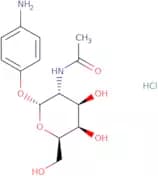
CAS:<p>4-Aminophenyl 2-acetamido-2-deoxy-a-D-galactopyranoside HCl is an oligosaccharide that is composed of glucose, galactose, and two amino acids. It has a molecular weight of 496.34 g/mol and a chemical formula of C14H20N2O8. This compound is synthesized by the click modification of 2,5-diaminopyridine with D -galactopyranosyl chloride. The methylation and glycosylation reactions are also performed to produce this compound.</p>Formula:C14H20N2O6·HClPurity:Min. 95%Molecular weight:348.78 g/mol2-Chloro-2-deoxy-D-mannose
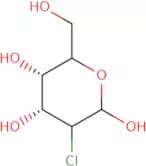
CAS:<p>2-Chloro-2-deoxy-D-mannose is a synthetic sugar that can be used as a fluoride substrate. It has been shown to bind to the active site of bacterial enzymes and inhibit them. 2-Chloro-2-deoxy-D-mannose is a conformationally constrained analogue of 3-deoxyglucose, which binds to the same active site on bacterial enzymes. This sugar also inhibits nitrate reductase, an enzyme involved in the reductive dehalogenation of nitrates. 2-Chloro-2-deoxy-D-mannose has been shown to inhibit the growth of Mycobacterium tuberculosis and Mycobacterium avium complex by binding with high affinity to the ligand binding site on these bacteria's glycolytic enzymes.</p>Formula:C6H11ClO5Purity:Min. 95%Color and Shape:White PowderMolecular weight:198.6 g/mol3-Deoxy-1,2:5,6-di-O-isopropylidene-a-D-glucofuranose
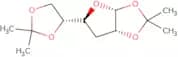
CAS:<p>3-Deoxy-1,2:5,6-di-O-isopropylidene-a-D-glucofuranose is an oligosaccharide that belongs to the group of polysaccharides. It is a methylated saccharide with a high degree of purity and can be custom synthesized for use as a carbohydrate in pharmaceuticals. 3-Deoxy-1,2:5,6-di-O-isopropylidene-a-D-glucofuranose is used in the synthesis of glycosylations and has been shown to have antiviral activity against Epstein Barr virus by inhibiting viral protein synthesis.</p>Formula:C12H20O5Purity:Min. 95%Molecular weight:244.29 g/mol(4R)-Benzyl-4-deoxy-4-C-nitrophenyl-b-D-arabinopyranoside
<p>(4R)-Benzyl-4-deoxy-4-C-nitrophenyl-b-D-arabinopyranoside is a synthetic glycoside that has been modified by fluorination and saccharide. It is a custom synthesis, which means it can be synthesized to order with high purity. This compound is used in the modification of glycoconjugates and polysaccharides, as well as the synthesis of oligosaccharides. It is also used in click chemistry, which involves the use of copper and azide ions.</p>Formula:C19H21NO6Purity:Min. 95%Molecular weight:359.37 g/molN-(trans-3-Hydroxycotinine)-b-D-glucuronide
CAS:<p>N-(trans-3-Hydroxycotinine)-b-D-glucuronide is a hydroxy metabolite of trans-3-hydroxycotinine, which is a pyridine derivative and an endogenous metabolite of nicotine. It is formed by conjugation with glucuronate in the liver and excreted in the urine. It has been detected in human urine after oral administration of nicotine. N-(trans-3-Hydroxycotinine)-b-D-glucuronide can be used as an indicator for tobacco exposure or use.</p>Formula:C16H20N2O8Purity:Min. 95%Molecular weight:368.34 g/mol16a-Hydroxyestrone 16-b-D-glucuronide
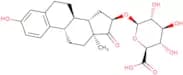
CAS:<p>16a-Hydroxyestrone 16-b-D-glucuronide is a conjugate of the hydroxyestrone and glucuronic acid. It is a metabolite of estradiol, which is the most potent estrogen produced by the human body. The compound has been found in urine, saliva, and breast milk. 16a-Hydroxyestrone 16-b-D-glucuronide is an inactive steroid that can be conjugated with glucuronic acid to form a water soluble molecule that can be excreted in the urine or bile.</p>Formula:C24H30O9Purity:Min. 95%Molecular weight:462.49 g/mol1,2,3,4,5,6-Hexa-O-acetyl-myo-inositol
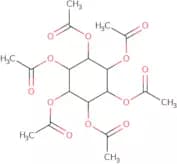
CAS:<p>Myo-inositol is a naturally occurring organic compound that belongs to the group of sugars and polyols. It has been isolated from plants, where it is found in the form of its solubilized acetate ester. Myo-inositol is important as a component of cell membranes, as well as being an essential part of intracellular signaling pathways. This compound has also been shown to have an inhibitory effect on cervical cancer cells and can be used in the treatment of this condition. Myo-inositol binds iron and has been shown to have anti-inflammatory properties.</p>Formula:C18H24O12Purity:Min. 95%Molecular weight:432.16 g/mol3,4,6-Tri-O-acetyl-1,2-O-ethylidene-b-D-mannopyranoside
CAS:<p>3,4,6-Tri-O-acetyl-1,2-O-ethylidene-b-D-mannopyranoside is a synthetic glycosylation product of maltose and 1,2-O-ethylidene b-D mannopyranoside. This compound is a high purity product with custom synthesis. 3,4,6Tri acetyl 1,2 O ethylene b D mannopyranoside has the CAS number 630102 81 7.</p>Formula:C14H20O9Purity:Min. 95%Molecular weight:332.3 g/molEthyl 2,3-di-O-benzoyl-b-D-thiogalactopyranoside
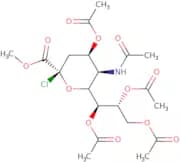
CAS:<p>Ethyl 2,3-di-O-benzoyl-b-D-thiogalactopyranoside is a modification of the sugar galactose. It is an oligosaccharide that is a complex carbohydrate with a high purity and CAS No. 154391-05-6. This product is supplied as white powder and can be used in a number of applications including custom synthesis and synthetic chemistry. Ethyl 2,3-di-O-benzoyl-b-D-thiogalactopyranoside can be modified by methylation, glycosylation, and polysaccharide synthesis. The molecule has been fluorinated to create ethyl 2,3,4,5,6-[F]fluorohexanedioate.</p>Purity:Min. 95%N-Acetyl-2-chloro-2-deoxyneuraminic acid methyl ester 4,7,8,9-tetraacetate
CAS:<p>N-Acetyl-2-chloro-2-deoxyneuraminic acid methyl ester 4,7,8,9-tetraacetate is a sialic acid analog that has been shown to have antiviral properties. It binds to the influenza virus and inhibits its activity by blocking the hemagglutinin receptor. The compound is soluble in water and organic solvents and can be modified with perbenzylated groups to increase its stability in plasma and tissues. N-Acetyl-2-chloro-2-deoxyneuraminic acid methyl ester 4,7,8,9-tetraacetate is resistant to hydrolysis by esterases and can also be used for the treatment of infections caused by bacteria or fungi.</p>Formula:C20H28ClNO12Purity:Min. 95%Color and Shape:PowderMolecular weight:509.89 g/mol2N-Fmoc-4N-(2,3,4,6-tetra-O-acetyl-b-D-galactopyranosyl)-L-asparagine
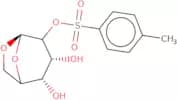
CAS:<p>2N-Fmoc-4N-(2,3,4,6-tetra-O-acetyl-b-D-galactopyranosyl)-L-asparagine is a fluorinated carbohydrate that has been synthesized and modified. It can be used in glycosylation reactions to produce oligosaccharides or polysaccharides. This compound is also useful in click chemistry since it can be methylated and undergo other chemical modifications. 2N-Fmoc-4N-(2,3,4,6-tetra-O-acetyl-b-Dgalactopyranosyl)-L asparagine is a white powder with a CAS number of 46746578.</p>Formula:C33H36N2O14Purity:Min. 95%Molecular weight:684.66 g/mol1,6-Anhydro-2-O-p-toluenesulfonyl-b-D-glucopyranose
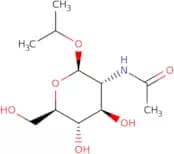
CAS:<p>1,6-Anhydro-2-O-p-toluenesulfonyl-b-D-glucopyranose is a synthetic sugar that is used in glycosylation reactions. It has high purity and is available for custom synthesis. The compound is primarily used as a substrate for Click chemistry modifications to the anomeric carbon. It has been shown to effectively inhibit the growth of bacteria by binding to DNA gyrase, preventing the formation of covalent bonds that are required for bacterial cell division.</p>Formula:C13H16O7SPurity:Min. 95%Molecular weight:316.33 g/molIsopropyl 2-acetamido-2-deoxy-b-D-glucopyranoside
CAS:<p>Isopropyl 2-acetamido-2-deoxy-b-D-glucopyranoside is a chromatographic agent used in liquid chromatography. It is a reaction product of polysaccharides and fatty acids, which are extracted from fruits. Isopropyl 2-acetamido-2-deoxy-b-D-glucopyranoside has been shown to inhibit the growth of typhimurium and other viruses in cell culture. The safety profile of this compound has not been established in humans and should be tested before use in vivo.</p>Formula:C11H21NO6Purity:Min. 95%Molecular weight:263.29 g/mol4'-Hydroxypropranolol-2-O-b-D-glucuronide
<p>4'-Hydroxypropranolol-2-O-b-D-glucuronide is a custom synthesis that has been modified with glycosylation, methylation, and fluorination. It is a complex carbohydrate that has CAS number and is a polysaccharide. 4'-Hydroxypropranolol-2-O-b-D-glucuronide is synthesized by the modification of an oligosaccharide, saccharide, or sugar with methylation and glycosylation. This product also contains a click modification.</p>Purity:Min. 95%4-Deoxy-4-fluoro-D-galactopyranose
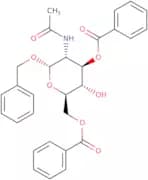
CAS:<p>4-Deoxy-4-fluoro-D-galactopyranose is a custom synthesis that is an oligosaccharide, polysaccharide, saccharide, and carbohydrate. It is fluorinated with a methyl group on the 4th carbon atom and has been modified to include a fluoro group at the 4th position of the molecule. 4-Deoxy-4-fluoro-D-galactopyranose can be used in research as it is high purity and has been modified into a monosaccharide sugar.</p>Purity:Min. 95%Benzyl 2-acetamido-3,6-di-O-benzoyl-2-deoxy-a-D-glucopyranoside
CAS:<p>A 2-acetamido-3,6-di-O-benzoyl-2-deoxy-a-D-glucopyranoside is a custom synthesis of a complex carbohydrate that has been modified with methylation and glycosylation. It is an Oligosaccharide with Polysaccharide and Modification. The CAS number for this compound is 82827-77-8 and has a purity of 99%. This compound has been fluorinated and synthesized.</p>Formula:C29H29NO8Purity:Min. 95%Molecular weight:519.54 g/molD-Gluco-hexodialdose
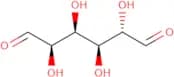
CAS:<p>D-Gluco-hexodialdose is a chiral intermediate useful for both research and industry.</p>Formula:C6H10O6Purity:Min. 90%Color and Shape:PowderMolecular weight:178.14 g/mol2,3-O-Isopropylidene-1,4-di-O-tosyl-L-threitol
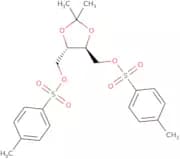
CAS:<p>2,3-O-Isopropylidene-1,4-di-O-tosyl-L-threitol is a custom synthesis of the sugar 2,3-O-isopropylidene-1,4-di(tosyl)-L-threitol. The monomeric sugar is fluorinated and methylated before glycosylation. This modification prevents enzymatic degradation and increases the stability of the compound.</p>Formula:C21H26O8S2Purity:Min. 95%Molecular weight:470.56 g/mol2-Deoxy-2,2-difluoro-D-threo-pentofuranos-1-ulose-3,5-dibenzoate
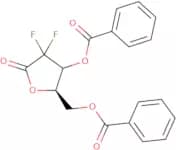
CAS:<p>2-Deoxy-2,2-difluoro-D-threo-pentofuranos-1-ulose-3,5-dibenzoate is a custom synthesis of an oligosaccharide. It is a polysaccharide that contains saccharides and other modifications such as methylation and glycosylation. This product is a sugar with high purity and fluorination. Click modification is the process by which 2,2'-dF (fluorine) is introduced into the furanose ring at the C4 position. Fluorination increases the stability of the molecule and increases its resistance to hydrolysis by enzymes. The addition of this fluorine group also decreases the reactivity of the molecule with water, making it more stable for storage.</p>Formula:C19H14F2O6Purity:Min. 95%Color and Shape:SolidMolecular weight:376.31 g/mol1,5-Anhydro-4,6-O-benzylidene-3-deoxy-2-O-toluoyl-D-glucitol
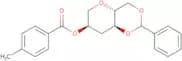
CAS:<p>1,5-Anhydro-4,6-O-benzylidene-3-deoxy-2-O-toluoyl-D-glucitol is a methylated saccharide that is used in the synthesis of complex carbohydrates. It was synthesized by a click modification reaction with 2-(1H-benzotriazole-1-yl)methyl 4,6-anhydro toluene and 1,5 anhydro 3,4,6 deoxy glucose. The compound has been shown to have an antiinflammatory effect in the mouse model of colitis.<br>Methylation: The addition of a methyl group to a molecule.<br>Saccharide: A sugar or sugar alcohol composed of carbon, hydrogen, and oxygen atoms.<br>Polysaccharide: A polymer (or macromolecule) consisting of multiple saccharides linked together.<br>CAS No.: Chemical Abstract Service Registry Number; 14</p>Formula:C21H22O5Purity:Min. 95%Molecular weight:354.4 g/molPhenyl 2,3,4-tri-O-benzyl-a-L-thiorhamnopyranose
<p>Phenyl 2,3,4-tri-O-benzyl-a-L-thiorhamnopyranose is a modified carbohydrate that is synthesized from the saccharide thiorhamnopyranose. The carbonyl group of the saccharide is substituted with phenyl group and then benzylated. Phenyl 2,3,4-tri-O-benzyl-a-L-thiorhamnopyranose is a white powder that has a CAS number, can be custom synthesized to order, and has high purity. It can be used in glycosylation reactions as well as click modification reactions, which are modifications to the molecule that increase its stability and allow it to react more readily with other molecules.</p>Formula:C33H34O4SPurity:Min. 95%Molecular weight:526.69 g/molO-Ethyl S-[methyl (5-acetamido-4,7,8,9-tetra-O-acetyl-3,5-dideoxy-2-thio-b-D-glycero-a-D-galacto-2-nonulopyranoside)onate] dithiocar bonate
<p>Methylation is a process by which a methyl group is added to a substrate. This product is custom synthesized and has been modified with click chemistry. Methylation of saccharides, carbohydrates and other carbon-containing molecules is an important biochemical process in which the hydroxyl (-OH) group on the sugar or carbohydrate reacts with the -S-H bond on the methyl donor. This product also has fluorination and high purity.</p>Purity:Min. 95%

![3,4-O-[(1R,2R)-1,2-Dimethoxy-1,2-dimethyl-1,2-ethanediyl]-1,6-O-[(1S,2S)-1,2-dimethoxy-1,2-dimethy…](/_next/image/?url=https%3A%2Fstatic.cymitquimica.com%2Fproducts%2F3D%2Fthumb-webp%2FMD16692.webp&w=3840&q=75)

![1-[[2-N-(5-Nitrothiazolyl)carboxamido]phenyl]-2,3,4-tri-O-acetyl-b-D-glucuronide methyl ester](/_next/image/?url=https%3A%2Fstatic.cymitquimica.com%2Fproducts%2F3D%2Fthumb-webp%2FMN04558.webp&w=3840&q=75)