Monosaccharides
Subcategories of "Monosaccharides"
- Alloses(11 products)
- Arabinoses(21 products)
- Erythroses(11 products)
- Fructoses(9 products)
- Fucoses(36 products)
- Galactosamine(41 products)
- Galactose(262 products)
- Glucoses(365 products)
- Glucuronic Acids(52 products)
- Glyco-substrates for Enzyme(78 products)
- Guloses(6 products)
- Idoses(4 products)
- Inositols(15 products)
- Lyxoses(4 products)
- Mannoses(65 products)
- O-Glycans(48 products)
- Psicoses(3 products)
- Rhamnoses(10 products)
- Riboses(61 products)
- Sialic Acids(100 products)
- Sorboses(4 products)
- Sugars(174 products)
- Tagatoses(4 products)
- Taloses(8 products)
- Xyloses(20 products)
Found 6138 products of "Monosaccharides"
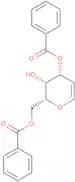
3,6-Di-O-benzoyl-D-galactal
CAS:3,6-Di-O-benzoyl-D-galactal is a complex carbohydrate with CAS No. 130323-36-3 and a molecular weight of 538. It is an oligosaccharide that can be modified by methylation, glycosylation, or carbamylation. This product can also be fluorinated to form 3,6-di-O-(4'-fluoro)benzoyl-D-[2]galactal.Purity:Min. 95%3,5-O-Benzylidene-L-lyxono-1,4-lactone
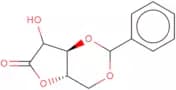
3,5-O-Benzylidene-L-lyxono-1,4-lactone is a custom synthesis that has been modified with fluorination, methylation and monosaccharide. This product is also synthesized from a saccharide and may be modified with glycosylation. These modifications will create an oligosaccharide or complex carbohydrate. 3,5-O-Benzylidene-L-lyxono-1,4-lactone can be found in the CAS registry number 177538-08-3.Formula:C11H10O5Purity:Min. 95%Molecular weight:222.2 g/molPhenyl a-L-thioglucopyranoside
Phenyl a-L-thioglucopyranoside is an intermediate in the synthesis of glycosides. It is used as a fluorinating or methylating agent, and as a glycosylating or modifying agent. Phenyl a-L-thioglucopyranoside can be synthesized by the click modification of thioglycolic acid with phenol, followed by glycination. It has been shown to react with monosaccharides to form oligosaccharides and polysaccharides. Phenyl a-L-thioglucopyranoside can also react with saccharides to form complex carbohydrates.Purity:Min. 95%Molecular weight:272.32 g/molPerindopril acyl-a-D-glucuronide
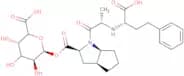
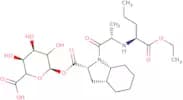
Perindopril acyl-a-D-glucuronide is a synthetic small molecule that has been modified with fluorination, methylation, and click modification. It can be used for the synthesis of oligosaccharides and saccharides. Perindopril acyl-a-D-glucuronide is a highly reactive compound that is useful in glycosylation reactions, including Click chemistry. The CAS number for this compound is 217917-05-8. The molecular weight of perindopril acyl-a-D-glucuronide is 284.36 g/mol and the molecular formula is C14H24N2O6•C2H3O2•1/2 H2O.Formula:C25H40N2O11Purity:Min. 95%Molecular weight:544.6 g/mol3,4-O-Isopropylidene-D-galactal
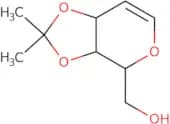
CAS:3,4-O-Isopropylidene-D-galactal is a modified form of galactal. This compound is a methylated derivative of D-galactal that has been synthesized by the click reaction. It can be used in the synthesis of oligosaccharides and polysaccharides. 3,4-O-Isopropylidene-D-galactal is a high purity compound with a CAS number of 124477-12-9.
Purity:Min. 95%Methyl 2,3,5-tri-O-benzyl-a-D-arabinofuranoside
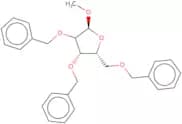
Methyl 2,3,5-tri-O-benzyl-a-D-arabinofuranoside is a methylated sugar that belongs to the group of saccharides. It is often used as a Click modification and in custom synthesis of oligosaccharides. This product is also used for glycosylation and high purity modifications. Methyl 2,3,5-tri-O-benzyl-a-D-arabinofuranoside can be synthesized from arabinose and benzaldehyde with fluorination. The CAS number for this product is 51469-61-1.Formula:C27H30O5Purity:Min. 95%Molecular weight:434.52 g/mol3-O-Toluoyl decitabine
CAS:3-O-Toluoyl decitabine is a synthetic, high purity drug that is custom synthesized to order. The synthesis of 3-O-Toluoyl decitabine involves the modification of sugar molecules with fluorination, glycosylation, and methylation. This compound has CAS No. 183016-21-9 and is used in the treatment of cancer by inhibiting ribonucleic acid (RNA) synthesis. 3-O-Toluoyl decitabine inhibits RNA polymerase II and III, which are enzymes that catalyze the transcription of DNA into RNA. It also inhibits protein kinase C, which leads to cell death and tumor shrinkage.
Formula:C16H18N4O5Purity:Min. 95%Molecular weight:346.34 g/molCladinose
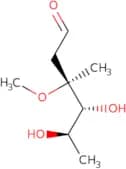
CAS:Cladinose is a natural compound that has been shown to have potent inhibitory properties against microorganisms, such as bacteria and fungi. Cladinose has been shown to inhibit the growth of bacteria by reacting with the ribosomes of cells in the bacterial cytoplasm. It inhibits bacterial protein synthesis by binding to the ribosomal RNA and blocking access to the mRNA template. Cladinose also inhibits fungal growth by inhibiting ergosterol biosynthesis, which prevents fungal cell membrane formation. Cladinose has been shown to have antiinflammatory activity in mice with induced inflammation. This is due to its ability to bind to cyclooxygenase-2 (COX-2) and prevent its activation, thereby preventing prostaglandin synthesis.Formula:C8H16O4Purity:Min. 95%Molecular weight:176.21 g/mol(S,S)-(-)-1,4-Dimethoxy-2,3-butanediol
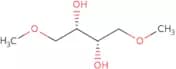
CAS:(S,S)-(-)-1,4-Dimethoxy-2,3-butanediol is an organic compound with the chemical formula CH(OCH)CHOH. This colorless liquid is a chiral molecule that can exist in two enantiomeric forms. The asymmetric carbon atom (C-1) is of high stereoselectivity and has been shown to undergo nucleophilic attack by a wide variety of nucleophiles. The reaction product can be either the corresponding enolate or enolates depending on whether the nucleophile is a base or acid. In addition, this compound yields a stereoselective synthesis of chiral products when reacted with carbonyls.Formula:C6H14O4Purity:Min. 95%Molecular weight:150.17 g/molD-Galactose-BSA
D-Galactose-BSA is a modified carbohydrate that is synthesized by the selective substitution of the hydroxyl group on the beta-carbon of D-galactose. This modification enhances the binding affinity of D-galactose to bovine serum albumin (BSA), which is used as a carrier protein for many biological assays. The fluorination step in this synthesis creates reactive sites on the molecule, which are then available for chemical modifications such as methylation or glycosylation. D-Galactose-BSA can be custom synthesized to meet your specifications for purity, stability, and activity.Color and Shape:White Powder5-O-Trityl-D-ribose
CAS:5-O-Trityl-D-ribose is a sugar derivative that is used in the chemical synthesis of pharmaceuticals, natural products, and other compounds. It is an important intermediate in the synthesis of various nucleosides and nucleotides.Purity:Min. 95%UDP-N-Lev-galactosamine
CAS:UDP-N-Lev-galactosamine is a glycosylation agent that is used in the synthesis of complex carbohydrates, such as methylated and fluorinated saccharides. It can be used to modify saccharides, oligosaccharides, and sugars. This compound can also be used for the synthesis of monosaccharides. UDP-N-Lev-galactosamine is a custom synthesis that has been shown to have a high purity.Purity:Min. 95%1,6-Anhydro-b-D-glucofuranose
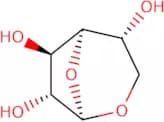
CAS:B-D-glucofuranose is a natural compound with the molecular formula C6H12O6. It is found in plants, specifically in the seeds of the granatum tree. The calibration of this compound can be done using anions and ion chromatography. B-D-glucofuranose has antibacterial activity against Gram-positive bacteria, but not against Gram-negative bacteria or fungi. It also inhibits fatty acid synthesis and may have nutritional value for humans as a source of 5-hydroxymethylfurfural (HMF). HMF has been shown to inhibit the growth of cancer cells in vitro and induce apoptosis in cancer cells by uv irradiation. Mass spectrometric analysis and spectrometric methods are used to identify this compound.Formula:C6H10O5Purity:Min. 95%Color and Shape:White PowderMolecular weight:162.14 g/molLuteolin 7,3'-di-O-glucuronide
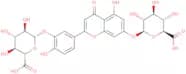
CAS:Luteolin 7,3'-di-O-glucuronide is a flavonoid that is structurally similar to luteolin. It has been characterized by deglycosylation and the technique of fluitans. The deglycosylation step was carried out using glycosidase from liverwort, which cleaves the glycosidic linkage between the sugar and the aglycone. Luteolin 7,3'-di-O-glucuronide has been found in Chrysoeriol and Fluitans, which are flavonoid glycosides from Liverwort. Luteolin 7,3'-di-O-glucuronide also exhibits antiplatelet activity due to its ability to inhibit platelet aggregation and thrombus formation.Formula:C27H26O18Purity:Min. 95%Color and Shape:PowderMolecular weight:638.48 g/molInositol nicotinate
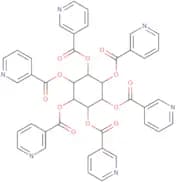
CAS:Inositol nicotinate is a combination of two substances, inositol and nicotinate. It is used to reduce the risk of heart disease by lowering low-density lipoprotein-cholesterol (LDL) levels. Inositol nicotinate has been shown to increase the surface area of mitochondria, which may be due to its ability to inhibit the release of fatty acids from fat cells. Inositol nicotinate also increases magnesium levels in cells and induces mitochondrial functions. This drug has been tested in cell culture for its effects on skin cells and found that it can reduce the amount of x-linked adrenoleukodystrophy protein (XALD), a substance that accumulates in patients with X-linked adrenoleukodystrophy, an inherited disorder that causes progressive damage to the nervous system. The drugs also have been shown to have beneficial effects on cholesterol metabolism, reducing LDL cholesterol levels, as well as inhibiting platelet aggregation.
Formula:C42H30N6O12Purity:Min. 95%Color and Shape:White PowderMolecular weight:810.72 g/molo-Methoxytopolin-9-glucoside
CAS:O-Methoxytopolin-9-glucoside is a sugar that is used in the synthesis of glycoproteins, glycosaminoglycans, and glycoconjugates. It can be used as a fluorinated sugar probe to study glycosylation. This compound has been synthesized with a variety of modifications such as methylation, fluorination, and click chemistry. O-Methoxytopolin-9-glucoside is an oligosaccharide with a monosaccharide at its reducing end. The saccharides are linked through beta 1→4 glycosidic bonds with alpha 1→2 glycosidic bonds at their other ends. O-Methoxytopolin-9-glucoside has been shown to be stable under acidic conditions and can act as both an antioxidant and prooxidant depending on the pH level.Formula:C19H23N5O6Purity:Min. 95%Molecular weight:417.42 g/molLosartan N1-glucuronide
CAS:Losartan N1-glucuronide is a glucuronidated metabolite of losartan that is produced naturally in the human body. It is converted from losartan by the enzyme UDP-glucuronosyltransferase, which is found in humans and other animals. The rate of glucuronidation varies between individuals and is determined by genetic factors. Losartan N1-glucuronide has shown to be an effective inhibitor of angiotensin II, with an IC50 value of 1.4 μM. This inhibition can be reversed by dobutamine or recombinant human UGT2B7 enzyme, which are both competitive inhibitors of the enzyme UGT2B7. Magnetic resonance spectroscopy has been used to study the kinetic properties of this inhibitor and its effect on dobutamine-induced changes in cardiac function.
Formula:C28H31ClN6O7Purity:Min. 95%Molecular weight:599.03 g/molD-[6,6'-2H2]Glucose
CAS:Controlled ProductD-[6,6'-2H2]Glucose is a carbohydrate that is present in many foods and also produced by the cells of the human body. It can be used as a biomarker for cancer cells because it is taken up by malignant cells at a higher rate than normal cells. D-[6,6'-2H2]Glucose is often used to assess the response of patients to chemotherapy treatment. The uptake of D-[6,6'-2H2]Glucose by malignant cells can be measured using vibrational spectroscopy or chromatographic science. The deformation of glucose molecules can be quantified using nuclear magnetic resonance (NMR) spectroscopy and this data can then be used to estimate the degree of glycolysis in specific tissues.Formula:C6D2H10O6Purity:Min. 95%Molecular weight:182.17 g/molAmiprilose
CAS:Amiprilose is a nonsteroidal anti-inflammatory drug that inhibits the production of IL-2. Amiprilose has been shown to inhibit IL-17a, which is an inflammatory cytokine, in skin cells and mononuclear cells. It also inhibits cell proliferation by binding to the il-2 receptor on muscle cells. Amiprilose has been shown to be effective as a pharmacological agent for treating autoimmune diseases such as rheumatoid arthritis and psoriasis.Formula:C14H27NOPurity:Min. 95%Molecular weight:225.37 g/molPhenyl 2,3,4-tri-O-benzoyl-b-D-thiogalactopyranoside
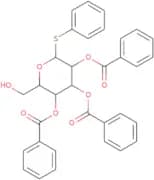
CAS:Phenyl 2,3,4-tri-O-benzoyl-b-D-thiogalactopyranoside is a methylation product of b-D-thiogalactopyranoside. It has CAS No. 139608-11-0 and a molecular weight of 536.2. This compound is an Oligosaccharide with a molecular formula of C8H8O7 and a molecular weight of 432.1. Phenyl 2,3,4-tri-O-benzoyl-b-D-thiogalactopyranoside is also known as Methyl 3,4-(Benzoyloxy)galactoside or Methyl 3,4-(Benzoic acid)galactoside. This compound is soluble in water and ethanol and has the appearance of a white to off white powder at room temperature.Purity:Min. 95%(3S)-3-Hydroxy-L-aspartic acid
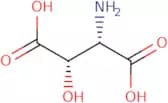
CAS:3-hydroxy-L-aspartic acid is a non-protein amino acid that is found in mammalian tissue and has been shown to have structural and functional similarities to glutamate. It is involved in the metabolism of energy, such as the synthesis of fatty acids and epidermal growth factor. 3-Hydroxy-L-aspartic acid also binds to calcium ions, which may be due to its carboxylate group. This compound does not have a disulfide bond, unlike many other amino acids. 3S)-3-Hydroxy-L-aspartic acid can be used as a monoclonal antibody for the detection of pseudobactin, an antibiotic secreted by Pseudomonas bacteria that inhibits protein synthesis in eukaryotes.Formula:C4H7NO5Purity:Min. 95%Molecular weight:149.1 g/mol6-Chloro-6-deoxy-D-glucitol
6-Chloro-6-deoxy-D-glucitol is a synthetic sugar, in which the D-glucose moiety has been substituted with a 6-chloro group. It is an important precursor for the synthesis of many complex carbohydrates and polysaccharides. The product can be used as a methylating agent to modify saccharides, oligosaccharides, and polysaccharides. The product is also used to modify sugars by glycosylation, fluorination, or click chemistry. In addition, this product can be used as a starting material for the synthesis of other sugars via glycosylation or fluorination.Formula:C6H13ClO5Purity:Min. 95%Molecular weight:200.62 g/mol2-Amino-2-deoxy-D-lyxose
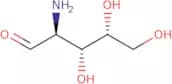
CAS:2-Amino-2-deoxy-D-lyxose is a sugar that is commonly found in nature. It is an isomaltose and a galactitol, which are both forms of sugar alcohols. 2-Amino-2-deoxy-D-lyxose can be found in acid hydrolysates and arabinitol, which are the products of the hydrolysis of starch. It has been shown to have inhibitory effects on the metabolism of glucose and to regulate the blood glucose levels due to its ability to stimulate insulin secretion. This compound also has an effect on logarithmic growth phase in bacteria, as it inhibits cell growth. 2-Amino-2-deoxy-D-lyxose can be used as a chromatographic stationary phase with glycolaldehyde, which is another sugar alcohol that binds strongly to the column matrix. This compound also has an effect on galacturonic acid, ion exchangeFormula:C5H11NO4Purity:Min. 95%Molecular weight:149.15 g/mola-Glucametacin
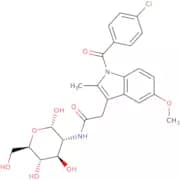
CAS:a-Glucametacin is a methylation of glucosamine. It is a polysaccharide that consists of glycosylated and non-glycosylated saccharides. The glycosylation pattern can be customized to suit the needs of the customer, as well as being synthesized to have no glycosylation at all. This compound also has fluorination on its sugar ring, which may be beneficial for certain applications.Formula:C25H27ClN2O8Purity:Min. 95%Molecular weight:518.94 g/molIsopropyl-β-D-thioglucopyranoside
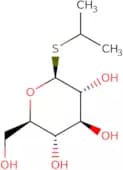
CAS:Isopropyl-β-D-thioglucopyranoside is a hydrogen bond donor that has been shown to inhibit the glyceraldehyde-3-phosphate dehydrogenase enzyme, which is involved in lipid biosynthesis. It has been used for the diagnosis of malariae and has potential as a biomarker for diagnosing human tissues. Isopropyl-β-D-thioglucopyranoside may be useful in the study of protein synthesis, due to its ability to bind to recombinant proteins and block the formation of intermolecular hydrogen bonds. Isopropyl-β-D-thioglucopyranoside is also expressed at high levels in Mycobacterium tuberculosis strains (e.g., ESX-1 secretion system protein) and inhibits cell growth in culture.Formula:C9H18O5SPurity:Min 95%Color and Shape:PowderMolecular weight:238.3 g/mol1,5-Anhydroxylitol
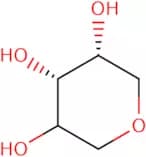
CAS:1,5-Anhydroxylitol is a white crystalline solid that is soluble in water and methanol. 1,5-Anhydroxylitol is an intermediate in the metabolic pathway of glyceric acid. It can be produced by the oxidation of sulfoxide or by reduction of glycols. 1,5-Anhydroxylitol has been shown to have acidic properties with a pKa value of 3.2. The protonation of 1,5-anhydroxylitol is postulated to involve hydroxide ions from water or hydroxide solution. The hydroxide ion reacts with the hydroxyl group on the ring at the 5th carbon atom to produce a reactive metastable form that quickly decomposes into glyceric acid and water.Formula:C5H10O4Purity:Min. 95%Molecular weight:134.13 g/molMethyl 2-deoxy-D-arabinopyranoside
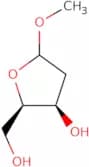
CAS:Methyl 2-deoxy-D-arabinopyranoside is a fluorinated monosaccharide with an alpha,beta-unsaturated carbonyl group. It is used as a building block for the synthesis of complex carbohydrates and oligosaccharides. Methyl 2-deoxy-D-arabinopyranoside has been shown to be modified by methylation, glycosylation, and polysaccharide formation. This product can be custom synthesized to meet the needs of the customer.Formula:C6H12O5Purity:Min. 95%Molecular weight:164.16 g/mol3-O-tert-Butyldimethylsilyl-D-galactal
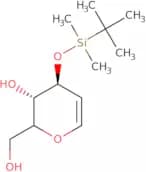
3-O-tert-Butyldimethylsilyl-D-galactal is a synthetic, fluorinated monosaccharide that has been used as a substrate for glycosylation reactions. The compound is synthesized by the reaction of 3,4,6-trichloro-2,5,7,8-tetrafluorohexanal with D-galactal in the presence of a base such as potassium carbonate. The product is purified by column chromatography and recrystallization from methanol to provide a white powder with a melting point of 176 °C.Formula:C12H24O4SiPurity:Min. 95%Molecular weight:260.4 g/molEmodin-1-O-b-D-glucopyranoside
Emodin-1-O-b-D-glucopyranoside is a synthetic, fluorinated, glycosylated oligosaccharide. It can be used as a high purity, non-fluorinated carbohydrate for research purposes. Emodin-1-O-b-D-glucopyranoside has been modified via Click chemistry to provide the desired functional group and is available in various sizes.Purity:Min. 95%Azido 2-acetamido-2-deoxy-3,4,6-tri-o-acetyl-β-D-galactopyranosyl
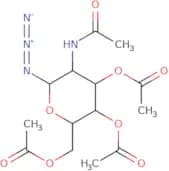
CAS:Azido 2-acetamido-2-deoxy-3,4,6-tri-O-acetyl-β-D-galactopyranosyl is a high purity and custom synthesis sugar. Azido 2-acetamido-2-deoxy-3,4,6-triO acetyl βD galactopyranosyl can be fluorinated, glycosylated, modified with methylation and other methods. It can also be used to synthesize oligosaccharides or monosaccharides. This carbohydrate is used in complex carbohydrates.Formula:C14H20N4O8Purity:Min. 95%Molecular weight:372.33 g/molRamiprilat acyl-b-D-glucuronide
CAS:Ramiprilat acyl-b-D-glucuronide is a modified form of ramipril, an angiotensin converting enzyme inhibitor that belongs to the class of angiotensin II receptor antagonists. It is used in the treatment of hypertension and congestive heart failure. The modifications are performed by methylation, saccharide, polysaccharide, click modification, and modification. This active compound has CAS number 1357570-22-9. The chemical formula for this product is C37H53NO4. Ramiprilat acyl-b-D-glucuronide has high purity and is a complex carbohydrate with glycosylation on the sugar moiety that contains a fluorination at the 3 position on the glucose ring.Formula:C27H36N2O11Purity:Min. 95%Molecular weight:564.59 g/molBenzyl 2,3-di-O-acetyl-4-deoxy-4-C-nitromethylene-b-D-arabinopyranoside
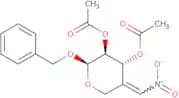
CAS:Benzyl 2,3-di-O-acetyl-4-deoxy-4-C-nitromethylene-b-D-arabinopyranoside is a synthetic sugar. It is a complex carbohydrate with two saccharides and one monosaccharide. The saccharides are glucose and galactose, and the monosaccharide is arabinose. Benzyl 2,3-di-O-acetyl-4-deoxy-4C nitromethylene bD arabinopyranoside has been modified by fluorination, methylation, glycosylation and click chemistry to create a high purity product.Formula:C17H19NO8Purity:Min. 95%Molecular weight:365.33 g/molD-Glucaro-1,5-lactam potassium salt
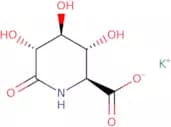
CAS:D-Glucaro-1,5-lactam potassium salt is a synthetic compound that can be used as a building block for the synthesis of glycosylated carbohydrates. It is fluorinated to prevent hydrolysis and methylated to protect against oxidation. This product is also suitable for click modification, polysaccharide synthesis, and glycosylation reactions. D-Glucaro-1,5-lactam potassium salt has CAS No. 53834-55-2 and can be custom synthesized in high purity.Formula:C6H9NO6·xKPurity:Min. 95%Color and Shape:PowderMolecular weight:191.14 g/mol6-O-Benzoyl-3-O-triisopropylsilyl-D-galactal
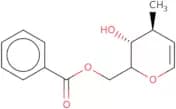
This is a synthetic sugar that can be custom synthesized based on the customer's specifications. 6-O-Benzoyl-3-O-triisopropylsilyl-D-galactal is a monosaccharide and an oligosaccharide that can be modified with a click modification, methylation, and glycosylation. It is a complex carbohydrate that has been shown to have anti-inflammatory properties. The glycosylation of this sugar can also be customized for specific purposes. This product has CAS number 132702-24-2 and is available at 95% purity or higher.Formula:C22H34O5SiPurity:Min. 95%Molecular weight:406.59 g/molUDP-D-galactosamine disodium salt
CAS:UDP-D-galactosamine disodium salt is a type of sugar that is a substrate for UDP-glucuronosyltransferase (UGT), which catalyzes the transfer of galactose from UDP-D-galactose to other molecules. The product of this reaction is UDP-D-galacturonic acid. It is produced in the liver, where it participates in the synthesis of glycoproteins, glycolipids, and glycosaminoglycans. In addition, it can be found in the distal tubule of the kidney and in leukemia cells. The histological analysis of rat liver tissue showed that UDP-D-galactosamine disodium salt is present in hepatocytes. This sugar also helps with protein synthesis and activates uridine, which can be used as a carbon source. Histological analysis also revealed that UDP-D-galactosamine disodium salt plays an important role in glucose metabolism, as well as
Formula:C15H23N3O16P2Na2Purity:Min. 95%Color and Shape:PowderMolecular weight:609.28 g/molIsofagomine hydrochloride
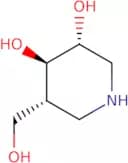
CAS:Inhibitor of lysosomal acid β-glucosidase (GlcCerase/glucocerebrosidase) with IC50 in nanomolar range for wildtype and mutant enzyme. It behaves as pharmacological chaperon by binding to instable GlcCerase active site at neutral pH values and facilitating the protein folding. In acidic lysosomes, isofagomine gets release from the enzyme active site. This results in increased levels of functional glucocerebrosidase and brings therapeutic benefits to patients with Gaucher disease.
Formula:C6H13NO3·HClPurity:Min. 95%Color and Shape:PowderMolecular weight:183.63 g/mol2,4-O-Ethylidene-D-erythrose
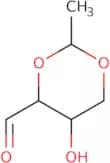
CAS:2,4-O-Ethylidene-D-erythrose is a trimerization product of glyoxal and acetaldehyde. It is an aldehyde that can be used as a precursor to other compounds. The hydrated form of 2,4-O-ethylidene-D-erythrose has been rationalized by the mesoxalic acid and water molecules to form the trimer. This compound can be produced from the glycolaldehyde and sulfoxide in an oxidation reaction with hydrogen peroxide. The acetylation of 2,4-O-ethylidene-D-erythrose produces isoxazolidines which are stereoselective.
Formula:C6H10O4Purity:Min. 95%Molecular weight:146.14 g/molGemfibrozil b-D-glucuronide-D6
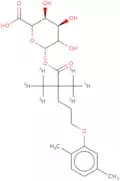
Controlled ProductGemfibrozil b-D-glucuronide-D6 is a methylated, saccharide, Polysaccharide. It is a custom synthesis of the synthetic and fluorinated gemfibrozil b-D-glucuronide. The product is purified by HPLC to >98% purity and supplied as a white powder.Formula:C21H24D6O9Purity:Min. 95%Color and Shape:White to off-white solid.Molecular weight:432.49 g/mol1,6:3,4-Dianhydro-b-D-altropyranose
CAS:1,6:3,4-Dianhydro-b-D-altropyranose is a sugar that has been modified by methylation. It is a white powder with a melting point of 197°C. This product can be used as an intermediate in the synthesis of saccharides and polysaccharides. It can also be used as an intermediate for glycosylations and fluorinations. 1,6:3,4-Dianhydro-b-D-altropyranose is available in high purity and custom synthesis options.Formula:C6H8O4Purity:Min. 95%Molecular weight:144.13 g/molL-Idonic acid-1,4-lactone
CAS:L-Idonic acid-1,4-lactone is a custom synthesis that is a glycoconjugate with a carbohydrate moiety. It can be used for the modification of glycoproteins and glycopeptides, and has shown to have anti-inflammatory properties. L-Idonic acid-1,4-lactone is a sugar that is made up of an idonic acid attached to an alpha (1→4)-linked D-glucose molecule. This product can be methylated or glycosylated and has been shown to have anticancer activity in animal models. L-Idonic acid-1,4-lactone is soluble in water and has been fluorinated at the 4 position on the glucose unit.Formula:C6H10O6Purity:Min. 95%Molecular weight:178.14 g/mol1,2,3,4-Tetra-O-acetyl-b-D-arabinopyranose
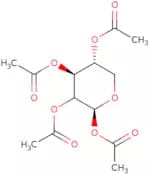
CAS:1,2,3,4-Tetra-O-acetyl-b-D-arabinopyranose is a custom synthesis of a carbohydrate. It is a tetra acetylated form of arabinopyranose that has been fluorinated. The fluorination process increases the reactivity of the sugar and allows for it to be glycosylated or methylated. This sugar can be used in the synthesis of oligosaccharides and complex carbohydrates. These can be used as sweeteners or functional food additives.Formula:C13H18O9Purity:Min. 95%Molecular weight:318.28 g/mol2-Deoxy-2-fluoro-2-C-methyl-D-ribofuranose
2-Deoxy-2-fluoro-2-C-methyl-D-ribofuranose is a carbohydrate that contains a single sugar (monosaccharide) with the chemical formula C5H8O4. This compound is a synthetic monosaccharide that has been modified by fluorination, methylation, and glycosylation. It is often used in custom synthesis to create oligosaccharides or complex carbohydrates. 2DFFR can be ordered in high purity and has CAS No. 59737-89-7.Purity:Min. 95%3-Deoxy-3-fluoro-D-glucitol
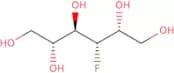
CAS:3-Deoxy-3-fluoro-D-glucitol is a glucose analog that is used as a marker for glycogen in tissue extracts. 3-Deoxy-3-fluoro-D-glucitol has been shown to be the most sensitive molecular marker for muscle glycogen concentrations, although it does not react with all types of muscle. It can also be used as a marker for glycogen content in extracts of tissue or cells because it reacts with locusta migratoria fat body. In addition, 3-deoxy-3-fluoro-D-glucitol can be used as a nuclear magnetic resonance (NMR) probe to study the structure of trehalose and fructose. The compound has been shown to bind to locusta migratoria fat body and can be used as an NMR probe to study the structure of trehalose and fructose.Formula:C6H13FO5Purity:Min. 95%Molecular weight:184.16 g/molCyanidin-3-O-sophoroside chloride
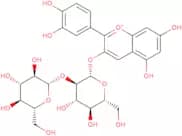
CAS:Cyanidin-3-O-sophoroside chloride (CAS: 6279-21-6) is a naturally occurring phenolic compound that has been isolated from the roots of Sophora flavescens. This compound is a glycosylated form of protocatechuic acid, which is an organic compound with antioxidant properties. The surface methodology on tissue structure showed that this compound can react with nucleophilic radicals and scavenge free radicals in the presence of chloride ions, which is important for its dietary and medicinal value. COS has also been shown to have anti-inflammatory activities in a model system by inhibiting the production of prostaglandins. COS can be extracted from plants by acidic hydrolysis or preparative high performance liquid chromatography.
Formula:C27H31O16ClPurity:Min. 95%Color and Shape:PowderMolecular weight:646.98 g/mol1-O-Acetyl-2,3,5-tri-O-benzyl-L-ribofuranose
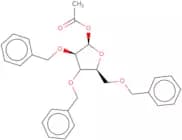
1-O-Acetyl-2,3,5-tri-O-benzyl-L-ribofuranose is a modified form of ribofuranose. It is a polymer that contains three or more monosaccharides linked together by glycosidic bonds. It has been modified with methyl groups and fluorine atoms to enhance its properties. This compound can be used in the synthesis of oligosaccharides, which are complex carbohydrates that are not found in nature and have potential applications as drugs.
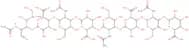
Formula:C28H30O6Purity:Min. 95%Molecular weight:462.53 g/molHyaluronate octasaccharide
CAS:Hyaluronate octasaccharide is a regulatory molecule that has been found to be useful for staining and as a chondrocyte culture supplement. Hyaluronate octasaccharide is composed of two sugar molecules: glucuronic acid and N-acetylglucosamine. The molecular weight of this compound is about 5000 Daltons, and it has been found to show high levels of proton hydrogen bonding interactions with other molecules in the extracellular matrix. It also contains oligosaccharides and disaccharides. Hyaluronate octasaccharide can be used in vitro to stimulate cell growth, which may be due to its ability to stabilize collagen and elastin fibers by binding with collagenase.Formula:C56H86N4O45Purity:Min. 95%Molecular weight:1,535.3 g/molADP-4-deoxy-D-glucose
ADP-4-deoxy-D-glucose is a carbohydrate derivative that has been modified with fluorination. ADP-4 is a methylated, custom synthesized oligosaccharide that contains saccharide and polysaccharide chains. It is not commercially available and must be custom synthesized. The modification of the sugar to ADP-4 involves the addition of one or more atoms of fluorine and may be accomplished by click chemistry. This product has high purity and can be used as a research reagent in the synthesis of complex carbohydrates.
Purity:Min. 95%Glycosaminoglycan related oligosaccharides
Glycosaminoglycan related oligosaccharides are a family of complex carbohydrates that are found in the extracellular matrix. They consist of a monosaccharide, methylation, and glycosylation. Glycosaminoglycan related oligosaccharides have been shown to be effective in modifying cells, as well as in inhibiting bacterial growth. The fluorination of glycosaminoglycan related oligosaccharides has been shown to increase the stability and inhibit bacterial growth.Purity:Min. 95%L-Rhamnal
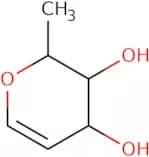
CAS:L-Rhamnal is a sodium sulfide that is used in the synthesis of stereoselective compounds. It has been shown to have anti-leukemic properties and may be useful for the treatment of lymphocytic leukemia. L-Rhamnal has been shown to inhibit tumor growth and metastasis in animal models of cancer, as well as being cytotoxic to human leukemic cells. L-Rhamnal inhibits the proliferation of these cells by blocking DNA synthesis and preventing cell division. The hydroxymethyl group on L-rhamnal interacts with chloride ions to form a salt that can be degraded into hydrogen sulfide gas, which is known to be toxic to some organisms. The chloride ion also reacts with triterpene alcohols, glycosidic bonds, potassium phosphate, or borohydride reduction agents like sodium borohydride or lithium aluminum hydride. These reactions are used in carbohydrate chemistry and aldehydeFormula:C6H10O3Purity:Min. 95%Molecular weight:130.14 g/molSedoheptulose-1-phosphate
CAS:Sedoheptulose-1-phosphate is a ribosomal metabolite that is produced by marine microorganisms. It is catabolized by sedoheptulose-7-phosphate kinase and converted to the pentose phosphate pathway. The metabolic profile of sedoheptulose-1-phosphate has been shown to be altered in response to environmental stress, such as changes in pH, oxygen levels, and temperature. Sedoheptulose-1-phosphate has also been shown to have structural properties similar to those of ATP and ADP, which may make it an important target for the development of antibiotics.Formula:C7H15O10PPurity:Min. 95%Molecular weight:290.16 g/mol





![D-[6,6'-2H2]Glucose](/_next/image/?url=https%3A%2Fstatic.cymitquimica.com%2Fproducts%2F3D%2Fthumb-webp%2FMG74985.webp&w=3840&q=75)