Monosaccharides
Monosaccharides are the simplest form of carbohydrates and serve as fundamental building blocks for more complex sugars and polysaccharides. These single sugar molecules play critical roles in energy metabolism, cellular communication, and structural components of cells. In this section, you will find a wide variety of monosaccharides essential for research in biochemistry, molecular biology, and glycoscience. These compounds are crucial for studying metabolic pathways, glycosylation processes, and developing therapeutic agents. At CymitQuimica, we offer high-quality monosaccharides to support your research needs, ensuring precision and reliability in your scientific investigations.
Subcategories of "Monosaccharides"
- Alloses(11 products)
- Arabinoses(21 products)
- Erythroses(11 products)
- Fructoses(9 products)
- Fucoses(36 products)
- Galactosamine(41 products)
- Galactose(260 products)
- Glucoses(365 products)
- Glucuronic Acids(51 products)
- Glyco-substrates for Enzyme(77 products)
- Guloses(6 products)
- Idoses(4 products)
- Inositols(15 products)
- Lyxoses(4 products)
- Mannoses(65 products)
- O-Glycans(48 products)
- Psicoses(3 products)
- Rhamnoses(10 products)
- Riboses(61 products)
- Sialic Acids(100 products)
- Sorboses(4 products)
- Sugars(173 products)
- Tagatoses(4 products)
- Taloses(8 products)
- Xyloses(20 products)
Show 17 more subcategories
Found 6088 products of "Monosaccharides"
Sort by
Purity (%)
0
100
|
0
|
50
|
90
|
95
|
100
D-(+)-Melezitose dihydrate
CAS:<p>D-(+)-Melezitose dihydrate is a potent inhibitor of cancer cell growth. It has been shown to inhibit the proliferation of Chinese hamster ovary cells and human bladder cancer cells in vitro. D-(+)-Melezitose dihydrate is also found in urine samples from cancer patients, suggesting that it may be a potential biomarker for cancer diagnosis. This compound has been identified as an analog of indirubin, which is known to have anti-tumor properties. D-(+)-Melezitose dihydrate has been shown to induce apoptosis in cancer cells by inhibiting protein kinases, including the kinase inhibitors and tumor suppressor proteins. Additionally, this compound has demonstrated anticancer activity against a variety of tumors, making it a promising candidate for future cancer therapies.</p>Formula:C18H36O18Purity:Min. 95%Molecular weight:540.5 g/molBenzyl 2-(acetylamino)-2-deoxy-3-o-[3,4,6-tri-o-acetyl-2-(acetylamino)-2-deoxy-β-D-glucopyranosyl]-α-D-galactopyranoside 4,6-diaceta te
CAS:<p>Please enquire for more information about Benzyl 2-(acetylamino)-2-deoxy-3-o-[3,4,6-tri-o-acetyl-2-(acetylamino)-2-deoxy-β-D-glucopyranosyl]-α-D-galactopyranoside 4,6-diaceta te including the price, delivery time and more detailed product information at the technical inquiry form on this page</p>Formula:C33H44N2O16Purity:Min. 95%Molecular weight:724.7 g/molα-D-Maltotetraose
CAS:<p>α-D-Maltotetraose is a natural carbohydrate that has been shown to have potential as an anticancer agent. It is an inhibitor of tumor-associated kinases and has been found to induce apoptosis in cancer cells. α-D-Maltotetraose has also been shown to inhibit streptokinase, an enzyme involved in the breakdown of blood clots. This carbohydrate analog has been detected in human urine and may play a role in regulating gastrin secretion. Studies have shown that α-D-Maltotetraose can inhibit the growth of Chinese hamster ovary cells, suggesting its potential as a novel anticancer therapy.</p>Formula:C24H42O21Purity:Min. 95%Molecular weight:666.6 g/molD-Altrose-1-13C
CAS:<p>Please enquire for more information about D-Altrose-1-13C including the price, delivery time and more detailed product information at the technical inquiry form on this page</p>Formula:C6H12O6Purity:Min. 95%Molecular weight:181.15 g/mol(S)-Naproxen acyl-b-D-glucuronide
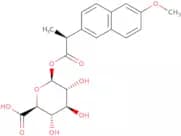
CAS:<p>Naproxen is a non-steroidal anti-inflammatory drug (NSAID) that is used to relieve pain and reduce inflammation. The NSAIDs are metabolized in the liver by oxidation, reduction, hydrolysis, or conjugation with glucuronic acid. Naproxen undergoes a number of metabolic transformations including fragmentation, which can be detected using an MS/MS analyzer. Naproxen acyl-b-D-glucuronide is an oxidative metabolite of naproxen that has been shown to have high uptake into mammalian cells and bioconcentrates in fish. This metabolite has also been shown to be metabolized in the liver by conjugation with glucuronic acid.</p>Formula:C20H22O9Purity:Min. 95%Molecular weight:406.38 g/molMogroside II A2
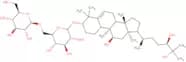
CAS:<p>Mogroside II A2 is a fructan that is found in the fruit of the plant Glycosmis erythrorhiza, which is a member of the family Rutaceae. This compound has been shown to have immune-modulating properties and is used as an ingredient in some pharmaceutical drugs. Mogroside II A2 has also been demonstrated to have antiviral activity and may be helpful for cancer treatment. The effects of this compound on kidney fibrosis are unclear; however, it does have anti-inflammatory properties.</p>Formula:C42H72O14Purity:Min. 95%Color and Shape:PowderMolecular weight:801.01 g/mol2- Deoxy-2-[(7-nitro-2,1,3-benzoxadiazol-4-yl)amino]-b-D-glucopyranose
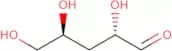
CAS:<p>2-Deoxy-2-[(7-nitro-2,1,3-benzoxadiazol-4-yl)amino]-b-D-glucopyranose is a synthetic sugar that is used as a glycosylate building block in the synthesis of oligosaccharides and polysaccharides. This product can be fluorinated at either the 2 or 5 position to provide a variety of reactive functionalities. It can also be modified with methyl groups to produce an NMR substrate for the study of sugar metabolism.</p>Formula:C12H14N4O8Purity:Min. 95%Molecular weight:342.26 g/mol3-Deoxy-D-arabinose
CAS:<p>3-Deoxy-D-arabinose is a sugar that is synthesized by the biochemical process of de novo synthesis. It is a structural component of glycoproteins and lipopolysaccharides, which are essential for bacterial growth. 3-Deoxy-D-arabinose is also used in the regulation of gene expression. The efficient method for its production was discovered by enzymatic dehydrogenation of glucose with the enzyme dehydrogenase, which is encoded by corynebacterium glutamicum. This discovery has led to an unraveling of the wild-type strain's metabolic pathways.</p>Formula:C5H10O4Purity:Min. 95%Molecular weight:134.13 g/molD-Galactose diethyldithioacetal
CAS:<p>D-Galactose diethyldithioacetal is a phenylhydrazone that has an affinity for the C-3 position of sugars. It is synthesised from D-galactose and diethyldithiocarbonyl chloride, with a borohydride reduction to give the hydroxyl group. The hydroxyl group reacts with methyl glycosides or carbohydrates to produce 3-substituted glycosides or 3-substituted carbohydrate. D-Galactose diethyldithioacetal also inhibits glycosidase enzymes, which are enzymes that break down sugars, and thus prevents the digestion of sugars. The chemical structure of D-galactose diethyldithioacetal was determined by magnetic resonance spectroscopy. The product was found to be L-fucitol (a sweetener) after desulfurization using hydrogen gas for removal of sulfur compounds.</p>Formula:C10H22O5S2Purity:Min. 95%Molecular weight:286.41 g/mol1,4:3,6-Dianhydro-5-nitro-D-glucitol
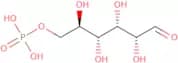
CAS:<p>Isosorbide is a naturally occurring sugar alcohol (polyol) that is found in small quantities in many plants and fruits. It is used as a pharmaceutical drug to treat angina pectoris, congestive heart failure, and high blood pressure. Isosorbide has been shown to inhibit the activity of matrix metalloproteinases (MMPs), which are enzymes that degrade extracellular matrix proteins. This effect may be beneficial for patients with disorders such as arthritis. Isosorbide also increases nitric oxide production, leading to vasodilation and improved blood flow. The therapeutic effect of isosorbide has been demonstrated in experimental models using mice with congestive heart failure due to myocardial infarction or chronic heart disease. Pharmacological treatment of these animals with isosorbide resulted in an improvement of left ventricular function, reduction of myocardial fibrosis, and reduced levels of cardiac markers.</p>Formula:C6H9NO6Purity:Min. 95%Molecular weight:191.14 g/molD-Glucose 6-phosphate - Powder
CAS:<p>D-glucose 6-phosphate is an intermediate in the hexose monophosphate shunt pathway. It is formed by the enzyme phosphoglucomutase from D-glucose 1-phosphate and UTP. D-glucose 6-phosphate is also an important intermediate in glycolysis. The conversion of D-glucose 6-phosphate to glucose 1,6-bisphosphate occurs through a series of reactions catalyzed by enzymes that are sensitive to inhibition by magnesium ions. These reactions include the phosphofructokinase, hexokinase, and pyruvate kinase reactions. The accumulation of glucose 6-phosphate leads to increased levels of lactate production and decreased levels of ATP production. This may be due to its ability to inhibit monoamine reuptake, which would lead to decreased synthesis of dopamine and serotonin.</p>Formula:C6H13O9PPurity:Min. 95%Color and Shape:PowderMolecular weight:260.14 g/molPhenyl 2-azido-3,4,6-tri-O-benzyl-2-deoxy-b-D-thioglucopyranoside
CAS:<p>Phenyl 2-azido-3,4,6-tri-O-benzyl-2-deoxy-b-D-thioglucopyranoside is a custom synthesis of an oligosaccharide with a complex carbohydrate. It is modified by methylation and has been fluorinated for the purpose of synthesizing the drug. This product is stable to heat and acid and can be used as a synthetic sugar. It has high purity and can be used in glycosylation reactions or click chemistry.</p>Formula:C33H36N3O4SPurity:Min. 95%Molecular weight:570.72 g/molcis-Zeatin-9-glucoside
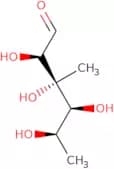
CAS:<p>Cis-Zeatin-9-glucoside is a plant hormone known as a cytokinin, which is primarily synthesized in plants such as Zea mays (corn) and other monocots. Cytokinins play a critical role in regulating plant growth and development by promoting cell division, influencing nutrient allocation, and delaying leaf senescence. The mode of action of cis-Zeatin-9-glucoside involves its role as a signaling molecule that interacts with specific receptors in plant cells, thereby triggering a cascade of gene expression changes that modulate physiological processes.</p>Formula:C16H23N5O6Purity:Min. 95%Color and Shape:PowderMolecular weight:381.38 g/mol6-Deoxy-3-C-methyl-D-gulose
CAS:<p>6-Deoxy-3-C-methyl-D-gulose is an enantiomer of 3,6-dideoxy-D-gluconic acid. This compound has been shown to be a virulent factor in mastitis caused by the mutant strain of Escherichia coli (MT1) and to be expressed at a higher level in mastitic milk than in normal milk. 6DMG has also been shown to induce monoclonal antibody production and stimulate specific immune responses. It is thought that 6DMG damages cells, which leads to the release of intracellular components that trigger an antibody response. The biological function of 6DMG is not known, but it may play a role in the infection process by stimulating an antibody response against infectious agents.</p>Purity:Min. 95%N-Ethyl glucamine
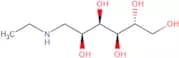
CAS:<p>N-Ethyl glucamine is a nonsteroidal anti-inflammatory drug (NSAID) that belongs to the class of drugs called salicylates. It is a prodrug that is hydrolyzed in vivo to form salicylic acid and ethylene glycol. The sub-effective dose of N-ethyl glucamine has been shown to be effective against various types of cancer cells, including lung, colon, breast, prostate, and skin cancers. This drug also has an effect on lipid metabolism and can be used for the treatment of metabolic disorders such as hyperlipidemia. N-Ethyl glucamine has been shown to have anti-inflammatory properties by inhibiting prostaglandin synthesis.</p>Formula:C9H19NO5Purity:Min. 95%Molecular weight:221.25 g/molprim-O-glucosylangelicain
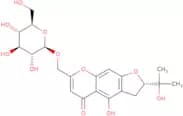
CAS:<p>Prim-O-glucosylangelicain is a complex carbohydrate that has been synthesized by custom synthesis and modification. Prim-O-glucosylangelicain is a monosaccharide that has been methylated and then click modified. It also contains an oligosaccharide with glycosylation. The prim-O-glucosylangelicain has been synthesized to have a saccharide chain consisting of glycosidic linkages with a polysaccharide. Click modification is the process of attaching reactive groups to the hydroxyl groups of sugars. This process can be used to replace the hydroxyl group with fluorine, which is done in this case to increase stability and reduce reactivity.</p>Purity:Min. 95%Daunorubicin-13C,d3
<p>Daunorubicin-13C,d3 is a custom synthesis of daunorubicin that has been modified by the addition of 13C and 3H isotopes. The chemical name is: 4′,5′-O-(4,4′-dimethoxytrityl)-2′,3′-dideoxyadenosine-5′-O-(4,4′-dimethoxytrityl)<br>(13C,d3) 2″-[(2″-deoxy-β--D--ribofuranosyl)amino]-5’-[(2″-deoxy--β--D--ribofuranosyl)amino]-3’<br>adenosine. It contains a complex carbohydrate with an oligosaccharide chain. This product is CAS No., 50739-09-1 and has a purity of 98%. Daunorubicin is a sugar</p>Formula:CC26H26D3NO10Purity:Min. 95%Molecular weight:531.53 g/molNojirimycin 1-sulfonic acid
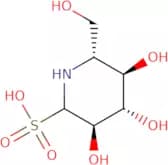
CAS:<p>Nojirimycin 1-sulfonic acid is a synthetic compound that has been shown to be an inhibitor of glycosylation. It is a modification of nojirimycin, which is a natural product that has been used as an anti-inflammatory agent for years. Nojirimycin 1-sulfonic acid (NJA) binds to the active site of the glycosyltransferase enzyme and prevents the transfer of sugar from the donor substrate to the acceptor substrate. This inhibits the synthesis of complex carbohydrates, oligosaccharides, and polysaccharides. The fluorination on NJA's sulfonate group also makes it more soluble in water, which increases its activity.</p>Formula:C6H13NO7SPurity:Min. 95%Color and Shape:White PowderMolecular weight:243.24 g/mol1-Benzyl-4,6-O-acetamidogalactose
<p>1-Benzyl-4,6-O-acetamidogalactose is an aminoglycoside antibiotic that inhibits the growth of bacteria by binding to the 50S ribosomal subunit. It enters the bacterial cell wall and blocks the synthesis of peptidoglycan, which is an essential component of the cell wall. 1-Benzyl-4,6-O-acetamidogalactose has been shown to have a potent bactericidal effect against Mycobacterium tuberculosis, with a half maximal inhibitory concentration (IC50) of 0.5 µg/mL. It also has a significant inhibitory effect on Mycobacterium avium complex (MIC=8 µg/mL).</p>Purity:Min. 95%3-Acetamido-3-deoxy-D-allose
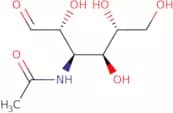
CAS:<p>3-Acetamido-3-deoxy-D-allose is a ringed sugar that is nucleophilic and reacts with hydroxide solution to form a dithioacetal. It has been analyzed using deuterium and cyclic voltammetry. 3-Acetamido-3-deoxy-D-allose can be oxidized by periodate to form an alditol acetal and then reacted with ammonium hydroxide to produce the corresponding amine. This reaction was used to generate the compound in large quantities.</p>Formula:C8H15NO6Purity:Min. 95%Molecular weight:221.21 g/mol


![Benzyl 2-(acetylamino)-2-deoxy-3-o-[3,4,6-tri-o-acetyl-2-(acetylamino)-2-deoxy-β-D-glucopyranosyl]…](/_next/image/?url=https%3A%2Fstatic.cymitquimica.com%2Fproducts%2F3D%2Fthumb-webp%2FKDA05428.webp&w=3840&q=75)


![2- Deoxy-2-[(7-nitro-2,1,3-benzoxadiazol-4-yl)amino]-b-D-glucopyranose](/_next/image/?url=https%3A%2Fstatic.cymitquimica.com%2Fproducts%2F3D%2Fthumb-webp%2FMD146413.webp&w=3840&q=75)