Metal Salts
Found 2872 products of "Metal Salts"
Meclofenamic acid sodium salt
CAS:Meclofenamic acid is a non-steroidal anti-inflammatory drug that is used to treat pain and inflammation. It inhibits the production of prostaglandin, which is a natural chemical produced by the body that causes pain, fever, and inflammation. Meclofenamic acid sodium salt can be administered orally or topically. The drug has been shown to reduce disease activity in patients with rheumatoid arthritis and other inflammatory conditions. Meclofenamic acid sodium salt is also used for the treatment of gouty arthritis, osteoarthritis, ankylosing spondylitis, and dysmenorrhea. Meclofenamic acid sodium salt has been shown to have cardiac effects such as bradycardia and heart blockage when taken at high doses over a long period of time.
Formula:C14H10Cl2NNaO2Purity:Min. 95%Color and Shape:White PowderMolecular weight:318.13 g/molGold(III) chloride trihydrate - 50% Au
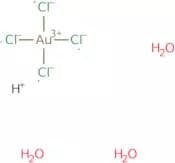
CAS:Gold is a transition metal that is chemically inert and non-toxic. It can be used as a catalyst, electrode, or semiconductor in various techniques. Gold(III) chloride trihydrate has been used as a pesticide and an extractant for nitrocellulose membranes. Gold(III) chloride trihydrate has also been shown to have cancer-fighting properties and is currently being studied for its use in the treatment of prostate cancer. Gold(III) chloride trihydrate has also been used in microscopy and optical studies and has shown to have bioelectrochemical properties. The transport mechanism of gold(III) chloride trihydrate is not yet fully understood, but it may be due to the transport of charged particles on the surface of the molecule. Gold(III) chloride trihydrate has also been used for photocatalytic activity, surface-enhanced Raman spectroscopy, and transport properties with buffers.Formula:HAuCl4·3H2OPurity:Min. 95%Color and Shape:Yellow To Orange SolidMolecular weight:393.83 g/molMiltirone I
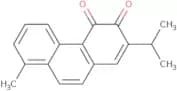
CAS:Miltirone is a bioactive compound, which is a diterpene quinone found primarily in the roots of Salvia miltiorrhiza, also known as Danshen. Its mode of action involves modulating multiple cellular pathways and targets, including the inhibition of cytochrome P450 enzymes and influencing various signaling cascades, such as the MAPK and NF-κB pathways. This multifaceted interaction allows Miltirone to exert significant anticancer and anti-inflammatory effects.Formula:C18H16O2Purity:Min. 95%Molecular weight:264.32 g/molEthylenediaminetetraacetic acid tetrasodium salt tetrahydrate
CAS:Ethylenediaminetetraacetic acid tetrasodium salt tetrahydrate is a chemical compound that is used in cell culture to protect cells from oxidative injury. It has been shown to be effective against a variety of antimicrobial agents, such as aromatic hydrocarbons and reactive oxygen species. Ethylenediaminetetraacetic acid tetrasodium salt tetrahydrate has been shown to have antioxidant properties by scavenging reactive oxygen species, which are produced during the process of oxidation. This chemical compound also prevents the breakdown of disulfide bonds and may have a protective effect on DNA by preventing strand breakage. Ethylenediaminetetraacetic acid tetrasodium salt tetrahydrate can be used for sample preparation and inhibits the polymerase chain reaction (PCR) in vitro at low concentrations.Formula:C10H12N2Na4O8·4H2OPurity:Min. 95%Color and Shape:PowderMolecular weight:452.23 g/molSodium rhodizonate dibasic
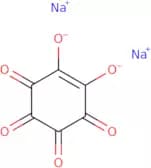
CAS:Sodium rhodizonate dibasic is a chemical reagent that can be used as a nutrient or biochemical supplement in the laboratory. It is a white crystalline solid that reacts with water to form sodium hydroxide and hydrogen peroxide. Sodium rhodizonate dibasic is used to measure the concentration of picolinic acid, which is an intermediate in the citric acid cycle. This compound can also be used as a metal chelate for removal of heavy metals from wastewater or soil. The reaction mechanism for this compound has been studied using plasma mass spectrometry and solid phase microextraction techniques.
Formula:C6Na2O6Color and Shape:Brown PowderMolecular weight:214.04 g/molRiboflavin 5'-phosphate sodium salt dihydrate
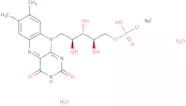
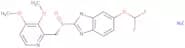
CAS:Riboflavin 5'-phosphate sodium salt dihydrate is a fine chemical that belongs to the group of complex compounds. It is a versatile building block, which can be used as a reaction component in research or as an intermediate for the production of other chemicals. Riboflavin 5'-phosphate sodium salt dihydrate has many applications, such as being a useful scaffold for the preparation of new molecules and being a reagent for reactions involving nucleotides. This compound also has high quality and is often used in speciality chemicals.Formula:C17H20N4NaO9P·2H2OPurity:(Uv) 73.0 To 79.0%Color and Shape:PowderMolecular weight:514.36 g/molPantoprazole sodium hydrate
CAS:Proton pump inhibitor; anti-ulcer
Formula:C16H14F2N3NaO4SPurity:Min. 95%Color and Shape:White PowderMolecular weight:405.35 g/molHypoxanthine monosodium salt
CAS:Hypoxanthine is a nucleotide, which is a building block of DNA and RNA. It is a useful intermediate for the production of other chemicals and drugs. Hypoxanthine can be used as a reagent in biochemical research, to study the effects of hypoxia on cells, or as a catalyst in organic synthesis. Hypoxanthine monosodium salt is an important building block for complex compounds with many uses. It is also used as a reaction component in many chemical reactions as well as being a versatile scaffold for drug design.Formula:C5H4N4NaOPurity:Min. 97 Area-%Color and Shape:White PowderMolecular weight:159.1 g/mol4-Methoxybenzoic acid sodium
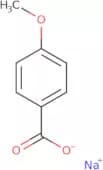
CAS:4-Methoxybenzoic acid sodium is an amide that has been used as a preservative and antimicrobial agent in food products. It is also a second-order rate constant with a Ca2+ concentration of 0.1 mM for staphylococcus. The fatty acids of 4-methoxybenzoic acid sodium are hydrophobic and inhibit the growth of microorganisms by disrupting the cell membrane, which leads to leakage of cellular content. This compound also inhibits the activity of fatty acyl coenzyme A reductase and has been shown to have a microbicidal effect on gram-positive bacteria, such as Staphylococcus aureus. 4-Methoxybenzoic acid sodium has also been shown to be effective against Candida albicans, Streptococcus pyogenes, and Bacillus subtilis when combined with an antimicrobial peptide or cationic surfactant.Formula:C8H7NaO3Purity:Min. 98 Area-%Color and Shape:PowderMolecular weight:174.13 g/molSodium perfluorohexanoate
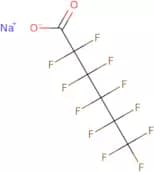
CAS:Sodium perfluorohexanoate is a compound that belongs to the group of pharmacological agents. It has been shown to have low water permeability and receptor activity in vitro. The toxicity of this compound has been studied extensively in animals, and it does not have any significant effects on the liver or kidney. However, it may cause damage to the spleen, brain, and testes. Chronic oral exposure to sodium perfluorohexanoate can cause toxic effects on the liver, kidney, spleen, brain, and testes. Sodium perfluorohexanoate is also an analytical method for measuring human serum levels of dinucleotide phosphate (dNTP) and erythrocyte membrane potential (EMP).Formula:C6HF11O2•NaPurity:Min. 95%Color and Shape:PowderMolecular weight:337.04 g/molEthylenediaminetetraacetic acid disodium dihydrate
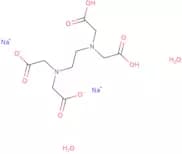
CAS:Hexadentate chelator
Formula:C10H14N2Na2O8·2H2OColor and Shape:White PowderMolecular weight:372.24 g/molRifamycin SV sodium
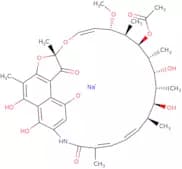
CAS:Rifamycin SV sodium is a hydroxide solution of the antibiotic rifamycin. Rifamycin SV sodium inhibits bacterial growth by binding to DNA-dependent RNA polymerase, thereby preventing transcription and replication. The high frequency of human activity has been shown using a patch-clamp technique on human erythrocytes. This active form is metabolized through a number of metabolic transformations, including hydrolysis by esterases or glucuronidases, oxidation by cytochrome P450 enzymes, reduction by glutathione reductase, or conjugation with glucuronic acid. Rifapentine also specifically binds to markers expressed at high levels in Mycobacterium tuberculosis strains (e.g., ESX-1 secretion system protein) and inhibits cell growth in culture.Formula:C37H46NNaO12Purity:Min 900U/MgColor and Shape:PowderMolecular weight:719.75 g/molPotassium oxirane-2-carboxylate
CAS:Potassium oxirane-2-carboxylate is a chiral, silicon containing compound that inhibits the enzyme glucose 6-phosphate dehydrogenase. It has been shown to inhibit the formation of 6-phosphate in tubule cells. This inhibition leads to renal toxicity and may be due to its ability to catalyze primary alcohols into chloroacetone and malate. Potassium oxirane-2-carboxylate is an organosilicon compound that can be used as a catalyst for enzymatic reactions, such as dehydrogenation.Formula:C3H3KO3Purity:Min. 95 Area-%Color and Shape:PowderMolecular weight:126.15 g/molFusidic acid sodium
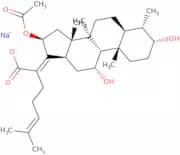
CAS:Inhibitor of protein synthesis; steroid antibioticFormula:C31H48O6•NaPurity:Min. 95%Color and Shape:PowderMolecular weight:539.7 g/molAnthraquinone-2,7-disulfonic acid disodium salt - 80%
CAS:Anthraquinone-2,7-disulfonic acid disodium salt, 2,7-AQDS, is an anthraquinone sulfonate used for many different purposes, such as, desulfurizing agent for removing oil in refinery and as an intermediate for dyes or decolorization agent. In addition, anthraquinone-2,7-disulfonic salt or 2,7-AQDS is frequently used in electrochemistry, as a redox mediator. For example, in aqueous organic redox flow batteries (AORFB), anthraquinone-2,7-disulfonic acid disodium salt (2,7-AQDS) plays a role in increasing the capacity and the performance of these types of batteries.
Formula:C14H6O8S2·2NaPurity:Min. 80 Area-%Color and Shape:Red Purple PowderMolecular weight:412.3 g/mol(S)-(-)-Pantoprazole sodium
CAS:Pantoprazole sodium is a proton pump inhibitor that inhibits the production of gastric acid by blocking the H+/K+-ATPase enzyme. It has been shown to be effective in treating gastroesophageal reflux disease (GERD) and peptic ulcers. Pantoprazole sodium is available as a sodium salt, which is an ester of pantoprazole and sodium hydroxide. This product crystallizes from ethyl acetate or recrystallizes from acetonitrile. Pantoprazole sodium is chiral, meaning it has two forms that are non-superimposable mirror images of each other. The (S)-(-)-pantoprazole sodium form is the more potent form and is used in this product.Formula:C16H14F2N3NaO4SPurity:Min. 95%Molecular weight:405.35 g/molSodium selenite pentahydrate
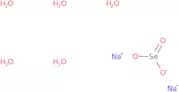
CAS:Sodium selenite pentahydrate is a model system that exhibits antioxidative properties and can be used as an antimicrobial agent. It has been shown to have therapeutic benefits in the treatment of metabolic disorders and also has antifungal, antibacterial, and antiviral properties. The reaction between sodium selenite pentahydrate and malonic acid generates hydrogen peroxide, which has been shown to inhibit the growth of prostate cancer cells. Sodium selenite pentahydrate is used as a plasma mass spectrometry standard for the identification of sodium salts in animal tissue. This compound is also used to produce probiotic bacteria that are beneficial to human health.Formula:Na2SeO3•(H2O)5Purity:Min. 95%Color and Shape:PowderMolecular weight:263.01 g/molTetrakis(triphenylphosphine)platinum(0)
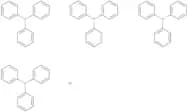
CAS:Tetrakis(triphenylphosphine)platinum(0) is a compound that belongs to the group of organometallic complexes. It is a multinuclear compound, which means it contains more than one metal atom. Tetrakis(triphenylphosphine)platinum(0) has been used as an oxidizing agent in organic chemistry and as a catalyst for chemical reactions. Tetrakis(triphenylphosphine)platinum(0) is chemically stable and insoluble in water, making it useful for reactions that require protection from water or other protic solvents. Tetrakis(triphenylphosphine)platinum(0) has been shown to react with chloride to form chloroplatinates, with ester compounds to form platinum esters, and with carbon-carbon double bonds to form platinum carbonyls.Formula:C72H60P4PtColor and Shape:PowderMolecular weight:1,244.23 g/molSodium 4-hydroxybenzenesulfonate
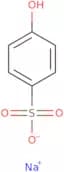
CAS:Sodium 4-hydroxybenzenesulfonate is a chemical compound that is the sodium salt of 4-hydroxybenzenesulfonic acid. It has an inhibitory effect on sucrase activity and can be used as an antidiabetic drug. Sodium 4-hydroxybenzenesulfonate is synthesized by reacting sodium carbonate with 4-hydroxybenzene sulfonyl chloride in the presence of a proton, usually generated from an acid or base. The reaction mechanism for this process is nucleophilic substitution at the carbonyl group. This product has been shown to have optical properties that are sensitive to changes in pH and chloride concentration. Sodium 4-hydoxybenzenesulfonate has been immobilized onto a glassy carbon electrode surface using electrochemical immobilization techniques and then characterized using electrochemical impedance spectroscopy (EIS).
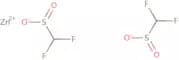
Formula:C6H6O4S•NaPurity:Min. 95%Color and Shape:PowderMolecular weight:197.17 g/molZinc difluoromethanesulfinate
CAS:Zinc difluoromethanesulfinate is used as a precursor in the production of pharmaceuticals and other organic chemicals. It is an inorganic compound that has a structural formula of Zn(CH)SOF. When heated, this compound decomposes to produce zinc oxide, SO2, and HF. The vibrational properties of zinc difluoromethanesulfinate have been measured using infrared techniques. This compound has shown biological activity in hyperproliferative diseases such as cancer and mental disorders such as psychosis and chronic kidney disease. Zinc difluoromethanesulfinate also has a number of biological effects on the cardiovascular system, including stimulating ganglia cells and inhibiting the release of potassium ions from heart muscle cells.
Formula:C2H2F4O4S2ZnPurity:Min. 95%Color and Shape:White PowderMolecular weight:295.54 g/molSodium tetrakis[3,5-bis(trifluoromethyl)phenyl]borate
CAS:Tetrakis(3,5-bis(trifluoromethyl)phenyl)borate is a boron compound that has the formula [(CH)B] and is an ionic compound. It is a model system for studying conformational properties of organic compounds in solution. A reaction solution containing sodium tetrakis(3,5-bis(trifluoromethyl)phenyl)borate reacts with coumarin derivatives to form stable complexes. These complexes are then detected by infrared spectroscopy, mass spectrometry, and nuclear magnetic resonance (NMR). This method has been applied to urine samples and plasma from healthy subjects as well as human serum. The stable complexes can be used to measure the concentration of free coumarin derivatives in these samples. The cationic polymerization of polystyrene was studied using tetrakis(3,5-bis(trifluoromethyl)phenyl)borate
Formula:C32H12BF24•NaPurity:(%) Min. 95%Color and Shape:PowderMolecular weight:886.2 g/molDL-Hydroxysuccinic acid sodium
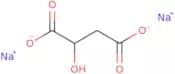
CAS:DL-Hydroxysuccinic acid sodium (DLS) is a metabolite of the enzyme succinic dehydrogenase, which is involved in the conversion of malic acid to acrylate. It is an inhibitor of malic enzyme and glycol ether hydrolase, with toxicity studies showing that DLS inhibits the activity of complex enzymes. DLS has been shown to have interactions with sunitinib and sodium salts. The potential for drug interactions should be considered when administering DLS with other drugs. DL-Hydroxysuccinic acid sodium also has effects on energy metabolism, as it may inhibit enzymes such as malate dehydrogenase and 2-oxoglutarate dehydrogenase.Formula:C4H4Na2O5Purity:Min. 95%Color and Shape:PowderMolecular weight:178.05 g/molResazurin, sodium salt
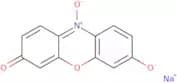
CAS:Weakly fluorescent blue dye; indicator of mitochondrial activity
Formula:C12H6NNaO4Purity:Min. 85 Area-%Color and Shape:Green PowderMolecular weight:251.17 g/molSodium 3-phosphoglycerate hydrate
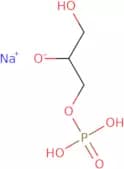
CAS:Sodium 3-phosphoglycerate hydrate is a salt of sodium and phosphoglycerate. It is used as a pharmaceutical ingredient to treat metabolic disorders such as hypoglycemia, hyperglycemia, and diabetes mellitus. The chemical structure of 3PGA consists of three phosphate groups and one glycerate group attached to the carbon backbone. This compound's three phosphate groups are critical for its function in energy metabolism and storage. One phosphate group is involved in the synthesis of ATP (adenosine triphosphate), while two phosphate groups are involved in the breakdown of glucose (glycolysis). The enzyme inhibitors that inhibit the enzymes phosphofructokinase and pyruvate kinase are also present in this compound, which may be responsible for its effects on insulin secretion. Sodium 3-phosphoglycerate hydrate contains redox potentials that can be measured by cyclic voltammetry or potentiometry. This study provides structural analysis of thisFormula:C3H8O6P•Nax•(H2O)yColor and Shape:PowderMolecular weight:194.06 g/molSodium azide
CAS:Sodium azides are a group of chemical compounds that inhibit the enzyme activity of human polymorphonuclear leukocytes. Sodium azide is used as a model system to study p-glycoprotein inhibition, which is an important drug target for cancer chemotherapy. It has also been shown to inhibit mouse monoclonal antibody production in vitro. Energy metabolism is affected by sodium azide through its ability to induce neuronal death and inhibit energy-dependent processes such as neurotransmitter release and synaptic vesicle exocytosis. Sodium azide has also been shown to have protective effects on eye disorders and infectious diseases, including wild-type strains of bacteria such as Staphylococcus aureus.Formula:NaN3Purity:Min. 99%Color and Shape:White PowderMolecular weight:65.01 g/molRhodizonic acid dipotassium salt
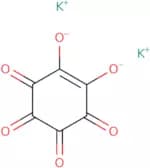
CAS:Rhodizonic acid dipotassium salt is a solubilized dye that is used to stain acidic polysaccharides in the cell wall of bacteria. This compound has been shown to be useful in clinical studies for identifying colon cancer, as well as being used as a dietary supplement. Rhodizonic acid dipotassium salt contains nitrogen atoms and an oxidation product, malonic acid, which are found in a variety of biological systems. Rhodizonic acid dipotassium salt has been shown to have staining properties and is often used for the identification of bacteria with a simple staining technique. It can also be used to identify bacteria with more complicated techniques such as electrophoresis and chromatography. Rhodizonic acid dipotassium salt has been found to be rechargeable by treatment with chloride ions under acidic conditions.Formula:C6O6·2KPurity:Min. 95%Color and Shape:PowderMolecular weight:246.26 g/molMethylthymol blue sodium
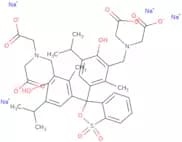
CAS:Methylthymol blue sodium salt (MTBS) is a dye that is used in complexometry. It is typically used for determination of calcium and sulfate. λmax of 438 nm; Solubility of 860g/L.Check application notes for our ACS strontium test procedureFormula:C37H40N2Na4O13SPurity:Min. 95%Color and Shape:PowderMolecular weight:844.74 g/mol1-Nonanesulfonic acid sodium salt
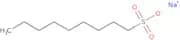
CAS:1-Nonanesulfonic acid sodium salt is a chromatographic method for the analysis of aliphatic hydrocarbons. It has been shown to have strong thermal expansion properties and can be used for the preparation of polyvinyl chloride (PVC) films with high particle transport properties. 1-Nonanesulfonic acid sodium salt has also been used in the development of covid-19, a pandemic influenza vaccine. 1-Nonanesulfonic acid sodium salt is an interferometric technique that can be used as a clinical diagnostic for detecting chloride ions in urine samples.Formula:C9H19O3SNaPurity:Min. 95%Color and Shape:PowderMolecular weight:230.3 g/molEthyl 4-hydroxybenzoate sodium
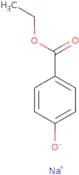
CAS:Ethyl 4-hydroxybenzoate sodium salt is a benzoate that has been shown to be effective in the treatment of bowel disease. It has been shown to inhibit the growth of fungi by reacting with their cell walls and preventing them from synthesizing proteins. The mechanism of action may be due to its hydrophobic effect, which prevents water molecules from penetrating the cell wall and disrupting membrane function. This compound also prevents metabolic disorders, such as diabetes mellitus, by inhibiting the activity of enzymes involved in carbohydrate metabolism. Ethyl 4-hydroxybenzoate sodium salt can be used as an antimicrobial agent against bacteria and fungi.Formula:C9H10O3•NaPurity:Min. 98 Area-%Color and Shape:PowderMolecular weight:189.16 g/mol(S,S)-N-(p-Toluenesulfonyl)-1,2-diphenyl ethanediamine(chloro)(p-cymene)ruthenium(II)
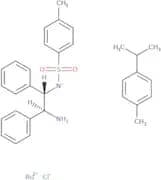
CAS:(S,S)-N-(p-Toluenesulfonyl)-1,2-diphenylethanediamine(chloro)(p-cymene)ruthenium(II) is an organic compound that belongs to the class of solvents. It is a reagent that is used in acidic conditions. The elimination of hydrocarbons from (S,S)-N-(p-toluenesulfonyl)-1,2-diphenylethanediamine(chloro)(p-cymene)ruthenium(II) is carried out by chloroform or hexane and potassium hydroxide. This compound can be purified by recrystallization from aqueous ethanol or preparative thin layer chromatography with chloroform as eluent. Recycling of this compound is possible.Formula:C31H35ClN2O2RuSColor and Shape:PowderMolecular weight:636.21 g/molAmmonium iron(II) sulfate hexahydrate
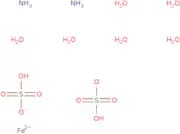
CAS:Ammonium iron(II) sulfate hexahydrate is a salt that contains the metal ion ammonium and iron (II). It is used in cancer research as an electron-radiating agent. The drug molecules are encapsulated into the cavity of mesoporous silica nanoparticles by ionizing radiation. This process immobilizes the drug molecule and prevents it from diffusing away from the particle surface. Ammonium iron(II) sulfate hexahydrate has been shown to be effective against estrone and 17β-estradiol, which are types of estrogen.
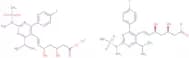
Formula:Fe(NH4)2(SO4)2•6H2OColor and Shape:PowderMolecular weight:392.14 g/molRosuvastatin calcium
CAS:HMG-CoA reductase inhibitorFormula:(C22H27FN3O6S)2CaPurity:Min. 95 Area-%Color and Shape:White PowderMolecular weight:1,001.14 g/molCreatine phosphate, disodium salt tetrahydrate, pH > 8.00
CAS:Creatine phosphate, disodium salt tetrahydrate, is a fine chemical that is used as a versatile building block for the synthesis of other compounds. Creatine phosphate is useful in research because it can be converted to creatine, which can then be converted to phosphocreatine. Creatine phosphate has been shown to have a number of biological activities including the promotion of cell proliferation and differentiation. This product is an extremely high quality reagent for use in laboratory experiments.Formula:C4H16N3Na2O9PPurity:Min. 95.0 Area-%Molecular weight:327.14 g/molSodium Hexafluoroacetylacetonate
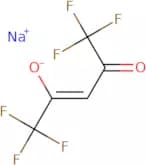
CAS:Sodium hexafluoroacetylacetonate is a reactive chemical that can be used as a catalyst in organic synthesis. It is produced by the reaction of hexane and anhydrous hydrogen fluoride. The product has been shown to contain impurities and traces of non-polar solvents, such as chlorinated hydrocarbons and chloroform.Formula:C5HF6NaO2Purity:Min. 95%Color and Shape:PowderMolecular weight:230.04 g/molD-Aspartic acid sodium salt
CAS:D-Aspartic acid sodium salt is a fine chemical that is useful as a scaffold for the preparation of other compounds. It can be used as a building block in the synthesis of complex compounds, and has been shown to be an intermediate in the production of research chemicals. Aspartic acid sodium salt can also serve as a reaction component for the production of other chemical substances, and is often used as a reagent in laboratory work. D-Aspartic acid sodium salt is available at high purity and quality.Formula:C4H6NO4·NaPurity:Min. 95%Color and Shape:PowderMolecular weight:155.08 g/molSodium disulfitoaurate(I) - aqueous solution
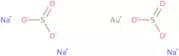
CAS:Sodium disulfitoaurate(I) - aqueous solution is a triamine that is used for the chemical fixation of gold nanoparticles onto fabric. It is also used in the production of solar cells, where it serves as an absorber layer. Sodium disulfitoaurate(I) - aqueous solution has been shown to be able to remove cyanogen from the air and water, which makes it useful in the diagnosis of cyanide poisoning. This agent can be prepared by reacting hydrochloric acid with sodium sulphite or sodium hydrosulphite.Formula:AuNa3O6S2Purity:Min. 95%Color and Shape:Colorless Clear LiquidMolecular weight:426.06 g/molPamidronic acid sodium salt hydrate
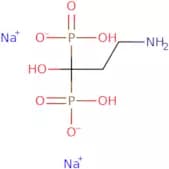
CAS:Farnesyl diphosphate synthase inhibitor
Formula:C3H9NNa2O7P2·xH2OPurity:Min. 95%Color and Shape:PowderMolecular weight:279.03 g/molCadmium chloride hemipentahydrate - ACS
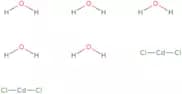
CAS:Cadmium chloride hemipentahydrate is a chemical compound that has been shown to have genotoxic effects on animals and humans. Cadmium chloride hemipentahydrate has been shown to inhibit protein synthesis and enzyme activity in vitro and in vivo. It also has been shown to cause cell death and cytotoxicity in brain cells. This chemical compound is used as a model system for the study of cadmium toxicity, because it can be administered to animals without causing any adverse effects. When cadmium chloride hemipentahydrate is injected into rodents, it causes DNA damage, oxidative stress, inhibition of energy metabolism, and induction of apoptosis in brain cells.
Formula:CdCl2•(H2O)2Purity:(Titration) 79.5 To 81.0%Color and Shape:White PowderMolecular weight:228.35 g/molLauryl sulfate lithium salt
CAS:Lauryl sulfate lithium salt is a crystalline cellulose that has been shown to be effective in the treatment of infectious diseases. It is used as an antimicrobial agent and cell lysis agent. Lauryl sulfate lithium salt has been shown to inhibit the growth of bacteria, such as Staphylococcus aureus, Salmonella typhi, and Escherichia coli. Lauryl sulfate lithium salt also inhibits the growth of fungi such as Aspergillus niger and Candida albicans. Lauryl sulfate lithium salt can be used with other antimicrobial agents for increased effectiveness against viruses such as HIV-1 and influenza A virus, protozoa such as Entamoeba histolytica and Giardia lamblia, and helminths such as Enterobius vermicularis. The mechanism behind this antibiotic's activity is not yet fully understood; however, it may be due to its ability to inhibit the
Formula:C12H25O4SLiPurity:Min. 98%Color and Shape:White PowderMolecular weight:272.33 g/molSodium oleate
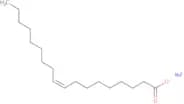
CAS:Sodium oleate is a chemical compound that is part of the soap-making process. It forms when sodium reacts with animal or vegetable oils and fats. Sodium oleate has been shown to be thermally stable, which means that it does not break down at high temperatures. Sodium oleate can be used to measure particle size by using the Langmuir adsorption isotherm technique. The titration calorimetry technique has also been used to study the thermal stability of this compound. Symptoms of overdose include kidney failure and paralysis of the central nervous system. Sodium oleate has been shown to inhibit bacterial growth in culture with a kinetic energy of 75 kJ/mol and an electrochemical impedance spectroscopy (EIS) measurement of 4 MΩ at 10 Hz. This compound also inhibits protein synthesis, leading to cell death by preventing transcription and translation, in experimental models using copper chloride as the catalyst.Formula:C18H33NaO2Purity:Min. 95%Color and Shape:White PowderMolecular weight:304.44 g/molGlycocholic acid sodium salt monohydrate
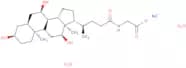
CAS:Glycocholic acid sodium salt monohydrate is a compound that is used in the production of pharmaceuticals, agrochemicals, and other organic chemicals. It is also used as an intermediate to produce carboxylic acids, amino acids, and other building blocks. Glycocholic acid sodium salt monohydrate is soluble in water and has a high boiling point. It can be used for reactions with alcohols and amines to form esters or amides respectively. This compound can be used as a reagent for the synthesis of peptides, proteins, carbohydrates, and nucleosides. Glycocholic acid sodium salt monohydrate has been shown to have anti-inflammatory properties by inhibiting prostaglandin biosynthesis.
Formula:C26H42NO6Na·H2OPurity:Min. 95%Color and Shape:White PowderMolecular weight:505.62 g/molPolyanetholesulfonic acid sodium salt
CAS:Polyanetholesulfonic acid sodium salt or sodium polyanetholesulfonate (SPS) is the polymer of anetholesulfonic acid and is a mixture of regioisomers with respect of the position of the sulfonic acid group. Sodium polyanetholesulfonate was originally developed as an anticoagulant, however it also possesses anticomplement properties and lowers the bactericidal action of blood. Polyanetholesulfonic acid sodium salt is therefore useful as a diagnostic reagent to encourage the growth of pathogens within blood.Formula:(C10H11NaO4S)nPurity:Min. 98%Color and Shape:Off-White Powder2,2'-Methylenebis(4,6-di-tert-butylphenyl)phosphatesodiumsalt
CAS:This product is a polymer that is used in the production of plastics, paper, and paints. It is also used as a thickening agent, emulsifier, or stabilizer in foods. Hydroxypropyl cellulose is produced by condensation of dimethoxybenzoic acid and sodium bis(2-hydroxypropyl)sulfate. This product has a molecular weight of about 10,000 to 1 million Daltons. It can be quantified using gas chromatography/mass spectroscopy. Hydroxypropyl cellulose has been shown to have an inhibiting effect on nucleation and growth of ice crystals during freezing and thawing cycles in polyolefin products. The polymer does not dissolve in water but readily absorbs moisture from the air and swells significantly when wetted with water. In addition to its use as a food additive, hydroxypropyl cellulose can be used as a component in the manufacture of polymers such as polyolefinsFormula:C29H42NaO4PPurity:Min. 95%Color and Shape:White PowderMolecular weight:508.6 g/molEDTA magnesium disodium
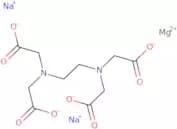
CAS:EDTA is a specific antidote that is used to treat heavy metal poisoning. It binds to metals in the bloodstream and prevents them from being absorbed into the body. The optimum concentration of EDTA for treatment is 1-2 grams per liter. EDTA may be used as an antidote for lead, mercury, or arsenic poisoning. Symptoms of metal poisoning include nausea, vomiting, abdominal pain, diarrhea, headache, and low blood pressure. EDTA may also be used to prevent kidney damage in patients with bowel disease or fatty acid-related kidney failure. EDTA has been shown to bind to DNA bases and form stable complexes with dinucleotide phosphate (DNP). These complexes inhibit apical uptake and cause cell death by apoptosis.Formula:C10H12N2O8MgNa2Purity:Min. 95%Color and Shape:PowderMolecular weight:358.5 g/molZinc dihydrogen phosphate
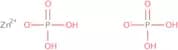
CAS:Zinc dihydrogen phosphate dihydrate is a white crystalline solid that is an inorganic acid. It is soluble in water and has a low solubility in organic solvents. The zinc salt of the compound reacts with magnesium to form a precipitate. Zinc dihydrogen phosphate dihydrate can be prepared by reacting ethylene diamine with sodium hydroxide solution, which forms zinc hydroxide and hydrogen phosphate ions. This reaction can also be done by adding potassium dichromate to copper chloride or metal hydroxides. The analytical method for this compound involves the use of sodium citrate, hydrochloric acid, and sodium carbonate.Formula:H4O8P2ZnColor and Shape:White PowderMolecular weight:259.38 g/molSodium stibogluconate
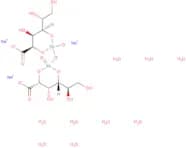
CAS:Sodium stibogluconate is a drug that has been widely used in the treatment of leishmaniasis. It is administered as an intramuscular injection or intravenous infusion, depending on the severity of the infection. The drug targets the parasite by inhibiting its DNA topoisomerase, which disrupts DNA replication and transcription. Clinical data have shown that this drug is effective against infantum and other strains of leishmania.Formula:C12H20O17Sb2•(Na)3•(H2O)9Purity:Min. 95%Color and Shape:PowderMolecular weight:910.9 g/molPhenolphthalein disulphate tripotassium salt trihydrate
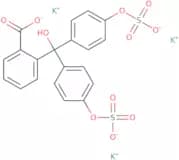
CAS:Phenolphthalein disulphate tripotassium salt trihydrate is a high-quality reagent that is used for the synthesis of complex compounds. Phenolphthalein disulphate tripotassium salt trihydrate has been shown to be a useful intermediate in the synthesis of fine chemicals, research chemicals, and speciality chemicals. It is also a versatile building block and can be used in reactions as a reaction component.Formula:C20H13K3O11S2·3H2OPurity:Min. 95%Color and Shape:PowderMolecular weight:664.81 g/molPotassium tris(3,5-dimethyl-1-pyrazolyl)borohydride
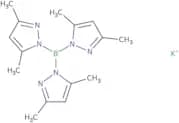
CAS:Potassium tris(3,5-dimethyl-1-pyrazolyl)borohydride is a catalytic reagent that converts various ketones to their corresponding cyclic 3,5-dimethylpyrazoles. It has been used for the synthesis of 1,4-dihydropyridines and for the conversion of aliphatic nitro compounds to their corresponding anilines. The yields are high and it has been shown to be more efficient than other methods in the literature. This reagent also has an intramolecular reaction mechanism and is able to reduce chloride ions into chloride gas.Formula:C15H22BKN6Purity:Min. 95%Color and Shape:PowderMolecular weight:336.28 g/molIbandronate sodium monohydrate
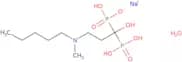
CAS:Farnesyl pyrophosphate synthase inhibitorFormula:C9H24NNaO8P2Purity:Min. 98 Area-%Color and Shape:PowderMolecular weight:359.23 g/molChenodeoxycholic acid, sodium salt
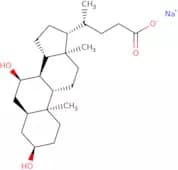
CAS:Controlled ProductChenodeoxycholic acid, sodium salt is a bile acid that is derived from ursodeoxycholic acid. It has been used in the treatment of gallstones and primary biliary cirrhosis. Chenodeoxycholic acid, sodium salt inhibits the production of cholesterol by blocking the action of 3-hydroxy-3-methylglutaryl coenzyme A reductase (HMGCR) enzyme, which is responsible for catalyzing the conversion of HMG-CoA to mevalonate. Chenodeoxycholic acid also inhibits the growth of tumor cells and has antiinflammatory properties due to its ability to inhibit prostaglandin synthesis. This drug may interact with drugs that are substrates for either chenodeoxycholic acid or cytochrome P450 enzymes.Formula:C24H39NaO4Color and Shape:White Off-White PowderMolecular weight:414.57 g/mol







![Sodium tetrakis[3,5-bis(trifluoromethyl)phenyl]borate](/_next/image/?url=https%3A%2Fstatic.cymitquimica.com%2Fproducts%2F3D%2Fthumb-webp%2FFS93415.webp&w=3840&q=75)