Metal Salts
In this section, you can find various metal salts, which are compounds characterized by containing both metal and non-metal atoms. Essentially, metal salts are composed of cations that are one or more metal atoms. These salts play a crucial role in numerous chemical reactions and applications, serving as catalysts, reactants, or intermediates in various industrial and research processes. At CymitQuimica, we offer a wide selection of high-quality metal salts to meet your research and industrial needs, ensuring reliable and effective performance in your applications.
Found 2870 products of "Metal Salts"
Sort by
Purity (%)
0
100
|
0
|
50
|
90
|
95
|
100
Bromocresol purple sodium salt
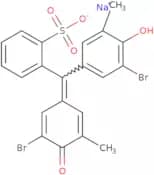
CAS:<p>Bromocresol purple sodium salt is a dye that emits light when it is irradiated with light of a particular wavelength. It has been used to detect amniotic fluid contamination in the laboratory and as an absorber in polymer films. Bromocresol purple sodium salt absorbs ultraviolet and visible light, which causes it to emit red light. The molecules of bromocresol purple sodium salt are long-chain triazoles, which absorb water vapor and emit infrared radiation. This property can be used to detect the presence of alkali metals. The luminescent property of bromocresol purple sodium salt can be enhanced by adding an alkali metal, such as potassium or lithium chloride, to the solution where it is dissolved.</p>Formula:C21H15Br2O5S·NaPurity:Min. 95%Molecular weight:562.2 g/molD-Glyceric acid calcium dihydrate
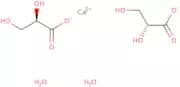
CAS:Please enquire for more information about D-Glyceric acid calcium dihydrate including the price, delivery time and more detailed product information at the technical inquiry form on this pageFormula:C3H6O4•Ca0•H2OPurity:Min. 95%Molecular weight:288.26 g/molSodium naphthenate
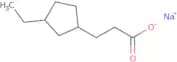
CAS:Sodium naphthenate is a sodium salt that is used as an intermediate in the production of polyvinyl chloride. It can be obtained by reacting ethylene diamine with sodium hydroxide and carbon dioxide. The reaction takes place at high temperatures and pressure, forming a solution of sodium carbonate, which is then hydrolyzed to form sodium naphthenate. This compound has been shown to have a low solubility in water and it can be purified by recrystallization or distillation. Sodium naphthenate is soluble in organic solvents such as acetone or chloroform. It has also been shown to be useful as a model system for studying transfer reactions between polycarboxylic acids and fatty acids, which are important processes in the manufacture of polyester resins.Formula:C10H17NaO2Color and Shape:Off-White PowderMolecular weight:192.23 g/molH-Tyr(SO3H)-OH sodium salt
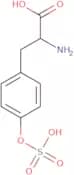
CAS:<p>Please enquire for more information about H-Tyr(SO3H)-OH sodium salt including the price, delivery time and more detailed product information at the technical inquiry form on this page</p>Formula:C9H11NO6SPurity:Min. 95%Molecular weight:261.25 g/mol1-Butanesulfonic acid sodium
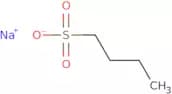
CAS:1-Butanesulfonic acid sodium salt is a perfluorinated compound that inhibits the activity of various enzymes in the body, such as kinases and phosphatases. It has been used to study the effects of these enzymes on chemical reactions. 1-Butanesulfonic acid sodium salt is also used to detect the presence of selenium compounds in urine samples. The inhibition of an enzyme by this compound results in a decreased rate of reaction and a change in kinetic behavior. This can be observed by measuring the time it takes for the reaction to reach half its maximum value. Sodium taurocholate, chloride, and trifluoroacetic acid are all reagents that are commonly used with this compound when performing kinetic studies. 1-Butanesulfonic acid sodium salt has been shown to inhibit cholesterol synthesis in many animal models. In addition, this compound has been shown to bind to and inhibit plasma mass spectrometry by chromatography on silica gel from human plasmaFormula:C4H10O3S•NaPurity:Min. 95%Color and Shape:PowderMolecular weight:161.18 g/molDiethyldithiocarbamic acid sodium trihydrate
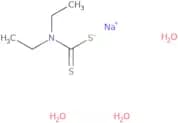
CAS:Diethyldithiocarbamic acid sodium salt trihydrate (DDC) is an inhibitor of the response element that belongs to a class of pharmacological agents called diethyldithiocarbamates. DDC inhibits the growth of tumor cells by blocking enzyme activities and decreasing the production of GSH-Px enzymes, which are required for cellular protection against oxidative stress. DDC is also a potent inducer of experimental models for myocardial infarcts. The matrix effect is another mechanism by which DDC exerts its antitumor activity. This effect is due to its ability to inhibit protein synthesis in tumor cells and its ability to inhibit the synthesis of collagen in endothelial cells, thereby preventing angiogenesis.Formula:C5H11NS2•Na•(H2O)3Purity:Min. 95%Color and Shape:PowderMolecular weight:226.32 g/molPotassium acrylate
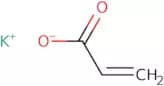
CAS:<p>Potassium acrylate is a diamine tetraacetic acid that functions as a control agent. It is used in analytical methods to measure the effectiveness of other agents. It can be used to produce carboxylate, coordination complex, and hydroxide solution. It has been shown to be effective at doses of 3-5 mM. Potassium acrylate is soluble in water and is stable in air. The FTIR spectrum shows an absorption band at 1657 cm-1, which corresponds to the C=O stretching vibration of the carboxylate group.</p>Formula:C3H3KO2Purity:Min. 95%Molecular weight:110.15 g/molSodium-O-pantothenate
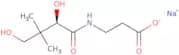
CAS:<p>Sodium-O-pantothenate is a natural form of vitamin B5. It is the sodium salt of pantothenic acid, which is used in the synthesis of coenzyme A and acetylcholine. Sodium-O-pantothenate has been shown to be nontoxic in animals and humans when ingested as an additive in food. In vitro studies have shown that this compound inhibits the production of epidermal growth factor, an effect that may be due to its ability to inhibit phospholipase A2 activity. Sodium-O-pantothenate also has been found to enhance the production of erythrocytes, platelets, and leukocytes in human serum. This compound is used as a cofactor for many enzyme reactions involving pyridoxine hydrochloride (B6) and calcium pantothenate.</p>Formula:C9H16NNaO5Purity:Min. 95%Color and Shape:White PowderMolecular weight:241.22 g/molSodium 1-naphthalenesulfonate
CAS:<p>Sodium 1-naphthalenesulfonate is a zirconium oxide that is used to remove particles from water. It has been shown that the adsorption mechanism of this compound is based on its crystalline polymorphs. Sodium 1-naphthalenesulfonate has been used in the treatment of fatty acid and hydrochloric acid in urine samples, with sodium carbonate as a buffer. This compound also has film-forming properties, which are beneficial for wastewater treatment and can be used in the formation of polymer films. Sodium 1-naphthalenesulfonate also shows toxicity at high concentrations, but does not cause any toxic effects at low concentrations.</p>Formula:C10H7NaO3SPurity:Min. 95%Color and Shape:White Off-White PowderMolecular weight:230.22 g/molSodium 2-thiobarbiturate
CAS:Controlled ProductSodium 2-thiobarbiturate is a nitrosating agent that has been shown to protect the lungs from ischemia–reperfusion injury in vitro. It exerts its protective effects by inhibiting the release of nitric oxide (NO) and protects against neuronal death by preventing mitochondrial dysfunction. Sodium 2-thiobarbiturate also has genotoxic effects, which are reduced in the presence of antioxidants, and can cause DNA damage. This drug is reactive with oxygen, so it should not be stored in airtight containers or exposed to light.Formula:C4H4N2O2S·NaPurity:Min. 95%Color and Shape:White/Off-White SolidMolecular weight:167.14 g/molPotassium diformate
CAS:<p>Potassium diformate is a fatty acid that is used for dietary purposes, as it may be helpful in the treatment of pancreatic enzyme deficiencies. It has been shown to inhibit the growth of lactic acid bacteria, such as Lactobacillus acidophilus, and other microorganisms. Potassium diformate reacts with sodium hydroxide to form potassium hydroxide, which is then reacted with hydrogen chloride gas to produce potassium chloride. This reaction provides an alternative method for industrial preparation of potassium chloride from potash. Potassium diformate also shows potential use as an antimicrobial agent due to its ability to bind and disrupt bacterial cell membranes.</p>Formula:CH2O2·CHKO2Purity:Min. 95%Molecular weight:130.14 g/molCalcium stearate
CAS:Calcium stearate is a calcium salt that is used as an emulsifier and thickener. It has been shown to have the optimum concentration for inhibiting enzymes such as phospholipase A2, which is responsible for the release of arachidonic acid from phospholipids found in cell membranes. Calcium stearate can also be used in combination with zirconium oxide or sodium salts as a drug-release system. The phase transition temperature of calcium stearate is around 100 degrees Celsius, which means it melts at this temperature. This property makes calcium stearate useful in many applications, including as a lubricant and anti-wear additive in automotive parts. Calcium stearate may also have physiological effects on the human body, such as reducing water vapor and increasing co2 flow.Formula:C36H70CaO4Purity:Min. 95%Color and Shape:White PowderMolecular weight:607.02 g/mol1,3,6,8-Pyrenetetrasulfonic acid tetrasodium, 10% aqueous solution
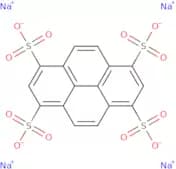
CAS:1,3,6,8-Pyrenetetrasulfonic acid tetrasodium salt (PTS) is a palladium complex that is used as a catalyst in the chemical industry. It can be prepared by the reaction of palladium chloride with sodium sulfide and sodium hydroxide. PTS has been shown to react with diethyl succinate, forming a solid catalyst that can be stored for longer periods of time. This compound has been found to catalyze hydrogenations under constant pressure conditions and also exhibit low energy consumption when performing reactions. PTS is able to bind to DNA, leading to cancer cell death. PTS also has fluorescence properties and can be used in electrochemical impedance spectroscopy.Formula:C16H10O12S4•Na4Purity:Min. 95%Color and Shape:Clear LiquidMolecular weight:614.47 g/molLithium bis(oxalato)borate
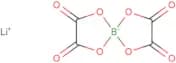
CAS:Lithium bis(oxalato)borate (LBBO), also known as Lithiumbis(oxalato)borate, is a lithium salt of the borate ester. The optimum concentration for LBBO is 1-2 mol/L. LBBO is soluble in water and reacts with glycol esters to form lithium glycolates. This reaction is reversible and the equilibrium can be shifted by changing the temperature or pressure. The NMR spectra of LBBO show a peak at 3.3 ppm which corresponds to the carbon atom attached to the carbonyl group, which is indicative of an organic solution. LBBO has been shown to be an electrolyte for lithium ion batteries but it has not been studied extensively because it decomposes at temperatures above 400°C and exhibits poor transport properties, limiting its application in electronic devices.Formula:C4BO8•LiPurity:Min. 95%Molecular weight:193.79 g/molBis(tri-tert-butylphosphine)platinum(0)
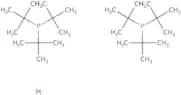
CAS:<p>Bis(tri-tert-butylphosphine)platinum(0) is a coordination complex with a chemical formula of Pt[P(C)(CH)]. It has been shown that this compound is obtained in high yields when the platinum metal is heated to temperatures between 500 and 600 degrees Celsius. This compound has been shown to be soluble in acetone at low temperatures, and it crystallizes to form a purple solid. Bis(tri-tert-butylphosphine)platinum(0) has been shown to have magnetic properties, as well as being active in x-ray crystallographic studies. The crystal diffraction pattern of this compound was found to be similar to that observed for the ligand phosphine, which is consistent with the proposed structure of bis(tri-tert-butylphosphine)platinum(0).</p>Formula:C24H54P2PtPurity:Min. 95%Molecular weight:599.72 g/mol5,5-Diphenylhydantoin sodium
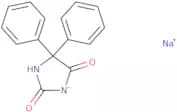
CAS:Controlled Product<p>5,5-Diphenylhydantoin sodium salt is an anticonvulsant drug that belongs to the class of diphenylhydantoins. This drug has been shown to have a number of clinical effects, including cardiac effects, hypersensitivity syndrome, and eosinophilic fasciitis. It also has been shown to be associated with drug interactions and toxic epidermal necrolysis. 5,5-Diphenylhydantoin sodium salt is used in the treatment of epilepsy and neuropathic pain. The mechanism of action for this drug has been shown to be due to its ability to inhibit the release of acetylcholine from nerve terminals by blocking voltage-sensitive sodium channels. 5,5-Diphenylhydantoin sodium salt can also cause fetal bovine serum disease when administered intravenously or intramuscularly in pregnant animals. It also causes experimental carcinogenic potential in laboratory animals.br></p>Formula:C15H12N2O2•NaPurity:Min. 95%Color and Shape:PowderMolecular weight:275.26 g/molSulfo-N-succinimidyl 4-maleimidobutyrate sodium salt
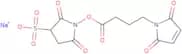
CAS:Please enquire for more information about Sulfo-N-succinimidyl 4-maleimidobutyrate sodium salt including the price, delivery time and more detailed product information at the technical inquiry form on this pageFormula:C12H11N2NaO9SPurity:Min. 95%Molecular weight:382.28 g/molSodium cyanate
CAS:<p>Sodium cyanate is a sodium salt that is used in the treatment of wastewater. It inhibits the growth of microorganisms and can be used as a biocide. Sodium cyanate has been shown to have inhibitory properties against bacteria, fungi, and viruses. Sodium cyanate also has been shown to have a protective effect on the papillary muscle during experimental heart failure in rats. This compound may be able to prevent infections caused by infectious agents, such as those found in wastewater treatment plants and hospitals. The mechanism of action of sodium cyanate is related to its ability to release cyanide ions, which disrupts electron transport chains within cells and prevents ATP production. Sodium cyanate has been shown to have a chronic oral toxicity that affects the liver and kidneys at high doses (LD50: 3-6 g/kg).</p>Formula:CNNaOPurity:Min. 95%Molecular weight:65.01 g/molCalcium ascorbate dihydrate
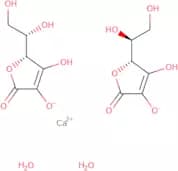
CAS:Calcium ascorbate dihydrate (CAD) is a model system of the skin tumor formation in response to ionizing radiation. CAD is a reaction solution that contains calcium and ascorbate ions. The optimum concentration for CAD is 8 mg/ml. This solution has been shown to be an effective inhibitor of microbial growth and can be used as an antimicrobial agent. It also has a protective effect against acute toxicities, such as those caused by ascorbic acid or sodium citrate.Formula:C12H14CaO12•(H2O)2Purity:Min. 95%Molecular weight:426.34 g/molCalcium carbonate
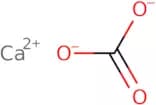
CAS:Calcium carbonate is a chemical compound that can be found in natural limestone, marble and seashells. It is used as an industrial mineral for the production of lime and cement, as well as a chemical agent in wastewater treatment. Calcium carbonate has been shown to have synergistic effects with sodium carbonate when used to treat sewage effluent. It also has a high solubility in water, which makes it suitable for use in the production of concrete. The reaction mechanism is dependent on the particle size and temperature. The thermal expansion coefficient of calcium carbonate is 2.6x10^-5/°C, meaning that it expands by 0.26% per degree Celsius increase in temperature.Formula:CaCO3Purity:Min. 95%Color and Shape:PowderMolecular weight:100.09 g/mol