Fatty Acid Methyl Ester (FAME) Standards
Fatty Acid Methyl Ester (FAME) standards are essential for the analysis and identification of fatty acids in biodiesel, food, and environmental samples. FAME standards allow for the accurate calibration of gas chromatographic systems used to quantify fatty acid composition. At CymitQuimica, we offer high-purity FAME standards to ensure precise and reproducible results for your research and industrial applications.
Found 605 products of "Fatty Acid Methyl Ester (FAME) Standards"
Sort by
Purity (%)
0
100
|
0
|
50
|
90
|
95
|
100
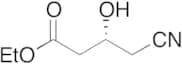
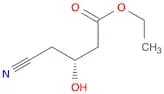
Butanoic acid, 4-cyano-3-hydroxy-, ethyl ester, (3R)-
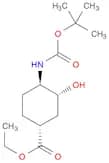
CAS:Formula:C7H11NO3Purity:97%Color and Shape:LiquidMolecular weight:157.1671(1R,3R,4R)-Ethyl 4-((tert-butoxycarbonyl)amino)-3-hydroxycyclohexanecarboxylate
CAS:Formula:C14H25NO5Purity:97%Molecular weight:287.35204-Pentynoic acid, 2-[[(9H-fluoren-9-ylmethoxy)carbonyl]amino]-, (2S)-
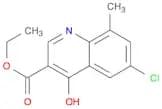
CAS:Formula:C20H17NO4Purity:97%Color and Shape:SolidMolecular weight:335.35336-Chloro-4-hydroxy-8-methylquinoline-3-carboxylic ethyl ester
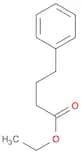
CAS:Formula:C13H12ClNO3Purity:%Color and Shape:SolidMolecular weight:265.6923Benzenebutanoic acid, ethyl ester
CAS:Formula:C12H16O2Purity:98%Color and Shape:LiquidMolecular weight:192.25422-Ethyl-N-butyric acid ethyl ester
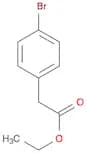
CAS:Formula:C8H16O2Purity:97%Color and Shape:LiquidMolecular weight:144.2114Benzeneacetic acid, 4-bromo-, ethyl ester
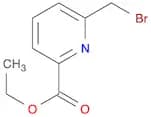
CAS:Formula:C10H11BrO2Purity:97%Color and Shape:SolidMolecular weight:243.0971Ethyl 6-(bromomethyl)picolinate
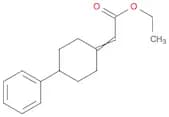
CAS:Formula:C9H10BrNO2Purity:97%Color and Shape:SolidMolecular weight:244.0852Acetic acid, 2-(4-phenylcyclohexylidene)-, ethyl ester
CAS:Formula:C16H20O2Purity:95%Molecular weight:244.32882-(1-Benzyl-Piperidin-3-Yl)-3-Nitro-Propionic Acid Ethyl Ester
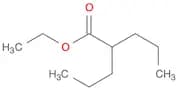
CAS:Formula:C17H24N2O4Purity:95%Molecular weight:320.3835Ethyl 2-propylpentanoate
CAS:Formula:C10H20O2Purity:97%Color and Shape:LiquidMolecular weight:172.2646Hexadecanoic acid, hydrazide
CAS:Formula:C16H34N2OPurity:98%Color and Shape:SolidMolecular weight:270.4540Ethyl 2-(4-bromophenyl)thiazole-4-carboxylate
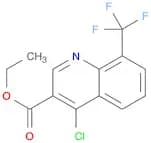
CAS:Formula:C12H10BrNO2SPurity:95%Color and Shape:SolidMolecular weight:312.18234-CHLORO-8-(TRIFLUOROMETHYL)QUINOLINE-3-CARBOXYLIC ETHYL ESTER
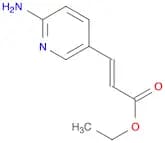
CAS:Formula:C13H9ClF3NO2Purity:98%Color and Shape:SolidMolecular weight:303.66433-(6-Amino-pyridin-3-yl)-acrylic acid ethyl ester
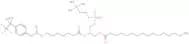
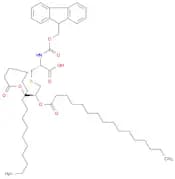
CAS:Formula:C10H12N2O2Purity:98%Color and Shape:SolidMolecular weight:192.2145FMOC-CYS((S)-2,3-DI(PALMITOYLOXY)-PROPYL)-OH
CAS:Formula:C53H83NO8SPurity:98%Color and Shape:SolidMolecular weight:894.2930Ethyl- 5-methoxy-1H-Pyrrolo[2,3-b]pyridine-2-carboxylate
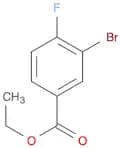
CAS:Formula:C11H12N2O3Purity:97%Color and Shape:SolidMolecular weight:220.2246Benzoic acid, 3-bromo-4-fluoro-, ethyl ester
CAS:Formula:C9H8BrFO2Purity:95%Color and Shape:SolidMolecular weight:247.06101H-Indole-2-carboxylic acid, 5-bromo-, ethyl ester
CAS:Formula:C11H10BrNO2Purity:95%Color and Shape:SolidMolecular weight:268.1066Ref: IN-DA001XAR
1g22.00€5g30.00€10g31.00€1kg633.00€25g56.00€50g73.00€5kgTo inquire100g112.00€10kgTo inquire250g189.00€500g301.00€Benzenepropanoic acid, 3-[[(1,1-dimethylethoxy)carbonyl]amino]-β-oxo-, ethyl ester
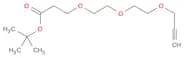
CAS:Formula:C16H21NO5Purity:95%Color and Shape:SolidMolecular weight:307.3416Propargyl-PEG3-t-butyl ester
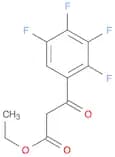
CAS:Formula:C14H24O5Purity:98%Color and Shape:LiquidMolecular weight:272.3374Ethyl (2,3,4,5-Tetrafluorobenzoyl)acetate
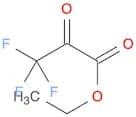
CAS:Formula:C11H8F4O3Purity:97%Color and Shape:SolidMolecular weight:264.1730Ethyl 3,3,3-trifluoro-2-oxopropanoate
CAS:Formula:C5H5F3O3Purity:95%Color and Shape:LiquidMolecular weight:170.0866Ref: IN-DA0034X0
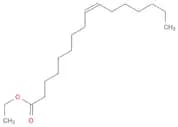
5g20.00€10g28.00€1kg562.00€25g41.00€5kgTo inquire100g93.00€10kgTo inquire250g170.00€25kgTo inquire500g222.00€Palmitoleic acid ethyl ester
CAS:Formula:C18H34O2Purity:95%Color and Shape:LiquidMolecular weight:282.4614Methyl Valerate [Standard Material for GC]
CAS:Formula:C6H12O2Purity:>99.5%(GC)Color and Shape:Colorless clear liquidMolecular weight:116.16Standard Mixture of Fatty Acid Methyl Esters (consists of Methyl Decanoate, Laurate, Myristate, Palmitate and Stearate) [Standard Material for GC]
Color and Shape:Colorless to Almost colorless clear liquidMethyl Butyrate [Standard Material for GC]
CAS:Formula:C5H10O2Purity:>99.5%(GC)Color and Shape:Colorless clear liquidMolecular weight:102.13Palmitoyl Chloride
CAS:Controlled Product<p>Stability Moisture Sensitive<br>Applications Palmitoyl Chloride was used as a polymeric carriers for plasmid DNA (pDNA) delivery to 293T cells.<br>References Remant, B.K.C., et al.: J. Biomaterials. Sci. Poly. Ed., 22, 873 (2011); Allard, E., et al.: Int. J. Pharma., 379, 217 (2009);<br></p>Formula:C16H31ClOColor and Shape:Light YellowMolecular weight:274.87cis-7,10,13,16-Docosatetraenoic Acid Ethyl Ester-d5
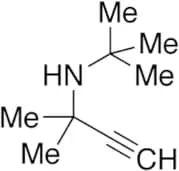
CAS:Controlled Product<p>Applications cis-7,10,13,16-Docosatetraenoic Acid Ethyl Ester-d5 is an isotopic analog of cis-7,10,13,16-Docosatetraenoic Acid Ethyl Ester. cis-7,10,13,16-Docosatetraenoic Acid Ethyl Ester is an ethyl analog of cis-7,10,13,16-Docosatetraenoic Acid (D494510). cis-7,10,13,16-Docosatetraenoic Acid has been identified as a protein kinase inhibitor, affecting serotonin levels in studies.<br>References Mirnikjoo, B. et al.: J. Biol. Chem., 276, 10888 (2001);<br></p>Formula:C24D5H35O2Color and Shape:NeatMolecular weight:365.604N-tert-Butyl-1,1-dimethylpropargylamine
CAS:Controlled Product<p>Applications Used for cyclizations of propynyl compounds: a synthesis of 2,4-imidazolidinediones (hydantoins).<br>References Xie, J., et al.: Bioorg. Med. Chem., 15, 458 (2007),<br></p>Formula:C9H17NColor and Shape:NeatMolecular weight:139.24Hexadecanal
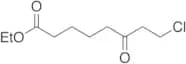
CAS:Controlled Product<p>Stability Air and Moisture sensitive<br>Applications It is used in the production of lipid and fatty acids.<br>References Cerniglia, C., et al.: J. Bacteriol., 118, 844 (1974), Leahy, J., et al.: Microbiolog. Rev., 54, 305 (1990),<br></p>Formula:C16H32OColor and Shape:NeatMolecular weight:240.428-Chloro-6-oxo-octanoic Acid Ethyl Ester
CAS:Controlled Product<p>Applications Intermediate in the synthesis of Lipoic Acid and its derivatives.<br></p>Formula:C10H17ClO3Color and Shape:NeatMolecular weight:220.69Hexadecafluoroheptane
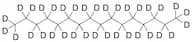
CAS:Controlled Product<p>Applications Hexadecafluoroheptane, 98% (cas# 335-57-9) is a useful research chemical.<br></p>Formula:C7F16Color and Shape:ColourlessMolecular weight:388.05n-Hexadecane-d34
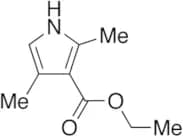
CAS:Controlled Product<p>Applications n-Hexadecane-d34 is the labeled compound of Hexadecane(H293630). Hexadecane has been used to prepare emulsions in water. It is also used as a substrate for the bacterial production of biosurfactants.<br>References Rang, M., et al.: J. Colloid Interface Sci., 209, 179 (1999); Hills, B., et al.: Magn. Reson. Imaging, 18, 319 (2000); Noordman, W., et al.: Appl. Environ. Microbiol., 68, 4502 (2002)<br></p>Formula:C162H34Color and Shape:ColourlessMolecular weight:260.652,4-Dimethyl-1H-pyrrole-3-carboxylic Acid Ethyl Ester
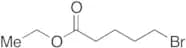
CAS:Controlled Product<p>Applications 2,4-Dimethyl-1H-pyrrole-3-carboxylic Acid Ethyl Ester is used in the preparation of blue pyrrole dyes. 2,4-Dimethyl-1H-pyrrole-3-carboxylic Acid Ethyl Ester is also used as an intermediate in the synthesis of receptor tyrosine kinase (RTK) inhibitors and their metabolites.<br>References Treibs, A. et al.: Lieb. Ann. Chem., 2, 289 (1978); Elsinghorst, P. et al.: J. Lab. Comp. Radiopharm., 52, 360 (2009);<br></p>Formula:C9H13NO2Color and Shape:NeatMolecular weight:167.215-Bromopentanoic Acid Ethyl Ester
CAS:Controlled Product<p>Applications 5-Bromopentanoic Acid Ethyl Ester was used in the preparation of S(γ-Carboxypropyl)-DL-homocysteine and S(δ-Carboxybutyl)-DL-homocysteine. It was also used in the preparation of ethyl 5-azidovalerate.<br>References Awad, W.: J. Biol. Chem., 258, 12790 (1983); Li, Z., et al.: Tetrahedron Lett., 45, 3143 (2004)<br></p>Formula:C7H13BrO2Color and Shape:NeatMolecular weight:209.08N-Succinimidyl Palmitate
CAS:Controlled Product<p>Stability Moisture Sensitive; Store in Freezer, Hygroscopic<br>Applications N-hydroxysuccinimide ester of palmitic acid. Esters of N-hydroxysuccinimide have been used for the preparation of N-acylamino acids, aminoacyl-tRNA, coenzyme A, thioglycolic acid, ceramides, etc.<br>References Lapidot, Y., et al.: J. Lipid Res., 8, 142 (1967); Lapidot, Y., et al.: Biochim. Biophys. Acta, 145, 292 (1967); Al-Arif, A., et al.: J. Lipid Res., 10, 344 (1969); Ong, D.E., and Brady, R.N., J. Lipid Res., 13, 819 (1972)<br></p>Formula:C20H35NO4Color and Shape:NeatMolecular weight:353.50N-Hexadecanol-D31
CAS:Controlled Product<p>Applications N-Hexadecanol (2,2,3,3...16,16,16-D31, 98%) (cas# 203633-15-2) is a useful research chemical.<br></p>Formula:C16D31H3OColor and Shape:NeatMolecular weight:273.63(9Z)-9-Octadecen-1-ol, 85%
CAS:<p>Applications (9Z)-9-Octadecen-1-ol, is an unsaturated fatty alcohol, that can be used a nonionic surfactant, emulsifier, emollient and thickener in skin creams, lotions and many other cosmetic products.<br>References Linh D.D, et al.: Int. J. Gre. Eng., 8, 748 (2011);<br></p>Formula:C18H36OPurity:85%Color and Shape:Colourless LiquidMolecular weight:268.48Ethyl Palmitoleate-d5
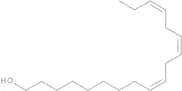
CAS:Controlled Product<p>Stability Light Sensitive<br>Applications Ethyl Palmitoleate-d5 is the isotope analog of Ethyl Palmitoleate. Ethyl Palmitoleate is used in biological studies for calcium relase-activated calcium channel blockade as a potential tool in antipancreatitis therapy.<br>References Gerasimenko, J.V., et al.: Proc. Natl. Acad. Sci. U.S.A., 110, 13186 (2013)<br></p>Formula:C18H29D5O2Color and Shape:Colourless OilyMolecular weight:287.49(9Z,12Z,15Z)-Octadeca-9,12,15-trien-1-ol (>90%)
CAS:<p>Stability Light Sensitive<br>Applications (9Z,12Z,15Z)-octadeca-9,12,15-trien-1-ol is an essential oil component of Osmanthus fragrans.<br>References Hu, C., et al.: Huaxue Shiji, 32, 231 (2010); Tian, G., et al.: Anhui Nongye Kexue, 36, 7214 (2008)<br></p>Formula:C18H32OPurity:>90%Color and Shape:ColourlessMolecular weight:264.45Hexadecanamide
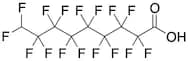
CAS:Controlled Product<p>Applications Hexadecanamide (cas# 629-54-9) is a useful research chemical.<br></p>Formula:C16H33NOColor and Shape:NeatMolecular weight:255.459H-Hexadecafluorononanoic Acid
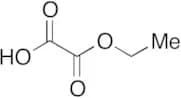
CAS:Controlled Product<p>Applications 9H-Hexadecafluorononanoic Acid (cas# 76-21-1) is a useful research chemical.<br></p>Formula:C9H2O2F16Color and Shape:NeatMolecular weight:446.09Oxalic Acid Ethyl Ester
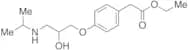
CAS:Controlled Product<p>Applications Oxalic Acid Ethyl Ester is a useful synthetic intermediate. It is used to synthesize 2-substituted 3-aryl-4(3H)-quinazolinones with anticonvulsant activities. It is also used to prepare nonbenzamidine tetrazole derivatives as factor Xa inhibitors.<br>References Wolfe, J., et al.: J. Med. Chem., 33, 161 (1009); Quan, M., et al.: bioorg. Med. Chem. Lett., 13, 369 (2003)<br></p>Formula:C4H6O4Color and Shape:NeatMolecular weight:118.09Metoprolol Acid Ethyl Ester
CAS:Controlled Product<p>Applications Intermediate for the preparation of Metoprolol Acid.<br> Not a dangerous good if item is equal to or less than 1g/ml and there is less than 100g/ml in the package<br></p>Formula:C16H25NO4Color and Shape:NeatMolecular weight:295.371-Hexadecanol
CAS:<p>Applications 1-Hexadecanol, is used in the cosmetic industry as an opacifier in shampoos, or as an emollient, emulsifier or thickening agent in the manufacture of skin creams and lotions.<br>References Smolinske S. C., et al.: Handbook Food Drug and Cosmetic Exipients, 75 (1992);<br></p>Formula:C16H34OColor and Shape:White To Off-WhiteMolecular weight:242.44Butyl Palmitate
CAS:Controlled ProductFormula:C20H40O2Color and Shape:ColourlessMolecular weight:312.53Glyceryl Trihexadecanoate-d98
CAS:Controlled Product<p>Applications Glyceryl Trihexadecanoate-d98 (CAS# 1219803-85-6) is a useful isotopically labeled research compound.<br></p>Formula:C51D98O6Color and Shape:NeatMolecular weight:905.94(3R)-4-Cyano-3-hydroxybutanoic Acid Ethyl Ester
CAS:Controlled Product<p>Applications (3R)-4-Cyano-3-hydroxybutanoic Acid Ethyl Ester is used in a biocatalytic process for the synthesis of an atorvastatin intermediate and degredation products/impurities.<br>References Ma, S. et al.: Green Chem., 12, 81 (2010); Stach, J. et al.: Coll. Czech. Chem. Comm., 73, 229 (2008);<br></p>Formula:C7H11NO3Color and Shape:NeatMolecular weight:157.17Propargyl Alcohol
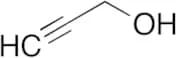
CAS:Controlled Product<p>Applications Propargyl Alcohol is used as a corrosion inhibitor, a metal complex solution, a solvent stabilizer and an electroplating brightener additive. It is also used as an intermediate in organic synthesis.<br> Not a dangerous good if item is equal to or less than 1g/ml and there is less than 100g/ml in the package<br>References Zhang, T., et al.: Res. Chem. Interm. (2013); Choudhary, Y., et al.: SPE Product. Operat., 28, 268 (2013); Hed, Y., et al.: J. Mater. Chem. Mater. Bio. Med., 1, 6015 (2013);<br></p>Formula:C3H4OColor and Shape:NeatMolecular weight:56.062-Morpholinecarboxylic Acid Ethyl Ester
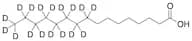
CAS:Controlled ProductFormula:C7H13NO3Color and Shape:NeatMolecular weight:159.18Hexadecanoic-9,9,10,10,11,11,12,12,13,13,14,14,15,15,16,16,16-d17 Acid
CAS:Controlled Product<p>Applications Hexadecanoic-9,9,10,10,11,11,12,12,13,13,14,14,15,15,16,16,16-d17 Acid (CAS# 81462-28-4) is a useful isotopically labeled research compound.<br></p>Formula:C16H15D17O2Color and Shape:White To Off-WhiteMolecular weight:273.53Isopropyl Palmitate
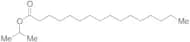
CAS:<p>Applications Isopropyl Palmitate has been used in the preparation of a pseudolatex-membrane for ketoprofen transdermal drug delivery systems.<br>References Suksaeree, J., et. al.: Ind. Eng. Chem. Res., 52, 15847 (2013)<br></p>Formula:C19H38O2Color and Shape:ColourlessMolecular weight:298.50Methyl Palmitoleate
CAS:<p>Applications Methyl Palmitoleate is used as a component in the preparation of a biodiesel fuels.<br>References Luo, H. et al.: Biores. Tech., 140, 337 (2013); Arias-Penaranda, M. et al.: Biores. Tech., 140, 158 (2013);<br></p>Formula:C17H32O2Color and Shape:ColourlessMolecular weight:268.43Palmitoyl-16,16,16-d3-L-carnitine Hydrochloride
CAS:Controlled Product<p>Applications Palmitoyl-16,16,16-d3-L-carnitine Hydrochloride is the isotope labelled analog of Palmitoyl-L-carnitine Hydrochloride (P155050); a long-chain fatty ester of carnitine which is accumulated and released into the circulation in fatty-acid oxidation defects.<br>References Ventura, F., et al.: Clinica Chimica Acta, 281, 1 (1999); Pourfarzam, M., et al.: Clinical Chem,, 40, 2267 (1994); Schaefer, J., et al.: Pediatric Res., 37, 354 (1995)<br></p>Formula:C23H43D3NO4•ClColor and Shape:NeatMolecular weight:439.09N-Boc-propargylamine
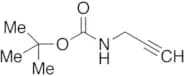
CAS:Controlled Product<p>Applications N-Boc-propargylamine is used in the preparation of triazolobenzylidene-thiazolopyrimidines which act as CDC25 phosphatase inhibitors. Also used in the synthesis of β-glucan polysaccharide analogs.<br>References Duval, R. et al.: J. Comb. Chem., 11, 947 (2009); Tanaka, H. et al.: Tetrahedron Lett., 53, 4104 (2012);<br></p>Formula:C8H13NO2Color and Shape:NeatMolecular weight:155.22-(N,N-Dimethyl-N-propargylammonium)-1-bromoethane Bromide
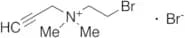
CAS:Controlled Product<p>Applications 2-(N,N-Dimethyl-N-propargylammonium)-1-bromoethane Bromide (cas# 911678-16-5) is a compound useful in organic synthesis.<br></p>Formula:C7H13BrN·BrColor and Shape:NeatMolecular weight:270.991,2-Dipalmitoyl-sn-glycero-3-phosphatidic acid sodium
CAS:<p>1,2-Dipalmitoyl-sn-glycero-3-phosphatidic acid sodium (DPPA) is a drug substance that has been used in primary culture to study the cell membrane of hepatocytes. This compound is a phospholipid with a cavity at one end and contains two hydroxy groups that can be conjugated to other molecules. It has been shown to be effective against Hepatitis B virus and mesenchymal stromal cells. DPPA has also been used as an adjuvant for gadolinium contrast agents for magnetic resonance imaging. Gadolinium may bind to the hydroxy groups on DPPA, which increases its birefringence and brightness on MRI scans.</p>Formula:C35H69Na2O8PPurity:Min. 98 Area-%Color and Shape:White PowderMolecular weight:694.87 g/molPropargylamine
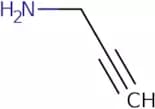
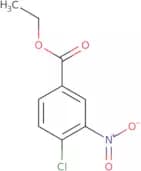
CAS:<p>Propargylamine is an irreversible inhibitor that binds to the active site of the enzyme acetylcholinesterase (AChE) and blocks the breakdown of acetylcholine. This leads to increased levels of acetylcholine in the synaptic cleft, which enhances neurotransmission and causes increased muscle contractions. Propargylamine has been shown to be a potent chemotherapy agent against cancer cells, causing neuronal death. It also inhibits epidermal growth factor receptor (EGFR) signaling pathways, leading to decreased tumor cell proliferation. The drug may also have neurotrophic effects by stimulating nerve growth factors or preventing neuronal apoptosis.</p>Formula:C3H5NPurity:Min. 95%Color and Shape:Colorless Yellow Clear LiquidMolecular weight:55.08 g/mol4-Chloro-3-nitrobenzoic acid ethyl ester
CAS:<p>4-Chloro-3-nitrobenzoic acid ethyl ester is a six-membered, planar, hydrogen bond that has a crystal structure with a six-membered ring. It has hydrogen bonds and five-membered ring. The molecule is coplanar and oriented.</p>Formula:C9H8ClNO4Purity:Min. 95%Color and Shape:PowderMolecular weight:229.62 g/molPipotiazine palmitate
CAS:Controlled Product<p>Pipotiazine palmitate is a long-acting antipsychotic drug that belongs to the class of phenothiazine derivatives. It is used for the treatment of schizophrenia and other psychotic disorders. Pipotiazine palmitate has been shown to be effective in treating chronic schizophrenia with minimal side effects. This drug binds to dopamine D2 receptors, which leads to a decrease in dopaminergic activity in the brain and improves symptoms of psychosis. Pipotiazine palmitate is administered orally in two doses per day. A major limitation of this medication is its low bioavailability due to its high lipophilicity, which may be due to its undecylenate ester form.</p>Formula:C40H63N3O4S2Purity:Min. 95 Area-%Color and Shape:PowderMolecular weight:714.08 g/molcis-4,7,10,13,16,19-Docosahexaenoic acid ethyl ester - 90%
CAS:<p>Cis-4,7,10,13,16,19-Docosahexaenoic acid ethyl ester (DHAEE) is a polyunsaturated fatty acid that belongs to the omega-3 family. It is used as an alternative feedstock for biodiesel production and has been shown to be a good candidate for hydrogenation reactions. The adsorption equilibrium of DHAEE has been studied using isotherms at different densities and pressures. At high pressures, the adsorption of DHAEE on silica gel was found to be reversible. This means that adsorbed DHAEE can be desorbed by heating the solid phase. This property could be useful in the recovery of this compound from spent catalysts or in other applications where it needs to be recovered from a solid phase.</p>Formula:C24H36O2Purity:Min. 95%Color and Shape:PowderMolecular weight:356.54 g/molN-(Phenylsulfonyl)palmitamide
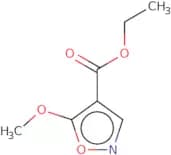
<p>N-(Phenylsulfonyl)palmitamide is a versatile building block that can be used to create complex compounds for research. CAS No. is 527-87-2 and it is a reagent and speciality chemical with high quality. It is also useful as a reaction component in the synthesis of other compounds, or as a scaffold for the synthesis of new derivatives.</p>Formula:C22H37NO3SMolecular weight:395.61 g/mol5-Methoxyisoxazole-4-carboxylic acid ethyl ester
CAS:<p>5-Methoxyisoxazole-4-carboxylic acid ethyl ester is a fine chemical that has been used as a reagent, speciality chemical, and complex building block. It is also useful as a versatile intermediate for the synthesis of other organic compounds. 5-Methoxyisoxazole-4-carboxylic acid ethyl ester has been shown to react with alcohols and amines to form ethers and amides respectively. The compound can be used in the synthesis of polymers and pharmaceutical intermediates. 5-Methoxyisoxazole-4-carboxylic acid ethyl ester has a molecular weight of 210.24 g/mol and CAS No. 1314983-30-6.</p>Formula:C7H9NO4Purity:Min. 95%Molecular weight:171.15 g/molGlycerol tripalmitate
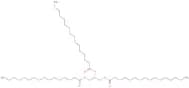
CAS:<p>Glycerol tripalmitate is a triglyceride that is composed of three molecules of glycerol and one molecule of palmitic acid. It is used in the manufacture of sephadex g-100, a chromatographic material that separates proteins based on their size. Glycerol tripalmitate has been shown to have high chemical stability, which is important for its use as a pharmaceutical excipient. This substance also has a physiological function in the human body, including the production of lipids, such as fatty acids and triglycerides. Glycerol tripalmitate can be used to study phase transition temperature by using surface methodology. Carbonyl oxygens are present on the surface of this substance, which may have neurotrophic effects.</p>Formula:C51H98O6Purity:Min. 85 Area-%Color and Shape:PowderMolecular weight:807.32 g/mol1,2-Dipalmitoyl-sn-glycero-3-phosphoethanolamine
CAS:<p>1,2-Dipalmitoyl-sn-glycero-3-phosphoethanolamine is a phospholipid that plays an important role in many cellular processes. It is a major component of the lipid bilayer that surrounds cells and provides stability to the membrane. 1,2-Dipalmitoyl-sn-glycero-3-phosphoethanolamine can form hydrogen bonding interactions with other molecules in the cytoplasm. The redox potential of this compound is also high enough to allow it to participate in oxidation reactions. This phospholipid also has a phase transition temperature at which it changes from a liquid state to a solid state at room temperature. 1,2-Dipalmitoyl-sn-glycero-3-phosphoethanolamine can be used as a reaction mechanism for synthesizing glycosylated proteins or lipids. In vitro assays have been performed using this compound as</p>Formula:C37H74NO8PMolecular weight:691.96 g/molPalmitoyl pentapeptide trifluoroacetic acid
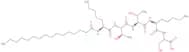
CAS:<p>Palmitoyl pentapeptide trifluoroacetic acid is a synthetic molecule that has been shown to have antimicrobial and anti-inflammatory properties. It has been shown to reduce the activity of gsh-px, which is an enzyme involved in the metabolism of glutathione. This compound also inhibits the production of ATP in cells, which may be responsible for its cancer-inhibiting effects. Palmitoyl pentapeptide trifluoroacetic acid has been shown to inhibit skin cancer cell growth by interfering with fatty acid synthesis and increasing epidermal growth factor levels.</p>Formula:C41H76N7O12Purity:Min. 95%Color and Shape:PowderMolecular weight:802.05 g/molEicosapentaenoic acid ethyl ester
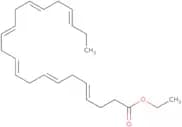
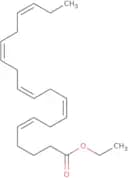
CAS:<p>Eicosapentaenoic acid ethyl ester (EPA-E) is a natural compound that belongs to the group of polyunsaturated fatty acids. EPA-E has been shown to be an antioxidant, which prevents oxidative damage and reduces inflammation. It has been found to lower LDL cholesterol and triglycerides in clinical trials. EPA-E also decreases body mass index, hepatic steatosis, and symptoms of metabolic syndrome. The mechanism of action for these effects is not fully understood but may be due to increased activity of the enzyme spal2. EPA-E has been shown to have favorable biochemical properties in animal models of atherosclerosis.</p>Formula:C22H34O2Purity:Min. 96 Area-%Color and Shape:Clear LiquidMolecular weight:330.5 g/mol3,5-Dimethoxy-4-hydroxycinnamic acid ethyl ester
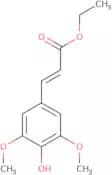
CAS:<p>3,5-Dimethoxy-4-hydroxycinnamic acid ethyl ester is a redox potential with an acidic character. It can be synthesized from p-hydroxybenzoic acid and acetate extract of the plant Carthamus tinctorius. The synthesis starts with an asymmetric synthesis of protocatechuic acid and its derivatives. This compound is also found in the surface methodology of fatty acids and radiation that has been studied by nmr spectroscopic data. 3,5-Dimethoxy-4-hydroxycinnamic acid ethyl ester has bioactive phenolic properties and can be used for the treatment of various diseases such as cancer or diabetes.</p>Formula:C13H16O5Purity:Min. 95%Color and Shape:PowderMolecular weight:252.26 g/molPalmitoyl-DL-carnitine chloride
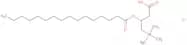
CAS:<p>Palmitoyl-DL-carnitine chloride is a fatty acid that is an important component of cellular membranes. It has been shown to inhibit the growth of cancer cells in rats and mice by increasing the concentration of diacylglycerol in the cell membrane, which leads to increased formation of procyanidins. Palmitoyl-DL-carnitine chloride can also be used as an absorption enhancer for drugs and other compounds. The compound can be used to deliver drugs or other substances into cells, such as Caco-2 cells, for therapeutic purposes. Palmitoyl-DL-carnitine chloride has been shown to increase the production of ornithine in cultured mouse fibroblasts, which may be due to its ability to enhance cellular carnitine levels.</p>Formula:C23H46ClNO4Purity:Min. 95%Color and Shape:PowderMolecular weight:436.07 g/mol4-(1-Hydroxy-1-methylethyl)-2-propyl-1H-imidazole-5-carboxylic acid ethyl ester
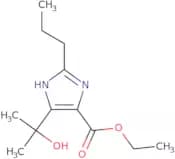
CAS:<p>4-(1-Hydroxy-1-methylethyl)-2-propyl-1H-imidazole-5-carboxylic acid ethyl ester is a synthetic drug with pharmacological properties that are similar to those of the natural product medoxomil. It has been shown to be a potent blocker of the GABA receptor and is used for the treatment of epilepsy. 4-(1-Hydroxy-1-methylethyl)-2-propyl-1H-imidazole-5-carboxylic acid ethyl ester has been shown to be an inhibitor of rat liver microsomes and also has a high affinity for the enzyme cilexetil, which is responsible for the conversion of cilexetil into its active form.</p>Formula:C12H20N2O3Purity:Min. 95%Color and Shape:PowderMolecular weight:240.3 g/molN-Benzyl Hexadecanamide
CAS:<p>N-Benzyl Hexadecanamide is a long-chain amide that is used in analytical chemistry as a sample preparation agent and to extract fatty acids from biological samples. It has been shown to have neuroprotective properties by reducing the uptake of glutamate and preventing neuronal cell death. N-Benzyl Hexadecanamide has also been found to prevent tumor growth and induce apoptosis in human cancer cells, which may be due to its ability to inhibit creatine kinase activity. This compound has also been shown to have anti-inflammatory effects, which are mediated through the inhibition of the activation of nuclear factor kappa B (NF-κB).</p>Formula:C23H39NOPurity:Min. 98 Area-%Color and Shape:PowderMolecular weight:345.56 g/mol3-Cyanobenzoic acid ethyl ester
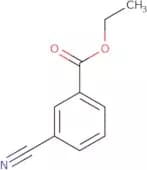
CAS:<p>3-Cyanobenzoic acid ethyl ester is a reaction component that is used in organic synthesis. It is a versatile building block, useful intermediate, and useful building block. 3-Cyanobenzoic acid ethyl ester is a fine chemical that can be used as a reagent for the preparation of other compounds. This compound has been assigned CAS No. 2463-16-3 and has the molecular formula C7H6O2.</p>Formula:C10H9NO2Purity:Min. 95%Color and Shape:PowderMolecular weight:175.18 g/mol4-Fluoro-2-nitrobenzoic acid ethyl ester
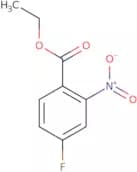
CAS:<p>4-Fluoro-2-nitrobenzoic acid ethyl ester is a fine chemical that can be used as a reagent, intermediate compound, building block, scaffold and building block for speciality chemicals. It has been shown to be an effective chemical in the synthesis of 4-fluoro-2-nitrobenzoic acid, which is a versatile building block with many potential applications. 4-Fluoro-2-nitrobenzoic acid ethyl ester is also useful in reactions involving amines and alcohols as well as metal catalyzed reactions. This product has CAS No. 1072207-10-3.</p>Formula:C9H8FNO4Purity:(%) Min. 85%Color and Shape:Clear LiquidMolecular weight:213.16 g/mol2-Amino-3-hydroxybenzoic acid ethyl ester
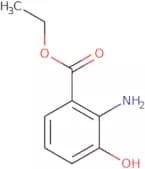
CAS:<p>2-Amino-3-hydroxybenzoic acid ethyl ester is soluble in organic solvents and is a catalyst for the hydrolysis of phenoxazinones. It has been shown to be the most active among the amino acid esters at pH 7. The optimum temperature for this enzyme is 37 degrees Celsius. The substrate specificity of this enzyme, which was purified by fractionation, is 3-hydroxyanthranilic acid and 3-hydroxyanthranilic acid with metals such as copper or zinc ions. This enzyme also catalyses the hydrolysis of proteins and peptides containing hydrophobic amino acids.</p>Formula:C9H11NO3Purity:Min. 95%Color and Shape:PowderMolecular weight:181.19 g/mol3-Amino-4-fluorobenzoic acid ethyl ester
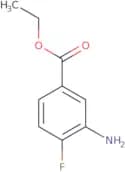
CAS:<p>3-Amino-4-fluorobenzoic acid ethyl ester is a linker that is used to attach a drug molecule to the tautomycin, an analgesic. It has been shown to have nontoxic properties in animals and does not react with intestinal contents. The 3-Amino-4-fluorobenzoic acid ethyl ester also reacts with azide, phosphatase, and hydrocarbons. It is stable in the presence of aromatic hydrocarbons and can be used as a photolabeling agent for introducing a fluorescent group into a molecule.</p>Formula:C9H10FNO2Purity:Min. 95%Color and Shape:PowderMolecular weight:183.18 g/mol2-Amino-5-iodobenzoic acid ethyl ester
CAS:<p>2-Amino-5-iodobenzoic acid ethyl ester is a chemical reagent that is used to prepare 2-chloro-5-iodobenzoic acid. It can be prepared by the hydrolysis of 2,4,6-trinitrobenzene with an aqueous solution of sodium hydroxide. The iodination reaction proceeds in two steps: (1) chlorination of methyl anthranilate with chlorine and (2) addition of the resultant product to 2,4,6-trinitrobenzene. In the first step, methyl anthranilate reacts with chlorine to form 2-chloro-5-iodobenzoic acid ethyl ester and hydrogen chloride gas. In the second step, this product reacts with 2,4,6-trinitrobenzene to form 2-amino 5 -iodobenzoic acid ethyl ester and nitrogen gas</p>Formula:C9H10INO2Purity:Min. 95%Color and Shape:PowderMolecular weight:291.09 g/molPalmitoleic acid, 70%
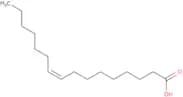
CAS:<p>Palmitoleic acid is a fatty acid that has been shown to have anti-inflammatory effects. Palmitoleic acid inhibits the production of pro-inflammatory cytokines and attenuates the activation of macrophages, as well as inhibiting the expression of genes involved in cell proliferation. Palmitoleic acid has also been shown to be effective against bowel disease, such as Crohn's disease. In a low-dose group, palmitoleic acid inhibited the production of matrix metalloproteinases in 3T3-L1 preadipocytes and hl-60 cells. It also decreased the release of basic proteins from these cells and increased their energy metabolism.</p>Formula:C16H30O2Purity:Min. 70%Color and Shape:Clear LiquidMolecular weight:254.41 g/mol3,5-Dimethylbenzoic acid ethyl ester
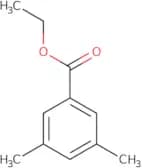
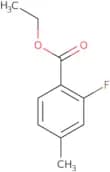
CAS:<p>3,5-Dimethylbenzoic acid ethyl ester is a quinoline derivative that can be synthesised from the reaction of isobutyraldehyde with benzoic acid. This compound yields terminal alkynes and polynuclear compounds in reactions with metals. It can also be prepared by cross-coupling reactions of substituted benzoates with aminobenzoates as ligands. 3,5-Dimethylbenzoic acid ethyl ester is used in preparative chemistry to synthesise other organic compounds.</p>Formula:C11H14O2Purity:Min. 95%Color and Shape:Clear LiquidMolecular weight:178.23 g/mol2-Fluoro-4-methylbenzoic acid ethyl ester
CAS:<p>2-Fluoro-4-methylbenzoic acid ethyl ester is a versatile building block that is used in the synthesis of complex compounds with a wide variety of biological and chemical properties. This compound has been used as a reagent for research, as well as in the production of pharmaceuticals and other speciality chemicals. It has also been found to be useful in the synthesis of compounds with high quality. 2-Fluoro-4-methylbenzoic acid ethyl ester can be used as an intermediate in reactions, or as a scaffold for further synthesis. The CAS number for this compound is 500579-61-3.</p>Formula:C10H11FO2Purity:Min. 95%Color and Shape:Colourless LiquidMolecular weight:182.19 g/mol4-Cyanobenzoic acid ethyl ester
CAS:<p>4-Cyanobenzoic acid ethyl ester is a hydrogen-bonding acceptor that is also able to form exciplexes with styrene. It has a conformation that is similar to that of aminobenzoate, which is a hydrogen-bonding donor. 4-Cyanobenzoic acid ethyl ester reacts with solvents such as benzene and chloroform, undergoing hydration reactions to form the corresponding 4-cyanophenol derivatives. It undergoes cyclization when heated in the presence of ruthenium(II) chloride to produce 1,4-dihydropyridine derivatives. The reaction mechanism for this reaction consists of two steps: an intramolecular nucleophilic attack followed by an intramolecular electrophilic substitution. The deionized water used in this synthetic process eliminates the need for drying agents and stabilizers, making it easier to carry out the synthesis.</p>Formula:C10H9NO2Purity:Min. 95%Color and Shape:PowderMolecular weight:175.18 g/molHexadecanal
CAS:<p>Hexadecanal is a chemical compound that belongs to the group of basic proteins. It is an intermediate in the synthesis of hexanol and hexadecanoic acid. Hexadecanal has been shown to have receptor activity on rat liver microsomes, as well as p450 activity. The physiological functions of this molecule are unknown, but it has been shown to have synergic effects with other bioactive phytochemicals such as sodium citrate.</p>Formula:C16H32OPurity:Min. 95 Area-%Color and Shape:White Off-White PowderMolecular weight:240.42 g/mol1,1,3,3,4,4,4a,5,5,6,6,7,7,8,8,8a-Hexadecafluoro-2-(trifluoromethyl)decahydroisoquinoline
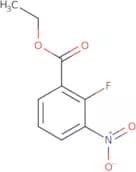
CAS:Controlled Product<p>1,1,3,3,4,4,4a,5,5,6,6,7,7,8,8,8a-Hexadecafluoro-2-(trifluoromethyl)decahydroisoquinoline is an organic solvent that has a very low boiling point and high volatility. It can be used in dry powder inhalers or as a component of hydrogel compositions for oxygen delivery to the lungs. The uptake of 1HF-2TFI into human colon carcinoma cells was found to be significantly higher than uptake by mammary carcinomas. This may be due to the difference in cell types and/or the phosphate group on the molecule. The binding constants of this molecule are also higher than those of other organic solvents such as acetone and ethanol. The results from a questionnaire study also indicated that 1HF-2TFI can be used for perfusion with oxygenated gas mixtures for</p>Formula:C10F19NPurity:Min. 95%Molecular weight:495.08 g/mol2-Fluoro-3-nitrobenzoic acid ethyl ester
CAS:<p>2-Fluoro-3-nitrobenzoic acid ethyl ester is a versatile, high quality building block with a number of uses in research and industry. It is an intermediate in the synthesis of a range of compounds, including pharmaceuticals and other fine chemicals. 2-Fluoro-3-nitrobenzoic acid ethyl ester is also used as a reagent for the synthesis of complex compounds, such as pharmaceuticals. This compound can be synthesized from readily available starting materials and has been shown to be useful for the preparation of scaffolds for organic synthesis. 2-Fluoro-3-nitrobenzoic acid ethyl ester is not listed on the Chemical Abstract Service (CAS) registry, but it does have an IUPAC name (2-(2,6-difluorophenyl)-5-(1,1,2,2 tetrafluoropropoxy)-3H-[1]py</p>Formula:C9H8FNO4Purity:Min. 95%Color and Shape:Off-White PowderMolecular weight:213.16 g/mol1-Palmitoyl-rac-glycerol
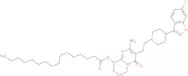
CAS:<p>1-Palmitoyl-rac-glycerol is a fatty acid that contains nitrogen atoms. It has hypoglycemic effects and is used to treat metabolic disorders. 1-Palmitoyl-rac-glycerol has been shown to have a protective effect on the liver by decreasing the levels of triglycerides in the blood and preventing lipid peroxidation. It also improves glucose metabolism and insulin sensitivity. 1-Palmitoyl-rac-glycerol is an important component of biological membranes, where it forms a hydrophobic region that helps maintain membrane structure. This compound also has hemolytic activity, which may be due to its ability to bind with phospholipids or cell membranes, leading to changes in their permeability or stability. The stability of 1-palmitoyl-rac glycerol can be tested by adding reagents such as sodium nitrite or potassium permanganate, which will cause a color change from yellow to brown if it reacts</p>Formula:C19H38O4Purity:Min. 95%Color and Shape:PowderMolecular weight:330.5 g/molPaliperidone palmitate
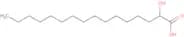
CAS:Controlled Product<p>Paliperidone palmitate is a drug that is used in the treatment of schizophrenia. It is the most potent and selective atypical antipsychotic agent available. Paliperidone palmitate has shown long-term efficacy and low risk of extrapyramidal symptoms, which are associated with some other antipsychotic agents. The drug has been shown to have minimal effects on prolactin levels, although it can cause an increase in serum prolactin levels when administered with risperidone. Paliperidone palmitate is a prodrug that is metabolized by esterases to its active form, paliperidone. Paliperidone does not bind to plasma proteins and therefore may be more suitable for patients with hepatic impairment.</p>Formula:C39H57FN4O4Purity:Min. 95%Color and Shape:PowderMolecular weight:664.89 g/molDL-α-Hydroxypalmitic acid
CAS:<p>Palmitic acid is a fatty acid that is found in animal and vegetable fats. It is also an important component of the cell membrane. Palmitic acid has been shown to inhibit the growth of bacteria by interfering with the synthesis of cell membranes, which are largely composed of lipids. Palmitic acid has been shown to be active against Gram-positive bacteria, including Bacillus subtilis and Staphylococcus epidermidis, as well as Gram-negative bacteria such as Salmonella enterica Serovar Typhi and Escherichia coli O157:H7. Palmitic acid can be used to produce monolayers for use in magnetic resonance spectroscopy. These monolayers have been shown to have an effect on the rate at which glucose is transported across the surface of the membrane. Palmitic acid also inhibits glucosylceramide production in ganoderma lucidum, a type of fungus that causes plant diseases, by blocking</p>Formula:C16H32O3Purity:Min. 98 Area-%Color and Shape:PowderMolecular weight:272.42 g/molPalmitoyldocosahexaenoyl phosphatidylcholine
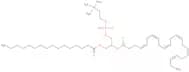
CAS:<p>Palmitoyldocosahexaenoyl phosphatidylcholine (PC-S) is a fatty acid with six double bonds. It has been shown to induce osteogenic genes in human macrophages and can be used as a potential therapeutic agent for the treatment of bone diseases. PC-S also has anti-inflammatory properties, which is due to its ability to inhibit secretory phospholipase A2 (sPLA2). PC-S is structurally similar to the polyunsaturated fatty acid linoleic acid and has been found to have reactive properties. PC-S may be used as an adjuvant therapy for cancer and other diseases, such as Alzheimer's disease. Clinical studies are currently being conducted.</p>Formula:C46H80NO8PPurity:Min. 95%Color and Shape:PowderMolecular weight:806.1 g/molPropargyl chloride
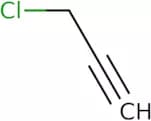
CAS:<p>Propargyl chloride is a chemical that is used as an inhibitor in organic synthesis. It can be used to synthesize compounds with reactive groups such as alkenes, ketones, and amines. Propargyl chloride reacts with the hydroxyl group of an alcohol to form a propargyl alcohol. The reaction mechanism involves intramolecular hydrogen bonding between the hydroxyl group of the propargyl chloride and the carbon atom adjacent to it. Kinetic energy is required for this reaction to occur. The product of this reaction can then react with other molecules in order to form new compounds. Propargyl chloride has been shown to have therapeutic effects on chronic coughs due its ability to reduce the amount of kinetic energy needed for respiratory tract cells, which may have reduced coughing frequency.<br>END>></p>Formula:C3H3ClPurity:Min. 95%Color and Shape:Colorless Yellow Clear LiquidMolecular weight:74.51 g/mol3-Bromocinnamic acid ethyl ester
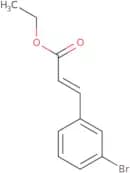
CAS:<p>3-Bromocinnamic acid ethyl ester is a chemical that is useful as a building block for the synthesis of more complex compounds. It is an intermediate in the synthesis of organic compounds and can be used as a reaction component. 3-Bromocinnamic acid ethyl ester has CAS No. 24398-80-9 and is a reagent that can be used to synthesize other chemicals. 3-Bromocinnamic acid ethyl ester is also useful as a scaffold in the development of new drugs, because it has an amide bond, which may lead to new types of drug molecules with different properties.</p>Formula:C11H11BrO2Purity:Min. 95%Molecular weight:255.11 g/mol2-Bromo-3-fluorobenzoic acid ethyl ester
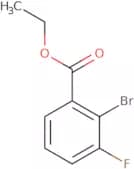
CAS:<p>2-Bromo-3-fluorobenzoic acid ethyl ester is a versatile building block that can be used in the preparation of many different chemical compounds. It is a high quality chemical with a CAS number 1131040-49-7. 2-Bromo-3-fluorobenzoic acid ethyl ester is useful in the synthesis of complex compounds, and has been shown to be an effective reagent. This chemical has also been used as a reaction component and scaffold in research chemicals.</p>Formula:C9H8BrFO2Purity:Min. 95%Color and Shape:PowderMolecular weight:247.06 g/mol1-palmitoyl-2-(10-(4-((trifluoromethyl)diazirinyl)phenyl)-8-oxadecanoyl)-sn-glycero-3-phosphocholine
CAS:<p>1-palmitoyl-2-(10-(4-((trifluoromethyl)diazirinyl)phenyl)-8-oxadecanoyl)-sn-glycero-3-phosphocholine (PPC) is a liposome that induces necrotic cell death. It binds to the mitochondria and inhibits adenine nucleotide translocation, leading to the loss of mitochondrial membrane potential and the release of cytosolic calcium. This leads to activation of proapoptotic proteins, such as Bax and Bak, which initiates caspase-independent apoptosis. PPC also induces light emission from phospholipid hydroperoxide decomposition, which can be used as a biomarker for cellular physiology.</p>Formula:C41H68TF3N3O9PPurity:Min. 95%Molecular weight:837.98 g/mol3-Fluoro-2-nitrobenzoic acid ethyl ester
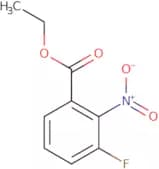
CAS:<p>3-Fluoro-2-nitrobenzoic acid ethyl ester is a fine chemical that is useful as a versatile building block in the synthesis of complex compounds. It can be used as an intermediate in the preparation of research chemicals and has been shown to react with amines to form nitrosoamines, which are useful reaction components. 3-Fluoro-2-nitrobenzoic acid ethyl ester has CAS number 163077-89-2 and is available at high quality.</p>Formula:C9H8FNO4Purity:Min. 95%Color and Shape:PowderMolecular weight:213.16 g/molL-Propargylglycine
CAS:<p>L-Propargylglycine is a novel, synthetic compound that has been shown to inhibit bacterial growth. It is a strong inhibitor of the polymerase chain reaction (PCR) and nuclear DNA replication. L-Propargylglycine has also been shown to inhibit mitochondrial membrane potential and human serum which may lead to its anti-inflammatory properties. L-Propargylglycine has antioxidative properties, antimicrobial peptide activity, and ATP channel inhibition. This drug also has a number of other pharmacological effects including modulation of intestinal inflammation in models of inflammatory bowel disease and improvement of atherosclerotic lesions in animal models.</p>Formula:C5H7NO2Purity:(%) Min. 98%Color and Shape:PowderMolecular weight:113.11 g/mol

![4-Pentynoic acid, 2-[[(9H-fluoren-9-ylmethoxy)carbonyl]amino]-, (2S)-](/_next/image/?url=https%3A%2Fstatic.cymitquimica.com%2Fproducts%2FIN%2Fthumb-webp%2FDA002BML.webp&w=3840&q=75)






![Ethyl- 5-methoxy-1H-Pyrrolo[2,3-b]pyridine-2-carboxylate](/_next/image/?url=https%3A%2Fstatic.cymitquimica.com%2Fproducts%2FIN%2Fthumb-webp%2FDA008TBB.webp&w=3840&q=75)

![Benzenepropanoic acid, 3-[[(1,1-dimethylethoxy)carbonyl]amino]-β-oxo-, ethyl ester](/_next/image/?url=https%3A%2Fstatic.cymitquimica.com%2Fproducts%2FIN%2Fthumb-webp%2FDA0005HZ.webp&w=3840&q=75)
![Methyl Valerate [Standard Material for GC]](/_next/image/?url=https%3A%2Fstatic.cymitquimica.com%2Fproducts%2F3B%2Fthumb-webp%2FS0303.webp&w=3840&q=75)



![Methyl Butyrate [Standard Material for GC]](/_next/image/?url=https%3A%2Fstatic.cymitquimica.com%2Fproducts%2F3B%2Fthumb-webp%2FS0302.webp&w=3840&q=75)