


Fatty Acid Methyl Ester (FAME) Standards
Fatty Acid Methyl Ester (FAME) standards are essential for the analysis and identification of fatty acids in biodiesel, food, and environmental samples. FAME standards allow for the accurate calibration of gas chromatographic systems used to quantify fatty acid composition. At CymitQuimica, we offer high-purity FAME standards to ensure precise and reproducible results for your research and industrial applications.
Found 605 products of "Fatty Acid Methyl Ester (FAME) Standards"
Sort by
Purity (%)
0
100
|
0
|
50
|
90
|
95
|
100
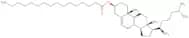
Cholest-5-en-3b-yl hexadecanoate
CAS:Controlled Product<p>Cholest-5-en-3b-yl hexadecanoate is a fatty acid that is used to synthesize dextran sulfate. It is a subcutaneous tumor model and has been shown to be effective against human body mass index (BMI) with human serum in vitro. Cholest-5-en-3b-yl hexadecanoate has also been found to inhibit atherosclerotic lesions in vivo and can be used as a fluorescence probe for cholesteryl. This fatty acid also inhibits the growth of infectious diseases, such as Staphylococcus aureus, which infects humans. The melting point of this compound is around 100°C and it becomes liquid at room temperature.</p>Formula:C43H76O2Purity:Min. 95%Color and Shape:PowderMolecular weight:625.06 g/mol1,16-Hexadecanediol
CAS:<p>1,16-Hexadecanediol is a plant hormone that is structurally related to abscisic acid and gibberellins. It is found in the tissues of plants. 1,16-Hexadecanediol has been shown to have the ability to regulate plant growth and development. The diffusional properties of this molecule suggest that it may be a model system for studying other molecules with similar properties. The conformational properties of this molecule are also important because they allow for hydrogen bonding, which stabilizes the molecule and prevents it from decomposing. This property also makes 1,16-hexadecanediol an excellent candidate as a low-energy sweetener. The molecule can be seen in nmr spectra as having two peaks at different chemical shifts because it contains intramolecular hydrogen bonds. The formula weight of 1,16-hexadecanediol is 270.27 g/mol.</p>Formula:C16H34O2Purity:Min. 95%Color and Shape:White/Off-White SolidMolecular weight:258.44 g/mol4-[Bis(2-hydroxypropyl)amino]benzoic acid ethyl ester, 90%
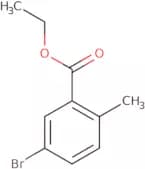
CAS:<p>4-[Bis(2-hydroxypropyl)amino]benzoic acid ethyl ester is an absorber that is used in the production of cationic surfactants. It has been shown to have clinical properties and can be combined with antibiotics for the treatment of inflammatory diseases. 4-[Bis(2-hydroxypropyl)amino]benzoic acid ethyl ester is also used as a radiation absorber, which prevents the formation of free radicals by absorbing radiation. This drug also has an antioxidant effect and may protect skin cells from damage caused by UV light.</p>Formula:C15H23NO4Purity:Min. 95%Color and Shape:Yellow PowderMolecular weight:281.35 g/mol5-Bromo-2-methylbenzoic acid ethyl ester
CAS:<p>5-Bromo-2-methylbenzoic acid ethyl ester is a fine chemical used as a versatile building block in organic synthesis. It is also used as a reagent for the conversion of alcohols to alkyl bromides, and for the preparation of 2-bromoacetophenones from 2-bromobenzenes. 5-Bromo-2-methylbenzoic acid ethyl ester can be used as a useful intermediate in the synthesis of other compounds or in reactions with other chemicals. This product has high quality and can be used as a useful scaffold for synthesizing new compounds.</p>Formula:C10H11BrO2Purity:Min. 95%Molecular weight:243.1 g/mol1,2-Didocosahexaenoyl-3-palmitoyl Glycerol
CAS:Controlled ProductFormula:C63H98O6Color and Shape:NeatMolecular weight:951.4492-[4-(4,4,5,5-Tetramethyl-[1,3,2]dioxaborolan-2-yl)phenyl]butyric Acid Ethyl Ester
CAS:Controlled ProductFormula:C18H27BO4Color and Shape:NeatMolecular weight:318.216n-Hexadecyl-1,1,2,2-d4 Hexadecanoate-16,16,16-d3
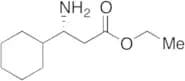
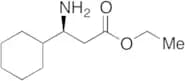
CAS:Controlled Product<p>Applications n-Hexadecyl-1,1,2,2-d4 Hexadecanoate-16,16,16-d3 (CAS# 1398066-15-3) is a useful isotopically labeled research compound.<br></p>Formula:C32H57D7O2Color and Shape:NeatMolecular weight:487.9(betaR)-β-Aminocyclohexanepropanoic Acid Ethyl Ester
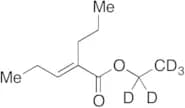
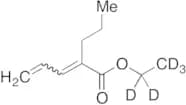
CAS:Controlled ProductFormula:C11H21NO2Color and Shape:NeatMolecular weight:199.29(E/Z)-2-Propyl-2-pentenoic Acid Ethyl Ester-d5
CAS:Controlled ProductFormula:C10H13D5O2Color and Shape:NeatMolecular weight:229.299(11E)-11-Hexadecenal
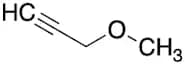
CAS:Controlled ProductFormula:C16H30OColor and Shape:NeatMolecular weight:238.409Methyl Propargyl Ether
CAS:Controlled Product<p>Applications Methyl Propargyl Ether (cas# 627-41-8) is a useful research chemical.<br></p>Formula:C4H6OColor and Shape:NeatMolecular weight:70.08Clorazepic Acid Ethyl Ester-d5
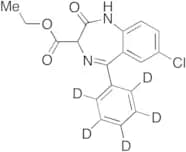
CAS:Controlled ProductFormula:C18D5H10ClN2O3Color and Shape:NeatMolecular weight:347.807(E)-4-Hydroxycrotonoic Acid Ethyl Ester (~85%)
CAS:Controlled Product<p>Stability No Date Available<br>Applications (E)-4-Hydroxycrotonoic Acid Ethyl Ester is an intermediate in the preparation of unusual amino acids that are potential Michael acceptor based antiplasmodial and antitrypanosomal cysteine protease inhibitors.<br>References Breuning, A., et al.: J. Med. Chem., 53, 1951 (2010);<br></p>Formula:C6H10O3Purity:~85%Color and Shape:NeatMolecular weight:130.142-(Dimethoxyphosphinyl)-2-[[(phenylmethoxy)carbonyl]amino]acetic Acid Ethyl Ester
CAS:Controlled ProductFormula:C14H20NO7PColor and Shape:NeatMolecular weight:345.2851-Iodo-hexadecane
CAS:Controlled Product<p>Applications 1-Iodo-hexadecane is a reagent used to synthesize various polymers and hydrocarbons.<br> Not a dangerous good if item is equal to or less than 1g/ml and there is less than 100g/ml in the package<br>References Kajitani, T., et al.: J. Am. Chem. Soc., 2013, 135, 14564 (2013); Oldham, J., et al.: J. Chem. Soc., 201 (1938);<br></p>Formula:C16H33IColor and Shape:NeatMolecular weight:352.34Hexadecanoic-13,13-d2 Acid
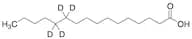
CAS:Controlled Product<p>Applications Hexadecanoic-13,13-d2 Acid (CAS# 62690-28-2) is a useful isotopically labeled research compound.<br></p>Formula:C16H30D2O2Color and Shape:NeatMolecular weight:258.44Hexadecanoic-7,7,8,8-d4 Acid
CAS:Controlled Product<p>Applications Hexadecanoic-7,7,8,8-d4 Acid (CAS# 75736-49-1) is a useful isotopically labeled research compound.<br></p>Formula:C16H28D4O2Color and Shape:NeatMolecular weight:260.45(2E,13Z)-Octadecadienal
CAS:Controlled Product<p>Applications Sex phermone produced by the female hornet moth, Sesia apiformis.<br>References Takacs, S., et al.: Chemoecol., 11, 153 (2001), Islam, A., et al.: J. Chem. Ecol., 33, 1763 (2007),<br></p>Formula:C18H32OColor and Shape:NeatMolecular weight:264.446rac 2-Isopropyl Pentanoic Acid Ethyl Ester-d5
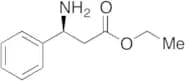
Controlled ProductFormula:C10H15D5O2Color and Shape:NeatMolecular weight:367.398(betaR)-β-Aminobenzenepropanoic Acid Ethyl Ester
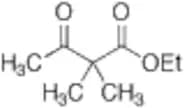
CAS:Controlled ProductFormula:C11H15NO2Color and Shape:NeatMolecular weight:193.2422,2-Dimethylacetoacetic Acid Ethyl Ester
CAS:Controlled Product<p>Applications Used in the synthesis of esters of α,α-dimethyl-β-keto acids.<br></p>Formula:C8H14O3Color and Shape:NeatMolecular weight:158.201-Bromohexadecane-16,16,16-d3
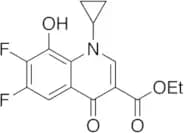
CAS:Controlled Product<p>Applications 1-Bromohexadecane-16,16,16-d3 (CAS# 284474-40-4) is a useful isotopically labeled research compound.<br></p>Formula:C16H30D3BrColor and Shape:NeatMolecular weight:308.361-Cyclopropyl-6,7-difluoro-1,4-dihydro-8-hydroxy-4-oxo-3-quinolinecarboxylic Acid Ethyl Ester
CAS:Controlled Product<p>Applications 1-Cyclopropyl-6,7-difluoro-1,4-dihydro-8-hydroxy-4-oxo-3-quinolinecarboxylic Acid Ethyl Ester is used in the synthesis of antibacterials.<br>References Phillips, O. et al.: Exp. Opin. Ther. Pat., 19, 529 (2009);<br></p>Formula:C15H13F2NO4Color and Shape:NeatMolecular weight:309.265Ethylene Glycol Dipalmitate
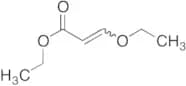
CAS:Controlled Product<p>Applications Ethylene Glycol Dipalmitate is used as a component of phase change materials for thermal energy storage.<br>References Aydin, Ahmet A.: Solar Energy Mat. & Solar Cells, 108, 98-104 (2013)<br></p>Formula:C34H66O4Color and Shape:NeatMolecular weight:538.8853-Ethoxyacrylic Acid Ethyl Ester-13C2(cis/trans-Mixture)
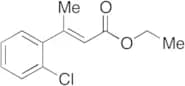
CAS:Controlled Product<p>Applications 3-Ethoxyacrylic Acid Ethyl Ester-13C2 is an intermediate used in the synthesis of 2-Chloro-5-thiazolecarboxylic Acid-13C3,15N (C411468), which is an isotopically labeled analog of 2-Chloro-5-thiazolecarboxylic Acid (C411465), which was studied as one of the metabolites of thiamethoxam, clothianidin, and dinotefuran in mice.<br>References Ford, K., et al.: Chem. Res. Toxicol., 19, 1549 (2006);<br></p>Formula:C2C5H12O3Color and Shape:NeatMolecular weight:146.154(2E)-3-(2-Chlorophenyl)-2-butenoic Acid Ethyl Ester
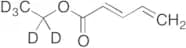
CAS:Controlled ProductFormula:C12H13ClO2Color and Shape:NeatMolecular weight:224.68(2E)-2,4-Pentadienoic Acid Ethyl Ester-d5
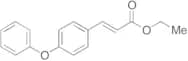
CAS:Controlled ProductFormula:C7H5D5O2Color and Shape:NeatMolecular weight:579.98(2E)-3-(4-Phenoxyphenyl)-2-propenoic Acid Ethyl Ester
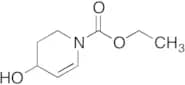
CAS:Controlled ProductFormula:C17H16O3Color and Shape:NeatMolecular weight:215.6323,4-Dihydro-4-hydroxy-1(2H)-pyridinecarboxylic Acid Ethyl Ester
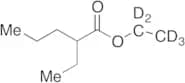
CAS:Controlled Product<p>Applications 3,4-Dihydro-4-hydroxy-1(2H)-pyridinecarboxylic Acid Ethyl Ester is a synthetic intermediate/reactant in the synthesis of streptazolin.<br>References Kozikowski, A., Park, P.: J. Org. Chem., 55, 4668 (1990);<br></p>Formula:C8H13NO3Color and Shape:NeatMolecular weight:171.1942-Ethylpentanoic Acid Ethyl Ester-d5
CAS:Controlled ProductFormula:C9D5H13O2Color and Shape:NeatMolecular weight:163.269Palmitoleoyl Chloride
CAS:Controlled ProductFormula:C16H29ClOColor and Shape:NeatMolecular weight:272.854Sodium Hexadecanoate-16,16,16-d3
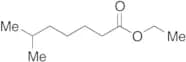
CAS:Controlled Product<p>Applications Sodium Hexadecanoate-16,16,16-d3 (CAS# 347841-37-6) is a useful isotopically labeled research compound.<br></p>Formula:C16H28D3NaO2Color and Shape:NeatMolecular weight:281.436-Methylheptanoic Acid Ethyl Ester
CAS:Controlled ProductFormula:C10H20O2Color and Shape:NeatMolecular weight:288.3819-Undecynoic Acid Ethyl Ester-d5
CAS:Controlled ProductFormula:C13H17D5O2Color and Shape:NeatMolecular weight:469.3481-Hexadecanamine-15N
CAS:Controlled ProductFormula:C16H3515NColor and Shape:NeatMolecular weight:242.449Hexadecanoic-3,3-d2 Acid
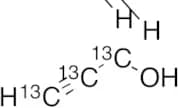
CAS:Controlled Product<p>Applications Hexadecanoic-3,3-d2 Acid (CAS# 83293-32-7) is a useful isotopically labeled research compound.<br></p>Formula:C16H30D2O2Color and Shape:NeatMolecular weight:258.44Propargyl Alcohol-13C3
CAS:Controlled Product<p>Applications Propargyl Alcohol-13C3 is labelled Propargyl Alcohol (P762550) which is used as a corrosion inhibitor, a metal complex solution, a solvent stabilizer and an electroplating brightener additive. It is also used as an intermediate in organic synthesis.<br> Not a dangerous good if item is equal to or less than 1g/ml and there is less than 100g/ml in the package<br>References Zhang, T., et al.: Res. Chem. Interm. (2013); Choudhary, Y., et al.: SPE Product. Operat., 28, 268 (2013); Hed, Y., et al.: J. Mater. Chem. Mater. Bio. Med., 1, 6015 (2013)<br></p>Formula:C3H4OColor and Shape:NeatMolecular weight:59.042-[4-(4,4,5,5-Tetramethyl-[1,3,2]dioxaborolan-2-yl)phenyl]butyric Acid Ethyl Ester-d5
CAS:Controlled Product<p>Applications 2-[4-(4,4,5,5-Tetramethyl-[1,3,2]dioxaborolan-2-yl)phenyl]butyric Acid Ethyl Ester-d5 is labelled 2-[4-(4,4,5,5-Tetramethyl-[1,3,2]dioxaborolan-2-yl)phenyl]butyric Acid Ethyl Ester (T302660) which is used as a reagent to prepare N-heterocyclylcarbamates and biphenylisoxazoles as lysophosphatidic acid (LPA) receptor antagonists.<br>References Buckman, B., et al.: PCT Int. Appl., WO 2013025733 A1 20130221 (2013)<br></p>Formula:C18D5H22BO4Color and Shape:NeatMolecular weight:323.246Benzenebutanoic Acid Ethyl Ester
CAS:Controlled Product<p>Applications Benzenebutanoic Acid Ethyl Ester is used in the synthesis of thiazolium salts with potent antimalarial activity. Also used in the preparation of novel lactate dehydrogenase A inhibitors. This compound is suitable for lactate dehydrogenase (LDH) related research.<br>References Hamze, A. et al.: J. Med. Chem., 48, 3639 (2005); Ward, R. et al.: J. Med. Chem., 55, 3285 (2012);<br></p>Formula:C12H16O2Color and Shape:NeatMolecular weight:192.25Glyceryl Trihexadecanoate-13C2 [1,3-Di(hexadecanoate-1-13C)]
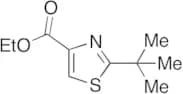
CAS:Controlled Product<p>Applications Glyceryl Trihexadecanoate-13C2 [1,3-Di(hexadecanoate-1-13C)] (CAS# 339080-65-8) is a useful isotopically labeled research compound.<br></p>Formula:C49C)2H98O6Color and Shape:NeatMolecular weight:809.322-tert-Butyl-4-thiazolecarboxylic Acid Ethyl Ester
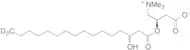
CAS:Controlled ProductFormula:C10H15NO2SColor and Shape:NeatMolecular weight:257.2413-Hydroxyhexadecanoylcarnitine-d3
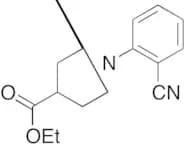
CAS:Controlled ProductFormula:C23D3H42NO5Color and Shape:NeatMolecular weight:418.6261-(2-Cyanophenyl)-4-piperidinecarboxylic Acid Ethyl Ester
CAS:Controlled ProductFormula:C15H18N2O2Color and Shape:NeatMolecular weight:258.316(1S,3S,4S)-4-[[(1,1-Dimethylethoxy)carbonyl]amino]-3-hydroxycyclohexanecarboxylic Acid Ethyl Ester
CAS:Controlled ProductFormula:C14H25NO5Color and Shape:NeatMolecular weight:287.352Carbon(isothiocyanatidic)acid Ethyl Ester
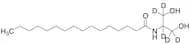
CAS:Controlled Product<p>Applications Carbon(isothiocyanatidic)acid Ethyl Ester (cas# 16182-04-0) is a compound useful in organic synthesis.<br></p>Formula:C4H5NO2SColor and Shape:NeatMolecular weight:131.15N-Hexadecanoyl-2-amino-1,3-propane-d5-diol
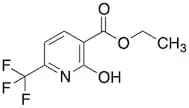
CAS:Controlled Product<p>Applications N-Hexadecanoyl-2-amino-1,3-propane-d5-diol (CAS# 949524-35-2) is a useful isotopically labeled research compound.<br></p>Formula:C19H34D5NO3Color and Shape:NeatMolecular weight:334.561,2-Dihydro-2-oxo-6-(trifluoromethyl)-3-pyridinecarboxylic Acid Ethyl Ester
CAS:Controlled Product<p>Applications 1,2-DIHYDRO-2-OXO-6-(TRIFLUOROMETHYL)-3-PYRIDINECARBOXYLIC ACID ETHYL ESTER (cas# 116548-02-8) is a useful research chemical.<br></p>Formula:C9H8F3NO3Color and Shape:NeatMolecular weight:235.16Sodium Hexadecanoate-d31
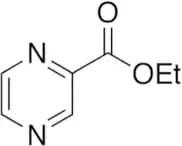
CAS:Controlled Product<p>Applications Sodium Hexadecanoate-d31 (CAS# 467235-83-2) is a useful isotopically labeled research compound.<br></p>Formula:C16D31NaO2Color and Shape:NeatMolecular weight:309.6Pyrazinoic Acid Ethyl Ester
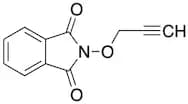
CAS:Controlled Product<p>Applications Pyrazinoic Acid Ethyl Ester (cas# 6924-68-1) is a compound useful in organic synthesis.<br></p>Formula:C7H8N2O2Color and Shape:NeatMolecular weight:152.15N-(Propargyloxy)phthalimide
CAS:Controlled Product<p>Stability Moisture Sensitive<br>Applications N-(PROPARGYLOXY)PHTHALIMIDE (cas# 4616-63-1) is a useful research chemical.<br></p>Formula:C11H7NO3Color and Shape:NeatMolecular weight:201.181,4-Phenylenediacetic Acid Ethyl Ester
CAS:Controlled Product<p>Applications 1,4-Phenylenediacetic Acid Eethyl Ester is an arendiacetic ester used in the preparation of potent β-3 receptor agonist.<br>References Badland, M. et al.: Green Chem., 13, 2888 (2011)<br></p>Formula:C12H14O4Color and Shape:NeatMolecular weight:222.243-Bromo-4-fluoro-benzoic Acid Ethyl Ester
CAS:Controlled ProductFormula:C9H8BrFO2Color and Shape:NeatMolecular weight:247.06Glyceryl-d5 Trihexadecanoate
CAS:Controlled Product<p>Applications Glyceryl-d5 Trihexadecanoate (CAS# 60763-98-6) is a useful isotopically labeled research compound.<br></p>Formula:C51H93D5O6Color and Shape:NeatMolecular weight:812.373,3,12,12-Tetramethyl-1,5,10,14-tetraoxadispiro[5.2.5.2]hexadecane
CAS:Controlled ProductFormula:C16H28O4Color and Shape:NeatMolecular weight:284.39Glyceryl Tri(hexadecanoate-d31)
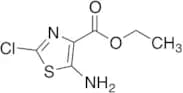
CAS:Controlled Product<p>Applications Glyceryl Tri(hexadecanoate-d31) (CAS# 241157-04-0) is a useful isotopically labeled research compound.<br></p>Formula:C51H5D93O6Color and Shape:NeatMolecular weight:900.915-Amino-2-chloro-thiazole-4-carboxylic Acid Ethyl Ester
CAS:Controlled ProductFormula:C6H7ClN2O2SColor and Shape:NeatMolecular weight:206.65(9E,12Z)-9,12-Tetradecadienol
CAS:Controlled ProductFormula:C14H26OColor and Shape:NeatMolecular weight:210.3565-Methyl-2-hex-2-enoic Acid Ethyl Ester
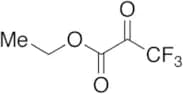
CAS:Controlled Product<p>Applications A useful synthetic intermediate.<br></p>Formula:C9H16O2Color and Shape:NeatMolecular weight:156.22Trifluoropyruvic Acid Ethyl Ester
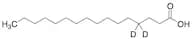
CAS:Controlled Product<p>Stability Moisture Sensitive<br>Applications Trifluoropyruvic Acid Ethyl Ester is used as a reagent in the preparation of potential biologically active compounds such as in the highly enantioselective organocatalytic hydroxyalkylation of indoles.<br>References Toeroek, B. et al.: Angew. Chem. Int. Ed., 44, 3086 (2005); Wolf, C. et al.: Adv. Synth. Cat., 353, 760 (2011);<br></p>Formula:C5H5F3O3Color and Shape:NeatMolecular weight:170.09Hexadecanoic-4,4-d2 Acid
CAS:Controlled Product<p>Applications Hexadecanoic-4,4-d2 Acid (CAS# 30719-28-9) is a useful isotopically labeled research compound.<br></p>Formula:C16H30D2O2Color and Shape:NeatMolecular weight:258.44Propargyl Benzenesulfonate-13C6
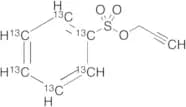
CAS:Controlled ProductFormula:C6C3H8O3SColor and Shape:NeatMolecular weight:202.179cis-8,11,14-Eicosatrienoic Acid Ethyl Ester-d5
CAS:Controlled Product<p>Applications cis-8,11,14-Eicosatrienoic Acid Ethyl Ester-d5 is the isotope labelled analog of cis-8,11,14-Eicosatrienoic Acid Ethyl Ester (E477920); the ethyl ester derivative of cis-8,11,14-Eicosatrienoic Acid (E477930) which is a fatty acid with selective tumoricidal activity.<br>References Das, U., et al.: Cancer Lett., 56, 235 (1991); Rudra, P., et al.: Anticancer Res., 21, 29 (2001); Menendez, J., et al.: Breast Cancer Res. Treat., 72, 203 (2002)<br></p>Formula:C22H33D5O2Color and Shape:NeatMolecular weight:339.57(E,E,E)-2,4,6-Hexadecatrienoic acid
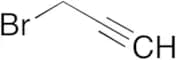
CAS:Controlled ProductFormula:C16H26O2Color and Shape:NeatMolecular weight:250.38Propargyl Bromide (Stablized with MgO)
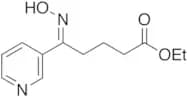
CAS:Controlled Product<p>Applications Propargyl Bromide is used in the synthesis of betulonic acid-peptide conjugates with anti-inflammatory activity. Also used in the synthesis of PEG and peptide-grafted polyesters.<br> Not a dangerous good if item is equal to or less than 1g/ml and there is less than 100g/ml in the package<br>References Govdi, A. et al.: Mendel. Comm., 23, 260 (2013); Parrish, B. et al.: J. Am. Chem. Soc., 127, 7404 (2005);<br></p>Formula:C3H3BrColor and Shape:NeatMolecular weight:118.965-Hydroxyimino-5-(3-pyridyl)-pentanoic Acid Ethyl Ester
CAS:Controlled Product<p>Applications 5-Hydroxyimino-5-(3-pyridyl)-pentanoic Acid Ethyl Ester (cas# 1076198-21-4) is a compound useful in organic synthesis.<br></p>Formula:C12H16N2O3Color and Shape:NeatMolecular weight:236.27Hexadecanoic-9,9-d2 Acid
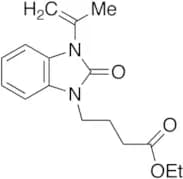
CAS:Controlled Product<p>Applications Hexadecanoic-9,9-d2 Acid (CAS# 272442-14-5) is a useful isotopically labeled research compound.<br></p>Formula:C16H30D2O2Color and Shape:NeatMolecular weight:258.443-Isopropenyl-2-oxo-1-benzimidazolinebutyric Acid Ethyl Ester
CAS:Controlled Product<p>Applications 3-Isopropenyl-2-oxo-1-benzimidazolinebutyric Acid Ethyl Ester (cas# 116199-87-2) is a compound useful in organic synthesis.<br></p>Formula:C16H20N2O3Color and Shape:NeatMolecular weight:288.34Hexadecanoic-15,15,16,16,16-d5 Acid
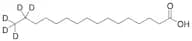
CAS:Controlled Product<p>Applications Hexadecanoic-15,15,16,16,16-d5 Acid (CAS# 285979-77-3) is a useful isotopically labeled research compound.<br></p>Formula:C16H27D5O2Color and Shape:NeatMolecular weight:261.464-Benzoyl-1H-pyrrole-2-acetic Acid Ethyl Ester
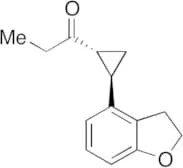
CAS:Controlled Product<p>Applications 4-Benzoyl-1H-pyrrole-2-acetic Acid Ethyl Ester is an intermediate in the synthesis of rac Ketorolac 6-Benzoyl Isomer (K235620). rac Ketorolac 6-Benzoyl Isomer (Ketorolac EP Impurity C) is an isomeric impurity of Ketorolac (K235620).<br></p>Formula:C15H15NO3Color and Shape:NeatMolecular weight:257.28(1R,2R)-2-(2,3-Dihydro-4-benzofuranyl)-cyclopropanecarboxylic Acid Ethyl Ester
CAS:Controlled ProductFormula:C14H16O2Color and Shape:NeatMolecular weight:216.2763-tert-Butyldimethylsilyloxy-9-octadecenoic Acid Ethyl Ester
CAS:Controlled ProductFormula:C26H52O3SiColor and Shape:NeatMolecular weight:440.7816-Mercaptohexadecan-1-ol
CAS:Controlled ProductFormula:C16H34OSColor and Shape:NeatMolecular weight:274.5063-[(2,3-Dimethylphenyl)amino]-3-oxo-proponic Acid Ethyl Ester
CAS:Controlled Product<p>Applications 3-[(2,3-Dimethylphenyl)amino]-3-oxo-proponic Acid Ethyl Ester is an intermediate used in the synthesis of Repirinast-d4 (R144562), which is a labeled Repirinast (R144560). Antiallergic.<br>References Phillipps, G., et al.: J. Med. Chem., 37, 3717 (1994), Tronde, A., et al.: J. Pharm. Sci., 92, 1216 (2003),<br></p>Formula:C13H17NO3Color and Shape:NeatMolecular weight:235.2791-Bromohexadecane-d33
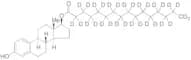
CAS:Controlled Product<p>Applications 1-Bromohexadecane-d33 (CAS# 284474-41-5) is a useful isotopically labeled research compound.<br></p>Formula:C16D33BrColor and Shape:NeatMolecular weight:338.55Estradiol 17-Palmitate-d31
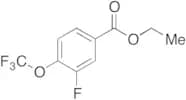
CAS:Controlled Product<p>Applications Estradiol 17-Palmitate-d31 is the isotope analog of Estradiol 17-Palmitate. Estradiol 17-Palmitate is a metabolite of estradiol (E888000) which is the major estrogen secreted by the premenopausal ovary.<br>References Salole, E.G., et al.: Anal. Profiles Drug Subs., 15, 283 (1986), Lievertz, R.W., et al.: Am. J. Obstet. Gynecol., 156, 1289 (1987),<br></p>Formula:C34H23D31O3Color and Shape:NeatMolecular weight:399.483-Fluoro-4-(trifluoromethoxy)benzoic Acid Ethyl Ester
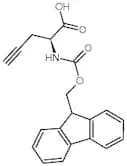
CAS:Controlled ProductFormula:C10H8F4O3Color and Shape:NeatMolecular weight:252.16Fmoc-l-propargylglycine
CAS:Controlled Product<p>Applications Fmoc-l-propargylglycine has been used to study the bioorthogonal chemical tagging of protein cholesterylation in living cells.<br>References William P. H., et al., ChemComm., 47, 4081-4083 (2011)<br></p>Formula:C20H17NO4Color and Shape:NeatMolecular weight:335.35cis-4-Amino-3-hydoxy-1-piperidinecarboxylic Acid Ethyl Ester
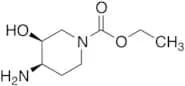
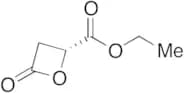
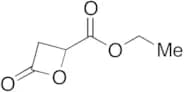
CAS:Controlled ProductFormula:C8H16N2O3Color and Shape:NeatMolecular weight:188.224(2S)-4-Oxo-2-oxetanecarboxylic Acid Ethyl Ester
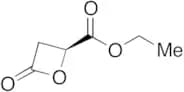
CAS:Controlled ProductFormula:C6H8O4Color and Shape:NeatMolecular weight:144.125Hexadecanoic-11,11,12,12-d4 Acid
CAS:Controlled Product<p>Applications Hexadecanoic-11,11,12,12-d4 Acid (CAS# 75736-57-1) is a useful isotopically labeled research compound.<br></p>Formula:C16H28D4O2Color and Shape:NeatMolecular weight:260.45Hexadecanoic Acid-1,2-13C2
CAS:Controlled Product<p>Applications Hexadecanoic Acid-1,2-13C2 (CAS# 86683-25-2) is a useful isotopically labeled research compound.<br></p>Formula:C14C)2H32O2Color and Shape:NeatMolecular weight:258.41N-Ethylpropargylamine Hydrochloride
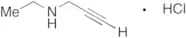
CAS:Controlled ProductFormula:C5H9N•HClColor and Shape:NeatMolecular weight:119.592-Amino-3-nitrobenzoic Acid Ethyl Ester
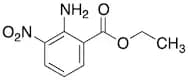
CAS:Controlled ProductFormula:C9H10N2O4Color and Shape:NeatMolecular weight:210.1872,3,4,5-Tetrafluorobenzoylacetic Acid Ethyl Ester
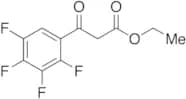
CAS:Controlled Product<p>Applications 2,3,4,5-Tetrafluorobenzoylacetic Acid Ethyl Ester is a fluorinated benzoylacetate used as a synthetic reagent in the preparation of antibacterial and potential antitumor agents.<br>References Miyamoto, T. et al.: Chem. Pharmac. Bul., 36, 1321 (1988); Matsumoto, J. et al.: Qunilones, 109 (1989); Srivastava, S.K. et al.: Anti-Cancer Agents Med. Chem., 7, 685 (2007);<br></p>Formula:C11H8F4O3Color and Shape:NeatMolecular weight:264.174-Phenoxy-benzenepropanoic Acid Ethyl Ester
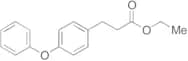
CAS:Controlled ProductFormula:C17H18O3Color and Shape:NeatMolecular weight:270.323(1R,5S,6R)-rel-5-(1-Ethylpropoxy)-7-oxabicyclo[4.1.0]hept-3-ene-3-carboxylic Acid Ethyl Ester
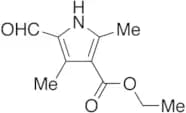
CAS:Controlled ProductFormula:C14H22O4Color and Shape:NeatMolecular weight:254.3225-Formyl-2,4-dimethyl-1H-pyrrole-3-carboxylic Acid Ethyl Ester
CAS:Controlled Product<p>Applications 2,4-Dimethyl-1H-pyrrole-3-carboxylic Acid Ethyl Ester is used as an intermediate in the synthesis of receptor tyrosine kinase (RTK) inhibitors and their metabolites.<br>References Elsinghorst, P. et al.: J. Lab. Comp. Radiopharm., 52, 360 (2009); Sun, L. et al.: J. Med. Chem., 41, 2588 (1998);<br></p>Formula:C10H13NO3Color and Shape:NeatMolecular weight:195.222-Dodecyl-1-hexadecanol
CAS:Controlled ProductFormula:C28H58OColor and Shape:NeatMolecular weight:410.763-(N,N-Dimethylpalmitylammonio)propanesulfonate
CAS:Controlled Product<p>Applications 3-(N,N-Dimethylpalmitylammonio)propanesulfonate is a zwitterionic surfactant used in the preparation of a highly efficient adsorbent for herbicides, DHAPS-Mt.<br>References Gu, Z., et. al.: Ind. Eng. Chem. Res., 54, 4947 (2015)<br></p>Formula:C21H45NO3SColor and Shape:NeatMolecular weight:391.65Valproic Acid Ethyl Ester-d5
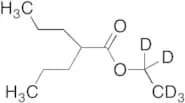
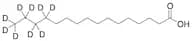
CAS:Controlled ProductFormula:C10H15D5O2Color and Shape:NeatMolecular weight:177.3Hexadecanoic-13,13,14,14,15,15,16,16,16-d9 Acid
CAS:Controlled Product<p>Applications Hexadecanoic-13,13,14,14,15,15,16,16,16-d9 Acid (CAS# 1173022-49-5) is a useful isotopically labeled research compound.<br></p>Formula:C16H23D9O2Color and Shape:NeatMolecular weight:265.48(all-Z)-6,9,12,15,18-Heneicosapentaenoic Acid Ethyl Ester-d5
CAS:Controlled ProductFormula:C23H31D5O2Color and Shape:NeatMolecular weight:508.69(E/Z)-2-Propyl-2,4-pentadienoic Acid Ethyl Ester-d5
CAS:Controlled ProductFormula:C10H11D5O2Color and Shape:NeatMolecular weight:952.038(2E,13Z)-Octadecadien-1-ol
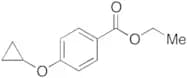
CAS:Controlled ProductFormula:C18H34OColor and Shape:NeatMolecular weight:266.4624-Cyclopropyloxybenzoic Acid Ethyl Ester
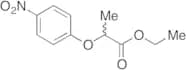
CAS:Controlled ProductFormula:C12H14O3Color and Shape:NeatMolecular weight:206.2382-(4-Nitrophenoxy)-Propanoic Acid Ethyl Ester
CAS:Controlled ProductFormula:C11H13NO5Color and Shape:NeatMolecular weight:239.225Chlorosulfonyl Acetic Acid Ethyl Ester
CAS:Controlled Product<p>Applications Chlorosulfonyl acetic acid ethyl ester<br></p>Formula:C4H7ClO4SColor and Shape:NeatMolecular weight:186.614(2R)-4-Oxo-2-oxetanecarboxylic Acid Ethyl Ester
CAS:Controlled ProductFormula:C6H8O4Color and Shape:NeatMolecular weight:144.125(Z,Z)-5,11-Eicosadienoic Acid Ethyl Ester-d5
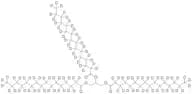
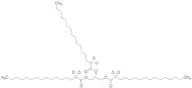
CAS:Controlled ProductFormula:C22H35D5O2Color and Shape:NeatMolecular weight:316.4351,2-Didocosahexaenoyl-3-palmitoyl Glycerol-d5
CAS:Controlled ProductFormula:C63D5H93O6Color and Shape:NeatMolecular weight:956.4791,2-Dipalmitoyl-3-docosahexaenoyl Glycerol
CAS:Controlled ProductFormula:C57H98O6Color and Shape:NeatMolecular weight:879.384(1R,3R,4R)-4-[[(1,1-Dimethylethoxy)carbonyl]amino]-3-hydroxycyclohexanecarboxylic Acid Ethyl Ester
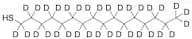
CAS:Controlled ProductFormula:C14H25NO5Color and Shape:NeatMolecular weight:287.3521-Hexadecane-d33-thiol
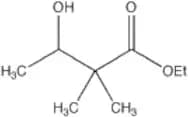
CAS:Controlled Product<p>Applications 1-Hexadecane-d33-thiol (CAS# 218956-22-0) is a useful isotopically labeled research compound.<br></p>Formula:C16HD33SColor and Shape:NeatMolecular weight:291.713-Hydroxy-2,2-dimethylbutyric Acid Ethyl Ester
CAS:Controlled Product<p>Applications 3-Hydroxy-2,2-dimethylbutyric Acid Ethyl Ester (cas# 69737-23-1) is a compound useful in organic synthesis.<br></p>Formula:C8H16O3Color and Shape:NeatMolecular weight:160.216-Chloronicotinic Acid Ethyl Ester
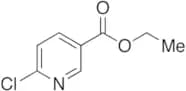
CAS:Controlled Product<p>Applications 6-Chloronicotinic Acid Ethyl Ester is a nicotinic acid derivative used in the preparation of potent H3 receptor antagonists.<br>References Pippel, D.J. et al.: Org. Proc. Res. Dev., 15, 638 (2011);<br></p>Formula:C8H8ClNO2Color and Shape:NeatMolecular weight:185.61N-Propargylmaleimide
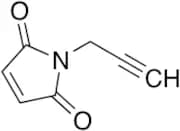
CAS:Controlled ProductFormula:C7H5NO2Color and Shape:NeatMolecular weight:135.12Cyclopropanepropanoic Acid Ethyl Ester
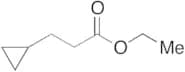
CAS:Controlled ProductFormula:C8H14O2Color and Shape:NeatMolecular weight:142.1964-Chloro-5H-pyrrolo[3,2-d]pyrimidine-6-carboxylic Acid Ethyl Ester
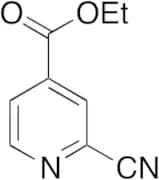
CAS:Controlled ProductFormula:C9H8ClN3O2Color and Shape:NeatMolecular weight:225.6322-Cyano-4-pyridinecarboxylic Acid Ethyl Ester
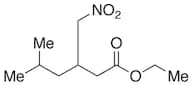
CAS:Controlled ProductFormula:C9H8N2O2Color and Shape:NeatMolecular weight:176.1725-Methyl-3-(nitromethyl)hexanoic Acid Ethyl Ester
CAS:Controlled Product<p>Applications Pregabalin intermediate.<br>References Decicco, C., et al.: Bioorg. Med. Chem. Lett., 7, 2331 (1997),<br></p>Formula:C10H19NO4Color and Shape:ColourlessMolecular weight:217.26Propargyl butylcarbamate-d9
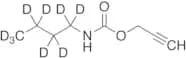
CAS:Controlled Product<p>Applications Used in the preparation of cosmetic and pharamceutical products.<br> Not a dangerous good if item is equal to or less than 1g/ml and there is less than 100g/ml in the package<br></p>Formula:C8H4D9NO2Color and Shape:NeatMolecular weight:164.25Glyceryl Tri(hexadecanoate-2,2-d2)
CAS:Controlled Product<p>Applications Glyceryl Tri(hexadecanoate-2,2-d2) (CAS# 241157-06-2) is a useful isotopically labeled research compound.<br></p>Formula:C51H92D6O6Color and Shape:NeatMolecular weight:813.38Stearidonic Acid Ethyl Ester-d5
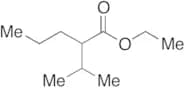
CAS:Controlled ProductFormula:C20H27D5O2Color and Shape:NeatMolecular weight:309.5rac 2-Isopropyl Pentanoic Acid Ethyl Ester
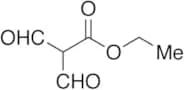
CAS:Controlled ProductFormula:C10H20O2Color and Shape:NeatMolecular weight:172.262-Formyl-3-oxopropanoic Acid Ethyl Ester
CAS:Controlled Product<p>Applications 2-Formyl-3-oxopropanoic Acid Ethyl Ester is used cyclocondensation reactions for the preparation of heterocyclic compounds such as polyfunctionally substituted pyridines.<br>References Torii, S. et al.: Synthesis, 5, 400 (1986); Schenone, P. et al.: J. Heterocyc. Chem., 27, 295 (1990);<br></p>Formula:C6H8O4Color and Shape:NeatMolecular weight:144.13Ethyl Propargylate
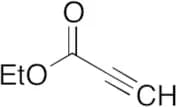
CAS:Controlled Product<p>Applications Ethyl Propargylate is used in the synthesis of substituted anthraquinones. Also used in the preparation of inhibitory pyrazolo[1,5-a]pyridines for anti-inflammatory activity.<br> Not a dangerous good if item is equal to or less than 1g/ml and there is less than 100g/ml in the package<br>References Chang, M. et al: Synth. Comm., 43, 3363 (2013); Kojima, A. et al.: Bioorg. Med. Chem. Lett., 23, 5311 (2013);<br></p>Formula:C5H6O2Color and Shape:NeatMolecular weight:98.16,7-Dihydro-6-oxo-1H-pyrazolo[3,4-b]pyridine-3-carboxylic Acid Ethyl Ester
CAS:Controlled ProductFormula:C9H9N3O3Color and Shape:NeatMolecular weight:207.19Hexacosanoic Acid Ethyl Ester-d5
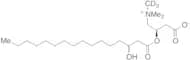
CAS:Controlled ProductFormula:C28H51D5O2Color and Shape:NeatMolecular weight:884.3633-Hydroxyhexadecanoyl-d3-carnitine Chloride
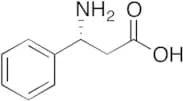
CAS:Controlled ProductFormula:C23D3H43NO5·ClColor and Shape:NeatMolecular weight:455.087Glyceryl Tri(hexadecanoate-16,16,16-d3)
CAS:Controlled Product<p>Applications Glyceryl Tri(hexadecanoate-16,16,16-d3) (CAS# 285979-78-4) is a useful isotopically labeled research compound.<br></p>Formula:C51H89D9O6Color and Shape:NeatMolecular weight:816.39(betaS)-β-Aminobenzenepropanoic Acid Ethyl Ester
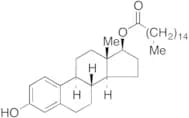
CAS:Controlled ProductFormula:C11H15NO2Color and Shape:NeatMolecular weight:193.242Estradiol 17-Palmitate
CAS:Controlled ProductFormula:C34H54O3Color and Shape:NeatMolecular weight:510.7914-Oxo-2-oxetanecarboxylic Acid Ethyl Ester
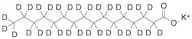
CAS:Controlled ProductFormula:C6H8O4Color and Shape:NeatMolecular weight:144.125Potassium Hexadecanoate-d31
CAS:Controlled Product<p>Applications Potassium Hexadecanoate-d31 (CAS# 63074-47-5) is a useful isotopically labeled research compound.<br></p>Formula:C16D31KO2Color and Shape:NeatMolecular weight:325.71Dimethyl Trimethylsilyl Propargylphosphonate
CAS:Controlled Product<p>Applications Dimethyl Trimethylsilyl Propargylphosphonate (cas# 228120-29-4) is a compound useful in organic synthesis.<br></p>Formula:C8H17O3PSiColor and Shape:NeatMolecular weight:220.28Fingolimod Palmitate Amide-d4
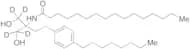
CAS:Controlled ProductFormula:C35H59D4NO3Color and Shape:NeatMolecular weight:549.923-N-Propargylaminoindan-1-one Mesylate
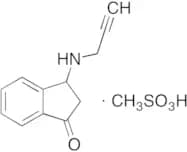
CAS:Controlled ProductFormula:C12H11NO•(CH4O3S)Color and Shape:NeatMolecular weight:281.33(2E)-2,4-Pentadienoic Acid Ethyl Ester
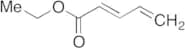
CAS:Controlled ProductFormula:C7H10O2Color and Shape:NeatMolecular weight:126.1535,5,5-Trifluoro-3-oxo-pentanoic Acid Ethyl Ester
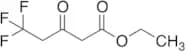
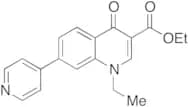
CAS:Controlled ProductFormula:C7H9F3O3Color and Shape:NeatMolecular weight:198.141-Ethyl-1,4-dihydro-4-oxo-7-(4-pyridyl)quinoline-3-carboxylic Acid Ethyl Ester
CAS:Controlled Product<p>Applications 1-Ethyl-1,4-dihydro-4-oxo-7-(4-pyridyl)quinoline-3-carboxylic Acid Ethyl Ester is an intermediate in the synthesis of Rosoxacin (R693580), an antibacterial agent used against Escherichia coli, Klebsiella pneumoniae, Pseudomonas aeruginosa, Staphylococcus aureus and Streptococcus pneumoniae.<br>References Koba, M., et. al.: J. Mol. Modeling, 16, 327 (2010)<br></p>Formula:C19H18N2O3Color and Shape:NeatMolecular weight:322.36Fmoc-D-propargylglycine
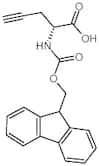
CAS:Controlled Product<p>Applications Fmoc-D-propargylglycine<br></p>Formula:C20H17NO4Color and Shape:NeatMolecular weight:335.353-Tridecylhexadecanoic Acid
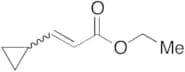
CAS:Controlled ProductFormula:C29H58O2Color and Shape:NeatMolecular weight:438.773-Cyclopropyl-2-propenoic Acid Ethyl Ester
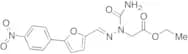
CAS:Controlled ProductFormula:C8H12O2Color and Shape:NeatMolecular weight:140.18Ethyl N-hydrazinyl Acetate Dantrolene
CAS:Controlled ProductFormula:C16H16N4O6Color and Shape:NeatMolecular weight:360.321Potassium Hexadecanoate-2,2-d2
CAS:Controlled Product<p>Applications Potassium Hexadecanoate-2,2-d2 (CAS# 203805-86-1) is a useful isotopically labeled research compound.<br></p>Formula:C16H29D2KO2Color and Shape:NeatMolecular weight:296.531,2-Dipalmitoyl-3-docosahexaenoyl Glycerol-d5
CAS:Controlled ProductFormula:C57D5H93O6Color and Shape:NeatMolecular weight:884.4151-(2-Fluorobenzyl)-1H-pyrazolo[3,4-b]pyridine-3-carboxylic Acid Ethyl Ester
CAS:Controlled Product<p>Applications 1-(2-Fluorobenzyl)-1H-pyrazolo[3,4-b]pyridine-3-carboxylic Acid Ethyl Ester is used in various studies of stimulators of soluble guanylate cyclase.<br>References Straub, A., et al.: Bioorg. Med. Chem. Lett., 11, 781 (2001); Mittendorf, J., et al.: ChemMedChem, 4, 853 (2009); Straub, A., et al.: Bioorg. Med. Chem., 10, 1711 (2002)<br></p>Formula:C16H14FN3O2Color and Shape:NeatMolecular weight:299.3(2E,4E)-2,4-Decadienoic Acid Ethyl Ester-d5
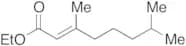
CAS:Controlled ProductFormula:C12D5H15O2Color and Shape:NeatMolecular weight:201.317(E)-3,7-Dimethyl-2-octenoic Acid Ethyl Ester
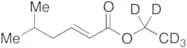
CAS:Controlled ProductFormula:C12H22O2Color and Shape:NeatMolecular weight:198.3025-Methyl-2-hex-2-enoic Acid Ethyl Ester-d5
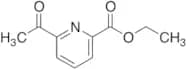
CAS:Controlled ProductFormula:C9H11D5O2Color and Shape:NeatMolecular weight:470.6846-Acetyl-picolinic Acid Ethyl Ester
CAS:Controlled Product<p>Applications 6-ACETYL-PICOLINIC ACID ETHYL ESTER (cas# 114578-70-0) is a useful research chemical.<br></p>Formula:C10H11NO3Color and Shape:NeatMolecular weight:193.19Propargyl Sulfide
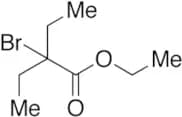
CAS:Controlled Product<p>Stability Air Sensitive, Light Sensitive<br>Applications Propargyl Sulfide (cas# 13702-09-5) is a useful research chemical.<br> Not a dangerous good if item is equal to or less than 1g/ml and there is less than 100g/ml in the package<br></p>Formula:C6H6SColor and Shape:NeatMolecular weight:110.18α-Bromodiethylacetic Acid Ethyl Ester
CAS:Controlled ProductFormula:C8H15BrO2Color and Shape:NeatMolecular weight:223.107Tuberculostearic Acid Ethyl Ester
CAS:Controlled ProductFormula:C21H42O2Color and Shape:NeatMolecular weight:811.87(betaS)-β-Aminocyclohexanepropanoic Acid Ethyl Ester
CAS:Controlled ProductFormula:C11H21NO2Color and Shape:NeatMolecular weight:199.296-Bromo-1,4-dioxa-8-azaspiro[4.5]decane-8-carboxylic Acid Ethyl Ester
CAS:Controlled Product<p>Applications 6-Bromo-1,4-dioxa-8-azaspiro[4.5]decane-8-carboxylic Acid Ethyl Ester is an intermediate in the synthesis of loratadine (L469575) related compounds.<br>References Bruttmann, G., et al.: J. Allergy Clin. Immunol., 83, 411 (1989), Haria, M., et al.: Drugs, 48, 617 (1994)<br></p>Formula:C10H16BrNO4Color and Shape:NeatMolecular weight:294.14tert-Butyl (1-Chloro-2-oxo-7,10,13-trioxa-3-azahexadecan-16-yl)carbamate
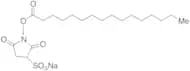
CAS:Controlled ProductFormula:C17H33ClN2O6Color and Shape:NeatMolecular weight:396.907Sulfosuccinimidyl Palmitate Sodium
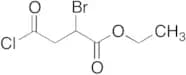
CAS:Controlled Product<p>Applications Sulfosuccinimidyl Palmitate Sodium is an analog of Sulfosuccinimidyl Oleate Sodium (S689200).<br></p>Formula:C20H34NNaO7SColor and Shape:NeatMolecular weight:455.5412-Bromo-4-chloro-4-oxo-butanoic Acid Ethyl Ester
CAS:Controlled ProductFormula:C6H8BrClO3Color and Shape:NeatMolecular weight:243.4835-Acetyl-2H-pyrazole-3-carboxylic Acid Ethyl Ester
CAS:Controlled Product<p>Applications 5-Acetyl-2H-pyrazole-3-carboxylic Acid Ethyl Ester (cas# 37622-89-2) is a useful research chemical.<br></p>Formula:C8H10N2O3Color and Shape:NeatMolecular weight:182.18Elaidic Acid Ethyl Ester
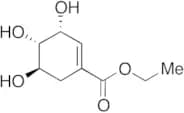
CAS:Controlled ProductFormula:C20H38O2Color and Shape:NeatMolecular weight:545.535Shikimic Acid Ethyl Ester
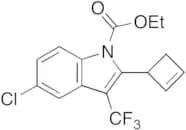
CAS:Controlled ProductFormula:C9H14O5Color and Shape:NeatMolecular weight:202.22-Cyclobutenyl-3-trifluoromethyl-5-chloro-1H-indole-1-carboxylic Acid Ethyl Ester
CAS:Controlled Product<p>Applications 2-Cyclobutenyl-3-trifluoromethyl-5-chloro-1H-indole-1-carboxylic acid ethyl ester is synthesized from 5-chloro-2-oxindole (C375030), which is used in the preparation of novel GSK-3β inhibitors as anticancer agents.<br>References Choi, M.J., et al.: Bull. Korean. Chem. Soc., 32, 2015 (2011); Otani, M., et al.: Bioorg. Med. Chem. Lett.. 20, 4259 (2010); Jhan, Y.H., et al.: Tetrahedron. Lett., 54, 1155 (2013); Hsieh, J.C., et al.: Org. Biomolec. Chem., 10, 6404 (2012);<br></p>Formula:C16H13ClF3NO2Color and Shape:NeatMolecular weight:343.732-Amino-6-chloro-α-cyano-3-(ethoxycarbonyl)-4H-1-benzopyran-4-acetic Acid Ethyl Ester
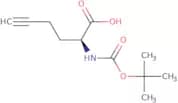
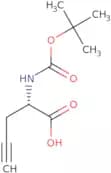
CAS:Controlled ProductFormula:C17H17ClN2O5Color and Shape:NeatMolecular weight:364.78Boc-HomoGly(Propargyl)-OH
CAS:<p>Please enquire for more information about Boc-HomoGly(Propargyl)-OH including the price, delivery time and more detailed product information at the technical inquiry form on this page</p>Formula:C11H17NO4Purity:Min. 95%Molecular weight:227.26 g/molrac-3-hexadecanamido-2-methoxypropan-1-ol phosphocholine monohydrate
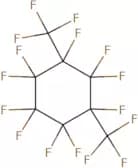
CAS:<p>Please enquire for more information about rac-3-hexadecanamido-2-methoxypropan-1-ol phosphocholine monohydrate including the price, delivery time and more detailed product information at the technical inquiry form on this page</p>Formula:C25H55N2O7PPurity:Min. 95%Molecular weight:526.69 g/molHexadecafluoro(1,3-dimethylcyclohexane)
CAS:Controlled Product<p>Ternary mixtures of hexadecafluoro(1,3-dimethylcyclohexane) with fluorine and hydrogen fluoride are stable compounds. The proton is a constant, which is the only variable in the equation. The analytical method for determining the amount of hexadecafluoro(1,3-dimethylcyclohexane) in a mixture can be found in reference 1. This reference also discusses the matrix effect on this compound's stability and optical properties. Reference 2 discusses transfer reactions that are present when hexadecafluoro(1,3-dimethylcyclohexane) is heated to temperatures of 400°C or above. Reference 3 discusses how polymer films can be formed by heating hexadecafluoro(1,3-dimethylcyclohexane) with a solvent such as pentane. Reference 4 discusses how covid-19 pandemic has been shown to be effective against the H2 strain of subt</p>Formula:C8F16Purity:Min. 95%Molecular weight:400.06 g/mol4-Oxo-1-piperidinecarboxylic acid ethyl ester
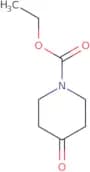
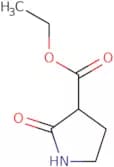
CAS:Controlled Product<p>4-Oxo-1-piperidinecarboxylic acid ethyl ester is an antimicrobial agent that belongs to the group of unsaturated ketones. It has been shown to have clinical activity against gram-positive bacteria, including Staphylococcus aureus, Enterococcus faecalis and Streptococcus pneumoniae, as well as Candida albicans. It also exhibits significant antiinflammatory activity in mice with chronic inflammation induced by carrageenan or LPS. 4-Oxo-1-piperidinecarboxylic acid ethyl ester inhibits the enzyme dpp-4, which is involved in the production of amyloid beta peptides and type II diabetes. This compound was also shown to possess anticholinesterase activity in vitro.</p>Formula:C8H13NO3Purity:Min. 95%Molecular weight:171.19 g/mol2-Oxopyrrolidine-3-carboxylic acid ethyl ester
CAS:<p>Please enquire for more information about 2-Oxopyrrolidine-3-carboxylic acid ethyl ester including the price, delivery time and more detailed product information at the technical inquiry form on this page</p>Formula:C7H11NO3Purity:Min. 95%Molecular weight:157.17 g/molEthyl palmitate
CAS:<p>Ethyl palmitate is a glycol ether that belongs to the group of esters. It has been shown to have biochemical properties and natural compounds such as caproic acid and ethyl palmitate. The liquid form of ethyl palmitate is clear, colorless, and odorless with a density of 1.065 g/mL at 20°C. Ethyl palmitate is soluble in ethanol, diethylether, benzene, chloroform, carbon tetrachloride, acetic acid ethyl ester, acetone, ethyl acetate, dichloromethane, and methanol. Ethyl palmitate can be used as a model system or analytical method for the identification of other lipids in biological samples.</p>Formula:C18H36O2Purity:Min. 95%Molecular weight:284.48 g/molrac 1,2-Bis-palmitoyl-3-chloropropanediol-D5
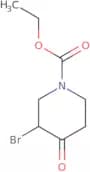
CAS:Controlled Product<p>Rac-1,2-Bis-palmitoyl-3-chloropropanediol (rac1,2BPC) is a dispersive compound that has been used in the experimental phase of extraction. It has been shown to be efficient in the quantification and screening of fatty acids. Rac1,2BPC has also been used as a spiking agent for food samples to identify contaminants. The recoveries have been validated and linearity has been demonstrated. Rac1,2BPC is an anion that can be quantified by liquid chromatography with wavelength detection at 202 nm.</p>Formula:C35H62D5ClO4Purity:Min. 95%Molecular weight:592.38 g/mol3-Bromo-4-oxo-piperidine-1-carboxylic acid ethyl ester
CAS:<p>3-Bromo-4-oxo-piperidine-1-carboxylic acid ethyl ester is a monoclinic crystal of the salt of 3-bromo-4-oxo-piperidine and 1,2-ethanediol. It is used as an intermediate in the synthesis of cisapride, a medication that regulates gastrointestinal motility. 3BOCEP has been shown to hydrolyze in the stomach with a rate constant of 2 x 10 M s. The bromination product is cisapride, which has been shown to regulate gastrointestinal motility by stimulating GI smooth muscle contractions.</p>Formula:C8H12BrNO3Purity:Min. 95%Molecular weight:250.09 g/molBoc-L-Propargylglycine
CAS:<p>Boc-L-Propargylglycine is an antibacterial agent that can be used for the treatment of cancer. It has been shown to have specificities against cancer cells, as well as a high potency and low toxicity. Boc-L-Propargylglycine may be useful in biochemistry experiments because it can form conjugates with amines, hydroxyl groups, and amino acids. This drug also binds to DNA by forming triplexes and high-potency complexes with guanine residues. Boc-L-propargylglycine has been shown to inhibit the growth of cancer cells in vitro. It is orally bioactive, which means that it is absorbed and distributed throughout the body when taken by mouth.</p>Formula:C10H15NO4Purity:Min. 95%Molecular weight:213.23 g/mol1,2-Dilinoleoyl-3-palmitoyl-rac-glycerol
CAS:<p>1,2-Dilinoleoyl-3-palmitoyl-rac-glycerol (DLPG) is a lipid molecule that is structurally similar to the sphingolipid ceramide. It has been shown to be an inhibitor of cellular uptake and growth rate and also has long-term toxicity effects. DLPG has been shown to inhibit the signal transduction pathway by binding to microprocessors in the cell membrane and changing their frequency. DLPG also has a profile that can be used as an analog for dextran sulfate, which is a chemical compound that inhibits the uptake of glucose in mammalian cells. The uptake of DLPG can be decoupled from its signaling activity by using constant magnetic fields, which can be generated with superparamagnetic iron oxides or iron particles.</p>Formula:C55H98O6Purity:Min. 95%Molecular weight:855.36 g/mol2,3-Dipalmitoyl-sn-glycero-1-phosphocholine
CAS:<p>2,3-Dipalmitoyl-sn-glycero-1-phosphocholine is a synthetic lipid that is used as a surfactant in biological research. It is a proton donor that destabilizes membranes and interacts with phosphatidylcholine. The deformation of the lipid bilayer may be due to its protonation state. This synthetic lipid has been shown to increase fluidity of the membrane by changing the acyl chain composition and surfactant properties. 2,3-Dipalmitoyl-sn-glycero-1-phosphocholine also increases membrane transport by interacting with the bilayer and forming lamellar structures. The enantiomeric form of this lipid has been found to be more effective than its racemic mixture in the inhibition of cholesterol biosynthesis.</p>Formula:C40H80NO8PPurity:Min. 95%Molecular weight:734.04 g/molPalmitoyl chloride
CAS:<p>Palmitoyl chloride is a chemical compound that has the chemical formula CH3(CH2)16COCl. It is an ester of palmitic acid and chloroform. Palmitoyl chloride has a phase transition temperature of 39°C, giving it high resistance to heat. It can be used as a model system for studying the interactions between hydroxyl groups and chloride ions in water. This compound also has high water permeability and water vapor permeability, making it useful in the treatment of infectious diseases such as malaria. Palmitoyl chloride can be synthesized by reacting sodium carbonate with trifluoroacetic acid, which generates sodium trifluoroacetate. The sodium trifluoroacetate can react with 4-chlorobutyl alcohol to form 4-chlorobutylchloroformate, which reacts with palmitic acid to form palmitoyl chloride.</p>Formula:C16H31ClOPurity:Min. 95%Molecular weight:274.87 g/mol1,3-Dioleoyl-2-palmitoylglycerol
CAS:<p>Dipalmitoylglycerol is a fatty acid that is naturally found in catfish. The optimal conditions for the synthesis of dipalmitoylglycerol from tripalmitin have been determined by surface methodology to be at pH 5 and at 0°C. Dipalmitoylglycerol has been shown to bind to the enzyme acetyl-CoA carboxylase, which is involved in the synthesis of fatty acids, and prevent its activation. As a result, there is no production of malonyl CoA, which is an important precursor in the synthesis of fatty acids. This may be beneficial for infants because it prevents them from developing allergies and asthma.</p>Formula:C55H102O6Purity:Min. 95%Molecular weight:859.39 g/mol(2S,3S,5S)-5-[(N-Formyl-L-leucyl)oxy]-2-hexyl-3-hydroxyhexadecanoic acid
CAS:<p>Please enquire for more information about (2S,3S,5S)-5-[(N-Formyl-L-leucyl)oxy]-2-hexyl-3-hydroxyhexadecanoic acid including the price, delivery time and more detailed product information at the technical inquiry form on this page</p>Formula:C29H55NO6Purity:Min. 95%Molecular weight:513.75 g/mol3,7,11,15-Tetramethyl-1,2,3-hexadecane-triol
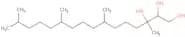
CAS:<p>3,7,11,15-Tetramethyl-1,2,3-hexadecane-triol is a fatty alcohol that is used in detergent compositions. It has been shown to be biocompatible with human skin cells and does not show any carcinogenic potential. 3,7,11,15-Tetramethyl-1,2,3-hexadecane-triol is chemically stable and can be used for sample preparation and light exposure. The particle size of this compound is about 1 micrometer. This substance does not have any toxic effects on skin cells or other cells when it is exposed to light.</p>Formula:C20H42O3Purity:Min. 95%Molecular weight:330.55 g/molMethyl palmitate
CAS:<p>Methyl palmitate is a chemical compound that belongs to the group of esters. It is a colorless liquid with a melting point of -17 °C, boiling point of 113 °C, and density of 0.834 g/mL. Methyl palmitate has shown genotoxic activity in a water vapor-resistant strain of Salmonella typhimurium TA100 and in the Ames assay. This chemical also has metabolic response properties, which may be due to its ability to induce prostaglandin J2 production and inhibit cyclic AMP accumulation in cells. Methyl palmitate is used as an additive for cosmetics, such as skin care products, perfumes, and hair dyes. It can also be found in food products such as margarine and coffee creamer.</p>Formula:C17H34O2Purity:Min. 95%Molecular weight:270.45 g/molrac 2-palmitoyl-3-chloropropanediol
CAS:<p>Please enquire for more information about rac 2-palmitoyl-3-chloropropanediol including the price, delivery time and more detailed product information at the technical inquiry form on this page</p>Formula:C19H37ClO3Purity:Min. 95%Molecular weight:348.95 g/molGlycidyl palmitate
CAS:<p>Glycidyl palmitate is a synthetic fatty acid ester that has reactive hydroxyl groups. It is used in the production of polylactic acid, a biodegradable polymer. Glycidyl palmitate can be prepared by reacting a fatty acid with glycerol and an epichlorohydrin. The elimination rate of glycidyl palmitate from the body has been shown to be activated by surface methodology such as chemical ionization mass spectrometry. Glycidyl palmitate can also be analyzed using gas chromatography with flame ionization detection (GC-FID) or gas chromatography-mass spectrometry (GC-MS). A sample preparation technique for glycidyl palmitate is to dissolve it in sodium salts and use filtration as the final step before analysis. The most common fatty acids present in glycidyl palmitate are oleic acid and linoleic acid.</p>Formula:C19H36O3Purity:Min. 95%Molecular weight:312.49 g/molPropargylaldehyde diethyl acetal
CAS:<p>Propargylaldehyde diethyl acetal is a chemical compound that is used as an intermediate in the synthesis of other compounds. It is a white crystal or crystalline powder that is soluble in organic solvents such as ether, alcohols, and benzene. Propargylaldehyde diethyl acetal has been shown to be potent inhibitors of HSV-1, HSV-2, and HCMV. Furthermore, it has been reported that propargylaldehyde diethyl acetal inhibits the growth of cancer cells in vitro. In addition, propargylaldehyde diethyl acetal has been shown to inhibit the production of autoimmune diseases such as rheumatoid arthritis and multiple sclerosis.</p>Formula:C7H12O2Purity:Min. 95%Color and Shape:Colorless Clear LiquidMolecular weight:128.17 g/molRac 1,2-bis-palmitoyl-3-chloropropanediol
CAS:<p>Rac-1,2-bis-palmitoyl-3-chloropropanediol is a dispersive molecule that is composed of a fatty acid and a chlorinated derivative of palmitic acid. It is used to calibrate the mass spectrometer and as an internal standard in quantitative analysis. Rac-1,2-bis-palmitoyl-3-chloropropanediol reacts with electrospray ionization with a dose-dependent response. It has been shown to be toxic to kidney cells at high doses but not at low doses. This chemical has been detected in food samples after being absorbed from the gastrointestinal tract. Rac 1,2-bis-palmitoyl 3 chloropropanediol can be found in the dipalmitate form or as formic acid.</p>Formula:C35H67ClO4Purity:95%NmrColor and Shape:PowderMolecular weight:587.36 g/molAscorbyl tetraisopalmitate
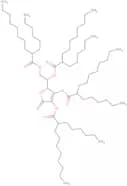
CAS:<p>Antioxidant; skin whitener</p>Formula:C70H128O10Purity:Min. 80%Color and Shape:Clear LiquidMolecular weight:1,129.76 g/mol(R)-2-Hydroxy-4-phenylbutyric acid ethyl ester
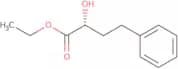
CAS:<p>(R)-2-Hydroxy-4-phenylbutyric acid ethyl ester is a chiral compound that can be synthesized by an asymmetric synthesis reaction. The compound has been shown to inhibit the enzyme phosphodiesterase, which plays a role in the regulation of cardiac function. (R)-2-Hydroxy-4-phenylbutyric acid ethyl ester has also been shown to induce proliferation of recombinant cells and to bind to monoclonal antibodies against human C5a receptor. It is soluble in organic solvents such as isooctane or pyridine and stable under acidic or basic conditions.</p>Formula:C12H16O3Purity:Min. 95%Color and Shape:LiquidMolecular weight:208.25 g/mol2-Amino-6-fluorobenzoic acid ethyl ester
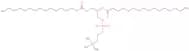
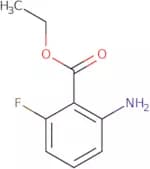
CAS:<p>2-Amino-6-fluorobenzoic acid ethyl ester is a chemical that can be used as a building block in the synthesis of more complex compounds. It is a versatile intermediate and can be used to synthesize other important compounds, such as pharmaceuticals. This compound has been shown to be useful for the preparation of 2-amino-4,6-difluorobenzoic acid ethyl ester and many other derivatives. The colorless solid is soluble in ether and dichloromethane.</p>Formula:C9H10FNO2Purity:Min. 95%Color and Shape:PowderMolecular weight:183.18 g/mol1,2-Dipalmitoyl-sn-glycero-3-phosphocholine
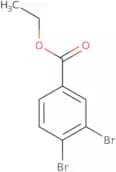
CAS:<p>1,2-Dipalmitoyl-sn-glycero-3-phosphocholine (DPPC) is a sodium salt that has the ability to form surfactant bilayers. DPPC is a model system for studying biochemical reactions and the phase transition of lipid bilayers. This compound has been used to study the effects of various drugs on cell membranes in biochemical research. In addition, DPPC has been shown to have hypoglycemic effects in animal models as well as having an anti-inflammatory effect.</p>Formula:C40H80NO8PPurity:Min. 95 Area-%Color and Shape:PowderMolecular weight:734.04 g/mol3,4-Dibromobenzoic acid ethyl ester
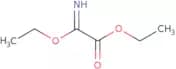
CAS:<p>3,4-Dibromobenzoic acid ethyl ester is a high quality reagent that can be used as an intermediate for the synthesis of complex compounds. It is also useful as a building block for the synthesis of speciality chemicals and research chemicals. 3,4-Dibromobenzoic acid ethyl ester can be used in reactions such as Friedel-Crafts reactions, reducing reactions, and condensations. This chemical is a versatile building block that can be used to construct organic molecules with diverse structures. 3,4-Dibromobenzoic acid ethyl ester is a fine chemical with CAS number 60469-88-7.</p>Formula:C9H8Br2O2Purity:Min. 95%Molecular weight:307.97 g/molEthoxyiminoacetic acid ethyl ester
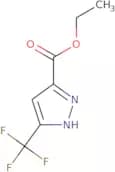
CAS:<p>Ethoxyiminoacetic acid ethyl ester is an annulated, lactam-containing compound that is synthesized via the condensation of ethyl thiooxamate and carboxylic acid. This drug has been shown to be efficient in inhibiting the growth of bacteria that are resistant to antibiotics such as polycyclic, triazoles, and condensates. It also inhibits protein synthesis by binding to bacterial DNA gyrase and topoisomerase IV. Ethoxyiminoacetic acid ethyl ester has shown significant antimicrobial activity against Gram-positive bacteria such as streptococci and staphylococci.</p>Formula:C6H11NO3Purity:Min. 95%Molecular weight:145.16 g/mol5-(Trifluoromethyl)-1H-Pyrazole-3-carboxylic Acid Ethyl Ester
CAS:<p>Please enquire for more information about 5-(Trifluoromethyl)-1H-Pyrazole-3-carboxylic Acid Ethyl Ester including the price, delivery time and more detailed product information at the technical inquiry form on this page</p>Formula:C7H7F3N2O2Purity:Min. 95%Molecular weight:208.14 g/mol1,2-Hexadecanediol
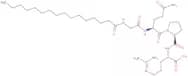
CAS:<p>1,2-Hexadecanediol is a compound that reacts with diphenyl ether and organic solvents at a temperature of 100 degrees Celsius. The reaction time is 5 hours. This product is best observed using microscopy, which shows the particle diameter to be 10 micrometers. 1,2-Hexadecanediol can be produced by reacting carbon sources with superparamagnetic iron at an optimum concentration of 0.5 Molar (M). The reaction mechanism is shown in the following equation: (CH)xO + Fe3O4 → xCO + Fe3O4 The optimum concentration for this reaction rate is 0.5 Molar (M), while the growth rate is 0.1 M/s. 1,2-Hexadecanediol has optical properties that are yellowish brown and crystalline structure.</p>Formula:C16H34O2Purity:Min. 95%Molecular weight:258.44 g/molPalmitoyl tetrapeptide 7
CAS:<p>Palmitoyl tetrapeptide 7 is a bacterial strain that has been shown to inhibit the proliferation of bacteria cells in vitro. It also inhibits the production of inflammatory cytokines and reactive oxygen species (ROS) by human skin cells. This product has been shown to be synergistic with other ingredients such as butanediol, glycerin, hydrogenated lecithin, and fatty acids.</p>Formula:C34H62N8O7Purity:(¹H-Nmr) Min. 95 Area-%Color and Shape:White Off-White PowderMolecular weight:694.91 g/mol1-Oleoyl-3-palmitoyl-rac-glycero-2-phosphoethanolamine
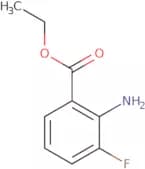
CAS:<p>Please enquire for more information about 1-Oleoyl-3-palmitoyl-rac-glycero-2-phosphoethanolamine including the price, delivery time and more detailed product information at the technical inquiry form on this page</p>Formula:C39H76NO8PPurity:Min. 95%Molecular weight:718 g/mol2-Amino-3-fluorobenzoic acid ethyl ester
CAS:<p>Please enquire for more information about 2-Amino-3-fluorobenzoic acid ethyl ester including the price, delivery time and more detailed product information at the technical inquiry form on this page</p>Formula:C9H10FNO2Purity:Min. 95%Color and Shape:PowderMolecular weight:183.18 g/mol16-Hydroxyhexadecanoic acid
CAS:<p>16-Hydroxyhexadecanoic acid is a fatty acid that contains 16 carbons and 2 hydroxyl groups. It can be found in rat liver microsomes, where it binds to the cytochrome P450 enzyme, inhibiting its activity. The structural analysis of this compound has been shown to have intermolecular hydrogen bonding between the nitrogen atoms and the oxygen atoms in the hydroxyl group. 16-Hydroxyhexadecanoic acid also exhibits phase transition temperatures, which are increased by adding water molecules. This compound also has an inhibitory effect on recombinant cytochrome P450 enzymes from p. pastoris and can be used as a substrate for methyl myristate metabolism. In addition, 16-hydroxyhexadecanoic acid binds to dinucleotide phosphate (NADPH) and fluoresces when excited at 340 nm using a fluorescence detector.</p>Formula:C16H32O3Purity:Min. 95%Color and Shape:White PowderMolecular weight:272.42 g/molMitogenic Pentapeptide Palmitoyl-Cys((RS)-2,3-di(palmitoyloxy)-propyl)-Ser-Ser-Asn-Ala-OH
CAS:<p>Mitogenic Pentapeptide Palmitoyl-Cys((RS)-2,3-di(palmitoyloxy)-propyl)-Ser-Ser-Asn-Ala-OH is a synthetic pentapeptide that can be used to induce cell proliferation and antibody production. This peptide has been used in clinical trials with regulatory approval for use in humans. It has been shown to promote antibody response in animal experiments and to be active against tumor cells in tissue culture and cell cultures. Mitogenic Pentapeptide Palmitoyl-Cys((RS)-2,3-di(palmitoyloxy)-propyl)-Ser-Ser-Asn-Ala-OH also activated the monoclonal antibodies produced by hybridoma cells.</p>Formula:C67H124N6O14SPurity:Min. 95%Molecular weight:1,269.8 g/mol2,2-Dimethyl-4-oxo-3,8,11,14-tetraoxa-5-azahexadecan-16-oic acid
CAS:<p>2,2-Dimethyl-4-oxo-3,8,11,14-tetraoxa-5-azahexadecan-16-oic acid (DMTA) is a versatile building block that can be used in the synthesis of a wide variety of compounds. DMTA is an important intermediate for the synthesis of complex molecules and is a useful scaffold for drug development. It has been shown to be an effective reagent for the synthesis of 2,4,6-trinitrobenzenesulfonic acid as well as other useful compounds. DMTA also has high quality and purity with CAS No. 462100-06-7 and is a speciality chemical.</p>Formula:C13H25NO7Purity:Min. 95%Color and Shape:Colorless PowderMolecular weight:307.34 g/molPalmitoleic acid methyl ester
CAS:<p>Palmitoleic acid methyl ester is a bio-based chemical that can be used in wastewater treatment. It has been shown to inhibit the activity of lipase, an enzyme that catalyzes the hydrolysis of triglycerides, and may be useful for the removal of fatty acids from wastewater. Palmitoleic acid methyl ester has a phase transition temperature of about 120°C and a thermal expansion coefficient similar to polyethylene. This product was found to be a good solid catalyst for the production of nitric oxide from nitrogen atoms. The antioxidant vitamins C and E were found to have synergistic effects with palmitoleic acid methyl ester. This product also has antimicrobial properties against infectious diseases such as tuberculosis, which may be due to its ability to inhibit protein synthesis by disrupting ribosomal function.</p>Formula:C17H32O2Purity:Min. 95%Molecular weight:268.43 g/molDexamethasone 21-palmitate
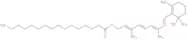
CAS:Controlled Product<p>Dexamethasone 21-palmitate is a sample preparation agent that is used to prevent the loss of cells or particles during storage. It can be used in vitro as an immunosuppressant to inhibit lymphocyte transformation, particle, and cell nuclei formation. Dexamethasone 21-palmitate is also used for eye disorders, inflammatory bowel disease, and human macrophages. The product may also be used for choroidal neovascularization in eye disorders.</p>Formula:C38H59FO6Purity:Min. 95%Color and Shape:White PowderMolecular weight:630.87 g/molVitamin A palmitate
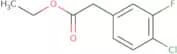
CAS:<p>Vitamin A palmitate is a fat-soluble vitamin that has antioxidant properties. It is available as a supplement in the form of retinol and retinyl palmitate. Vitamin A palmitate is an inactive form of vitamin A that can be converted to retinol in vivo by esterases and other enzymes. The conversion of vitamin A palmitate to retinol may be inhibited by various substances, such as estradiol benzoate. This conversion leads to the formation of free radicals, which cause oxidative injury to cells. Studies have shown that vitamin A palmitate can be toxic for humans because it interferes with the synthesis of mucin, an important constituent of human lungs and airways. Vitamin A palmitate also alters gene expression in some experimental models, leading to changes in cell growth or death.</p>Formula:C36H60O2Color and Shape:Yellow PowderMolecular weight:524.86 g/mol(4-Chloro-3-fluorophenyl)acetic acid ethyl ester
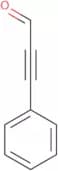
CAS:<p>Please enquire for more information about (4-Chloro-3-fluorophenyl)acetic acid ethyl ester including the price, delivery time and more detailed product information at the technical inquiry form on this page</p>Formula:C10H10ClFO2Purity:Min. 95%Molecular weight:216.64 g/molPhenylpropargylaldehyde
CAS:<p>Phenylpropargylaldehyde is an organic compound that is a chiral molecule, which means it has two enantiomers. It was first synthesized in 1964 by R.B. Woodward and T.W. Rittenberg at the University of Chicago, and is used as a chemical intermediate in the synthesis of other compounds with biological activity such as matrix metalloproteinase inhibitors, for example marimastat. Phenylpropargylaldehyde can be prepared from malonic acid and phenylboronic acid in a reaction mechanism that involves nucleophilic substitutions, carbonyl group activation and hydrogen bonding to lysine residues on proteins. The asymmetric synthesis of this compound has been shown to suppress genes associated with metabolic disorders such as diabetes mellitus type 2, fatty acid metabolism disorders and endocrine disorders (e.g., thyroid). It also has adjuvant therapeutic properties in cancer treatment, especially when combined with synthetic fatty acids such as oleic acid or ar</p>Purity:Min. 95%Docosahexaenoic acid ethyl ester
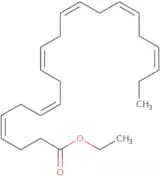
CAS:<p>Docosahexaenoic acid ethyl ester (DHAEE) is a biologically active form of docosahexaenoic acid (DHA), which is an omega-3 polyunsaturated fatty acid. DHAEE is synthesized from DHA through the process of acylation with ethanol. It has been shown to have antioxidant and anti-inflammatory properties in animal studies, as well as improved brain functions. When given to rats, it prevents neuronal death and has been shown to reduce the risk of congestive heart failure.</p>Formula:C24H36O2Purity:Min. 95%Color and Shape:Colorless Yellow Clear LiquidMolecular weight:356.54 g/mol(S)-9,10-Difluoro-2,3-dihydro-3-methyl-7-oxo-7H-pyrido[1,2,3-de]-1,4-benzoxazine-6-carboxylic acid ethyl ester
CAS:<p>(S)-9,10-Difluoro-2,3-dihydro-3-methyl-7-oxo-7H-pyrido[1,2,3-de]-1,4-benzoxazine-6-carboxylic acid ethyl ester is an acidic substance that can be produced by the amination of piperazine with chloroacetic acid. The reaction solution is heated to a temperature of about 120°C for about 30 minutes and then cooled to room temperature. The product precipitates as a white solid. This compound has been shown to have antibacterial activity against methicillin resistant Staphylococcus aureus (MRSA) in plates.</p>Formula:C15H13F2NO4Purity:Min. 95%Molecular weight:309.26 g/molPalmitoyl-Cys((RS)-2,3-di(palmitoyloxy)-propyl)-Ser-Lys-Lys-Lys-Lys-OH trifluoroacetate salt
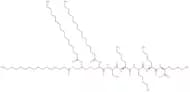
CAS:<p>Agonist of toll-like receptors TLR1/2</p>Formula:C81H156N10O13SPurity:Min. 95%Molecular weight:1,510.23 g/mol4-Chloro-Nicotinic acid ethyl ester hydrochloride
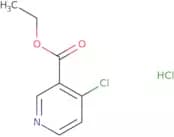
CAS:<p>4-Chloro-Niacin is a lead compound for the treatment of diabetes. The drug is an agonist of the G protein coupled receptor, which is involved in glucose homeostasis and insulin secretion. 4-Chloro-Niacin has been shown to decrease blood glucose levels in diabetic rats by activating the G protein coupled receptor, thereby increasing the release of insulin from pancreatic beta cells. This compound also has an affinity for pyridine nucleotide receptors, suggesting that it may be useful for treating metabolic syndromes.</p>Formula:C8H8ClNO2·HClPurity:Min. 95%Molecular weight:222.07 g/molN-Boc-L-pyroglutamic acid ethyl ester
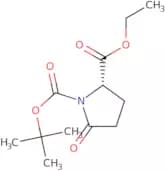
CAS:<p>N-Boc-L-pyroglutamic acid ethyl ester is a chiral building block that can be used for the preparation of amides. It is a good activating agent and is used to synthesize amide bonds from carboxylic acids. N-Boc-L-pyroglutamic acid ethyl ester can be used to synthesize sulfoxides and piperidines, which are ligands. It is also an amido, stereoselective and DPP-4 inhibitor. This chemical simplifies catalysis reactions by replacing the use of toxic solvents.</p>Formula:C12H19NO5Purity:Min. 95%Molecular weight:257.28 g/molMyelin Proteolipid Protein (139-151) (depalmitoylated) (human, bovine, dog, mouse, rat) trifluoroacetate salt
CAS:<p>MPLP(139-151) is a peptide that is derived from the myelin proteolipid protein (PLP). MPLP(139-151) has been shown to inhibit macrophage inflammatory in vitro and brain inflammation in vivo. The inhibition of macrophages was mediated by the induction of apoptosis and inhibition of NF-κB. MPLP(139-151) also induced regression of experimental autoimmune encephalomyelitis in mice, which suggests that it might be useful as a therapeutic agent for multiple sclerosis or other inflammatory diseases.</p>Formula:C72H104N20O16SPurity:Min. 95%Molecular weight:1,537.79 g/mol2-[(5-Chloropyridin-2-yl)amino]-2-oxoacetic acid ethyl ester monohydrochloride
CAS:<p>Intermediate in the synthesis of edoxaban</p>Formula:C9H9ClN2O3·HClPurity:Min. 95%Molecular weight:265.09 g/mol


![4-[Bis(2-hydroxypropyl)amino]benzoic acid ethyl ester, 90%](/_next/image/?url=https%3A%2Fstatic.cymitquimica.com%2Fproducts%2F3D%2Fthumb-webp%2FFB18673.webp&w=3840&q=75)


![2-[4-(4,4,5,5-Tetramethyl-[1,3,2]dioxaborolan-2-yl)phenyl]butyric Acid Ethyl Ester](/_next/image/?url=https%3A%2Fstatic.cymitquimica.com%2Fproducts%2FTR%2Fthumb-webp%2FT302660.webp&w=3840&q=75)



![2-(Dimethoxyphosphinyl)-2-[[(phenylmethoxy)carbonyl]amino]acetic Acid Ethyl Ester](/_next/image/?url=https%3A%2Fstatic.cymitquimica.com%2Fproducts%2FTR%2Fthumb-webp%2FD446715.webp&w=3840&q=75)












![2-[4-(4,4,5,5-Tetramethyl-[1,3,2]dioxaborolan-2-yl)phenyl]butyric Acid Ethyl Ester-d5](/_next/image/?url=https%3A%2Fstatic.cymitquimica.com%2Fproducts%2FTR%2Fthumb-webp%2FT302662.webp&w=3840&q=75)

![Glyceryl Trihexadecanoate-13C2 [1,3-Di(hexadecanoate-1-13C)]](/_next/image/?url=https%3A%2Fstatic.cymitquimica.com%2Fproducts%2FTR%2Fthumb-webp%2FT808131.webp&w=3840&q=75)
![(1S,3S,4S)-4-[[(1,1-Dimethylethoxy)carbonyl]amino]-3-hydroxycyclohexanecarboxylic Acid Ethyl Ester](/_next/image/?url=https%3A%2Fstatic.cymitquimica.com%2Fproducts%2FTR%2Fthumb-webp%2FD473740.webp&w=3840&q=75)




![3,3,12,12-Tetramethyl-1,5,10,14-tetraoxadispiro[5.2.5.2]hexadecane](/_next/image/?url=https%3A%2Fstatic.cymitquimica.com%2Fproducts%2FTR%2Fthumb-webp%2FT305450.webp&w=3840&q=75)








![3-[(2,3-Dimethylphenyl)amino]-3-oxo-proponic Acid Ethyl Ester](/_next/image/?url=https%3A%2Fstatic.cymitquimica.com%2Fproducts%2FTR%2Fthumb-webp%2FD456340.webp&w=3840&q=75)


![(1R,5S,6R)-rel-5-(1-Ethylpropoxy)-7-oxabicyclo[4.1.0]hept-3-ene-3-carboxylic Acid Ethyl Ester](/_next/image/?url=https%3A%2Fstatic.cymitquimica.com%2Fproducts%2FTR%2Fthumb-webp%2FE925685.webp&w=3840&q=75)








![(1R,3R,4R)-4-[[(1,1-Dimethylethoxy)carbonyl]amino]-3-hydroxycyclohexanecarboxylic Acid Ethyl Ester](/_next/image/?url=https%3A%2Fstatic.cymitquimica.com%2Fproducts%2FTR%2Fthumb-webp%2FD473840.webp&w=3840&q=75)
![4-Chloro-5H-pyrrolo[3,2-d]pyrimidine-6-carboxylic Acid Ethyl Ester](/_next/image/?url=https%3A%2Fstatic.cymitquimica.com%2Fproducts%2FTR%2Fthumb-webp%2FC380835.webp&w=3840&q=75)

![6,7-Dihydro-6-oxo-1H-pyrazolo[3,4-b]pyridine-3-carboxylic Acid Ethyl Ester](/_next/image/?url=https%3A%2Fstatic.cymitquimica.com%2Fproducts%2FTR%2Fthumb-webp%2FD450380.webp&w=3840&q=75)






![1-(2-Fluorobenzyl)-1H-pyrazolo[3,4-b]pyridine-3-carboxylic Acid Ethyl Ester](/_next/image/?url=https%3A%2Fstatic.cymitquimica.com%2Fproducts%2FTR%2Fthumb-webp%2FF588320.webp&w=3840&q=75)



![6-Bromo-1,4-dioxa-8-azaspiro[4.5]decane-8-carboxylic Acid Ethyl Ester](/_next/image/?url=https%3A%2Fstatic.cymitquimica.com%2Fproducts%2FTR%2Fthumb-webp%2FB688715.webp&w=3840&q=75)










![(2S,3S,5S)-5-[(N-Formyl-L-leucyl)oxy]-2-hexyl-3-hydroxyhexadecanoic acid](/_next/image/?url=https%3A%2Fstatic.cymitquimica.com%2Fproducts%2F3D%2Fthumb-webp%2FFF23586.webp&w=3840&q=75)













![(S)-9,10-Difluoro-2,3-dihydro-3-methyl-7-oxo-7H-pyrido[1,2,3-de]-1,4-benzoxazine-6-carboxylic acid…](/_next/image/?url=https%3A%2Fstatic.cymitquimica.com%2Fproducts%2F3D%2Fthumb-webp%2FFD21854.webp&w=3840&q=75)
![2-[(5-Chloropyridin-2-yl)amino]-2-oxoacetic acid ethyl ester monohydrochloride](/_next/image/?url=https%3A%2Fstatic.cymitquimica.com%2Fproducts%2F3D%2Fthumb-webp%2FFC63138.webp&w=3840&q=75)